In-Between the Dialogue: Jyoti and Shreya Singh Explore Connection Through Art at Gallery ArtCradle

0

In-Between the Dialogue- Jyoti and Shreya Singh Explore Connection Through Art-01

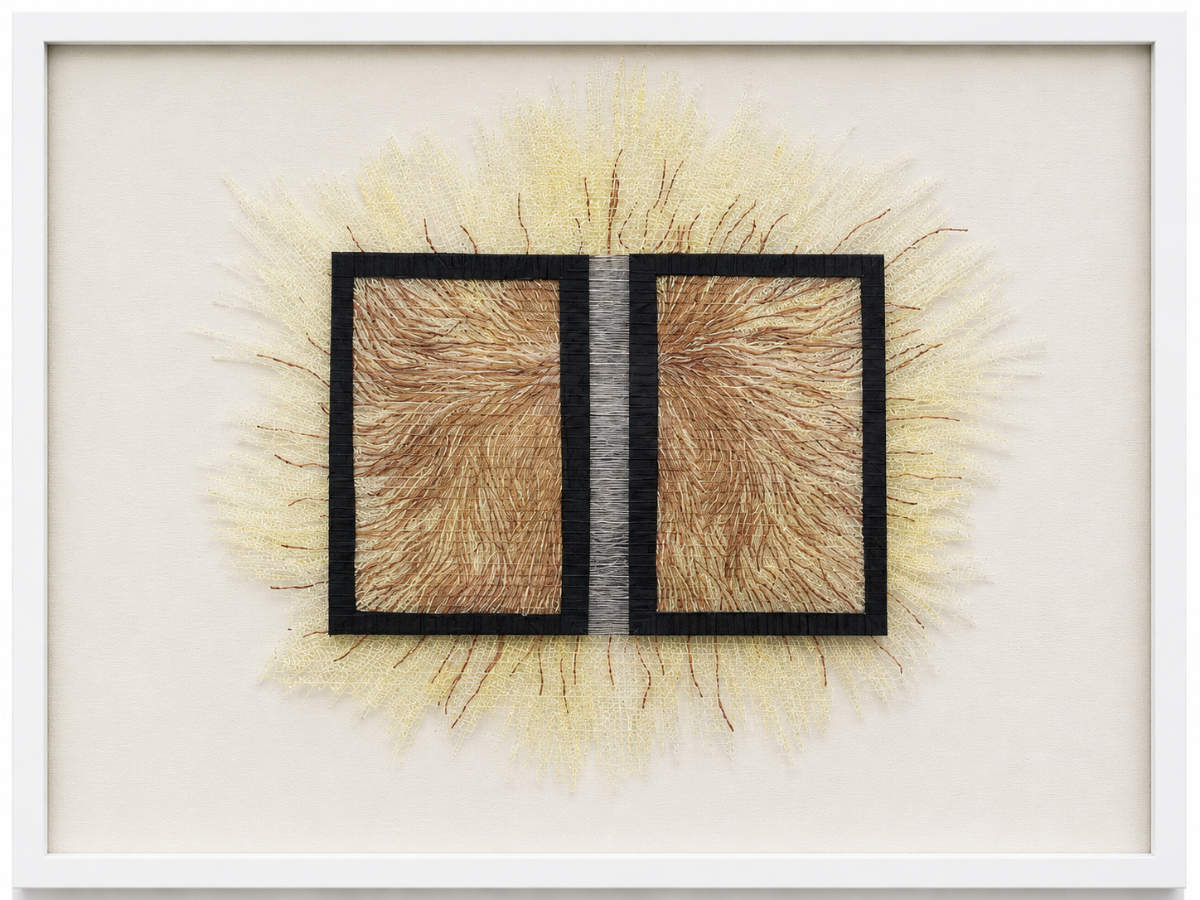
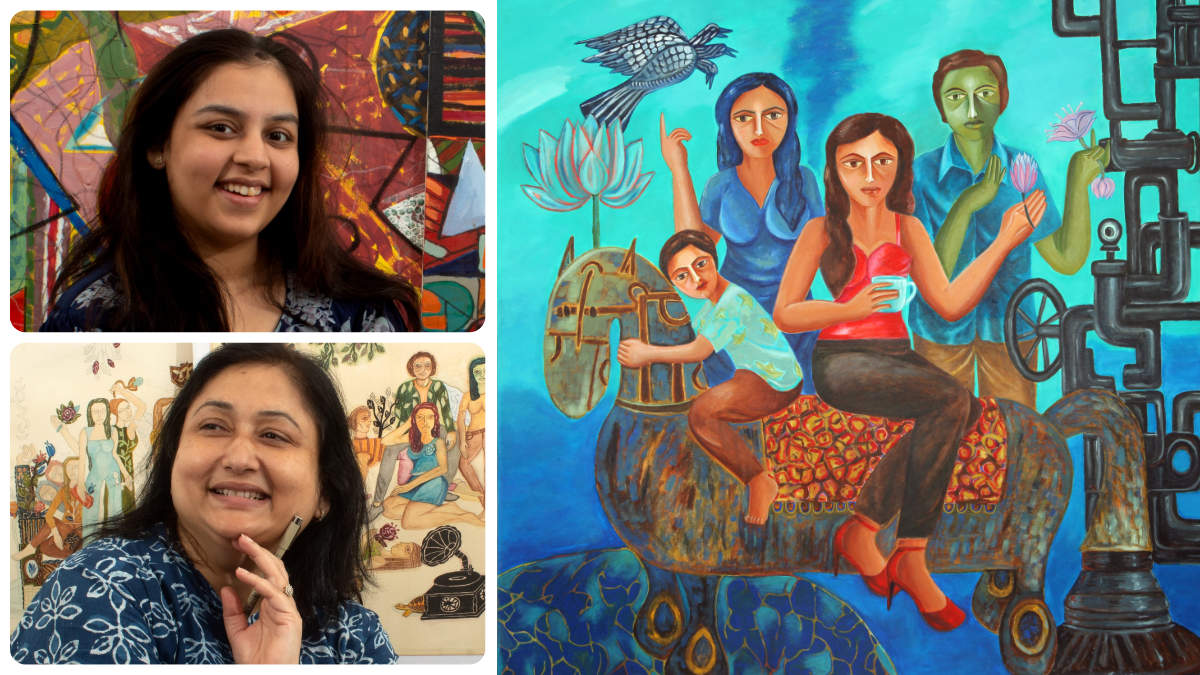
Gallery ArtCradle in Gurugram will present In-Between the Dialogue: Spasht–Aspasht, a two-person exhibition featuring artists Jyoti Singh and Shreya Singh. Curated by Asmita Grover, the exhibition will be on view from 25 September to 6 October 2026 at the gallery’s DLF Phase 1 space. Bringing together the practices of a mother and daughter, the exhibition examines how artistic expression can become a form of communication, connection and self-discovery.

A Conversation Beyond Words

At the centre of the exhibition is the idea that dialogue extends beyond spoken language. Through paintings and abstract compositions, the artists explore how emotions, gestures, memories and shared experiences create meaningful connections. The title Spasht–Aspasht (Clear–Unclear) reflects the space between certainty and ambiguity, where personal narratives and relationships continue to evolve.

The exhibition considers art as a language through which individuals can communicate, encourage one another and better understand themselves. According to the curatorial framework, the works remain distinct while engaging in an ongoing visual conversation.

Jyoti Singh’s Exploration of Nature and Identity
In-Between the Dialogue- Jyoti and Shreya Singh Explore Connection Through Art-02

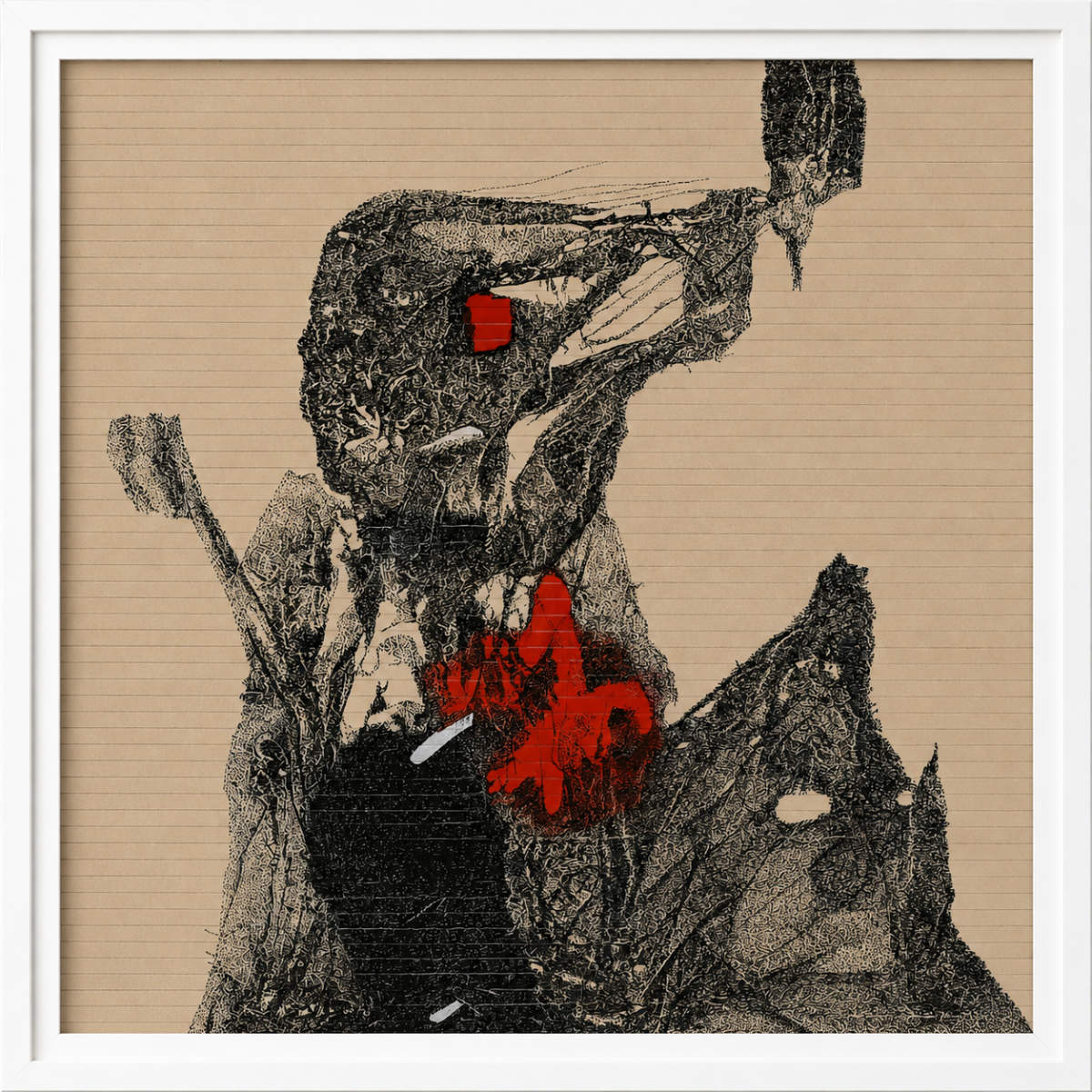
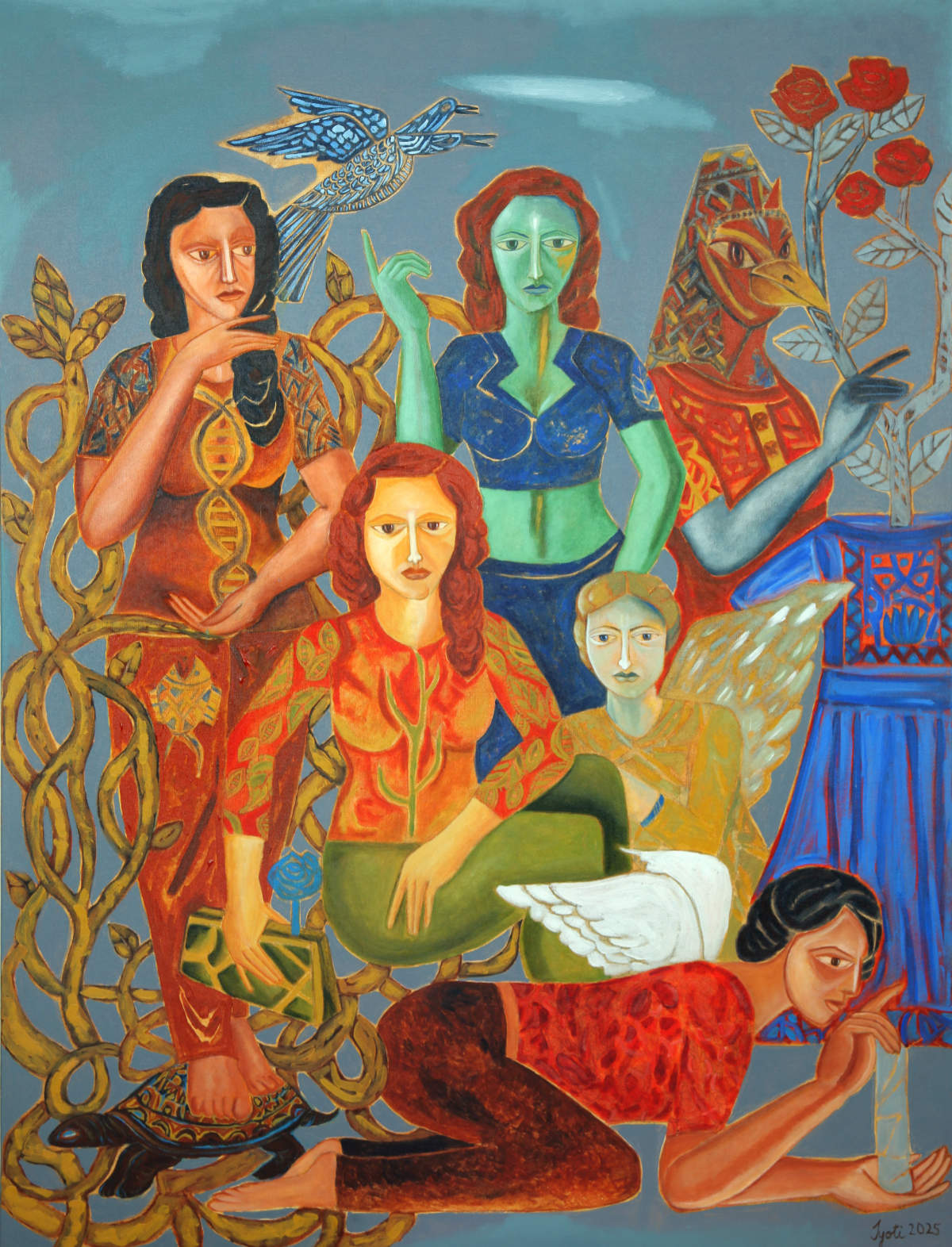
Gurugram-based artist Jyoti Singh (b. 1978) works primarily in acrylic and mixed media. Her practice investigates themes of femininity, identity, nature and inner experience. Drawing from both figurative and abstract traditions, she creates layered visual narratives where women and elements of the natural world become symbols of resilience, transformation and self-reflection.

With academic training in Botany alongside formal fine arts education, Singh combines observation and imagination in her work. Over the years, she has participated in numerous group exhibitions across India, developing a practice that encourages viewers to engage with multiple interpretations rather than a single narrative.

Shreya Singh’s Language of Abstraction
In-Between the Dialogue- Jyoti and Shreya Singh Explore Connection Through Art-03

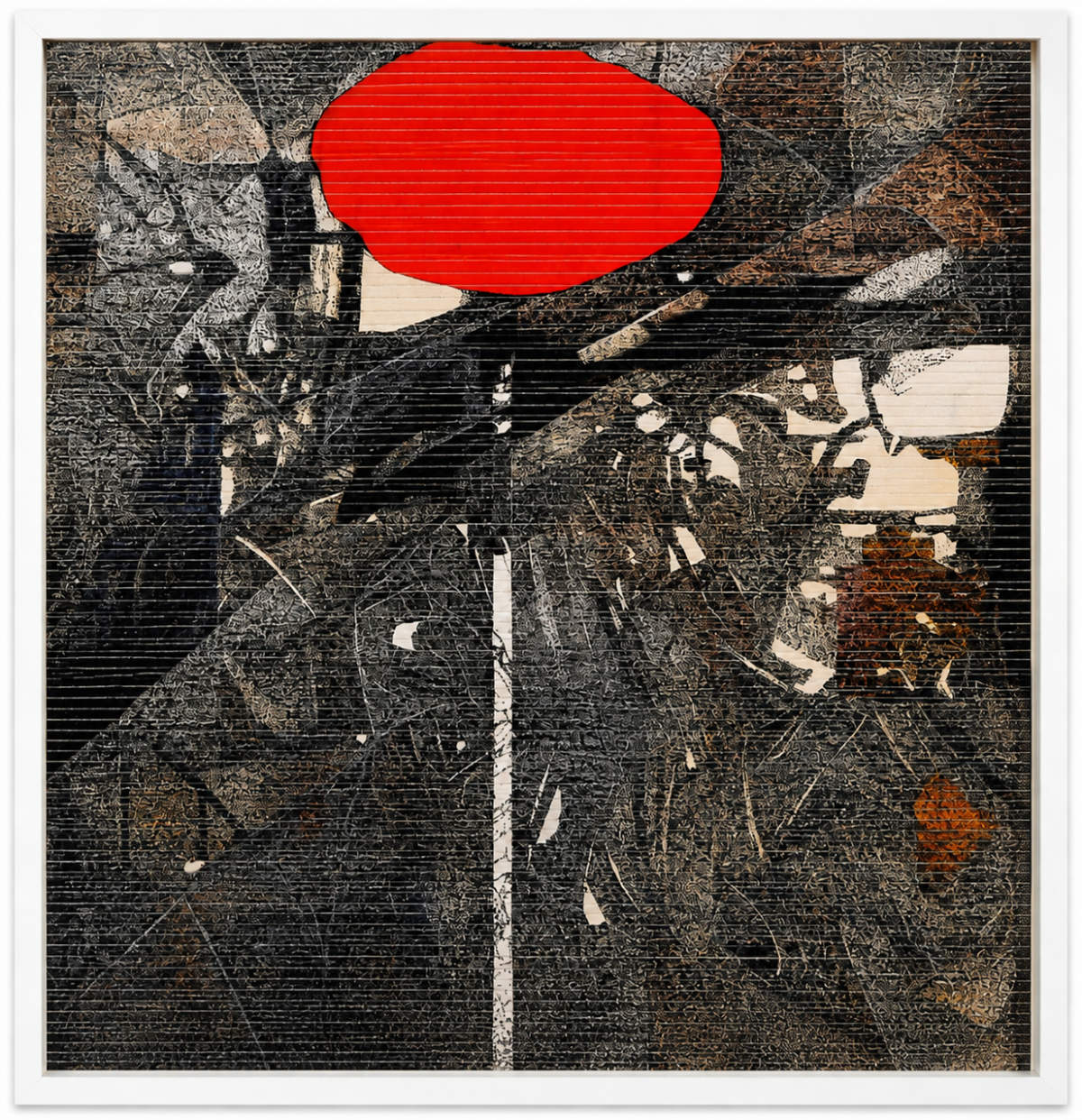
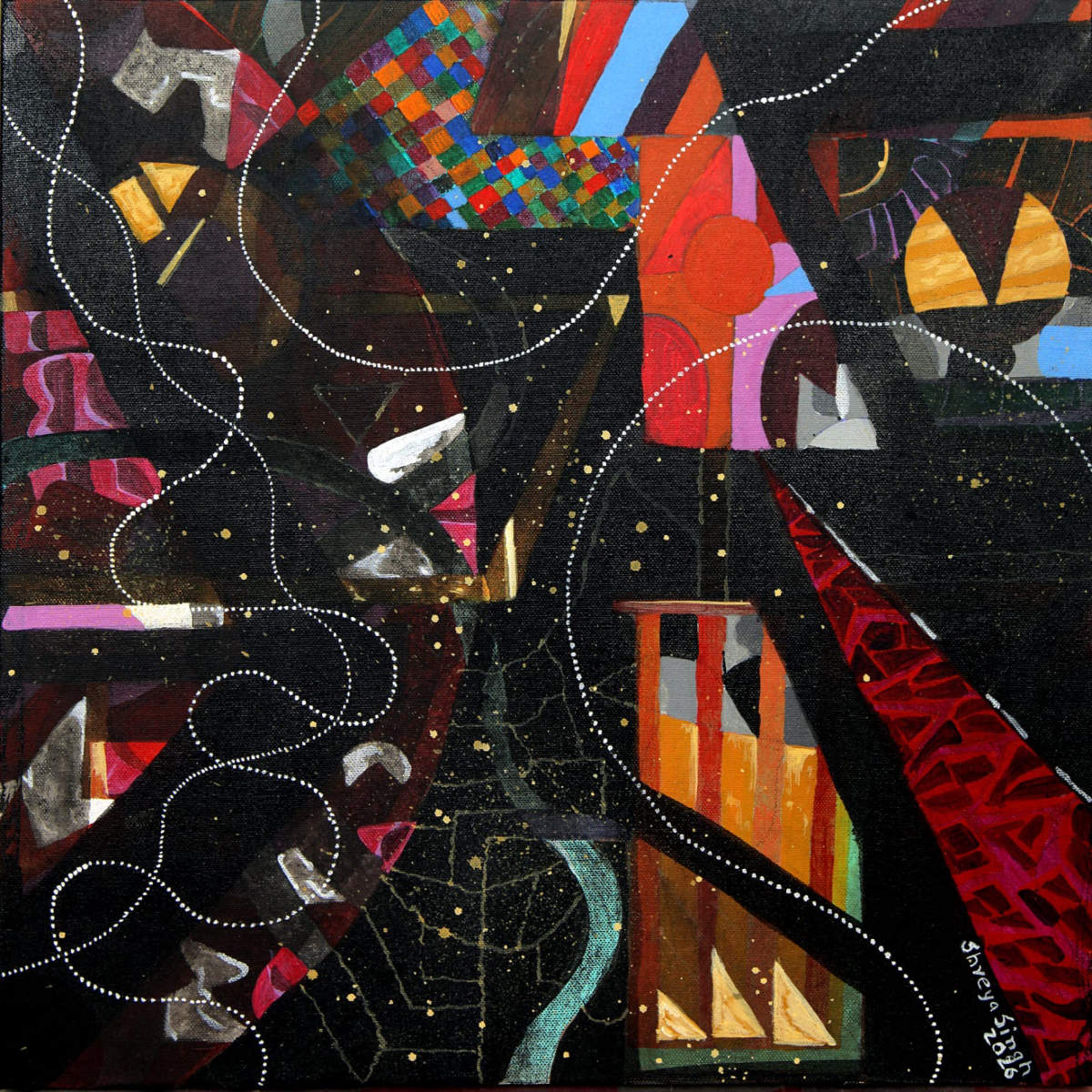
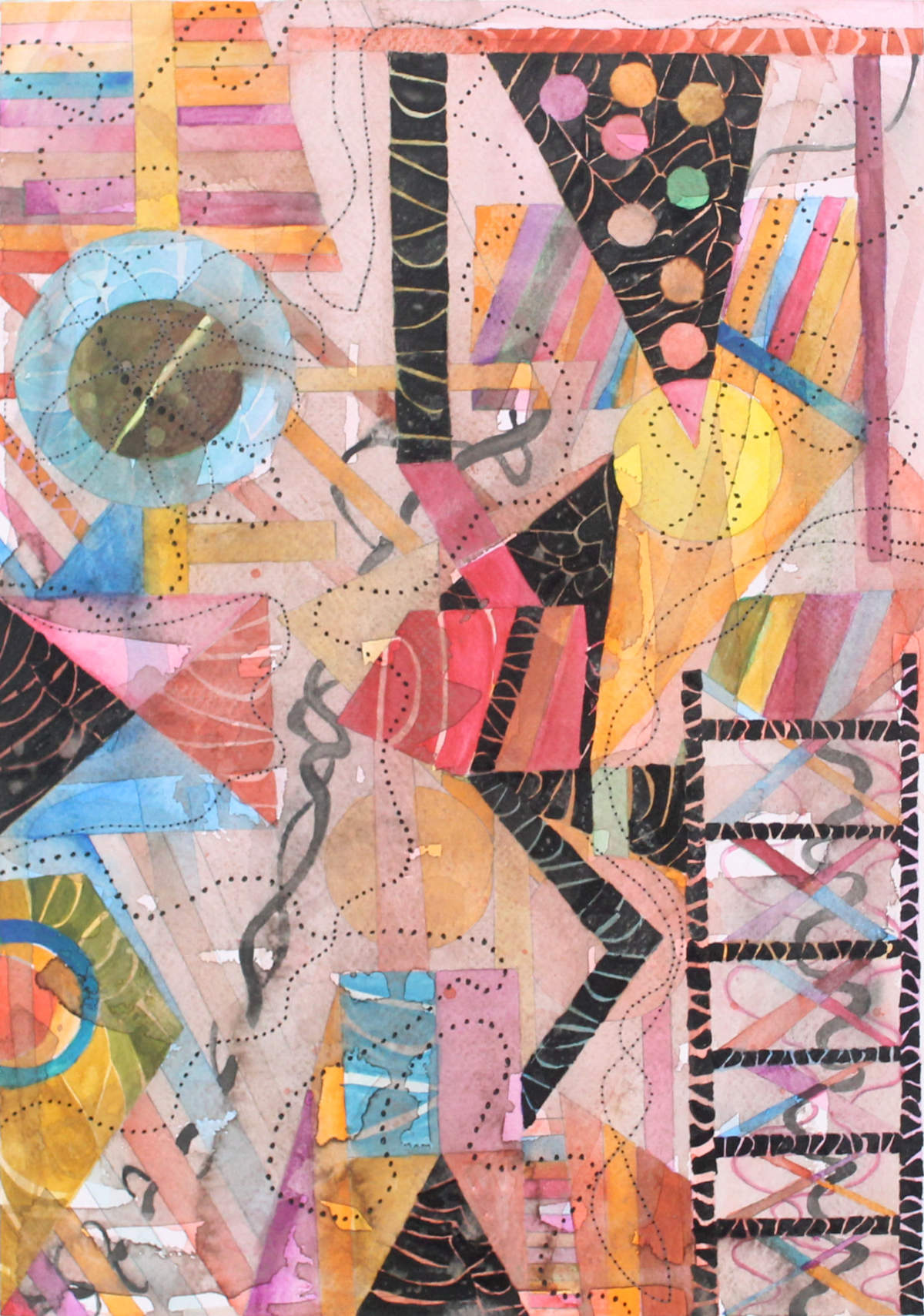
Shreya Singh (b. 2002), a graduate of GD Goenka University with a Bachelor of Fine Arts degree, approaches abstraction through watercolour on paper. Her works investigate the relationships between structure and spontaneity, using colour, geometric forms, lines and negative space to evoke emotional and psychological landscapes.

Her practice draws on personal experiences and explores art as a means of resilience and self-expression. Singh has participated in exhibitions across India and has received recognition through awards and the CCRT Young Artist Scholarship.

Curatorial Perspective

The exhibition is curated by Asmita Grover, a museum curator and heritage professional whose work focuses on museum interpretation, exhibition development and cultural heritage. Grover holds an MPhil from Trinity College Dublin and has academic training in History, Museum Studies, and Public History & Cultural Heritage. Her professional experience includes work with museums and cultural institutions in India, including museum development and heritage initiatives.

According to the curator, the exhibition does not attempt to merge the artists’ practices into a single visual language. Instead, it highlights how two creative journeys can develop independently while remaining connected through shared experiences and familial bonds.

About Gallery ArtCradle
In-Between the Dialogue- Jyoti and Shreya Singh Explore Connection Through Art-04

Founded in 2023, Gallery ArtCradle has positioned itself as a contemporary art platform that supports both emerging and established artists. Beyond exhibitions, the gallery promotes artistic exchange through workshops, events and community engagement initiatives. Its programming spans painting, sculpture, photography and mixed media, with a focus on creating accessible encounters with contemporary art.

Exhibition Highlights

  • Two-person exhibition featuring mother-daughter artists Jyoti Singh and Shreya Singh
  • Curated by museum professional Asmita Grover
  • Exploration of dialogue, memory, identity and artistic connection
  • Works spanning abstraction, mixed media and watercolour
  • Focus on themes of creativity, resilience and self-discovery

Visitor Information

Event Name Details
Artists In-Between the Dialogue: Spasht–Aspasht
Artists Jyoti Singh and Shreya Singh
Curator Asmita Grover
Venue Gallery ArtCradle, DLF Phase 1, Gurugram, Haryana
Exhibition Dates 25 September – 6 October 2026
Organiser Gallery ArtCradle
Entry / Tickets Details available on request
Website https://www.galleryartcradle.com/

For more information about the gallery, visitors can explore Gallery ArtCradle.

Final Thoughts

In-Between the Dialogue: Spasht–Aspasht presents an opportunity to reflect on the ways relationships shape artistic practice and personal growth. By bringing together two distinct voices connected through family and creativity, the exhibition offers audiences a thoughtful exploration of communication, identity and shared experience. In a broader cultural context, the exhibition contributes to ongoing conversations about intergenerational learning, artistic exchange and the role of contemporary art in fostering meaningful connections.
Volte Una Launches Single-Lot Auction Format with Rare 2002 Tyeb Mehta Work

0

Volte Una Launches Single-Lot Auction Format with Rare 2002 Tyeb Mehta Work-01

A new auction platform dedicated to rare Indian masterpieces is set to enter the market with an unconventional approach. Volte Una, founded by art entrepreneur and gallerist Tushar Jiwarajka, will present a single work in each auction rather than a traditional multi-lot catalogue. The platform’s inaugural sale, scheduled for Sunday, 11 October 2026, will feature a 2002 acrylic on canvas by celebrated Indian modernist Tyeb Mehta.

A Different Auction Model

Volte Una has been conceived around the idea that exceptional works deserve focused attention. Instead of presenting dozens of lots in a single sale, the platform will offer one artwork or collectible at a time. According to the announcement, approximately 10 to 12 works will be presented annually, selected for their rarity, provenance and historical significance.

The platform’s scope extends beyond paintings and includes categories such as miniature art, ancient sculpture, historic jewellery and rare vintage automobiles with notable provenance. The emphasis remains on objects that appear infrequently in the market and are difficult for collectors to access.

Founder’s Background in Indian Art

Volte Una is the latest venture from Tushar Jiwarajka, founder and director of Volte Art Projects. Established in Mumbai in 2009, Volte Art Projects has developed a reputation for working with both contemporary artists and important modern masters. In recent years, the organisation expanded its operations to Dubai’s Alserkal Avenue cultural district, where it continues to stage exhibitions and large-scale art projects.

Jiwarajka has long focused on significant works by leading Indian artists including Tyeb Mehta, M.F. Husain, S.H. Raza, V.S. Gaitonde and F.N. Souza. His gallery has also collaborated with international contemporary artists and institutions across multiple regions.

The Inaugural Lot

Volte Una Launches Single-Lot Auction Format with Rare 2002 Tyeb Mehta Work-02

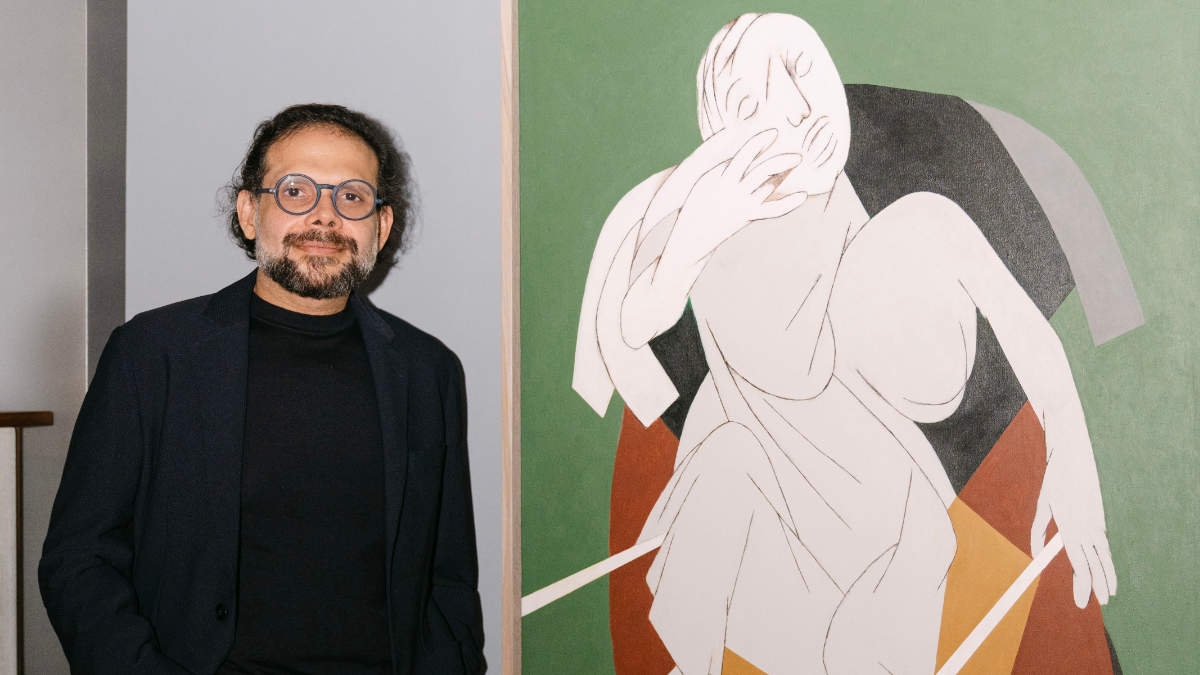
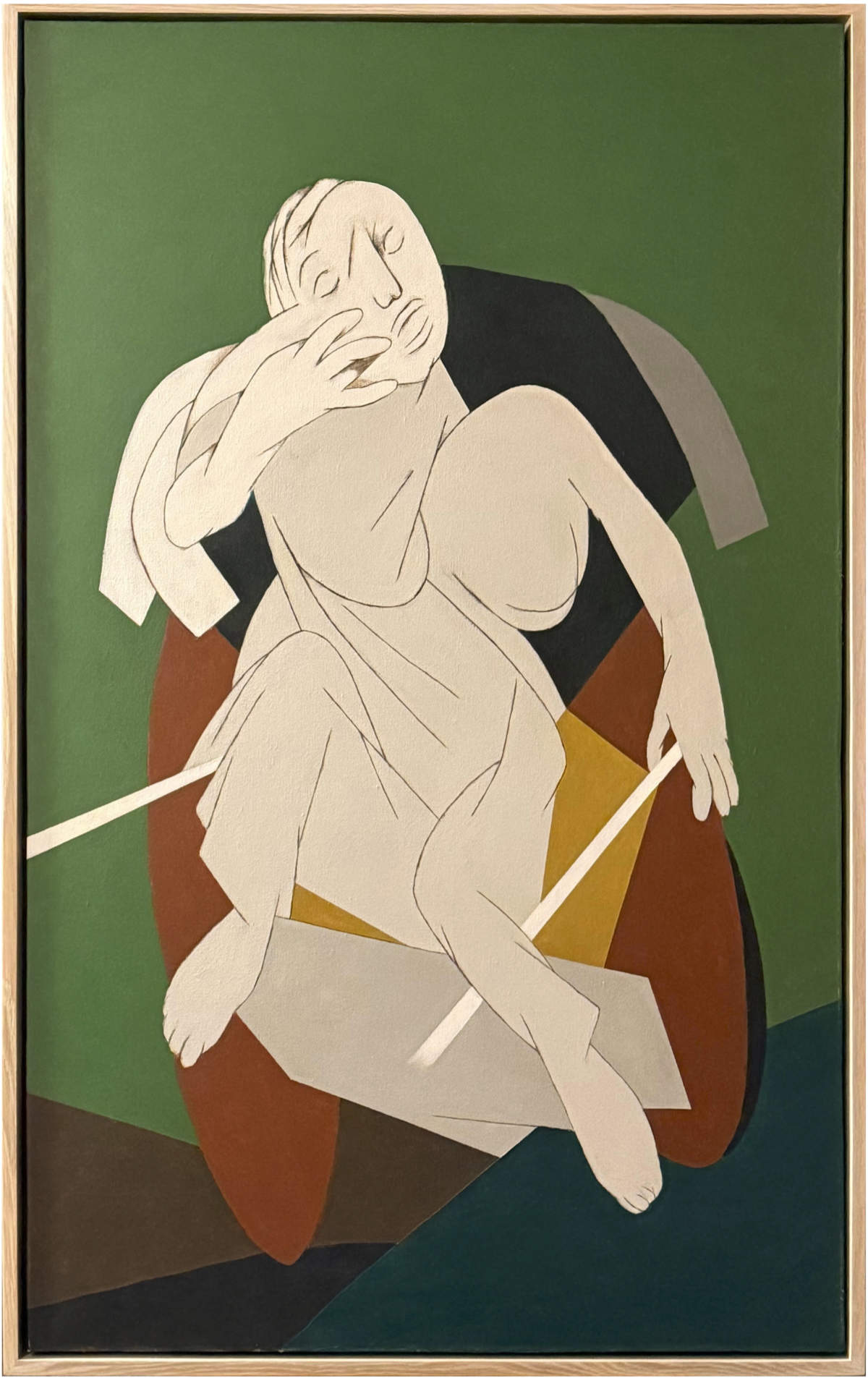
The first Volte Una auction will centre on a 2002 painting by Tyeb Mehta (1925–2009), one of the most influential figures in post-Independence Indian art. Mehta’s works are widely recognised for their powerful figurative imagery, restrained colour palettes and distinctive use of diagonal forms. His paintings have consistently attracted strong interest from collectors and institutions worldwide.

According to Volte Una, works from this period of Mehta’s practice rarely appear at auction. The featured painting, titled Rickshaw Puller, belongs to a subject the artist revisited over several decades and is being presented as the sole lot of the inaugural sale.

Highlights of the First Auction

  • One artwork presented as the sole lot of the sale
  • Tyeb Mehta’s Rickshaw Puller (2002)
  • Acrylic on canvas
  • Auction date: 11 October 2026
  • Focus on rarity, provenance and historical significance

Focus on Rare Collectibles

Volte Una states that its selection process prioritises works that may appear only once or twice over many years rather than pieces regularly found in auction catalogues. The platform is positioned at the upper end of the market, with low estimates beginning at approximately US$1 million.

The annual programme is expected to feature a carefully curated mix of artworks and collectible objects, reflecting broader narratives within Indian cultural history while appealing to established collectors.

New Fee Structure

Another distinguishing feature of the platform is its fee model.

Auction Terms

  • Seller’s premium: 0%
  • Buyer’s premium: 15% flat rate
  • Estimated annual offerings: 10–12 lots
  • Focus: Rare Indian masterpieces and exceptional collectibles

Volte Una says the structure is intended to provide clarity for both sellers and buyers while keeping attention on the object itself.

Event Details
Auction Volte Una Inaugural Auction
Artist Tyeb Mehta (1925–2009)
Format One exceptional lot per auction
Opening Date 11 October 2026
Annual Selection Approximately 10–12 works
Organiser Volte Una
Founder Tushar Jiwarajka
Entry / Registration Registration via official website
Website https://www.volte.auction

Looking Ahead

The launch of Volte Una arrives at a time when interest in Indian modern art continues to attract global attention. By limiting each auction to a single lot, the platform proposes an alternative model that prioritises depth of engagement over volume. Whether the approach reshapes expectations in the high-value art market remains to be seen, but the inaugural Tyeb Mehta offering signals a focus on rarity and carefully selected works.

In a broader cultural context, the initiative highlights ongoing efforts to bring significant Indian artworks and collectibles into focused public view. For collectors, scholars and art enthusiasts, the format may offer a different way of engaging with works that rarely become available, while also contributing to wider conversations about preservation, provenance and the value of cultural heritage.

Your Modular Kitchen Is Incomplete Without a Designer Kitchen Sink

0

Your Modular Kitchen Is Incomplete Without a Designer Kitchen Sink-1A

Consider an average day in the kitchen. You might be washing vegetables, getting a pot ready, or washing a cup after your breakfast, going from the sink to the countertop to the stove several times. That is the reason you should give more thought to choosing a sink other than considering the counter space left for it. The right choice of a modern kitchen sink will organize these activities and will enhance the look of your modular kitchen.

A modular kitchen is built in relation to how its components function in harmony, and the sink is among the many appliances that you use more frequently in a kitchen. The position and even design of the sink will have an impact on the efficiency and aesthetics of the kitchen, and thus selecting the sink alongside with other items like cabinets and tap is important.

Why a Designer Kitchen Sink Completes a Modular Kitchen

A sink should not feel like an element added after the cabinets and worktop have been finalised. It sits at the centre of several everyday activities, making its design and functionality important to the overall kitchen plan.

It Becomes Part of the Kitchen’s Look

The sink forms part of the work surface which is visible and may affect the design of the kitchen. The right selection of the modern kitchen sink will enable it to fit with the work surface, cabinets, and tap.

The finish and proportions should also work with the surrounding elements. When these details are considered together, the sink can become part of the kitchen’s visual flow.

It Helps in Routine Kitchen Activities

The kitchen sink has to be capable of dealing with the process of washing, rinsing and preparing food on a routine basis. With proper design, these tasks become easier without the need for extra motion within the kitchen.

In those kitchens where there is frequent cooking, the sink becomes a very important part of the preparation and cleaning routine. This makes functionality just as important as appearance.

India’s Growing Interest in Kitchen Sinks

The growing popularity of modular kitchens is also reflected in India’s kitchen sink market. According to Bonafide Research, the India kitchen sinks market is anticipated to grow at more than 7.97% CAGR from 2025 to 2030. The research identifies the increasing demand for modular and smart kitchen designs as one of the trends influencing this market.

Other aspects addressed by the report include various installation types, like drop-in, undermount, and others; and materials used, which include stainless steel, granite, and ceramic, among others. The report is written based on both primary and secondary research involving interviews with industry stakeholders, retailers, distributors, and consumers from diverse regions and demographics.

All this increases the relevance of the sink when planning for a modern modular kitchen.

What Makes a Kitchen Sink Right for a Modular Design?

An appropriate kitchen sink design must seem as though it was made to fit into your kitchen rather than being added on later. There are a number of things that could help you make the appropriate decision.

Selecting the Right Material

There are various materials from which kitchen sinks can be made, all of which differ from each other in terms of their look and ease of maintenance. Among the common ones are stainless steel, granite composite, ceramic, and other types.

You must also take into consideration how well the material goes with your kitchen’s interior.

Think About The Right Sink Size And Configuration

A sink that allows ample space for washing and preparing while not dominating the counter space is what you need.

Look at whether you will need:

  • A single or double bowl
  • A deeper washing area
  • Additional draining space
  • Accessories that support preparation or cleaning

The right choice depends on how the kitchen is used rather than simply selecting the largest available option.

Pay Attention to Installation

Installation style affects how the sink sits within the worktop. Top-mount and undermount sinks are among the options considered in the Indian market, while integrated formats are also available.

An undermount stainless steel modular kitchen sink, for example, can create a more continuous transition between the worktop and basin. Other installation styles can provide different practical and visual benefits.

A Simple Checklist Before You Choose

What to Check Why It Matters
Material Influences appearance, maintenance and everyday use
Size Needs to suit the worktop and kitchen layout
Bowl configuration Determines how washing and preparation tasks can be organised
Installation type Affects the sink’s relationship with the worktop
Tap position Supports comfortable everyday use
Overall style Helps create a coordinated modular kitchen

Make the Sink Part of the Design From the Start

The ideal modular kitchen requires that all its components be designed with the total space in mind. The sink requires as much thought as cabinets, countertops, and appliances because it takes part in many kitchen tasks.

The right choice of a modular kitchen sink is capable of creating a combination of efficiency and aesthetics, becoming an integral part of the entire kitchen design. Instead of treating the kitchen sink as an afterthought, plan it from the start, considering its size and design.

When exploring options for a modern kitchen in India, Lorazzo offers kitchen and bathroom products to meet the demands of modern homes. The products in their kitchen line could be helpful in making the kitchen setup more coordinated and functional. This would not be difficult with a little consideration of the available options that complement the kitchen’s layout and style.

Liminal Landscapes: A Journey Within Showcases Yusuf’s Abstract Worlds at Tao Art Gallery

0

Liminal Landscapes Yusuf 21. Chak Daman 2

Tao Art Gallery, Mumbai is presenting “Liminal Landscapes: A Journey Within”, a solo exhibition by senior contemporary artist Yusuf. Curated by Sanjana Shah, Creative Director of Tao Art Gallery, the exhibition brings together a body of abstract works that examine memory, lived experience and the inner landscapes that shape human perception. The exhibition opened with a preview on August 20, 2026 and remains on view until September 25, 2026.

A Journey Through Inner Landscapes

The exhibition centres on Yusuf’s longstanding engagement with abstraction. Through linear drawings, geometric forms, fragmented imagery and carefully balanced colour fields, the artist constructs visual environments that invite viewers into spaces of recollection and contemplation. According to the exhibition note, these works transform abstract landscapes into reflections of internal worlds shaped by memory and experience.

Yusuf describes the landscapes in his paintings as reflections of “the internal landscapes we all carry within us,” using line, form, colour and fragmentation to explore memories and fragments of existence.

The Evolution of a Distinctive Visual Language

Liminal Landscapes Yusuf Woman

Born in Gwalior, Madhya Pradesh, in 1952, Yusuf has developed a distinctive artistic language over a career spanning more than five decades. His work is widely recognised for its use of line as a central compositional element, often creating meditative and rhythmic abstractions that balance movement and stillness. He earned diplomas in Fine Arts and Sculpture from Gwalior and has exhibited extensively in India and abroad.

His artistic practice has been influenced by nature, music and geometry, with critics and fellow artists noting his mastery of line and abstraction. Yusuf has participated in significant exhibitions including the VII Triennale in New Delhi and the Bangladesh Biennale in Dhaka, while his works have also been shown in Japan, Korea and other international venues.

Exhibition Highlights

Liminal Landscapes Yusuf Micro Eruption

The exhibition presents works that move between order and disruption, creating visual rhythms through minimalist brushwork and fragmented forms.

Highlights include:

  • Large-scale abstract canvases exploring memory and perception
  • Works featuring Yusuf’s signature linear structures
  • Compositions balancing symmetry, fragmentation and movement
  • Paintings that draw on personal reflection and lived experience

One featured work, Cosmic Feelings (2026), demonstrates the artist’s continuing exploration of abstraction through acrylic and ink on canvas.

Curatorial Perspective

Liminal Landscapes Yusuf Cloud

Curator Sanjana Shah notes that Yusuf’s practice has evolved steadily over several decades while maintaining a recognisable visual identity. She describes the works as meditative in nature, where abstraction is anchored by emerging forms and shapes that create a unique relationship between content and visual treatment.

The exhibition aims to create a space where viewers can engage with transitions between experience and artistic practice, allowing abstract forms to function as vehicles for memory and intuition.

Visitor Information

Event Details
Title Liminal Landscapes: A Journey Within
Artist Yusuf
Venue Tao Art Gallery, Mumbai, India
Opening Date Preview: August 20, 2026 (6:00 pm – 8:30 pm)
Exhibition Dates August 20 – September 25, 2026
Organiser Tao Art Gallery
Entry / Tickets Open to visitors during gallery hours
Website / Registration https://www.taoartgallery.com

Final Thoughts

Through Liminal Landscapes: A Journey Within, Yusuf presents a body of work that reflects decades of engagement with abstraction and the expressive potential of line, form and colour. The exhibition offers audiences an opportunity to consider how memory, perception and lived experience can be translated into visual language. By bringing together personal reflection and contemporary abstraction, the show contributes to ongoing conversations about the role of art in understanding both individual and collective experiences.

Wayang Kulit: Indonesia’s Shadow Puppetry Tradition Comes to Bengaluru

0

Wayang Kulit-Indonesian Shadow Puppetry Tradition Comes to Bengaluru-01A

As part of Bali in Bengaluru, an international cultural exchange programme by Param Foundation, Bengaluru audiences will have an opportunity to experience Wayang Kulit, Indonesia’s traditional shadow puppetry form.

The performance will be presented at Jagriti Theatre, Whitefield, on 4 October 2026, with two scheduled shows.

A Living Performance Tradition

Wayang Kulit is a centuries-old storytelling tradition that continues to play an important role in Balinese and Indonesian cultural life. Combining intricately crafted leather puppets, light, music and narration, the art form is known for its distinctive visual language and its role in preserving mythology, oral histories and traditional narratives.

The practice has been passed down through generations of artists, making it one of Indonesia’s most enduring performance traditions.


View this post on Instagram


A post shared by Param (@paramculture)

What Audiences Can Expect

The performance brings together puppetry, storytelling and music to create a shadow theatre experience. Audiences will encounter the craftsmanship behind the hand-made leather puppets as well as the performance techniques that have shaped the tradition over centuries.

The event offers an opportunity to experience a form of storytelling that continues to be performed across Indonesia today.

Cultural Exchange Through the Arts

Presented under the Bali in Bengaluru programme, the event seeks to encourage cultural exchange between Indonesia and India through performance. By bringing traditional artistic practices to new audiences, the programme creates opportunities for engagement with different cultural histories and contemporary expressions.

Event Details

Event Details
Name Indonesian Shadow Puppetry — Wayang Kulit
Venue Jagriti Theatre, Whitefield
City Bengaluru
Date 4 October 2026
Time 3:30 PM & 7:30 PM
Organiser Param Foundation
Entry / Registration Tickets available on BookMyShow

Those interested in attending are encouraged to book tickets in advance.

Final Thoughts

Wayang Kulit offers Bengaluru audiences a chance to encounter one of Indonesia’s longstanding performing arts traditions. Through shadow puppetry, music and storytelling, the performance highlights the continuing relevance of traditional cultural practices while creating a space for cultural exchange between Indonesia and India.

Satish Gujral 100 at NGMA Mumbai Revisits the Artist’s Extraordinary Journey Across Disciplines

0

Satish-Gujral-100-at-NGMA-Mumbai

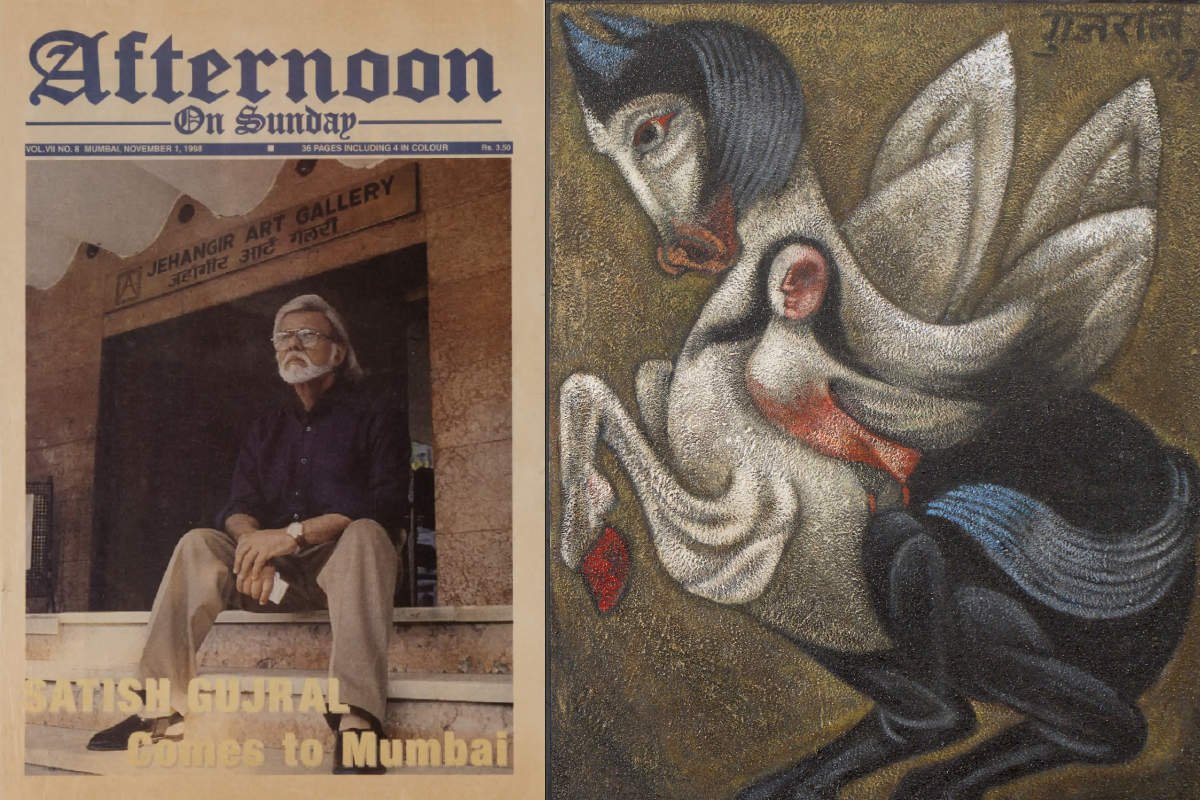
Mumbai will host a major retrospective dedicated to artist, sculptor, muralist and architect Satish Gujral (1925–2020) this autumn as Satish Gujral 100: A Centenary Retrospective opens at the National Gallery of Modern Art (NGMA), Mumbai. Presented by JSW and The Gujral Foundation, the exhibition runs from 9 October to 20 November 2026 and brings together more than 100 works alongside archival material, photographs and personal memorabilia, offering a comprehensive view of one of India’s most influential modernists.

A Centenary Exhibition

Curated by Pramod KG, the exhibition marks the artist’s 100th birth anniversary and follows earlier centenary initiatives dedicated to Gujral’s artistic and architectural legacy. The Mumbai presentation traces his journey across painting, sculpture, drawing, mixed media and architecture, highlighting a career defined by experimentation rather than allegiance to a single medium.

Mumbai and the Artist’s Early Years

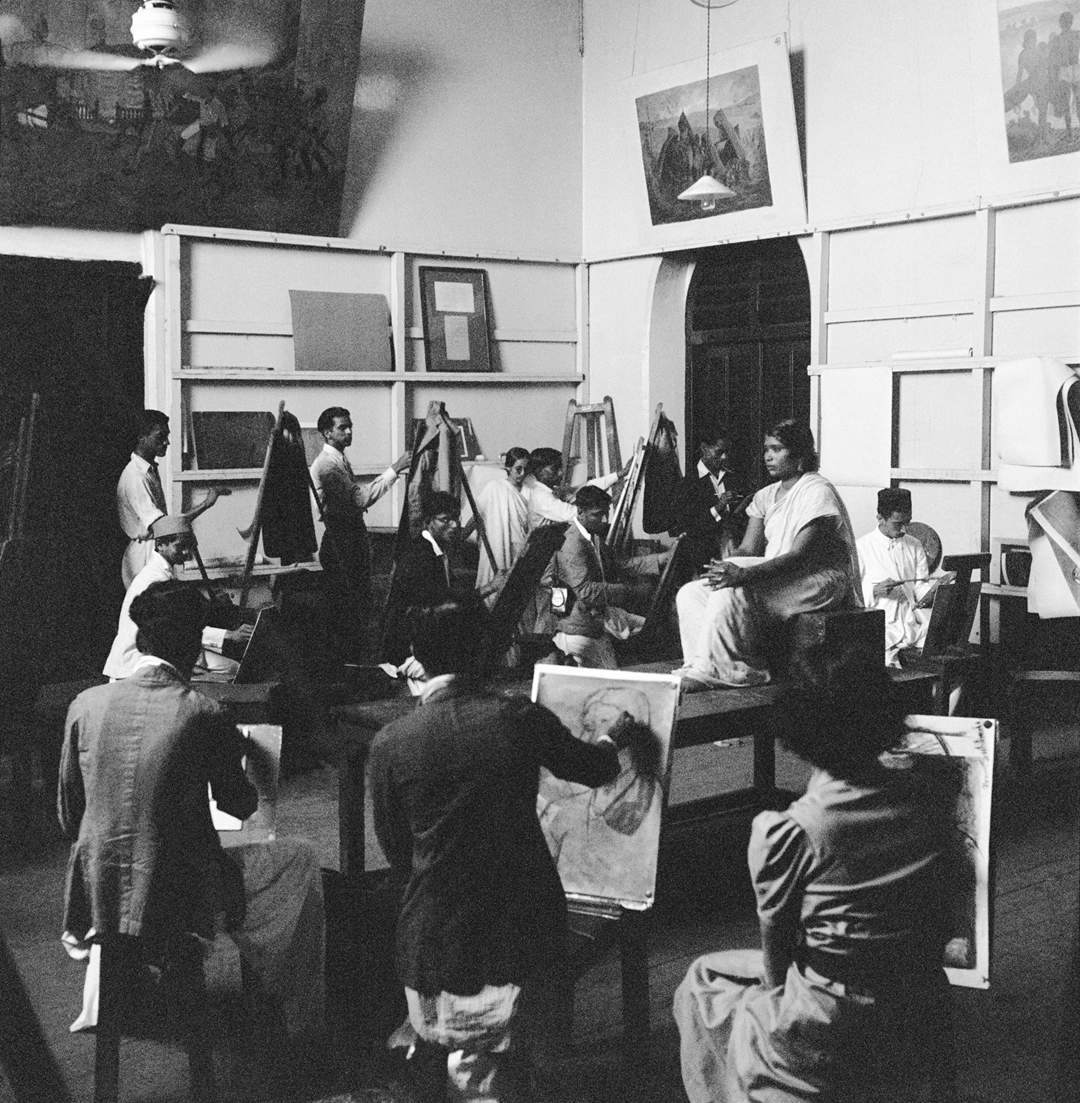
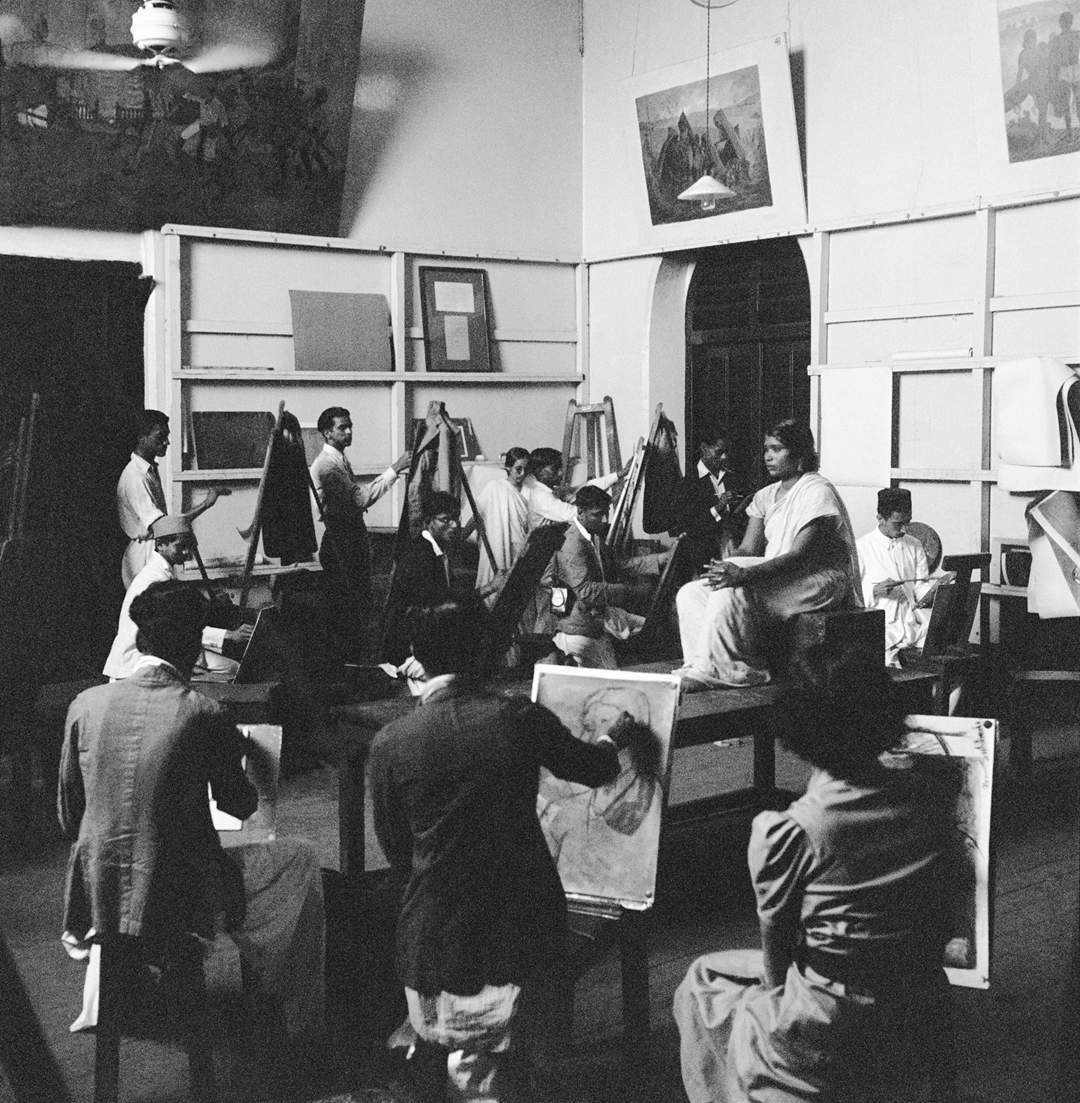
Sketching session, Sir J. J. School of the Art, Bombay. Early 1940s. Photograph. Courtesy HV Archive_The Alkazi Collection of Photography
Sketching session, Sir J. J. School of the Art, Bombay. Early 1940s. Photograph. Courtesy HV Archive – The Alkazi Collection of Photography

The exhibition carries particular significance because of Gujral’s connection with Mumbai. In 1944, he enrolled at the Sir J.J. School of Art, where he studied alongside artists who would later shape Indian modernism, including members of the generation associated with S.H. Raza, F.N. Souza and V.S. Gaitonde. His time in Bombay was interrupted by illness and later by the upheaval of Partition, experiences that would profoundly influence his artistic language.

The curatorial note describes the exhibition as a symbolic return of the artist to the city where an important chapter of his creative development began.

From Partition to Global Modernism

Untitled Satish Gujral

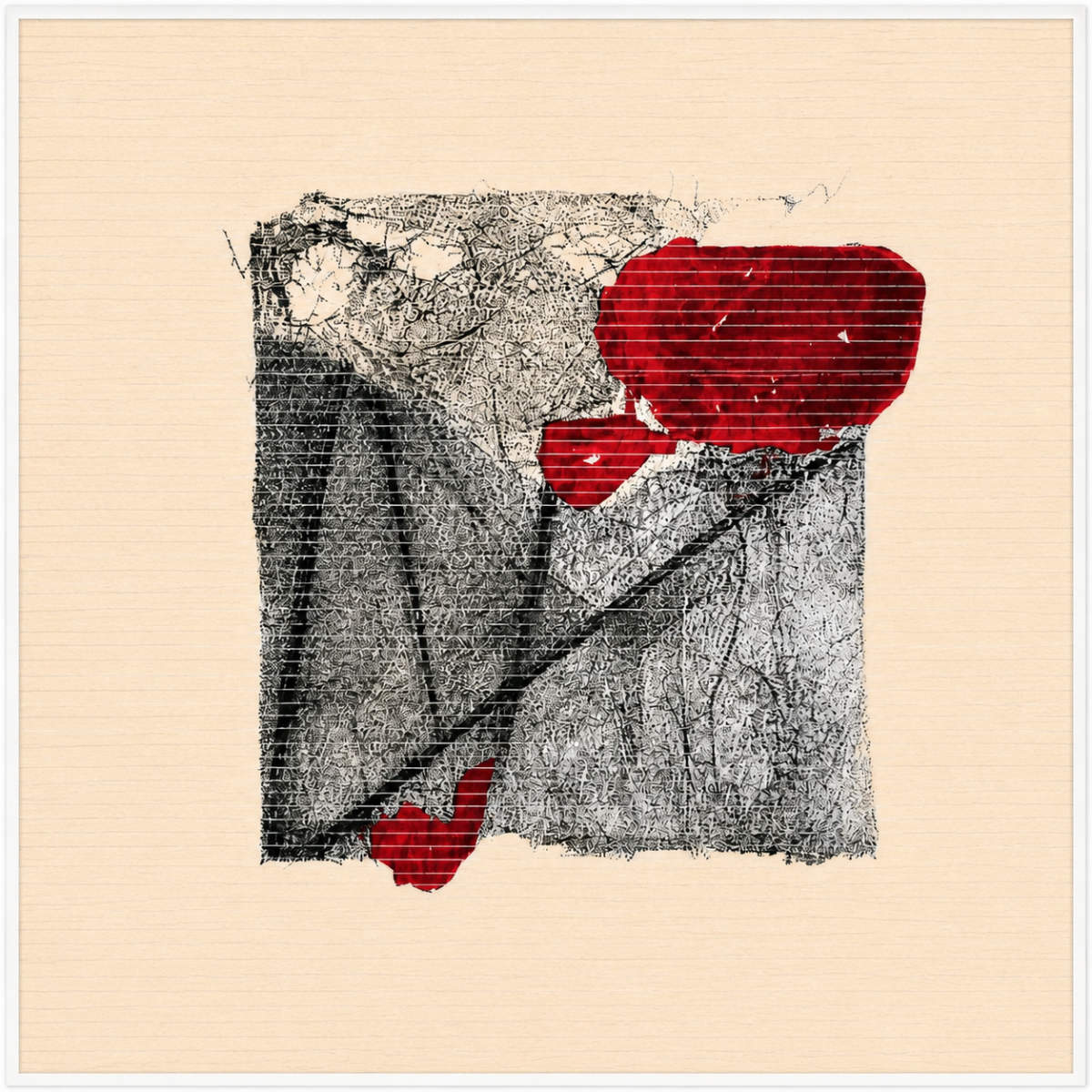
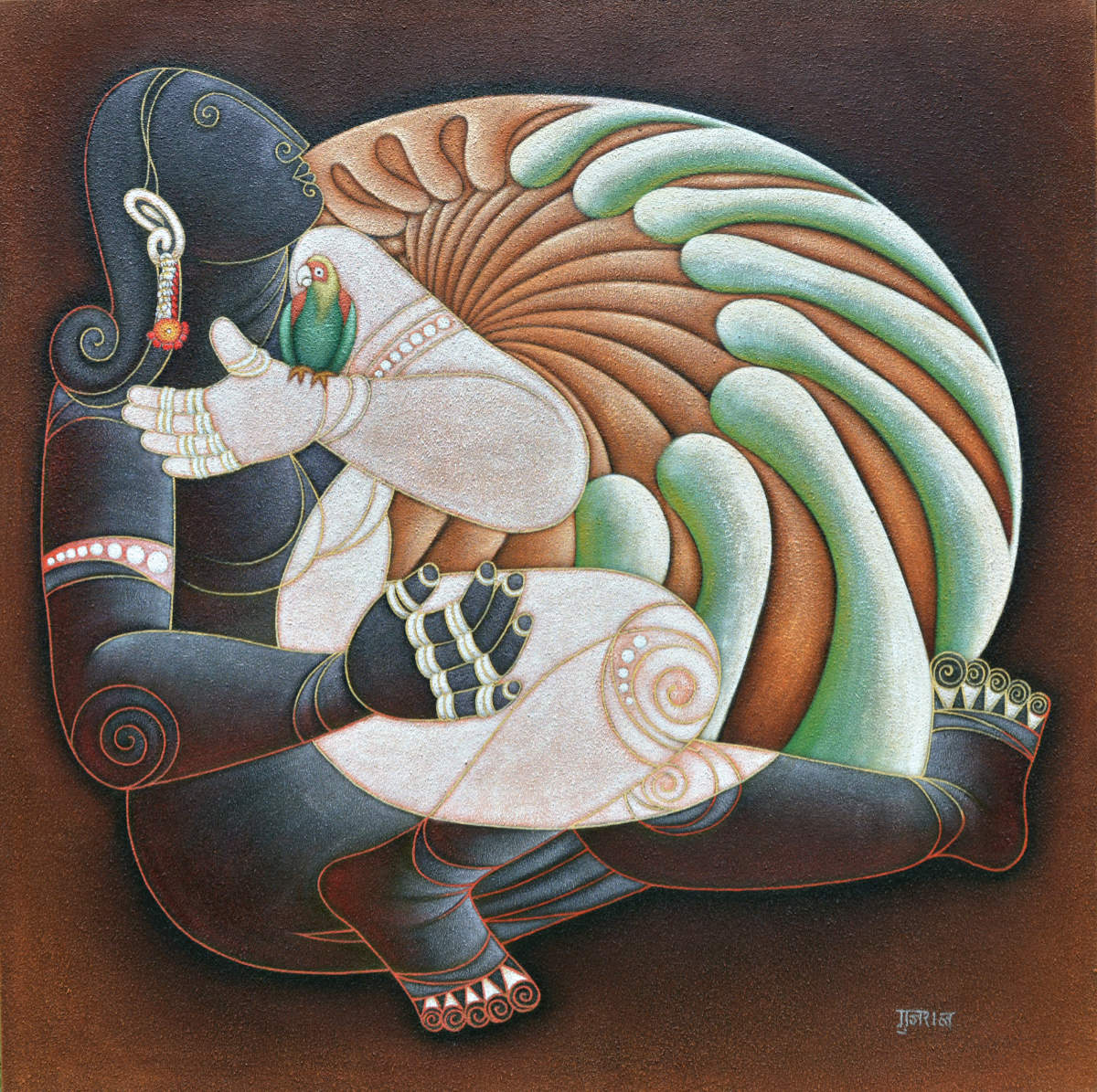
Born in Jhelum in 1925, Gujral experienced the trauma of Partition as a young man. Those memories later informed his celebrated Partition paintings, which explored themes of displacement, violence and human resilience. After receiving a scholarship to Mexico, he worked in the orbit of muralists Diego Rivera and David Alfaro Siqueiros, an experience that expanded his understanding of scale, public art and material experimentation.

His international exposure continued through exhibitions and travels across Europe and North America, helping shape a multidisciplinary practice that evolved over several decades.

Highlights of the Exhibition

Satish Gujral Artwork-01

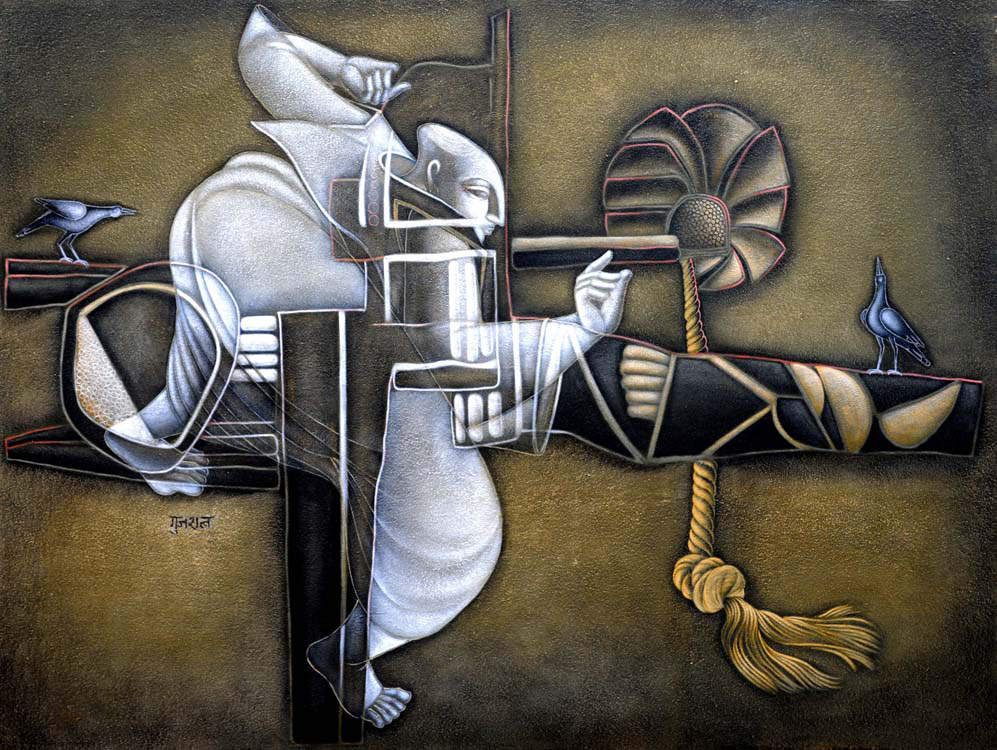
Visitors can expect works spanning nearly every phase of Gujral’s career, including:

  • Paintings and drawings from his early and mid-career periods
  • Sculptures in wood, metal, stone and ceramic
  • Mixed-media works and relief compositions
  • Archival photographs and personal documents
  • Material relating to his architectural projects
  • Rarely seen works from private and institutional collections

Art, Architecture and Reinvention

Untitled_Bruntwood

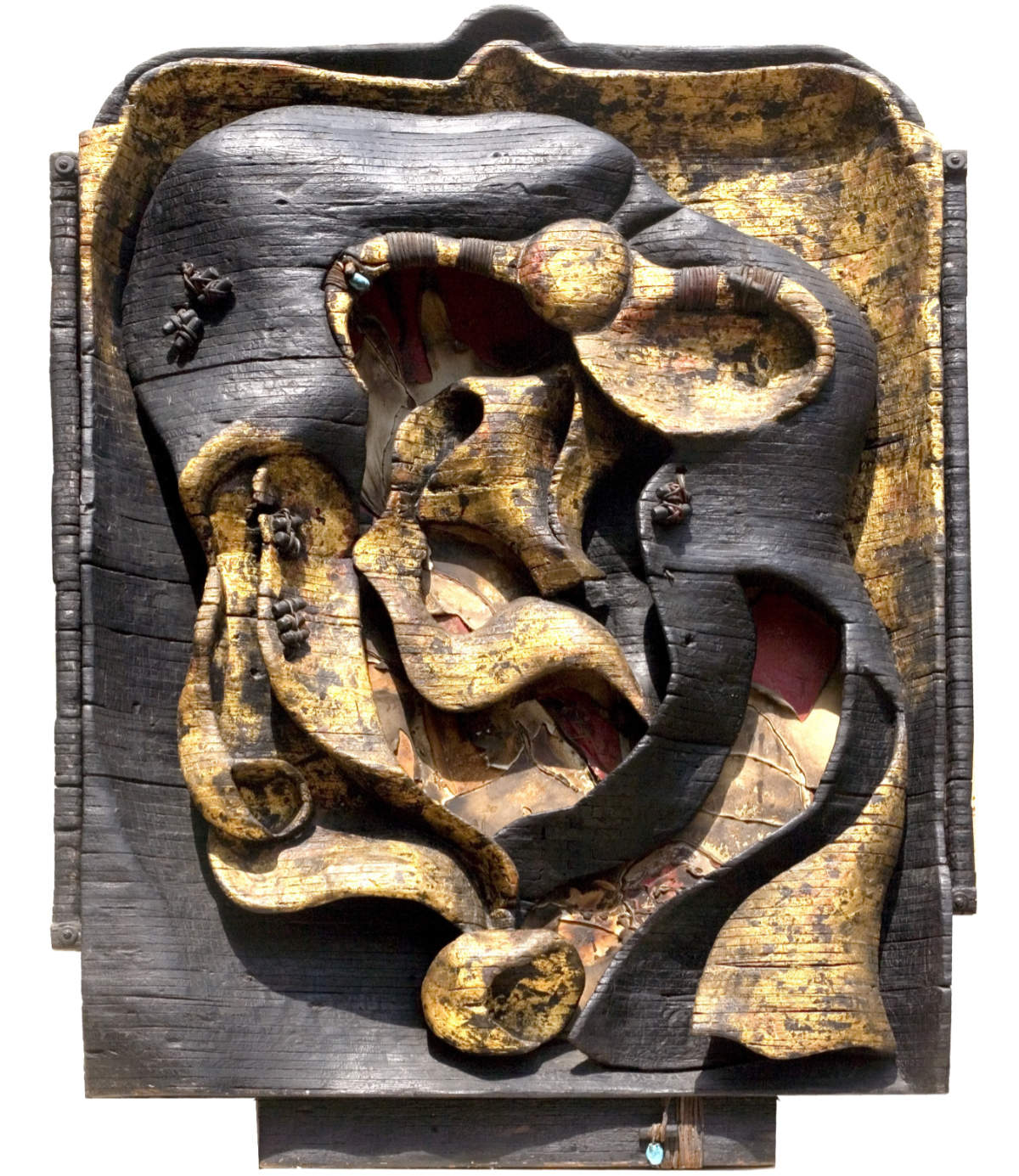
Gujral’s contribution extended beyond painting and sculpture. His architectural work remains an important part of his legacy, most notably the Belgian Embassy in New Delhi, a project that earned international recognition and contributed to his reputation as a multidisciplinary creator. The building was later recognised among notable twentieth-century architectural works, while Gujral received Belgium’s Order of the Crown for his contribution.

Throughout his career, he moved fluidly between disciplines, treating architecture, sculpture and painting as interconnected forms of expression. According to the exhibition organisers, this relationship between media forms a central narrative within the retrospective.

The Organisations Behind the Exhibition

Sketching session, Sir J. J. School of the Art, Bombay. Early 1940s. Photograph. Courtesy HV Archive_The Alkazi Collection of Photography

The exhibition is presented by The Gujral Foundation and supported by JSW. Established in 2008, the foundation has developed programmes across art, architecture and design, collaborating with major international exhibitions and cultural institutions.

Further information about the centenary programme can be found on the official Satish Gujral 100 project page, while venue details are available through the National Gallery of Modern Art Mumbai.

Event Details
Title Satish Gujral 100: A Centenary Retrospective
Artist Satish Gujral (1925–2020)
Venue National Gallery of Modern Art (NGMA)
City Mumbai
Opening Date 9 October 2026
Exhibition Dates 9 October – 20 November 2026
Curator Pramod KG
Organiser JSW and The Gujral Foundation
Entry / Tickets As per NGMA Mumbai visitor guidelines
Website https://gujralfoundation.org/satish-gujral-100/

Takeaway

A century after his birth, Satish Gujral 100 offers an opportunity to revisit the work of an artist whose career crossed painting, sculpture, murals and architecture. By bringing together works from across six decades, the exhibition not only reflects the evolution of a singular creative figure but also provides insight into the broader story of modern Indian art. For contemporary audiences, it presents a chance to engage with questions of memory, identity, experimentation and cultural history through the work of one of India’s most versatile modernists.


Top 5 Questions to Ask Before Hiring a Solar Company

0

Top 5 Questions to Ask Before Hiring a Solar Company-01

The average lifespan of any solar panel is nearly 25 years. Most people don’t even stick with the same car for that long. Yet most homeowners hardly spend time comparing rooftop solar companies before installing a solar PV system at home, as compared to the time they spend on car selection.

The tricky part is that most solar companies in India sound similar on the surface. Most of them are promising big savings, quick installation, and reliable after-sales service. The real difference only shows up once they disappear after installation.

To avoid getting trapped by the wrong solar companies available across India, you must ask the right questions about something beyond price and get into how the company actually operates.

Here are the top five questions every homeowner should ask before signing up with a solar company in India –

1. Are Your Panels BIS and ALMM Certified?

This should be the very first question, and it isn’t optional. BIS (Bureau of Indian Standards) certification confirms that a panel meets India’s official safety and quality standards. ALMM (Approved List of Models and Manufacturers) listing is a government requirement for a system to qualify for the PM Surya Ghar subsidy. This shows the solar PV module is listed on the official list managed by MNRE (Ministry of New and Renewable Energy).

A company that hesitates or gives a vague answer here is a red flag. Ask if the company provides these details in writing, not just a verbal assurance. Uncertified or unlisted panels may look affordable upfront, but then you won’t get the subsidy entirely. Such low-quality panels will also become a problem afterwards, when they don’t give you the expected power unit generation. Also, these panels often degrade faster than the certified ones.

2. Who Will Actually Install My Solar System?

Many solar companies handle the sales process themselves and then hand over the actual installation to a local contractor. Ask directly whether the company has its own trained solar installation team that will be on your roof and handle panels properly or if the work will be outsourced. Installation quality varies between an experienced solar company and a local vendor who may be installing a solar panel for home for the first time.

3. Will You Assess My Roof Before Quoting a Price?

A proper solar quotation should never come before someone has actually looked at your roof. A trustworthy company will send their solar expert for a 360-degree roof analysis before finalising a solar system design. A 360-degree roof analysis includes structural load assessment (load-bearing capacity of the roof), precise measurements for installing the solar panel mounting structure, shadow mapping for the year, and custom 3D design to show you the solar panel layout on the rooftop (to get optimal output from the solar system).

If a company gives you a quotation without ever visiting your home, that quote is based on assumptions. This might not be suitable for your actual rooftop. This matters because two homes with the same roof size may need different system designs depending on overall shading or the direction the roof faces.

4. What Happens If My System Underperforms?

You may have heard about the product warranties. But this time ask for the written performance guarantee, based on the units your solar system is expected to generate each year.

Also ask about what if solar does not generate the expected power units. There is a solar company in Nagpur, and now available in other 35+ cities called SolarSquare. They give you an estimated unit output for each year, and if your system falls short of that, they compensate you for the shortfall at Rs. 8 per unit.

A company willing to compensate you for a shortfall, rather than just verbal promises, indicates they take their installation quality seriously. Very few solar companies in India actually offer this kind of guarantee in writing.

5. What Does After-Sales Support Actually Look Like?

Installation day isn’t the finish line, even though most solar companies treat it that way. Solar panels need occasional cleaning, and systems need regular electrical checks.

Try to do this monthly or quarterly to keep your rooftop solar system working well. It also helps you catch small problems early, before they turn into big, costly ones.

Ask about the AMC (Annual Maintenance Contract) of the company. Ask how many maintenance visits you offer, and over what period? Does it have cleaning and electrical checks, or just a helpline number to call if something breaks down? A company that hands you a real, detailed maintenance plan, not just a vague one-line promise, is telling you that they will not disappear after installation.

Why These Questions Matter More Than the Price Tag

Going solar based on the price

Going solar based on the price alone would be the worst decision any homeowner can make. A lower price often means one/some of the most crucial five factors have been compromised. Those factors include BIS or ALMM-certified panels, experienced solar experts for installation, 360-degree roof assessment, performance guarantee, after-sales support, and maintenance. Compromising on any of these factors can cost you more than what you save initially.

These are exactly the kind of factors that have helped companies like SolarSquare build trust in India’s solar market.

  • The company uses only BIS and ALMM-certified panels, which keeps subsidy eligibility straightforward for homeowners.
  • Back its installations with an actual savings guarantee, committing to a specific yearly output and compensating homeowners at Rs. 8 per unit if the committed power generation falls short.
  • SolarSquare also runs a structured after-sales maintenance program, with scheduled visits over 4 to 5 years, rather than leaving homeowners to handle everything on their own once the panels are installed.

Here’s a simple way to think about it when you’re comparing solar companies. If a company answers all five of these questions clearly, and puts those answers in writing, that’s usually a company worth trusting. A company that dodges these questions, or gives vague reassurances instead of specifics, is worth walking away from, no matter how attractive the quote looks.

Final Thoughts

Choosing a solar company isn’t something to rush through in a single phone call. Take the time to ask these five questions, including certification, installation team, roof assessment, performance guarantee, and after-sales support, before you finalize anything.

The panels on your roof are going to be there for a long time (~25 years from installation). The company that puts them there should be one that’s earned your trust through clear, specific answers, not just a convincing sales pitch.

4 Creative Ways to Decorate Balcony and Outdoor Spaces with Lights That Make Unique Diwali Gifts for Festive Party Hosts

0

Tips for Choosing the Right Lights to Gift

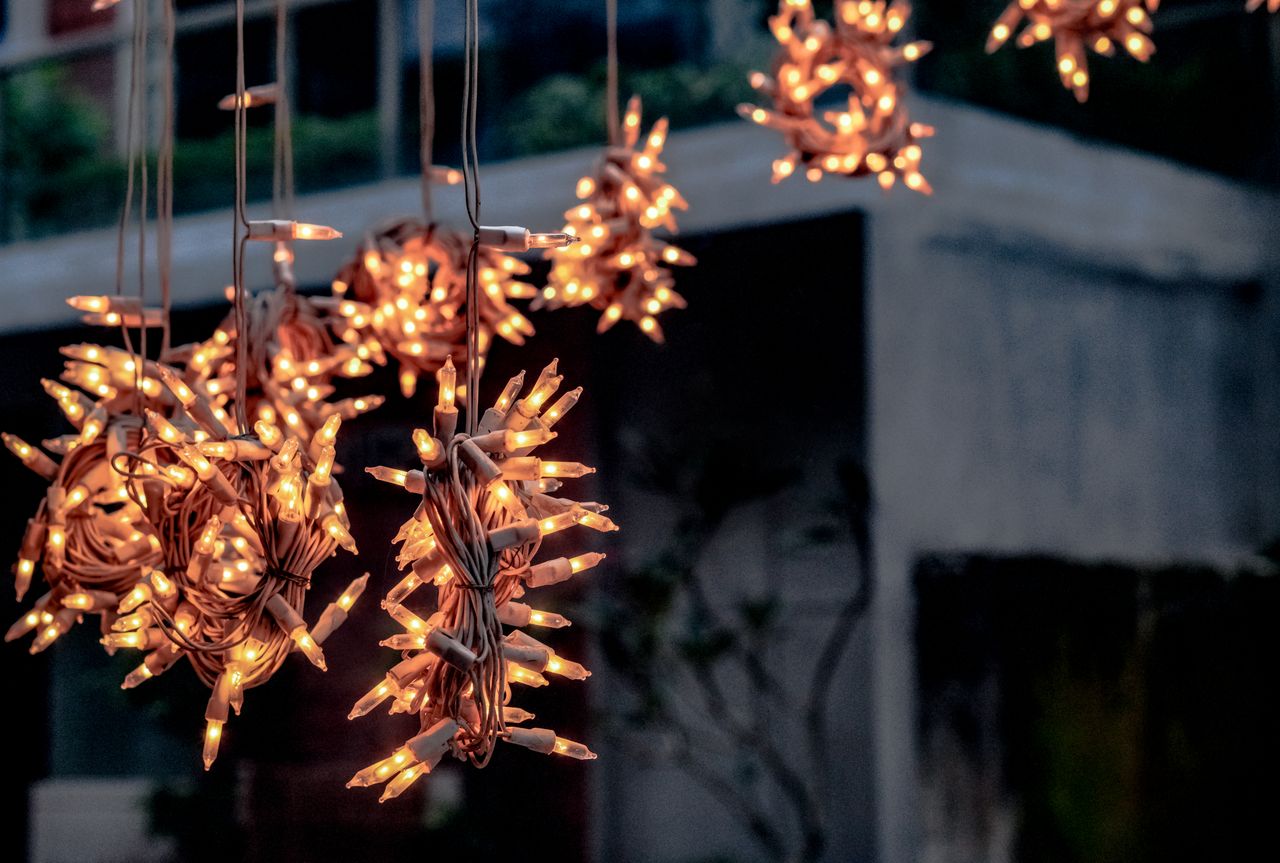
If you know someone hosting a Diwali get-together this year, lights make one of the most thoughtful gifts you can give. They’re easy to use, they instantly lift the mood of any balcony or outdoor space, and they keep the festive spirit going well beyond the party night.

This blog shares four creative ways to decorate outdoor spaces with lights, along with a few unique Diwali gifts that any host would genuinely love receiving.

Why Lights Make Such a Thoughtful Diwali Gift

Hosting during Diwali usually means a long list of things to prepare, and decor often ends up being one of the more time-consuming parts. Gifting lights takes that pressure away a little. They’re practical, they look beautiful, and they save the host both time and effort while still making the space feel festive and special. A thoughtful gift of Diwali lights can also add a warm, festive glow to their celebrations.

1. String Lights Along the Balcony Railing

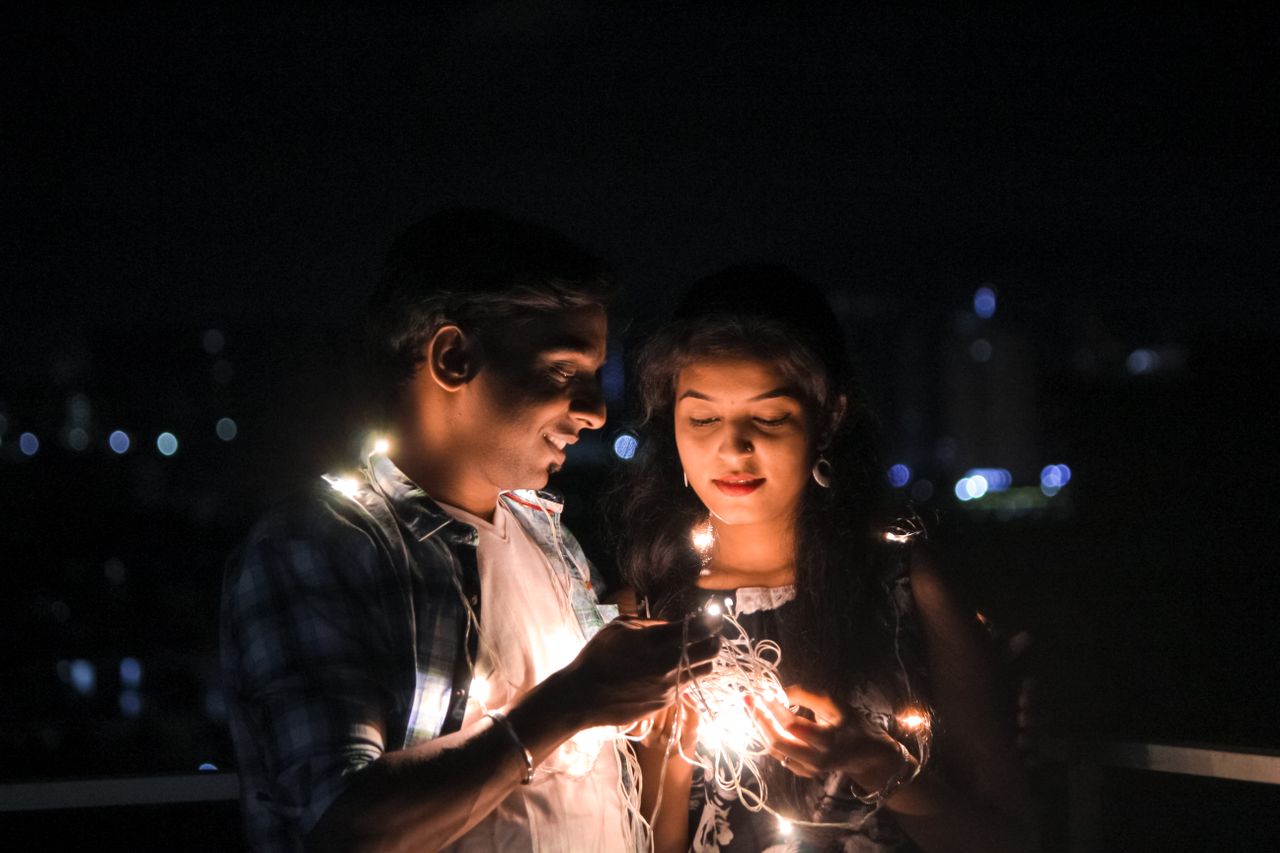
A simple string of warm fairy lights wrapped along the balcony railing instantly transforms the space. It’s an easy setup that looks stunning once the sun goes down, making it one of the most popular ways to light up outdoor areas for Diwali.

  • Great for both small balconies and larger terraces
  • Works beautifully paired with potted plants or hanging décor
  • Battery-operated versions make gifting even easier, since no extra wiring is needed

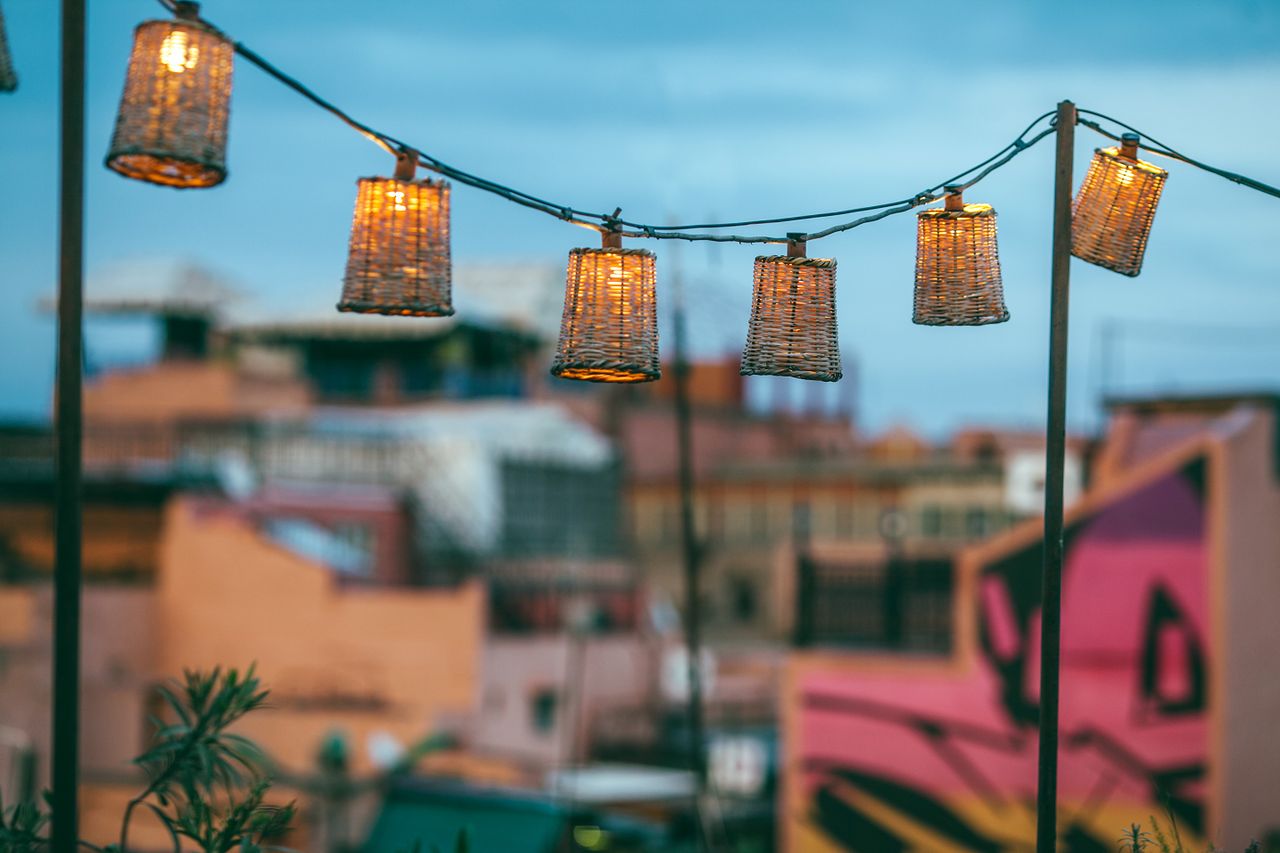
2. Lantern Clusters for Seating Areas

If the outdoor space includes a small seating corner, a cluster of lanterns placed around the area adds a warm, inviting glow. This works especially well for hosts planning an evening gathering, since the soft light creates a cosy atmosphere for guests to relax in.

  • Group lanterns of different sizes for a layered look
  • Choose warm-toned lanterns for a festive feel
  • Works well on side tables, ledges, or hanging from a hook

3. LED Curtain Lights for a Dramatic Backdrop

Hanging LED curtain lights along a wall or railing creates a stunning backdrop, perfect for photos during the celebration. This is a great gifting option for hosts who love creating a picture-perfect setup for their guests.

  • Adds a dramatic, festive touch to any outdoor wall
  • Easy to install with hooks or clips
  • Comes in warm white or golden tones that suit most home styles

4. Floating Lights for Water Features or Pots

For hosts with a small water feature, planter, or decorative pot, floating lights add a magical touch. They sit gently on the surface and create a soft glow that looks lovely once evening sets in.

  • Ideal for balconies with small fountains or planters
  • Adds a unique element that feels fresh and different to most guests
  • Simple to set up; just place and switch on

Why These Make Unique Diwali Gifts

Creative Ways to Decorate Balcony and Outdoor Spaces with Lights-02

Beyond their beauty, these lighting ideas make genuinely unique Diwali gifts because they solve a real problem for hosts. Instead of another candle or showpiece, lights give the receiver something they’ll actually use for their party, and often for many festive seasons after.

What makes them stand out even more is how little effort they demand in return. A host can simply unwrap the gift, plug it in or switch it on, and watch the space transform within minutes. That ease is exactly what makes lights such a well-loved festive gift.

  • They save hosts time on decorating, since the setup is usually quick
  • They add real value to a Diwali party while staying easy on the budget
  • They can be reused every year, making them a gift that keeps giving
  • They suit almost every home style, from modern balconies to traditional courtyards

Tips for Choosing the Right Lights to Gift

Decorate Balcony and Outdoor Spaces with Lights-02


A few simple checks help you pick lights that any host will appreciate:

  • Go for warm white or amber tones, since they suit most festive settings.
  • Choose battery-operated options when possible, for easier setup outdoors.
  • Check the length or coverage area, so it suits the size of a typical balcony or terrace.
  • Look for weather-resistant options if the lights are meant for an open outdoor space.
  • Consider gifting a small combination, like string lights with a few lanterns, for a fuller festive look.

A little thought here makes the gift feel both useful and genuinely appreciated.

Conclusion

Lights are one of the most practical and beautiful gifts you can give a Diwali host this year. Whether it’s string lights along a railing, a cluster of lanterns, or a magical floating light for a small water feature, each idea adds real charm to any outdoor space. If you’re looking for unique Diwali gifts that hosts will use and enjoy for seasons to come, festive lighting is a warm, thoughtful choice worth considering.

11°N to Bring Together Creative Practitioners Across Disciplines in Kerala Retreat

0

11°N to Bring Together Diverse Perspectives Across Design, Culture and Entertainment in a Curated Kerala Retreat -01

A new multidisciplinary retreat titled 11°N (11 Degree North) will bring together practitioners and thinkers from architecture, design, art, craft, film, music, food and technology in Kerala from December 16 to 20, 2026. Conceived as an initiative of the MATRA Design Foundation, the gathering is built around the theme “The Space Between the Noise”and seeks to create opportunities for dialogue, reflection and exchange across creative disciplines. The inaugural edition was previewed on September 16 at The Circle at IFBE in Mumbai’s Ballard Estate.

Preview Event in Mumbai

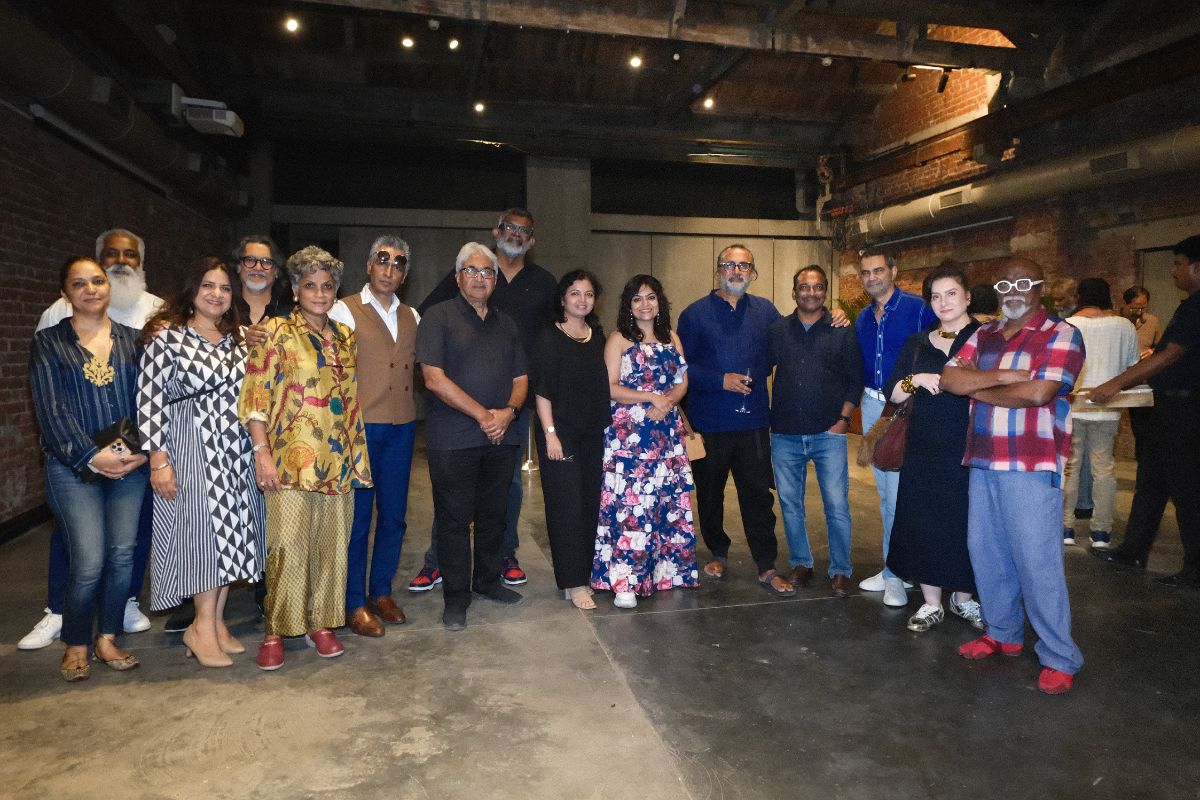
The preview gathering introduced the concept behind 11°N and brought together a diverse group of architects, artists, filmmakers, designers and cultural practitioners. Attendees included Bose Krishnamachari, Brinda Somaya, Nandita Das, Sanjay Puri, Suresh Eriyath, Dhruvi Acharya, Ravneet Gill, Randolph Correia and several others from across the creative ecosystem.

11°N The Circle Mumbai 2

The event took place at IFBE (Ice Factory Ballard Estate), a cultural hub in Mumbai housed within a restored 140-year-old industrial building. The venue was transformed from the historic Ambico Ice Factory into a multidisciplinary space for exhibitions, performances and creative exchange.

The Theme: “The Space Between the Noise”

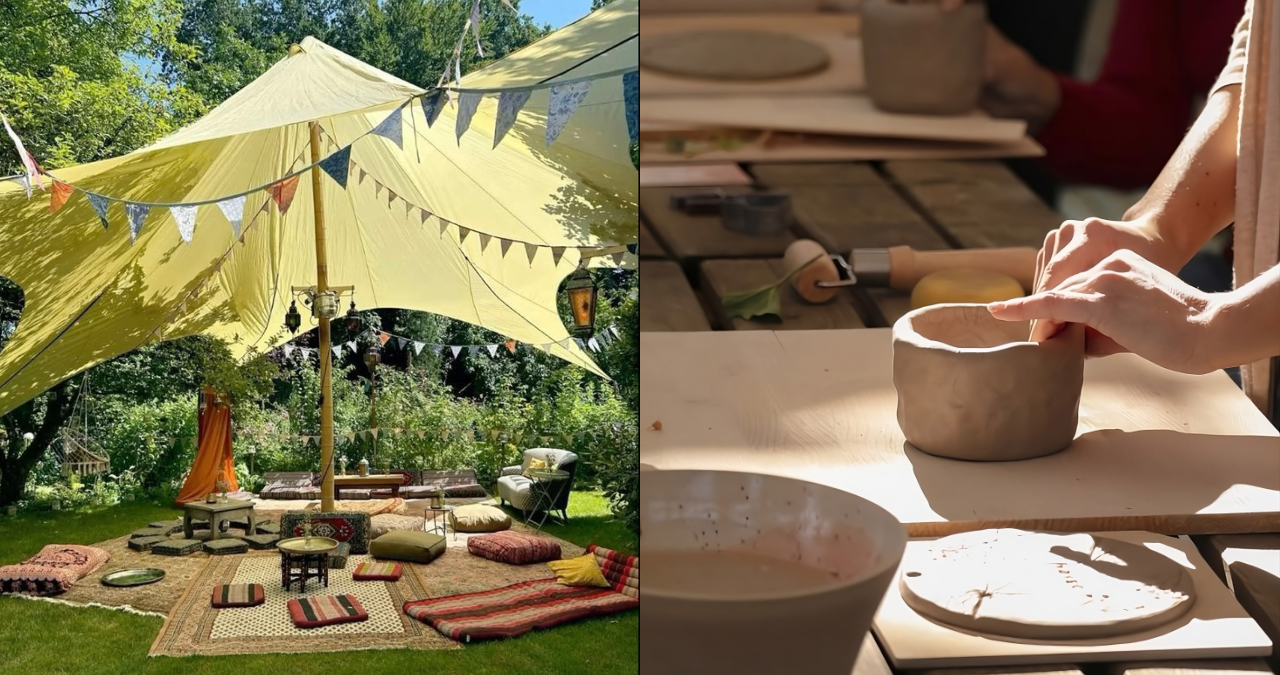
At the centre of the retreat is the idea of slowing down and creating room for attention amid increasingly fast-paced professional and personal lives. Rather than following a tightly packed conference model, 11°N is designed around informal encounters, observation and conversations that emerge organically.

According to the organisers, the emphasis is on creating conditions where participants can engage with unfamiliar perspectives and disciplines without the pressure of structured schedules. The approach reflects a growing interest within cultural and design communities in creating more immersive and reflective formats for learning and collaboration.

Programme Across Disciplines

11°N to Bring Together Diverse Perspectives Across Design, Culture and Entertainment in a Curated Kerala Retreat -02

The retreat will bring together multiple forms of creative practice through a mix of formal and informal experiences.

Highlights of the programme:

  • Talks and intimate dialogues
  • Art and design installations
  • Hands-on making sessions
  • Culinary experiences
  • Design market and showcases
  • Music gatherings
  • Film screenings and discussions

The organisers say the intention is not to present disciplines separately but to allow participants to encounter connections between them. Designers, filmmakers, artisans, chefs and technologists will share the same environment, encouraging cross-disciplinary exchange.

Kerala as an Active Part of the Experience

The choice of Kerala is central to the concept of 11°N. Organisers describe the state’s landscape, architecture, food traditions and craft heritage as integral to the retreat rather than simply a backdrop.

Participants will be encouraged to engage with the local context through exploration, food experiences and interactions that connect creative practice with place. The setting is expected to play a significant role in shaping discussions and experiences throughout the gathering.

A Fluid Daily Rhythm

Unlike conventional conferences, the retreat has been designed with flexibility in mind.

Planned experiences include:

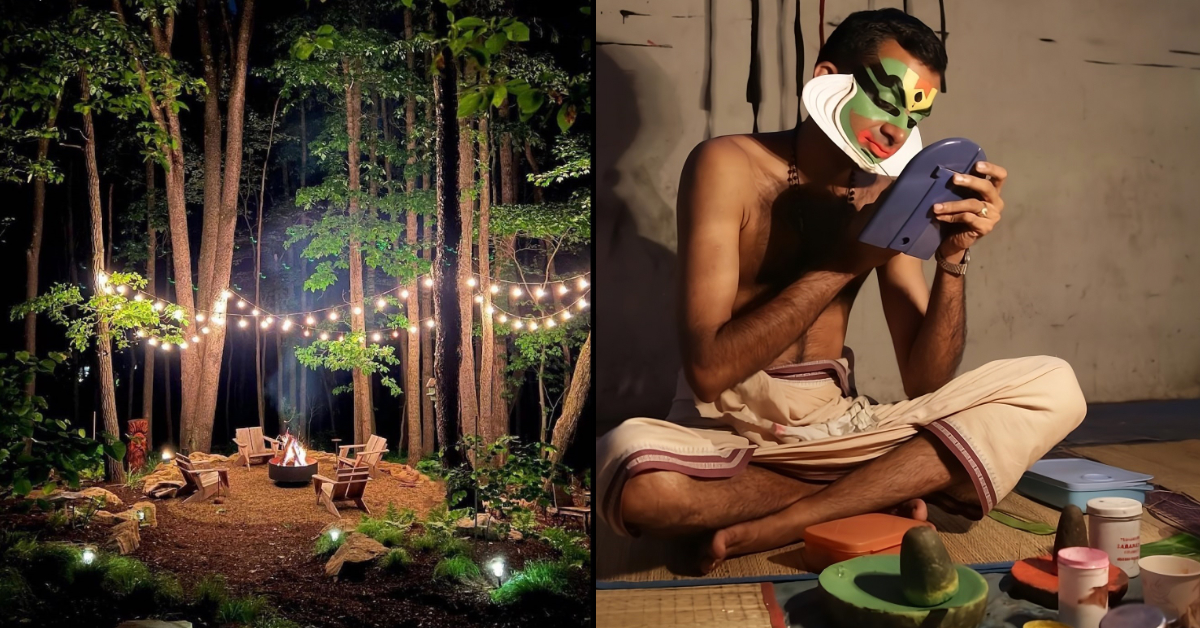
  • Morning yoga sessions
  • Bird walks and nature explorations
  • Talks and exchanges
  • Making and craft activities
  • Shared meals
  • Music sessions
  • Informal games and gatherings
  • Evening conversations around a fire

Participants will be free to move through activities at their own pace, allowing space for unexpected conversations and discoveries.

MATRA Design Foundation’s Vision

The retreat is presented by the MATRA Design Foundation, which describes design as a cultural practice that extends beyond professional categories into everyday life. The organisation’s broader initiatives focus on bringing together design, craft, technology, food and community through immersive cultural experiences.

Tony Joseph, Principal at Stapati, said the intention behind 11°N is to create a setting where people can spend meaningful time with ideas, places and one another without the pressure of constant activity.

Around 400–500 invited participants are expected to form the community at the heart of the inaugural edition. The organisers believe that bringing together people from different fields and stages of practice may create opportunities for new collaborations and conversations that would not normally occur within discipline-specific events.

Looking Ahead

As interest grows in interdisciplinary cultural gatherings, 11°N proposes a format that prioritises reflection, place and human connection. By combining creative dialogue with Kerala’s cultural and natural environment, the retreat aims to create a setting where ideas can develop through shared experiences rather than formal presentations alone. For participants, the event offers an opportunity to engage with diverse perspectives while exploring how different creative practices intersect within a broader cultural landscape.

Emami Art Experimental Film Festival 2026 Returns with Expanded International Programme in Kolkata

0

Emami Art Experimental Film Festival 2026-01

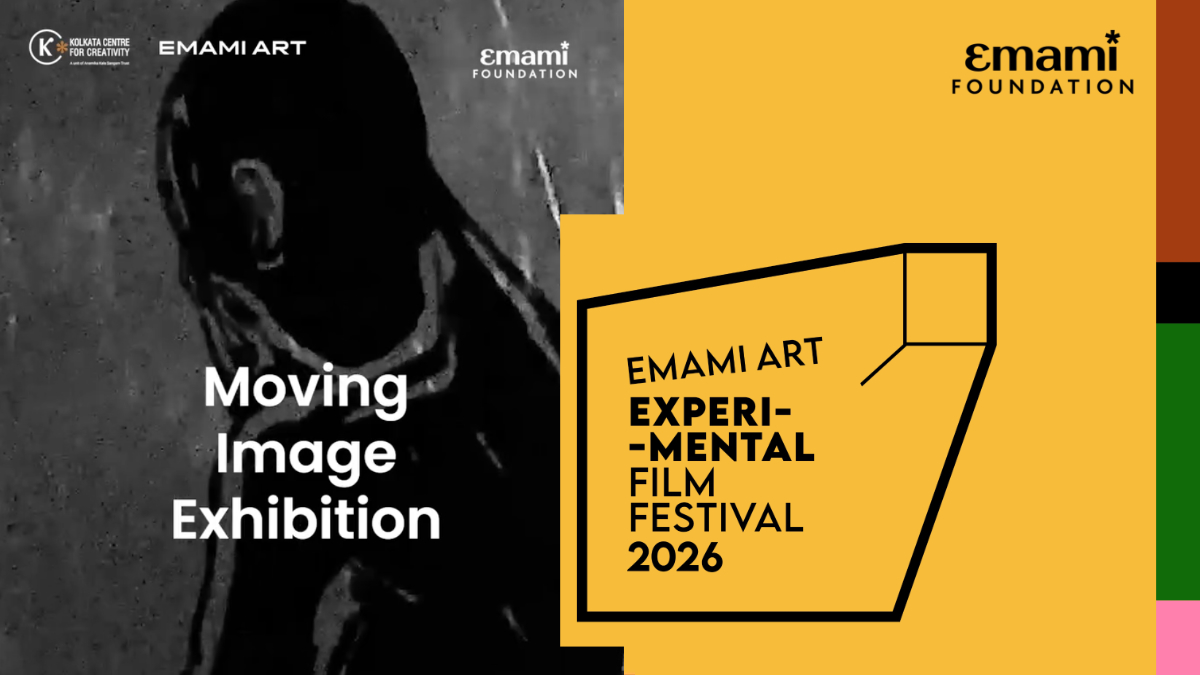
The fifth edition of the Emami Art Experimental Film Festival (EAEFF) will take place from 22 to 27 September 2026 at the Ground Floor Galleries of Emami Art in Kolkata. The six-day festival will present experimental films, video works and artists’ moving-image practices from India and around the world, alongside exhibitions, workshops, masterclasses and public discussions. The event is free to attend.

Fifth Edition Marks New Phase for Festival

Launched in 2022, EAEFF has developed into a platform focused on alternative and experimental moving-image practices. According to organisers, the 2026 edition is the festival’s largest programme so far. The open call received 1,657 submissions from 102 countries, reflecting growing international participation. Selected works will be presented through Indian and international competition sections, curated programmes and exhibition formats.

The festival is organised by Emami Art, a contemporary art gallery established in Kolkata in 2017. The gallery is known for its exhibitions, artist development initiatives and annual cultural programmes, with a particular focus on practices emerging from eastern and northeastern India.

International Collaborations and Guest Programmes

This year’s edition will feature four invited international programmes. Among them are presentations from Light Cone in Paris, Kyoto Art Center in Japan, Circuit Artist Moving Image in New Zealand and a guest-curated programme from the experimental film community of Pittsburgh in the United States. These collaborations continue the festival’s history of partnerships with institutions including Sharjah Art Foundation, KADIST, Goethe-Institut / Max Mueller Bhavan and WNDX Festival of Moving Image.

Organisers note that festival programmes from previous editions have travelled to venues and platforms such as the Kochi-Muziris Biennale, KADIST.tv and Jaipur Centre for Art, contributing to international exchange around experimental cinema.

Expanded Cinema Enters the Gallery Space

A significant addition to EAEFF 2026 is the introduction of a Moving Image Exhibition, bringing installation-based works into the gallery environment. The exhibition will feature artists including Arpita Akhanda, Kaddukkas, Pankaj Sarma, Solomon Nagler and Alexandre Larose, Ushnish Mukhopadhyay and Nilanjan Bhattacharya.

The festival describes this expansion as an effort to present moving-image practices beyond conventional screening formats. Through installations and expanded cinema works, audiences will be able to encounter film and video as spatial and material experiences.

Student and Emerging Filmmaker Participation

Another new component is the Students’ Experimental Cinema section. The programme will showcase moving-image research by doctoral candidates and emerging practitioners from institutions including the University of Westminster, NSCAD University, the University of Colorado Boulder, the Satyajit Ray Film and Television Institute (SRFTI) and the University of Pittsburgh.

The initiative aims to connect experimental filmmaking with academic research and encourage dialogue between established practitioners and emerging voices working across contemporary moving-image practices.

Official Selections and Awards

The festival’s Indian and international selections feature works from a wide range of artistic and geographic contexts.

Highlights from the Indian Official Selection include:

  • A Circle as the Center of the Whole by Utkarsh (Award Winner)
  • Boudinet’s Curtain by Maya.nk (Award Winner)
  • Saccharine Wonderland & Forces That Make Me Shiver [Abhilash:Ishq] by Tushar Gidwani (Special Mention)
  • Margherita by Devadeep Gupta (Special Mention)

International selections include works from:

  • Austria and Albania
  • Italy
  • Colombia
  • Hong Kong and the United Kingdom
  • Taiwan and the Netherlands
  • Canada
  • South Korea
  • Mexico
  • Indonesia and Singapore

The 2026 jury includes Srikanth Srinivasan, Kamila Kuc, Mark Williams and Emmanuel Lefrant. Two awards of INR 50,000 each will be presented in the Indian competition section.

Workshops, Masterclasses and Public Programmes

Alongside screenings and exhibitions, EAEFF 2026 will host a range of educational and public events.

Festival programmes include:

  • Workshops
  • Masterclasses
  • Panel discussions
  • Roundtables
  • Public conversations with filmmakers, artists and scholars

These events continue the festival’s emphasis on discourse and critical engagement with experimental cinema and contemporary moving-image culture.

Visitor Information

Event Details
Title Emami Art Experimental Film Festival 2026 (EAEFF)
Venue Ground Floor Galleries, Emami Art, 777 Anandapur, EM Bypass, Kolkata 700107
City Kolkata, India
Opening Date 22 September 2026
Exhibition Dates 22–27 September 2026
Organiser Emami Art
Entry / Tickets Free Entry
Hours 11:00 AM – 7:00 PM Daily
Website / Registration https://www.emamiart.com

The festival will be held at Emami Art, located at 777 Anandapur, EM Bypass, Kolkata. Programmes will run daily from 11:00 am to 7:00 pm, and entry is free. Additional information can be found on the official Emami Art website and the festival’s social media channels.

The fifth edition of EAEFF reflects the growing role of experimental moving-image practices within contemporary art and cinema. By combining screenings, exhibitions, research-based projects and international collaborations, the festival offers audiences an opportunity to engage with diverse artistic approaches while strengthening Kolkata’s position within global conversations on experimental film and visual culture.