A Living Heritage in Stone and Rhythm
Gujarat’s Champaner-Pavagadh Archaeological Park is a UNESCO World Heritage Site that stands tall as a mesmerizing relic of medieval India under the Timurid rule. On December 28, 2025, this heritage monument will be rejigged into a mega cultural coliseum as the Champaner-Pavagadh Heritage Festival is all set to kick off. This resplendent heritage festival is the result of collaborative efforts by the Indira Gandhi National Centre for the Arts (IGNCA), Gujarat Tourism, and the Archaeological Survey of India (ASI). It aims to invoke a spark of life into the historic site and transform the vicinity into a bustling hub of cultural activities.
The 2025 Heritage Fest will celebrate the blooming diversity by orchestrating a full-day event that continues from dawn to dusk. There will be heritage runs, walks, concerts, discussions, workshops, exhibitions, qawwali, and performances across carefully chosen monuments. The Fest shall commence with a Heritage Run and a Women’s Bike Rally. These events are devised to draw the attention of youth and fitness enthusiasts towards the “Kabutarkhana” and “Vada Talav” areas. These events, delineated at the crack of dawn, will act as the “awakening” of the Fest.
Following this, the course of the event shifts into the Kevada Masjid on the pretext of a panel discussion. In this segment, conservationalists and historians will discuss at length the living heritage of the site and converse about how the 800-metre-high Pavagadh Hill and its base city continue to be relevant in contemporary life. Among the cultural curations is a beautiful segment titled, “When Walls Dance.” This is a Bharatnatyam-cum-digital animation segment curated by the duo Vidushi Prachi Saathi and Upasana Nattoji. This segment is scheduled to take place from 12:15 to 1:00 PM at the Saher Ki Masjid.
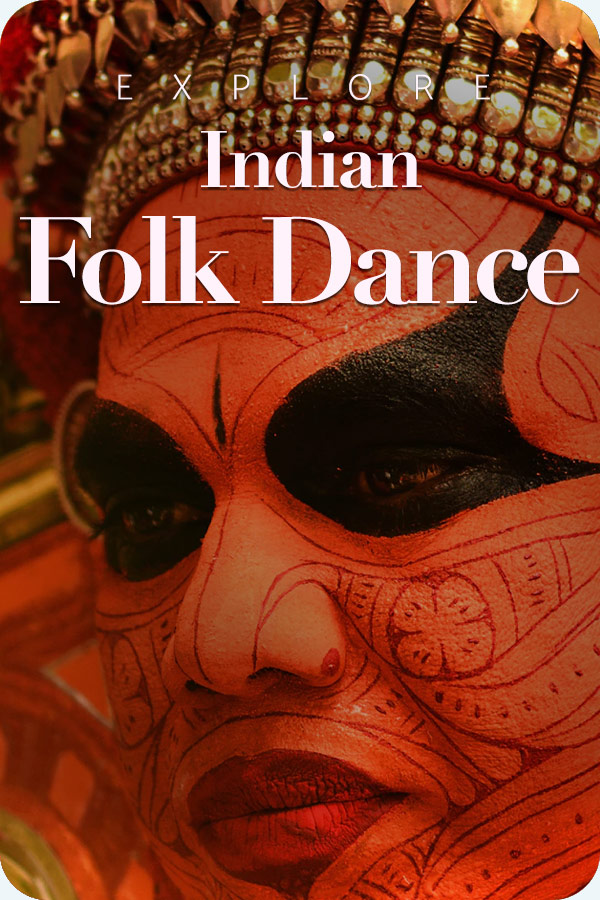
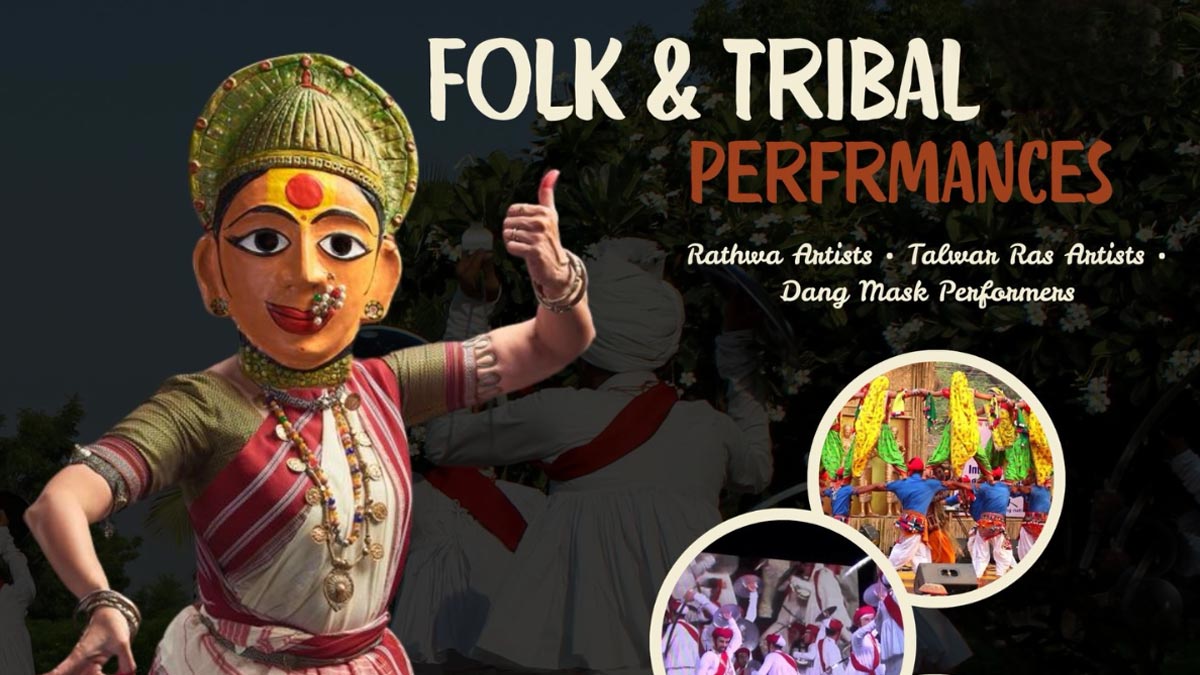
There will be thrilling performances based on the enigmatic Dang mask traditions. This segment encapsulates the spirit of the Festival by making its celebration inclusive of its tribal and regional past as much as its royal one. It amalgamates the high art and the folk heart in order to offer a holistic purview of Gujarat’s cultural identity.
Architecture and Performance
Such events not only celebrate the regional diversity of India but also help revive the legacy of these historic sites. Fests like this weave a bigger ecosystem based on the tangible and intangible heritage that are closely attested to the monuments and their larger history. People will encounter the picturesque temple courtyards and the frescos and gateways of the mosque, inculcating a sense of socio-religious syncretism. The attendees will have a pleasant rendezvous with the Rathwa Ras dancers, Tadavi Ras performers, and many more little traditions from the soil of Gujarat.
Adding more to its richness, there will be scholarly discussions, site lectures, and workshops led by historians, archaeologists, conservational architects, and other scholars. These interactive and experiential segments will enhance the overall engagement in the Fest and will bridge art with academics.
The Landscape Beyond The Known Lens
View this post on Instagram
Champaner-Pavagadh is one of the only apodictic pre-Mughal Islamic cities in the world that converges Hindu, Jain, and Islamic elements in one common geography. The 2025 Heritage festival celebrates this undercurrent and rejects the rigidity of monoculture. It seeks to celebrate the inherent plurality that is intrinsic to this site.
Well-curated cultural events at historic sites like these also rebrand tourism and inject a deeper meaning into it, as the tangible aspects of heritage get pinned to it. It also attracts a younger range of audiences who wish to navigate freely through mapped heritage routes and explore a plethora of artistic forms.
Sneak Peek Into the Fest
| Aspects | Details |
|---|---|
| Event | Champaner-Pavagadh Heritage Festival 2025 |
| Date | 28 December 2025 |
| Organizer | Led by IGNCA in partnership with the Heritage Trust Vadodara and state tourism bodies |
| The Monument | Covers a timeline from the Chalcolithic period to the 16th-century capital of Sultan Mahmud Begada |
| Heritage Run & Walks | Encourages public exploration of historic spaces through guided movement |
| Classical Concerts | Connects Champaner’s historical aura to classical sonic traditions |
| Folk & Tribal Performances | Celebrates Rathwa, Tadavi Ras, and Dang mask identities |
| Academic Panel Discussions | Offers research-based insight into heritage conservation |
| Art & Craft Workshops | Revives regional craft histories and ensures skill transmission |
| Qawwali Evening Finale | Positions Islamic devotional music within architectural heritage |
Key Highlights
- Festival situated entirely within Champaner-Pavagadh Archaeological Park
- Multidisciplinary structure combining visual arts, performance arts, and scholarship
- Panel discussions featuring global experts to discuss the preservation of Champaner’s unexcavated ruins
- Events scheduled at Kabutarkhana, Lakulisa Temple, Saheli ki Masjid, Nagina Masjid, Jami Masjid, and more
- Public access to sites is rarely activated for performance
- Equal emphasis on classical, folk, and tribal artistic traditions
- Organised by IGNCA with strong institutional backing
- Aimed at cultural continuity, education, and tourism revitalisation
- Connecting the heritage of the base city with the active pilgrimage site of the Kalika Mata Temple atop Pavagadh Hill
- A remarkable 45-minute production that bridges the gap between ancient stone architecture and modern digital storytelling
- A dedicated space for local Panchmahal artisans to display traditional crafts, fostering the local rural economy
Takeaway
The Champaner-Pavagadh Heritage Festival is a crucial turning point in the evolution of India’s artistic landscape and how it now projects its historical legacy through a cultural lens. Situation: a large-scale heritage festival at important historical monuments redefines the perceptibility of tangible heritage. It not only presents the space in a more spectacular form, but also builds a creative canvas of continuity with a contemporary touch.
With an array of cultural events going on in different pockets of the historical site, people stop perceiving the site as a “dead” place and view it as a living site. This festival successfully breaks the “glass case” of archaeology, inviting the public to touch, run, dance, and discuss. It reveals that our heritage is not just something we inherited from the past, but something we are actively creating for the future.