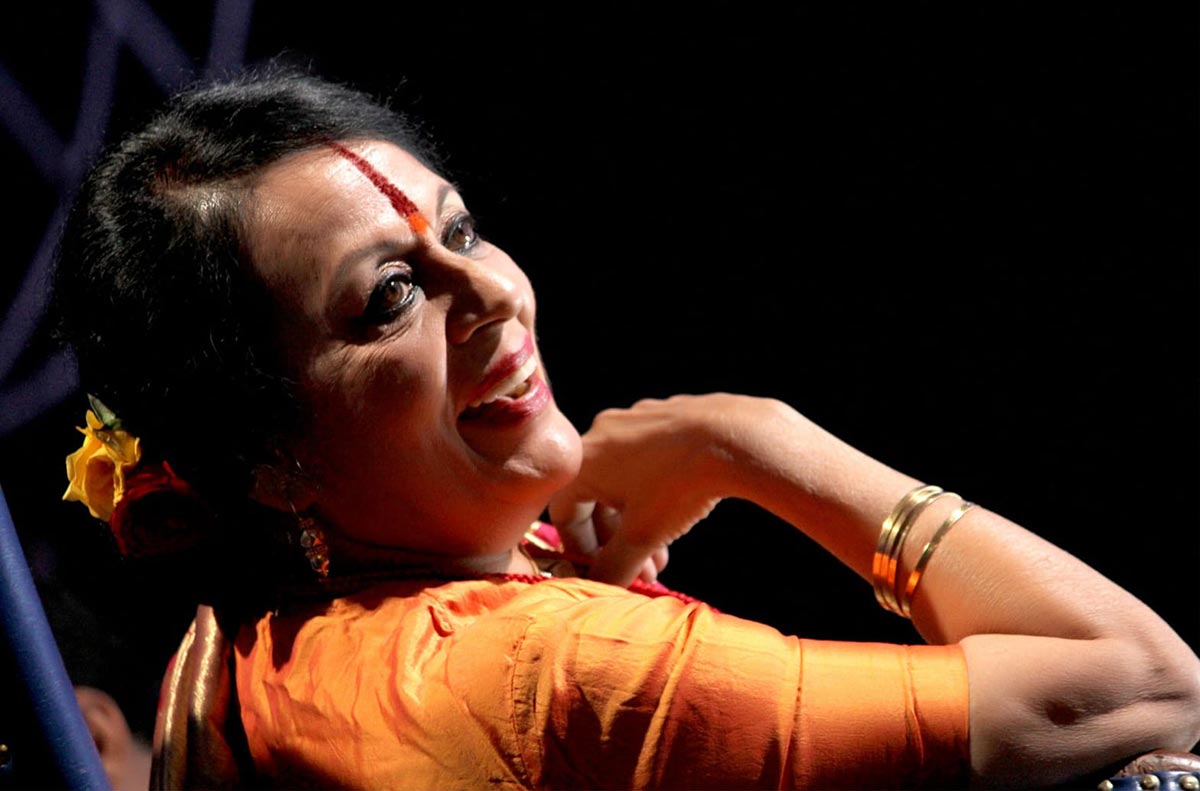
A Civilisational Confluence in Motion
As India steps into 2026, New Delhi serves as the stage to host the Festival of New Choreographies – KalaYatra 2026, curated by Padma Vibhushan awardee Dr. Sonal Mansingh, India’s preeminent cultural doyen and classical dance virtuoso. This assembly is organised by the Centre for Indian Classical Dances (CICD), also known as Shri Kamakhya Kalapeeth. This five-day festival offers a stage to the newly emerging classical choreographies entrenched in the Sanatan civilizational philosophy, cultural anamnesis, and socio-ethical rectitude.
The 5-day festival is scheduled to take place on 13th, 14th, 15th, 28th, and 29th January 2026 at Kamani Auditorium, New Delhi. This is more than just a dance festival; this is a cultural statement where classical danceforms will be expressed as pure forms of devotion. The KalaYatra brings together 10 illustrious dance institutions and Gurus from across India and offers a “new” conception of classical practice. This is a panēgyris of of the “sanatan” history that reinstates the spiritual and moral aspect of the “Bharatiya Sanskriti.” The gurus and the renowned institutes will bridge the gap between ancient traditions and contemporary social consciousness.
New Choreographies Meet Ancient Civilisation
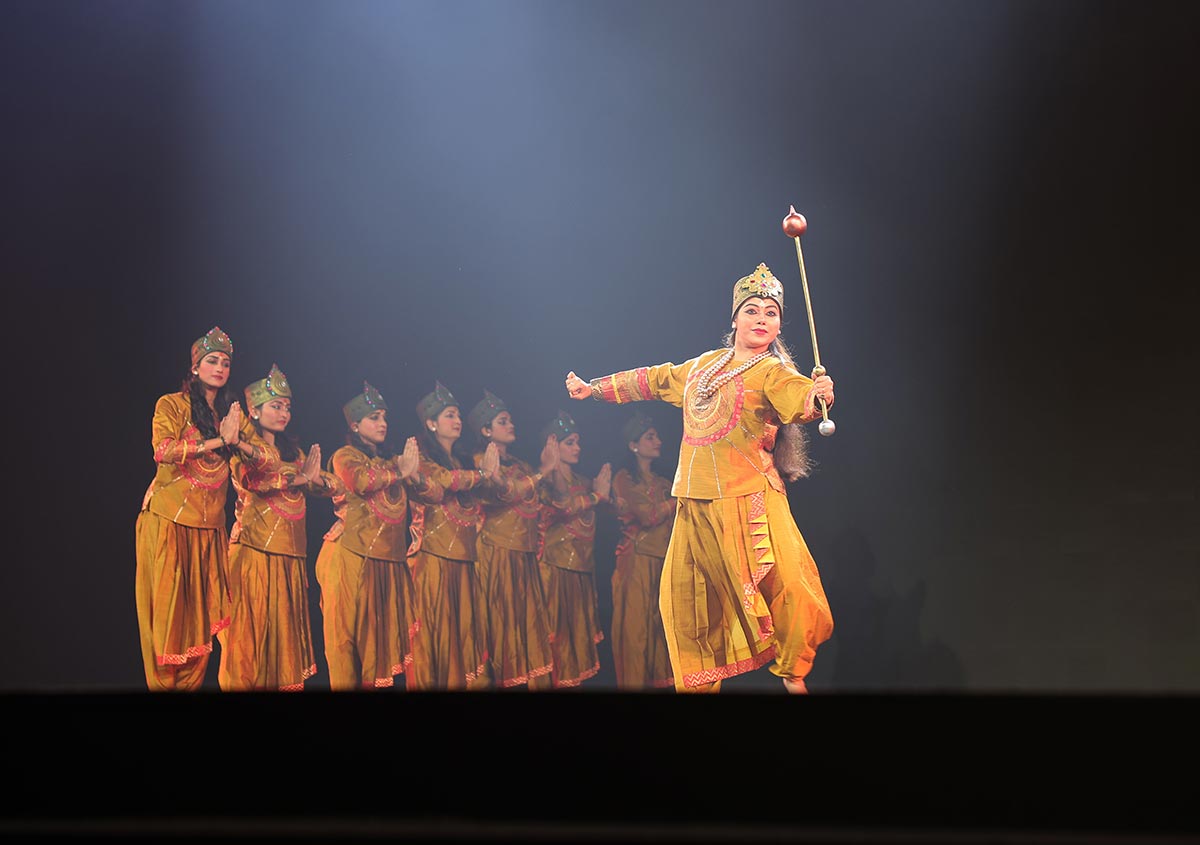
Dr. Sonal Mansingh has unwaveringly espoused classical dance as a cerebral form, one that eloquently expresses social ethics, ecological balance, gender justice, spiritual enquiry, and philosophical continuity. Kalayatra celebrates these themes by showcasing original choreographic works.
The grand festival is set to open with “Amrut Manthan.” This will be followed by performances that range from environmental themes in Athijeevanam (Kathakali) to mythic and philosophical narratives such as Karna, Bound by Fate, Duryodhana, Chakravyuha, and Sita Bibaha Bihar. They also have a dedicated spot for “Matrika” by the Rainbow Dance Troupe, India’s first professional LGBTQ+ classical ensemble, making it omnibus.
CICD’s 49-Year Cultural Legacy
View this post on Instagram
The foyer exhibition at CICD titled “CICD CANVAS” celebrates its five decades of cultural custodianship (1977–2026). It features rare archival photographs, climactic performances, and documentations that narrate the institute’s catalytic role in metamorphosing and preserving classical dance while engaging with social reforms. They have highlighted almost every domain of their engagement, starting from ecological awareness to women’s empowerment.
The CICD came into being in 1977 and has functioned as both an academic and philosophical hub ever since. This institution has trained generations of performers with holistic discipline integrating mind, body, and spirit. It stands tall as an andragogic model rarely sustained in modern performing arts institutions.
Glimpses of The KalaYatra
| Aspects | Details |
|---|---|
| Festival Name | Festival of New Choreographies – KalaYatra 2026 |
| Curator | Dr. Sonal Mansingh (Padma Vibhushan) |
| Organizer | Centre for Indian Classical Dances (CICD) |
| Dates | January 13, 14, 15 & January 28, 29, 2026 |
| Venue | Kamani Auditorium, Mandi House, New Delhi |
| Time | 6:30 PM onwards |
| Total Productions | 10 new classical choreographies |
| Milestone | Celebrating 49 years of CICD (Established 1977) |
| Special Feature | Archival exhibition in the auditorium foyer |
Key Highlights
- Ten new classical choreographies premiered nationally
- The festival focuses on fresh, never-before-seen works that reinterpret mythological parables through a modern lens
- Participation of Gurus and institutions from multiple Indian states
- From the Yakshagana style of Karnataka to Kathakali and Odissi, the festival spans the geographical and stylistic breadth of India
- Integration of Sanatan philosophy, mythology, ecology, and social justice
- CICD’s 49-year archival exhibition at the venue foyer
- A curated exhibition titled “CICD Canvas” will trace the nearly five-decade-long journey of the Centre, showcasing rare photographs and vintage memorabilia.
- Inclusion of India’s first LGBTQ+ professional classical troupe
- Curated entirely by Dr. Sonal Mansingh
- Dr. Mansingh herself leads the opening with the magnum opus Amrut-Manthan, a production that exemplifies her deep scholarly vision
The 5-DAY Itinerary 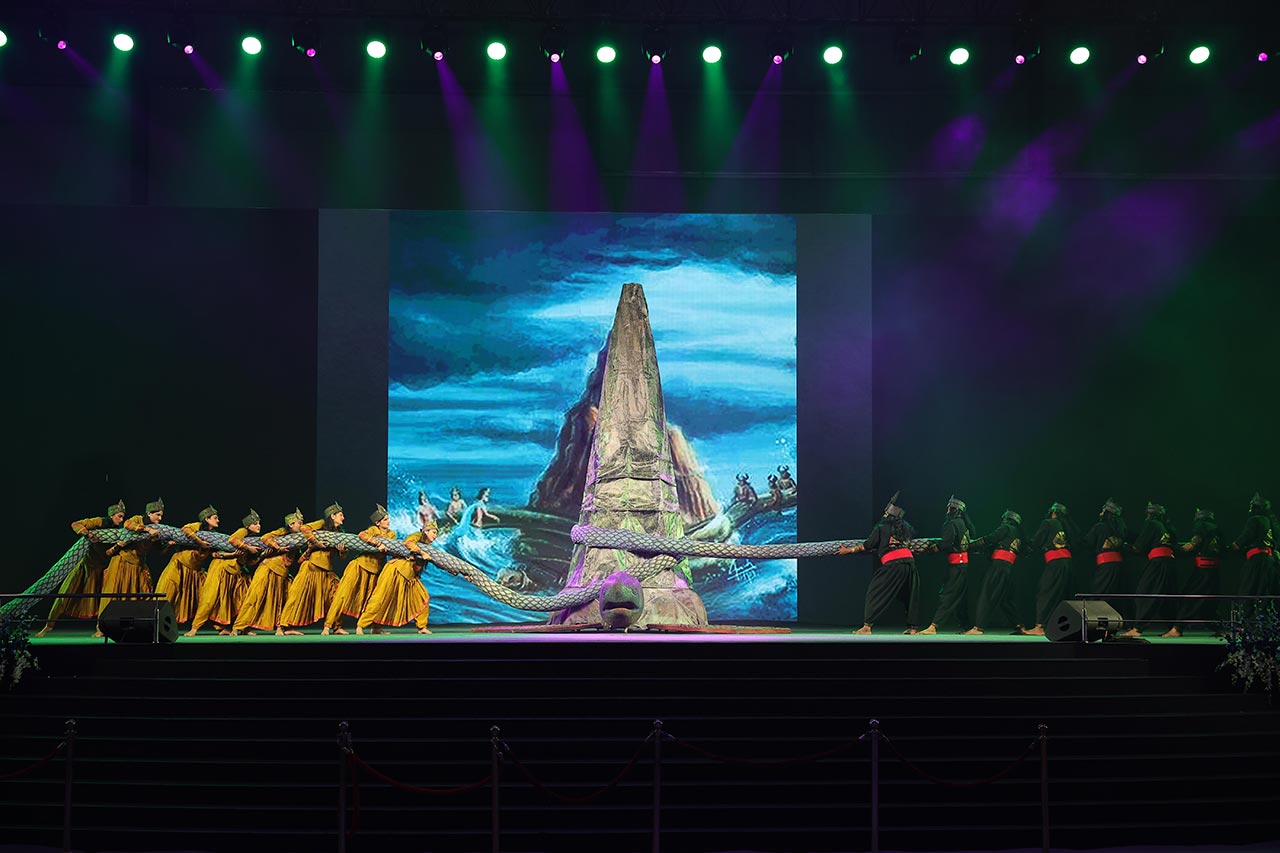
The festival is judiciously divided into two segments. The first half, taking place on January 13-15, is dedicated to nature and divinity. This segment will feature Guru T.B. Jagadeesan’s focus on nature and Guru Keremane Shivananda Hegde’s Yakshagana presentation of Girija Kalyana. These sessions invite Rasikas (art connoisseurs) to witness the coordination of body, mind, and spirit.
The second segment is scheduled for January 28-29. This segment discloses the epic narratives of the Mahabharata and the exploration of identity. The performance of Chakravyuha by Shriram Bharatiya Kala Kendra and the closing act Matrika represent the festival’s commitment to both tradition and the evolving social fabric of 21st-century India.
A Brief About Dr. Sonal Mansingh: The Visionary
Dr. Sonal Manshingh is a Padma Vibhushan Awardee and a Guru, choreographer, scholar, cultural philosopher, author, kathakar, and social reformer. She has earned global recognition in more than 90 countries. She is celebrated for her philosophy, literature, sculpture, and mythological symbolism in classical dance. She seamlessly amalgamated these elements into classical dance and metamorphosed performances into a powerful medium for addressing pressing societal concerns. She has meddled in issues such as environmental degradation, river pollution, women’s empowerment, social justice, and prison reform.
She has also revived the ancient narrative form christened as “Natya-Katha,” and her landmark choreographies, such as Devi Durga, Draupadi, Pancha-Kanya, Bhava-Ganga, Karmyogi, and Amrut-Manthan, reflect a rare coalescence of spirituality and creative expression. She is also the founder of the Centre for Indian Classical Dances (est. 1977). She created history in 2018 as the first classical dancer to be nominated to the Rajya Sabha and chosen as a Navaratna for the Swachh Bharat Mission by the Prime Minister of India.
Dr. Mansingh also served as the Chairperson of the Sangeet Natak Akademi, a trustee of the IGNCA. She is also a visiting professor at IIT Kharagpur. Her extraordinary life and legacy have been chronicled in multiple books and the documentary SONAL by Prakash Jha. At 81, her “ZigZag Mind” continues to invigorate classical artforms as a living medium of social change.
Why KalaYatra Matters in Contemporary India
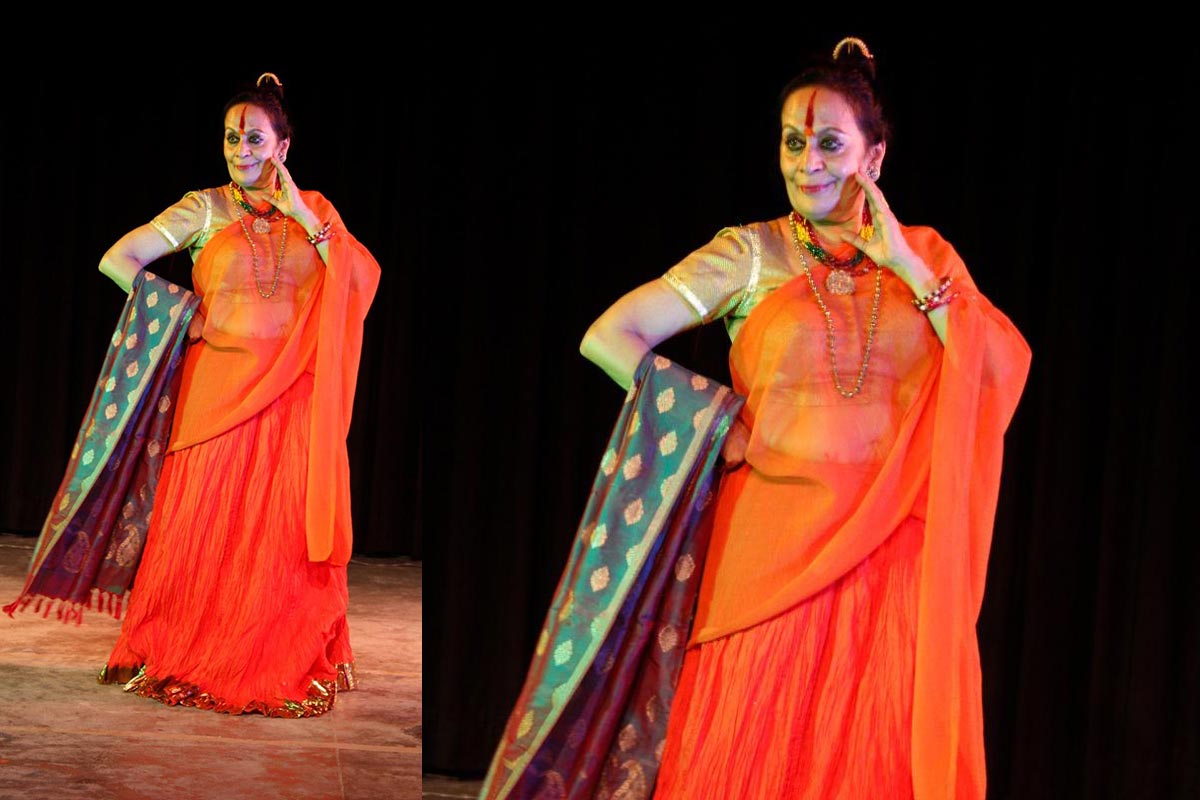
Today, artforms are highly commodified and output-driven. In such a climate, Dr. Mansingh’s KalaYatra 2026 is like a much-needed ideological intervention. The festival transitions classical dance as a path to demonstrate cultural continuity and socio-ethical conscience. The curator herself is highly noted for her redefining position in the niche of classical arts and transcending those from entertainment to ethical pedagogy. Internationally, her work has been referenced in academic discourses on cultural diplomacy and intangible heritage preservation. This places the Indian classical dance as a “civilisational export.”
Takeaway
KalaYatra 2026 aims to be the axis that keeps India’s cultural identity in its orbit. This festival is a reclamation of India’s civilisational confidence in a rapidly globalising world. Dr. Sonal Mansingh’s vision reminds us that tradition is not stagnation, but a living dialogue between the past and the future. This festival honors India’s “Sanatan” roots while embracing a progressive, inclusive future. For the youth of India, KalaYatra is a way forward to remind everyone that our civilizational soul is our greatest strength in a fragmented world. It reinstates the fact that Bharat’s classical arts are not relics of history, but living instruments of national consciousness.