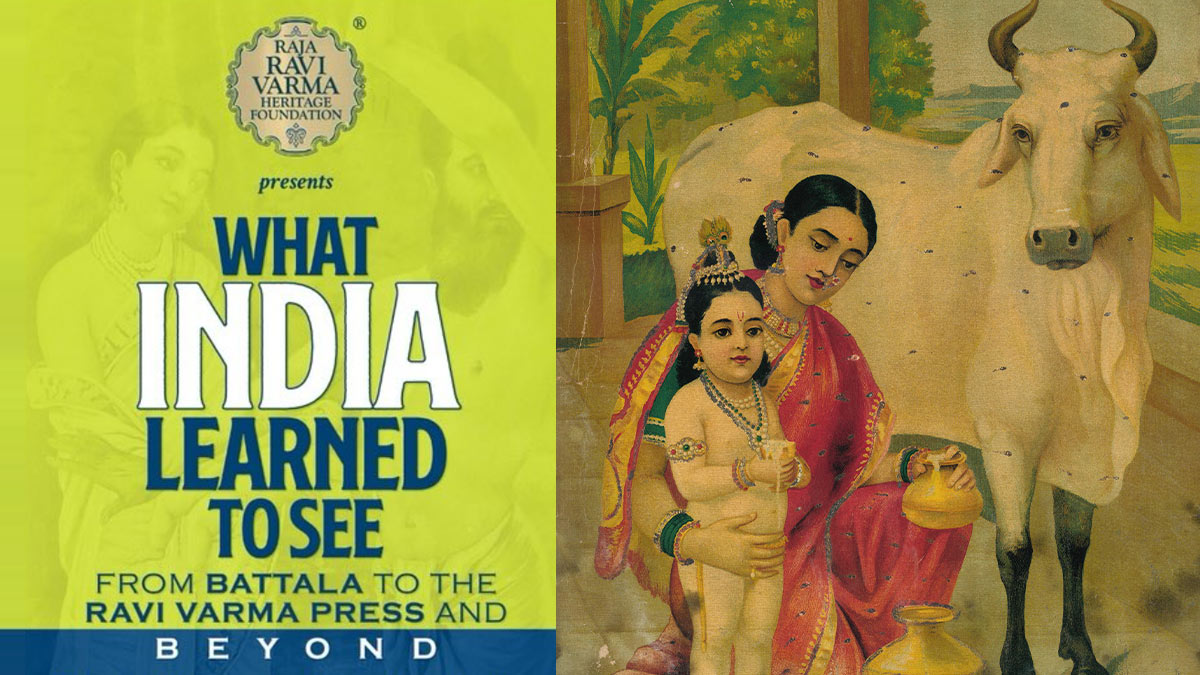
An ongoing exhibition titled What India Learned to See: From Battala to the Ravi Varma Press and Beyond is currently on view at Gallery G in Bengaluru until May 31. Presented by the Raja Ravi Varma Heritage Foundation, the exhibition examines how printmaking shaped the visual imagination of modern India.
Exploring the Role of Printmaking
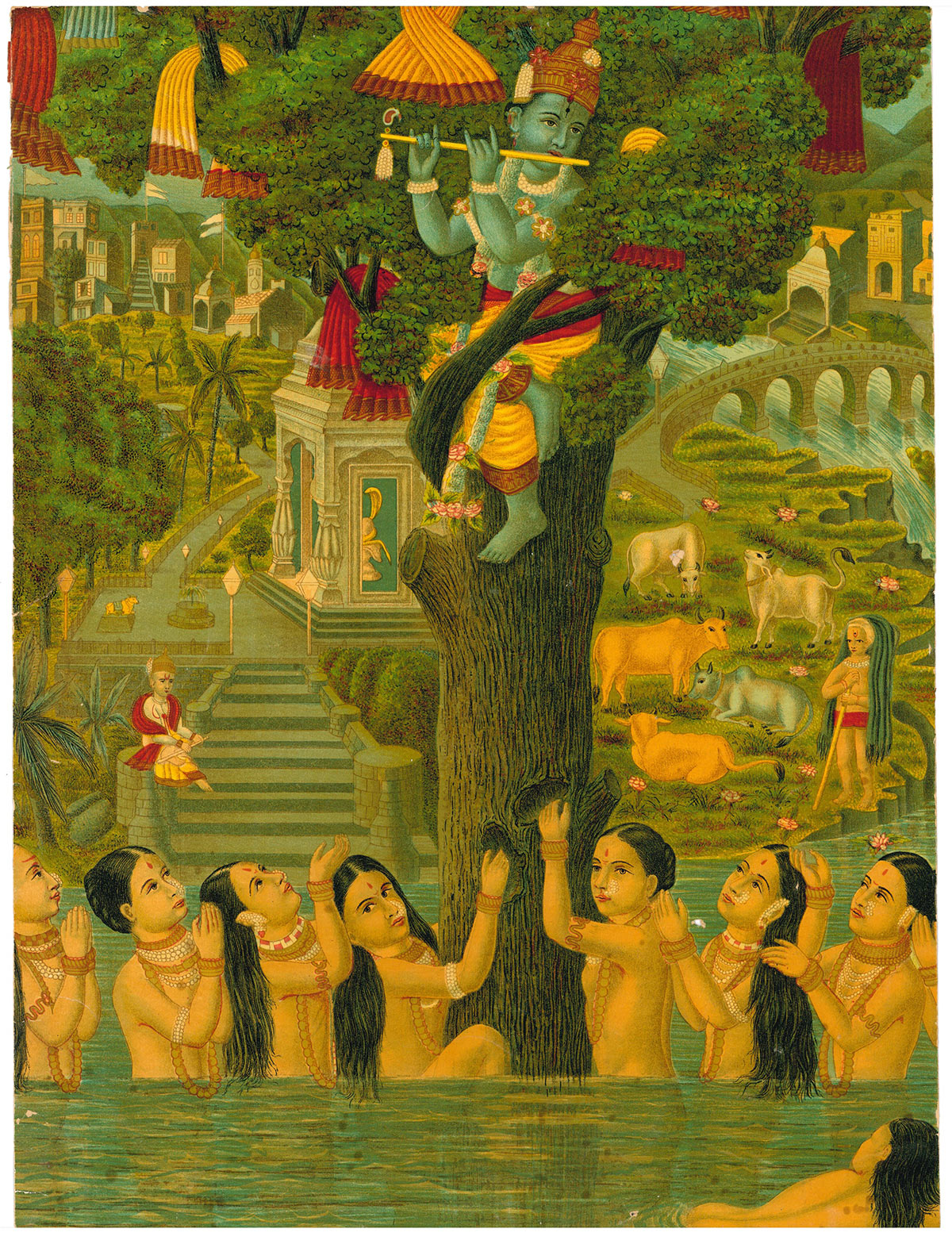
The exhibition brings together a rare collection of oleographs, lithographs, and printed ephemera dating from the late nineteenth to the mid-twentieth century. It situates printmaking as a key medium that enabled the widespread circulation of images, influencing how visual culture developed across regions.
Legacy of Raja Ravi Varma
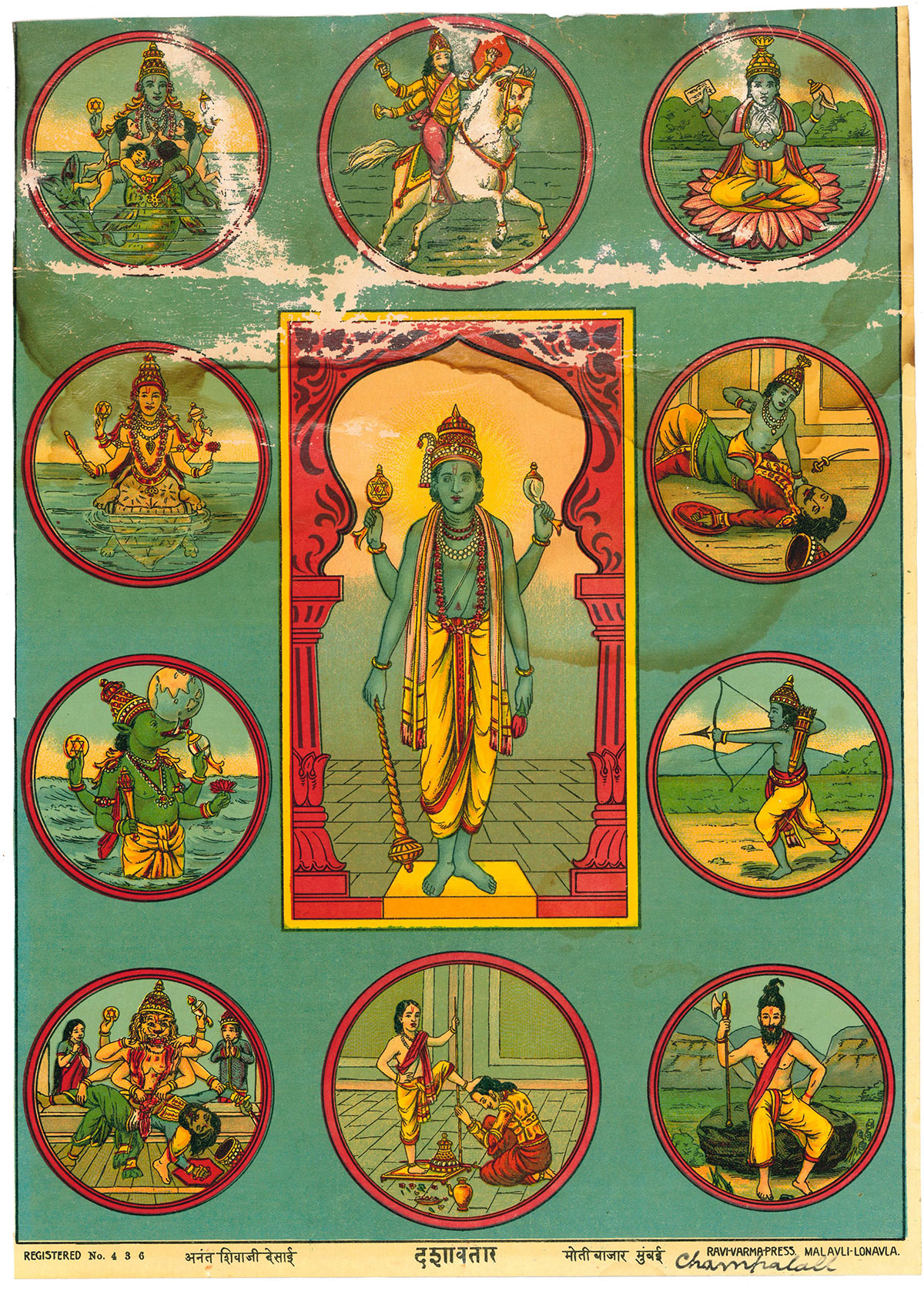
At the centre of the exhibition is the work of Raja Ravi Varma and the establishment of the Ravi Varma Press. By translating oil paintings into printed formats, the Press enabled mythological imagery to reach a broader audience. Deities such as Lakshmi, Saraswati, Vishnu, Shiva, Rama, and Krishna were standardised in visual form through these reproductions, becoming part of everyday domestic and public spaces.
Regional Print Traditions
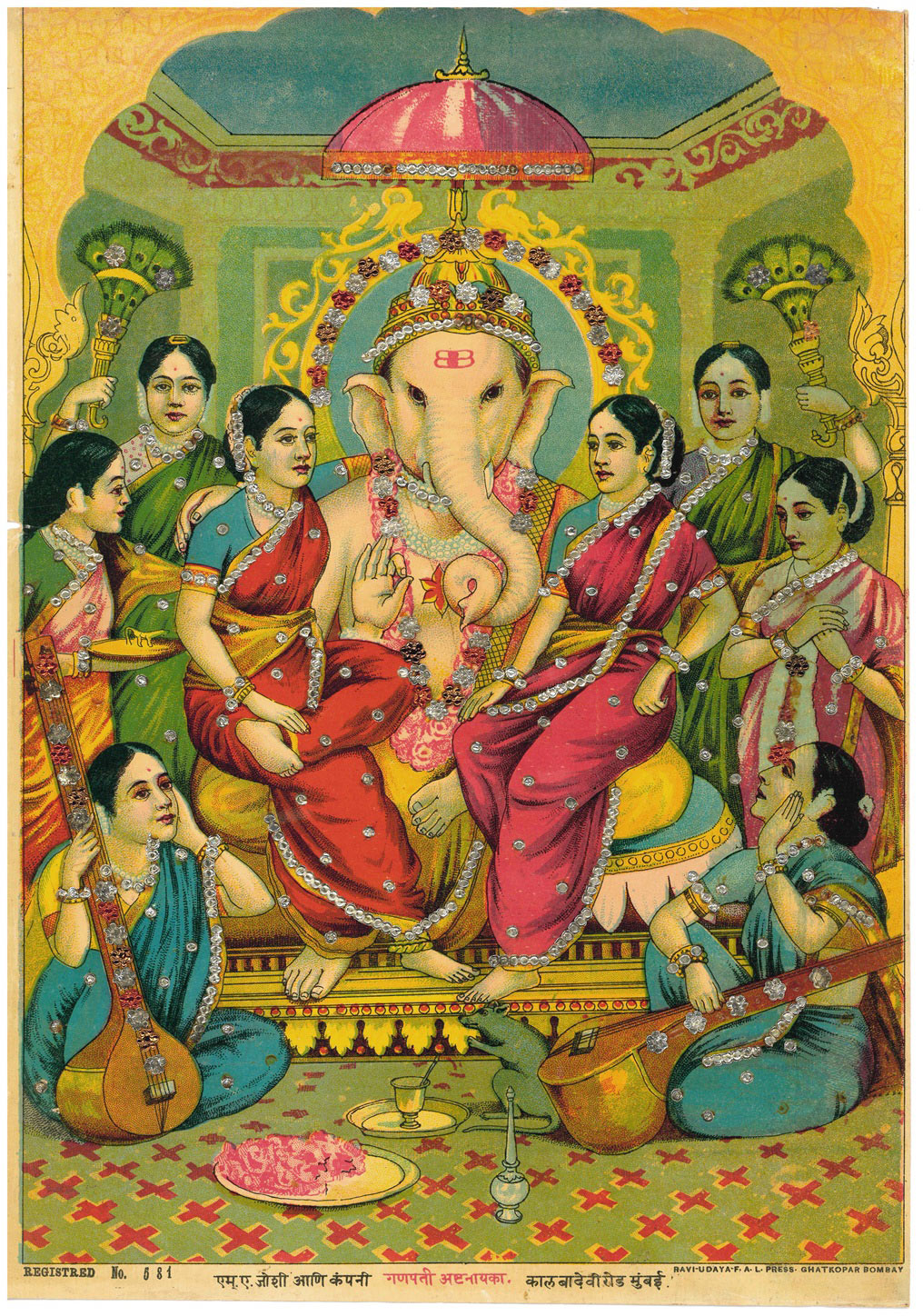
Moving beyond a single press, the exhibition highlights a wider network of printmaking practices across India, including traditions from Calcutta and Western India. By placing these works side by side, the exhibition examines how recurring visual elements—such as the lotus, veena, conch, and flute—remain consistent even as stylistic interpretations shift.
Key Highlights of the Exhibition
- Rare oleographs and lithographs from the late 19th and early 20th centuries
- Comparative displays of divine iconography across regions
- Archival materials contextualising print circulation and production
- Exploration of technological and market influences on visual culture
Print as a Cultural Force
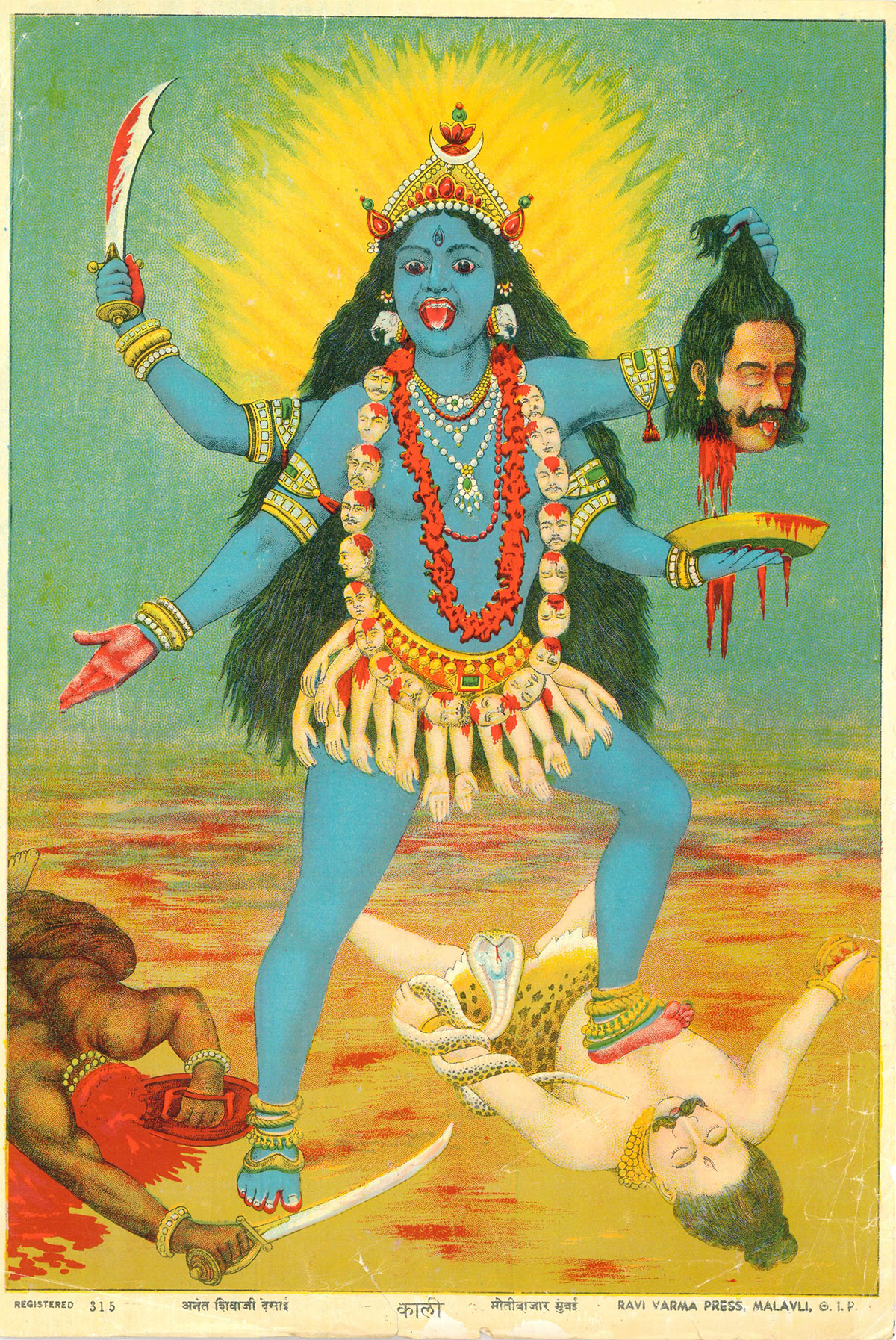
The exhibition positions print not merely as a tool of reproduction but as an active force in shaping cultural identity. Through repetition and circulation, printed images helped construct a shared visual vocabulary that continues to inform perceptions of mythology and divinity in India.
Voices from the Foundation
Rukmini Varma, Chairperson of the Foundation, emphasised the role of prints in expanding access to art, noting that the exhibition coincides with the birth anniversary of her great-great-grandfather, Raja Ravi Varma. Gitanjali Maini, Managing Trustee and CEO, highlighted that prints were created for dissemination rather than exclusivity, describing them as part of a shared cultural inheritance. Trustee Jay Varma described the exhibition as an inclusive gesture that allows wider audiences to engage with the artist’s legacy.
About the Organiser
The Raja Ravi Varma Heritage Foundation focuses on research, preservation, and public engagement with the legacy of Raja Ravi Varma and his artistic lineage. Its initiatives include exhibitions, publications, and conservation efforts that aim to expand understanding of Indian visual traditions.
Venue and Visitor Information
| Aspects | Details |
| Event | What India Learned to See: From Battala to the Ravi Varma Press and Beyond |
| Artist | Raja Ravi Varma (focus of exhibition) |
| Venue | Gallery G, 38, Maini Sadan, Lavelle Road, Shanthala Nagar, Ashok Nagar |
| City | Bengaluru, Karnataka |
| Opening Date | Ongoing |
| Exhibition Dates | Until May 31 |
| Organiser | Raja Ravi Varma Heritage Foundation |
| Entry / Tickets | Not specified |
The exhibition is being held at Gallery G, located on Lavelle Road in Bengaluru. It is open to the public until May 31. Visitors can view the exhibition during gallery hours; entry details have not been specified.
Takeaway
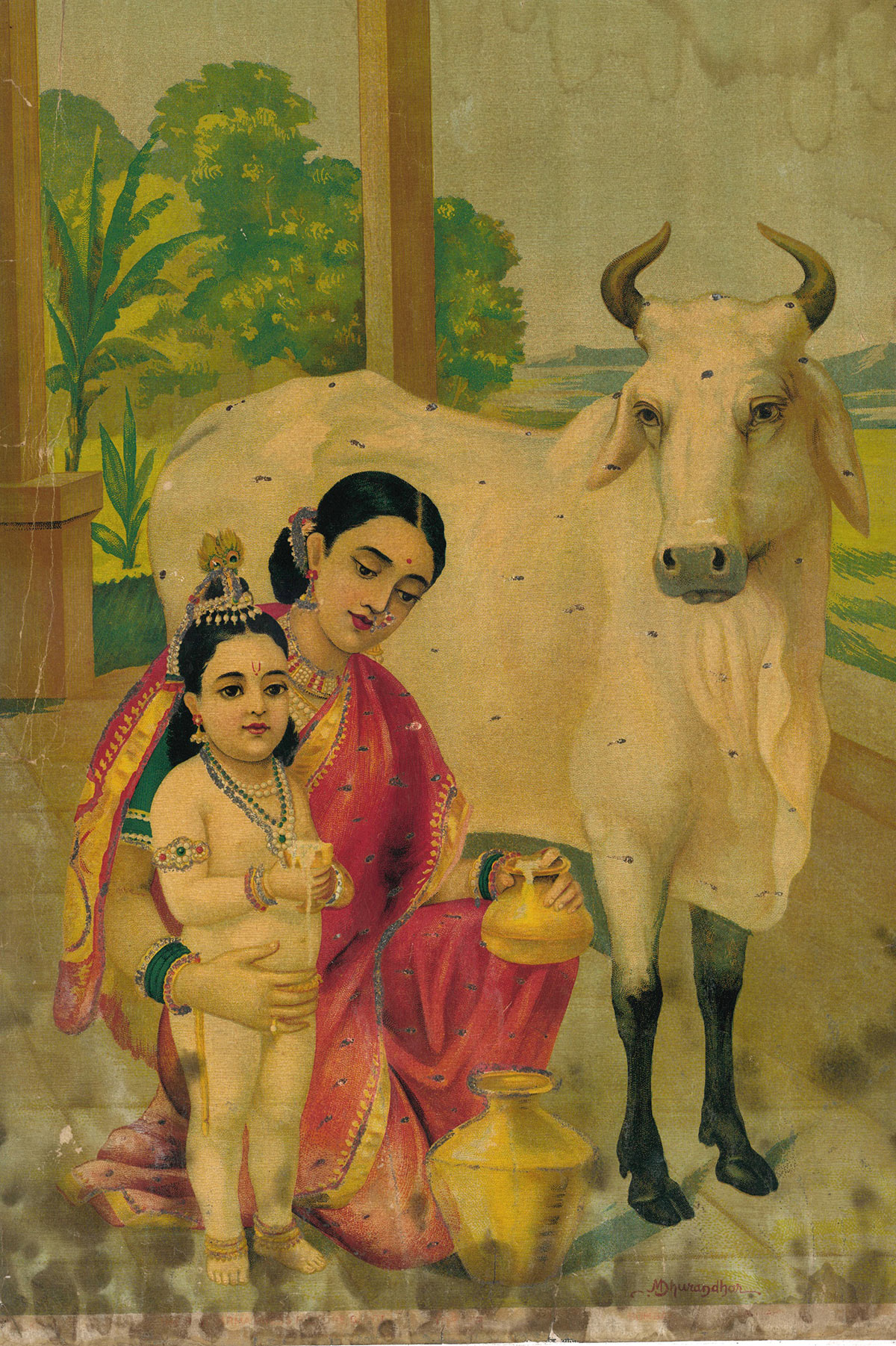
What India Learned to See offers a considered look at how printmaking shaped India’s visual culture and collective imagination. By foregrounding accessibility and circulation, the exhibition invites viewers to reflect on how images travel, transform, and endure. It situates print as a vital link between art, society, and shared cultural memory.