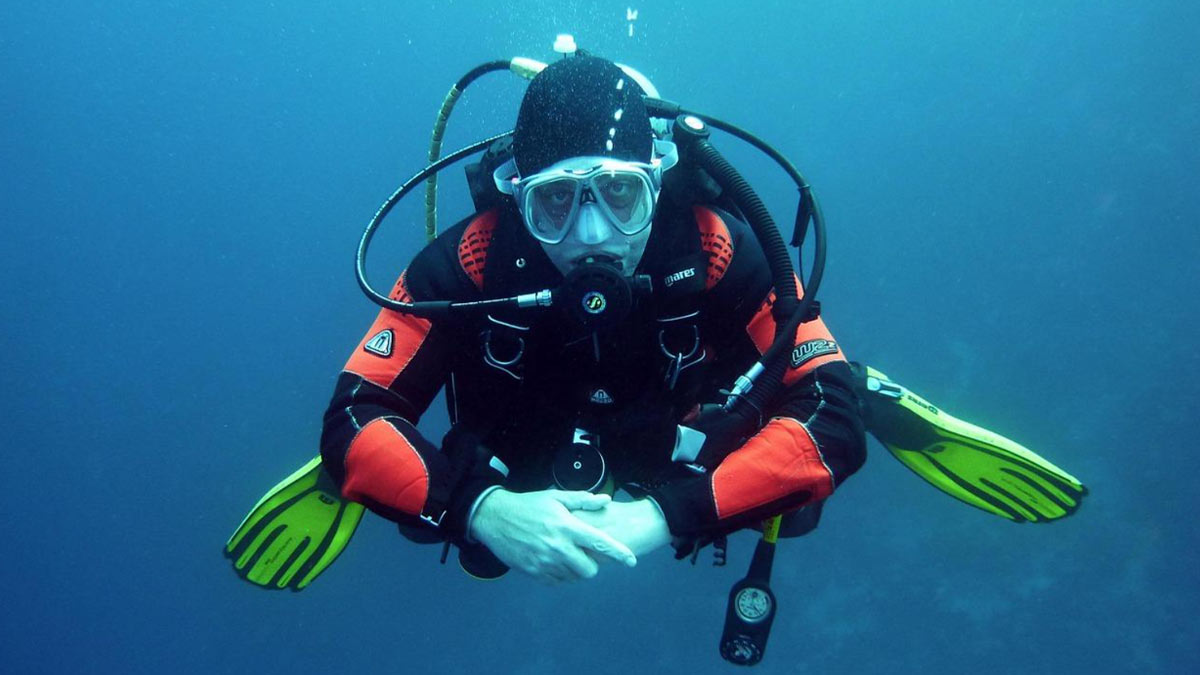
Africa doesn’t ease you into diving. It throws you straight into the deep end in the best possible way.
This is a continent where dives feel raw and unpredictable. One day it’s calm reefs and endless visibility. The next, you’re drifting through strong currents with sharks cutting through the blue. It’s not always comfortable. But that’s exactly why serious divers keep coming back.
If you’re chasing real encounters whale sharks, hammerheads, fast-moving bait balls Africa delivers. Not in a polished, resort-heavy way. More in a way that feels slightly wild, sometimes remote, and always rewarding.
Here are the destinations that stand out when you’re ready to go beyond easy diving.
1. Mozambique – where megafauna steals the show
Mozambique feels like one of the last places where ocean life still shows up in full force.
It’s known quietly, but firmly as one of the best locations in the world for megafauna. Whale sharks glide past without warning. Manta rays gather at cleaning stations. Humpback whales move through during the season, and reef sharks are never too far away.
Tofo is where most divers start. It’s famous for manta encounters, though conditions can be a little demanding. Visibility shifts. Currents pick up. You have to stay alert.
Further north, the Bazaruto Archipelago offers something slightly calmer but still rich. You might even spot dugongs here, which feels rare enough to be memorable.
Then there’s the Quirimbas remote, quiet, and largely untouched. Fewer boats. Fewer divers. Just long stretches of reef and open ocean.
Planning a trip here takes a bit more effort, especially if you want to move beyond the obvious sites. Many divers end up spending time exploring Mozambique’s remote dive regions through curated itineraries that help unlock lesser-known reefs and offshore locations.
Quick tip:
This isn’t beginner territory. Strong currents and deeper sites mean Advanced Open Water is the bare minimum.
2. South Africa – high-adrenaline shark diving
If Mozambique is about grace, South Africa is about intensity.
This is shark territory. Aliwal Shoal and Protea Banks are known for close encounters with tiger sharks, bull sharks, and ragged-tooth sharks. It’s not staged. It’s not predictable. And that’s exactly what makes it compelling.
But the real headline here is the Sardine Run.
Every year, billions of sardines migrate along the coast. What follows is chaos in a good way. Dolphins herd bait balls into tight formations. Sharks strike from below. Birds dive from above. If you happen to be in the water at the right time, it feels less like diving and more like stepping into a live documentary.
Conditions aren’t always forgiving. Water can be cold. Visibility varies. Surge is common.
Quick tip:
Bring the right exposure suit. And expect dives that demand focus more than comfort.
3. Egypt (Red Sea) – consistent, world-class deep diving
The Red Sea is often the first place people think of. But for serious divers, it still holds up especially offshore.
Sites like the Brothers Islands, Daedalus Reef, and Elphinstone aren’t casual dives. They’re deep, exposed, and built for drift diving. You’ll often be suspended over drop-offs that disappear into blue water.
That’s where the action is. Oceanic whitetips. Hammerheads. Sometimes both in a single trip.
What makes Egypt different is consistency. Visibility is excellent. Marine life is reliable. And liveaboards make it easy to access remote sites without logistical headaches.
There’s also the wreck scene. The Thistlegorm is the standout, though not the only one worth exploring.
Quick tip:
Perfect if you want challenging diving without unpredictable logistics.
4. Tanzania (Mafia Island & Zanzibar) – quiet but rewarding
Tanzania doesn’t always get the same attention as Egypt or South Africa. But that’s part of the appeal.
Mafia Island is the highlight. Between October and March, whale sharks gather here. Not in massive, overwhelming numbers but consistently enough that encounters feel likely.
The diving itself is balanced. Some reef exploration. Some pelagic sightings. Nothing too extreme, but still engaging.
Zanzibar offers a slightly different feel. Coral reefs, gentle drift dives, and sites like Mnemba Atoll that are easy to enjoy without feeling crowded.
It’s a quieter experience overall. Less pressure. Less noise.
Quick tip:
A strong option if you want big marine life without high-stress diving conditions.
5. Seychelles – remote, clean, and slightly underrated
Diving in Seychelles feels different from the mainland.
The granite rock formations alone change the underwater landscape. Instead of endless coral fields, you get dramatic structures, swim-throughs, and unusual topography.
Marine life is healthy. Reef sharks are common. Seasonal whale sharks pass through certain areas. And the reefs—particularly around more remote islands remain relatively untouched.
Aldabra, in particular, stands out. It’s isolated, protected, and not easily accessed without a liveaboard.
Quick tip:
Ideal if you value pristine conditions and fewer divers over high-action encounters.
6. Sudan – raw Red Sea diving, without the crowds
Sudan feels like stepping into an earlier version of the Red Sea.
Less developed. Less crowded. Slightly harder to access.
But once you’re there, the rewards are clear. Reefs are vibrant. Marine life is abundant. And sites like Sha’ab Rumi and Sanganeb offer strong chances of encountering hammerhead schools.
There’s also a historical edge. Jacques Cousteau’s experimental underwater habitat still sits here, quietly adding to the sense of exploration.
Quick tip:
Best experienced via liveaboard. And better suited to divers comfortable with limited infrastructure.
7. Cape Verde – Atlantic energy and wreck diving
Cape Verde sits out in the Atlantic, and you can feel it underwater.
The conditions are more dynamic. The marine life is different. Tuna, rays, and sharks move through open water. It’s less about coral and more about motion.
Wreck diving is a big part of the appeal. Several sites offer interesting structures without heavy crowds.
It’s not as polished as the Red Sea. But that’s part of its character.
Quick tip:
Good for divers looking to mix wreck exploration with pelagic encounters.
8. Kenya – underrated and easy to overlook
Kenya doesn’t usually make the top of diving lists. But it probably should.
Watamu Marine Park and Malindi offer healthy coral reefs, good biodiversity, and a relaxed diving pace. You’ll see turtles, reef fish, and occasional larger pelagics.
It’s not extreme diving. It’s not built around headline encounters.
But sometimes that’s exactly what makes it enjoyable.
Quick tip:
A solid alternative if you want quality diving without crowds or intensity.
Where to go based on your diving style
If you’re narrowing it down, this helps:
- Megafauna encounters: Mozambique
- Shark-focused diving: South Africa
- Liveaboard + deep sites: Egypt, Sudan
- Remote and pristine: Seychelles
- Whale shark season: Tanzania
- Mixed, relaxed diving: Kenya
- Atlantic-style diving: Cape Verde
Practical tips for serious divers in Africa
A few things to keep in mind before you go.
Certification matters
Most of these sites assume Advanced Open Water. Some lean toward technical-level experience, especially with deep or drift dives.
Currents are part of the experience
Drift diving isn’t optional in many places. It’s the norm.
Seasonality changes everything
Whale sharks, Sardine Run, manta sightings—timing matters more than location.
Gear needs vary
You might need a 3mm suit in one location and something thicker in another. Don’t assume consistency.
Logistics take planning
Some of the best sites aren’t easy to reach. Flights, transfers, and liveaboards need to be planned ahead.
When to go
Timing can shape the entire trip.
- Mozambique: Good year-round, with peak megafauna sightings varying by region
- South Africa: Sardine Run peaks June to August
- Tanzania: Whale sharks from October to March
- Seychelles: Best conditions vary, but April–May and October–November are often ideal
- Egypt & Sudan: Generally strong year-round, with seasonal pelagic variations
Final thoughts
Diving in Africa isn’t about ticking boxes. It’s not always easy. It’s not always predictable.
But that’s exactly where the value sits.
These are places where dives feel like exploration rather than routine. Where every descent holds a bit of uncertainty. And where the best moments tend to be the ones you didn’t plan for.
If you’re a serious diver, this is where things start to feel interesting again.