Inside the stone corridors and former prison cells of Goa’s heritage Aguad Port and Jail complex located in the stunning coastal village of Sinquerim, over 30 women artists have come together for Show of Strength, a large-scale exhibition that has transformed a historic site once associated with control and confinement into a space for dialogue, memory, resilience and contemporary artistic expression.
Panaji, May 2026 – At the Aguad Port and Jail Complex, the heritage architecture speaks for itself even before visitors encounter the stunning artworks on display during Show of Strength, through which 37 women artists from Goa have showcased works spanning painting, sculpture, textile, photography, installation and digital art.
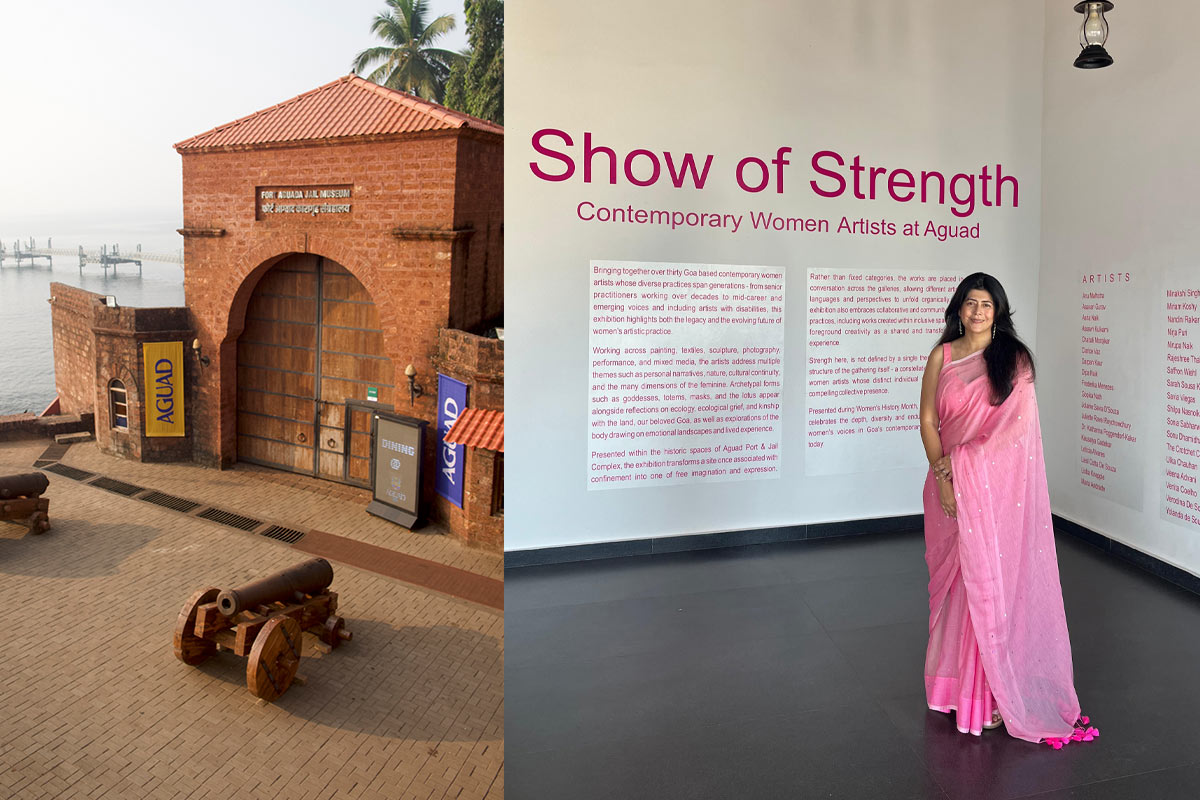
Conceived by well-known curator Samira Sheth, the exhibition has brought together 37 women artists across generations and practices, ranging from established names to emerging practitioners and neurodivergent artists. At the Aguad Port and Jail Complex in Goa, the exhibition uses the architecture of the 17th-century site as more than just a stunning backdrop – it becomes an integral part of the experience itself.
That authenticity forms the core of the exhibition. The participating artists present works across painting, photography, ceramics, sculpture, installation, crochet, textile and digital media, embracing differences in medium, style and artistic language.
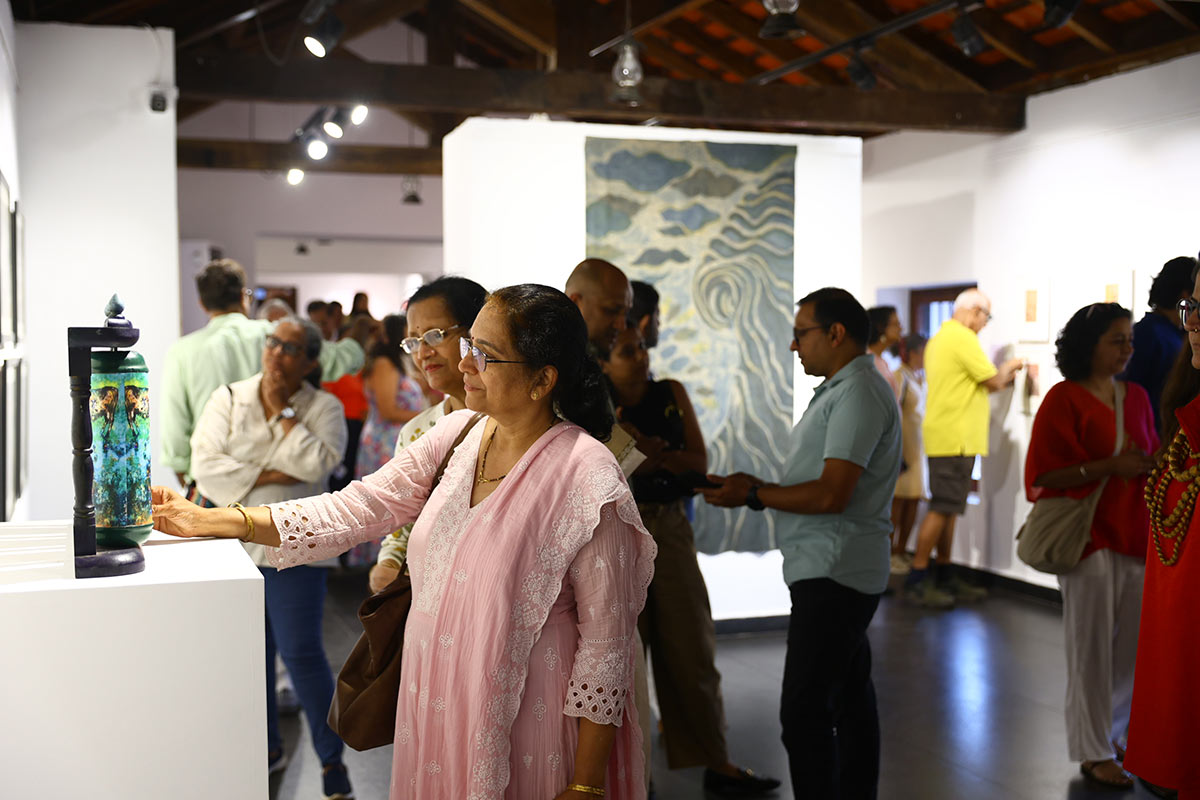
The exhibition opened earlier in March, coinciding with Women’s History Month celebrated globally, with works that evoke feminine power and spiritual resilience. Artists such as Nirupa Naik, Sonia Rodrigues Sabharwal and Venita Coelho draw upon goddess imagery and mythic symbolism, while the sculptural and installation-based works of Anu Malhotra, Rajeshree Thakker and Katharina Kakar explore elemental energy, ritual and sacred space. Artists including Gopika Nath, Liesl Cotta de Souza and Nirja Puri also reflect on emotional landscapes, solitude, healing and female solidarity through deeply personal visual languages.
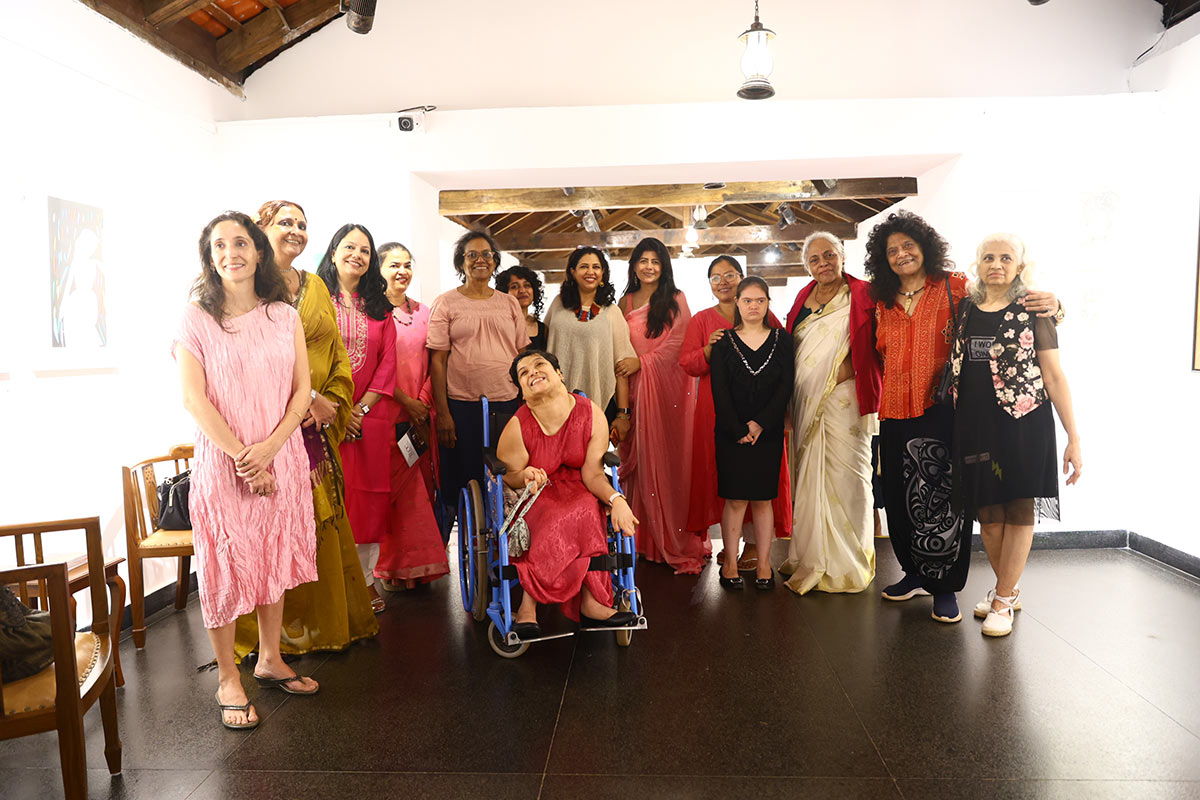
At Show of Strength, the materials used become a vehicle for storytelling itself. The works of artists such as Darpan Kaur, Chaitali Morajkar and the Crochet Collective use texture, thread and layered forms to engage with inherited burdens, childhood conditioning and the psychological weight often carried by women.
Among the most striking inclusions are works emerging from inclusive and accessible artistic practices. Sheth points to artists such as Maria Andrade, a neurodivergent artist from Divya Sadan, whom she describes as someone who “wakes up every morning looking forward to painting”, and Frederika Menezes, who creates digital paintings using a single finger on a tablet. Their inclusion expands the exhibition beyond representation into a broader reflection on artistic commitment and access.
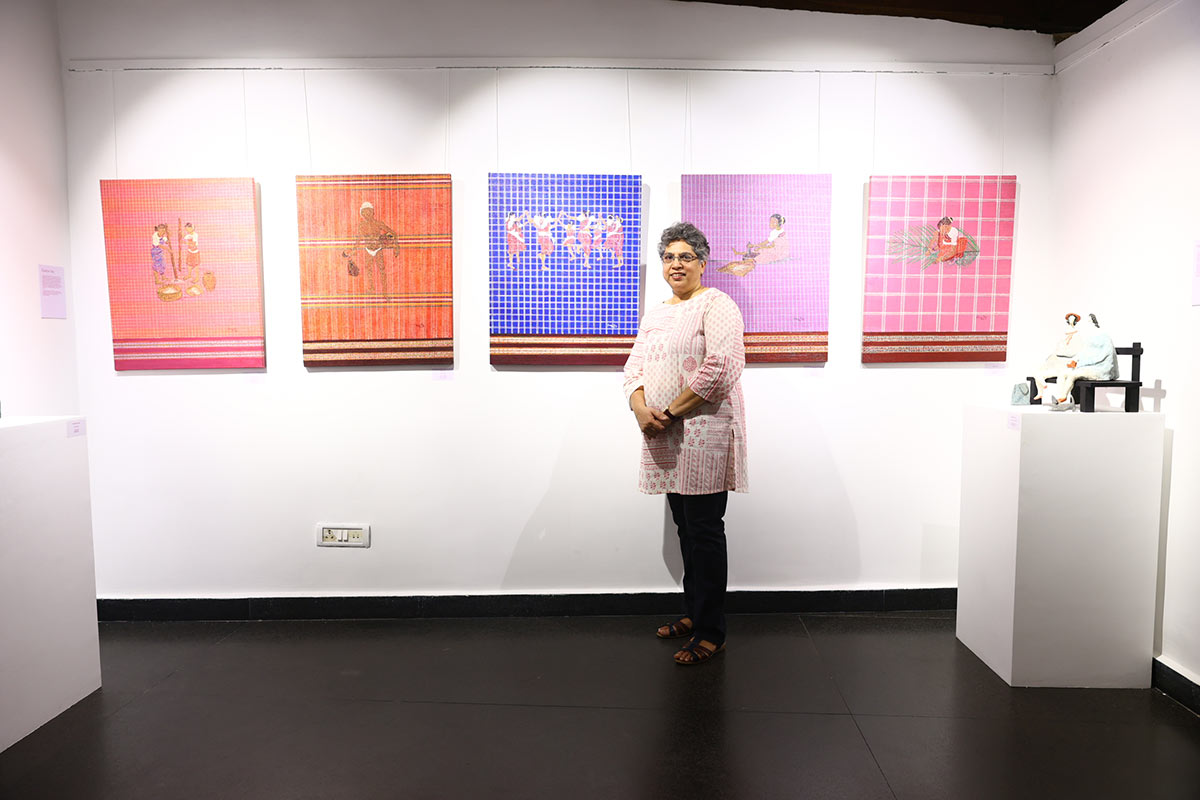
The exhibition also remains deeply rooted in Goa’s social and ecological realities. Through paintings and textile works, artists such as Clarice Vaz, Assavri Kulkarni, Minakshi Singh and Savia Viegas highlight invisible labour, indigenous practices and women’s relationships with land and livelihood.
Clarice Vaz describes the exhibition as a reflection of resilience that does not always announce itself loudly. “The strength of women is often quiet and gentle, yet layered with immense power and resilience,” she said.
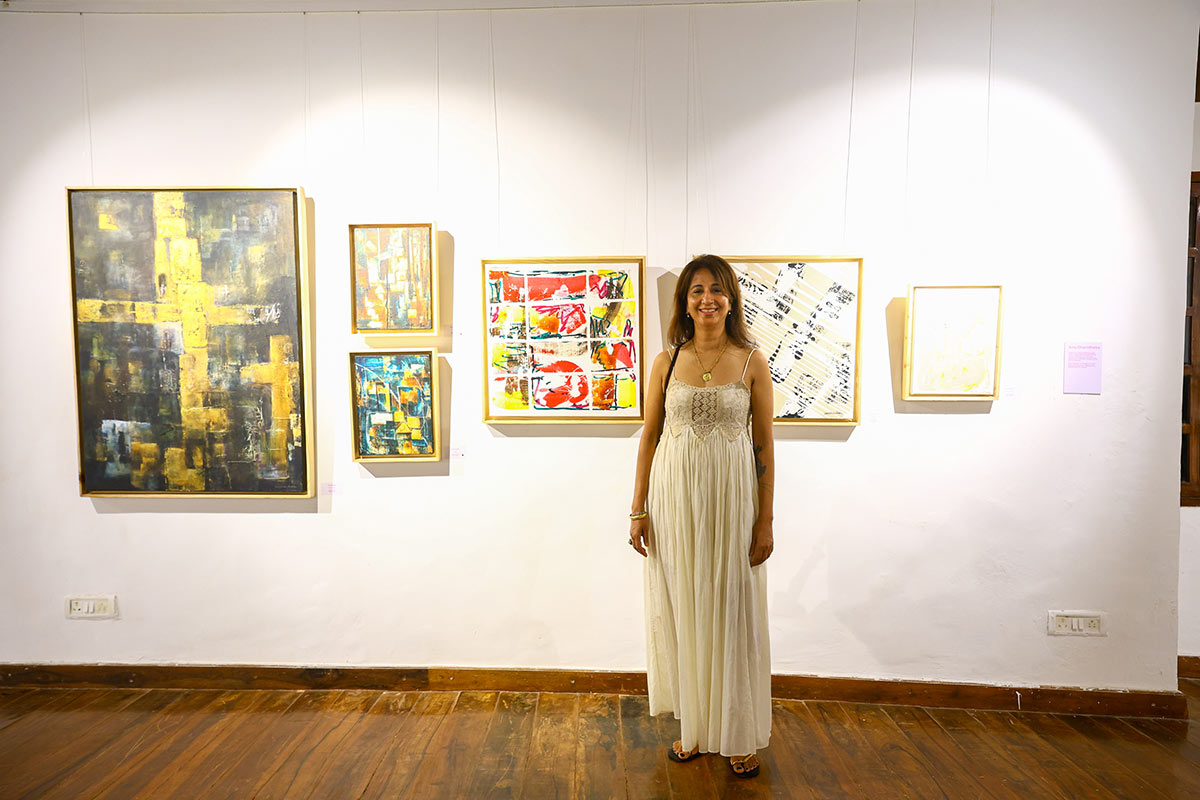
Meanwhile, artists including Miriam Koshy, Loretti Pinto and Saffron Wiehl examine Goa’s changing ecology and urban transformation, reflecting anxieties around environmental erosion, shifting communities and cultural memory through their exhibited works.
What gives the exhibition additional resonance is its setting. The Aguad complex, historically linked to surveillance, confinement and colonial authority, offers an intentional contrast to the freedom and plurality of voices on display.
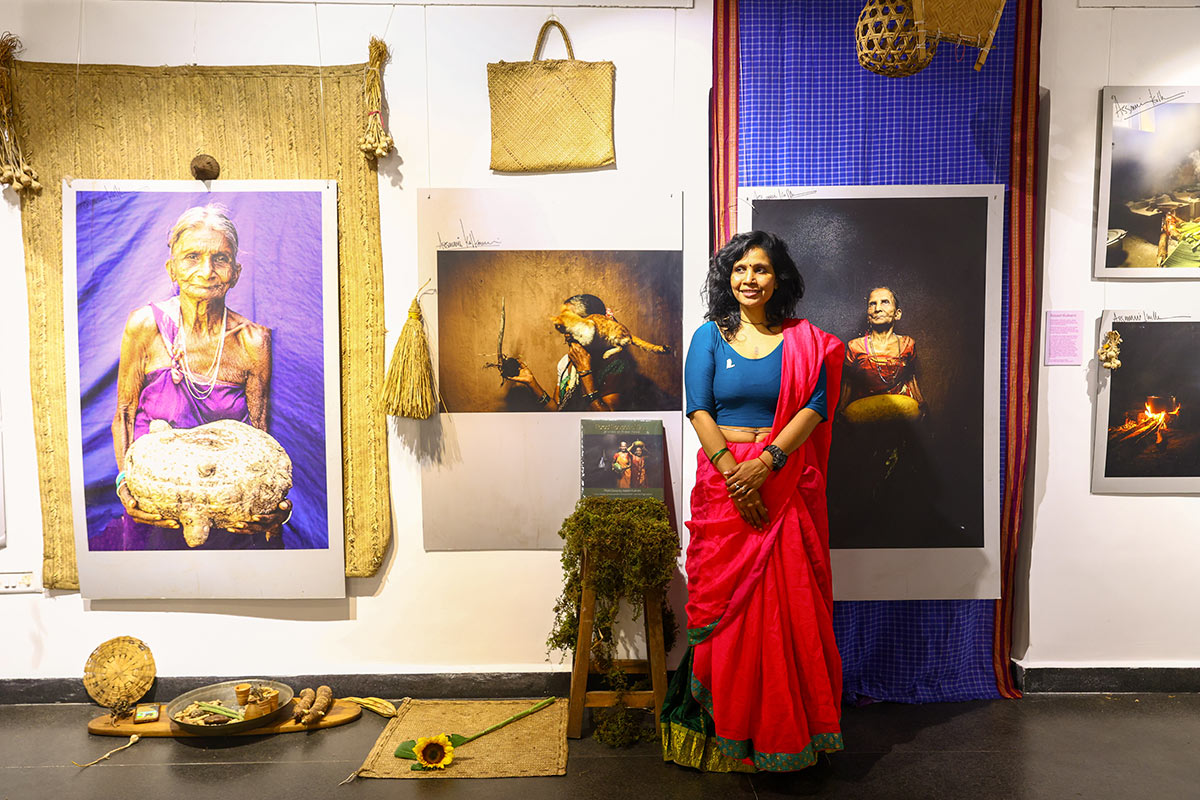
“Choosing Aguad as a venue was intentional; its history of control and confinement, originally built to regulate movement and assert power, provides a powerful contrast to the freedom of expression celebrated by over 30 women artists and this makes it meaningful. By occupying these former cells and enclosures, the contemporary exhibition by women symbolically reclaims the space, transforming a site of restriction and containment into a liberating surge of art and creativity,” Sheth said.
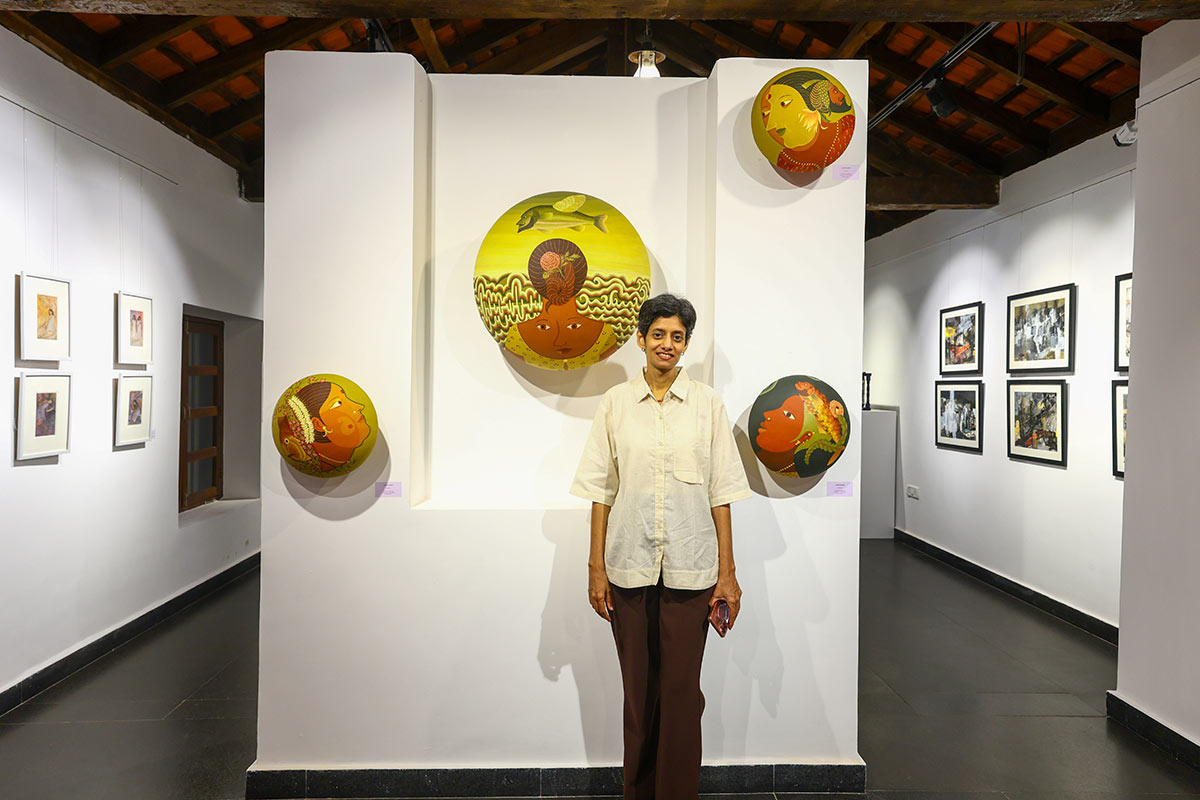
“Heritage sites like Aguad are more than colonial monuments; they hold layers of architectural, social and cultural history. While they often reflect dominant narratives of power, they also hold the invisible stories of local communities, everyday lives and practices and evolving cultural identities, even if these are not acknowledged. Engaging with these spaces through contemporary art and exhibitions reactivates them from mere static monuments into sites of interpretation and conversation that continue to evolve,” the curator also said.