The average lifespan of any solar panel is nearly 25 years. Most people don’t even stick with the same car for that long. Yet most homeowners hardly spend time comparing rooftop solar companies before installing a solar PV system at home, as compared to the time they spend on car selection.
The tricky part is that most solar companies in India sound similar on the surface. Most of them are promising big savings, quick installation, and reliable after-sales service. The real difference only shows up once they disappear after installation.
To avoid getting trapped by the wrong solar companies available across India, you must ask the right questions about something beyond price and get into how the company actually operates.
Here are the top five questions every homeowner should ask before signing up with a solar company in India –
1. Are Your Panels BIS and ALMM Certified?
This should be the very first question, and it isn’t optional. BIS (Bureau of Indian Standards) certification confirms that a panel meets India’s official safety and quality standards. ALMM (Approved List of Models and Manufacturers) listing is a government requirement for a system to qualify for the PM Surya Ghar subsidy. This shows the solar PV module is listed on the official list managed by MNRE (Ministry of New and Renewable Energy).
A company that hesitates or gives a vague answer here is a red flag. Ask if the company provides these details in writing, not just a verbal assurance. Uncertified or unlisted panels may look affordable upfront, but then you won’t get the subsidy entirely. Such low-quality panels will also become a problem afterwards, when they don’t give you the expected power unit generation. Also, these panels often degrade faster than the certified ones.
2. Who Will Actually Install My Solar System?
Many solar companies handle the sales process themselves and then hand over the actual installation to a local contractor. Ask directly whether the company has its own trained solar installation team that will be on your roof and handle panels properly or if the work will be outsourced. Installation quality varies between an experienced solar company and a local vendor who may be installing a solar panel for home for the first time.
3. Will You Assess My Roof Before Quoting a Price?
A proper solar quotation should never come before someone has actually looked at your roof. A trustworthy company will send their solar expert for a 360-degree roof analysis before finalising a solar system design. A 360-degree roof analysis includes structural load assessment (load-bearing capacity of the roof), precise measurements for installing the solar panel mounting structure, shadow mapping for the year, and custom 3D design to show you the solar panel layout on the rooftop (to get optimal output from the solar system).
If a company gives you a quotation without ever visiting your home, that quote is based on assumptions. This might not be suitable for your actual rooftop. This matters because two homes with the same roof size may need different system designs depending on overall shading or the direction the roof faces.
4. What Happens If My System Underperforms?
You may have heard about the product warranties. But this time ask for the written performance guarantee, based on the units your solar system is expected to generate each year.
Also ask about what if solar does not generate the expected power units. There is a solar company in Nagpur, and now available in other 35+ cities called SolarSquare. They give you an estimated unit output for each year, and if your system falls short of that, they compensate you for the shortfall at Rs. 8 per unit.
A company willing to compensate you for a shortfall, rather than just verbal promises, indicates they take their installation quality seriously. Very few solar companies in India actually offer this kind of guarantee in writing.
5. What Does After-Sales Support Actually Look Like?
Installation day isn’t the finish line, even though most solar companies treat it that way. Solar panels need occasional cleaning, and systems need regular electrical checks.
Try to do this monthly or quarterly to keep your rooftop solar system working well. It also helps you catch small problems early, before they turn into big, costly ones.
Ask about the AMC (Annual Maintenance Contract) of the company. Ask how many maintenance visits you offer, and over what period? Does it have cleaning and electrical checks, or just a helpline number to call if something breaks down? A company that hands you a real, detailed maintenance plan, not just a vague one-line promise, is telling you that they will not disappear after installation.
Why These Questions Matter More Than the Price Tag
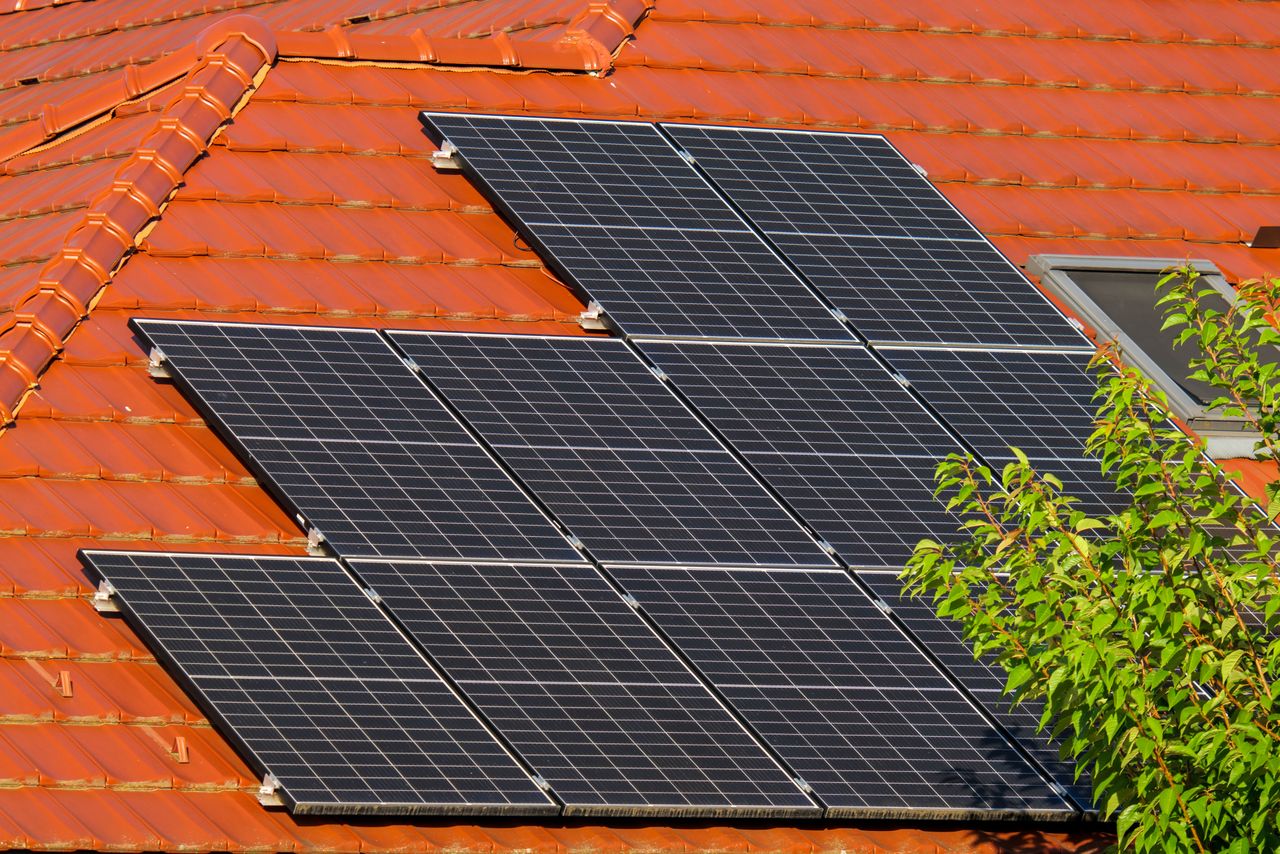
Going solar based on the price alone would be the worst decision any homeowner can make. A lower price often means one/some of the most crucial five factors have been compromised. Those factors include BIS or ALMM-certified panels, experienced solar experts for installation, 360-degree roof assessment, performance guarantee, after-sales support, and maintenance. Compromising on any of these factors can cost you more than what you save initially.
These are exactly the kind of factors that have helped companies like SolarSquare build trust in India’s solar market.
- The company uses only BIS and ALMM-certified panels, which keeps subsidy eligibility straightforward for homeowners.
- Back its installations with an actual savings guarantee, committing to a specific yearly output and compensating homeowners at Rs. 8 per unit if the committed power generation falls short.
- SolarSquare also runs a structured after-sales maintenance program, with scheduled visits over 4 to 5 years, rather than leaving homeowners to handle everything on their own once the panels are installed.
Here’s a simple way to think about it when you’re comparing solar companies. If a company answers all five of these questions clearly, and puts those answers in writing, that’s usually a company worth trusting. A company that dodges these questions, or gives vague reassurances instead of specifics, is worth walking away from, no matter how attractive the quote looks.
Final Thoughts
Choosing a solar company isn’t something to rush through in a single phone call. Take the time to ask these five questions, including certification, installation team, roof assessment, performance guarantee, and after-sales support, before you finalize anything.
The panels on your roof are going to be there for a long time (~25 years from installation). The company that puts them there should be one that’s earned your trust through clear, specific answers, not just a convincing sales pitch.