Exploring the True Essence of South Indian Culture

0

Facts about South Indian Culture

What is ‘culture’? Could it be called the ‘vibe’ of a particular geographical region? Well, sort of. Culture feels like a rather abstract term, indescribable owing to its infinite facets- food, clothing, religion and so many different components. Culture is everything that constitutes the diorama of a particular region, from M.S Subbulakshmi’s voice singing Venkatesha Suprabhatam every morning as Amma makes Sambhar in the kitchen, with Appa reading the paper in the traditional easy chair. It is the muggulu or ‘kolams’ that are drawn in courtyards every morning, and the Etikoppaka bommalu that adorn bommala koluvu in dussehra. It is any and every practice that makes us unique- that distinguishes us from everyone else. It forms the crux of our thought and our central idea; it makes us who we are. 

Uniqueness of South Indian culture

Unique-South-Indian-culture

South Indian culture is a rich tapestry woven with vibrant traditions, art forms, and customs that have evolved over centuries. Encompassing states such as Tamil Nadu, Kerala, Karnataka, Andhra Pradesh, and Telangana, South India boasts a distinct cultural identity. Known for its classical music, dance forms like Bharatanatyam and Kathakali, and the timeless art of Carnatic music, the region is a treasure trove of artistic expression. South Indian cuisine, with its diverse flavors and aromatic spices, tantalizes the taste buds, while intricate temple architecture showcases the architectural prowess of the region. Festivals like Pongal, Onam, and Ugadi are celebrated with great fervor, reflecting the deep-rooted religious and cultural beliefs of the people. South Indian culture stands as a testament to the region’s rich heritage and artistic brilliance.

South Indian Languages

South-Indian-Languages

There are four main South Indian languages- Telugu, Tamil, Kannada and Malayalam. These come from a family of languages called ‘Dravidian languages’, which, some claim, have completely different origins from Indo-European languages like Hindi due to the similarities in grammar within themselves and the differences from languages like Hindi. The languages share several words and have similar sentence structures and grammatical rules.

Traditional Food of South India

traditional-South-Indian-food

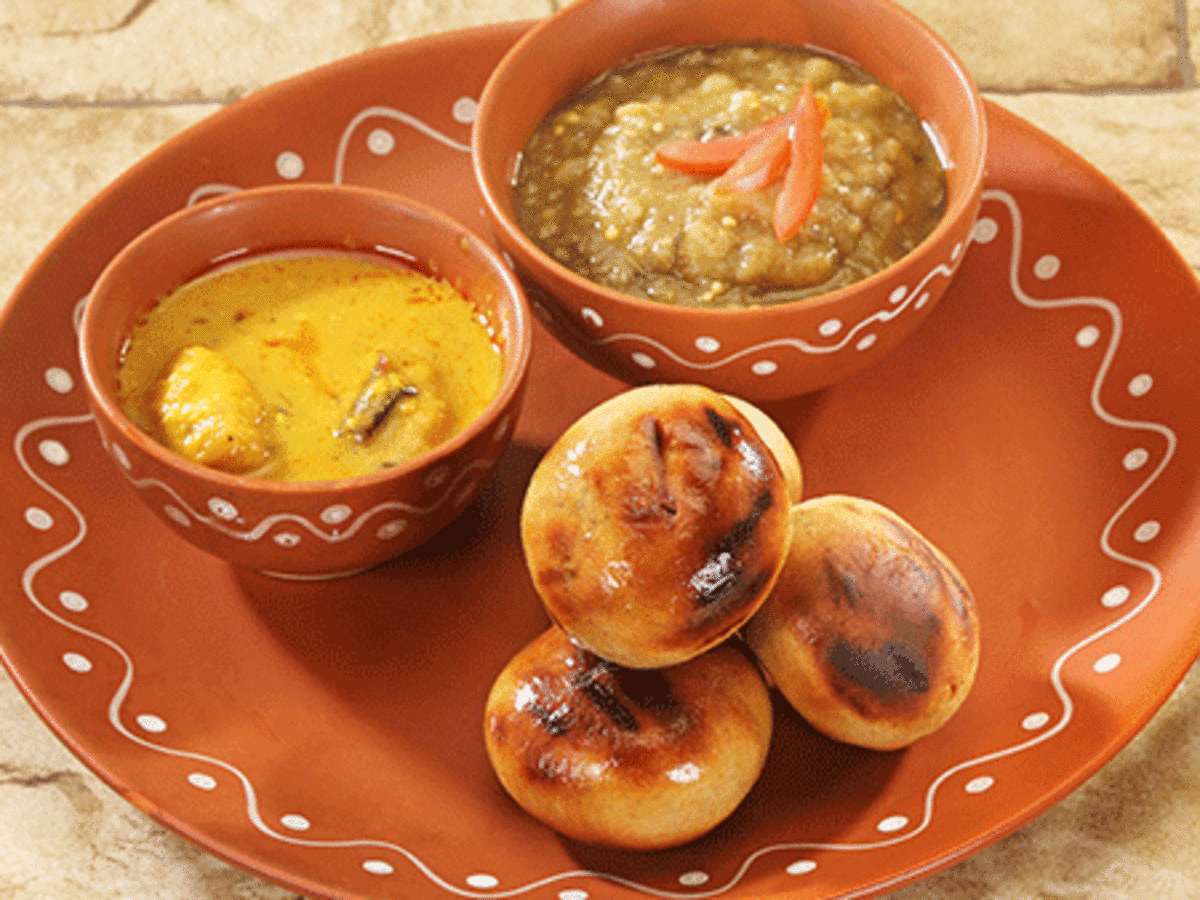
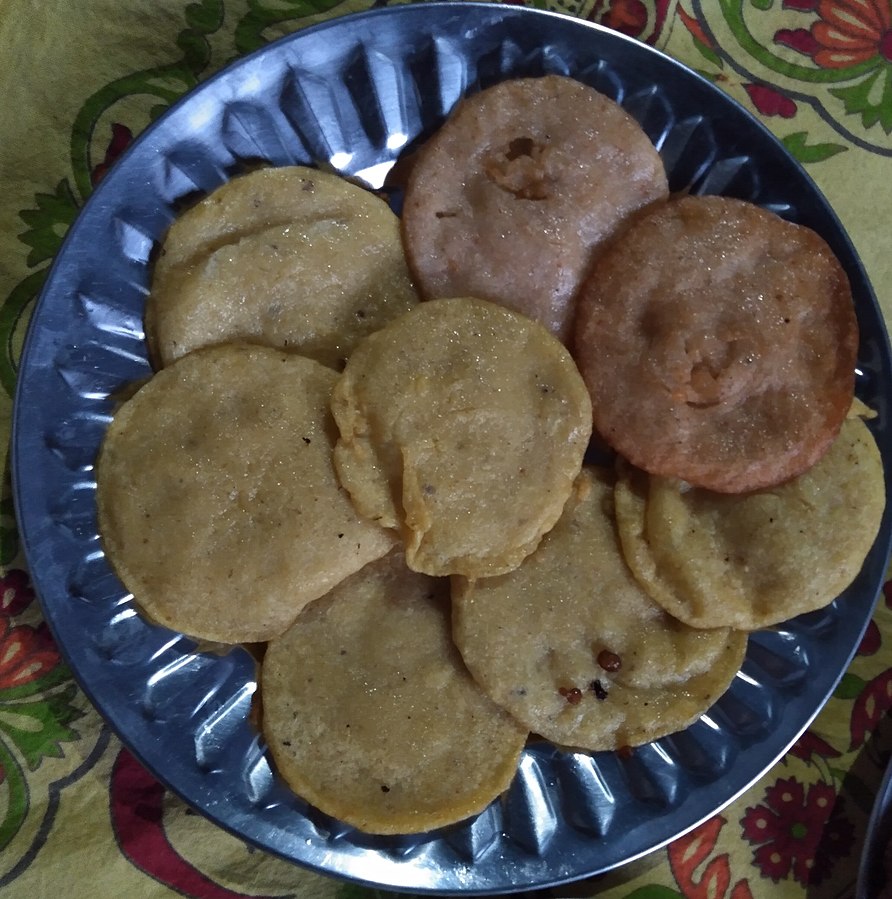
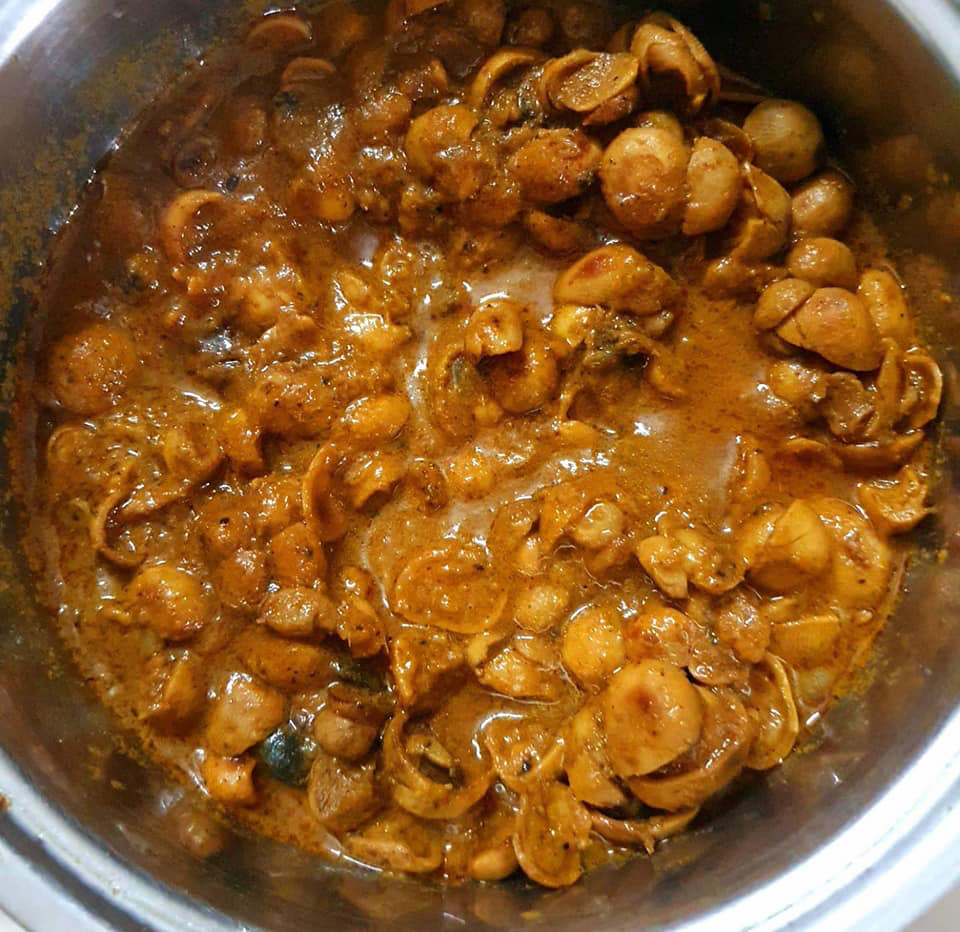
The phrase ‘South Indian food’ stirs up images of delectable Idli-Sambhar, Medu vada, and uttapam. However, that is not all that there is to South Indian food. While rice is a central part of South Indian cuisine, food habits can be vastly different between different regions. The coastal regions are famous for their robust seafood, and the interiors have different inclinations. Coconut is also widely used due to its abundance in the region alongside sesame oil and coconut oil. Each state’s cuisine has its uniqueness. The cuisine of the Malabar region is mellow and rich owing to the extensive use of coconut milk and coconuts, while Telugu food is known for its spicy, tangy and robust flavours. A few regions in the South don’t even have rice as its staple grain! Kannadigas, especially from Southern Karnataka, use Ragi extensively. 

Traditional Dresses of South India

Traditional Dresses of South India

Traditionally, South Indians wear locally manufactured clothes such as dhoti and lungi for men and sarees for women. Cotton clothes are usually worn for everyday wear while silk clothes are reserved for special occasions. Kanchipuram silk sarees, Mysore silk sarees, Narayanpet sarees and Kasavu sarees are a few examples of festive wear for women. A lot of the sarees of the South usually have beautiful zari borders with temple designs. In the recent past, people of the south have also turned to North Indian and western wear. 

Walking on the streets of a tier-two city India is a very interesting experience. All sorts of people can be spotted- old men in dhotis, modern, young men and women in Western clothing and women in beautiful traditional sarees. The South is a melting pot of values and cultures, and observing the different styles of clothing is a very interesting way to understand this!

Architecture in South Indian Culture

South Indian Architecture
Stone Monuments at Hampi

The temples of South India, built in the Dravidian style with their iconic gopurams and mandapas are instantly recognisable. South Indian temples are characterised by their pyramidal vimana gopuram, covered in elaborate sculptures depicting Hindu mythology.

They are also characterised by ornate pillared halls known as mandapams, where celebrations take place with space for devotees to watch.

The beautiful central courtyard homes of the region are well known. Supported by grand pillars and made of strong woods like teak wood, the courtyard homes are usually rectangular shaped with a large open space, where the holy Tulasi resides. The roof is traditionally protected by red tiles. 

Suggest Read: Traditional Homes of South India, Culture of Generations

Religion and Ideology in South Indian Culture 

The Colourful Culture of South India- Religion and ideology in South Indian Culture 
Image Source

Religion and ideology play a significant role in South Indian culture, as evidenced by the magnificent temples built in the distinctive Dravidian architectural style. The religious practices in the region are diverse and complex, with Hinduism being the predominant faith in its Vedic form. The people of South India are deeply religious and traditional, while also embracing progressive values such as women’s education. The region is home to various sects of Hinduism, and it was a hub for the Bhakti movement as well as the Vaishnava and Shaiva movements.

Music & Dance in South Indian Culture 

Art-Forms-Of-Tamil-Nadu-Bharatanatyam
Image – Sandeep Patil via Flickr

Southern India has beautiful expressions of its culture in its traditional art forms. In music, it ranges from Carnatic music, with themes of God and God’s deeds to simple folk songs about daily life of tribal people. Traditional south indian music also incorporates the use of instruments such as the shenai(widely used during weddings), the veena, the tanpura, and the tabla. 

From the regal and delicate Mohiniattam to the electrifying Thappeta Gullu, South India is also home to many dance forms. Themes range from celebrating God’s creation by displaying the beauty of the body(Bharatanatyam), to a form of storytelling through dance(Kathakali). 

There are many other well-known forms of performing arts in South India. Festive season heralded the arrival of the Haridasu, or servant of the Hari. A Haridasu is usually a man who roams from village to village singing devotional songs and playing a musical instrument. His appearance was said to be auspicious, and people would flock to offer him food and money. 

Leather shadow puppetry is another significant performing art form of the South. It is practised in the states of Andhra Pradesh(where it is called Tholu Bommalata) and Karnataka(where it is called Togalu gambeyaata). Leather puppeteers would travel in troupes from village to village and educate people about epics and entertain them at the same time!

Traditional Art in South India Culture

Indian Folk Art Forms With GI Tags-Thanjavur Paintings
Thanjavur painting – B Balaji/Flickr

Kolams or muggulu are a unique art form in the region. They are usually drawn effortlessly by the woman of the house after thoroughly washing the courtyard in the morning. Kolams are elaborate, symmetrical designs drawn with great skill by releasing rice flour through two fingers around strategically placed dots. These beautiful patterns decorate the doorstep and courtyard of every traditional South Indian home, festival or not.

South India is also home to several formal schools of art. The Thanjavur paintings of Tamil Nadu are famous for their spectacular portrayals of the Gods, with inlays of Gold. The mural paintings of Kerala are known for their stylised depictions of Indian mythology in vivid, colourful detail. The Mysore paintings of Karnataka sustain till today, representing a legacy of royal poise, beauty and grace. The beautiful Kalamkari work of Andhra Pradesh and the Nirmal paintings of Telangana are also well known in India and the world. These are just a few; the region has many unique and beautiful art forms, all waiting for you to explore them!

Festivals of South India

Festivals of South India
Jallikattu – Ashit Desai via Flickr

The festivals of South India are vibrant and colourful, presenting the best of all other facets of its culture. Immersing oneself in festivals is an excellent way to understand and enjoy the culture of the region. The most prominent festivals include Onam in Kerala, celebrated with boat races, feasts, poojas, and family gatherings, Ugadi in Andhra Pradesh, which brings together the traditional food, clothes, and the unique practices of the state. There are many other festivals like Batukamma in Telangana, Thrissur Pooram in Kerala, Pongal in all the states of South India and Gowri Habba in Karnataka. Pongal and Deepavali is considered the top festivals celebrated in Tamil Nadu. These festivals condense the essence of South Indian culture and are a celebration of the beauty of the region.

Conclusion

South Indian culture is a tapestry of diverse art forms, food habits and clothing styles. It is the unique cultural practices of the region that makes it so enchantingly complex. It is truly a marvel to explore, especially during the festive seasons when all branches of the culture come together. So, this winter, plan a trip to South India!

The Battle of Tiger Hill – A Resounding Hurrah in the Mountains of Ladakh

0

The-Battle-of-Tiger-Hill

Operation Vijay, popularly known as the Kargil war today, was fought between May-July, 1999, and was the last major military conflict fought between India and Pakistan. Though it was not a declared war, the conflict ended in victory, with India recapturing most of the territories occupied by Pakistan initially. In the course of the conflict, the Indian Armed Forces worked together seamlessly to produce a resounding victory for the nation. The endeavours of the Indian Army deserve remembrance and celebration today, because, exactly twenty four years ago, they altered the course of this historic conflict for the better at the battle of Tiger Hill. 

Background

The surrender of Pakistan in the 1971 Bangladesh liberation war left her humiliated. Thereafter, there were few armed conflicts between India and Pakistan for a long stretch of time other than the skirmishes for the Siachen glacier in the 1980s. The relations between the two countries seemed stable and mostly peaceful for a long time.

However, the situation escalated in the 1990s with the surge of Islamic extremism in Kashmir. Pakistan was rightly accused of funding, training and sneaking some of the extremists into the region, while India was accused of illegal occupation of Kashmir and human rights violations. The relations between the two countries declined further with both of them testing their nuclear war capabilities in the late 90s. The Lahore declaration was signed in February 1999 to cool off relations between India and Pakistan, but the stage was already set for conflict.

The seeds are sown

The Indian Army guards and occupies some of the highest manned posts in the world. Several of these posts are located atop mountains thousands of metres high in the Ladakh region, where conditions even in the summers are harsh and frigid – temperatures can drop below zero on what is supposed to be a warm summer day. Hence, understandably, these posts are vacated during the winter due to extreme conditions. 

It was in one such winter, the winter of 1998-’99, that Pakistan decided to take matters into her hands. Thus began Operation Badr, a brainchild of the Pakistan army. The operation involved training soldiers and officers of the Pakistani army to infiltrate and occupy the vacated posts of Ladakh- all when disguised as Mujahids.

Besides gaining the strategic advantages of occupying these posts, Pakistan also wanted to draw international attention toward the Kashmir issue by sparking a widespread conflict between the ‘mujahids’ and the Indian Armed Forces. However, their bluff was called after Pakistan military ID cards were found, marking the beginning of an unofficial war.

Strategic importance of Tiger Hill

Tiger Hill is located in Drass, known for its cold, arid and unforgiving climate and ragged, rocky terrain dotted with magnificent mountains. Tiger Hill, with an altitude of 5062 metres, is the highest point in the Kargil sector of Ladakh. It has great strategic importance, overlooking National Highway 1A, which connects Srinagar and Kargil. As a result, any enemy atop the mountain would be in an advantageous position- capable of disrupting movement on the highway using artillery. Besides, the headquarters of the Indian Army’s 56 Brigade, the main Indian unit that operates in the area, is also clearly visible from tiger hill, enabling the enemy to study and understand the movements of Indian troops with great clarity.

Preparation

It was in late May that it was discovered that Tiger Hill was occupied by Pakistani forces- namely the 12 Northern Light Infantry supported by the Special Services Group- Pakistan’s elite Special Forces unit, the artillery and engineers. The 8 Sikh regiment had, on several occasions, tried to mount attacks on Tiger Hill, but they were unsuccessful in the venture, owing to physical weakness due to lack of acclimatisation. 

On 15 June, Brigadier MPS Bajwa, commander of the 192 Mountain Brigade, was ordered to relocate the brigade headquarters from Kashmir to Drass. He commanded the 8 Sikh, 18 Grenadiers, 2 Naga, and 13 J&K Rifles battalions. The soldiers were given time to acclimatise and train. Besides, 18 Grenadiers had helped to win Tololing, and were high on experience and confidence. 

The Battle of Tiger Hill

At 2000 hours on the third of July, the Indian advance began. Major Rathore of the 18 Grenadiers led his men of the Alpha Company toward their designated region and captured it, but were unable to move forward. 

Simultaneously, Lt Balwan Singh, who was commanding the Ghatak commando platoon, went deep into enemy occupation, coming close to the summit of Tiger Hill. However, they were pushed back and joined the Delta company in safety. Heavy artillery firing continued to eat at the enemy troops, but the infantry were pushed back.

However, the attack resumed soon. The Delta company, accompanied by the Ghatak commando platoon, ascended a vertical ice wall of a thousand metres while braving freezing rain and reached the peak, taking the enemy by surprise. Subedar Yogendra Singh Yadav and five others led the assault. Only Subedar Yadav survived amongst the six, prompting Captain Nimbalkar, leading the Delta company, to launch another attack. His men reached the top stealthily and took the enemy soldiers by surprise. Fierce fighting ensued till 0400 hours. They captured the first seven-eight bunkers atop tiger hill in quick succession.

The Ghatak platoon and grenadiers took the entire summit of Tiger Hill. However, they were still being attacked from a Westward position occupied by the Pakistan Army. This position was soon cleared by 8 Sikh. 

Finally, at 0730 hours on the fourth of July, General Puri, the commander of the 8 Mountain Division, informed Gen VP Malik, the Chief of Army Staff at the time, that the enemy would not be able to dispatch the grenadiers from atop the hill. 

Subedar Yogendra Singh Yadav

Subedar Yadav, nineteen years old at the time, was enlisted with 18 Grenadiers. Subedar Yadav was a part of the team that climbed the 1000 m vertical cliff via the northeastern approach to the top of Tiger Hill and won the Param Vir Chakra, the highest wartime gallantry award for his courage. The following is from his Param Vir Chakra citation-

Grenadier Yogendra Singh Yadav was part of the leading team of Ghatak Platoon tasked to capture Tiger Hill on the night of 3/4 July 1999. The approach to the top was steep, snow bound and rocky. Grenadier Yogendra Singh Yadav, unmindful of the risk involved, volunteered to be in the lead and fixed rope of his team to climb up. On seeing the team, the enemy opened intense automatic grenade, rocket and artillery fire killing the commander and two of his colleagues and the platoon was stalled. Realising the gravity of the situation, Grenadier Yadav crawled up to the enemy position to silence it and in the process sustained multiple injuries. Unmindful of his injuries and in the hail of enemy bullets, Grenadier Yadav continued climbing towards the enemy positions. Lobbing grenades and continuously firing from his weapon, he killed four enemy soldiers in close combat and silenced the automatic fire. Despite multiple injuries, he refused to be evacuated and continued the charge. Inspired by his gallant act, the platoon charged on to the other positions with renewed punch and captured Tiger Hill Top.

Grenadier Yogendra Singh Yadav displayed the most conspicuous courage, indomitable gallantry, grit and determination under extreme adverse circumstances.

Aftermath and legacy

The Battle of Tiger Hill would change the course of the Kargil war. Tiger Hill was a point of great strategic significance, the capture of which greatly boosted the morale of the Indian Forces. Besides, since Tiger Hill looked over the important NH 1A, the capture of the mountain greatly enhanced the logistical operations of the Indian Army. The Kargil War ended later, on the 26 of July, when victory was declared against the Pakistan army after three months of fighting. The Battle of Tiger Hill remains one of the most important and impressive battles in India’s recent history. The heroes of Tiger Hill will be remembered forever for their valiant and resilient actions.

Exploring the Folk Dance forms of Manipur

0
Folk-Dance-forms-of-Manipur-1
Image – zehaw/Flickr

Dance is seen not just as an art form in Manipur, but also as a vital component of daily life, a means of expression that is intertwined with the social fabric. Manipuri dance is totally religious, and its goal is to provide a genuinely spiritual experience for both the performer and the audience. Dance is not only a vehicle of devotion and delight, a portal to the divine, but it is also essential to all socio-cultural rites. Manipuris see dance as a form of devotion and hold it in high regard.

Suggested read – Culture of Manipur: Mesmerizing Tradition, Art, Music, Food and Festivals

According to Manipuri folklore, when Lai Guru Sidaba created the earth, he created seven Laibangthous (Gods) and seven Lainuras (Goddesses), and these heavenly creatures leveled the planet’s uneven surface with their dance.

Manipuri dance has a diverse traditional repertory. The pre-Hindu ceremonial dances of the priestesses, which recount the creation of earth, heaven, and man, are the first. Second, there is Thang-Ta, an ancient martial art form that, like the first, is a pre-Hindu ceremonial dance. Third, there is the Rasleela, Lord Krishna’s cosmic dance. Fourth, there are the male-dominated forms, which are performed to the accompaniment of percussion and cymbals. It is used to accompany rites such as births, marriage, and grief. There are also other folk dance genres that are performed at various festivals throughout the year.

Suggested read – Festivals of Manipur, A Mesmerising Visual Treat to Your Eyes

Manipuri dance, whether traditional, classical, or modern, is essentially spiritual. Manipur’s folk dances enchant audiences with its unusual clothing and simple but elegant rhythm. Their folklore is of exceptional caliber. The dances are sacred and secular, ceremonial and recreational. Ritualistic dances are performed during a specific rite, ceremony, or sacrifice, and these dances are naturally spiritual and religious in nature.

The important folk dance forms of Manipur you must know and experience:

1. Raas

Folk Dance forms of Manipur- Raas
Image Source

Raas is a highly developed dance drama depicting Lord Krishna’s union with his female followers, the gopis, and especially his consort-devotee Radha. This amazing Manipur dance has been appropriately dubbed the Jewel Dance from the Land of Jewels. The dance symbolizes Manipur’s strong Vaishnavite history. The dances’ themes revolve around ‘Krishna Leela,’ or various incidents from Lord Krishna’s life. Vasant Raas, one of the most beautiful Raas Leelas, is observed on Chaitra Purnima, the full moon night of Chaitra. (April through May). The dance represents Radha and Krishna’s unending love. The elaborate costumes used by the performers contribute to the majesty of this dance. It concludes with a ‘Aarti,’ or Holy Union ceremony.

Maharaja Jay Singh first imagined Raas Leela in AD 1700. Every Manipuri dance based on the topic of Lord Krishna’s life demonstrates the Lord’s greatest love for mortals as it unfolds. The dances convey a sense of controlled pleasure and force. They have delicate rhythms, gradual suspense, pace, poetry, and drama. The many components of the dance are functionally linked, and a beauty that exceeds the tempting allures of ordinary sensuous elegance illuminates the entire. They reflect the inwardness of life and love profoundly.

2. Lai Haraoba

Folk Dance forms of Manipur- Lai Haraoba
Image Source

The Festival of the Gods is known as Lai Haraoba. The Lai Haraoba Dance, which depicts the ‘Creation of the Universe,’ was originally performed as part of the Lai Haraoba celebration. The dance is typically performed in front of the shrines of Umanglai, the Meiteis’ ancestral God, in local temples. The maibas (priests) and maibis (priestesses), who are thought to be representations of purity, are the main performers. They invoke the divine through their highly symbolic repetitive and rhythmic movements. It is basically a ceremonial dance and is thought to be the forerunner of the modern Manipuri dance form. The maibas and maibis recount the philosophy of the Meitei people and express their way of life evocatively via their dance.

The Lai Haraoba celebration, which reflects Manipur’s pre-Vaishnavite tradition, begins around the end of the year and continues into the New Year (April-May). It is observed at ancestral forebears’ shrines called ‘laibungs’ located throughout the country. People attend this festival to atone for their sins and to pledge to live a chaste life in the future year.

3. Kabui Dance

Folk Dance forms of Manipur- Kabui
Image Source

The Kabuis, who live in Manipur’s western hill ranges, have a rich legacy of dance and song and are recognised for their magnificent costumes. During the Gang-Ngai festival, the Kabuis execute a series of stylized dances to the accompaniment of powerful drums and high-pitched vocals. The guys carry sharp weapons (daos) in their hands and march in circles with the girls, who are clothed in traditional attire. The Shim Lam Dance and the Kit Lam Dance are two of the Kabui Nagas’ dances.

The Fly Dance is another name for the Shim Lam dance. According to Kabui folklore, a prophet named Mhung created the laws that govern all living species on the planet. Mhung made a ‘Jourumei’ sacrifice at which all the creatures were invited. Each species did its unique dance. The Shim Lam dance is thought to be inspired by a dance done by Tajuibon, a flying insect with glossy wings that goes from bloom to flower sipping nectar. The dance is performed at the Kabuis’ Gang-Ngai Festival.

The Kabuis celebrate their harvest with the Kit Lam, a colourful dance. This yearly celebration is mostly about having fun. The rhythmic dance is meant to mimic the movement of crickets.

4. Mao Naga Dance

Folk Dance forms of Manipur- Mao Naga
Image Source

The Mao Naga Dance is a popular dance of Manipur’s Mao Naga community, who live in the northern highlands. During the yearly harvesting and seed-sowing ceremonies, young ladies and boys do the dance (Chikhuni). It requires complex footwork as well as beautiful body motions. Mao Maram Dance (Asharali Odo), a colourful dance recognised for its vocal rhythms and mellifluous gestures, is one of this community’s most popular dances.

5. Luivat Pheizak Dance

Folk-Dance-forms-of-Manipur-Luivat-Pheizak-Dance
Image – Twitter

The Luivat Pheizak Dance is one of Manipur’s most prominent Thangkhul Naga community dances. This dance, which symbolises the many stages of farming and the Tangkhul Naga community’s humble existence, is performed at all traditional festivals. Other than the quadruple tones or notes of varied pitches, there are no musical accompaniments. The dance includes colourful costumes, note variations from act to act, and quick hand and leg movement.

6. Thang-Ta

Folk Dance forms of Manipur- Thang-Ta
Image Source

Thang-Ta art symbolises an old and outstanding Manipur culture. It demonstrates the remarkable combat style of the Thang (sword) and the Ta (spear). Thang-Ta represents the Manipuris’ ancient martial arts skills. All Manipuri males were required to go through rigorous training to perfect this technique in order to be prepared to respond to a war-like scenario.This dance aids in fundamental battle training and the development of physical strength, speed, sensitivity, and mental agility. The Kings of Manipur used to have Thang-Ta specialists in their courts in appreciation of the multiple advantages provided by the dance. Training for this dance starts early and is a difficult endeavour. All Meitis dance motions are supposed to have developed from this martial technique and are tied to Manipur’s snake legend. The Thang’s motions aid to fend off bad spirits, while the Ta is maintained in a protective stance. Manipuri martial arts are practised by the martial Meitis in three forms: sword fighting, spear fighting, and wrestling. These varied styles of self-defense have been gracefully converted into performance arts. A Thang-Ta performance opens with Khurumjaba, an invocatory item in which the performers hold their instruments or their bare hands to beseech blessings from the Lord, the gurus, and the audience.

7. Lhou Sha

Folk-Dance-forms-of-Manipur-Lhou-Sha

The Lhou Sha is a battle dance that is performed at every clash between two villages. The dance style has been retained as part of the Manipur Maring community’s culture and marks the end of important events. The dance, which was originally performed solely by men, has grown into a folk art that includes the tribe’s women.

8. Dhol Dholak Cholom

Folk-Dance-forms-of-Manipur-Dhol-Dholak-Cholom-1
Image – Ramesh Lalwani/Flickr

In Manipur, the festival of colours, known as Yaoshang, is accompanied with religious songs and dances. Vaishnavism became a way of life for the Manipuris after the arrival of Hinduism. As a result, Sankirtan, or Lord Krishna and Radha adoration via song and dance, became the most potent expression of Bhaktirasa. This Vaishnavite religious song and dance practice is performed as a sacrifice to Lord Krishna. Sankirtan, which has become an essential component of Manipuri culture, is now performed at alla key events and festivals. Dhol Dholak Cholom is played at the Yaoshang festival utilising the dhol, the dholak, and a variety of drums. Drummers in colourful outfits execute a variety of beats while also doing acrobatic feats. The dance blends energy and elegance brilliantly.

The intricate footwork, graceful movements, and colorful costumes of the performers make the folk dances of Manipur a visual treat. These dances not only entertain but also showcase the cultural and historical significance of the state. The dances have evolved over the years, but their essence and traditional values have been preserved, making them an integral part of the state’s cultural heritage. The beauty and elegance of these dances continue to captivate audiences and contribute to the preservation and promotion of the state’s cultural heritage.

Exploring the Mouthwatering Monsoon Dishes of India

0

Monsoon-Dishes-of-India-1

Just as monsoon is a distinct season in India, the monsoon dishes have an identity of their own. Food and dishes just seamlessly make their way into every geographic and cultural aspect of this nation. The monsoon on one hand might seem a strictly physical and climatic condition. But it means much more. 

Suggested Read – Top Monsoon Destinations in India to Get Nostalgic in Rain

Significance of Monsoon in India

Indian Monsoon Cuisine- Significance of Monsoon in India
Image Source

From learning about it in school to anticipating the onset of monsoons during the hot summers – Indians know and love the monsoons like no other season. Starting June there is a buzz as weather forecasts and experts begin their discussions. Farmers wait for the rains to see a good yield and the entire economy of the nation hangs in balance until the monsoons play their significant role. From school kids craving a rain holiday to office workers hoping for the same, the monsoons in India are a cultural event, as much as a geographical one.  

Suggested read – Reliving Memories of Monsoon

Not to forget the complications that heavy rains bring, including flooding, clogging, landslides and more. Monsoons are like the two sides of the coin. You never know which side gets tossed up for which region. Some areas reap benefits, while some might face serious challenges too. 

Monsoons as a Cultural Bonanza

Garam-chai-samosa-pakoras

However, monsoons or the rainy season in India has a whole cultural side to it. Festivals are celebrated in and because of the rain and the monsoon season is also the time for some fun and authentic dishes. 

Of course, no one can deny what a hot cup of tea and crispy pakodas can do on a rainy day. But besides these very obvious choices, different regions have cultural and traditional dishes that are associated primarily with monsoon and rains. 

Suggested Read – Drench and Rediscover Yourself in the Moments of Monsoon

Every region and state has its own specialty monsoon dishes. But again, these recipes are mixed and matched to fit and adapt across different geographic spaces within the country. Perhaps, it is the beauty of how nature becomes a part of the society and how the culture becomes a part of the geography that make this country and its people truly unique. 

Monsoon Dishes of India

Let’s make our way through the different states of India and discover the wonderful rain dishes that are prepared. 

1. Pakoras

Indian Monsoon Cuisine- Pakoras
Image Source

This one had to be on the list! Pakoras are made all across the country and have umpteen variations and types. From professional pakoras that are made in restaurants to roadside stalls selling deliciousness, the pakoda is the humble dish that we also often associate with our moms and grandmothers. From potatoes, to onions, to chicken, to spinach, to raw bananas, cauliflower, the list is endless. All of these can be coated with besan, spiced up with masalas and deep fried for a heavenly delicacy. Similarly, pakoras are also made by grinding different dals, such as green moong dal pakoras or yellow moong dal fritters. Each has its own unique taste and of course, enjoyed best with a piping hot cup of tea!

2. Parippu Vada

Indian-Monsoon-Cuisine-Parippu-Vada.jpg
Image Source

Fried dishes may seem unhealthy, but on rainy days, they are discounted even by fitness freaks. The parippu vada is a south Indian dish, primarily from Kerala, made from toor dal and chickpeas, with added onions, ginger, garlic, spices etc. The fritters are deep fried and the result is crispy and yummy golden delicacies that can be enjoyed with tea, coffee or even plain tomato sauce. 

3. Kuzhi Paniyaram

Indian Monsoon Cuisine- Kuzhi Paniyaram
Image Source

Continuing our journey down south, the Kuzi Paniyaram is a dish from Tamil Nadu. Also known as Paddu, it is made from rice batter. A special pan is used to prepare this dish, where the batter is poured into the dents and then scooped out and turned. The paniyaram is a healthier version as it is not fried, but slow cooked on the flame. Another tasty option to go with any beverage of your choice!

4. Aamat

Indian Monsoon Cuisine-Aamat
Image Source

A traditional soup, the Aamat hails from Chhattisgarh. A nutritious and ethnic dish it is prepared from kareel and gondi, also known as bamboo shoots. Made from locally available ingredients, the aamat over the years has evolved. Today other ingredients, such as chilies, spices, curry leaves, cloves etc. are added to create a tastier version of the original traditional dish. 

5. Bombil Bhujna

Indian Monsoon Cuisine-Bombil Bhujna
Image Source

Made from the locally available Bombil fish, this Maharashtra dish is also popularly called Bombay Duck. Exceptionally delicious and often paired with rice, this fish curry will leave you asking for more.  The fish is first marinated with chilies and coriander and then cooked to allow the flavors to soak in. 

6. Ghewar

Indian Monsoon Cuisine-Ghewar
Image Source

Here comes the pride of Rajasthan, especially for those who have a sweet tooth. Ghewar is not only a monsoon dish, but a traditional recipe that is prepared on varied social and cultural occasions, including weddings, festivals etc. This uniquely shaped sweet dish also has scientific advantages. It gives the body the required heat during the chill of the rains and also helps the digestion system. Lately, a number of variations of this traditional dish are popular, such as rabri ghewar, malai ghewar, chocolate ghewar and more. 

7. Charolia

Indian Monsoon Cuisine- Charolia
Image Source

Imagine jalebi but white in color. Charolia is a lip-smacking dish from Jammu that looks like a paled jalebi. However, its taste is not pale in any way! Made from a roti that is prepared especially during the monsoons, the dough is made from maida with extra water. The liquid dough is then poured in a pot that has many holes and hence the shape of a jalebi.   

8. Singhara Sabzi

Indian Monsoon Cuisine-Singhara Sabzi
Image Source

In Delhi and other northern areas of the country, the Singhare ki sabzi has quite a name. Made from singhade or water chestnut, it is prepared by adding mango powder, turmeric, cumin, mustard seeds, besan etc. This vegetable dish is good for increasing the immunity of the body, for we all know that the rains often also equate to catching a cough and cold. The ingredients of this dish are perfect to act as immunity boosters to help you evade the illness and unpredictable weather conditions. 

9. Muya Awandru

Indian Monsoon Cuisine-Muya Awandru
Image Source

A curry or gravy from Tripura, the Muya Awandru is a wholesome meal. With a rice flour base, the gravy includes fish, bamboo shoots, peppers, parsley leaves etc. The fermented fish called burma is often used in this dish as it requires no oil for cooking. This dish is not only tasty, but has a tantalizing aroma that is its main attraction. Often snails are also added to this dish. 

10. Paa Saa

Indian Monsoon Cuisine-Paa Saa
Image Source

Another northeastern delight, the Paa Saa comes from the state of Arunachal Pradesh. Prepared by the Tai Khamti community it is prepared using minced fish. The Paa Saa is green in color and the luxurious texture and look of the dish reminds one of the green fields of paddy swaying during the monsoon season. The soup is highly nutritious packed with flavor and locally grown ingredients, condiments and herbs. 

11. Nakham Bitchi

Indian Monsoon Cuisine- Nakham Bitchi
Image Source

The northeast of India is quite a hidden wonder when it comes to its monsoon dishes. From Meghalaya originates the Nakham Bitchi which is one of the best dishes of the state. Spicy, tangy and a burst of flavors, this dish cannot be missed if you are visiting Meghalaya. Prepared from boiled and dried fish, vegetables and a whole lot of local herbs, spices etc. are added to create a bowlful of magic. 

12. Roasted Corn

Indian Monsoon Cuisine- Roasted Corn
Image Source

A yummy and quick dish, sweet corn and raw corn are often seen roasted on road side stalls. On beaches, in markets or on the side, the corn is turned and twisted on the stove until cooked to a blackish shade. Lime and some quintessential masalas are coated and what we have is a sumptuous and healthy bite. Corn is of course best enjoyed on a rainy day, for it fills the palate with warmth and comfort.

The monsoon dishes of India are traditional dishes of regions, states and communities. They are often prepared using the ingredients that are locally available. Also, there is intelligent reasoning for using those ingredients to prepare the dish. The dishes are perfect for the rainy climatic conditions and most of them build the immunity to avoid cough, fever and cold. The monsoon dishes are thus a coming together of traditions, science and culture that results in tasty and delicious treats.

Top Monsoon Destinations in India to Get Nostalgic in Rain

0
Monsoon-Destinations-in-India
Image – Vicky Mund

The Indian monsoon is here! And so are a number of monsoon destinations in India ready with open arms, inviting wanderers and travelers. 

As the rain hounds down on my window, I can feel it soothe my nerves. The wind, scent and the whole atmosphere when enveloped by the aura of a good rain, is surreal. It is amazing what the rains can do to the emotional and mental wellbeing. But it is quite another to see how much of a breather it can be for landscapes and physical geography. 

Suggested Read – Drench and Rediscover Yourself in the Moments of Monsoon

Of course, when in India, the idea of rains also is accompanied by floods and a whole of urban clutter. But for now, we choose to ignore its ills and concentrate on the glory of the monsoons. The Indian Monsoons is well marked in the country’s calendar and has its effects on a wide economic and cultural aspects. 

However, monsoons also herald some of the most stunning terrains and transform regions to ethereal destinations. As India is still slowly bouncing back to normalcy, the looming fear of a third wave of the pandemic is present. In such times, it is imperative to be safe and not rush to crowded locations. 

Suggested Read – Mesmerising Monsoon Festivals in India You Must Witness!

Yes, the monsoons urge one to step out and discover the pristine beauty of some of the most splendid monsoon destinations of India. However, we try to bring to you some of the smaller, quieter and more unknown destinations that you could pay a visit this monsoon. Maybe as a weekend getaway or a short vacation. But do stay safe and take all necessary precautions that merit importance during this pandemic.

On that note, let’s splash our way through some of the best monsoon destinations to check out this year. 

1. Shillong & Cherrapunji 

Top Monsoon Destinations, Shillong
Source- Wikimedia

The capital of Meghalaya is a beautiful monsoon destination. Not to mention it is a perfect base to explore the other quieter and less crowded locations of the state. The thing about the northeast is that time seems to stop and there is a sense of immeasurable pleasure in being surrounded by natural beauty. Called the Abode of Clouds, the state is a wonderful monsoon getaway. Explore the Elephant Falls and Spread Eagle Falls as they explode with gorgeousness during the rains. Also, with many companies still offering work from home options, it is a good time to explore this part of the country. All you have to do is work from a hotel or resort and wander to remote areas over the weekends. Cherrapunji with the highest rainfall is a destination worth visiting for its magnificent green beauty. A visit to Nohkalikai waterfalls and Mawlynnong, the cleanest village in Asia are an absolute must.

Suggested Read – Tripping Amidst the Greens – Guwahati to Shillong

2. Coorg & Kodaikanal

Top Monsoon Destinations, Coorg
Source- Wikimedia

This hill station of the South India India is much less crowded than its other popular brethren, such as Kodaikanal and Ooty. Situated in Karnataka, Coorg is swelling with beauty during the monsoons and its thick forest cover is home to a large diversity of flora and fauna. Enjoy quiet trekking, bird watching or visit the coffee plantations while in Coorg. Some of the points of attraction include Madikeri Fort, Abbey Falls and the Kaveri River. 

3. Munnar & Wayanad

Top Monsoon Destinations, Munnar
Source- Wikimedia

Another splendor of the south, Munnar and Wayanad are one of the best monsoon locations from  God’s own country. The lush green rice fields, swaying coconut trees and the lovely backwaters are a delight to soak and enjoy. The greenery, fullness and richness of nature is at its prime during the monsoons. Visit the Attukad Waterfalls, Eravikulam National Park, Tea Gardens in Munnar. For Wayanad check out the Edakkal Caves, Pookode Lake and of course, the Wayanad Wildlife Sanctuary.

4. Khandala, Lonavala & Mahabaleshwar

Top Monsoon Destinations, Lonavala
Source- Wikimedia

Tucked in the Sahyadri ranges Lonavala, Mahabaleshwar and Khandala are perfect weekend getaways from Mumbai or Pune. The monsoons just add a different charm to these hill stations, with clouds floating around and the air crisp and wet at the same time. The breathtaking scenery and pleasant climate are the most soothing balms for tired souls. Some of the attractive spots to check out are The Elephant’s Head and Lingmala waterfalls (Mahabaleshwar) and Karla Caves, Tiger Point (Lonavala)

5. Orchha 

Top Monsoon Destinations, Orchha 
Source- Wikimedia

Located in Madhya Pradesh, Orchha is a town steeped in glory and heritage of the past. The monsoons are the ideal time to visit Orchha because the Betwa River comes to life with the rains. Situated on the banks of the river, the city is fraught with temples and palaces that are fun to explore in a pleasant climate. Here the beauty of man -made heritage structures glistens on the arrival of the monsoons. Visit the Ram Raj Temple, Jehangir Mahal and Orchha Fort.

6. Pushkar, Mount Abu & Udaipur 

Top Monsoon Destinations, Udaipur 
Source- Wikimedia

Rajasthan is a beautiful state with some wonderful gems to explore. However, it is usually always hot to travel. But the monsoons is a great time to visit some of its most amazing locations. For one the weather is wonderful and secondly, the water bodies are brimming. There is a freshness and energy that highlights and adds elegance to both its natural and manmade attractions. In Udaipur the palaces look lovely, especially those along the waters, such as the Lake Palace and Monsoon Palace. The Nakki Lake in Mount Abu becomes a sunset and sunrise point, whereas, one can actually be awakened by a peacock call in Pushkar.

7. Ranikhet & The Valley of Flowers 

Top Monsoon Destinations, Ranikhet
Source- Wikimedia

Located in Uttarakhand, Ranikhet is a delightful hill station that gives some stunning views of the mighty Himalayas. The lushness and mesmerizing splendidness of the town is enhanced with its beautiful treks and sceneries. In fact, when in Ranikhet one can also visit the Valley of Flowers National Park! The valley is colorful and blooming with the most petite and pretty flora. Trek along the park and get astounded by the natural beauty in every step you take. 

8. Binsar 

Top Monsoon Destinations, Binsar 
Source- Wikimedia

Another splendor in Uttarakhand, Binsar is ideal for our times today. A lesser known hill station, provides excellent views of Panchachuli, Kedarnath and Nanda Devi. The wildlife sanctuary is home to a wide range of flora and fauna. However, it is the quietude and magical floating feeling that one encounters up in the mountains that makes Binsar so special. During the monsoons the town is blushing with greenery and the fantastic Himalayan views make it a tranquil destination. 

9. Chail & Shobh

Top Monsoon Destinations, Chail
Source- Wikimedia

Away from the crowds in Shimla is Chail. A perfect monsoon retreat, it was once the capital of Patiala kings. From here see the night lights of Shimla, Solan and Kasauli but stay away from their throngs. Similarly, Shojha is a tiny village in Himachal but its beauty will leave you big hearted. The monsoon magic works its spell, especially on the Shojha waterfall. Other attractions to visit include the Tirthan valley, Serolsar Lake and Raghupur Fort. 

10. Goa

Top Monsoon Destinations, Goa
Source- Wikimedia

Finally on the list is Goa. Goa is a popular tourist destination but monsoon is perhaps the best time to visit it. The waters swell, the colors shimmer and the horizons look splendid. However, the fun is also in its water sporting activities. The rains help in providing for some of the most amazing adventure sports, such as river rafting. Needless to say, Goa might be crowded, but there are always pockets of quietude and solitude that can be found too. Goa is a complete package as it is packed with adventure, culture, cuisine and natural beauty. 

There are many other monsoon destinations that one can explore.  In fact, the monsoon can add so much adventure and peace to any place that it usually elevates it to becoming spiritual and ethereal. We urge you to enjoy the monsoon destinations, but do so following COVID protocols. Wear a mask, keep a distance, wash and sanitize your hands. Let’s enjoy the monsoon, but with a lot of care and responsibility. 

The Crucial Role of Stockbrokers in Building Wealth: Empowering You for Financial Success

0

The-Crucial-Role-of-Stockbrokers-in-Building-Wealth

Stockbrokers through their expertise play a pivotal role in helping you generate wealth and achieve financial success.

Without them, long term stock investment or earning money daily through stock trading would not have been possible. 

They offer you access to financial markets, empower the investor community to navigate the complexities of investing, and help you capitalize on opportunities for wealth accumulation. 

In India, you have 266 stockbrokers registered with SEBI. Zerodha is the largest stockbroker having more than 20% of the active client base as per the top stock broker research report prepared by Investing Expert.

In this article, we will explore the role of stockbrokers in building wealth and how they empower investors to achieve their financial goals.

Stockbrokers help investors generate wealth corpus through various services they provide. Here are some key roles of stockbrokers in wealth generation:

1. Trade Execution

Stockbrokers facilitate buy and sell orders on behalf of investors. That’s their primary service. 

They provide access to stock exchanges and other financial markets. By executing trades at the desired price and in a timely manner, stockbrokers help investors capitalize on investment opportunities.

2. Market Research and Analysis

Stockbrokers provide research reports, market analyses, and investment recommendations to their clients. 

They conduct fundamental and technical analyses of companies, sectors, and markets, helping investors make informed investment decisions. By providing valuable insights and research, stockbrokers enable investors to identify potential investment opportunities for wealth generation.

3. Investment Advice

Stockbrokers offer personalized investment advice based on your specific financial goals, risk tolerance, and investment horizon. 

They assess clients’ investment needs and help them develop investment strategies aligned with their objectives. By providing guidance on asset allocation, diversification, and investment selection, stockbrokers assist investors in building a portfolio that can generate wealth over time.

4. Access to IPOs and New Issues

Stockbrokers often have access to initial public offerings (IPOs) and new issues of securities. 

These opportunities allow investors to participate in the early stages of a company’s growth and potentially benefit from price appreciation. Stockbrokers help investors access these offerings, which can be a valuable avenue for wealth generation.

5. Margin Trading and Leverage

Most stockbrokers provide margin trading facilities, allowing investors to borrow funds to invest in securities. 

Margin trading provides leverage and can amplify potential gains. However, it also increases the risk of losses. Stockbrokers help investors understand the risks associated with margin trading and provide guidance on using leverage effectively to generate wealth.

6. Portfolio Management

Full-service stockbrokers offer portfolio management services where they actively manage clients’ investment portfolios. 

They monitor the markets, make investment decisions, and rebalance portfolios based on changing market conditions. By leveraging their expertise and experience, stockbrokers aim to generate returns and grow clients’ wealth over time.

7. Help access to Various Financial Products 

Stockbrokers offer access to a wide range of financial products beyond stocks, such as 

  • Bonds, Gsecs
  • Mutual funds, 
  • Exchange-traded funds (ETFs), 
  • Derivatives trading
  • Commodity & currency trading
  • Alternative investments

By providing access to diverse investment options, stockbrokers enable investors to create well-rounded portfolios that can potentially generate wealth through different market cycles.

Disclaimer – It’s important to note that while stockbrokers can provide valuable services, investing in the stock market involves risks. Investors should carefully assess the credibility, reputation, and fees of stockbrokers before engaging their services. 

It’s advisable to conduct thorough research, seek recommendations, and consider consulting with a financial advisor before making investment decisions.

8. Trading Tools and Platforms

Stockbrokers provide advanced trading tools and platforms that enable investors to analyze market trends, monitor their portfolios, and execute trades efficiently. 

These tools often include real-time market data, charting tools, and customizable trading interfaces. By offering user-friendly and feature-rich platforms, stockbrokers empower investors to make well-informed trading decisions and seize wealth-generation opportunities.

9. Tax Planning and Reporting

Stockbrokers often provide guidance on tax planning and reporting for investment activities. They assist clients in understanding the tax implications of their trades and investments, such as capital gains and losses. 

By ensuring compliance with tax regulations and suggesting tax-efficient investment strategies, stockbrokers help investors optimize their after-tax returns and preserve more wealth.

10. Continuous Monitoring and Support

Stockbrokers continuously monitor market conditions and keep clients informed about relevant news, events, and changes that may impact their investments. 

They provide ongoing support and are available to address client queries, clarify investment strategies, and provide updates on portfolio performance. 

By staying connected with their clients, stockbrokers help investors navigate the dynamic market environment and adjust their wealth generation strategies accordingly.

11. Education and Investor Empowerment

Stockbrokers often conduct educational seminars, webinars, and workshops to enhance investors’ knowledge and understanding of financial markets. 

They offer educational resources, market insights, and investment strategies to empower investors to make informed decisions. By promoting financial literacy and empowering clients with knowledge, stockbrokers contribute to their clients’ long-term wealth-generation goals.

12. Managing Risk

Effective risk management is crucial for long-term wealth generation. 

Stockbrokers help investors implement risk management strategies to protect their capital. They educate investors about risk mitigation techniques and encourage the use of stop-loss orders. 

By setting up stop-loss orders, investors can automatically sell a security if its price falls below a specified level, limiting potential losses.

13. Continuous Support and Monitoring

Stockbrokers provide continuous support to investors, offering updates on market conditions, portfolio performance, and investment opportunities. 

They monitor the markets, track investment positions, and keep investors informed about relevant news and events. By staying connected with their clients, stockbrokers help investors stay updated and make well-informed decisions to maximize their wealth-building potential.

Conclusion

Stockbrokers play a vital role in wealth generation by providing a range of services that empower investors to navigate the financial markets successfully.

But remember that while stockbrokers can offer valuable services, investing in the stock market involves risks, and past performance is not indicative of future results. 

It’s essential to conduct thorough research, understand the risks involved, and make investment decisions based on your financial goals, risk tolerance, and investment horizon. Consider seeking professional advice from a financial advisor or consultant to tailor your investment strategy to your specific needs.

Collaborating with a reputable and trusted stockbroker can be instrumental in building wealth and attaining financial success.

Great Female Saints of India – Stories of Devotion and Resilience

8

Female-Saints-of-India-1

India is the birthplace of numerous saints and philosophers, including several brilliant women who contributed greatly to Indian philosophy and religious traditions. These extraordinary women, through their unwavering devotion, profound wisdom and selfless acts of compassion, have left an indelible mark on the spiritual landscape of the nation. Their stories serve as a testament to the resilience and devotion of women, defying societal norms and breaking barriers. These remarkable women are a source of stirring and courageous tales of devotion – tales that must be remembered so we can cherish their legacies and carry their lessons forward for generations.

1. Mirabai

Female-Saints-of-India-Mirabai

Mirabai is a name that resonates with unconditional love and affection in the eyes of many. She is possibly the most revered female saint in India, and the story of her unflinching love and devotion to Lord Krishna is well known and looked up to throughout the country. 

Mirabai was born in 1498 CE, the daughter of Rana Ratan Singh, a Rajput ruler of the kingdom of Kurkhi. According to legend, when Mira was five, a wedding procession passed by her house, looking at which she innocently asked her mother who her bridegroom was. Her mother then took her to an idol of Krishna in the house, pointing to him as her bridegroom. That was the beginning of Mira’s love for Krishna. Thereafter, she would dress Krishna up and spend all her time playing with him. While Mira’s love could have been thought of as childish obsession, it was not. Her love for Krishna only grew with her. 

After she got married, her love for the lord was looked down upon by her in-laws. However, her husband was said to have humoured his wife because he thought she was insane, but harmless. Nevertheless, after her husband’s death in a battle, her in-laws were said to have made multiple attempts to assassinate her, all in vain- poisoned thorns on her bed turned soft and limp like rose petals, poisoned nectar turned pure and Mira herself was said to have floated like wood in water when she was drowned, according to legend. After these attempts on her life, the great saint Tulsidas invited her to her Ashram, which she left for joyfully. Thereafter, Mira sang the praises of her lord and went on pilgrimages to holy sites, with full freedom. She spent the rest of her life devoted to the lord, before leaving the mortal realm in 1547. 

Mirabai’s story is a story of pure and unflinching love and devotion. It was this love that drove her and protected her throughout her life, and she finally merged into the divine. 

2. Andal

Female-Saints-of-India-Andal

Andal, also known as Godadevi, was a Tamil saint who was also the only prominent female Alvar or Vaishnava during the Bhakti movement. The story of Andal is that of love and devotion, and is celebrated even today in the Southern states of India. 

According to legend, Andal was found as a baby under a Tulasi plant by Vishnuchitta, a childless man devoted to the service of Vishnu. Vishnuchitta named the girl Kothai and raised her. As she grew up, it was obvious that she had inherited his devotion to the lord. Soon, as the young girl took to worshipping Vishnu herself, she began wearing garlands first before offering them to the deity, out of love. When Vishnuchitta found out about this, he was very upset and reprimanded her for doing so. However, later, when a fresh garland was offered to Lord Vishnu, it fell to the ground. Lord Vishnu appeared in a dream while Vishnuchittan was sleeping, saying he only wanted the garland worn first by Andal. 

As Andal grew up, she fell deeper in love with the lord. One year, she observed the tradition of keeping a fast for Dhanurmasam, one of the most auspicious months in the Hindu calendar. During this month, she wrote a hymn devoted to Vishnu everyday. This collection of thirty hymns is now known as Thiruppavai and is a very revered work of Alvar literature. Looking at her devotion during the holy month, Lord Vishnu appeared in Vishnuchitta’s dream, asking him to bring her to Srirangam to marry him. According to legend, after the wedding at Srirangam, Kothai herself froze into stone, becoming an idol beside that of Vishnu’s. This idol is still there in Srirangam today.

Godadevi or Andal was the epitome of love and devotion. She was deified after her life, and is now considered an incarnation of Bhudevi. Today, the desire of Vishnu to wear a garland worn by Godadevi is still fulfilled. Every year, during the Garudotsavam, a festival marking Lord Venkateshwara’s descent to the earth at Tirupati, a garland is sent from the Srivilliputhur Andal temple to the Venkateshwara swamy temple in Tirupati, to be worn by Lord after it was worn by his beloved.

3. Lal Ded

Female-Saints-of-India-Lal-Ded

Lal Ded is a name synonymous with Kashmiri literature. Despite the religious issues in the state of Kashmir today, Lal Ded is still respected by both Hindus and Muslims. Her works are some of the earliest literary sources in Kashmiri, and she is a figure whose works and life preach values that are relevant even today – of religious harmony, the oneness of God and of society. 

Lal Ded was born in Kashmir in the fourteenth century into a Kashmiri Hindu family. These were tumultuous times for Kashmir- times of invasion and forced conversion to Islam en masse. Besides, Lal Ded was married at the tender age of twelve against her wishes. It was not a happy marriage, and she was badly mistreated by her in-laws. However, unlike the women of her times, Lal Ded was a strong woman who could not quietly tolerate injustice, and walked out of the marriage. She roamed the streets as a wandering mendicant, chanting her ‘vakhs’ or ‘speeches’. It was at this time that she met her spiritual mentor, Guru Shrikantha and was deeply influenced by his views too. She commented on religious orthodoxy, communal barriers and society. She herself was a part of the Kashmiri Shaivite tradition, but espoused communal harmony.

Shiva or Keshva or Jina,

Or Brahma, the lotus-born Lord,

Whatever name He bear,

May He remove from me

the sickness of the world !

It may be He or He or He 

Lal Ded’s preachings were iconic and timeless. She was a pioneering figure in Kashmiri literature, and was a saint, a mystic, and a rebel. Her life and works have much to teach us even today.

4. Karaikkal Ammaiyar

Female-Saints-of-India-Karaikkal-Ammaiyar

Karaikkal Ammaiyar was a saint of the Nayanar sect- a sect dedicated to the worship of lord Shiva. She was the eldest of the only three prominent female Nayanar saints amongst the sixty-three nayanars who are held in the highest regard by the practitioners of the sect. She was one of the earliest authors of Tamil literature and believed in making the worship of the divine accessible to the masses.

The story of Karaikkal Ammaiyar is unique. She was born as Punitavati into a prosperous family of merchants. She grew up to be a beautiful woman, devoted to Lord Shiva and faithful to her husband. The story of her rise to prominence as a saint started when, one day, her husband sent two mangoes which had been given to him by a saint, home. While her husband was still outside, a Shaiva mendicant visited her and begged her for food. Having nothing else to give since she had not cooked for the day, she served one of the mangoes to him. The mendicant left satisfied and blessed her. 

Later, when her husband returned home and asked for both the mangoes, she panicked since she had only one of them. However, she magically created mangoes out of thin air, which disappeared on her husband’s touch. Convinced that she was something beyond the human realm – a goddess – he left her. 

After this, Karaikkal Ammaiyar renounces the world and begins a pilgrimage to Mt Kailash, making a conscious bid to shed her beauty to resemble the ghouls that worship Shiva. She says 

So, this is his persuasion; oh Lord, rid me of this Burden of flesh poised in beauty and hitherto borne 

    For his sake; fittingly bestow on me Your slave, 

    The form of a ghost to hail You in Your world

On her journey to Kailash, she evidently was met with strange looks and ridicules about her appearance. The following was her response-

If God recognizes me, why would I need a form recognizable to men in all directions who remain mired in ignorance?

Karaikkal Ammaiyar was truly a courageous woman. She devoted her life to God at a time when women were not allowed to renounce the world in the name of God and completely discarded societal expectations regarding her appearance and behaviour, simply devoting herself to Shiva.

5. Akka Mahadevi

Female-Saints-of-India-Akka-Mahadevi

Akka Mahadevi was one of the most prominent Lingayat saints and one of the early Kannada poets. She lived during the twelfth century and is famous for her beautifully composed ‘vachanas’ or ‘speeches’. 

Akka Mahadevi’s life is shrouded in legend. There are no formal sources on her life, and most of what we know about her comes from legends written by people who admired her and from her own works. 

Akka Mahadevi was born in Udutadi, a small village in Karnataka. Since her childhood, she had shown signs of great devotion. Soon after she came of age, she left home to pursue her worship of Para Shiva. However, she soon encountered obstacles in her pursuit of the Lord. She was a woman of unparalleled beauty, as a result of which she gained the unwarranted attention of the local Jain ruler, Kaushika. Kaushika asked her hand in marriage, which she refused and consequently adopted renunciation in protest of his threats. 

Another story goes that she laid down three conditions for their wedding – including terms that he could not touch her without her permission and that she was not to be interrupted in the worship of Shiva. It is said that when he later violated the conditions, she renounced all her possessions and travelled to Srisailam, the abode of Para Siva. However, a vachana of Akka Mahadevi writes that toward the end of her life, he visited her and begged for forgiveness.

Anyhow, it was on her journey to Srisailam that she is said to have met the greats of the Lingayat tradition, including Basavanna. Thereafter, she composed four hundred and twenty vachanas in praise of Shiva. She was highly regarded for her knowledge and devotion, and her opinions were respected in spiritual discussions. In fact, the title ‘Akka’ was given to her by some of the most respected Lingayat saints, including Basavanna, the founder of the Lingayat movement. 

6. Gangasati

Female-Saints-of-India-Gangasati

Gangasati is a prominent Gujarati poet-saint who gained popularity for her devotion to God and her beautiful bhajans. Her compositions are timeless and pure and are sung in Gujarat even today. There are no written records of her life, nor are her bhajans written down. Everything about her and by her has been passed through oral tradition. She lived

Sometime between the twelfth and fourteenth centuries. 

Gangasati was born in a Gujarati Rajput family. When she came of age, she married Kahlubha, a devout man of her community. The couple was truly made for each other and spent their time in praise of God. Their home became a gathering place for all seekers of the divine in the region. It was in one such gathering that it so happened that a few people of their community dared Kahlubha to prove his devotion by asking him to resurrect a dead cow. 

He did so, but he regretted it, for he feared that he might become known as a miracle mystic. Hence, he decided to attain Mahasamadhi, and Gangasati said she would join him. However, he stopped her from doing so, telling her to pass on their knowledge to Panbai, a young companion who accompanied Gangasati from her home when she was married. Thereafter, she composed one poem everyday for fifty two days, after which she joined her husband. 

Her bhajans and poems speak about a number of themes that are relevant even today, ranging from bhajans against casteism to the nature of the good and the bad. Her bhajans and messages live on even today in the hearts and minds of Gujaratis. 

Conclusion

The female saints of India are much more than just  mystics. They are symbols of strength and sources of inspiration to men and women alike today. Their unflinching devotion in the face of adversity and their resistance in the face of oppressive societal norms can inspire many young people today to pursue whatever they would like to despite harsh societal expectations. Their names, lives and teachings are timeless, and shall remain etched forever in the minds and hearts of all Indians. 

Cultural Revival by Incorporating Indigenous Art in Contemporary Design

0
Aashita-Chadha-The-KariGhars-01
(In frame: Aashita Chadha, Co-Founder & Chief Officer of Culture and Strategy at The KariGhars)

In the realm of interior design, there exists a profound opportunity to bridge the gap between past and present, tradition and innovation. As a Co-Founder of KariGhars, a leading interior design firm in Bangalore, my journey has been shaped by a deep appreciation for cultural revival and the transformative power of incorporating indigenous art in contemporary design. Through this article, I would like to share my insights and experiences, exploring how interior design practices have allowed me to truly understand and apply the technical and finer layers of cultural art revival in contemporary spaces.

The Power of Indigenous Art

Incorporating-Indigenous-Art-in-Contemporary-Design-1A

Indigenous art represents the soul of a culture, carrying within it centuries of wisdom, stories, and traditions. It is an embodiment of a community’s identity, and by incorporating it into contemporary design, we not only honour its heritage but also infuse spaces with a sense of depth and authenticity.

Understanding the Technical Nuances

Incorporating-Indigenous-Art-in-Contemporary-Design-1B

Design is a beautiful amalgamation of authenticity and technicality. It is a meticulous process that involves studying traditional art forms, understanding the symbolism and motifs, and adapting them to fit modern design sensibilities. By immersing ourselves in the historical context and technical aspects of indigenous art, we gain a profound appreciation for its craftsmanship and aesthetic value.

Drawing Parallels

Incorporating-Indigenous-Art-in-Contemporary-Design-1C

Incorporating indigenous art in contemporary design is not about creating a stark contrast; instead, it is a harmonious union of the old and the new. Drawing parallels between traditional art forms and modern design principles allows us to create spaces that are visually captivating as well as emotionally resonant. The juxtaposition of ancient patterns and materials with sleek lines and contemporary elements sparks a dialogue between the past and the present, giving rise to a design narrative that tells a rich story.

Preserving Cultural Heritage

Incorporating-Indigenous-Art-in-Contemporary-Design-1D

In a rapidly globalizing world, the preservation of cultural heritage has become paramount. By incorporating indigenous art in our designs, we become advocates for cultural revival, breathing new life into age-old traditions. This act of preservation not only sustains art forms that are at risk of fading away but also fosters a sense of pride and identity within the community.

Celebrating Diversity

Incorporating-Indigenous-Art-in-Contemporary-Design-1E

Every region boasts its own unique artistic heritage. By integrating diverse indigenous art forms into contemporary design, we embrace and celebrate the richness of global cultural diversity. This adds vibrancy to our spaces and nurtures a sense of curiosity and respect for different traditions.

Incorporating indigenous art in contemporary design is an act of homage, a testament to the endurance and resilience of cultural heritage. Let us embark on this transformative journey of cultural revival through interior design and celebrate the beauty of indigenous art in our contemporary world.

Urban Yogis and Alternative Yoga in India

0

Alternative Yoga

Yoga had arrived on the international fitness scene long ago, but it took a while to become fashionable in India. In the last few years, yoga has found a big home support and a renaissance is beginning in India. The Indian Government is putting a serious effort to restore the lost glory of this discipline by declaring June 21st as the International Yoga Day in order to incite mass participation throughout the country.

On this occasion, we have prepared a list of yoga practitioners in India, who have created their niche and popularised Alternative Yoga in a glamorous way:

Buddhist Philosophy & Yoga by Samara Chopra

Alternative Yoga in India - Yogasutra-Samara-Chopra
Image – Samarayogastudio.com

She first appeared on NDTV Good Times, where she anchored a few travel shows and taught yoga. ‘Yogasutra’ by Samara Chopra was not only calming to the mind, but also delightful to the eye, as she had an amazingly flexible body that presents various yoga postures. Trained under an eminent Yoga teacher, Saraswathi Vasudevan from the Krishnamacharya tradition, Samara’s knowledge and practice of yoga is rooted in Patanjali’s yoga sutras.

The most charming aspect of Samara Chopra’s yoga classes was her extremely serene voice that explained various yoga asanas that were too difficult to perform. I believe her style of teaching is different due to blending of yoga sutras with Buddhist philosophy.But it didn’t matter to viewers like me who were enchanted by her serene voice, deep eyes and sultry body!

Restorative Yoga by Namrata Narula

Alternative Yoga in India - Namrata Narula Yoga

Namrata Narula practices an alternative lifestyle of a nomad travelling around the world, while also being rooted in her culture. After completing her studies from Srishti School of Art& Design, Namrata worked in Upasana Design Studio in Auroville, where she came in contact with yoga teachers. She took up yoga seriously and got into Restorative Yoga at the International Sivananda Yoga Vedanta Centre.

Restorative yoga is a slow and gentle practice of Yoga asanas done with props to assist deep relaxation. The focus is on breath awareness and physical relaxation. After mastering her yoga techniques, Namrata Narula today leads a dual life, as a nomadic yoga teacher who teaches yoga in Goa and as an haute couture fashion designer in Delhi.

Nath Yoga by Ashwin Mohan

Alternative Yoga in India - Ashwin Mohan
Image – facebook.com/lionofsurrender

I first came across Ashwin Mohan in a workshop for cartoonists in Bangalore way back in 1999. At the time, I didn’t know that he was well trained martial arts, but I did feel the difference in his way of life. A few years later I found that he had established a self-defence training centre for women named “GITT – Give It To Them”.

Ashwin later ventured into event management and corporate training, but his true calling came when he got into yoga and healing people. He got himself trained as a ‘Nath Yogi’ at Adesa Nath Parampara Vidyalaya. This particular yogic practice helped him develop three powers: ichhashakti – the power to unequivocally know what you want, jnanashakti– the power to build a strategy to achieve it, and kriyashakti– the power to implement the strategy.

Rope Wall Yoga by Rina Hindocha

Alternative Yoga in India - Rina Hindocha

Rina Hindocha is a yoga trainer and practitioner who has taken up a new form of yoga that is known for its acrobatics. She comes from a rich trading family, but she has taken up this mission to popularise yoga in Hyderabad in a big way. She developed a variant of yoga where practitioners invert their body using ropes. Rope Wall Yoga elongates the spine and relaxes tense muscles. It is claimed to be a miracle cure for back pain if you do it regularly — twice a week for a month.

The practise claims to have several benefits and allows those with just a few years of practise do some advanced asanas such as inversions or head stands that bring a lot of health benefits like easing back pains and those almost-impossible-to-beat migraines.

Community Yoga by Kaleidoscope

Alternative Yoga in India - Community-Yoga-by-Kaleidoscope
Image – Image via youtube.com

Normally, we don’t feature anything foreign since we are obsessed about India. However, the Kaleidoscope Community Yoga in the U.S needs to be mentioned. Simply put, it’s just a few yoga practitioners who have formed a group to connect with each other and create shapes found in a Kaleidoscope. Once you see their Youtube video, you will realise the WOW! factor in their community yoga.

Kaleidoscope Community Yoga is a project started in Bellingham, Washington state to establish a culture of practicing yoga as a community. While regular yoga is solitary search to find one’s own inner spirit and strength, this is about a finding positive energy within a group. It functions as a group organism where each individual forms a piece in a larger pattern that is created by finding a connection. If there is a living example of universal love practiced by a Utopian community of people, here is one!

Virtual Yoga

Alternative Yoga

Virtual yoga refers to the practice of yoga that is conducted remotely, typically through online platforms or video conferencing tools. It allows individuals to participate in yoga classes, workshops, or guided sessions from the comfort of their own homes or any location with an internet connection. Virtual yoga provides a convenient and accessible way for people to engage in yoga practice, regardless of their geographical location or time constraints. Participants can follow along with instructors through pre-recorded videos or participate in live virtual classes, receiving guidance, demonstrations, and adjustments through the screen. While virtual yoga may lack the physical presence and hands-on adjustments of in-person classes, it offers the flexibility and convenience of practicing yoga in a personalized and adaptable manner.

Top 5 Yoga Techniques That Are Widely Practiced Today

1
Top 5 Yoga Techniques-01
Image – Anil Sharma Via Pixabay

Yoga is an ancient form that has been evolving gradually, catering to the needs of people with different needs. In the recent years, it has been greatly influenced by the West. Today, many different Yoga techniques have been invented and are being taught. A few popular yoga practices like the Hatha Yoga, Hot Yoga, Ashtanga Yoga and Doga were discussed in our previous article. And now, we talk about a few more types of Yoga Techniques that are widely practiced today:

1. Postnatal Yoga

Postnatal Yoga
Source – shantigreen.com

Postnatal yoga is a specialized form of yoga designed for women after childbirth. It focuses on physical recovery, including gentle exercises and stretches to rebuild core strength and flexibility. Postnatal yoga also emphasizes relaxation, stress reduction, and bonding with the baby. It incorporates exercises to strengthen the pelvic floor muscles and promotes a mind-body connection through self-awareness and mindfulness. It’s important to consult with your healthcare provider and join classes led by certified instructors to ensure a safe and tailored practice. Remember to listen to your body and make adjustments according to your needs.

2. Prenatal Yoga

Prenatal-Yoga
Source – doyouyoga.com

Prenatal yoga techniques encompass a thoughtfully curated series of asanas (postures) and breathing techniques that aim to restore balance and vitality while fostering a heightened sense of pregnancy awareness. The practice incorporates concentration and relaxation techniques that aid in preparing for labor and birth, as well as providing relief during these processes. Prenatal yoga serves as a valuable tool for expectant mothers, supporting their physical and mental well-being throughout the transformative journey of pregnancy.

3. Aerial Yoga

Aerial-Yoga
Source – makeupandbeauty.com

Anti-Gravity Yoga, also known as “aerial yoga,” is an innovative yoga practice that originated in New York and has gained popularity worldwide. This unique form of yoga seamlessly integrates traditional yoga poses, pilates, and dance, all performed with the aid of a supportive hammock. By incorporating the hammock into the practice, Anti-Gravity Yoga enables practitioners to experience a heightened sense of weightlessness, allowing for deeper stretches, increased flexibility, and enhanced core strength. As a result, this dynamic fusion of disciplines offers a refreshing and invigorating approach to physical fitness and mindfulness.

4. Power Yoga

Power-Yoga
Source – bhaav.co.in

Power yoga is a dynamic and energizing form of yoga that has gained popularity in the western world. It is characterized by its vigorous, fitness-oriented approach to vinyasa-style yoga. While some may perceive it as “gym yoga,” power yoga’s roots can be traced back to the traditional Ashtanga method. In an effort to introduce Ashtanga yoga to a wider audience in the mid-1990s, the term “power yoga” emerged as a way to make this practice more accessible to western students. By combining the strength-building and cardiovascular aspects of exercise with the flowing sequences of vinyasa, power yoga offers a challenging yet rewarding experience that promotes physical fitness, mental focus, and overall well-being.

5. Vini Yoga

Vini-Yoga
Source – welldoing.org

The term “viniyoga” was coined by T. K. V. Desikachar, son of Krishnamacharya, to encapsulate his unique approach to yoga. Desikachar strongly believes in tailoring the practice of yoga to suit the individuality and specific needs of each practitioner. He emphasizes the importance of adapting and modifying yoga techniques to best serve the practitioner’s unique circumstances and requirements. In essence, viniyoga represents a personalized and individualized approach to yoga, where the tools and principles of yoga are skillfully utilized to create a practice that is attuned to the practitioner’s body, mind, and overall situation.

Notable Yoga Gurus

It is a widely known fact that this art has its roots in our country and pioneers like Swami Vivekananda, B.K.S. Iyengar, T. krishnamacharya, Sri Pattabhi Jois have contributed a lot to the evolution of Yoga. Here are some of the other famous yoga proponents and their specializations:

Bikram Chaudhary: Helped form the famous Yoga Style called Hot Yoga where a series of 26 hatha yoga postures are done in a hot environment of 40 degree Celsius. He wanted to replicate the hot humid Indian weather while teaching his students in the West in order to help them have a complete experience about this form

Anna Forrest: Ana Forrest developed Forrest yoga as a way to overcome her physical and mental limitations. She has been teaching for more than 40 years, and her practice focuses on healing, which makes her style gentle and innovative

Baron Baptiste: Baptiste is the inventor of Power Yoga, and the son of healthy living and Western yoga pioneers Walt and Magana Baptiste. Power Yoga is an energized practice in a heated room that allows a yogi to reach greater dimensions of self

Lilias Folan: Considered the “First Lady” of Western yoga, Folan was one of the first instructors to encourage enthusiasts through television and home video.

Shiva Rea: A specialist of yoga chant and dance separates herself from other yoga instructors by demonstrating just how powerful music is to a yoga practice. She develops unique soundscapes for her routines, especially her yoga trance dances, and for others to incorporate into their practices as well.

Although the original techniques are preserved and followed by some even today, the ancient system has been significantly altered re-imagined in the last 10-15 years. However, Yoga in its ancient form as well its evolved form has its own benefits. There have been many changes to the way it has been taught today, but the core purpose or the reason why it is practiced still remains the same. Also one of the main reasons Yoga has evolved is that it can be widely accepted all over the world without any cultural or religious barriers. With the conception of the International Yoga day on 21st June, the ancient art has come into the limelight once again, thus creating awareness among millions about the benefits of this sidelined physical, mental and spiritual practice.

Factfile-
www.psychologytoday.com
www.buzzfeed.com
www.indiatimes.com
www.doyouyoga.com