The king of fruits, the mango is finally here! Who doesn’t enjoy a sumptuous bite of this juicy delicacy, especially in this scorching heat? And so come the summers and our households and market places turn into mango storing and devouring destinations in no time. The hearty fruit is invariably included in our daily diets and converted into various forms and delicacies, however, just eating it raw or slurping on its pulpy juice is good enough too!
Mangoes are a huge part of our culture. From mango trees, to the fruit itself and its conversion into lip-smacking chutneys, the mango remains one of the most favorite fruit of the nation. And probably to make sure one never tires of it or gets just about enough of it, there are a large variety of mangoes that are grown and available for consumption each year. Some of the types are easily identifiable by laymen, whereas, others need the expert eye of seasoned market shoppers. Here is taking a look at some of the most delicious mango varieties that you can expect to find at your local fruit market.
Alphonso mangoes are bright yellow in color and are named after Alfonso de Albuquerque. Cultivated in the Maharashtra region these are one of the most expensive varieties and are also known as Ratnagiri and Haphus.
Dasheri are another set of the royal variety of mangoes. Grown along the northern areas, especially in and around Lucknow, the Dasheri mangoes are green in color.
Kesari is cultivated in Gujarat and gets its name from the ‘kesar’ or saffron like color. Grown along the Girnar Hills in Junagadh these are also known as the ‘Queen of Mangoes.’
Chausa is another variety from the Uttar Pradesh region and are called so because there is nothing more heavenly than ‘sucking’ on them. They are distinguished from their color, as well as, an energizing aromatic fragrance.
Badami variety mangoes are famous in Karnataka and are also called the Karnataka Alphonso.
Some of the many other varieties include the Langra in UP, Totapuri and Raspuri in Karnataka, Neelam and Safeda in Andhra Pradesh, Himsagar and Kishan Bhog in West Bengal, Mankurad in Goa and others.
Delightful Dishes Made from Mango
Image by Imo Flow
Mangoes are used to prepare a wide range of dishes that are both sweet and savory. From milkshakes to meals, mangoes are an essential ingredient in so many of our most loved delicacies.
Mango ras is the basic and most sought after dish. It is also perhaps the easiest to prepare! Just squeeze the mango and enjoy the pulp with chapatis or hot puris.
But there are hundreds of sweet dishes that can be prepared using mangoes. It could be traditional dishes, such as firni and kheer, to more exotic modern delicacies like pancakes, soufflés, mousse, puddings, cakes and more.
And though one can find a lot of ways to include mangoes in both daily and special dishes, it is the traditional dishes and usage of mango in our kitchens that make it truly the king of varied cuisines. Mango pickles and mango chunda are favorites with hot parathas. The ‘aam ka aachaars’ are popular throughout the country with variations across states and regions. It could be the aamer aachar from Bengal, the Punjabi aam aachar, the amba ki chutney or the keri aachar. Each has subtle variations and added ingredients that add flavors to the everlasting pickles that are such an important part of our everyday meals.
Similarly, different regions have their own special dishes using mango, such as the mango pachadi served on a banana leaf with rice or the mambazha pulissery curry from Kerala and the mambazham sambhar from Tamil Nadu.
Raw Mangoes in India
Image by basavarajh
Now the raw mangoes deserve a separate section of its own for the simple reason that raw mango dishes and cuisines includes a whole different gamut of drinks, snacks, pickles etc.
Raw mangoes may not go down too well into our desserts because they are sour, but they serve the purpose of excellent additions into the tangy and sour departments of our cuisine. Let’s admit that we enjoy our snacks heartily, especially the ones that are called the ‘chaats’ and the raw mangoes sliced into any of these chaat items, such as our bhels or dahi or muri chaats are such a delight.
Image – Wikimedia
The raw mango drink, aam panna is a perfect elixir during hot sultry summer days and the sweet morabba goes well with practically all meals and dishes.
The list can go on regarding dishes one can make from both raw and ripe mangoes and thus, this is a great time to do some quick research on recipes and enjoy your meals this summer season.
Takeaways
However, in spite of the many culinary aspects of the mango, the fruit stands out for its multiple uses and its dominant involvement in our lives for a couple of months. The mango simply becomes the most ubiquitous entity in our markets, homes, dining tables and even conversations during the summer season. It is sown into our childhood memories, in our moments of quiet solitude and in our sneaky after dinner escapades. Its arrival is anticipated with fervor and its departure is lamented with a heavy heart. But we wait, for the next year for the king to make its way into our hearts and gastronomical fantasies and almost never does it disappoint.
Simon Thacker is a renowned musician, whose collaborative works with artists across the world are well known. His most recent production Tandava will be a premiered in the Edinburgh Festival Fringe 2023, as part of the Made in Scotland Showcase. Also, in Tandava, Simon is collaborating with Bangalore’s Piah Dance Company, thus, representing both Scotland and Indian art forms at the Festival.
Edinburgh Festival Fringe 2023
Every year in August, one of the ‘greatest celebrations of arts and culture’ takes place in Edinburgh. Known as the prestigious Edinburgh Festival Fringe, this year, 2023 will be no different. It will be held from 4th – 28th August, 2023 and will showcase artists from more than 70 countries.
Made in Scotland is a ‘curated showcase’ of performances from Scotland at the Edinburgh Festival Fringe. It is supported by the Scottish Government’s Festivals Expo Fund. It is also a partnership between Edinburgh Festival Fringe Society, Federation of Scottish Theatre, Scottish Music Centre and Creative Scotland.
Tandava at the Festival
Image -Nitesh Anand
Tandava is one of the events that will be premiered at the Edinburgh Festival Fringe 2023. Below are the event details for the same:
Date: 18th – 20th August & 22nd -26th August 2023. (Though the event will not take place on 21st August)
Time & Duration: Tandava will be showcased from 20:25 hours onwards. It is a 50 minutes show.
Cost of tickets: Pounds 12 (Pounds 10), Pounds 36 for family (2 adults, 2 children)
About Tandava
Image -Nitesh Anand
Simon Thacker and Piah Dance Company are collaborating for the second time in Tandava. Their first collaboration was Mann Vasanai in 2019. In Tandava, the three dancers who are a part of the production are Priya Varunesh Kumar from Ahmedabad, Meghana Balaji and Sangeetha Jayaram from Bangalore.
Tandava is a Sanskrit word, that means a cosmic dance. The cosmic dance which is also the source of the cycle of the universe and life. Tandava, is thus the coming together of opposites. It is the dance that signifies, creation, preservation and destruction or dissolution. Similarly, the production Tandava, created by Simon Thacker and three dancers from the Piah Dance Company is the unification of the diverse and opposites. There is emotion, vibrancy and rhythm in the dance performance that matches its steps to the magical guitar renditions by Simon Thacker. The melody intertwines with the intricate footwork and delicate fluttering of hands. There is a beat and momentum in the music that refuses to die down accompanied by the sublime, seamless and elegant dance moves.
The music and choreography are both emotionally charged and distinctly captivating. Tandava is for those who enjoy the finer nuances of rhythm and beats. It is also for those who understand the precision and artistic brilliance of instrumental music intertwined with Classical dancing. Hence, it is an inter-cultural extravaganza that music lovers all over the world will both relate to and appreciate.
About Simon Thacker
Simon Thacker
Simon Thacker is a composer, improviser, guitarist, ensemble leader. Essentially, he is one the finest musicians of this generation. However, his genius is not only witnessed in his mesmerizing and soulful music. But it is also in his ability to mold and collaborate with an ensemble of equally talented artists across the globe, to create a rendition and performance that is both unique, as well as, rooted in cultural heritage. He has collaborated with various musical genres, including Carnatic, Sufi, Hindustani, Bengali Baul, Scots, Flamenco and Romany.
Simon has recently won the Scottish New Music Award and was also an Ivor Novello nominee. This is his fifth year that he has been selected for the Made in Scotland showcase at the Edinburgh Festival Fringe.
About Piah Dance Company
Image -Nitesh Anand
Piah Dance Company is a contemporary dance group from India formed in 2011. It creates performances and choreographies that incorporate a ‘Traditional India with a Modern Twist’. It also has an online community and strong presence. Piah’s YouTube channel has over 60,000 subscribers and more than 21 million views.
The three dancers and artists collaborating with Simon Thacker in Tandava, are trained Bharatnatyam dancers who also have a deep love for Rajasthani and Gujarati folk dances.
For more details about the festival, Simon Thacker and Piah Dance Company you can check out the following links.
Slovenian citizenship by repatriation: lawyers of MigrationCentr, customer reviews
Slovenia, same as other EU states, suggests beneficial life to immigrants in case they have decided to relocate legally and for a long period of time. European Union citizenship provides more opportunities than RP or PRP and can be valid much longer.
Relocation to Slovenia or any other EU country can be simply handled by the experts in migration field, such as MigrationCentr. More about its support and the reviews from the real clients read below.
MigrationCentr: obtaining Slovenian passport
The process of acquiring a Slovenian passport with Migrationcentr.com can be divided into 5 steps:
Proof of origin. The certificates, the client should present to the lawyers are the baptismal certificate, birth certificate or both;
Preparation of the documents, including translation and notarization of them;
Filling in the dossier and submitting it to Upravna Enota by the lawyers;
The oath of allegiance should be taken by the clients themselves. In case the procedure was performed correctly, an applicant receives the citizenship certificate;
Obtaining the internal documents of Slovenia (such as ID-card, TIN, international passport, and driver’s license if it is needed).
Pros of Slovenian citizenship for the immigrants
Holders of Slovenian ID-card get such opportunities as:
Visa-free entrance to more than 180 countries;
Ability to have dual citizenship;
High level of healthcare;
Stable economy;
Prosperous country;
Chance to get a leadership position at a prestigious company;
Moreover, people who have relocated by naturalization and are now the residents of Slovenia, as passport holders, will get the work offer faster than the immigrants with the residence permit, in accordance with the information in the reviews.
Requirements for the applicants
People, who have decided to obtain the Slovenian passport by repatriation should follow strict requirements, which are to:
Be 18 years old;
Have the proof of ethnicity;
Present the valid documents;
Have no criminal records.
Reviews on Migrationcentr.com
Over the years of work in the field of international migration, MigrationCentr.com has received a lot of customer reviews. Having analyzed feedback on trusted sites such as Google reviews, Trustpilot, Provenexpert, we found a significant part of positive mentions. The company’s clients admit in their reviews the comfort of a common journey, because Migrationcentr.com offers online consultations. Nevertheless, such activities as the mandatory signing of the contract, strict adherence to the advice of lawyers, notarization of documents, etc. are what make the company trustworthy and attract more immigrants to cooperate with it.
Conclusion about MigrationCentr
Relocation to Slovenia or just planning to run business there is a reason to register the passport of the country. MigrationCentr.com suggests a great support during the process of acquiring the citizenship. According to reviews and the information on the website Migrationcentr.com, the company’s lawyers are able to cope with many stages without the participation of clients. In addition, as mentioned above, the company works legally, in accordance with EU legislation, which gives us a reason for considering it one of the most attractive companies in the immigration field.
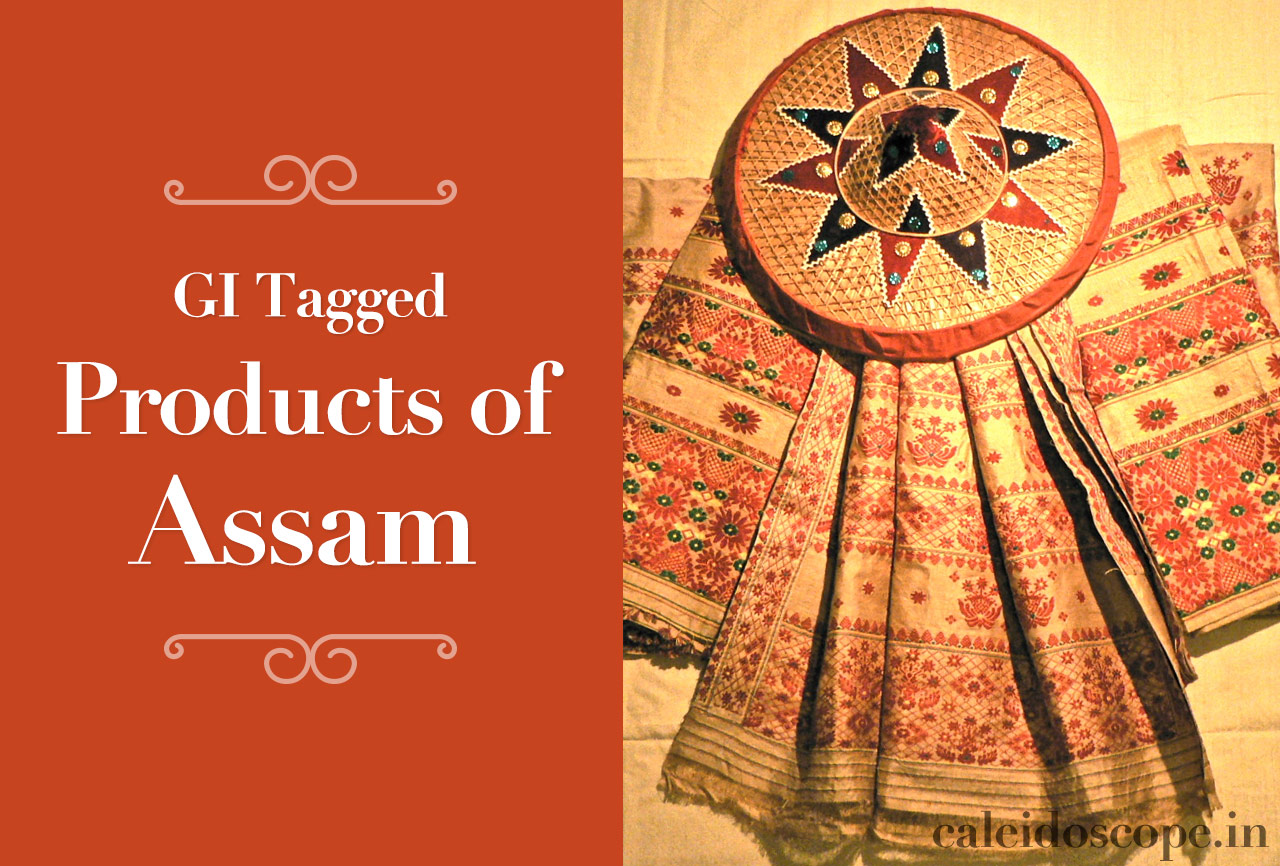
Assam is a small north-eastern state hidden amidst the forests of the region. Beyond its popularity for the diversity of flora and fauna it hosts, one can see a completely different facet of Assam – its culture. Assam constitutes only 2.5 percent of India’s land mass, yet, the history, diversity and cultures that constitute this small state is unprecedented. Yet, in this small state are fourteen recognised plain tribes and fifteen hill tribe communities, admirable diversity for a state so small. It is a result of this diversity and its scenic landscape and geography that Assam has produced eleven GI tagged products today.
The Geographical Indication Tag
The GI or Geographical Indication tag is a certification that was introduced for protecting unique products of any kind that can be traced to a specific geographical location. They are issued under the Geographical Indications of Goods (Registration and Protection) Act, 1999, which came into force in 2003. The first GI tag was issued to Darjeeling Tea in 2004. The issue of this certificate means that no one elsewhere has the right to claim that they manufacture that product of a unique geographical origin or quality. The GI Tagged products reflect the rich heritage and diversity of Assam’s agricultural and artisanal offerings.
GI Tagged Products of Assam
The first product to be given the GI tag in Assam was Muga silk, awarded the GI tag in 2007. There are a total of eleven Assamese products which have been conferred the tag, the latest of which is the traditional Assamese Gamocha, a traditional Assamese style of making stoles.
Muga silk is a kind of wild silk that is native to the North-eastern regions of India, and is most widespread in Assam. The silk is known for its beautiful golden sheen, and its extreme durability. Museums in Assam feature Muga textiles showing minimal damage, despite being decades and even centuries old. The caterpillars used to produce Muga Silk are called the Muga caterpillars, which traditionally feed on the Som tree. Muga silk was only reserved for the use of royalty in the past, but is available for purchase in several government approved stores in Assam today, though it is very expensive today. This is owing to the danger of the extinction of the Muga caterpillars and the extreme duration and intensity of manual labour the Muga worm breeders and moth rearers have to put into the production of the silk. Muga silk was conferred the GI tag in 2007.
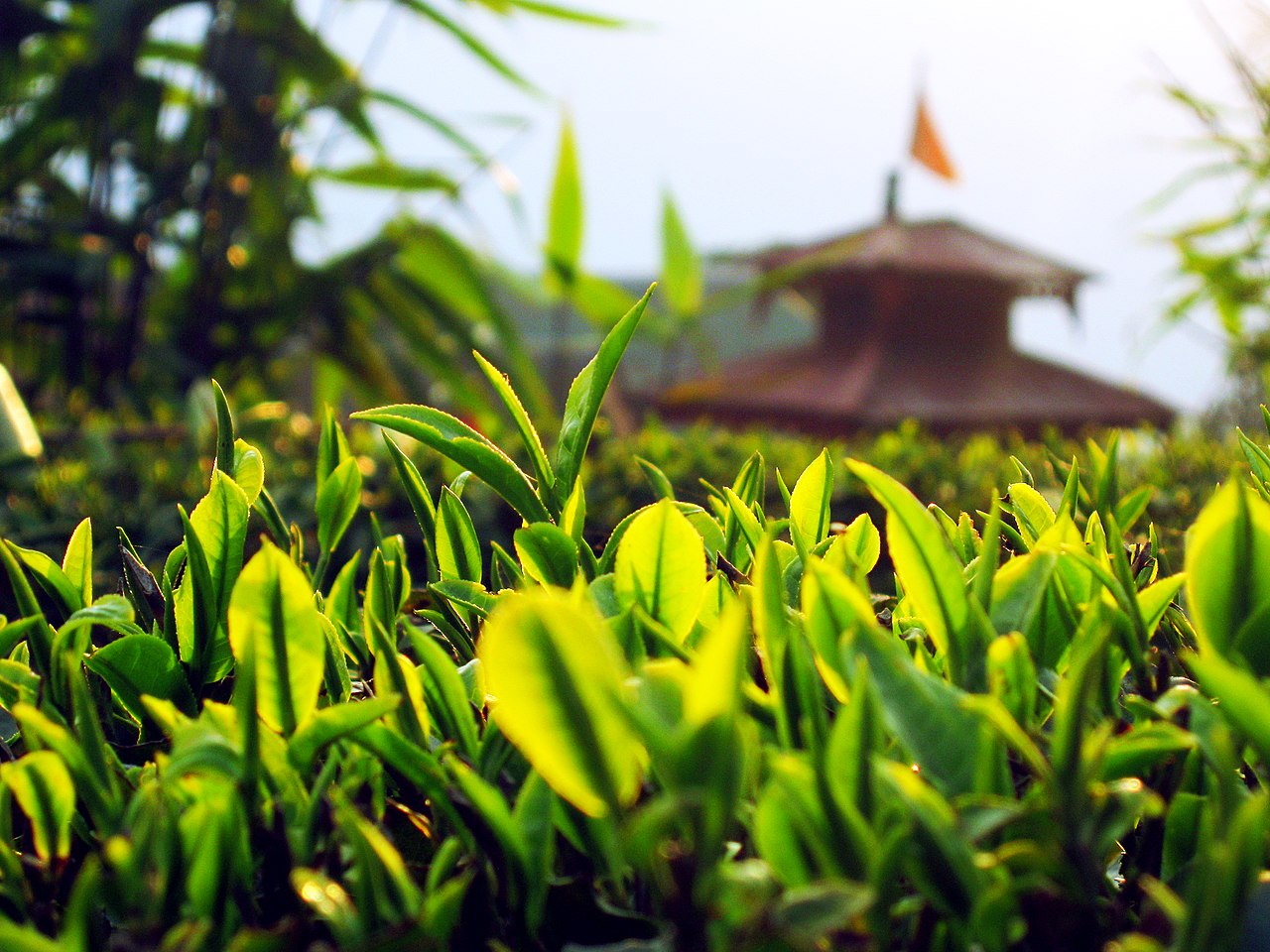
Assam is synonymous with tea, in the eyes of many. While tea is produced across India, the geography and climate of Assam produces tea of an intoxicatingly malty, pungent, astringent nature. Tea production began in Assam under the British, who recognised the conditions in Assam to be ideal for tea production. Post independence, tea production was carried forward, and Assam tea finally got a GI tag in 2008.
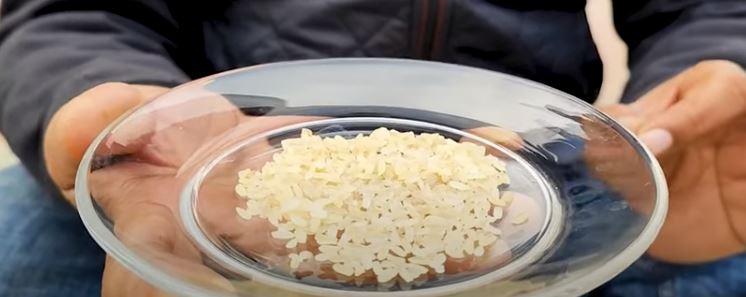
Boka Choul is an ancient paddy variety from the state of Assam which was long used by native Ahom soldiers during long campaigns. Today, it is widely used by farmers and housewives. The uniqueness of Boka Chaul is that it can be consumed simply after soaking in water at room temperature. Apart from this, it is very high in fibre and is extremely nutritious. It was given the GI tag in 2018.
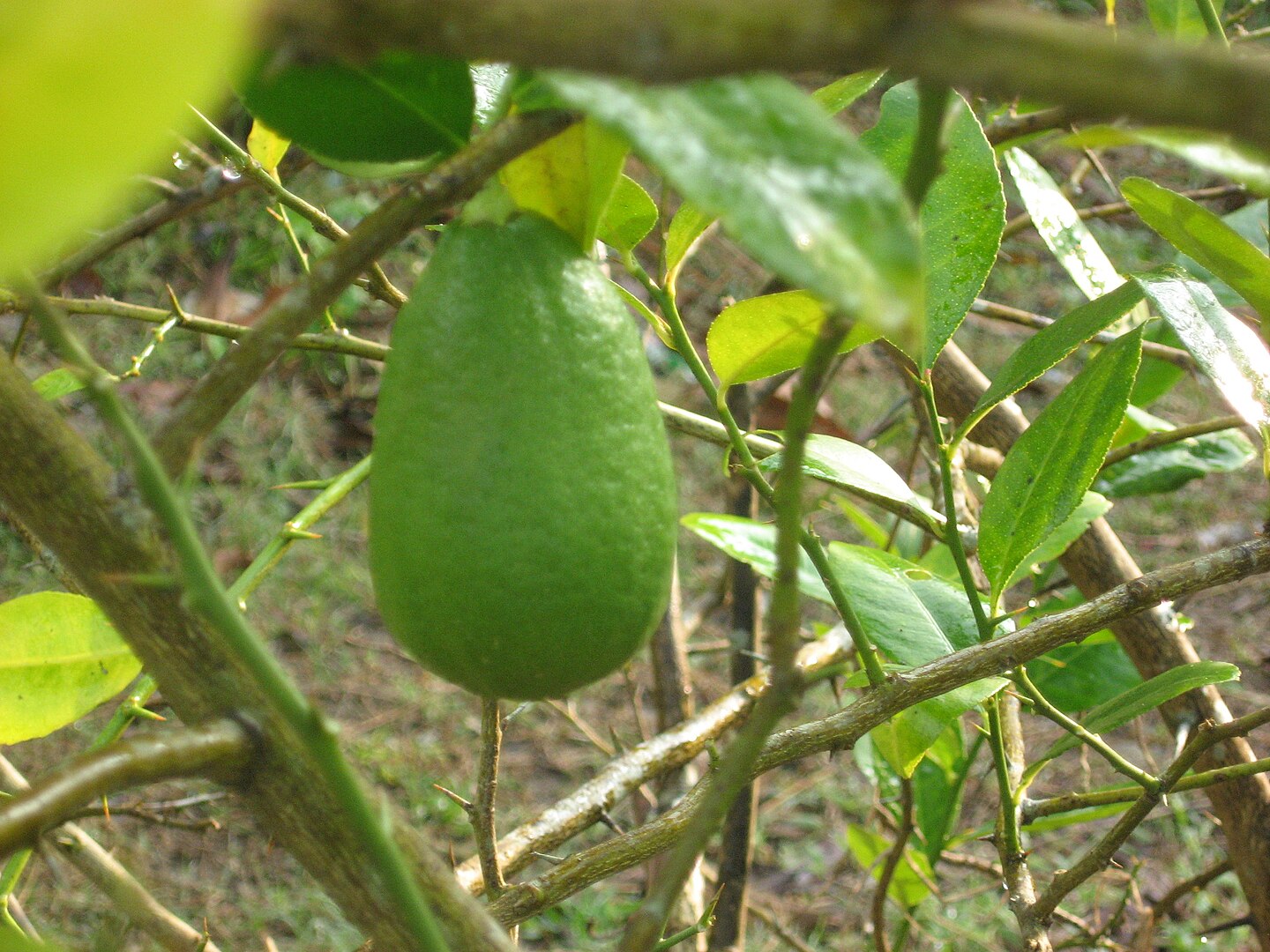
Kaji Nemu is a variety of seedless lemon native to Assam. Unlike usual lemons, Kaji Nemu is oblong and much larger than the average lemon, in addition to being seedless. It is unique and viable for a lot of reasons – it does not fall off the trees after ripening and the trees bear fruit throughout the year. Kaji Nemu has a unique flavour – it has a lower citric acid content, making it less sour than normal lemons and has a subtle sweet flavour. Kaji Nemu is an integral part of Assamese cuisine, and it has also gained a reputation abroad – it has been sold in the UK for higher prices than in India, helping the farmers. Kaji Nemu was conferred the GI tag in 2019.
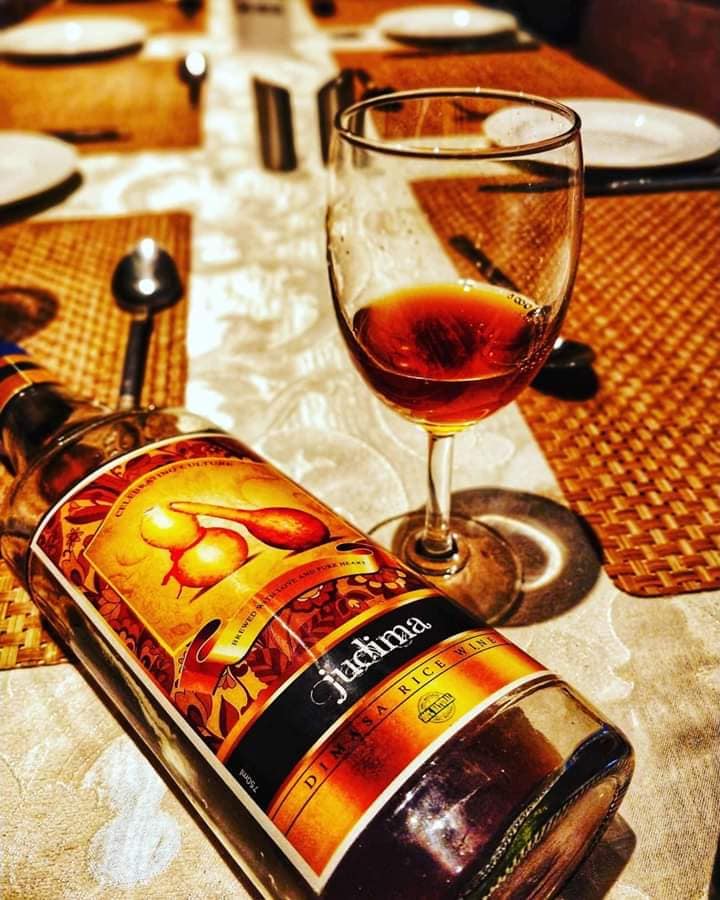
The Judima wine of Assam, a sweet, herby wine made exclusively by the Dimasa tribe of the state is a unique asset to the state’s culinary culture and heritage. The wine is made of fermented sticky rice and a special herb, and takes a total of a week to prepare. It can be consumed from then on and develops a more complex flavour profile the older it gets. The wine is traditionally made by women, and this is a factor that counts into its uniqueness. The wine is the first brew from the North-east to be conferred the GI tag in 2021.
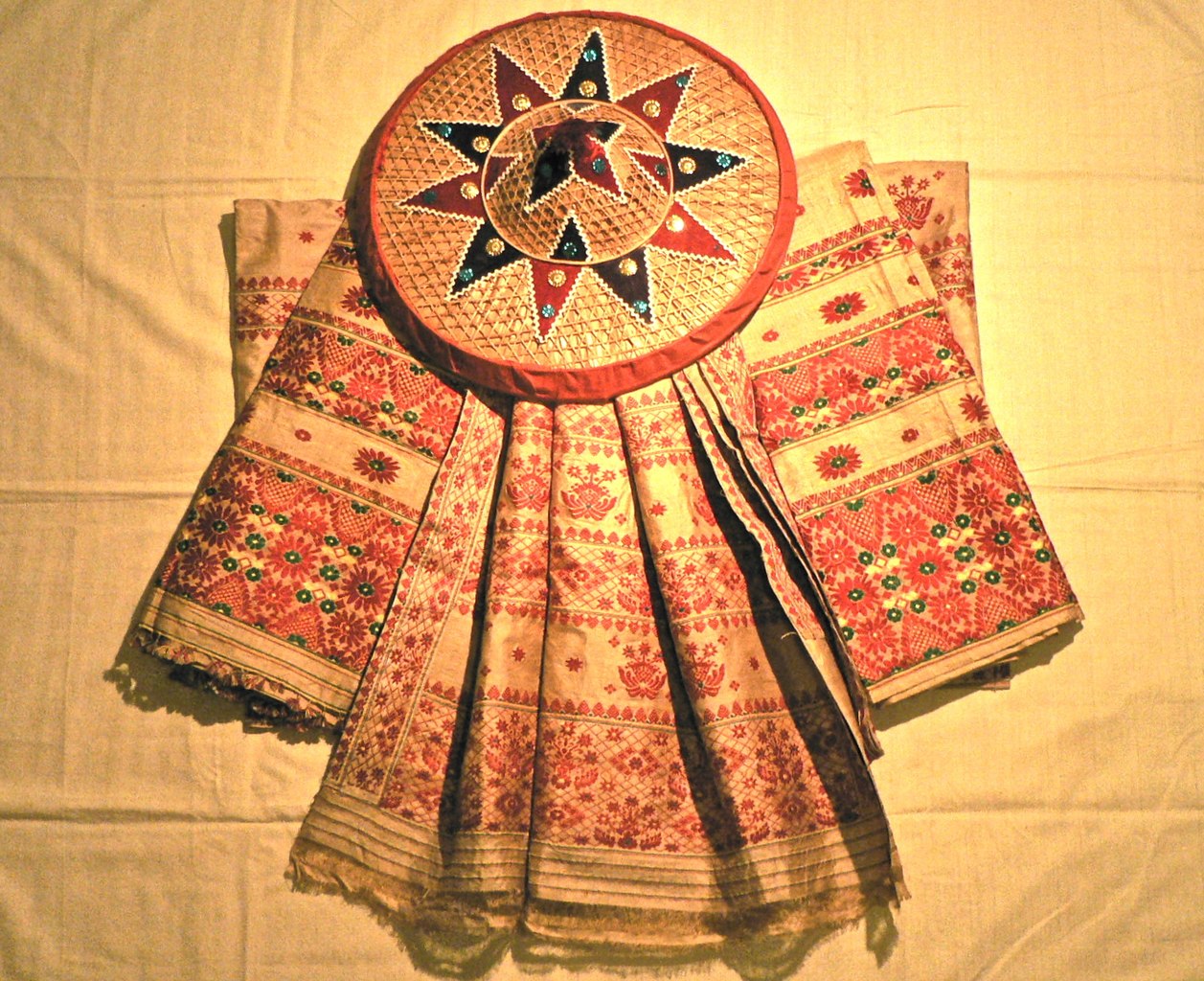
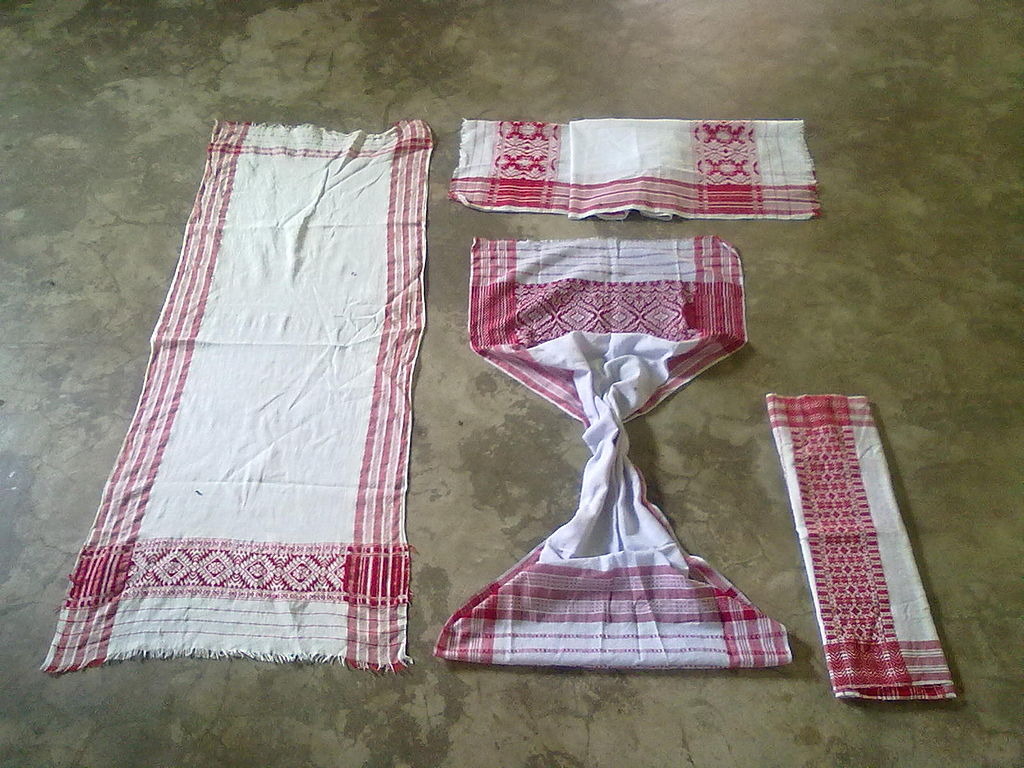
The Gamocha has long been a cultural symbol of Assam. It is immediately recognisable, with patterns made of the traditional reds and similar vibrant colours on a background of pure cotton white, or white Tussar, eri or other traditional silks when it is meant to be used as a stole.The vibrantly coloured patterns can also be juxtaposed against the background of the beauteous golden lustre of the Muga. It is widely used in Assamese households, and the gamocha has become synonymous with Assam. It was traditionally a coarse cotton towel, as ‘gamocha’ means, and is used for various households, but it has also evolved to be used as a stole. The Gamocha is the last Assamese product to get the GI tag, in January this year.
Take Aways
The GI tagged products of Assam showcase the cultural diversity of Assam and the North-east. In an India where the North-east is viewed as a homogenous populace and entity, the GI tags not only protect the authentic practices and artisans, but also recognise the diversity of this region of India, which is much needed.
ICICI has been one of the leading companies in the country and is a pioneer in multiple spheres of society. From finances to health to banking, it has, in many ways, secured the future of Indian citizens. Other than venturing into healthcare and helping the people of India by safeguarding us with the help of insurance policies, ICICI has launched its insurance app that makes the process digitized and easy for everyone to follow. Protecting yourself, your loved ones, prized possessions, etc by investing in insurance is a task that you can now easily embark on. In case of accidents, emergencies, disasters, etc., the insurance policies that you have can be critical in mitigating the financial damage that you may otherwise incur.
ICICI Lombard’s IL TakeCare App follows the philosophy of ‘Nibhaye Vaade’. Based on your individual needs, this app will assess and provide you with the services and benefits that you desire through a digital platform. Downloading the app and exploring the various advantages it offers can be of great benefit to you and your family.
Here are 10 things that you need to know about the ICICI Lombard Insurance app:
Data Safety – The application is well-made with several security features in place to ensure that your confidential and private data is safe. Data privacy is of utmost importance and security practices vary based on the kind of use, age, and region you are from. The developers also update this information and security protocols over time. The data collected is not shared and distributed among third parties. Once you add the information, no one else will have access to it – it cannot be edited or deleted.
Range of insurance policies – If you are looking to buy insurance, this platform will offer you a range of services and different facets wherein you can claim your insurance. The vast variety of insurance products includes – motor (car and bike) insurance, travel insurance, home insurance, health insurance, etc. This leading insurance company in India takes care of all your needs on one platform and you can browse through the policies offered and renew the existing ones.
User experience – The application is made to provide an easy and user-friendly experience to all. Since a smartphone is now available in almost all homes, you can download the ICICI Lombard insurance app with ease. It is designed in a way that makes the user experience simple to navigate. You will be able to conveniently manage your insurance policies and claims with the help of your smartphone.
Hassle-free process – The most important aspect of your insurance policy would be the claim process. This app delivers a hassle-free claim process that you can complete in 3 simple steps. Initiate your claim at the click of a button, upload and provide the documents that support the claim, and track the status of the process in real-time.
Benefits associated – One of the major benefits that you can avail of with this application would be the cashless hospitalization process for health insurance policyholders. Additionally, you can also look for a wide network of hospitals and settle the bills with the application. Since you have all the resources in one place, it becomes easier to navigate through situations of emergency. Find hospitals, and garages, order medicines online, get any kind of health assistance, etc with this app.
Features – Calculate the premium amounts for the insurance policies you have chosen. The app has a built-in premium calculator that can help you get an estimate of the amount you may have to pay depending on the requirements of your coverage. 24/7 assistance is also provided regarding different aspects like health consultations or ambulance services.
Technological benefits– The app uses technology to its benefit as you can check your basic vitals with the help of a visual face scan. Additionally, another feature called CalScan can help you keep a log of the ingredients and calories in your food.
Latest news and guidelines – Read the latest news, reviews, and guidelines from the motor industry and other relevant articles on the blog section of the app.
Completely digitized – Have a complete view of your policy details, download any documents related to the policy and structure, and make changes to them online without the hassle of managing and maintaining paper trails. You will also get personalized notifications and certain alerts on your mobile phone to keep you updated in the process. Any changes in policy renewal, premium payments, or updates in the documents regarding the insurance will be altered timely to avoid any last-minute distress.
Emergencies – The app includes a handy emergency assistance feature that provides users with immediate access to helpline numbers for roadside assistance, medical emergencies, and other urgent situations.
The ICICI Lombard insurance app is an all-encompassing mobile application that can help you and your family safeguard your future and mitigate financial stress and damage in emergencies. The app being user-friendly and providing multiple benefits is a huge asset in today’s day and age.
Bihar is a land of rich cultural heritage and historical significance. However, Bihar in popular culture today is badly represented, instead of being recognised for its rich past, delicious food and vibrant festivals. However, Bihar has a remarkable range of Geographical Indication (GI) tag products, looking at which we can be better informed about the vibrant culture of the region. These GI tag products are a testament to the state’s diverse natural resources, traditional craftsmanship, and indigenous knowledge. With each product reflecting the unique identity and expertise of local communities, Bihar’s GI tag products have gained national and international recognition, while also contributing to the economic growth and empowerment of the region.
Understanding the GI Tag
The geographical indication (GI) tag is a certification that indicates the origin and uniqueness of a product that stems from its unique geographical location. It serves as a form of intellectual property protection, ensuring that products originate from that specific region or that a product possesses certain characteristics because of its origins in that particular area. The GI tag helps consumers identify and differentiate authentic products from imitations or substitutes. It also supports the local economy by promoting traditional practices and preserving cultural heritage. The GI tag is a recognition and endorsement of the link between the geographical origin and the distinctiveness of a product, providing both economic benefits and consumer trust. The tag is issued for ten years, after which it has to be renewed.
Mithila Makhana is the Makhana (foxnuts or water lily seeds), originating in the Mithila region of Bihar. Makhana has become a popular snack of late, owing to its health benefits and nutritional value. Mithila Makhana is a unique because the region provides the appropriate climatic and geographical conditions for producing high quality makhana. Besides, Bihar produces more than eighty percent of India’s Makhana production, and this will greatly help the many Makhana farmers in the state.
Madhubani art of the Mithila school of art is one of the most popular art forms in India. Madhubani art has its origins in the Mithila region of Bihar and Nepal. Madhubani art is known for its beautiful two dimensional figures painted with vivid colours portraying Indian mythological figures and society. They are made with colours derived from natural elements and are traditionally painted on freshly plastered walls and floors. Madhubani art is one of the most iconic art forms of India, receiving the GI tag in 2007.
Bhagalpur is known as the ‘silk city of India’. The silk textiles of Bhagalpur, and its sarees, specifically are well known throughout India, for their beauty and durability. Bhagalpur textiles are made of Tussar silk, and the silk industry here has sustained from the ancient times, flourishing particularly under the Mauryan empire. Besides its ancient origins and superior quality, the silk industry of Bhagalpur is also known to adopt cruelty-free ways of breeding silkworms. This is why the Bhagalpur silk industry is unique. It received the GI tag in 2013, helping the weavers of the industry get their dues.
Vetiver or Sikki grass is well known across the world for its therapeutic qualities, soothing dry and irritated skin. However, in the state of Bihar, it is put to a unique use. Women in the region have been known for centuries to dry and subsequently use the grass to weave a range of utilitarian products, including baskets, dolls, and toys. The craft by itself is very simple and beautiful, but sometimes, it is beautified further by painting with natural colours. This beautiful craft was even featured on the 2013 Republic day tableau of Bihar. The sikki grass craft of Bihar is one of the simplest and unique crafts of the region, rightfully being awarded the GI tag in 2007.
5. Shahi Litchi of Muzzafarpur
Image Source
Litchi is a fruit known for its sweet, white translucent pulp. India is the second largest producer of Litchi, and the conditions for growing Litchi are ideal in the state of Bihar, which is why the state comes first in Litchi production within the country. The city of Muzzafarpur produces the finest Litchis in the state, which is why it was conferred the GI tag in 2016.
6. Katarni rice
Image Source
The Katarni rice of Bihar is a short grained rice known for its unique aroma and taste, and is grown mainly in the Bhagalpur and Banka districts of Bihar. The rice grows only in Bihar because the soil composition is appropriate for cultivation here, but it has been facing the threat of extinction in recent times. Hence, it was awarded the GI tag in 2023 for encouraging farmers to cultivate the crop and to protect the species.
The Jardalu mango of Bihar is known for its sweet scent, light yellow skin and exceptional taste. Each Jardalu mango weighs nearly a quarter of a kilo, and it is believed that the erstwhile Raja of Kharagpur, Maharaja Rahmat Ali Khan was the first to plant the seedling of the Jardalu mango here. The mangoes have been famous for a long time for their quality and are even being exported to the UK since 2021. Officials have also been working on exporting them to other countries, and the move of giving the GI tag earlier this year will only make this delicious variety of mangoes more popular around the world.
Conclusion
The Geographical Indication (GI) tags on products from Bihar have brought about significant benefits. These GI tags have provided legal protection to unique products, ensuring their authenticity and origin. The recognition has not only empowered local artisans and farmers but has also opened doors to new economic opportunities. By preserving traditional craftsmanship and indigenous knowledge, GI tags have played a crucial role in promoting cultural heritage and sustainable development in Bihar. Additionally, these products bring to light the rich culture and traditions in craft, textile and agriculture of Bihar, giving the state some well-deserved spotlight. The GI tag has undoubtedly contributed to the preservation, promotion, and prosperity of Bihar’s rich and diverse cultural heritage.
Dev Bhoomi, another name for Uttarakhand, has long served as the epicenter of religious and spiritual knowledge. Everywhere there is a celebration of Uttarakhand’s history, culture, and connection to religion. Here, a diverse range of cultures and races live in peace and harmony. The majority of the state is divided into the Garhwal and Kumaon areas. Jaunsaries, Tibetan refugees, and Bokshas are among the other residents.
History of Uttarakhand
Kedarnath
Megaliths, Paleolithic age stone tools, ancient rock engravings, rock shelters, and other prehistoric artifacts demonstrate that the mountains in the region have been inhabited since prehistoric times. Furthermore, there are archaeological relics that show the presence of early humans. Moreover, there are archaeological remnants that demonstrate the presence of early Vedic practices (about 1500 BCE) in the region. Several lineages have ruled Uttarakhand at various points in time, including the Pauravas, Khasas, Kiratas, Nandas, Mauryas, Kushanas, Kunindas, Guptas, Karkotas, Palas, Gurjara-Pratiharas, Katyuris, Raikas, Chands, Parmars, or Panwars.
The communities are naturally arranged in a long, linear layout to maximise the sun. Buildings are positioned in the graded terraces along the contours to disrupt the ground as little as possible. Stone is typically used for walls, while wood is frequently used for structural support and slate is frequently used for roofing. Cobs, which are hand-built, sun-dried blocks, are sometimes used as load-bearing walls. The buildings’ sloping roofs typically serve as rainwater channels. The chajjas are used over the windows to provide cover and rain protection. In order to conserve natural warmth, floors are kept low. For a similar justification, the height of the doors and windows is maintained extremely low. Due to their insulating qualities, clay and dung are widely used, keeping the rooms warm in the winter and cool in the summer. A mud paste is used to plaster the walls (both internal and external). Garhwal and Kumaon, the two main regions of Uttarakhand, have distinct architecture styles that have developed as a result of the variations in their regional languages, customs, and cultures.
Rishikesh
The Paun, Katuyari, Pawar, and Chand traditions were represented by the king who ensured the prosperity and security of the temples. The kings of Uttarakhand have a preference for building big temples that are often composed of wood and stone and embellished with fine carvings. Temples were occasionally decorated with elaborate peeth and aipan patterns. Both of them are rangoli-style patterns, the first constructed around the gods’ seated area and the second inside a temple’s sanctum sanctorum.The best attire and jewellery that could be found in the area were added to the deity’s sculpture, which was either made of stone or metal. The architecture of the temples was often created in the Nagara or Garhwal styles.
Uttarakhand is renowned for having exquisite Kumaoni and Garhwali cultures. What clearly distinguishes them are the diverse customs, faiths, fairs, festivals, folk dances, and music.
Garhwali, which also contains a number of dialects such as Jaunsari, Marchi, Jadhi, and Sailani, is the main language spoken here. In Garhwal, people come from all castes and ethnicities. They include the tribes of Garhwal, which include the Jaunsaris, Jadhs, Marchas, and Van Gujars, who live in the northern regions, and the Rajputs, who are thought to be of Aryan heritage.
Kumaiya, Gangola, Soryali, Sirali, Askoti, Danpuriya, Johari, Chaugarkhyali, Majh Kumaiya, Khasparjia, Pachhai, and Rauchaubhaisi are among the 13 dialects spoken in Kumaon. The Central Pahari languages constitute this linguistic family. Kumaon is particularly well-known for its folk literature, which features stories, heroes, heroines, and bravery as well as figures from the Ramayana and Mahabharatha. The most well-known dance style in Kumaon is called Chhalaria, and it has a connection to the area’s martial traditions. Even now, these traditional dance styles are still performed as part of the festivals that are all enthusiastically observed.
Garhwali costumes have brilliant colours, heavy fabrics, and distinctive patterns.Men dress in a kurta, pyjamas, and a koti over the kurta. A Koti is a type of wool garment created in the Garhwal region to ward against the chilly winds.
The women cover their faces with brightly coloured headscarves, a flowy shirt, and a vibrant Koti on top of that. At these occasions, a Ghagra or lehenga made of wool or cotton is also worn.In Kumaoni customs, the bride dons the pichora, a crimson and holy golden headdress, at weddings. Both Kumaoni and Garhwali women wear long naths made of gold, red, and velvet.The “gul band” is a necklace worn by Garhwali
There are three ways to celebrate Kumaoni Holi: Baithki Holi, Khari Holi, and Mahila Holi. This festival’s distinctive characteristic is the amount of music used to commemorate it.
A ceremony called Harela marks the arrival of monsoon weather. This festival is observed by Kumaon community members from July to August during the Shravan month. Bhitauli, which is observed in the months of Chaitra, or March–April, comes after this festival. Women sow seeds in the ground throughout the festival, and by the time it is over, they have reaped what is known as the harela harvest.
On the fifteenth day of the Baisakh month, which lasts from late March to early April, the Jageshwar fair is held in the temple of Lord Shiva in Jageshwar. At the fair, people swim in the Brahma Kund pool as a form of worship.
One of Uttarakhand’s largest and most well-known festivals is the Kumbh Mela. This event, known as the mela, lasts for three months and only occurs once every four years, rotating between Allahabad, Haridwar, Ujjain, and Nasik—that is, only once every 12 years in any one location.
Uttarakhand music refers to Kumoan and Garhwali songs. This region’s music is likewise influenced by nature. It discusses people’s lifestyles and cultural heritage. It also relates to festivals, religious rites, traditional stories, historical people, natural beauty, and so on. Dholkis, daur thalis, bhankoras, masakbhajas, paintings, harmoniums, and other traditional instruments are employed. Some well-known popular songs include “Bajuband,” which tells of love and sacrifice, “Chhura,” another type of love song, “Basanti,” about the seasons, “Jagars,” about legendary characters, “Khuded,” about a woman’s sorrows, and “Mangat,” which are songs sung during ceremonial ceremonies.
Kumaon and Garhwal in Uttarakhand execute numerous dance arts to worship their gods and goddesses. The greatest time to observe the performing arts of the Uttarakhand people is during festivals and fairs, when these dances contribute to the celebratory charm. The Bhotiya dance is the most prominent dance of the Bhotiya tribe. The dancers dress in traditional clothing and execute rituals throughout this performance. Another popular Uttarakhand dance that visitors appreciate is the Langvir Nritya, in which acrobats are solely performed by males. This dancing spectacle is enhanced by musicians playing various instruments. Barada Nati folk dance, Nritya Pandava, Dhurang, Dhuring, Chhura, and Chapeli are all major dance genres.
Uttarakhand’s food, like its people, is simple but excellent. Kumaon and Garhwal, two separate areas, provide palates of flavorful foods that are also strong in nutrients. The state’s cuisine is carefully selected to not only thrill the taste senses but also to make the most of the resources available. A well-balanced flavour is the key to traditional Uttarakhandi cuisine, which is primarily prepared over a low fire and includes lentils. While Kumaon and Garhwal are split into various regions, their culinary styles and ingredients are similar. There are also numerous foods that are widespread in both areas but have distinct names. Along with the changing of the seasons, the state’s culinary preferences also alter. For example, while Mathir and Til Laddus or Madua Rotis are popular in the winter, Dubkas and Chholia Rotis are popular in the summer.
Snack in Uttarakhand
The state’s distinctive lentils and a variety of barley and buckwheat flours are the primary ingredients of Uttarakhand cuisine, which are also known for their delectable flavour and aroma. Garwhal meal is prepared with just the right amount of spices, luring one to savour it. Phanu, Kafuli, Thechwani, Chainsoo, etc are examples of Garhwali cuisine. Aaloo Gutuk, Dubke, Thathwani, Kaapa, Sisunaak Saag, etc are among the delightful delicacies of Kumaon. Side dishes are as significant in Uttarakhand and are consequently made with great care. Bhangeera ki Chutney, Mooli Thechuwa, and Hara Namak are some of the sides that complement the flavour of main course meals. The melting-in-your-mouth deserts of Uttarakhand, such as Singal-Puha, Jhangora ki Kheer, Singodi, and Baal Mithai, round out the gourmet excursion.
Art & Craft of Uttarakhand
Image Source
The state of Uttarakhand is home to a wide variety of art and craft, all of which need close examination. Several different arts and crafts, including painting, woodcarving, jewellery, candlemaking, and ornamental temples, have contributed to Uttarakhand’s rich cultural legacy. The most well-liked craft in the state of Uttarakhand is wood carving. Each Garhwali home has a finely made wooden entry gate.
Among the most impressive wood-carved structures are the Chandpur fort, Srinagar Temple, Pandukeshwar, Devi Madin, and the Temple of Devalgarh. Then there are the fine arts, which include Peeth, Aipan, and miniature paintings. Even though Mughal art had a strong effect on miniature painting, Uttarakhand has its own unique painting style known as the Garhwal Style. Aipan and Peeth, on the other hand, are folk arts that women generally perform in their homes.
A lot of people know Uttarakhand for its ornaments. The copper smiths in the area known as Tamtas are renowned for producing some of the most exquisite and gorgeous copper decorations in addition to the regional silver and gold ornaments. They produce gorgeous pieces that showcase their superb craftsmanship.
women that resembles the modern choker.
Occupation in Uttarakhand
Image Source
Agriculture plays a key role in Uttarakhand’s economy, as it does in most of India, making it the state’s primary profession. Subsistence farming is practised in the majority of Uttarakhand due to its colourful topography and varied agro-climatic endowments. Mixed cropping is employed in Uttarakhand’s steep regions, while single crops are cultivated there. In Uttarakhand, a variety of crops are cultivated extensively, including wheat, coarse cereals, pulses, soybeans, and oil seeds.
There are numerous cultures and festivals in Uttarakhand. Here, residents from all across the nation have made permanent homes, enriching the region’s cultural heritage. It is the ideal location for anyone who wishes to learn more about Hinduism or enjoy the mesmerising Himalayan scenery.
Art has been an integral part of human society since time immemorial. Every region in the world has a unique artistic tradition, which is an expression of its cultural heritage. Jharkhand is not known for being a prominent arts and crafts hub in India, but it has a rich tribal culture and several art forms that have evolved over centuries. The art and crafts of Jharkhand reflects the region’s unique cultural identity, and it is a blend of traditional and contemporary styles. From intricate wood carvings to the vibrant and beautiful Jadopatia paintings, Jharkhand’s art is a diverse category. This article shall focus on the Jadopatia style of art in Jharkhand.
The Jadopatia art style is one style of Patachitra paintings. It evolved from the Santhal tribe who supposedly migrated to Jharkhand centuries ago. The paintings are made by a community of painters amongst the Santhals known as ‘Jadopatuas’ or ‘magic painters’. The individual painters are known as ‘Chitrakars’, meaning ‘image-makers’, and are respected amongst their tribesmen for their expertise in the art, and for their traditional story-telling skills. The art has been passed down through generations for centuries, and is practised even today.
The Jadopatia paintings are originally scroll paintings that are a part of a long tradition of story-telling, with a bard narrating a story that the Jadopatia scroll illustrated. As the story was narrated, the scroll would be unravelled gradually, representing the scenes relevant to the story at the particular point. This was a form of entertainment and education amongst the Santhals. Additionally, the artists were known to have the ability to help give salvation to dead souls. The jadopatias also earned by visiting houses in which funerals happened. They narrated a story of the woes of the dead man’s soul. After a certain payment, either of money or of gifts like grain or pulses, he would present scrolls and narrate a story where the dead man was content and in paradise, and this helped the family deal with their loss.
The paintings are vivid and colourful, yet minimalist, representing scenes from the daily life and celebrations of the Santhals to those from Indian mythology and the ideas of afterlife, both in Santhal traditions and Hindu traditions, and have a thick, intricate border. The eyes of the characters in the paintings are usually large and widened, giving a dramatic appeal to it. The features of the characters in the paintings understandably resemble those of the Santhals themselves, and gives the art a unique look.
Traditionally, Jadopatia paintings are made on palm leaves, and the brushes are made of goat or squirrel hair on a porcupine quill. However, now, the paintings are made with commercially available brushes and on paper or canvas, since the art of scroll paintings for storytelling has declined. The colours are made of natural elements, from tree barks and vegetables to minerals. The juices from the different elements of vegetation, like leaves, flowers and barks, were cooked till they reached the right consistency of paint. They are then mixed with the gum obtained from the bark of the babul tree to thicken it further.
First, the artists begin with sketching the outline of the figures in the painting roughly with a pencil, and then, fill it in with the traditionally made colours. In the end, the border is filled in with a specific colour, which is usually red for representations of scenes from Indian mythology.
The present state of the Jadopatia artists is far from good. The art has lost its popularity, as a result of the decline in the interest in traditional crafts, and also as a result in the decline of the singing – storytelling tradition, with the evolution of more modern forms of entertainment. As a result, continuing the tradition of this art is not a lucrative option, and very few artists are left today. Most artists have given up on the art and have taken up jobs like carpentry, metal work, and physical labour. Younger generations are discouraged from getting into the craft and are told to find more lucrative jobs, or do so themselves.
The art itself has evolved to meet the demands of the market today- evolving from the scroll art complementing storytelling it originally was to an art by itself, made on individual sheets of paper or canvas for display. In addition, the materials have also changed amongst some artists,, with commercially available brushes and paints being used instead of the traditional goat hair brushes and natural colours. However, the art has still not gotten its due recognition, with the governments, both at the state and central level ignoring the woes of the artists and the uniqueness of the art.
Final Thoughts
The Jadopatia paintings are one of the most beautiful forms of traditional folk painting- they aptly represent Indian folk culture in a visually appealing and pleasant form.. However, in this age of fast paced globalisation and modernisation, traditions of yore are no longer valued. We must recognise the value of all forms of traditional art, especially from pockets of what aren’t considered top tourist destinations, because these art forms aren’t given anything close to their due recognition. We must improve our awareness of India’s rich folk heritage, and so must the government, so that these art forms are duly valued and that the artists continue having an incentive to practise the arts and crafts that make our culture unique.
Toys are an essential part of a childhood. However, toys are much more than just children’s playthings- they are also a long-lived constant in the crafts throughout the ages in India. The Indus Valley Civilizations produced the earliest known toys in India some 5,000 years ago, and a long, uninterrupted legacy of toy production has persisted ever since in many parts of the country. Traditional Indian toys span a wide range of styles, materials and themes- including toys made of clay, bamboo, wood, and stone representing themes from mythology to rural life. Sometimes, these are simple playthings like rattles and loops, but the history of traditional toy making is something that can be appreciated by everyone.
Andhra Pradesh is known for its traditional styles of toys, one of which is the Etikoppaka style of crafting toys. These toys are named after the quaint village of Etikoppaka on the banks of the Varaha river in the Visakhapatnam district, where they are primarily made. The village has over twelve thousand inhabitants, with more than two hundred artisan families involved in the craft. The Etikoppaka toys’ history dates back about four hundred years. The artisans, evidently originally from Nakkapalli, a village about 25 kilometres from Etikoppaka, were said to have been making temple carts when the zamindars under the Vijayanagara empire started patronising them by paying them to make wooden toys for their children. The artisans later migrated to Etikoppaka, owing to the abundance of the soft wood needed for the toys.
Today, while the epicentre is still Etikoppaka, the toys are made all over Andhra Pradesh, with centres for toy making also in the villages of Kottam, Kailasapatnam, Rolugunta and K.D.Pet.
Etikoppaka toys are unique, both in terms of appearance and the process in which they are crafted. The toys are vibrantly coloured and have a subtle sheen, which enhances the beauty of the different colours. They also have no sharp edges- making them safe for children. The themes that Etikoppaka toys cover include that of mythology, rural life, and traditional celebrations, like weddings, aptly representing the culture of Andhra Pradesh and India. Their simple, childlike beauty also epitomises rural life.
The toys are made of the ‘Ankudi karra’ tree, telugu for the Wrightia Tinctoria tree. The tree is favoured for its very soft and light coloured wood and grows in abundance in the region. Small pieces of the wood are cut from the tree, and then, they are kept on a wood-turner and crafted according to the shape of the individual component of the toys with a chisel. This step was done by hand earlier, but the machine has helped the artisans by reducing precious time and energy. This process is still not easy- it requires an axe-like tool and five different kinds of chisels. The sawdust leftover from the woodcarving is not wasted- the artisans mix it with neem leaf, cow dung and sambrani, a resin based incense, to make an effective mosquito repellant. Small pieces of wood that cannot be utilised otherwise are carved into little beads.
After the step of carving and smoothening, solid lacquer mixed with natural dyes is pressed against the toys while still on the woodturner. The friction melts the lacquer and it liquifies, colouring the wood. This step lends the Etikoppaka toys their distinct sheen and requires an excellent eye- a mistake will result in uneven colouring and sheen of the wood. The natural dyes used are obtained from tree bark and vegetables, which are mixed with lac, a resinous mixture made of the secretions of several insects. Then, artists smoothen the toys with emery paper and assemble the components. The final finishing is given with the powder of the ‘mogali’ leaf, a plant that grows mainly in the coastal areas of Andhra Pradesh.
The unique beauty of Etikoppaka toys has not gone unrecognised. Etikoppaka toys were conferred a GI tag in 2017, meaning they cannot be manufactured outside their traditional domain. The government has also conferred the Padma Shri on Shri Chintalapati Venkatapathi Raju, an Etikoppaka artisan who has helped preserve and develop the craft earlier this year. He was also hailed in the Prime minister’s ‘Mann Ki Baat’ for preserving the traditional toy industry, and for his plans to establish an interpretation centre for facilitating the exchange of knowledge specifically in the field of traditional toys and crafts.
Etikoppaka toys remain popular as ever; they are standard display pieces in Telugu households. However, there are also problems faced by the craftsmen. While the demand for the craft is high, the middlemen, who take over most of the area of sales and marketing, get the most profit. Apart from this, there is also the problem of the scarcity of the specific softwood required for this- the artisans are having to pay a tax due to the scarcity of the wood. Another problem is the inadequate power supply in these villages of rural Andhra, when power supply is necessary to run the woodturners. The artisans also have to adapt to the designs expected in the modern market, though they have done a good job already, by expanding to bangles, hanging ornaments, kumkum holders and other everyday objects.
Etikoppaka toys are extremely popular in the Telugu states, but the artisans still do not get their dues a lot of times. Hence, there must be efforts made by the government, non-governmental organisations and laymen to provide platforms for artisans to sell their craft and retain most of the profit so that they are given incentive to continue this tradition of traditional toy-making with age-old methods in this age of globalisation and lifeless automation.
Instagram provides privacy settings that allow users to control who can view their posts and interact with their account. By making your Instagram account private, you can limit access to your content to only approved followers, ensuring a more secure and intimate social media experience. In this guide, we will walk you through the step-by-step process of making your Instagram account private, giving you the tools to protect your privacy and control your online presence. You can also buy Instagram likes to increase them.
Step 1: Launching the Instagram App:
Open the Instagram app on your mobile device.
If you are not automatically logged in, enter your login credentials (username and password) to access your Instagram account.
Step 2: Navigating to the Profile Settings:
Once you are logged in, tap on the profile icon located in the bottom-right corner of the screen. This will take you to your Instagram profile.
Step 3: Opening the Settings Menu:
On your profile page, tap on the three horizontal lines, often referred to as the “hamburger” icon, located in the top-right corner of the screen.
A menu will slide out from the side. Scroll down and select the “Settings” option at the bottom of the list.
Step 4: Accessing the Privacy Settings:
Within the Settings menu, scroll down and tap on the “Privacy” option.
This will take you to the Privacy settings page, where you can manage various aspects of your Instagram account’s privacy.
Step 5: Setting Your Account to Private:
On the Privacy settings page, locate the “Account Privacy” section.
Tap on the “Private Account” option to enable it. When enabled, your Instagram account becomes private, and only approved followers can view your posts and interact with your account.
Step 6: Approving Follow Requests:
After enabling the private account setting, you will receive follow requests from users who want to view your content.
To approve or deny these requests, return to your profile page and tap on the “Followers” count located below your bio.
You will see a list of pending follow requests. Tap on each request to approve or deny it.
If desired, you can further enhance your privacy by adjusting additional settings on the Privacy settings page.
Options such as “Story,” “Comments,” and “Messages” allow you to control who can view your stories, comment on your posts, and send you direct messages.
You can also increase your follower growth on Instagram by buy Instagram followers.
The significance of Instagram followers extends far beyond what meets the eye. When users stumble upon an account, one of the first factors they consider before deciding to hit that follow button is the number of followers already present.
Even if you possess expertise in your niche, without a substantial follower count to validate your authority, it becomes challenging to garner attention. Instagram thrives on numbers, and your follower count plays a vital role in establishing your presence on the platform.
Whether you are a new account aiming to gain momentum quickly or an established account seeking a boost, there are numerous compelling reasons to consider to buy Instagram followers. By opting to buy Instagram followers UAE or from other area, you can expect the delivery of organic followers within minutes of placing your order. This instant boost can propel your account’s growth and enhance your overall online presence.
Conclusion:
Protecting your privacy on social media is essential, and by making your Instagram account private, you can control who has access to your posts and interactions. By following the step-by-step guide outlined above, you can easily navigate through the settings and ensure that only approved followers can view your content. Remember, you have the flexibility to change your privacy settings at any time if you wish to make your account public again or adjust specific privacy