The Exuberant Art Forms of Karnataka That Will Leave You Enchanted

0
Art Forms of Karnataka
Image Courtesy – Kalaradhana Veeragase

Blessed with fascinating beauty and majestic grandeur, the art forms of Karnataka have helped the state to secure a unique place in India. Situated in the southern part of India, the state shares its borders with the other states of Kerala, Goa, Andhra Pradesh, Telangana, and Tamil Nadu.

Karnataka is also home to the “Silicon Valley of India,” i.e, the city of Bangalore. The state is known all over India for its rich cultural heritage. It is one of the most sought-after tourist destinations in the country. Karnataka is also home to several monuments and places of historical significance. Which include Hampi, the capital of the ancient empire of Vijayanagara. The plethora of festivals and the rich tradition add to the beauty of the state.

From the urban city of Bangalore to the historically significant Hampi to the scenic and mesmerizing Coorg. It can be concluded that the state of Karnataka is home to some of the most fascinating places in India. The art, culture, and music of Karnataka are instrumental in portraying the diversity prevalent in the state.

Art-Forms-of-Karnataka-02
Image – Raghu Jana via Flickr

The state is known for it’s distinct and culturally relevant art forms. The art forms of the state serve as a means to bring the communities closer. From the Yakshagana, which employs elaborate costumes, to the Chodi Ke Mela, which includes musical narration, the state has so much to offer an art lover. The art forms of the state are quite distinct from any other state of India. The difference is evident in their costumes, make-up, narration, dialogue, plot, and performance. Most of the art forms of Karnataka narrate stories from the Indian epics. The performances of these enthralling art forms usually take place during festivals, fairs, and other such special occasions. The festivals in Karnataka culture are quite colorful, splendid, vibrant and are sure to lift the spirits of the observer. The tranquility and the spirituality of the state reign supreme in its art form too.

1. Yakshagana

Art-Forms-of-Karnataka-Yakshagana
Image – Nayana Sondi via Flickr

A traditional art form of Karnataka, Yakshagana, is the most popular and the most significant art form of the state. It is said to have originated four hundred years ago and used a unique technique of narration. The word “Yaksha” refers to celestial beings, and the word “gana” refers to the song. 

The performance comprises a combination of music, dance, elaborate costumes, and face painting. A Theatrical Art form, Yakshagana, has secured the pride of place among the other art forms of Karnataka. It mainly narrates stories from the Indian epics. 

The lively performance of the Yakshagana usually takes place during the night-time. It is accompanied by the background music, which adds to the thrilling ambiance providing a unique experience to the viewers. The art form is generally performed during rainy seasons. It thus serves as a means to uplift the spirits.

2. Dollu Kunita

Karnataka-folk-dance-dollu-kunita
Image – Wikimedia

Dollu Kunita is an energetic and vibrant dance form that is widely prevalent in the state of Karnataka. This art form is usually performed in honor of Lord Beereshwara. The performers move in quick-paced steps in a circular fashion while beating their drums. This produces a unique kind of music that is perfectly in tune with the mode of the performance. The synchronization of the movement of the performers with the music produced is one of the highlights of the performance. The performance is highly dynamic. It provides a thrilling and enthralling experience to anyone who would witness it.

3. Goravara Kunitha

Art-Forms-of-Karnataka-Goravara-Kunita
Image Source

Goravara Kunitha is another popular art form in the state of Karnataka. To perform this art form, the performers dress in vibrant and attractive costumes. The dancers performing in perfect synchronization with each other would mesmerize the viewer.

 The dance is said to portray the hidden animalistic characteristics of human beings. The art form is esteemed and widely performed during festivals, fairs, and other special occasions.

4. Somana Kunita

Art-Forms-of-Karnataka-Somana-Kunita

A very unique and enthralling art form of Karnataka, Somana Kunitha is a symbol of the rich heritage of the state. Usually performed by two or three men, the performers wear elaborate costumes, a large mask, and huge headgear as they perform the dance. 

The dance is performed in villages and is said to possess the power to protect the village and keep away all the evil spirits.

5. Krishna Parijatha

Art-Forms-of-Karnataka-Sri-krishna-Parijata

Krishna Parijatha is a fascinating theatrical art form and is most popular in the northern part of Karnataka. The folk art narrates the adventure of Lord Krishna and Lord Indra and is quite popular throughout the whole country. 

The performance of Krishna Parijatha usually takes place in open-air theatres. This provides the actors ample freedom to improvise while on the stage. Along with the vibrant and distinct costumes, Krishna Parijatha has the capability to enchant the viewer with its powerful performance. Moreover, the simple dialogues and the exciting plot add to the charm of the performance.

6. Jagghalige Kunita

Art-Forms-of-Karnataka-Jagghalige-Kunita

Jaghaligle Kunita is a folk art form of the North Karnataka region. Jaghaligle is a special percussion instrument used for the act is made of the wheels of bullock carts which are encased in buffalo hides. This performance is a custom during the Ugadi and Holi festivals. Usually the villagers make a group of 12-15 members and roll out instrument in the form of procession following the instructions of a choreographer. The rhythmic folk art imparts an atmosphere of anticipation and entertainment.

7. Beesu Kamsale

Art-Forms-of-Karnataka-Beesu-Kamsale
Image – Wikimedia

The Beesu Kamsale is one of the most dynamic folk art forms of Karnataka. It incorporates the music of the instrument called Kamsale, a brass disc iconically used in the performance. The people of Mahadeshwara Gudda mainly participate in this dance, which demands diligent practice and honed skills. The dance is performed with rhythmic and synchronised movements of the performers in tune with the music. This art form requires the performer to have intense training and concentration to present a powerful performance.

8. Chowdike Mela

Art-Forms-of-Karnataka-Chowdike-Mela

The performance employs musical narration and is usually performed by women. The devotees of goddess Yellamma sing praises to her name through the Chowdike pada. They smear sacred ash on their foreheads and devote themselves to Yellamma. Chowdike Mela employs an extraordinary and unique instrument called Chowdike for its performance. Chowdike Mela is capable of providing the spectator a unique and soothing experience.

9. Veeragase

Art-Forms-of-Karnataka-Veeragase-02

The Veeragase is a traditional dance form of the Hindu religion performed in the months of Shravana and Karthika to worship their gods . The dance got its name from Veerbhadra, a Hindu warrior from the state of Karnataka. It is a vivacious and lively folk dance, often presented during the Dasara festival procession which is held in the streets of Mysore. The devotees of Lord Shiva, who perform the Veeragase dance, are known as Lingadevaru. The performers wear extravagant costumes which include headgears, a Rudraksha mala and a hip belt of several gems.

10. Bootha Kola

Art-Forms-of-Karnataka-Bootha-Kola
Image – Wikimedia

In Bootha kola, Bhoota signifies ‘spirits’ and Kola means ‘play’ in Tulu. It is fundamentally a spirit worship ritual celebrated by Tulus in Karnataka and a few regions of Kerala. These spirits shield the town from calamities and make them prosperous. It is accepted that the outrage of these spirits brings misfortune. The ones adored are Panjurli, his sister Varthe, Kalluri, Kalkuda, Kordhabbu, Guliga, Jarandaya, Bobbarya, etc. There are stories that depict their bravery and how they came to be worshipped. These spirits are neither virtuous nor awful. Kola is additionally called ‘nema’ which implies ceremony, which continues from dusk to dawn.

11. Togalu Gombeyaata

Art-Forms-of-Karnataka-Togalu-Gombeyaata

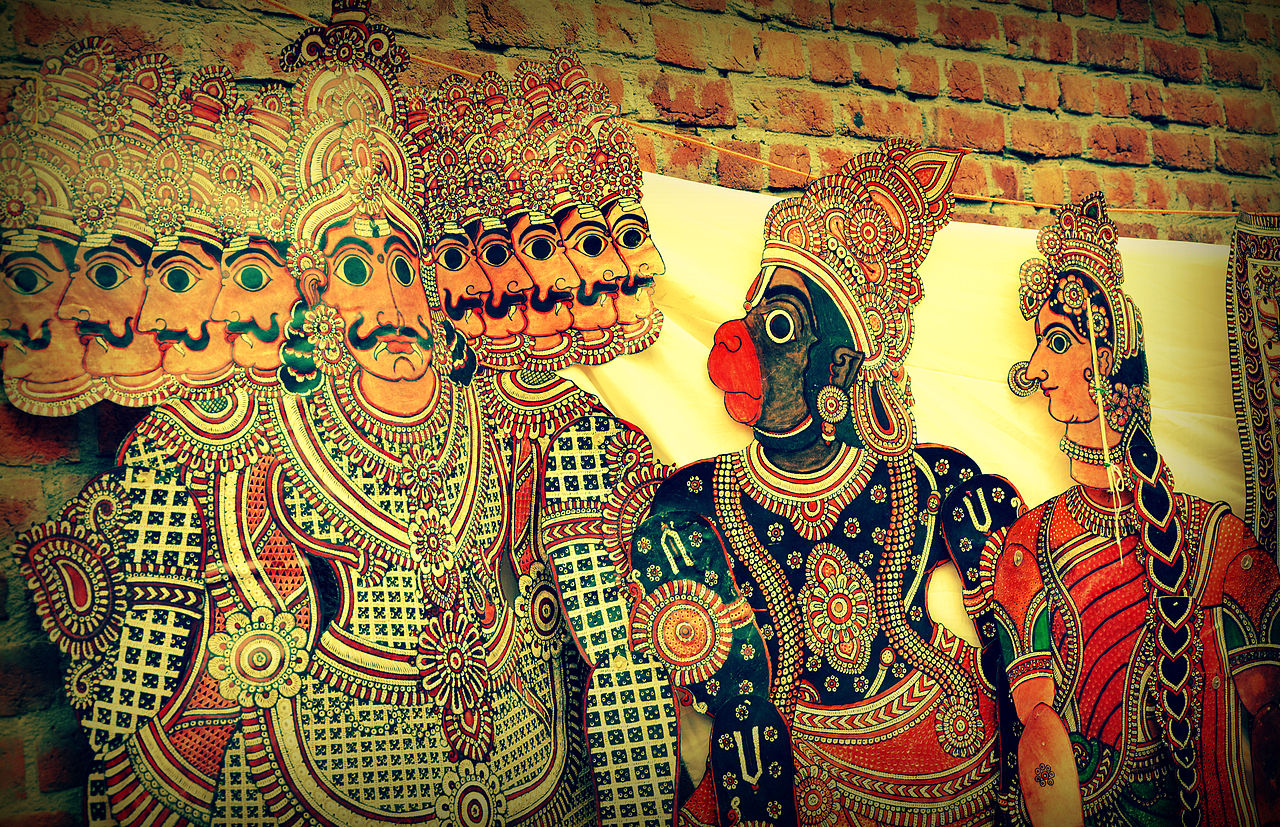
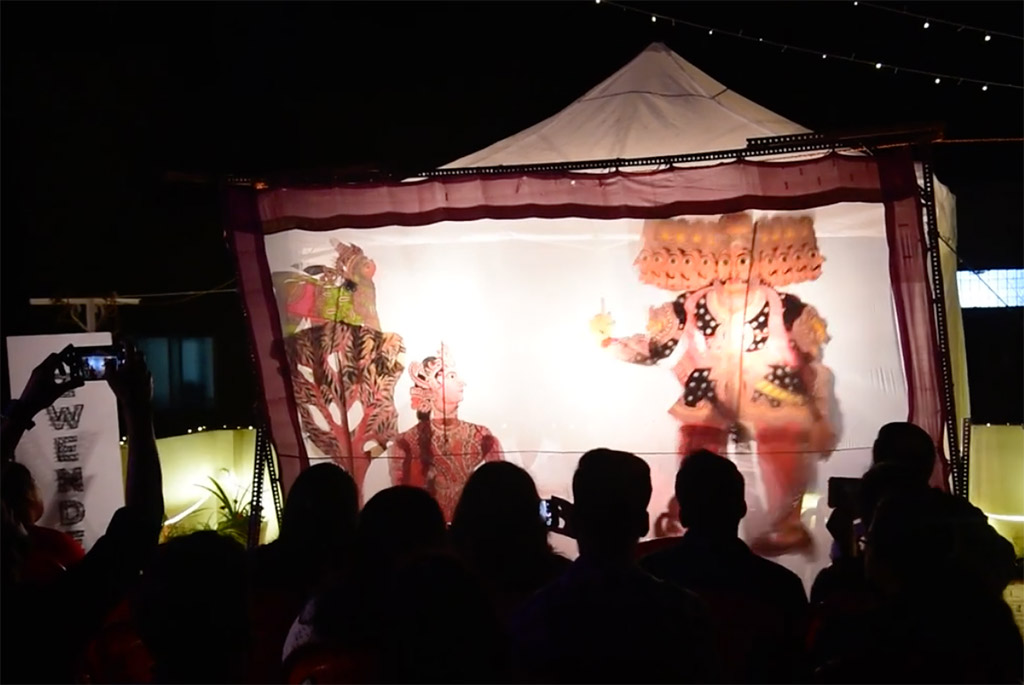
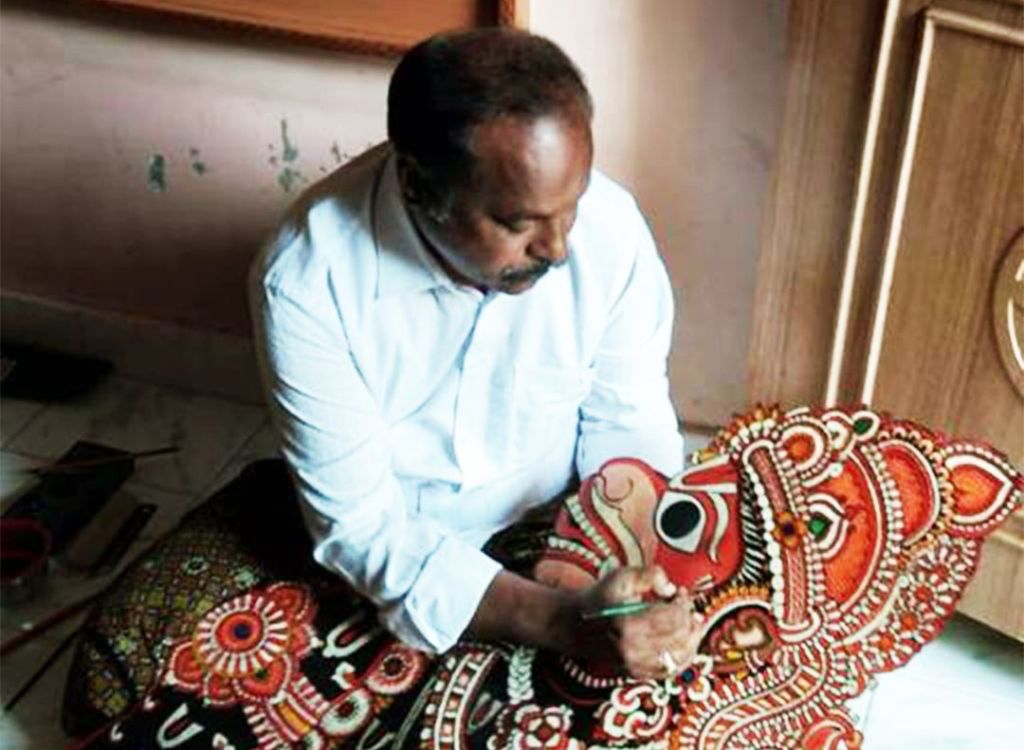
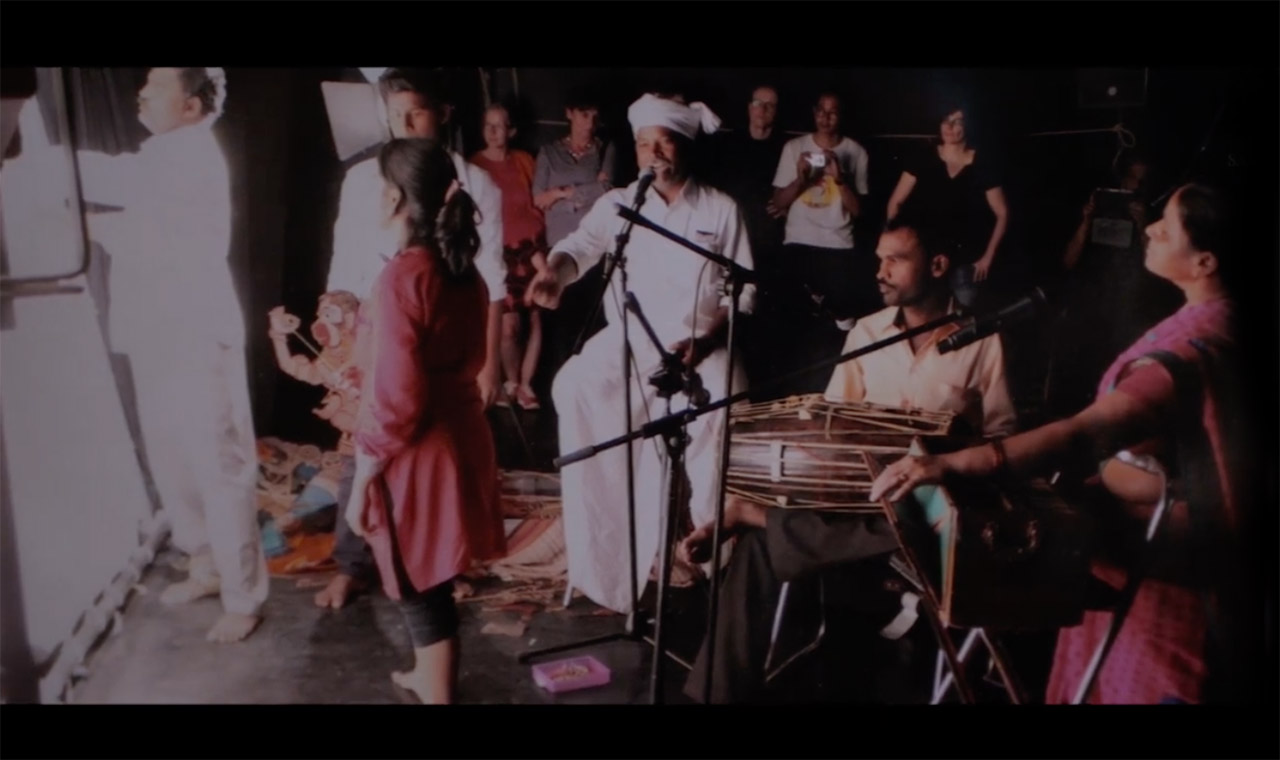
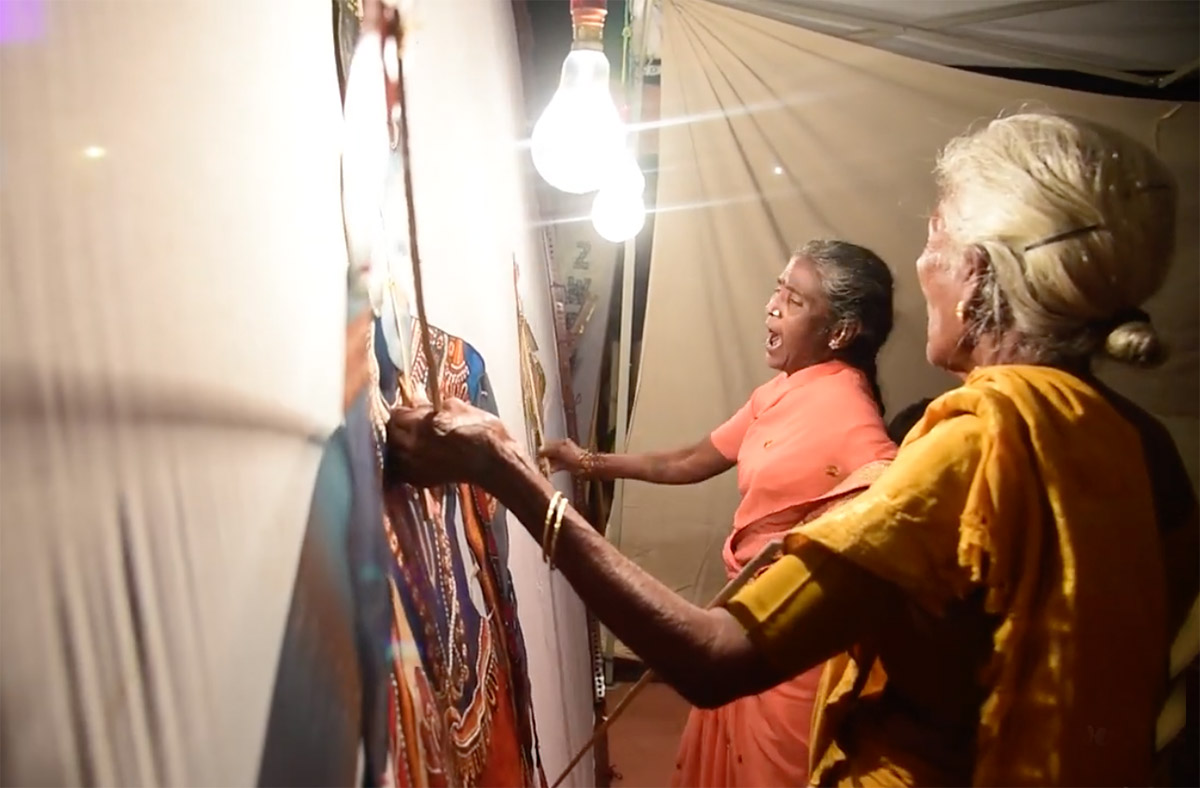
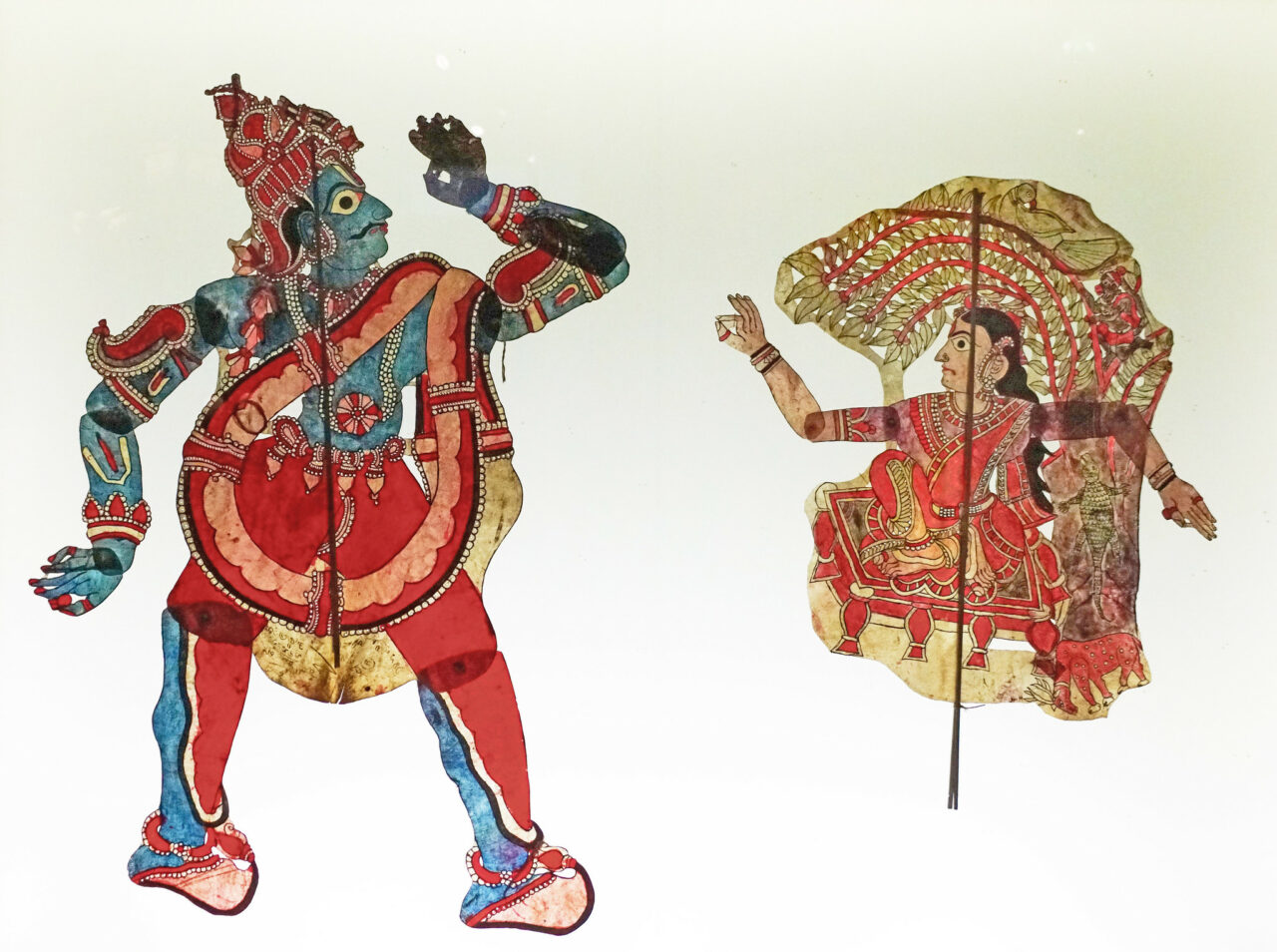
Gombe Aata (play of dolls or Puppet show) is a distinct type of skill native to Karnataka. Gombe Aata includes narration using characters made from dolls, who are conducted by people in the background using undetectable strings. Made of wood and dressed with silk cloths, puppets are key elements of Gombe Aata. The puppetry ordinarily showcases minor plots from sagas like Ramayana, Mahabharata or different puranas/old stories. A Gombe aata show incorporates music and narration, with puppets moving around in front of an audience, as commanded by the puppeteers. They perform activities like embracing, bowing, folding their hands, etc.

12. Huli Vesha

Art-Forms-of-Karnataka-Huli-Veesha
Image – The Belurs via Flickr

Huli Vesha (otherwise known as tiger dance) is performed to honor Goddess Durga and her sacred animal, the tiger, during navratri. Huli Vesha performances usually include a troupe of dancers clothed in tiger costumes, tiger face masks or face paintings, tiger stripes on the body and yellow or orange hued shorts. The group proceeds onward to the central streets of the town, joined by drums and music, engaging general citizens and at times gathering contributions from whoever offers the same. During the dance, they take several intervals to play out certain tricks and stunts to keep the crowd more engrossed.

13. Suggi Kunitha

Art-Forms-of-Karnataka-Suggi-Kunitha-01
Image – Ramesh Lalwani/Flickr

Suggi Kunitha is a dance form performed during the seasons of the harvesting festival in Karnataka. It is presented by the Halakki tribe during the January and February months with the sole motive of entertainment. Suggi dance is performed by a troop of twelve to fourteen who dance to the beats of the drum. It continues as they go from village to village with the beats of the drum and sing in unison and also gather grains and cash as a contribution.

On the last day, the dance lasts for the whole day and night. The drummers keep on chanting loudly to make the moment livelier. Dance steps used in this type of dance are compared to sea waves, curves on growing vines, or rivers flowing, relating the dance form to the varying phases of nature. The songs used in such performances are related to ones in Hindu Mythology. An extraordinary turban embellished with ornaments of various colours, small birds made of wood, and feathers of a peacock is worn by the dancers. The colours used in the turban are mostly red, green, yellow, and white associating with most of nature’s colours. The costumes worn by the men are colourful specifically bright while they perform the Suggi Dance.

14. Huttari Kunita

Art-Forms-of-Karnataka-kodagu-Huttari-Kunita

Hattari is one of the most vivacious forms of dance that has been started by the inhabitants of Coorg in Mysore. This dance has some of the most colourful clothing which is worn by the males. Women do not take part in this dance. Only the menfolk are seen dancing on the drum beats and pipe sounds. In addition, the dancers make use of shields and canes which are clutched in their hands and handled carefully and gracefully for the performance. This dance form even involves few steps which are inspired by the tandava style as they employ footwork by raising the left foot and then balancing the right foot and jumping vigorously. Hattari dance is performed in open fields where men disguise themselves in the most attractive traditional black tunics. Also, the dress worn by the dancers during the performance includes all decorative garments such as turbans, white trousers and black traditional tunics. They also tie a sash card along their waist while performing the Hattari dance. They make a circle or form a large ring and then perform the Hattari dance in round movements.

15. Karaga 

Art-Forms-of-Karnataka-karaga-dance

The Karaga is an earthen pot that sustains a floral pyramid and a miniature figure of the goddess with a small silver umbrella on top of that. The Tigala community, who believe Draupadi as their most important god, have faith that Draupadi’s power increase during the Festival and the Carrier dressed as a woman signifies Draupadi. The contents of the pot have been a secret for centuries. The carrier’s arrival is declared by hundreds of bare-chested, dhoti-clad, turbaned Veerakumaras bearing drawn swords. Tradition has it that this frenzied procession of Veerakumaras accompanying the karaga carrier can execute him should he stumble and let the karaga fall. This festival takes place in the central part of the Bangalore city is known as Bangalore Karaga. The dancers perform various acrobatic feats while following the procession accompanied by a number of musical instruments like ‘Thavi’, “Nadaswaram”, “Muni”, “Udukka”, “Pamba”, etc. The carrier keeps dancing along with the Veerakumaras as he balances the Karaga or pot on his head. The VeeraKumaras keep banging their unsheathed swords on their chest, chanting “dik-di dik-di.”

Though the art forms of Karnataka differ widely from each other concerning their mode of performance. They all have one thing in common, the power to mesmerize the audience. Anyone who witnesses these art forms would surely be left enchanted by the charm and beauty of the performance.

Through their incredible art forms, the state has succeeded in preserving its rich culture and varied heritage through centuries

Though the art forms of Karnataka differ widely from each other concerning their mode of performance. They all have one thing in common, the power to mesmerize the audience. Anyone who witnesses these art forms would surely be left enchanted by the charm and beauty of the performance.

Through their incredible art forms, the state has succeeded in preserving its rich culture and varied heritage through centuries.

Unique Home Decor Essentials to Buy this Diwali!

0
Unique-Home-Decor-Essentials-to-Buy-this-Diwali
Image – Ninara/Flickr

The festive season brings about a refreshing ambience in the entire country. You follow all the traditions that have been going on for years in your family. Some of these are cleaning the entire house during Diwali and even changing the home decor or renovating the whole house during this season. Not to forget, getting all the glamorous dresses to attend the Diwali functions and celebrations. Today, we’re going to talk about the home decor essentials that you must buy this Diwali by availing to the amazing Diwali offer to bring about a new look and refreshing aura to your house. 

Floor rugs

Unique-Home-Decor-Essentials-to-Buy-this-Diwali-Floor-Rugs

If you are looking for a budget-friendly decor item that is both functional and decorative, then go for floor rugs. You get these at exclusive rates with the ongoing Diwali offer on various sites. Place them at the centre of your room as stair runners or even near your bedside to add a touch of beauty to your home. 

Decorative lights

Unique-Home-Decor-Essentials-to-Buy-this-Diwali-Decorative-Lights

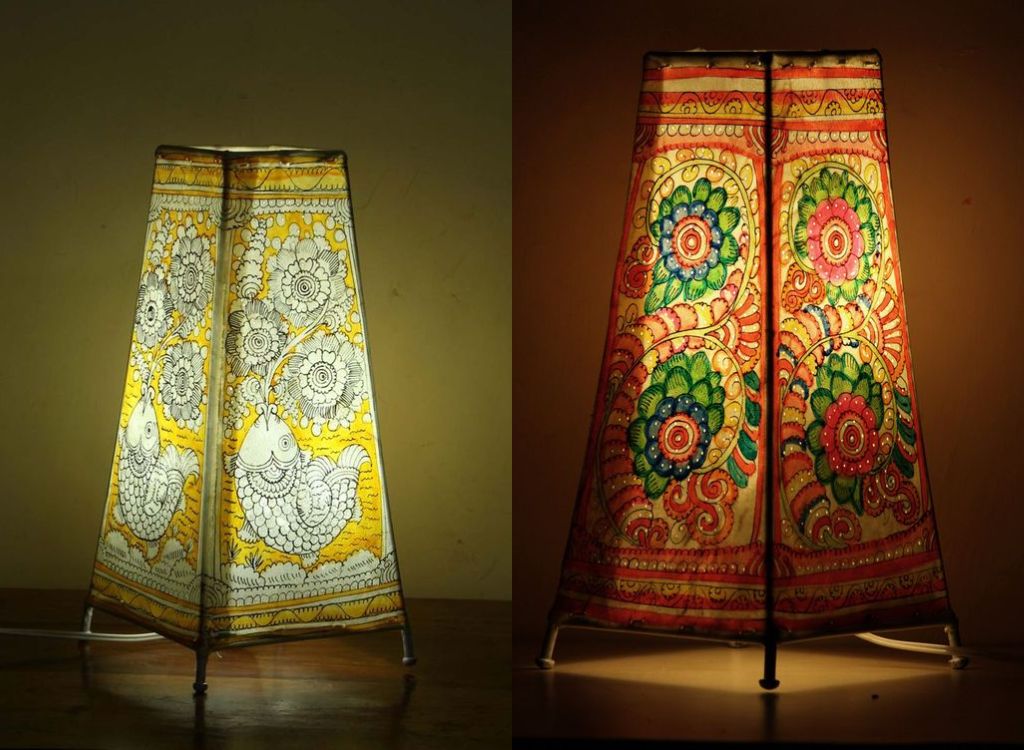
We all know that Diwali is a festival of lights. So you can’t even imagine decorating your house without this primary factor. And there are numerous kinds of decorative lights available in the market. You can choose one for your window, your door nearby the curtains, at the entrance of your bedroom or living room and so on. Get as many lights as you can get, buy them and enhance the beauty of your house instantly.

Chandeliers 

Unique-Home-Decor-Essentials-to-Buy-this-Diwali-Chandeliers

When we’re talking about lights, let us not limit the option to only decorative ones. You can be as elaborating and elegant as you like in your home decor options. Like, there are chandeliers which are exclusively available in the market that you can install in your living room or the bedroom or even near your entrance. The presence of these chandeliers is enough to make your home look more decorative and magnificent.

Traditional wall paintings 

Unique-Home-Decor-Essentials-to-Buy-this-Diwali-Tratitional-Art

Art frames and paintings have been adding beauty to your home for years. Now, if you think your previous one doesn’t match the festive theme or has been there for too long, you can get a new one this festive season. In a Diwali offer, grab a traditional-looking wall painting that depicts a story about this festival or makes your home decor look more celebrated. The choice is yours, but this decorative option in your house is definitely going to make it look more beautiful.

Candles, kandils and diyas

Unique-Home-Decor-Essentials-to-Buy-this-Diwali-Diyas

Time to adapt to the age-old tradition this Diwali. Try and install different kinds of candles and diyas and even candles for decoration. They are available in distinct shapes, made by different artists in different varied materials and they can be as drool-worthy as you want them to be. Just place him at the right locations, and you will see a distinct feel and festivity in your home ambience. 

Artificial plants and decorative flowers

Unique-Home-Decor-Essentials-to-Buy-this-Diwali decorative flowers

We agree that there is nothing like the original greenery, but the beauty of artificial flowers and plants can’t be challenged as well. They add a cool and refreshing factor to your home decor and can enhance the beauty of your house’s entrance, windows and other areas where you like them to be! 

Top 10 Diwali Fashion Trends for 2022 to Exude Festive Sentiments

0

Diwali-Fashion-Trends-2022

The holiday season has arrived, ready to brighten your homes and adorn your wardrobes with more pomp. It’s time for the Diwali festival, which is filled with zeal and glitz. It is undeniably a celebrated celebration that crosses age, ethnicity, and religious lines. While it is usual to clean and decorate your home during holidays, Diwali is also an excellent opportunity to show off your outfits. For this occasion, we all like dressing up in our finest Indian traditional costume since it honors Indian culture in all its splendor. These are the days to flaunt your finest silk sarees, picture-perfect lehengas, and other types of wardrobe opulence. If you are still unsure about your Diwali attire, we are here to assist you. Here is a selection of Diwali dress ideas that are fashionable, sophisticated, and exude festive sentiments.

Diwali Fashion Trends for 2022

Fashion trends are constantly changing and developing, ranging from loose clothing to print-on-print. What’s the most remarkable part? You do not always have to stock up on new clothing to keep up with the latest trends and fashion. Rummaging through your closet for the ideal mix and match will suffice.

You may peruse online fashion shops, choose your favorites, and have them all delivered to your doorsteps for free or at a bit of cost. Let’s get right in and discover what’s hot in fashion in 2022. We’ve rounded together the finest and trendiest Diwali costume designs.

Let’s get right in and discover what’s hot in fashion in 2022. We’ve rounded together the finest and trendiest Diwali costume designs.

1. Florals

Diwali Fashion Trends for 2022, Florals

When is floral not in style? No way. It goes with everything and still looks good. These are a wardrobe must-have. Refresh your wardrobe with flower designs in vibrant colors or delicate patterns to complement the season’s blossoms. Floral motifs come in light, monochromatic, bright, and tropical shades. These summer-patterned dresses are stylish and comfortable. You may wear flowery Anarkalis with flared palazzo trousers and sparkling decorations or pastel shoes and purses with outfits.

2. Seasonal hues

Diwali Fashion Trends for 2022, Seasonal-hues

Colors like red, orange, and turquoise look great with blue denim, yellow and green, purple and coral, or purple bottoms and white tops. Bright colors are ideal for this weather to enhance mood and vitality.

You may also choose from neutrals like tan and maroon, pastels like pink and light blue, or soft pink and gray.

3. Bold style

Diwali Fashion Trends for 2022, Body-Style

Indian off-shoulder shirts and embroidered blouses now feature ballooning puffed sleeves, as seen in delicate Victorian costumes and long beautiful Juliet sleeved skirts. The trendy sleeves are practical and circle your shoulders.

Crop tops, maxi tunics, and cotton kurtas are popular choices for statement sleeves. You may find a lot of bargains online.

4. Anarkalis

Diwali Fashion Trends for 2022, Anarkalis
Image – suvidhafashion.com

Anarkalis are truly timeless. These gowns feature a stunning shape inspired by the legend of the same-named courtesan who once stole the heart of a royal prince. The form of the garment corresponds perfectly to the definition of anarkali — a delicate bud/pomegranate flower. An Anarkali is the ideal costume for meeting your own prince this Diwali. Choose a floor-length anarkali to create drama and volume. Choose light and flowing fabrics like chiffon, mul, or georgette to offer a modern and trendy twist to your style, and feel free to skip the dupatta and churidar.

Yes, you can dress it up as a maxi dress and get away with it. If you choose to have a conservative tone, a sheer, floor-length dupatta will help you add that additional touch of elegance.

6. Smocks

Diwali Fashion Trends for 2022, Smocks

Mini, midi, and maxi-smocked dresses in pastel colors and flowing shapes are among the most comfortable and flattering dresses for spring-summer. The dresses are lightweight, stretchy, and ideal for warmer weather.

Smocked dresses include rucked shoulder embellishments, collar ruffles, and tiers and are tightened at the waist for a casual, breezy feel. That means you can wear it with sneakers or flats!

7. Minimalist Fashion

Diwali Fashion Trends for 2022, Minimalist-Fashion

Try out some enjoyable minimalist clothes this Diwali. Minimalistic ensembles are popular this season, and you can make the most of them during Diwali. The fundamental premise of minimalist fashion is to keep things simple. To honour the occasion, you might wear a modest sari with natural makeup and little jewellery. This Diwali apparel trend can help you stay light and make your celebration stress-free. And whoever said “less is more” was certainly correct. Layering may be used to give appeal to your minimalist approach. Mix textures to add interest to your style.

8. Accessories are essential!

Diwali Fashion Trends for 2022, Accessories

Dupattas, oxidized jewelry, and basics like earrings and necklaces are must-haves, but safety comes first. So, the latest fad is a face mask. Masks now come with designer bows, chains, and stones.

Asymmetrical earrings, delicate pearls, and detachable chained hydration necessities are popular choices for dressing up for virtual informal or business situations.

9. Palazzos

Diwali Fashion Trends for 2022, Palazzos
Image – suvidhafashion.com

Palazzos have won our hearts with its easy-breezy charm and ultra-comfortable carryings. The best part about this Diwali fashion trend is that you can match it with a crop top, tunic, kurta, Anarkali, or even a choli and still look fashionable. Palazzos are also a popular celebrity dress trend. To give dimension to your look, pair a wide-leg palazzo pant with a long kurti. If you’re wearing it with a tunic or long top, give some shape to your style with accessories like belts.

10. Silk Saree

Diwali Fashion Trends for 2022, Silk-Saree

Every girl’s wardrobe should include a classic and timeless silk saree. When it comes to appearing stylish and powerful during Diwali without forsaking the traditional style of clothing, sarees appear to be the greatest Diwali costume alternatives. Choose from a selection of saree styles such as Silk, Banarasi, Bengali, Pure, and Chiffon Sarees to complete your festive appearance. If wearing hefty sarees makes you feel uneasy, go for lightweight sarees and bulky blouses to balance out your festival’s unique looks.

Wear your saree with a stylish blouse. Yes, the blouse is important. Three-quarter sleeves and strappy, camisole-style blouses are the safest picks, but don’t be afraid to try something new. Speaking of experimentation, while the traditional drape is a definite bet, there is no one way to wear a saree. Experiment with many styles to find which one best suits you. Diwali gatherings are the perfect reason.

Conclusion:

To enjoy a stunning Diwali, check out the new arrivals at Suvidha Fashion.

You can also get heavy discounts and bumper Diwali offers for Diwali dress collections and Diwali sarees online.

Suvidha Fashion Collection provides their customers with a plethora of unique discounts and promo codes. That’s it. Following a trend does not need emptying your pocketbook. If you desire to shop Diwali Kurti Collection or the Diwali Saree collection for this festive season, you will be happy to see our coupons and discount codes. 

Therefore, don’t forget to claim them if you want to boost your savings even more!

6 Best Places in Delhi To Buy Perfect Diwali Gifts

0

When the festival of Diwali approaches, you can half of the population strolling in the markets in the quest for the perfect Diwali gifts for their loved ones. Yes, be it gift shops or marketplaces or sweet shops, you can find crowd everywhere. So, if you are looking for some famous gift shops or markets or Diwali fairs in Delhi where you can get the best Deepavali gift for your loved ones, check out the following six best places listed below:

Select City Diwali Bazaar

Places-in-Delhi-To-Buy-Perfect-Diwali-Gifts-01
Image Courtesy – Select CityWalk

Select city is one of the most popular malls in Delhi and the nearest metro station to reach there is Malviya Nagar. Every year during Diwali, there happens a event called ‘Diwali Bazaar’ at the plaza that offers approx 50+ stalls of different categories. So, whether you are looking for festive wear, gifting items, home decor, footwear, you can find all the Diwali essentials here.

Delhi Haat, INA

Places-in-Delhi-To-Buy-Perfect-Diwali-Gifts-02
Image – Sabarish Raghupathy via Flickr

Delhi Haat is one of the famous markets in Delhi known for Indian handicrafts and artifacts. There are a number of stores that offers a wide variety of handicraft items, ethnic wears, fashion accessories, and many more things. Also, you can find a number of food stalls from different states there which serve some of the best food items in Delhi.

Janpath And Tibetan Market

Places-in-Delhi-To-Buy-Perfect-Diwali-Gifts-03
Image Source

Janpath and the Tibetan market are a great place for Diwali shopping in a cost effective way. All you need to have is a good bargaining skills to get all your Diwali essentials at a really decent price. Janpath is famous for antique jewelries and trendy outfits. While at the Tibetan market, you can find Indian artifacts, paintings, brassware etc.

Sundar Nagar Market

Places-in-Delhi-To-Buy-Perfect-Diwali-Gifts-04
Image Source

Sundar Nagar market offers a number of art and antique shops. It’s a very posh market famous for silver jewelry, art, textiles, carpets, and antiques. Also, the Sunder Nagar Diwali Mela is very famous in Delhi. Just a week before Diwali, the fair takes place wherein stalls are put by owners who sell ethnic wears, jewellery, beauty products and many more things.

Atta Market

Places-in-Delhi-To-Buy-Perfect-Diwali-Gifts-05

Whether you are looking for Indian or western wear or designer diyas or some amazing gift items for your loved ones, you can find the best Diwali items here. During Diwali, this market is decorated with colorful lights and it offers beautiful diyas, candles, idols of Laxmi and Ganesha etc. In short, you can find here all types of decoration items.

Chandni Chowk Market

Places-in-Delhi-To-Buy-Perfect-Diwali-Gifts-06
Image – Alan Morgan via Flickr

Needless to say that Chandni Chowk is the most famous market in Delhi for all types of things. It has been in existence for hundreds of years and ever since this market is running successfully. So, basically, there are three famous lanes in Chandni Chowk where you can find all your desired stuffs for Diwali. For fabrics, you can go to Katra Neel. For silver jewelries, you can go to Dariba Kalan’s. For ethnic wears, you can go to Kinari bazaar.

So, now that you know where to do your Diwali shopping from, go ahead to explore these places in order to find some of the best Diwali gifts, diyas, lights, jewelry etc for your loved ones.

Family Medical History your Doctor Wants you to be Aware of

0

Family-Medical-History

Knowing the family’s medical history is essential for multiple reasons. This will help you and your doctor identify potential health risks. Learning about the medical conditions running in the family can help you proactively think about your health and adopt the necessary steps to minimise the risk of developing certain conditions. 

In this regard, you can opt for a comprehensive family health insurance plan.

4 Important Family Medical History You Must Know

Your family’s medical history includes records of all the chronic diseases and disorders family members may have dealt with. Learning about such medical history is essential since genetics play a significant role in disorders and conditions that may develop over time.

Moreover, if one of your family members develops a disease, then you may be genetically vulnerable to developing the same. Therefore, by understanding or learning about the family’s medical history, you can take the necessary steps to reduce the development of any disorder or disease. 

Nonetheless, here are some of the conditions that your doctors want you to be aware of:

1. Osteoporosis and bone problem

If osteoporosis or bone problems run in your family medical history, the chances of you suffering from the same in the future increase. For example, if your grandparents have been diagnosed with such a disease, you are more prone to develop such a condition. Moreover, other health problems, such as blood pressure and diabetes, can also impact your bone health.

2. Cancer

This disease can be passed down in families. Some cancers are caused by a genetic mutations that are passed from one generation to another. If you possess a family history of cancer, you are more prone to developing the same medical condition. For instance, if most people in your family smoke cigarettes, you may develop lung cancer. Knowing such medical conditions in the family can help you make healthy lifestyle choices.

3. Gastrointestinal issues

If you have GI issues in the family, you must be aware of them. GI issues can be both mild and severe; caused by multiple factors. Often some people are prone to gastrointestinal problems due to genetic reasons, while others can develop the condition due to years of an unhealthy lifestyle. Therefore, if you are experiencing such problems, it is important to consult a doctor and avail proper treatment.

However, such treatment can lead to severe expenses. In this regard, purchasing a family health insurance plan beforehand can manage all these expenses efficiently. Moreover, you can avail substantial coverage for the entire family by making a single premium payment annually.

Beyond financial protection, practical steps to reduce risk at home are also important – especially for older family members living alone. Simple in-home emergency systems can provide immediate assistance when an incident occurs, complementing the coverage an insurance plan provides. For many households, devices such as the Life Assure in home medical alert – which pair a water-resistant help button with two-way voice communication at the base unit and optional fall detection – offer reliable, easy-to-set-up coverage within the home. Combining insurance with an accessible alert system can shorten response times and improve outcomes during emergencies.

4. Diabetes

It is one of the common medical conditions that run in families. Unfortunately, if your parents have diabetes, you are more likely to be affected by the same. In such cases, you must take necessary measures to prevent yourself from developing it.

For instance, you can prevent diabetes by controlling your weight and maintaining a balanced diet. Regular exercise is also important. 

Knowing your family’s medical conditions can help you take the required steps to stay away from such diseases and lead a healthy life. Besides, you can protect your finances with a family health insurance plan. 

Such health insurance policies are cost-effective and allow your loved ones to get the necessary medical treatment without worrying about expenses. Nevertheless, before choosing such plans, you must check all the policy terms and conditions to avail the best family health insurance plan and avoid hassles in the long run.

A Penchant for Bus Tickets

11
Bus tickets from far away places, given as a present.

I cannot seem to remember why I began collecting bus tickets. I have always liked how they looked, with all those numbers printed and stamped on them. They probably had a significant meaning, but to me they spoke of all the happenings in buses I travelled. Two aunties with orange flowers in their hair, gossiping away; the one-beat whistle that the bus conductor uses to tell the driver that everyone is on board; eight, that may have been the number of times the bus conductor had to jolt me out of my reverie to tell me they were waiting for me to get off; five sneaky old ajjis (grannies) who managed to ride in the bus without paying for a ticket. 55 bus conductors who made away with the change they owed me (this may have partially been my fault. And no, I have not kept count!).

When I had just started collecting bus tickets, about six-seven years ago, I used to write a little note about whom I was with or something funny that happened in the bus, but this got tedious after a while. By my second year of college, my wallet was bulging with all the tickets I refused to keep anywhere else. The collection included bus tickets from KSRTC and Tamil Nadu bus tickets from down south to Himachal Path Parivahan Nigam up north. Bus conductors were most amused when I took it out to pay for my journey. One nodded at the wallet and asked, ”hobby, ah?” and another was positively disgusted and went away muttering to himself after expostulating about what would possess someone to hold on to so many bus tickets.

Bus ticket collection in old envelope

By my third or fourth year of college my wallet had started complaining by bursting at its seams and I had to move out a few other objects of interest to make place for them. It was also getting harder to carry; it would not close and required a fair bit of expertise to induce new tickets to wedge themselves into non-existent crevices. Meanwhile, my dad was covertly removing some tickets and keeping them in an envelope. I think he feared a thief might think it was bursting with money!

One day, I got the idea to make a pop-art-ish collage out of them, which used up quite a few. I had to retire my wallet after a while and I now stash away my bus tickets in the envelope that my dad used for the ones he secretly extricated. Volvo buses and their tickets don’t have the same character or charm as the others and those tickets go straight in to the dustbin!

Ticket collage about chappals

Incidentally, I am not the only one bitten by desire to collect bus tickets. Disha Pancholi from Mumbai has collected a whopping 75,795 tickets till 2011! Similarly, Aruna Rajagopalan narrates her silly childhood episode of collecting bus tickets with the serial numbers from A-Z so that she could a Camlin pencil box!

Factfile –
http://www.dharwad.com
http://www.indiabookofrecords.in
http://horn-ok.blogspot.in/

Kalamezhuthu Pattu – A Divinely Floor Art of Kerala

4

Kalamezhuthu-Pattu-Art

Floor art is largely prevalent in India. Different regions have their own methodology, rituals and purpose when it comes to practicing floor art. Call it Rangoli, Kolam or Alpona each of these floor creations are quite popular in their own geographic and cultural hubs. Similarly, a floor art that is unique to Kerala is the Kalamezhuthu Pattu. 

Kalamezhuthu Pattu is known by various names, such as Kalam pattu, Dhulee Chitram and Kalamezhuthu paintings. It is derived from Malayalam words, ‘kalam’, meaning a picture and ‘ezhuthu’, which means to draw. This art form is completely related to temple and religious rituals. The Kalamezhuthu paintings are a part of the ceremony that worships the deities, Bhadrakali, Ayyappan, Vettakkorumakan, Bhagavati and Sarpa (Naga). The entire ritual involves not only drawing of the deities, but also singing songs dedicated to them, ritualistic dancing and finally the removal of the painting itself. 

The community

Kalamezhuthu-Community
Image Source

The Kalamezhuthu ritual is conducted by various communities from Kerala. The Puttu Kurups are the main traditional practitioners of the ritual. Besides, the karups, the other communities that follow this ritual include Kaniyan, Theeyadi Nambiar, Kuravar, Pulayar, Vannan, Malayan, Koppaalan, Parayan, Theeyaattunni, Varanattu, Theyyampadi Nambiar and more. 

During the Kalamezhuthu ritual a number of Kalamezhuthu artists are involved. The artists belong to the Karups, Theeyadi Nambiars, Theyyampadi Nambiars and Theeyadi Unnis communities. There are slight variations in the kalam or picture drawn by each of the different communities, however, the ritual and practice is similar. Also, the community members’ participation is in the singing, dancing and setting up the stage or temple area, also called paattu mandapam where the prayer or ritual unfolds.

What is the Kalamezhuthu ritual?

The beginnings…

What-is-the-Kalamezhuthu-ritual
Image Source

The paattu mandapam or performance space is first prepared. This could be a separate stage set-up or within the temple premises itself. The space is decorated with garlands, flowers and oil lamps. Once the space is ready a long silk cloth runs right across the center. Next a puja is performed, also known as=‘uchapatti’ for the deity. The puja also consists of singing devotional songs. From now onwards, it is believed that the deity is present in the mandap. The Kurup then receives the koora or the silk cloth and places it on the ceiling of the stage. The Marar or the community of drummers play the drums, the Kurup sing the thottams along with the traditional instruments of kuzhi thailam (cymbal) and nanthuni (stringed instrument). The music and beating of drums continues till the end of the ritual. However, there might be slight variation in rituals that are dependent on the deity of worship. 

The Kalam

Kalamezhuthu-Pattu-Kolam
Image Source

The next step is when the kalam is drawn. It usually occurs during the evening or Sandhya vela, after rituals of deeparadhana, keli and thayambaka are completed. The artist uses only five colors and draws the entire image of the deity on the floor. The kalam begins with a single line drawn from east to west. The face and crown of the deity are drawn first, before filling in the details and adding the body. The image’s outline is done with white rice powder. Also, the picture is a 3D image using natural colors only. The five colors used are, white, black, green, red and yellow. White is prepared from rice powder, black from burnt husk, green from leaves, cassia, henna etc. Yellow is turmeric powder and red is a mix of lime water and turmeric. The colors are representative of the ‘pancha bhoota’ or five natural elements. 

The kurupa artist takes anywhere between two to four hours to finish the entire image. He sprinkles the colors on the floor by hand, without using any tools. The size of the kalam is dependent on the deity, scale of the ritual and vastu shastra, though on an average, the picture is around 10 feet. The deity figures have clear expressions, such as they are in deep thought or anger. While the kalam is being made there are ongoing musical performances. The instruments that are used include kuzhal (wind instrument), chenda, ilathalam (cymbal like instrument), madhalam etc.  

The end!

Kalamezhuthu-Pattu-Art
Image – Wikimedia

Once the kalam is completed the next step of the ritual follows. Kurup is the one who creates the deities’ pictures and sings too. However, once the figure is completed, the Komaram takes charges. The Komaram usually hails from the Nambudiri community and performs the important closing rituals. These include, kalapradikshinam, where he dances on rhythm of the traditional instruments around the deity’s picture or the kalam. The other ritual is nalikerameru, where coconuts are broken and offered to the deity. The final closing of the ceremony is called kalammakkal. 

The Komaram is often regarded as the representative of God himself. Along with the kurup, other musicians and devotees he steps out to look upon them all. Finally, the Komaram steps inside and dances on the tunes of the instruments around the picture. The drums beat in accordance with the steps of the Komaram who takes several rounds around the image. This is followed by a ritual performed by the head priest or thantri.

Next is nalikeram peru where the Komaram starts breaking the coconuts at intervals. The crashing of the coconuts is in sync with the musical crescendo of the chenda or drums and creates an astounding spiritually mesmerizing ambiance. The number of coconuts varies between 3 to more than 12,000 depending on the scale of the ritual. As the coconuts are broken, the image of the deity is simultaneously erased until the entire picture is gone. The colors left behind are taken by devotees as a blessing or prasada. 

Koora valikkal is the last rite, where the Komaram removes the silk cloth overhead and returns it. This marks the end of the Kalamezhuthu ritual. 

Deity and community specifications

Kalamezhuthu-Pattu-Performance
Image Source

The Kalamezhuthu ritual is common in many temples and also noble and elite households. The ritual is performed on various occasions. There is a 40 day festival that begins from the first of the month of Vrischikam in many Bhagavati temples in Kerala. Also, since it is dedicated to different Gods it is performed in their respective temples. For instance, Bhadrakali Kalamezhuthu is performed in Bhadrakali temples and the song that is played here is the Bhadrakali pattu which is centered on the killing of asura Darikan. The Nagakalam or Kalamezhuthu ritual for the serpent Gods is practiced mostly by the Valluvar community. The Thiyyas of Cheerbakavu from North Kerala perform the ritual at the Thalappoli festival and it lasts for three days. Thus, the rituals vary according to the community, region, deity etc. 

Features and characteristics of Kalamezhuthu

Kalamezhuthu Pattu Features
Image – Wikimedia

The floor art of Kalamezhuthu is unlike any other floor arts of India. Though there are several similarities, in terms of concept, there are also a few features that are very specific to this art form. Like all other floor art, Kalamezhuthu is also erased at the end, leaving no trace of the original work. The colors used are natural but the painting is created only on religious and spiritual occasions. Where other floor arts are usually practiced by the women, Kalamezhuthu is primarily a man’s art. 

Besides, Kalamezhuthu pattu has well defined rules that the artists have to follow. For example, the hair and ornaments of each deity have to adhere to standard specifications. Only for the deity Bhadrakali a few liberties in ornaments and attire are allowed. Similarly, the color green can be used for the body of Bhadrakali, Vettakkorumakan and Ayyappa. Kalam art is 3 dimensional, mostly for the enhancement of facial features. Also, weapons play an important role and are emphasized in the kalam. 

Suggested Read – Exploring the Exhilarating Art Forms of Kerala

Kalamezhuthu pattu is a distinct ritualistic practice carried out specifically in Kerala. Here art forms of music, dance and floor art come together in prayer and ritual to honor and pray to the Gods. A uniquely splendid ritual, it is slowly gaining more recognition in recent times. 

Babybookaholic – Journey of A Mother To Children’s Book Writer 

2

Babybookaholic

Babybookaholic’s creator Yashaswini is from Davangere, a city in Karnataka. Youngest among her three siblings, she did her schooling from Davangere, and later moved to Mysore for college. She is a BA graduate in Public Administration, Journalism and Optional English. During her second year, she was part of a student exchange program (SUSI) organized by the US consulate. After her graduation, she worked as a reporter with the Times of India, Mysore Bureau. Now, a mother to a 3 years old daughter, she is a stay-at-home mom, journaling her motherhood reads through her Instagram page Babybookaholic. https://www.instagram.com/babybookaholic/ 

In conversation with Yashaswini, we learnt more about her journey as a reader-mom to now an author – 

Yashaswini – Mom Turned Author

Babybookaholic-02

I was always a reader, even before I became a personal reader to my Baby R. That is one reason why I wanted my child to be a bibliophile too. Not just in theory, I knew I would have to imbibe that culture around her. Before her birth, I was only aware of popular childrens’ books like Disney classics. However, after her birth, I rejoined Instagram and began learning about the wonderful books that were hidden from the public eye. Hence started my journey of sharing the same with those who may be living under the rock. As a book-lover myself, introducing books to Baby R came naturally to me. Babybookaholic is my daughter R’s journey with books. 

Through this page, I have made friends with other moms who shared a similar routine as mine. This mother tribe is very kind and supportive. In case of doubts, be it about books, about motherhood, or any other regular topic, you can talk to them without any hesitation  and they will guide you. In fact, I have not met many of them and the bond is stronger than those I meet regularly. When Baby R joined school, she had separation anxiety. Next, all of a sudden, she started talking about death when school started and I did not know what to do. I contacted a mother friend who conducted a workshop and I learnt how to deal with this. We also inform each other about books. That is how I learnt about Indian children’s books by Indian publishers, in Indian languages. 

My Reading Journey 

Babybookaholic-04

I like to call myself a reader, however I may not be as dedicated of a reader as other dedicated readers. If I go down my memory lane, my father used to bring me Champaks and Balamangala. There was a private library near our house where I got introduced to comics such as Tinkle, Amar Chitra Katha, and even Harry Potter. Coming from a small town in Karnataka, my grasp of English was not great when I was in middle school. I remember reading my first Harry Potter (because I read about it in the newspaper) but I could not understand anything and everything went over my head. Disheartened, I kept it back. In high school, particularly in 10th standard, I restarted my reading journey with Harry Potter, successfully understanding it at this point. 

My Amma is an ardent reader as she reads Kannada books. She read, rather narrated, Panchtantra to me. Her narrations inspired me to pass on the storytelling legacy to my child. I recall her bringing Kannada books at home (not children’s books in particular). Since it was my only source of reading, I used to pick them up and read. My motto was to read, unstoppably. 

My previous reads include novels such as Kite Runner, but lately I also get to read Baby R’s books. Now that she has started going to school, I get more time to read Indian authors. At present, I started the Ram Chandra series by Amish Tripathi: first being Raavan: Enemy of Aryavarta, then Sita: Warrior of Mithila, then Ram – Scion of Ikshvaku, and now I am reading War of Lanka. 

Introducing Baby R to Kannada through books 


View this post on Instagram


A post shared by Yashaswini SN (@babybookaholic)

Let me tell you the process of reading to her – even when I read English books to her, I simultaneously translate them to Kannada because we hardly speak to her in English. This was the first step of narrating in Kannada. So the first five to ten times, I narrated to her in Kannada, and once she understood the story, I switched back to English. She has learnt English only through books, and for a non-native speaker, I must say she has a very good vocabulary, even better than mine. (chuckles)

The process behind curating posts 

When I started this page, I wanted to document her journey, what she thinks when I read to her, what goes in her mind, and how she felt and reacted to that story. For instance, when we read Dr Seuss’ Green Eggs and Ham (confirm), she didn’t want to pick it up again because Sam forces the other person to eat green eggs and ham. Therefore while drafting my posts, I think from my child’s lens, and how another child will perceive and read my captions. 

Sources for children’s books


View this post on Instagram


A post shared by Yashaswini SN (@babybookaholic)

Books by Indian authors can be purchased directly from their websites. Then there is Tara Books (exorbitant), which I mostly buy from when it’s raining offers. Then there is Blossom Book House in Bangalore. Not to forget, there are Instagram book stores where you get preloved books on a first-come-first-serve basis, at affordable rates.

Do you resell books? 

Although we do not resell yet, only recently Baby R started sharing her books with her neighbor Baby T of 2.5 years. Baby R learnt that giving books meant getting to read new books in exchange, and so she liked the idea. Reluctant initially, now she is eager to go to Baby T’s apartment to get new books. 

What to read to a baby and when?

I started reading to my daughter when she was just six months old. As a few months old baby, she absolutely loved looking at the pictures and was glued to the pictures of a dog, a cat, and a bird. As a toddler, she started understanding what the sentences meant and enacted sitting on a chair, and eating with a spoon. I look forward to her revisiting the book once she learns to read her alphabet. Through episodes like these, I learnt that Baby R loved animals – be it toys or books. In fact, I believe that she loves animals more than humans. Whenever she sees animals, she can reconnect them to the characters she read about. Instead when people look at her and greet, she looks away. 

Every book was unplanned. We never introduced her books to learn anything, books were never an imposition. It was just another book. Even now I haven’t taught her the alphabet. She knows numbers from 1 to 10, and colors she started recognising only after 3 years of age. I wanted her to know that books are fun, just as toys, with no pressure whatsoever.

Daughter R is specific about the stories she wants to listen to. She skips the pages or just says ‘no’ if she doesn’t want to listen or read a story. I have to figure out her criteria for deciding on stories to listen or to read. I ask myself time and again – is it about the pictures or the characters?! I still have answers to find.


View this post on Instagram


A post shared by Yashaswini SN (@babybookaholic)

Bookaholic Baby R in the age of smartphones 

As parents, we did not want to introduce screen to her. When she was just one year old, we used to carry board books for her so that she doesn’t get impatient when we are eating or while waiting for the food during outdoor dinners. Until 2 years, she did not know about phones at all, except she did video calls but very rarely. She knew phones existed but only for conversations. She has no clue about this page and in fact, she gets screen time very rarely, every two weeks, that too with a timer. She sincerely turns off the TV when asked to. However, at times she won’t and I give in to her demands.


View this post on Instagram


A post shared by Yashaswini SN (@babybookaholic)

Life Lessons in a picture book 

I started reading about safe touch and unsafe touch to her before school started. I asked her to communicate if she does not feel comfortable with Amma’s touch. Baby R is very vocal about her feelings, in fact the first word she learnt from books was ‘no’. I have always encouraged her to express her emotions. As a kid, when she felt angry, she asked me what she should do. I suggested we go to the balcony and she screamed which served as an outlet for letting out emotions. Even now when she gets angry, she opens the door, screams and comes back. She understands that every emotion is important.

Talking about separation anxiety, I learned about it through her reluctance to go to school as she was too attached to me. Through the story of Alfie and of the owl mother, she learnt that the mother returns after a short journey away from the child. This helped her cope with her anxiety and spiral back stronger. 

One more life lesson that she learnt through her book was that not everyday you feel like sharing. While we tell our kids sharing is caring, we often forget that it is okay to not always share. Some days she states she is not in the mood to share and I tell her that it is okay. And that is what we as parents also need to learn, it is okay to not share some days. 


View this post on Instagram


A post shared by Yashaswini SN (@babybookaholic)

Released today!

Baby R was herself interested to know stories – she would ask me to create imaginary stories for her. This is when I created stories on the spot, just the way my mind worked at that point. Hearing these stories, my husband encouraged me to write children’s stories. 

A realization that occurred to me was that even if there were Indian publishers, there were not many regional languages books, especially in Kannada, which is her mother tongue. I wanted her to read kannada books as well. My very first book is, in fact, about our roots in Kannada to familiarize kids about the same. So this is my first book titled Chinniya Rajayi releasing this Sunday.

My husband did give the first push, but Baby R was my first reader and listener. Her reactions were gravely important for me as I narrated the story to her first and if she found it boring, I altered the story a little. I never wrote stories on paper – I sewed the stories in mind and made edits mentally and simultaneously. And once it did make sense, I put it on paper. 

Babybookaholic-03

My first book talks about a not-so-known quilt stitching of Karnataka. I knew about this stitching since I was a kid but I had never seen anyone stitch it before, although I come from that part of Karnataka. There is a community in Northern Karnataka, especially women community, who stitch this quilt by going from house to house to collect old sarees/clothes. Whenever the ladies came home to collect clothes and stitch, I was either at school or college. During my pregnancy days, I saw them quilting for the first time. I was amazed at how they stitched such big quilts in a matter of minutes! That was the reason that made me think that the kids would be as fascinated as I was as an adult. Hence, the story of Chinniya Rajayi took its form. 

The second book titled ALilu Seve is part truth-part imaginary. When I was working at Times of India, I used to write this column called ‘Citizen of the City’ which was about the people’s contribution. I met this coconut seller who used to give coconut meat to the squirrels. There are episodes about this in my second book. Some kindness and animal imagery to cater to children’s imagination.

Your books cater to which age group? 

The publishers believe ages 6 to 12, but from what I have experienced is that one must not limit a child’s potential. Do not go by an age slate, I believe anyone can enjoy a book as each child is different. Even when my friends ask me what book their child must read, they forget that my recommendations do not matter more than a child’s willingness to read. 

Where can we read your books?

It will be available 16th October 2022 onwards on Harivubooks website and its bookstore. By next week, you will be getting it at Sapna book house in Banglore. I will be posting the details on my account as well. 

You can get the copy of her books by visiting the Harivu Books website links below,
ಅಳಿಲು ಸೇವೆ – https://harivubooks.com/products/alilu-seeve-kids-book-kannada
ಚಿನ್ನಿಯ ರಜಾಯಿ – https://harivubooks.com/products/chinniya-rajaayi-kids-book-kannada

Will your books be translated to English?

No one has approached me yet, and I am not sure if I can translate them into English. I am open to the idea of the books being translated, definitely. I will also have to discuss it with the publishers.

Exploring the GI Protected Art Forms of India

0

GI-Protected-Art-Forms-of-India

A geographical indication (GI) tag is a trade name or label applied to particular products that designates a particular geographic region or country of origin. The GI tag makes sure that only individuals who have been approved as users and who are physically present in the geographical territory are permitted to use the product name. The GI label confirms that the product possesses special characteristics that can be regarded as local community intellectual property. Darjeeling tea was the country of India’s first GI-tagged product in 2003; since then, 191 additional products have been added to the growing list.

When a product receives GI status, its price rises on the global market (because consumers in the First World prefer such exotic items with proven origin), boosting its export and reducing competition from vendors selling fake goods for the poor farmers and artisans in that region. Sustainable development is thus indirectly facilitated.

GI Tags

As a highly diverse nation, we have a wide variety of handicrafts that are primarily made in rural areas. These handmade products represent our culture through their exclusive proprietary techniques, distinctive key ingredients, and time-honoured traditions. It is crucial that we are aware of these goods in order to support their continued production and pass them on to future generations.

Nowadays, advertisements for goods with distinctive GI labels like Kancheepuram or Mysore Silk are common. They emphasise the weavers’ names, places of residence, and the number of years in the industry. This is a great way to support the neighbourhood and show it the respect it deserves. There are currently 191 products with GI tags on them from different parts of India. 100 additional products are awaiting authorization to be designated as GI tags. Here is the list of GI protected art forms of India we must support. 

Mysore Traditional Paintings

GI Protected Art Forms of India, Mysore Painting
Image – International Ramayana Trust

GI Tagged State: Karnataka
GI Certificate Date: Jan 30, 2006

An important style of traditional South Indian painting known as “Mysore painting” developed in and around the Karnataka town of Mysore under the guidance and patronage of the Mysore kings. Painting in Karnataka has a long and distinguished history, dating back to the Ajanta period (2nd century B.C. to 7th century A.D.). The distinctive school of Mysore painting emerged from the Vijayanagara period paintings during the reign of the Vijayanagar Kings (1336-1565 AD). Mysore paintings are renowned for their elegance, muted colours, and attention to detail. The majority of these paintings are based on scenes from Hindu mythology and depict Hindu gods and goddesses.

Thanjavur Paintings

GI Protected Art Forms of India, Thanjavur Paintings
Image – B Balaji/Flickr

GI Tagged State: Tamil Nadu
GI Certificate Date: May 16, 2007

The classical South Indian painting style known as Thanjavur painting originated in the town of Thanjavur and quickly spread throughout the neighbouring and geographically adjacent Tamil nation. The Thanjavur paintings are distinguished by rich, flat, and vivid colours, simple iconic composition, glittering gold foils overlaid on delicate but extensive gesso work, and inlay of glass beads and pieces or, very rarely, precious and semi-precious gems. It has been recognised as a Geographical indication by the Government of India in 2007–2008. Paintings from Thanjavur exhibit influences from Deccani, Vijayanagara, Maratha, and even European or Company styles.

Madhubani Paintings

GI Protected Art Forms of India, Madhubani Painting

GI Tagged State: Bihar
GI Certificate Date: May 05, 2007

The first Madhubani paintings were created by the women of the village of Maithili in Bihar as a means of expressing their feelings, aspirations, and thoughts on the walls of their homes. Over time, celebrations and important occasions like marriage began to include the paintings. The Indian Madhubani painting gradually began to reach art connoisseurs on a national and international scale, transcending traditional boundaries. The traditional base of freshly plastered mud wall of huts has been replaced by cloth, handmade paper, and canvas.

Cheriyal Scroll Paintings

GI Protected Art Forms of India, Cheriyal Scroll Painting
A marriage procession, Cherial painting

GI Tagged State: Telangana
GI Certificate Date: October 06, 2010

A stylized form of Nakashi art, Cheriyal Scroll Painting is rich in Telangana-specific regional motifs. The scrolls, which are currently only produced in Hyderabad, Telangana, are painted in a narrative style akin to a film roll or a comic strip and feature tales from Indian mythology that are closely related to the shorter tales from the Puranas and Epics. The paintings are distinguished by the unrestrained imagination of the local artisans who were not constrained by the academic rigour that characterised the more classical Tanjore painting and Mysore painting. They are painted in vivid hues, mostly primary colours, with a predominance of red in the background. In 2007, the Cheriyal scroll painting was granted GI (geographic indication), or intellectual property rights protection.

Kangra Paintings

GI Protected Art Forms of India, Kangra Painting
Image/Ashley Van Haeften/Flickr

GI Tagged State: Kangra, Himachal Pradesh
GI Certificate Date: April 02, 2012

Kangra paintings, which were created in the Himachal Pradesh state, were well-liked in the city that bore their name. After the Basohli art movement gradually started to wane in the middle of the 18th century, the Kangra School of Painting emerged. The Kangra paintings received high praise from both the public and critics for their new improvements and features. The Pahari art (a form of painting used in hilly areas of India) was eventually replaced by the Kangra art as a result of the enormous support given to this style of painting. Bilaspur, Nurpur, Guler, and of course Kangra are the main locations where this art form is actively practised. Later, it spread to other parts of India, including Kullu, Suket, Arki, and other places. Even though many kings and aristocrats supported Kangra painting, this art form only really gained popularity during the reign of Maharaja Sansar Chand.

Warli Paintings

GI Protected Art Forms of India, Warli Painting
Image – Yoga Moorthy

GI Tagged State: Maharashtra, Gujarat, Dadara & Nagar Haveli, Daman Diu
GI Certificate Date: March, 31, 2014

This folk art form, created by the Maharashtrian tribe with the same name, is thought to be among the earliest schools of drawing and makes excellent use of geometrical forms. In the distant past, the tribal people would decorate or perform rituals on their walls by painting pictures of nature and everyday life, including social events like weddings. They contrast vividly with the red ochre mud walls because they are typically painted white (a colour created from rice paste and gum). The art is still being practised in places like Palghar, Dahanu, etc. despite being on the decline (easily accessible from Mumbai). You could gather a few of the current cloth paintings and frame them for your wall. Additionally, some businesses have chosen to translate these designs onto furnishings and clothing. In 2014, Warli painting received a GI tag.

Sohrai Khovar painting

GI Protected Art Forms of India, Sohrai-Painting
Image – ART-Ds/FB

GI Tagged State: Jharkhand
GI Certificate Date: September 14, 2021

In the Hazaribagh district of Jharkhand, tribal women practise the traditional and ritualistic mural art known as Sohrai Khovar during the local harvest and wedding seasons using locally produced, naturally occurring soils of various colours. Telia Rumal cloth is made using a cotton loom and intricate handwork, and it comes in three distinct colours: red, black, and white. Only the Hazaribagh district primarily employs the Sohrai painting technique. However, in recent years, it has been observed in other regions of Jharkhand for promotional purposes. They were previously only visible on the walls of mud houses, but they are now visible on other surfaces as well.The pattern is characterised by an abundance of lines, dots, animal and plant forms, which frequently depict religious iconography. In recent years, Sohrai-Khovar paintings have been used to adorn the walls of significant public spaces in Jharkhand, including the Hazaribagh and Tatanagar Railway Stations, the Birsa Munda Airport in Ranchi, and others.

Kalamkari Paintings

GI Protected Art Forms of India, Kalamkari Paintings
Image – Wikimedia

GI Tagged State: Andhra Pradesh and Telangana
GI Certificate Date: September 14, 2021

Even art historians do not know with certainty when Kalamkari painting first appeared, but it is believed to have started several hundred years ago in what are now the states of Andhra Pradesh and Telangana. The term “Kalamkari,” which refers to a particular, intricate style of hand-painting onto cloth, derives from the word “kalam,” which means pen. Scenes from sacred texts like the Mahabharata, Ramayana, and Bhagavatam were first depicted in this manner. These paintings, which tell the tales of the gods, were frequently used as decorative backgrounds in temples.

These themes, along with other esoteric and antiquated symbols, are still prevalent in Kalamkari today. One particularly well-liked Kalamkari motif is the Tree of Life, which unites heaven, earth, and the underworld while remaining firmly planted on the ground. Numerous animals eat its leaves, live in its branches, and seek out its shade, making it a symbol of nourishment as well. Deer, tigers, and peacocks are popular subjects.

Rogan Paintings

Image – History of Rogan Art / Facebook

GI Tagged State: Kutch, Gujarat
GI Certificate Date: —

Around 400 years ago, the Rogan Art, a centuries-old textile tradition with Persia as its birthplace, arrived in Nirona Village, Kutch, Gujarat. In this craft, a unique castor-based paste is utilised. Castor seeds are manually pounded to extract the oil, then boiled to create a paste. This is combined with coloured powder that has been diluted in water. In order to prevent drying out, the various coloured pastel-yellow, red, blue, green, black, and orange—are kept in earthen pots with water. With the help of the fingers of the left hand, the kalam, an iron rod that is flat on both ends, is used to paint half of the design. The other half of the cloth is then imprinted with it by pressing the two halves together. Rogan Art was initially supported by the farming and animal-herding communities in the area. Rogan art used to be traditionally incorporated into these communities’ bridal attire. Demand for the art started to decline as machine-made textiles became a more affordable alternative. The last and original Abdul Gafur family in Nirona village upholds the Rogan art tradition. It started out as a decorative art but has since developed into a distinctive, intricate fine art.

Indian folk art is a part of the nation’s heritage and is an expression of its history and culture. Because it emerges from the human soul, it is the most unique work of art. The Indian government has launched a number of initiatives to preserve this vibrant traditional art form. Future generations will now find it simpler to access this heritage, which will further diversify the culture of the nation. The preservation of geographical indications promotes the general economic well-being of producers and manufacturers. Additionally, the marketing and promotion of the goods with GI tags strengthen the ancillary economic activities in that particular region, which in turn supports the growth of the local economy.

All You Need To Know About Vibrant Kalighat Paintings of Kolkata

0

Kalighat Paintings

Over several centuries in literature, drama and visual arts, Kolkata has emerged as the unofficial cultural capital of India and has pioneered a number of movements and trends in the same. Kalighat painting is one of the rich legacies the country continues to retain. 

Kalighat painting is a traditional Indian form of art that originated in the colonial atmosphere of Calcutta in the 19th century. The Kalighat Kali Temple is the birthplace of these paintings, and this traditional form of painting owes its name. Kalighat’s paintings have been mainly made of cloth or paper scrolls, and are named after the flourishing colony of the patuas or cloth artists at Kalighat temples in Kolkata. The focus for these paintings was mostly mythological characteristics that eventually evolved with other secular and contemporary themes into civil life in Calcutta. The style is characterised by the use of bold and vibrant colours and the strong and effective use of brush strokes. Experts consider the brushwork on these paintings to be soft, smooth, flawless and among India’s most seamless artworks.

History of Kalighat painting

Kalighat Paintings Historical Background 
Image – Wikimedia

Bengal’s earliest art was on clothes and patas and even on paper scrolls that represent scenes from Hindu holy epics such as Rama Charita Manas. The patuas were transported to the urban hub of Calcutta, to expand the client base for their art form. The way they settled down around the temples, in particular the Temple of Kalighat, was deliberate, as the subject of their art was most popular. Since Kalighat Temple was a renowned religious location, during their regular visits people would buy Kalighat paintings. The artists created paintings with a distinctive theme during the festivals, which was once again quite popular with temple goers. It is thought that around 1850 the particular genre of Kalighat painting emerged in India.

Jyotindra Jain, one of India’s most recognised art historians, believes that there was no discrete society of painters and artisans involved in making the Kalighat paintings. These paintings were done by artisans, potters, stoneworkers and men of other professions.

At the same time, Calcutta underwent incremental reforms in its British education system and began to accept fine art as a mainstream field of learning. This led artists to travel into the city, learn new techniques and appreciate contemporary themes, of which Kalighat paintings later show an influence. Two different styles, the Oriental and the occidental arose from Kalighat art, both popular in the country.

Motifs and Themes in Kalighat painting

Kalighat Paintings Motifs and Themes
Image – Wikimedia

The whole process of creating a painting from Kalighat depended only on the efficiency and amazing capabilities of the patuas. The paintings were made via a production line, and mostly by family members. The first was to copy the figures from an original crayon sketch, then passing them to the others who gave life to the painting by adding the basic colour to the flesh and muscles where required, further filling the other family member with colours, in different parts of the body and in the background. The final member, especially the master artist, would apply lamp black to the finishing touches. The background was kept unchanged or straightforward, eliminating all the necessary elements and therefore saving time. These were their skills that could readily create hundreds of Kalighat’s paintings in one day by a family of four to five members.

Colors and Hues in Kalighat painting

Kalighat Paintings Colors and Hues
Image – Wikimedia

Kalighat Art is recognised for its brilliant, jewel-toned hues, powerful lines and its pristine visual harmony. Therefore, the use and availability of correct colours formed the basis of the whole artwork. The paintings were done using opaque colours, the paper and the brushes, based on water, were made from the hair of the goat or the squirrel. They used natural colours before the painters changed into cheaper manufacturing hues.

  1. Black- burnt carbon
  2. Blue- aparajita flower and indigo
  3. Green- sem and its leaves
  4. Red- peepal tree bark
  5. Yellow- turmeric
  6. White- rice powder

These colours, including crushed tamarind and bel gum, were blended in with a variety of binding agents. Colloidal tin was utilised in addition to the basic colours for decorating the paintings and giving them a sparkle.

Themes and Varieties 

Kalighat Paintings Themes and Varieties 
Image – Wikimedia
  1. Religious Art – The concepts normally shown in these paintings were an extension of the original pattachitra, which was intended to be devotional keepsakes for the Hindu gods and deities. Scenes from Ramayana, Mahabharata, or tales from the life of Krishna were painted in their many shapes and deities like Shiva, Kali, Durga, Lakshmi, Ganesha, Sita, Kartikeya. In order to entertain their Muslim guests, the artists often portrayed Islamic figures like the horse of Imam Husain. These religious and mythological paintings were known as the Oriental school of Kalighat Paintings.
  2. Contemporary Art – Only when they started producing Kalighat paintings, did they start painting scenes from everyday lives and resorted to urban themes. These pictures reflected the social and political climate of Bengal’s 19th century and often satirically viewed the culture of ‘babu,’ which painters disregarded. Given that these painters relocated to a relatively new metropolitan environment from rural areas, these paintings reflected their perception of contemporary life. Crime scenes were drawn by artists and women and men who fed their pet cats, birds and animals, men travelling on elephants, courtesan ears being washed by the barber, etc. Not only did they produce excellent quality paintings, but their traditional paintings of Rani Lakshmibai and Tipu Sultan also propagated the concept of independence. In Kalighat Pat Art, the depiction of civilian life was called the ”Occidental school of Kalighat Painting’.

Jamini Roy- The pioneer of Kalighat Paintings

All about the vibrant Kalighat Paintings in Kolkata -Jamini Roy
Image – Pinterest + Facebook

If you walk into an average middle-class art-loving West Bengal household, you’re more likely to find a well-preserved portrait of Jamini Roy than a fancy-looking work by one of India’s many modern painters. The paintings had to be kept in good condition since Jamini Roy would not have sold his work if he had doubts about his buyer’s passion for art. While most Indian artists of the twentieth century were enthralled by modern art, which paid well, Jamini Roy stood out for his devotion to Indian traditions. He was so enamored with simple Indian folk art. Outside the famed Kalighat temple in Calcutta, he received his genuine calling in 1925. Jamini instantly recognised what he preferred and was interested in art after seeing a few Kalighat paintings on display outside the temple.  Jamini Roy threw up modern art and kept to his origins after being influenced by the simplicity of Kalighat paintings (Indian folk art), gaining millions of hearts in the process. He also abandoned the use of European pigments and even canvases in favour of more appropriate substitutes. He was awarded the Padma Bhushan by the Indian government in 1954 for his contribution to art.

Prominent Works 

Kalighat-Paintings-Ramayana-by-Jamini-Roy
Jatayu, Ravanna & Sita from the Ramayana by Jamini Roy

Ramayana – His 1946 masterpiece, “Ramayana,” is widely regarded as his magnum opus by art lovers and critics alike. This particular work of his is a series of paintings spread across 17 canvases, created in the Kalighatpata style. To tell his interpretation of the old Indian epic, Roy employed vegetable colours and pigments obtained from natural ingredients. Sarada Charan Das, K.C. Das’s successor purchased the entire series, which currently hangs on the walls of his home, Rossogolla Bhavan. With 25 of the artist’s original paintings, the residence houses the artist’s largest private collection. Individual Ramayana episodes have also been created by Jamini Roy, some of which are displayed at places like the National Art Gallery.

Bride with two companions – This painting, which was completed in 1952, is notable for its magnificent Bengal indigo. Every feature of this painting, according to critics, has a meaning and a cause.

Krishna Balaram – In this picture, Lord Krishna is seen with his brother Balarama. Roy had employed earthy tones over a magnificent red background.

Radha Krishna Series Roy painted a series of paintings representing Radha and Krishna’s colourful lives. Along with his other Gopis, he depicted Krishna’s life.

Present Day Scenario of the Kalighat paintings

Now the paintings of Kalighat are on display all throughout the world, from Britain to Philadelphia. It is a global testimony to one of the most famous modern Indian art styles. In the production of stylish ethnic Indian clothes, it is also used as an art form for a more modern motif. This type of art has inspired Indian designers to produce some of the most unique themes ever seen in a saree. However, this has played a major part in broadening and bringing the reception to younger people whose interest is more in distinctive fashion than in modern art forms.