Thapar Gallery Presents Memory | Remains Revisiting Indian Modernism

0

Thapar-Gallery-Presents-Memory-_-Remains-Revisiting-1

A Dual-Artist Exhibition on View Until 28 February 2026

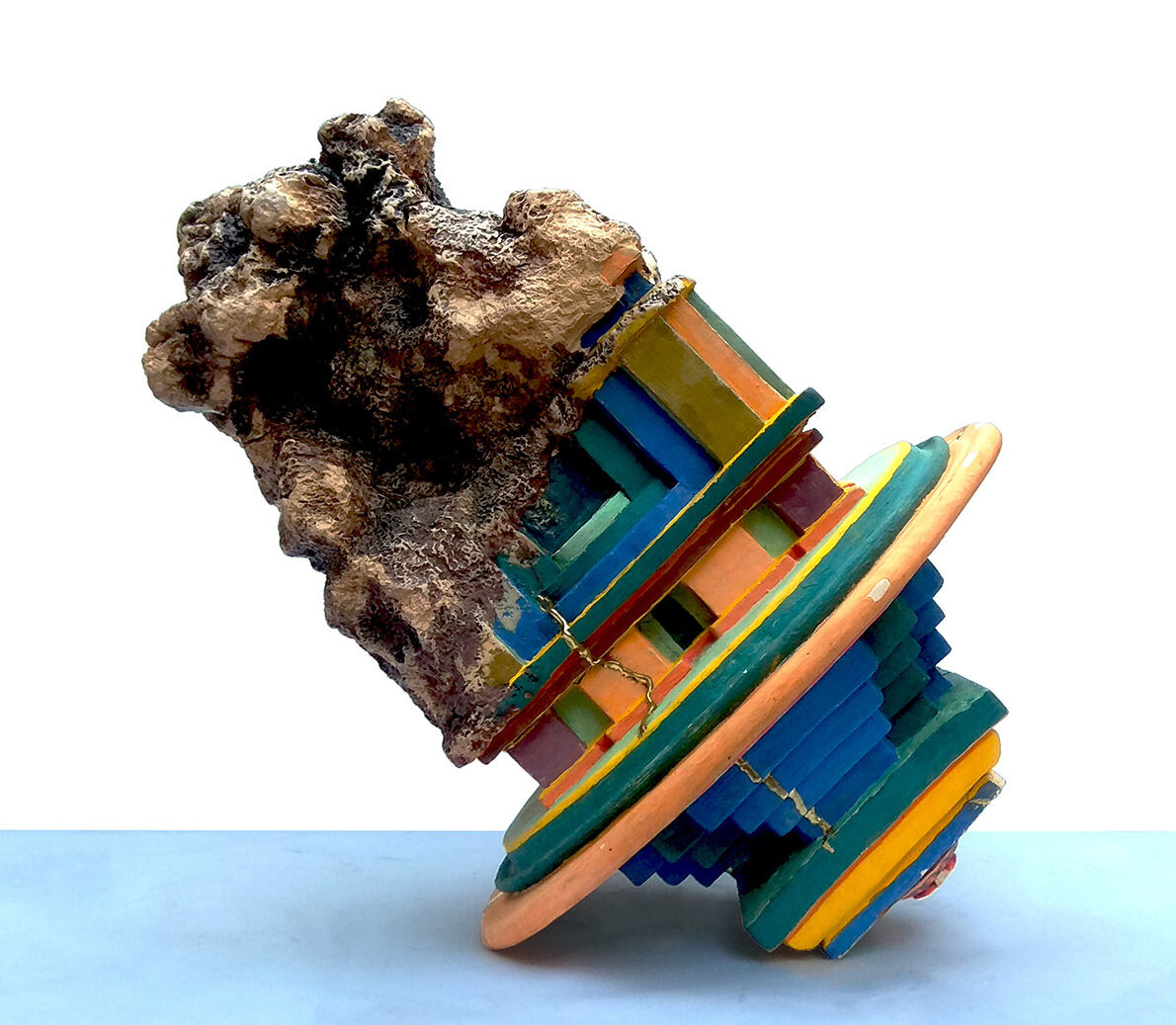
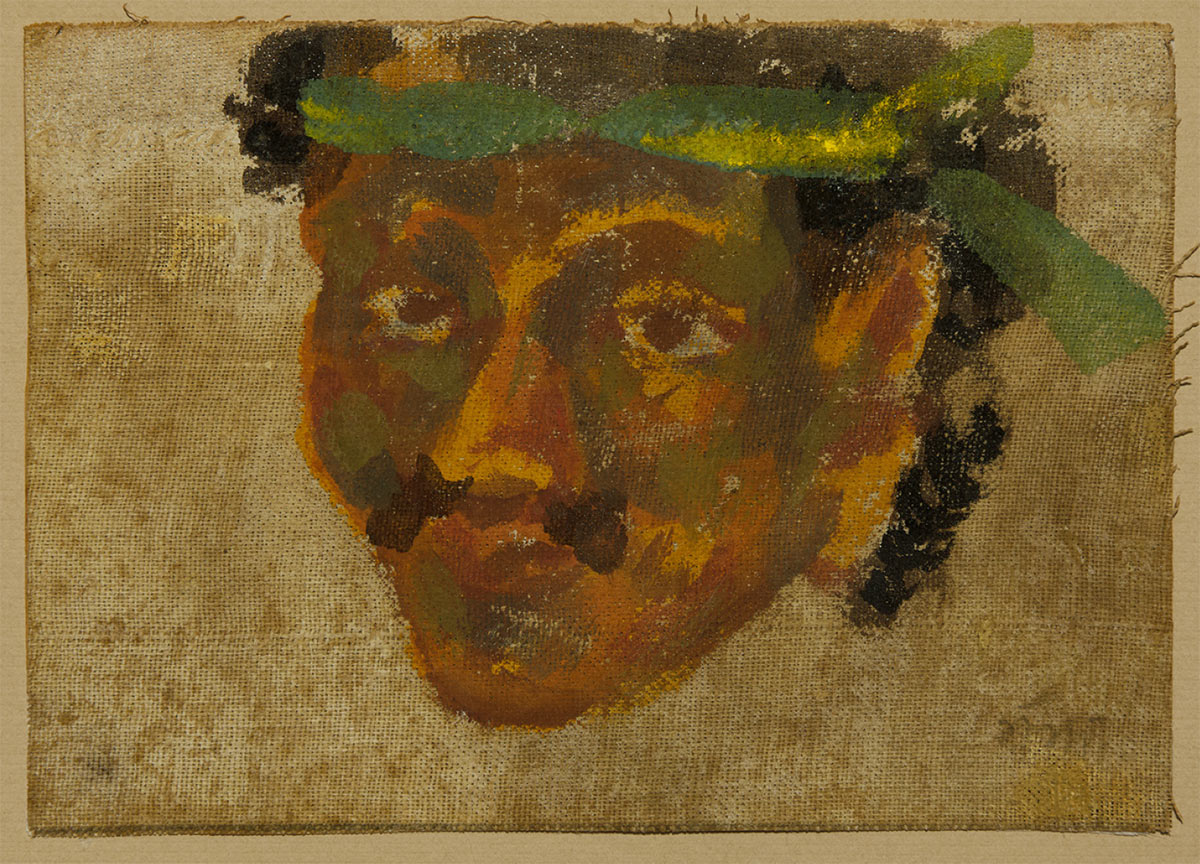
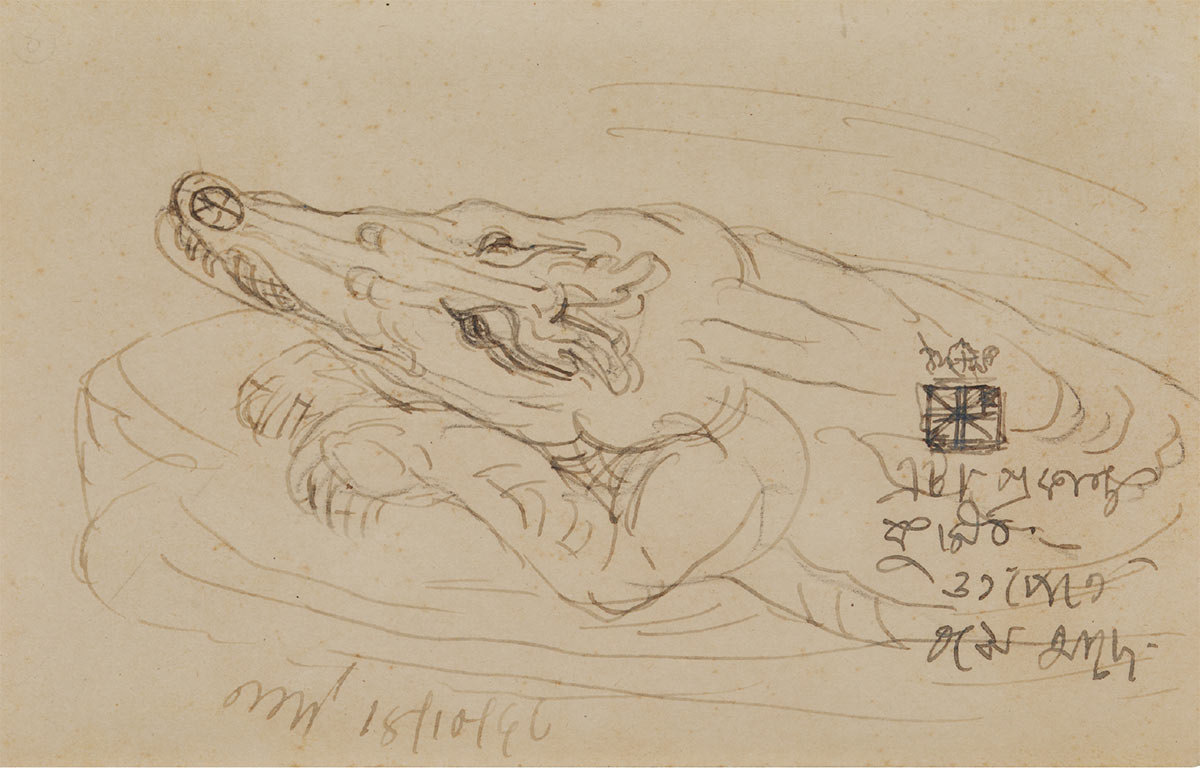
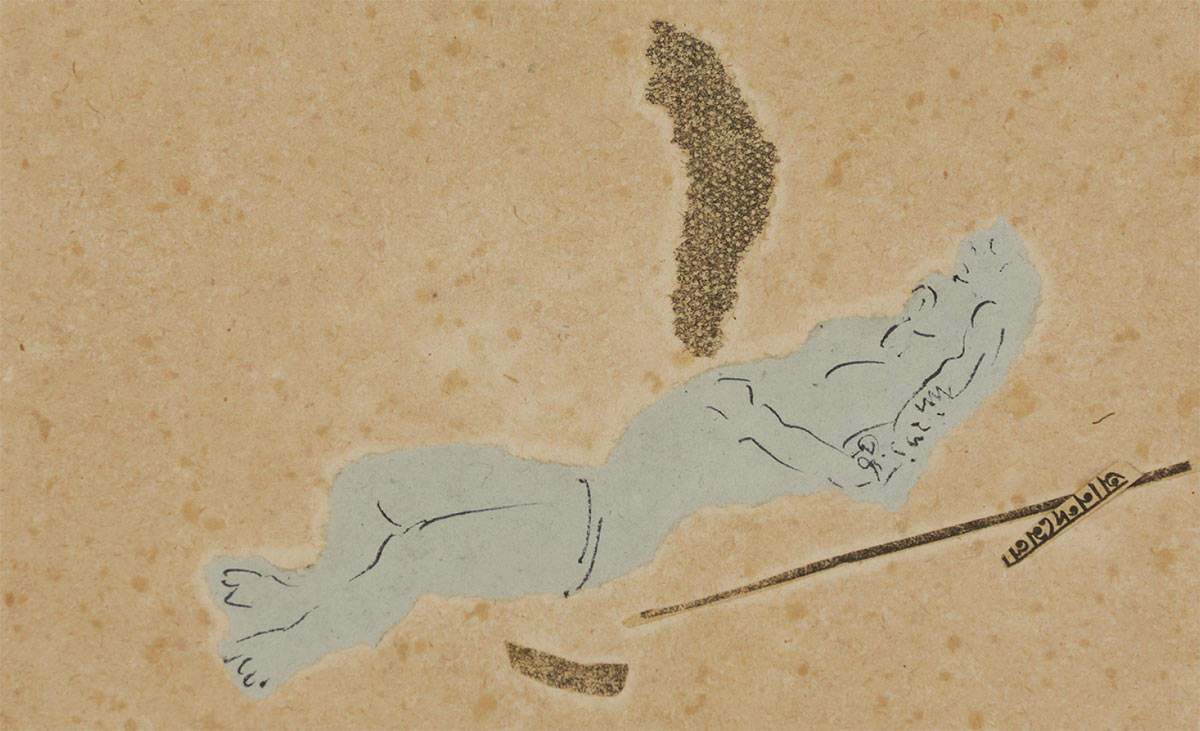
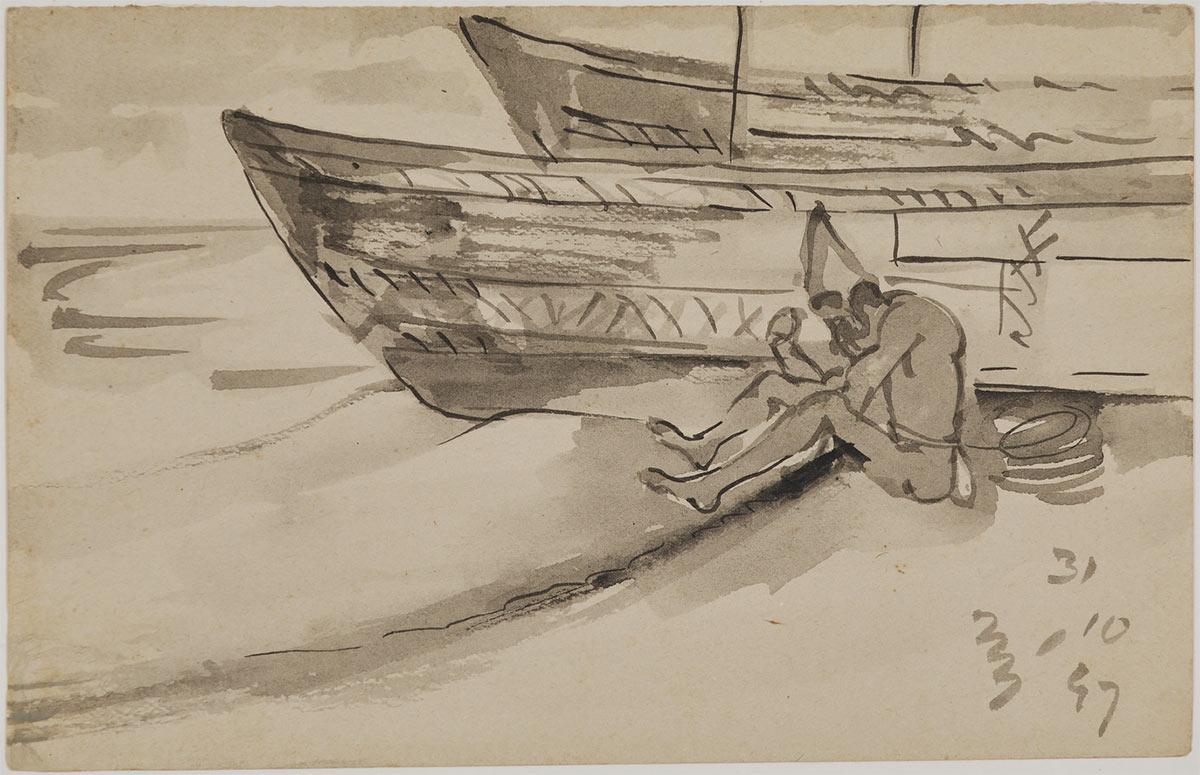
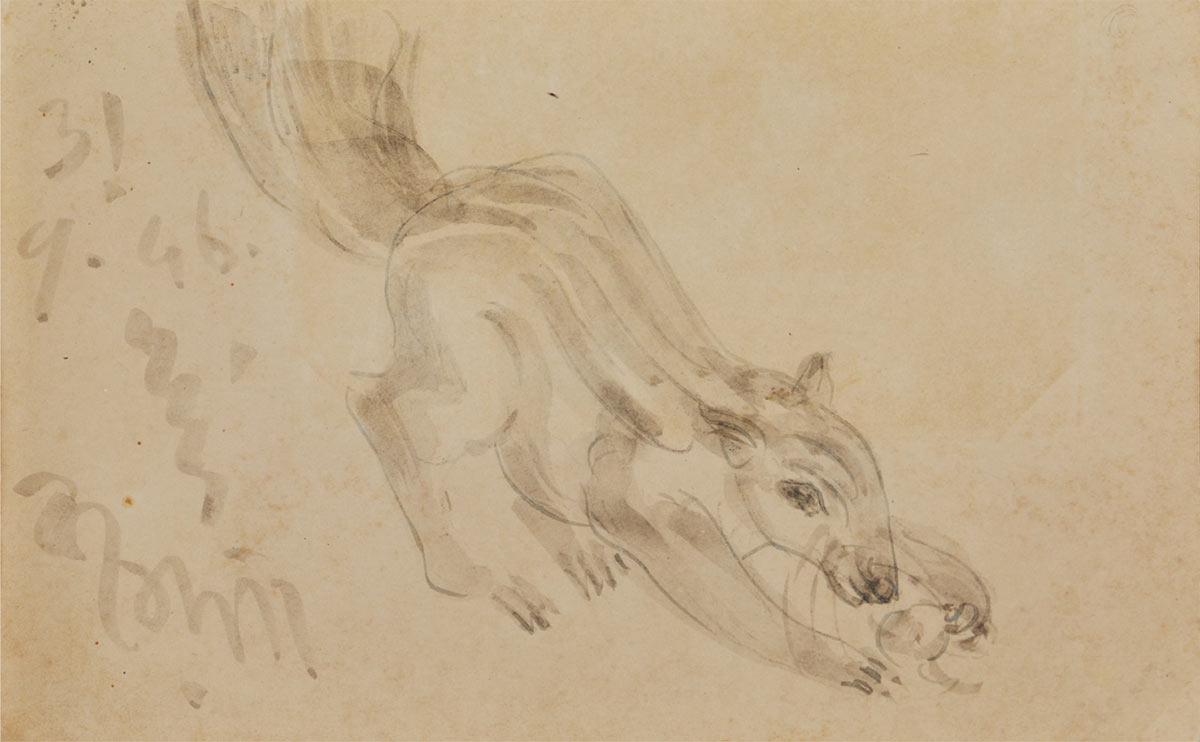
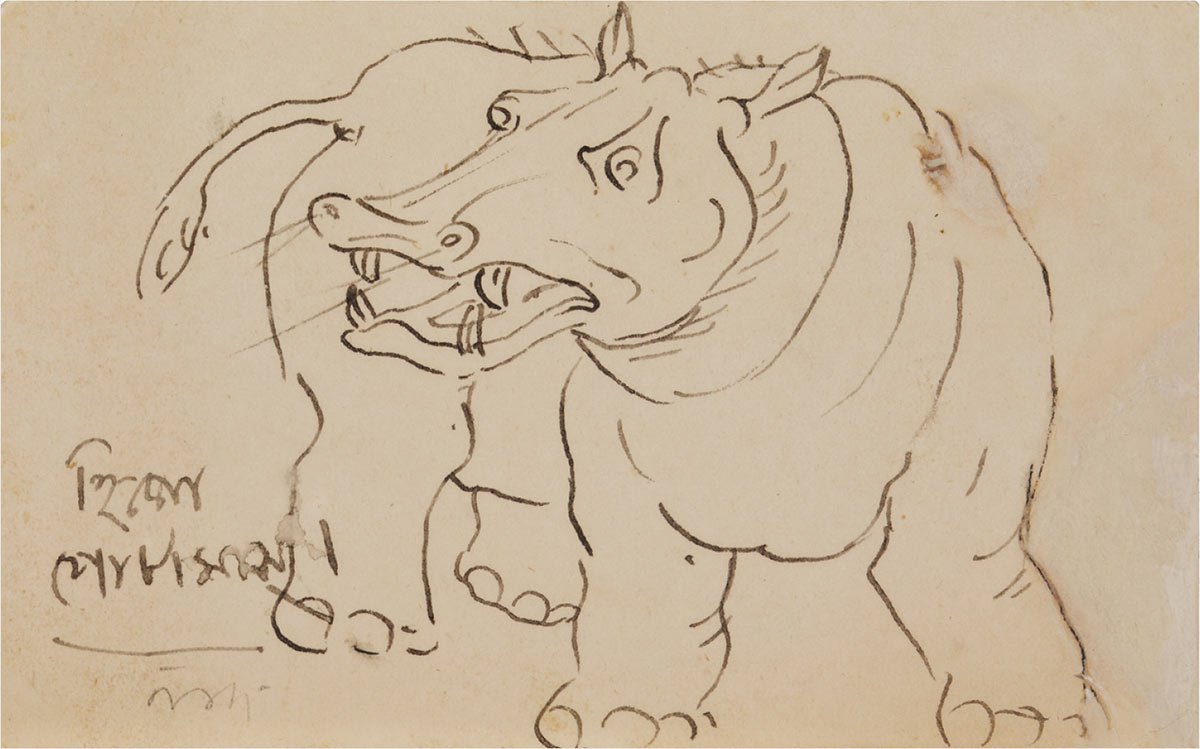
New Delhi: Thapar Gallery is presenting Memory | Remains, an exhibition bringing together works by Krishen Khanna and Prabhakar Kolte, on view until 28 February 2026. The exhibition revisits Indian modernism through two distinct practices that continue to engage with memory, history, and lived experience.

Modernism Viewed as an Ongoing Practice

Rather than positioning the artists as “masters” of a closed historical period, the exhibition approaches modernism as an evolving and continuing conversation. Through Khanna’s figurative works and Kolte’s abstraction, the show reflects how social memory and everyday experience remain present in contemporary viewing.

Krishen Khanna’s Everyday Figurations

Krishen Khanna’s paintings draw closely from ordinary life, focusing on figures such as bandwallas, refugees, and migrant workers seen across streets, processions, and public spaces. Associated with the Progressive movement, his work carries echoes of Partition, migration, and post-Independence India, capturing lived moments rather than fixed historical events.

Curator Ashish Thapar on Revisiting Modernism

Commenting on the exhibition, Director and Curator Ashish Thapar noted that bringing Khanna and Kolte together allows audiences to revisit Indian modernism not as a closed chapter, but as an ongoing dialogue shaped by memory, history, and experience.

Prabhakar Kolte’s Quiet Abstraction

In contrast, Prabhakar Kolte’s abstract works move away from recognisable imagery. Through layered surfaces, restrained colours, and subtle shifts in texture, his paintings explore meaning beyond representation, inviting viewers to engage with paint, space, and material presence.

A Shared Reflection on History and Experience

Seen together, the works of Khanna and Kolte suggest that Indian modernism extends beyond style or period. Memory | Remains positions modernism as a continuing process—deeply connected to society, history, and the everyday.

Event Details

Exhibition Detail Information
Exhibition Title Memory | Remains
Gallery Thapar Gallery, New Delhi
Artists Krishen Khanna | Prabhakar Kolte
On View Till 28 February 2026
Venue The One, Kapashera Estate, Rajokri Crossing on NH-8, New Delhi, Delhi 110097
Timings 11:00 AM – 7:00 PM (Monday to Saturday)
Curatorial Note Explores Indian modernism through memory, abstraction, and everyday life

Takeaway

With Memory | Remains, Thapar Gallery offers a thoughtful reconsideration of Indian modernism through two contrasting yet complementary artistic languages, foregrounding memory and lived experience as enduring forces in contemporary art practice.

Nataraja in Indian Art: From Chola Bronzes to Modern Global Symbolism

0

Nataraja-in-Indian-Art

Who is Nataraja?

Nataraja is a Sanskrit term, derived from “nata” meaning “act, drama, dance” and “raja” meaning “king, lord”; it can be translated as ‘Lord of Dance’ or “King of Dance”. According to art historian Ananda Coomaraswamy, the name is related to Lord Shiva’s fame as the “Lord of Dancers” or “King of Actors”. Lord Shiva is one of the gods in the Hindu trinity, others being Lord Brahma and Lord Vishnu.

The concept of Lord Shiva as Nataraja has been well captured by sculptors, especially from South India. The Chola dynasty (r. 9th to 13th century) has been responsible for the creation of magnificent bronze images of Nataraja. Let us explore a few to know the story of these splendorous images!

Nataraja as an icon

The Nataraja icon is a profound and powerful depiction of the Hindu god Shiva as the divine cosmic dancer. It is widely regarded as one of the supreme achievements of Indian art, standardizing Shiva’s role as the creator, preserver, and destroyer of the universe within a single, dynamic image. It is a powerful depiction of the supreme  in the universe. The standard Nataraja icon, perfected during the Chola dynasty typically features a four-armed Shiva performing the ananda-tandava.

The upper right hand holds a damaru, an hour-glass-shaped drum that symbolizes the rhythm of creation and the first sound of the universe, ‘AUM’. The upper left hand holds agni or fire, representing the destruction or dissolution of the cosmos. The lower right hand is in the abhayamudra (gesture of fearlessness), offering protection and reassurance to devotees. The lower left hand stretches across the chest in the gaja-hasta (elephant trunk) pose, pointing toward the raised foot to signify liberation and grace. One foot firmly tramples the dwarf-demon apasmara purusha or muyalaka, who symbolizes ignorance and the ego. The other leg is lifted in the air, representing salvation; moksha. The ring of fire, prabhamandala encircles the entire figure, symbolizing the cosmic fire of the universe and the cyclical nature of time. The flying tresses of Lord Shiva’s matted hair, jata fans out from the intensity of the dance, often holding the goddess Ganga symbolizing the river Ganges and a crescent moon symbolizing time. 

While early stone reliefs dating to the 6th century exist at the Ellora and Badami Caves, the iconic bronze form reached its mature expression under the Cholas in Tamil Nadu. 

Nataraja, Badami Caves, Karnataka, 6th century.
Nataraja, Badami Caves, Karnataka, 6th century. Wikimedia

Chidambaram Temple in Tamil Nadu is considered the “earthly home” of Nataraja, where the cosmic dance is perpetually performed. The Nataraja has evolved from a religious icon to a global symbol of Indian culture and a metaphor in modern physics. A 2-metre high statue of Nataraja stands at the European Organization for Nuclear Research (CERN) in Geneva. It was gifted by India to symbolize the “cosmic dance” of sub-atomic particles, drawing parallels between ancient mythology and quantum field theory. The icon serves as the patron deity for Bharatanatyam: a traditional south Indian dance form, with its poses often depicted alongside the god in temple architecture. 

Nataraja in Yogic Philosophy

This hymn by Sage Patanjali has an interesting story; the author and compiler of the famous yoga-suutras. Once upon a time, as the story of the origin of the hymn goes, Nandi, Shiva’s carrier would not allow Patanjali Muni to have Darshan of the Lord Shiva (Nataraja of Chidambaram). In order to reach Lord Shiva, Patanjali, with his mastery over grammatical forms, spontaneously composed this prayer in praise of the Lord without using any extended (`diirgham’) syllable, (without `charana’ and `shringa’ i.e. leg and horn) to tease Nandi. Shiva was quickly pleased, gave ‘darshan’ to the devotee, and danced to the lilting tune of this song. The place where this incident is said to have happened is Chidambaram (also known as Thillai), located about a hundred miles from Chennai, Tamil Nadu, India. It is considered to be one of the holiest places in India. In this temple, which has a gold covered roof, Lord Nataraja is present in a cosmic-dancing form. 

Nataraja in Scriptures

A hymn in praise of the Lord of Dance from the Nataraja stotram reads –

अवन्तमखिलं जगदभण्‍ग गुणतुण्‍गममतं धृतविधुं सुरसरित.ह\- तरण्‍ग निकुरम्ब धृति लम्पट जटं शमनदम्भसुहरं भवहरम.ह । शिवं दशदिगन्तर विजृम्भितकरं करलसन्मृगशिशुं पशुपतिं हरं शशिधनञ्जयपतण्‍गनयनं परचिदम्बर नटं हृदि भज ॥

“Heartily resort to the great dancer, Lord Shiva, residing in the holy place, Chidambaram, who protects all the world. His lofty place is due to the indestructible good qualities. It is difficult to grasp his nature. He has held crescent moon in his forehead. His matted hair is covetous of holding the multitude of waves of the divine river, Ganga. He has dispelled the vanity of Yama and is capable of delivering men from the pangs of worldly life. The Lord of creatures, the auspicious God, in whose hand a young deer is dancing, has spread his hands in all ten quarters. The great destroyer has moon, fire and sun as his eyes”………….Patanjali

Nataraja Depictions in Chola sculpture 

A Nataraja bronze preserved at the Met in New York of the height of 68.3 cm depicts Lord Shiva with the iconography of the ‘Lord of dance’ as described. He wears  ornate jewellery around his neck, earlobes, on his wrists and feet. The ring of fire is a round rising from the pedestal where Lord Shiva tramples the dwarf-demon apasmara purusha.

Nataraja-in-Art-11th-century,-Met-Museum,
Nataraja, 11th century, Met Museum, New York, USA ( Public domain image) 

Another part of the Nataraja stotram says –

अनन्तनवरत्नविलसत्कटककिण्‍किणिझलं झलझलं झलरवं मुकुन्दविधि हस्तगतमद्दल लयध्वनिधिमिद्धिमित नर्तन पदम.ह । शकुन्तरथ बर्हिरथ नन्दिमुख शृण्‍गिरिटिभृण्‍गिगणसण्‍घनिकटम.ह सनन्दसनक प्रमुख वन्दित पदं परचिदम्बर नटं हृदि भज ॥

“Heartily resort to the great dancer, Shiva residing in the holy place, Chidambaram. The tiny bells attached to his bracelets which are shining with innumerable gems of nine kinds are making a sweet jingling sound. The dancing movements of his feet are accompanied by the drum in the hands of Mukunda (vishnu) and vidhi (brahma). He is closely surrounded by Vishnu, riding a chariot to which a bird (Garuda) is yoked, by kartikeya, riding a chariot to which a peacock is yoked, by a troupe of Gana-s consisting of Srngi, Riti, Bhringi etc headed by Nandi. Prominent sages like Sananda and Sanaka are saluting his feet”………………….Patanjali 

The 10th century bronze figure of Nataraja of height 69.3 cm. in the Art Institute of Chicago depicts a round prabhamandala and Lord Shiva in ananda tandava crushing apasmara. His matted locks flying depict the power of the movement.

Nataraja, bronze, 10th century, Art Institute of Chicago, USA.
Nataraja, bronze, 10th century, Art Institute of Chicago, USA. Wikimedia

At the LACMA, USA is a figure of Lord Shiva as Nataraja of height 76.2 cm made in bronze from 10th century Chola period. The King of Dance has his left leg high in the air with his stylised flying tresses and garment depicted very clearly. He dances on apasmara purusha on a lotus pedestal.

Nataraja, 10th century, LACMA, USA.
Nataraja, 10th century, LACMA, USA. Wikimedia

The Nataraja icon at Freer Gallery depicts the standard iconography with a bejeweled figure within the circle of flames crushing apasmara purusha. The expression is one of serenity  as he performs ananda-tandava; ‘ananda’ meaning bliss.

Nataraja, 10th century, Freer Gallery, Washington DC, USA.
Nataraja, 10th century, Freer Gallery, Washington DC, USA. Wikimedia

The Musee Guimet at Paris preserves a powerful depiction; a figure 76.2 cm. tall of the ‘Lord of Dance’. A Chola bronze from the 11th century with a circle of flames around the god Shiva with his jata flying and left leg lifted high in the air present a truly mesmerizing image. 

Nataraja, 11th century, Musee Guimet, Paris, France.
Nataraja, 11th century, Musee Guimet, Paris, France. Wikimedia

Sculpting of Nataraja 

Chola bronze-casting used the sophisticated lost-wax – cire perdue or  madhu uchchishta vidhana technique, involving sculpting a detailed wax model, coating it in clay to form a mold, melting out the wax to create a cavity, and pouring molten bronze into it, resulting in unique, highly detailed, and often inlaid statues as we see in the iconic Nataraja, with precision casting minimizing post-casting work. During the Chola period, the molds were so precise that minimal carving was needed afterward, creating exceptionally detailed and elegant figures. A five-metal alloy called panchaloha of copper, zinc, tin, silver, and gold was used, sometimes containing lead for improved fluidity, enhancing detail. Because the clay mold was destroyed in the process, each bronze was a unique work of art. For some main images, a solid casting method ghana was also used, creating dense sculptures, a practice still seen at Swamimalai in Thanjavur, Tamil Nadu. During the reign of the Chola empire, Raja Raja I commissioned a group of sculptors for the construction of the now famous Brihadeeswarar Temple.

Part of process in bronze sculpting

The sculptors helped cast statues for another Chola gem, the Airavatesvara Temple and later settled at Swamimalai. The carving of bronze deities thrives to this day at Swamimalai and has a GI tag. The Government of India recognized it as a Geographical Indication officially from the year 2008-09. The Nataraja icon at CERN is also the contribution of the Swamimalai sculptors.

References 

  1. Coomaraswamy, Ananda(1914) -The dance of Shiva, New Delhi: Munshiram Manoharlal

https://shaivam.org/scripture/Marathi/nataraja-stotram-m (accessed 15.01.2026)

GoSwadeshi UTSAV 2026 Celebrates Handloom and Craft Heritage at Bengaluru

0

GoSwadeshi-UTSAV-2026-A

A Vibrant Celebration of Living Traditions

GoSwadeshi is set to host GoSwadeshi UTSAV, its biggest and brightest edit yet, as a vibrant celebration of India’s rich handloom and craft heritage. The festival promises an immersive cultural experience rooted in community, creativity, and tradition.

Event Details at a Glance

Aspects Details
Event Name GoSwadeshi UTSAV
Dates 25th February to 1st March, 2026
Timings 11 AM – 8 PM
Venue Jayamahal Palace Hotel, Jayamahal Main Rd, Bengaluru
Participants 120+ artisan stalls with award-winning artisans and craft collectives
Highlights Handloom, crafts, folk performances, live narratives, regional food
Experience Direct artisan interaction and curated craft shopping

120+ Artisan Stalls Under One Roof

With 120+ artisan stalls, the Utsav brings together National Award–winning artisans, master craftspersons, cooperatives, producer collectives, craft entrepreneurs, and social enterprises from across India, showcasing the diversity of Indian handmade heritage.

Direct Interaction With Artisans and Craft Stories

More than an exhibition, GoSwadeshi UTSAV offers visitors the chance to meet artisans directly, engage with the stories behind iconic crafts, and shop thoughtfully curated handlooms and handcrafted products.

Performances, Narratives and Regional Food Delights

Alongside crafts and textiles, the event will feature folk performances, live craft narratives, and regional food experiences, creating a festival atmosphere that celebrates both artistic skill and cultural identity.

Event Dates and Venue in Bengaluru

GoSwadeshi UTSAV will be held from 25th February to 1st March, 2026, running daily from 11 AM to 8 PM at the Jayamahal Palace Hotel, located near Cantonment Railway Station Road in Bengaluru.


View this post on Instagram


A post shared by GoSwadeshi by GoCoop (@letsgocoop)

Takeaway

By bringing together craftspeople, communities, and conscious shoppers, GoSwadeshi UTSAV 2026 aims to strengthen artisan livelihoods while celebrating India’s living traditions through handloom, craft, and cultural exchange.

Sunder Nursery Hosts Sufi Heritage Festival 2026 with Music, Craft and Storytelling

0

Sufi-Heritage-Festival-2026

A Cultural Gathering Rooted in Sufi Ideals

Set amidst the historic gardens of Sunder Nursery, the Sufi Heritage Festival 2026 is envisioned as a rare cultural gathering celebrating timeless Sufi values of openness, inclusivity, love, and shared humanity over two immersive days.

A Space Where Heritage Meets Contemporary Voices

Bringing together music, poetry, dance, craft, and storytelling, the festival creates a space for reflection and connection, where ancient traditions meet modern interpretations and heritage feels vividly alive.


View this post on Instagram


A post shared by @sufiheritagefestival

Powerful Performances by Leading Artists

The festival features performances and conversations with renowned voices including Sona Mohapatra, Daler Mehndi, Sonam Kalra, Saumya Kulshreshta and Buland, Marham Poetry, The Aahvaan Project, Sabr Se – Mujtaba Khan, Shinjini Kulkarni, and the Murad Ali Ensemble, among others.

Traditional and Modern Interpretations of Sufi Thought

From soul-stirring music and spoken word to expressive movement and experimental sound, the programme offers both traditional and contemporary engagements with Sufi philosophy and artistic expression.

Workshops, Craft Traditions and Interactive Sessions

Beyond the stage, audiences are invited to slow down and participate through workshops and interactive sessions exploring craft traditions, cultural knowledge, and creative practices rooted in community.

A Curated Bazaar of Handmade Wares

Visitors can also wander through an artisanal marketplace featuring handwoven textiles, carpets, perfumes, and soulful handmade products that celebrate sustainable craft traditions.

Festival Zones Offering Diverse Experiences

The festival is structured through unique spaces such as Sama – The Grand Stage, Bebaak – New Voices, Kargaah – The Craft & Knowledge Hub, The Bazaar, and Legacy Flavours, a culinary journey inspired by heritage recipes.

A Festival Designed for Everyone

Welcoming art lovers, families, travellers, and seekers alike, the Sufi Heritage Festival offers two days of cultural immersion, discovery, and soulful connection in one of Delhi’s most serene heritage settings.

Event Details

Aspects Details
Event Name Sufi Heritage Festival 2026
Duration 2-Day Cultural Festival
Venue Sunder Nursery, New Delhi
Highlights Music, Poetry, Dance, Craft, Storytelling
Featured Artists Sona Mohapatra, Daler Mehndi, Sonam Kalra, Murad Ali Ensemble, and others
Festival Zones Sama, Bebaak, Kargaah, Bazaar, Legacy Flavours
Experience Performances, Workshops, Marketplace, Culinary Heritage

Takeaway

With its blend of performances, craft, storytelling, and spiritual resonance, the Sufi Heritage Festival 2026 promises an unforgettable celebration where listening becomes an experience and heritage becomes a shared moment long after the music fades.

Dastaan-E-Kathak 2026 Showcases Living Kathak Tradition at Delhi’s Historic Monument

0

Dastaan-E-Kathak-2026-A

Kathak Day Foundation and Sabhyata Foundation Mark Fourth Edition

New Delhi, February 5, 2026: Sabhyata Foundation, in collaboration with Kathak Day Foundation, hosted ‘Dastaan-e-Kathak 2026’ today at the historic Safdarjung’s Tomb, celebrating devotion, legacy, and the living tradition of Kathak.

Theme “Anciently Mine” Honours Pandit Birju Maharaj

The event marked the fourth edition of Kathak Day, themed “Anciently Mine,” held in honour of the birth anniversary of Pandit Birju Maharaj. This edition was dedicated entirely to Kathak as a classical dance form for the first time.

Curated by Shivani Varma with Focus on Sound and Movement

Curated by noted Kathak danseuse Ms. Shivani Varma, Founder of Kathak Day Foundation, the programme was conceived around the idea of ‘hearing the dance and seeing the music.’ The curation foregrounded soundscapes intrinsic to Indian classical dance, presenting Kathak as a confluence of rhythm, melody, and movement.

Pandit Rajendra Gangani Leads Intergenerational Performance

Led by Pandit Rajendra Gangani, the performance brought together master practitioners and young artists, fostering intergenerational dialogue while highlighting Kathak’s enduring power as a storytelling medium. The evening also drew attention to the ghungroos as an essential musical element.

Visual Narrative by Heritage Photographer Amit Pasricha

Complementing the dance performance was India Lost and Found, a visual narrative by renowned heritage photographer Amit Pasricha, offering audiences a contemplative exploration of India’s architectural legacy.

Union Minister Gajendra Singh Shekhawat Attends the Event

Dastaan-E-Kathak-2026-B

The programme was graced by Shri Gajendra Singh Shekhawat, Hon’ble Union Minister of Culture & Tourism, Government of India, along with Ms. Avantika Dalmia, Co-Chairman of the Advisory Board, Sabhyata Foundation, and other dignitaries.

Minister Highlights Heritage Monuments as Cultural Centres

Addressing the gathering, Shri Gajendra Shekhawat noted that heritage monuments can once again become active centres for cultural expression, and programmes like Dastaan-e-Kathak demonstrate how classical arts can be presented thoughtfully in historic spaces.

Sabhyata Foundation Emphasises Living Spaces of Culture

Ms. Avantika Dalmia stated that Sabhyata Foundation’s endeavour is to ensure heritage sites are not only preserved but experienced as living spaces of culture and learning, reflecting the spirit of the art form and the monument.

Shivani Varma on Authenticity in Classical Traditions

Dastaan-E-Kathak-2026-C

Reflecting on the show, Ms. Shivani Varma said that classical arts like Kathak are living traditions rooted in legacy yet alive in the present, and the intent is to make these forms accessible without dilution or fusion.

Takeaway

Through initiatives such as Dastaan-e-Kathak 2026, Sabhyata Foundation continues its mission to position heritage monuments as spaces where art, history, and storytelling converge, reinforcing classical traditions as a living part of India’s cultural life.

#EveryDayIsCheatDay: New Works by Suryakant Lokhande at ICIA Kala Ghoda

0

#EveryDayIsCheatDay--New-Works-by-Suryakant-Lokhande-Field-Observation

A New Solo Exhibition Opens in Kala Ghoda

The Institute of Contemporary Indian Art (ICIA) is set to present #EveryDayIsCheatDay, a solo exhibition by contemporary artist Suryakant Lokhande, on view at the ICIA Gallery from 9 to 14 February 2026. 

A Theatrical World of Pleasure and Excess

In this new body of work, Lokhande constructs a vividly theatrical universe where pleasure, nostalgia, and ambition collide. Familiar cartoon figures emerge as protagonists in scenes shaped by wealth, conquest, leisure, and indulgence. 

Cartoon Characters as Cultural Masks

#EveryDayIsCheatDay--New-Works-by-Suryakant-Lokhande-Measuring-Wealth

Detached from their original narratives, these figures operate as cultural masks rather than innocent icons. They inhabit symbolic landscapes of gold, luxury, and fantasy, evoking collective memory while reflecting contemporary human behaviour. 

Abundance as Atmosphere, Not Achievement

Rather than celebrating prosperity, Lokhande presents abundance as routine. Excess becomes an everyday condition, where indulgence is no longer exceptional but a constant atmosphere within modern life. 
Looping Spectacle and Quiet Tension

#EveryDayIsCheatDay--New-Works-by-Suryakant-Lokhande-Reflections-of-Wealth

The characters appear perpetually engaged—collecting, posing, resting, and celebrating—yet their actions feel suspended in repetition. This theatrical stasis suggests an underlying tension between spectacle and emptiness. 

Nostalgia Meets Adult Economies of Desire

A key element of the exhibition is the unsettling collision of childhood cartoon innocence with adult economies of aspiration and desire. Lokhande’s imagery balances playfulness with subtle control and exhaustion beneath the surface. 

An Artist Examining Power, Desire, and Spectacle

#EveryDayIsCheatDay--New-Works-by-Suryakant-Lokhande-Rooftop-Reverie

Suryakant Lokhande is known for blending popular visual culture with painterly realism to explore themes of power, aspiration, and spectacle. His practice draws from mass media and theatrical staging, making him a significant voice in Indian contemporary art today. 

Artist Statement on the Exhibition

Speaking about the show, Lokhande notes that his work uses cartoon figures to explore wealth, fantasy, and everyday life, where happiness becomes a staged performance and indulgence turns routine. 

Exhibition Details

Aspects Details
Exhibition Title #EveryDayIsCheatDay
Artist Suryakant Lokhande
Presented By Institute of Contemporary Indian Art (ICIA)
Dates 9th to 14th February, 2026
Venue The ICIA Gallery, Kala Ghoda
Theme Desire, wealth, nostalgia, spectacle, and contemporary consumption

Takeaway

With #EveryDayIsCheatDay, Lokhande reflects the logic of contemporary consumption back to viewers through exaggeration, nostalgia, and visual excess. The exhibition presents modern life as a stage where pleasure is endlessly rehearsed—abundant, performative, and quietly unresolved.

Thapar Gallery Presents SupaStore by Sarah Staton at Bikaner House

0

Thapar-Gallery-Presents-SupaStor-at-Bikaner-House-01

India Art Fair Parallel Show Brings SupaStore

New Delhi: Thapar Gallery is presenting India Edition SupaStore x Thapar, a site-specific project by London-based artist Sarah Staton, installed at Bikaner House, New Delhi, as part of the India Art Fair Parallel Show 2026. The exhibition is currently on view until 08 February 2026.

A Travelling Artwork That Functions as an Exhibition-Store Hybrid

SupaStore is an event-based, durational travelling artwork—an evolving series of “stores” conceived as exhibitions and hosted in museums, galleries, and project spaces worldwide. First conceived by Staton, SupaStore functions as a hybrid platform for display, collaboration, and cultural exchange.

A Sculptural Kiosk Designed Specifically for Bikaner House

1-Thapar-Gallery-Presents-SupaStor-at-Bikaner-House-1

Taking inspiration from the generic provisions shop, this art-focused SupaStore is housed within a sculptural kiosk designed by Staton specifically for Bikaner House. The installation transforms the familiar language of retail into an immersive contemporary art experience.

Featuring Works by Four Prominent Artists

Within the India Edition SupaStore, artworks showcased inside the kiosk include contributions by Gigi Scaria, Mithu Sen, Raaj Rufaro, and Vibha Galhotra, bringing together diverse artistic voices within Staton’s conceptual framework.

Exploring Value, Branding, and Human Exchange

4.-Thapar-Gallery-Presents-SupaStor-at-Bikaner-House

Alongside its practice of display, SupaStore tracks the evolution of shopping and branding as signifiers of identity in late-stage capitalism. The project reflects on markets as vital social spaces, and the rise of the art fair as an enduring site of human interaction through cultural artefacts.

Gallery Director Highlights Participatory Encounter with Art

Commenting on the presentation, Ashish Thapar, Director of Thapar Gallery, said that SupaStore resonates with the gallery’s interest in practices questioning systems of value, exchange, and display, while offering a more intimate and participatory way of encountering art.

Curatorial Leadership and Institutional Support

5.-Thapar-Gallery-Presents-SupaStor-at-Bikaner-House

Sarah Staton, an artist and educator based in London and Reader of Social Aesthetics at the Royal College of Art, brings SupaStore to India for the first time through this edition. Curated by Jasone Miranda-Bilbao and Vaibhav Raj Shah, the project is supported by Thapar Contemporary and Bikaner House, Delhi.

Media Interactions

Curator Jasone Miranda-Bilbao is available for one-to-one interactions with the media until 7 February 2026, offering further insight into the project’s curatorial and conceptual context.

Event Details

Aspects Details
Exhibition Title India Edition SupaStore x Thapar
Artist Sarah Staton (London-based)
Presented By Thapar Gallery
Part of India Art Fair Parallel Show 2026
Opening Preview Monday, 02 February 2026, 6:00 PM onwards
On View Until 08 February 2026
Venue Bikaner House, New Delhi
Featured Artists Gigi Scaria, Mithu Sen, Raaj Rufaro, Vibha Galhotra
Curated By Jasone Miranda-Bilbao + Vaibhav Raj Shah

Takeaway

With SupaStore x Thapar, Thapar Gallery introduces an internationally recognised, socially engaged artwork to Indian audiences. By merging the language of commerce with contemporary artistic inquiry, the project marks a significant moment within the India Art Fair Parallel Show programme.

Gallery Dotwalk Returns to India Art Fair 2026 with Seven-Artist Showcase

0

Gallery-Dotwalk-at-India-Art-Fair-2026-A

Third Consecutive Year at India Art Fair

Gallery Dotwalk has announced its participation in the 2026 edition of the India Art Fair, scheduled from February 5th to 8th, 2026. Marking its third consecutive year at the prestigious fair, the gallery will present a curated showcase of seven artists at Booth K06.

A Synthesis of Materiality and Contemporary Luminosity

Sudhayadas-S_The-Yellow-Pot_Acrylic-on-Canvas_59-x-47-inches_2025
Artwork – Sudhayadas S

This year’s presentation brings together works that bridge regional narratives with global contemporary aesthetics. From monumental fabric paintings to intricate bronze sculptures, the booth explores themes of landscapes, vernacular histories, and embedded cultural memory through diverse mediums.

Building on a Strong Legacy

Chandrashekar-Koteshwar_Both-side_Painted-Wood,-Cement-and-Gold-Leaf-on-Terracotta_-49-x-11-x-11-inches_2025
Artwork – Chandrashekar Koteshwar

Gallery Dotwalk’s participation follows a successful previous edition where works by artists such as Amjum Rizve, Priyaranjan Purkait, Abdulla PA, and Chandrasekhar Koteshwar drew significant attention. Over the past four years, Dotwalk has expanded beyond the traditional gallery model into Dotwalk Productions and the Dotwalk Ajitara Art Residency.

Spotlight on Emerging Voices and Senior Masters

The 2026 showcase highlights both represented artists and senior associates who share a long-standing relationship with the gallery. The curatorial focus remains on evolution, intimacy, and process-driven contemporary narratives.

Mehak Garg and the Architecture of Light

Mehak-Garg_Untitled_Oil-on-Canvas_14-x-18-inches_2025
Artwork – Mehak Garg

Among the featured artists, Mehak Garg debuts a new series of small-scale paintings that transform domestic interiors into ethereal spaces. Her practice emphasizes light and luminosity, inviting viewers into quiet moments of intimacy.

Chandrasekhar Koteshwar’s New Bronze Series

Chandrasekar-Koteshwar_No-Centre-only-Circle_Mild-Steel,-Stainless-Steel-Gesso-and-Terracotta_46.5-x-15.5-x-15-inches_2024-2025
Artwork – Chandrasekhar Koteshwar

Chandrasekhar Koteshwar introduces a fresh body of bronze sculptures, marking a sophisticated evolution from his terracotta practice. The works explore tension between weight and fluidity while translating organic sensibilities into enduring bronze form.

A Multidisciplinary Showcase

The 2026 presentation is further bolstered by iconic works from the gallery’s roster and distinguished senior associates:

Artist Showcase Highlight
Abdulla PA Presents a new installation from his iconic Chuttum series, continuing his profound spatial and geometric explorations.
Ravinder Reddy Features one of his world-renowned unique head sculptures, marked by bold presence and striking cultural resonance.
Priyaranjan Purkait Showcases large-scale fabric paintings rendered in acrylic on canvas, inspired by the ecology and spirit of his native Sunderbans.
Sudhayadas S. Offers a meticulous view of regional topographies through his signature pointillist landscape paintings.
Amjum Rizve Brings a modern perspective to traditional themes with layered, mixed-media landscape paintings.

A Multidisciplinary Line-Up at Booth K06

The presentation also includes Abdulla PA’s new installation from his iconic Chuttum series, Ravinder Reddy’s renowned head sculptures, Priyaranjan Purkait’s large-scale fabric paintings inspired by the Sunderbans, Sudhayadas S.’s pointillist landscapes, and Amjum Rizve’s layered mixed-media works.

Gallery Director on the Fair’s Significance

Sreejith CN, Director of Gallery Dotwalk, noted that India Art Fair remains a vital platform for engaging with contemporary practices at scale. He highlighted the inclusion of three artists being presented for the first time at the fair under Dotwalk’s banner—Ravinder Reddy, Sudhayadas S., and Mehak Garg.


View this post on Instagram


A post shared by Gallery Dotwalk (@gallerydotwalk)

Dotwalk’s Growing Presence in Delhi

Founded by Sreejith CN, Gallery Dotwalk has become a key hub in the Indian art ecosystem. In January 2026, the gallery relocated to New Delhi, expanding its footprint through exhibitions, film documentation projects, and its Ajitara Art Residency hosting international and emerging artists.

Event Details

Aspects Details
Event India Art Fair 2026
Dates 5th – 8th February 2026
Location NSIC Exhibition Grounds, Okhla, New Delhi
Gallery Booth Booth K06
Participating Artists Abdulla PA, Amjum Rizve, Chandrasekhar Koteshwar, Mehak Garg, Priyaranjan Purkait, Sudhayadas S., Ravinder Reddy

Takeaway

With its seven-artist presentation at India Art Fair 2026, Gallery Dotwalk continues to foreground quieter, process-led narratives within the larger institutional framework of India’s biggest contemporary art fair, reaffirming its role in shaping evolving art discourse.

Tribes Art Fest 2026 Celebrates India’s Living Tribal Heritage in New Delhi

0

Tribes-Art-Fest-2026-B

A National Platform for Tribal Art and Culture

New Delhi, 2 March 2026: The Tribes Art Fest 2026 opened today at the historic Travancore Palace in the national capital, celebrating the rich artistic legacy of India’s tribal communities. Organized by the Ministry of Tribal Affairs in collaboration with the National Gallery of Modern Art (NGMA) and FICCI, the festival runs through 13 March 2026and features art, craft, culture, performances, and living traditions from tribal regions across the country. 

Vibrant Traditions on Display

The festival brings together traditional and contemporary expressions of tribal creativity, showcasing hand-made crafts, fine arts, textile art, sculpture, music, and dance. Organizers say the platform is designed to elevate living traditions and provide artists with national visibility. Exhibitions combine visual art with demonstrations of technique and storytelling, allowing visitors to engage deeply with cultural narratives. 

Collaborative Curation and Support

The collaboration between government, cultural institutions, and industry bodies marks a significant push to integrate tribal art into mainstream cultural dialogues. The NGMA has helped curate gallery displays, while FICCI’s involvement aims to generate marketplace opportunities for artisans. Social media posts by the Ministry highlight the diversity of participants and the immersive nature of the festival. 

A Space for Performances and Interaction

Beyond the galleries, Tribes Art Fest 2026 features live performances of tribal music and dance, interactive workshops, and discussion sessions with artists. This blend of exhibition and performance reflects the festival’s aim to present art as part of living cultural ecosystems, not merely as static displays. 

Inspiring Engagement and Tourism

The selection of Travancore Palace — a heritage site that recently hosted other art exhibitions and cultural events — strengthens New Delhi’s profile as a hub for artistic exchange. Festival organizers hope the event will draw both domestic and international visitors, encouraging cultural tourism and deeper appreciation of tribal traditions.

Exhibition Details

Aspects Details
Event Name Tribes Art Fest 2026
Dates 2–13 March 2026
Venue Travancore Palace, New Delhi, India
Organisers Ministry of Tribal Affairs with NGMA & FICCI
Highlights Art, Craft, Culture, Performances, Living Traditions

Takeaway

As Tribes Art Fest 2026 continues, it underscores a growing recognition of tribal communities as custodians of vibrant artistic legacies. By blending visual art, performance, craft, and cultural exchange, the festival hopes to foster respect for indigenous traditions while amplifying opportunities for tribal artists.

India Design ID Delhi 2026 Returns with The Age of Design Syncretism

0

India-Design-ID-Delhi-2026

A Landmark Design Platform Reopens Its Gates

One of India’s most influential design platforms, India Design ID, returns to New Delhi for its 14th edition from 19 to 22 February 2026. Hosted once again at NSIC Grounds, the event transforms the fairgrounds into a dynamic hub for design-led exchange, commerce, and cultural dialogue.

The Age of Design Syncretism

Anchored in the theme The Age of Design Syncretism, the 2026 edition celebrates the confluence of heritage and modernity, craft and innovation, and Indian and international perspectives. The fair positions design as a living language—one shaped by collaboration, hybridity, and evolving cultural narratives.

A Design Week of Scale and Influence

Over the years, India Design ID has evolved into the country’s largest and most commercially significant design week, welcoming over 125,000 visitors and showcasing 130+ brands with every edition. Beyond commerce, the platform has emerged as a cultural engine—shaping conversations around material innovation, architecture, craft, and contemporary living.

ID Exhibit: A Global Design Landscape

At the heart of the fair lies ID Exhibit, presenting the latest collections in furniture, décor, lighting, collectibles, and interiors. Featuring over 150 Indian and international luxury brands, the exhibit is enriched this year through a partnership with Business France, introducing the French Art de Vivre Pavilion, dedicated to contemporary French creativity, sustainability, and design legacy. Additional curated sections—including Experience, Editions, Design, The New Guard, ID Collectible, and Installations—create a multi-layered design ecosystem.

ID Symposium: Conversations Shaping the Future

The ID Symposium, the intellectual cornerstone of the platform, returns with 40+ leading architects, designers, and creative thinkers from India and across the world. Through talks, panel discussions, and cross-disciplinary exchanges—developed alongside institutions such as the Indo-French Chamber of Commerce and Industry, The Design Village, Studio ArchOhm, Wallmakers, and Iram Sultan Design Studio—the Symposium offers critical insights aligned with the year’s theme.

ID Honours: Recognising Design Excellence

ID Honours continues its focused recognition of architectural and design excellence, spotlighting 32 standout projectsselected by an independent jury. The platform celebrates originality, innovation, and long-term contribution to the field, while honouring one defining project that reflects creative precision and professional impact.

ID Special Project: DESIGN, TOMORROW

This year’s ID Special Project, titled DESIGN, TOMORROW, explores how the future of design is already unfolding. Through furniture, textiles, and objects, the curated showcase examines shifts in materials, sustainability, luxury, and function—positioning Indian design within a global context of transition and experimentation.

Design Meets the Culinary Arts

Extending design into the sensory realm, Gourmet Experiences at India Design ID 2026 bring together some of the city’s most acclaimed restaurants, cafés, and bars. These curated food spaces offer moments of pause and indulgence, reinforcing the fair’s holistic approach to culture and creativity.

Leadership and Vision

Speaking on the vision behind the 2026 edition, Misha Bains, Fair Director of India Design ID and Publisher of ELLE Decor India, emphasises the platform’s role in nurturing cross-cultural dialogue and strengthening the business of design. The fair is presented under the leadership of Aashti Bhartia, Vice Chairperson, Ogaan Media Pvt. Ltd.

Event Details

Detail Information
Event India Design ID 2026 (14th Edition)
Theme The Age of Design Syncretism
Dates 19–22 February 2026
Venue NSIC Grounds, Okhla, New Delhi
Tickets & Passes Check BookmyShow
Key Sections ID Exhibit, ID Symposium, ID Honours, ID Special Project, Gourmet Experiences

Takeaway

With its expansive scale, global outlook, and strong commercial and cultural impact, India Design ID 2026 reaffirms its position as the country’s definitive design destination. By bringing together craft, innovation, international dialogue, and future-focused thinking, the fair continues to shape how design is experienced, discussed, and valued in India and beyond.