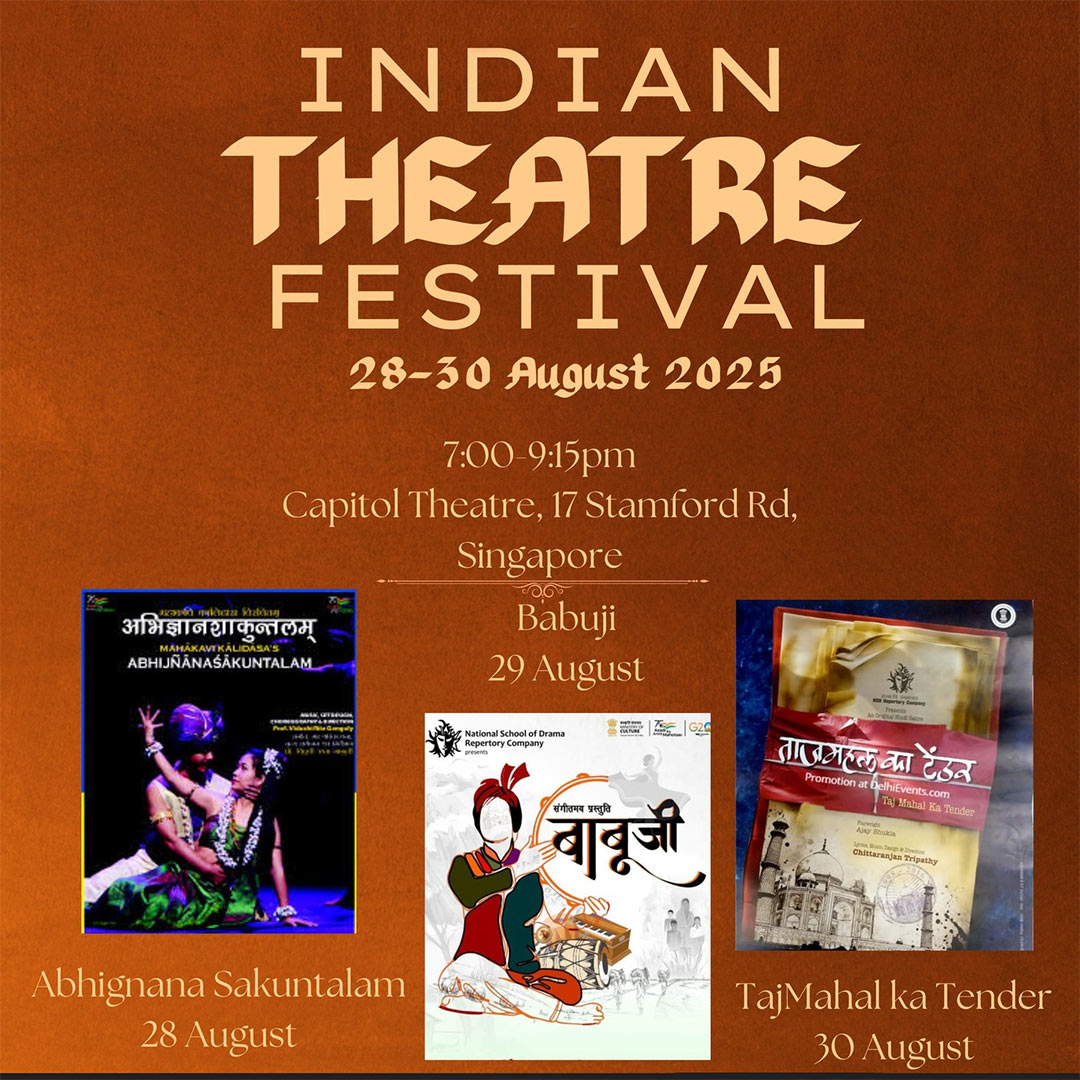
Theatre has always been one of the strongest uniting points in cultures, it brings stories across the borders and generations. The Indian Theatre Festival has brought the National School of Drama (NSD) to Singapore, in an exciting new chapter. This is not only a play on foreign land, but the extension of India’s theatrical skill to one of the most vibrant cultural centers of Asia.
The National School of Drama is based in New Delhi. Founded by NSD in 1959, generations of actors, playwrights and directors have been nurtured here and have proceeded to influence the performing arts landscape in India. It has had its stalwarts, such as Naseeruddin Shah and Om Puri, to the modern day names that keep the craft going, and NSD has its legacy.
NSD has over the years hosted some iconic festivals such as Bharat Rang Mahotsav which attracts theatre groups all over the world. However, its performances have mainly been restricted in India with the exception of rare international collaborations. The upcoming performance in Singapore is not just another show, it is a launching pad of Indian theatre in the Southeast Asia region on this level.
Why Singapore Debut is Important
Cultural diversity is nothing new to Singapore. It may be the best platform to use with its vibrant arts culture, state of the art venues and a huge Indian diaspora. Theatre Singapore has been very multicultural and has fused the Chinese, Malay, Indian, and Western cultures to make something quite distinctive.
Hosting the Indian Theatre Festival, Singapore will provide a platform through which the voices of the Indian classical and contemporary narratives can give dialogue to the rest of the world. It is not entertainment only but it is exchange, collaboration, and enrichment.
What the Audiences can Expect
The actual performance line-up is not disclosed yet, but productions presented by NSD are renowned to be intense, deep and innovative. Singapore audiences can expect:
Traditional Indian dramas that have been re-envisioned with new direction and contemporary sensibilities.
Modern fiction that addresses issues of social, political and cultural problems of modern India.
Workshops and forums in which NSD faculty and students interact with the theatre community in Singapore.
This combination of performance and dialogue makes the event more than a one-night event- it is a cultural festival.
Nowadays when nations are trying to establish a closer people-to-people bond, art frequently manages to achieve what politics fails to do. An Indian performance on a Singaporean stage does not only portray the common cultural background of the two countries but also creates opportunities for new artistic developments.
It serves as an invitation to gain insights from young artists and students.For theatre enthusiasts, it offers an opportunity to engage with one of India’s most prestigious institutions.
Conclusion
NSD alumni often describe theatre as a mirror that reflects society. By taking that talent to Singapore, the audiences in that country will have a chance to see the intricacies and the beauty of Indian life.
The Indian Theatre Festival is to present the National School of Drama in Singapore as a historic step in the history of Indian performing arts. It reminds us that theatre goes beyond language. Rather, it flourishes on human feelings, narratives and relationships.
When the stage lights dim, audiences will see to more than just acting. They will see a cultural bridge being constructed that is one play, one story, one common experience at a time.
Consider the recent photo you clicked on your phone. It could have been a picture of your pet being silly, a family selfie, or a sunset that you just could not resist. That is the magical part of photography. It allows us to capture the things that are past, and re-live them at any time. On 19 August each year, the world unites to celebrate this beautiful art on World Photography Day.
The history of World Photography Day dates back to the year 1839 when the French government announced the invention of the process of taking photos. This was called the daguerreotype process by Louis Daguerre and Joseph Nicophore Niepce. This invention was a kind of superpower of that period- people could take down real pictures and preserve them forever. There are no sketches, no memory lapses but real moments. This day was the root to what is now referred to as photography.
The Importance of Photography
It is easy to overlook it, but really photography influences our lives on so many levels:
Aspect of Photography
Why It Matters
Remembering the past
Whether it’s old family pictures, baby pictures, or photos from a college trip, photos have the power to transport us back in time in just a glance.
Storytelling
There are cases when one picture can say more than pages of text. Like a photograph of a soldier returning home or a child’s innocent smile has the power to strike straight at the heart.
Transforming the world
Whether they are war images or photographs of climate change, images have initiated dialogues and even revolutions.
Creativity release
Photography provides the opportunity to everyone to become an artist, be it portraits, landscape, or abstract shots.
Bringing people together
A picture can connect people across continents in a few seconds.
How to be a Part of the Celebration
World Photography Day is not only about people with fancy cameras. It belongs to all those who like to freeze life. It does not take a professional to celebrate World Photography Day. These are some of the fun things to do on 19 August:
Take a photo walk around your neighborhood. It may be more interesting than you thought.
Try something you have never done before, portraits, silhouette, or even macro shots of the small details.
Promote local photographers, follow, or even purchase a print.
Taking part and organizing photography competitions and exhibitions.
Attending workshops to learn new tricks.
Uploading pictures on social media with pictures under hashtags to promote photography.
Simply stepping outside with a camera to capture something unique.
From Film Rolls to Smartphones
It is crazy to imagine how much we have already progressed. At one point in history, photography was film, darkrooms, and days of waiting to get your photos. Nearly all pockets contain a good camera today. Thanks to editing tools and filters, even an inexperienced photographer can make a magic out of a regular shot. However, this is the reality that nothing is different about the soul of photography.
Today it is also good to recall the legends who demonstrated to us how strong an image could be:
Dorothea Lange – Captured the poverty of the Great Depression.
Steve McCurry – His portrait of the Afghan Girl is famous.
Raghu Rai -The Indian photographer who is himself an icon to the India photographic history of the country.
They have demonstrated in their work that a photograph is always more than the photo itself: it is history, art, and emotion combined.
Conclusion
World Photography Day is all about the stories behind each picture. This day is yours as well, be it as a professional photographer or someone who takes photos by the phone. So, this 19 August, make sure not to let the moment slip away. Pick up your camera and capture something that makes you smile, think, or feel. Who knows? That one click could end up being the picture you’ll treasure forever.
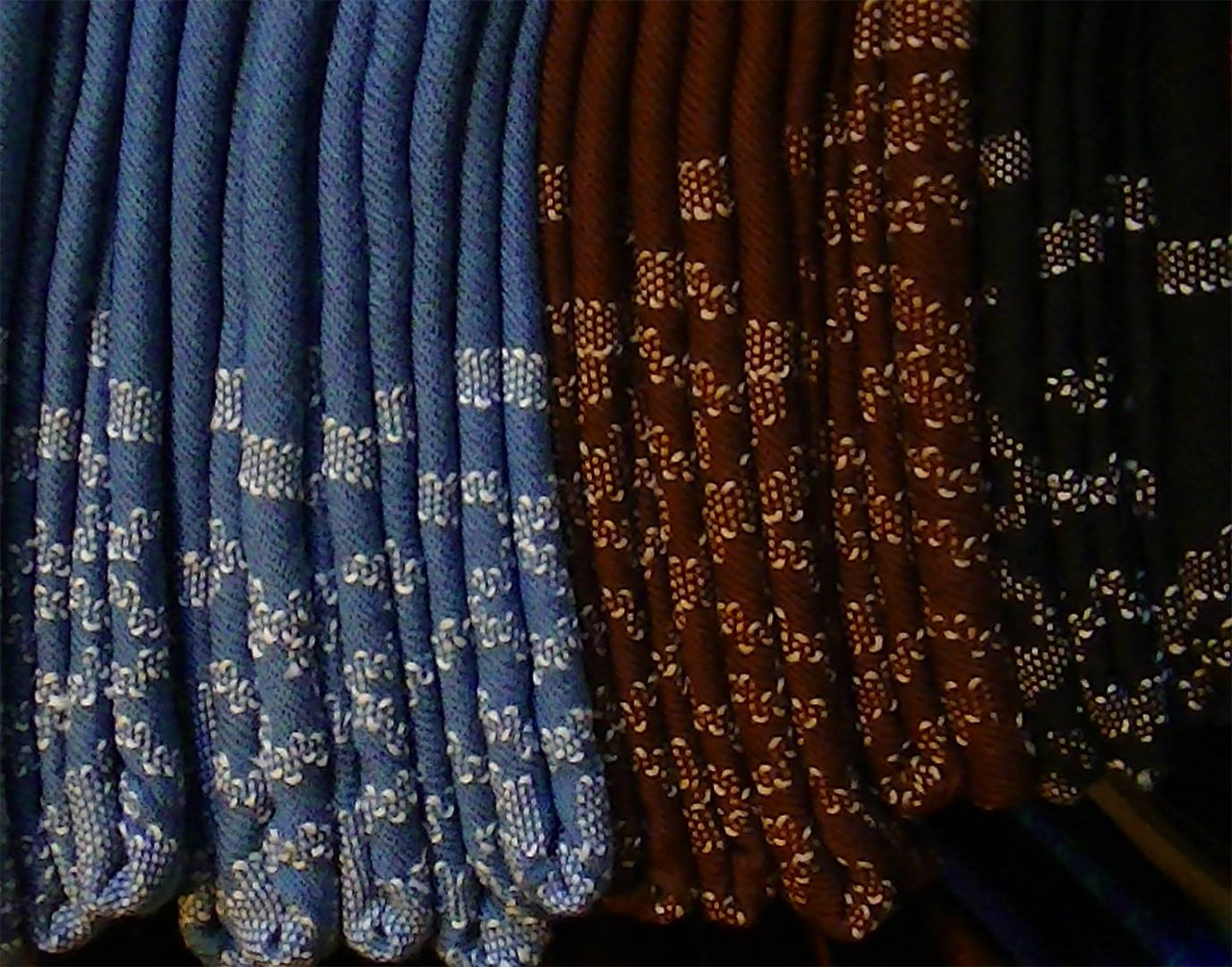
Handlooms of India represent the vast cultural diversity of the whole nation. From the intricate designs of Banaras, to the rustic weaves of Assam, the handlooms of India represent diverse communities and histories. It employs millions of craftsmen, particularly in the rural regions, emerging as a cornerstone of economic vitality as well. The handloom sector is a cornerstone of India’s cultural legacy, reflecting the distinctive cultures of different regions across the subcontinent.
Ancient Period: The history of the Indian handloom dates back as far as 3000 BCE, with the first evidence being found from the Indus Valley Civilisation. This is backed by archaeological findings of spindles and whorls from Harappan sites.
Medieval Period: The medieval period witnessed the peak of Indian handlooms, and India was also involved in the far-reaching trade of textiles across distant lands of China, Rome, and Europe. Indian muslin, silk, and cotton exports made India a global textile hub.
Colonial Period: The 19th century witnessed the decline of handlooms with the introduction of the industrial looms by the British. However, the Indian Handloom became associated with culture and identity during the late colonial period, with the Swadeshi movement boosting the revival of indigenous weaving. Further, Mahatma Gandhi’s Khadi campaign played a crucial role in promoting Indian Independence and self-reliance.
Post-Independence
Phase of Decline: In the post-independence era, Indian Handlooms emerged as one of the largest rural employment sectors. With the emergence of power looms and globalisation, the handlooms tradition witnessed a decline during 1990s.
Revival Stage: The revival of the handlooms was initiated by MGNREGA in 2006, and promoted directly under the National Handloom Policy (2007) introduced by the then Prime Minister Manmohan Singh.
Current Scenario: Presently, the 4th All India Handloom Census records the presence of over 2.73 lakh handloom weavers and 8.48 lakh allied workers around the country.
List of Handlooms of India State-wise
Click here to view the Handlooms of India List +
State & Handloom
(GI Tag Year, if available)
Speciality & Historical Significance
Andhra Pradesh – Kalamkari GI Tag: 2009
Painted and block-printed with natural dyes; tells stories through fabric using pen and tamarind ink.
Arunachal Pradesh – Apatani Weave Not GI Tagged
Woven by Apatani women using organic cotton; known for stripes, zigzags, and earthy tones; passed down through generations.
Assam – Muga Silk GI Tag: 2007
Rare golden silk from Assam, worn by Ahom royalty; durable and naturally glossy.
Bihar – Bhagalpuri Silk GI Tag: 2009
Also called ‘Tussar silk’; produced in Bhagalpur for over 200 years; known for natural sheen and breathable texture.
Chhattisgarh – Kosa Silk Not GI Tagged
Tussar silk woven from silkworms feeding on sal leaves; earthy, textured, and strong.
Goa – Kunbi Not GI Tagged
Simple, red check-patterned saree worn by Goan tribal women, predating Portuguese influence.
Gujarat – Patan Patola GI Tag: 2003
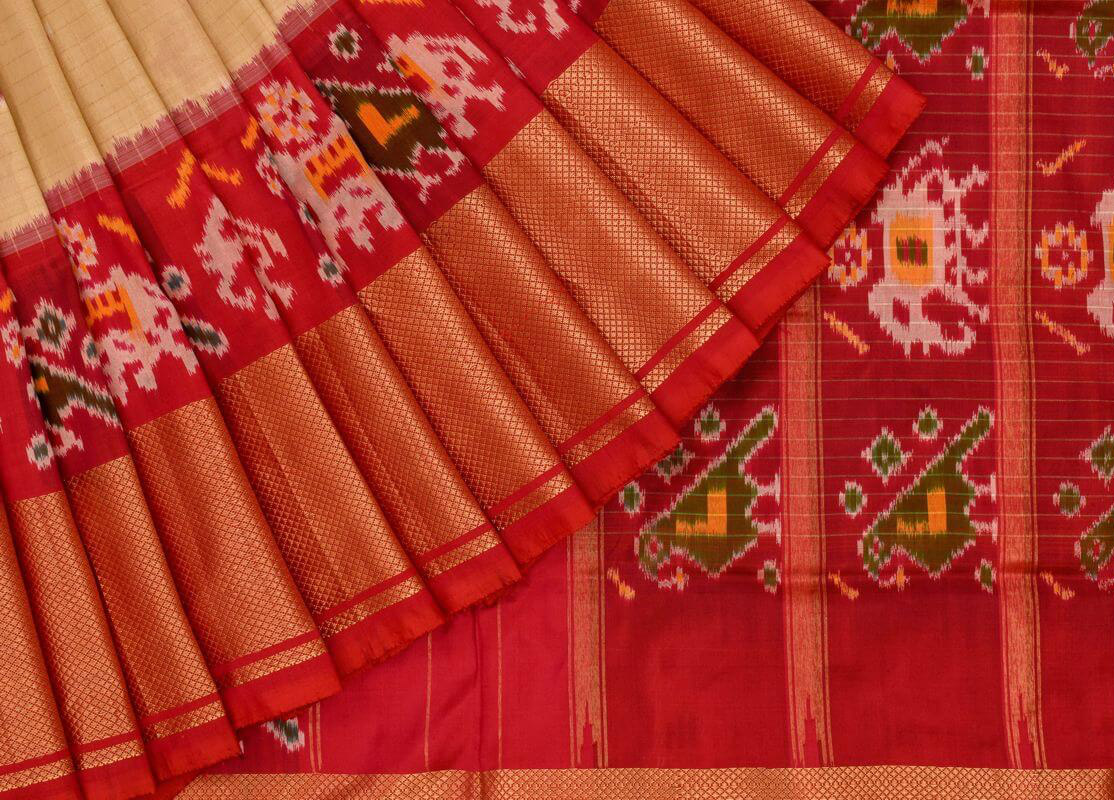
Double ikat weave with intricate symmetry on both sides; takes months to complete.
Haryana – Panja Durries GI Tag: 2008
Flat-woven rugs using ‘panja’ tool; feature geometric and floral patterns; handmade by rural women in Panipat.
Himachal Pradesh – Kullu Shawls GI Tag: 2005
Woolen shawls with geometric patterns; warm and culturally rich accessory from the hills.
Jharkhand – Kuchai Silk GI Tag: 2008
A variety of Tussar silk grown in Kuchai; GI-tagged; supports tribal women and sustainable sericulture practices.
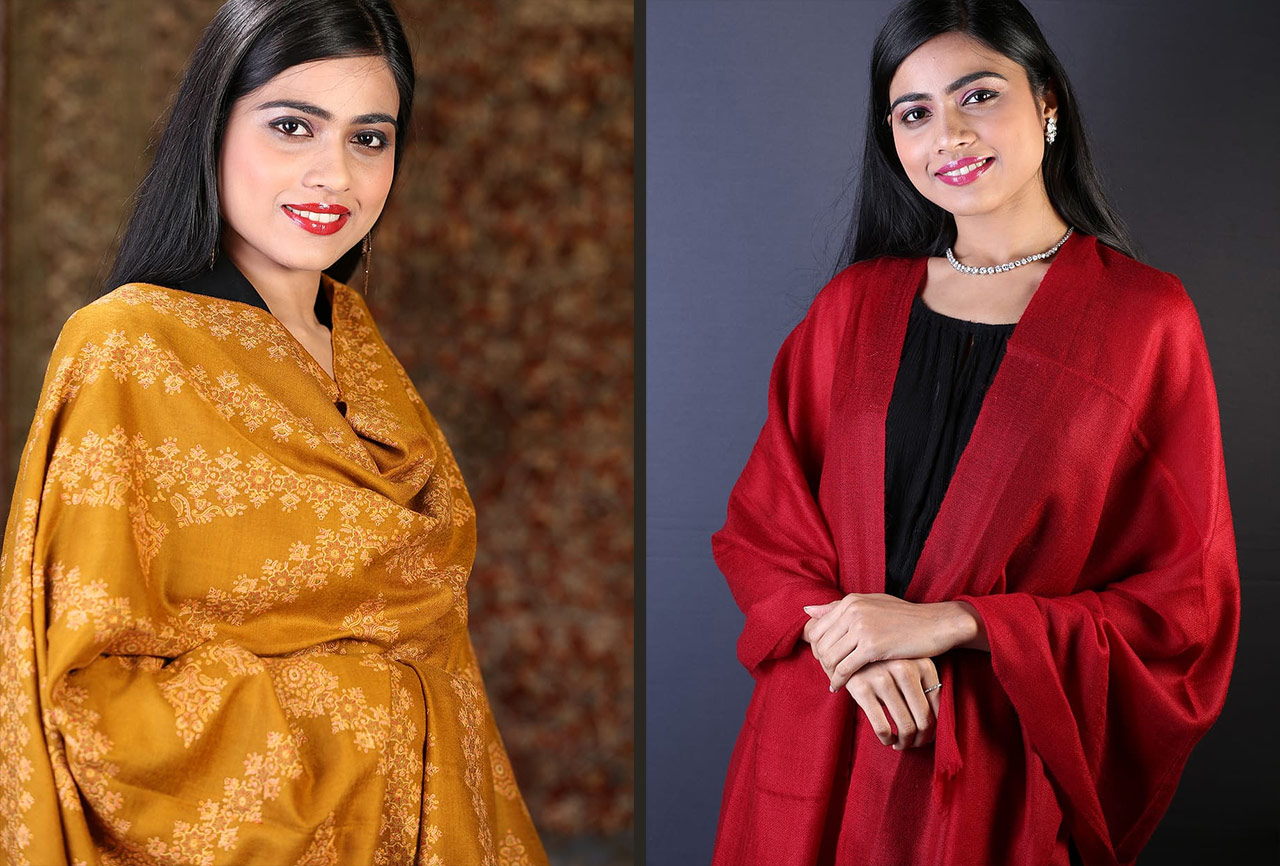
Jammu & Kashmir – Pashmina GI Tag: 2005
Pashmina, often called the “soft gold” of Kashmir, is a luxurious handwoven wool known for its exceptional warmth, softness, and timeless elegance.
Karnataka – Mysore Silk GI Tag: 2005
Silk of royal origin, introduced by Tipu Sultan; known for its purity and rich gold borders.
Kerala – Kasavu Not GI Tagged
Off-white handwoven cotton fabric with rich gold zari borders; worn during Onam and weddings; symbol of purity and tradition.
Madhya Pradesh – Chanderi GI Tag: 2005
Delicate and translucent sarees woven with silk and zari, known for lightness and elegance.
Maharashtra – Paithani GI Tag: 2010
Known for its peacock motifs and rich zari, Paithani is a royal silk weave from Aurangabad, once reserved for Maratha nobility.
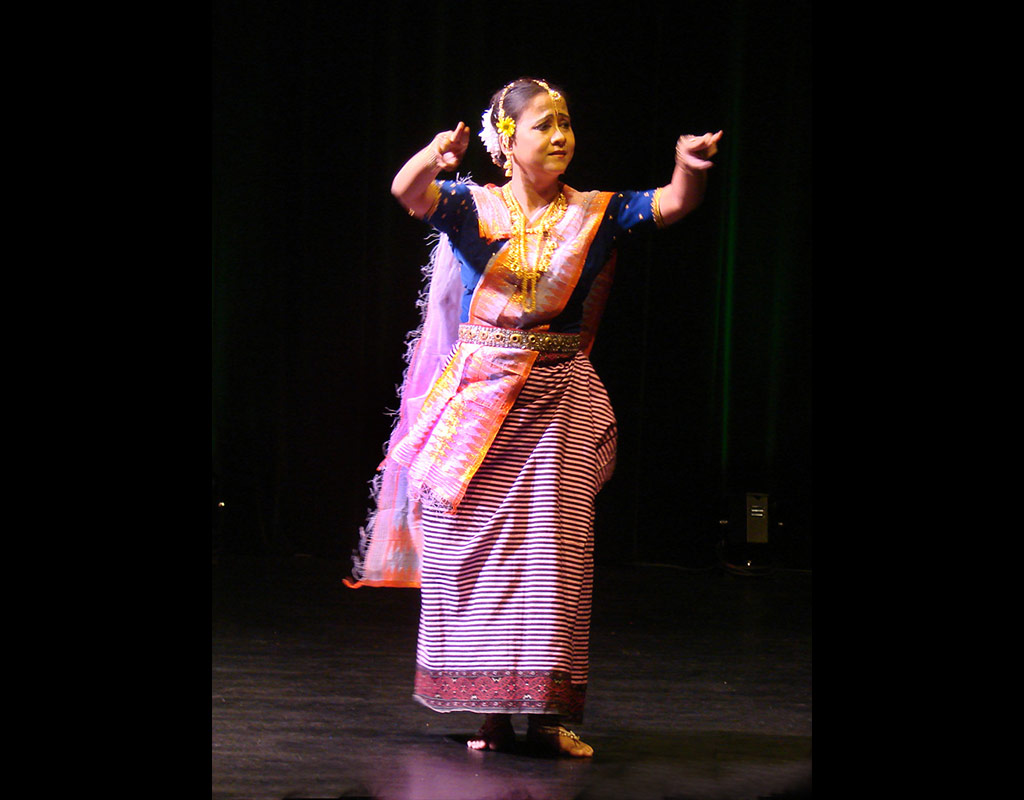
Manipur – Phanek Not GI Tagged
A traditional wraparound skirt worn by Meitei women, often seen in bold colours or vertical stripes, it represents cultural pride and personal identity.
Meghalaya – Eri Silk GI Tag: 2011
Also called Ahimsa silk; produced without harming the silkworm. Known for warmth, softness, and eco-friendly production.
Mizoram – Puan GI Tag: 2014
Woven wrap skirt with bold horizontal bands; worn during Mizo festivals and dances; important marker of tribal identity.
Nagaland – Naga Shawls GI Tag: 2008
Woven on loin looms with bold stripes and tribal motifs like mithun; worn to denote clan, status or achievements.
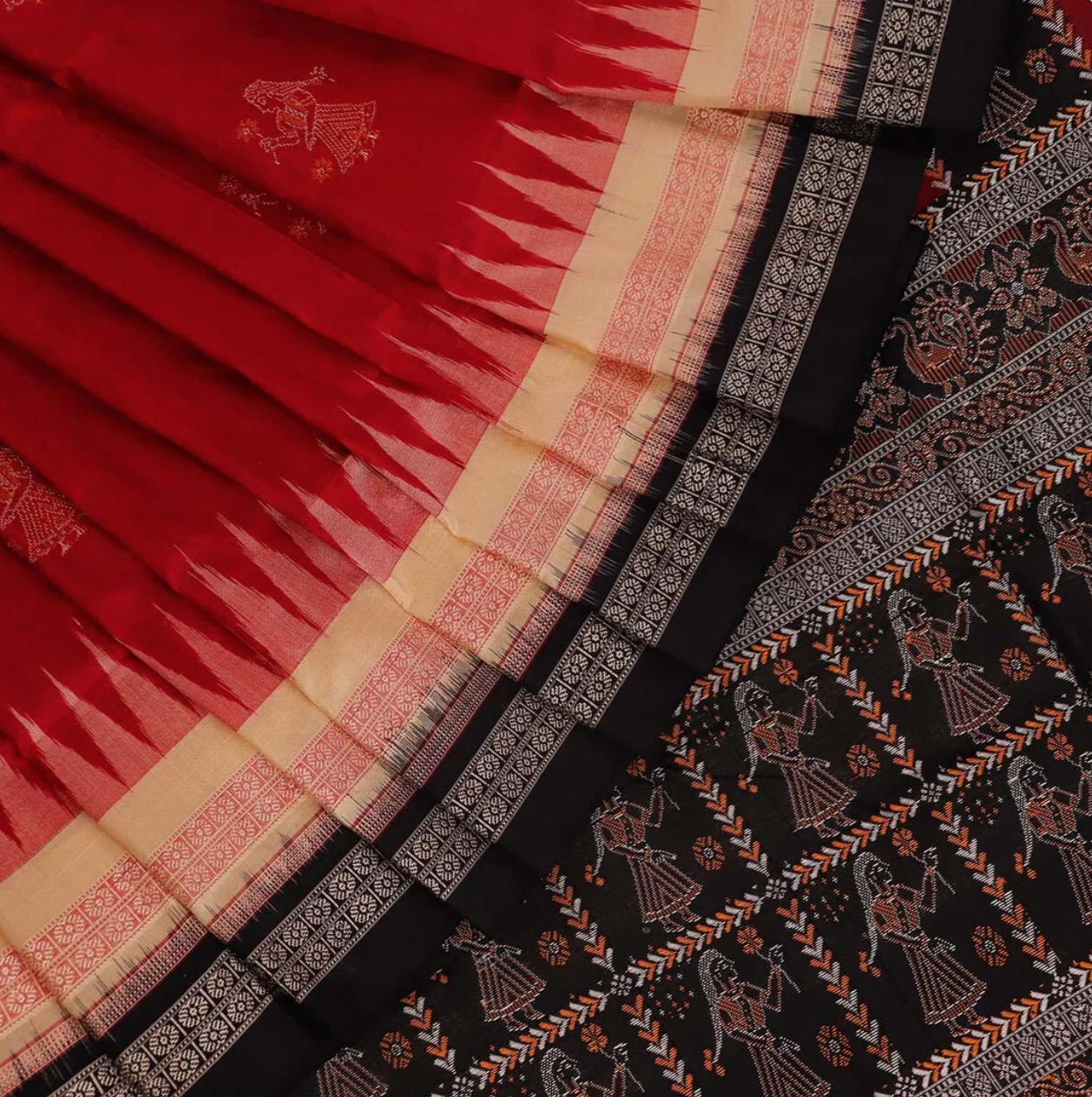
Odisha – Bomkai GI Tag: 2009
Features temple, tortoise, and lotus motifs with intricate threadwork; culturally rooted.
Odisha – Sambalpuri GI Tag: 2005
Bandha (ikat) dyed sarees with conch, wheel, and flower motifs; deeply tied to Odia culture and rituals.
Punjab – Phulkari GI Tag: 2011
Floral embroidery on coarse cotton with vibrant silk threads; traditionally made by Punjabi women for weddings and festivals.
Rajasthan – Bandhani GI Tag: 2009
Traditional tie-dye technique involving thousands of knots; vibrant and symbolic, often used for festive attire.
Rajasthan – Shisha (Mirror Work) Not GI Tagged
Traditional embroidery using mirrors stitched into fabric; believed to reflect evil spirits. Common in tribal and festive garments.
Sikkim – Lepcha Weave Not GI Tagged
Backstrap loom weaving by Lepcha tribe; fabrics feature narrow stripes and hold cultural significance during rituals and ceremonies.
Tamil Nadu – Kanjeevaram GI Tag: 2006
Heavy silk sarees with bold temple motifs; worn at weddings and major celebrations.
Telangana – Pochampally GI Tag: 2005
Famous for geometric double ikat patterns; known globally for its design clarity.
Tripura – Pachra Not GI Tagged
Traditional lower garment of Tripuri women; handwoven with colourful stripes and patterns; worn during festivals and dances.
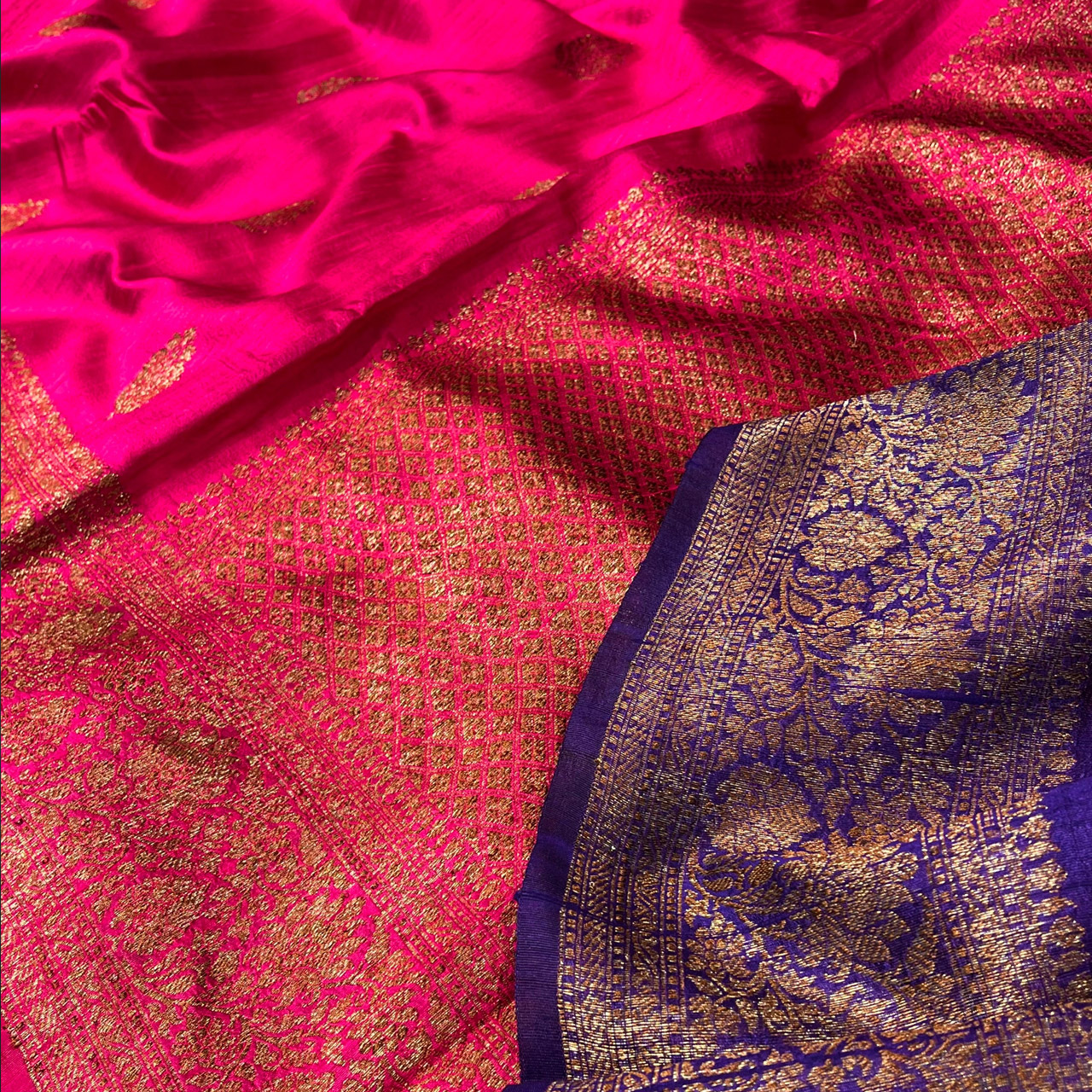
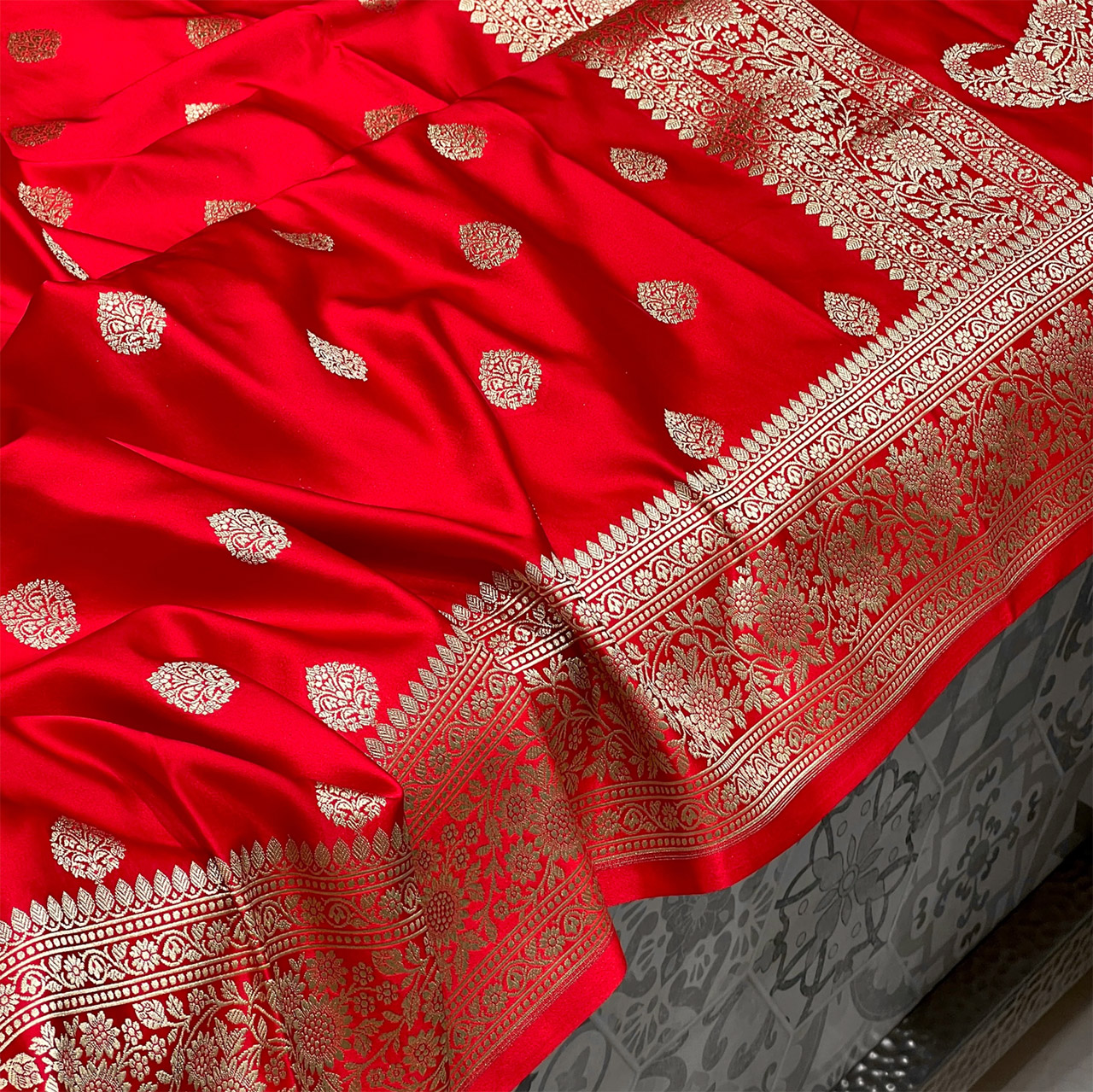
Uttar Pradesh – Banarasi Silk GI Tag: 2009
Regal brocade sarees with Mughal-inspired zari motifs; often heirloom pieces.
Uttar Pradesh – Chikankari GI Tag: 2008
Delicate embroidery from Lucknow with Mughal roots; features floral patterns stitched with white thread on soft fabric.
Uttarakhand – Panchachuli Weave Not GI Tagged
Women-led weaving cooperative from Kumaon region; uses wool from local sheep to make shawls with stripes and mountain motifs.
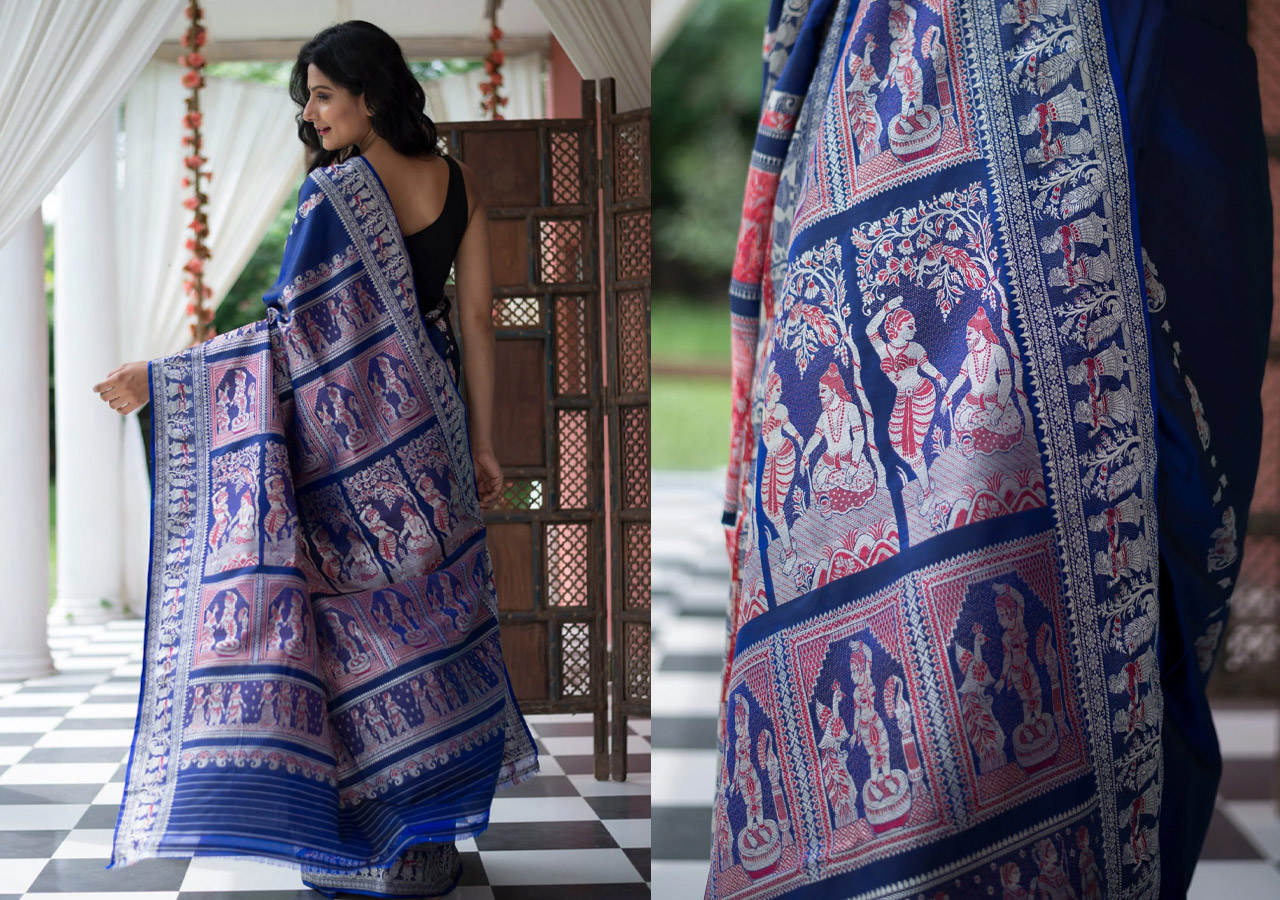
West Bengal – Baluchari GI Tag: 2009
Mythological tales are woven into pallus; iconic from Bishnupur and Murshidabad.
West Bengal – Jamdani GI Tag: 2010
Fine muslin with extra weft motifs like paisleys and vines; a UNESCO-recognised weaving tradition with Mughal legacy.
Andhra Pradesh is the state with the most famous textiles and is known for its intricate work. It is a hub for traditional weaves with more than 3,00,000 handloom weavers in the state, including both, the ones within the cooperative fold, and out of the same.
Kalamkari
The name of “Kalamkari” hand/block printed cotton textile originates from the Persian words- ‘qalam’ (pen), and ‘kari’ (craftmanship). This involves a long seventeen-step procedure including natural dyeing, hand-painting and block-printing
Kalamkari Styles: There are two distinctive styles:
Srikalahasti style: It involves freehand drawing. The motifs depict mythological and religious themes.
Machilipatnam style: It involves block printing. Persian influence is reflected in the floral and geometric motifs.
Dharmavaram & Uppada Silks
The Dharmavaram silk fabric came to prominence about a century ago, particularly in the town of Dharmavaram, in Anantapur district of Ralaseema region. Uppada Silk originates from the beach town of Uppada, and is renowned for its Jamdani weaving technique, which is in demand across the globe. The sarees have subtle dual tone colours, soft texture, and simple designs. These are known for broad borders and pallus with gold brocade embroidery.
Dharmavaram Silk
Motifs: Broad borders with temple designs, floral buttas, and peacock or elephant motifs enriched with zari.
Colour Palette: Rich dual shades like crimson & green, maroon & mustard, or purple & gold, giving a lustrous effect.
Uppada Silk (Jamdani)
Motifs: Delicate Jamdani floral motifs, geometric patterns, and buttas woven directly into the fabric.
Colour Palette: Lightweight pastels like peach, sky blue, and cream contrasted with bright borders in gold or silver zari.
Mangalagiri and Venkatagiri Soft Cotton
The Mangalagiri and Venkatagiri soft cotton sarees are primarily in contant trend for their lightweightm and soft feel. The sarees are predominantly made by cotton-silk blend, employing the Jamdani weaving technique for designs. These sarees are known for a distinctive ‘nizam border’, and striped pallu.
Mangalagiri Cotton
Motifs: Plain bodies with zari borders, temple designs, and Nizam-inspired geometric patterns.
Colour Palette: Earthy shades like mustard, maroon, green, and off-white with contrasting zari highlights.
Venkatagiri Cotton
Motifs: Floral buttas, peacocks, and creeper designs woven with fine zari on a soft cotton base.
Colour Palette: Pastel shades like ivory, beige, and light pink balanced with bright tones and silver-gold zari borders.
2. Arunachal Pradesh
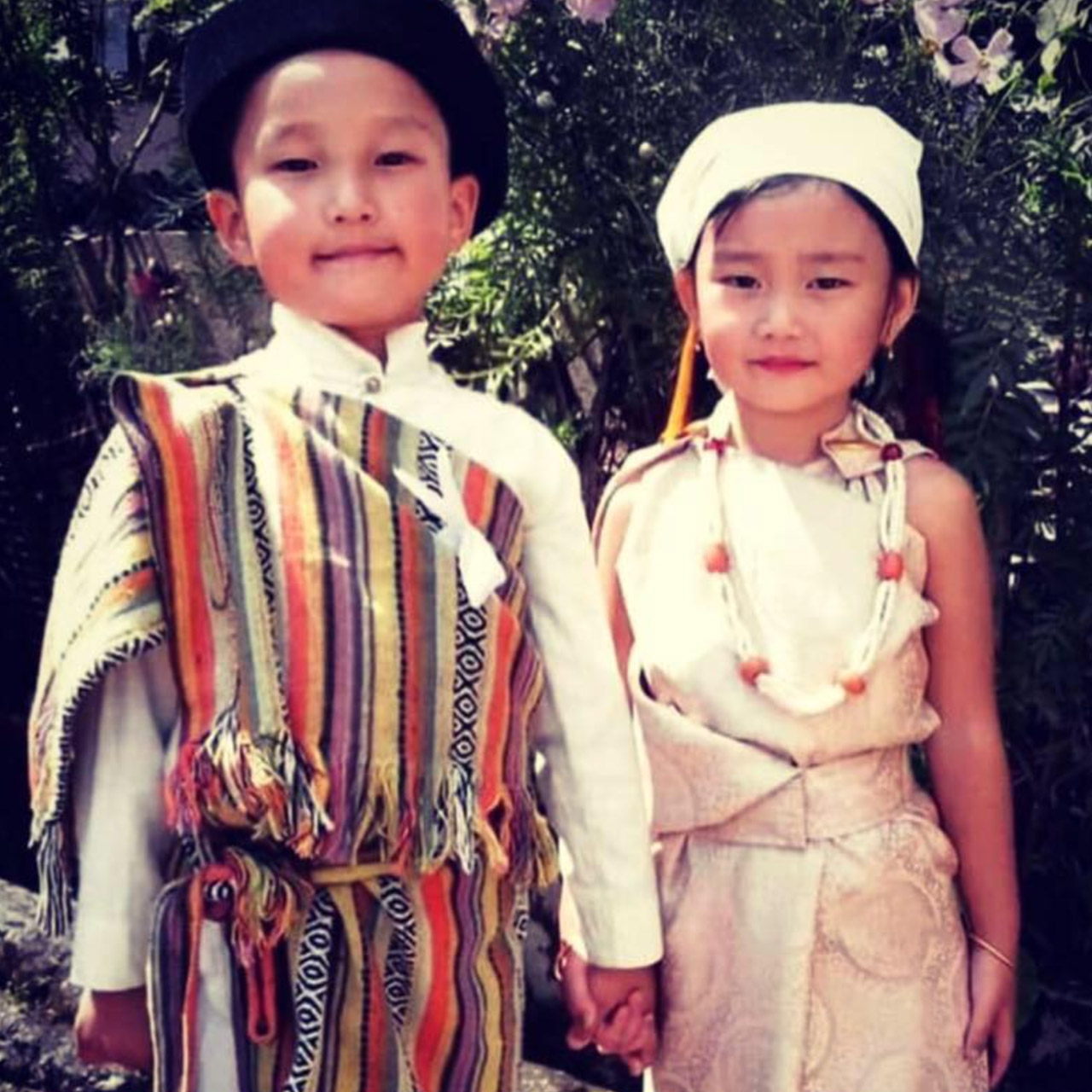
The handlooms of Arunachal Pradesh are known for their vibrant cultural traditions, associated with several tribes like the Apatani tribe, Monpa tribe, Mishmi tribe, and particularly, the Adi and Nyishi tribes.
Apatani Weave
It is associated with the Apatani tribe of Ziro Valley, and unlike most of the traditional handlooms across the country, rather than just being adorned during festivals and wedding ceremonies, the Apatani weave is a part of the daily wardrobe of the community. Bamboo plays a crucial role. The design loops are formed using a bamboo frame, and the main weaving procedure is also done using bamboo tools.
Motifs: Geometric and zigzag patterns
Colour Palette: The palette comprises primarily of black, red, yellow, blue, and orange colours. The craftsmen use leaves and other natural resources to dye the yarn.
Assam is a major silk producer, not only in India but worldwide. The most popular handlooms include Muga, Eri, and Pat silks. The state of Assam is leading the Indian Handlooms Sector, with the maximum number of people employed in weaving.
Muga Silk
It is known as the ‘golden silk’ and is sourced from the wild silkworm Antheaea assamensis. The fabric is a natural golden-yellow sheen and is known for durability, warmth, and humidity absorption. It was under the patronage of the Ahom dynasty during the 13th century AD.
Motifs: Gos-buta, kolka, kinship, and tribal patterns.
Colour Palette: Muga silk known for its natural golden-yellow sheen that deepens with age, often paired with red, green, or black borders.
GI Status: Muga Silk was given the GI tag in 2007.
Eri Silk
Eri Silk is an eco-friendly silk produced and hence is also known as ‘ahimsa silk’. It is sourced from the Samia Ricini silkworm. No silkworm is harmed or killed during the production of this silk. The fabric is coarse, durable, dense, and elastic. It is known for its rustic look. The entire process is natural, and eco-friendly. The dyes are also produced naturally.
Motifs: Eri silk often carries traditional tribal motifs like stripes, checks, floral patterns, and symbolic geometrical designs.
Colour Palette: Naturally found in off-white and cream shades, it is also dyed into earthy tones like beige, rust, red, and deep green.
Bihar has over 3.66 lakh weavers across 77,000 looms, making it a crucial state for the national handloom sector. The legacy of handloom in Bihar is centred around the town of Bhagalpur. The city is known as the ‘Silk City’.
Bhagalpuri Silk
Bhagalpuri silk, often referred to as “Tussar silk,” is woven in Bhagalpur, Bihar—one of India’s oldest silk hubs with over 200 years of heritage. The colourful dyed silk threads used to weave the Bhagalpuri silk sarees are produced from tussar cocoons, natively found in Bhagalpur and Banka. It is known for its soft fabric, natural sheen, and durable nature.
Motifs: Floral, geometric, tribal motifs, often adorned with extra-weft patterns
Colour Palette: Red, blue, pink, orange, and gold.
GI Status: Awarded in 2013
Bawan Buti
Bawan Buti hails from Nalanda, adorning the Buddhist tradition in craftsmanship. The handloom is known for its intricate motifs, representing the Buddhist influence. These are Lightweight in nature, ideally worn as a daily-wear.
Motifs: Has about 52 miniature motifs, including Bodhi treem leaves, stupas, lotus, among other symbols associated with Buddhism
Colour Palette: White, cream, pastel sarees with pallus in vibrant red, green, blue colours
Chattisgarh is known for its rustic aesthetic. The Kora silk is the hallmark of the tribal and rural identity of Chattisgarh, and has contributed significantly to the cultural heritage of the state.
Kosa Silk
The Antheraea mylitta silkworm is the mail source of this Tussar silk. It is found natively in Champa, Raigarh, and Bilaspur. The sull golden sheen fabric is dyed naturally, using lac, haram or iron.
Motifs: Tribal patterns, accompanied by rudraksha patterns and temple borders.
Colour Palette: Known for natural shades of golden, cream, and brown, along with dyed hues like maroon, green, and deep blue.
Goa is known for its small-scale, yet vibrant handloom tradition. The textiles of Goa reflect its indigenous coastal culture, and history. The textiles are known for their simplicity, but also show Portuguese influences.
Kunbi Saree
Th Kunbi handloom is the oldest indigenous textile of Goa, associated with the Kunbi and Gawda communities. The sarees are characterised by red and white checkered patterns, intersected by slim horizontal lines. The border has minimal pattern, and the sarees were traditionally worn without a blouse or pallu.
Motifs: Kunbi sarees are traditionally woven in simple checks and stripes, reflecting the agrarian lifestyle of the Kunbi tribe.
Colour Palette: They usually feature earthy reds, maroons, and blacks, sometimes contrasted with white or mustard tones.
Gujarat is a hub for tie-and-dye techniques. It is known as the ‘Manchester of the East’, with its detailed and large-scale handloom tradition.
Patan Patola
Traditionally, Patan patola was adorned by the royal houses of Gujarat regions, and the Jains. The Salvi family of Patan has mastered and kept this double ikat silk weave in practice since the 11th century. These are known for their high-quality and engaging geometric patterns.
Common Motifs: Floral, faunal, and figurative motifs
Colour Palette: The combination of natural colours like red, indigo, green, and yellow.
GI Status: It received the GI tag in 2013, and presently, very few families continue this art.
Bandhani
The name ‘Bandhani’ originates from the Sanskrit term ‘banda’, which means ‘to tie’. The handloom is primarily associated with the Khatri community of Gujarat, and is popular for its vibrant colours and white dots throughout the fabric. This tie-dye tradition dates back to the Indus Valley Civilisation and was even patronised by the Mughal emperors.
Motifs: Dots, floral, geometric, and paisley designs.
Colour Palette: Red, maroon, yellow, green, and blue
8. Haryana
The handloom tradition in Haryana is centred around Panipat and Rohtak, with about 8,000 looms, and 25,000 weavers.
Panja Durries
The handloom tradition of Panipat, Haryana, gets its name from the prime tool used in the weaving process, the panja. This handloom is made from thick threads to make durries and rugs featuring complicated patterns.
Motifs: Floral motifs, accompanied with stripes or checks.
Kullu and Kangra are the two main regions of Himachal Pradesh mastering the Himachali handlooms. These are significant not only for cultural identity, but also to support local livelihoods of the people.
Kullu Shawls
The kullu shawls are prepared by the local artisans known as Kulivis, who use the traditional pit or frame looms for adding patterns to the textile. The trend of detailed designs in these shawls intensified with the influence of Bushahr craftsmen during the 1940s.
Motifs: Geometric and floral patters, with twill-weave borders.
Colour Palette: Red, blue, green, yellow, and black.
10. Jammu and Kashmir
The handlooms of Jammu and Kashmir are popular worldwide, attracting tourists from different regions across the globe. These form the cornerstone of the cultural and regional identity, and economy of Jammu and Kashmir.
Pashmina
Pashmina is derived from Chagthangi goat fleece, and is known for iys softness and warmth globally. It is hand-embroidered, and is often rehgarded as a symbol of Kashmiri cultural heritage. Pashmina originated about 700 years ago and flourished during the Mughal period.
Motifs: Floral, paisley patterns, with particular emphasis on chinar leaf designs.
Colour Palette: Natural shades like white beige, brown, vibrant dyes like red, blue, and gold. Contrasting hues are selected for embroidery threads.
The handlooms of Jharkhand are characterised with organic Kuchai solk and tribal cotton weaves. The handloom sector in the state supports rural tribal communities, and particularly women, in creating a cultural identity.
Kuchai Silk
This organic fabric is prepared primarily in the Kharsawan-Kuchai region, and is known for its eco-friendly production.
Common Features: The fabric is lightweight, has coarse texture, and a rustic look.
Motifs: Geometric and tribal motifs, particularly floral and rudraksha patterns.
Colour Palette: Beige, brown, and golden yellow naturally. However, the fabric is often dyed with vibrant red, green, and blue colours, extracted from natural sources.
Karnataka is known as a major textile hub, contributing significantly to the exports of Indian handlooms.
Mysore Silk
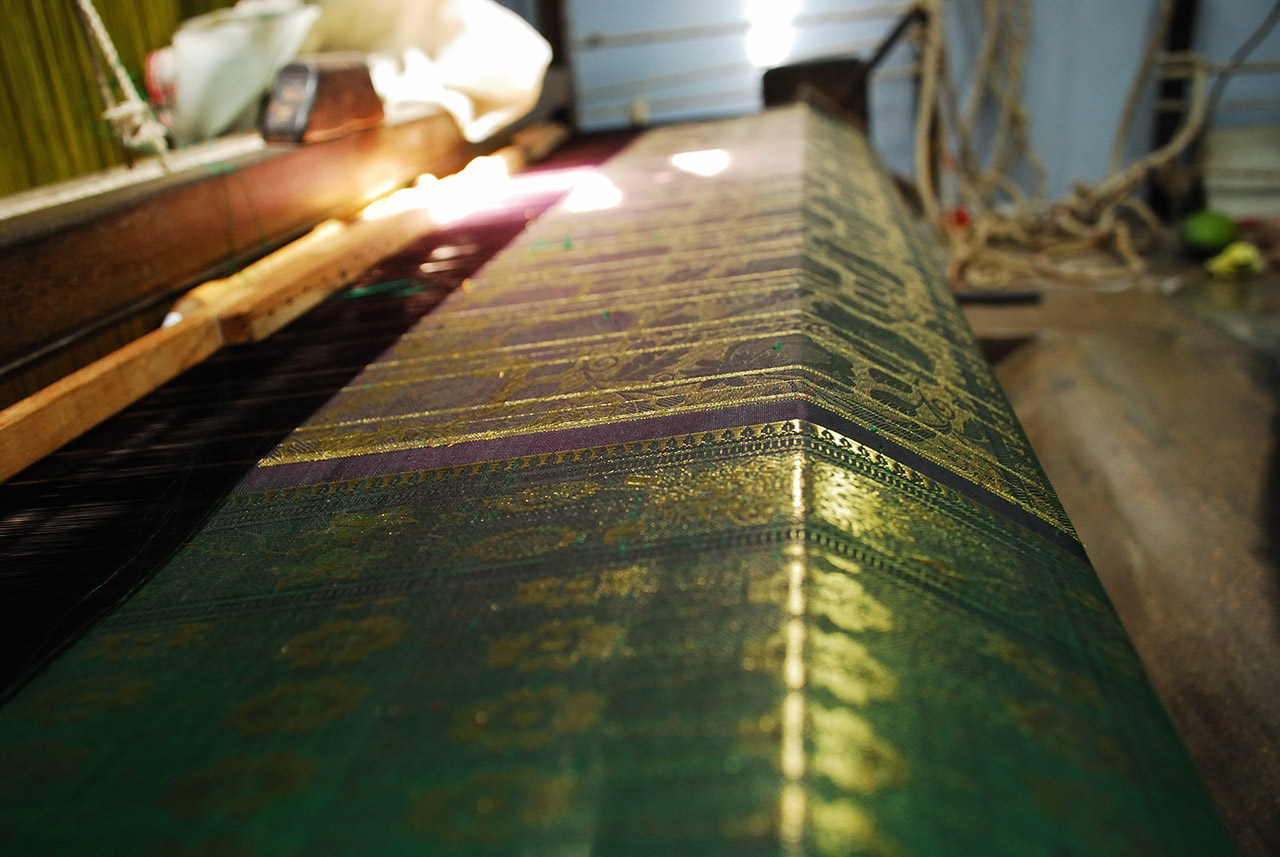
Mysore Silk is known for its high sheen and rich cultural heritage, It is one of the most exported items of Kartnaka, contributing significantly to the economy of the state and the nation. Historically, the textile was encouraged and patronised by Tipu Sultan, and later the Wodeyar dynasty. It is made from pure mulberry silk and silver-gold zari.
Motifs: Mysore Silk sarees feature minimalistic motifs such as mango, floral, peacock, and geometric patterns woven in zari.
Colour Palette: They are known for rich, solid hues like red, green, blue, and mustard, highlighted with gleaming gold borders.
GI Status: In 2005, it was awarded a GI tag and gained global recognition.
Ilkal Saree
The Ilkal saree of the Bagalkot town is known for its unique tope teni technique. These cottin-silk blend sarees form the traditional attire of the region.
Motifs: Stripes, checksum and temple borders.
Colour Palette: Red, green, blue, and maroon.
GI Status: Awarded with the GI tag in 2007
13. Kerala
Kerala handlooms, known for their simplicity and elegance, are traditionally woven in cotton with signature gold borders, as seen in the iconic Kasavu sarees. Rooted in heritage and eco-friendly practices, they symbolize purity, craftsmanship, and the cultural identity of God’s Own Country
Kasavu
The traditional off-white and gold bordered Kasavu saree is the epitome of the cultural tapestry of Kerala.This textile symbolizes purity and elegance in the Mallu culture.
Motifs: These sarees have minimal designs with very few temple-inspired motifs or simple stripes.
Colour Palette: Off-white or cream with golden or silver zari borders.
GI Status: It was awarded with the GI tag in 2009, particularly for Balaramapuram Kasavu.
Madhya Pradesh is famous across the counrty for its silk and cotton sarees. This promotes not only the handloom industry in the state, but also the agriculture sector as cotton is a major commercial crop in Madhya Pradesh. The handlooms in the Malwa region were promoted under particularly under royal patronages of Baroda, Indore, Gwalior, and Nagpur. The two main handlooms include Chanderi and Maheshwari sarees.
Chanderi Fabric
This dilk-cotton blend from Chanderi is known for its sheer texture and beautifully detailed zari work, reflecting royal elegance. The fabric originated under the Malwa rulers during the 14th century.
Motifs: The dominant motifs include floral, and faunal motifs, particularly peacock depictions, and geometric patterns.
Colour Palette: Soft pastel colours like pink, beige, and blue, accompanied by vibrant hues like red and golden.
GI Status: Awarded with GI tag in 2005
Maheshwari
The cotton-silk blend Maheshwari sarees are renowned for their unique and reversible borders. The design of thse sarees is inspired by the forts of the Holkar dynasty. The fabric flourished under the royal patronage of Queen Ahilyabai Holkar during the 18th century. It was later revived by REHWA Society in the 20th century.
Motifs: Motifs on Maheshwri sarees are often inspired by the maheshwar fort architecture, and includes stripes and checks.
Colour Palette: Maroon, green, blue, and golden are primarily used.
GI Status: The Maheshwari fabric got its GI tag in 2010.
Maharashtra has a rich history of Sultanatesm Mughal emperors, Marathas, and Peshwas promoting and patronizing various crafts, and artisans. The state has a long list of handloom traditions associated with it, including Paithani, Sakapur Chadar, Ghondahi, Dhurrie, Narayan Pethi, Geneshpur-Kosa silk, Khana, Himroo, etc. Paithani is the most popular of these.
Paithani
This handloom is made of pure mulberry silk and gold/silver zari, representing the Maratha heritage and grandeur.
Motifs: The textile is adorned with animal and floral motifs, showing inspiration from the Buddhist art.
Colour Palette: The primary palette for the Paithani sarees includes bright colours like green, red, purple, and golden tones.
GI Status: This is a GI-tagged craft work with only a few ikkar-type looms remaining in Yeola/Paithan.
16. Manipur
Image – Jean-Pierre Dalbéra
The handloom tradition of Manipur is centred in Imphal, and has over 2.5 lakh weavers. The industry is led by women, and aims at presevig the tribal heritage.
Phanek and Moirangphee
Phanek and Moirangphee forms the entire traditional attire of Manipuri communities. The Phanek is the skirt, while Moirangphee is the traditional shawl, wrapped around the upper body. These are made by the Meitei weaves. These are known for their bold patterns and unique border designs.
Motifs: Phanek weaves often display intricate tribal motifs on the borders, crafted with extra-weft techniques.
Colour Palette: The palette consists of vibrant colours like red, black, green, and yellow, while some natural dyes like indigo are also used.
GI Status: Moirangphee received the GI tag in 2016.
17. Mizoram
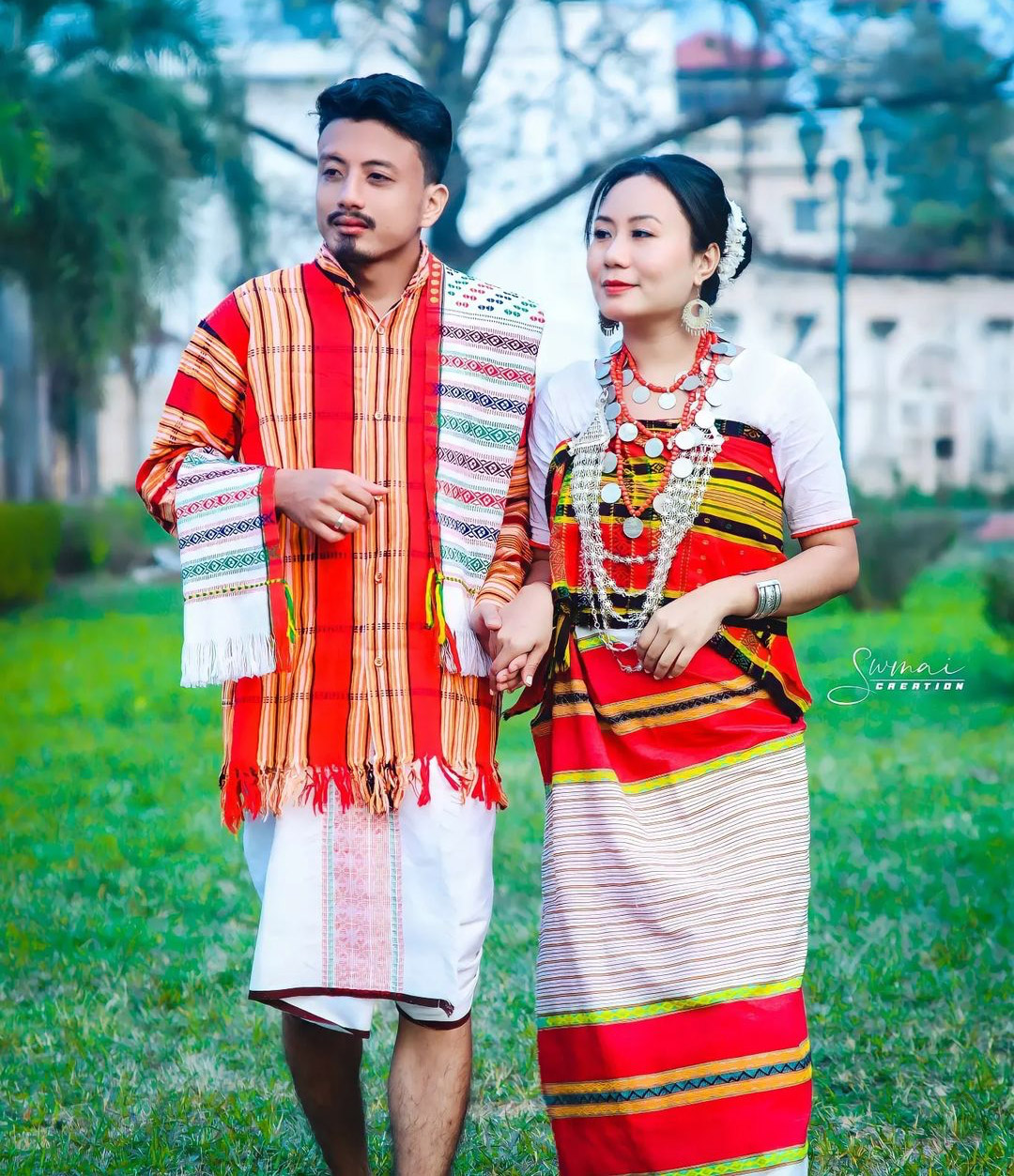
The mIzo Handloom sector is led by the Puan weaves, prepared predominantly by the Mizo women. This craftsmanship not only preserves their tribal identity but also supports the rural livelihood with over 10,000 weavers in the state.
Puan
Puan refers to the traditional shawls and skirts of the Mizo community, symbolizing the tribal heritage. On special ceremonies, and festivals, the people of the community adorn Puanchei, a heavy textile with vibrant borders. Puans feature bold horizontal stripes or checked designs.
Motifs: The common motifs include geometric and tribal patterns. The Puanchei usually have red stripes.
Colour Palette: The pattele consists of bold colours like red, black, white, and green.
GI Status: Puanchei was awarded the GI tag in 2016.
18. Nagaland
Nagaland is renowned across the globe for their traditional shawls. Tourists often visit just to buy these beautiful shawls for themselves and their loved ones.
Naga Shawls
Various Naga tribes like Ao, Angami, and Chakhesang, weave the traditional handwoven woolen Naga shawls. Each tribe has unique patterns and meaning associated with the same. The Ao tribe shael is known as Tsungkotepsu. This is the most popular one out of all the Naga shawls and serves as a ceremonial masterpiece.
Motifs: The shawls have primarily geometric patterns, stripes and tribal symbols. The Tsungkotepsu features warriors motifs as well.
Colour Palette: Tsungkotepsu is primarily dyed black with white-red bands, while other colours for nagal shawls include red, black, white, and yellow tones.
Odisha has one of the finest handloom, textile and handicrafts industry in the country. The handloom tradition has been in practice in Odisha since the fourth century BCE. The long and pristine history of textiles in Odisha is also attributed to the menial exposure of the same to the outside world.
Bomkai Saree
It is also known as the Sonepuri saree, woven in the Ganjam and Subarnapur districts of Odisha. The Bomkai saree is woven on a pit loom using extra weft techniques for intricate motifs and a contrasting border, blending ikat and embroidery effects.
Motifs: The saree is known for its patterns and motifs, comprising primarily of temple patterns, tortoise, and lotus motifs.
Colour Palette:Traditionally feature earthy shades like red, black, white, and yellow, accented with vibrant thread work in contrasting bright hues.
GI Status: Bomkai Silk got its GI tag in 2009
Sambalpuri Ikat
As the name suggests, this ikat hails from Sambalpur, and is known for tie-and-dye ikat patterns and tribal motifs, featuring the rich weaving heritage of the state.
Motifs: Mainly includes geometric, floral, and faunal motifs.
Colour Palette: Known for its vibrant colours, the palette includes red, white, blue, green, and black colours.
GI Status: Sambalpuri ikat was awarded the GI tag in 2006.
20. Punjab
Source – Utsavpedia
Punjab is renowned for its traditional textile art, Phulkari, featured by the vibrant floral patterns on cotton. Apart from this, the other textile tradition in the state is that of Khes, which is characterized by handwoven patterns of bedspreads and shawls.
Phulkari
Literally, phulkari means ‘Phool’ and ‘kari’, that is, ‘floral work’. This iconic embroidered textile from Punjab has become a cultural symbol for the state over the years.
Motifs: The motifs include floral patterns, and peacocks.
Colour Palette: The palette is vibrant with red, pink, orange, yellow, and green colours, symbolizing energy, and good vibes.
Rajasthan is a hub of cultural endevours. The state is known dor its blue pottery, marbles, miniature paintings, and brass traditions. The handloom tradition is another cultural art being practiced and mastered in the state for centuries. The three most famous handloom traditions are:
Bandhani
The most intricate feature is the mirrored pattern and bright colour palette. The Bandhani odhnis and turbans make up the traditional festive and wedding attire in Rajasthan. The features are similar to that of the Bandhani handloom of Gujarat.
Motifs: Bandhani patterns include dots, waves, squares, and floral designs created through intricate tie-dye techniques.”
Colour Palette: The palette ranges from vibrant reds, yellows, blues, and greens to traditional combinations like red & yellow or black & red.
GI Status: Rajasthan and Gujarat received the Geographical Indication (GI) tag in 2009
Kota Doria
This handloom is known for its airy and breathable texture, making it a popular choice for comfortable attire, blending conform with elegance.
Motifs: The handloom has a checkered weave with khat or square patterns and zari embroidery.
Colour Palette: It has pastel hues like pink, blue, and white, combined with festive colours like red and golden.
GI Status: TheKota Doria textile was given the GI tag in 2005.
Shisha
Another common handloom in Rajasthan and Gujarat, Shisha embroidery is one of the most famous handlooms of India. The main work is done by mirror pieces, as suggested by its name. Nomadic communities of Rabaris and Meghwals adorned shisha embroidery traditionally using herringbone, chain, or satin stitches.
Motifs: Shisha embroidery uses mirrors set within geometric and floral motifs symbolizing protection and vibrancy.
Colour Palette: It features a bright palette of reds, yellows, greens, and blues contrasted with white or black for striking visual appeal.
The handloom tradition of Sikkim consists of woolen and cotton weaves like Thara and Lepcha shawls. The textiles, prepared by the tribal communities in the region, reflect the influence of the Himalayan culture.
Thara and Lepcha Weaves
The Thara and Lepcha shawls are woven predominantly by the Bhutia and lepcha women. These shawls are known for their detailed patterns and are ideal for cold temperatures. While Thara is known for colourful stripes, Lepcha has detailed tribal symbols.
Motifs: The common motifs include geometric patterns and Buddhist-inspired motifs.
Colour Palette: Red, blue, green, white, and muddy tones.
Tamil Nadu is famous across the country for its beautiful sarees and other elegant textiles. These are known for their beautiful and vibrant colours, detailed designs and high quality. The most famous handloom tradition is that of Kanjeevaram, while other notable traditions include Bhavani Jamakkalam, Devendra sarees, and Korrainadu sarees.
Kanjeevaram Silk
The Kanjeevaram silk, from the town of Kanchipuram, is renowned for its texture and patterns, inspired by temple motifs. It is made from pure mulberry silk with silver zari, each saree takes around 10-20 days to complete.
Motifs: Checks, stripes, mango motifs, and South Indian mythological narrations
Colour Palette: Bold colours like maroon, gold, emerald, and crimson.
GI Status: Awarded the GI tag in 2005, representing South India’s finest quality in silk weaving.
Telangana is often associated with the best ikat weaving. The sarees of Telangana are popular amongst the women of the entire Indian subcontinent. The most famous handlooms of Telangana include Pochampally sarees, Gadwal sarees, and Narayanpet sarees.
Pochampally Saree
Hailing from Bhoodan Pochampally village, the Pochampally saree is known for its resist-dyed geometric patterns, in both single, as well as double ikat.
Motifs: The most prominent motif designs include diamond shape, chakra, and stylised bird motifs
Colour Palette: The palette is either in classic red-black-white palette, or in modern pastels and neons.
GI Status: With over 10,000 weavers associated with the handloom, it received the GI tag in 2005.
The handloom tradition of Tripura is rooted in its tribal cultural identity, The designs and motifs represent the tribal identity. The most popular ones are Risa and Pachra, however, the handloom tradition of Tripura includes functional and decorative items as well.
Risa and Pachra
The tribal communities like Tripuri, Reang, Chakma, and Halam are attributed with the craftsmanship of Risa and Pachra. These are sustained in the regions like Agartala, Kailasahar, and Belonia. This is a women-led industry and is integral to the cultural identity of the state.
Common Features: Risa is a handwoven scarf, worn as a headgear or to cover the chest, while Pachra is the lower garment worn by women, paired with Risa.
Motifs: These fabrics are woven with vertical or horizontal stripes and motifs like dots, stars, flowers, or tribal symbols.
Colour Palette: Vibrant colours like red, white, green, blue, and black are used predominantly.
Uttar Pradesh is known for two things- its food, and handlooms. The state is particularly famous for the Banarasi silk and Chikankari embroidery. It is known worldwide for its high quality and intricate designs.
Banarasi Silk
Woven from pure mulberry silk with gold and silver zari work, the GI-tagged Banarasi Silk is known for its Mughal-inspired brocades and intricate motifs. It has an elaborate procedure that takes at least three artisans and 5,600 thread wires to weave one saree, taking up to 6 months for the final product.
Motifs: Kalga, bel, jhallar, along with minkari works.
Colour Palette: Banarasi silk sarees shine in jewel tones like red, blue, green, and purple, enhanced with luxurious gold and silver zari.
Types: There are four main types of Banarasi sarees:
Katan: made from pure silk
Organza (Kora): lightweight silk with silk and zari work
Georgette: crepe fabric with crinkled texture
Shattir: woven with detailed patterns
Other styles of Banarasi silks include Jangla, Tanchoi, and Buitidar.
Chikankari
Chikankari is one of the most famous handlooms across the Indian subcontinent. Chikankari is a hand-embroidery textile. It hails from Lucknow, Uttar Pradesh, and is traditionally adorned on cotton or muslin cloth. The handloom was under patronage of Noor Jahan during the 17th century, and was known for being influenced by Persian and Indian art. The designs are made by needlework, and are completely made by hand. The signature stitches include:
Taipchi (running stitch)
Bakhiya (shadow work)
Murri (satin stitch)
Phanda (knot)
Jali (openwork lattice)
Motifs: The motifs are inspired by Mughal art, nature, and geometric designs.
Colour Palette: The traditional palette comprises of white-on-white embroidery, however, it is not available in various colours.
GI Status: It was awarded with the GI tag in 2008.
The handloom tradition of Uttarakhand is rooted in the Himalayan culture of the communities residing in the region. The textiles are woven by women and Bhitia weavers, and are known for being inspired by the beautiful landscapes of the region and the tribal heritage.
Panchachuli Weave
These handwoven shawls and stoles are inspired by the Himalayan landscapes, and are adorned with detailed patterns. High quality Pashmina is used for these shawls. The dyes was the yarn are usually plan-based and eco-friendly.
Motifs: The motifs reflect the mountains, peaks, flowers, geometric patterns, and the mountain majesty.
Colour Palette:The colour palette involves subtle earth tones like white, beige, and grey, and are enhanced with accents of red, green, and blue.
West Bengal has a wide range of handloom traditions associated with its name. The most popular handloom of Bengal is the Bulcharu silk, however, the handloom tradition in the state is not limited to just one silk. The other notable Bengali textiles of prominence include Jamdani, Dhakai, Tangail, Begumpuri, and Dhaniakhali.
Baluchari Silk
The Baluchari Silk sarees are associated with Murshidabad and several revival efforts since then have turned this handloom craft into an art form, presented vividly in museums. The Baluchari Silk was under the patronage of the Nawab during the 18th century.
Motifs: Scenes from Ramayana and Mahabharata, and even from the colonial period are depicted via motifs on Baluchari silk sarees.
Colour Palette: The palette includes regal colours like red, purple, navy, and gold.
GI Status: The Baluchari silk sarees were awarded with the GI tag in 2009.
Jamdani
This muslin-based fabric textile is known for its ornamental designs, created using weft technique. It originated in Bangladesh and West Bengal around the 2nd century BCE. The handloom tradition emerged and flourished during the Mughal era, particularly in Dhaka and Nadia.
Motifs: The prime motifs include paisley, floral designs, and stars.
Colour Palette: The palette includes soft tone colours like white, beige, and other pastel shades, accompanied by the vibrant accents of red and green.
GI Status: The GI tag was awarded in 2016.
Significance, Challenges and Revival
The greatest challenge to the India handlooms was posed by the emergence of power looms during the era of globalisation. The competitive prices of the machine-made or replicated designs cannot be matched with the intricate and unique designs and techniques associated with the handlooms.More than 10 lakh workers across the nation are engaged in Indian Handlooms at present. The textile exports are economically significant for India, contributing about $33.75 million (2022-23).
Several steps and initiatives have been taken up by the Government to revive and support the handlooms of India. These include introduction of schemes like the National handloom Development Programme, the Raw Material Supply SCheme, The Weaver’s MUDRA scheme, etc. Further, over 106 handlooms have been awarded with the GI Tags, ensuring their authenticity, and to boost their national and international recognition.
FAQs about Handlooms of India
Question: Which is the handloom capital of India?
Answer: Maheshwar in Madhya Pradesh is called India’s handloom capital, known for Maheshwari sarees and centuries-old weaving supported by Ahilyabai Holkar.
Question: What are the different types of handlooms?
Answer: India has Ikat, Jamdani, Kanjeevaram, Pochampally, Baluchari, Chanderi, Bandhani, and more, each with unique weaving styles, yarns, and motifs.
Question: Which handloom is famous in India?
Answer: Banarasi silk sarees are India’s most famous handloom, woven in Varanasi using rich silk and gold zari, often worn at weddings and festivals.
Question: Which is the saree capital of India?
Answer: Varanasi is called the saree capital of India for its Banarasi sarees, known for fine silk, brocade work, and Mughal-inspired floral motifs.
Question: Which is the biggest weaving village in India?
Answer: Barabanki in Uttar Pradesh is India’s largest weaving village, home to thousands of cotton handloom weavers producing sarees, gamchas and fabrics.
Few Lines on Indian Handlooms
Indian handlooms boast a glorious heritage dating back to ancient Indus Valley Civilization.
Every Indian region contributes differently towards the rich world of handwoven fabric.
British colonial policy ruthlessly affected India’s thriving handloom industry.
Mahatma Gandhi’s ‘khadi’ movement popularized handlooms as an image of self-reliance.
The Khadi and Village Industries Commission (KVIC) promotes handloom revival.
Paithani, Bandhani, and Mysore Silk are some of India’s lovely handloom heritage.
Even with modern power looms, the unrivalled brilliance of handlooms remains celebrated.
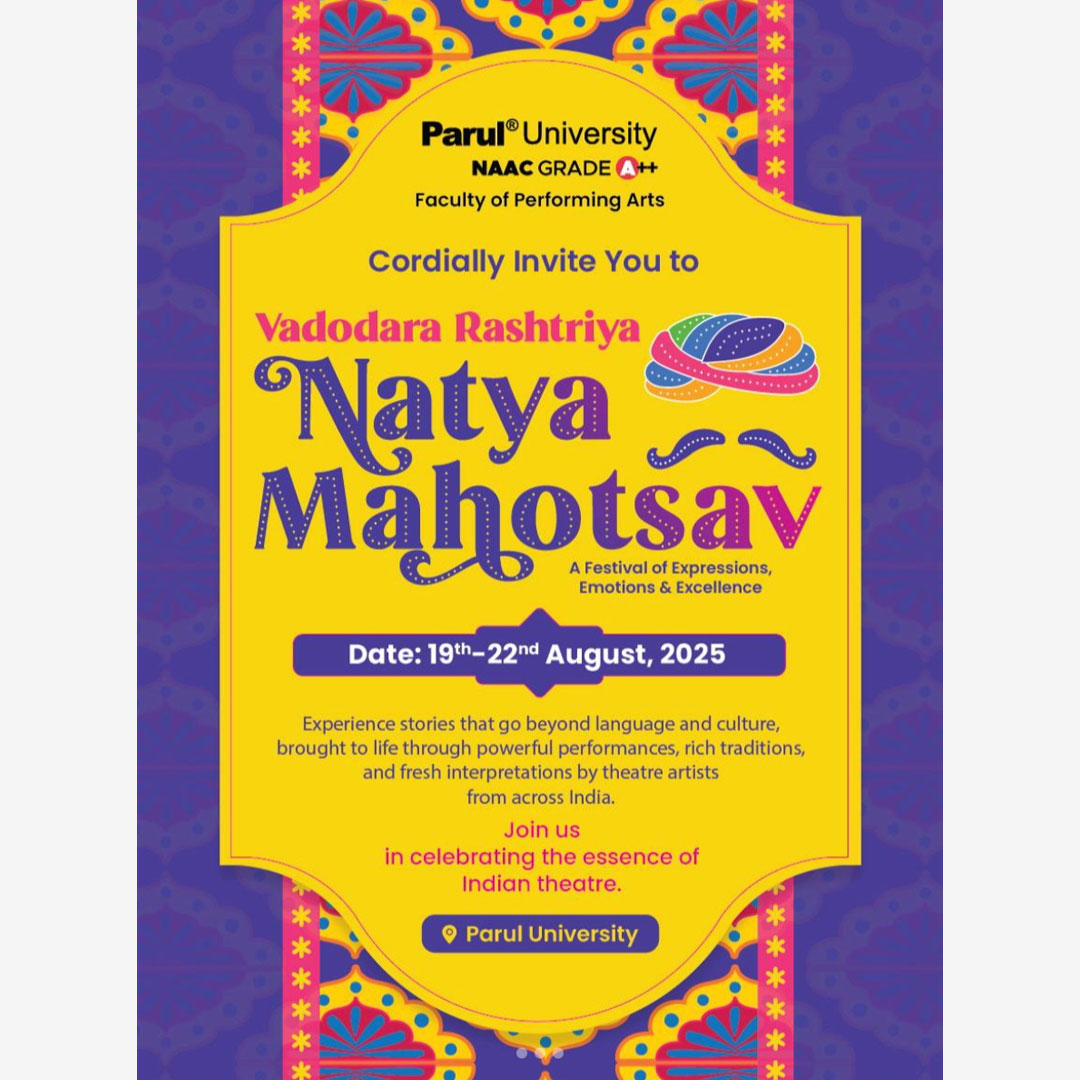
The Cultural Capital of Gujarat, Vadodara, is back on the front lines with yet another cultural event. Vadodara is going to host a four-day national theatre festival. This is titled as the Vadodara Rashtriya Natya Mahotsav. The event is set to begin on 19th of August and is being formally organised by the faculty of performing arts at Parul University. This glamorous event will witness eight engaging plays, setting a stage for the finest talents across the country, in fields like theatre, music, and dance.
The Vision of Maharaja Sayajirao Gaekwad III
The Vadodara Rashtriya Natya Mahotsav will be inaugurated on August 19 as a tribute to the legendary Maharaja Sayajirao Gaekwad III. The event aims to reflect the astonishing vision of Gaekwad to make theatre a prominent form of artistic expression and revive the theatre and performing arts. Maharaja Sayajirao Gaekwad is remembered for spending his entire life promoting artists and encouraging this form of art at both regional and national levels. He wished to make performing arts a significant aspect of the cultural identity of Vadodara and this event is an attempt in the same line.
The Mahotsav is set to be enlightened by the presence of stars from various fields within performing arts. It will be inaugurated by Manoj Joshi. Joshi was awarded a Padma Shri in 2018 for his theatrical portrayal of Chanakya, and has a large fanbase not only in Gujarat but all around the country. Various productions will also be present at the event. These include big names, with the schedule including plays like ‘Chanakya’, ‘Ek Mulakat’, and ‘Massage’, among others.
celebrities from various performing arts’ fields will also attend the event to make it memorable for the audience and performers. These include celebrities from Shekhar Suman, to Geetika Tyagi, and others, who are loved not only in Gujarat but around the country. Performances by these popular theatre artists will not only entertain but also encourage the youth and small artists.
Strengthen the Roots of Performing Arts
The entire team of Parul University, including the Dean of the Faculty of Performing Arts, the Senior Director of the Department of Cultural Affairs, considered this a golden opportunity to be able to give shape to this cultural grandeur. The university has been working with the agenda of supporting performing arts by offering full-time degree courses, dual degrees, and training in performing arts, music, dance, and theatre.
Talking about the relevance of the Vadodara Rashtriya Natya Mahotsav, Parul Patel, the vice-president of the host university, emphasised the aim of the event being to “inspire the next generation of artists to embrace this timeless art form”.
Manish Jangra, the dean of the faculty of performing arts at Parul University, talked about theatre as an art form, claiming that more than a mere art form, “theatre is the true reflection of our collective cultural and human experience”. He asserted on the main agenda of the Natya Mahotsav, which is to keep the legacy of storytelling of Vadodara alive in the next generations as well.
Event Details: National Theatre Festival, Vadodara
Aspect
Details
Event
National Theatre Festival
Event Dates
August 19 to August 22, 2025
Organised by
Faculty of Performing Arts, Parul University
Venue
Parul University Campus, Vadodara, Gujarat
Registration
Open (Free)
The Event Schedule has been posted by Parul University on their site as well as on their Instagram Page:
Day
Time
Performance
Day 1 (19th August, 2025)
11:00 AM
Ek Mulaqat
4:00 PM
Gunah
Day 2 (20th August, 2025)
11:00 AM
Tax Free Entertainment
4:00 PM
Massage
Day 3 (21st August, 2025)
11:00 AM
Bomma Cheppina Kathai
4:00 PM
Jeena Isi Ka Naam Hai
Day 4 (22nd August, 2025)
11:00 AM
Chanakya
4:00 PM
Babuji Theek Kahte The
The event ticket is free of cost for students and the general public, but the registrations are closing soon. You definitely don’t want to miss this amazing event. So, visit the university site and book your seats now!
August 18, 2025, marks a historic event for Mumbai as the prestigious sword of the Maratha royal Raghuji Bhonsle returned home after two centuries. This repatriation is a remarkable event for the entire nation and is being hailed as a “historic victory for all of Maharashtra”. This is one of the most significant recoveries of the cultural heritage for the state, underscoring India’s commitment to reclaim its invaluable heritage across the world.
The Legendary Raghuji Bhonsle
Shrimant Raje Raghuji Bhonsle I (1695-1755) founded the Nagpur Bhonsle dynasty in 1730. He served as a Maratha commander under the reign of Chhatrapati Shahu Maharaj. Bhonsle was also given the title of ‘Senasahib Subha’ for his acts of bravery as a commander, meaning ‘Lord of the provinces and the army’.
Raguji Bhonsle is credited with his contributions in Chhatrapati Shahu Maharaj’s military campaigns against the Nawab of Bengal in 1745 and 1755, and subsequently for extending the geographical extent of the Maratha Empire to Bengal and Odisha. He also played a pivotal role in conquering Chanda, Chhattisgarh and Sambalpur, and in gaining victory over the Nawabs of Cuddapah and Kurnool. This helped in establishing Maratha control over the South as well.
Raghuji Bhonsle was only defeated in 1817 by the British East India Company at Sitabuldi. After his defeat in the Sitabuldi battle, Nagpur was annexed, and the treasury was looted. Following this, Bhonsles are believed to be sending tributes and gifts to the British to maintain their royalty.
The Tale of the Sword
The Bhonsle dynasty controlled the large mineral-rich region of Nagpur. The abundance of iron and copper in the region made it a hub of skilled craftsmanship, particularly in the manufacture of formidable weapons. The quality and aesthetic of the weaponry of the Bhonsles are renowned around the world. This sword demonstrates the same. According to scholars, the war loot by the British in 1817 resulted in shifting the ownership of the sword. Or another possibility could be that the sword was presented to the British as a gift by the Bhonsles.
The sword is an exclusive example of sheer craftsmanship. The Maratha-style Firangi sword has a straight, single-edged European blade, along with a gold-inlaid Milheri hilt. There is a Devnagari inscription on the spine of the blade, reading, “Shreemant Raghoji Senasahib Subha Firang”. The hilt is beautifully decorated in gold koftgari work, with the rounded pommel wrapped in green cloth.
Homecoming of the Historic Artifact
The sword came back to popular attention in April when it was unexpectedly put up for auction on the 28th of the month. The government saw an opportunity and gracefully grabbed it, bringing pride to the entire nation. After the announcement of the auction, the Minister of Cultural Affairs discussed the matter with Devendra Fadnavis, the Chief Minister of Maharashtra, and together, the government quickly worked with the Indian Embassy to lead to this historic victory.
The Government of Maharashtra has gained ownership of the sword after purchasing it in an auction in London. The artifact of Maratha valour was purchased for INR 47.15 lakh. The people have been eagerly waiting for the sword to arrive at Chhatrapati Shivaji Maharaj International Airport, Mumbai, at 10 am.
Celebration Begins
As a gesture of celebrating the homecoming of the legendary sword, Mumbai will be witnessing the great ‘Gad Garjana’ programme, being organised by PL Deshpande Kala Academy, Mumbai. This will be followed by a special event, “Sena Saheb Parakram Darshan”, jointly organised by the Department of Cultural Affairs, Department of Archaeology and Museums, the Directorate of Cultural Affairs, and the Maharashtra Kala Academy. It will be presided over by dignitaries like Chief Minister Devendra Fadnavis, Deputy Chief Minister Eknath Shinde and Ajit Pawar. The exhibit is free for the public to celebrate the legacy of the Maratha culture.
The exclusive artifact will be displayed at the Ajab Bangla, Nagpur. This future display request has been proposed by Mudhoji Bhonsle, a descendant of the Bhonsle dynasty. This exhibition will be open for the public from 11 AM to 7 PM from August 19 to August 25, 2025.
Sword Exhibition at Nagpur Details
Aspect
Details
Event
Exhibition of Raghuji Bhonsle Sword
Venue
Ajab Bangla, Nagpur
Proposed By
Mudhoji Bhonsle, descendant of the Bhonsle dynasty
Exhibition Dates
August 19 – August 25, 2025
Timings
Open daily from 11:00 AM to 7:00 PM
Public Access
Exhibition is free for the public to view the historic artifact
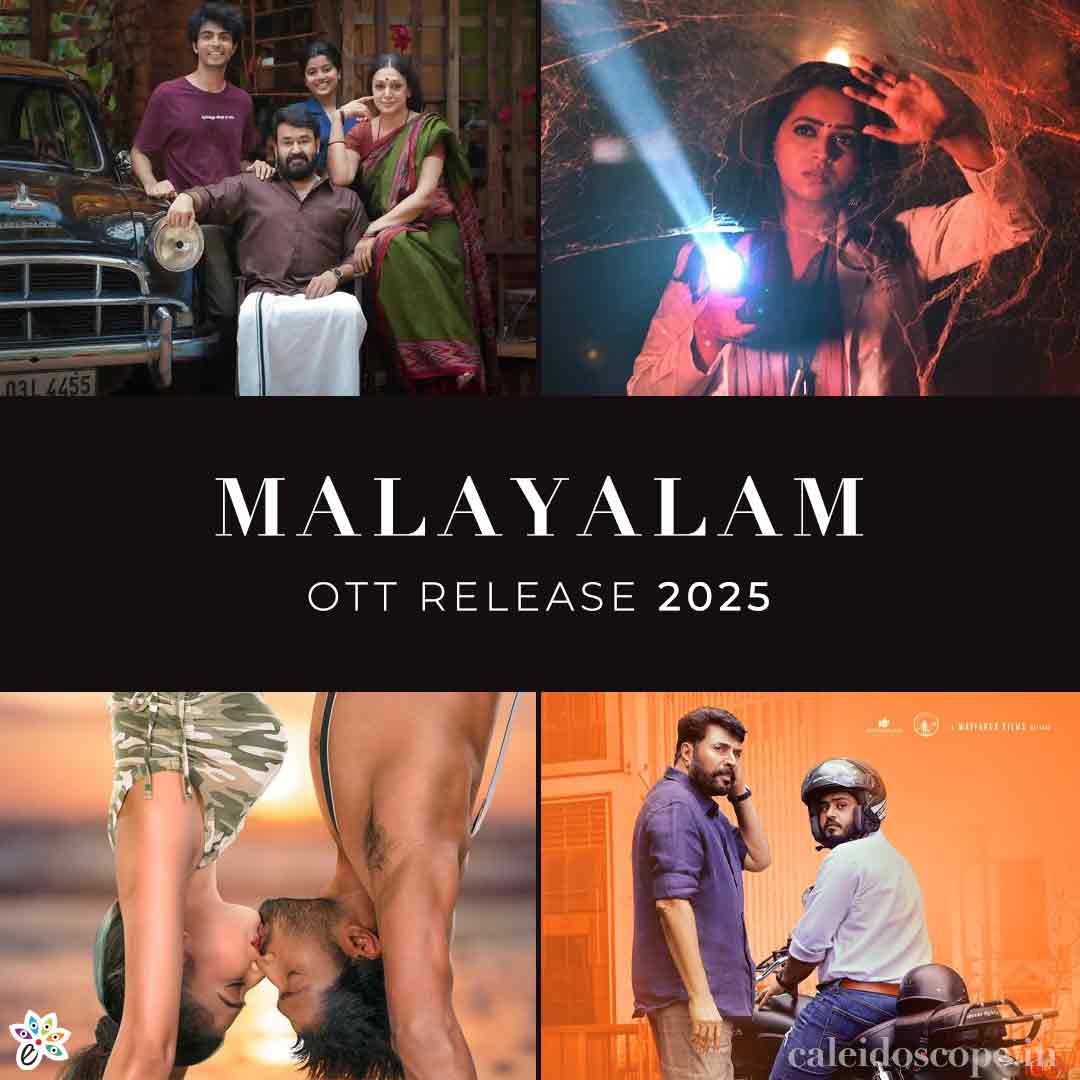
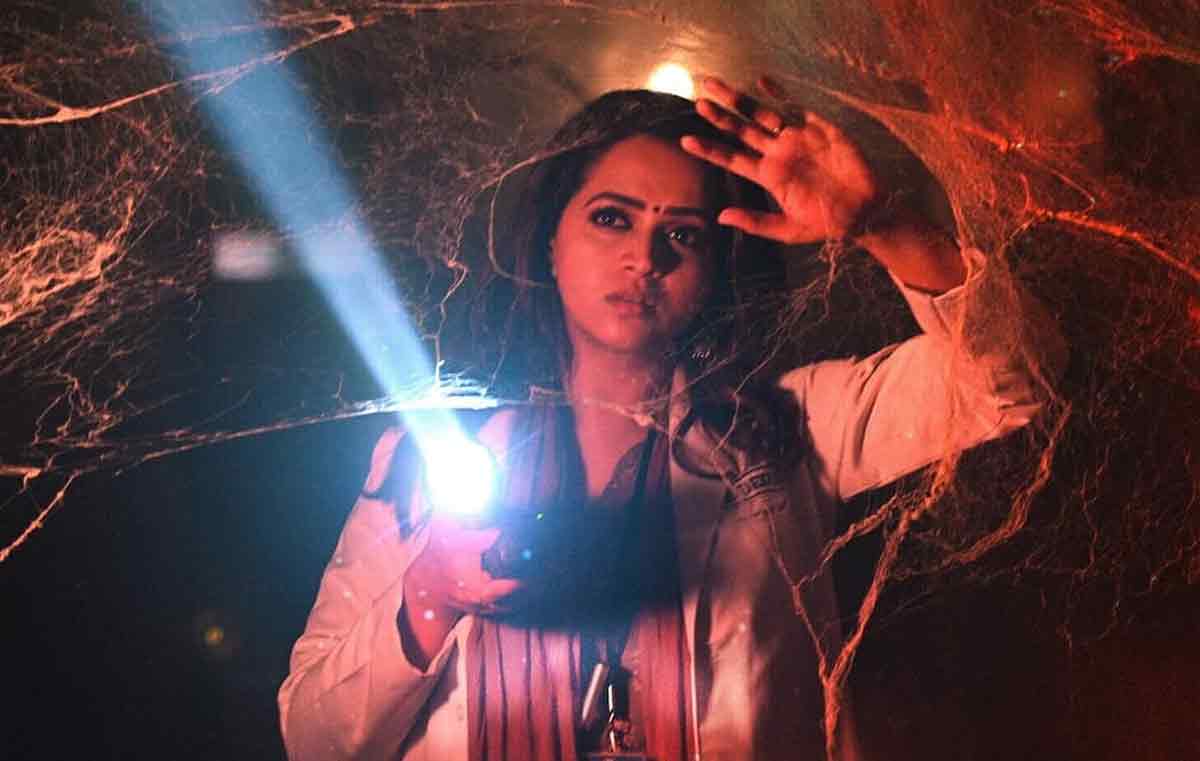
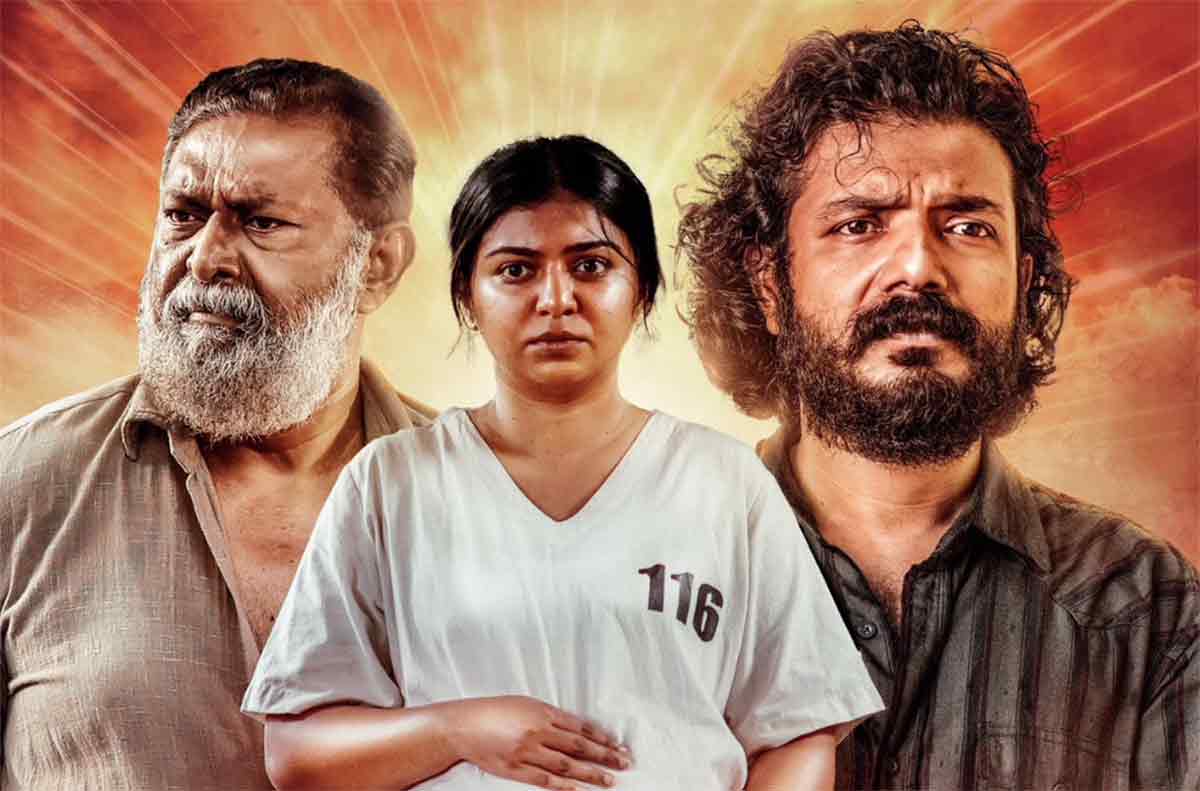
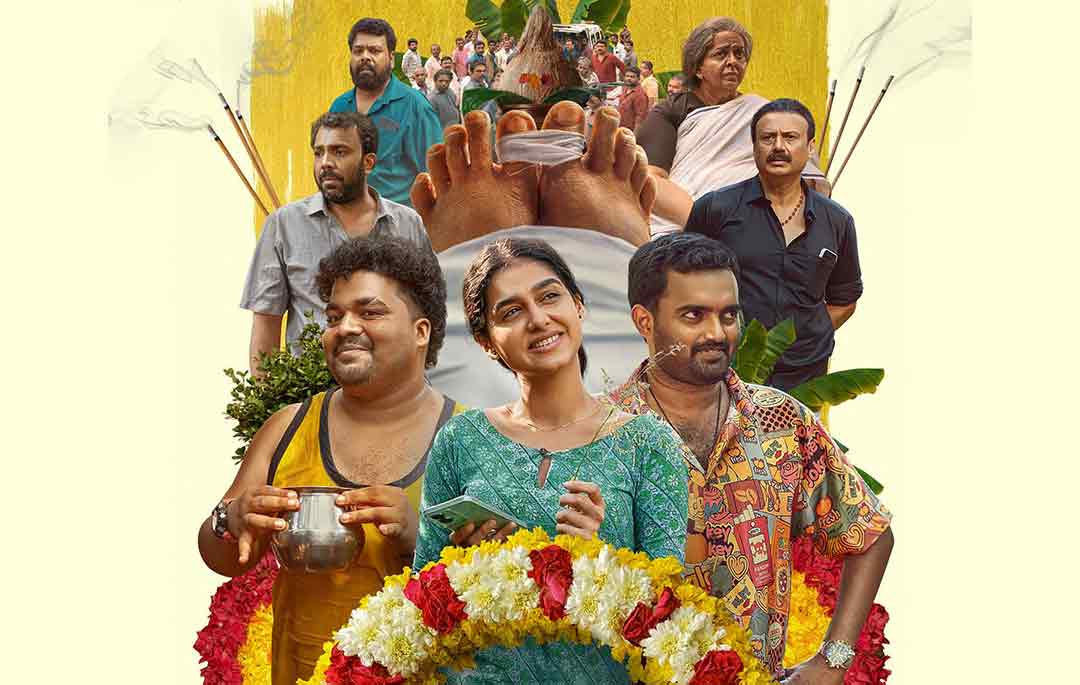
Now, you may think that you are a fan of Malayalam cinema, then 2025 has been a cinematic buffet. The large screen has not died out, yet the manner in which the viewers watch movies has undergone a complete make-over. OTT channels such as Netflix, Amazon Prime, Disney+ Hotstar, Manorama Max, ZEE5 and even minor players such as SunNxt and Aha have become the destination of Malayalam story-telling.
The number of films released online is not the only thing that makes this year special. For years, more and more varieties of stories have been released online. Be it light comedies that leave you laughing to death, to court cases that fill you with debatable issues and even supernatural based thrillers, that may leave you with goose bumps. Mollywood in 2025 is showing us that no genre is too bold for OTT.
Let’s take a walk through some of the most talked-about Malayalam OTT releases of 2025, and what makes them worth adding to your weekend binge list.
Malayalam OTT Releases 2025
Here’s a quick cheat sheet for Malayalam OTT fans in 2025:
As the year unfolded, May set the tone with a string of digital premieres. Movies like Thudarum, Jerry, Hunt, and Abhilasham made their way to different platforms, each catering to a unique mood. If you were in the mood for suspense, Hunt brought the thrill. And for those who just wanted a light comedy, Jerry had the laughs.
But what truly grabbed attention around this time was the announcement of Kerala Crime Files Season 2. This wasn’t just another series but it was the return of a show that had already created a loyal fan base. The new season, The Hunt of CPO Ambili, released on JioHotstar in June and the word got out quickly. Starring Aju Varghese and Lal in the lead, it was a dark tale about police investigation enriched with the emotional touch that showed it was not an exaggeration that Malayalam web shows were finding its way through slowly but steadily.
June Releases
By June, the streaming calendar got even more colorful. One film that instantly stood out was Padakkalam. Imagine a magical board game that swaps the bodies of Suraj Venjaramoodu and Sharaf U Dheen’s characters. Well, it worked. Released on JioHotstar, this fantasy comedy was pure escapism, blending wit, charm, and just the right dose of chaos.
And that wasn’t all. Titles like Alappuzha Gymkhana, Prince and Family, DD Next Level, Subham, and Eleven landed on different OTT platforms. Sports dramas, supernatural comedies, quirky family stories. June felt like a month where Mollywood said, “Why stick to one flavor when we can serve the whole menu?”
July Releases
Malayalam OTT Movie, Azadi
If the earlier months were about entertainment and fun, July and early August leaned towards stories that made you think and feel deeply.
Movies like Azadi, Pariwar, Ouseppinte Osiyathu,Moonwalk, Narivetta, DNA, Asthra, Ronth, Samshayam, Bazooka, Get-Set Baby, and Super Zindagi poured in across Prime Video, ZEE5, Manorama Max, and others.
Samshayam, released on Manorama Max, was a heart-tugging drama that explored the struggles of parenthood.
Asthra turned the police procedural genre on its head with a more symbolic and layered narrative.
Bazooka, is a psychological suspense thriller starring Mammootty, which attempted the balancing act of treading between psychological suspense and action and found a second life on ZEE5, following its unsatisfactory theatrical release.
Get-Set Baby turned out to be a heartbreaking attempt at exploring the inner issues behind an apparently flawless surface that touch on personal challenges faced by the woman.
This step was concerned with emotional narration. These were not the movies you watched and forgot but they were movies that would stick around leaving you with a lot to think about and in other cases, they would cause you to have late-night conversations.
August Releases
August always feels special, it’s festive season, and OTT platforms clearly knew audiences would be ready for binge-worthy drops.
Vyasanasametham Bandhimithradhikal
Among the best was Vyasanasametham Bandhimithradhikal, which was on Manorama Max on August 14. Having a quirky title and a quirky vibe, it combined comedy with grief and family themes, which makes it an ideal choice for those who prefer humor with a heart.
Janaki V v/s State of Kerala
Next was the Janaki V v/s State of Kerala, which everyone has been talking about and which is streaming on ZEE5 starting August 15. A courtroom drama at its core, it promised intensity, but reactions were divided. Some viewers found it engaging, while others felt it didn’t quite pack the punch expected of such a sensitive subject. Still, it got people talking and that’s half the job done for any film today.
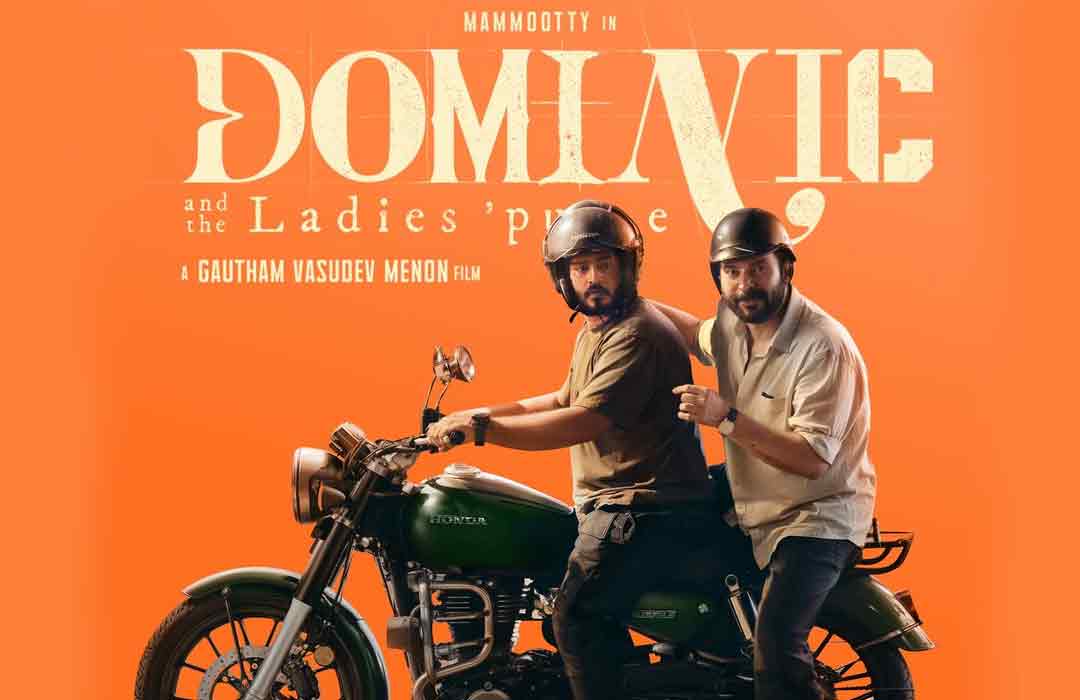
Dominic and the Ladies
And just when August was about to wrap, Dominic and the Ladies’ Purse hit Prime Video on August 28. Quirky, light, and entertaining, it showed yet again how Mollywood is experimenting with offbeat storytelling for OTT audiences.
Mammootty’s Double OTT Strike
You can’t talk about Malayalam movies in 2025 without mentioning Mammootty. This year, he had not one but two films that are Bazooka and Dominic and the Ladies’ Purse which are finding their way onto OTT platforms.
While both films didn’t exactly set the box office on fire, their arrival on ZEE5 and Prime Video gave them a second wind. For fans, it was a treat to catch the megastar’s performances from the comfort of home, and for the industry, it was proof that OTT can breathe new life into films that miss the theatrical mark.
What Makes 2025 Different for Malayalam OTT?
Genre Diversity: Fantasy comedies (Padakkalam), courtroom dramas (Janaki V), gritty thrillers (Kerala Crime Files 2), and emotional family sagas (Samshayam) have become a playground for experiments.
Smart Release Strategies: Films are dropping around festive weekends or special occasions, ensuring maximum eyeballs.
Audience Voice: Platforms aren’t just releasing movies; they’re listening.Social media reactions are driving conversations, and filmmakers are taking note.
Redemption for Films: Movies like Bazooka prove that OTT can rescue titles that didn’t shine in theatres, giving them fresh reach and relevance.
Conclusion
With Onam and Diwali just around the corner, we can expect more Malayalam OTT titles to drop later this year. Family-centric dramas, star-driven thrillers, and maybe even a few anthologies could be on the horizon. Given how 2025 has unfolded so far, one thing is clear that OTT is no longer secondary for Mollywood but it’s the main stage.
Malayalam cinema is all about good storytelling and 2025 is an evidence that OTT is taking the stories to the living rooms around the world. Be it Mammootty reimagining himself to streaming audiences, zany comedies that combine fantasy and fun or serious dramas that provoke discussions, Malayalam OTT content this year is alive and edgy.
Therefore, when you will open Prime, Hotstar, or ZEE5 and not know what to watch next, then remember: 2025 has brought us a treasure box of Malayalam stories to be found.
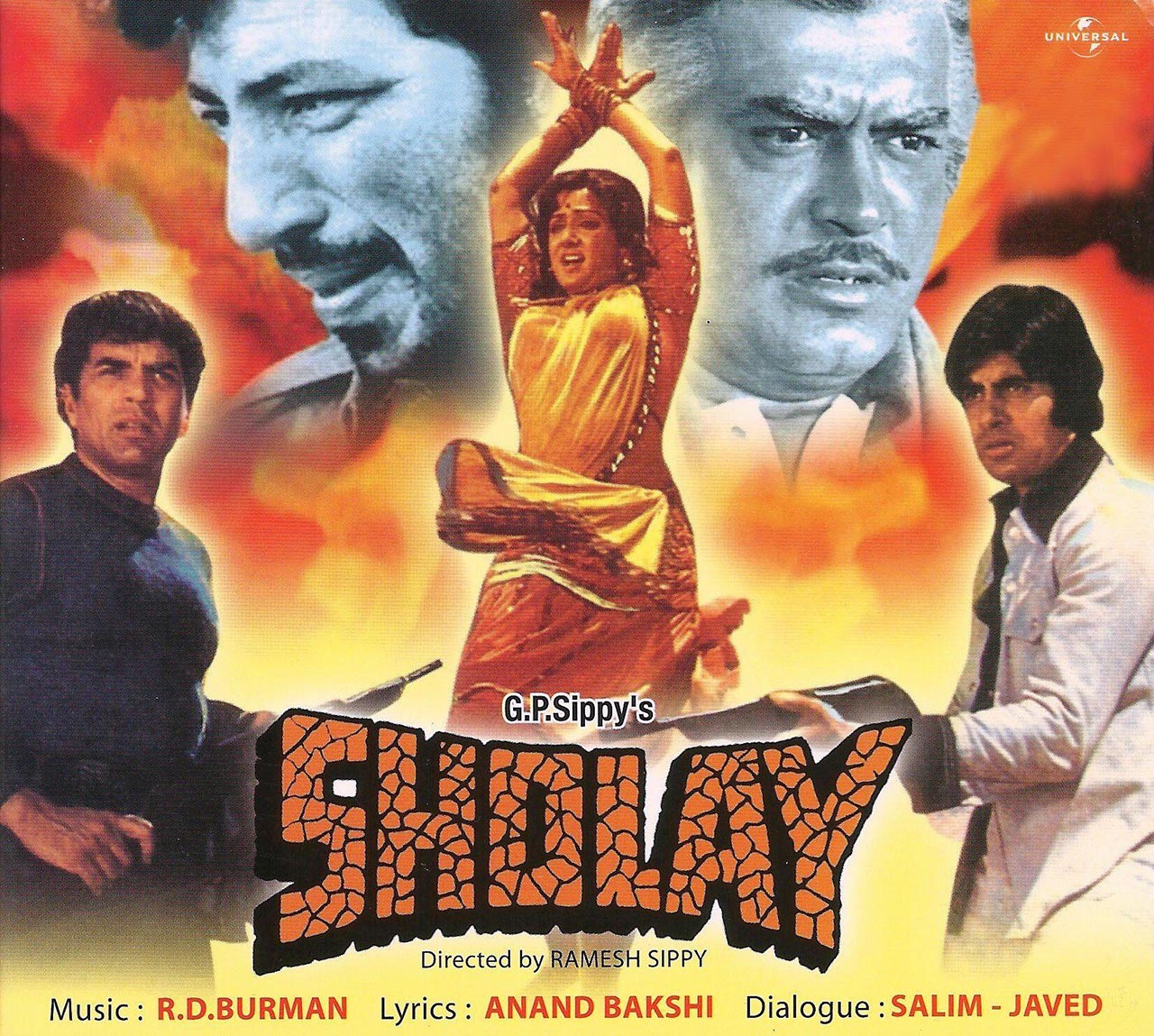
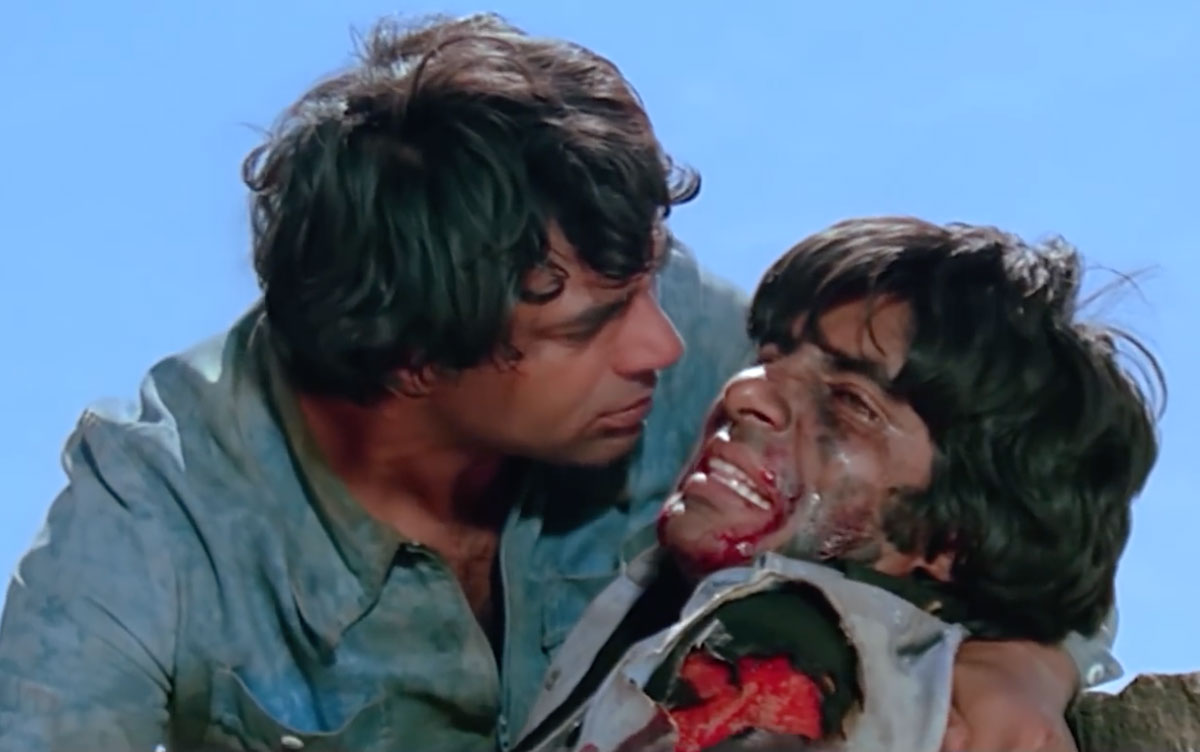
On August 15, 2025, Sholay turned 50! Directed by Ramesh Sippy in 1975, Sholay hit the big screen with stellar stars like Amitabh Bachchan, Dharmendra, Hema Malini, Sanjeev Kumar, Jaya Bachchan, and Amjad Khan.
More than a film, Sholay is a cultural phenomenon that has given us an unforgettable villain, eternal friendship, music we still groove to, and dialogues that can never die with time.
Legacy Beyond the Screen
The legacy of the film is carried forward in a plethora of ways. The hard-to-forget dialogues, from “Kitne Aadmi The?” to “Tera kya hoga kaliya?” have been memorised by generations. The characters in the film, especially Gabbar Singh, became archetypes in Indian cinema. The tunes composed by R.D. Burman still paves the way on road trips and parties, with “Yeh Dosti Hum Nahi Todenge” becoming an anthem of friendship.
“My biggest tragedy is that I have never seen Sholay on 70 mm”, said Abhishek Bachchan, expressing his desire to watch the movie in the 70s way. He also revealed that Sholay was the first film which had a separate cassette featuring its iconic dialogues.
The Cast Looks Back to Their ‘Sholay’ Memories
As Sholay celebrates its Golden Jubilee, the star cast of the film brings back the old memories.
Hema Malini Remembers Basanti
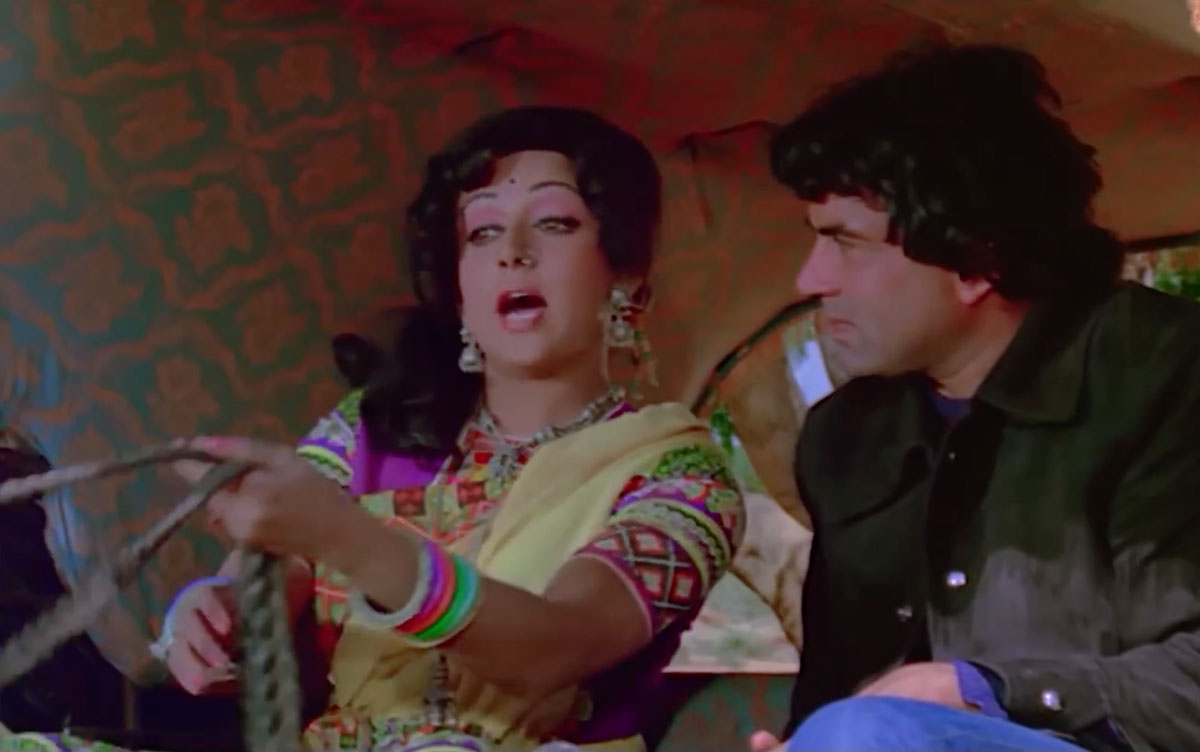
Hema Malini, who played the role of the iconic Basanti in the film, stated that she will make her grandchildren watch the movie to celebrate 50 years of Sholay. She also revealed how she wasn’t impressed with the role at first.
“Why only a small role for me? Why not a big role?” she had complained to the director Ramesh Sippy, unaware that her portrayal of Basanti was going to capture the hearts of the audience for decades to come, and the dialogue “Basanti, in kutton ke saamne mat naachna” was going to become a immemorable in Bollywood.
Ramesh Sippy on Sholay’s Slow Start
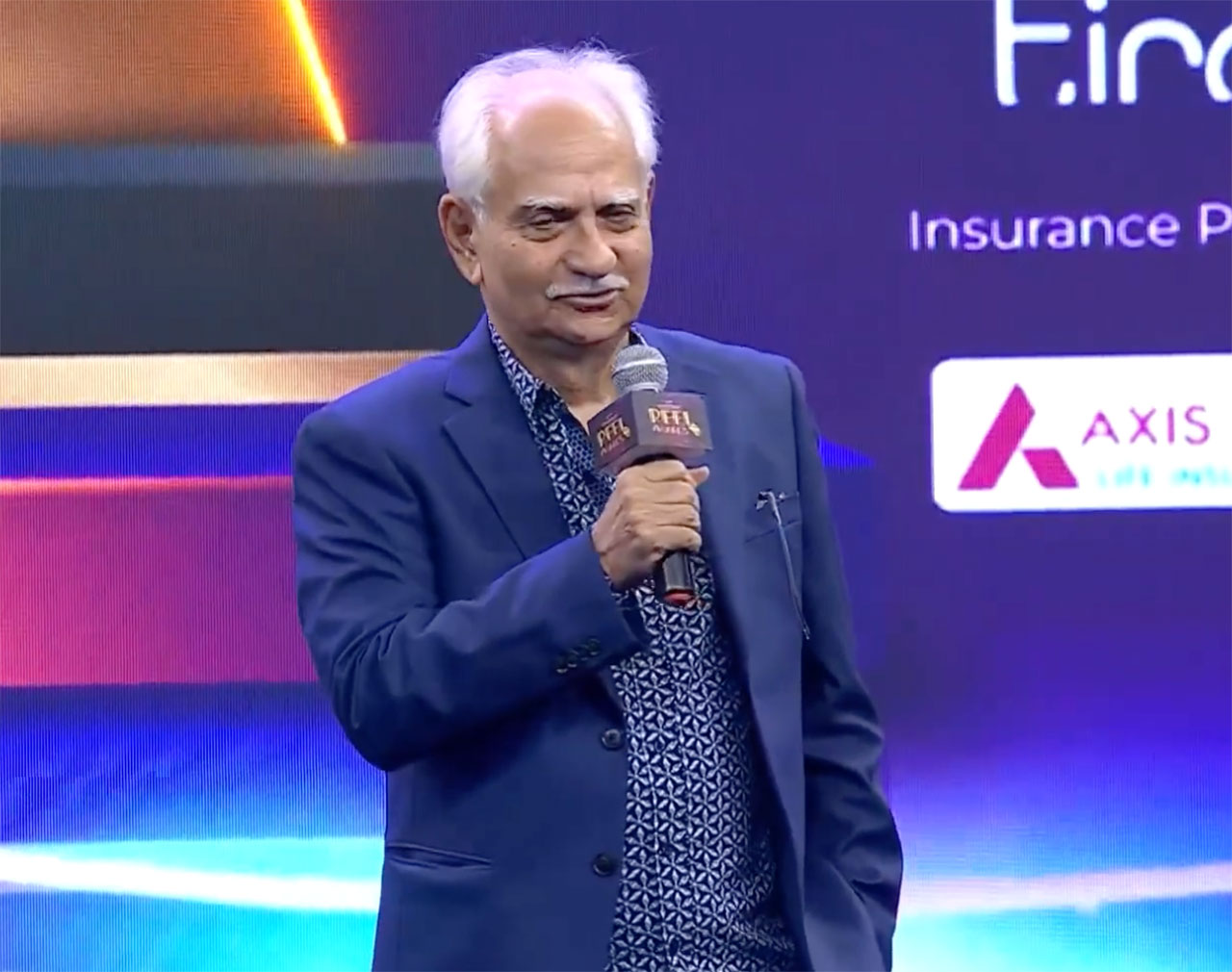
Ramesh Sippy recalled how the film was seen as a flop initially. The screenings were interrupted due to the issue of old carbon in the projectors, but even then, the viewers in the Minerva theatre would stick to their seats to watch the movie. This moved him so much that he began delivering carbon himself to the theatre.
Amitabh Bachchan on the Alternate Ending
“They decided to reshoot the ending as a happy one where I lived. But I decided to wait until Monday. The rest is history”, said Amitabh Bachchan, remembering how the crew was devastated over the performance of the film in theatres in the first week of release.
Sachin Pigaonkar on His Memorable Scene
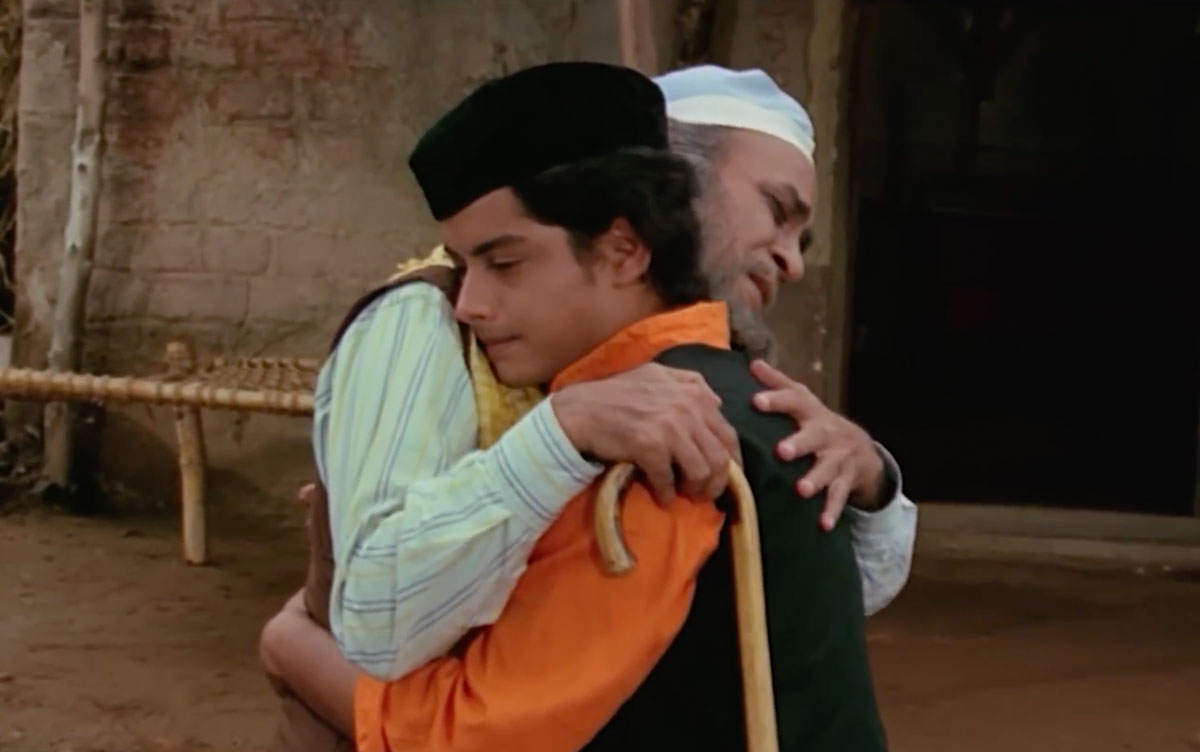
Sachin Pigaonkar played the role of Rahim Chacha’s son in the film and talked about the scene of his death that took three days to shoot. The finalised scene was followed by a symbolic cut, still in the hearts of the fans.
Global Legacy of Sholay
North American Premiere at TIFF
Sholay is loved around the globe, from Canada to Russia; the film has conquered the hearts of fans across the world. The 50th Toronto International Film Festival (TIFF) has decided on a “North American Premiere” of the 4K restored version of the film on 6th September at the 1,800-seater Roy Thomson Hall. This is the greatest way to celebrate the iconic film.
European and Middle Eastern Celebrations
The renewed global tour of the film began on 27 June with its European debut at the Il Cinema Ritrovato Festival in Bologna, Italy. Iran celebrated the Golden Jubilee of the film by dedicating an entire post to it.
Soviet Union Craze and Beyond
This isn’t the first time Sholay has received so much love from abroad. Imagine naming your kinds Jai and Veeru! That’s exactly what happened in the then Soviet Union after its release in the USSR in 1979.
Chinese Box Office Success
Acknowledging the craze of the film worldwide, the film was dubbed in Mandarin by the Shanghai Film Dubbing Studio. The dubbed version took over the Chinese theatres in 1988, setting the record for the highest-grossing Indian film in China till 2017.
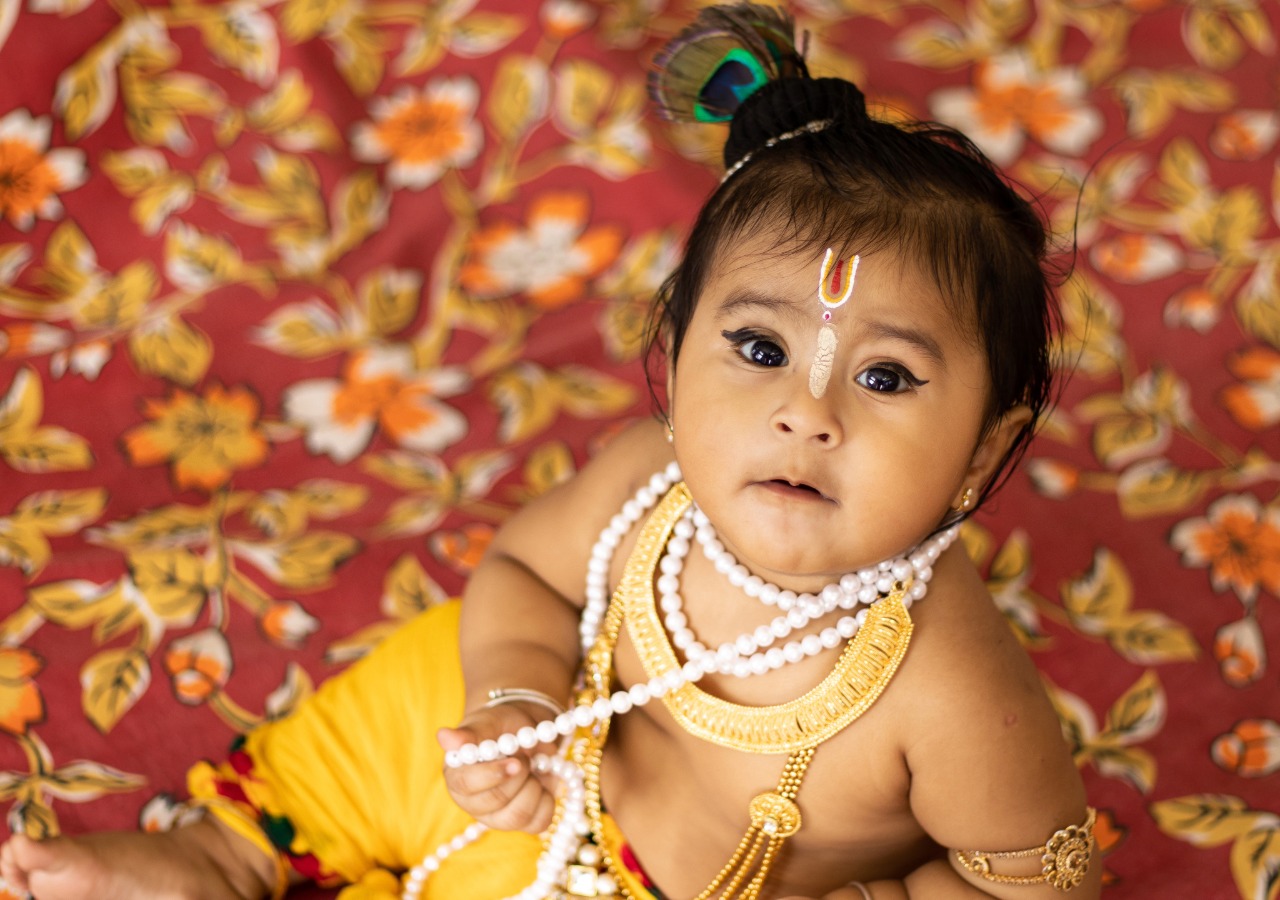
The birth of Lord Krishna in the Hindu religion is observed with enthusiasm, devotion and cultural color, every year. This festival is observed as Janmashtami also known as Krishna Janmashtami or Gokulashtami. It is a day when temples echo with the songs of bhajan, houses are decorated with flowers and lights, and the streets become vibrant with the colors.
Janmashtami 2025 Date and Significance
Janmashtami in 2025 will be on Saturday, 16th August, and will bring millions of followers of the Lord all over India and around the world together in celebrating the divine manifestation of love, wisdom, and righteousness. It is not only a festival, but a spiritual experience into the depths of devotion and a recalling of values that never go out with time.
Event
Details
Occasion
5252nd Birth Anniversary of Lord Krishna
Janmashtami Date
Saturday, August 16, 2025
Ashtami Tithi
Begins: August 15, 2025, 11:49 PM and Ends: August 16, 2025, 9:34 PM
Nishita Puja Time
12:04 AM to 12:47 AM, August 16, 2025
Parana Time (Dharma Shastra)
After 9:34 PM, August 16, 2025
Alternate Parana
After sunrise following Deva Puja & Visarjan
The Story of Krishna’s Birth
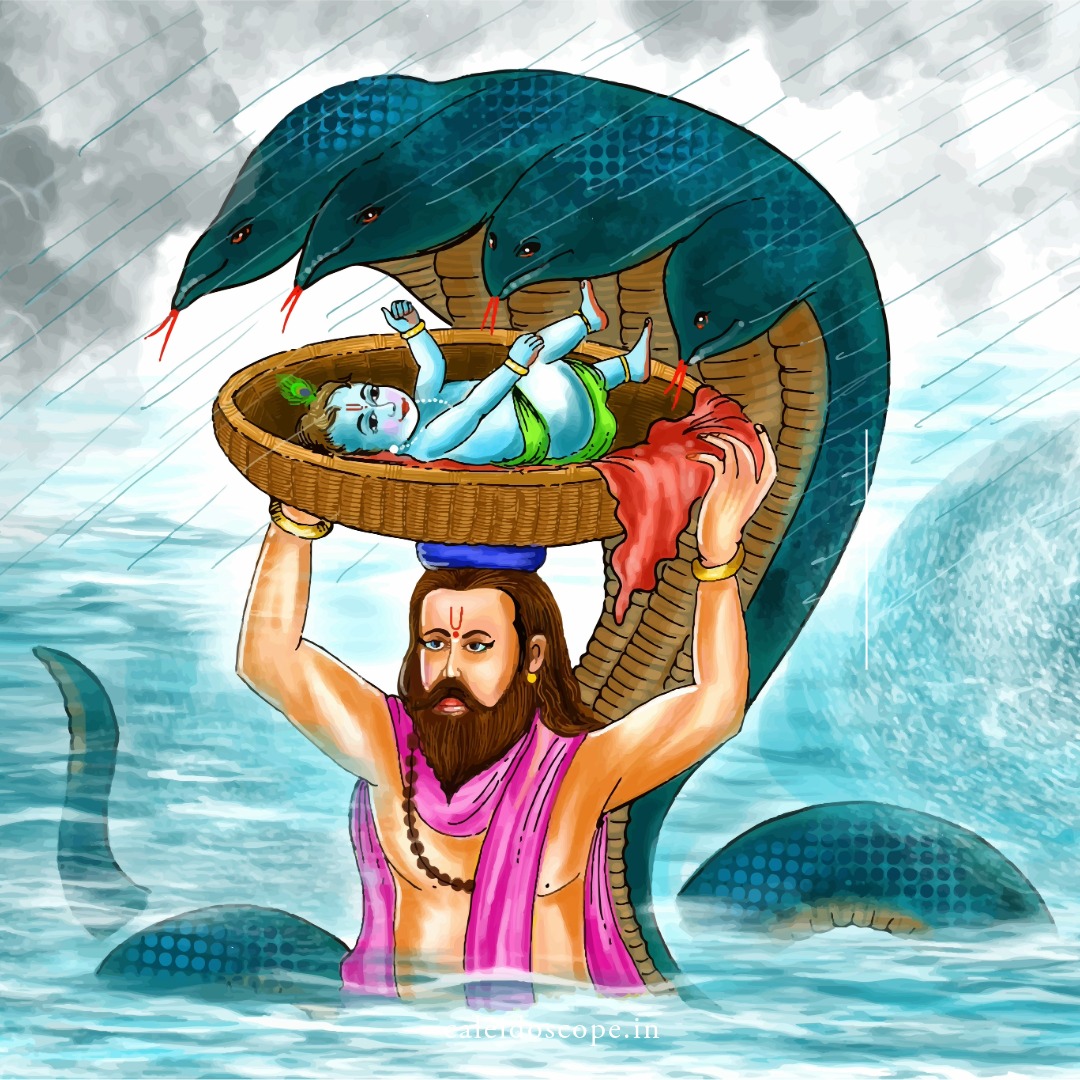
Lord Krishna was born over 5000 years ago in Mathura, as per ancient Hindu scriptures. He was the son of Vasudeva and Devaki who were jailed by the wicked King Kansa, the brother of Devaki. It was predicted by saints that the eighth child of Devaki would end the reign of Kansa.
Kansa was afraid of his future, and so, he killed one of their newborn babies thinking it was the 8th baby. However, Krishna was miraculously born at midnight, and was safely taken to the Yamuna River and taken to Gokul, where he grew up under the protection of Nanda and Yashoda.
Symbolism of Krishna’s Birth
The birth of Lord Krishna symbolizes the victory of good over evil, light over darkness, and love over hatred. He is remembered as the mischievous butter thief of Gokul, the enchanting flute player of Vrindavan, and the divine teacher of the Bhagavad Gita. but his life is full of stories that tell us about compassion, modesty, and also the strength to fight against the wrong.
How Janmashtami 2025 is Celebrated
Janmashtami is celebrated according to the lunar calendar. The festival in 2025 will be celebrated on 17 August, and most significant rituals will be enacted in the Nishita Kaal the hour of midnight when Krishna is said to have been born.
This is how the followers will celebrate:
1. Fasting
A large number of the followers fast all day long and eat either fruits, milk, or water only. This fast is broken only after the midnight rituals which are known as Nirjal Vrat in case there is no intake of water. The fast is regarded as a purification of the body and mind and is purely spiritual in nature.
2. Midnight Celebrations
At midnight, temples and homes come alive with the sound of conch shells, ringing bells, and devotional chants. The idol of Krishna is then bathed in a mixture of milk, curd, ghee, honey, and water. It is known as abhishek. The idol is then dressed up in new clothes and ornaments and put into a cradle which symbolizes his birth as a God.
3. Jhulan (Swing) Festival
Swings adorned with flowers, leaves and lights have small idols of Krishna. The families and temples swing the lord in a manner that Yashoda was taking care of her child.
4. Dahi Handi
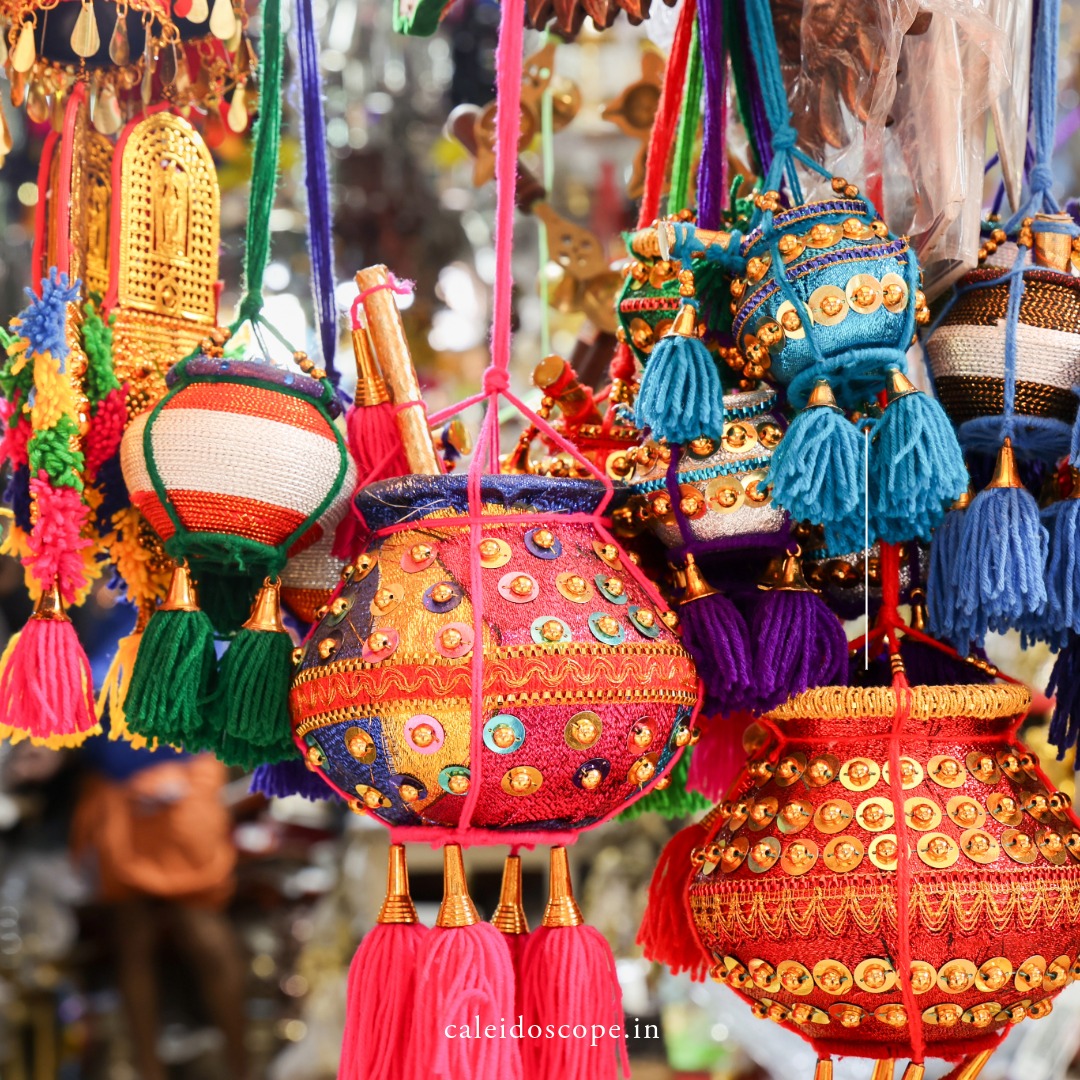
Dahi Handi is one of the largest events that attract crowds in Maharashtra and some areas of Gujarat. Many young men and women make a human pyramid symbolizing Krishna as a child being in love with butter and break a clay pot hanging high on a height that contains curd, butter or sweets. Every year these festivities on a larger scale, with colorful music, engagement of the community and charitable activities associated with the event.
5. Culture Programs & Dance-Dramas
Raas Leela, an enactment of the life of Krishna, his sportive days with Radha and the gopis is performed in many regions. These plays are a combination of dance, music, and a story that appeals to the audiences with stories of divine love and morale.
Janmashtami Customs Throughout India
Janmashtami expresses the cultural diversity of India and is united in its devotion.
Mathura & Vrindavan (Uttar Pradesh): These two towns in which Krishna spent much of his life are the places of the most magnificent celebrations. The streets are full of processions, decoration of the temples and constant chanting.
Maharashtra: The Dahi Handi contests are the most important, gathering big groups of participants and audience.
Gujarat: In Dwarka which is the kingdom of Krishna, the temple rituals and processions held on the Dwarka coast are massive.
Manipur & Assam: The Vaishnavite community sings devotional songs and worships in temple meetings.
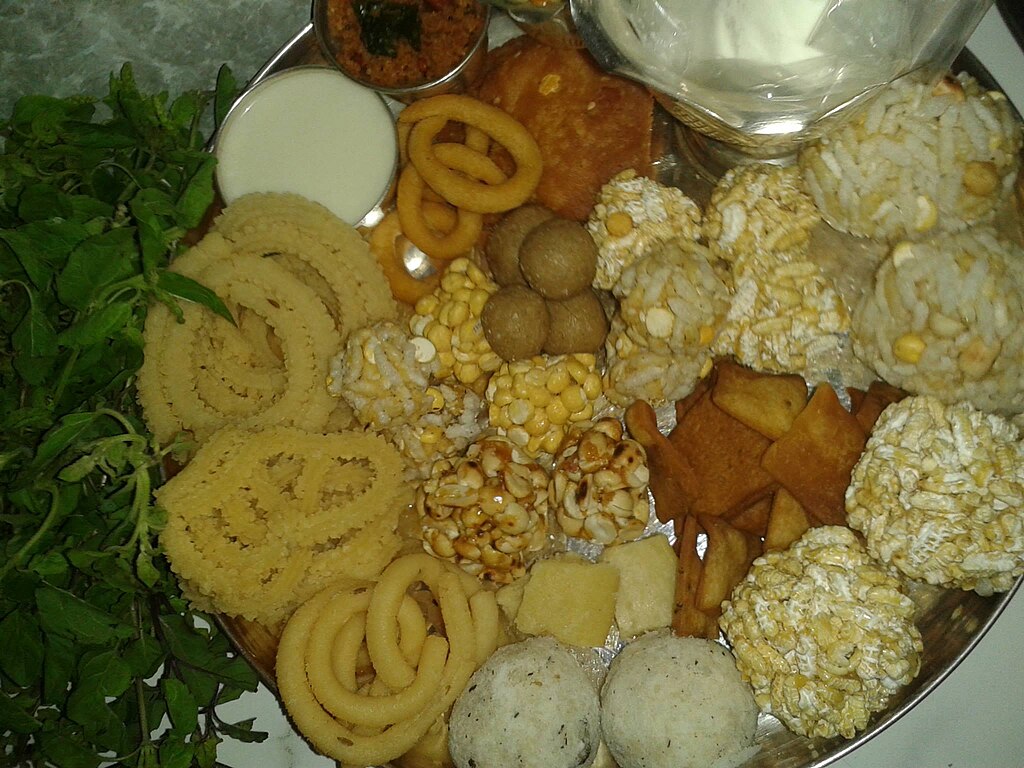
South India: Houses are painted with footprints that are traced in the entryway leading to the puja room which are meant to depict Krishna entering the home. There are special sweets such as seedai and murukku prepared.
Janmashtami Celebration Internationally
Although Janmashtami is traditionally celebrated in India, people around the world celebrate it too. Nepal, Mauritius, Fiji, USA, UK, Australia and Canada have temples where there are great devotees. ISKCON is an organization that is instrumental in popularizing Krishna devotion in this world, organizing kirtans, spiritual talks and cultural activities. The Bhaktivedanta Manor in London sees thousands of people and in New York the ISKCON temple in Brooklyn has a day of celebration, culminating in midnight abhishek.
Food also plays a central role in the festivities of Krishna as he loved butter, milk and sweets. Some of the popular offerings are:
Makhan Mishri: Fresh white butter combined with the crystal of sugar.
Panjiri: A North Indian sweet that is prepared out of wheat, ghee, sugar, and nuts.
Kheer: Rice pudding that is made using milk and seasoned with cardamom and saffron.
Sabudana Khichdi: A light fast recipe using tapioca pearls, peanuts and subtle spices.
Seedai and Murukku: South Indian snacks prepared on the occasion and are crunchy.
These foods are first offered to Krishna as bhog and then shared as prasadam with family and guests.
Digitalization in the Celebration
Technology has in the past few years transformed the way people celebrate Janmashtami. Some of the celebrations viewed and participated digitally are:
Temple rituals were live-streamed to allow other devotees who could not attend physically.
Bhajan sessions over the internet linking devotees all over the world.
Online children contests such as Krishna dress-up or storytelling competitions via video.
Virtual Dahi Handi competitions, in which the communities take part in online games and quizzes based on the tradition.
The technology makes it possible so that those that are miles away still feel part of the celebrations.
Conclusion
Janmashtami is the reminder of unity, spirituality and universal love in a world that is always separated by differences. Janmashtami is a festival of life, love, and learning. As we bring Janmashtami 2025, we should not only think of Krishna as a God in mythology, but also as a teacher who knows how to live happily, meaningfully and with integrity.
It does not matter whether you attend a temple festival in Mathura, a Dahi Handi in Mumbai, or a simple prayer at home, the essence of Janmashtami is the same, that is a heart-felt devotion. May the birth of Krishna this year teach you to be compassionate, not to live in fear and to be taken to the joy of God in your daily life.
This year, we have celebrated the 79th Independence Day of our great nation. On this auspicious day 79 years ago, India attained freedom from colonial rule and the people of our country became the masters of their destiny. Since then, we celebrated this day with great joy and enthusiasm. However, with passing time, this spirit has begun to dampen.
As we have become busy with your work lives, 15th August is merely seen as another day of holiday. Some people may have planned a vacation trip, while other busy-bees may have lined up some pending work to finish on this day. But some might want to sleep through the whole day! Well, not denying the fact that the feeling of independence and respect for 15th August will always persist in our heart, but the enthusiasm to celebrate this day may have taken a backseat somewhere down the line.
Today’s comic strip comes with a little motto of reminding us how enthusiastic we used to be in our school days. In our schools, the Independence Day was marked by a day full of cultural activities, patriotism, sports events, principal’s long but enthusiastic speech and last but not the least… the yummy sweets distributed to all!
Independence Day Memories
Check out the comic strip and enjoy this little episode from the happy days of schooling!
15th August every year, the nation India is filled with the sentiments of independence, solidarity and nationalism. Schools and colleges have always been the centre of such celebrations and they remind the younger citizens of the sacrifices which made the nation independent. Although hoisting the flag, and cultural programs are the means of celebrating the day, 2025 makes us move a step further-by creating more creative, participatory and meaningful celebrations.
The following are 10 new concepts which can be implemented by schools and colleges to make the Independence Day 2025 one that will not be forgotten:
1. Freedom Walks
Schools and colleges can also do freedom walks with interaction instead of watching a parade, students can dress up as different freedom fighters and tell their stories as they walk through the campus. Individual students can also dress up in the roles of leaders like Bhagat Singh, Rani Lakshmibai, Sarojini Naidu or Mahatma Gandhi and give some ideas related to their lives. It is a participatory experience which is used to teach history not only through textual materials, but with the use of stories and dramatization. Music, placards and slogans can also be added to the mix to make it seem more like a moving museum of Indian struggle for freedom.
2. Art and Craft on Softboards
Creativity is something that young minds love to feed on. Schools and colleges will have places to place the art made by students about the concept of freedom to the current generation. These may be murals, tricolor rangolis, sculptures made of recycled materials depicting national monuments or even digital art projectors.
The participation of the students of various streams such as arts, science, and commerce will make it more diverse. The art can be exhibited during a week, which would spread an air of pride and consciousness across the campus.
3. Dance Performances
Surprise performance is the only thing that students look forward to. Just imagine that there is a regular classroom break and in the next moment there is a patriotic flash mob and the students dance with fusion versions of songs such as Vande Mataram or Jai Ho. Student performances in the school assembly are also useful to perform dance on partitions. The colleges can invite music clubs, dance societies, and drama teams to work together. The dance not only amazes but also leaves behind the feeling of shared mirth. Posting the videos on social media also serves to share the patriotic message outside the campus.
4. Hackathons on Independence Day
Freedom is not just to be celebrated in the past but more in the future. Independence Day hackathons in tech-powered colleges can be based on the themes such as Digital India, Green Freedom or Innovating to Rural Empowerment.
Students would have the opportunity to unite and create applications, models, or campaigns that mimic the answer to the problems faced in the country at the present time. Easier versions can be done in schools with poster-making competitions or discussions of ideas. This turns Independence Day into a source of not only celebration, but innovation as well.
5. Performances of Cultural Fusion Cultural Fusion Performances
Diversity is the strength of India. On their Independence Day, 2025, the cultural clubs can present fusion shows in which the fusion of the classical, folk, and contemporary arts forms is presented. For example, consider Bharatnatyam accompanied by rap verses about freedom. This makes it a very lively platform on which students are able to meet and share across diverse backgrounds and can be seen as an example of unity in diversity that is synonymous with India.
6. Treasure Hunt and Freedom Quiz
Historical knowledge can be tested during Independence Day quiz or campus treasure hunt in an enjoyable manner. In case of the schools, the quizzes may be based on the major landmarks such as the Non-Cooperation Movement, Quit India Movement or Partition.
Colleges can take it a step further by creating a treasure hunt of freedom”across campus. Each clue could lead to a location with a question about India’s history, culture, or governance. The game-like atmosphere keeps students engaged while deepening their knowledge.
7. Letter writing to the country
Ask the students to write emotional “Letters to India” in which they share their hopes, dreams, and fears about what will happen to the country. They may read such letters in assemblies or on campus boards.
The topic in schools, young learners could either sketch or write something on My India of Tomorrow, whereas in colleges, there could be more complicated questions such as sustainable development, women empowerment, or technology in governance. This exercise forms an emotional attachment to the concept of nation-building.
8. Eco-friendly Celebrations
The eco-friendly celebration of Independence Day 2025 can be done as well. The schools and colleges can ensure to make the celebrations environment friendly by avoiding using plastic decorations instead use natural dyes used in rangolis, paper decorations or plants.
Tree plantation campaigns, green parades and sustainability awareness skits may create awareness among the students that independence is all about leaving a better and healthier planet to the future generation. This is also for a wider world transition towards green living.
9. Film Screenings & Panel discussions
Showing movies or documentaries such as Gandhi, The Legend of Bhagat Singh or Raazi could equip students with a more in-depth knowledge of the freedom struggle and contemporary patriotism. It is also more interactive when this is followed up by panel discussions/debates.
It could be inspired to invite alumni, local historians or leaders of the community who could give panel talks. Through such sessions, students are motivated to approach the issue critically and reason on how freedom can be preserved, challenged, and made stronger, in the 21st century.
Unity March & Community Outreach
Unity Marches could be organized by schools and colleges that should go beyond the boundaries of the campus. Students have a chance to work with local NGOs, conduct street performances, or deliver hand made tricolor badges in the local communities.
Colleges may also organize blood donation camps, cleanliness tours, or literacy campaigns for Independence Day. The idea is to remind young citizens that freedom is not only celebrated within school walls such that it must translate into action that uplifts society.
Conclusion
Religious songs, speeches and hoisting the flag are traditional Independence Day programs and they will never go out of the mix. Nevertheless, schools and colleges can ensure the day becomes more engaging, meaningful and memorable by introducing some creative twists to it. Youths do not only stand by and watch history; they also play an active role in the continued development of the country.
Students get to know the spirit of independence better when they are painting, performing, being innovative or serving their communities. They start to realise that freedom is not a historic event that came in 1947, freedom is a vital responsibility that they have to continue with.
Independence Day 2025 presents a good opportunity to schools and colleges to create a balance between tradition and innovation. Through such events as freedom walks, hackathons, environmental friendly drives and outreach programs, institutions will be in a position to come up with a celebration that will educate, entertain and inspire the students. As India moves further into its digital and global future, these festivals make sure that the spirit of independence exists in the hearts of the young generation.