Top 10 Traditional Dresses for Ganesh Chaturthi 2025

0

Traditional Dresses for Ganesh Chaturthi-0

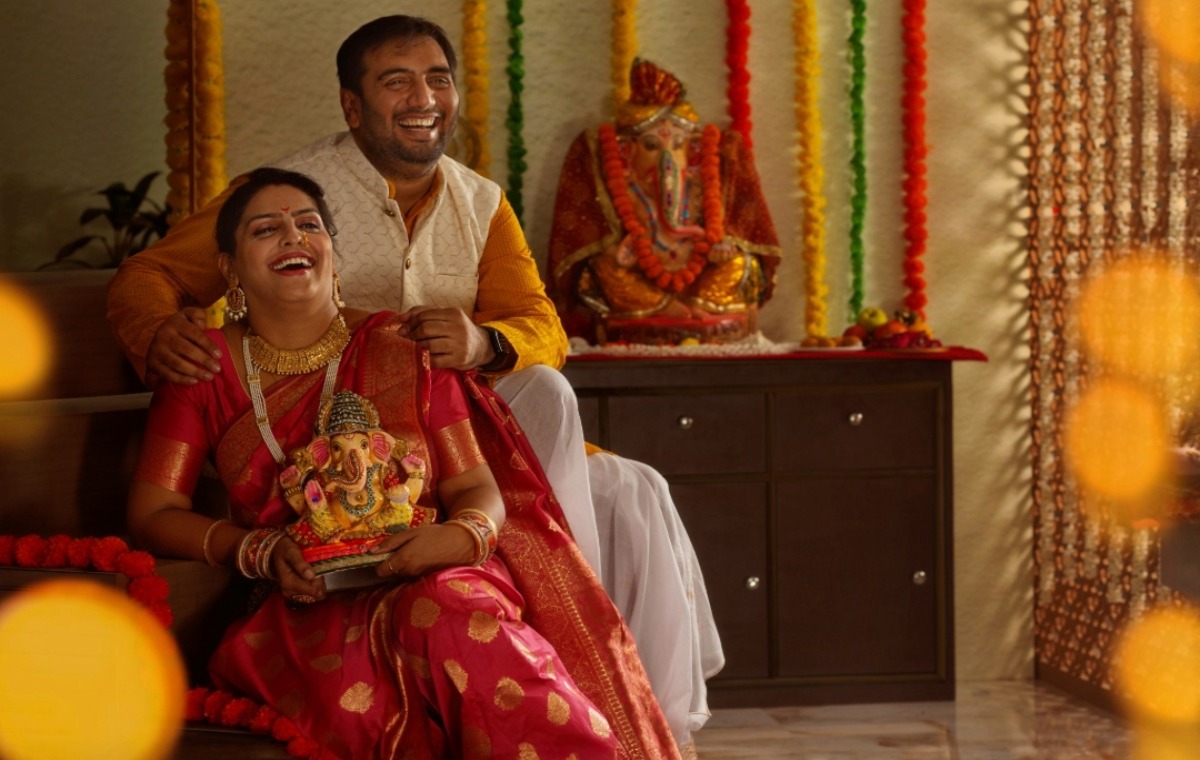
Ganesh Chaturthi is in one week from now, and hence now is the time to get ready for the festival. Bappa is coming to be with his devotees, and we are set to receive him with joy and good spirits. The celebrations for Ganesh Chaturthi are in the air, transmitted through the joyful and lively energy.

Whether it is for a family gathering and puja at home, or the rigorous pandal parties, wearing ethnic clothes of your choice only adds to the memories in and around Ganesh Chaturthi. Whatever your plan may be, we have got you covered, with the top 10 traditional dresses for Ganesh Chaturthi 2025. 

What is Ganesh Chaturthi?
Traditional Dresses for Ganesh Chaturthi-01

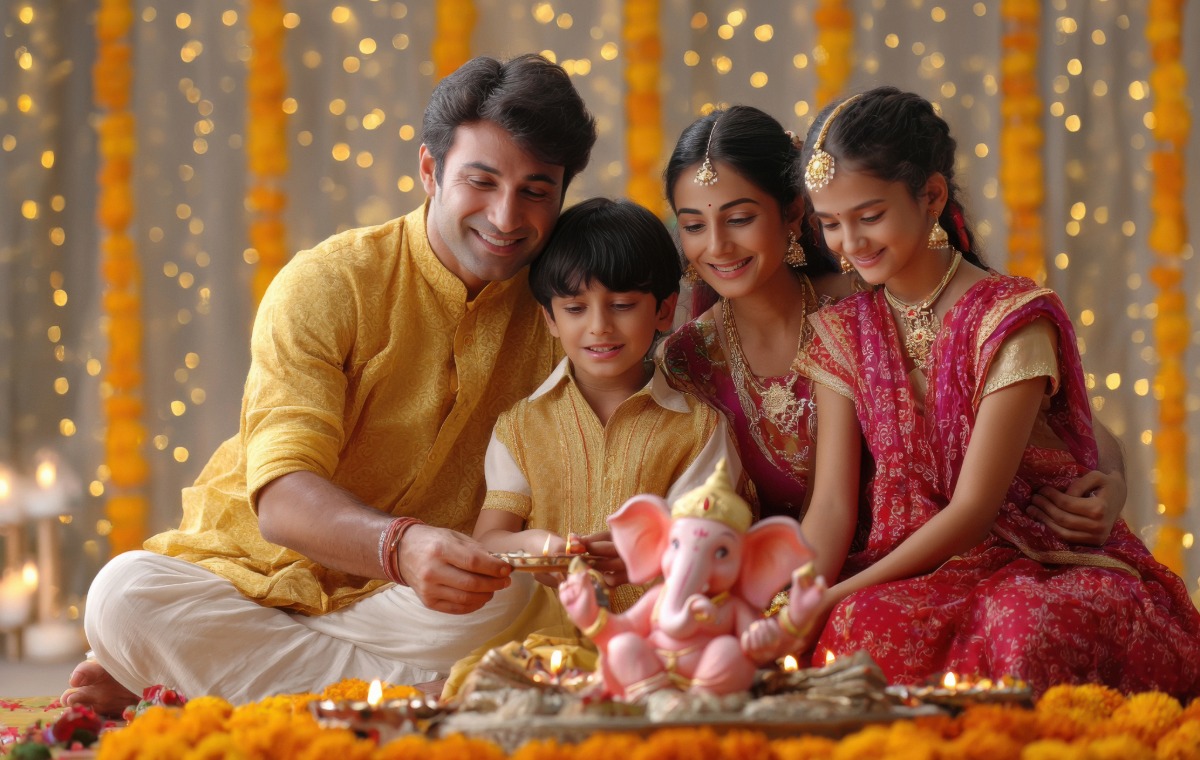
Ganesh Chaturthi is a festival lasting for about 10 days to celebrate the arrival of our dear Bappa – the child of God Shiva and Goddess Parvati. Devotees set up Vinayaka in their home or in a local community area to worship him. In terms of the Hindu calendar, the annual festival occurs on the 4th day after Shukla Paksha during Bhadrapada (Hindu month), which falls between August 27th and September 6th this year. 

Traditional Dresses for Ganesh Chaturthi 2025

Ganesh Chaturthi is intended to be a festival which bonds people together. It is also a festival which is celebrated across the globe in many unique ways. Here’s everything you need to know about choosing outfits that combine the best of timeless tradition and festival glam!

1. Paithani Saree
Traditional Dresses for Ganesh Chaturthi Paithani Saree

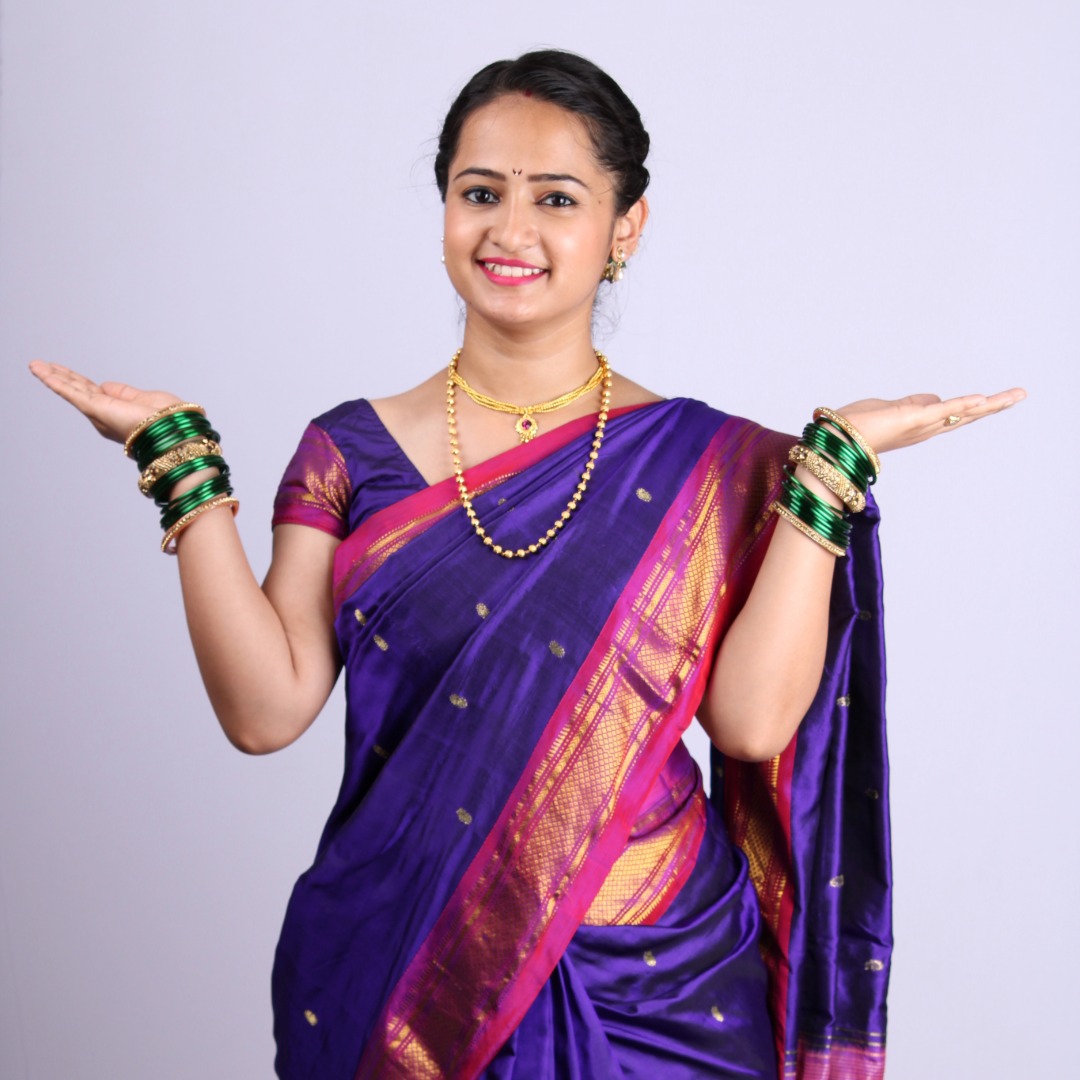
A Paithani saree is the quintessential piece for Maharashtrian wear. It is made from pure silk with stunning gold zari with peacock and lotus motifs. Draping the nine-yard saree is definitely a skill, especially if you don it with temple jewellery, gold jhumkas or a multi-layered necklace. Don’t forget to complete the whole saree look with a bun set with jasmine flowers.

2. Nauvari Saree
Traditional Dresses for Ganesh Chaturthi Nauvari Saree-01

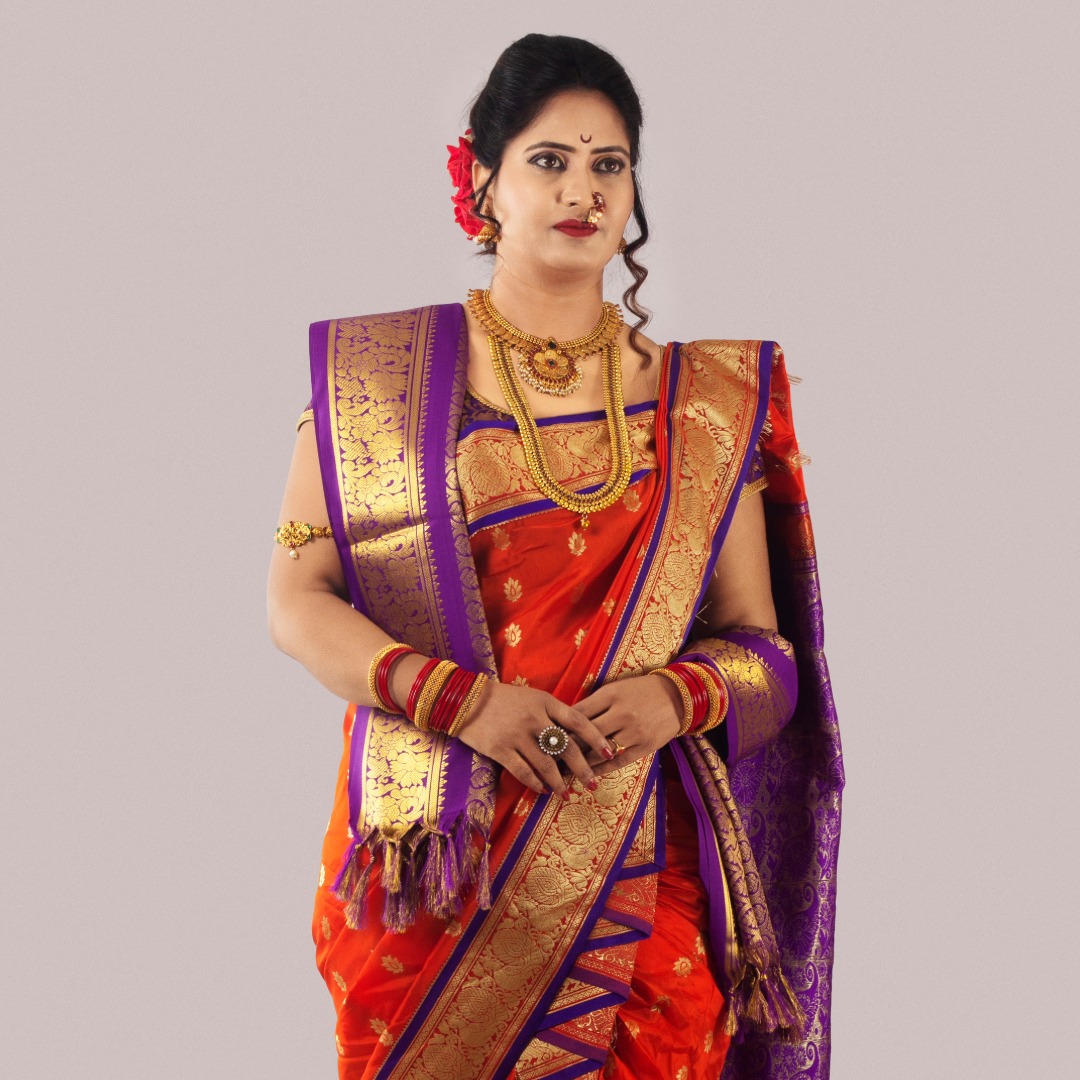
The Nauvari saree, so named because it is a “nine-yard” saree that drapes like dhoti trousers, gives you the grace to move during the festivities of Aarti rituals and processions. Bright shades of saffron or crimson are auspicious. You could have one with an additional contrasting green or gold border at the edge. The larger-than-life nath (nose ring) and gold bangles are a must-wear to highlight the dress. 

3. Kasavu Saree

Handlooms-of-India-Kasavu-Kerala

The Kasavu Saree from Kerala is a precise and simple solution if you’re looking for the perfect simple but elegant outfit! Most are off-white cotton with a gold border. They are light yet elegant for evening aarti and prayer! Add small jhumkas, delicate gold chains, and a simple oddiyanam (belt) to complete the look! You can also find fresh jasmine dipped into kumkum to accessorise your hair and recreate the dreamy Kerala morning mist.

4. Pattu Pavadai

Traditional-Dresses-of-Karnataka-Langa-Davani-or-Half-sari
Image – Pintrest

There is nothing cooler than a well-draped Pattu Pavadai! It is simply a silk Pavadai (skirt) with a matching blouse and a matching dupatta. The colours are bright and have an elegant gold border to enhance the look. There are tons of designs, colours and combinations for this outfit, and accessorising with a tiny gold waist chain (elanjinaharam), stud earrings, and fresh flowers woven in braids is super cute. 

5. Bandhani Lehenga

Traditional Dresses for Ganesh Chaturthi Bandhani Lehenga

The vibrant tie-dye circle patterns on a bright lehenga are a must-have for everyone! The short choli and flowing dupatta, embellished with gota patti and mirror, emphasise the exuberance of western India. You will want to wear oxidised silver jewellery on the day to stand out in the crowd. Any oversized jhumka with chunky bangles will go with the fit. This outfit is perfect for any pandal or disco-inspired Ganesha party.

6. Chikankari Kurta-Pyjama

Traditional-Dresses-for-Ganesh-Chaturthi-Chikankari-Kurta-Pyjama
Image Courtesy – Houseofchikankari.in

Chikankari Kurta Pyjama sets are famous amongst both men and women. The male devotees can experience the fine craftsmanship of Lucknow with a white cotton chikankari kurta-pyjama set. Women prefer delicate floral and paisley-embroidered sets. Pair the kurta with a straight-cut pyjama and Kolhapuri chappal, and you’re all set for the aarti. You can personalise this outfit with a modern sensibility, like a still watch or chain.

7. Dhoti-Kurta with Angavastram
Traditional-Dresses-for-Ganesh-Chaturthi-Dhoti-Kurta

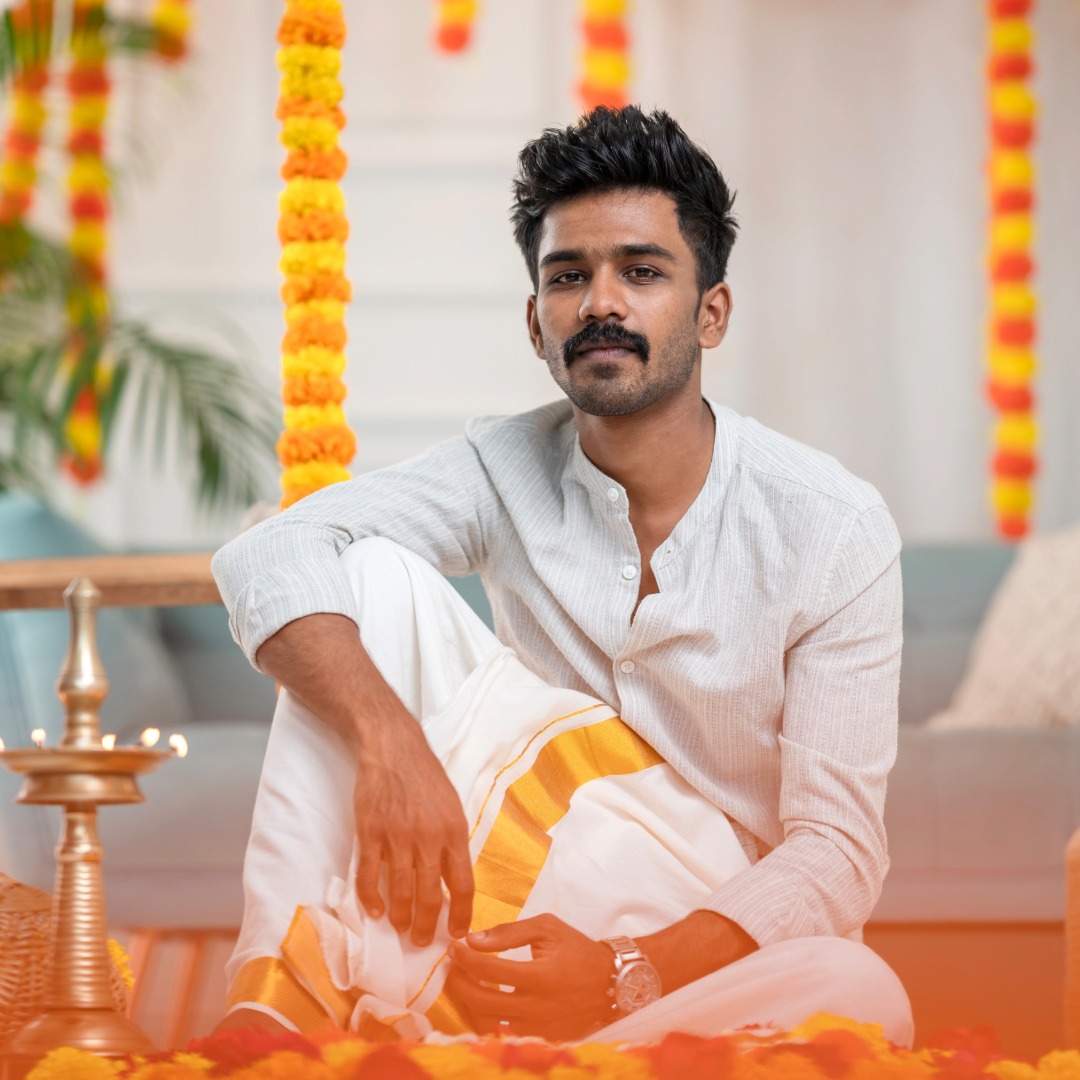
A crisp white dhoti with a simple gold border trim and the matching silk kurta with the angavastram (shoulder cloth) can never go wrong for Ganesh Chaturthi. The accessories to be paired with this outfit should be simple. A simple gold necklace or rudraksha mala, leather sandals for around the temple, and ensure comfort during the day! 

8. Lehenga Choli with Dupatta

Traditional-Dresses-for-Ganesh-Chaturthi Lehenga Choli with Dupatta

Lehenga-Cholis adorned with vibrant colors and designs and features in the jewel tones are always the best choice to wear for any celebration. You could never go wrong with a colorful zardozi embroidered lehenga-choli in jewel tones for Ganesh Chaturthi, so make sure that you focus on the colors saffron, red, yellow, green, orange, etc. to give yourself that additional happy look for Ganesh Chaturthi.

9. Patola Silk Saree
Handlooms-of-India-Patan-Patola
Image Courtesy – Weaveinindia.com

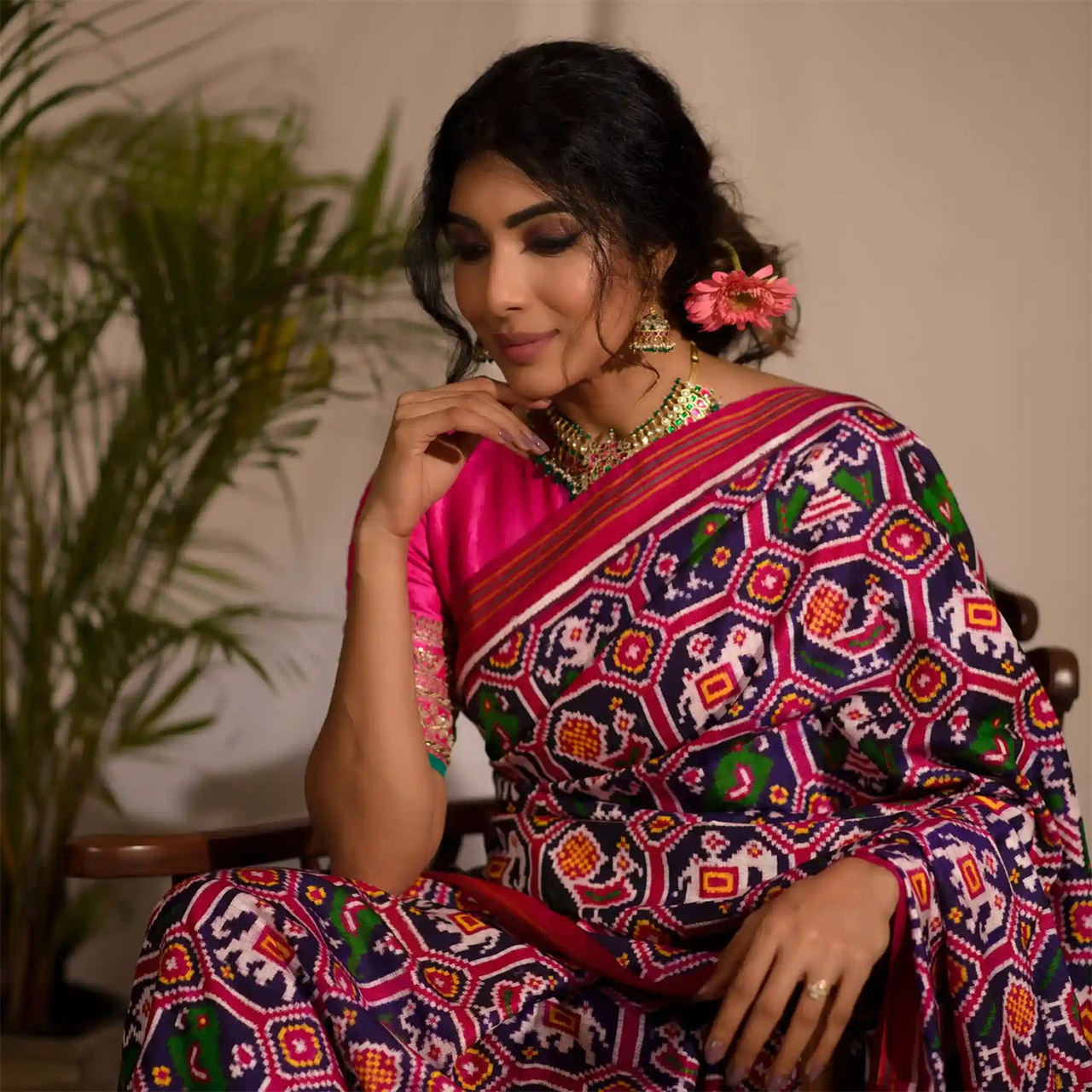
A Patola SIlk Saree in double-ikat weaving with both geometric and floral designs is one of the most famous dresses from Gujarat. Bright patterns with interwoven colours like mustard, maroon, and teal forms the perfect palette for a Patola saree. Pair it up with simple accessories like a small kundan set with a necklace, and that’s all you need to rock the festivities.

10. Kalamkari Kurta with Chudidaar

Traditional-Dresses-for-Ganesh-Chaturthi-Kalamkari-Kurta-with-Chudidaar
Image Courtesy – Itokri

Kalamkari Kurta with Chudidaar  in floral prints is extremely popular throughout the country. The patterns are not limited to floral designs, mythical motifs also form a big part of these elegant kurta sets. Kalamkari can be either hand-painted or blockprinted. You just can’t go wrong with a long churidar. You can get comfortable through long pujas in this outfit. But don’t forget to distress the look with oxidized silver jewelley.

Key Highlights

  • Each state and region has its specific traditional attire to celebrate Ganesh Chaturthi.
  • Choose a bright palette. Go for colours like red, yellow, saffron, green, orange, and blue.
  • Pair up your outfit with appropriate jewellry.
  • Choose breathable material to ensure comfort during the festivities.

Regional Tradition Dress GuideGanesh for Chaturthi 2025

Region Traditional Dress Key Features
Maharashtra Paithani and Nauvari Saree Gold zari motifs and dhoti-style drape
Kerala Kasavu Saree Off-white cotton with minimalist golden border
Tamil Nadu Pattu Pavadai Bright silk with golden border
Gujarat and Rajasthan Bandhani Saree and Patola Saree Tie-dye patterns, double-ikat weaving
North India Lehenga Choli Heavy embroidery with jewel-tone palettes
Uttar Pradesh Chikankari Kurta with Kurta Pyjama White-on-white embroidery
South India Dhoti-Kurta with Angavastram Gold zari borders
Andhra Pradesh and Telangana Kalamkari Kurta-Chudidaar Floral and mythological motifs

Conclusion

Ganesh Chaturthi captures tradition and devotion, and the traditional dress for the festival, becomes part of the occasion. Many parts of the country follow particular traditional rituals and processions to mark the festival, therefore the dresses are different also. This year, as you welcome Lord Ganesha within your home and heart, ensure that the traditional dress you wear expresses the joy, devotion, and timelessness of the here and now of the festival.


FAQs About Traditional Dresses for Ganesh Chaturthi

Question: What clothes are worn on Ganesh Chaturthi?

Answer: On Ganesh Chaturthi, devotees wear traditional Indian attire like sarees, dhotis, and kurta-pajamas in bright, festive colors.

Question: Which color is lucky for Ganesh Chaturthi?

Answer: The lucky colors for Ganesh Chaturthi are red and yellow, symbolizing prosperity, purity, and divine blessings of Lord Ganesha.

Question: Which color not to wear on Ganesh Chaturthi?

Answer: On Ganesh Chaturthi, it is generally advised not to wear black, as it is considered inauspicious and associated with negativity during the festival.
Question: What is Ganesha’s Favourite colour?

Answer: Lord Ganesha’s favourite colours are red and yellow, as they symbolize energy, purity, and spiritual positivity.

Question: Can we wear pink on Ganesh Chaturthi?

Answer: Yes, you can wear pink on Ganesh Chaturthi, as it symbolizes love, harmony, and devotion, making it an auspicious choice for the festival.

How to Create a Facebook Ad Account Easily and Quickly

0

How-to-Create-a-Facebook-Ad-Account-Easily-and-Quickly

Have you ever scrolled through Facebook and thought, “Wow… this ad feels like it was made just for me”? That’s exactly why the Facebook Ad Account is a game-changer. It allows you to focus on exactly where you need to focus, that is, you can focus on your true audience who are likely to buy from you. 

It’s not just a place to run ads; it’s about reaching the right people. We’ll help you with everything, from setting up your account, creating scroll-stopping ads, targeting with laser precision, and tracking results without feeling overwhelmed.

A Facebook Ad account will give you the opportunity to generate more sales, more awareness, and most importantly, more impact, without shouting into the void. Sounds good, right? Keep on reading!

Prerequisites Before Creating a Facebook Ad Account

Think of this as setting the scene before the lights come on, even though you won’t be able to run your first Facebook ad until you have a solid foundation.

You must first create a personal Facebook profile. Facebook uses this to authenticate you and give you access to ad tools, so it’s not just for signing in. You cannot manage or operate an ad account without it.

Next, create an account on Facebook Business Manager. Your pages, ad accounts, audiences, and even team permissions are all arranged in one location by the platform. Additionally, it provides an additional layer of security, protecting your company’s assets.

How to Create a Facebook Business Manager Account

How-to-Create-a-Facebook-Business-Manager-Account

Facebook Business Manager must be set up before you can begin running ads. All of your pages, ad accounts, and assets are centralised in one location with this free tool. It is intended to keep your company safe, well-organized, and manageable, especially when several people are working on your campaigns.

How to Register for a Business Manager Account

  • Click on Create Account on business.facebook.com.
  • Input your name, business email address, and business name.
  • To finish your profile, follow the instructions.

Provide official documentation or validate your domain if Facebook requests it. This adds legitimacy and prevents future account restrictions.

Creating Your Facebook Ad Account Within Business Manager

Now that your Business Manager is live, it’s time to proceed with creating your advertising account. 

  1. Start by going to your Business Manager dashboard and then clicking on the Business Settings tab. 
  2. To create a new ad account, simply click Ad Accounts and then press Add. 
  3. Make sure to give a good name to your account, and pay attention to currency and time zone since they can’t be modified later. 
  4. Don’t forget to set roles and permissions for your team members so that each of them has the needed level of access depending on whether they are analysts, administrators, or advertisers.

Setting Up Payment Methods for Your Ad Account

Setting-Up-Payment-Methods-for-Your-Ad-Account

  1. Click Add Payment Method under Payment Settings, followed by the selection of a payment method such as PayPal, debit card, or credit card.
  2. To keep costs within reasonable levels, place restrictions on spending and billing.
  3. Make sure that only trusted team members can make edits to payment information, implement safe payment procedures, and enable two-factor verification.

Once you’ve done this, your Business Manager and Ad Account will be fully set up, and you’ll be able to create targeted campaigns with no problem.

Why You Should Create a Facebook Ad Account

Establishing a Facebook Ad Account opens up a world of opportunities for your company. Regardless of your niche, you have access to a vast audience thanks to Facebook and Instagram’s billions of active users. Facebook’s highly targeted advertising capabilities are where the true power is.

To ensure that your ads only reach people who are most likely to take action, you can target people by age, location, interests, and even actions.

It’s economical as well. Businesses of all sizes can participate because you set the budget, whether it’s a few dollars per day or a massive advertising campaign. You also see clicks, conversions, and ROI in real time, and you get quantifiable results. With Facebook Ads, you can increase sales, generate leads, increase website traffic, and raise brand awareness.

Linking Your Facebook Page and Instagram Account (Optional)

By connecting your social media pages, you can make sure that your advertisements are associated with your brand and have a more unified look.

  1. To add a link to your Facebook page: To add and validate your page, navigate to Business Settings > Accounts > Pages.
  2. To connect Instagram: In Business Settings, go to Accounts > Instagram Accounts, sign in to your Instagram account, and verify the connection.

Cross-platform campaigns will be possible as a result, enabling you to easily run advertisements on Facebook and Instagram and reach even more prospective clients.

Where to Buy Facebook Ads Services and Support

If you want better campaign outcomes without spending hours figuring out Facebook Ads, hiring the services of an experienced ad management agency can be a lifesaver.

Among the top options is UpRoas, which provides full-service Facebook Ad management and  agency ad account, perfect for businesses that want to scale big and safely.

Why choose UpRoas?

  • Better Targeting: Custom audiences, lookalike audiences, and interest-based targeting are just a few of Facebook’s potent targeting tools that our knowledgeable teams can use to ensure that your advertising reaches the people who are most likely to interact or convert.
  • Time saved: Facebook Ads management takes a lot of time, from budgeting and creative optimisation to performance measurement. By outsourcing, you can concentrate on managing your company while the experts take care of the day-to-day ad management.
  • Clear reporting: UpRoas provides expert services othat ffer clear reporting that includes ROI, clicks, impressions, and conversions. You can better understand where your money is going and how well each campaign is doing thanks to the clarity.

Tips for Managing Your Facebook Ad Account Effectively

Successful ad running requires more than just campaign creation. Use these pointers to ensure efficient management:

  • Plan campaigns and billing: In order to truly stand out, your ads should be planned accordingly, and you should name and bill your campaigns properly.
  • Maintain the security of your ad account: Limit access to only trusted team members, create strong passwords, and turn on two-factor authentication to protect your account.
  • Track spending and performance: To optimise return on investment, frequently review ad performance metrics, make budget adjustments, and don’t continue underperforming ads.

This method is also suitable for managing multiple Facebook Ad Accounts

Ideas for Optimizing Your Facebook Ads

Once your ad account is set up and running, the next is having your campaigns run optimally. Some tips on how to enhance your Facebook Ads in real life include:

  • Test different ad creatives – Experiment with altering images, videos, titles, and calls-to-action to see what performs most effectively with your users. For example, in case you are promoting a Bollywood romance film, you may test a dramatic poster with the lead stars, a short teaser clip with a romantic song snippet, an emotional moments carousel ad, or changing titles.
  • Use A/B testing – Try different ad sets or target options and observe what is causing more engagement or conversions.
  • Advertise more efficiently and bid better – Monitor what ad positions and bidding strategies give the best ROI and make changes accordingly.

Conclusion

Opening a Facebook Ad Account gives you the power to reach millions of consumers with specific targeting and measurable engagement. You are able to design campaigns that will help support your brand image by following the above process, connecting social media accounts, and obtaining professional services when necessary.

So now that you have seen how to create a Facebook Ad account, start now by creating ads, monitoring your performance, and observing your brand grow! And don’t forget, consistency is the key; you may not notice that immediate result, but just trust us, you’ll be there!

Gowri Festival 2025: Date, Puja Timings, Rituals, and Significance

0

Gowri-Festival-01

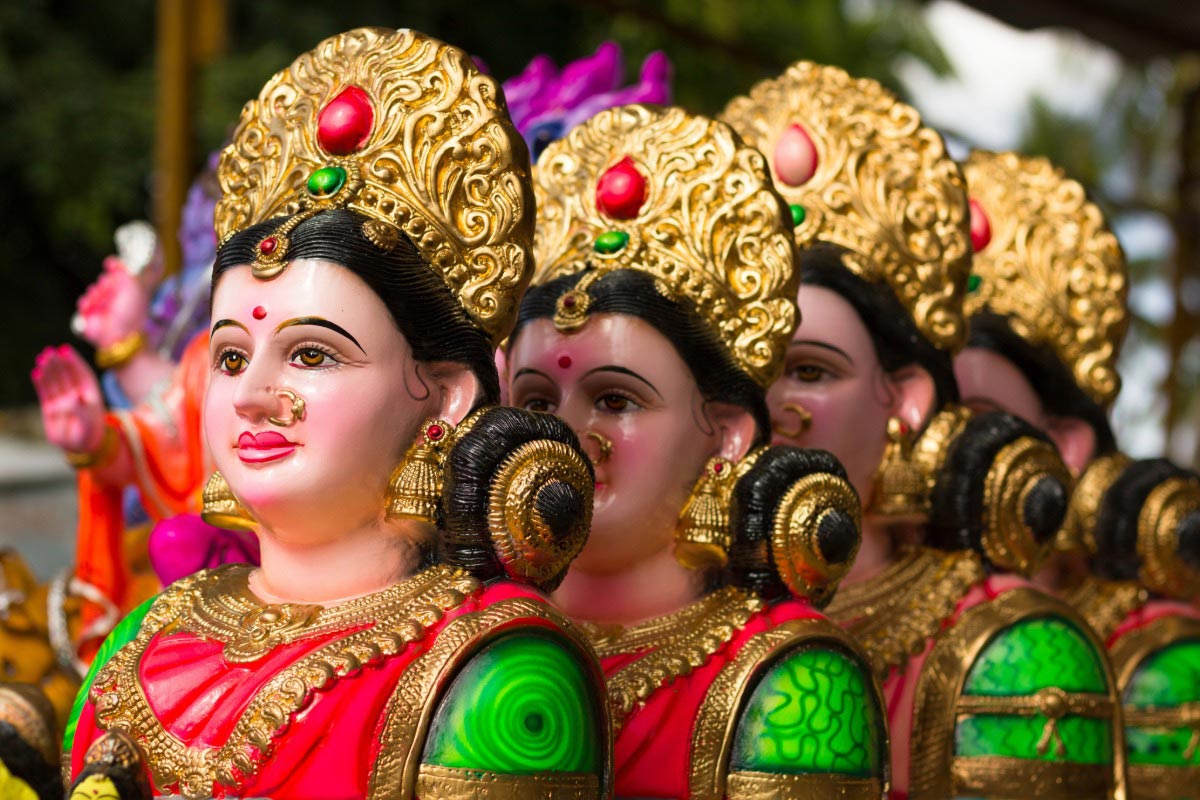
Swarna Gowri festival is one of the greatest festivals in Karnataka and South India. This is a special day dedicated to Goddess Parvati in her divine aspect as Gowri, and mainly observed by women who pray to her to bless them with marital bliss, wealth and general well-being. Goddess Gowri, the divine mother of Lord Ganesha, embodies purity, inner strength, and sacred prosperity.

The festival holds great significance to the married women who do this Vratha, that doing this vratha will bring happiness and prosperity in their families. Even single women practice it with the hope of enjoying a good marriage partner and a happy future. Swarna Gowri Vratha is considered highly auspicious, as it is observed on the eve of Ganesh Chaturthi.

Swarna Gowri Vratha 2025 Date and Muhurat

Gowri Festival Details
Date in 2025 Wednesday, August 27, 2025
Morning Muhurat 6:06 AM – 8:35 AM
Tadige Tithi Begins 12:34 PM on Aug 25, 2025
Tadige Tithi Ends 01:54 PM on Aug 26, 2025
Deity Worshipped Goddess Parvati (Gowri)
Key Ritual Baagina preparation & distribution
Region of Celebration Karnataka, Andhra Pradesh, Telangana, Tamil Nadu
Associated Festival Ganesh Chaturthi (celebrated the next day)

The Swarna Gowri Vratham is celebrated with a lot of passion and zeal all over South India. Devotees do anticipate this time so long because it is considered that the Vratha is more effective when performed at the correct time. The date of Swarna Gowri Vratha in 2025 is on Wednesday, August 27, 2025. The Auspicious Puja Timings for Morning Muhurat are 6:06 AM to 8:36 AM.

The timings may vary based on the local panchang (almanac) and regional traditions. In Karnataka, the occasion is widely celebrated under the name Gowri Habba. The same festival is celebrated with equal religiosity in Andhra Pradesh and Telangana as Swarna Gowri Vratham, in Tamil Nadu the festival is celebrated with the local ideas of worshipping Goddess Shakti.

Rituals and Puja Vidhi of the festival 

Gowri-Festival-02

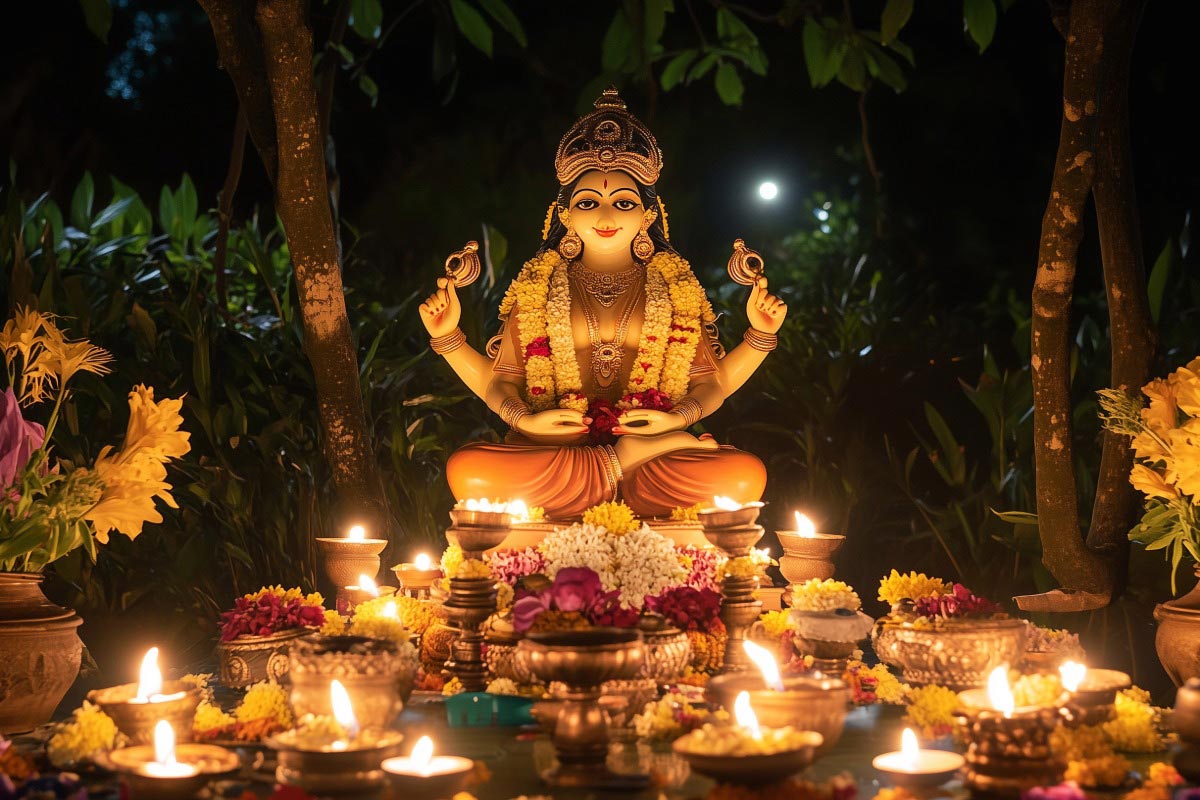
The Swarna Gowri festival rituals are elaborate and highly symbolic with an emphasis on devotion, purity and gratitude. Women also make arrangements before the festival days and gather puja samagri and adorn their house. To start the festival, they create the Idol of God. 

How is the preparation of the Idol done?

  • Traditionally, women create a Gowri idol using turmeric paste or clay, which symbolises the divine mother.
  • Other families have silver or brass idols, decorated with silk clothes, jewelry and flowers.

Puja vidihi

  1. Sankalpa (Vow): Devotees take a vow, stating their intention of performing the Vratha with sincerity.
  2. Decoration: The idol is decorated with fresh flowers, turmeric, kumkum, and ornaments. Rangolis are drawn at the entrance of the house.
  3. Offerings (Naivedya): Fruits, coconut, jaggery, payasam (sweet dish), and special preparations are offered to Goddess Gowri.
  4. Baagina Distribution: One of the highlights of the ritual is preparing baagina, a set of items offered to married women as a gesture of respect and blessings.

The baagina includes Kumkum, turmeric, and bangles. Other than that a Mirror and comb, some Black beads (used in mangalsutra), a coconut, rice, betel leaves and areca nuts. Married women are invited to the home, and the baagina is given with reverence, symbolizing prosperity, sisterhood, and goodwill.

Cultural and Spiritual Significance

Swarna Gowri Vratha is a ritual not only religious in nature but also a celebration of values which are deep rooted in Indian culture.

Mythological Significance

As per Hindu mythology, Goddess Parvati (Gowri) had to undergo extreme penance in order to get the love of Lord Shiva. Her commitment, determination and compassion gave her all the qualities of perseverance and purity. Women who witness this Vratha are said to get her blessings of strength, fertility, prosperity and marital harmony.

Spiritual Belief

The goddess is said to grant her followers the powers to conquer challenges and the insight to keep the family life peaceful. The Vratha also helps one learn patience, self restraint and gratitude.

Connection with Ganesh Chaturthi

Swarna Gowri Vratha is regarded as the beginning to the Ganesh Chaturthi, because Goddess Gowri comes to bless her devotees a day before her son, Lord Ganesha. Families make preparations for both festivals simultaneously, so this is the season of pleasure, piety and communion. 

How are celebrations done?

Gowri-Festival-03

In Karnataka, the festival is lovingly known as Gowri Habba and is considered one of the most important and treasured celebrations for women.

Household Celebrations

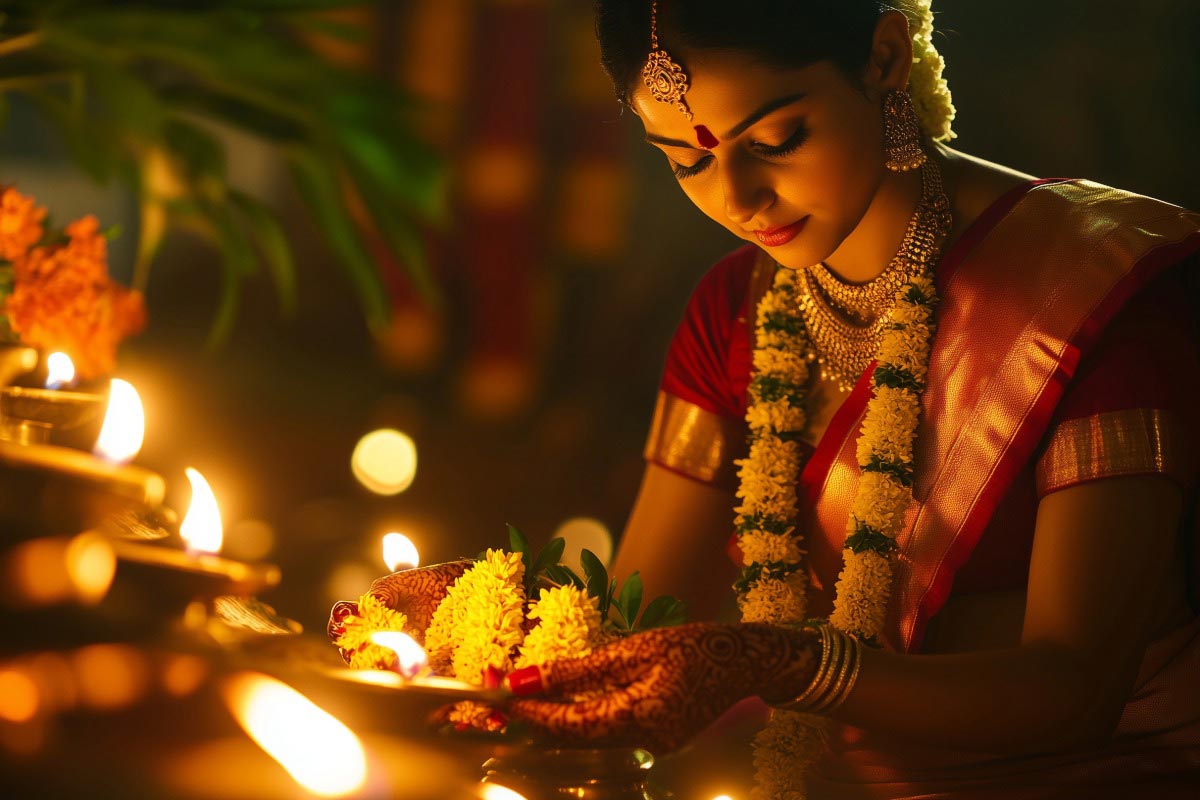
At dawn, women rise, bathe, and prepare an idol of Goddess Gowri. They adorn themselves in traditional attire like sarees, complemented with gold jewelry. Families also come together to prepare festive dishes such as puliyogare (tamarind rice), kosambari (a refreshing salad), and sweet treats like payasa.

Community and Local Customs

  • Married women call each other to come and share baagina and this enhances friendship and kinship.
  • In certain parts, Gowri festival special pujas are conducted in local temples where women in large numbers come to perform group rituals.
  • Stories about the penance of Goddess Parvati, folk songs are shared and this is done through generations.

To Kannadigas, the festival is as important as Varamahalakshmi Vratha, and this goes on to show the richness of the Karnataka culture.

Conclusion

Swarna Gowri Vratha is not just a festival, it is a spiritual experience of devotion, gratitude and family bonding. The women who perform the Vratha pray to be blessed with marital bliss, wealth and health of their loved ones. It shares the eternal principles of Indian culture, where people, religion, and culture are closely connected.

With love and devotion, the goddess is welcomed and therefore the festival also sets the start of Ganesh Chaturthi and hence this time of the year is a perfect mixture of divine power and festivities.

FAQs About Gawri Festival

Question: What is the significance of Swarna Gowri Vratha?

Answer: Swarna Gowri Vratha is a sacred observance dedicated to Goddess Parvati, who is revered as the embodiment of purity, strength, and marital harmony. Women are of the view that the observance of this Vratha instills peace, fertility and prosperity in family life.

Question: When is Swarna Gowri Vratha celebrated in 2025?

Answer: In 2025, Swarna Gowri Vratha will be observed on Wednesday, 26th August, a day ahead of Ganesh Chaturthi.

Question: What items are included in the traditional Baagina?

Answer: A conventional Baagina consists of kumkum, turmeric, bangles, a black beads, a mirror, a comb, rice, pulses, betel leaves, areca nuts and a coconut. These objects represent wealth and wedded happiness.

Question: How is Swarna Gowri Vratha connected to Ganesh Chaturthi?

Answer: The festival is celebrated one day earlier than Ganesh Chaturthi since it is believed that Goddess Gowri visits her devotees before her son, Ganesha arrives, signifying the start of the festive season.

Question: Can unmarried women observe Swarna Gowri Vratha?

Answer: It is followed by unmarried women too as it is said that it would bring good life partners and marital bliss in future.

Govt’s Bold Move to Save Endangeared Folk Languages and Oral Traditions

0

Govt’s-Bold-Move-to-Save-Endangered-Folk-Languages-and-Oral-Traditions-01

In the fast-globalizing world, folk languages and oral traditions which used to be the blood of communities are now at a threat of extinction. Urbanization, emigration, and mainstream language supremacy are causing an alarming rate of loss of many traditional dialects, story telling techniques, folk songs and other aspects of cultures. 

Linguists note that every 2 weeks, a language dies somewhere across the world, with it, centuries of culture, history and unique knowledge also die. The preservation and documentation of these endangered folk languages and oral traditions and thus has become an immediate cultural, as well as, academic concern.

According to the Atlas of the World’s Languages in Danger that was compiled by UNESCO, there are almost 3,000 languages that are endangered in the world today. In India which has more than 19,500 dialects and languages, many tribal languages including Sidi, Nihali, and Toto are spoken by less than a few thousands. As these languages die out, so do oral traditions including the folklore, lullabies, proverbs, and indigenous rituals.

This is further affected by the emergence of digital media whereby the minority voices are further relegated by the domination of dominant languages like English, Hindi, or Mandarin. To many young speakers, learning of global languages is associated with schooling and job prospects, and thus the tendency to abandon their native languages and focus on the global languages.

Why Folk Languages and Oral Traditions are Relevant

Folk languages do not exist only as a form of communication, but they rather serve as a holder of identity, history, and world-view. Oral traditions especially are an insight into how communities interpret the environment, life and how they explain the mysteries of life. Traditional songs contain wisdom of agricultural experience, folk tales have moral values, and oral epics reflect historical memory.

Various efforts are made across the globe to protect endangered languages. The UNESCO plan to revive dying languages is the Decade of Indigenous Languages (20222032), which tries to attract attention and develop materials that will help to revive dying languages. In India, the People Linguistic Survey of India (PLSI) and the Bhasha Research Center, have documented the dying languages and oral traditions so that they do not become extinct.

Use of Digital Platforms 

Digital platforms are also taking centre stage in ensuring that. Colleges and cultural organizations are developing online archives of folk songs, oral history, and folk proverbs. As an example, the North East Indian Oral Traditions project has been recording oral traditions in Nagaland, Manipur and Mizoram: myths and songs. Equally, endangered languages are being taught through podcasts, YouTube channels, and mobile apps, teaching young people the languages in interactive ways.

The Indian Ministry of Culture and Sahitya Akademi have initiated the programs which fund research, organize folk festivals, and publish collections of oral literature. States such as Odisha and Rajasthan are now promoting school level instruction of local languages as a way of instilling pride in local culture.

Under the Guru Shishya Parampara Scheme run by the Zonal Cultural Centres (ZCCs), traditional masters train young disciples to safeguard cultural knowledge. As part of this initiative, 42 endangered oral traditions have been documented across various states and regions of India, ensuring their continuity and preservation.

State / UT Number of Oral Traditions Documented
Rajasthan 17
West Bengal 9
Odisha 3
Punjab 2
Maharashtra 2
Gujarat 2
Bihar 1
Jharkhand 1
Manipur 1
Uttar Pradesh 1
Haryana 1
Goa 1
Union Territory of Jammu & Kashmir 1

Source: Ministry of Culture

Community Involvement 

Researchers emphasize that preservation will never be successful without the contribution of the actual native speakers. The oral tradition and the folk languages must be restored by community-based initiatives. The elders, storytellers and folk artists should be encouraged to pass their knowledge towards younger generations. Intergenerational storytelling sessions, folk music workshops, and cultural festivals establish places where traditions are kept alive through practice as opposed to being in an archive.

In other areas, communities are using technology to repossess their voices. A case in point is that the Sumi Nagas have created a dictionary program in their language, and the Santali community has adopted Ol Chiki script and online publishing systems to foster the use of their language. The examples of grassroots efforts also demonstrate how progressive technology can be used to support ancient preservation.

Conclusion 

The survival and recording of dying folk languages and oral traditions must be multi-faceted-academic research, government involvement, digital technology and most importantly the involvement of the community. Losing thousands of words, humanity will lose not only a great number of words, but also a very specific view of nature, spirituality, and human relationships.

With the movement of societies towards modernization it is important to keep in mind that with progress the past is not to be forgotten. Saving endangered folk languages is not just the preservation of cultural diversity, but also the guarantee that future generations will receive all the richness of voices, songs and stories that have characterized humanity throughout centuries.

National Space Day 2025: ISRO’s Journey from Earth to the Moon and Beyond

0

Space Day India

India celebrates National Space Day on August 23 every year regarding the successful Chandrayaan-3 moon landing in 2023. This day marks India’s achievement in reaching the Moon’s south pole. This achievement made India the first nation to reach this unexplored lunar region and further showed the brilliance and vision of ISRO itself.

Why do we celebrate National Space Day?

National Space Day actually celebrates many space missions, not just one. It definitely shows how space exploration keeps growing in our country. It actually shows respect to India’s space journey that definitely started small in the 1960s. ISRO actually started with simple rockets in Thumba and now definitely launches advanced satellites for communication, weather, and space missions. This shows how India’s hard work and new ideas made it a top space country in the world.

The day is inspiring future generations, especially students only, to dream beyond the skies. We are seeing students getting motivated to achieve big things in space science. As per National Space Day celebrations, India shows its commitment regarding scientific discovery by honoring ISRO’s achievements. This positions space research as a main pillar for the nation’s growth and pride. Lets take a look at the journey of ISRO with its milestone achievements.

The Birth of ISRO: A Dream Takes Shape

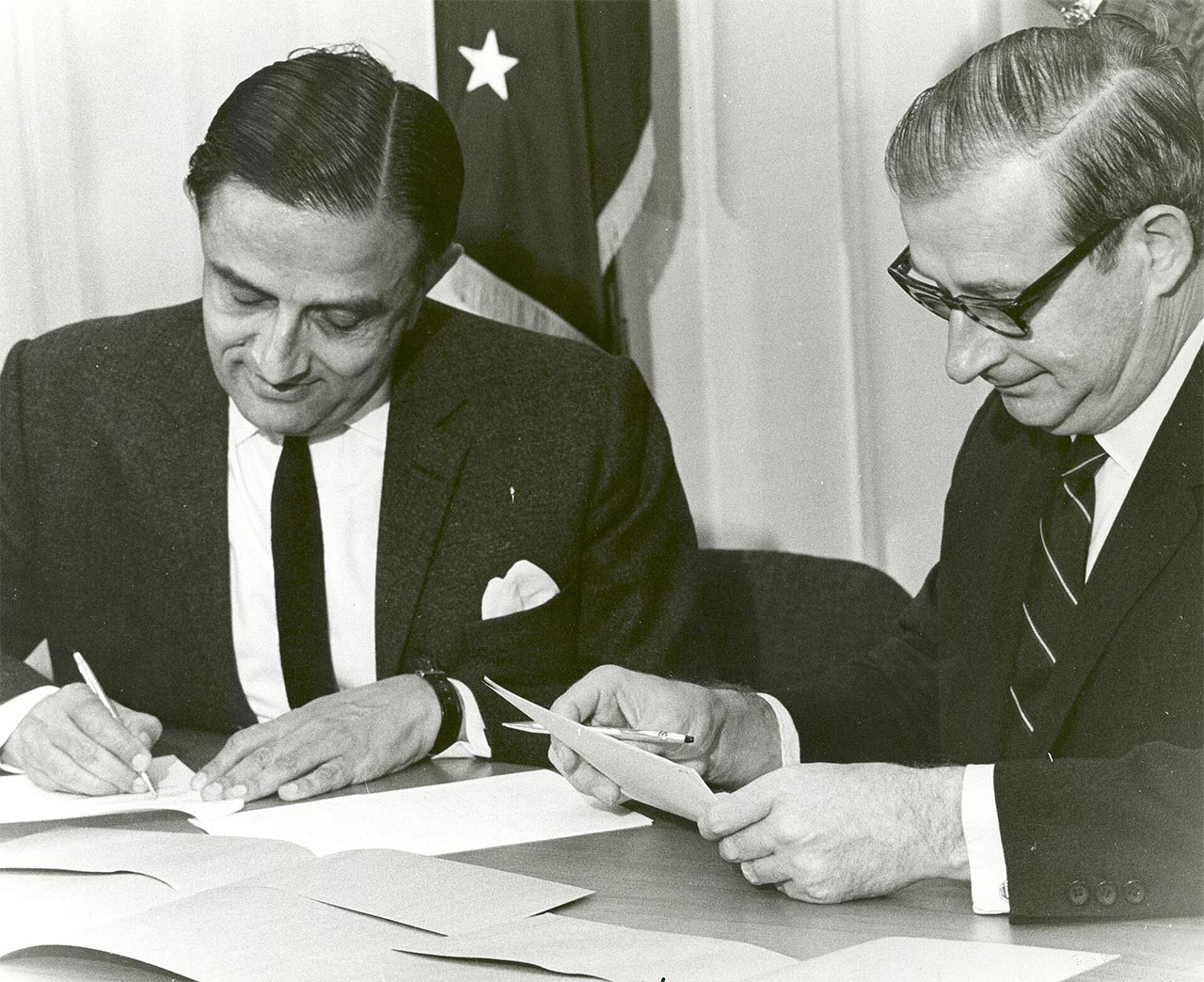
The-Birth-of-ISRO-and-Dr-Vikram-Sarabhai
Dr Vikram Sarabhai in the LeftWikimedia

The journey of India’s space program began under Dr Vikram Sarabhai, a scientist who was a staunch believer in transforming the nation with space technology. This was in the 1960s, the period when the entire world was gripped by the ‘space race’. In this context, Dr. Vikram Sarabhai understood and postulated that space science did not merely rely on launching rockets into space; it was more about using technology to address the national challenges and to foster national development.

India’s first step forward in this line was seen with the establishment of the Indian National Committee for Space Research (INCOSPAR) in 1962, with the joint efforts of the greatest minds of the nation. The dream of transforming the nation with space technology was solidified with the establishment of the Indian Space Research Organisation (ISRO) in 1969. This replaced INCOSPAR and worked for a greater cause, with the vision of using space technology for national development.

Aryabhata: India’s First Step into Space

Aryabhata-India’s-First-Step-into-Space
Image Courtesy – Ashish Ghetiya

The launch of Aryabhata marked the first great achievement for Indian space science on April 19, 1975. It was named after the great mathematician and astronomer in orbit. This was done under the assistance of the Soviet Union and was only an entry point for India into the global ‘space club’. 

The launch of Aryabhata was seen as a matter of national pride and as a symbol of self-reliance and scientific ambition. The engineers and space scientists had faced a plethora of challenges from the first stage of development of Aryabhatta, but none gave up. There were no modern supercomputers with launch protocols before. Apart from the technological challenges, there were setbacks in the final stages as well. There was a power failure just four days before the launch; however, this was not enough to stop the greatest scientists. 

These early challenges were not seen as drawbacks of the mission or of ISRO, but as lessons that shaped the future missions. The scientists of the following periods, too, began finding solutions with a limited budget in hand, and millions of expectations in mind. It might be safe to say that these challenges laid the foundations for the world-class capabilities of ISRO.

Scaling New Heights: Landmark Missions

The legacy of Aryabhata was followed by the successive missions of ISRO. These include missions like:

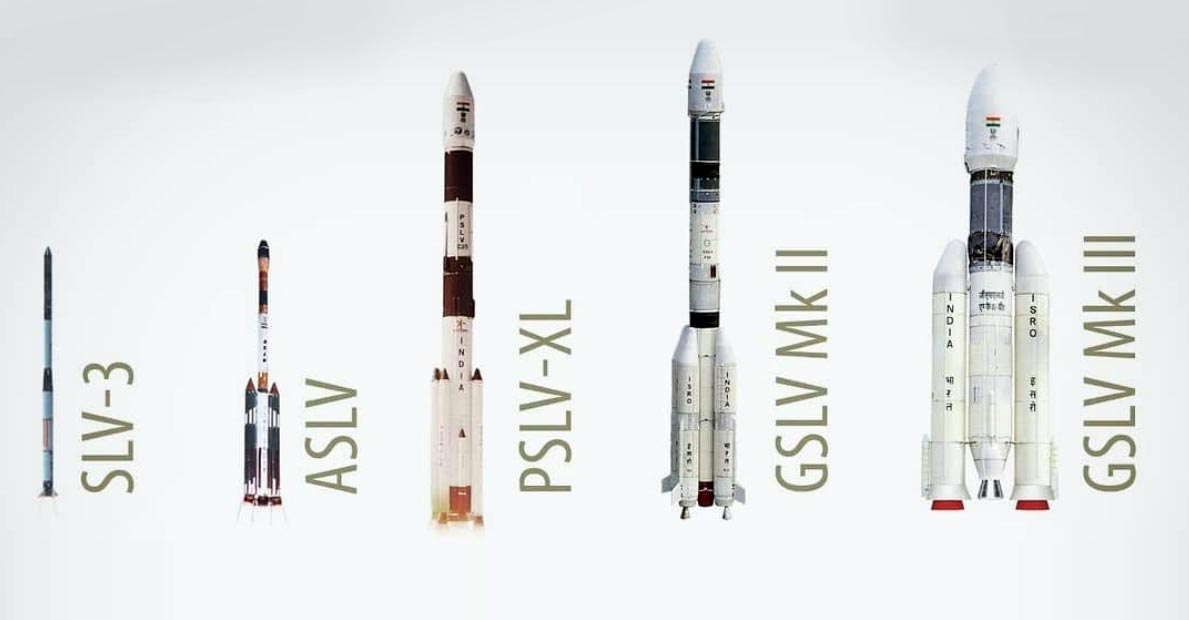
SLV-3 and PSLV

SLV-3-to-PSLV

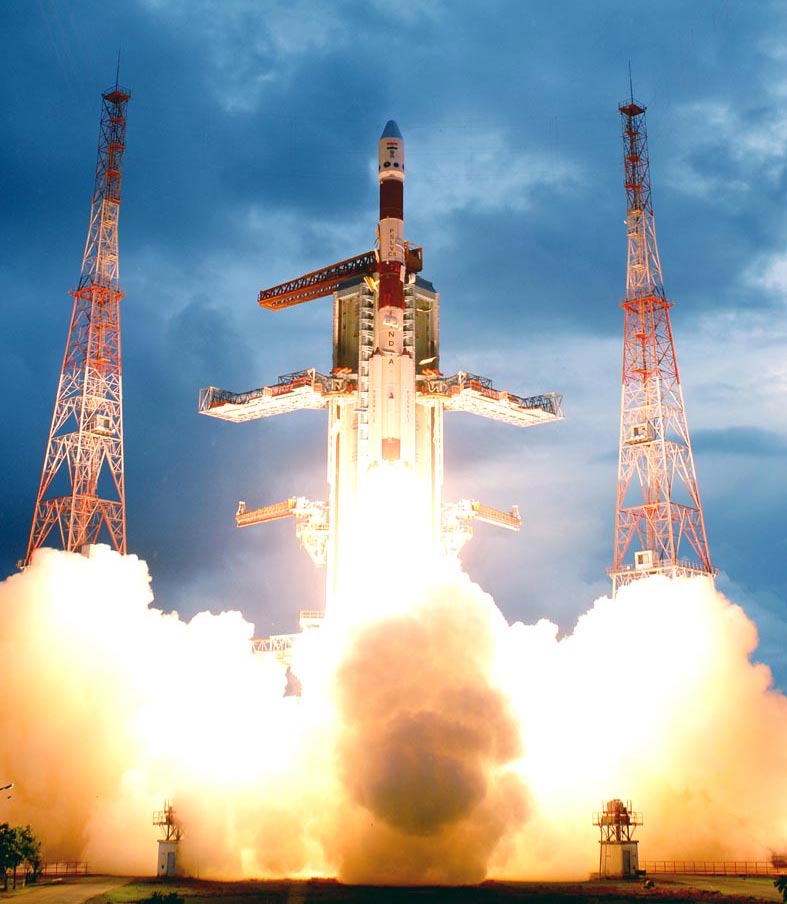
SLV-3 and PSLV helped in developing the foundation of India’s launch capabilities. SLV-3, developed in 1980, was India’s first homegrown rocket. It successfully launched the Rohini satellite. Further, PSLV, developed in 1994, became one of the most trusted launch vehicles of ISRO. It has gained a reputation as a reliable workhorse over decades, and has successfully deployed hundreds of satellites for Indian, as well as international clients. 

Chandrayaan-1

Chandrayaan-1
Image Courtesy – ISRO

As the world was moving towards the moon, India joined the race and took its first step towards the Moon with Chandrayaan-1 in 2008. This lunar mission captured the global eye with its discovery of water molecules on the surface of the Moon. This was one of the most remarkable discoveries in the history of space science. With this significant discovery, India was now on the world map of leading space nations. 

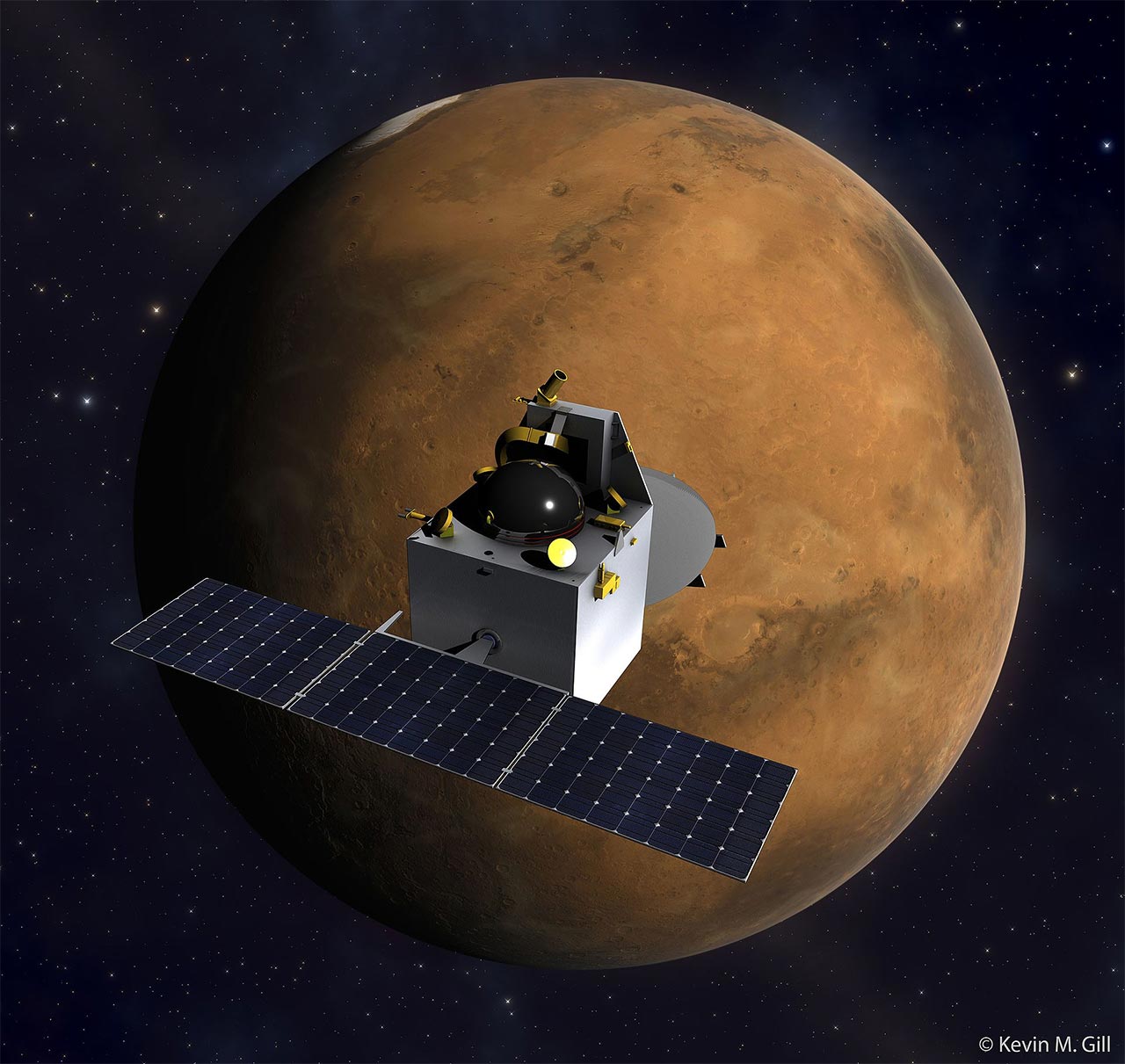
Mangalyaan

Mangalyaan
Image – Wikimedia Commons

Mangalyaan is one of the most famous missions of ISRO. It has been popularised by the movie ‘Mission Mangal’, starring Akshay Kumar. In 2013, the Mars Orbiter Mission, known as Mangalyaan, brought India to international prominence. India landed on Mars in its first attempt, while other nations in the space race had spent millions of dollars and numerous attempts to do so. The biggest flex was the limited budget for this mission. The total budget of ISRO for the Mangalyaan mission was even less than the budget of a typical blockbuster Hollywood movie. This mission brought India to the centre stage. With the success of this mission, India became Asia’s first nation to orbit Mars. Moreover, the mission brought unprecedented fame and praise to ISRO for its cost-effective interplanetary success.

Aditya-L1 and Beyond: India’s Future in Space

Aditya-L1
Image Courtesy – ISRO

Moving forward to another trail of achievements, ISRO is now focusing on understanding our solar system’s most powerful force, the closest star, the Sun. ISRO launched Aditya-L1 in 2023, a dedicated solar observatory. This is India’s first solar mission, marking yet another milestone in the space science of the nation. Aditya-L1, positioned at the L1 Lagrange point, aims to study the solar activity and space weather. 

This is significant for predicting and understanding space weather events. These may include solar flares and coronal mass ejections. These events have been attributed to causing disturbances in satellite communication, GPS systems, power grids and airline operations.

Following this, there is a long list of future missions of ISRO, aimed at making India a top space nation. Gaganyaan is one such mission. It would be India’s human spaceflight program, aiming at sending Indian astronauts into orbit. Indian astronauts have gone to orbit before, but never in an indigenous spacecraft. The success of this mission will make India the fourth nation in the world to achieve independent human spaceflight capability. Another such future mission is that of Chandrayaan-4, which would be an advanced version of the previous lunar missions. Next up is the Venus Mission, aimed at studying the extreme atmosphere of our nearest neighbour, Venus. 

ISRO’s Global Impact and Inspiration

Indian-Space-Research-Organisation-ISRO-Headquarters-at-Bengaluru-
Image – Wikimedia

Today, ISRO stands tall with its global recognition. It serves as an inspiration for several nations, primarily for its low-cost satellite launch services. Till now, ISRO has helped and collaborated with 30+ countries in launching satellites. Further, ISRO, which is now itself a globally prestigious organisation, has worked on several collaboration projects with NASA, ESA and other private space organisations. ISRO has been inspiring the Indian youth, working tirelessly to position the nation as a space power.  

ISRO Achievements at a Glance

ISRO Mission Year Achievement
Aryabhata 1975 First satellite developed by India; launched with Soviet assistance.
SLV-3 1980 India’s first indigenous satellite launch vehicle.
Chandrayaan-1 2008 First lunar mission; confirmed the presence of water on the Moon.
Mangalyaan (Mars Orbiter Mission) 2013 India orbited Mars on its first attempt; first Asian nation to do so.
Aditya-L1 2023 India’s first solar mission; studies the Sun’s corona and solar storms.

Conclusion

ISRO has moved along a rocky road and has successfully made it to the top. It began its journey by making less advanced satellites like Aryabhata with the Soviet assistance. Moving further, ISRO gained milestone after milestone, moving on to the sophisticated studies such as the one being conducted by Aditya-L1. ISRO has emerged as a national pride, embodying resilience, innovation, and ambition. These achievements and attempts by ISRO continue to inspire the youth, attracting them to space exploration.

Suggested Story:
Indian scientists – Unsung Heroes of Indian Science – Part I
Indian Scientists – Unsung Heroes – Part II

FAQs About National Space Day & ISRO

Question: What is National Space Day?

Answer: The 2nd National Space Day is celebrated on August 23 to mark Chandrayaan-3’s Moon landing and honor ISRO’s achievements

Question: Who founded National Space Day?

Answer: The day was declared as National Space Day in 2023 by Prime Minister Narendra Modi after Chandrayaan-3’s Moon landing.

Question: What is the slogan of Indian Space Day?

Answer: Indian National Space Day does not have a fixed slogan, but each year it is celebrated with a theme, such as “Touching Lives while Touching the Moon” (2024).

Question: What is the rank of ISRO in the world?

Answer: ISRO is ranked among the top five space agencies in the world, recognized globally for its cost-effective missions and landmark achievements like Mangalyaan and Chandrayaan-3.

Question: Which was India’s first satellite?

Answer: India’s first satellite was Aryabhata, launched on 19 April 1975 with the help of the Soviet Union.

Bail Pola 2025 – A Festival to Show Gratitude to Hard-Working Bulls

3

bail pola festival

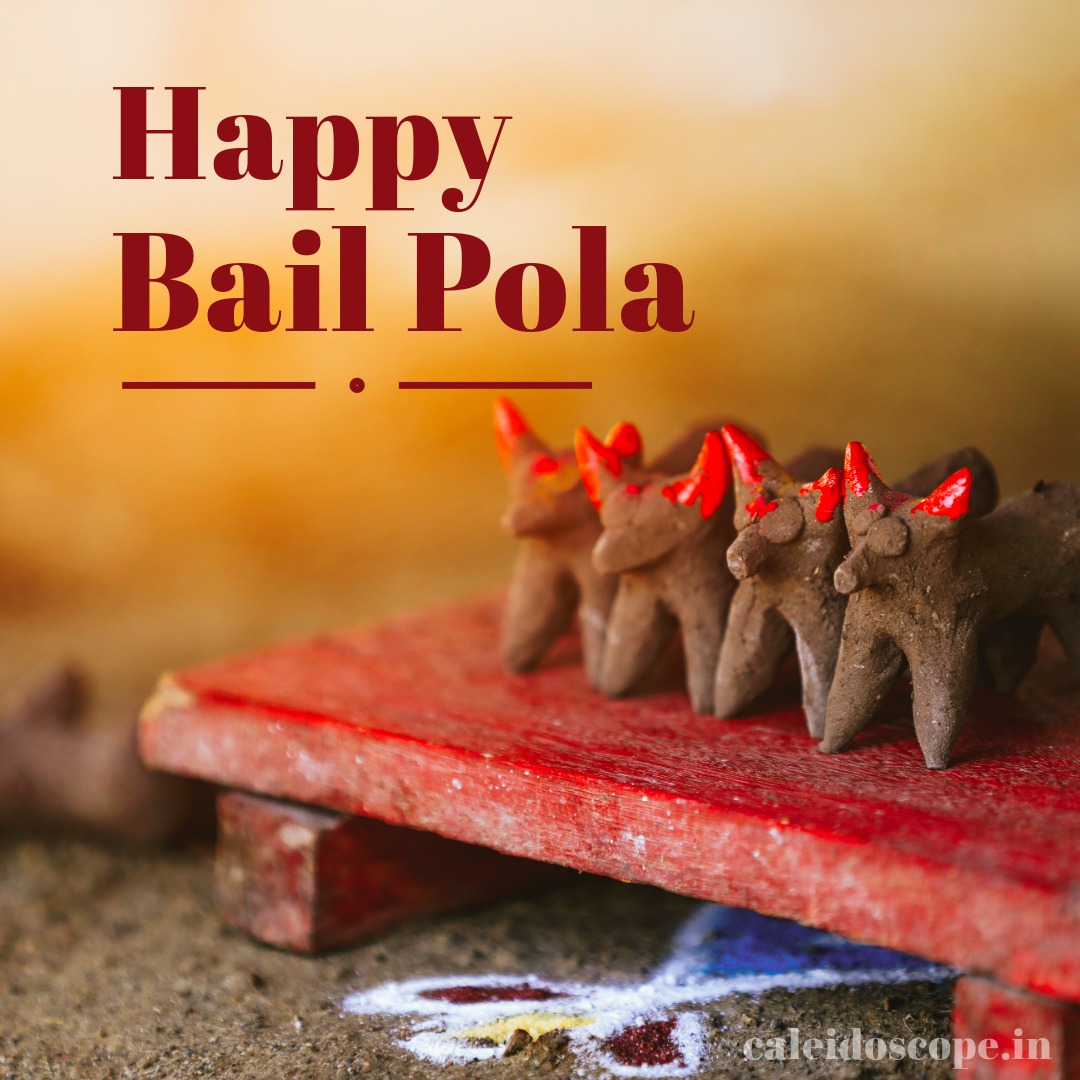
Have you ever seen yellow-coloured bulls decorated with ornaments? What’ll be your first thought if you saw such a bull?

Have you heard of a festival that is celebrated by decorating and worshipping bulls?

An Introduction to Bail Pola

I guess the answer will be ‘no’ because the festival of Bail Pola is not as famous as holi or Diwali, both of which are celebrated across the country. Bail Pola is observed only in the rural areas of certain states like Chhattisgarh and Maharashtra. Even then, it is a very important part of the unique and vast Indian culture.

What is the story behind Pola?

Bail pola is a carnival for farmers to offer their deepest gratitude to bullocks which drive their ploughs so that farmers can sow seeds and earn a living. It is a day when bullocks are worshipped for the rigorous hard work they do in the field, to initiate the seed sowing process and satisfy human hunger.

A Childhood Memory of Bail Pola

Bail-Pola-Maharashtra
Image – Exploremaharashtra.blogspot.in

Having been born and brought up in an urban city with no knowledge of the farming profession, I hardly knew about this festival in my childhood days.  But I still remember an incident from back then. It was the day after a Bail Pola celebration. I had accompanied my mom to the temple. In the vicinity of temple was an open land with grass. There, I saw two bulls, coloured yellow and wearing ornaments. Being a young boy, I was amazed upon seeing them and started imagining all kinds of reasons for the same.

How is Bail Pola celebrated?

Bail Pola Festival-3

The first reason I thought of was rangpanchami. On rangpanchami, we throw water and colour on each other. So I imagined that even the bulls had celebrated their rangpanchami and so were coloured. But again I thought how can four-legged animals throw colour at each other? And so, this reason was rejected.

Looking at the ornaments worn by the bulls, another thought came up – marriage. For marriage ceremonies, turmeric is applied on couples and they wear ornaments. In the same way, turmeric must have been applied on the bulls and ornaments worn as yesterday could have been their marriage. But then I thought – who has the time to conduct rituals and marry bulls? So I discarded that thought too.

Bail-Pola-or-Bendur
Image – Myfestives.wordpress.com

Soon, another thought flashed through my mind. I remembered the time when my friend fell into a manhole and all his clothes became black from the dirty manhole. So I thought even these bulls must have fallen into a pool of yellow-coloured substance. But how can both the bulls fall in the same pool? And how come only half their body was coloured?

Why are these bulls coloured?

Irritated by so many questions, I asked my mom, “Why are these bulls coloured?”

She replied, “Yesterday was Bail Pola and people decorate and worship bulls and so they are coloured.”

Her answer brought out another query, ‘Why and who worships bulls?’ My mom was getting late for some important work and so she ignored my question. But this unanswered query remained dormant in my mind.

Learning About Bail Pola

Bail Pola Festival-4

Last year, on the day of Bail Pola, a few of my seniors were wishing one of their batch mates a happy birthday. Even I thought it was his birthday and wished him. Later a senior told me that they were teasing that guy, calling him a bull for his bulky body and because it was bull’s day they were greeting him. This incident roused my dormant query and I asked one of my batch mates who comes from a village, “Do you know about Bail Pola festival?”

Since she replied in the affirmative, I became inquisitive and asked her to tell me everything she knew about it.

Rituals and Celebrations of Bail Pola

Bail-Pola-Festival
Image – Soniarevankar.wordpress.com

She told me that it is celebrated by farmers in the villages of Maharashtra and Chhattisgarh. It is observed on full moon day, in the month of sharavana, according to the Hindu calendar. It is celebrated to offer gratitude to bulls and worship them for all the hard field-work they do.

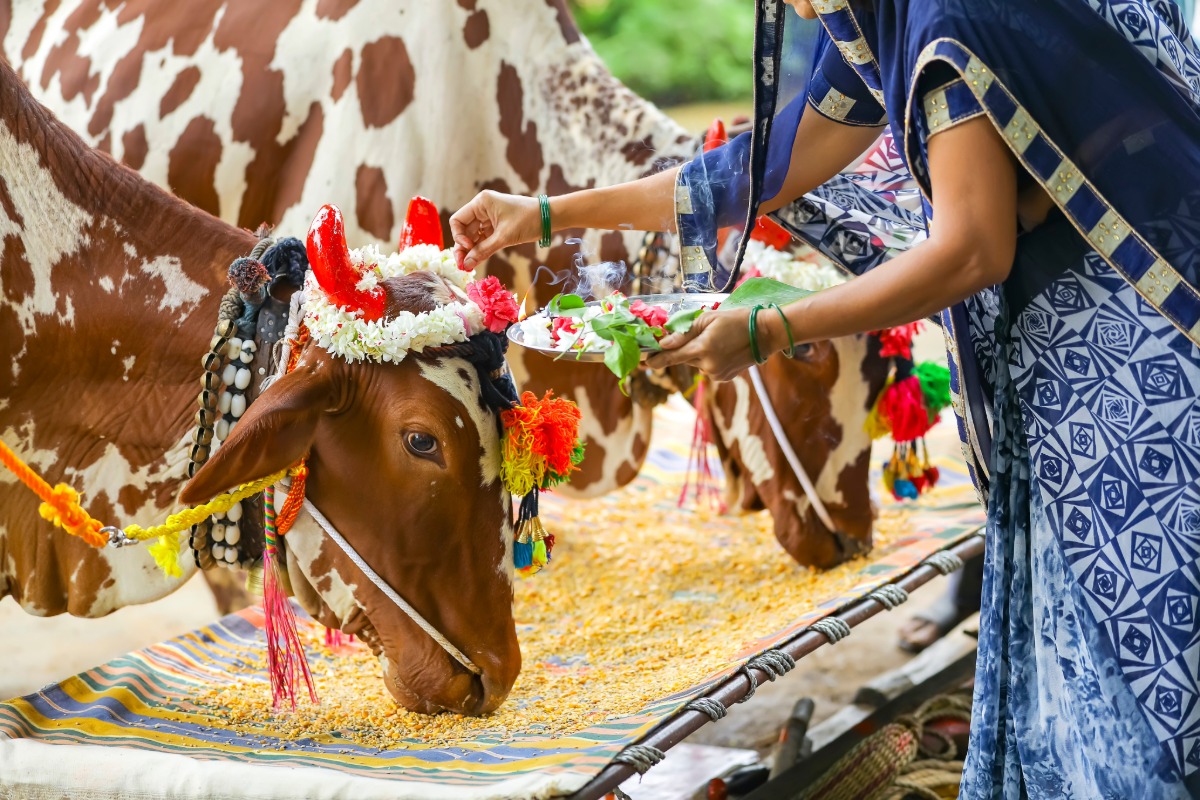
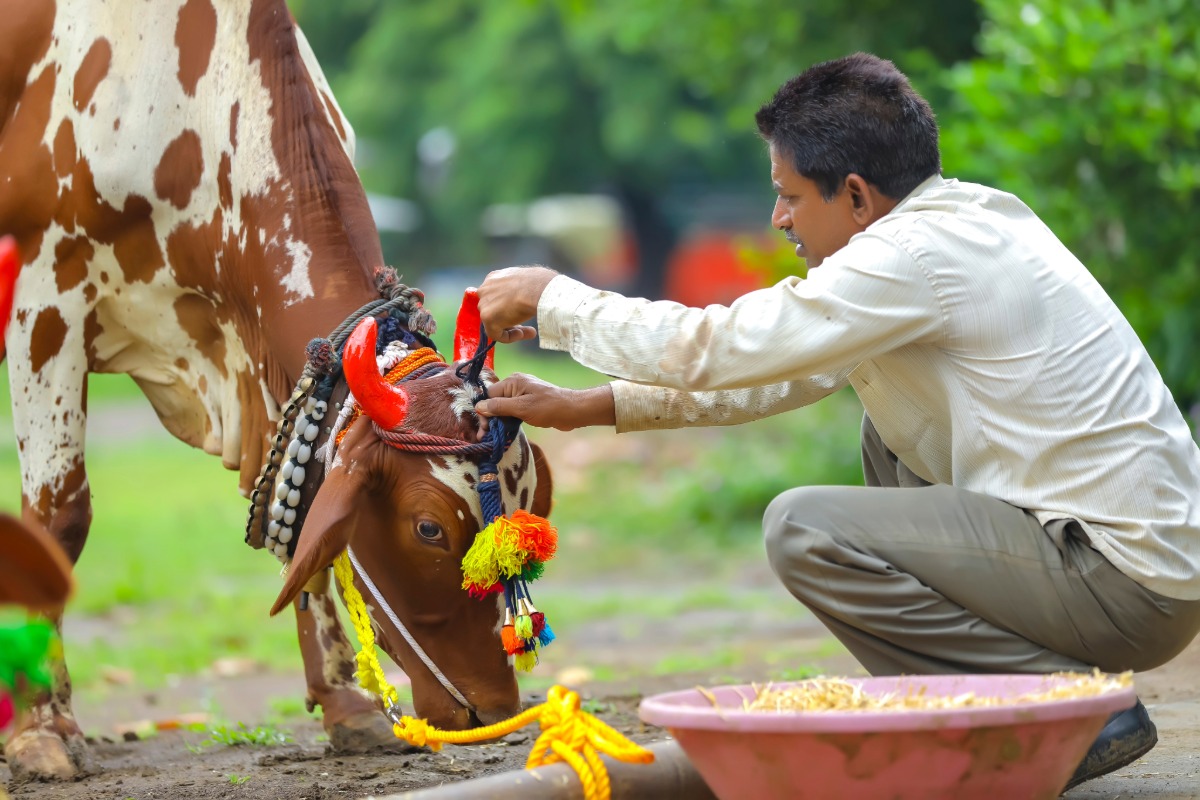
The bulls are taken to a river or water reservoir and given a nice bath. They are then coloured, decorated, studded with ornaments, shawls and garlands. Then they are worshipped and fed good food. Poranpoli and five other vegetables are given as a meal for the day. Most importantly they are given complete rest for the entire day. In the evening, there is a procession in the village with music and dancing.

Takeaways

After hearing this, I felt stupid about all the reasons my small brain had made up for coloured bulls, back in my childhood. Now that I know the reason for the festival, I feel it is important to offer gratitude not only on a single day but every day which also means proper care and good diet for the bulls. Because of them, farmers feed us and we are healthy. So here is a shout-out to the bulls and Happy Bail Pola.

FAQs About Bail Pola Festival

Question: Why is Bail Pola celebrated?

Answer: In Maharashtra Bail Pola is celebrated to honor and thank bullocks for their tireless role in farming and sustaining rural life.

Question: What is the occasion of Pola?

Answer: Pola is the occasion observed on the Amavasya of the Bhadrapada month, when farmers worship and celebrate their bullocks in gratitude for their role in agriculture.

Question: What do they eat on Pola festival?

Answer: On Pola festival, farmers cook Puranpoli, lentil dishes, and a variety of seasonal vegetables, which are first offered to the bullocks and then enjoyed by the family.

Question: Which animal is worshipped in the Pola festival of Maharashtra?

Answer: In the Pola festival of Maharashtra, bullocks are worshipped for their vital role in farming and agriculture.

Question: In which state is Bail Pola celebrated?

Answer: Bail Pola is primarily celebrated in the Indian states of Maharashtra and Chhattisgarh.

Madras Day 2025: Celebrating Chennai’s Everlasting Legacy

0

Happy Madras Day

Every August 22, Chennai city celebrates Madras Day to remember the founding of Madras in 1639. The day further brings history and pride to the city itself. On this day, we are seeing city people and visitors honoring the time when the East India Company got the land from local Nayak rulers, making the base for Fort St. This was only the start of building the fort in that area. Basically, George and the city eventually became the same bustling place we see today.

Suggested Story: Madras Bashai – The Flamboyant Lingo of Chennai

Why do we celebrate the Madras Day?

The idea of celebrating Madras Day actually started in 2004, when journalist-activists Vincent D’Souza and Sashi Nair definitely invited historian S. Basically, Muthiah will show the city’s history through public events and memorials, doing the same work to make the past come alive for people. What actually began as small local events has definitely grown into a heritage festival that spans several days—sometimes the entire month of August.

What Makes Madras Day Special?

Chennai-Culture-Infographic

Madras Day surely celebrates the rich cultural heritage and historical significance of Chennai, bringing together people to honor their city’s legacy. Moreover, this annual event strengthens community bonds while preserving local traditions and promoting awareness about the city’s unique identity.

Heritage Walks & Architectural Marvels: Heritage walks explore Mylapore and George Town areas further, covering colonial landmarks like Fort St. The architectural marvels itself attract many enthusiasts who lead these explorations. The city surely boasts remarkable buildings like St. George, the Gothic High Court, and the Indo-Saracenic Senate House. Moreover, these structures represent true architectural gems that define the urban landscape.

Cultural Conversations & Exhibitions: We are seeing cultural talks and photo exhibitions where history comes alive through stories and pictures, connecting different generations to the city’s rich identity. These programs only use simple voices and visuals to show the layered past of our city.

Festive Spirit & Community Bonding: Poetry readings, school competitions, food festivals, and musical programs surely bring great energy and civic pride to the city. Moreover, these festive activities help people come together and build stronger community bonds. Madras Day actually celebrates community and culture together. It definitely brings people closer through shared traditions.

Academic institutions today actually face similar challenges with resource allocation and student access. These historical patterns definitely remain relevant for understanding modern educational inequalities and policy decisions.

Why It Matters Today?

As per tradition, Madras Day connects the city’s past with today’s time, asking Chennai people to value their heritage. Regarding the city’s growth, it moves forward as a center for education, arts, technology, and movies. This annual event further shows how history shapes our identity itself. It depends on the continuous efforts of people who work to preserve these important stories.

Takeaways

In summary, this study further examines the main factors that affect student performance in online learning environments itself.

Basically, Madras Day is the same as celebrating our city’s memories, community spirit, and development all together. As per Chennai’s tradition, people honor their legacy by walking old streets and tasting traditional dishes regarding the city’s past. This legacy continues every day through stories and food that connect residents to their history.

Basically, do you want to add a sidebar with interesting facts or quotes from past Madras Day celebrations – it’s the same as having extra information on the side.

Suggested Story: Chennai & London Have More in Common Than You Think

Kid Friendly Destinations in India for Fun, Culture and Adventure

0

Kid Friendly Destinations in India-1

Travelling with the children is not only about sightseeing, it is more about building memories, gaining interest, and providing memories that they can cherish. India, with all its colors, history, traditions, art, and festivals is a cultural place that can be not only entertaining but also educative to children. India is a land full of colorful forts, living heritage villages and much more. Here are 10 kid friendly destinations in India that are perfect for children and families.

List of Kid friendly Destination in India

Destination Key Kid-Friendly Places
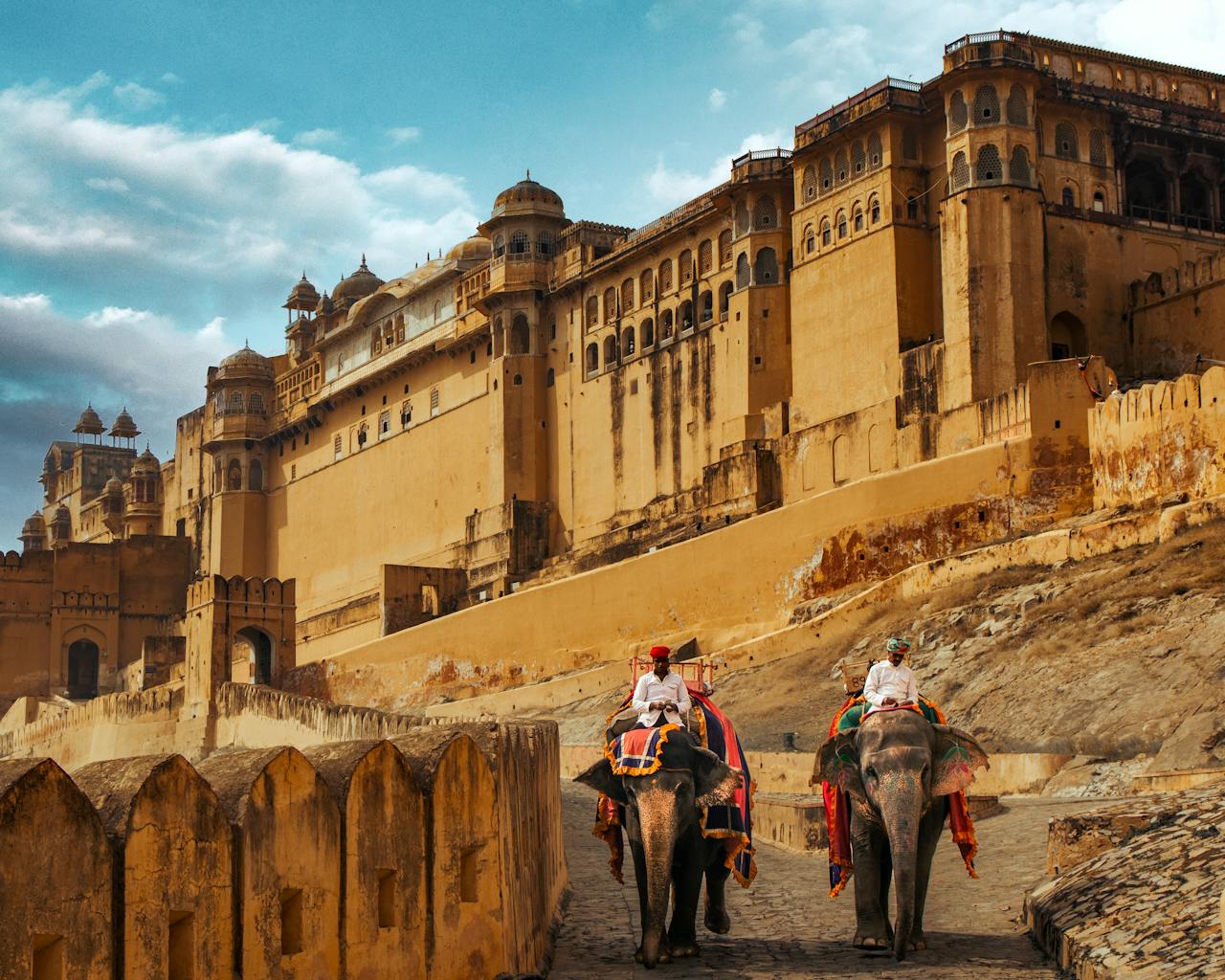
Jaipur, Rajasthan Amber Fort (elephant rides, mirror work), City Palace Museum, Jantar Mantar observatory, Chokhi Dhani (puppet shows, camel rides, Rajasthani village experience).
Agra, Uttar Pradesh Taj Mahal, Agra Fort (tunnels & hidden rooms), Baby Taj (Itimad-ud-Daulah), bustling markets with marble souvenirs.
Hampi, Karnataka Vittala Temple with musical pillars, stone chariot, boulder climbing, coracle boat rides on Tungabhadra River, mythological tales of Ramayana.
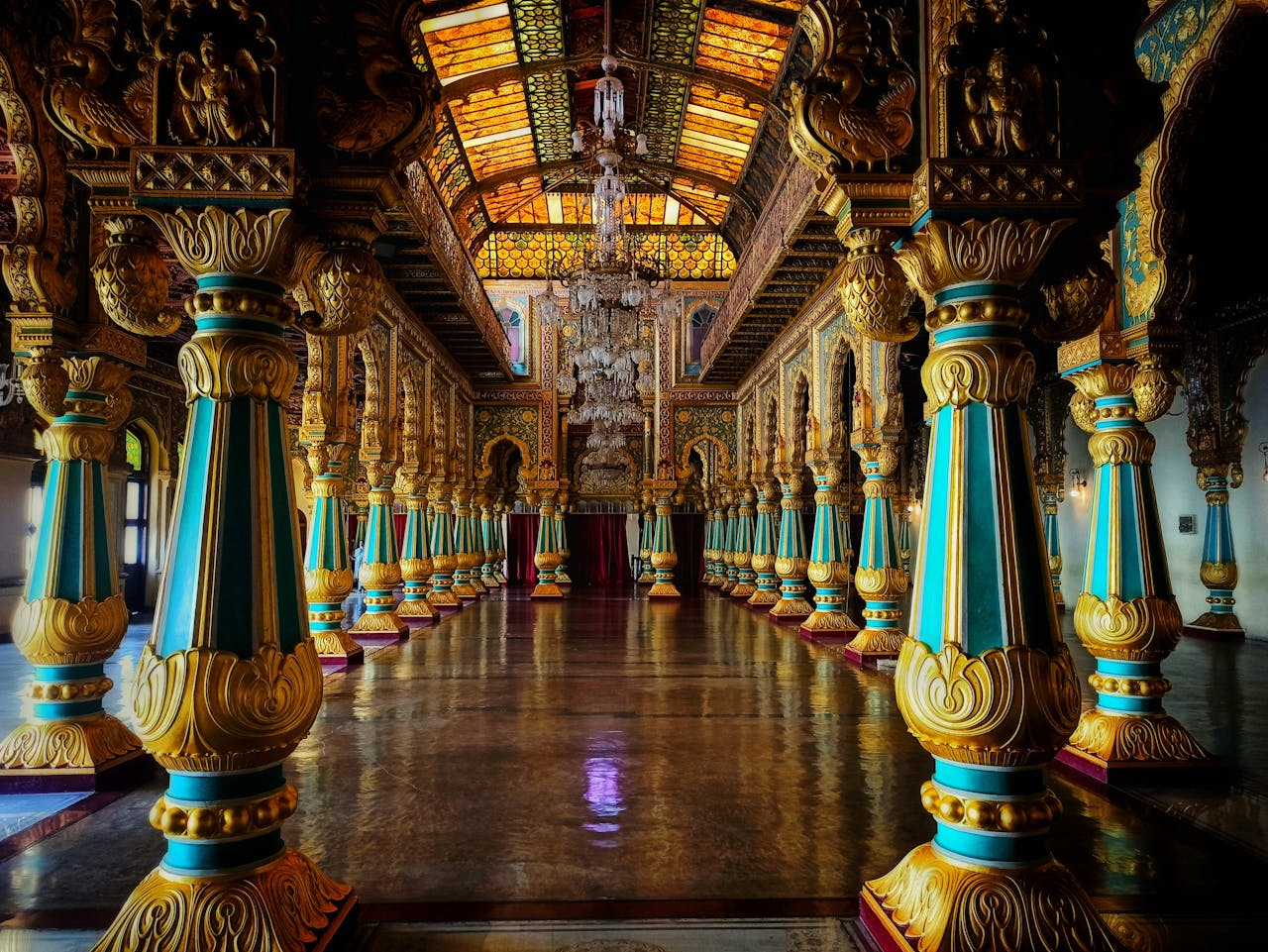
Mysuru, Karnataka Mysore Palace, Mysuru Dussehra festival, Rail Museum, Mysuru Zoo, Mysore silk weaving, sandalwood carving workshops.
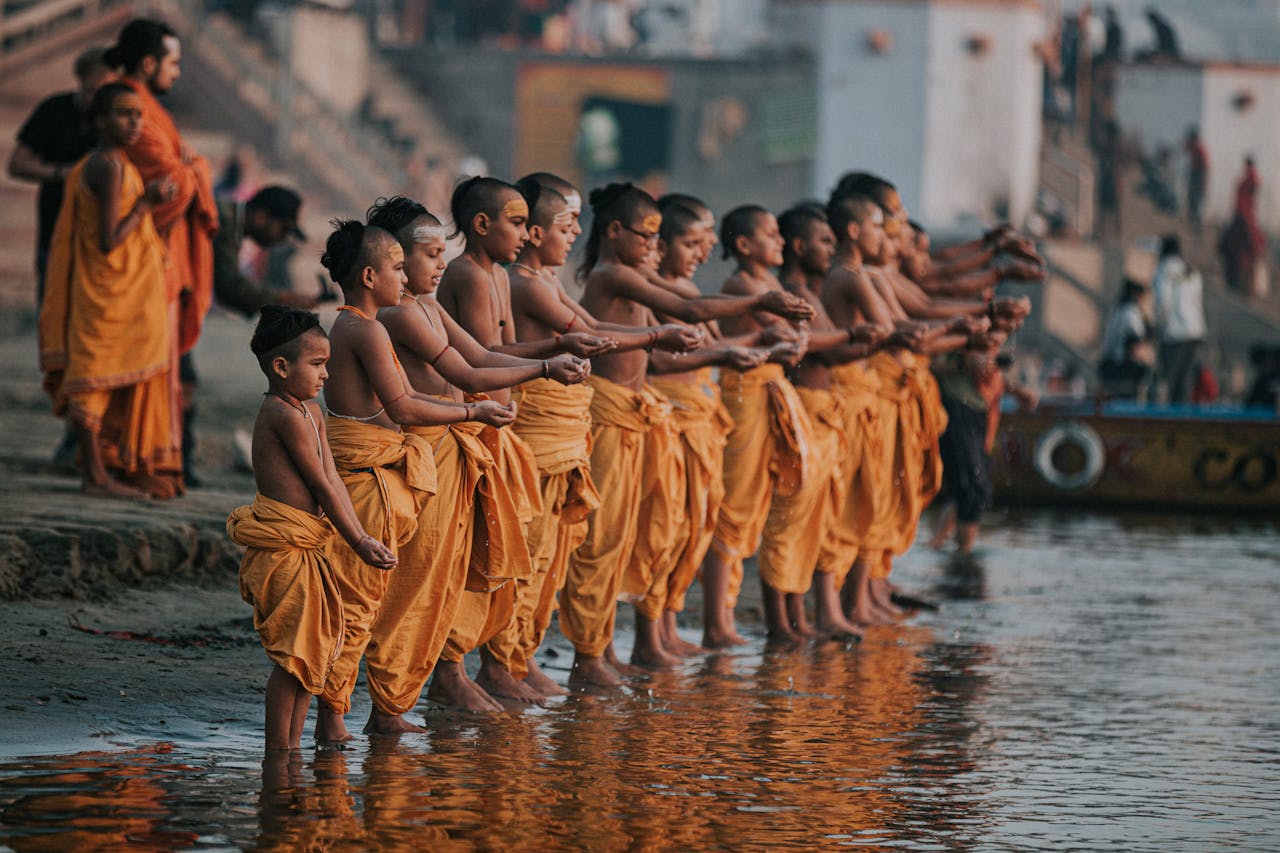
Varanasi, Uttar Pradesh Sunrise boat ride on Ganga, evening Ganga Aarti, lanes with toy shops & sweets, musical instruments, visit to Sarnath (Buddhist history).
Andaman & Nicobar Islands Radhanagar Beach (safe swimming), Cellular Jail light & sound show (history made child-friendly), Ross Island ruins, North Bay Island glass-bottom boat rides, snorkeling at Havelock Island, marine life at Samudrika Naval Marine Museum.
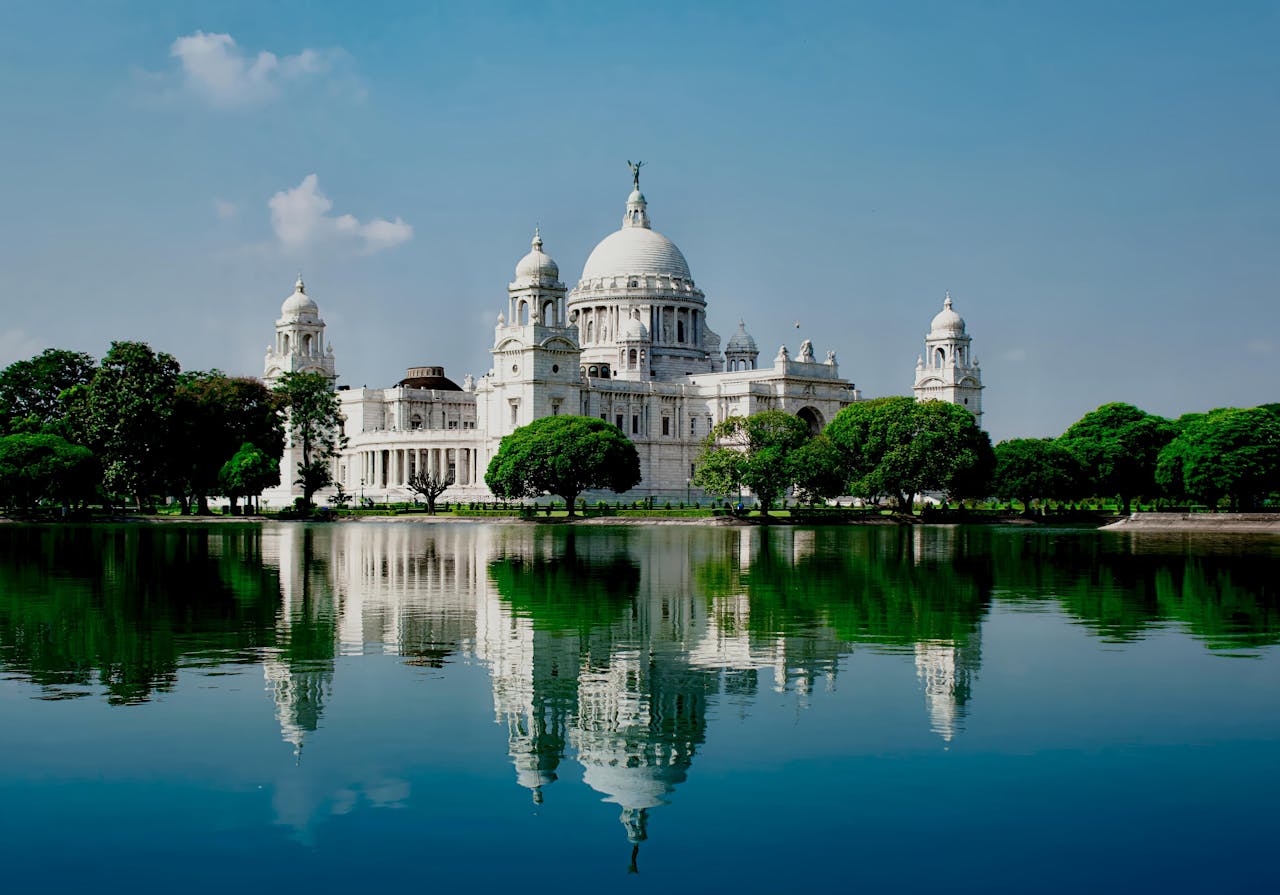
Kolkata, West Bengal Victoria Memorial, Indian Museum (dinosaurs & mummies), tram & yellow cab rides, Durga Puja festivities, street food like kathi rolls & rasgulla.
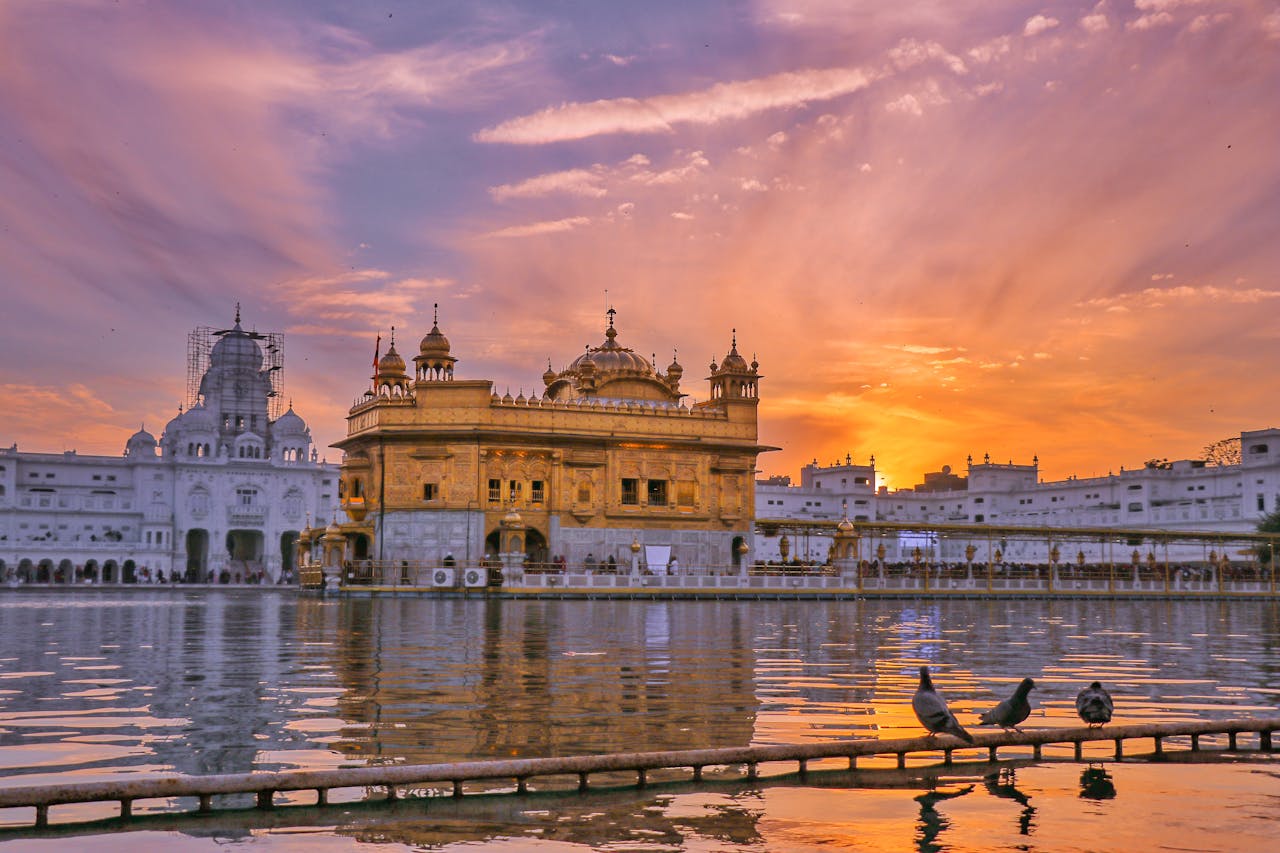
Amritsar, Punjab Golden Temple & sacred pond, langar (community meal), Partition Museum, Wagah Border flag ceremony.
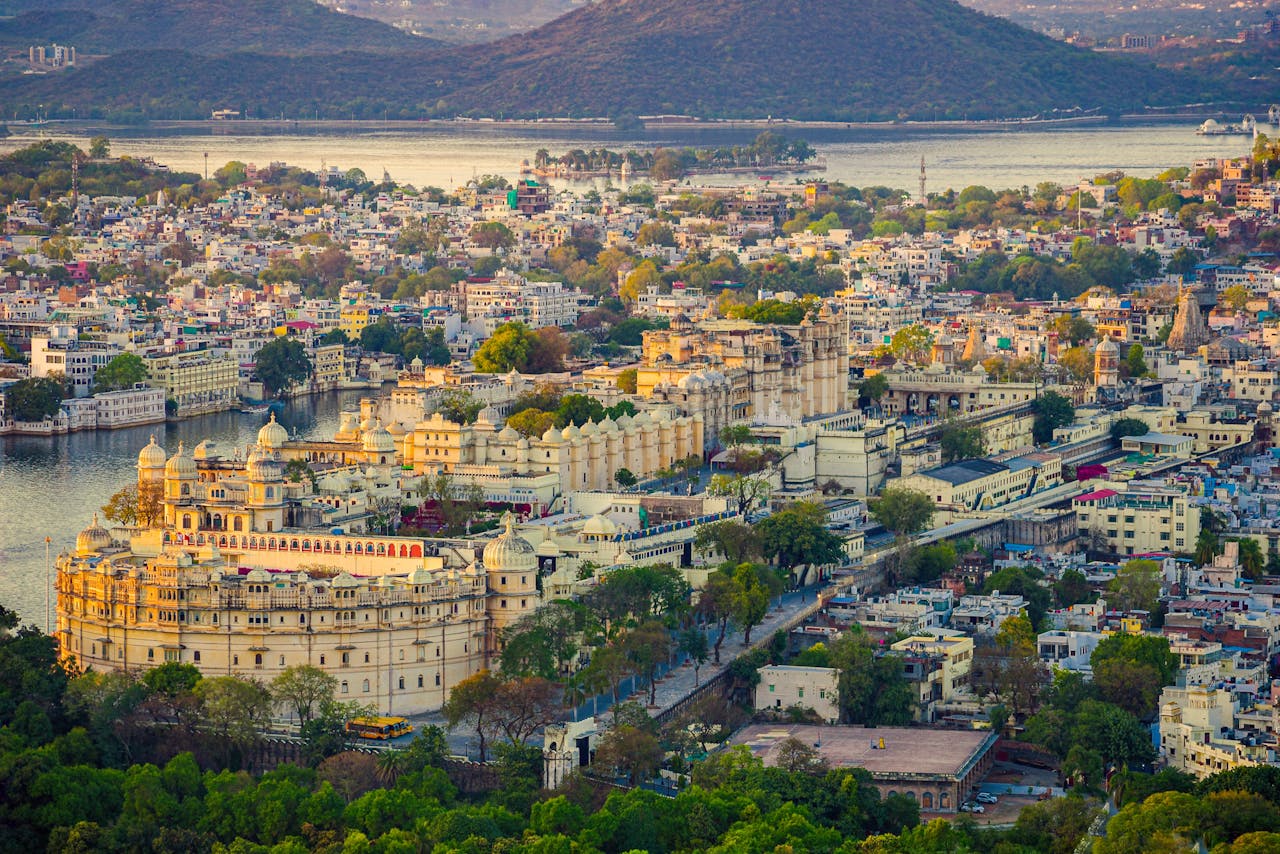
Udaipur, Rajasthan City Palace, boat ride on Lake Pichola, Lake Palace view, Bagore Ki Haveli Museum (folk dances & puppet shows), lakes and gardens.
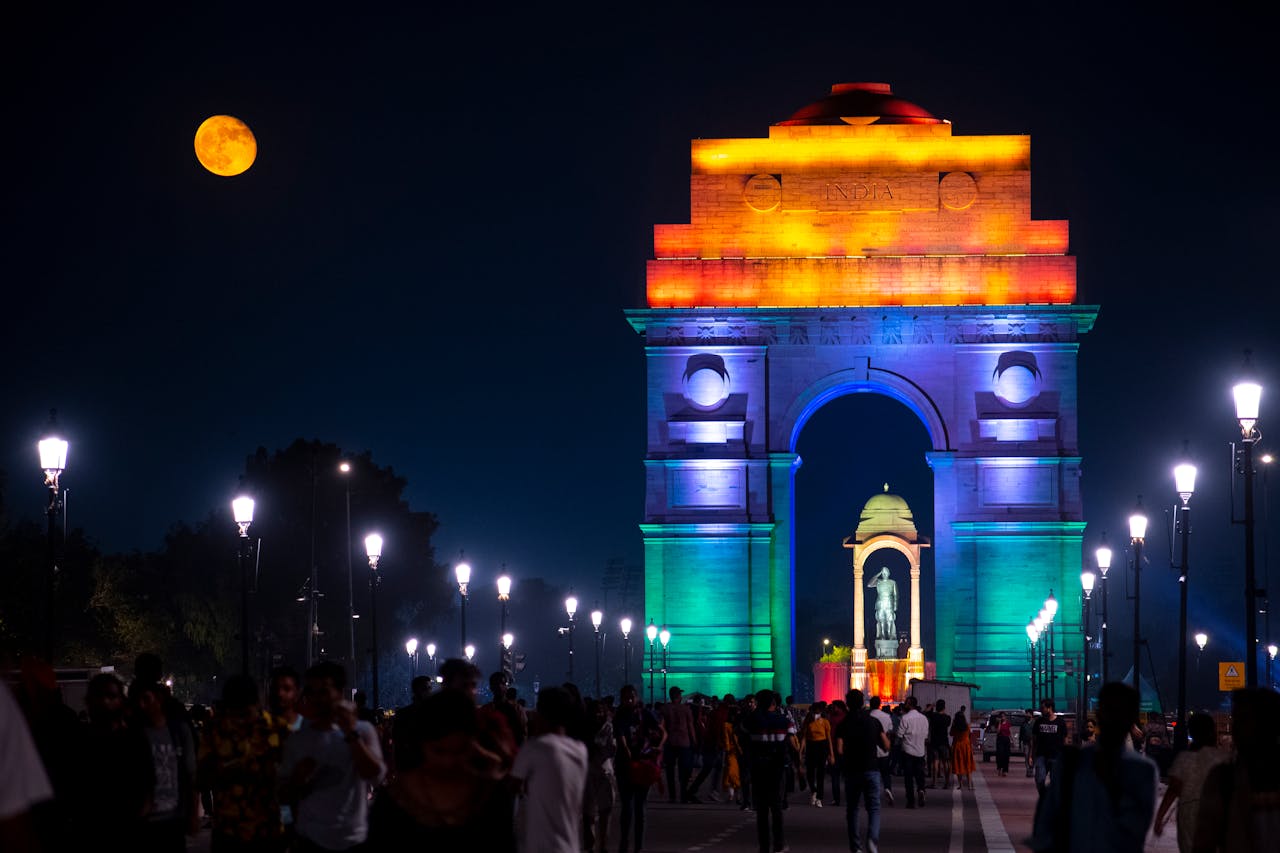
Delhi Red Fort, Qutub Minar, India Gate lawns, National Rail Museum, Crafts Museum, Humayun’s Tomb, Chandni Chowk (sweets, kites, bazaars).

1. Jaipur, Rajasthan

kid friendly destinations in india Jaipur 

Jaipur is an ideal destination in India to visit with children. The Amber Fort, its elephant rides and mirror work is like a fairy-tale palace. Children will enjoy exploring the City Palace museum, which showcases royal attire, ancient weapons, and historic carriages. A visit to the Jantar Mantar observatory can get them interested in astronomy with large instruments that were used to chart astrology. Do not miss a fun filled evening at Chokhi Dhani where kids can see the puppet show, camel ride, and typical Rajasthani food which is served in a village-like style.

2. Agra, Uttar Pradesh

kid friendly destinations in india Agra

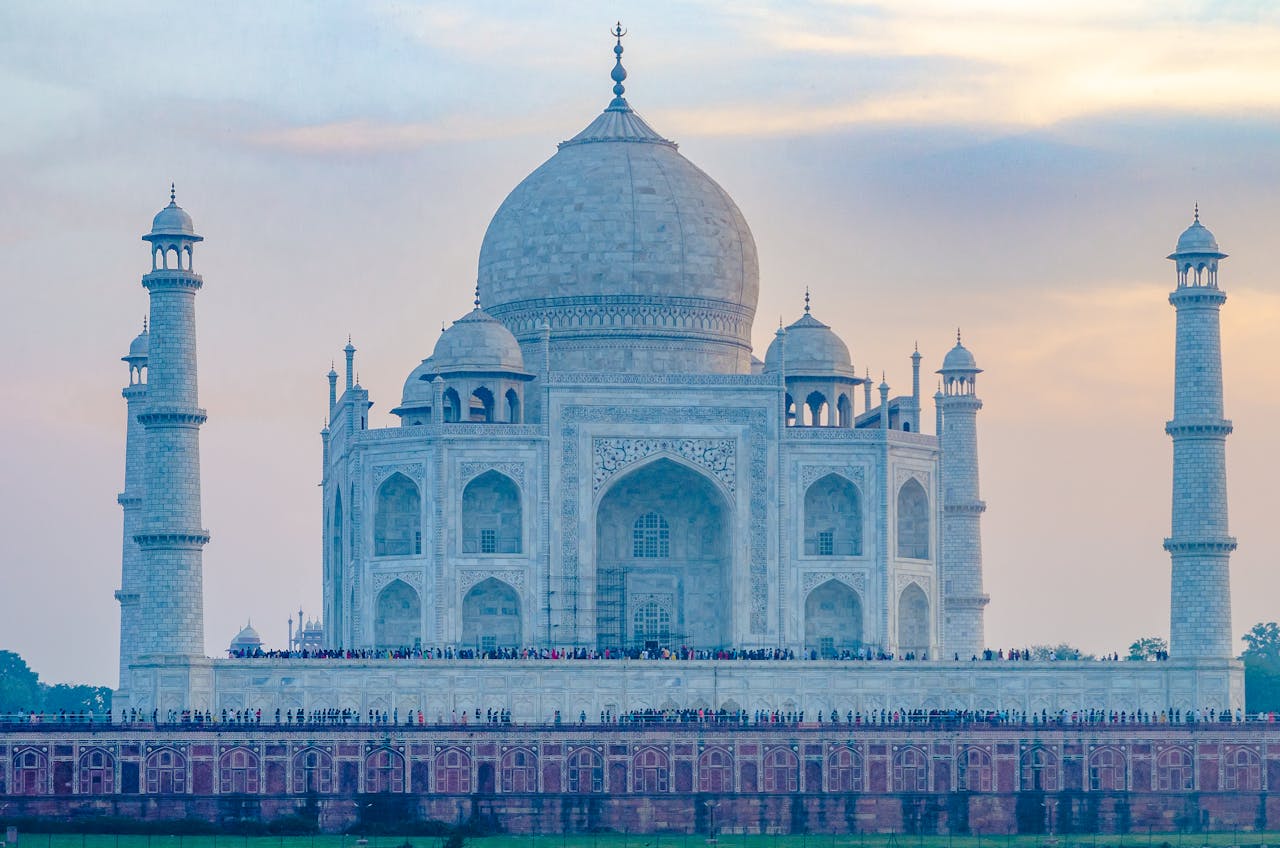
Agra is popular due to the Taj Mahal but it still has a lot to offer to keep children occupied. White marble wonder itself can make children look at it, as it seems to be almost magical because of its overwhelming symmetry. The Agra Fort, full of twists and turns and tunnels and hidden rooms, is ideal to explore. To make it interactive you could tell some stories of Mughal emperors and princesses who used to live there. It is also possible to visit Baby Taj (Itimad-ud-Daulah) and a busy market place selling marble souvenirs.

3. Hampi, Karnataka

kid friendly destinations in India Hampi

This UNESCO World Heritage Site has huge temples and stone chariots that are like a huge playground to kids. The Vittala Temple with musical pillars and the iconic stone chariot is also famous. Kids usually love to climb on the boulders that are around the landscape and give a clear view of the ancient city. The ride on a coracle boat in the Tungabhadra River is an experience too. Hampi has mythological tales of the Ramayana, which makes it a cultural story telling as well.

4. Mysuru, Karnataka

kid friendly destinations in India Mysuru

The Mysore Palace with its interiors and stained-glass ceilings is a royal dream in the making. The city becomes a festival ground with adorned elephants and lighted up streets during Dussehra. Kids will also enjoy the Rail Museum where vintage locomotives are on display and the Mysuru Zoo, one of the oldest zoos in India. Children can also see some of the traditional crafts of Mysore such as Mysore silk weaving and sandalwood carvings that form part of the city.

5. Varanasi, U.P.

kid friendly destinations in India Varanasi

The spiritual experience of Varanasi is a cultural experience with children. The city is highly spiritual, it can be presented to children in the most interactive manner. A sunrise boat ride on the river Ganga is a calm beginning, where children get to observe rituals, floating candles, and the busy ghats. The evening Ganga Aarti is a deeply spiritual experience, where chants, lamps, and music come together to create a truly magical atmosphere. Families also have an opportunity to rome in the lanes with toy shops, sweet stalls, and typical music instruments. A visit to the nearby Sarnath would provide the kids with some knowledge on Buddhism.

6. Andaman and Nicobar Islands

kid friendly destinations in India Andaman and Nicobar Islands

The Andaman and Nicobar Islands are a paradise for families traveling with children, offering the perfect blend of fun, adventure, and learning. Kids will love the soft sands and gentle waves at Radhanagar Beach, while glass-bottom boat rides at North Bay Island open a magical window into the underwater world without needing to dive. Snorkeling at Havelock Island gives older children a chance to see vibrant corals and colorful fish up close. A visit to the historic Cellular Jail, presented with an engaging light and sound show, makes history both emotional and easy to understand. For curious young minds, the Samudrika Naval Marine Museum introduces the fascinating marine biodiversity of the islands in a child-friendly way. With its mix of safe beaches, marine adventures, and cultural insights, the Andamans are an ideal destination for families looking to balance play with discovery.

7. Kolkata, West Bengal

kid friendly destinations in India Kolkata

One of the most impressive structures is the Victoria Memorial which has an imposing architecture and museum that makes one feel as though one has walked into a history book. Families can visit the Indian Museum, which is the oldest in the world, and children are surprised with the fossils of dinosaurs and Egyptian mummies. The rides in trams and yellow cabs of the city are an adventure for kids too. Kolkata becomes a great carnival with lights, music and decorated pandals which fascinates children during Durga Puja. Street food such as kathi rolls and sweets such as rasgulla are also part of the fun.

8. Amritsar, Punjab

kid friendly destinations in India Amritsar

Amritsar, home to the iconic Golden Temple, is one of the most remarkable cultural destinations in India. Children are usually interested in sitting near the sacred pond. The langar (community kitchen) where everyone sits and eats free food is a wonderful learning experience of equality and kindness to children. Families can visit the Partition Museum to comprehend history through visual means. The Wagah Border is a patriotic experience in the evening that children absolutely love.

9. Udaipur, Rajasthan

kid friendly destinations in India Udaipur

Udaipur is the most family friendly tourist destination in India that is picturesque too. Overlooking Lake Pichola, the City Palace features expansive courtyards and dazzling mosaics that spark children’s curiosity and imagination. A boat ride on Lake Pichola is awe-inspiring as it gives a view of the palace and the famous Lake Palace hotel floating in the middle. To have a cultural diversion, attend the Bagore Ki Haveli Museum, where children will have fun with the folk dance performances and puppet shows in the evening. Udaipur has lakes, gardens and palaces that make it a storybook city to the young travellers.

10. Delhi

kid friendly destinations in India Delhi

The Red Fort and Qutub Minar take kids back in time with their large buildings. The India Gate lawns are ideal to spend an evening with an ice-cream in your hand. To learn interactively, the National Rail Museum, Crafts Museum are the places that you should go to, whereas Humayun Tomb will present them with a calm landscape and Mughal architecture. A stroll through the crowded lanes of Chandni Chowk, where they get to find the traditional sweets, kites, as well as colorful bazaars. 

Useful Tips to Travel with Kids

  • Turn history into stories: You can present history in the form of tales about rulers, queens and heroes to evoke interest.
  • Make it fun: Combine museum visits with a local food experience or puppet show.
  • Go at a slow pace: Kids will have fun when they are allowed time to take it in and explore instead of being rushed through the itinerary.
  • Be prepared: Take snacks, water, and little things to keep children occupied.

Conclusion 

Travelling in India with children is the way to open a treasure box with stories, colors, and traditions. All these 10 kid-friendly cultural places in India feature something different and special. Be it a royal palace, an ancient ruin, a spiritual practice or a cultural festival all are worth visiting. Family travel is not about checking boxes, but rather about providing experiences to children that influences how they view the world.
FAQs About kid-friendly Destinations in India

Question: Where is the best place to take kids vacation in India?

Answer: Here are the best kid-friendly travel destinations in India, Jaipur, Agra, Hampi, Mysuru, Varanasi, Andaman & Nicobar Islands, Kolkata, Amritsar, Udaipur, and Delhi

Question: Is India a good place to travel with kids?

Answer: Yes, India is a wonderful place to travel with kids, offering a mix of history, culture, wildlife, and fun experiences that engage young minds.

Question: Where to go with kids in India?

Answer: Top kid-friendly places in India include Jaipur, Agra, Mysuru, Udaipur, Delhi, Varanasi, Kolkata, Amritsar, Hampi, Khajuraho, and the Andaman Islands.

Friday OTT Releases This Week (August 22, 2025): 5 New Movies & Shows to Stream

0

Friday-OTT-Releases-August-22-2025-A

As weekend comes, streaming platforms are adding new content to keep viewers interested further. This helps the platforms maintain audience engagement itself. Further, this Friday, August 22, 2025, offers diverse content from Tamil dramas to superhero and horror films across Netflix, Prime Video, JioHotstar, and ZEE5. The entertainment itself further spans multiple genres on these major OTT platforms. Here are actually five main releases you can definitely watch on streaming platforms today.

Title Platform & Highlights
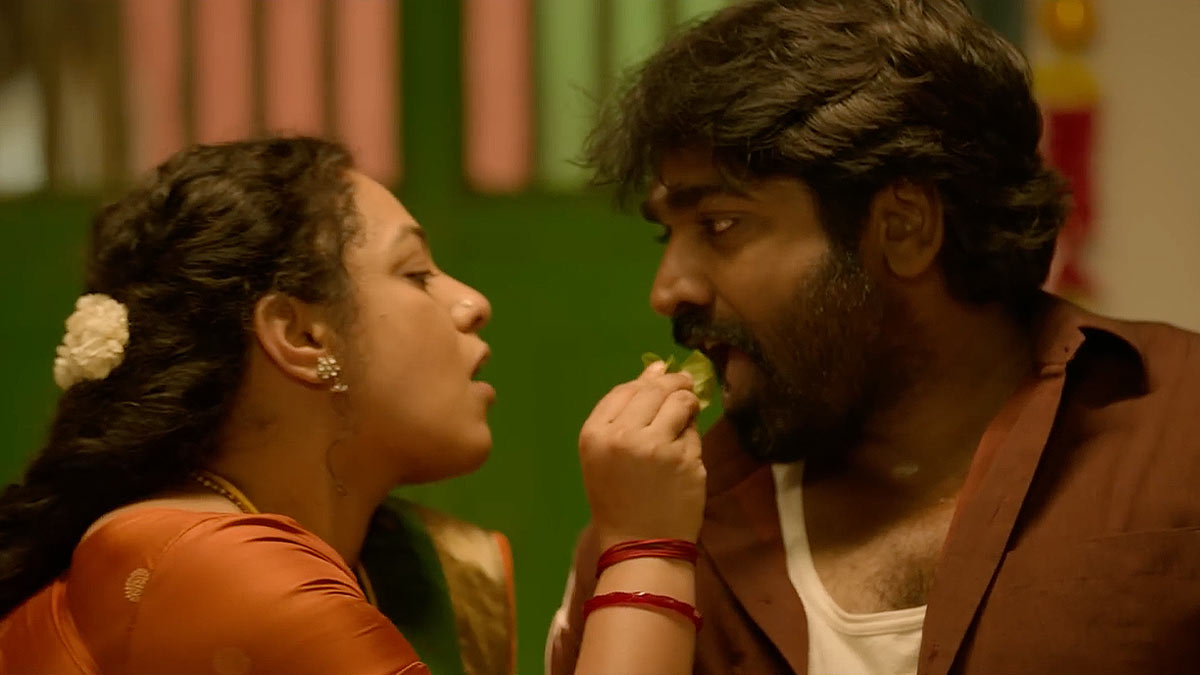
Thalaivan Thalaivii Amazon Prime Video – Tamil romantic family drama starring Vijay Sethupathi & Nithya Menen.
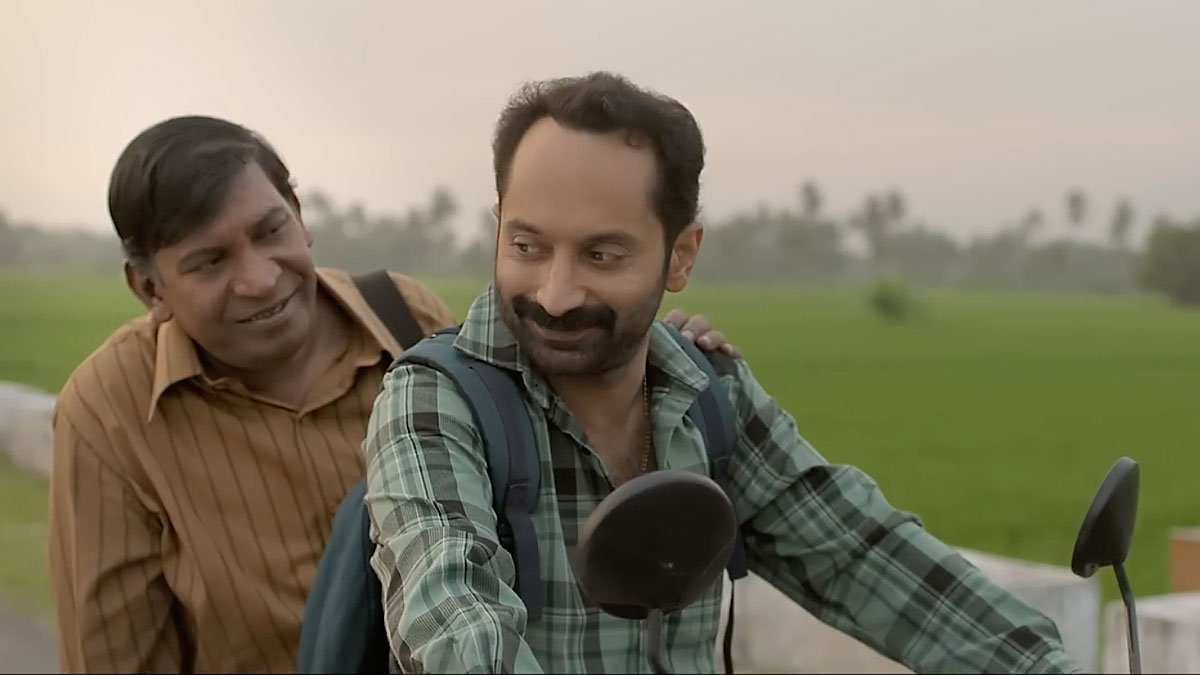
Maareesan Netflix – Tamil comedy-drama with Fahadh Faasil & Vadivelu; multilingual release in 5 languages.
Peacemaker Season 2 JioHotstar – John Cena returns in the irreverent DC superhero action-comedy series.
Maa Netflix – Kajol stars in a mythological horror thriller exploring folklore and supernatural themes.
Aamar Boss ZEE5 – Bengali family drama about a publisher whose mother joins as an intern, bringing emotional twists.

1. Thalaivan Thalaivii – Amazon Prine

Friday-OTT-Releases-August-22-2025-Thalaivan-Thalaivii-Amazon-Prine

The highly anticipated Tamil romantic family drama featuring Vijay Sethupathi and Nithya Menen has surely made its debut on Prime Video. Moreover, this release will certainly appeal to audiences who have been waiting for quality family entertainment. We are seeing director Pandiraj making a film about a husband and wife who face problems in their marriage. The movie only shows how they deal with love, fights, and coming back together. After doing well in theaters, this movie will definitely attract many viewers when it actually releases on streaming platforms.

2. Maareesan – Netflix

Friday-OTT-Releases-August-22-2025-Maareesan-Netflix

We are seeing Maareesan only on Netflix platform. This show is available for streaming to Indian viewers.

As per the film details, Maareesan stars Fahadh Faasil and Vadivelu in a Tamil comedy-drama regarding a small thief who goes on a big life journey with an old man. As per box office reports, the film did not earn much money, but critics praised it regarding its touching story and special comedy style. The film’s OTT release in multiple languages including Tamil, Hindi, Telugu, Kannada, and Malayalam surely makes it accessible to a wider audience. Moreover, this multilingual approach helps the movie reach viewers across different regions of India.

3. Maa – Netflix

Friday-OTT-Releases-August-22-2025-Maa-Netflix

Netflix further expands its content library with “Maa”, showcasing regional storytelling that connects with diverse audiences. The platform itself demonstrates commitment to local narratives through such productions.

Kajol surely leads this compelling mythological horror film that combines supernatural elements with traditional Indian folklore. Moreover, the movie effectively blends ancient cultural stories with modern horror themes. Moreover, the film explores scary legends as per traditional stories, regarding which viewers get a frightening movie experience. We are seeing that Maa mixes old stories and scary scenes, making it a film that only thriller fans and people who like folklore tales should watch.

4. Aamar Boss – ZEE5 (OTTplay Premium)

Friday-OTT-Releases-August-22-2025-Aamar-Boss-ZEE5

Basically, Aamar Boss on ZEE5 through OTTplay Premium is the same workplace drama that shows office politics and relationships in a simple, direct way.

Further, basically, this Bengali family drama shows a 40-year-old man who runs a publishing company, and his life changes when his mother comes to work at the same office as an intern. As per the story content, it shows real family emotions and warmth regarding human relationships. The narrative presents genuine feelings that make it relatable.

5. Peacemaker Season 2 – JioHotstar

Friday-OTT-Releases-August-22-2025-Peacemaker-Season-2-JioHotstar

Peacemaker Season 2 further explores the character’s journey on JioHotstar itself. The series continues its action-packed storyline with new challenges and developments.

Basically, John Cena is back as the same superhero who uses bad words but people still like him in Peacemaker season two. Basically, this season has the same mix of action and dark comedy that expands the DC universe while keeping fans entertained with its bold style.

Takeaways

This Friday’s OTT releases surely offer something for every viewer with their diverse collection of South Indian dramas, Hollywood superhero films, and regional family stories. Moreover, such variety ensures that audiences can easily find content matching their preferences. August 22, 2025 will actually offer emotional stories, action films, and horror movies. You will definitely stay glued to your screen with these different choices.

Naresh Kumar Kumawat: Shaping India’s Past in Stone and Bronze

0
Naresh-Kumar-Kumawat-Sculptor-01
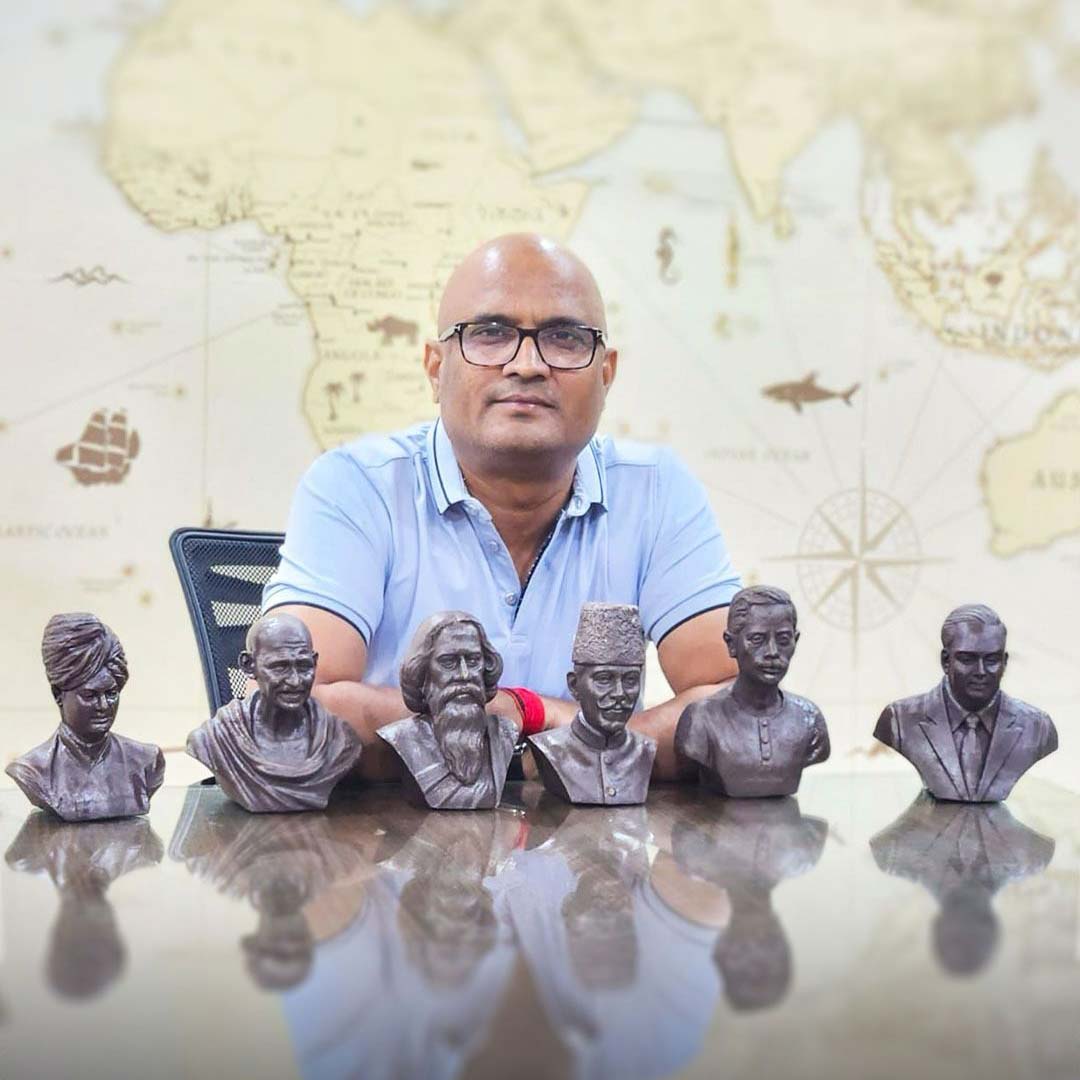
Master Sculptor, Naresh Kumar Kumawat

In a time when digital photos appear and disappear in a blink of an eye, Naresh Kumar Kumawat’s sculptures make you pause and continue to gaze in awe. Genius Master Sculptor and proprietor of Matu Ram Art Centres Pvt. Ltd., Naresh Kumar Kumawat dedicated his life to transforming reluctant metal and stone into forever remembered memorials that bear India’s religious and cultural weight.

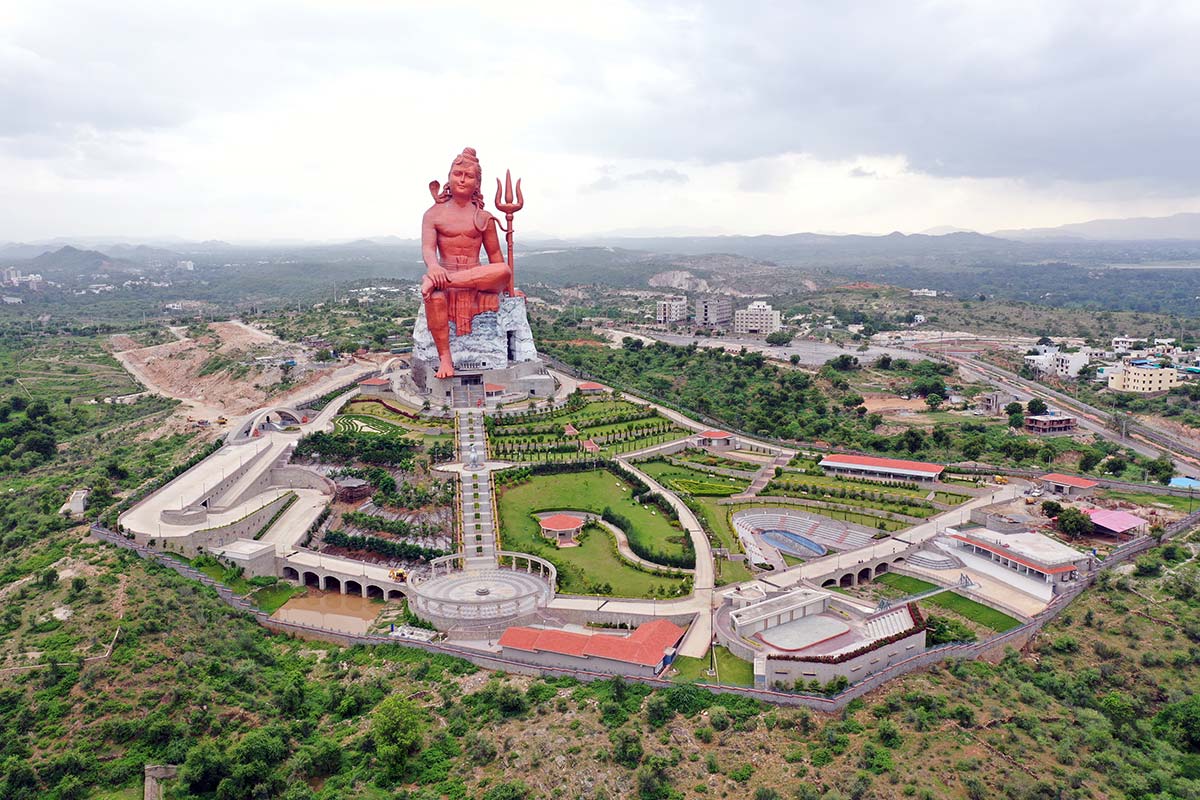
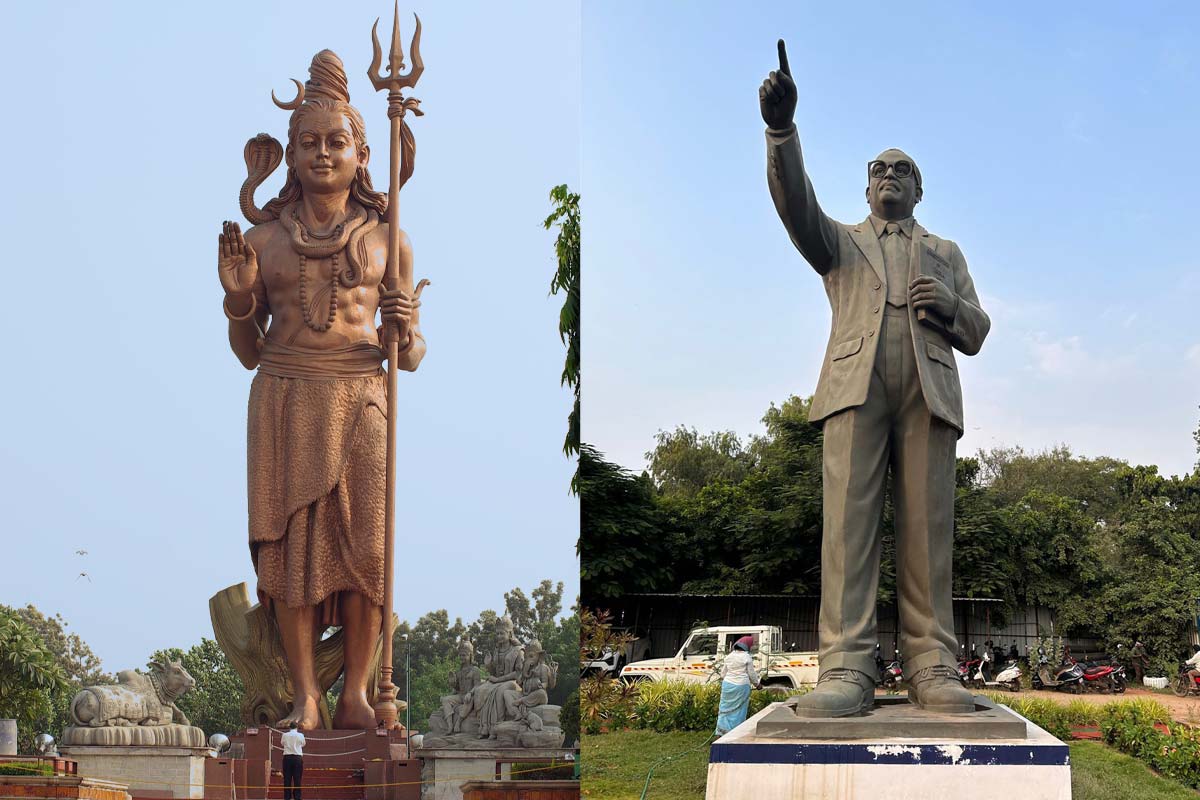
From Nathdwara’s 369-foot Statue of Belief, the tallest Lord Shiva statue in the world, to the Samudra Manthan mural in the new Indian Parliament, these are not mere sculptures, but living history, religion, and identity. With more than 600 international installations in 80 nations, Kumawat has become a cultural ambassador of India to the world. 

A Legacy Carved in Stone

Naresh-Kumar-Kumawat-Sculptor-02

Naresh Kumar Kumawat was born into a family of three generations of a Rajasthan sculptor, and hammers, chisels, and the rhythm of creation grew in him. His father, Matu Ram, was a visionary sculptor whose mythic Shiv Murti in South Delhi (1989-1993) redefined the concept of public sculpture in modern-day India.

“I was born a sculptor by blood, by passion, and by the calling of life,” Kumawat recalls. “Sculpture was never a profession for us. It was and continues to be a calling of God.”

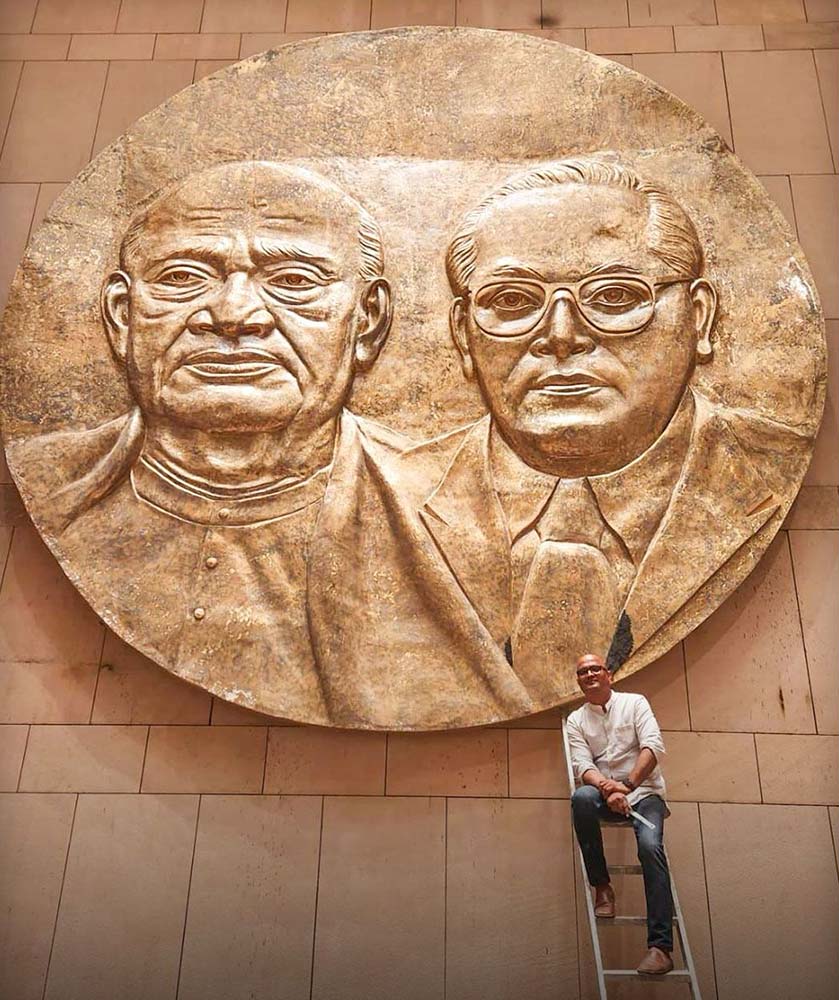
Carrying on in that legacy, Kumawat’s works now encompass mythological, historical, and cultural myths such as sculptures of Dr. B.R. Ambedkar at the Supreme Court and Mahatma Gandhi installations in over 30 countries ranging from Geneva and South Africa to Japan, utilized as universal symbols of peace and conversation.

Traditional Art Meets New Technology

Traditional Art Meets New Technology

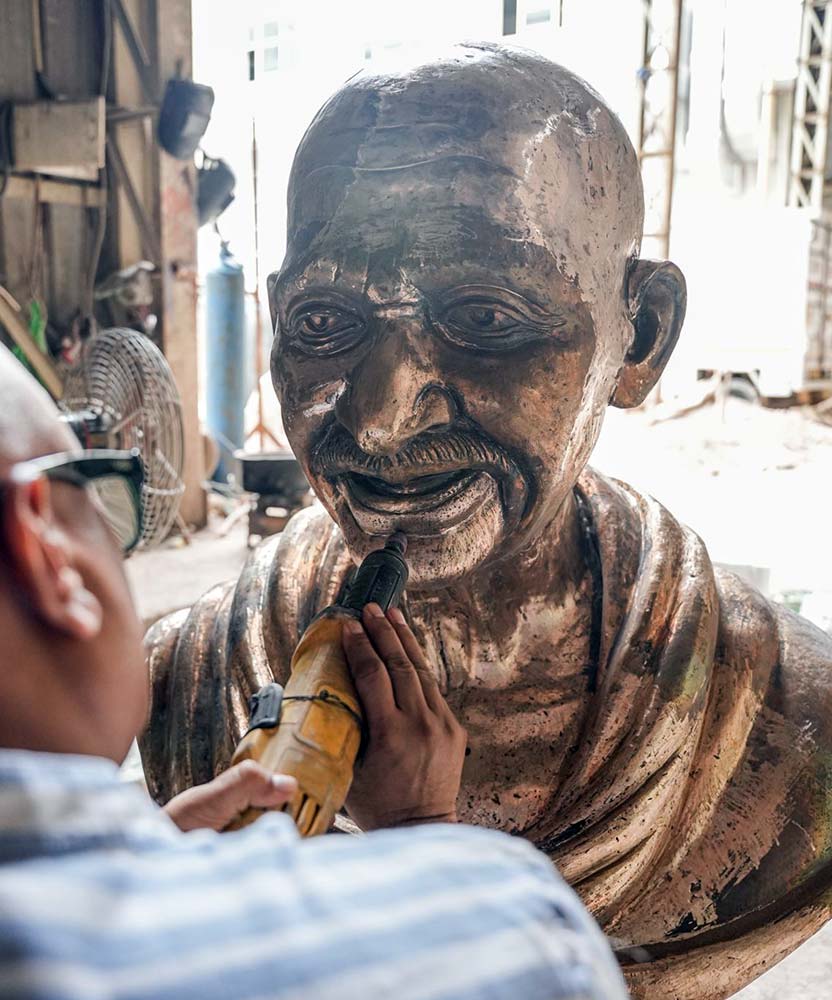
Even as he is rooted in traditional practice, Kumawat has introduced cutting-edge technology to expand the scale and precision of his work. He now uses 3D scanning, robotic arm sculpture, and computer modeling in his handmade works.

“Technology has instructed my hands in a new language but has not changed the nature of sculpture,” he claims. And this coming together of the old and the technology has enabled him to dream up some of the largest and most complex public art installations globally, from Guinness-recorded Char Dham sculptures at Vrindavan to Limca-recorded Lord Hanuman at Solan.

Public Art as a Cultural Conscience

Naresh-Kumar-Kumawat-Sculptor-03

Kumawat views monumental sculpture as art, but even better, it’s cultural storytelling.

“Public art determines how people think about their society. Our forefathers dug out Ajanta and Ellora not for museums, but for generations. Through sculpture, we know what we were and what we hold important,” he says.

He references universal works from Napoleon’s French commissions to Anish Kapoor’s Cloud Gate in Chicago, and even calls for a public art renaissance for India. His paintings, such as the Samudra Manthan mural, seize timeless tales of harmony and virtue, with universal appeal.

Carving Emotions, Rather than Characters

Naresh-Kumar-Kumawat-Sculptor-04

For Kumawat, sculpture starts with purpose and feeling, rather than imitation.

“Even prior to placing hands on clay to color the mural of Samudra Manthan, Angkor Wat in Cambodia taught me about holy sites in India. A statue must be about presence, not form.”

This emotional intensity is the reason why productions ranging from B.R. Ambedkar’s magisterial obituaries to Nishad Raj, at the side of Lord Ram, in Shringverpur make us feel proud and amazed, and transform public space into spaces of cultural memory.

Passing the Torch and Building the Future

Naresh-Kumar-Kumawat-Sculptor-05

Although he is a world-famous artist, Naresh Kumar Kumawat never forgets his mentorship and heritage. To young artists, he humbly provides the following:

“Treat art as a responsibility, not a trend. Learn the tradition, know where you came from, and discover your voice.” He holds that his true legacy is not in quantity, but in ethics, devotion to craft, cultural integrity, and intent to innovate.

“If my paintings might encourage hope in just a few to have faith that art is capable of healing, bringing together, and inspiring,” he reflects, “then that would be my legacy.”