Janmashtami 2025: Auspicious Date, Traditions, and Festivities

0

Janmashtami 01

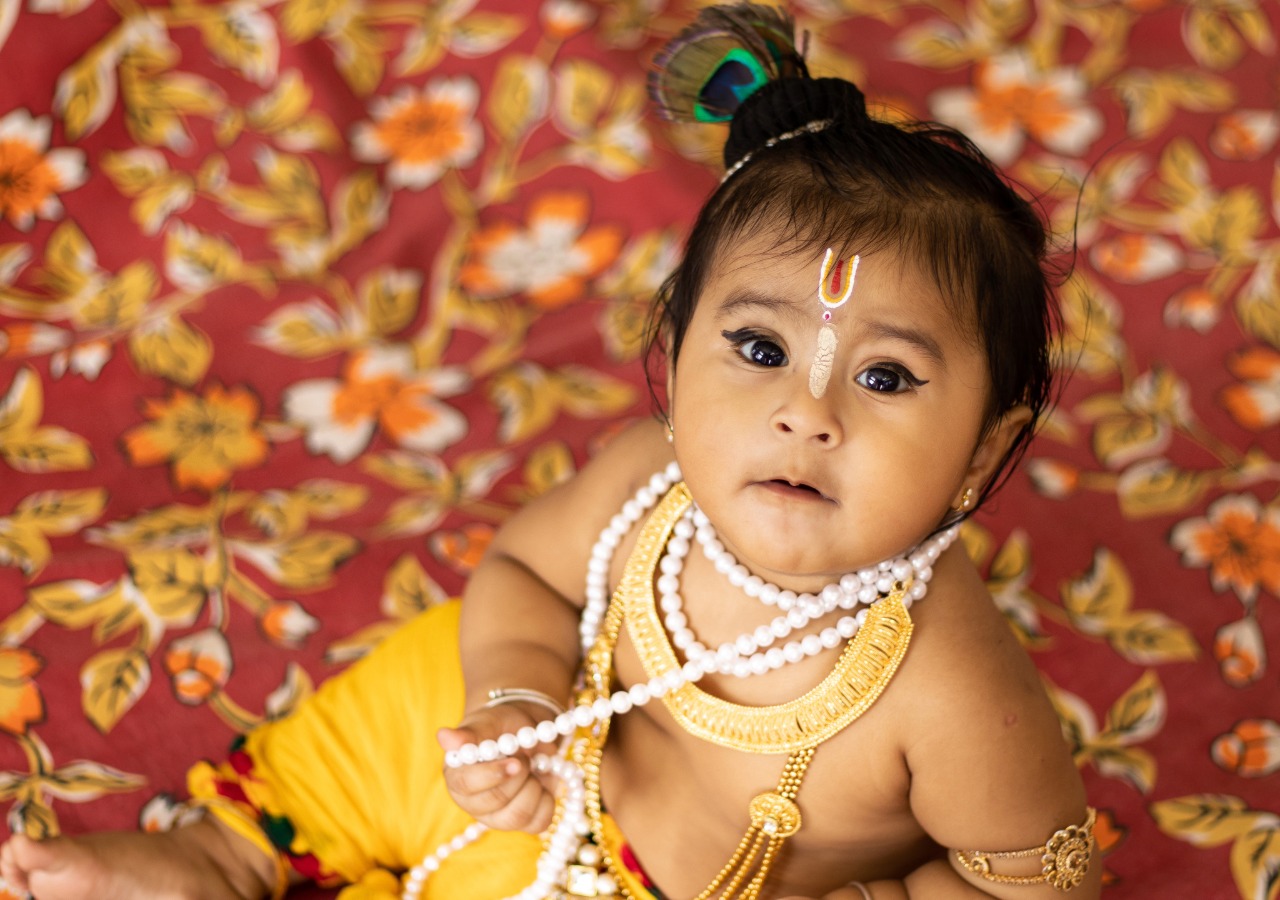
The birth of Lord Krishna in the Hindu religion is observed with enthusiasm, devotion and cultural color, every year. This festival is observed as Janmashtami also known as Krishna Janmashtami or Gokulashtami. It is a day when temples echo with the songs of bhajan, houses are decorated with flowers and lights, and the streets become vibrant with the colors.

Janmashtami 2025 Date and Significance

Janmashtami in 2025 will be on Saturday, 16th August, and will bring millions of followers of the Lord all over India and around the world together in celebrating the divine manifestation of love, wisdom, and righteousness. It is not only a festival, but a spiritual experience into the depths of devotion and a recalling of values that never go out with time.

Event Details
Occasion 5252nd Birth Anniversary of Lord Krishna
Janmashtami Date Saturday, August 16, 2025
Ashtami Tithi Begins: August 15, 2025, 11:49 PM and Ends: August 16, 2025, 9:34 PM
Nishita Puja Time 12:04 AM to 12:47 AM, August 16, 2025
Parana Time (Dharma Shastra) After 9:34 PM, August 16, 2025
Alternate Parana After sunrise following Deva Puja & Visarjan

The Story of Krishna’s Birth

The Story of Krishna’s Birth

Lord Krishna was born over 5000 years ago in Mathura, as per ancient Hindu scriptures. He was the son of Vasudeva and Devaki who were jailed by the wicked King Kansa, the brother of Devaki. It was predicted by saints that the eighth child of Devaki would end the reign of Kansa.

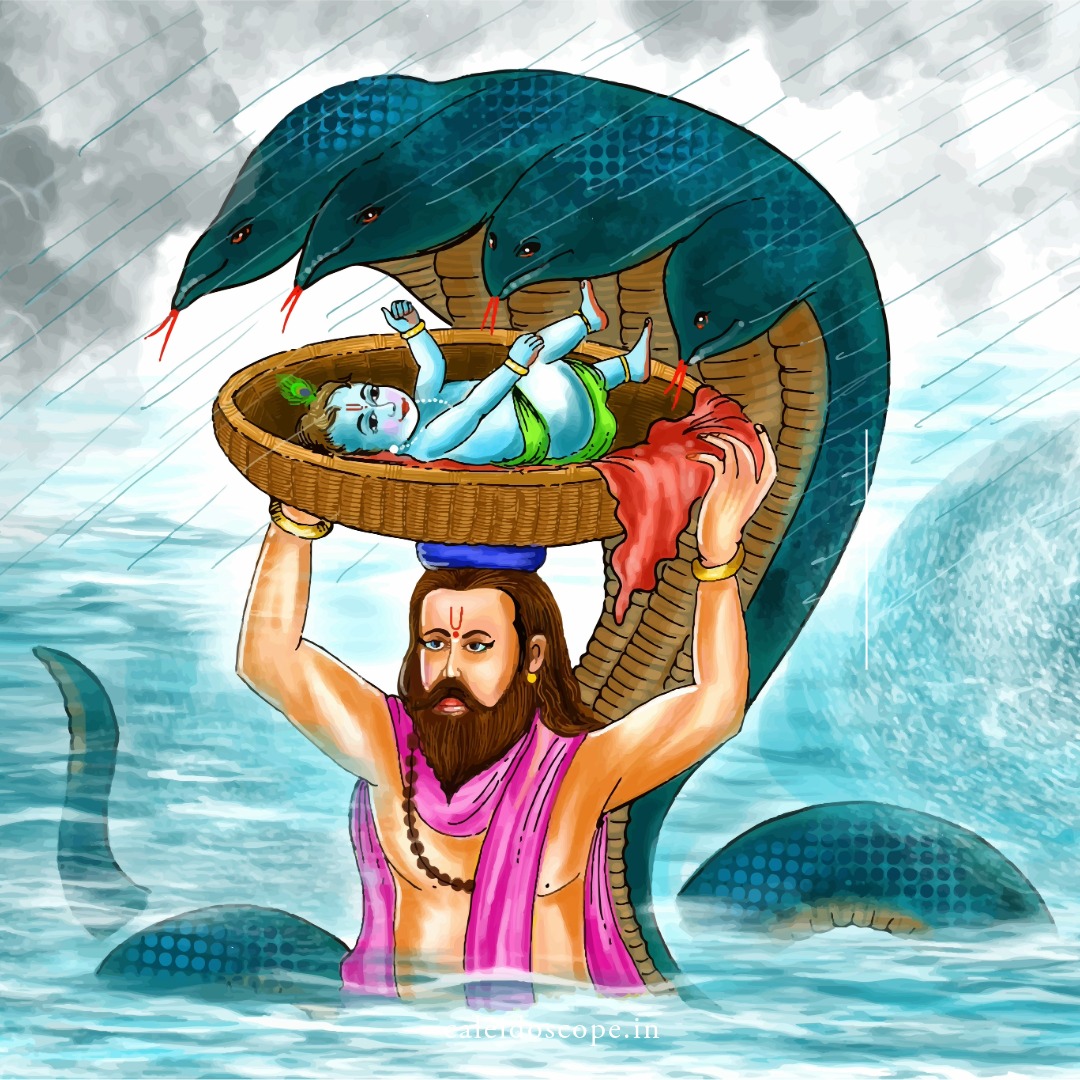
Kansa was afraid of his future, and so, he killed one of their newborn babies thinking it was the 8th baby. However, Krishna was miraculously born at midnight, and was safely taken to the Yamuna River and taken to Gokul, where he grew up under the protection of Nanda and Yashoda.

Symbolism of Krishna’s Birth
Symbolism of Krishna’s Birth

The birth of Lord Krishna symbolizes the victory of good over evil, light over darkness, and love over hatred. He is remembered as the mischievous butter thief of Gokul, the enchanting flute player of Vrindavan, and the divine teacher of the Bhagavad Gita. but his life is full of stories that tell us about compassion, modesty, and also the strength to fight against the wrong.

How Janmashtami 2025 is Celebrated

Janmashtami is celebrated according to the lunar calendar. The festival in 2025 will be celebrated on 17 August, and most significant rituals will be enacted in the Nishita Kaal the hour of midnight when Krishna is said to have been born.

This is how the followers will celebrate:

1. Fasting

A large number of the followers fast all day long and eat either fruits, milk, or water only. This fast is broken only after the midnight rituals which are known as Nirjal Vrat in case there is no intake of water. The fast is regarded as a purification of the body and mind and is purely spiritual in nature.

2. Midnight Celebrations

At midnight, temples and homes come alive with the sound of conch shells, ringing bells, and devotional chants. The idol of Krishna is then bathed in a mixture of milk, curd, ghee, honey, and water. It is known as abhishek. The idol is then dressed up in new clothes and ornaments and put into a cradle which symbolizes his birth as a God.

3. Jhulan (Swing) Festival

Swings adorned with flowers, leaves and lights have small idols of Krishna. The families and temples swing the lord in a manner that Yashoda was taking care of her child.

4. Dahi Handi

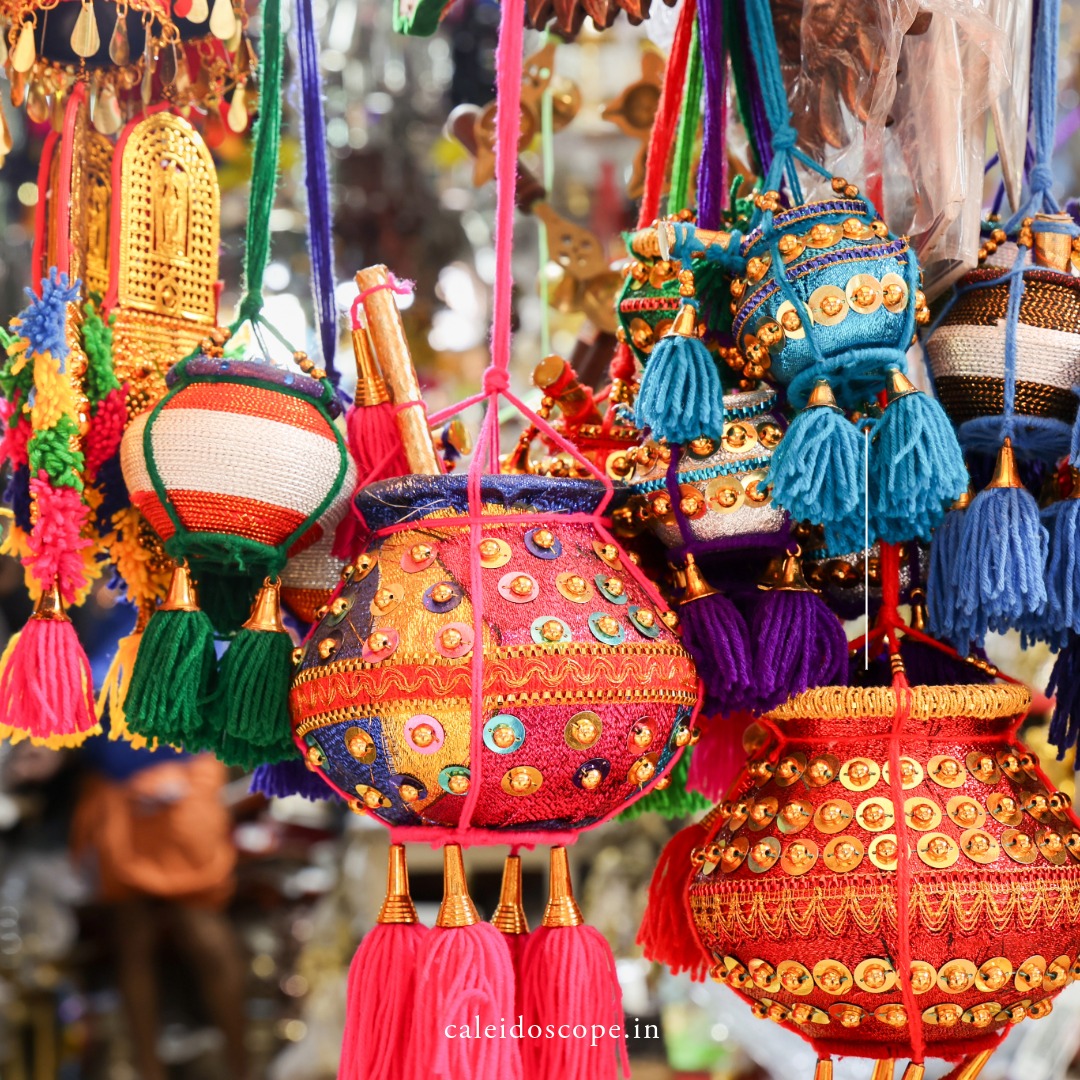
Dahi Handi is one of the largest events that attract crowds in Maharashtra and some areas of Gujarat. Many young men and women make a human pyramid symbolizing Krishna as a child being in love with butter and break a clay pot hanging high on a height that contains curd, butter or sweets. Every year these festivities on a larger scale, with colorful music, engagement of the community and charitable activities associated with the event.

5. Culture Programs & Dance-Dramas

Raas Leela, an enactment of the life of Krishna, his sportive days with Radha and the gopis is performed in many regions. These plays are a combination of dance, music, and a story that appeals to the audiences with stories of divine love and morale.

Janmashtami Customs Throughout India
Janmashtami Customs Throughout India

Janmashtami expresses the cultural diversity of India and is united in its devotion.

  • Mathura & Vrindavan (Uttar Pradesh): These two towns in which Krishna spent much of his life are the places of the most magnificent celebrations. The streets are full of processions, decoration of the temples and constant chanting.
  • Maharashtra: The Dahi Handi contests are the most important, gathering big groups of participants and audience.
  • Gujarat: In Dwarka which is the kingdom of Krishna, the temple rituals and processions held on the Dwarka coast are massive.
  • Manipur & Assam: The Vaishnavite community sings devotional songs and worships in temple meetings.
  • South India: Houses are painted with footprints that are traced in the entryway leading to the puja room which are meant to depict Krishna entering the home. There are special sweets such as seedai and murukku prepared.

Janmashtami Celebration Internationally

Although Janmashtami is traditionally celebrated in India, people around the world celebrate it too. Nepal, Mauritius, Fiji, USA, UK, Australia and Canada have temples where there are great devotees. ISKCON is an organization that is instrumental in popularizing Krishna devotion in this world, organizing kirtans, spiritual talks and cultural activities. The Bhaktivedanta Manor in London sees thousands of people and in New York the ISKCON temple in Brooklyn has a day of celebration, culminating in midnight abhishek.

Special Foods Made for Janmashtami
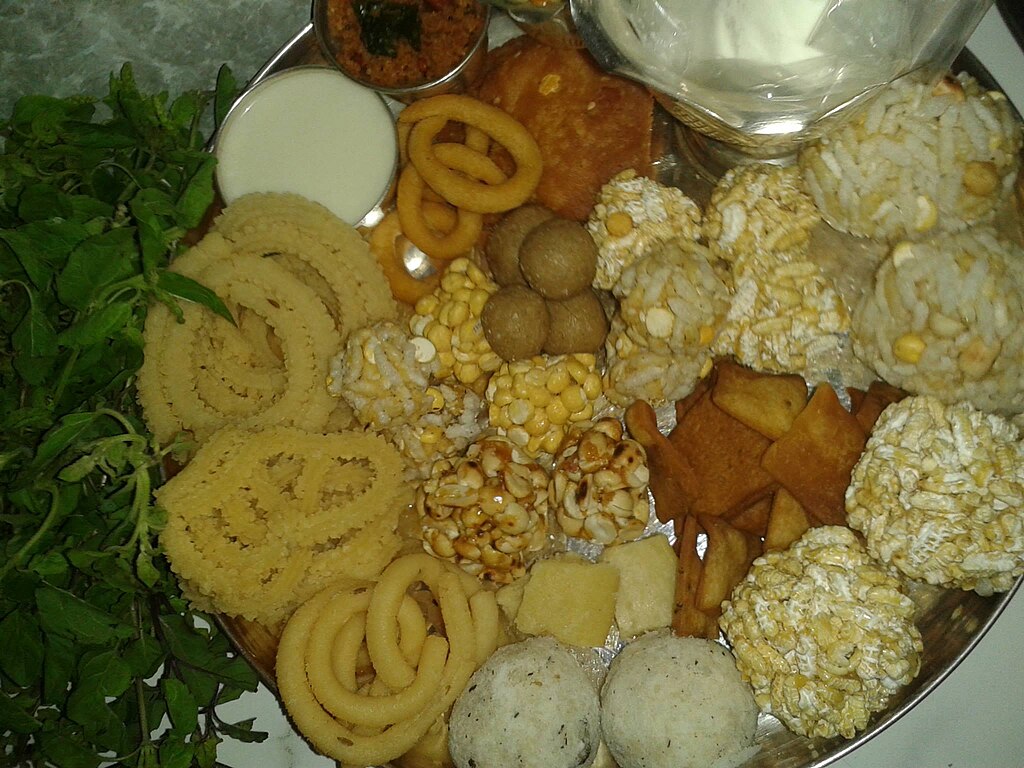
Special Foods Made for Janmashtami
Image- Wikimedia

Food also plays a central role in the festivities of Krishna as he loved butter, milk and sweets. Some of the popular offerings are:

  • Makhan Mishri: Fresh white butter combined with the crystal of sugar.
  • Panjiri: A North Indian sweet that is prepared out of wheat, ghee, sugar, and nuts.
  • Kheer: Rice pudding that is made using milk and seasoned with cardamom and saffron.
  • Sabudana Khichdi: A light fast recipe using tapioca pearls, peanuts and subtle spices.
  • Seedai and Murukku: South Indian snacks prepared on the occasion and are crunchy.

These foods are first offered to Krishna as bhog and then shared as prasadam with family and guests.

Digitalization in the Celebration

Technology has in the past few years transformed the way people celebrate Janmashtami. Some of the celebrations viewed and participated digitally are:

  • Temple rituals were live-streamed to allow other devotees who could not attend physically.
  • Bhajan sessions over the internet linking devotees all over the world.
  • Online children contests such as Krishna dress-up or storytelling competitions via video.
  • Virtual Dahi Handi competitions, in which the communities take part in online games and quizzes based on the tradition.

The technology makes it possible so that those that are miles away still feel part of the celebrations.

Conclusion 

Janmashtami is the reminder of unity, spirituality and universal love in a world that is always separated by differences. Janmashtami is a festival of life, love, and learning. As we bring Janmashtami 2025, we should not only think of Krishna as a God in mythology, but also as a teacher who knows how to live happily, meaningfully and with integrity.

It does not matter whether you attend a temple festival in Mathura, a Dahi Handi in Mumbai, or a simple prayer at home, the essence of Janmashtami is the same, that is a heart-felt devotion. May the birth of Krishna this year teach you to be compassionate, not to live in fear and to be taken to the joy of God in your daily life.
Independence Day Memories of School Days

8

Independence Day Memories-01

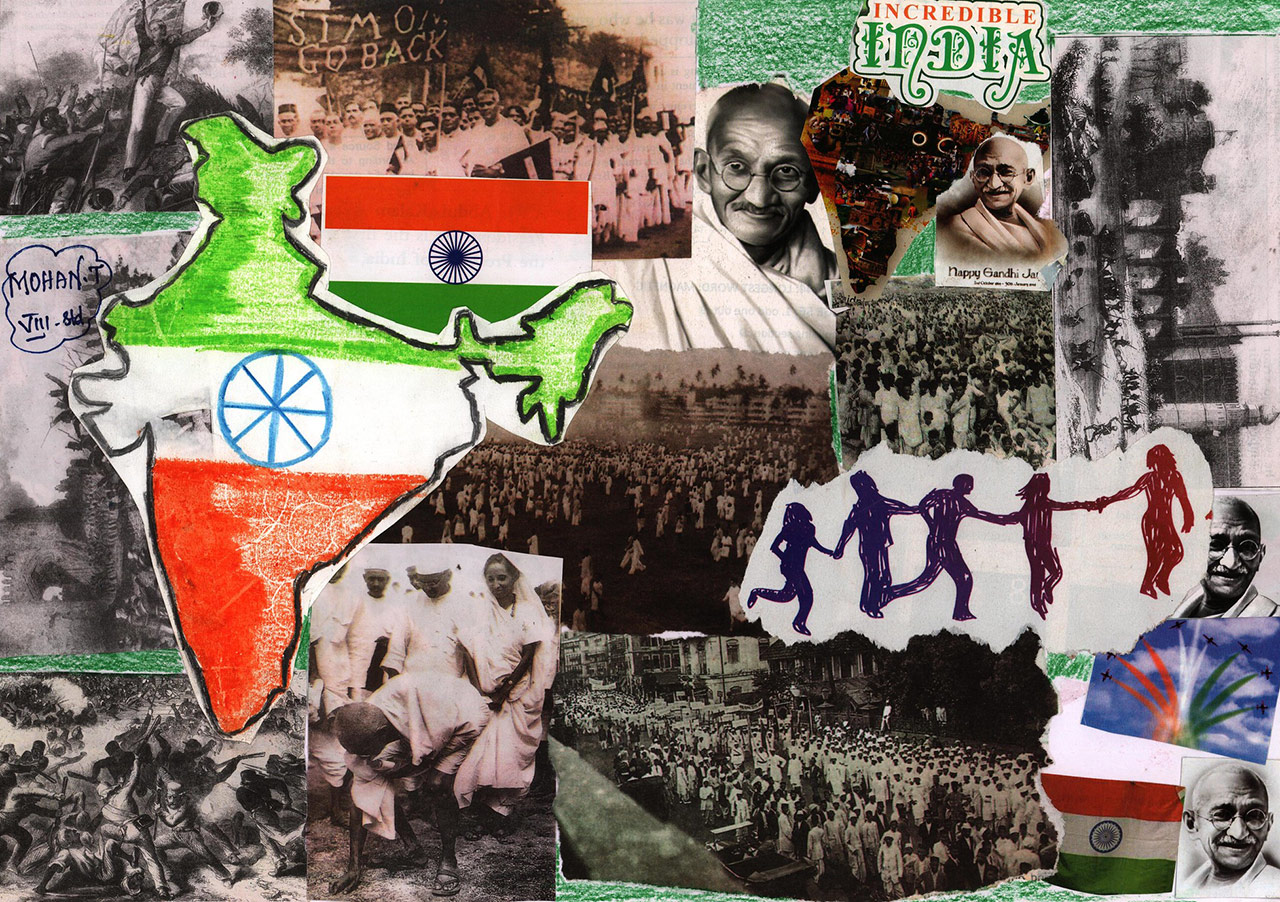
This year, we have celebrated the 79th Independence Day of our great nation. On this auspicious day 79 years ago, India attained freedom from colonial rule and the people of our country became the masters of their destiny. Since then, we celebrated this day with great joy and enthusiasm. However, with passing time, this spirit has begun to dampen.

As we have become busy with your work lives, 15th August is merely seen as another day of holiday. Some people may have planned a vacation trip, while other busy-bees may have lined up some pending work to finish on this day. But some might want to sleep through the whole day! Well, not denying the fact that the feeling of independence and respect for 15th August will always persist in our heart, but the enthusiasm to celebrate this day may have taken a backseat somewhere down the line.

Today’s comic strip comes with a little motto of reminding us how enthusiastic we used to be in our school days. In our schools, the Independence Day was marked by a day full of cultural activities, patriotism, sports events, principal’s long but enthusiastic speech and last but not the least… the yummy sweets distributed to all!

Independence Day Memories

Check out the comic strip and enjoy this little episode from the happy days of schooling!

Independence Day memories

Written by: Jiggyasa
Check Out our poem on Freedom Is My Birthright

10 Creative Ideas to Celebrate Independence Day in 2025

0

Creative Ideas to Celebrate Independence Day-01

15th August every year, the nation India is filled with the sentiments of independence, solidarity and nationalism. Schools and colleges have always been the centre of such celebrations and they remind the younger citizens of the sacrifices which made the nation independent. Although hoisting the flag, and cultural programs are the means of celebrating the day, 2025 makes us move a step further-by creating more creative, participatory and meaningful celebrations.

The following are 10 new concepts which can be implemented by schools and colleges to make the Independence Day 2025 one that will not be forgotten:

1. Freedom Walks

Schools and colleges can also do freedom walks with interaction instead of watching a parade, students can dress up as different freedom fighters and tell their stories as they walk through the campus. Individual students can also dress up in the roles of leaders like Bhagat Singh, Rani Lakshmibai, Sarojini Naidu or Mahatma Gandhi and give some ideas related to their lives. It is a participatory experience which is used to teach history not only through textual materials, but with the use of stories and dramatization. Music, placards and slogans can also be added to the mix to make it seem more like a moving museum of Indian struggle for freedom.

2. Art and Craft on Softboards 

Creativity is something that young minds love to feed on. Schools and colleges will have places to place the art made by students about the concept of freedom to the current generation. These may be murals, tricolor rangolis, sculptures made of recycled materials depicting national monuments or even digital art projectors.

The participation of the students of various streams such as arts, science, and commerce will make it more diverse. The art can be exhibited during a week, which would spread an air of pride and consciousness across the campus.

3. Dance Performances 

Surprise performance is the only thing that students look forward to. Just imagine that there is a regular classroom break and in the next moment there is a patriotic flash mob and the students dance with fusion versions of songs such as Vande Mataram or Jai Ho. Student performances in the school assembly are also useful to perform dance on partitions. The colleges can invite music clubs, dance societies, and drama teams to work together. The dance not only amazes but also leaves behind the feeling of shared mirth. Posting the videos on social media also serves to share the patriotic message outside the campus.

4. Hackathons on Independence Day

Freedom is not just to be celebrated in the past but more in the future. Independence Day hackathons in tech-powered colleges can be based on the themes such as Digital India, Green Freedom or Innovating to Rural Empowerment.

Students would have the opportunity to unite and create applications, models, or campaigns that mimic the answer to the problems faced in the country at the present time. Easier versions can be done in schools with poster-making competitions or discussions of ideas. This turns Independence Day into a source of not only celebration, but innovation as well.

5. Performances of Cultural Fusion Cultural Fusion Performances

Diversity is the strength of India. On their Independence Day, 2025, the cultural clubs can present fusion shows in which the fusion of the classical, folk, and contemporary arts forms is presented. For example, consider Bharatnatyam accompanied by rap verses about freedom. This makes it a very lively platform on which students are able to meet and share across diverse backgrounds and can be seen as an example of unity in diversity that is synonymous with India.

6. Treasure Hunt and Freedom Quiz

Historical knowledge can be tested during Independence Day quiz or campus treasure hunt in an enjoyable manner. In case of the schools, the quizzes may be based on the major landmarks such as the Non-Cooperation Movement, Quit India Movement or Partition.

Colleges can take it a step further by creating a treasure hunt of freedom”across campus. Each clue could lead to a location with a question about India’s history, culture, or governance. The game-like atmosphere keeps students engaged while deepening their knowledge.

7. Letter writing to the country

Ask the students to write emotional “Letters to India” in which they share their hopes, dreams, and fears about what will happen to the country. They may read such letters in assemblies or on campus boards.

The topic in schools, young learners could either sketch or write something on My India of Tomorrow, whereas in colleges, there could be more complicated questions such as sustainable development, women empowerment, or technology in governance. This exercise forms an emotional attachment to the concept of nation-building.

8. Eco-friendly Celebration

The eco-friendly celebration of Independence Day 2025 can be done as well. The schools and colleges can ensure to make the celebrations environment friendly by avoiding using plastic decorations instead use natural dyes used in rangolis, paper decorations or plants.

Tree plantation campaigns, green parades and sustainability awareness skits may create awareness among the students that independence is all about leaving a better and healthier planet to the future generation. This is also for a wider world transition towards green living.

9. Film Screenings & Panel discussions

Showing movies or documentaries such as Gandhi, The Legend of Bhagat Singh or Raazi could equip students with a more in-depth knowledge of the freedom struggle and contemporary patriotism. It is also more interactive when this is followed up by panel discussions/debates.

It could be inspired to invite alumni, local historians or leaders of the community who could give panel talks. Through such sessions, students are motivated to approach the issue critically and reason on how freedom can be preserved, challenged, and made stronger, in the 21st century.

Unity March & Community Outreach

Unity Marches could be organized by schools and colleges that should go beyond the boundaries of the campus. Students have a chance to work with local NGOs, conduct street performances, or deliver hand made tricolor badges in the local communities.

Colleges may also organize blood donation camps, cleanliness tours, or literacy campaigns for Independence Day. The idea is to remind young citizens that freedom is not only celebrated within school walls such that it must translate into action that uplifts society.

Conclusion 

Religious songs, speeches and hoisting the flag are traditional Independence Day programs and they will never go out of the mix. Nevertheless, schools and colleges can ensure the day becomes more engaging, meaningful and memorable by introducing some creative twists to it. Youths do not only stand by and watch history; they also play an active role in the continued development of the country.

Students get to know the spirit of independence better when they are painting, performing, being innovative or serving their communities. They start to realise that freedom is not a historic event that came in 1947, freedom is a vital responsibility that they have to continue with.

Independence Day 2025 presents a good opportunity to schools and colleges to create a balance between tradition and innovation. Through such events as freedom walks, hackathons, environmental friendly drives and outreach programs, institutions will be in a position to come up with a celebration that will educate, entertain and inspire the students. As India moves further into its digital and global future, these festivals make sure that the spirit of independence exists in the hearts of the young generation.

How Indian Independence Inspired Freedom Movements Across the World

0
Indian-Independence-Inspired-Freedom-Movements-Across-the-World-01
Image – British High Commission, New Delhi/Flickr

Indian Independence

India gained Independence after a long wait. Throughout the centuries, European colonisation interfered and influenced the social, economic and cultural history of the subcontinent. But in 1947, all the efforts of generations in the past and present paid off with the Independence of India. Did freedom have a price to pay? Yes, for sure it did. But the outcome and the journey of the freedom struggle were not only a culmination of ideologies, courage and determination for India only.

Suggested Read: 10 People to Remember this Independence Day in India

Post Indian Independence

It inspired and paved the way for other freedom movements across the world. Undoubtedly, ‘At the stroke of the midnight hour’, when the world slept, India woke to ‘life and freedom.’ But the slumber of the world was also awakened by the dawn in India. India’s Independence significantly weakened the European colonisers, especially the British Empire, all over the world. Furthered by World War II, colonisers were under pressure, as more and more colonies demanded what was truly theirs to take. 

The Ripple Effect

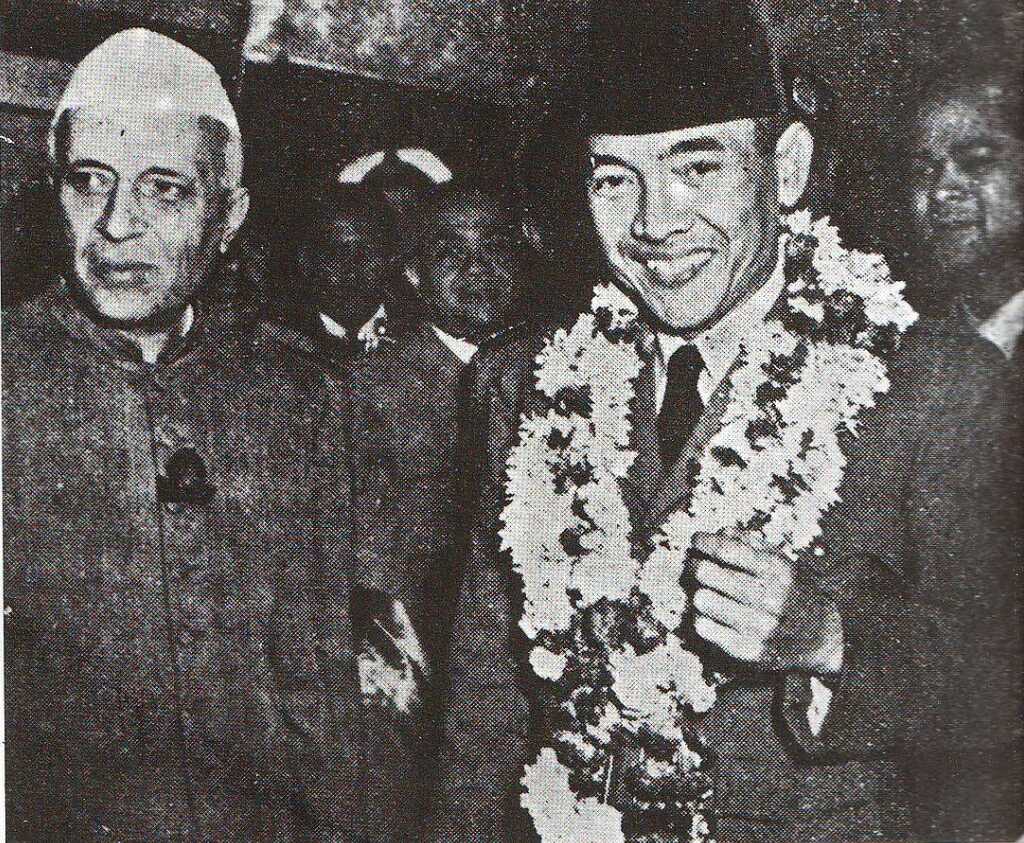
Prime Minister Nehru with Indonesian President Sukarno
Prime Minister Nehru Invited Indonesian President Sukarno for India’s Republic Day celebrations in 1950. – Wikimedia Commons

India’s Independence led to a ripple effect in many parts of the world. The first and nearest influence of the movement was seen in Asia. Though direct intervention was limited, India’s freedom success acted as a catalyst and inspiration for other nations, such as Burma, Sri Lanka and Indonesia.

  • Burma (Myanmar) was a part of British India. But in 1937, the British separated Burma to weaken the Independence movement of both nations. However, the Independence of India showcased a strong example, and Burma gained its independence in 1948.
  • India diplomatically and militarily supported Indonesia in its freedom struggle. It hosted the Indonesian Independence Conference in 1949, and sent humanitarian aid to the Indonesian nationalists who were fighting for independence. Many Indian soldiers who were posted by the British in Indonesia defied orders and sided with Indonesian nationalists during the freedom struggle of both nations.
  • Whereas Sri Lanka’s Independence movement was largely peaceful and non-violent, Burma and Indonesia, in some parts, did indulge in an armed struggle. India’s independence, which was marked by both armed and non-violent measures, influenced the freedom movements in other Asian colonies.

Africa’s Path to Liberation

Africa’s Path to Liberation
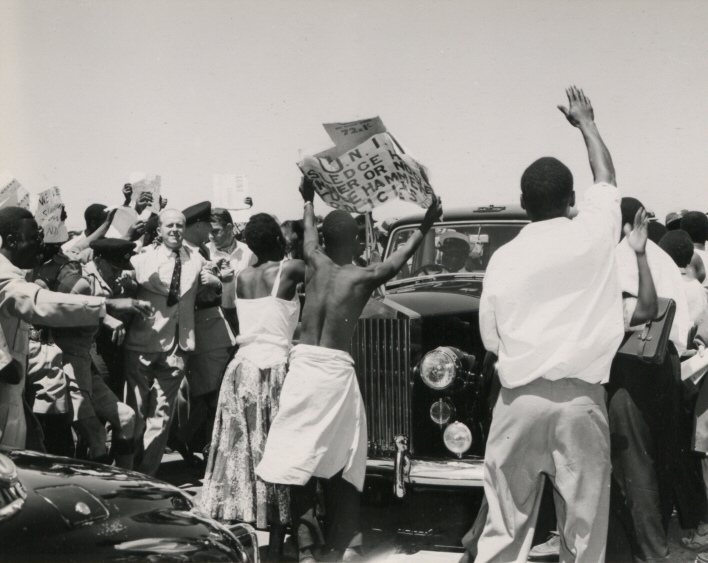
Image – Wikimedia

Ghana, Kenya and Tanzania (initially the union of Tanganyika and Zanzibar) were under British colonial rule and gained Independence in 1957, 1963, 1961 and 1963, respectively. India and the African nations shared similar experiences at the hands of the British Empire. India stood behind the African nations, many of which adopted and were influenced by the non-violent and non-alignment movement.

Key African leaders were inspired by Mahatma Gandhi, and India continued to diplomatically support the African nations. From airing nationalist programs on the radio, openly supporting their liberation and independence movements, and through different diplomatic channels and conferences, India stood firmly in support and solidarity with the African nations. 

The Power of Non-Violent Resistance

The-Power-of-Non-Violent-Resistance
Image – Wikimedia Commons

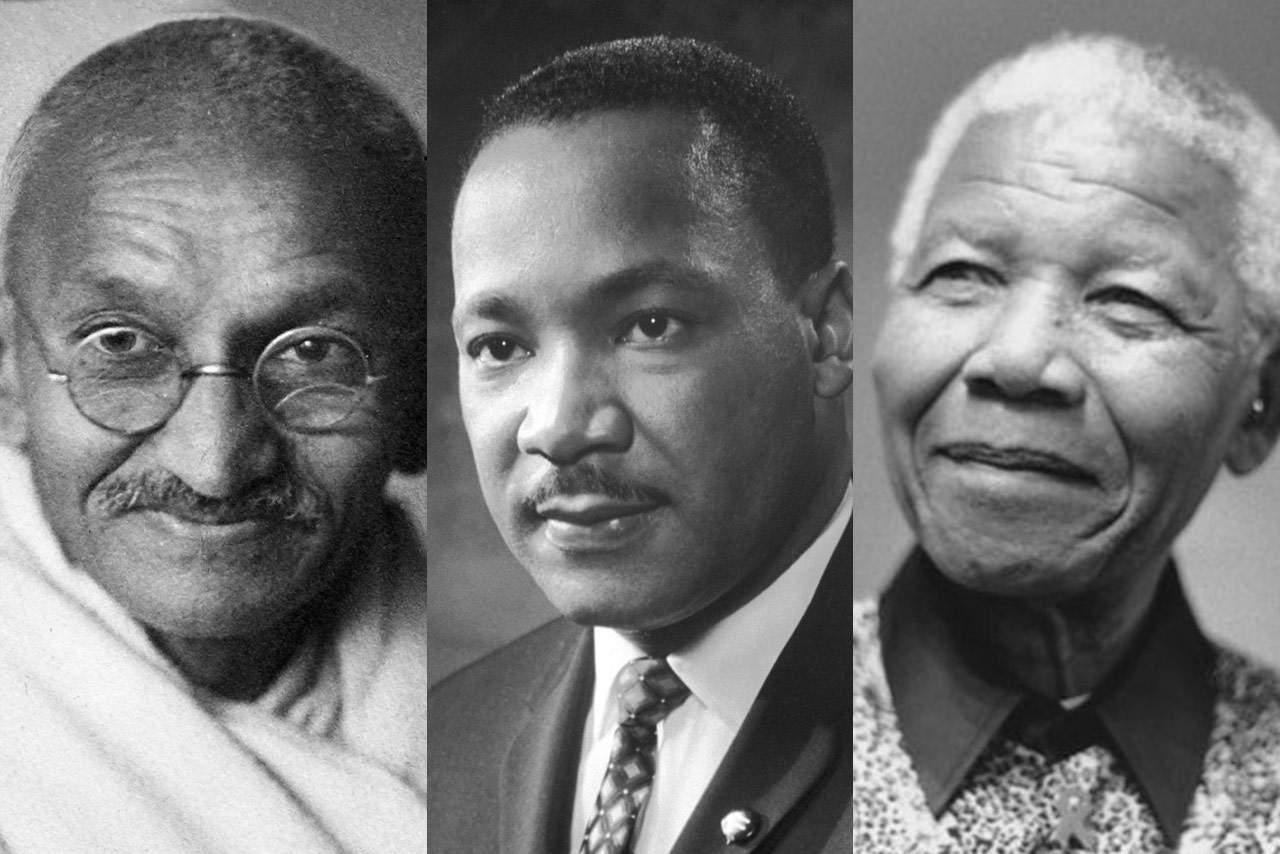
The non-violent resistance movement remains one of the most important and critical movements of the independence struggle in India. Mahatma Gandhi’s call for non-violence not only inspired Indians and became a massive momentum for Independence. It also motivated other colonies to adopt a similar strategy. The non-violent resistance movement influenced the global civil rights movements across the world and inspired other political leaders. 

Nelson Mandela and Martin Luther King Jr. were deeply impacted by Gandhi’s philosophy. Martin Luther King Jr. adopted the principle of nonviolence during the American Civil Rights Movement. Similarly, Nelson Mandela in South Africa led the anti-apartheid movement, inspired by Gandhi’s non-violent ideologies and Satyagraha. His non-violent methods included supporting strikes, boycotts and demonstrations. He established the African National Congress and the first law firms for Blacks. Mandela was so inspired by the Mahatma that he also referred to him as ‘Gandhi of South Africa.’ 

Global Forums and India’s Advocacy

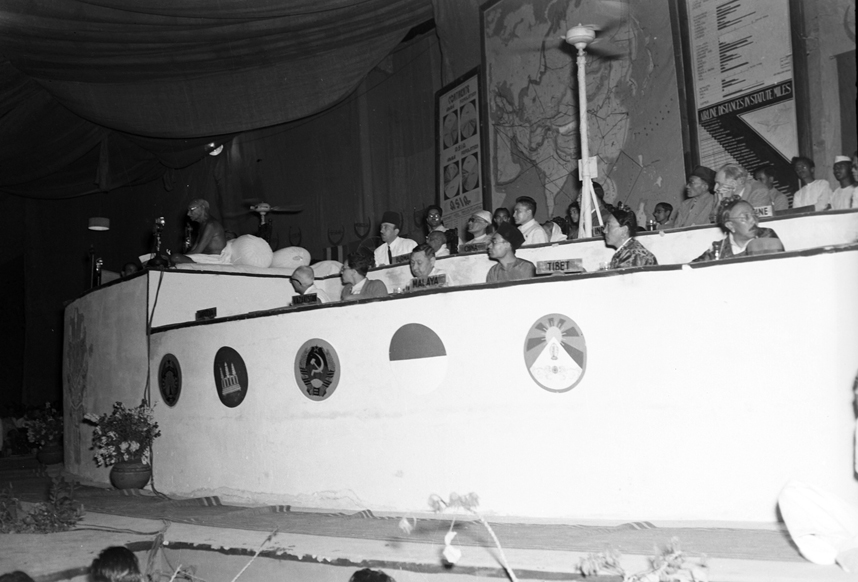
Ph.Studio/July,1945,A31eConcluding Session of the Asian Relations Conference (April 2, 1947) Picture shows Mahatma Gandhi addressing the Conference.
Two Tibetan delegates (front right) during the Asian Relations Conference in Delhi in 1947 as Mahatma Gandhi speaks (far left). The Emblem of the Kazakh SSR as well as Tibet’s were shown. Wikimedia Commons

India’s support for decolonisation and equality was evident at global forums and the UN. In the General Assembly at the UN, India kept voicing its support for the freedom of colonised Asian and African countries. During Indonesia’s freedom struggle against the Dutch, India called for a session at the UN Security Council and hosted the Asian Relations Conference in 1947. It supported the membership of Burma and Sri Lanka in the UN forums. 

India also showed solidarity in diplomatic efforts at the UN, supporting the independence of Ghana and Kenya. The Bandung Conference in 1955, held in Indonesia, was a key meeting between African and Asian countries, primarily those that had gained independence in recent years. This conference brought together newly independent nations to discuss challenges and collaborate for a better, peaceful and progressive future. Sponsored by Indonesia, India, Pakistan, Burma and Sri Lanka, with the participation of around 29 nations, the conference is also considered a pioneer of the Non-Aligned Movement. 

The Non-Aligned Movement was officially founded in 1961 at the Belgrade Conference, but its basic groundwork was laid at the Bandung Conference. The participants had decided not to align themselves with the US or Western bloc, or the USSR or Eastern bloc during the Cold War. India was a founding member of the Non-Aligned Movement or NAM. It supported the idea of remaining independent in its foreign policy and not choosing either a capitalist or communist direction, but charting its own path. It chose to focus on peace, development and decolonisation over aligning with any superpowers. 

In Summary

Many countries and their leaders were inspired by India’s freedom struggle. Its independence gave hope and set an example for other nations that were also fighting for their freedom from colonial powers. Here is a quick summary of how India’s independence inspired other countries. 

  • Burma – India stood by Burma in diplomatic negotiations. Burma gained independence in 1948.
  • Sri Lanka – Sri Lanka also gained its independence in 1948. Just like India, it was largely through peaceful and constitutional processes.
  • Indonesia – India supported Indonesia in diplomatic and UN discussions. Indonesia gained independence in 1945. 
  • Ghana – Kwame Nkrumah, Ghana’s first president after its independence in 1957, was influenced by the Indian Independence Movement. He admired Gandhi and followed the non-violent resistance. Ghana was also the first African country to build diplomatic relations with India, and its embassies in New Delhi and Accra were amongst the first in Asia-Africa missions. 
  • Kenya – Kenya gained independence in 1963. It followed India’s example of non-violent resistance as an important framework for its freedom struggle. 

India’s independence movement is etched in history and remembered for the inspiration and example that it set for other nations to follow. Though the intent of the freedom struggle was not about setting an example, it was, however, the inevitable outcome. Since several Asian and African countries were still under the rule of colonisers and facing the same atrocities and challenges, India’s independence harnessed hope and a will to fight for freedom. It also became a practical model of ideologies and movements, which were replicated and carried forward by other countries. From non-violent resistance to civil disobedience, nations and leaders propagated and executed these movements to gain independence and free themselves from the clutches of colonial powers. 

In Conclusion

Even after decades of Independence, the relevance of self-determination has not faded away. The legal and moral right of people to be masters of their destiny in an international environment is the core idea on which international law and policies are built. The sovereignty of a nation and its self-determination continue to lie in the fundamental principles that each country makes its own choices and takes complete control and responsibility for its actions and practices. India’s independence movement, hence, remains a shining example of how collaboration and support can lead to political, economic and social peace and prosperity.

FAQs About Indian Independence

Question: Which countries were most influenced by India’s independence?

Answer: The countries that were most influenced by India’s independence were Burma, Indonesia, Ghana, Kenya and Sri Lanka.

Question: How did Gandhi’s ideas spread globally?

Answer: Gandhi’s non-violent resistance became a global inspiration for leaders and countries across the world. India gained independence largely through non-violent means, motivating leaders such as Martin Luther King Jr. and Nelson Mandela to adopt non-violent resistance.

Question: Did India actively support other freedom struggles?

Answer: India vocally and diplomatically supported the freedom struggles of other nations. It supported anti-colonisation, anti-racism and worked with newly independent nations to build strong diplomatic ties. Through UN forums, discussions and conferences, it stood in solidarity and support of other nations who were fighting for their freedom from colonial empires.

Question: How did India’s independence impact Africa?

Answer: India’s independence had a big impact and influence on Africa. Ghana, Kenya, Tanzania and South Africa were inspired by and held India’s Independence movement as a role model. Leaders, such as Nelson Mandela and Kwame Nkrumah, were deeply influenced by Gandhi’s ideologies. The African nations that were facing the same challenges as India did during the British era found hope and clarity in pursuing their respective national independence.

Question: What role did India play in the Non-Aligned Movement?

Answer: The Non-Aligned Movement was officially founded in 1961. But the Bandung Conference was a precursor to the movement. India, along with other nations, such as Indonesia, Burma and Sri Lanka, decided not to be aligned with either the US or the USSR-led blocs. India was a key member in the NAM.

Lisa Mishra to Debut Live Performance at the 2025 Indian Film Festival of Melbourne

0
Lisa-Mishra-to-Debut-Live-Performance-at-the-2025-Indian-Film-Festival-of-Melbourne-01
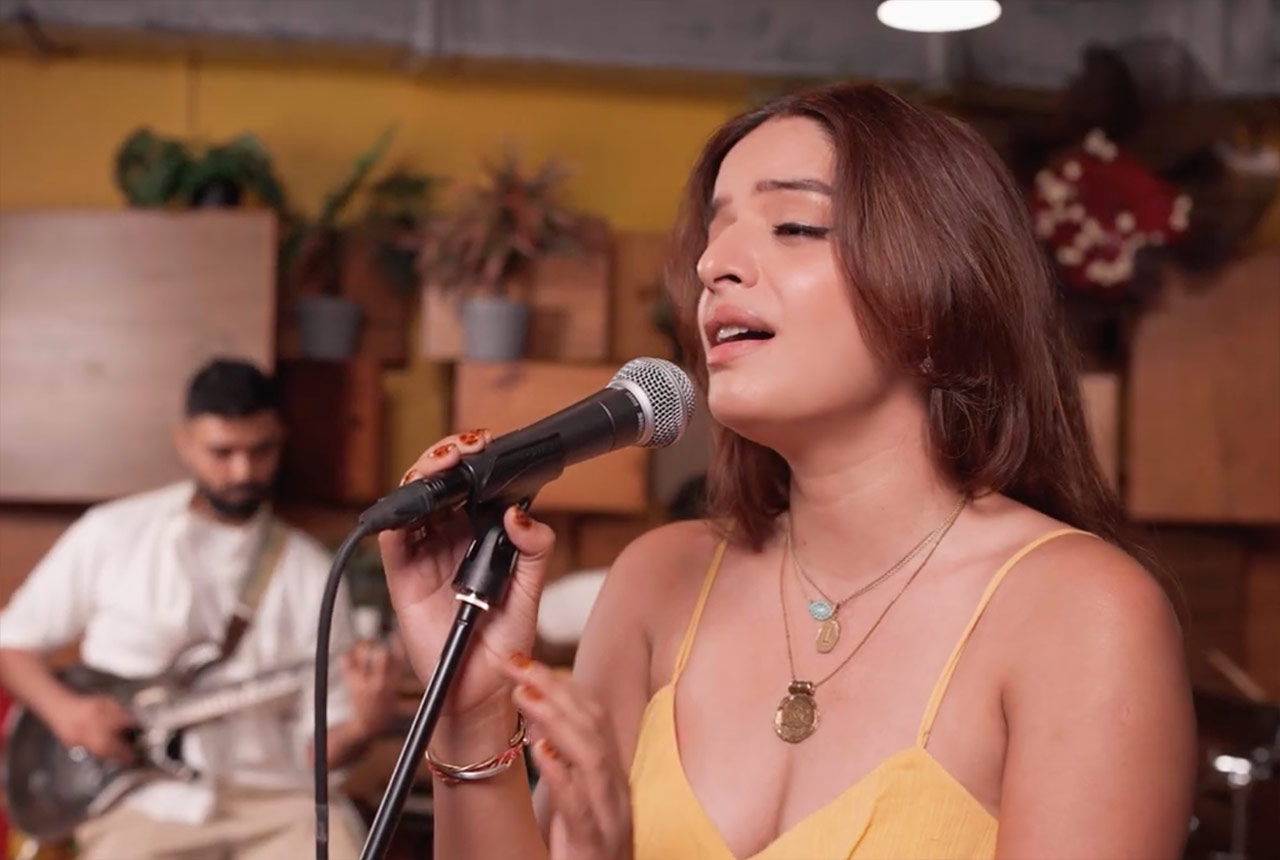
Image Courtesy – Lisa Mishra YT

Indian Film Festival of Melbourne (IFFM) has never been a cinema celebration. It gathers filmmakers, storytellers and artists from all around the world each year to celebrate the best of Indian creativity on the international platform. This year a musical charm is being added to the festival slate-singer, and songwriter Lisa Mishra. She will be appearing live at IFFM for the very first time.

Lisa Mishra’s Musical Journey

This is not a simple performance for Lisa. Having grown up in Chicago of Odishan origin, she has made a name for herself mixing Eastern melody with Western soul. Tareefan Reprise, Sajna Ve, and Teri Hoon among songs made her a name and her sound has always traveled across borders. Today in a city such as Melbourne, Lisa has reached so many people across the world.

A Moment of Pride for the Artist

When talking about the opportunity, Lisa was filled with excitement to perform at IFFM, she said, is more than just another gig. It is a moment of pride, as an Indian artist, as someone who has grown up working in two different continents. To her, this is her debut to bring out the talent through music in an environment that celebrates diversity.

IFFM’s Cultural Significance

IFFM has been one of the largest exhibitions of Indian arts and cinema even beyond India. It has seen premieres, awards and discussions over the years which have taken Indian stories a bit farther all across the world. Including a live music by Lisa Mishra provides additional emphasis on the festival’s beyond films and integrate into the wider cultural ecosystem.

Representing a New Wave of Indian Artists

Lisa has a new presence to IFFM through her voice and stage performance. A lot of her songs have a certain intimacy that appeals to young listeners today but still incorporates that classical feel of depth in the song. By performing at the festival, she isn’t just presenting music but she is representing a new wave of Indian artists who are redefining global perceptions of what Indian sound means.

Melbourne: The Perfect Stage for a Debut

Melbourne is well renowned with its arts and therefore, forms the ideal place on which Lisa can make her debut. There is already a global pool of cinephiles who come to the festival, and live music would only enhance the spirits. In the same stage where renowned actors, directors, and producers had performed before, Lisa would be the new voice that represents an emerging form of cultural affiliation.

Anticipated Awards Night Performance

Preliminary announcement indicates that she will probably perform at the awards night of the festival on August 15th at Melbourne Convention and Exhibition Centre. Although information about her setlist is still kept secret, the listeners should be ready for her performance of her most popular songs.

Music and Cinema: A Powerful Combination

Her presence at the IFFM testifies to the fact that music and cinema go together in the development of cultural discoursing. Music supports the films that share stories in theatres, but the feelings last outside the theatre in the lives of the people. Lisa is at the center of that change, which keeps people in mind that the Indian creative identity is wider than ever.

Conclusion 

The latest concert of Lisa Mishra is one of the most anticipated events of IFFM 2025. To the fans it is an opportunity to view a favourite artist in a whole different light. To Lisa, it is a milestone that can create links with other celebrities. As the lights go up in Melbourne this August, Lisa’s voice will join the many cinematic stories unfolding on screen, adding rhythm and soul to a festival that thrives on diversity. Her debut isn’t just about a performance but it’s about marking the start of a new journey where Indian voices, in all their forms, shine brighter on the global stage.

Upcoming Art Exhibitions in India 2025: Dates, Venues & Highlights

0

Art lovers, get ready! In 2025, India is booming art-wise, with plenty of exhibitions and major happenings in dynamic cities. Whether you are in the bustling artistic scenes of the capital or relaxed areas in Goa, this is going to be a big year for the art lovers.

This year, we’re seeing cool new ways that make old artists come to life, and art shows that make you think hard, all adding to India’s big mark on the world art map.

So, if you want to find cool art or just need to chill and see great art to beat the hot summer, here are the top art events to see in 2025. 

1. Da Vinci & Van Gogh Art Showcase, Delhi

When: May 24 to August 31, 2025
Where: DLF Promenade Mall, Delhi

Da-Vinci-&-Van-Gogh-Art-Showcase,-Delhi-01
Image Courtesy – Da Vinci & Van Gogh Art Showcase

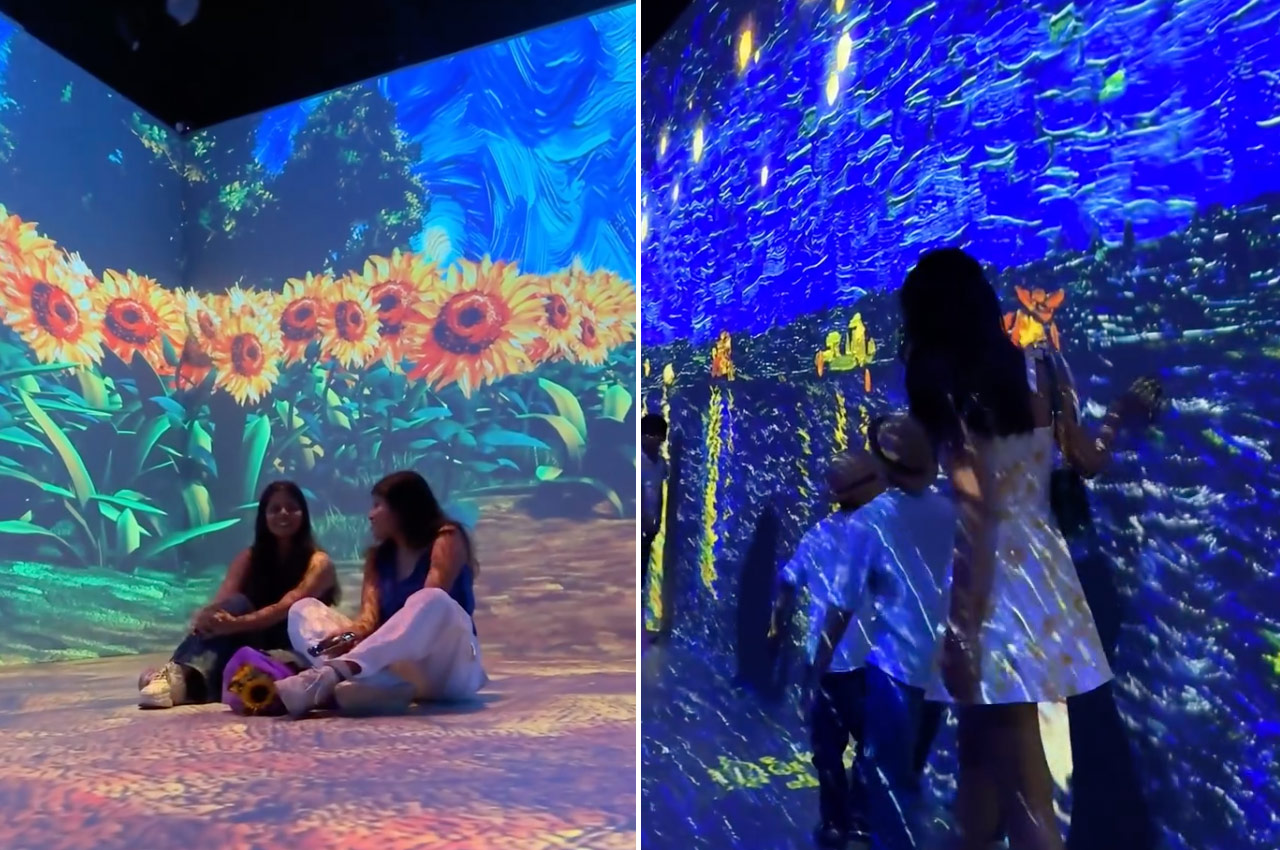
Consider the glimpse of the genius of Leonardo da Vinci and the liberal use of colors of Vincent Van Gogh in unison with technology. It is a new show in town, by DLF Malls and The Legends Immersive Cinema and features the newest technology and the coolest storytelling across a huge platform. In Da Vinci Genius, you will have a chance to see massive screens with familiar images like The Mona Lisa or The Vitruvian Man, accompanied by terrific music from DJ Sasha. The display also has an AI tool that lets you talk with the Mona Lisa, making for a very special chat. Next, Van Gogh – An Immersive Story drops you right into over 300 moving pictures, like Starry Night and Sunflowers, making you see Van Gogh’s world in a fresh way. 

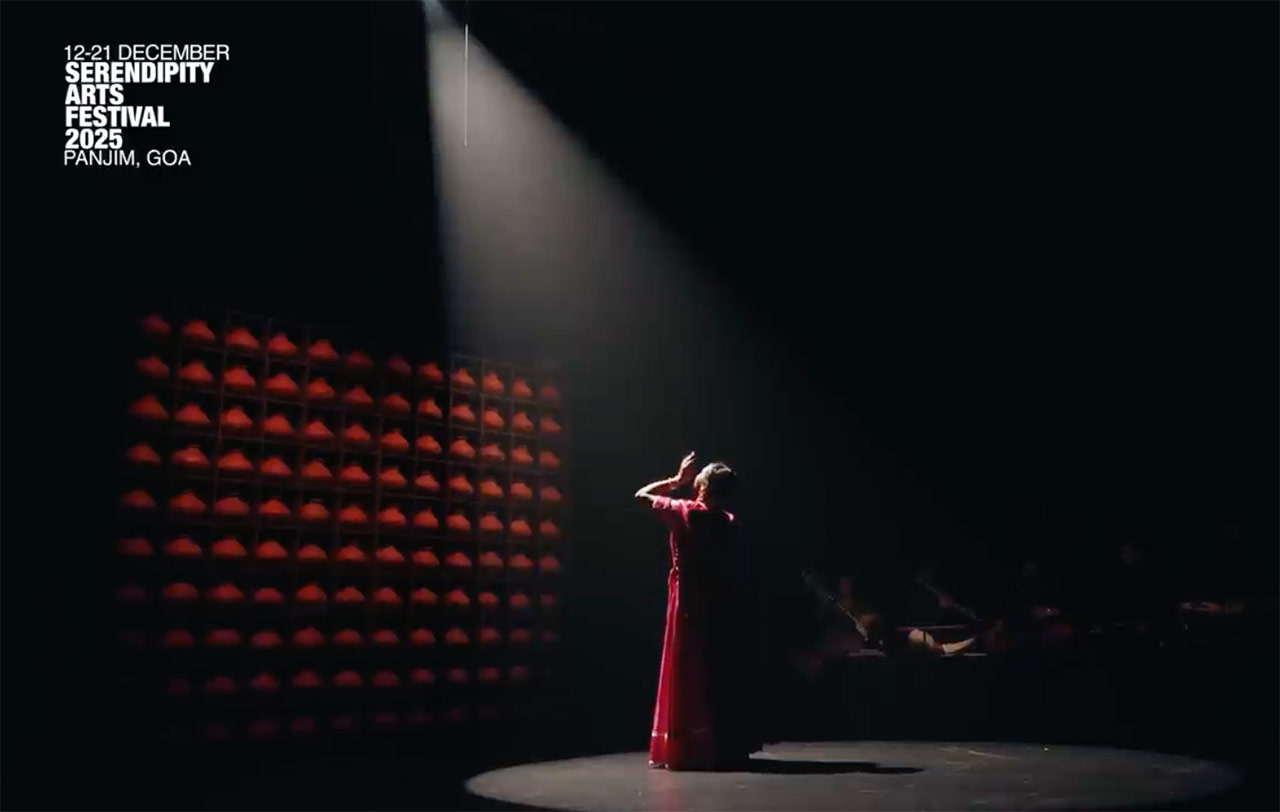
2. Serendipity Arts Festival, Panjim, Goa

When: December 12 to 21, 2025 
Where: Panjim, Goa

Serendipity-Arts-Festival,-Panjim,-Goa
Image Courtesy – Serendipity Arts Festival

Now marking a decade of art, food, tunes, and shows, the Serendipity Arts Festival is more than just a standard fest; it’s a rich cultural trip. In ten days, this mega event is full of scenes, noise, and everything as over 35 popular leaders such as Shubha Mudgal, Ehsaan Noorani, and Lillete Dubey cast their spells. Serendipity is going international this year, and there will be mini shows in Birmingham and Dubai. It also promotes itself as one of the best art events in South Asia. They also combined hot live acts, displays, deep-dive workshops, and wide talks at their UK show, working with Birmingham City University, in May 2025.

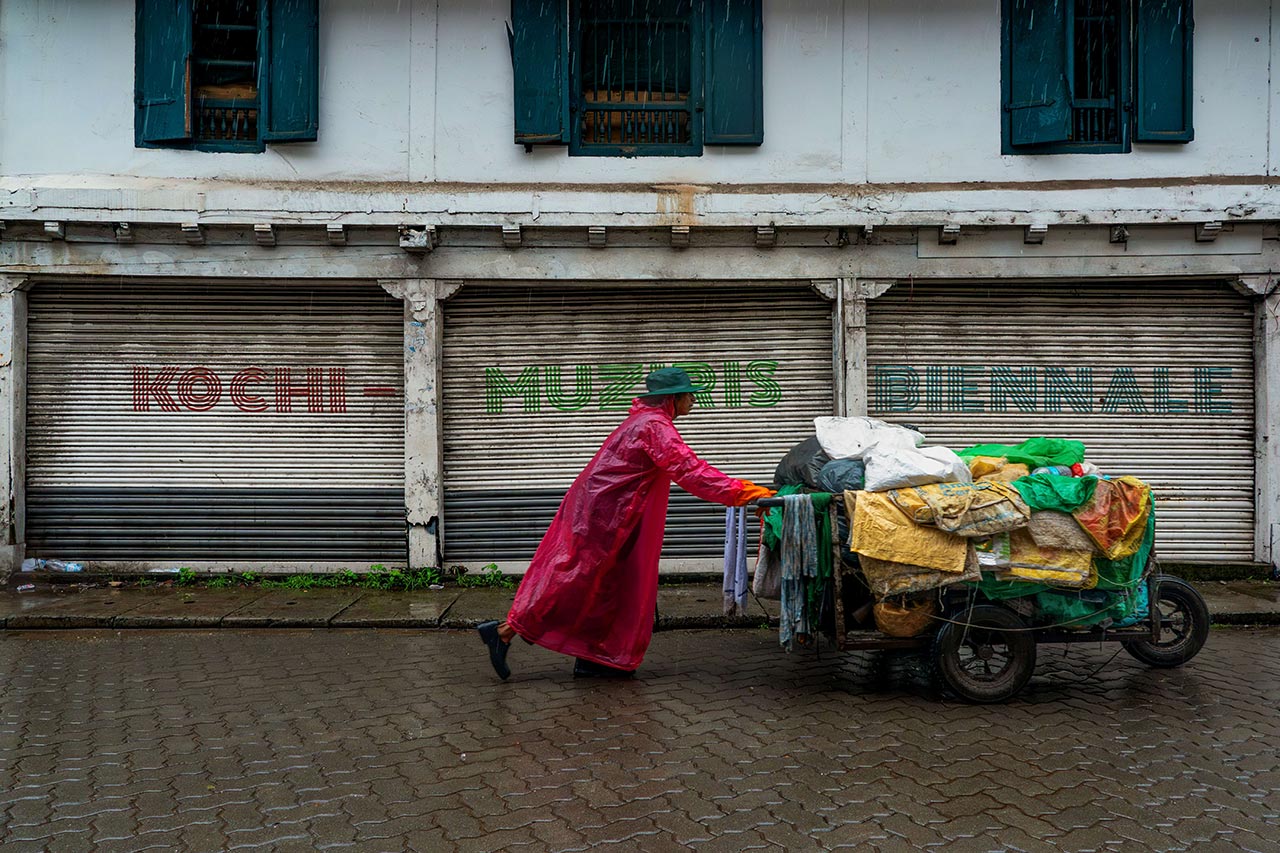
3. Kochi-Muziris Biennale 2025–26, Kochi

Kochi-Muziris-Biennale-2025
Image Courtesy – Kochi-Muziris-Biennale

When: Dec 12, 2025 to Mar 31, 2026 
Where: Fort Kochi, Mattancherry & Ernakulam

The grand finale of India’s art year, the Kochi-Muziris Biennale (KMB), is much more than a mere show. It’s a whole art life. During its sixth edition, the biggest modern art festival in Asia and the finest art exhibition in India will be headed by Goa homegrown Nikhil Chopra and HH art spaces. They will plunge into deep topics, such as self, power, past, and body with worldly enrichment. Visiting 60-plus artists and works that are displayed across 3 towns during a period of 4 months, KMB proposes a wide and deep journey that takes much more than just a weekend. 

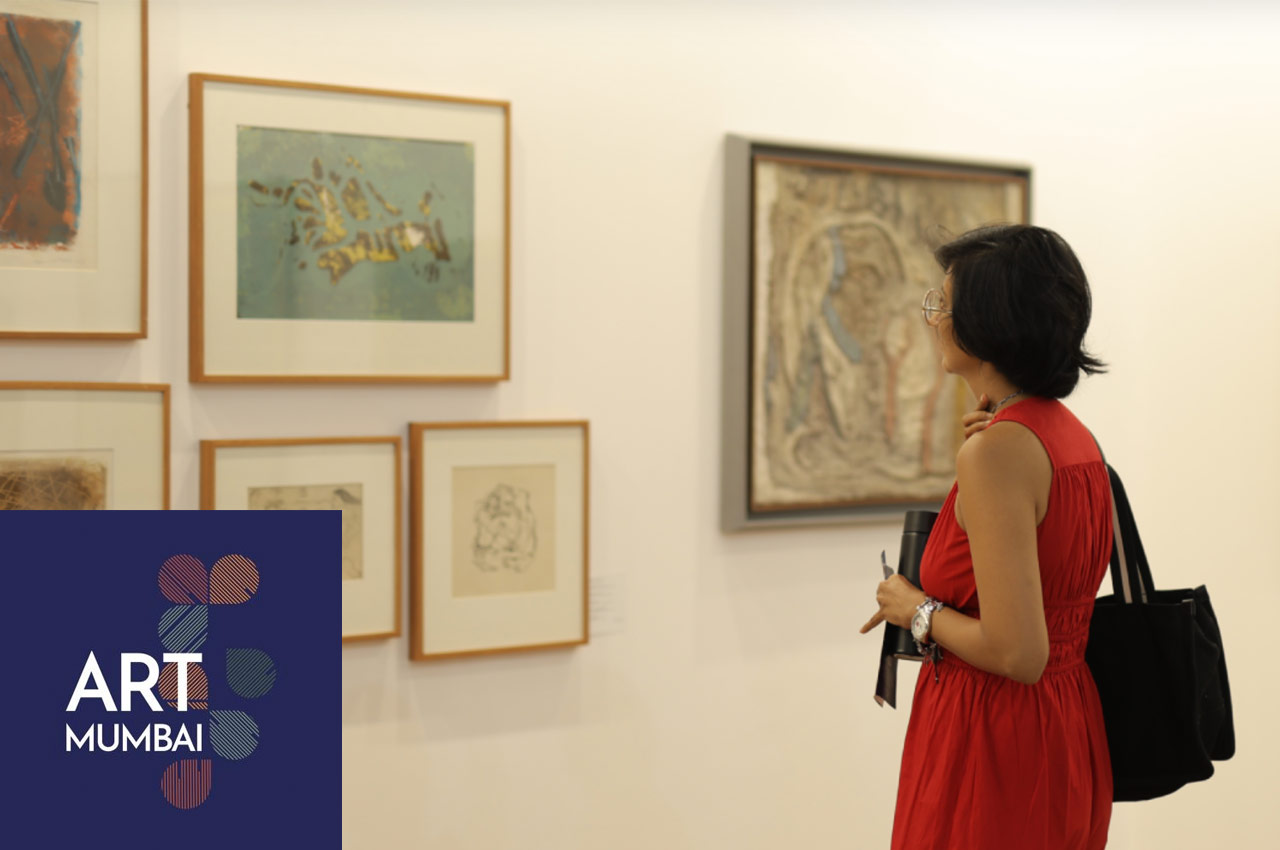
4. Art Mumbai 2025, Mumbai

Art-Mumbai-2025,-Mumbai
Image Courtesy – Art-Mumbai

When: Nov 13 to 16, 2025 
Where: Mahalaxmi Race Course, Mumbai

Art Mumbai is back for round three, bigger, bolder, and more worldwide. This top art fair mixes top collectors, pro gallery folks, and new art fans. Past highlights have included a captivating ‘Sculpture Walk’ with significant works like Ravinder Reddy’s Devi and Wolf’s Sea of Poppies, making for both good pics and deep thoughts. This year, works from world stars like Warhol and Picasso will be there next to new local talents, keeping it as Mumbai’s premier art meet.

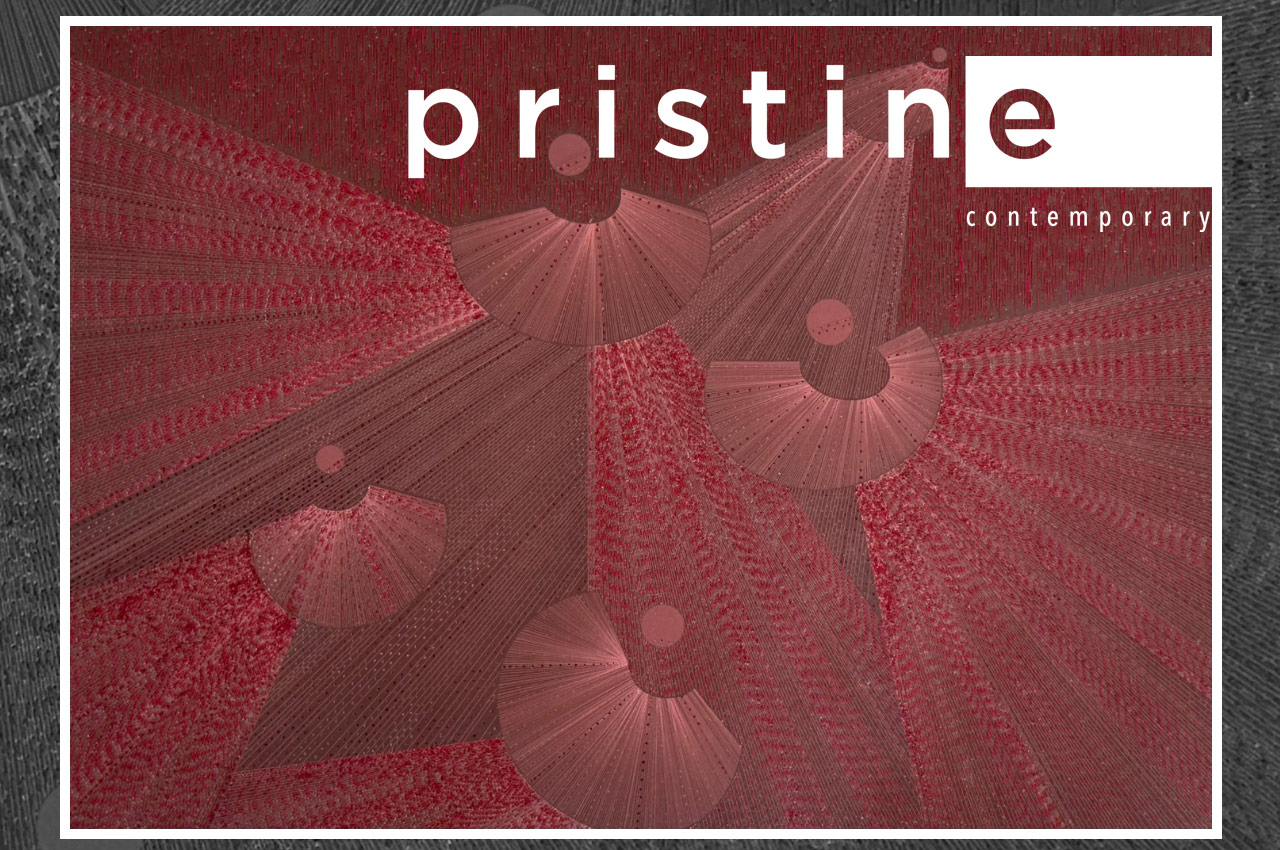
5. The Wondering and Wandering Mind, Delhi

When: July 17 to August 30, 2025 
Where: Gallery Pristine Contemporary, Delhi

The-Wondering-and-Wandering-Mind,-Delhi
Image Courtesy – Gallerypristine

In her first big show in India, Omani artist Haneen Almoosawi uses simple thread and linen to make deep links to memory and feeling. In The Wondering and Wandering Mind, she lays out stitched textiles with resin and light, making calm spots where simple forms meet deep feelings. Her art, soft-spoken and full of feeling, pulls people into a quiet space where the thread is both a thing and a symbol.

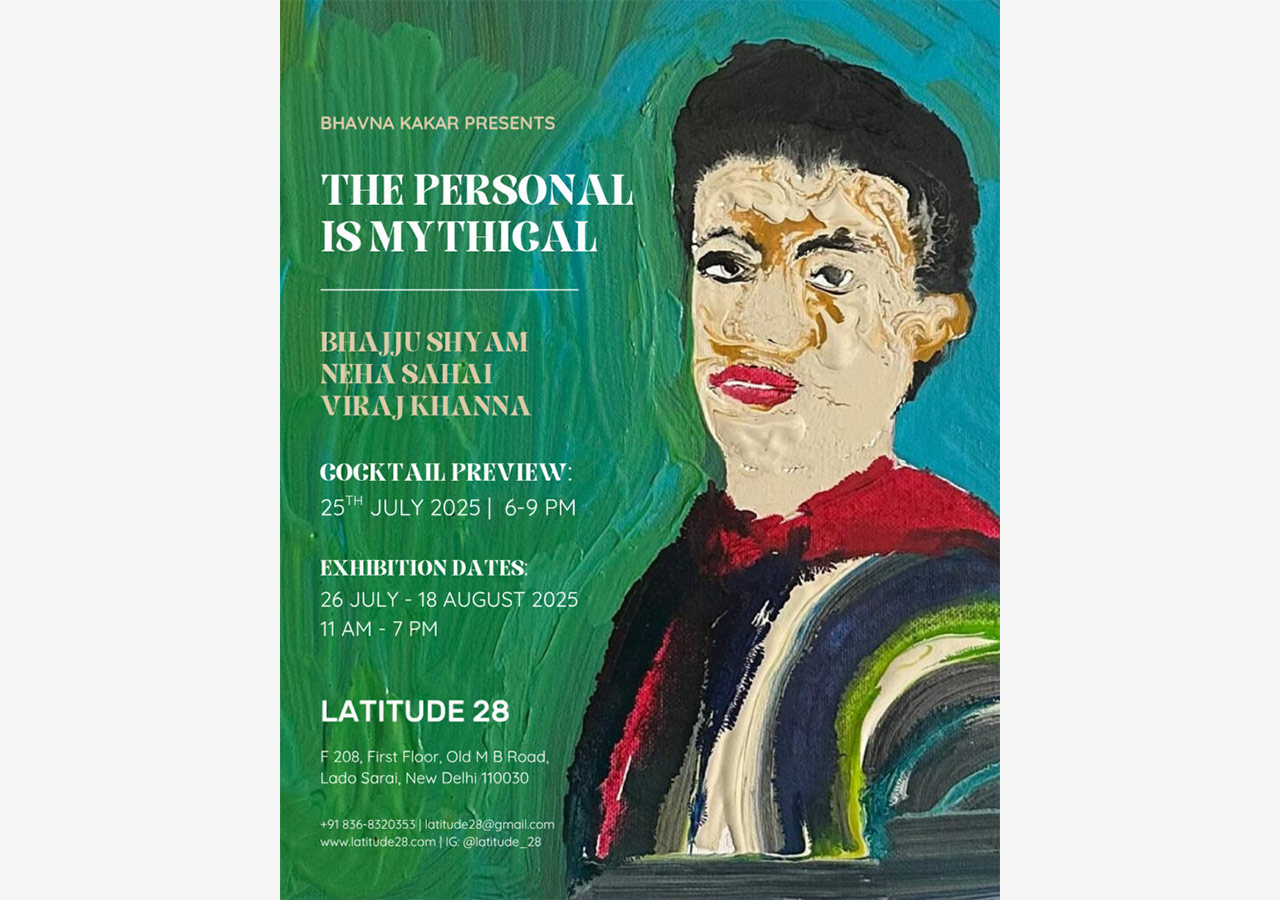
6. The Personal is Mythical, Delhi

When: July 25 to August 18, 2025 
Where: LATITUDE 28, Delhi

The-Personal-is-Mythical,-Delhi

Curated by Bhavna Kakar, The Personal is Mythical is a robust group exhibition, blending the story-telling abilities of Bhajju Shyam, Neha Sahai and Viraj Khanna. Here, our very own stories, past, and art words turn and call out deep, shared thoughts, mixing old stories, blurring the lines between folklore, individual identity, and collective memory. The show goes into how one’s own story turns wide and big, and how the big can feel very close.

7. Objects May Appear Softer…, Delhi

When: July 24 to September 4, 2025 
Where: Black Cube Gallery, Delhi

Objects-May-Appear-Softer,-Delhi
Image Courtesy – Black Cube Gallery

This huge performance features 21 Indian women performers working in a variety of art forms, exploring the powerful concept of a woman gaze. Objects May Appear Softer… is a subversion of old men’s stories into small, intensely observed, green, and big-group perspectives. The use of experimental textiles, found items and digital overlays that re-imagines femininity in an exciting new form is something the visitor should watch out to experience how there is an element of constant change and transformation inherent to the role of women in the creation of the modern and contemporary art of India.

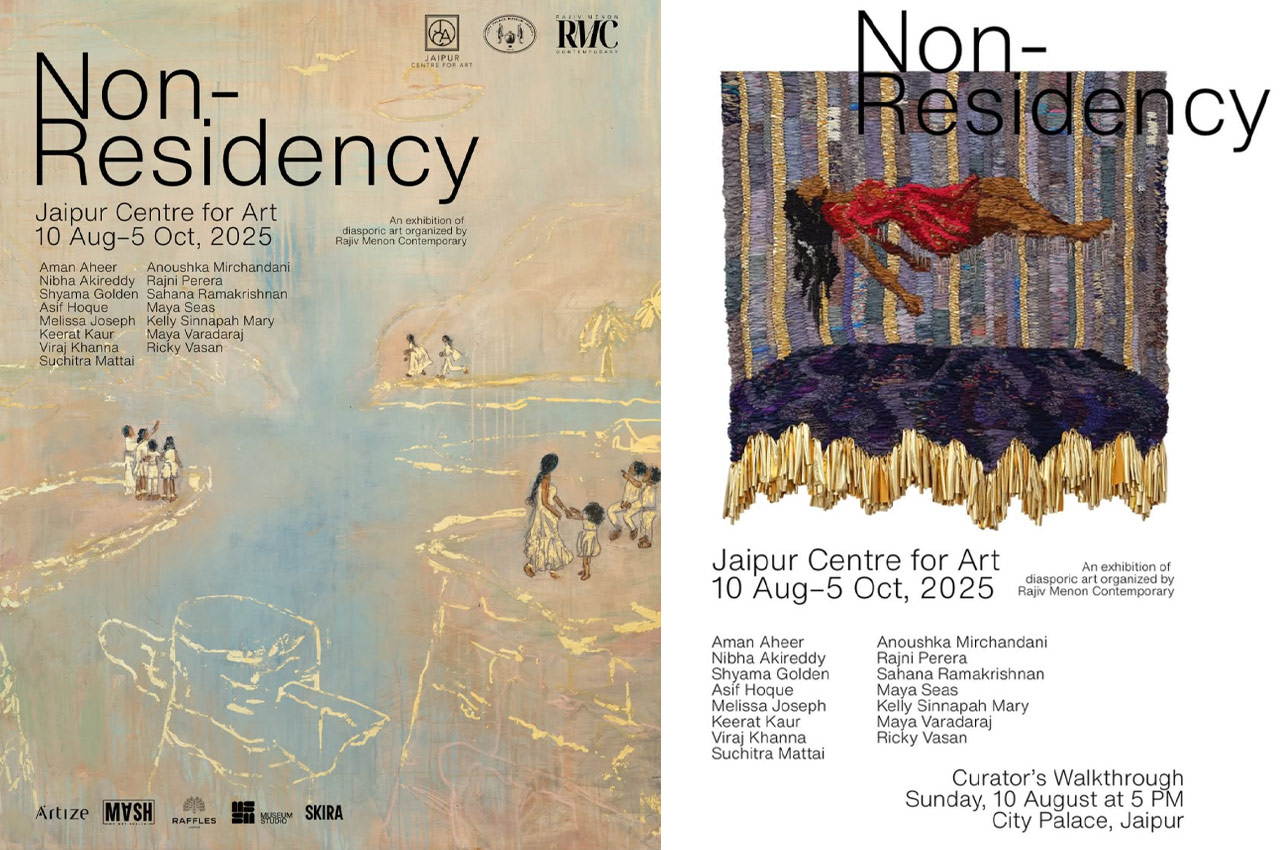
8. Non-Residency, Jaipur

When: August 10 to October 5, 2025 
Where: Jaipur Centre for Art, City Palace, Jaipur

Non-Residency,-Jaipur
Image Courtesy – Jaipur Centre for Art

Art person Rajiv Menon makes a mark with Non-Residency, the first one-gallery show at Jaipur’s enormous City Palace. This must-see show digs into split-up selves through deep art by stars like Chitra Ganesh, Baseera Khan, and Shyama Golden. It digs deep into how “not fitting in” can open up a big, rich space for making new things, linking India and the world.

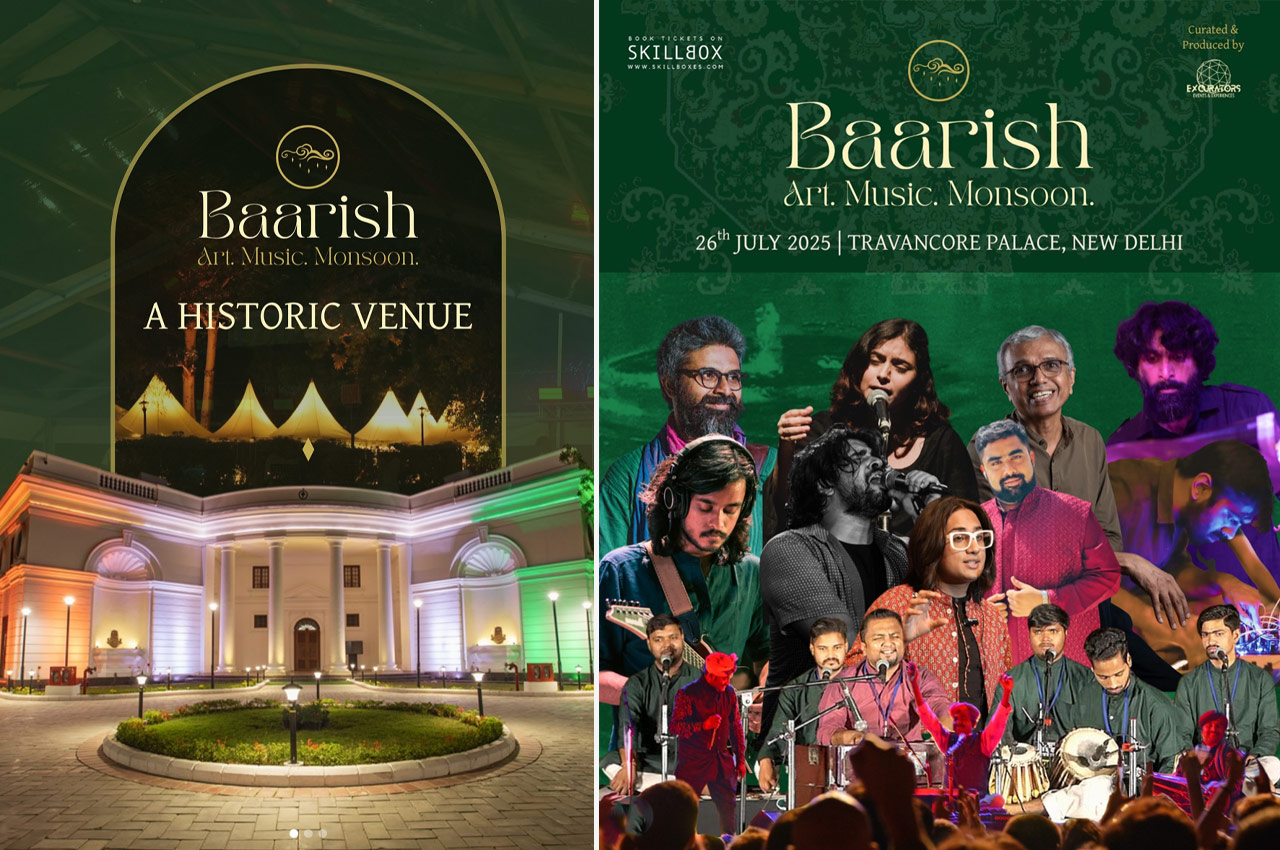
9. Baarish, Delhi

When: August 23, 2025 
Where: Travancore Palace, Delhi

Baarish-Travancore-Palace,-Delhi
Image Courtesy – baarish.anexperience

Baarish is a unique show in all the senses to those who hear deep art in the sounds of rain. Based on the rainy time, it combines the feel, sound and beat of rain art to sound arrangements. It is a succession of local performances that leaves you feeling the season through song, artwork, performances and food which makes it a short, intense, peaceful and splendid experience.

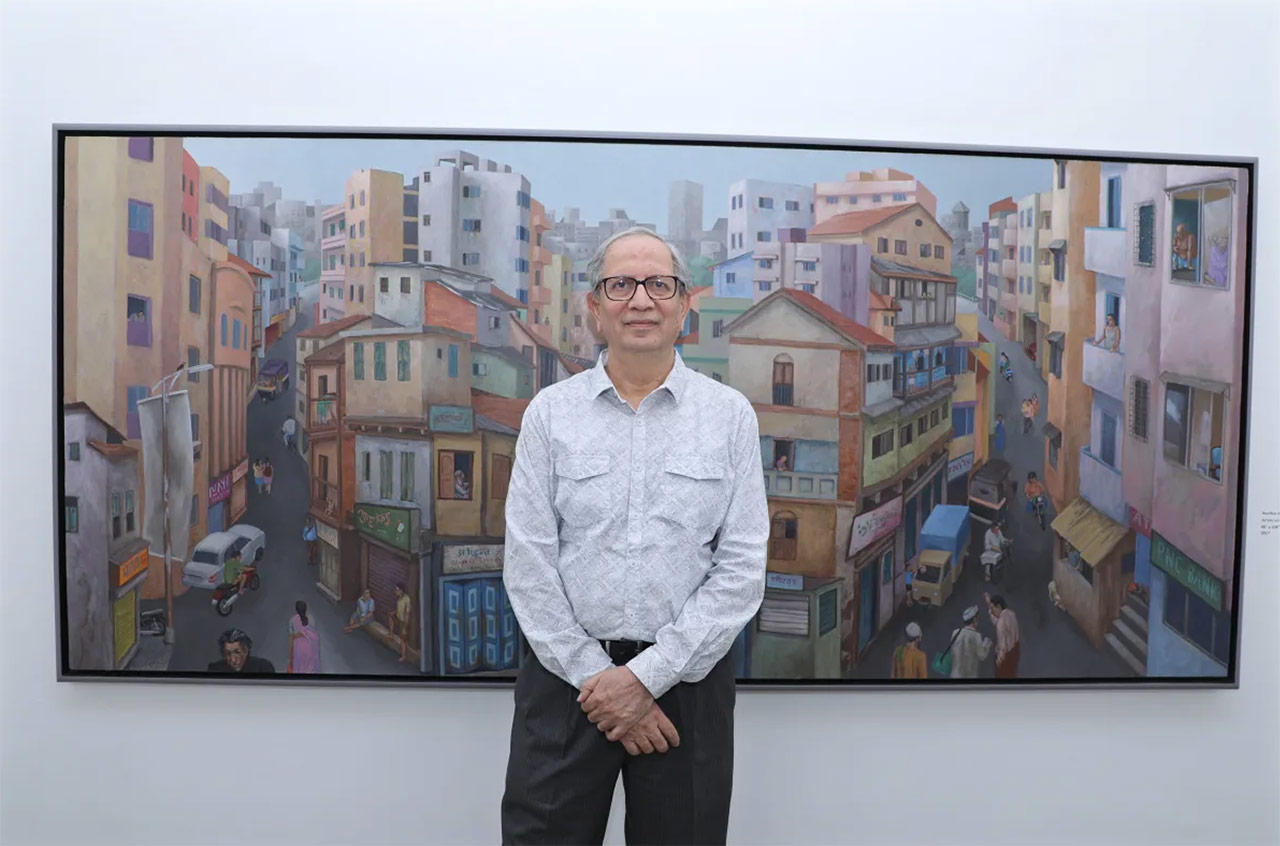
10. Cities: Built, Broken by Sudhir Patwardhan, Kochi

When: September 6 to September 30, 2025
Where: Durbar Hall Art Centre, Ernakulam, Kochi.

Cities-Built,-Broken-by-Sudhir-Patwardhan,-Kochi
Image Courtesy – Vadehraart.com

Sudhir Patwardhan’s deep look at Mumbai’s non-stop city growth, Cities: Built, Broken, is both a real show and a dream. It contains more than 75 new paintings of the old artist having large and small paintings in various sizes. This well-told art exhibition reaches the depth of the contemporary Indian handling of space and class. Patwardhan who is a trained radiologist has the sensitivity of anatomy that is evident in his impressive radiating of the human body and a busy metropolis.

Conclusion

Whether you’re sipping coconut water under the Goan sun, lost in Delhi’s art spots, or looking into Kochi’s art scene, 2025 seems set to be a year where art breaks its old limits. It jumps out, looks right at you, and asks profound questions. At a time when tech sorts out what we pick and plans shape what we like, there’s nothing like stopping to look at a strong work that stirs you up, making a real, plain bond.

Best Honeymoon Destinations for 2026: From Europe’s Romance to Asia’s Tropical Paradises

0

Best Honeymoon Destinations for 2026

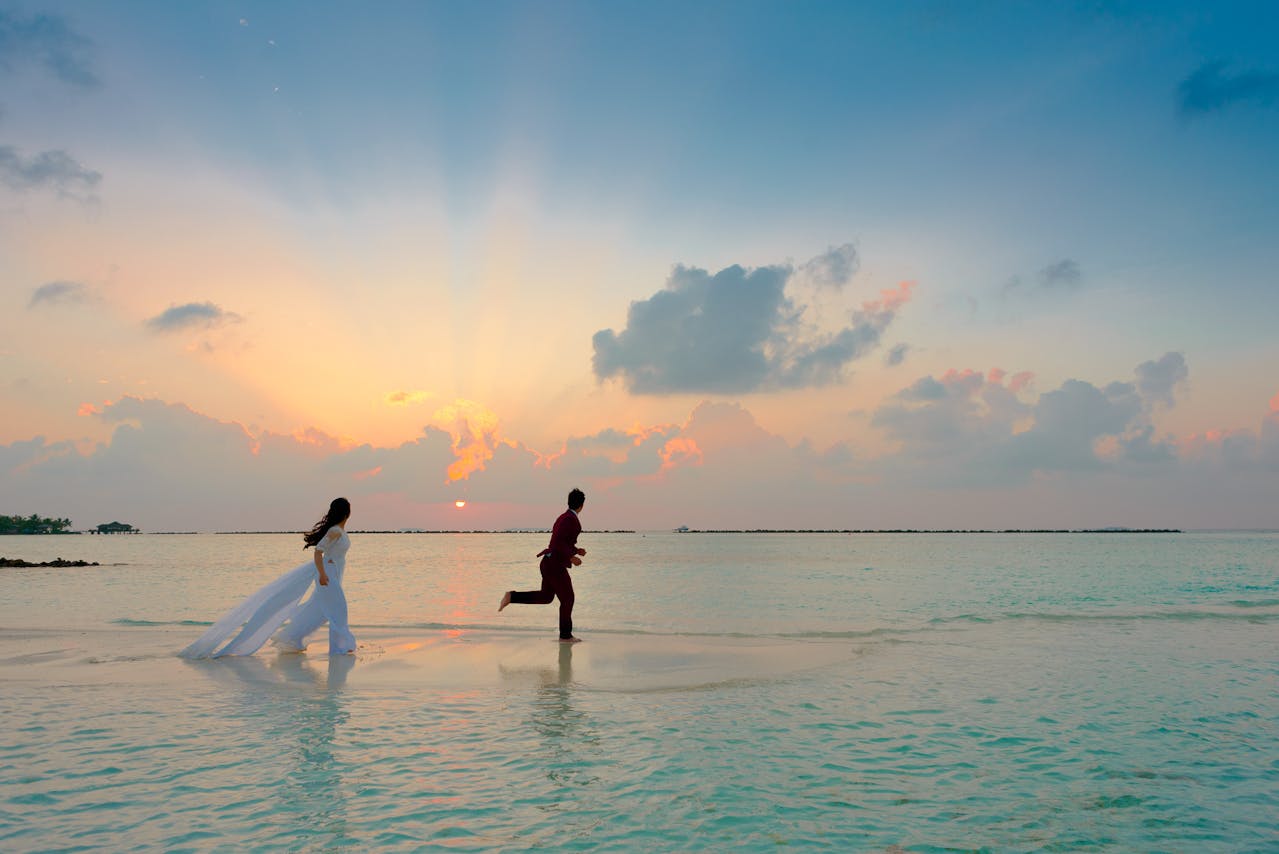
Some journeys stay etched in the heart forever, journeys where one wakes to misty  mountains in the morning and falls asleep to the lull of gentle waves the next. For couples  about to embark on their first adventure together, the world promises some truly magical  escapes in the year 2026. From Europe’s fairytale towns to Asia’s sun-kissed beaches, the  world offers infinite possibilities that will turn your honeymoon into an unforgettable  experience. And if you wish for someone to quietly curate every detail so you can focus  solely on each other, a boutique holiday package company such as Naviora Journeys will  make travel feel effortless yet deeply personal. 

Europe: The Language of Love in Every Corner 

When thinking “honeymoon,” Europe almost feels like the given answer and rightly so. The  blend of history, charm, fine dining, and heart-wrenching romance is unmatched here. In  2026, certain routes are bound to become even more special. All the better to introduce  married couples to the most famous landmarks while combining them with some intimate  hideaways. 

Paris: Love in the Air 

Best Honeymoon Destinations for 2026-Paris

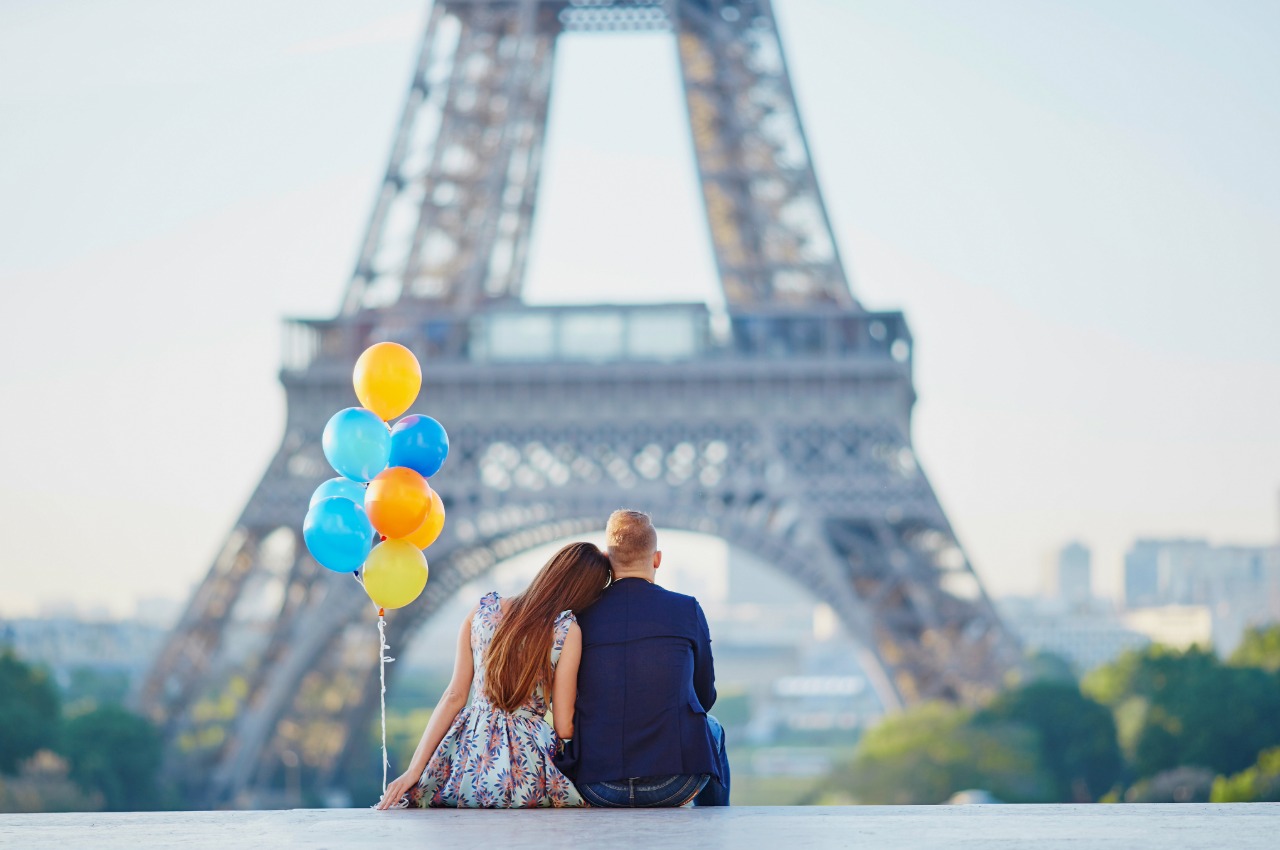
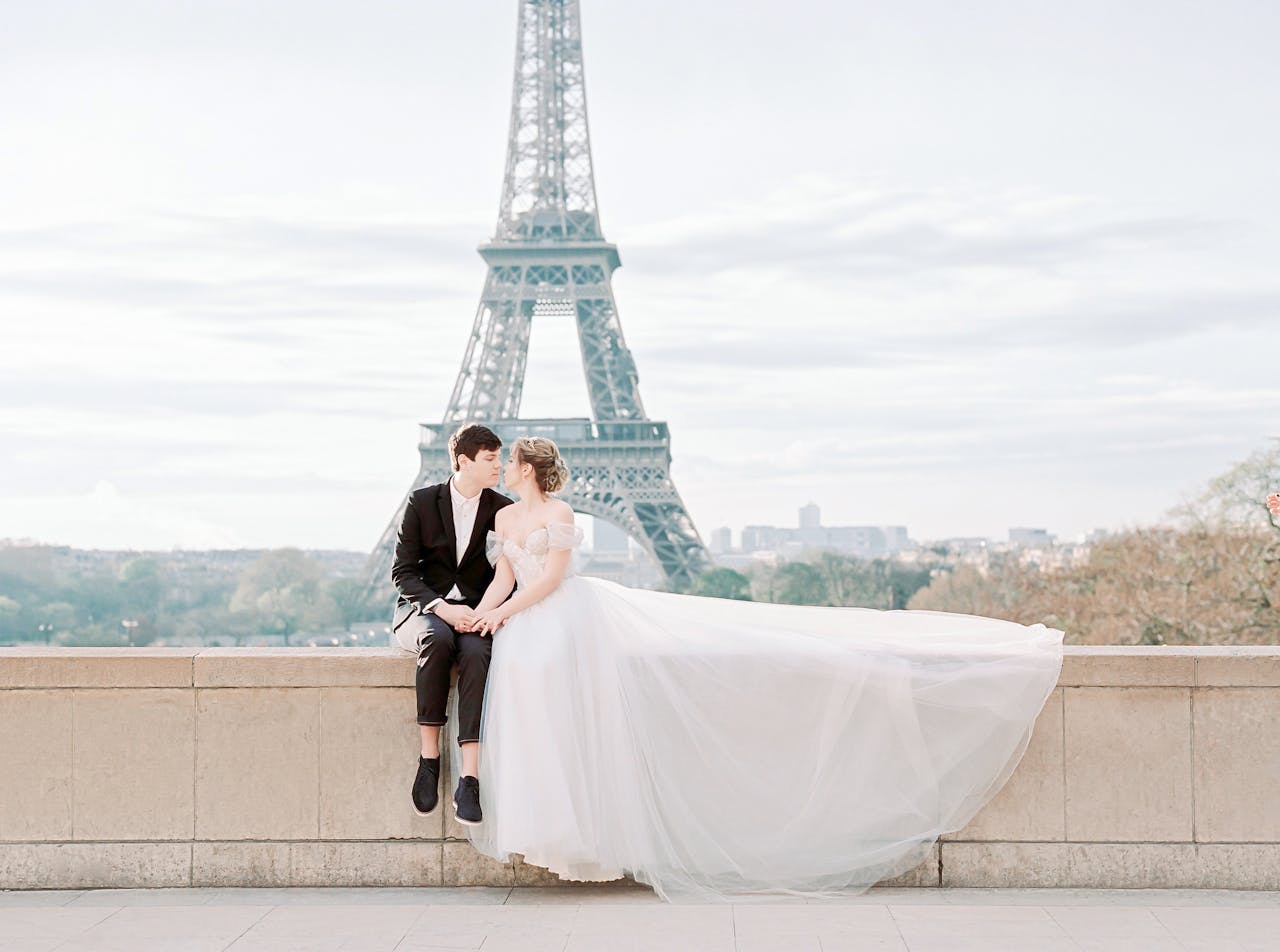
Paris has an energy that just envelops you: the city where love stories are whispered on the  bridges across the Seine; where every little café seems to have been created for just the  two of you. Spend your mornings at the Louvre, your afternoons strolling in Montmartre,  and your evenings sipping champagne as you watch the Eiffel Tower glimmer. 

Switzerland: Nature’s Romantic Stage 

Best Honeymoon Destinations for 2026-Switzerland

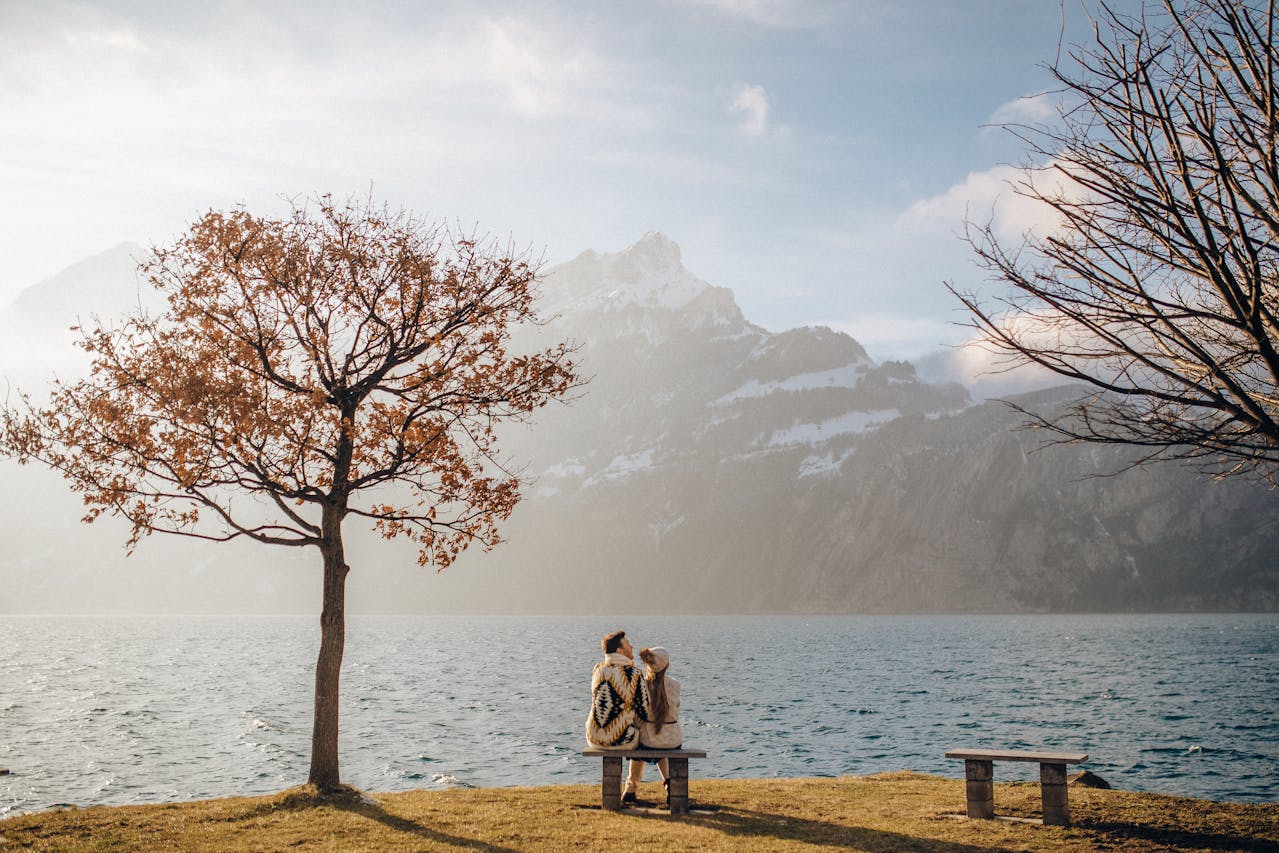
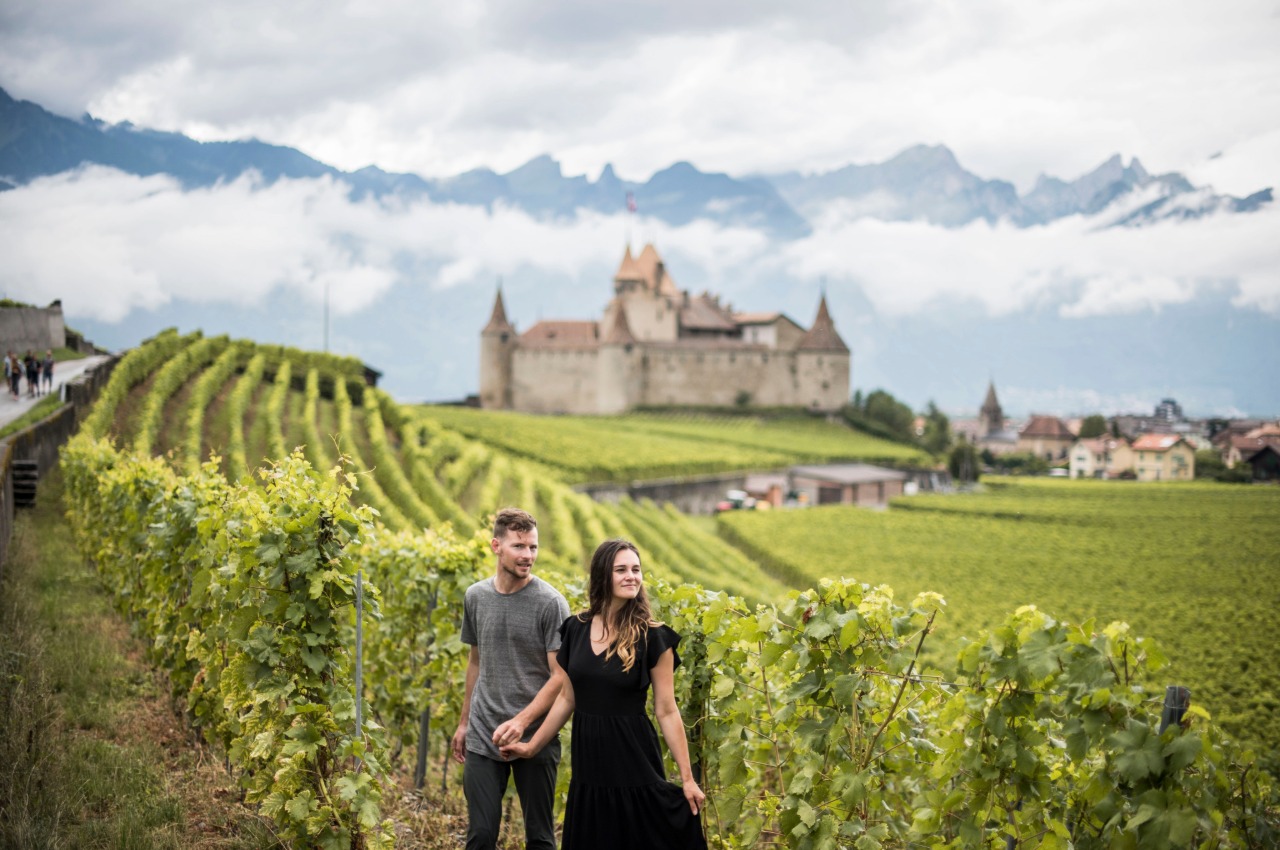
If Paris is a love letter, then Switzerland is a sonnet penned by the mountains. Scenic train  trips through the magnificent Alps will be even more breathtaking in 2026, thanks to newly  enhanced routes. Glimpse, through the windows, snow-covered peaks, emerald lakes,  timber chalets, and pretty little towns in the Alps. Lucerne, Interlaken, and Zermatt remain  evergreen favorites for couples seeking a mix of tranquility and adventure.

Italy: Romance in Every Sunset 

Best Honeymoon Destinations for 2026-Italy

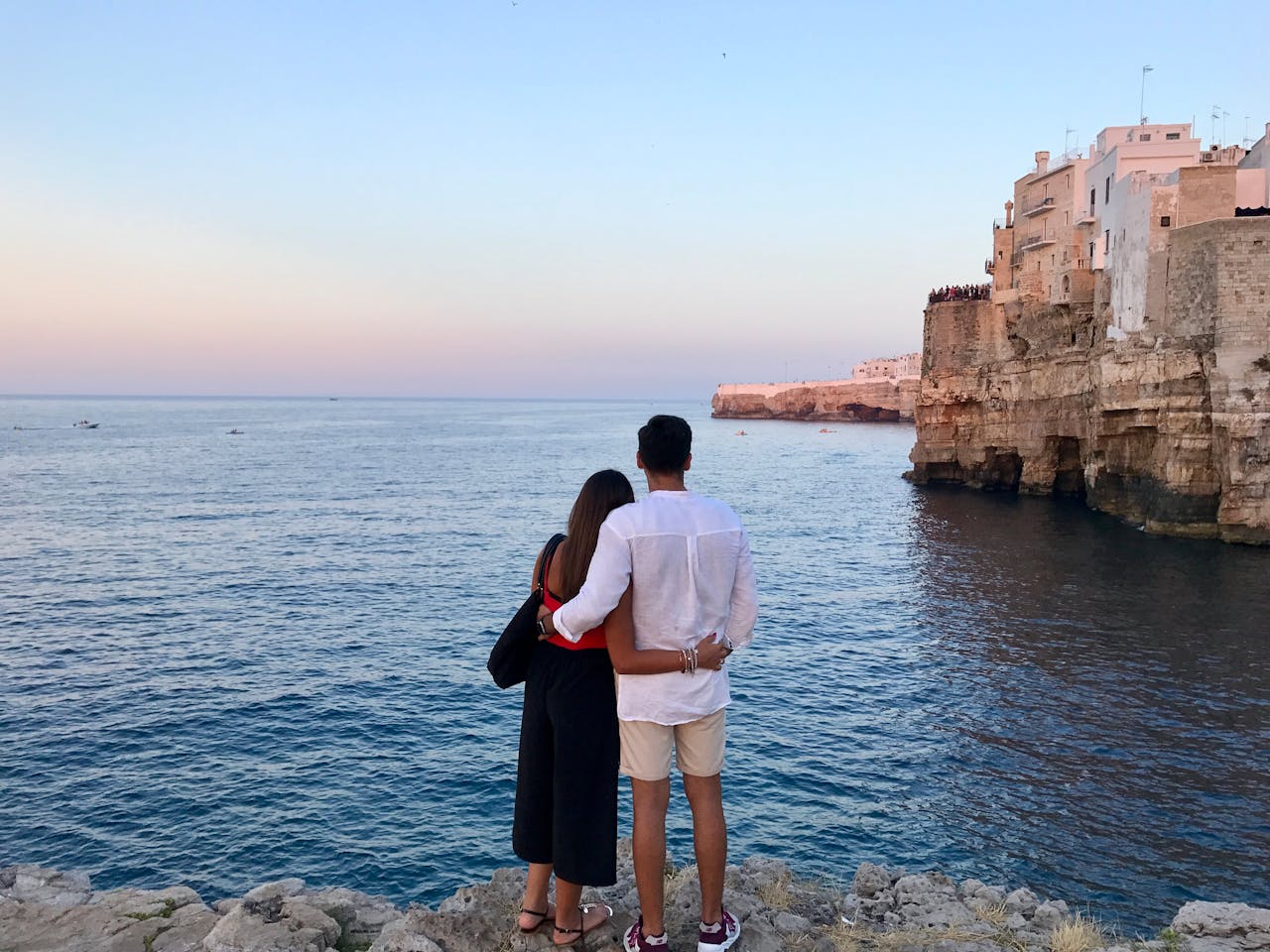
Italy is where gondola rides around Venice sing with the song of passion and beauty,  flowing down the hills of Tuscany and into the cliffside villages of the Amalfi Coast. Long,  lazy lunches in Florence, sunset strolls in Rome, wine tastings under the olive trees; Italy is  barely about checking sights off a list and more about letting romance slowly unfold.  

If you want all three in one seamless journey, consider the Paris Switzerland Italy Tour Package from India, it’s the perfect way to embrace Europe’s most romantic experiences  without the stress of planning every detail yourself.

Asia: Tropical Escapes with a Romantic Soul 

While Europe is all about a timeless elegance, Asia has its equally charming offering  nature at its most vivid and colorful. Honeymoon destinations in Asia are a mix of culture  and relaxation, from white-sand beaches to fast-paced city life. 

Singapore: The Urban Tropical Gem 

Best Honeymoon Destinations for 2026-Singapore

Singapore is one of those rare cities where luxury, greenery, and culture coexist perfectly.  Walk through the surreal Supertree Grove at Gardens by the Bay, go for a sunset cruise, or  opt for a Michelin-starred meal. The vibrant nightlife coupled with the clean and safe  streets makes an ideal romantic escape launchpad for this Asian holiday. 

Thailand: Beaches, Culture, and Carefree Joy 

Best Honeymoon Destinations for 2026-Thailand

From the cerulean waters of the Phi Phi Islands to golden sunsets in Krabi or wild party  nights at Phuket, Thailand is sheer honeymoon heaven. The beach resorts in 2026 are  upping the game with private villas, floating breakfasts, and exclusive couple experiences  like underwater photoshoots and island-hopping yacht tours. 

For couples who want the best of both worlds, the Singapore Thailand Tour Package is a  dream blending the sophistication of a modern city escape with the laid-back charm of  island life.

Best Time to Visit 

Best Time to Visit Honeymoon Destinations

Timing is everything for a honeymoon. 

  • Paris–Switzerland–Italy: Late spring (April–June) or early autumn (September– October) offers mild weather, fewer crowds, and stunning scenery. 
  • Singapore–Thailand: November to February is ideal for warm, sunny days without  the heavy monsoon rains. 

Travel Tips for Couples 

  • Blend your styles: If one loves adventure and the other prefers relaxation, plan a  mix. 
  • Leave room for spontaneity: The most romantic moments are often unplanned.
  • Splurge on one unforgettable experience: Whether it’s a private yacht in Thailand  or a Michelin-starred dinner in Paris, make one evening truly extraordinary. 

Why These Destinations Stand Out in 2026 

Why These Honeymoon Destinations Stand Out in 2026 

What truly gives these honeymoon locations their shine in upcoming year is the balance  they offer. In a single trip, one could sip wine beneath the Tuscan sun, glide through the  valleys of Switzerland, and toast beneath the Eiffel Tower or mix rooftop cocktails in  Singapore with barefoot walks along a beach in Thailand.  

2026: the year to go big, to go for that first journey together that you will talk about for the  next decades. Because after all, it’s not just about where you go for your honeymoon; it’s  about what stories you take back home, the moments that play in your mind and that  feeling of having the world at your feet, together.

The Journey Begins 

Your honeymoon is more than just a vacation. It marks the first chapter of your life  together. It, therefore, must be majestic in memories to compare the enchanting years that  lie ahead. From Paris to Phuket, from alpine valleys to islands at sunset, 2026 is laden with  options. With some planning and a good dollop of romance, yours can be a trip to  remember, one you will keep recreating in mind forever. 

For your magical honeymoon, we recommend Naviora Journeys, that quietly works  behind the scenes to craft honeymoons that feel personal, seamless and unforgettable, so  all you have to do is be present in the moment.

FAQs – Best Honeymoon Destinations for 2026

Best Honeymoon Destinations for 2026-01

Question: What are the best honeymoon destinations for 2026?

Answer: Paris, Switzerland, Italy, Santorini, Maldives, Thailand and Bali are trending for romance, culture and luxury.

Question: Which is the most romantic honeymoon destination?

Answer: Paris tops the list with its charming streets, candlelit dinners and iconic Eiffel Tower views.

Question: What’s the most budget-friendly honeymoon destination in 2026?

Answer: Bali delivers stunning beaches, rich culture and boutique stays at affordable prices.

Question: How far in advance should we book our honeymoon trip?

Answer: Ideally, 6–8 months before your travel dates to get the best deals and secure preferred hotels or experiences.

Question: When is the best time to visit for a honeymoon?

Answer: It depends on the destination; for Europe, spring (April–June) is ideal; for tropical beaches, winter months (November–February) offer perfect weather.

Burj Khalifa to Shine in Tricolour as UAE Celebrates India’s 79th Independence Day

0

Burj-Khalifa-to-Shine-in-Tricolour-as-UAE-Celebrates-India’s-79th-Independence-Day

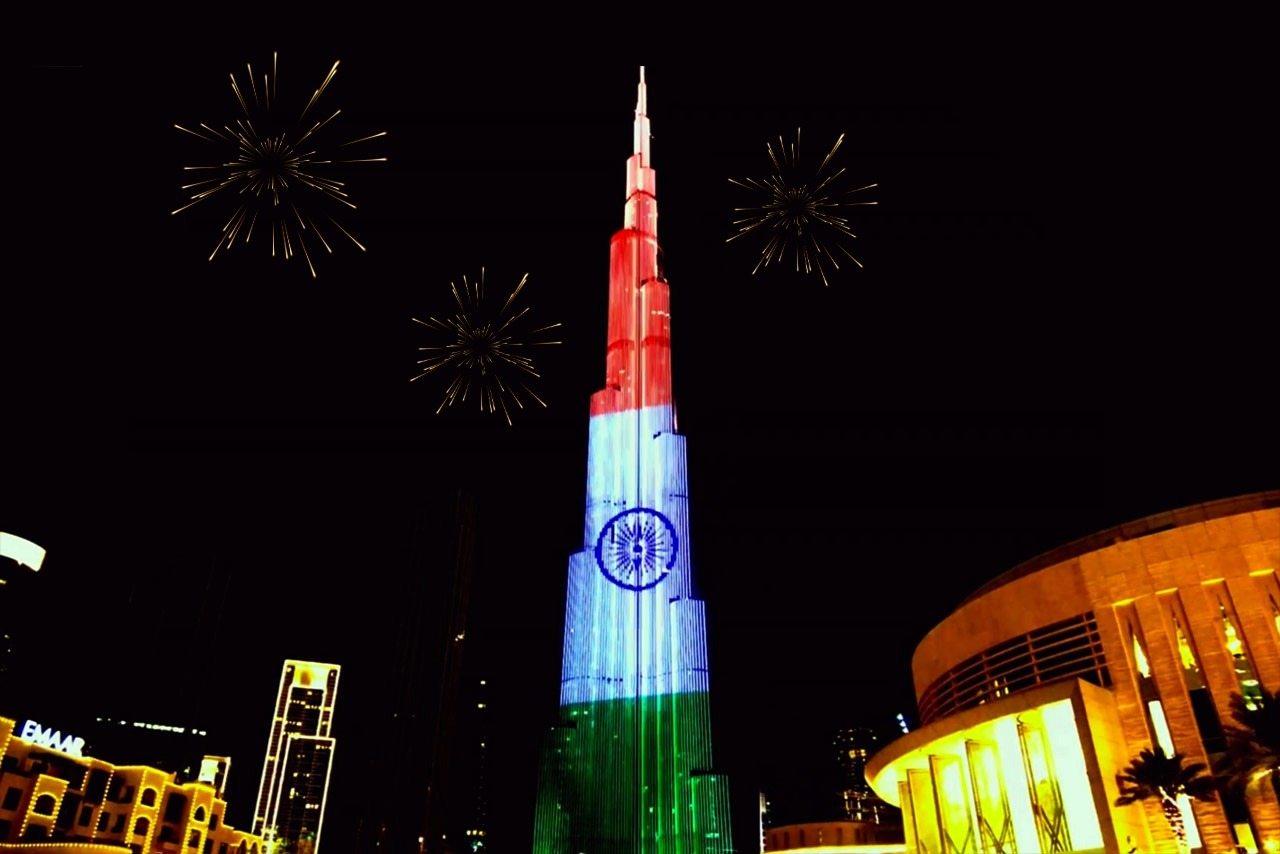
Dubai’s iconic Burj Khalifa is all set to glow in the vibrant hues of the Indian tricolour this Friday, marking the 79th Independence Day of India in a grand style. The dazzling display, scheduled for 7:50 pm on August 15, will be joined by other landmarks across the UAE lighting up in saffron, white, and green — a visual treat for millions of Indians living abroad.

The Indian Consulate in Dubai confirmed the timings, adding that this annual gesture has become a source of immense pride for the Indian community. UAE leaders are likely to extend their customary greetings to the people and leadership of India on this special occasion.

Aspect Details
Occasion 79th Indian Independence Day Celebrations in the UAE
Main Highlight Burj Khalifa lighting up in the Indian tricolour
Date & Time August 15, 2025 – 7:50 PM (UAE time)
Flag Hoisting – Dubai 6:30 AM at the Indian Consulate; Gates open at 6:00 AM
Flag Hoisting – Abu Dhabi 7:15 AM at the Indian Embassy
Special Features Cultural performances, tribal art exhibition, counter-terrorism display
Other Events Sharjah Blitz Chess Tournament, cultural shows, special offers in stores and airlines

Flag Hoisting: But Earlier This Year

Given the intense summer heat, both the Indian Embassy in Abu Dhabi and the Consulate in Dubai have decided to start their ceremonies earlier than usual. In Dubai, gates will open at 6 am with the flag hoisting at 6:30 am — a shift from last year’s 7 am. Abu Dhabi’s celebrations will begin at 7:15 am, moved up from 7:30 am in 2024.

In Abu Dhabi, Ambassador Sanjay Sudhir will lead the celebrations, while Consul General Satish Kumar Sivan will head the Dubai event. Both venues will feature vibrant cultural performances, with Abu Dhabi adding a tribal art exhibition and a special display highlighting India’s counter-terrorism initiatives, linked to the recent Pahalgam terror attack.

Community Spirit in Full Swing

Celebrations began early with a large-scale blood donation drive in Dubai, coordinated by the Indian Consulate in collaboration with FOI Events. The camp drew around 270 donors, among them Ashish Verma, Consul (Passport).

The missions are actively driving the Har Ghar Tiranga campaign, urging Indians to display the national flag at their homes with pride from August 2 to 15. To inspire young audiences, Glendale School in Dubai hosted an exhibition tracing the rich history of India’s national flag, complemented by performances and contests under the Amrit Kaal 2025 theme.

Chess, Culture, and More

In Sharjah, the Independence Day Blitz Chess Tournament will add a competitive twist to the celebrations, organised by the Sharjah Cultural Chess Club and supported by the Indian Consulate. Across the UAE, community groups and businesses are also joining in with flag hoistings, cultural programmes, special offers on Indian food and products, and even discounted flight tickets.

On social media, Indian expats are sharing their excitement — from shopping for tricolour outfits to decorating homes — proving that even thousands of kilometres away, the spirit of 15th August remains strong.

This Friday, as the world’s tallest building shines in the colours of the Indian flag, the UAE will once again stand with India in celebrating freedom, unity, and pride.

Reference: https://gulfnews.com

The Lotus Fellowship: Program For Emerging Indian Classical Artists

0

The-Lotus-Fellowship-for-Indian-Classical-Arts-01

A new program by Arts India US, the Lotus Fellowship reflects that symbolism by offering young Indian classical artists in the U.S. a space to grow, connect, and flourish. This fellowship is specifically geared toward artists between the ages of 16 and 30 and is not a funding program but a springboard into their artistic careers.

The Lotus Fellowship Program

Aspect Details
Program Name Lotus Fellowship
Organized By Arts India US
Duration One year
Target Group Emerging Indian classical musicians and dancers in the U.S., aged 16–30
Key Features • Financial aid
• Mentorship from senior artists
• Networking opportunities
• Strategic career guidance
• Performance platforms
Goal To support artistic growth, preserve heritage, and provide tools for sustainable careers in the U.S. arts scene.

The Lotus Fellowship is a year-long professional development program created to support emerging Indian classical artists living in the United States. It provides financial support, mentorship, training, and performance opportunities to help young musicians and dancers build careers and stay connected to their traditions. The program also ensures that participants have the tools needed to succeed in today’s cultural environment by connecting them with industry professionals, exposing them to wider audiences, and offering strategic career guidance.

How Does it Work?

Indian classical music and dance have centuries of history behind them, but in the United States, young performers often face challenges such as a lack of venues, a fragmented audience, and difficulty balancing tradition with career. The Lotus Fellowship serves as a bridge, offering a structured program to help these art forms thrive alongside other artistic traditions.

Vani Krishnamurthy, Executive Director of Arts India US, describes the fellowship as being developed to address the specific needs of Indian classical artists based in the U.S. It is not a one-size-fits-all system but rather a platform where artistic richness meets professional development.

The features of the Lotus Fellowship assists in the form of financial aid, it offers:

  • Guidance under senior artists and professionals in the field
  • Chances to network with peers and colleagues
  • Sustainability strategic career advice in the arts
  • Visibility and performance platforms to capture more crowds

This turns the fellowship into a professional toolkit and, as a result, the participants do not only acquire artistic exposure, but they also get skills to develop their careers.

Indian Classical Arts in the West

Led by Vani Krishnamurthy, an arts entrepreneur with experience in consulting, academic research, and curation, the organization has partnered with several leading cultural institutions, including Lincoln Center, the Smithsonian, and Associate at Harvard University’s Lakshmi Mittal and Family South Asian Institute.

The expertise is used to design the fellowship. It is not only about performances; it is about creating an ecosystem where Indian classical arts are given equal standing alongside mainstream performing arts in the U.S. The Lotus Fellowship does not just provide a spotlight—it offers mentorship, networking, and professional tools to help artists build sustainable careers.

One of the most distinctive aspects of the Lotus Fellowship is its celebration of both heritage and evolution. Fellows are encouraged not only to continue classical traditions but also to reinterpret them in new and contemporary ways. This dual focus keeps these art forms vibrant, fresh, and relevant to modern audiences.

Conclusion 

By building a community of artists who share this vision, the program nurtures not only the individuals who participate but also the diasporic cultural identity of Indian classical arts. It also conveys to wider American audiences that these art forms deserve a place in the pantheon of world culture.

The Lotus Fellowship is opening its doors to young artists, preserving tradition while fostering meaningful connections. It is not just a program but a promise to ensure that Indian classical arts continue to inspire and educate audiences for generations to come.

Design Democracy 2025: Hyderabad Set to Become India’s Design Hub

0
Design-Democracy-2025-Hyderabad-01
Image Courtesy – designdemocracy

In Hyderabad from September 5–7, Design Democracy 2025 will be held at the HITEX Exhibition Center, featuring interior design, product design, art, visual culture, and more. This three-day festival is more than just an interiors exhibition—it’s a live showcase of creativity, where artistry meets sustainability and legacy blends with cutting-edge innovation.

Event Detail Information
Event Name Design Democracy 2025
Dates Friday, 5 September – Sunday, 7 September 2025
Venue HITEX Exhibition Centre, Halls 1 & 3, Hitex Road, Izzathnagar, Kothaguda, Hyderabad, Telangana 500084
Opening Preview VIP Preview: Thursday, 4 September 2025, from 6:00 PM (by invitation only)
Open Exhibition Hours Thursday, 4 September (invite only): 10:00 AM – 5:00 PM
Friday & Saturday, 5–6 September: 11:00 AM – 8:00 PM
Entry & Ticket Options General Admission: ₹499 per person
Student Pass: ₹299 (valid student ID required)
VIP Access: ₹1,499 (includes priority entry & lounge access)
Tickets available online via BookMyShow
Highlights Over 120 luxury & exclusive brands showcasing statement furniture, lighting, textiles, artisanal surfaces, and contemporary art; immersive pavilions, F&B zones, curated installations, and interactive sessions.
Speakers & Talks 80+ reputable speakers in “DD Talks” on topics such as sustainable cities, design ethics, cultural preservation, and material innovation.
Cultural Showstoppers Four immersive galleries — “Museum of Telangana,” “Gallery of Sustainability,” “Precious Objects,” and “FLOW” — exploring materiality, craft, heritage, and movement.

What is Design Democracy?

Design Democracy is a celebration of design and interior décor, bringing the finest creativity, craftsmanship, and innovation together in one inspiring venue. It is more than a product showcase; it is an experience with the luxury brands, visionaries, and thought-leaders in a meaningful conversation on what the future of living spaces will be. The event showcases design as a universal language through immersive pavilions, cultural installations, and interactive talks, combining heritage and modernity, sustainability and style, ideas and real-world impact.

Few cities can balance centuries-old architecture with a desire for modern luxury like Hyderabad. That distinct culture makes it an ideal setting for Design Democracy’s third edition. This is more than just an exhibition; it is a statement about Hyderabad’s readiness to be regarded as India’s design hub. It is a place where the country’s most influential voices and visionary brands gather to shape the future of how we live, work, and interact with our spaces.

Key Highlights of Exhibition 

The main highlights of the exhibition are: 

  • Over 120 of the best and most exclusive brands will showcase the latest statement furniture, statement lighting, exquisite textiles, artisanal surfaces, and contemporary pieces of art.
  • More than 80 reputable speakers will exchange ideas on topics ranging from sustainable cities and design ethics to cultural preservation and material innovation.
  • Four cultural showstoppers, immersive galleries that push boundaries and explore questions beyond the obvious, will captivate visitors.

Brands Involved

  • Museum of Telangana (MOT) – a poetic journey into shelter by Supraja Rao that asks us to look at a tree as more than a source of shade, but something we can inhabit as well.
  • Gallery of Sustainability – co-curated by Abin Chaudhuri and Snehashri Nandi, which raises the question on how we design to last and to be conscientious.
  • Precious Objects – personal art by Farah Ahmed, art and subtle feeling.
  • FLOW – Sweeping space-transforming intervention by Nuru Karim that alters the flow of the visitors through the festival and their feelings about it.

The Three Pavilions: Atelier, Canvas, Muse

Rather than a trade-show format, Design Democracy 2025 presents three tightly curated pavilions, each with its own identity:

  • Atelier – a commemoration of craftsmanship, where materials convey histories.

  • Canvas – a platform where cultural stories are expressed through design.

  • Muse – a playground of inspiration where ideas of creativity come to life.

Each area is created to be an experience rather than a show- blending the concept of an exhibition and an exploration.

The Gourmet Xone: 

Sculptures will be placed along the walkways with creative names like Artcafe, Krsna Mehta, Leidenschaft, RM Homes, Cult of Collectibles, and House of Katachi so even the in-between areas will be an artistic experience.

There is a Gourmet Zone too. In this case, the most creative chefs in Hyderabad will turn food and beverage into art. Think of having a locally inspired cocktail and chatting about the philosophy of architecture with a designer you look up to in this event.

Organizers Vision

The chief organizer is the Charcoal Project as the title sponsor with Beautiful Homes by Asian Paints, ANCA, Bondtite, FIMA, Dimore, Osum, Marble Centre International and West Elm. Media partners are Design Anthology, Architecture+Design, India Today Home, and others. So the discussions begun here will reverberate well beyond Hyderabad.

Conclusion 

Design Democracy is not just a demonstration of beautiful things. It is the ideas becoming reality-reimagining the places we live and work, challenging the manner in which we make, and reveling in the beauty of craft that makes ordinary life possible. In a world where there is a need for uniformity, this serves to remind us of the worth of cultural specificity, sustainability and human connection. Design Democracy 2025 is sure to be an innovative exhibition in Hyderabad, and the design community of India.