The Role of ABHA in Indian Healthcare

2

The-Role-of-ABHA-in-Indian-Healthcare-01

The Ayushman Bharat Health Account (ABHA) that was launched in 2021 under the Ayushman Bharat Digital Mission (ABDM) is a unique health ID that helps citizens by providing a seamless digital platform to store and access their health records. ABHA was introduced to simplify healthcare for millions. Let’s look at what kind of transformation the healthcare sector in India has been experiencing since the launch of ABHA.

ABDM’s Achievements

It’s great that in just three years, ABDM has crossed significant milestones, with over 73 crore ABHA accounts created and 47 crore linked to health records. Over 3.6 lakh health facilities and 5.5 lakh healthcare professionals have joined the mission, laying the groundwork for a connected digital healthcare system.

ABHA: A Gateway to Simplified Healthcare

The Ayushman Bharat Health Account (ABHA) allows citizens to store and manage medical records digitally. Through certain health apps families can store their health records for free, eliminating the need for bulky files and ensuring easy access to medical history anytime, anywhere.

Key Benefits of ABHA

Simplified Records Management

Digital storage reduces paperwork and ensures easy sharing of records with healthcare providers. This eliminates the inefficiencies of traditional paper-based record-keeping and helps doctors make better treatment decisions. Additionally, emergency situations become more manageable as vital health data is readily available when needed.

Connected Healthcare Ecosystem

ABHA integrates data across hospitals, clinics and pharmacies, ensuring accurate diagnoses and reducing errors. This interconnectivity promotes a seamless healthcare experience where patient histories, test results and prescriptions can be accessed by authorized healthcare providers, eliminating redundant tests and treatments. 

Secure Data Management

Patients have complete control over their health records, ensuring privacy and security. ABHA employs stringent encryption and consent-based access mechanisms, allowing individuals to decide who can view their health information. This safeguards sensitive medical data from unauthorized access and potential misuse.

Bridging the Healthcare Gap in Rural India

One of the biggest challenges in India’s healthcare system has been the limited access to quality medical services in rural areas. ABHA plays a vital role in bridging this gap by enabling telemedicine and remote consultations. With digital health records easily accessible, doctors can provide accurate diagnoses and treatment plans, even for patients in remote locations. This minimizes the need for frequent hospital visits, reduces travel costs and ensures timely medical interventions.

A Step Towards Universal Healthcare

ABHA’s role in enabling telemedicine, remote consultations and reducing healthcare costs is driving India closer to universal health coverage. By enhancing accessibility, particularly in rural areas, ABHA is paving the way for a healthier future. The digitization of medical records ensures continuity of care, allowing various healthcare providers to work collaboratively on patient health outcomes.

Additionally, the use of big data analytics in digital health records can help policymakers design targeted public health programs. By analyzing disease trends, vaccination coverage and healthcare utilization patterns, the government can make data-driven decisions to improve healthcare infrastructure and resource allocation.

Promoting Preventive Healthcare Through Digital Insights

With the advent of digital health records, preventive healthcare is becoming more effective. ABHA facilitates proactive health monitoring by tracking a patient’s medical history, lab reports, and medication patterns. With artificial intelligence (AI) and data-driven insights, individuals can receive timely health alerts and recommendations, empowering them to make informed lifestyle choices. This shift towards preventive care reduces the burden on hospitals and leads to improved overall public health.

Conclusion

With ABHA, India’s healthcare system is evolving into a digital-first ecosystem, making quality care accessible and affordable for all. By streamlining medical record management, improving interoperability among healthcare providers, and ensuring data security, ABHA is laying the foundation for a more efficient and patient-centric healthcare landscape.

As more healthcare providers, professionals and citizens embrace digital health solutions, the vision of a seamless and inclusive healthcare system in India is becoming a reality. The continued expansion of ABHA will further strengthen the country’s healthcare infrastructure, ensuring that medical services reach every corner of the nation. In the coming years, this digital revolution is set to redefine healthcare accessibility, making healthcare not just a service, but a right for all Indians.

Get on a Frosty Ride as We Explore the Best Winter Festivals of India

0
Winter Festivals of India
Baishakhi – Wikimedia

India is a land of festivals. A mosaic of cultures, regions, religions and ethnicities, the festive season and spirit continues all through the year. However, when it comes to winter, the weather, seasonal changes and overall sense of euphoria and energy contribute to the celebration of several festivals across the country. Winter festivals are thus, an amalgamation of economical, religious, regional and cultural revelry that interweave through each and are reasons large enough to celebrate. 

Types of winter festivals in India

The different types of winter festivals in India can be broadly categorised into harvest festivals and cultural festivals. Some harvesting festivals fall during August-September, some during January and others around March-April. Depending on the region and state different harvest festivals are celebrated during different winter months.

On the other hand, a number of cultural festivals take place between December-March. The coming together of performances, artisans, dances and other cultural elements make these winter festivals a true celebration of the vivid colors, diversity and enthusiasm.

However, the thing to note about festivals in India is no matter the cause of celebration, a few overarching significances remain the same. Festivals are a reflection of culture. And therefore, winter festivals are fraught with different cultural and regional influences. However, the components that remain standard include celebrations in traditional attires, meeting of family and friends, an involvement of regional folk dance and music and lastly, the celebration of authentic regional and heritage cooking. Festivals are associated with typical traditional clothing, dishes, music and more. 

Here is taking a look at some of the amazing harvest winter festivals celebrated in the country. 

1. Lohri

Winter Festivals of India, Lohri
Image –Wikimedia

Celebrated in the beginning of January around the winter solstice, Lohri is a vibrant, musical and colorful harvest festival in Punjab. It is celebrated by lighting bonfires, around which prayers and food are offered. However, the highlight of the festival is the amazing and energetic dances around the fire. On the beat of the traditional dhol the rhythm fills up the atmosphere and the circular seamless dancing reaches different levels of crescendo. Dressed in ethnic attires, folk dances are a delight to watch. The gorgeous sarson ka saag, makki ki roti, gur roti, pindi chana etc. are the dishes to gorge on during Lohri. 

Suggested Story: Festivals of Punjab: A Dazzling and Thrilling Celebration

2. Bihu

Winter Festivals of India, Bihu
Image –Wikimedia

In Assam the harvest festival of Magh Bihu is celebrated in mid-January. Lasting for almost a week, Bihu is all about traditional dances, bonfires and feasting. The food for the festival feast is prepared in thatched huts. Also, traditional games, such as buffalo fighting and Takeli Bhonga are played during the festival. Some of the delicious delicacies that are prepared during this festival include til pitha, sunga pitha, laru and more. 

3. Pongal

Winter Festivals of India, Pongal
Image –Wikimedia

The harvest festival of Tamil Nadu is a four day celebration around mid-January. On the second day of the festival pongal rice is offered to the Sun God. Similarly, each day is marked with prayer, such as prayers to the Lord of Fire, cattle and birds etc. Homes are decorated with various plants  and rangolis mark the entrance of homes. Traditional dishes, such as sweet pongal, rava pongal, bisi bele bath, curd rice etc. are prepared during the festival. 

Suggested Story: The Entrancing Festivals of Tamil Nadu You Must Experience

5. Makar Sankranti

Winter Festivals of India, Makar Sankranti
Image –Wikimedia

One of the most unique festivals, Makar Sankranti or the Kite Festival is Gujarat’s most sought after cultural event. A harvest festival, the day of Uttarayan is the most important day for agriculture-related occupations followed next day by Makar Sankranti. It marks the shift of the sun into the zodiac sign of Makara rashi or Capricorn. However, it is the Kite Festival that steals most of the limelight. Huge, brightly colored kites take up the skies across the state and many other parts of the country. 

Suggested Story: 15 Wishes on Makar Sankranti to Share with Your Loved Ones

Cultural winter festivals in India

A break from the hot sultriness, winters are one of the most loved seasons in India. Wrapped in shawls and sweaters, the season exudes positive vibes of energy. And perhaps, that is why a number of cultural winter festivals unfurl across the nation too. In snow or in the desert or on the beach, the cultural landscape shines through regions, states and cities. Let’s take a look!

1. Nagpur Festival

Winter Festivals of India, Nagpur Festival
Image- RealBikaner.Com / Facebook

Nagpur Festival is also popularly known as the Ramdevji Cattle Fair and is one of the largest cattle festivals in India. Celebrated in February this cultural bonanza is all about dressing and showcasing the cattle. Besides, there are various traditional games, such as tug of war, bullock racing, and cockfights etc. that are on display. There are dance performances, music, contests, performances and more that make this festival a wonderful experience. 

2. Kutchh Rann Mahotsav

Winter Festivals of India, Kutchh Rann Mahotsav
Image- Kaushik Patel/Flickr

The land of white sand is sprinkled with color, vivaciousness, music and skilled artisans. The Kutch Rann Mahotsav is an extravaganza of dances, performances, folklore, games and tents and stalls that are adored by items showcasing the talent of its local artisans. An iconic celebration of Gujarat’s culture and folk, it is one of the most loved and popular winter festivals of India. An ongoing event for three months (November- February) the Rann Utsav is also visited by foreign tourists. 

3. Manali Winter Carnival

Winter Festivals of India, Manali Winter Carnival
Image- Pixahive

The Winter Carnival in Himachal Pradesh is held in Manali in January. Needless to say, this beautiful hill-station is regaling in the winter magnificence. With snow cover in many parts, this Winter Carnival attracts tourists from far and wide. A celebration of the culture of the people of the land, there are winter sports, such as skating, skiing etc., along with folk dances and more. 

4. Desert Festival Jaisalmer

Winter Festivals of India, Desert Festival Jaisalmer
Image –Wikimedia

Held in February this four day festival is a true peak into Rajasthan’s culture. A wonderful display of the state’s traditions and heritage the festival is fraught with camel rides, moustache competitions, folk music and dance, camel races, camel polo and more. Camels are dressed in ethnic wear and there is a platter of traditional Rajasthani food to devour. 

5. Camel Fest Bikaner

Winter Festivals of India, Camel Fest Bikaner
Image –Wikimedia

Another camel winter festival that is held in Rajasthan during January is the Bikaner Camel Festival. Similar to the Jaisalmer Desert Festival, the festival begins with the parade of the beautifully dressed camels from the massive Junagarh Fort. 

6. Mount Abu Winter Festival

Winter-Festivals-of-India-Mount-Abu-Winter-Festival
Image – Indian Experiences

Rajasthan is a happening state when it comes to winter festivals. The Mount Abu Winter Festival is a coming together of musical performances, dances, live concerts, fire performances and of course, a sumptuous food feast. With performers coming in from all over the world, this winter festival is a three day long event. 

7. Goa Carnival

Winter Festivals of India, Goa Carnival
Image- joegoauk69/Flickr

Celebrated first in the 1960’s Goa’s Carnival has remained steadfast over the years and acquired the status of festive celebration of humanity. Steeped in fun, merrymaking and splendid colors this musical fest is a feast of all kinds. There are, of course, many festivals that take place in Goa, however the Winter Carnival in March is a wonderful time to plan your trip to the land of beaches, party and fun. A four day festival, there are various events, parades, dances, games and feasting of various Goan cuisines, Portuguese dishes and more.

8. Winter Carnival Kashmir

Winter Festivals of India, Winter Carnival Kashmir

The Paradise on Earth showcases its winter celebrations and unique culture during the Winter Carnival held in December-January. With winter sporting events, such as skiing, cultural performances and a dive into Kashmir’s various dishes and recipes, this carnival is a reflection of the warmth and comfort of Kashmiri culture and its people. 

9. Konark Dance Festival

Winter Festivals of India, Konark Dance Festival
Image –Wikimedia

Held in Odisha in February across the background of the splendid Konark Sun Temple, this 5 day dance festival is a delight for the connoisseurs of Classical dance. The live performances are usually held in open air on the Chandrabhaga Beach. The dance forms that come alive during the festival include Odissi, Bharatnatyam, Kuchipudi, Manipuri, Chao, Kathakali and more. A handicraft fair is also held during this festival. 

10. Hornbill Festival

Winter Festivals of India, Hornbill Festival
Image –Wikimedia

Held in Nagaland the Hornbill Festival is a celebration of the cultures of the tribes of Northeast India.  Traditional and folk dances performed to the beats of the drums, war dances and various adventures, such as hunting rituals, bike and car sporting, fashion shows and much more are part of this festival. The breathtaking natural beauty of the land, coupled with its rich culture that is seen in its people, attire, food etc. can all be experienced during this winter festival. 

Key Takeaway

Winter festivals in India are plentiful. Though unique in their own right, each offers a wonderful window into the heritage, traditions and culture of the land. Go north, south, east or west, winter beauty is distinct and discernible in all its shades. Couple it with winter festivals and you are sure to not regret it!

FAQs About Winter Festivals of India

FAQs About Winter Festivals of India

  1. When is Lohri Celebrated, and what does it mean?

It falls on January 13 and symbolizes the end of the cold winter season and a starting point for longer days. It is a Punjabi festival celebrated with bonfires, singing, and dancing while worshiping the harvest sun god.

  1. What can one see during the Rann Utsav in Gujarat?

At the Rann Utsav, tourists can enjoy traditional music and dance performances, camel rides, local handicrafts, and the breathtaking view of the full moon above the white salt desert. 

  1. Which states celebrate Makar Sankranti mainly, and how do they celebrate?

Makar Sankranti is observed across India with the greatest significance in Gujarat (Uttarayan), Assam (Magh Bihu), and Tamil Nadu (Pongal). The rituals include kite flying, fire, and feasting for the arrival of longer days and end of winter.

  1. What is the historical significance of the Cooch Behar Rash Mela?

The Cooch Behar Rash Mela is one of the oldest fairs in West Bengal, dated to 1882. This fair is celebrated on Rash Purnima and showcases some traditional rituals, cultural performances, and a fairground with local crafts and delicacies.

  1. What is the date of Goa Carnival, and what are its prime attractions?

The Goa Carnival takes place in February or March, just before Lent. It includes colorful parades, music, dance, and feasting, showing the rich cultural heritage of both India and the West.

Few Lines About Winter Festivals of India

  1. Lohri is a Punjabi festival celebrated with bonfires, music, and dance for harvesting.
  2. Pongal in Tamil Nadu is a festival where it celebrates the journey of the sun with delectable preparations of rice and jaggery.
  3. Makar Sankranti unites India with kite flying and feasting across states.
  4. Rann Utsav celebrates the culture of Gujarat amidst a beautiful white desert.
  5. Hornbill Festival in Nagaland celebrates the indigenous culture and colorful performances.
  6. Jaisalmer Desert Festival offers a glimpse of the golden sands of Rajasthan and folk heritage.
  7. Goa Carnival blends Indian and Portuguese cultures with parades and festivities.

Gorakshasana: The Ultimate Yoga Pose for Flexibility, Strength and Relaxation

0

Gorakshasana-01

Gorakshasana, or Cowherd Pose, is one of the most revered seated postures in yoga, and it is a very important posture in meditation and physical practice. It is named after the great sage Gorakhnath, who founded the Nath Yoga tradition, and is believed to unlock the body’s energies and deepen spiritual awareness. It is mainly associated with Hatha Yoga and is considered one of the most effective asanas to develop concentration and inner focus. Being based deep within physical flexibility and spiritual growth, it has always remained a key element in many yogic practices.

Origin and Importance of Gorakshasana

The term “Gorakshasana” comprises two words; the former being the name of the sage known as Gorakhnath and the latter representing a posture or seat. Many contributions by this sage were helpful in developing the science of Hatha Yoga; he had created this as well to help someone attain spiritual awareness and focus of mind. The Cowherd Pose is one of the most important asanas in the tantric yoga context because it is said to awaken some dormant energies inside the practitioner’s body and activate them.

This is not just the alignment of the physical; it has spiritual and mental applications in arousing the body with energy to connect with balance or stability. The practice of Gorakshasana is to make the person realize his bonding or connection to Earth and to be adjusted in his energy with the harmonics of balance toward both healthily physical and sane mental aspects.

How to Practice Gorakshasana Step by Step:

Sit on the floor with your legs straight out in front of you. Keep your back straight and your body relaxed.

  1. Starting Position: Bend your knees and bring your feet toward your body. The soles of your feet should touch each other, with the heels pointing toward your perineum. This is where the physical benefits of the pose begin to take shape.
  2. Place the Soles Together: Bring your soles together, keeping your knees bent outwards, making a diamond shape with your legs.
  3. Position the Heels: Move your heels closer to your body so that they are positioned under the perineum. The closer the heels are to the body, the deeper the stretch in the lower back and hips.
  4. Holding the Feet: Using hands, gently grasp the feet with fingers so that they form a proper envelope over the feet. Your palms are upwards or into your body according to personal preference.
  5. Activating the Bandhas: Activate Mula Bandha (root lock) and Uddiyana Bandha (abdominal lock). The bandhas helped stabilize your energy and support the posture while enhancing concentration.
  6. Posture Alignment: Keep your back straight and your shoulders relaxed. Do not arch or slouch; maintain a firm but relaxed posture.
  7. Breathing: Breathe deeply and steadily, inhaling through the nose and exhaling through the mouth. Guide your attention to your breath to allow deeper concentration.
  8. Hold the Pose: Begin to hold this pose for a few breaths, and then slowly increase the time as you get comfortable and flexible in the pose.

Benefits of Gorakshasana

Gorakshasana-Benefits

  • Flexibility: It works particularly for the hip flexors, inner thighs, and lower back. Deep stretching in the lower body will increase the flexibility level of a person.
  • Muscle Strengthening: It will strengthen the muscles of legs, core, and back when you maintain this asana. The more you practice it, the more you feel your muscles engaged and getting stronger.
  • Improves Posture: The posture of the spine in this posture improves posture with time. Maintaining a straight back makes the body learn how to hold itself upright, slouching and discomfort during day-to-day activities are reduced.
  • Stimulates Flow of Energy: Practitioners of Gorakshasana believe that this asana stimulates the activation of the Muladhara (root chakra) and assists in the flowing of pranic energy throughout the body. Thus, it can aid mental clarity, grounding, and focus.
  • Reduces Stress and Anxiety: Sitting in this pose while practicing deep, smooth breathing calms the mind and reduces stress. It has the meditative effect that encourages quieting of the mind.

Precautions and Contraindications

Gorakshasana is regarded as a safe asana. Yet, there are conditions where people need to be careful.

  • Knee or Hip Problem: If one suffers from knee, ankle, or hip problems, it is strictly forbidden to do this asana. Otherwise, it will put too much pressure on those limbs.
  • Pregnancy: A pregnant woman must consult with her healthcare provider prior to this position, as a deep abdominal involvement might put strain on the lower abdomen.
  • Beginner or Individuals with Physical Constraints: Beginners and physically challenged students practice this posture only under a professional yoga teacher.

Variations of Gorakshasana

  • Supported Gorakshasana: This can be adapted for people who cannot use the unsupported version, in which a bolster or block is placed beneath the perineum for support. This adaptation makes the posture more accessible and soothing.
  • Gorakshasana with Bandhas: In this version, the inclusion of Mula Bandha and Uddiyana Bandha will sharpen the emphasis of its utility both on the physical and energetic levels, particularly for people already working with bandhas.
  • Using Props: For people who cannot stretch comfortably to touch their feet, a strap is used around the feet. This adaptation supports the posture well and allows the individual to reap the benefits of the asana.

Gorakshasana in Meditation

Gorakshasana is the seated meditation posture, which is commonly used as a general exercise too. The stability of the posture on the ground has made it perfect for deep meditation, enabling the practitioner to sit for long hours without any untoward feelings in the body. The deep breathing and concentration along with the posture make it a prime option for meditation.

It provides a still, centered quietness distraction-free place in which to sit while sitting in Gorakshasana. It is an awesome tool in the practice of self-awareness, mindfulness, and spiritual awakening.

Conclusion

The Cowherd Pose, Gorakshasana is an asana that derives a vast scope of benefits at both physical and mental levels. Daily practice of the posture enhances flexibility, strength, and focus besides bringing peace from within and removing stress. 

It works magically for both newbies and yoga veterans. Most importantly, this pose brings tranquility as well as the sense of awareness to the yoga session. Give it a try and see how it enhances both your physical and mental well-being!

Some FAQs on Gorakshasana

  1. What is Gorakshasana?

Gorakshasana is a seated yoga posture named after the sage Gorakhnath. It involves pressing the soles of the feet together and placing the heels under the body, promoting flexibility, strength, and inner peace.

  1. How do I practice Gorakshasana?

To perform the Gorakshasana sit on your soles with a leg straight ahead and bend one’s knees by closing soles. Then move heels below your body then grip your soles, hold them firm to ensure your spines straight keep on taking a deep breath.

  1. What are the benefits of Gorakshasana?

Gorakshasana stretches, strengthens the lower part of the body, maintains posture, enhances energy flow, and reduces stress and anxiety. It also helps improve digestion.

  1. Is Gorakshasana suitable for beginners?

While accessible to many, Gorakshasana is very challenging for beginners. It is recommended to ease into the pose with modifications such as a cushion or support under the perineum.

  1. Does Gorakshasana support meditation?

Yes, Gorakshasana is a fine meditation pose. It has grounding ability which can deliver a practitioner to some state of tranquil, concentration, or deep meditation.

Few Lines on Gorakshasana

  1. The Gorakshasana is a seating asana for yoga which offers mental as well as physical balancing.
  2. This asana is named after the sage Gorakhnath, who is credited with its development.
  3. Gorakshasana stretches out and strengthens all the muscles about the hips and thighs and muscles of the lumbar region.
  4. It is a good pose to rectify postures and maintain a straight spine.
  5. The pose stimulates the root chakra and thus balances energy in the entire body.
  6. Gorakshasana calms the mind and eliminates all types of tension and anxiety.
  7. Gorakshasana is widely used as a seat for meditation, where deep, undisturbed concentration is facilitated.

Kala Ghoda Arts Festival 2025: Celebrating 25 Years of Art and Culture

0

Kala-Ghoda-Arts-Festival-2025

The Kala Ghoda Arts Festival is something beyond an event; it’s the grand festival of creativity, heritage, and diversity. In the year 2025, this iconic event will witness its silver jubilee during January 25th to February 2nd. Throughout the whole Kala Ghoda area in South Mumbai, a sea change takes place as Asia’s largest arts festival transforms into becoming a neighborhood during the time of the festival. What makes it even better? All the events are free to attend, so everyone gets a chance to appreciate art and culture.

The Kala Ghoda Arts Festival Journey

Cultural fest-kala-ghodaThe festival started back in 1999. It derives its name from the majestic “Black Horse” statue that, once upon a time, had been situated there. It evolved from a small regional event to become the world platform through which artists and performers from around the world come to appear at the festival.

Today, with its 150,000-plus annual visitors, KGAF celebrates the rich heritage of India through creative contemporary expressions. Today, it stands out as a vital link between old Mumbai and modern Mumbai, in a way which has been one of the city’s proudest cultural achievements.

Costumes and Props

Indian-Art-Fair-Kala-Ghoda-Arts-Festival
Courtesy: Kala Ghoda Arts Festival

All the performances at this festival feature a rich tradition of costumes and props. The color outfit is decorated with embroidery and traditional designs that tell of India’s culture. Theatre groups have detailed costumes and props used in their plays, which tend to blend both old and new styles.

The streets are treated as an open art gallery full of life-size sculptures and creative installations. Many of them are made of green materials, depicting the festival’s awareness of environmental issues. The visitors get a burst of colors and creativity at every step.

Acts That Steal the Show

Kala-Ghoda-Arts-Festival-Performing-Arts
Courtesy: Kala Ghoda Arts Festival

The essence of KGAF lies in the performances that feature a fusion of traditional and modern art. Mythological and folk-based plays that raise social issues engage the theater lovers. The dance performances range from Bharatanatyam and Kathak to contemporary and fusion dances. The street performers come in the form of mimes, puppeteers, and flash mobs. Such acts are very engaging as they involve the audience for a great fun time and memories.

Music: Intermingling of cultures and genres

Kala-Ghoda-Arts-Festival-Music
Image Courtesy: Folk Masti

Another significant feature of the festival is music. Everything, from subtle, nice Indian classical ragas to energetic indie bands and jazzy combinations, is represented.
International artists also join in and share global sounds with the festival. Night concerts in the amphitheater are the biggest hits. Singing live music against the night sky is quite magical for the guest.

This Year’s Theme: Silver Threads of Creativity

Kala Ghoda Arts Festival is hosting its Silver Jubilee in the year 2025 with the theme of ‘Silver Threads of Creativity.’ The theme would represent 25 years of arts and creativity and how the past relates to the future.

The festival would hold events like:

  • Workshops on sustainability and innovation.
  • Exhibitions on the history and growth of KGAF.
  • Community projects promoting inclusion and teamwork.

    It highlights the success this year, besides the vision toward the future that art and culture will take under its wings.

Workshops of All Ages

Kala-Ghoda-Arts-Festival-Children-Events
Courtesy: Kala Ghoda Arts Festival

KGAF runs exciting workshops by involving visitors in handling art and all are open to everyone, from the beginners to professionals. Some of these include:

  • Painting and mixed media: Learn some new styles.
  • Photography: Learn the techniques of photography from experts.
  • Creative writing: Learn to enhance storytelling and writing abilities.

Some courses are specifically for children like origami, clay modeling, and storytelling. These are all engaging activities which motivate little minds to explore beyond their imagination.

Visual Arts: A feast to the Eyes

Kala-Ghoda-Arts-Festival-Visual-Art

The visual arts section is one of the usual highlights of this festival. Presentations on niches like paintings, sculptures, and even multimedia installations set in a mode tied to the theme of the year, thus showing unbelievable creativity. The main street of the festival is Rampart Row. This street is an outdoor gallery since it contains murals, graffiti, and 3D artworks. Many are made from recycled materials, thus showing that the festival really cares about sustainability.

Heritage Walks and Tours

Kala-Ghoda-Arts-Festival-Heritage-walks

There are heritage walks that the festival organizes for those interested in history and architecture. The guided walks include the following :

  • David Sassoon Library, an old library containing knowledge.
  • Chhatrapati Shivaji Maharaj Vastu Sangrahalaya, an art and history museum.
  • Horniman Circle, a silent garden with a colonial look.

These walks will help visitors understand the heritage of Mumbai and what makes this Kala Ghoda district so culturally important.

Food and Shopping at KGAF

Kala-Ghoda-Arts-Festival-Shopping

Food and shopping will be available as a vibrant combination. Right from the famous street food to dosas, vada pav, and from Italian to the delicious cuisine of the Middle East, one would find them all in food stalls. Markets are filled with handcrafted things, jewelry, clothes, and much more ecological stuff. You can purchase different kinds of souvenirs here along with local artisans’ work.

Conclusion

The Kala Ghoda Arts Festival, 2025, is going to be a celebration of 25 years of art and culture. From stunning performances and workshops to mouth-watering food and inspiring art, the festival has something for everyone. The theme of this year’s festival revolves around the journey of art over the years and looks forward to a sustainable and inclusive future.
Do not miss this festival from 25th January to 2nd February 2025, and experience the magic of Kala Ghoda. It is a once-in-a-lifetime celebration you don’t want to miss!

Check KGAF Website for more details. https://kalaghodaassociation.com/

FAQs About Kala Ghoda Arts Festival

kala-ghoda-arts-festival-3

  1. What are the dates of Kala Ghoda Arts Festival 2025?

The date of the festival is from 25th Jan to 2nd Feb 2025. It is an immersion into the culture for nine days.

  1. Do I have to pay an entrance fee?

No. All the events at KGAF are free to attend, and everyone is welcome. Feel free to watch everything, then.

  1. How can I see the event calendar?

Official schedule will appear on the website of the Kala Ghoda Association as and when dates get announced. Log on to the website for further details.

  1. Is there an activity at this festival suitable for children?

Yes, Kala Ghoda Festival organizes lots of activities for kids like origami, clay modeling, and storytelling. These are all engaging activities which motivate little minds to explore beyond their imagination.

  1. How to get a performing or selling space here?

All such information related with the application along with the last date can be found online through Kala Ghoda Arts Festival official website.

Culture & Heritage of Hampi: A Journey Through History, Myth and Natural Beauty

0

Culture-&-Heritage-of-Hampi-01

Hampi is one of the southern places in Karnataka, India, that’s a UNESCO World Heritage Site. It boasts of brilliant history, culture, and architectural brilliance. It used to be the capital of the great Vijayanagara Empire during the 14th century to the 16th century. Hampi, today, is an open-air museum with ancient temples, bustling bazaars, royal pavilions, and intricate sculptures. This historical wonder continues to enthrall visitors from all over the world as the culmination of South Indian culture and architecture.

Historical Significance of Hampi 

Historical-Significance-of-Hampi
Image – Wikimedia

The history of Hampi goes back to the Mauryan Empire, but Hampi actually thrived in the period of the Vijayanagara Empire. Hampi was a great commercial center with trade, religion, and art that attracted merchants and artisans from Persia and Portugal. The rulers of the Vijayanagara Empire, especially during Krishnadevaraya’s reign, established Hampi as their capital and executed some of the most ambitious architectural projects, turning Hampi into a culture and economics nerve center. 

During its zenith, the city was decked with brilliant temples, palaces, and markets that placed it among the wealthiest cities on earth. This fall marked the end of the Vijayanagara Empire in 1565 and ended in complete destruction, leaving poignant ruins as a tale of a glorious past. Remnants of an old time are also visible but signify the great influence of the power of this empire over the subcontinent of India.

Architectural Wonders of Hampi

UNESCO World Heritage Sites of India-Hampi, Karnataka
Image – Wikimedia

Architectures in Hampi are a blend of Dravidian and Indo-Islamic styles, which are a reflection of the cultural synthesis of the Vijayanagara period. Some of the notable structures include:

  • The Virupaksha Temple: One is the heart of Hampi spiritually and it is dedicated to Lord Shiva. It provides its followers with a towering gopuram, which includes intricate carvings. It also features a worshipping space. There is an exquisite display on the outer wall of this structure of mythological stories and gods. A massive linga is found in the sanctum of this temple.
  • Vittala Temple: Famous for its musical pillars and for one of the iconic stone chariots, Vittala Temple epitomises the artistry and the engineering of its times. The pillars of the major hall in the temple make musical sounds when struck; as they are stone carvings.
  • Hazara Rama Temple: This temple is ornamented with bas-reliefs of scenes from the Ramayana. It was a private chapel for the royal family. The detailed carvings tell the epic stories of Ramayana, which add a spiritual dimension to the site.
  • Elephant Stables: Architecturally striking, the stables house royal elephants; the building is representative of Indo-Islamic structures with domed roofs and arched gateways. These elephant stables, a semicircle, reflect that the Vijayanagara court attached a lot of value to the presence of elephants.
  • Lotus Mahal: Lovely pavilion at Royal encircle blending Islamic arches to Hindu motifs. In it, the architecture stands exceptional because of dainty designing in flowers and intricate works on stucco showing great gaiety associated with Vijayanagara rulers.

Cultural Significance of Hampi

Cultural-Significance-of-Hampi
Image – Sriharsha/Flickr

Hampi is not a mere land filled with ruins but more about an abode that is considered a cultural hotspot where every history comes to life owing to various festivals, rituals and local traditions. The Hampi Utsav, an annual celebration of music, dance, puppet shows, and more, brings all the heritage of the city alive. 

Folklores and legends of the locals have been shared by guides and villagers that add a level of mysticism to seeing Hampi. These stories are passed on from generation to generation, so the site is as much a historical experience but also a very personal visit for the visitors. Here, the tales of the monkey kingdom Kishkindha that have been associated with Ramayana are vivid enough to make Hampi a spiritual destination for devotees and mythology enthusiasts alike.

Mythological Connections Associated with Hampi

Mythological-Connections-Associated-with-Hampi

Hampi holds an important place in Indian mythology, especially in the Indian epic Ramayana. It is said to be Kishkindha, the kingdom of monkeys where Lord Hanuman was born. The Anjanadri Hill, named after the mother of Lord Hanuman, Anjana, and the Rishimukh Hill adjacent to it, are all associated with important episodes of the Ramayana. 

These mythological associations have made Hampi a sacred destination for the pilgrims as well as for the myth enthusiasts. Ancient temples and shrines of Lord Hanuman dot the hilltops, giving a heavenly shine to the landscape.

Hampi Artistic Legacy 

Hampi-Artistic-Legacy

Hampi was once the capital of a golden era with numerous arts and crafts flourishing. It was indeed the patrons of classical music, dance, and literary arts that were the Vijayanagara rulers. The residual of this artistic prowess at the city can be distinctly seen in the intricate carving done on temples and monuments. 

This artistic legacy influences many of the modern-day artists and scholars. These carvings in temples depict minute details of the gods, mythological scenarios, and courtly exercises and stand as a true masterpiece of the art created in the Vijayanagara period. The sculptures were not mere decorations; they were narrations that could provide insights into daily life and rituals of times long gone.

Preserves and Challenges 

UNESCO-World-Heritage-Sites-in-Karnataka-Hampi
Hampi – Roehan Rengadurai via Flickr

To preserve the heritage of Hampi, there are so many challenges one has to deal with. UNESCO along with Archaeological Survey of India (ASI) has kept many under preservation. Issues like encroachment and illegal constructions coupled with excessive tourism erode the glory of Hampi. Proper sustainable tourism along with engagement of people are needed. 

The delicate balance between making the site accessible to visitors and maintaining its authenticity is a careful management job. Awareness and education programs would help in promoting responsible tourism practices that would ensure Hampi remains vibrant and valuable in India’s cultural heritage for years to come.

Conclusion 

Hampi is not a destination; it is an appealing passageway to the past glory of India. It lets the visitor travel back into his past with its incredible temples, fabulous mythological stories, and breathtaking landscapes. A continuous effort in preserving this site under the world heritage list makes these ancient ruins continue telling their magical stories about kings, myths, and artistic excellence. From visiting the ancient temples to hiking up Matanga Hill to enjoy a sunrise view, to merely sitting in the tranquil atmosphere that comes with the Tungabhadra River, Hampi is an absolute mix of history, culture, and beauty of nature. Let us love it and preserve this wonder so that Hampi continues to inspire generations to come.
FAQs About Hampi

FAQs-About-Hampi

1.Why is Hampi famous?

Hampi is known for its rich history, beautiful architecture, and cultural importance as the capital of the Vijayanagara Empire. It is also a UNESCO World Heritage Site.

  1. What are the must-visit places in Hampi?

Virupaksha Temple, Vittala Temple, Lotus Mahal, Elephant Stables, and Matanga Hill are the most attractions to visit in Hampi. 

  1. Which season is considered to be best for the Hampi tour? 

The best time to see Hampi is in October and February as the weather would be pleasant. That means one can easily visit that place for exploration purposes. 

  1. By what means is Hampi accessible? 

Hampi can be reached by roadways, railways, and flight. The nearest railway station is Hospet Junction, and the nearest airport is Hubli, 150 km away. 

  1. What are the tourist activities in Hampi? 

Tourists can visit ancient ruins, trek up the hills, enjoy coracle rides on the Tungabhadra River, and experience the cultural festivity of Hampi Utsav.

Few Lines about Hampi

Few Lines about Hampi

  1. Hampi was the capital of the richest city in history, the Vijayanagara Empire.
  2. It contains the famous stone chariot within the Vittala Temple complex.
  3. It is believed Hampi is in relation with the mythical monkey kingdom named Kishkindha of the epic Ramayana.
  4. Virupaksha Temple Hampi is a UNESCO world Heritage site that is an operational place of worship.
  5. Hampi has over 1,600 monuments and includes temples, palaces, and pavilions.
  6. The Hampi Utsav celebrates the region’s cultural heritage with grandeur.
  7. The Natural beauty of Hampi and the historical Tungabhadra river add glamour to it.

20 Best Traditional Winter Foods of India to Keep You Warm & Healthy

2

Winter-Foods-of-India

From the snow-capped highlands of Kashmir and Himachal Pradesh to the short winters of South India, the country eagerly expects the winter season as it brings with it the simple joys of life. Aside from lazy, languid days spent with family, chilly nights by the fireplace, or steaming hot cups of coffee with a book in hand, winter bestows its gifts in the form of cuisine in all parts of the country in all shapes, sizes, and flavours. 

Suggested read – Types of Indian Cuisine: Celebrating the Diversity of India Food Culture

For generations, winter has meant incorporating new and distinct dishes and foods into our daily diet. Winter is said to be the best season for increasing human immunity. People appear to be more hungry during the winter season than normal. Furthermore, the systems inside the body function better during this season than during other times of the year, which improves the process of food digestion within the body. Overall, this results in more nutrients being delivered to the body. Human hunger has a natural desire to devour warm food as the temperature drops. It mostly desires substantial foods that give sustenance and comfort. 

As a result, the food market, like the merchants, comes alive with energy and colour throughout this season. The body needs extra calories to stay warm, and foods that provide immunity as well as critical nutrients to help us get through the winter are easily included into our winter diet in all of India’s cuisines.

From the wonderful and timeless traditional gajar ka halwa to lesser-known pleasures like harissa, here are numerous winter foods from around the country that are prepared and savoured.

1. Gajar Ka Halwa (Carrot Halwa)

20 Best Winter Foods of India-Gajar Ka Halwa
Image – Flickr

Ghee-dripping delectable gajar ka halwa, an all-time favourite, is painstakingly made across the country. With the addition of dry fruits like almonds, cashew nuts, and pista, this sweet treat is mostly created in the Northern portion of the nation during the winters, when the carrot harvest is at its peak.

2. Skyu

Winter-Foods-of-India-Skyu
Image – Purvanchal Tadka

Skyu, a traditional soup-like Ladakhi delicacy made with veggies and wheat dough kneaded into flat thumb-size balls, is one of the lesser-known winter specialties. These flat balls are cooked on low heat with water and root vegetables like carrots and turnips and served with meat. This is a staple in the region to beat the cold temperatures that frequently fall below freezing during the winter. Skyu is also available in oma (milk) form, which substitutes milk for water as the main ingredient.

3. Gushtaba 

20 Best Winter Foods of India-Gushtaba
Image – Wikimedia

Gushtaba, another culinary gem from one of India’s coldest areas, is a popular dish in Kashmiri cuisine. Refusing a bowl of Gushtaba is considered an insult to the host, in part because of the passion and time that goes into making this savoury dish. This rich preparation is often served at the end of the meal and is made with minced mutton balls that are slow-cooked in royal spices like cinnamon, cardamom, asafoetida, and so on, along with curd. While the curd helps to balance the heat, it’s the spices, meat, and mustard oil that make it the best warm food for the winter.

4. Jhola Nolen Gur

20 Best Winter Foods of India-Jhola nolen gur
Image – Wikimedia

Jhola nolen gur, the crown gem of Bengal’s sweet delights, is the freshest batch of liquid date palm jaggery with a rich sweet texture with woody and caramel overtones. It comes in two types: liquid and solid. The liquid version is known as Jhole nolen gur, while the solid version is known as Patali gur. While both can be consumed on their own without any accompaniment, they are also used to make a variety of desserts such as Pithe, Sandesh, and Payesh. Nolen gurer roshogolla and payesh is a must-order dessert.

5. Undhiyu 

20 Best Winter Foods of India-Undhiyu
Image – Wikimedia

Undhiyu, a Gujarati winter delicacy that takes hours to create, is a labour of love and time. Undhiyu is a classic dish comprised of mixed vegetables, spices, and loads of ghee that is a healthy indulgence away from the rich cuisine commonly enjoyed in other regions of the nation during the winters. It is named after the vernacular phrase ‘undhu,’ which means ‘upside down,’ since it is usually made upside down underground in matlu (earthen pots) with continual fire from above.

6. Nihari

Winter Foods of India, Nihari
Image – Sumeet Moghe/Flickr

This lip-smacking meat-based treat originated in the Awadhi cuisine of Lucknow and is sure to brighten up your chilly mornings. Nihari, a slow-cooked meat stew generally made with beef or mutton, is typically eaten for breakfast. This rich and spicy dish takes a long time to prepare and is best served the next morning with puris. The melting meat wrapped in a medley of flavours is a must-try.

7. Thukpa 

20 Best Winter Foods of India-Thukpa
Image – Wikimedia

Although Thukpa has its origins in eastern Tibet, it is extremely popular among all communities in the state of Sikkim. Thukpa, when combined with a variety of veggies, is quick to prepare and fills the stomach while warming the heart. Locals regard this dish as the epitome of comfort food, and a bowl of this piping hot Thukpa can brighten anyone’s mellow evenings. Many people in the state also like to pair it with Momos, which is a popular and favourite food item in all of India’s North Eastern states.

8. Malai Makhan

20 Best Winter Foods of India-Malai Makhan
Image – Wikimedia

Daulat ki Chaat or Malai Makhan, a sought-after sweet delicacy found in purani (ancient) Delhi lanes, is an iconic dish that melts in the mouth in an instant. The light sweet has a cloud-like consistency and is made by churning milk, cream, khoya, or mawa until it forms soft frothy peaks. This early morning treat is topped with dried fruits, sweetened mawa, and saffron.

9. Chi Al Meh

Winter-Foods-of-India-Chi-Al-Meh
Image Source

Most of us have had our fill of Thukpas, but this northern delicacy is a flavor-packed bomb that will keep all winter cold at bay. This delightful broth stew is a traditional Manipuri cuisine cooked with veggies like onions, capsicum, mushrooms, spinach, and a lot of ginger, chillies, and other ingredients. Chi Al Meh is typically eaten as a nutritious dish on its own, but it can also be coupled with noodles.

 10. Zan 

20 Best Winter Foods of India-Zan
Image – Wikimedia

Zan of Arunachal Pradesh is a famous porridge recipe in Arunachal Pradesh. It is simple to prepare and tasty to eat. This tasty spicy porridge provides a flavour roller coaster and is ideal for cold winter days. While enjoying the warmth of Zan this winter, one can be assured of good taste and nourishment.

11. Chikki

20 Best Winter Foods of India-Chikki
Image – Wikimedia

The chikki is one such delectable winter delicacy. This delicious and crunchy brittle made with jaggery, almonds, and ghee is popular throughout the country! In India, the chikki is known by a variety of names, including ‘layiya patti’ in Bihar and Uttar Pradesh, ‘layee or lai’ in Sindh, and ‘palli patti’ in Telangana and Andhra Pradesh. This winter food is so popular that you can easily get a variation of chikkis in every other neighbourhood store.

12. Raab

Winter-Foods-of-India-Raab
Image – Story Of Spices

Raab is a warm drink made mostly of bajra, jaggery, ajwain, ginger powder, and other components that give immediate relief from cold symptoms. Raab’s consistency is similar to Sheera, a Northern state native cold cure composed with besan, ghee, milk, and jaggery. Bajra, sometimes known as the “poor man’s mainstay,” is a nutrient-dense food with several health advantages. It is a starchy grain high in fibre that provides your body with much-needed energy. Bajra is an essential grain for heart patients because it contains niacin, which may effectively decrease harmful cholesterol levels in the body.

13. Panjiri

20 Best Winter Foods of India-Panjiri
Image – Wikimedia

Panjiri is a winter delicacy. It is a thick, succulent ladoo-like sweet that is one of the most soothing dishes that might help us get through the next cold days. Whole wheat flour (atta), clarified butter (ghee), dried fruits, makhana, and edible gum are used to make it (gond). This grainy sweet packs a nutritional punch and is claimed to boost immunity to guard against common diseases like colds and coughs throughout the winter months.

14. Beetroot Thoran

20 Best Winter Foods of India-Beetroot Thoran
Image – Wikimedia

Beetroot Thoran is a quick and simple stir-fry of ruby-red beets and shredded coconut seasoned with mild Indian spices and finished with a squeeze of fresh lime. It’s a vegan and gluten-free South Indian side dish that showcases the sweet and earthy tastes of beets. A short sauté in olive oil with shredded coconut, dark mustard seeds, turmeric, coriander, and cayenne pepper, then finished with fresh lime juice. It just takes 10 minutes to prepare the beets and another 10 minutes to cook them for a 20-minute side dish with tonnes of flavour!

15. Chholia Pulav 

Winter-Foods-of-India-Chholia-pulav
Image – Dine Delicious

Fresh green peas are plentiful during the New Year basant. Green chickpeas, also known as chholia or hare chaney, are a desi favourite that can be found in vegetarian and meat curries, as well as a variety of traditional dishes such as chholia pulav (spiced vegetable rice dish containing cooked chholia). When combined with plain rice, it creates a refreshing twist on classic pulao. It’s a basic dish that’s great for quick preparation, especially when you’re looking for light dinners.

16. Shakarkandi Chaat

20 Best Winter Foods of India-Shakarkandi chaat
Image – Wikimedia

Shakarkandi chaat is a sweet and tangy street snack made of sweet potatoes (shakarkandi) seasoned with chaat masala, spices, and aromatics, and served with a variety of toppings. In Delhi, where the original shakarkandi chaat dish was developed, street food sellers sell it from their thelas (handcarts). Shakarkandi roasted over a charcoal fire has a seductive smokey flavour and scent. Shakarkandi chaat is not only a delicious snack, but it is also a favourite cuisine during fasting times for Hindu holidays such as Navratri, Mahashivratri, and Ekdashi. It is eaten on upwas or vrat (fasting) days because it is full, healthy, and delicious.

17. Methi and Palak Pakoras

20 Best Winter Foods of India-Methi and palak pakoras
Image – Wikimedia

One of the best parts of winter weekends is waking up to a sliver of sunlight but a plate full of pakoras and a hot cup of tea. Because methi and palak are traditional winter vegetables, they can be used in a variety of vegetable combinations during the winter. However, lazing around in warm blankets with a plate full of methi and palak pakoras is an indulgence everyone should go for!

18.  Til Pitha

20 Best Winter Foods of India-Til Pitha
Image – Wikimedia

This Assamese dish, which is frequently served with tea as an afternoon snack, is not as simple to prepare as it appears. Cooking Til Pitha, or sesame pancakes, takes practice because it’s a delicate dish, but the burst of flavour provided by jaggery is worth every extra minute spent on the stove. It is traditionally prepared during the Magh Bihu celebrations in January.

 19. Rogan Josh

20 Best Winter Foods of India-Rogan josh
Image – Wikimedia

Rogan josh is a fragrant lamb curry with Persian origins, however it is now more strongly linked with India’s Kashmir area. The dish has delicate beef and a rich, hot crimson sauce made with deseeded Kashmiri chilies. Lamb is usually cooked in a sauce composed of caramelised onions, garlic, yoghurt, ginger, and fragrant herbs and spices. The dish’s name is derived from two words: rogan, which means clarified butter or oil, and josh, which means passion or fire. Rogan josh is typically served with plain or spiced basmati rice and Indian flatbreads like naan on the side. Since the 1950s, when Indian cuisine was introduced to the country, the dish has also become popular in the United Kingdom.

20. Paya Shorba

Winter-Foods-of-India-Paya-Soup
Image – Sony’s kitchen

Mutton Paya Soup, also known as Paya Shorba, is a wonderful soup prepared from lamb trotters. Lamb legs are regarded to be the greatest and most affordable source of calcium, protein, and minerals. The paya soup is a very healthy soup for children, both young and elderly. This transparent soup, created by boiling trotters and spices in a large amount of water, too has a history and is said to have travelled from several places and civilizations. Paya’s popularity grew as a result of the coastal Mappila people of Kerala, who enjoyed their mutton and Paya was a big hit with them. In fact, the current paya shorba or Attukal paya owes its creation to them.

It’s a win-win situation for everyone when it comes to winter cuisine. After all, eating nutritious home-cooked meals made with fresh ingredients is always preferable to swallowing marketed tablets. Don’t pass up the opportunity to consume as many winter dishes as possible in order to avoid having to wait until the next season. Let’s hope you have a well-fed winter!

Conclusion

India’s winter foods are a celebration of flavor, warmth, and tradition. It’s a win-win situation for everyone when it comes to winter cuisine. After all, eating nutritious home-cooked meals made with fresh ingredients is always preferable to swallowing marketed tablets. Don’t pass up the opportunity to consume as many winter dishes as possible in order to avoid having to wait until the next season. Let’s hope you have a well-fed winter!

FAQs on Traditional Winter Foods of India

FAQs-on-Traditional-Winter-Foods-of-India

  1. What are the health benefits of traditional winter foods in India?

Winter traditional foods help the body boost its immunity, warm it up, and provide it with essential nutrients. They are rich in healthy fats, vitamins, and minerals that help keep the body strong during the cold months.

  1. How do winter foods differ in different regions of India?

Winter foods in India are very different from one region to another. Northern states provide rich, ghee-based dishes like Gajar Ka Halwa and Nihari, while the South shows lighter, vegetable-based recipes like Beetroot Thoran and Shakarkandi Chaat.

  1. What are some vegetarian winter foods in India?

Vegetarian winter foods include dishes like Undhiyu, Chholia Pulav, and Beetroot Thoran, which are full of vegetables and spices, giving both warmth and nourishment.

  1. Can winter foods be prepared in other seasons?

Though most of these recipes are a part of winter, they can be prepared all year round. Although some dishes like Gajar Ka Halwa are to be relished when the key ingredients are available in season.

  1. Are these winter foods suitable for all age groups?

Yes, most winter foods are healthy and can be enjoyed by people of all ages. Though, some dishes like Nihari or Gushtaba, are best suited to adults because they contain richly spiced ingredients.

Few Lines on Traditional Winter Foods of India

  1. Warm up winters with the flavor of Gajar Ka Halwa, a sweet from North Indian cuisine, laced with ghee and dry fruits.
  2. For Ladakhi delicacy skyu, if you are living in freezing temperature, it can be the perfect comfort food for you.
  3. Kashmiri winter food is considered complete with slow-cooked Gushtaba or mutton balls.
  4. Jhola Nolen Gur, or liquid date palm jaggery, is considered the sweet flavor of Bengal.
  5. Undhiyu, a Gujarati winter dish, is a savory delight made with mixed vegetables and loads of ghee.
  6. Nihari, a hearty meat stew, is an essential Awadhi winter breakfast that will melt your heart.
  7. Warm up with a bowl of spicy and nutritious Zan, a porridge dish from Arunachal Pradesh ideal for winter comfort.

5 Must-Have Financial Calculators for Small Business Owners

0

5 Must-Have Financial Calculators for Small Business Owners-01

Operating a small business requires effective, efficient, and sound tools. The good news is that today, most complex finance calculators can also be accessed from the comfort of home. These online calculators can estimate expenses, profit, and deductions, taking accuracy and analysis to a higher level.

Here are five online calculators that small business owners must employ to make sound business decisions and enhance returns.

5 Financial Calculators for Small Business Owners

Online finance calculators are a quick reference tool for anyone monitoring the performance of investments, managing business costs, or sourcing funds for upcoming projects. Let’s explore five calculators that can simplify your financial management:

 ROI Calculator 

An ROI calculator is a valuable tool for assessing possible profits from an investment in a product or service. It also helps business-to-business settings, as most decisions concern large capital investments and strategic plans.

An ROI calculator helps determine an investment’s potential value over time once specific parameters such as cost and benefits are fed into the program. For instance, a calculator may show that purchasing a long-lasting product is more financially beneficial than making frequent purchases of a cheaper product.

In the same way, it can assist the business owner in determining the cost-benefit of major expenses, which may include the acquisition of new equipment or services, since it demonstrates how they can benefit the business in the long run.

Break-even Calculator 

A break-even calculator is valuable for comparing fixed and variable costs and revenue to identify where all expenses are met and the profit generated. It simplifies the break-even analysis using a straightforward formula: fixed costs divided by the contribution margin, which is the gross price of the product minus the variable costs.

This tool helps when a company is starting up, developing new products, or completely changing its business model. It assists in identifying an achievable pricing strategy and sales goals since it shows the minimum number of units that need to be sold to make a profit.

Apart from the break-even point, the calculator can show the potential profit and the organisation’s capacity, indicate pricing difficulties, and identify opportunities for automation or a reduction in expenses. Thus, awareness of variations in the break-even point allows for more effective decisions, enhancing enterprises’ financial and organisational performance.

Invoice Generator 

An invoice generator is an online tool for producing necessary invoices for products and services marketed. Users can easily create professional legal invoices in India using details about their business, customers, and the price of the items sold. 

An invoice maker can create various invoices, such as B2B, B2C, GST e-invoice, export bill, etc. However, online invoice generators differ from a blank template in MS Word or Excel since they offer unique and easy standardised procedures for creating bills and tracking payments.

For instance, in India, the generation of B2B e-invoices has become mandatory for entities with an annual turnover of ₹100 crores and above. An online calculator can make this process much faster and more efficient.

An online invoice generator also helps track stocks, check the flow of money, and send reminders about due payments, making the tool necessary for businesses that previously used manual invoicing systems.

Cash Flow Calculator 

The cash flow calculator is a tool used by companies and accountants to estimate the cash flow rate derived from total income and total expenditure. Cash flow comprises initial cash, sources of cash through customers, sales of assets and investments, and other incomes from borrowing. Utilisation includes cash for wages, rents, and interest on borrowing. 

A cash flow calculator simplifies complex computations, helping organisations budget for cash inflows, outflows, receivables, payables, and operational needs. It also supports working capital management and tracking loan repayments, providing a clear picture of financial stability.

The tool offers insights into liquidity and overall financial health by estimating and comparing cash movements over time. Additionally, it enables forecasting of net cash flow and balances, equipping organisations to plan effectively for future growth.

80D Deduction Calculator 

The Indian state has provided policymakers with the ability to categorise health insurance premiums and preventive health check-ups under section 80D of the Income Tax Act. 

These deductions are limited annually, and additional deductions are allowed under the age and relation standards. For individuals below 60, the deduction allowed is ₹25000, out of which ₹5000 is allowed under preventive check-ups, while for senior citizens, the deduction allowed is ₹50000. 

An 80D calculator makes it easier to compute these tax deductions. It calculates the eligible deduction amount by considering factors such as premiums paid and preventive check-up expenses. This tool clearly explains how much tax can be saved and how to optimise expenses under section 80D.

Importance of Financial Calculators for Small Business Owners

Online calculators help in simple and complex scenarios and are used for budgeting, loan planning, and investment forecasting. They offer precision, ease, and speed, making them crucial tools in financial decision-making processes.

Saves Time with Quick Calculations

Financial calculators compute values far faster than humans, making the work lighter. This efficiency allows you to spend more time and effort analysing your finances, budgeting wisely, or even investing.

Ensures Accuracy in Financial Planning

Manual assessments can be stringent, especially when many features are employed. Financial calculators do not have this risk since they are accurate, showing you the result as precise as possible.

Convenience at Your Fingertips

As mentioned earlier, financial calculators are available anywhere and at any time, and they help you easily manage your finances. With them, you can do complex calculations quickly, regardless of your location.

Support for Planning and Forecasting

These calculators assist in setting targets for how much to save, how much to pay on a loan, or how much one is likely to earn from an investment. They are particularly helpful in forecasting one’s financial future with certainty.

Financial calculators help manage business finances efficiently. They take less time, are more accurate, and provide better decision-making. They are great for developing a budget, predicting investments, and reaching financial targets quickly.

UK Entry Requirements for Indians in 2025: Things to Consider Before Planning a Travel

0

UK Entry Requirements for Indians-01

The UK entry requirements for Indians in 2025 can be quite easier to navigate when you have the right information to help you plan. Over the last decade, many more Indians have continued to migrate into the UK for work, business, study or family using the UK visa route.

Whether you are considering a visa option that allows you a temporary visit, or a long term stay in the UK – you have to comply with the documentation and entry requirements stipulated by the UK immigration rules for Indians. This article will help you familiarize with the updated UK entry requirements to achieve a stress-free application process in 2025.

What Are the Updated UK Visa Options for Indians in 2025?

Work, study, business or family dependent? This section will provide adequate insight on the updated UK visa option you can explore as an Indian immigrant in 2025.

The UK Skilled Worker Visa

If you are a highly skilled Indian professional that has received an employment offer from a registered UK company, this is the ideal visa category for you! Your employment contract must be within the minimum salary threshold of £38,700 and the company must be ready to issue you a CoS(Certificate of Sponsorship) to aid your application process. 

This visa category allows you to work and live in the UK for a duration of 3 to 5 years while offering you the flexibility of changing employers within the same sector during your stay.  and includes work rights for dependents. You can expect to get feedback on your application status within the next 4-8 weeks, with priority services available for faster processing.

India Young Professionals Scheme

This visa category is for young Indian professionals between the age of 18 – 30 years who wish to work in the UK for a duration of two years without a certificate of sponsorship from a UK employer. As a way to improve the bilateral relations between both countries, this scheme was specifically created by the UK government to provide 3,000 visas to young Indians every year. If your application is approved, you have the liberty to work in any industry niche in the UK.

High Potential Individual (HPI) Visa

If you or any Indian you know studied or graduated from a top global university, please recommend this visa route to them. Qualified Indian graduates have the opportunity to work in the UK even if they haven’t received a job offer prior to their application. They’ll be granted a UK visa with a two-year duration of stay or three if they have a PhD degree in any field. This visa immigration route aims to attract foreign talents to work and live in the UK so it’s a great idea to maximize it if you fall into the category.  

UK Graduate Route

Perfect for Indian students who are about to complete their studies in a licensed UK institution of learning. With this visa option, you’ll have the opportunity to live, work or start a business in the UK for a period of 2 years, or 3 years for PhD holders. Many more Indian students in the UK are beginning to prioritize this option because of the flexibility and ease it offers with the visa application and requirements.

The UK Scale-up Visa

Similar to the skilled worker visa, this UK visa category also allows highly skilled Indian professionals to join a UK company and work with them for a duration of  5 years with an opportunity to file for permanent residency in the UK. Indians on this visa route can equally change employers after the first six months of working with a UK company. 

The UK Global Business Mobility Visa

If you already run an active business in India and wish to start up a new UK branch or, send a senior executive/ graduate trainee in your company to an already existing UK branch of your business, this visa category affords you that opportunity. Indian businesses establishing presence or transferring staff to the UK.

The UK Digital Nomad Visa

For Indian remote workers who want to live in the UK and work remotely with different employers across the globe, this UK digital nomad visa is a friendly option to explore for digital skilled Indian workers. 

The UK Family Dependent Visas

If you are a spouse, fiance or family to UK residents with a legal permit to live in the UK, the UK family dependent visa allows you to join them for a long-term stay and eventually earn the right to live, work and study in the UK.

With this visa pathway, you no longer have to separate from your Indian family relations in the UK. Application process and pricing relatively varies with the kind of dependent visa you are opting for(spouse or sibling) and duration of stay.  

For more detailed information on the application process, cost and UK immigration rules for Indians considering any of these visa options, check here.

What Indians Need to Know About UK Entry Requirements in 2025

Here are the UK entry requirements for Indians traveling to the UK from India in 2025;

  1. A UK visa. To be legally permitted to enter into the UK for whatever reasons, you would need to apply and be approved for a UK visa. You can consider consulting with an immigration lawyer on the visa option that suits you best.
  2. UK immigration health surcharge(IHS). You are mandated to pay the fee as an immigrant so you can access quality healthcare in the UK.
  3. Evidence of adequate funds to support your finances during your stay in the UK. The standard amount varies with the visa category but note that you would  need a bank statement from your Indian account to support your claims.
  4. Evidence of proficiency in English Language or a pass score on the IELTS / TOEFL test.
  5. A tuberculosis test certificate that certifies that you do not have tuberculosis.
  6. Police clearance certificate to prove your criminal record history
  7. (Not compulsory) Travel insurance that allows you access medical care during emergencies or refunds for trip cancellations.
  8. No banned goods, weapons (not even a pepper spray), food products, substances or cash more than €10,000 in your personal baggage.

Important Documents for Indians Entering the UK in 2025

Here is a list of important documents for Indians traveling into the UK from India. Please make sure all documents are clearly written in English or properly translated by a certified translation service.

  • A six months valid passport showing previous travel history
  • A copy of your recent passport photographs  
  • Evidence of housing or accommodation arrangements.
  • Evidence of payment for IHS 
  • Legally binding marriage certificate (If applicable)
  • Certificate of Sponsorship (If applicable)
  • Biometric information documents

19th Century Woodcut Printing – Artworks from Bengal

0

19th-Century-Woodcut-Printing-Artworks-from-Bengal

#Didyouknow that a very active art scene of prints existed in 19th century Bengal in North Calcutta (now Kolkata) which was available for everyone? We are talking about the ‘Battala prints’ which were made in different forms on reasonably priced paper. There were pamphlets, posters, illustrations for books, ephemera, artworks, advertisements for the local jatra, (a form of theatre) enjoyed by all folk. This artform made as a woodcut or metal-cut print which evolved from the Kalighat ‘pat’ was a great leveller and seems to have had no boundaries. Innovation was very well accepted. Let us find out more about this artform and take a nostalgic journey! 

What is a woodcut?

19th-Century-Woodcut-Printing-Artworks-from-Bengal-a
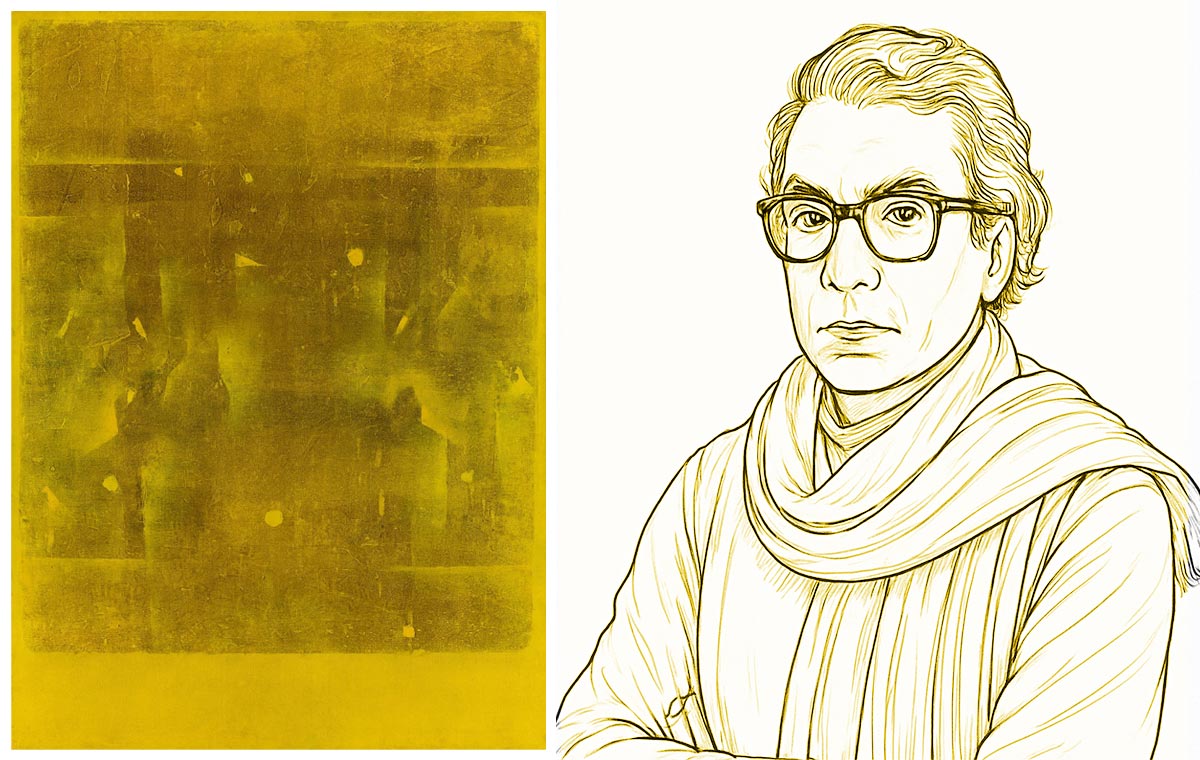
Rabindranath Tagore, Linocut on paper by Chittaprosad, 8.5 x 11.5 in., DAG Museums. Wikimedia

According to the Encyclopaedia Britannica, “Woodcut is a relief printing technique in printmaking. An artist carves an image into the surface of a block of wood—typically with gouges—leaving the printing parts level with the surface while removing the non-printing parts. Areas that the artist cuts away carry no ink, while characters or images at surface level carry the ink to produce the print. The block is cut along the wood grain (unlike wood engraving, where the block is cut in the end-grain). The surface is covered with ink by rolling over the surface with an ink-covered roller (brayer), leaving ink upon the flat surface but not in the non-printing areas. Since its origins in China, the practice of woodcut has spread around the world from Europe to other parts of Asia, and to Latin America. Woodcut, which appeared in the 8th century in the East and in the early 15th century in the West, is the earliest known relief-printing method. Although woodcuts are generally conceived in bold lines, or large areas, tonal variations can be achieved with textures, a variety of marks made with gouges, chisels, or knives. In contemporary woodcuts many other methods, such as scraping, scratching, and hammering, are also used to create interesting textures. The standard procedure for making a woodcut with two or more colours is to cut a separate block for each colour. If the colour areas are distinctly separated and the block is large, one block can be used for more than one colour. All blocks must be the same size to assure that in the finished print the colours will appear in their proper relation to one another, that is, properly registered”

Journey of the Woodcuts of Bengal 

19th-Century-Woodcut-Printing--01Artworks-from-Bengal
Chitpur Road, Old Calcutta, published in 1867 in India: Ancient and Modern by William Simpson. – Wikimedia

Woodcut printing happened at Bat-tala which literally means the underneath area (tala) of a banyan tree (bat or ‘baut’) or the environs of a banyan grove. The area probably had a number of trees at that point of time. Now they are not found. The art of printing took place in the lanes of this area in North Kolkata, in fact it is the birthplace of the Bengali printing presses in the early 19th century. The woodcutters lived around the Chitpur and Shovabazaar areas. Stone and burnt clay were also used in printing. Battala was an important centre for woodcuts. The area was a melting pot for cultural activities which included jatra; music programmes, also printing on various topics including religion, mythology, current affairs, mystery and suspense, books on history, biographic plays, even erotica, printing almanacs and calendars, artists workshops and markets as well.

Woodblock printing on fabrics has been in India for centuries which has even been traced to Egypt in the 6th and 7th centuries. Woodblock printing on paper came much later.  Battala had many printing presses in the 19th century, around 46 run by Indians. In 1857, 322 titles in Bengali were produced from these presses, among which there were 19 almanacs. In fact, Biswanath Deb was the first person to set up a press in 1818 and published the first title. The Battala prints could not last for a very long time because of new technology called lithography. Very few of these prints have survived because of humidity and also the quality of paper used was not very good in order to keep its cost less, so many people could buy the same. The Battala area became known for the prints in the early 19th Century. They made their first appearance in the 1820s as book illustrations; by the mid-nineteenth century, printmakers started printing the smaller prints, which often represented Kalighat paintings.

Battala woodcut prints were made by people from all castes. The products covered a plethora of subjects. The books were carried by hawkers to the smaller towns and villages. It is mentionable that other than illustrating books the Battala artists made large letters for handbills and posters, designed for advertisements and labels as well. 

The Calcutta woodcuts were quite similar to the Kalighat ‘pat’ artworks. The Kalighat ‘pat’ was a reflection of the times and the social mode which existed then. Battala prints were a variation which flourished most around 1850s and continued to the ’60s and ‘70s. They were cheaper than the Kalighat ‘pat’ made by the patuas. Some were imitations of the ‘pat’. The subjects included Hara-Parvati, Annapurna, Gaur Chaitanya and Krishna-leela. Krishna-leela had Rajasthani influence. Other than these the love story Bidyasunder was in vogue. The Battala artworks had the artist’s name on them and there was a focus on signature styles and individuality. There were many artists; Gobindochandra Rai and Hiralal Karmakar to mention just two. The Kalighat ‘pat’ declined by 1930, while the Battala woodcuts declined by the 1890s. As mentioned, demand for the prints began to decline with the introduction of colour lithography printing. However, for few decades Battala had book engravers for illustration and poster-making for the jatras

Some glimpses of the artworks

19th-Century-Woodcut-Printing-Artworks-from-Bengal-00
Goddess Durga as Mahishasuramardini, Battala print, circa 1860, Victoria and Albert Museum, London. Wikimedia

Let us check out some prints preserved in different places and appreciate these works which were quaint, beautiful, arty and quirky as well. The first artwork depicts Goddess Durga who is slaying Mahishasura as he is emerging in his human form. Goddess Durga is flanked by Lakshmi and Ganesha on the left and by Sarasvati and Kartikeya on the right. This artwork depicts Durga as she is worshipped during the Durga Puja festival in Bengal.

The artwork titled as “Untitled” looks not so easy to decipher. It is coloured and shows a Ravana like figure probably fighting with a Hanuman like figure from the Indian epic Ramayana. It could have been probably used as a poster for a jatra.

19th-Century-Woodcut-Printing-Artworks-from-Bengal-04
Untitled, Bengal woodcut print, Late 19th century, DAG Museum, India. GIF IT UP India/Flickr

The Met Museum says about the next artwork in two columns – “This double-image is printed from two metal plates on a single sheet of paper is one of the pioneering images of Calcutta print-making. They are referred to as Battala prints, named after Battala, a locality in the Hooghly district of Kolkata, where many local presses had been established in the early to mid-19th century. The print engravers worked both on metal sheets and woodblocks. The print on the left depicts the goddess Kali standing on the prone figure of Shiva, wielding a sacrificial blade in a raised hand while holding by a tuft of hair the severed head of her victim in her lower hand. Her expression, with wide eyes, blood-stained mouth and protruding tongue—intended to instill terror in the disbeliever—is a source of comfort to her devotees.

The second print (right) depicts the goddess Jagadhatri, a form of the Hindu goddess Durga, in a near identical setting of a Europeanized columned pavilion. Like Kali, to whom she is related, Jagadhatri is also honoured lavishly in an annual puja held in the Hooghly district of Kolkata in the month of Kartik (mid-November). A third eye in her forehead and a snake rising above her right shoulder signal her allegiance to Shiva. The goddess sits upon a lotus-cushion, poised majestically upon her lion vehicle (vahana), wielding her divine weapons. She is flanked by two female guards and at her feet kneel a worshipful couple. Both goddesses are framed by a Victorian cusped arch supported on slender openwork pillars with Ionic capitals, all evocative of the cast-iron architectural décor that was such a feature of British Calcutta”.

19th-Century-Woodcut-Printing-01Artworks-from-Bengal-02
Goddesses Kali and Jagadhatri circa. 1850–70, by Sri Hemchandra Das, Battala print, Met Museum, New York.

The ‘Reclining lady with a man’ image very much resembles a Kalighat painting. It depicts a Bengali Nawab with his bibi,   a upper-class lady who is in a reclining posture.

19th-Century-Woodcut-Printing-01Artworks-from-Bengal-03
Reclining lady with a man, Battala woodcut print, 19th century, Wellcome Collection, U K.

The image from Wellcome Collection shows Sri Chaitanya and Nityananda standing under a canopy and flanked by Advaita Acharya and Srivasa Thakura,  made by artist Govind Chander Rai. 

19th-Century-Woodcut-Printing-Artworks-from-Bengal-05
Sri Chaitanya and Nityananda flanked by Advaita Acharya and Srivasa Thakura, Battala woodcut print, 19th century, Wellcome Collection, U K.

A very unique picture of Lord Krishna steering a mayurpankhi (peacock-headed boat) with gopis, the cowherd maidens and an old lady, Radha may be seated in the enclosure. 

19th-Century-Woodcut-Printing-Artworks-from-Bengal-06
Krishna steering a peacock-headed boat carrying seven gopis (milkmaids) and an old lady, Battala woodcut print, 19th century, Wellcome Collection, U K.

Though this art is more or less obsolete and few people know of it, it remains an art which reached out to everyone and had a democratic appeal. It has left an indelible mark in the art history of Bengal and can’t be forgotten. Museums and private collectors are still preserving extant examples of this unique artform from 19th century. 

References –

Paul, Ashit, ed. Woodcut Prints of Nineteenth Century Calcutta. Calcutta: Seagull Books, 1983.
https://www.immersivetrails.com/post/battala-and-before-the-development-and-demise-of-the-woodcut-prints-of-calcutta (accessed 7th October 2022)
https://medium.com/the-calcutta-blog/battala-and-before-94759bab0d3e(accessed 20.10.2022)
https://en.m.wikipedia.org/wiki/Battala_Woodcut_Prints(accessed20.10.2022)
Images used are from Wikimedia Commons, Wellcome images (Public domain) and Flickr.

How to Mow Like a Pro: Lawn Mowing Patterns That Wow

0

Lawn Mowing Patterns That Wow-01A

Have you ever stepped back after mowing your lawn and thought, “It’s neat, but it’s not quite there yet?” Maybe you’ve noticed those stunning striped or diamond-shaped patterns on golf courses or football fields and wondered how they pull it off. The good news? You don’t need specialised equipment or professional training to achieve the same effect. With a bit of technique and attention to detail, you can turn your lawn into the envy of the neighbourhood.

Why Mowing Patterns Make a Difference

Lawn mowing patterns aren’t just for show, though they do make a fantastic first impression. Creating patterns can actually contribute to a healthier lawn. Alternating directions prevents soil compaction and helps grass blades stand upright, encouraging more even growth. Plus, it’s a simple way to take your lawn care up a notch, giving your yard a professional, polished look that’s sure to wow.

Understanding the Basics of Mowing Patterns

Before diving into specific techniques when using your lawn mower, let’s break down how these patterns work. The secret lies in how light reflects off the grass. When you mow in one direction, the grass is bent toward you, creating a darker stripe. Mowing in the opposite direction bends the grass away from you, making a lighter stripe. The contrast between these light and dark stripes creates the eye-catching effect.

Essential Tools for Success

You don’t need a high-end mower, but the right equipment can make a difference. A rotary or reel mower with a sharp blade is ideal for clean cuts. Adding a roller attachment can help bend the grass more effectively, but if you don’t have one, no worries—you can still create patterns without it.

Step-by-Step: Creating Simple Lawn Stripes

Lawn Mowing Patterns That Wow-02A

Let’s start with the classic stripe pattern. It’s straightforward, looks fantastic, and sets the foundation for more advanced designs later.

  1. Plan your stripes – Decide which direction you want your stripes to face. Pick a straight landmark like a fence or driveway to help guide your first stripe.
  2. Mow the first stripe carefully – Begin at one end of the lawn and mow in a straight line to the other side. Walk at a consistent pace to keep the stripe even.
  3. Turn around and mow the next stripe – When you reach the edge, turn your mower around and mow back parallel to your first stripe. Keep your lines close together without overlapping too much.
  4. Alternate directions – Continue this process across the entire lawn, alternating the direction of each stripe. The contrast will create those light and dark stripes that make the pattern pop.

Elevate Your Lawn with Advanced Patterns

Once you’ve mastered stripes, why not experiment with something more intricate? Here are a few popular options:

Checkerboard Pattern

This design adds a criss-cross effect to your lawn. Start by mowing straight stripes as described earlier. Then, repeat the process at a 90-degree angle to your original stripes. The result? A neat checkerboard pattern that looks professionally done.

Diagonal Stripes

Diagonal patterns are similar to straight stripes but angled across your lawn. These work particularly well in irregularly shaped yards or to create a sense of depth. Start at one corner and mow diagonally across to the opposite side, then repeat in alternating directions.

Diamond Pattern

For a stunning, high-impact look, combine diagonal stripes into a diamond pattern. Begin by creating diagonal stripes as described above. Then, mow a second set of diagonal stripes in the opposite direction, forming a diamond shape. It’s a bit more time-consuming but worth every minute for the impressive results.

Pro Tips for Picture-Perfect Patterns

Lawn Mowing Patterns That Wow-03A

  • Overlap slightly – To keep lines crisp and avoid gaps, overlap your mower slightly with the edge of the previous stripe.
  • Keep your blade sharp – A dull blade tears the grass rather than cutting it cleanly, leaving ragged edges that ruin the pattern’s look.
  • Switch up the pattern regularly – Changing directions each time you mow prevents permanent ruts and keeps your grass healthier.
  • Edge your lawn – Finishing touches like edging around paths or flower beds make patterns stand out even more.

Troubleshooting Common Issues

If your patterns aren’t turning out as expected, don’t worry—small adjustments can make a big difference. Stripes not showing up clearly? Check your mower blade height. Grass that’s too short won’t bend as much, so raise the blade slightly. Uneven lines? Take your time and use visual guides to keep things straight.

The Hidden Bonus: Your Lawn’s Health

Aside from making your yard look amazing, mowing patterns can also improve the health of your grass. Alternating directions helps reduce wear and tear on the same areas, while the gentle bending of grass blades encourages even exposure to sunlight. It’s a win-win for style and substance.

Ready to Impress?

Creating stunning lawn mowing patterns doesn’t have to be complicated. With a little planning, practice, and patience, you can turn your yard into a showpiece that’ll leave everyone asking how you did it. Start with simple stripes, then challenge yourself with checkerboards, diamonds, or other creative designs. Your lawn deserves to stand out, and now you’ve got the tools to make it happen.