The Most Valuable Things that British Took From India

0

The-Most-Valuable-Things-that-British-Took-From-India-1

The British colonial era in India is marred by various historical, social and cultural incidents. The country fought for its independence and after centuries of being under the British, it finally gained freedom in 1947. This freedom came at a high cost, including the livelihood, family, blood and lives of its freedom fighters and citizens. Yet, even after almost 75 years of Independence the shadow of the past does not fade away. The cynicism of a nation quite ruthlessly plundered and suppressed by its British colonizers are hard to shed off completely. And one of the aspects where the discomfort still lurks, is in knowing the list of valuable things British took from India. Yes, till date, several artifacts and valuables that originally belonged to the royalty and people of India are displayed in museums across the UK. 

An Historical Overview

British-Rule-in-India-1903-delhi-durbar
Image Courtesy – worldhistory.org

Several different dynasties and rulers ruled over India over the years. From invaders to emperors, and other colonizers, such as Portuguese and Dutch, all at different points in history marked their territory over the nation. However, in most cases, the grass root cultural and social influences, as well as the overall economy of the nation were not adversely affected. In fact, in many cases, there was an integration of art, architecture, education etc. that only further enhanced the cultural aesthetics. 

But the British, under the East India Company, brought several changes in the landscape of the country that threatened to disrupt the delicate fabric of society and the economy. Speaking strictly of the financial impact, many researchers estimate that the British took $45 trillion worth in today’s value, out of India. There were economic and trade losses, as the colonizers chose to expand their own country’s status and economy at the cost of India’s resources and labor.

Valuable things that British took from India

Let us take a look at some of India’s most precious assets and belongings that were taken away by the British, and continue to remain with them. 

1. Koh-I-Noor 

The-Most-Valuable-Things-that-British-Took-From-India-Koh-I-Noor

Undoubtedly, the Koh-I-Noor is the most expensive and stunning piece of diamond that the British took from India. Weighing 21.6 gm, this 105.6 metric carat stone adored the Peacock Throne of the Delhi and Mughal Empires. It was mined in the Kollur Mine in Andhra and is also called the Mountain of Light. It has a long history of transfer, but it was in 1849 that Duleep Singh surrender the Koh-I-Noor to the British after the defeat in the second Anglo-Sikh war. It was handed to Queen Victoria, as part of the treaty at the end of the war, who later reshaped it and wore it on her crown on many occasions. It is kept in the Tower of London in the Jewel House and continues to be one of the most famous possessions that Indian’s across the world would love to see returned to its home soil.

2. Tipu Sultan’s Ring

The-Most-Valuable-Things-that-British-Took-From-India-Tipu-Sultan’s-Ring

Tipu Sultan lost to the British in the 1799 battle. He was slain in the Anglo-Mysore war at Srirangapatna and it is believed that his ring and sword were taken from his body after his demise. The sword was handed to General David Baird and was in 2014 brought by Vijaya Mallaya at Rs. 143 crore in an auction. 

However, Tipu Sultan’s ring was also auctioned and brought by an unknown bidder for 145000 pounds. The gold ring has the name of the Rama inscribed on it in Devanagari script, making it a unique possession by a Muslim ruler. The 41.2 gm ring is considered valuable not only for its structure, but also that it was worn by the Mysore of Tiger, one of the greatest fighters and historical figures of India. 

3. Shah Jahan’s Wine Cup

The-Most-Valuable-Things-that-British-Took-From-India-Shah-Jahan’s-Wine-Cup
Image Source

The 19th century beautifully designed wine cup that was used by Mughal Emperor Shah Jahan was taken by Colonel Charles Seton Guthrie, probably after the 1857 Revolt. The gourd shaped white jade cup has designs and sculptures of lotus, leaves and animals on it. The handle of the cup is in the shape of the head of a ram. It was made around the 17th century in artisan workshops during the Mughal period. Since 1962 till date, it has been displayed in the Victoria and Albert Museum in London. 

4. Amaravati Marbles

The-Most-Valuable-Things-that-British-Took-From-India-Amaravati-Marbles
Image – Wikimedia

120 pieces of Amaravati sculptures and inscriptions on marbles were excavated by the British more than 140 years ago. They were transferred from Madras to the UK in 1859 and were kept in the basement of the British Museum in London for 30 odd years. Only much later were these put on display at the museum. 

Also called the Amaravati Collection, this series of inscriptions and sculptures were taken from the Amaravati Stupa in Guntur, Andhra Pradesh. They are also referred to as the Elliot Marbles because it was Sir Walter Elliot who removed them from Madras. Several of the sculptures are centered on the Jakarta Tales and the life of Buddha. 

5. Nassak Diamond

The-Most-Valuable-Things-that-British-Took-From-India-Nassak-Diamond
Image – Wikimedia

Nassak Diamond also known as the Eye of The Idol is a Golconda diamond that was mined in Kollur and initially cut in India. It was placed in the Trimbakeshwar Shiva Temple in Maharashtra. The British India Company, however, took the diamond during the Third Anglo-Maratha war and sold it to British jewelers in the UK. The diamond was later imported by the USA in 1927. Last heard, the Nassak Diamond was sold in 1970 in a New York auction. Today it lies in a private museum in Lebanon. 

6. Sultanganj Buddha Metal Statue

Sultanganj_Buddha_Metal_Statue_Things_British_took_from_India
Image: Elliott Brown, Flickr

Around 2m tall, the Buddha metal statue weighs almost 500 kg and was found by railway engineer E.B Harris during the construction of a railway line in Sultanganj in 1862. Estimated to be sculptured during the Gupta-Pala period, this copper statue is perhaps the largest metal statue of Buddha in the world. In fact, it is the only metal statue found today that hails from the Gupta era. The statue today lies in the Birmingham Museum and Art Gallery in Britain. 

Besides the above listed items, there are several other statues and valuable things that the British took from India. Some of these include the Saraswati Statue from Bhojshala Temple, now in the British Museum, Granite figure of Nandi from Deccan region, Granite figure of Parvati and Shiv from Odisha, Harihara sandstone sculpture from Khajuraho and many more. 

Artifacts Returned

Though umpteen artifacts and valuable things from India are either in museums across the UK or sold in auctions, there are a few that have been returned back in recent times. In the first ever such attempt, 7 artifacts were returned from Glasgow, Scotland to India in 2022 through an agreement between the Indian High Commission and the Kelvingrove Art Gallery and Museum. 

Some of the artifacts returned include fragments of the stone pillar from the 10th century Kanpur temple, a sandstone statue of Durga or Uma, a stone door jamb taken from a 11th century temple in Kanpur and an Indo-Persian sword dating to the 14th century. 

It has been 75 years of Indian Independence, yet some of the most valuable things that the British took from India remain on foreign soil. One can only hope that as India emerges as one of the most developing and economically viable countries, these artifacts are returned with honor and apology back to their original land. 

Everything to Know about Peripheral Vascular Disease

0
Know about Peripheral Vascular Disease
Image – Wikimedia

Peripheral Vascular Disease (PVD) refers to a condition where blood flow is restricted to the extremities, usually the legs and feet, due to the buildup of plaque in the arteries. This is important to look into and pay attention to. Idaho Falls Peripheral Vascular Disease is here to help you with all of your questions, concerns, and treatment! Here are some important things to know about Peripheral Vascular Disease:

Risk Factors:

  • Smoking: The most significant risk factor.
  • Diabetes: Increases the risk of developing PVD.
  • Hypertension: High blood pressure contributes to arterial damage.
  • High cholesterol: Elevated levels can lead to plaque formation.

Symptoms:

    • Claudication: Pain or cramping in the legs during physical activity.
    • Numbness or weakness in the legs.
    • Coldness or discoloration of the extremities.
    • Slow-healing sores or infections on the feet.
    • Claudication:
      • Pain, cramping, or weakness in the legs, especially during physical activity.
      • Typically subsides with rest but returns during activity.
    • Numbness or Weakness:
      • Reduced sensation or weakness in the affected extremities.
      • May contribute to difficulty walking or maintaining balance.
    • Coldness or Discoloration:
      • The affected limbs may feel colder than the rest of the body.
      • Skin color changes, such as paleness or blueness (cyanosis).
    • Poor Wound Healing:
      • Slow healing of sores or wounds, particularly on the feet.
      • Increased susceptibility to infections.
    • Shiny Skin and Hair Loss:
      • The skin on the legs may appear shiny and thin.
      • Loss of hair on the affected limb.
    • Peripheral Edema:
      • Swelling in the ankles or feet due to fluid retention.
    • Impotence in Males:
      • Reduced blood flow to the genital area can lead to erectile dysfunction.
    • Pulse Abnormalities:
      • Weak or absent pulses in the affected limbs.
      • Differences in blood pressure between arms and legs.
    • Ulcers or Sores:
      • Open sores or ulcers, often on the toes or feet.
      • Non-healing wounds may become infected.
    • Rest Pain:
      • Pain or discomfort in the limbs, particularly during periods of rest.
      • May disturb sleep.

It’s crucial to note that some individuals with PVD may not experience noticeable symptoms in the early stages. As the condition progresses, symptoms may become more apparent. If you observe any of these symptoms, especially if you have risk factors like smoking, diabetes, or hypertension, it’s important to seek medical attention for proper diagnosis and management. Early intervention can help prevent complications and improve outcomes.

Diagnosis:

    • Ankle-brachial index (ABI) test: Measures blood pressure in the ankles and arms.
    • Doppler ultrasound: Uses sound waves to create images of blood flow.
    • Angiography: X-ray examination of blood vessels after injecting a contrast dye.

Complications:

    • Critical limb ischemia: A severe form of PVD that can lead to tissue damage or amputation.
    • Increased risk of cardiovascular events: PVD is often associated with heart disease and stroke.

Lifestyle Modifications:

    • Smoking cessation: The single most effective intervention.
    • Regular exercise: Helps improve blood flow and manage symptoms.
    • Healthy diet: Low in saturated and trans fats, rich in fruits and vegetables.

Medications:

    • Antiplatelet agents: Reduce blood clotting (e.g., aspirin).
    • Statins: Lower cholesterol levels.
    • Medications to manage blood pressure and diabetes.
  • Interventional Procedures:

    • Angioplasty and stenting: Opens narrowed or blocked arteries.
    • Atherectomy: Removes plaque from blood vessels.

Surgical Options:

    • Bypass surgery: Redirects blood flow around blocked arteries.
    • Endarterectomy: Removes plaque from the lining of arteries.

Regular Monitoring:

    • Follow-up appointments with healthcare providers to manage symptoms and monitor progression.

Preventive Measures:

    • Early detection and management of risk factors.
    • Regular screenings for individuals at high risk.
    • Talk with your doctor about how to prevent this and how to handle it if the situation were to arise.

Individuals with symptoms or risk factors need to seek medical attention for proper diagnosis and management of Peripheral Vascular Disease. The narrowing or blockage of arteries due to atherosclerosis can lead to a range of symptoms, from claudication to more severe complications. Recognizing the risk factors, adopting a healthy lifestyle, and seeking early medical attention are crucial steps in preventing and managing PVD. By understanding the intricacies of this condition and promoting awareness, we empower ourselves and our communities to take proactive measures, ensuring better vascular health and a higher quality of life. Remember, early detection and lifestyle changes are powerful allies in the fight against Peripheral Vascular Disease!

Passionate About Patang! Here Are Few Interesting Facts About Kites

0
kite-festival
Image – Meena Kadri via Flickr

As the winter chill grips the nation, children remain unperturbed by the cold winds. In fact all the free time after the onset of the new year is spent on patang (kite) making. The Makar Sankranti festival in mid January marks the advent of the harvesting season across India. Ripe crop in golden hue is harvested and the fields are empty for children to play.

Suggested Read – Harvest Festivals of India – The Planting of Social and Cultural Landscapes

Children and adults alike throng the open spaces during the Makar Sankranti or Uttarayan festival – the only Hindu festival which is fixed on the modern solar calendar. It is an auspicious day when the sun begins its ascent on the Uttarayan path, which in turn indicates the winter solstice. It is celebrated all over India in different names – Makara Sankramana in Karnataka, Pongal in Tamilnadu, Magh Bihu in Assam, Uttarayan in Gujarat, Khichdi in Bihar and Lohri in Punjab.

patang festival
Image – Meena Kadri

Whatever may be the significance, children only bother about one thing – flying kites!  Patang (kite) flying begins at dawn and continues without a pause throughout the day. Friends, neighbours and total strangers battle one another for supremacy. They not only need to fly their kites, they also need to cut their rival kites down and make a dash for capturing their prize. To enable their kites to cut the strings of other kites, the dreaded Manja needs to be coated generously on the strings. Manja is prepared by mixing ground glass with gum and metal abrasives! The strings are coated with this colourful mixture and strung to poles to dry, before it is rolled onto a wooden roller – Firki. It is a different matter that children should not be dealing with such a toxic mixture!

Patang Manja
Patang Manja – Saurabh Chatterjee via Flickr

While kite flying celebrated during Makar Sankranti across India, no where it is more serious a business than it is in Gujarat. The business is so serious that the state’s tourism ministry has hosted the International Kite Festival every year in Ahmedabad since the last 25 years! Since this year is its silver jubilee, the International Kite Festival is being celebrated with more grandeur than ever. 100 kite flyers from 40 countries are expected to take part during this eight-day kite flying extravaganza. Apart from the grand finale on January 14th at the Sabarmati Riverfront in Ahmedabad, the festival will travel to other cities such as Vadodara, Surat, Saputara, Dhordo, Somnath and Mandvi as well.

Ahmedabad-during-Makar-Sankranti
Ahmedabad – sandeepachetan.com via Flickr

Coming back to the joy of kite flying, as children we were enthralled by the height gained by our individual kites and the competition was on who will fly the highest. Mastering the wind and preventing our kite from nose-diving was the main task at hand. However, we found greater joy in cutting down each other’s kites and run after them to capture our prize, which is known as ‘kite running’. Many of us fell into ditches and even from house terraces in our zeal to grab the drifting kites that have been cut loose in battle with other kites.

If you think I am making a mountain of a mole hill in highlighting the trivial issue of kite running, then you should read about the Afghan story, ‘the Kite Runner’. Rich Afghans used to employ a runner to go catch the drifting kites!  Similarly, check out the recent Hindi movie ‘Patang (The Kite)’ which was released in 2011, where a Delhi businessman takes his daughter to his childhood home in Ahmedabad in time for its annual kite festival.

– Factfile –
http://hinduism.about.com
http://www.thehindubusinessline.com
http://en.wikipedia.org
http://www.imdb.com

Kite Festivals in India: Experiencing Colorful Skies of Joy

1
Kite-Festivals-in-India
Image Source

For most Indian children, their childhood invariably includes a cherished recollection of flying kites. The thrill and delight of witnessing a kite gracefully soar in the boundless blue sky, reaching impressive heights, leave an indelible impression. With wide-eyed wonder, they stand captivated by the sheer beauty of the spectacle. Flying a kite is not just a pastime; it’s an art that demands undivided attention and passion. For many, the act of flying a kite remains a cherished memory that evokes a sense of nostalgia.

Kite festivals in India offer a delightful opportunity to revisit those innocent moments from our childhood. These festivals, celebrated annually in our country, serve as a vibrant tribute to the captivating sport of kite flying. India takes pride in hosting the International Kite Festival, where professionals from around the globe converge to showcase their expertise. Today, let’s take a journey through the various kite festivals organized in our country, allowing us to rekindle the joy and memories associated with flying kites.

The Colorful Kite Festivals in India

Kite Festivals in India Patang Bazar
Image – Rajesh via Flickr

During the festivals, one gets to witness the wide array of  kept for sale in the Patang Bazaar. In fact, during the festival days, the kite stores are filled with customers trying to find the perfect kite for their competitions. The distinct shapes and sizes of the kites are also quite vast and unique.

Kite fighting is an integral part of the kite festival. Kite fighting refers to one person using their kite to tear down the kite of someone else. Usually, one kite is controlled by a pair of two individuals for the ease of handling the same. Though it might seem relatively easy to some, kite fighting demands utmost attention. It includes many factors to be taken care of and hence demands the players’ full concentration. Apart from the Indian kites named Patangs, the festivals also include several other kinds of kites which are gathered from around the world, and they include the Wau-Balang Kites from Malaysia, and the Sculpture kites from Italy, among others.

International Kite Festival in Gujarat

International Kite Festival in Gujarat
Image – Kaushik Patel via Flickr

The International Kite Festival in Gujarat is the biggest and the most widely popular kite festival that is organized in India. The festival always takes place on the day of the Makar Sankranti each year. It is usually celebrated on the 14th of January, in Ahmedabad. The festival is believed to have been inspired by the sport involving kites, which used to be played by the royalty.

Gradually, however, this sport found a place among the commoners and eventually became an immensely loved sport in the state. The very first International kite festival is said to have taken place in 1989, and was attended by people from around the world.

kite-festival-ahmedabad
Image Source

During the festival, the sky would appear to be vibrantly coloured due to a large number of kites of varying colors, shapes, and sizes as they float in the sky. Tourists from the countries of Japan, Malaysia also frequent the festival. On this day, people of all ages would gather at the terraces of their homes and fly kites with much joy and happiness.

The exuberant and enthralling array of the kites in the sky on this day is quite incredible and must be experienced by kite lovers. In honour of the occasion, unique dishes are also prepared and distributed among the people.

Check out the official Gujarat International Kite Festival website for recent updates.

Telangana International Kite Festival

Telangana-International-Kite-Festival
Image Source

The Telangana Kite Festival is one of the most popular kite festivals in India. It usually takes place on the parade grounds of Hyderabad, in Telangana. This kite festival came into existence relatively recently when compared with the Uttarayan, the International Kite Festival that takes place in Ahmedabad.

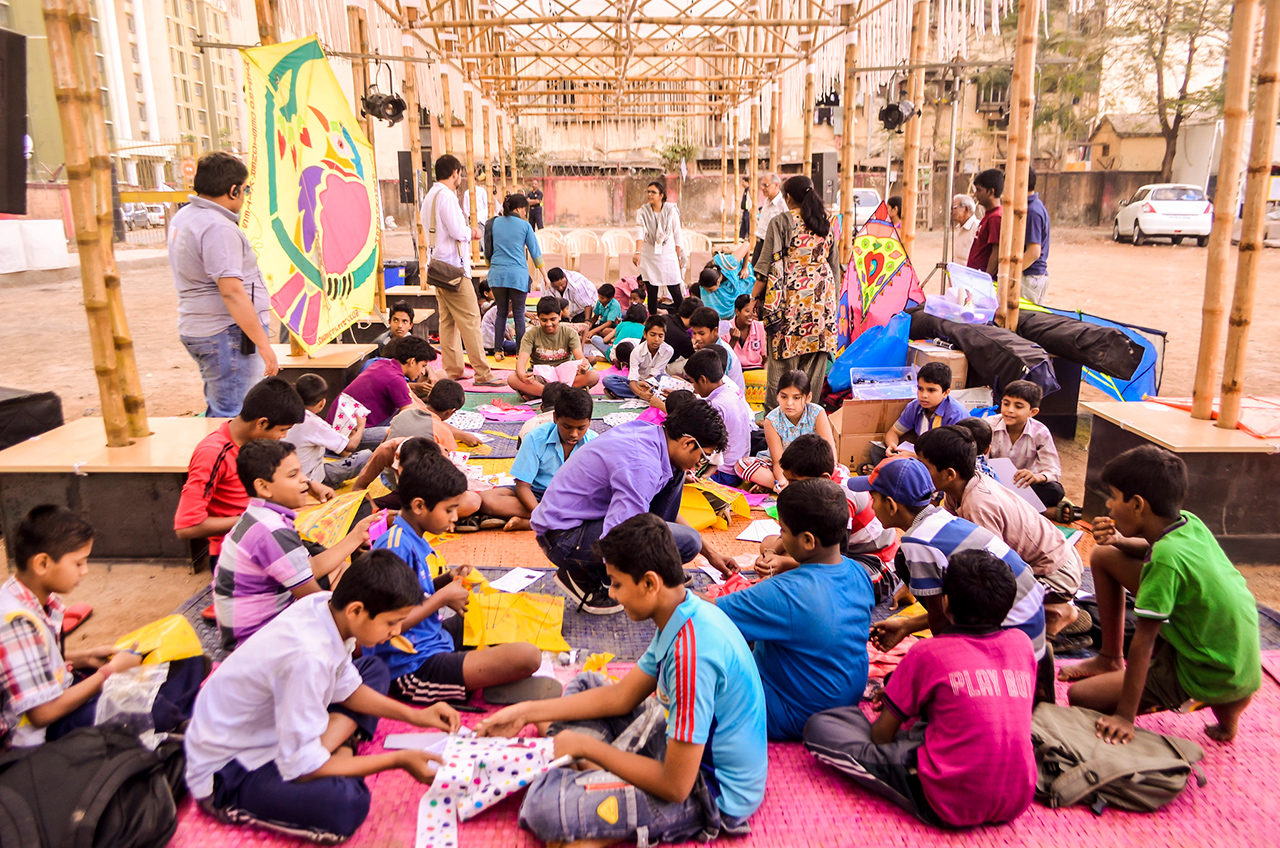
Usually scheduled to take place on the 13th, 14th, and 15th of January, the festival is more than just a simple activity of kite flying, as it encompasses a whole lot of other fun activities. The festival includes workshops on kite making and kite flying lessons for the visitors. Apart from this, the festival also hosts the regional food fair and an exhibition of the arts and crafts of the region.

The-Colorful-Kite-Festivals-in-India
Image Source

Professionals from many parts of the world participate in the competition, thus providing the visitors with an unforgettable experience. The recent addition of the night time kite flying is a major attraction of the kite festival in Telangana and usually takes place on the first and the second night of this festival. The third and final day of the festival features several cultural activities, including music and dance, which provides a distinct charm to the festival.

What make this festival even more unique and attractive are the extraordinary and incredible ambiance that the festival offers to its visitors. The vast display of vibrantly colored kites of distinct shapes and sizes gracefully adorning the sky, along with special music played during the festival, contribute to a marvelous and remarkable experience for the visitors. Apart from taking part in the festival, the visitors also get to enjoy the distinct culture of Hyderabad first hand.

Check out the official Telangana International Kite Festival Facebook page for recent updates.

Enjoying Kite Festivals in India

Enjoying Kite Festivals in India 01
Image – Bhavishya Goel via Flickr

The kite festivals are also accompanied by delicious and traditional dishes, which belong to the places where the festivals are organized. The most beautiful time of the day during a kite festival is undoubted during the time of sunset. At sunset, the entire sky is adorned with several kites of vibrant and diverse colors, calmly gracing the brilliant sky.
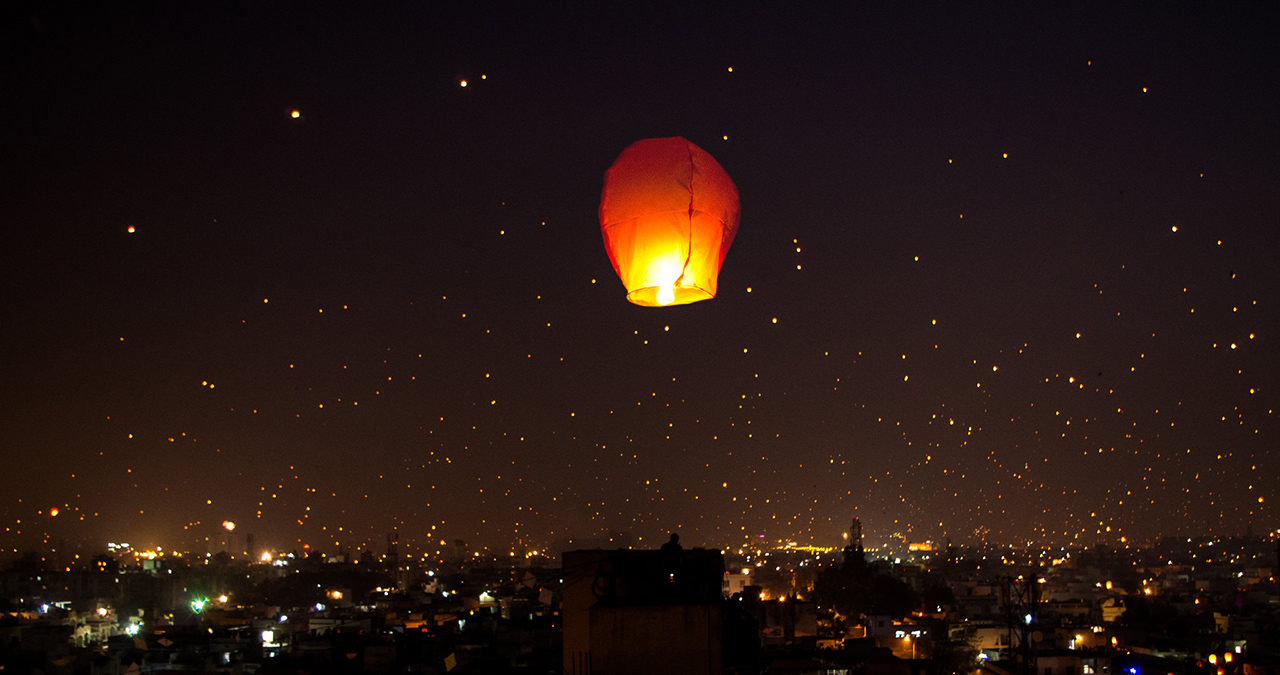
Apart from this, during the sunset, the sky illuminates with many Tukkals, which are kites carrying candles, and countless paper lanterns which float gracefully in the sky. The sight of the Tukkals and the paper lanterns is quite exuberant and enthralling. It will surely make you hold your breath in excitement.

Though it might look quite simple, certain precautions must be taken before practicing kite flying during the festival, especially kite fighting. The kite’s strings have a coating of glass, which enables the participants to cut each other’s kite with ease. Handling a kite thus requires both skill and practice. With adequate precautions, this sport is one which is unlike any other and can be enjoyed to its fullest.

Travellers Love for the Kite Festivals in India

Kite-Making-Event-India
Image – BMW Guggenheim Lab via Flickr

Kite festivals in India are organized with much pomp and joy. Tourists from all across the globe flock to India every year to catch a glimpse of these Kite Festivals. Kite festivals involve many other fun activities other than flying kites, such as kite making and kite fighting. This makes the event quite popular among kite lovers.

These festivals provide a ground for people from different walks of life to come together to share their love for kites while also providing a great platform for the professionals to showcase their skills. Kite festivals are also an indelible part of our life. They truly enable visitors to relive their childhood for a second time.

Traditional Food of Bihar – Simple, Earthy and Delicious!

0
Traditional food of Bihar
Image:Wikimedia

The state of Bihar is diverse and has a range of local cuisines. With influences from the predominantly tribal state of Jharkhand to the South, Nepal from the North and Uttar Pradesh to the west and Bengal to the East, the state has a lot to offer in terms of food. The food of Bihar appeals to a wide range of palates because it has a diverse range of flavours, ingredients and sensations to offer. However, one common characteristic with all Bihari food  is that it is simple, easy to make and delicious, representing the simplicity of the people of the state!

Suggested Read: A Look at Some of the Mouth-watering Sweet Delicacies of Bihar

The Regional Cuisines of Bihar

Traditional Bihar Cuisine
Image: Wikimedia

The state of Bihar, sitting at the crossroads of multiple diverse regions, has a unique composite culture and cuisine. The state is home to many ethno-linguistic groups, which bring their unique traditions and cultural practices together. 

Bhojpuri: The Bhojpuri food of Bihar is one of the most recognised and loved outside the state. Brought to the state by the Bhojpuri people who reside throughout Madhya Pradesh, Jharkhand, Uttar Pradesh and Bihar, the cuisine is full of simple,healthy food. Rotis, parathas, kachoris, chana and dal are widely used and consumed. The famous sattu, or roasted chana flour is also used widely in Bhojpuri cuisine, so much so that even Parathas are made with sattu as the filling. 

Maithili cuisine: Maithali cuisine is made by the Maithil people who are spread across India and Nepal. It incorporates a variety of ingredients from mustard to wheat, fish and meat. The cuisine mostly consists of vegetarian dishes. Rice is the staple grain used in the cuisine, alongside rotis, dal and a spicy vegetable curry that can include any ingredient known as Tarkari.  

Angaki cuisine: This cuisine is characterised by heavy influences from the North east and Bengal. Mustard, fish and bamboo. It is widely consumed in the Anga region that stretches between Bihar and Jharkhand.

Magahi cuisine: Magahi cuisine or the Magadhi cuisine is most widespread in the Magadha region of Bihar. It is known for robust flavours and delicious non-vegetarian dishes. Fish and red meats are widely consumed. 

Some Delicious Bihari dishes!

Bihar, a state in eastern India, has a rich culinary heritage that reflects its diverse cultural influences. Traditional Bihari cuisine is known for its simple yet flavorful dishes, often prepared using locally available ingredients. Here are some popular traditional foods of Bihar:

Litti Chokha

Traditional Food of Bihar Litti Chokha
Image : Wikimedia

Litti Chokha is one of the most loved Bihari dishes throughout India. Litti is a whole wheat dough ball that is stuffed with sattu or roasted chickpea flour and cooked on charcoal. It is consumed alongside chokha, a vegetable mash that has a base of potato or brinjal and tomato. It is a unique, simple and delicious dish that is popular amongst the rich and the poor throughout Bihar and India.

Thekua

Traditional Food of Bihar, Thekua
Image: Wikimedia

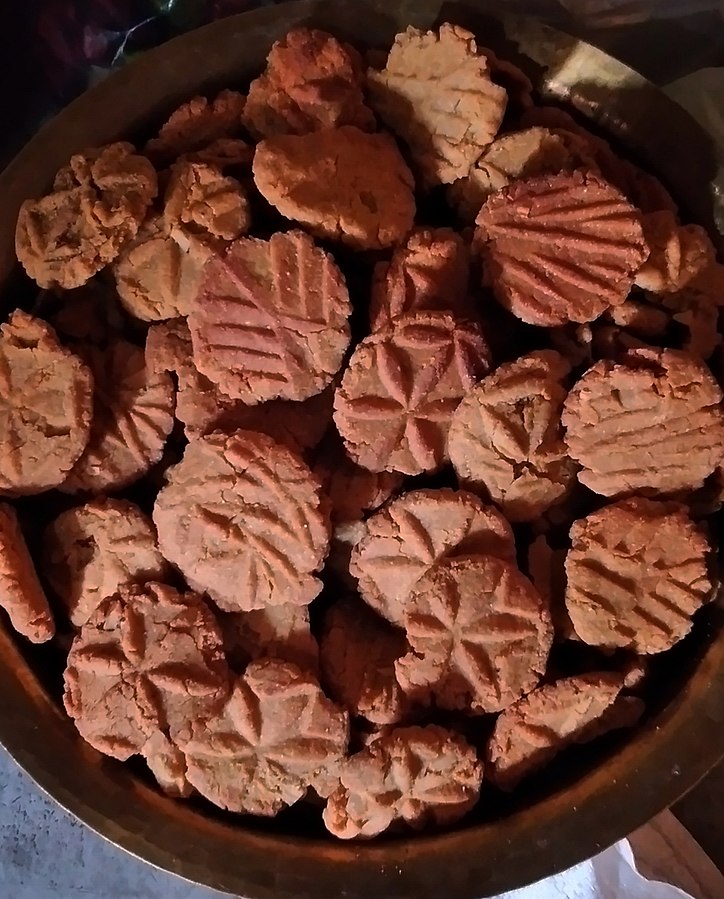
Thekua is a sweet dish made widely in Nepal, Bihar and Uttar Pradesh as prasad for Chatth Pooja. Dough made of whole wheat flour is flavoured with ghee, saunf and elaichi and is then deep fried. This sweet dish is soft on the inside and crispy on the outside. This contrast in textures and the delicious combination of ghee, cardamom and fennel makes this dish deliciously addictive!

Dhuska 

Traditional Food of Bihar Litti Chokha-Dhuska
Image:Wikimedia

Dhuska is a deep fried snack that is popular in the states of Bihar and Jharkhand. It is made of fermented rice and chana dal batter and is eaten with vegetable curries, particularly those with a base of aloo and chana. It is a light, crispy and flavourful snack that can be eaten on the go!

Ghugni-Muri

Traditional-Food-of-Bihar-Ghugni-Muri
Image – Preeti’s cake & cooking

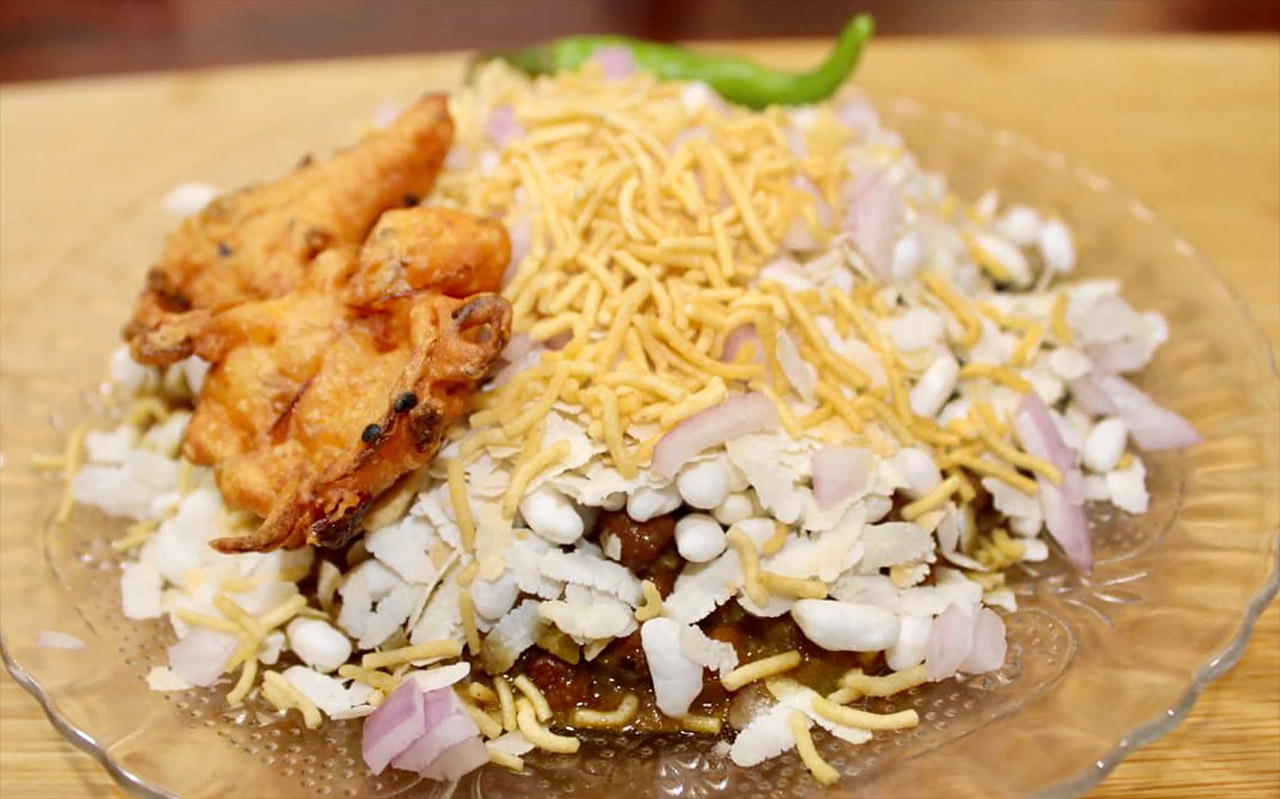
This is a traditional breakfast of the Anga region. This unique breakfast dish, the Ghugni or pea/chickpea curry and Muri, puffed rice. For the ghugni, peas or chickpeas cooked in a gravy of tomatoes, coconut, ginger and garlic. In Anga, this is then poured over Mudi or puffed rice for a delicious and nutritious breakfast. 

Bagiya

Traditional food of Bihar
Image: Shree Food, Facebook

Bagiya is a sweet steamed dumpling dish made in Bihar by the Maithil people. An outer covering made of rice flour is filled with a sweet filling of chaku, a sweet concoction made of nuts, sugarcane juice, jagger and ghee or with desiccated coconut and jaggery or even with a vegetable based filling. This is widely made during the festival of Diwali and is offered as Prasad during Lakshmi Pooja.

Takeaways

Bihar’s cuisine is characterized by its simplicity, use of local ingredients, and a balance of flavors. The food is often hearty and reflects the agrarian culture of the region. The food of Bihar is diverse, earthy and simple, much like its people. The state of Bihar is often misunderstood and badly stereotyped. However, there is a lot more to it than this, and it deserves a visit for its rich heritage, delicious food and wonderful people. 

A Thrilling Adventure Which will Leave Children Burping with Satisfaction

0

Book-Review-The-Misadventures-of-a-Diamond-Thief

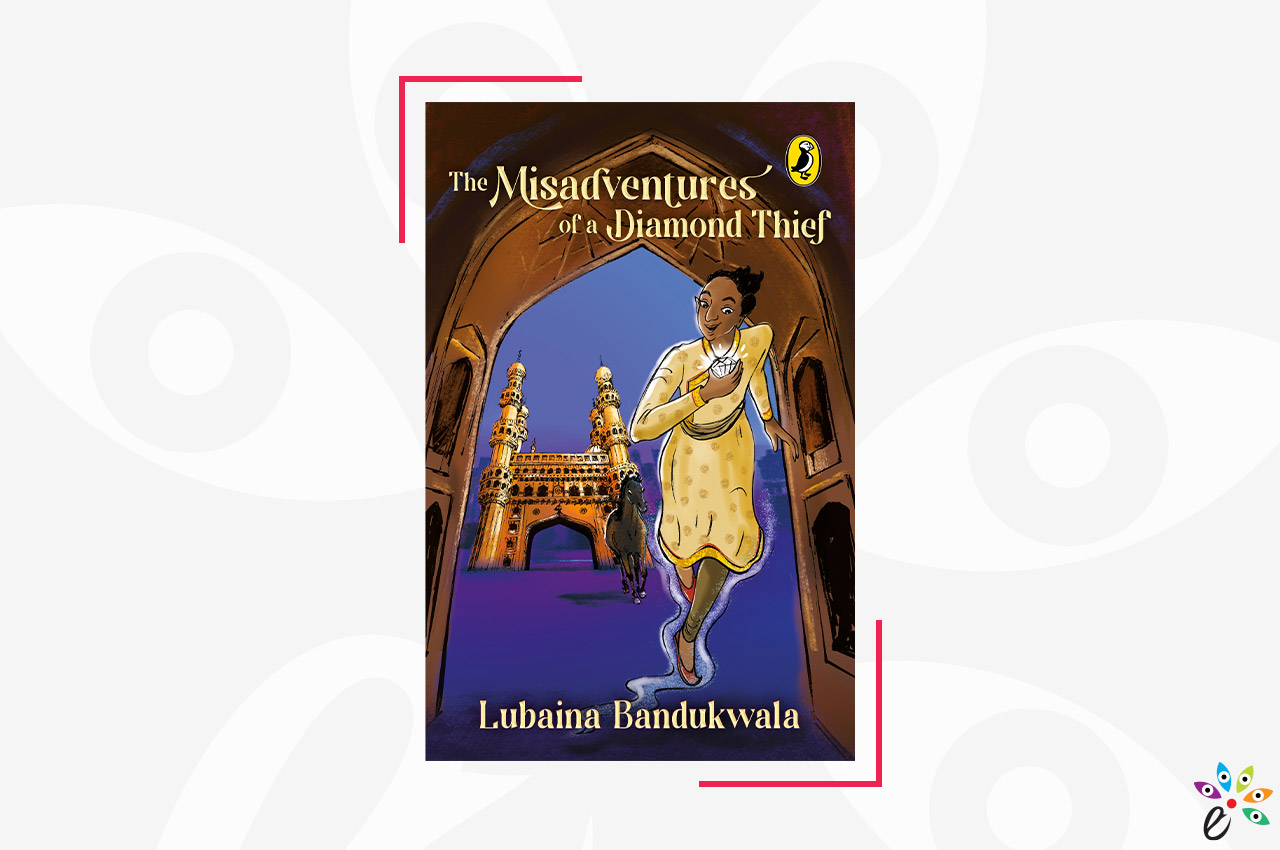
Lubaina Bandukwala’s new book presents the charm of Hyderabad and its royalty in a humourous manner, making the plot enjoyable for young readers.

In the book, when you meet Sahabzada Hawa Singh Rafu Chakkar (Rafu) who is a descendant of the legendary Time-Travelling Thieving Djinns. Rafu wants to abandon the family tradition of stealing jewels to pursue his true passion—cooking. Rafu’s relentless pursuit of becoming a chef is sure to inspire you to chase your unfulfilled dreams.

Alongside, you will visit 16th century Hyderabad and witness Bandukwala’s version of the construction of the iconic Charminar.  

For all those looking to read about a little bit of history, royal cuisines, mystical djinns and a lot of thrilling adventure, this book is a perfect read!

Read this excerpt from the book to find out more!

Late at night in Modern-day Hyderabad

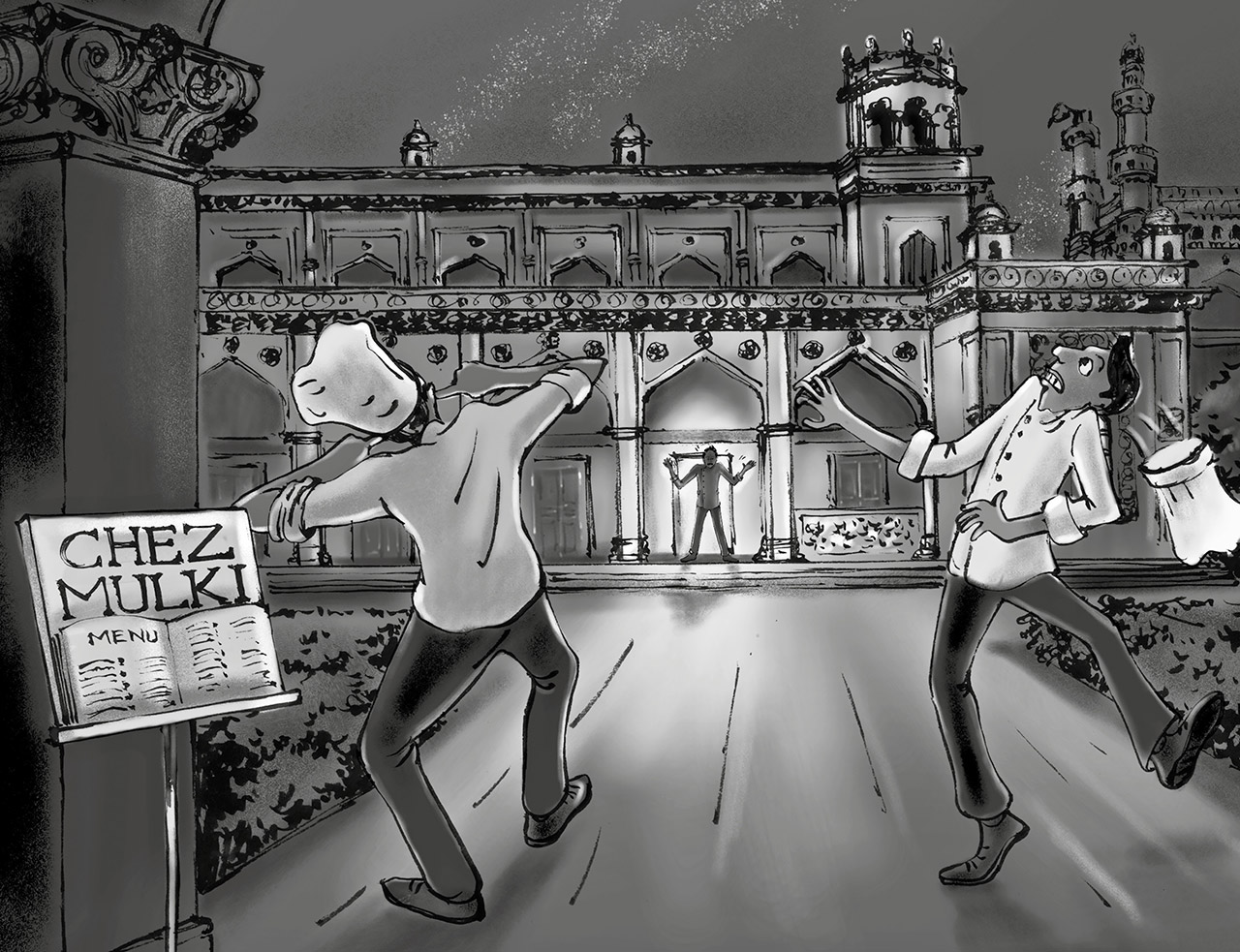
There was spoon-drop silence in the kitchen of the famed Chez Mulki Hyderabadi restaurant. This exclusive fine-dining restaurant, nestled within a haveli, was closed for the night. In the kitchen, two assistant chefs watched as the great chef, Fufu, prepared the marinade for the next day’s biryani.

The boys held their breath. The boss himself was bent low, eyes squinting in concentration, his hands poised with a pinch of saffron above the deg. Only ten strands must fall in the mixture—nothing more, nothing less. As his fingers carefully released the strands one by one, you could have sliced the tension with one of Fufu’s gleaming knives.

Suddenly, the kitchen door slammed open, ushering in Bunty, the odd-job boy, a crate filled with condiments, and the somber tones of a TV news broadcast, as it delivered its customary barrage of doom and gloom.

‘The storm over Telangana has passed. Nevertheless, the strong winds have damaged the Charminar, causing the upper section of its western minaret to collapse,’ droned the news presenter in the background.

As the door slammed shut behind the hapless Bunty, Chef Fufu’s hand trembled ever so slightly, more like a tremor than a shake. Under the terrified gaze of the boys, the eleventh strand of saffron floated gently down into the deg.

The two assistants did not wait to see more. Their tasting spoons tinkled as they tossed them on to the counter, and food trollies collided as they hurriedly backed out and fled. The silence of the night shattered under the weight of an anguished howl. Oh yes, it was best to be as far as possible from the chef tonight.

As they ran away, they took that one thought with them: Why did Chef Fufu, known for being iron calm, make such a big mistake?

Back in the kitchen, the chef clutched his hair and slapped his cheeks. Then, he took a deep breath to calm himself down. He looked around furtively and went to his office. Disaster, this was a disaster. And he wasn’t thinking about the biryani. On a counter in the room, there was a small oven, supposedly for experimenting with new dishes. It was, in fact, a safe. He swung open its door, peered inside and sighed, ‘You, my dear, are about to cause a great deal trouble.’ 

And as if on cue, the phone began to ring.

Misadventures_Illustration-Spread_4_5

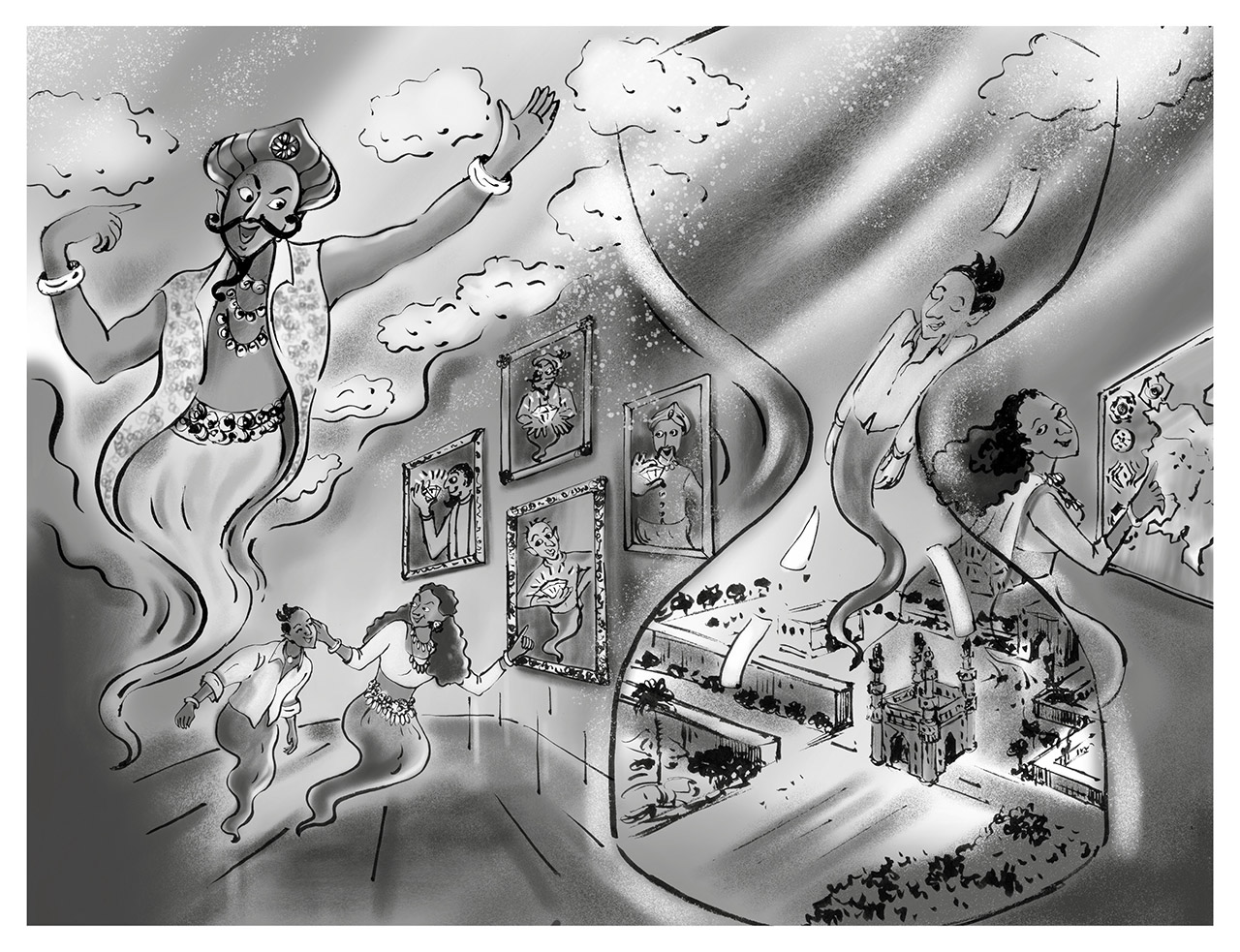
‘Okay, what if I do get the diamond? Will you let this be my last TTTD assignment and let me open my restaurant?’

Bibi H looked at her son. She saw the excitement in his eyes when he talked about food. She patted the jewelled combs that held back her sleek black hair in a nervous gesture and closed her eyes.

‘Your Rafu, such a charmer he is. But really, what is this silly hobby of his? It’s high time he took things seriously and joined the family trade,’ her older sister might have said it, but she knew just about everyone in the family and their friends felt the same. The TTTD were big on tradition, and it would not be good for him or for them if he broke it.

She sighed. ‘Maybe,’ she said. ‘Let’s see if you succeed first.’

Rafu saw the conflicting thoughts playing across his mother’s strong and beautiful face. That ‘maybe’ was enough for him. He determined to get that diamond under any circumstance. It was the ticket to his dream.

Bibi H continued, ‘It’s not that easy Rafu, even if you find the diamond, it may be laced with djinn repelling spells. Do know how to deal with those?’

‘Yes, mom, that’s fully covered in our high school portion!’

‘As if that will be sufficient. Rafu, you have only eight days. That’s tough even by the most senior djinn standards. I just want to help you with some more advanced . . .’

‘Mom, just get me to Haiderabad, and I’ll figure it out.’

‘That’s your plan? “I’ll figure it out?”

In the room next door, Mir Dhokebaaz piled some more magazines on his face and covered his ears, but he still couldn’t shut out the endless squabbling between mother and son. He sighed, worst nap-day ever!

Misadventures_Illustration-Spread_18_19

Text excerpted with permission from Penguin Random House India.

7 Trending Suit Set Designs to Try in the New Year 2024

4

Trending Suit Set Designs to Try in the New Year 01

Another year is yet to unfold, and it brings along an opportunity to enjoy, meditate and restart things for oneself. Also, it is a time to make space for all things new. New fashions and trends that reflect more of your personality as well as speak of your taste in fashion. Ethnic clothes are an excellent way to express yourself, be it with the colouror multifaceted forms of attire. It can help you stand apart from others. Regardless of whether you are going to a party, wedding, festival or any other casual occasion, there are always suit sets when it comes to ethnic wear for you.

Usually worn together with a kurta, bottom and dupatta that can be interchanged to make different looks, they are comfortable, graceful and easy to put on. They come in different fabrics, colours, patterns and designs, thus meeting each person’s taste and budget.

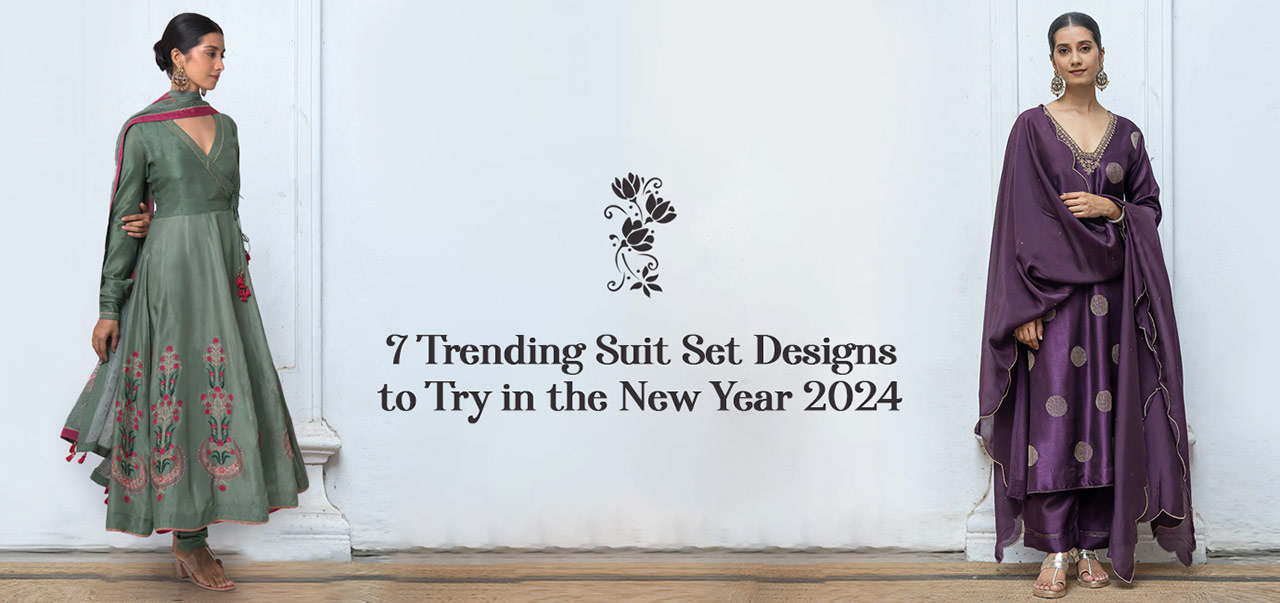
Here are 7 designer suit sets from Ganga Fashions that you can try in the New Year 2024.

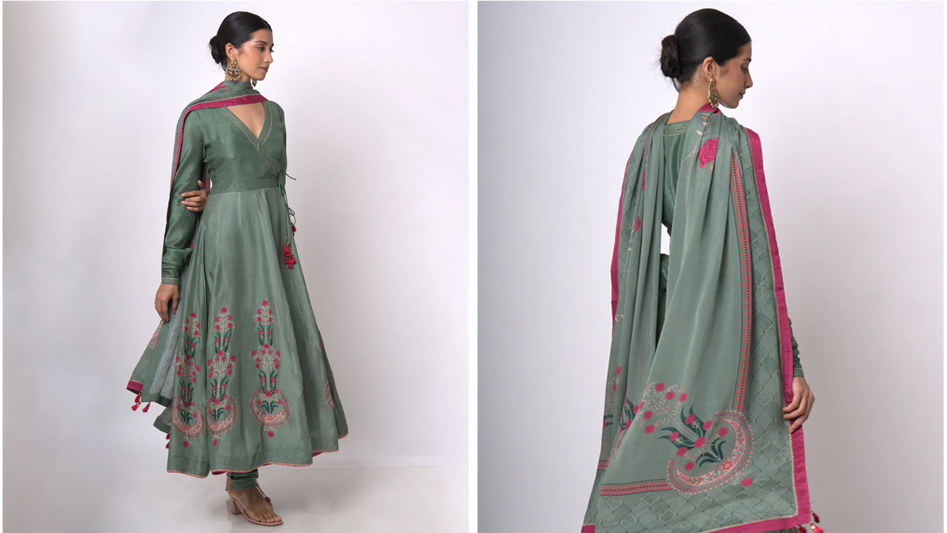
Raw Silk Anarkali Salwar Suit in Aspen Green 

Raw Silk Anarkali Salwar Suit in Aspen Green

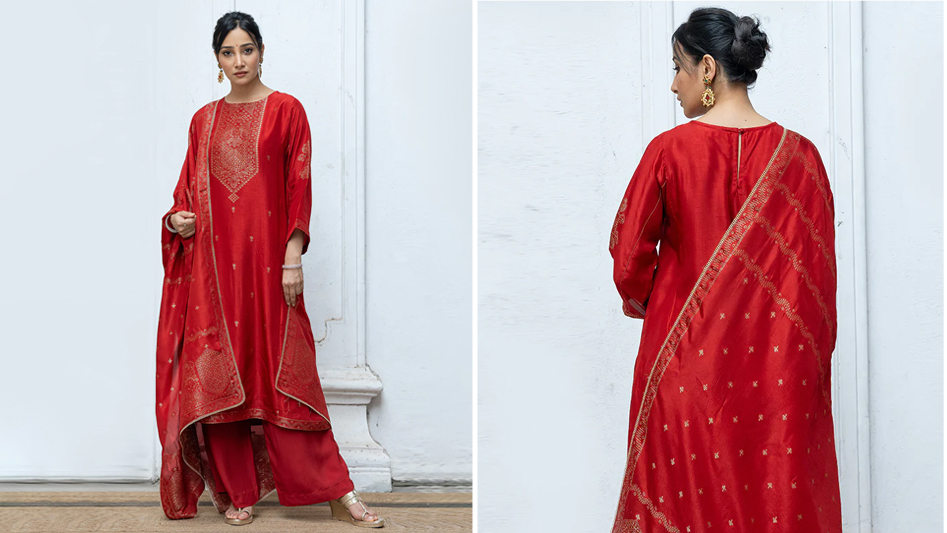
This designer suit set is a perfect example of elegance and grace. The aspen green colour is soothing and refreshing. This anarkali salwar suit is designed from raw silk of high quality, cotton satin and chinon silk. The top has a round neck, full sleeves and beautiful embroidery. The bottom and the dupatta are of the same colour, while this suit has an inner lining to make it more comfortable. This suit will fit you well and make you look different from others.

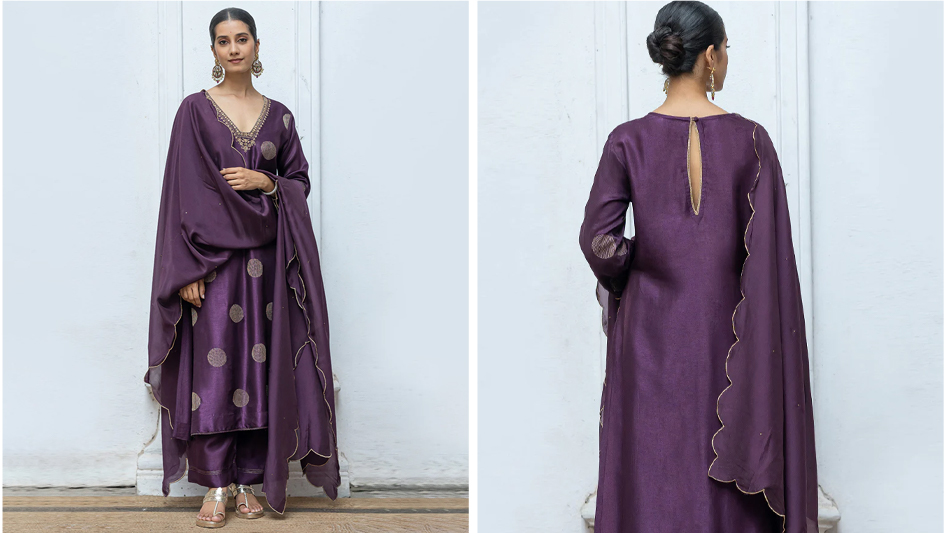
Golden Embroidered Raw Silk Salwar Suit with Silk Organza Dupatta in Deep Purple

Golden Embroidered Raw Silk Salwar Suit

Any occasion will look stunning with this deep purple salwar suit. The top is made of raw silk, which gives this party wear suit sets a rich and elegant texture. For a little sparkle, the golden embroidery is present in the outfit. It is the bottom part that is made of cotton satin, a soft and comfortable material. The dupatta, also made of silk organza, complements the top and bottom and is light and airy. 

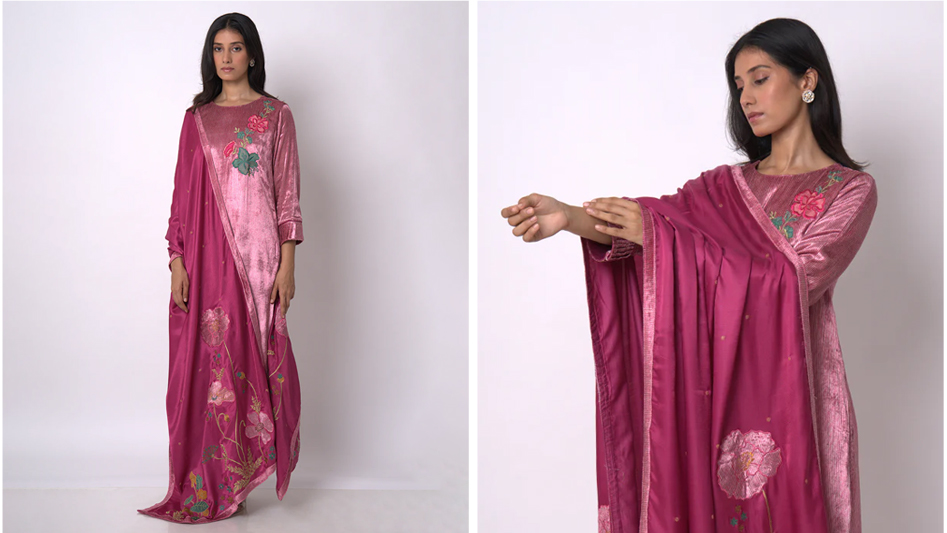
Silk Velvet Salwar Suit in Fushia Pink and Beige

Silk Velvet Salwar Suit in Fushia Pink and Beige 2

This women suit set has an amazing mix of fushia pink and beige, great for any festival. The top is silk velvet with resham embroidery for a more elegant and warm touch. The bottom is pure lyocell twill with a velvet border that feels soft and snug. The dupatta is gaji silk with applique embroidery, which matches the top and bottom beautifully. It comes in a full set with lining to make it comfortable to wear all through. 

Raw Silk Printed and Hand Detailed Festive Salwar Suit in Wine

Raw Silk Printed and Hand Detailed Festive Salwar Suit in Wine

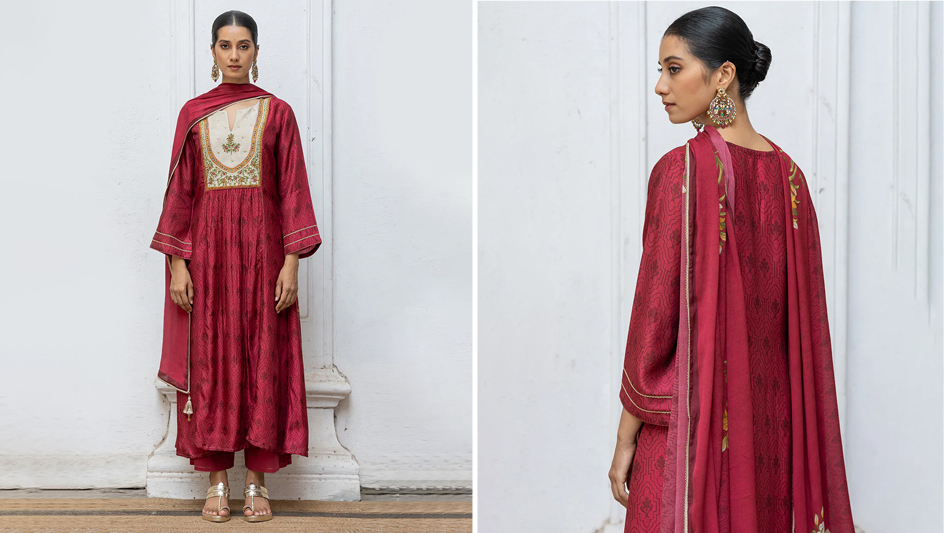
This suit set is a blend of ethnic and contemporary. It is perfect for any event you are attending. It comprises a wine-raw silk top with intricate hands and a comfortable bottom made out of cotton satin, along with a Chinon silk dupatta. The full set comes complete with a lining to add durability and elegance. 

Zari Woven Bemberg Silk Salwar Suit with Zari Woven Monga Silk Jacquard Dupatta in Bright Rose Pink

Zari Woven Bemberg Silk Salwar Suit

For an elevated fashion sense, try this astonishing Bright Rose Pink Salwar Suit. The loose style of this outfit offers the comfort you need in its Zari Woven Bemberg Silk top and Modal Maslin bottom that looks classy. This Classic Set comes with lining for a perfect finish.

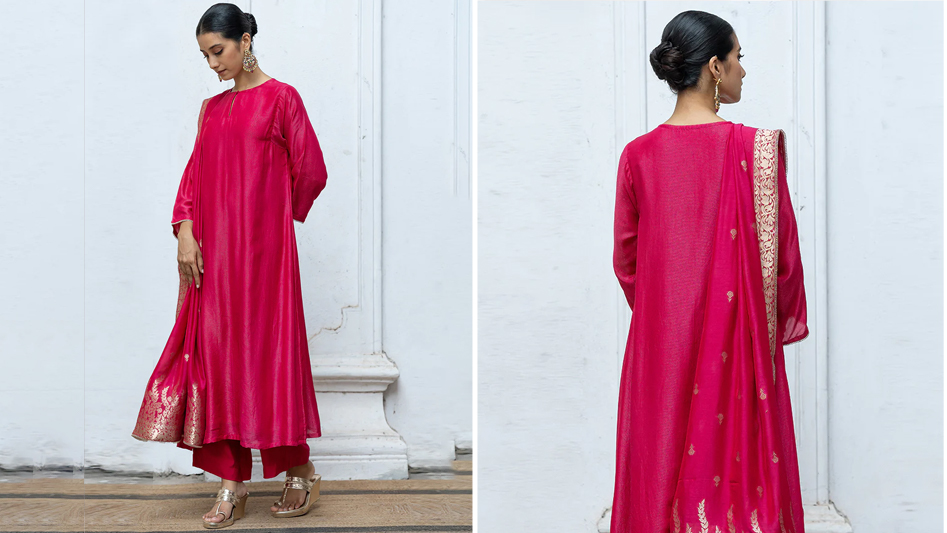
Woven Salwar Suit with Zari Woven Raw Silk Dupatta in Salsa Red

Woven Salwar Suit with Zari Woven Raw Silk Dupatta in Salsa Red

This Salsa Red Woven Salwar Suit is designed to make an impression. The set consists of a top made of Zari Woven Raw Silk, which has a soft Modal Maslin bottom and a beautiful Zari Woven Raw Silk Dupatta. It is fully lined for your added elegance. It’s a regular fit and the perfect go-to outfit when you want an ethnic touch.

Woven Kurta and Contrast Dupatta with Hand Work Detailing in Fog Beige

Woven Kurta and Contrast Dupatta with Hand Work Detailing in Fog Beige

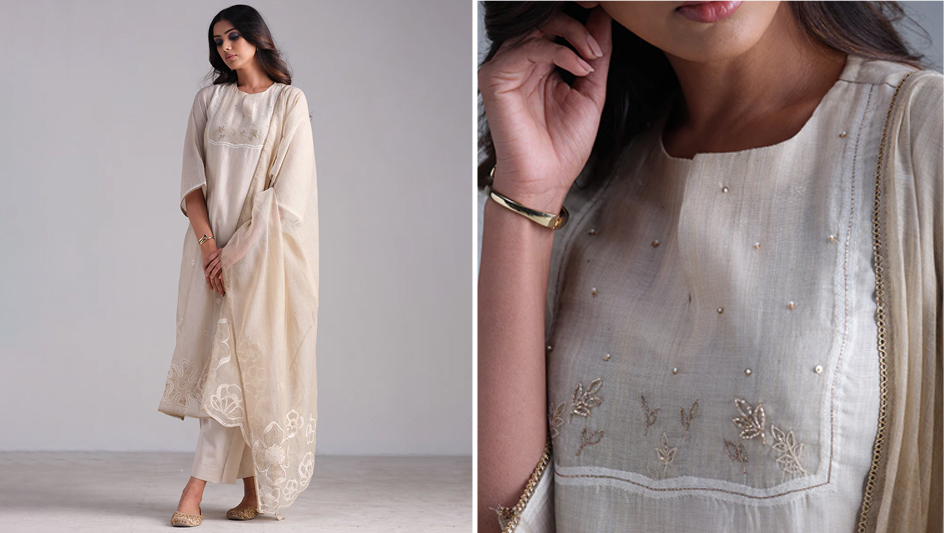
This stunning fog-beige woven kurta is the perfect piece to elevate your style with its seamless blend of elegance and flair. It speaks of luxury through its intricate handwork detailing. For formal or traditional occasions, this set can be both stylish and comfortable, given that it is worn with a contrasting dupatta. 

Care and Maintenance Tips

  • For Prolonged Life of Your Suits: Keep up with the timeless appeal of your designer suit sets, by caring for them. You should avoid over-dry cleaning, which could destroy the fabric and internal structure. Instead, go for steamers of high quality or use a soft wash cycle with cold water and mild detergent to get rid of dirt and stains. 
  • Cleaning and Storing Suits Properly: Preserve their integrity by having them cleaned by reputable professional cleaners. Then, hang your suits on strong wooden hangers that are appropriate for their sizes and keep them in breathable garment bags to prevent dust and moisture from affecting them. This extends their life spans as they take turns resting between wearing.

When to Seek Professional Help for Suit Maintenance?

Even after a lot of care, you may still notice signs of damage that include holes, tears, fade-outs, colour changes or smells. In such cases, you should turn to a well-known tailor or dry cleaner for help. It is also not advisable for one to attempt fixing the suit themselves unless they are able to do so properly and, in turn, retain its original shiny appearance.

Conclusion

Suit sets are a versatile and fashionable choice for ethnic wear that can make you look stunning and confident. You can choose from various suit set designs that suit your taste and occasion. If you are looking for some amazing party wear suit sets designs to try in the New Year 2024, you can check out Ganga Fashions, a trusted fashion brand. We have been serving people for over 20 years with focus on ethnic designer apparel with everyday essentials. We bring forth a blend of comfort and innovative designing.

So, why wait? Grab suit sets from Ganga Fashions that catch your eye and get rock the New Year with style and grace.

Southern Splendour – Glimpses of Ten Iconic Temples of South India

2

The temples of South India stand as remarkable symbols of the region’s rich cultural heritage and devotion. Characterised by their spectacular towers, vibrant sculptures, and ancient history, these temples hold a special place in the hearts of millions of people. Every part of the temples from the towering gopurams (entrance towers) adorned with intricate sculptures to the mandapas or pillared halls tell a unique story that blends mythology, history, and art.

1. Sri Venkateswara Swamy Temple, Tirumala

Ten-Iconic-Temples-of-South-India-Tirumala
Image – JeevesofRKdia, Flickr

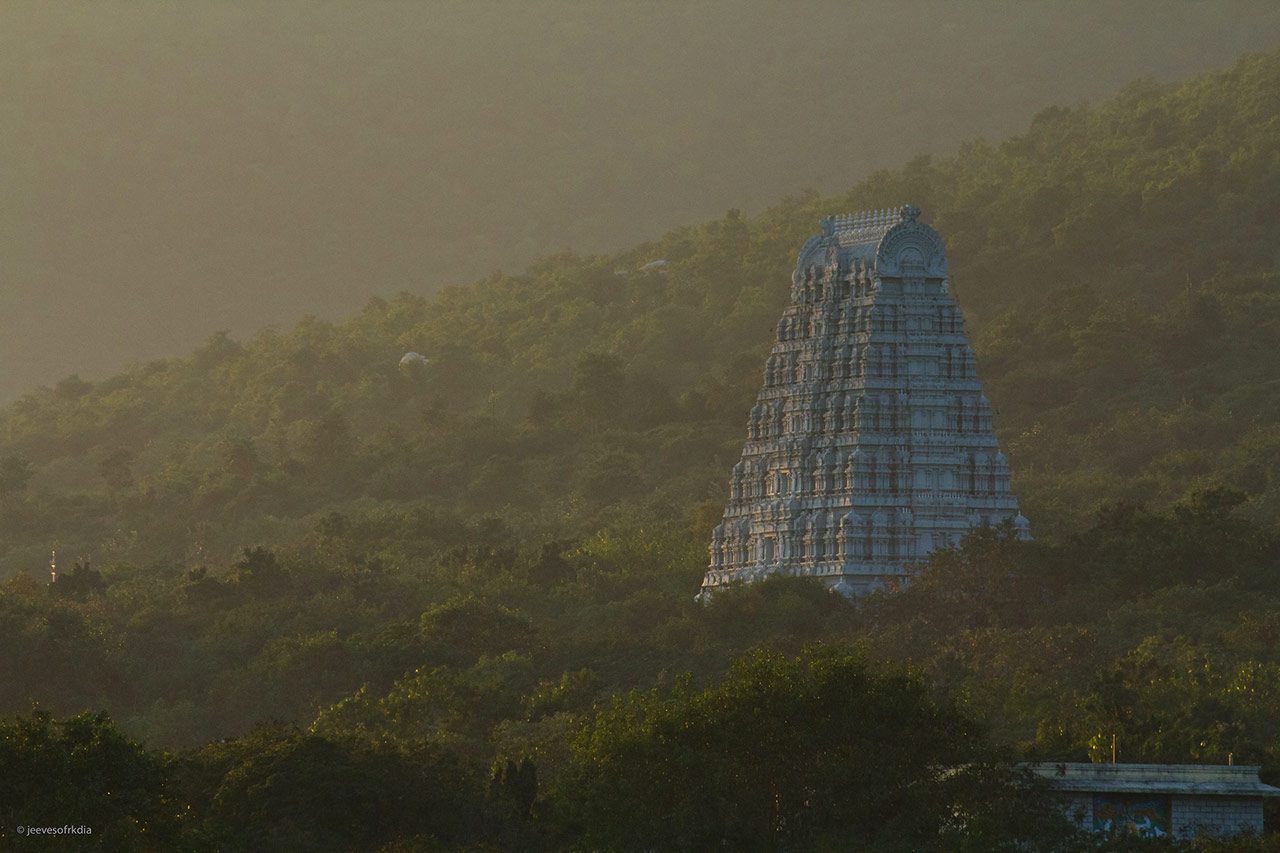
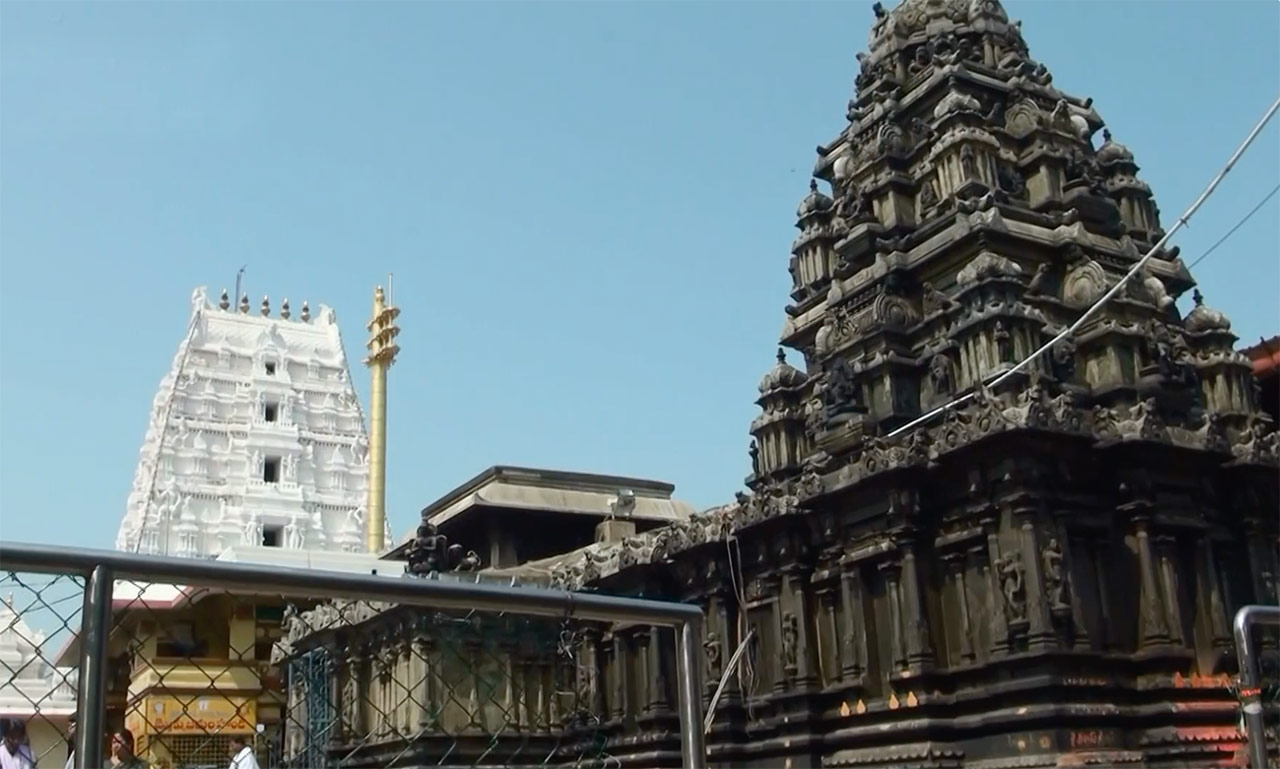
Any list of South Indian temples is incomplete without the iconic Venkateswara Swamy temple in Tirumala. The Sri Venkateshwara Swamy temple holds a special place in the heart of every practising Hindu, especially those from Andhra Pradesh and Tamil Nadu. On an average day, anywhere between 50,000 and 100,000 devotees throng the temple, with devotees waiting several hours and even days for Darshan. These numbers double on special occasions. 

However, the temple’s significance is not limited to just that.The temple is more than eleven hundred years old, and stands as a witness to the history of the Pallavas, Cholas, the British and many more eras of the region’s history. It was visited by many prominent historical figures such as Krishnadeva Raya, the powerful King of Vijayanagara and Ramanujacharya, a respected spiritual leader and reformer during the Bhakti movement. 

The temple is an excellent example of classical Dravidian architecture. While it is built mostly of granite, it also includes a vendi vakil(a silver entrance) and a bangaru vakili(a golden entrance), before getting to view the lord. The temple reminds us of its role in history with the many walls inlaid with a wealth of historical inscriptions dating to the mediaeval ages. 

The hilltop temple town of Tirumala, where the temple is located is planned to the last detail for devotees’ convenience. From spacious accommodation for devotees starting from 50 rupees a day to the shady staircase route to climb the hill to the utilisation of up-to-date technology, the temple town has it all. The Venkateshwara Swamy temple is not just a temple, but an experience.

Suggested read: Temples in Andhra Pradesh – Finest Examples of Great Culture

2. Sita Ramachandraswamy temple, Bhadrachalam 

Ten-Iconic-Temples-of-South-India-Sita-Ramachandraswamy-temple,-Bhadrachalam

Located in the Dandak forest of Andhra Pradesh where Rama and Lakshmana were said to have come during their fourteen year exile, the Rama temple of Bhadrachalam is one of the South’s most renowned temples. According to most accounts, the temple was built by Kancherla Gopanna, a tax collector for the Golconda sultanate. The temple was built with the money collected under Jizya, a tax meant to be paid only by non-Muslims. Gopanna spent twelve years in jail while he composed songs in honour of lord Ram, after which Rama himself evidently appeared and paid a ransom of gold coins and got Gopanna out of jail. Gopanna continued to spend his life in devotion, and the temple today is regarded by millions as a symbol of his commitment to the Lord as well as the greatness of Lord Ram himself today.

3. Sri Ranganathaswamy temple, Srirangam

Ten-Iconic-Temples-of-South-India-Sri-Ranganathaswamy-temple-Srirangam
Image – Wikimedia

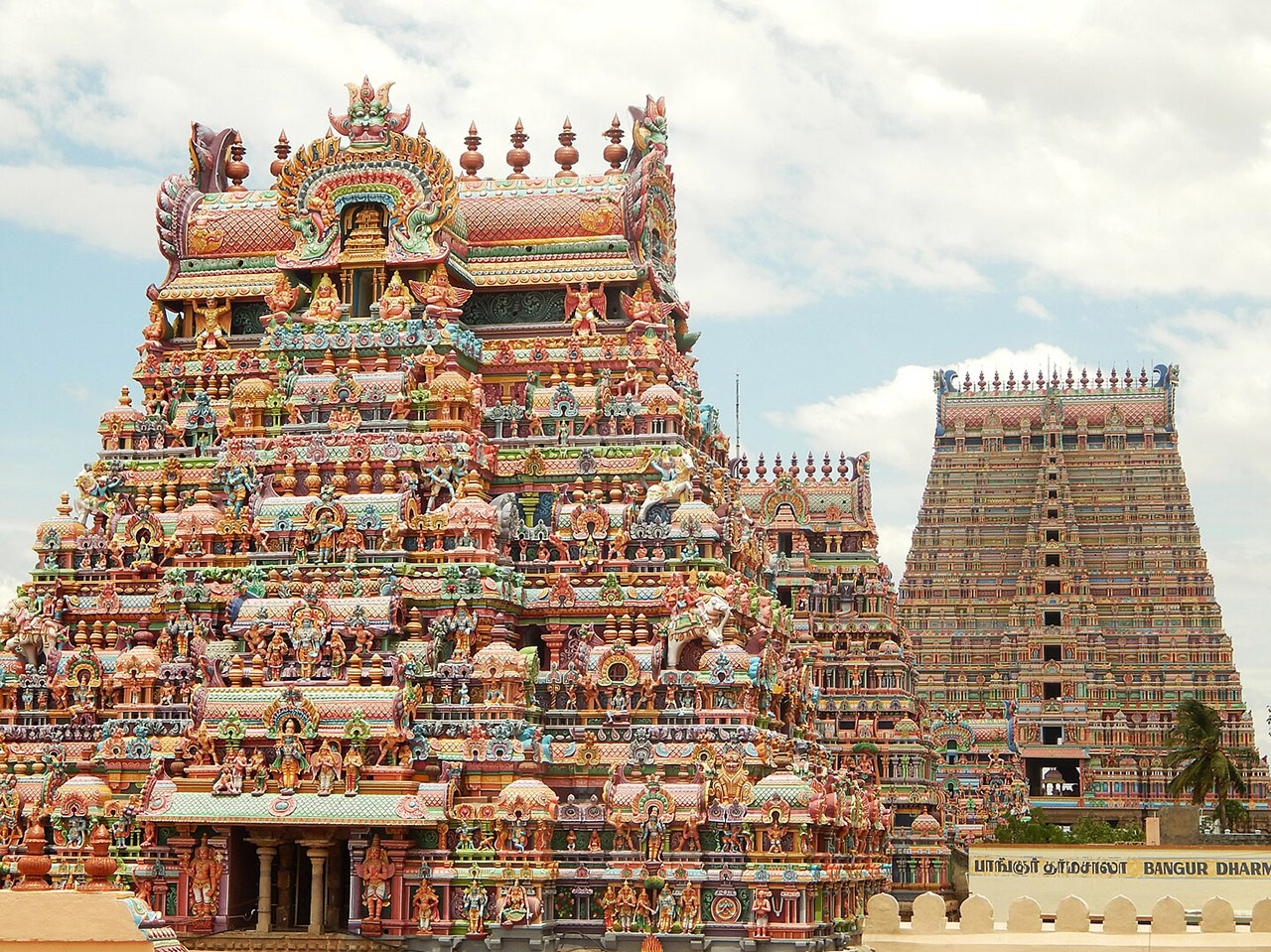
The Sri Ranganathaswamy temple of Srirangam in Tiruchirapalli, Tamil Nadu needs no introduction. The temple is dedicated to Ranganathswamy, a form of Lord Vishnu and is considered the most important of the Vaishnavites’ Divya Desams. The temple itself dates back to about the fifth century BCE, and has endured power changes, invasions and raids by Islamists to remain standing today. The deity is mentioned in a number of important religious texts, including the Ramayana itself. 

The Srirangam temple complex is built in the Dravidian style and occupies an area of 155 acres, making it the world’s largest Hindu temple today. The temple complex consists of over fifty small shrines dedicated to Lady Lakshmi, saints and other avatars of Vishnu. It also includes a mandapam or hall of thousand pillars, which was built under the Vijayanagara empire, alongside other architectural marvels.

4. Arulmigu Ramanathaswamy temple, Rameshwaram

Ten-Iconic-Temples-of-South-India-Arulmigu-Ramanathaswamy-temple,-Rameshwaram
Image – Pablo Necochea,Flickr

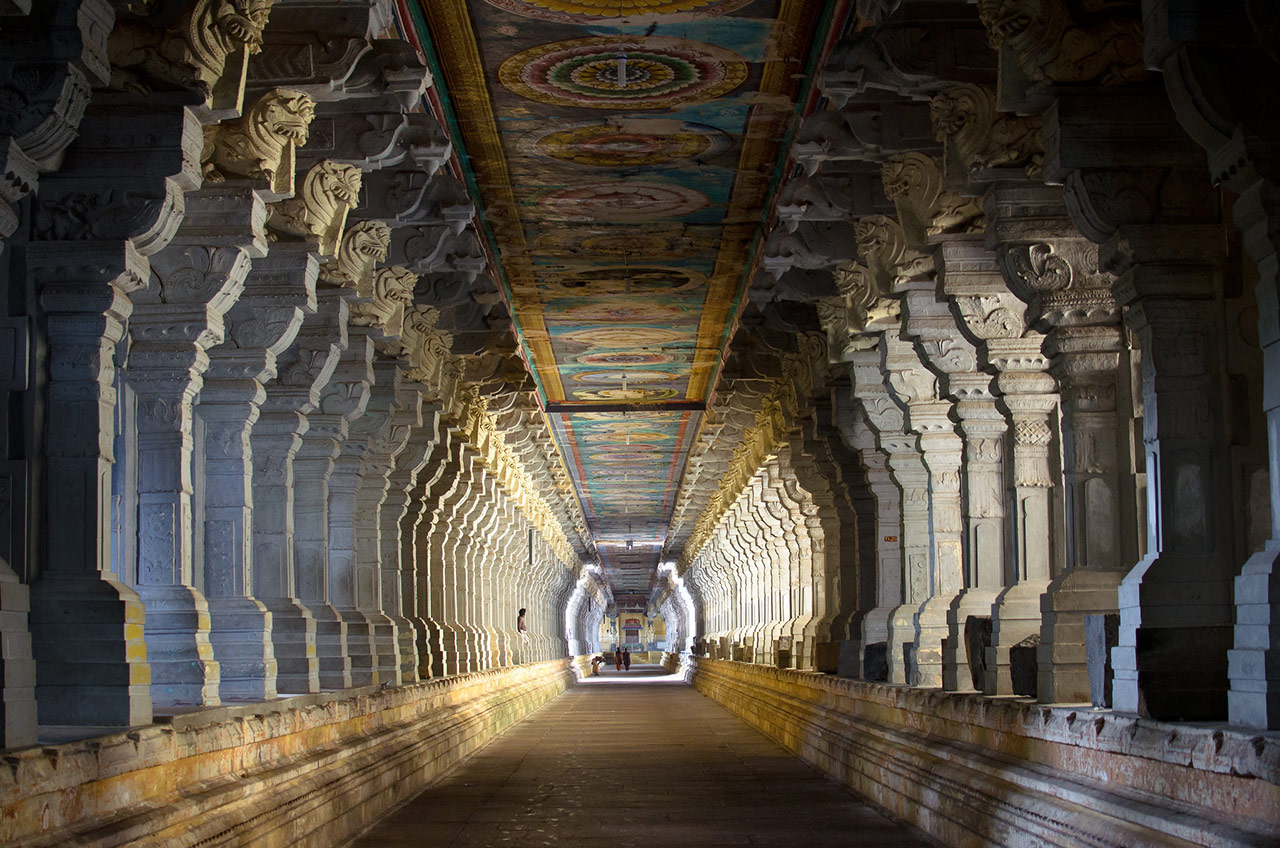
The Arulmigu Ramanathaswamy temple of Rameshwaram in Tamil Nadu is a revered Shiva temple located at the very tip of the Indian penninsula. It is one of the most important Shiva temples in India, being one of the four holy Char Dham sites, the twelve Jyotirlingas and also one of the Tevara Sthalams or 275 sacred sites for Shaivites. 

The original temple was evidently built in the eleventh-twelfth century CE, but the two lingas of the temple were said to have been installed by Lord Ram(The Ramalingam) and Hanuman(the Vishwalingam) respectively. The temple, over the centuries, received patronage from many royal dynasties, including the Pandyas and Marathas.

Today, the Ramanathaswamy temple continues to be a pilgrimage site of great importance and is visited by millions of devotees every year.

5. Meenakshi Amman temple, Madurai

Ten-Iconic-Temples-of-South-India-Meenakshi-Amman-Temple-Madurai
Image – Rainer Voegeli,Flickr

The iconic Meenakshi Amman temple is located in Madurai, Tamil Nadu. Built in the twelfth century CE by the Pandyas, the Arulmigu Meenakshi Amman Thirukkovil, as it is known in Tamil, is known for its iconic colourful main gopuram, its intricate sculptures and marvellous architecture.

The temple is one of Tamil Nadu’s most revered. It is dedicated to Meenakshi, an incarnation of Shakthi, the divine female power and her consort, Sundareshwar, an incarnation of Shiva. It is an important pilgrimage site in the Shaiva or the Shiva worshippers sect. 

The Meenakshi amman temple is one of the most widely photographed temples in India. Every inch of the temple is a feast to the eyes, from the colourful main gopuram carved with intricate statues to the innumerable hypnotic mandalas on the ceiling of the temple. The Meenakshi Tirukalyanam, a festival celebrating the wedding of Meenakshi and Sundareswarar, is a great time to witness the splendour of the temple.

Suggested read: 7 Must-Visit Temples in Tamil Nadu for divinely Inspired Travellers

6. Sri Manjunatha temple, Dharmasthala

Ten-Iconic-Temples-of-South-India-Dharmasthala Manjunatha Temple
Image/Dinesh Kumar/Flickr

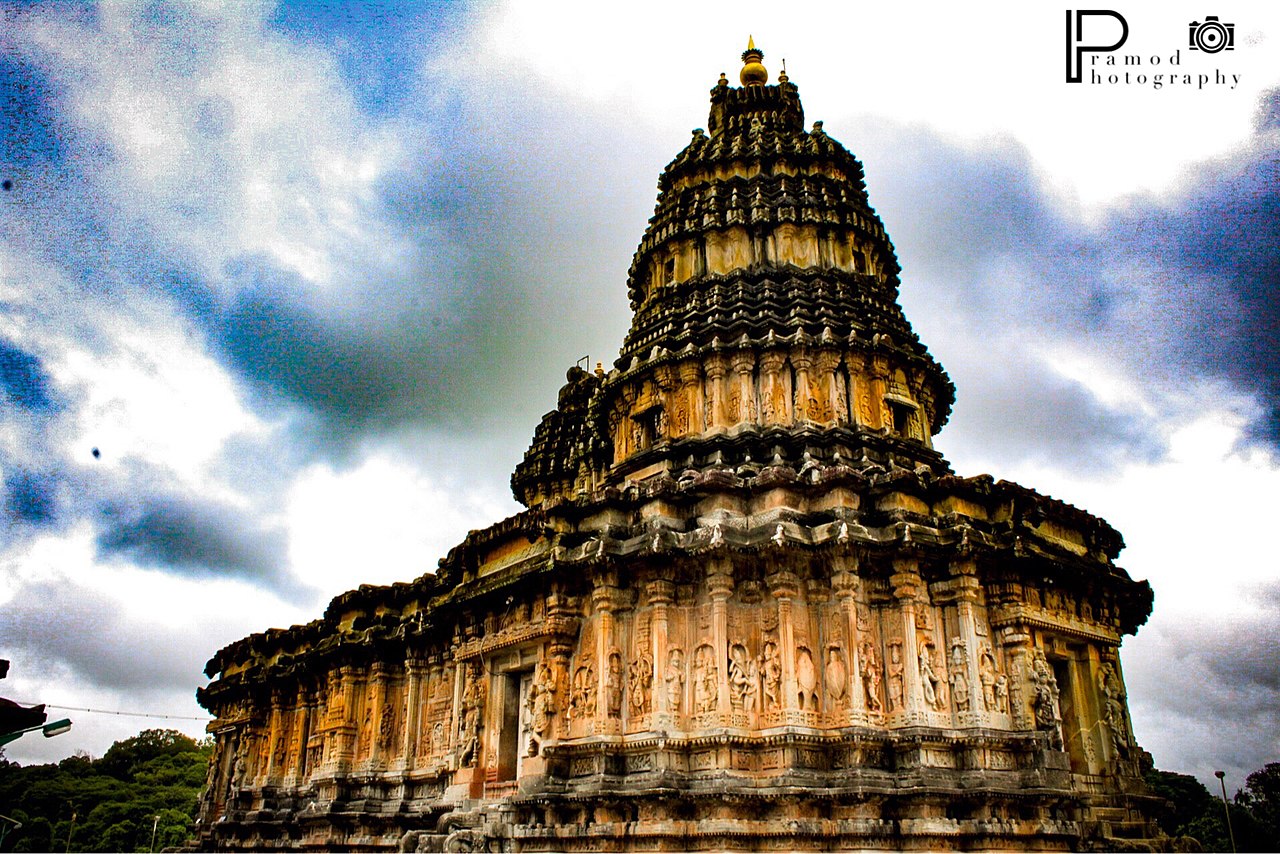
Dharmasthala Manjunatha Temple, located in Karnataka, India, is a sacred haven devoted to Lord Manjunatha, a manifestation of Lord Shiva. Established by B. Ratnavarma Heggade in the 16th century, this temple is distinctive for its inclusive ethos, welcoming people of all backgrounds. Managed by the Heggade family, the temple offers free meals and shelter to every visitor, reflecting a commitment to hospitality and unity. The Akshaya Patra, a revered stone vessel, symbolizes perpetual abundance. The temple’s philanthropic endeavors extend to education and healthcare, contributing to community well-being. Its annual Rathotsava, a grand chariot procession, draws devotees from far and wide. Dharmasthala Manjunatha Temple transcends religious boundaries, emphasizing the universal principle that service to humanity is akin to worshipping the divine. Pilgrims and visitors alike are not only spiritually enriched but also witness a living testament to compassion, communal harmony, and the timeless values of the Heggade family.

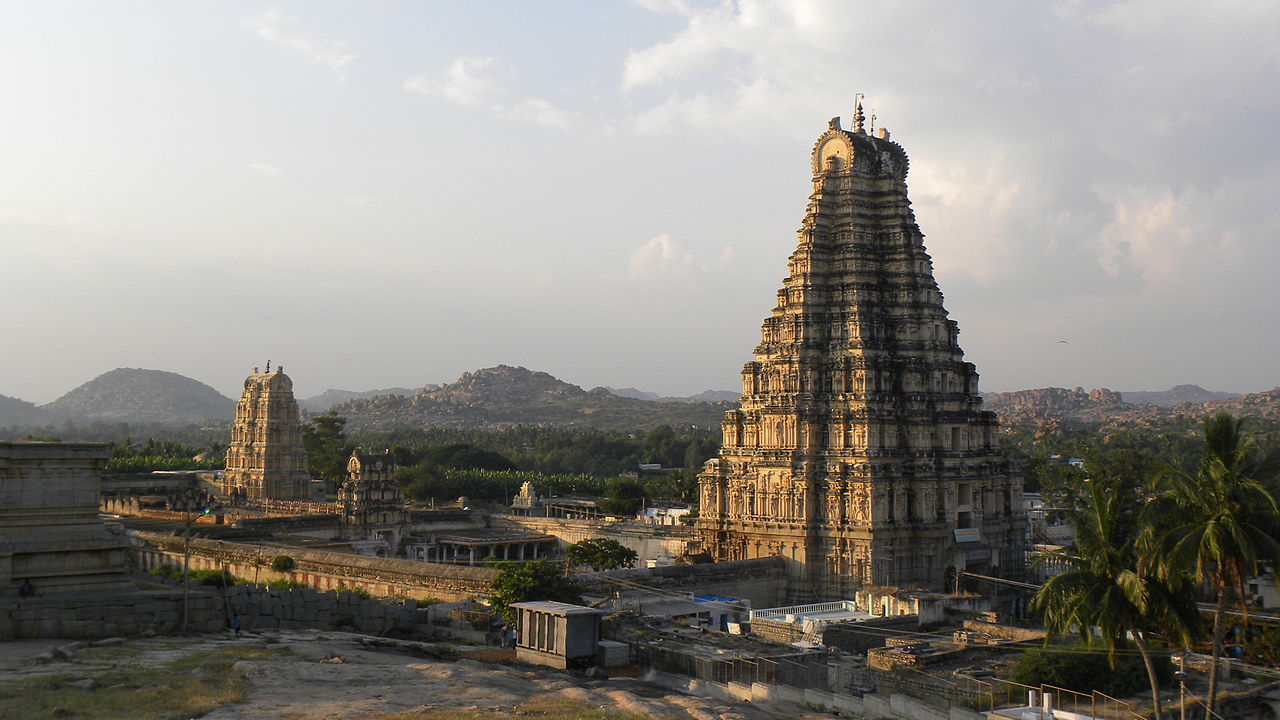
7. Virupaksha temple, Hampi

Ten-Iconic-Temples-of-South-India-Virupaksha temple Hampi
Image – Wikimedia

The Virupaksha temple is one of the most important UNESCO world heritage sites in Hampi. Contrary to popular belief, this temple predates the Vijayanagara empire and has been in existence since the seventh century AD. The temple, however, grew in importance and size under the Vijayanagara dynasty.

The temple is dedicated to Lord Virupaksha, one of the forms of Lord Shiva. It is characterised by a huge, intricately carved granite gopuram, built by a local chieftain named Lakkana Dandesha under the Vijayanagara empire. 

The temple is the only one standing in the Hampi complex; the rest had been destroyed by the Bahmani sultanate. However, it is still one of the most iconic symbols of Hampi and is alive and thriving- several festivals are celebrated here, one of which is the marriage ceremony of Lord Virupaksha and his consort, Pampadevi in December.

8. Veerabhadra Temple, Lepakshi

Ten-Iconic-Temples-of-South-India-Arulmigu-Veerabhadra Temple Lepakshi
Image – Wikimedia

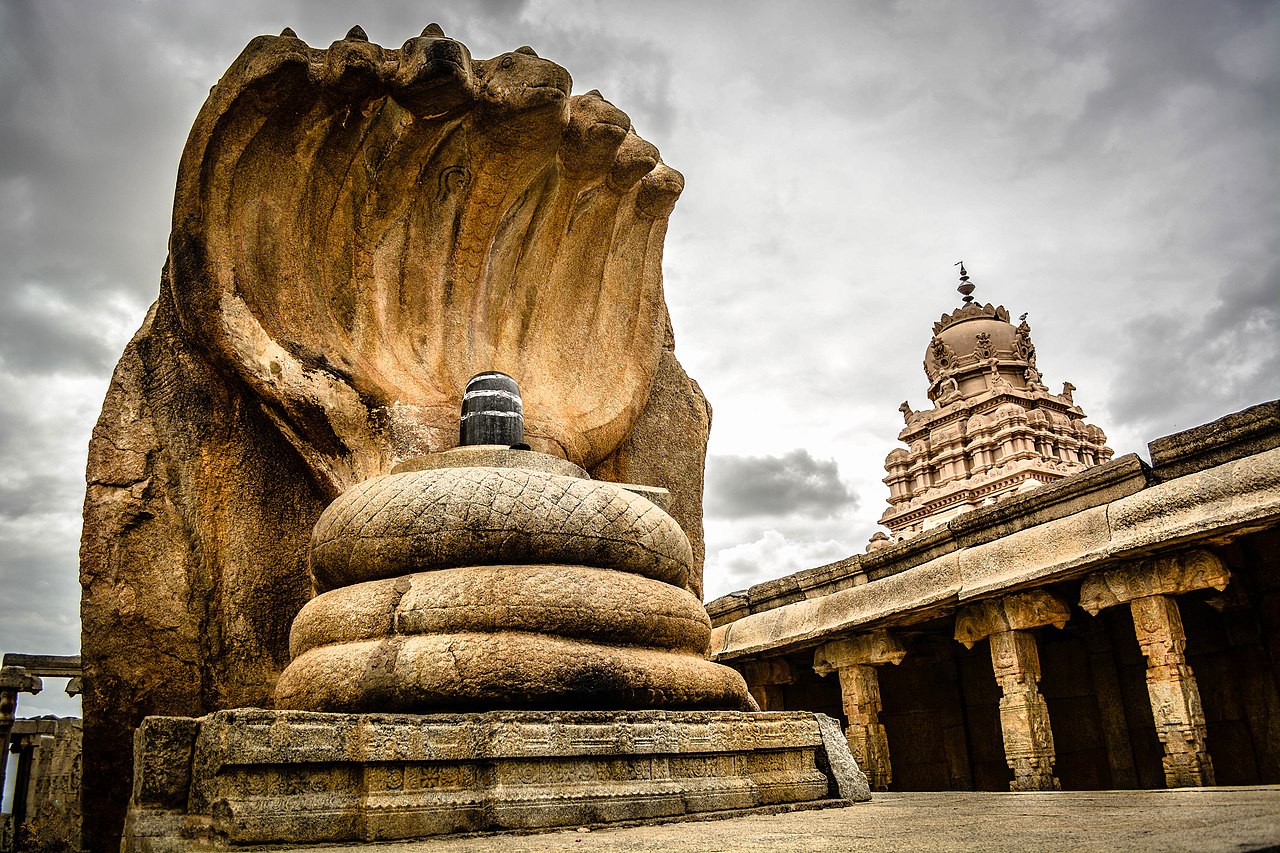
The Lepakshi Veerabhadra temple is one of the most marvellous examples of Vijayanagara architecture. Located in Lepakshi, Andhra Pradesh, it was built in the sixteenth century. It is a centrally protected monument of national importance. It is after this temple that the government Handicraft enterprise of Andhra Pradesh is named- Lepakshi handicrafts. 

The temple is dedicated to Virabhadra, a fiery form of Shiva, and is famous for its profuse sculptures, marvellous architecture and beautiful frescoes. The sanctum sanctorum, especially, is a visual spectacle. Every inch of the building is covered in sculptures and frescoes illustrating the many forms of Shiva, saints and holy rivers. The frescoes are beautiful examples of Vijayanagara art- vividly coloured, intricate, yet two dimensional and portraying tales from the epics and puranas. The Lepakshi temple is a true wonder and is certainly worth a visit.

9. Adhishakthyathmaka Sri Annapurneshwari Devi Temple, Hornadu

Ten-Iconic-Temples-of-South-India-Adhishakthyathmaka Sri Annapurneshwari Devi Temple
Image – Wikimedia

The Annapurneshwari temple in Hornadu, Karnataka is a popular pilgrimage site across South India. It is dedicated to Annapoorna devi, the Goddess of food and an incarnation of Lady Parvathi. It dates to the mediaeval ages and is built in a fusion of Dravidian architecture and that of Karnataka. 

The temple celebrates many festivals in a year, the most prominent being Akshaya Tritiya, which is believed to be the birth date of the Goddess. The festival falls in April-May, and is a great time to visit the temple.

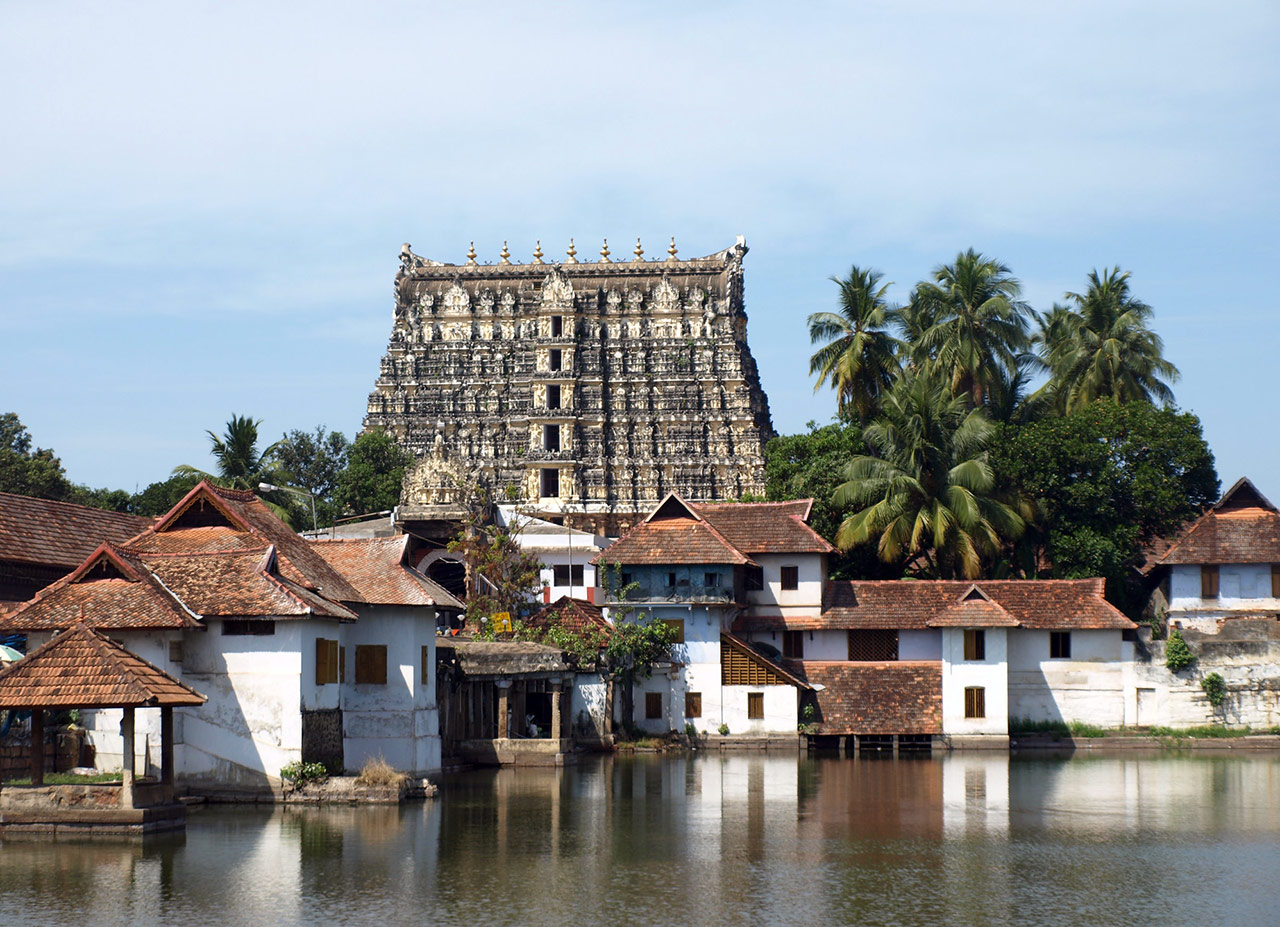
10. Padmanabhaswamy temple, Thiruvananthapuram

Ten-Iconic-Temples-of-South-India-Padmanabhaswamy-temple-Thiruvananthapuram

The Padmanabhaswamy temple in Thiruvananthapuram is known for being one of the richest temples in the world. It is dedicated to Padmanabhaswamy, a form of lord Vishnu. It is said to have been originally built in the seventh century AD, but the famous wide main entry tower or Gopuram was built much later.

The Padmanabhaswamy temple is of great importance to all Hindus, and specifically, Vaishnavaites. It is one of the 108 Divya Desams or holy places in the Vaishnava tradition, and is mentioned in a number of Hindu religious texts like the Vishnu Puran, Matsya Puran, Brahma Puran, Bhagavata Purana and many more. It is also mentioned in Tamil Sangam literature, and has often been referred as ‘The Golden Temple’, due to its vast reserves of wealth. 

The Padmanabhaswamy temple organises many festivals every year, the most popular being the Aippasi and Panguni festivals in the beginning of winter and the end of Spring. These festivals are fabulous times to witness the splendour of what is possibly the world’s richest temple.

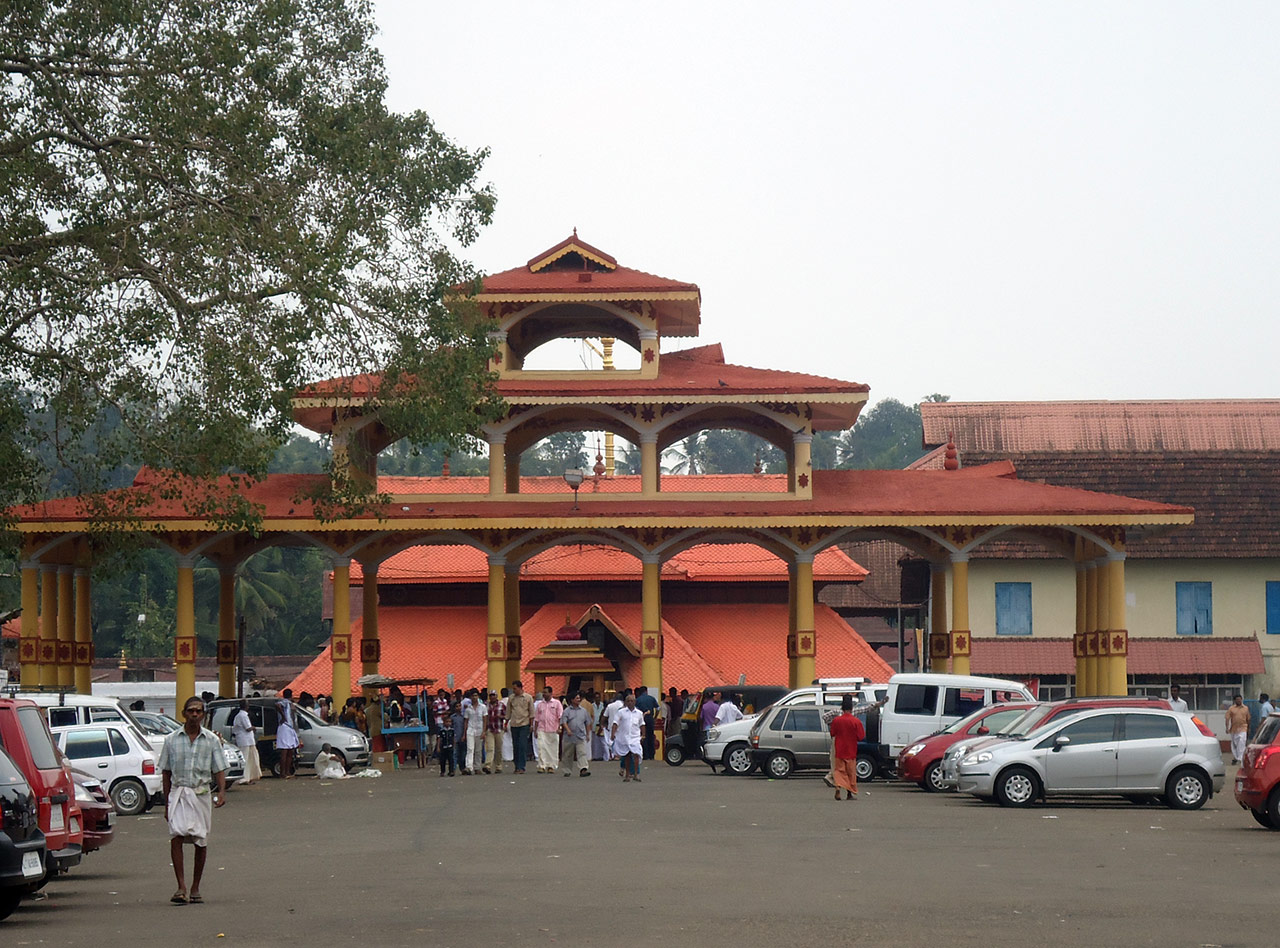
11. Ettumanoor Mahadeva Temple, Kottayam

Ten-Iconic-Tempsles-of-South-India-Ettumanoor-Mahadeva-Temple,-Kottayam
Image – Wikimedia

The Ettumanoor Mahadeva temple is a very ancient Shiva temple located in Koattayam, Kerala. While it is believed that the temple as it is now was constructed in the 1500s, the temple has a long and rich history. According to legend, it has served as a host to many important figures in Hinduism, from the Pandavas to the revered Shankaracharya. The temple is built in the traditional Kerala style with Dravidian elements. The temple showcases many examples of excellent craftsmanship, including the fresco of Shiva, said to be one of the finest in India. It hosts the famous arattu festival celebrated with great pomp in February-March, which includes elephant parades. 

Conclusion

The temples of South India preserve craftsmanship, culture and traditions dating centuries. They deserve to be cherished and protected not just as religious places, but also for being standing witnesses to history and changing times. 

Shekhawati Splendour – The Spice Route to Sea Route Shift

0

Photos: Prasad Siddhanthi / Narration: Ravishankar Bale

Havelis of Shekhawati

Rajasthan is undoubtedly the most royal state in India. Evenly spread across this largest state are numerous Rajput palaces, forts, grand mansions, and monuments. The state is also renowned for its picturesque colours and hues in its landscapes, costumes, cuisine, dance, and music. Its proximity to Indian capital Delhi and the Taj Mahal in Agra further enhances its appeal to foreign tourists.

The havelis of Rajasthan are hidden treasures for common travellers. My brother-in-law, Prasad, stumbled upon some photographs on Instagram that enthralled us both. We packed our bags for a road trip from Delhi NCR in our quest to explore and experience more of enchanting Rajasthan.

The Shekhawati region consists of several districts around Jhunjhunu city, which is located near the Haryana border. Modern administrative divisions can never erase the historical and cultural boundaries in our country that have developed over centuries due to ancient kingdoms, languages, cuisine, culture, climate, landscape, architecture, agriculture, or even the distinct facial features of its inhabitants. Haveli serves as a prime example of these common characteristics in the Shekhawati districts. For example, a haveli in Bikaner is markedly different from the havelis we visited in the Shekhawati region.

The name Shekhawati finds its roots in the founder, Rao Shekha, a regional chieftain of the Rajputs, who established this legacy in the 15th century. However, the magnificent havelis of the Shekhawati region came into existence only a century or two back. Encompassing the towns of Jhunjhunu, Sikar, Churu, Mandawa, Fatehpur, Navalgarh, Dundlod, and many more, this region is a treasure trove of history and architectural wonders.

The history of fresco paintings is much older than the Renaissance period of the Roman royal and religious monuments that display the finest artwork of that era. The term ‘fresco’ means ‘fresh’ in the Italian language, implying that fresh paint, made from water-based pigments, is applied to fresh plaster on walls. Hundreds of expensive havelis were built as their private residences by the marwari clan of Rajasthan, out of their personal wealth from the trading. Bhagats, Goenkas, Podars, Ladias, Birlas, Chowkanis, etc., to name a few. They were part of the supply chain management of the Silk or Spice Route that passed through Rajasthan. The discovery of sea routes to India by the Eropeans paved way for East India Company, set up in Calcutta. This eventually replaced the Spice Route trading with Sea Routes business using both east and west coasts of India to Europe, cutting off the middlemen Arabs from the supply system. This also affected the prospects of Rajasthani traders. The wealthy marwaris shifted their bases to Calcutta and Bombay in the 1900s to open their channels with their ‘new arabs’ – the firangis. Marwaris’ sourcing of spices from the southern India and Ceylon and textiles from their own Rajasthan, etc., however, did not change. The havelis that were also built within the same century were slowly abandoned. Their family trees grew tall, wide and apart in the greener pastures. Variety of reasons can be attributed for neglecting most of these ancestorial properties, that were built with passion, with purposeful design and architecture, patronising the arts and music within them, fell to the grime and dust of time.

The uniform layouts of the mansions primarily exhibit utility and funcationality for running their businesses and keeping safe the families. Security, confidentiality, safety and privacy for the woman folk, office for business transactions, terrace, watch tower, utility rooms, kitchen, living rooms, open to sky courtyards, etc. The artistic doors, walls, ceilings and brackets were part of the desires and to match the status within the clan. There were also special rooms meant for music, dance and display of collections.

The photos with individual descriptions tell the remaining tales. More juice, we hoped to get out of Rajasthan has only left us even more thirsty. Our four days of exploration fell short.

The Enigmatic Entryway (Podar Museum Haveli at Nawalgarh)

The-Enigmatic-Entryway-Podar-Museum-Haveli-at-Nawalgarh

The main entrance door at the street’s edge leads you into the outer courtyard, while the second entrance door, which remains shut in this image, grants access to the inner courtyard.

Within the main door, there is a small opening, about four feet in height, intended for unknown visitors, who were expected to enter with their heads and backs bowed. In contrast, the entire door was opened to welcome known or important guests, as well as horse-drawn carts and oxen.

When an unfamiliar guest came in through the small door, he had to bend to enter. This was taken as a gesture of respect towards the haveli. This practice might have also served to reduce the risk of potential attacks, as merchants often stored their wealth within the mansion.

A Glimpse of Elegance – It is a Jewel ! (Podar Museum Haveli, Nawalgarh)

Podar-Museum-Haveli-Nawalgarh
left: A Glimpse of Elegance – It is a Jewel ! (Podar Museum Haveli, Nawalgarh). Right: Sentry’s Post at the Main Entrance

The second entrance opens to a captivating inner courtyard exclusively designated for the household members and female visitors. This charming space is often referred to as the ‘female chowk’ ‘square’.

The door assembly itself is a true work of art, boasting intricate wooden carvings and meticulous paintings that adorn its surface. The arch with its floral design reflects a distinct Islamic influence, adding a touch of exotic beauty to the haveli’s ambience.

The paintings on the door are a visual feast, showcasing a rich array of Hindu deities and epic scenes. It is a mesmerizing fusion of artistic traditions, making this entrance a true jewel!

Sentry’s Post at the Main Entrance

The Sentry Post is situated to the left of the main entrance. The sentry on duty kept a watchful eye through an opening overlooking the street, ready to welcome visitors for both business and household purposes.

The “Chamber of Commerce” (Thalia Museum Haveli, Mandava)

Merchants at Thalia Museum Haveli ingeniously employed attendants with speech and hearing impairments to operate rope-operated fans and serve them otherwise, leveraging the advantages to ensure secrecy of the deals.

The Enchanting Inner Courtyard (Podar Haveli Museum in Nawalgarh)

The-Enchanting-Inner-Courtyard-Podar-Haveli-Museum-in-Nawalgarh

As you step through the second entrance of this haveli, a treasure trove of remarkably rich paintings and captivating artwork unfolds before your eyes in its inner courtyard. This historic haveli has been transformed into a fully-fledged museum, wherein its frescoes have been meticulously preserved and restored. Some of these havelis showcase a harmonious blend of modern themes alongside depictions of Hindu deities and epics.

Adorning the upper walls, nestled between the brackets and door frames, are a series of
captivating paintings. Zoom-in to see, one row vividly illustrating British troops from the colonial era, while the second row showcases a train, complete with coaches and a steam engine, encircling the courtyard on all sides.

Women’s Realm: The Inner Courtyard

The ground floor is a hub of utility rooms, serving various purposes like water and grain storage, grinding , kitchen, dining, washing, prayer, and family gatherings. In the context of the ‘joint family’ setup, some households even boasted two kitchens to cater to individual family units.

Additionally, please take note that the artwork on the higher floor walls has gradually faded away due to more prolonged exposure to harsh weather conditions.

Double Delight : Harmukh Rai Chowkhani Twin Havelis in Mandava

This astute businessman displayed remarkable wisdom and foresight when he commissioned the construction of identical twin havelis for his two sons. One of these havelis boasts meticulously restored wall paintings, while the other retains its walls with original, untouched paintings.

Treasures Above: The Upper Floor Rooms (Podar Museum Haveli, Nawalgarh)

Every room on the upper floor is a showcase of antique collections or a demonstration of the lifestyle from that era. A diverse array of artifacts including Indian musical instruments, traditional Rajasthani turbans, Gandhi memorabilia with Khadi tools and loom, etc. offer a fascinating glimpse into the past.

There is not a blank surface… and never a dull moment 😉

Krishna Leela: Krishna’s Divine Dominion

A vivid tapestry of Hindu mythological art, which primarily depicts the captivating tales of Lord Krishna, particularly the ‘Raasa-leela’, is enchanting. Depictions of Lord Ganesha at the entrance, the revered figures of Lord Rama, Lord Shiva, and the graceful Goddess Lakshmi, all contribute to the rich and diverse pantheon of deities adored in Rajasthan.

A Contemporary Twist: The Goenka Daughter Mansion in Mandava

This magnificent mansion, generously gifted by a father to his daughter, a Goenka, offers a unique departure from traditional themes. The fresco paintings here tell the story of European cities, such as the allure of Venice, and features Western-style costumes. While they bring a modern touch, they may not match the finesse and intricate details seen in the paintings of Indian themes.

It is worth noting that imported materials like exquisite Belgian glasses and Italian wood carvings were a common sight in several havelis, contributing to their distinctive charm and character.

Thalia Haveli: A Collector’s Paradise in Mandava

Stepping into Thalia Haveli is like entering a collector’s dream, where a vast and assortment of dismembered stone and wooden structural pieces, alongside an array of captivating antiques, adorn both its interior and exterior. Among its treasures, there are postcards from pre-independence India, precious stones, gems, and other personal artifacts. These are for sale.

Doors & Windows in Women’s World

Within the intricate lattice of doors and windows, women found a way to let in light and fresh air while allowing themselves the discreet pleasure of peering outside, their faces concealed from the prying eyes of the street!

Fading Splendour: Poverty and Neglect

Street scenes around a few havelis in Mandava and Fatehpur.

A glimpse into the lives of the locals today reveals a stark contrast to the grandeur of the past, as poverty and neglect have cast a shadow over the once-magnificent havelis in all these Haveli towns. The monumental artistry that surrounds them goes largely unnoticed in their mundane lives.

Vaazhai Pazha Paniyaram (Banana Fritters)

0

Vaazhai-Pazha-Paniyaram

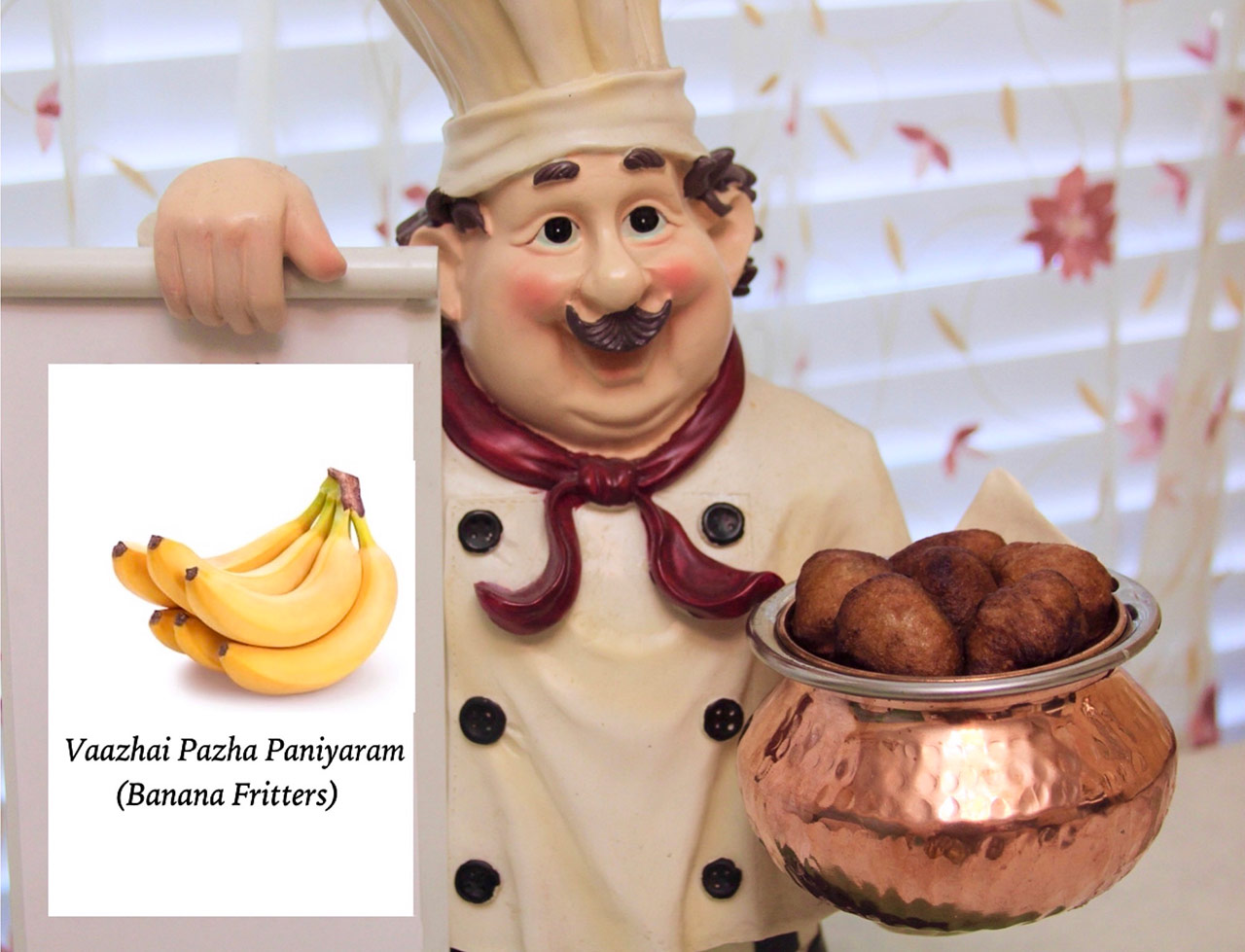
Vaazhai Pazha Paniyaram (Banana Fritters) is a South Indian sweet that can be prepared with a few basic ingredients found in any kitchen. Learn to make this tasty sweet by following the recipe below. 

Ingredients

  • Banana, ripened – 3
  • Wheat flour/all-purpose flour – 1 cup
  • Granulated sugar/brown sugar – 1/3 cup
  • Cardamom powder – ¼ tsp
  • Salt – a pinch
  • Oil (for deep frying)
  • Chopped cashews (optional)

Instructions

  1. Peel bananas (3) and cut them into pieces.
  2. Mash them with the help of fork to make them completely mushy.
  3. Add 1/3 cup granulated sugar and mix it with the mashed bananas.
  4. Then add 1 cup all-purpose flour, ¼ tsp cardamom powder, and a pinch of salt.
  5. Make sure the batter is completely mixed well.
  6. Add 1-2 tbsp of water (if needed) to make sure you get a thick consistency of a cake batter. If your batter becomes too thin, add some all-purpose flour to make the batter thick.
  7. Take a small spoonful of batter and drop it gently one by one to fry the paniyaram in hot oil. Add only 4-5 paniyaram at a time while frying in hot.
  8. Make sure you fry the paniyaram in low to medium flame because they will get burnt/undercooked on high flame. Also make sure you slowly flip them while frying so that both sides get cooked evenly and turn golden brown.
  9. Transfer the paniyaram on to a plate lined with a paper towel to absorb oil.
  10. The vaazhai pazha paniyaram taste best when served hot!