Ever dreamed of strolling around in the jungle, waterfalls, green meadows, and living root bridges that seem real only in the fairy tales? Meghalaya is also referred to as the ‘Land of the Clouds’ due to the enormous number of ways one could nearly reach out and touch nature here. Won’t you want to be at a place where a gentle touch of fresh wind caresses your face when walking on paths lined with wild orchids? And yes, there is also background music – the sound of the streams, and a new magnificent view appears with every turn. Trekking in Meghalaya is so much fun!
If there is one thing that the heart loves, it is adventure, and trekking in Meghalaya is just the thing for a wild-hearted adventure lover. Meghalaya, blessed with natural beauty and culture, provides spirituality and spirit-testing treks for adventure seekers. Regardless of the fact whether you are an experienced hiker or a first-timer, the beautiful trails here for trekking are just for you, which make trekking in the Meghalaya trip package a must to do things and it’s just breathtaking. To dive into this amazing experience of trekking , Capture a trip is here and guess what The name Capture a trip is just know for its amazing trekking trips & for group trips all over the world, it’s the best travel organizer, where you will get your well curated Meghalaya trip with all basic amenities within no time. So it’s time to fasten your shoelaces and pack your bags to explore a few of the best trekking places at Meghalaya.
Why Meghalaya Truly is a Trekker’s Haven
As you scroll down through the list, let’s first understand why Meghalaya is so perfect for trekkers. It is famous for its cleanest villages, living root bridges, and forests; The state of Meghalaya provides trekking of various levels right from simple strolls to steep treks. It is a rich area in terms of biodiversity and this makes it one of the most ideal areas for wildlife lovers and trekking in Meghalaya. The Pacific Crest Trail will leave you with breathtaking wide-angle vistas, friendly people, and a trip of a lifetime.
Best Trekking Places of Meghalaya
Here are some of the best trekking places in Meghalaya that you absolutely cannot miss:
1. Living Root Trek, Nongriat Village
Meghalaya does have many tourist attraction sites but one of the best trekking places in Meghalaya is the Living Root Bridges. The journey towards this most visited double-decker root bridge in Nongriat village is almost as fascinating as the bridge itself. The trail is located through various dense forests and passes through streams and beautiful villages.
Difficulty: Moderate
Duration: 3-4 hours (round trip)
2. David Scott Trail
This trail is one of the oldest trekking routes in Meghalaya and it is named after the British officer David Scott. Earlier it was a part of the horse trail between Assam and Bangladesh during British rule. There is an opportunity to enjoy beautiful picturesque valleys, waterfalls, and villages of Khasi tribes. This trek is great for history lovers who also enjoy the beats of nature.
Difficulty: Moderate to Difficult
Duration: 4-5 hours
3. Mawphlang Sacred Forest Trek
This trek allows you to explore the magic of Mawphlang Sacred Forest which embraces several varieties of species and Khasi pride, making it one of the best trekking places in Meghalaya. This green forest is also home to the Khasis, and through its cultural practices, you can learn a lot about them. They say it is under divine protection and all the leaves and stones of the building are consecrated.
Difficulty: Easy
Duration: 1-2 hours
4. Laitlum Canyon Trek
The word Laitlum means the end of the hills, and if there is any place that can give that feeling of truly standing at ‘the end’ of a hill range it is this place. When you go up to the top you will have the opportunity to enjoy the beautiful nature, specifically the rolling hills and gorges that must have been formed by major rivers. This is more of a photo-hunting trip as people call it nowadays, because it’s incredibly picturesque.
Difficulty: Moderate
Duration: 2-3 hours
5. Sohpetbneng Peak Trek
Also called the “Navel of Heaven”, this is one of the most spiritual as well as Natural geographic marvels. That’s a special place where Khasi are constructing their houses. The top of the mountain will give you beautiful and photogenic views without the added noise and stress of the city.
Difficulty: Moderate
Duration: 3-4 hours
6. Kyllang Rock Trek
If one is adventurous and also interested in looking at some history then this trek to Kyllang Rock is a must. This ancient imposing structure of rock belongs to the Khasi myths and legends. There is always a fantastic view and the vantage point provides a panoramic vision of the area around the rock.
Difficulty: Moderate
Duration: 2-3 hours
Trekking Tips for Meghalaya
Here are some tips to remember for trekking in Meghalaya:
Prepare for Rain: Meghalaya is one of the wettest places on earth. Always carry rain gear.
Hire a Guide: Local guides are experienced and make sure that you do not take the wrong direction.
Wear Comfortable Shoes: Carry some good trekking shoes to cover all the rough terrains for the trek.
Respect Nature: Don’t waste any material to pollute the environment and follow the tag “leave no trace behind”.
Stay Hydrated: Take along with you sufficient water and some carry-along foods to make sure that you do not get tired.
Conclusion
It’s not just walking through the trails but an excursion to the core of the earth offering the beauty of nature in Meghalaya. Each path of this state is a story in itself, from the living root bridges to the sacred forests filled with tranquillity. The state of Meghalaya offers beautiful sceneries or if you’re an adventurous person with a knack for culture, then this place is for you.
So, please, pack your bags, and let’s get prepared to go through this incredible journey with Capture A Trip – an established tour operator that makes your dream come true and trek the amazingly beautiful Meghalaya.
Frequently Asked Questions
When is the most appropriate for trekking in Meghalaya?
Tourists can best travel in Meghalaya from October to April, and the days are quite clear and cool.
Is Meghalaya suitable for beginners when it comes to trekking trails?
Yes, there are Mawphlang Sacred Forest Trek and Dawki Village Trek which are easy trekking for the first timers. However, some trails might need moderate-level exercise.
Is it safe to trek in Meghalaya without a guide?
Some of the trails are relatively marked but getting a guide would make it safe, as well as help you appreciate the culture, and diversity of the area.
What do I need to carry when going trekking in Meghalaya?
Bring warm and comfortable trekking shoes, waterproof clothes, drinking water, some munchies, sunblock, and a few band-aids among other things. Rain and windbreaker clothing is appropriate for most of the treks.
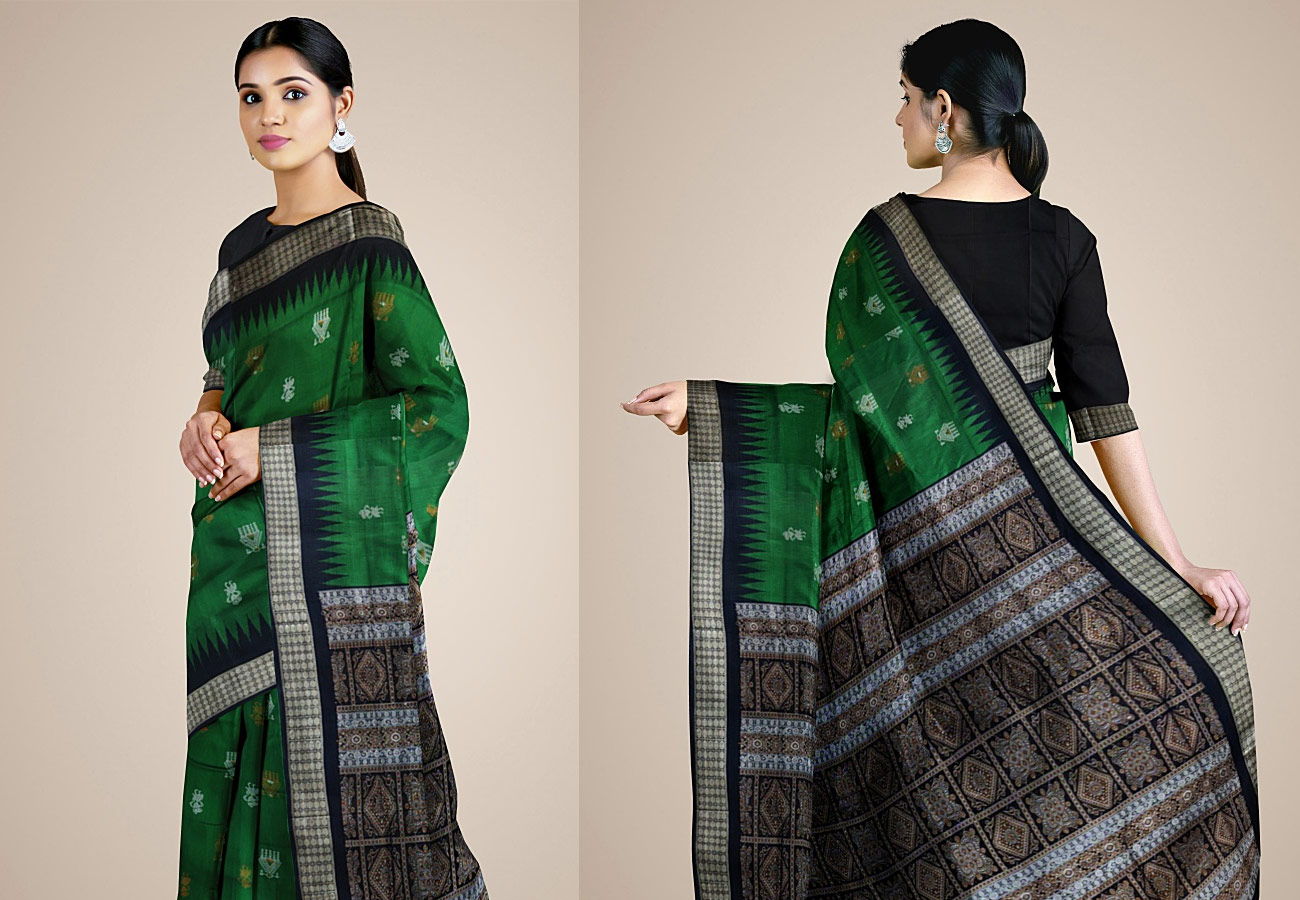
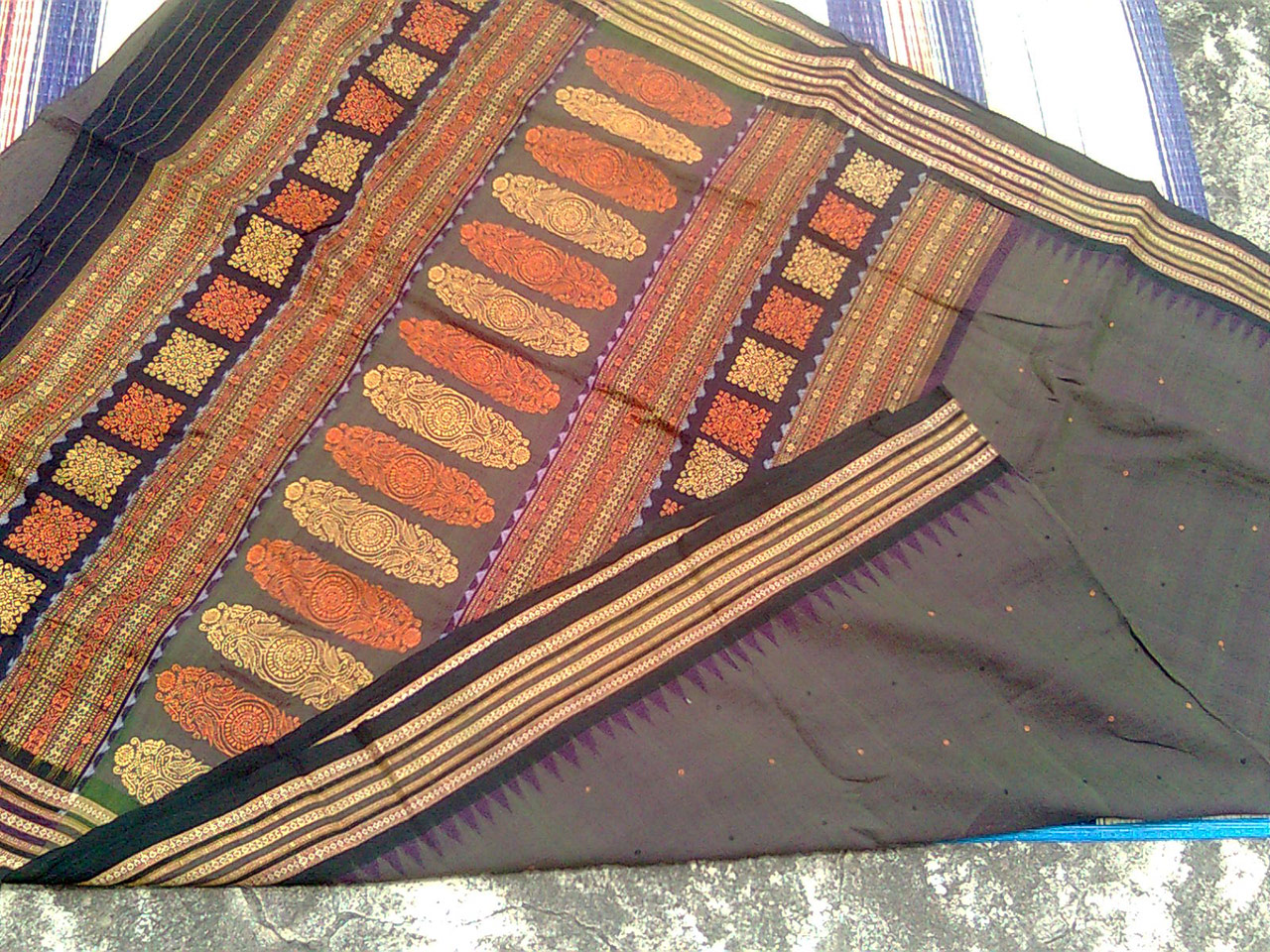
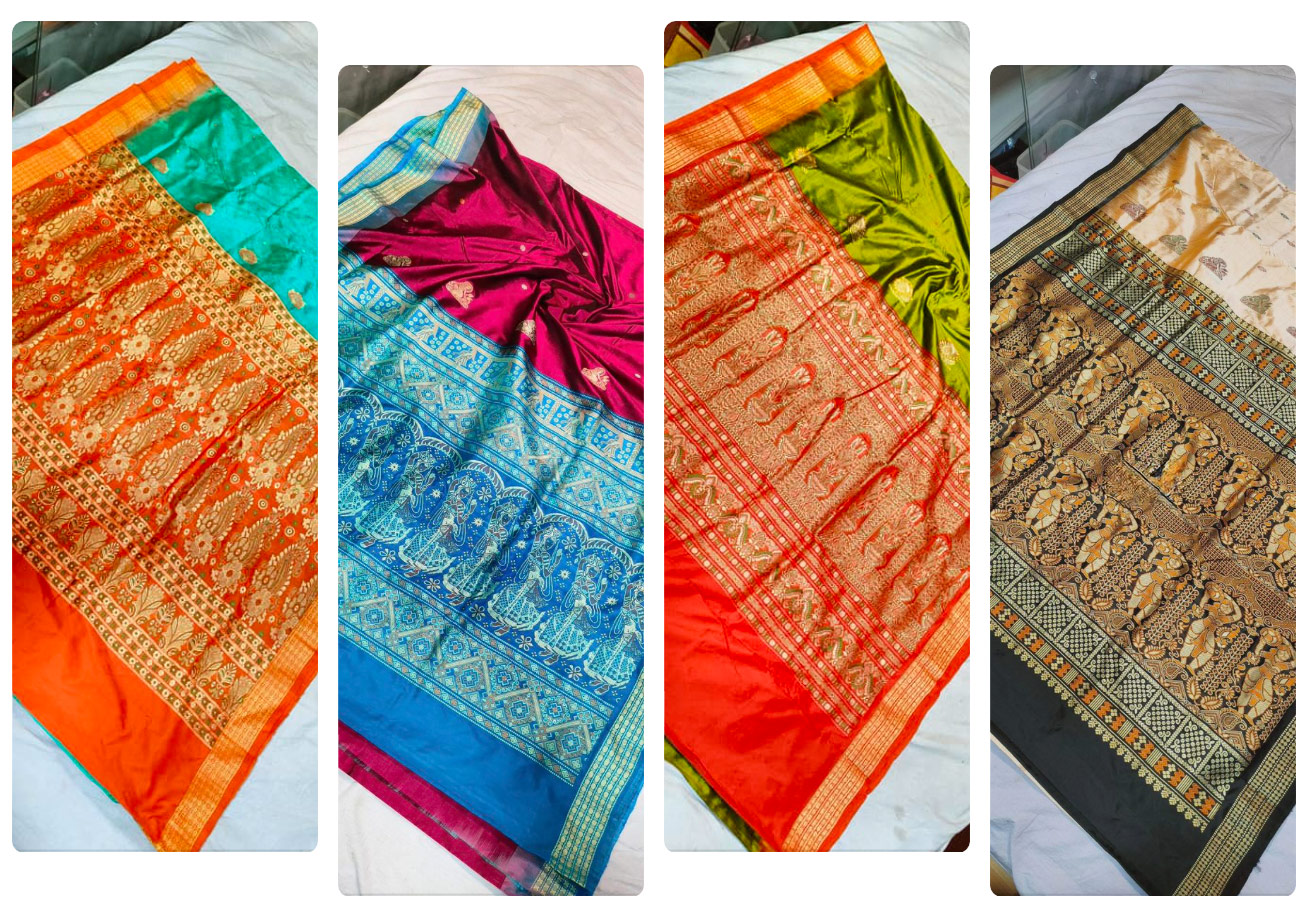
Bomkai is a special handloom sari originated in the village of Bomkai in Ganjam district of Odisha. Coarse cotton, vivid colours, and high -contrast borders and pallus are the main features of these saris. The essence of the traditional Bomkai sari lies in the stepping and shaft formula of weaving, and regular motifs remain the same in any composition. The Uniqueness of this sari is that there is no fixed layout for the anchal, extra wefts bring out panels in various colours. These saris combine Ikat and embroidery interweave with each other, the borders are normally in contrasting colours, with intricate thread work marking the pallus. Now bomkaisaris are available in cotton as well as in silk fabrics.Bomkai cotton saris are mostly used for casual wear and the silk saris are for weddings and special occasions. The Bomkai sari and its fabrics received a Geographical Indications tag in 2010.
The Bomkai sari originates from a village called “Bomkai” woven by the Patra and Nayak communities in the Ganjam district of Odisha, and that is why the brand is popularly known as “Bomkai sari.” The stepping and shaft formula to weave regular patterns remains the same in any composition; it is a distinctive trait of traditional Bomkai weaving. The main motifs are Kanthiphula, the bitter gourd blossom, the Atasi flower (linumusitatissimum), flies, birds, fish, and lotus. The looms were narrow, and the weavers wove 12-foot-long and 36-inch-wide cotton saris. Another feature is that the anchal panels have no set arrangement, so even his work cannot be replicated by a weaver from memory unless it is copied. The yarn with 10 to 40 counts was available in the market at that time, and the weavers purchased yarn for weaving with the money they received from selling their handmade saris at the local market. Yarn was mostly dyed using vegetable dye since chemical dyes were not available. The colour spectrum of vegetable dye was restricted to very few colours such as yellow (derived from turmeric), maroon (derived from the bark of Aal trees/ Morindacitrifolia), blue (derived from nile), and black (derived from hakda and hirakasi.)
The Sonepur handloom industry had several developments in the middle of the 1960s. To embrace the innovation, weavers received training, loom widths were increased to 48 to 50 inches, and finer-quality mercerized yarns (60 counts) were introduced. In the 1970s and early 1980s, the making of these saris declined severely. Chemical dyes were also introduced by the well-known weaver in the region, Shri Kruthartha Acharya. As a result, there was a revolutionary change in Bomkai tradition, and a paradigm shift from Ganjam district to Sonepur district took place.
The Vishwakarma series and the Festival of India exhibitions helped to revive the textile and expand its production to the Sonepur (now Subarnapur) – Bargarh region in western Odisha, which is well known for Ikat weaving, and many weavers were ready and trained to adopt the change. The availability of chemical dyes expanded the colour spectrum, enabling weavers to create a wider choice of designs for their textiles. Dr.Kruthartha Acharya, for the promotion of Sonepur products, encourages the weavers to explore wider markets in other States through participation in fairs and exhibitions organized by the State and central Government, and the handloom department of the Government of India. In addition to this, he used to buy woven saris from weavers and provide them with raw materials and designs. This made it easier for the weavers to focus only on manufacturing the product, rather than marketing and product promotion. The other significant improvement is the introduction of silk yarn in the early 1980s. In these clusters, ikat is often combined with the traditional Bomkai design and is woven using finer cotton and silks. The jaala is parallel to the jacquard and dobby attachment in the production process. The design of Bomkai was created at the Sonepur cluster at the beginning of the 1990s, and since then, has been experimenting the permutation and combination of designs incorporating with Bomkai, Jala, tie-dye, etc. Now the weavers are using zari, and the body designs are also enhanced to make the saris more appealing to the consumers. Besides the traditional bandha pattern of the Anchal, recently the weavers started producing Jala designs, as the flower patterns and animal characters are more prominent, and appealing in this Jala design process. The weavers use the graph to guide them while working on the loom to create this pattern. These stylish saris are embodied with captivating colours to give a gracious look.
The Bomkai weavers use conventional foundation colours like jet black, blood red, orange, yellow, and green. Traditionally, yarn was mostly dyed using colours derived from natural sources, since there were no chemical dyes available, and the weavers’ ancestors, are responsible for their keen sense of colour. So the colours of natural dye were restricted to very few colours. Yellow is derived from turmeric, blood red/ maroon from the bark of the Aal tree or lac, and black is derived from hakda and hirakasi seeds, acacia skin for chrome orange. For them, the colour red represents life and blood. Green is a symbol of agriculture, which gives life. Yellow comes from mustard blossoms, and orange from the arid, reddish ground. Earlier even in the Sonepur and Bargarh regions yarn was dyed by using naturally extracted colours from leaves, fruits, stems, roots, mud, the and outer cover of the tree, and a few examples are, mud for Brown colour, Teak wood- Red colour, and mango nut for Black colour. But after the synthetic dyes became available to them in the market, they adopted the synthetic dyes.
With the introduction of synthetic dyes, the colour spectrum of the textile expanded. However, in the past few decades, weavers have bought dyed yarn, which is commonly chemical dyed.
Motifs in Bomkai Weaving
Image Source
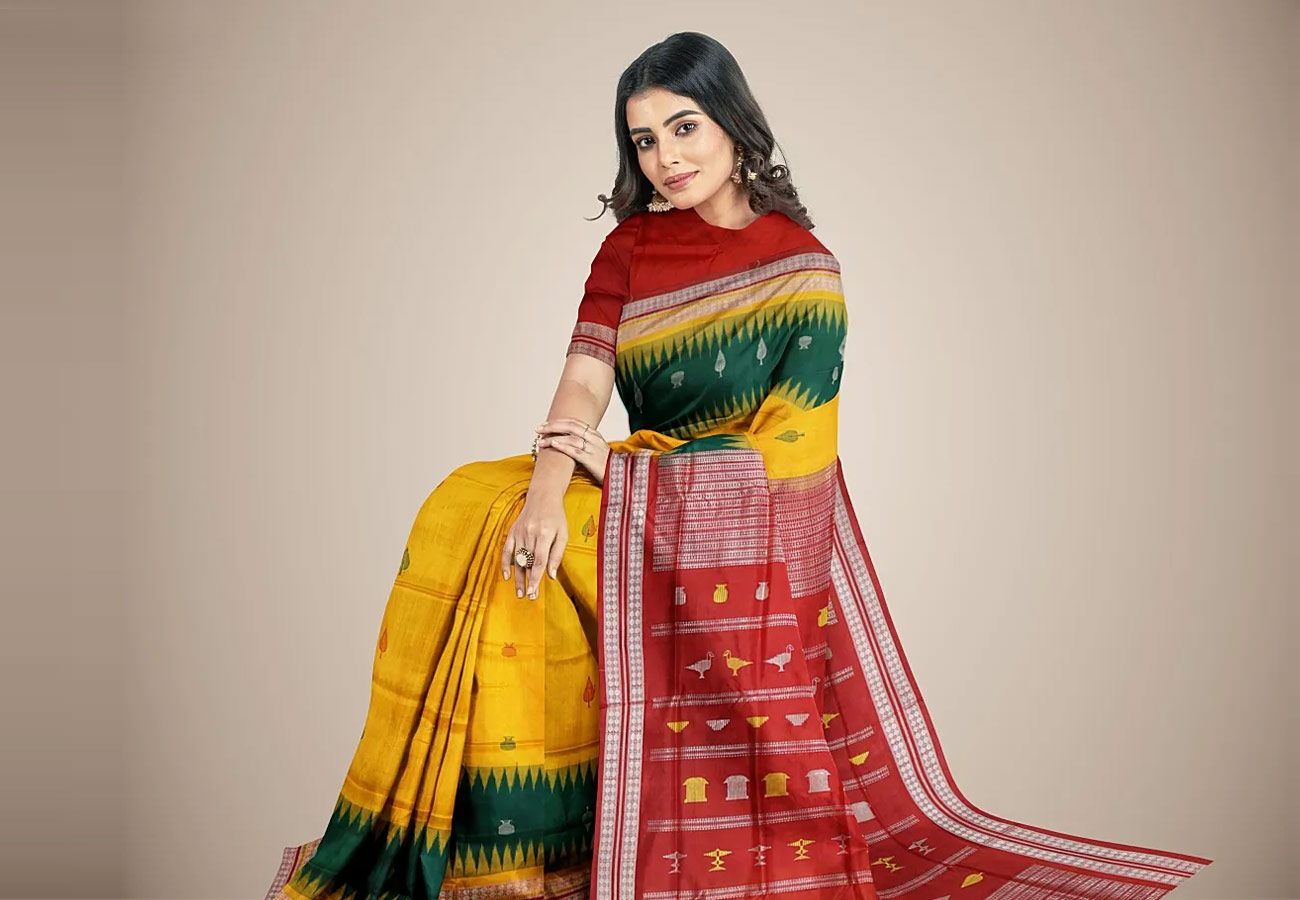
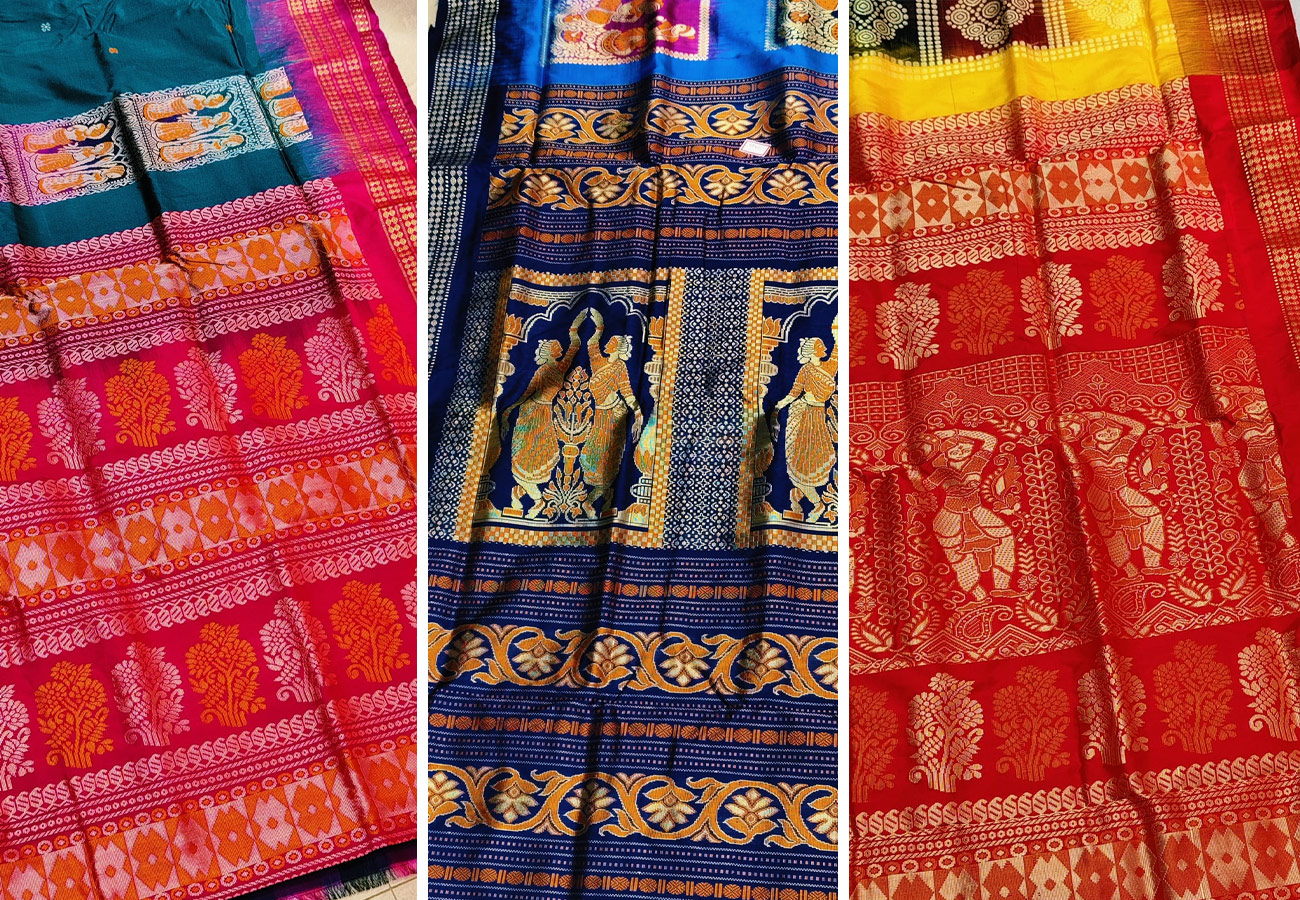
In the bomkai saris, the weavers create panels of contrasting motifs in the anchal or pallu, on a bright background. Motifs drew inspiration from the surroundings, religious themes, and natural elements. The common motifs are karela(bitter gourd), the atasi flower, the kanthi phula (small flower), macha, (carp-fish), koincha (tortoise), padma (lotus), mayura (peacock), and charai (bird). The background was common black, red, or white and included motifs such as butas are freely composed. With the expansion of production clusters, new products such as dress materials and furnishings have also been introduced, in cotton and silk in the Bomkai style.
However, today you will find the sari in several designs and multiple colours while retaining their originality. The warps are suitably woven to produce multi-coloured fabrics. Some of the designs especially include- Lotus, Temple (Mandir), Square type of patterns, Tortoise, etc.
The main motifs used originally are the bitter guard, Atasi flower, fish, bird, peacock, tortoise, lotus, temple, wooden lamp stand, and dambaru (instrument of lord Shiva). Some of the saris’ border motifs are inspired by tribal art. Nowadays, this is woven in both silk and cotton with a very fine texture associated with modern ikat and extra weft motifs. Traditionally, these are distinct in their use of heavily plied cotton, with floral and geometrical patterns in the borders and contrast colour border and pallu. Generally, colours are very bright like red, black, dark green, dark blue, white, etc. Designs have small dots within, which is not seen in other textiles. The body and pallu warp are joined to get a contrasting colour effect.
Conclusions
One of the oldest textiles of Odisha, “Bomkai” represents the rich tradition and innovation. The most striking features of the Bomkai sari are vibrant colours, the borders are often in contrast colours, and the pallus are marked by intricate thread work design.From their vibrant colors to intricate weaving techniques, each sari depicts a story of cultural heritage and craftsmanship. However, Bomkai doesn’t ignore the inspirations that nature offers to everyone completely free of cost.Despite challenges, Bomkai Saris continues to adapt to modern markets with changing consumer preferences while preserving its roots.Bomkai saris are not just garments but symbols of artistic excellence and the cultural heritage and tradition of Odisha.
Few Lines about Bomkai Saris
The most beautiful part is its threadwork in the designs of the border and the pallu.
In most of the saris fish motif is seen on the border as it is believed to be a sign of success and affluence.
Three shuttle techniques are used to get a solid border effect.
Extra warp design in border and extra weft design in body and pallu are woven with the help of dobby/jacquard/jala.
The designs are limited to geometric shapes and sizes, the design can also be flowery, ornate, and visually appealing.
Only a few traditional Bomkai sari-weaving families remain in the Ganjam district.
The “Bhulia” or “Meher” community’s primary activity was weaving in the Sonepur district.
The most impressive landmark in the chronology of Indian spiritual and social reform is the Anubhava Mantapa, or “Hall of Spiritual Experience.” Founded by philosopher and social reformer Basavanna in the 12th century in the small town of Basavakalyan, Karnataka, it acted as a forum for intellectual discussions and innovations. This open forum, named Anubhava Mantapa, invited everyone to publicly discuss spirituality and morality along with social justice, breaking up traditional roles in society and demanding an equal society. Often considered the first democratic assembly, or “parliament,” Anubhava Mantapa is a precursor to modern movements of social reform, and one can say that it is a precursor to Indian philosophy and the Lingayat community.
Founding Vision of Anubhava Mantapa
Basavanna
Anubhava Mantapa was the vision born out of a desire to have a spiritually enriched society with equality, clarity of ethics, and compassion. Born as both a statesman and devout philosopher, Basavanna wished to create an arena for all walks of human beings to share their spiritual and social ideas without restrictions. His revolutionary ideals challenged the then-existing societal rigidity of caste, gender, and socioeconomic divisions. For Basavanna, true spirituality was accessible to everybody; ritualistic traditions were secondary, while directness between human beings and divinity formed the essence.
In creating Anubhava Mantapa, Basavanna made a space where thoughts would be nurtured. His philosophy, a concept called “Kayaka,” lay at the center of the very aim of the gathering. Kayaka said that every person’s work, in whatever form it manifests, is godly. Believing that self-respect was to be found in a commitment to one’s work helped Anubhava Mantapa merge into the group of people who treasured deeds more than names. It made the space where freethinkers, philosophers, poets, and prophets congregated to share experiential knowledge.
Role of Anubhava Mantapa in Social Reform
Image Source
Anubhava Mantapa was the radical institution that went about its best job in confronting the issues that were brought forward in the name of social discrimination and oppression based upon caste and birthright. Challenging inequality, Basavanna’s Anubhava Mantapa promoted an ideology that challenged the hierarchy of society. Among the most extreme practices this organization promoted was “Dasoha,” or the practice of service and giving to fulfill one’s needs. This methodology concentrated on removing inequality, as it proved that each human deserves dignity and respect irrespective of caste or work profession.
Anubhava Mantapa is especially noteworthy in having women participate actively in the discussions. Famous women styles like Akka Mahadevi, a female mystic poet, had towering personalities and possessed deeper insights into spiritual and social freedom. The Mantapa then provided an unequaled opportunity for women and ensured that they were not marginalized. With great revolutions set on the slogan of inter-dining, inter-marriage, and fellowship across caste lines, members were united in pursuing their pursuit of ethical living and community welfare.
Philosophical Contributions of Anubhava Mantapa
Image Source
One of the most significant intellectual contributions of Anubhava Mantapa was creating Vachana literature. Vachanas are short, poetic verses comprising accessible language. They were meant for the oral communication of deep philosophical thought expressed in simple terminology. Mystic saints and scholars like Basavanna, Allama Prabhu, and Channabasavanna made important contributions to this literature. Inner wisdom was over external rituals and allowed the individual to directly experience divinity.
Vachanas spoke of concepts including Bhakti, morality, and denial of idol worship and oppression by the concept of caste. It ushered in a personal relationship with God and sounded a call for spiritualism not mediated through priests and other intermediaries, emphasizing each seeking divine experience personally within one’s own life.
Anubhava Mantapa Legacy and the Lingayat Faith
Image Source
This was the reason why Anubhava Mantapa formed the basis of the new faith of Lingayatism started by Basavanna as a new religious way of life based on personal worship towards the formless god, Shiva, represented by the “Ishtalinga” or a small symbolic linga worn by the Lingayats. They held to and strove for a social cause, with ideas like women empowerment, equal status to all the devotees, and service to society.
Lingayats’ movement was able to cut across age boundaries, and his vision of a just society honored labor and moral accountability. Lingayatism did eventually take the shape of an important cultural and religious force in Karnataka as well as other regions in South India, and its influence can still be found in mainstream lingayat communities today. Anubhava Mantapa was thus further sealed as the epitome icon of philosophical invention and social reform.
Anubhava Mantapa Relevance Today
Basavanna Statue – Albert Embankment – Mark/Flickr
The essence of Anubhava Mantapa contains teachings relevant to this modern epoch, with issues concerning social inequality, discrimination, and gender bias yet to be fully eradicated. Ideas on equality, mutual respect, and dignity towards all professions espoused by Basavanna are yet adequate in countering the challenge of social justice and economic disparity characteristic of modern times. “Work is worship”-the philosophy raised by Basavanna promotes the appreciation of every profession over the sort of labor that has been ruled by modern times.
The inclusiveness of Anubhava Mantapa reminds us of the emergent need for dialogue and empathy among people to build a coherent and fair society. Educational institutions, NGOs, and spiritual organizations get motivation from the preachings of Basavanna and propagate atmospheres of inclusiveness, compassion, and growth.
Conclusion
Basavanna’s Anubhava Mantapa was a very important chapter in spirituality and social reform. Here, Basavanna provided a place where people could find an answer to life’s great questions by celebrating compassion, the value of living ethically, and egalitarianism as people thronged for it. The principles that arose from Anubhava Mantapa remain an inspiration for all walks of life even today.
FAQs on Anubhava Mantapa
What is the significance of Anubhava Mantapa?
Anubhava Mantapa was the precursor body of the 12th century that allowed for open discussion about social and spiritual affairs, ensuring equal opportunities so that experience could provide a better understanding of spirituality.
Why is Anubhava Mantapa referred to as the “First Parliament of the World”?
It is called the “First Parliament” because it stood as an initial prototype of democratic dialogue, where people belonging to all sectors of life would gather for the discussion of social and spiritual issues and ethical concerns.
Who were the main members of Anubhava Mantapa?
Prominent personalities who feature in the list are Basavanna, Akka Mahadevi, Allama Prabhu, and Channabasavanna. They contributed to the process of reformation that led to the philosophy and literature connected with the Lingayat faith.
What is the relevance of Vachana Literature?
Vachana literature was composed by sages in Anubhava Mantapa where spiritual thoughts were expressed in plain poems so that divine knowledge becomes accessible to man.
What was the core philosophy of Anubhava Mantapa?
The teachings of the movement included values such as social equality, dignity of labor, and direct experience of the divine but rejected ritualism and any divisions based on caste.
Few Liners about Basavanna’s Anubhava Mantapa
Anubhava Mantapa was the first recorded spiritual congregation in the world.
It adopted the principles of social levelness and regard for other human beings.
Established by Basavanna it was situated in Kalyana, which is now known as Basavakalyan.
Some of the notable thinkers here were luminaries like Akka Mahadevi and Allama Prabhu.
It fostered Vachana literature: which includes simple poetic expressions of spiritual wisdom.
The congregation propounded the thesis of “work as worship.”
Anubhava Mantapa remains a timeless model of spiritual democracy.
Creating a personalized luxury travel experience isn’t just about the destination—it’s about curating every detail to suit your preferences. Whether you’re embarking on a dream holiday, celebrating a milestone, or just seeking some well-deserved indulgence, luxury travel is all about making it truly yours. If you’ve ever thought about how to make every moment unforgettable, here’s how to craft an experience that feels tailor-made.
Step 1: Start with the Ultimate Travel Experience – Book a Private Jet
Why settle for long airport lines and crowded terminals when you can fly in style and comfort with Jettly? Booking a private jet sets the tone for your trip from the moment you leave. Imagine stepping straight into your aircraft, skipping the chaos of commercial airports, and relaxing in a cabin designed just for you.
Private jets are not just about convenience; they’re also about personalization. You can choose everything from the type of aircraft to the onboard amenities. Love champagne? Want a curated playlist or gourmet meals? It’s all possible. Many services even allow you to specify your departure and arrival times, giving you total control over your schedule.
If it’s your first time booking, start by researching reputable charter services or concierge companies. Look for those that specialize in luxury travel to ensure they understand your needs. Always ask about safety certifications, onboard services, and flexible cancellation policies.
Step 2: Choose Accommodations That Feel Like Home—Only Better
Where you stay can make or break your trip. For a personalized luxury experience, skip the generic five-star hotel and opt for something unique. Think private villas, boutique hotels, or even renting a fully staffed estate. The key is finding accommodations that align with your style, whether that’s modern opulence or rustic charm.
When booking, consider what makes you feel at home. Do you need a private chef? A pool with a view? A spa on-site? Many luxury properties allow you to tailor your experience, from pillow preferences to personalized itineraries. Don’t hesitate to ask for extras like a dedicated butler or exclusive access to nearby attractions.
Step 3: Curate a Custom Itinerary
Your itinerary should reflect your passions, not just popular tourist spots. Think about what excites you—are you a foodie? Do you love art, adventure, or relaxation? A personalized luxury trip gives you the freedom to mix it all, ensuring every day feels like it was planned just for you.
For example, food lovers can arrange private dining experiences with world-class chefs, while adventurers might charter a yacht for a day of ocean exploration. Art enthusiasts could book private gallery tours or behind-the-scenes museum visits.
Don’t forget downtime. Luxury travel is as much about the moments of relaxation as it is about activities. Include spa days, poolside lounging, or even private yoga sessions to balance your schedule.
Step 4: Travel in Style Everywhere
Your mode of transport doesn’t stop at the flight. To truly elevate your trip, consider how you’ll get around once you arrive. Limousines, classic cars, or even helicopters can add a touch of glamour.
For something truly unique, arrange transport that matches your destination. In Paris, cruise the Seine on a private boat. In the Alps, arrive at your chalet by snowcat. These details create unforgettable moments and help you fully immerse yourself in the luxury experience.
Step 5: Add Personal Touches to Every Detail
What sets personalized luxury travel apart is attention to detail. This is where you can truly make your trip stand out. Work with a concierge or travel planner to weave in surprises and custom elements.
Consider adding:
Special meals – Have your favourite dishes prepared or enjoy a themed dinner based on the location.
Unique gifts – Surprise your travel companions with personalized keepsakes like monogrammed luggage tags or a curated welcome basket in your room.
Tailored experiences – Think private concerts, a stargazing night with an astronomer, or a helicopter ride over scenic landscapes.
These small details can transform your trip from memorable to magical.
Step 6: Prioritize Privacy
Luxury travel is often about escaping the crowds and enjoying some peace. Look for destinations and experiences that offer privacy. This could mean a secluded island resort, a private safari lodge, or a chartered yacht that keeps you away from bustling ports.
Even in busier destinations, privacy is achievable. Exclusive-access tours, private drivers, and discreet accommodations ensure you can enjoy the best of a location without sacrificing tranquillity.
Step 7: Stay Flexible
The beauty of personalized luxury travel is its adaptability. Unlike group tours or pre-packaged holidays, your trip can be as fluid as you like. Want to extend your stay in a place you love? Add a spontaneous experience? Change your schedule to fit your mood? It’s all possible.
Work with a travel concierge or agent who can adjust plans on the go, ensuring your experience remains stress-free and enjoyable.
Making Luxury Travel Truly Yours
The magic of luxury travel lies in the details. From the moment you book your private jet to the curated experiences that await, every element should feel designed with you in mind. Personalization is the thread that ties it all together—because at the heart of a truly luxurious experience is you.
Ready to start planning your next adventure? All it takes is a clear vision of what you want, and the world is yours to explore, your way.
India’s musical heritage is vast and diverse, reflecting the country’s rich cultural history and regional identities. Broadly classified ianto Classical and Folk music, Indian music embodies a unique blend of spiritual, social, and cultural elements. These forms have evolved over millennia, shaped by religious practices, royal patronage, and the daily lives of ordinary people.
Let’s trace the different kinds of music that exist in India, both the classical traditions and folk traditions, tracing their origin, their characteristics, and with which instruments they live.
Classical Music in India
Painting by Raja Ravi Varma
Indian classical music is one of the oldest continuing traditions in the world. It dates back to the Vedic period, where references can be found in the Samaveda – hymns that were sung during sacrificial rituals. In India, since the beginning, it was more of a gateway to spiritual enlightenment; with complexity, its forms reveal cosmic order and divine grace. Indian classical music comes under two major streams, namely Hindustani classical and Carnatic classical, respectively coming from north and south India.
Hindustani classical music developed in North India after the Islamic conquests of the 12th century by retaining Persian and Afghan musical elements. However, this type of influence didn’t alter its Indian roots owing to the essence of spiritualism and the ancient concept of Raga and Tala.
Raga and tala are the two main elements of Hindustani Classical Music. A melodic structure indicating a specific mood or emotion, raga is the very soul of Hindustani music. Every raga is linked up with a particular time of day or season, thus linking it even more significantly with nature and spirituality. Differing from this, tala refers to the rhythmic framework of Hindustani music, generally complex and diverse. Some common talas in Hindustani music are Teental (16 beats) and Jhaptal (10 beats).
Major Types of Hindustani Music
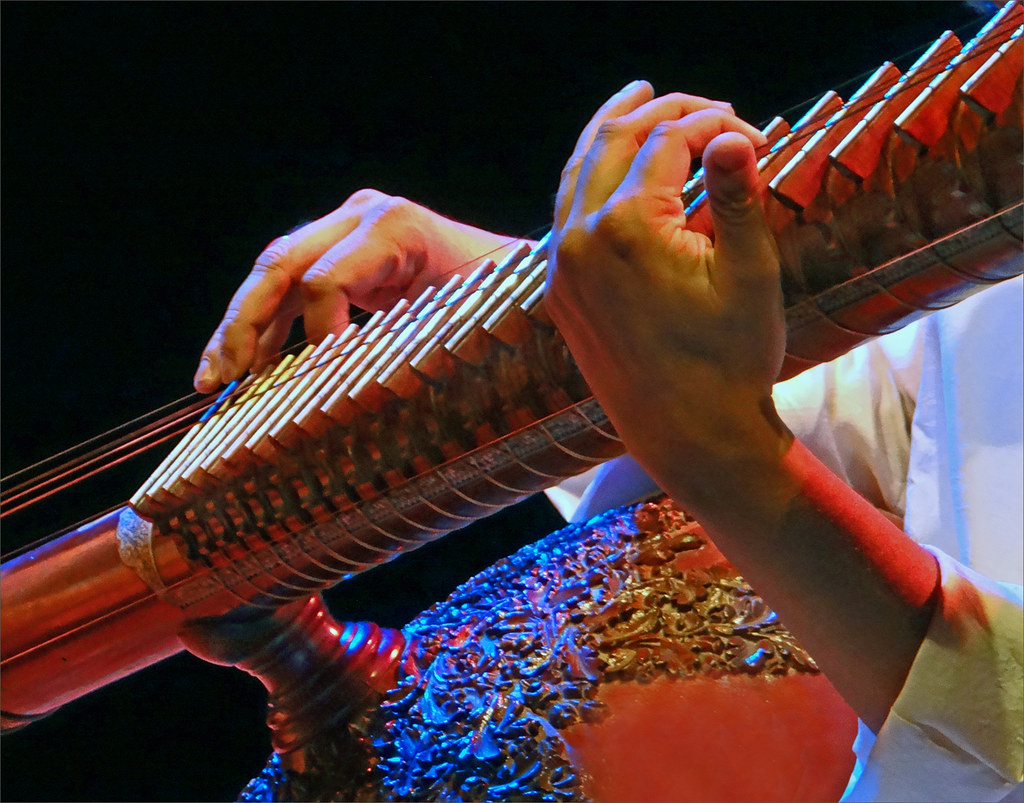
Bahauddin Dagar jouant de la Rudra Veena (musée Guimet) – Jean-Pierre Dalbéra/Flickr
Dhrupad: Dhrupad is one of the most serious traditional forms of Hindustani music; thus, it is a devotional, meditative genre accompanied by purity of sound and austerity.
Khyal: A more flexible and popular form that emphasizes improvisation. Khyal allows the artist to explore the raga’s emotional depth through expressive renditions.
Thumri: A semi-classical form, Thumri has themes romantic and devotional, lighter in comparison to khayal, and is usually performed with accompaniment of dance.
Tappa: Characterized by fast, complex rhythms it is a semi-classical form in Punjab, where there is often rapid singing and the later lively rhythm.
Hindustani music also uses a concept of Gharanas: a school of music, distinguished within regions and tradition.
Gwalior Gharana: Basically Dhrupad-based, though Khyal singing precedes also.
Patiala Gharana: It is distinguished by bold and chaste presentations of Khyal and Thumri.
Kirana Gharana: It is known to develop a raga slowly, almost like a dream.
South Indian Carnatic Classical Music
Carnatic Music Legends Sri Purandara Dasa and Kanaka Dasa
Carnatic music originated in the southern states of India—Tamil Nadu, Karnataka, Andhra Pradesh, and Kerala. Like its northern counterpart Hindustani music, its bedrocks are raga and tala but Carnatic is much more lyrical and composition-oriented. Unlike Hindustani, Carnatic music is virtually all devotional, comprising singing and other forms of adoration for Hindu deities.
Just like Hindustani classical music, Raga and Tala are the cornerstone elements here as well. They are the heart of Carnatic music. But in comparison, Carnatic ragas are defined much more strictly and followed even more stringently. And Carnatic talas are mathematically complex, often also with complexities of subdividing the cycles. Some of the common ones are Adi Tala (8 beats) and Rupaka Tala (6 beats).
Tyagaraja, Muthuswami Dikshitar, and Syama Sastri are considered grand personalities in the Trinity of Carnatic Music, who gave important contributions to Carnatic compositions.
Major Categories:
Kriti: Carnatic music, extremely popular and formalized form of, generally three formats: Pallavi, Anupallavi, and Charanam.
Varnam: A short introductory piece that focuses both on the melody and rhythm of the raga.
Ragam-Tanam-Pallavi: A highly improvisational and elaborate form, often the centerpiece of a Carnatic concert.
Padam and Javali: A lyrical text on love and devotion.
Folk Music in India
If classical music in India is about form and rigor, folk music is about spontaneity and community. With different types of music in India, each region of India also has its own folk music, rooted in daily life, seasonal changes, festivals, and stories passed down through generations. While classical music demands years of training, folk music is more accessible, performed by villagers, farmers, and tribal communities, often with little formal training.
Punjab: Folk forms here are full of energy. Punjab’s harvest season celebration Bhangra is accompanied by the drum called dhol and dance. Giddha is another traditional women’s music form in popularity, lots of claps and drums by women enact this.
Uttar Pradesh: Folk forms are more in the nature of Kajri and Birha, which reflect the state’s agrarian and rural world. Kajri is a kavya form sung at the monsoons, talking about love and separation, whereas Birha talks about separation, pain and longings.
Rajasthan: The desert state boasts the richest folk music tradition. Semi-classical music of Rajasthan is Maand, while Langas and Manganiyars are hereditary musician communities known for soulful performances, mostly singing love stories and epics.
Folk Music in East India
Baul Performance
Bengal: The mystic Baul singers of Bengal express philosophy in the universal love and spirituality of simple though profound music. “Bhatiyali-the boatmen’s songs capture the rhythm of life on Bengal’s rivers.”.
Odisha: There are several folk music genres, among them the narratives Pala and Daskathia that narrate mainly mythological stories.
Assam: The most popular folk form of Assam perhaps is Bihu, which complements the celebration of the Bihu festival. Another traditional form is Ojapali with narration on rhythmic accompaniment.
Karnataka: Folk music of Karnataka reflects the state’s rich cultural heritage, with vibrant traditions like Janapada Geethegalu (folk songs) and Yakshagana (a blend of music, dance, and drama). It celebrates rural life, local deities, and historical legends through unique rhythms and regional instruments like the Tamburi and Dollu.
Tamil Nadu: In Tamil Nadu the narrative forms like Villupattu, sung while playing along with a bow-shaped musical instrument. The other common forms are Kummi and Kolattam that appear during festivals and village gatherings.
Kerala: In Kerala music is ritualistic in character. Sopana Sangeetham of Kerala, played in the temples, is a thing of deep religiosity. Oppana, performed by women at Muslim weddings, forms another noisy and percussion-based form.
Andhra Pradesh: Burrakatha is very popular in which everybody narrates different stories accompanied by music. It also includes speaking, and acting.
Maharashtra: Lavani is the most famous folk music, and it is often performed with accompanying dance; it is related mainly to romance and political satire. Powada narrates heroic deeds of the Maharashtrian rulers.
Gujarat: In Gujarat, there are two popular forms of music and dance celebrated during Navratri: Garba and Dandiya Raas.
Goa: Mando: an outsider Indian-Portuguese Mash-Up musical tradition of Goa, which reflects the colonial past of the area.
Madhya Pradesh: The tribal music in Madhya Pradesh includes traditions like Pandavani, with a theme based on the stories of the Mahabharata. The songs sung by the Gond tribe, periodically reflecting the story of nature, hunting, or tribal life.
Folk Music in Northeast India
Nagaland: Nagaland is indeed known for its choral singing tradition, where Naga tribes sing in harmony as they sing of valor and everyday life.
Manipur: Folk Songs Nurture the Traditional Dance Form of the Same Name, Which Is a Narration of Epic Love and Legend.
Conclusion
Music, a reflection of both the people and the lands of India, varies in style-from rich and classical to very vibrant folk. The classical music, whether Hindustani or Carnatic, embodies centuries of tradition, philosophical quests, and spiritual currents: it commands great technical mastery and a commitment of years. In contrast, folk music is simple, spontaneous, and truly the music of the masses-it is tied to the rhythms of daily life. Together, these layer upon other sounds that represent and come alive with the rich and old nuances of India.
#Didyouknow that a genre of Indian poetry the ‘Barahmasa’ has also been depicted in miniature paintings? One can also recall the highly evolved Ragamala paintings which are based on musical modes, which also include the ‘Barahmasa’ theme. In fact, the Barahmasa theme including the seasons or ‘ritus’ finds place in ancient inscriptions, Sanskrit literature, regional Indian literature, Hindi literature, Islamic art and Western Art as well. Let’s check further about this interesting theme in Indian miniature paintings.
What is Barahmasa?
Barahmasa or “the twelve months” is a poetic genre popular in the Indian subcontinent derived primarily from the Indian folk tradition. It is usually themed around a woman, a nayika longing for her absent lover or husband, describing her own emotional state against the backdrop of passing seasonal and ritual events. She could be pining away or going to meet him in the rainy season braving difficulties on the way!
Technically, the twelve months or Barahmasa, also spelt Baramasa, correspond to the length of a year which is a span of time. During these months various seasons happen in nature. Human activities change and so does nature with its various elements, the sky, birds, water bodies, animals and vegetation. Human emotions also are affected by the changes in season. The various months are Chaitra (March-April). starting in the spring season. The following months are Vaishakha(April-May), Jyestha (May-June), Ashadha (June-July), Sravana(July-August), Bhadon (August-September), Ashvin (September-October), Kartikka (October-November), Margasirsa orAgrahyana(November-December), Pausa(December-January), Magha (January-February) and Phalguna (February-March).
The seasons are well depicted in all forms in India’s art and literature and its overall cultural landscape. Poetry, painting and sculpture have vivid portrayals and descriptions of the seasons. Seasons in India are part of her ethos and life because in India time is cyclical and not linear. Festivals are also celebrated in connections with each season. The Barahmasa is a genre of poetry, a concept to which there have been many contributions. Indian paintings have been closely associated with literature. Many important literary works right from ancient times have been depicted in art and sculpture. This theme has been depicted in paintings mostly from late medieval period. An Indian treatise Vishnudharmottara-purana composed sometime during the interval of the Kushana and Gupta times, has the third chapter as Chitrasutra, a set of guidelines on how the seasons are to be depicted in art. Artists have followed the guidelines in ancient and medieval India.
The Barahmasa was popular in Hindi literature during 13th to 16th centuries and was also a part of Sufi poetry. However, Barahmasa in miniature paintings were mostly done or executed in the 17th and 18th centuries. The paintings had writings in Devanagari on top or behind the painting.
Royal patronage
Many royal courts of Indian States had their own painters and ateliers. This theme has not found much favour with Mughal miniatures and Deccani painting though nature by itself has been a subject of composition in these schools. Many animal and bird portraitures have been made in the Mughal paintings; the Deccani schools depict clouds, ponds and lotuses. The Rajasthani painting evolved in the courts of Rajputana which included the Barahmasa in their repertoire. They were done in the miniature format, also on walls of havelis or mansions, palaces and inner chambers of forts. The pigments were derived from minerals, plants, conches and precious stones too! Gold and silver were used at places. The paintings depicted various themes from the social view-point, also stories form the epics, Ramayana and Mahabharata. Nature was depicted too; these paintings were representative of a ruler’s legacy. The Rajasthani school has many sub-schools. like Jaipur, Bikaner, Bundi, Kota, Mewar, Alwar and Jodhpur. The style of painting has been influenced by Persian, European, Mughal and Chinese art of painting. The paintings are rich, a contrast to the arid desert landscape, dry hills and less vegetation. The Barahmasa theme has been depicted in Chamba, Garhwal, Guler, Kangra, Mandi and Nurpur Schools from among the Pahari School. The Pahari Schools developed in the hilly regions of North India during 17th to 19th century.
From Jammu to Garhwal, Himachal Pradesh, the range is wide, varied and very interesting. Basohli school is from Jammu which is known for its bold colours. Kangra is famous for its Radha-Krishna depictions and its lyrical quality; being greatly inspired by Jayadeva’s Geeta-Govinda. Central India has the Malwa, Datia and Bundelkhand schools. The Chitrasutra as already mentioned, has given guidelines for the seasons and they seem to be followed by artists across India. Summer is indicated by the sun in the sky, spring with its seasonal trees in bloom, humming bees, cuckoo depictions and men and women going around happily having conversations! Further, summer depicts fatigue experienced by men, animals, dry pools, birds hiding in trees, lions and tigers resting in their mountainous hideouts. The rainy season has its dark, laden clouds and streaks of lightning in the sky. Autumn has trees full of fruits, corn ripe in the fields, pools full of swans and lotuses. The winter has its dew, fog and snow; the earth is bare and misty.
Barahmasadepictions
1. Chaitra
Let us see some Barahmasa paintings from different schools. Starting with the month of Chaitrawhich is depicted with the seasonal trees in bloom, men and women joyous, and in conversation. Birds and sarus cranes are seen in the background where the lotuses are abounding in the pool nearby.
Poet Keshav Das says about Chaitra – as per a translation
“The charming creepers have blossomed and so have the young trees. The rivers and ponds are full. The womenare aglow with passion, the birds are chirping making sweet sounds… “
Chaitra (March-April), from a Barahmasa series, circa 1675-1700, Bundi, British Museum, London.
2. Vaisakha
The month of Baisakh or Vaisakha is one of joy and happiness. There is a nice feel in the air with blooming flowers. The painting here shows the eternal lovers Radha and Krishna in a conversation in a palace setting. Flowering trees, flowing waters and sarus cranes are also apart of the season and the composition.
Poet Keshav Das says about Vaisakha – as per a translation
“The earth and atmosphere are filled with fragrance, breeze full of sweet smell is blowing gently. All around there is fragrant beauty. The beloved says to the lover – ………………………do not talk of going away in the month of Vaiskaha”.
Vaisakha, from a Barahmasa series, Jaipur, circa 1800, British Museum, London, U. K.
3. Jyeshtha
The month of Jyeshtha is hot and humid, people are seen using hand fans reclining under shades and birds are hiding in the trees. The sun is scorching the earth and there is bright light around. The animals are resting in shade or retreating to the forest.
Poet Keshav Das says about Jyeshtha – as per a translation
“The sun is so bright and scorching that the five elements air, water, sky, earth and fire have become one, hot as fire..the roads are deserted and the tanks are parched dry… . even the powerful creatures become weak in this season.”
Jyestha (May-June), Barahmasa series, Jaipur, circa 1800, British Museum, London, U K.
4. Ashadha
The Ashadha month is the pre-monsoon month and clouds start arriving in the sky with rain on and off. The lotuses are in bloom in the ponds. People are able to stay both indoors and outdoors, as seen in the painting. The peacocks are also active since clouds are in the sky, which augurs rain.
Poet Keshav Das says about Ashadha – as per a translation
“Strong winds are blowing around. In such weather only a man of feeble mind will go out leaving his home and beloved. Even birds don’t leave their nests”
Ashadha (June-July), Folio from a Barahmasa series, Kota School, circa 1700-1725, L A C M A, Los Angeles, U.S A.
5. Shravan
In Shravan month, the sky gets laden with rain bearing clouds and opens with lightning and thunder! Peacocks are happiest during this time and dance to full glory with their splendorous tail spread out. Nature all around is green and verdant. In the painting we can see the streaks of lightning filling the sky. Pangs of separation are felt more strongly in this season. Forlorn nayikas, the heroines are eager to meet their beloved!
Poet Keshav Das says about Shravan – as per a translation
“During this season the rivers meet the ocean making a pleasant scene. The creepers have clung to the trees. The lightning meets the clouds, all lovers are meeting their beloveds”
Sravana (July-August). Barahmasa series. Jaipur, circa 1800, British Museum, London, U K.
6. Bhadon
The painting below shows a forlorn heroine trying to go out to meet her beloved and her sakhi or friend refraining her as the sky is full of menacing clouds during the month of Bhadon.
Poet Keshav Das says about Bhadon – as per a translation
“The dark clouds have gathered all around and are thundering loudly. The rain is pouring in torrents. The cicadas are chirping continuously and strong wind is blowing fiercely. One’s home is like nectar and outside is like poison’’
Virahininayika (lovesick heroine) during Bhadon (August-September), Barahmasa theme, circa 1740, Honolulu Museum of Art, Hawaii, U.S.A.
7. Ashvin
Ashvin is a very important month. It is the month of paying respects to elders who have passed away. Goddess Durga (devi) is worshipped as well. The ponds still have the floating lotuses. The skies are clear with periodic clouds only. The painting shows a king talking to his subjects and also to his consort. People are seen praying to the devi as well.
Poet Keshav Das says about Ashvin– as per a translation
“During this month spirits of the ancestors come down to earth to receive propitiations, The Navadurgas are worshipped for success and salvation. The sky is quite clear and lotuses are in bloom. The moon illuminates the nights. The kings venture out to see their kingdoms along with pundits. The beloved requests her lover not to leave home”.
Ashvin or Asoja (September-October), Barahmasa series. Jaipur, circa 1800, British Museum, London, U. K.
8. Kartikka
The painting depicting Kartikka which is month of lights and holy dips in rivers. It is believed that the Gods comes to the Ganges for a dip during this time on a full-moon night, or ‘Purnima’. Women are shown drawing ‘rangolis’ and lighting lamps, while some men are taking dips in the water-body.
Poet Keshav Das says about Kartikka– as per a translation
“A month of clear skies and cool breezes. Everything is shining and the Deepavali festival of lamps is celebrated. People paint their walls with images of gods and goddesses. The whole atmosphere is vivid and people go for sacred dips in rivers, do charity by giving alms, thus earning merit. The beloved does not want to be separated from her lover”.
Kartikka (October-November). Barahmasa series, Jaipur, circa 1800, British Museum, London, U.K.
9. Margasirsa
The painting of Margasirsa depicting a pleasant atmosphere with trees and lotuses in bloom and a happy peacock and few cranes. People seem to be very comfortable and in conversation.
Poet Keshav Das says about Margasirsa – as per a translation
“Margasirsa or Agrahayana is most dear to God, a pleasant month with flowers all around. The air is filled with the songs of the swans. It is neither too cold nor too hot. During this month too, the beloved implores the love to not leave home”.
Image Source
Margasirsa or Agrahayana (November-December) Barahmasa series, circa 1800, maybe Kota, Rajasthan. British Museum, London, U.K.
10. Pausa
The month of Pausa is depicted with people warming their hands over fire and sleeping under blankets to face the biting cold. Shawls are worn around the head and shoulders. People seem to be suffering from fever and are making visits to the vaidya or doctor for treatment. The painting below shows women covered in shawls and their hands over a fire to ward off the cold.
Poet Keshav Das says about Pausa – as per a translation
“In the month of Pausa nobody likes cold things, even the earth and sky have become cold. The days are short and nights are dark and long, this is not the time to quarrel with one’s lover”.
Pausa (December-January), Barahmasa series, Rajasthan, circa 1740-60, Brooklyn Museum, U S A.
11. Magh
The month of Magha or Magh is another month which is has many festivals and is a time to celebrate. The VasantPanchami falls during this month and it is springtime. Flowers bloom in full glory, people dance to music and dance away during this season. The painting on Magh shows Lord Krishna with his gopis ( cowherd maidens) in a bower at Vrindavan enjoying music and dance. All are playing different instruments.
Vasantotsav, month of Magh, (January-February), painting from Kota, Rajasthan, circa 1770, Art Gallery of New South Wales, Australia.
Poet Keshav Das says about Magh – as per a translation
‘’Forests and gardens are echoing the sweet notes of peacock, pigeons and koel. Bees are humming around as if they have lost their way. All the ten directions are scented with musk, camphor and sandal. Sweet sounds of mrudunga and other musical instruments are heard throughout the night. All are celebrating Vasanta. The beloved says don’t leave home if you love me at all! “.
12. Phalguna
Phalguna is a month when it is neither too hot nor cold and people celebrate the festival of Holi, sprinkling and smearing ‘gulal’ (a pink-red powder) over each other. Enemies forgive each other, and no-one takes offence during this festival. The painting on Phalguna shows Radha-Krishna and the gopis celebrating Holi. ‘Gulal’ is seen being sprinkled with the help of water guns amidst music and song and there is merriment in the air.
Poet Keshav Das says about Phalguna – as per a translation
“Rich and poor are merry making together without caring for anyone. They are speaking without restraint. Young men and women are playing Holi with great abandon smearing each other with gulal. You should not think of leaving home, says the beloved”.
Phalguna (February-March), Radha-Krishna playing Holi, painting from Awadh, 19th century, Freer Gallery of Art, U S A
Thus, we can see the miniature artists and their patrons were quite enthusiastic in portraying the months and seasons in great detail. After all man is a product of nature!
References:
Dwivedi, V.P (1980) Barahmasa: the Song of Seasons in Literature and Art , Delhi: Agam Kala Prakashan.
When it comes to men’s style, sometimes it feels like there’s a maze of “rules” to figure out. Do you need a full wardrobe overhaul, or could a few tweaks make a huge difference? Let’s skip the fluff and get straight into the five style rules that every guy should know. Each of these tips is straightforward and can transform your look without overhauling your entire wardrobe.
1. Get the Fit Right: Size Matters
You might have heard it before, but it can’t be stressed enough: fit is everything. A well-fitting outfit can elevate any look, while an ill-fitting one can have the opposite effect. But what exactly makes the “perfect fit”?
For starters, pay attention to the shoulders on jackets or blazers. The seam should sit precisely at the edge of your shoulder, not drooping off the side or pulling tight. The length of trousers is another crucial factor. They should ideally skim the tops of your shoes, creating a slight break without bunching up. Remember, it’s not just about clothes looking good; they should allow you to move comfortably. Oversized outfits can look sloppy, while overly tight clothing can be restricting and uncomfortable.
If you’re buying online or unsure about your measurements, it’s worth investing in professional tailoring. A quick adjustment can turn something average into a piece that looks like it was made for you.
2. Don’t Overlook the Importance of Footwear
Think about it: your shoes are one of the first things people notice, even if you don’t realise it. An entire look can hinge on the right footwear. Are you guilty of wearing the same shoes with every outfit? If so, it might be time to mix things up. Different occasions call for different styles, and a well-curated shoe collection covers all bases, from casual to formal.
For daily wear, clean and minimal trainers or loafers can go a long way. For professional settings, invest in a quality pair of brogues or oxfords. Not only do shoes complete an outfit, but they also reflect your attention to detail and style. And, when they’re well-chosen, they can even elevate simpler outfits to the next level. Plus, when browsing for quality pieces, it’s always helpful to check reputable retailers likehttps://www.terracesmenswear.co.uk, where you’ll find a curated selection to suit a range of looks.
3. Master the Basics of Layering
Layering is one of those style tricks that can take an outfit from basic to sophisticated, but it’s easy to get wrong if you’re not careful. The key to mastering layering is balance. Imagine pairing textures and colours that complement, rather than compete with, each other.
Start with lighter pieces on the inside—think T-shirts, shirts, or light sweaters. Gradually layer up with heavier items like a blazer, jacket, or coat. A typical layering outfit might include a cotton T-shirt, a button-down shirt, and a sleek jacket or wool coat. Avoid layering multiple bulky items, as this can make you look oversized rather than well-styled.
Colours play a big role, too. Neutral tones (black, white, grey, beige) work well for the inner layers, allowing you to add a splash of colour on top with a coat or accessory. Layering isn’t just for warmth; it also adds depth and versatility to your outfits. It’s your best friend when it comes to transitioning looks between casual, smart-casual, and formal settings.
4. Invest in Quality, Not Quantity
Ever bought a bunch of trendy pieces only to find they didn’t last? Or that they quickly fell out of style? The rule here is simple: buy fewer items, but make them high quality. Quality pieces not only look better, but they last longer, making them a smarter investment in the long run. Think of the essentials—a solid leather belt, a classic pair of jeans, a well-fitted blazer. These staples should be sturdy enough to withstand regular wear.
How do you spot quality? First, pay attention to fabric. Natural materials like cotton, wool, and leather often wear better and feel more comfortable. Check the stitching too; a well-made garment will have clean, tight stitching with no loose threads. With quality basics as the foundation of your wardrobe, you’re free to play around with trendier items without compromising your overall look. Over time, you’ll find that these pieces offer the best return on investment, both in durability and style versatility.
5. Know When to Accessorize (And When to Stop)
Accessories can add personality and style to an outfit, but there’s a fine line between tasteful and overdone. A few thoughtfully chosen accessories can be enough to make a statement, but going overboard with flashy items can distract from an otherwise polished look.
Start with a quality watch—it’s classic, functional, and instantly elevates any outfit. For formal occasions, cufflinks and tie clips can add a touch of sophistication. Sunglasses, a good-quality belt, and perhaps a leather bracelet are great for casual outfits. The trick is to choose accessories that align with the setting. If you’re heading into a business meeting, less is more; keep things understated and refined. On the other hand, casual weekends might allow for a bit more personality with bolder choices.
One rule of thumb: if you’re unsure, take one accessory off before you leave. Subtlety often wins the style game. A single standout piece, like a high-quality watch or pair of sunglasses, can often say more about your style than a handful of items competing for attention.
Polish Up Your Style
Style doesn’t need to be complicated; in fact, some of the most stylish men are those who keep it simple and polished. By focusing on these core rules—getting the right fit, prioritising footwear, mastering layering, choosing quality over quantity, and accessorizing smartly—you’re setting a solid foundation for your wardrobe. The best part? Once you get into the rhythm, these habits become second nature, allowing you to step out every day feeling confident and looking sharp.
Rajasthan is one of the north western states of India which is famous for its royal environment, colorful culture and stunning architecture. Of all the features that distinguish Rajasthani buildings, the jharokha is one of the most distinctive. A jharokha may well be understood as an enclosed balcony or window, intricately carved in details, projecting out of the wall slots of a building. These are not only an embellishment but have multiple uses, as tools, as signifying the social status, in Rajasthani architecture. The jharokha has evolved to be used as an artistic symbol that depicts the artistic and the cultural and the historical side of Rajasthan.
The architectural style of Rajasthan is elaborate palaces, royal forts and magnificent havelis and these graceful jharokhas can be seen in many of them. These structures have been in use in Rajasthani architecture for a long time and over this period these have changed in terms of design and usefulness. They provide a glimpse of the life of the kings and queens of the region, their way of living and their choice of art in the architecture; thus, the study of it is a must for the people who are interested in Indian architecture.
Historical Background and Evolution of Jharokhas
The use of jharokha may be traced back to primitive forms of architecture found in ancient India where oriel windows were used in some form or the other. Although there is evidence of jharokhas in the earlier contexts, the structures have evolved to what is currently manifesting, especially during the Rajput period, extending from the 16th to the 18th centuries. Great patrons of the arts and architecture were the Rajputs, the warrior elite that dominated most of Rajasthan. Jharokhas played a major role in their architectural style, which was influenced by Persian, Mughal, and Hindu influences. The architectural style used by them was a blend of Hindu, Mughal and Persian that had emerged Jharokhas as major trademarks.
The first known jharokhas were rather more basic and were used just as watchtores or open areas for ventilation. Later on as the Rajasthani architecture became more elaborated, jharokhas also became more of a design status symbol and therefore, there are jharokhas that are carved out of sandstone or marble with a latticed screen with floral designs and even depictions of religious iconography. Quite a number of jharokhas were designed in such a way that royal women had ways of having a peek at what was happening in the streets and in compliance with the rules of purdah, they would do this in such a way that they would not be ‘seen’.
The Jharokhas are distinguished by their architectural style in which structural elements have both a purpose as well as an artistic flair. The following are the key features that define a typical Rajasthani jharokha:
Projection and Structure: Jharokhas are constructions that protrude from the main wall of a building and result in a small chamber that forms part of a balcony. They are usually inclined by brackets or corbels which are normally well decorated with figures of animals or flowers.
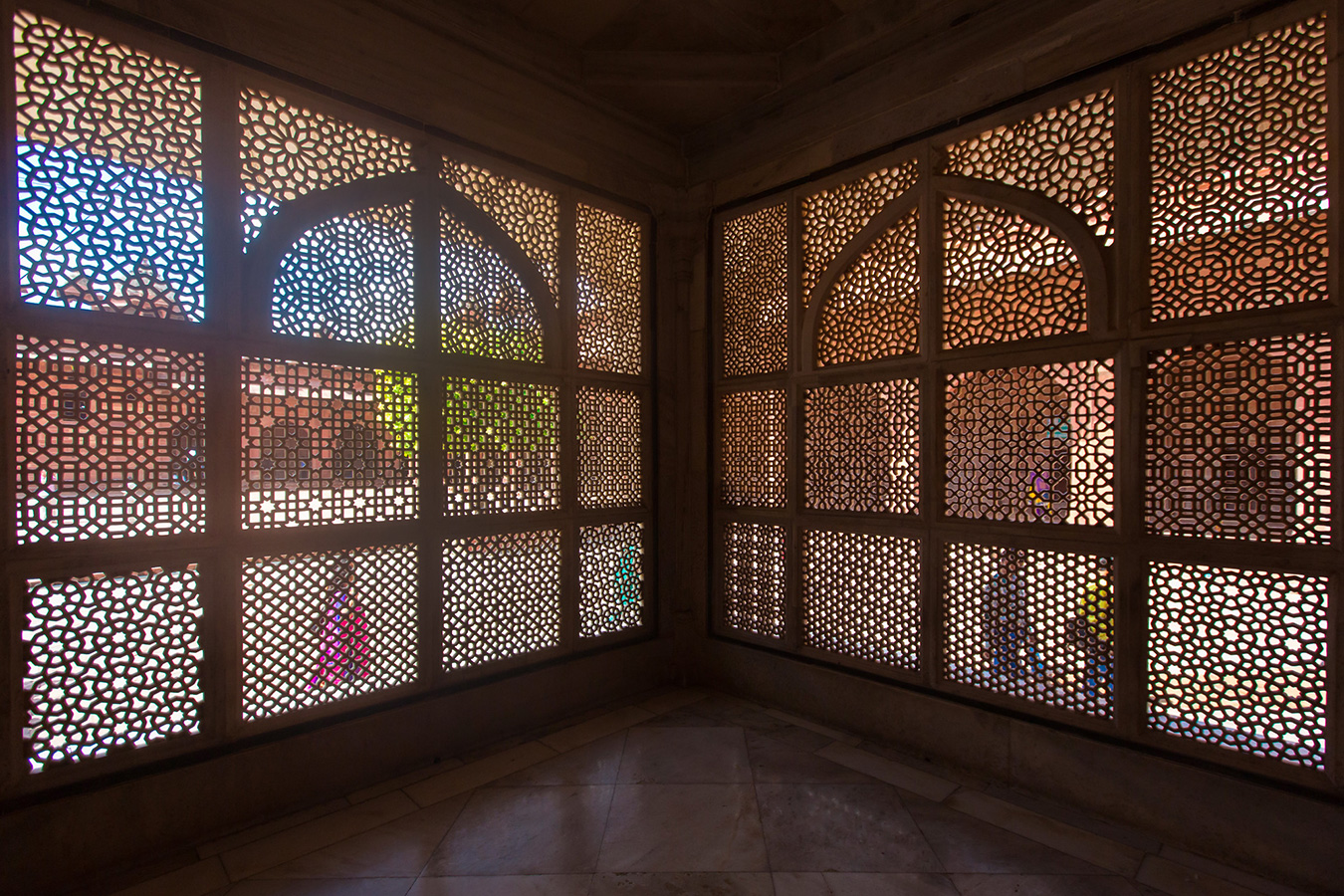
Latticework (Jaali): Very characteristic of jharokhas is the jaali, the ornate net of stone, wood or alabaster that functions as the retractable roof or the window of the jharokha. These jaalis are very delicately made in geometrical shapes, flowers, gods and goddess or other Hindu icons and offer both privy and aerations.
Domes and Arches: It is quite common to find many of them terminating in small domes or chhatris to make them look more magnificent. The openings are triangular with the arches scalloped or cusped and this is a borrowed feature from the Mughal architecture.
Intricate Carvings: Designs on the exterior side of the jharokhas are also fine carvings that give out messages from mythology, nature or day-to-day scenarios. It also has carving work and one can clearly make out the work of art done by the Rajasthani artisans on the carvings.
Materials Used: These projections are mainly designed from sandstone, marble or wooden material. This invariably depends on the area of work and the affluence of the sponsor or the one commissioning the work. For the buildings such as royal palaces and forts the two most favored monumental stones are exposed sandstone and marble while for havelis and small buildings the most commonly used material is wood.
Positioning and Orientation: As to the positioning of the jharokhas in a building, this is a very important factor. They are usually positioned on the façade so that they can provide a sneak preview of the site; a view of the environment, an avenue through which cool breeze can blow and one that lets in light into the interior. It is traditionally placed in such a manner that it faces the main courtyard or the places where processions are taken through: this is because the rulers use the jharokhas to observe celebrations and functions.
Symbolism and Cultural Significance
Jharokhas of the Patwon-ki-Haveli, Jaisalmer – Dan/Flickr
The literal appreciation of the functionality of the Jharokhas is a shallow way of looking at the architecture, they are much more than that. Hence in Rajasthan jharokhas symbolize the power, prestige , and piety of the place constructed and used in consonance with the values and beliefs of the people of that age.
Royalty and Power: In the royal palace jharokhas were treated as the public affirmation of the ruler’s despotic power. They were often designed to look out onto strategic parts of the palace or fort, such as the gate, or the main enclosure. From these positions, the ruler could get a good outlook of his people and be in a position to oversee his kingdom vigilantly.
Purdah and Privacy: The purdah system which confined women especially the princess from the royal houses to their homes or havelis was traditionally followed by the Rajput families. The bad news was that, for security reasons, the royal women could not sit at the windows to watch the world go by. They tackled this problem by inventing Jharokhas. The details of jaali made it possible for the women to be and engage in social practices in public, they could keep their status of being women concealed from the outside world.
Religious and Spiritual Significance: Most of the jharokhas have motifs which are religious, the images of Hindu gods and goddesses, floral designs like the lotus, the cross, and the swastika, images of the Ramayana and Mahabharata. These carvings not only served an aesthetic purpose for the jharokha but also conveyed the faiths of the adhīnar heads of the families.
Social Status: The existence of a jharokha usually provided a sign of privilege and affluence in the owners of mansions or havelis . The more decorated and highly built the jharokha, the higher the caste of the family . As a rule, jharokhas were ordered to be built by wealthy merchants or nobles as that would be a manifestation of their wealth.
Ventilation and Climate Control: However, a look at the nature of jharokhas in context with other buildings reveal that besides being icons, these were also functional in every sense. These structures were used to improve the airflow patterns inside structures with a view of creating natural ventilation in Rajasthan with its consistently hot weather. The latticework provided through openings for the gentle wafting of breezes while, at the same time, excluding the scorching sun that made it easier to maintain the correct temperature inside the structure.
Notable Examples of Jharokhas in Rajasthan
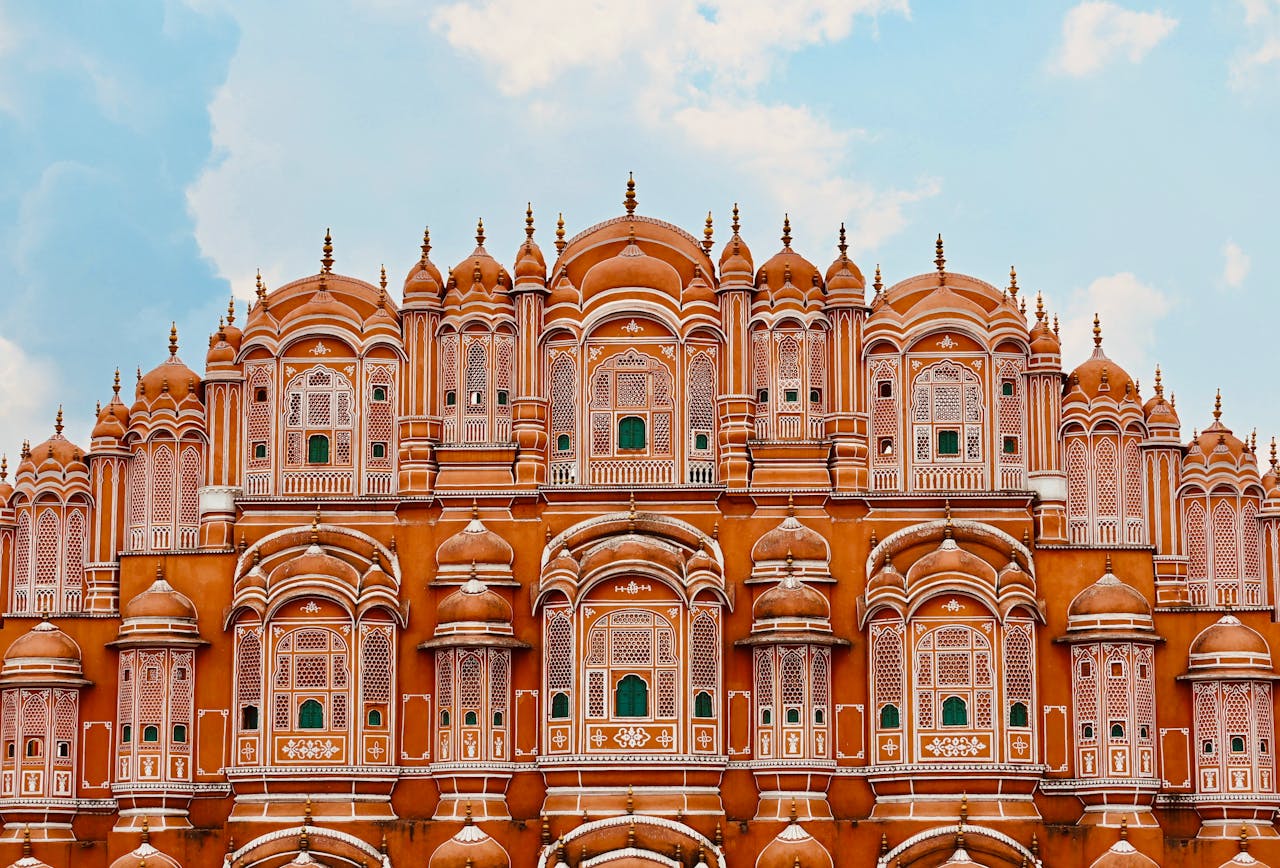
Hawa Mahal, Jaipur
Many of the historical structures in Rajasthan are famous for their exquisite jharokhas. These examples indicate multiplicity and aesthetical variety of jharokhas elements in architecture of Rajasthan.
City Palace, Udaipur: Among Rajput palaces it is worthy to notice one kind of palace complex, the City palace in Udaipur is magnificent. There is quite a good number of jharokhas on the exterior of the palace, and this one is even more elaborate than the other one. The jharokhas here are carved with beautiful designs of scalloped arches and beautiful but frail jaali work. The terraces provide spectacular views of Lake Pichola and the area of the town.
Hawa Mahal, Jaipur: Among the most prominent examples of jharokhas In Rajasthan one should mention the Hawa Mahal also known as the Palace of Winds in Jaipur. This architectural construct is basically a five-storeyed building with 953 jharokhas or small openings, through which the royal women were able to watch the processions and other festivities on the streets without being observed in turn. The openings in the jharokhas are lattice work, which in effect provides the necessary ventilation for the palace during the hot summer months.
Patwon Ki Haveli, Jaisalme: The whole city of Jaisalmer is brightly built with the golden touch of sandstone and one of the best specimens is the Patwon Ki Haveli. This haveli also has some wonderful examples of the jharokhas which illustrate the craftsmanship of the people at that time quite well. The jharokhas with its carvings depicting straight and geometric lines accompanied geometric or floral motifs and occasionally people and religious emblems give a glimpse of the culture of Rajasthan.
Junagarh Fort, Bikaner: The Rajasthani construction of the Junagarh Fort in Bikaner also includes numerous jharokhas. The fort boasts of a number of beautiful jharokhas projecting out over the courtyard and gardens . They are of red sandstone and are adorned with carvings of gods and goddesses, animals and flowers.
Chittorgarh Fort, Chittorgarh: Chittorgarh Fort, one of the largest forts in India, is the residence of many remarkable jharokhas. It is said that these jharokhas have an excellent view of the surrounding countryside and were positioned for use by the rulers of the fort for surveillance. Its jharokhas are also very attractive and are carved with several designs and motifs symbolically.
Craftsmanship and Techniques
The construction of the jharokha is a very demanding and labor-intensive process whose completion records a high level of workmanship. The carving of the designs that are features of jharokhas is done by traditional artisans known as ‘Suthars’ or ‘Salar’. It consists of several stages, each of which is aimed at selecting the appropriate material and the subsequent stages of work.
Material Selection: The very first thing that needs to be done in order in creating a jharokha is to decide on the right sort of material. Two of the most popular are sandstone and marble and each is unique in terms of the ease or difficulty with which carving can take place. Sandstone is much comparatively easier to sculpt than marble since the latter is harder to work with.
Designing and Planning: Before carving initiates, the actual aesthetics of the jharokha is conceptualized and thought out. This entails producing designs that depict the paths, shapes, and sizes and sometimes extents of the design work. The furniture design features a lot of Rajasthani influence, including the use of such symbols as the lotus flower, peacock and geometric shapes.
Carving: The carving is perhaps one of the most delicate activities as it defines the most intricate part of creating a jharokha. A team of artists then employs chisels, hammers and such like to make the designs on the surface of the intended timber or another type of stone. The process is quite lengthy and one has to be very particular as when crafting the fine jaali work done on the windows.
Assembly and Installation: Jharokhas are manufactured by carving wooden beams and after constructing the individual elements they are incorporated on edifice. This is done through final adjustment of brackets to corbels and panels so as to achieve the best view but at the same time have the best stability.
Finishing Touches: The final step is polishing the stone or applying paint to bring out the carving out on the carvings part of a sculpture. At times, the jharokha is further embellished and given a golden appearance or the filigree work may be done with studded gem stones.
The influence of jharokhas is not restricted to Rajasthan only as they are incorporated in other structures located in other regions of India and also in foreign nations. The projecting balcony or window can be used in one form or the other in the Mughals, Marathas, and even the British colonial architectures. There are other architectural features of the Rajasthani havelis also which also left the mark on the contemporary architectural and designing style of India including the jharokhas These are the projections or the balconies which are profusely carved and designed with latticework and the designs have inspired the modern interior designing and architecture in India.
In furtherance to this tradition of jharokhas, it is perhaps only in Rajasthan that this tradition of the jharokhas can still be seen in restoration of existing buildings and constructions that are likely to be carried out in the near future. In the present context many of the modern homes and hotels in the state proudly feature windows and balconies in jharokha style and design. This continuity helps in keeping the art and craft of jharokha alive and kicking even when the architectural trends change some time in the future.
Conclusion
Jharokha is not only true from the aesthetic point of view but also they are the pride of Rajasthan as well as symbolizes the historical and cultural eras of the place. These loft protruding balconies, the carvings and the artsy work are a part of Rajasthani architecture that remains still from centuries. Every structure truly depicts and represents the tradition of the people who constructed it as well as who used it, giving a face to the region’s history.
Starting from the palaces of Udaipur and Jaipur, and moving to the havelis of Jaisalmer and Bikaner, jharokhas serve as the proof of the exceptional work and imagination of the masters of Rajasthani art. Their works are still considered by architects and designers in India and in the rest of the world. By witnessing such gorgeous architecture, one is forced to recall the adage of timeless techniques and the ever so popular Rajasthani style of architecture.
Diwali is a festival that commemorates the triumph of light over darkness. It is regarded as one of India’s greatest and most spectacular festivities. It is a festival dedicated to happiness, triumph, and harmony. Deepavali, alsp known as Diwali, is a Hindu festival that takes place in October or November. The phrase ‘Deepavali’ is a Hindi word that refers to a variety of lights (‘Deep’ refers to earthen lights, and ‘Avail’ refers to a line or an exhibit).
The festival of Diwali is celebrated in honour of Lord Ramchandra. According to Hindu legend, Lord Rama returned to Ayodhya on this day after 14 years of exile. During this time as an outcast, he faced evil spirits and the devil lord Ravana. When Rama arrived in Ayodhya, the people lit diyas to greet him and congratulate him on his victory. Since then, Diwali has been observed to commemorate the victory of good over evil. During the time of Diwali, people also worship goddess Lakshmi and Lord Ganesh. Master Ganesh is adored for his wisdom and keenness and is known as the Destroyer of Obstacles. Goddess Lakshmi is also worshiDuring the time opped for wealth and success during Diwali.
The preparations for the event begin several days ahead of time. It all starts with a thorough cleaning of homes and businesses. Many people also get rid of all of their old family belongings and finish all of the renovations before the celebration starts.
On Diwali night, it is a long-held belief that Goddess Lakshmi visits people’s houses to bestow blessings. As a result, everyone cleans and decorates their homes with pixie lights, blooms, rangoli, candles and diyas, with other decorations in preparation for the festival.
Here are some wonderful quotes for Diwali wishes to share with your loved ones this Diwali.
May Diwali’s divine light shine brightly in your life, bringing you peace, wealth, happiness, good health, and great success.
Just like the colours of the rangoli, may this Diwali bring new smiles, undiscovered paths, new perspectives, and boundless delight. Have a fantastic Diwali!
This Diwali and throughout the year, may knowledge triumph against ignorance.
Allow the candles’ and the earthen lamp’s flames to cleanse your heart, mind, and soul. As a result, your relationship with the Almighty will be strengthened. Wishing you a joyous Diwali celebration.
Let each diya you light illuminate your soul and bring a smile to your face.
A celebration full of wonderful childhood memories, fireworks in the sky, sweets in the mouth, diyas in the house, and joy in the heart. Wishing you a wonderful Diwali.
May the light from the wick of the candle during Diwali warm the world, removing the coldness brought on by wars, disagreements, and calamities.
This Diwali, let us revel in the glory of goddess Lakshmi and vow to stop all wrongdoings. Wishing everyone a happy Diwali!
Nothing compares to spending a Diwali night with all of your favourite people. Here’s to a wonderful celebration!
Diwali is a festival of light, hope, and knowledge. In a big bonfire of crackers, burn your ignorance and ignite the lamp of hope in your heart, which will guide you successfully through your life – personal, professional, and social.
Diwali’s glow can rekindle your spirits. May this celebration fill your heart with new hope, confidence, and courage, preparing you for a prosperous future.
Diwali’s special feature is the ability to envision a bright future ahead of us. May this Diwali instil optimism in all of us, allowing us to see the bright side of life, ignoring the dark.
May this Diwali be full of new beginnings, delicious ladoos, dazzling Diyas, incredible opportunities, and new paths. Wishing you a joyous, frolic, and never-ending Diwali celebration!
May the vibrant colours of rangoli bring you joy, may the delicious sweets bring you sweetness, and may Goddess Lakshmi grant you all your wishes this Diwali.
May the pages of your life be coloured with peace, joy, and happiness with this divine festival of lights.
Hope you loved the quotes for Diwali wishes and shared a few postcards with your loved ones. Happy Diwali to you all, have a wonderful time with your family.
In 1947, after the Independence, many had the perspective that India will go to ruins and will disintegrate due to its diversification in culture and ethnicity. But what everyone did not know was, this diversity would become the strength of India. Today, India is known for being a state with culture and heritage differing in every region and is praised for having such a strong unity despite these contrasts. On 31st of October, we celebrate this beautiful tapestry of differences, named as National Unity Day.
But one might wonder, why the 31st of October? In 2014, The government of India declared 31st of October as National Unity Day to commemorate the birth anniversary of Sardar Vallabhbhai Patel. Let’s dive further into the topic to know how unity of India is linked with the Iron Man of India.
Sardar Vallabhbhai Patel’s Contribution in Indian Unity
The veteran freedom fighter Sardar Vallabhbhai Patel contributed heavily with his participation in non-cooperation, Satyagraha, and Quit India movement where he also inspired a lot of Indias to participate in the movements and helped India achieve independence. But he also played an indispensable role in shaping the newly independent nation into a united and cohesive entity. After India gained independence in 1947, the country faced the daunting challenge of integrating over 560 princely states, each with varying degrees of autonomy and allegiance. Without a unified approach, these states could have fragmented the nation, leading to disunity, chaos, or even civil war. He believed that the integration of states had to be voluntary to ensure long-term stability.
As the first Deputy Prime Minister and Minister of Home Affairs, he worked tirelessly to bring these states into the fold of the Indian Union. He employed a combination of diplomacy, persuasion, and, where necessary, political pressure to achieve this goal. His ability to negotiate with the princely rulers while appealing to their sense of patriotism was key to the success of this monumental task. Many rulers, including those of large states like Hyderabad, Junagadh, and Jodhpur, were initially hesitant or outright resistant to joining the Indian Union. With his diplomatic acumen, successfully convinced most rulers to accede to India by explaining the benefits of being part of a unified nation. He also offered them personal guarantees, safeguarding their titles and privileges through the Privy Purse.
Even in challenging states like Hyderabad and Junagadh, Sardar Patel was able to annex Hyderabad with operation Polo and Junagadh acceded due to his decisive leadership and strategic moves.
Sardar Vallabhbhai Patel’s Life
Born on 31st of October 1875 in Nadiad, Kheda district, Sardar Vallabhbhai Patel became one of the key leaders of India’s independence movement with his influential leadership in the Bardoli Satyagraha and his efforts in post-independent India. He studied law in England and became a barrister before joining the freedom movement in India. He was one of the senior leaders of the Indian National Congress. He also played a key role in the Quit India Movement and Civil Disobedience Movement. The title ‘Sardar’ meaning chief in Hindi, was given to him by Mahatma Gandhi for his exceptional organisational skills during the Bardoli Satyagraha. He was the first Deputy Prime Minister and Minister of Home Affairs of India.
To revere him and his contribution to India, he was awarded with the Bharat Ratna posthumously in 1991. And in 2018 on 31st October, the Statue of Unity was inaugurated. It stands still as the tallest statue in the world, at 182 metres. Located in Kevadia, Gujarat, it has become a symbol of national pride and unity paying tribute to Sardar Vallabhbhai Patel.
National Unity Day Celebrations
National Unity Day Celebrations are held across India to commemorate the birth anniversary of Sardar Vallabhbhai Patel and to honor his contributions to national integration. The day is marked by a wide range of events, both at the governmental and public levels. The central highlight is the “Run for Unity”, a nationwide marathon organized in cities and towns across India, symbolizing the collective effort toward fostering unity among citizens. Government offices, educational institutions, and various organizations participate in the run, encouraging people from all walks of life to join and reflect on the importance of unity. Additionally, government buildings are illuminated, and tributes are paid to Sardar Patel through speeches, documentaries, and exhibitions detailing his life and work.
Many states also organize ceremonial parades, oath-taking ceremonies, and events promoting national integration. Political leaders, including the Prime Minister, address the nation, emphasizing the importance of maintaining unity and harmony in the face of challenges such as regionalism, communalism, and external threats. National Unity Day serves as a reminder of the values of “unity in diversity”, with the goal of reinforcing the idea that the strength of India lies in its ability to stand united despite its cultural and linguistic diversity. The celebrations not only honor Sardar Patel’s legacy but also inspire future generations to contribute to the continued progress and unity of the nation.
Importance of Unity Day
In a country as vast and diverse as India, unity is crucial for its stability, progress, and growth. National Unity Day serves as an opportunity to reflect on the relevance of national unity in contemporary times when the country faces issues like communalism, regionalism, and separatist movements. By remembering Patel’s legacy, citizens are reminded that the very foundation of the nation’s sovereignty is based on inclusiveness and collective strength.
The day encourages individuals to rise above divisions and work towards social harmony and political integrity, ensuring that national interests take precedence over personal or regional aspirations. And with increasing Communalism, and division on the basis of regions, this concept and celebration becomes even more crucial. It aims to foster a sense of patriotism and encourages citizens to contribute to the nation’s unity in a constructive manner. In schools and colleges, the day becomes a platform to educate the younger generation about the importance of staying united, respecting diversity, and embracing the values of tolerance and cooperation.
Quotes from Sardar Patel
Remembering the man without whose contribution, India would not stand as one on national and international platforms as it does today. Sardar Patel always believed in harmony among the diversities and visioned it as a collective goal. He has strong belief in unity, equality, and the spirit of nation-building, laying the foundation for a united and prosperous India which are reflected in his quotes.
Manpower without unity is not a strength unless it is harmonized and united properly, then it becomes a spiritual power.”
“There is something unique in this soil, which despite many obstacles has always remained the abode of great souls.”
“Every Indian should now forget that he is a Rajput, a Sikh, or a Jat. He must remember that he is an Indian.”
“Take to the path of dharma – the path of truth and justice. Don’t misuse your nation’s freedom.”
“The first duty of a citizen is to maintain the unity of the nation.”
“We have to shed mutual bickering, shed the difference of being high or low, develop the sense of equality, and banish untouchability. We have to live like the children of the same father.”
“It is in my nature to be a friend of the friendless and an enemy of oppressors.”
“Faith is of no avail in the absence of strength. Faith and strength, both are essential to accomplish any great work.”
“Our object should be peace within, and peace without. We want to live in peace with our neighbors and with the world. But it is not possible unless our own homes are in order.”
“Work is undoubtedly worship, but laughter is life. Anyone who takes life too seriously must prepare for a miserable existence.”
FAQs About National Unity Day
Why is National Unity Day celebrated?
National Unity Day, celebrated on 31st of October to commemorate the birth anniversary of Sardar Vallabhbhai Patel.
Who introduced the National Unity Day first?
The National Unity Day was first introduced by the government of India in 2014.
What is the name of Unity Day?
The other name for Unity Day is Rashtriya Ekta Diwas.
Why is Sardar Patel called Iron Man?
Sardar Patel is known as Iron Man of India for his undying and unfaltering commitment to national integration in the newly independent India.
What is Sardar Patel famous for?
Sardar Patel is revered in Indian history for not only his fight for freedom but his successful persuasion of almost 565 self-governing princely states integration in the independent India.
Few Lines on National Unity Day
National Unity Day, observed on October 31st, honours Sardar Vallabhbhai Patel’s efforts in uniting India post-independence.
Also known as the “Iron Man of India,” he played a pivotal role in integrating over 500 princely states into the Indian Union.
The day celebrates India’s unity in diversity, emphasizing the importance of cohesion amidst cultural and linguistic differences.
Events like the Run for Unity and public programs inspire patriotism and promote national integration.
National Unity Day highlights the ongoing need for harmony in India’s social, political, and economic spheres.
The celebrations reflect the spirit of togetherness, urging citizens to overcome communalism and regionalism.
By fostering national pride, the day encourages all Indians to uphold values of unity for the nation’s progress.
Conclusion
Ultimately, National Unity Day is not just a tribute to Sardar Patel but also a call to action for every Indian to commit to preserving the territorial and cultural unity of the country, ensuring India’s progress and peace. It stands as a powerful reminder of the crucial role unity plays in the progress and stability of India. By commemorating Sardar Vallabhbhai Patel’s monumental efforts in integrating the nation, the day not only honors his legacy but also reinforces the timeless value of “unity in diversity” in modern India. It encourages citizens to reflect on their responsibility in fostering national integration, promoting social harmony, and overcoming divisions. As India continues to grow and face new challenges, the message of National Unity Day serves as a call to action for every citizen to uphold the principles of tolerance, inclusiveness, and collective strength, ensuring the nation’s continued success and peaceful coexistence.