The Korean Cultural Centre India (KCCI) in New Delhi has recently unveiled a newfangled exhibition titled Travelling Sketch: Beyond Us, Between Us. This is a climactic juncture in the unremitting exchange between India and South Korea. This exhibition heightened the transcultural symbiosis between the two countries. This event marks the 13th anniversary of KCCI and also expresses the depth of bilateral relations and artistic collaboration that ultimately deepen the mutual understanding.
This exhibition will showcase over 200 artworks created by 4 artists, two from India and two from Korea. Their artworks are ingrained in experiences of travel, observation, and intercultural encounters. This exhibition will continue on display until February 28, 2026. This exhibition offers ample opportunity for all to engage with a plethora of visual narratives that bridge geographical and cultural divides.
A Convergence of Visions: Bridging New Delhi and Seoul
The exhibition inimitably expresses the collaborative effort of the 4 artists. The Raison d’être of the exhibition is the “exchange of gaze.” The Korean artists, Son Sangshin (Bereka) and Heo Dasom, offer their perspectives on India, and the Indian artists, Reeka Nartiang and Samiddha Choudhuri, bring to life their interpretations of South Korea. This paradigmatic reciprocal role exchange is particularly thrilling. This exercise permits visualisation of each other’s “own cultures” through the eyes of another. This motivic development ensures the growth of empathy and mutual understanding.
View this post on Instagram
Hwang Il Yong, the Director of KCCI, emphasized that travel is the “starting point of art,” as it allows individuals to break free from preconceived notions. The main element of these paintings is a shift of focus from landmarks and monuments to “everyday life.” This way, the artists have tapped the “dynamic” essence of both nations. There are beautiful transitions from the bustling streets of Seoul to the quiet and serene rural landscape of India. This exhibition follows a series of high-profile K-Art events in Delhi, including the “Indomitable Spirit” exhibition and KCCI’s participation in the India Art Fair 2025. These collective efforts indicate a strategic shift toward “Soft Power” diplomacy, where art becomes the primary vehicle for strengthening the India-Korea partnership.
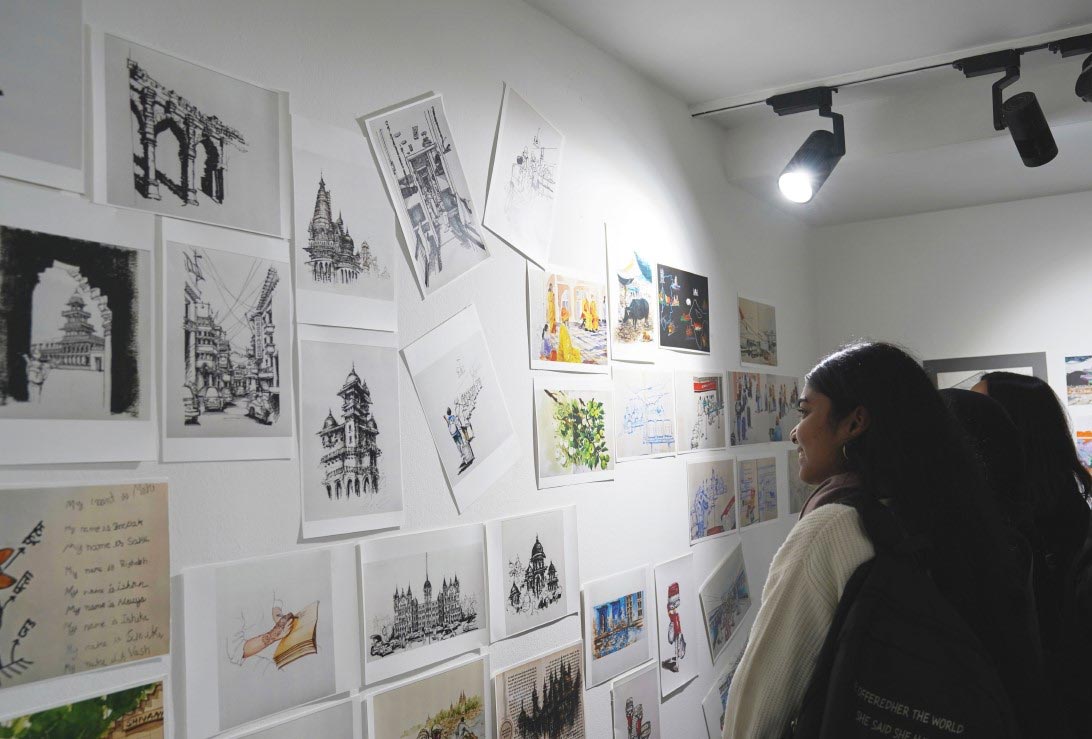
Glimpses of the Exhibition
| Aspect | Details |
|---|---|
| Event Name | Travelling Sketch: Beyond Us, Between Us |
| Occasion | 13th Anniversary of the Korean Cultural Centre India (KCCI) |
| Featured Artists | Son Sangshin, Heo Dasom (Korea); Reeka Nartiang, Samiddha Choudhuri (India) |
| Mediums Used | Pen drawings, watercolours, digital art, textiles, and ceramics |
| Exhibition Venue | KCCI Gallery, Lajpat Nagar, New Delhi |
| Closing Date | February 28, 2026 |
| Primary Theme | Cultural exchange through travel and artistic interpretation |
Key Highlights
- The exhibition features works by artists who have drawn inspiration from their travels in India and Korea, reflecting an embodied intercultural dialogue.
- The showcase spans over 200 artworks.
- Visitors can experience a wide range of media, including pen drawings, watercolour, digital compositions, textiles, and ceramics, evidencing both traditional and contemporary art practices.
- Heo Dasom’s work stands out for reimagining ancient Sanskrit scripts into contemporary visual forms, bridging the gap between historical linguistics and modern digital art.
- Korean artist Son Sangshin displayed large-scale pen drawings alongside three published books that document her travel experiences across the Indian subcontinent.
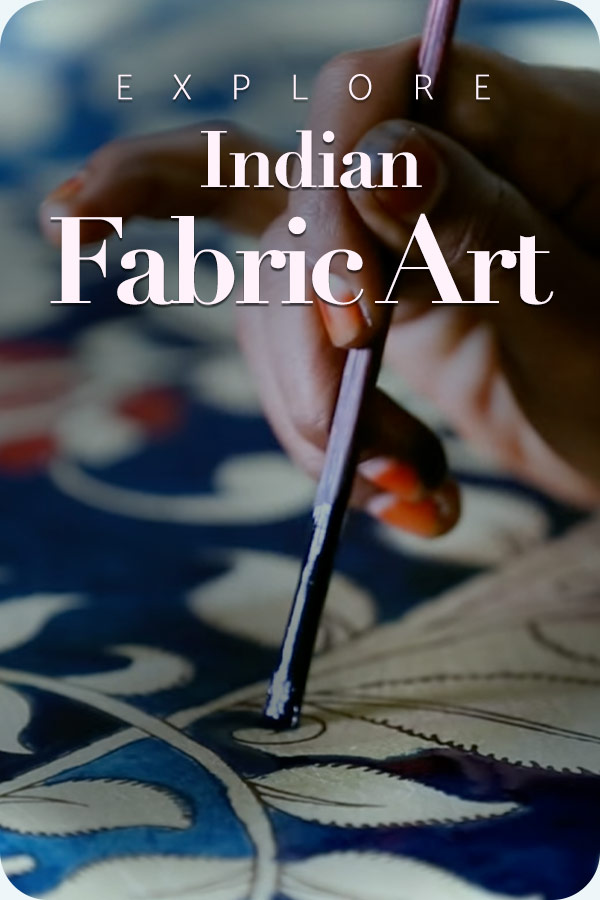
- Indian artist Reeka Nartiang utilized her expertise in textiles to interpret Korean masks and the traditional Hanbok, blending Indian craftsmanship with Korean aesthetics.
- Samiddha Choudhuri’s digital series captures the vibrant street food culture of Korea, offering a relatable and sensory entry point for the Indian youth.
- The opening event included a guided walkthrough where the artists discussed their creative processes, offering an educational layer to the exhibition.
- The show is accessible to the public, emphasizing cultural outreach and engagement beyond elite art circles.
A Detailed Account of The Artworks
The 4 artists have embodied their travel experiences across the two nations on their canvases. Son Sangshin has created expansive pen drawings and watercolour paintings to represent a vivid description of India’s distinct landscapes and everyday life, accompanied by published books that documented her travels. Heo’s digital art series, which playfully and critically reimagines ancient Sanskrit scripts, invites viewers to reconsider the dynamic interplay between language, history, and contemporary visual form.
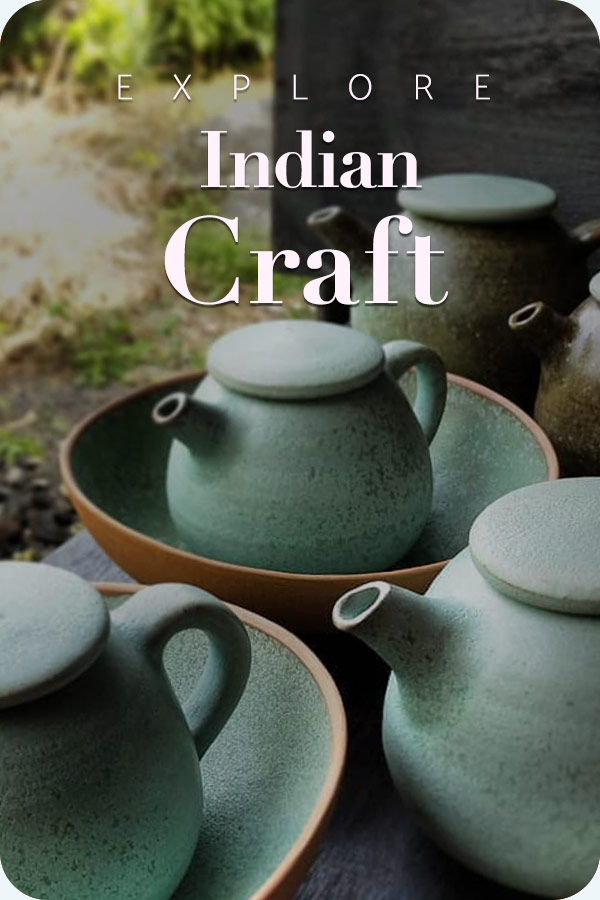
On the other hand, Indian artists Reeka Nartiang and Samiddha Choudhuri contributed by expressing their perceptions of Korea. Reeka is noted for her textile works. She borrowed the elements of Korean mask motifs and traditional attire (Hanbok) and portrayed them through an Indian artistic lens. Samiddha presents a suite of ceramic pieces, digital portrayals of Korean street food culture, and fine pen works reflecting moments from Korean cityscapes.
Takeaway: Other Perspectives
The younger generation is the key to the India-Korea relationship, and this exhibition greatly taps into that niche. The showcase of the two nations through each other’s eyes is a beautifully executed initiative that not only celebrates the heritage and lifestyle of the two nations but also coalesces them. Exhibitions like these are central to contributing to long-term bilateral rapport built on reciprocal learning and creative synergy.
This “Traveling Sketch” format has a very contemporary touch and is vital in the act of cultural mirror-imaging. Today, geopolitical relationships are measured by trade figures and defense pacts. Amidst this, such a grassroots artistic approach to interpret the essence of life in Korea and conversely. By embracing this format, KCCI proves that it is no longer a part of the older versions of displaying art; instead, it believes in weaving neo-cultural dialogues where the observer becomes the observed.
This event is a model for future artistic collaborations that can bridge divides, cultivate curiosity, and embed cultural exchange within the broader framework of India–East Asia relations. This exhibition successfully proves that while our languages and traditions may differ, the curiosity we feel toward the “other” is a universal constant that can unite even the most diverse societies.