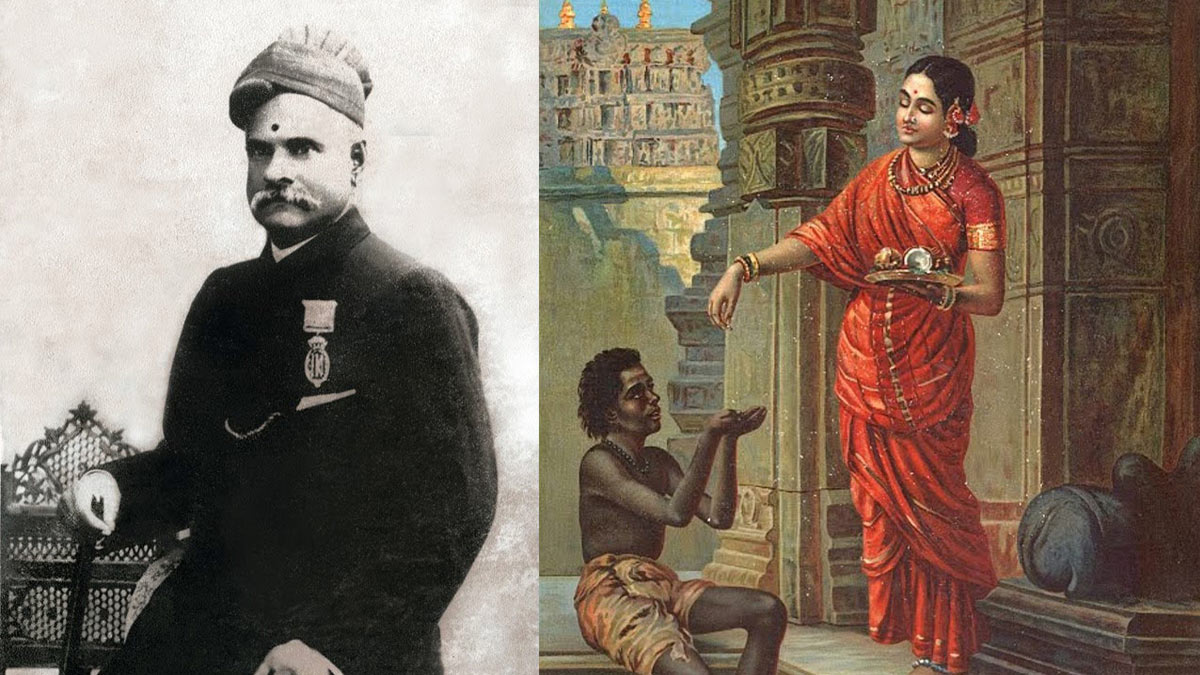
Raja Ravi Varma is one of the most recognised names in Indian art. His paintings changed the way mythological stories, royal portraits, and cultural characters were visually represented. For many people, his work became the first clear image of Indian gods, goddesses, queens, and epic characters in a realistic style.
For beginners, understanding Raja Ravi Varma artwork becomes easier when you know what to look for: the themes, expressions, clothing, storytelling, and his unique blend of Indian subjects with European painting techniques.
Today, Indian mythological art inspired by Raja Ravi Varma continues to be admired by art lovers, collectors, and homeowners who want culturally rich decor with a strong visual presence.
Who Was Raja Ravi Varma?

Raja Ravi Varma was a 19th-century Indian painter known for giving Indian mythological and royal subjects a lifelike appearance. At a time when many Indian artworks followed traditional flat or symbolic styles, he introduced realistic body forms, facial expressions, fabric folds, depth, and lighting.
His paintings often featured gods, goddesses, queens, noblewomen, saints, and scenes from Indian epics. What made his work special was the way he made these figures look graceful, emotional, and human.
Instead of showing mythological characters only as distant divine figures, he painted them with expressions and gestures that people could relate to. This helped his work connect with a wider audience.
What Makes Raja Ravi Varma Artwork Different?
The most important quality of Raja Ravi Varma’s paintings is the balance between Indian storytelling and European realism. His subjects were deeply rooted in Indian mythology and culture, but his technique included realistic shading, proportion, perspective, and soft colour transitions.
For example, a goddess in his painting is not shown only through symbols. She is painted with detailed jewellery, flowing fabric, expressive eyes, and a natural posture. This makes the artwork feel rich, emotional, and visually complete.
He also paid close attention to clothing and ornaments. Sarees, crowns, necklaces, bangles, and traditional drapes were painted with detail. These elements helped bring cultural identity into the painting without making the composition feel crowded.
Common Themes in Raja Ravi Varma Paintings
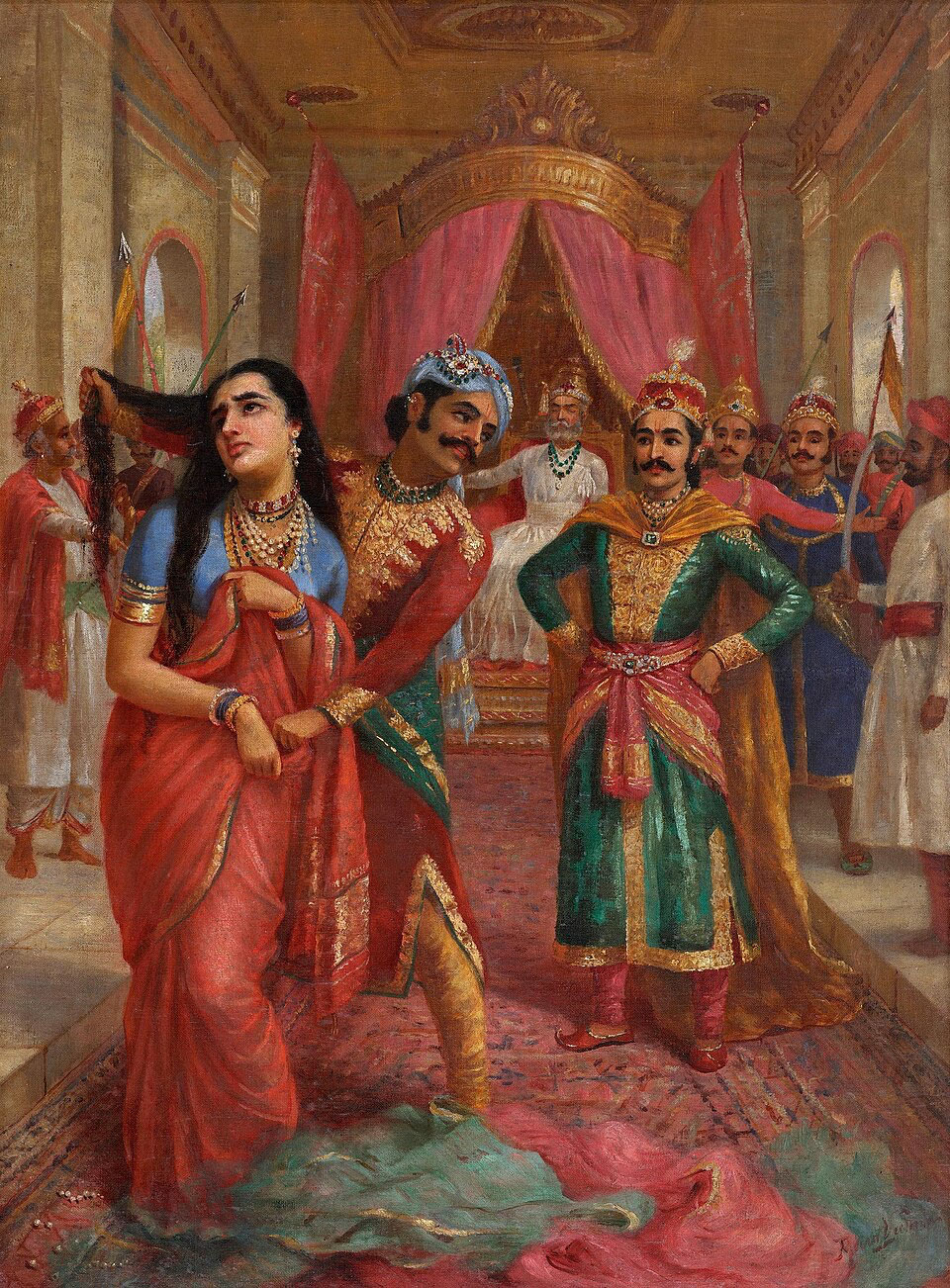
Mythological Stories
Many of Raja Ravi Varma’s famous works are based on the Ramayana, Mahabharata, and Puranic stories. He painted characters such as Lakshmi, Saraswati, Shakuntala, Damayanti, Sita, and Krishna in a graceful and expressive style.
These paintings were not just religious visuals. They were storytelling pieces. A viewer could understand the mood of the scene through posture, expression, clothing, and setting.
This is one reason why Raja Ravi Varma artwork still works well in Indian homes. It carries both artistic value and cultural meaning.
Women in Traditional Attire
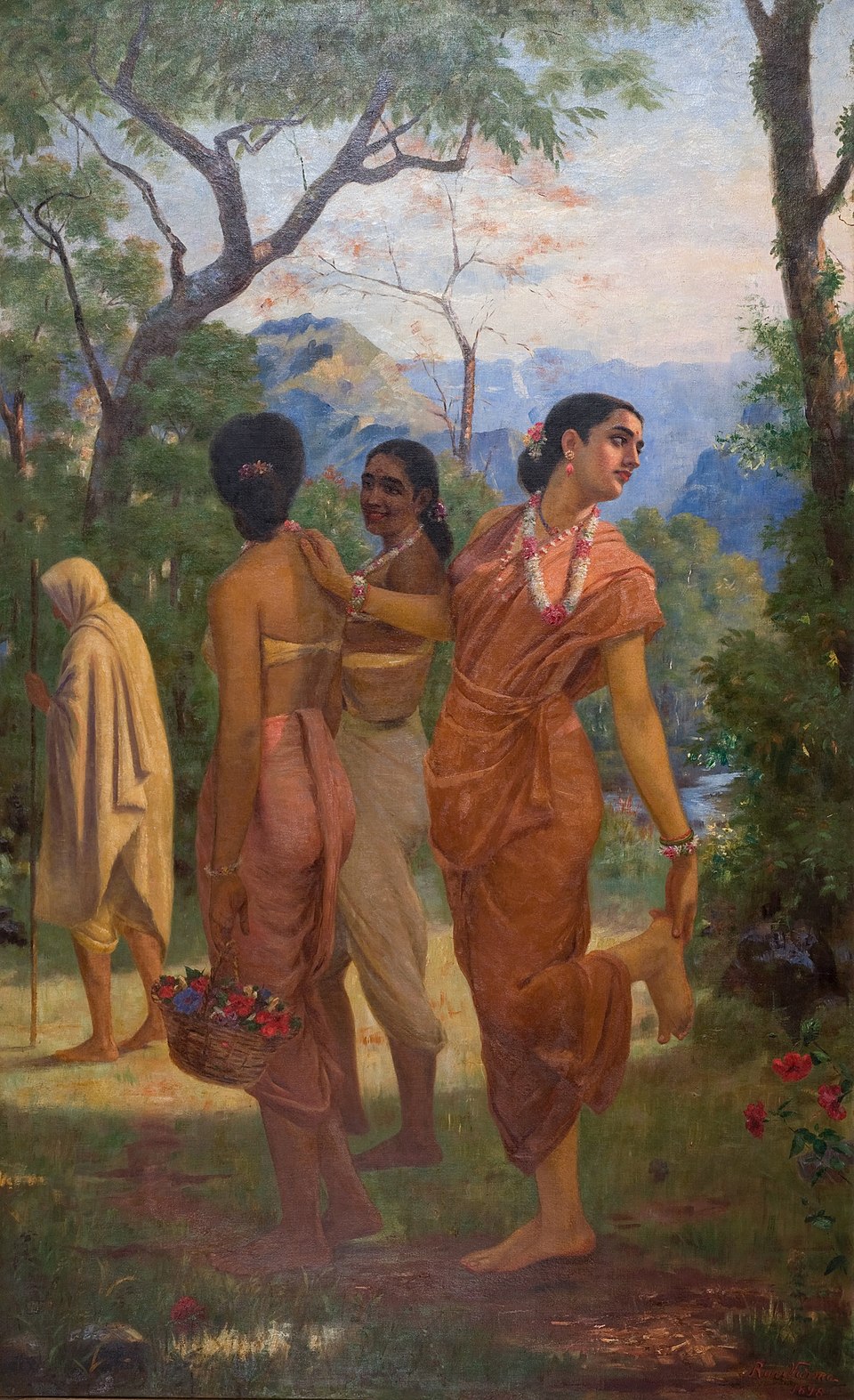
Raja Ravi Varma is also known for his portraits of women in Indian clothing. His female figures often appear calm, composed, and expressive. Their saree drapes, jewellery, and body language reflect beauty, dignity, and cultural identity.
These works are still appreciated because they show Indian women with depth and presence, rather than only as decorative subjects.
Royal and Noble Portraits
He also painted kings, queens, and noble families with a strong sense of realism. These portraits helped capture the personality, clothing, status, and elegance of the people he painted.
For beginners, these portraits are useful to study because they show how carefully he observed faces, fabric, posture, and background details.
Why His Work Became So Popular
One major reason behind Raja Ravi Varma’s popularity was accessibility. His paintings were reproduced as prints, which allowed more people to see and own copies of his work.
Earlier, original paintings were usually limited to royal families, collectors, or wealthy patrons. But through printed reproductions, his images of gods and goddesses reached ordinary homes across India.
Many people first imagined deities like Lakshmi and Saraswati through visuals influenced by his paintings. His work played an important role in shaping how Indian mythological figures appeared in popular culture.
How to Understand a Raja Ravi Varma Painting
If you are new to his work, start by observing the subject. Is it a goddess, a royal figure, a woman from mythology, or a scene from an epic?
Next, look at the expression. His paintings often communicate emotion through the eyes, face, and posture. A character may look thoughtful, devoted, graceful, or sorrowful.
Then, study the clothing and jewellery. The sarees, ornaments, and accessories often tell you about the character’s role, status, or cultural background.
Finally, look at the background. His settings are usually simple but meaningful. They support the subject without taking attention away from the main figure.
Why Raja Ravi Varma Artwork Works Well in Home Decor

Raja Ravi Varma-inspired art is often chosen for homes because it carries cultural value and visual richness. It works well in living rooms, pooja rooms, hallways, reading corners, and traditional decor spaces.
For a living room, a larger artwork can become a strong focal point. For a pooja room, paintings of Lakshmi, Saraswati, Krishna, or other devotional subjects can add a traditional touch. For bedrooms or quiet corners, softer portraits and graceful compositions may work better.
When selecting artwork for a wall, consider the size, frame style, colour palette, and placement. A large piece should have enough blank space around it. Smaller pieces can be placed above consoles, side walls, or compact corners.
If you prefer a lighter and easy-to-place format, canvas painting for home decor can be a practical option. Canvas formats often suit modern homes because they are easier to hang, shift, and maintain compared to heavier traditional frames.
Artociti offers art collections that help users choose pieces based on theme, room style, and wall space, making it easier to bring Indian art into everyday interiors.
What Beginners Should Keep in Mind
Raja Ravi Varma’s art should not be seen only as religious painting. His work stands at the meeting point of mythology, portraiture, realism, and Indian cultural identity.
Beginners should also remember that many artworks available today are reproductions or inspired prints, not original paintings. This is common in home decor. What matters is choosing a piece with clear print quality, balanced colours, and a subject that suits your space.
Before buying, check the artwork size, frame option, material, finish, and where you plan to place it. This helps ensure the artwork fits well with your room rather than looking too small, too large, or visually heavy.
Final Thoughts
Understanding Raja Ravi Varma artwork becomes easier when you look beyond surface beauty. His paintings tell stories, show emotion, preserve cultural details, and bring mythological figures closer to real human experience.
For beginners, his work is a strong starting point for understanding Indian visual culture. Whether used for study, appreciation, or home decor, Raja Ravi Varma’s paintings continue to hold value because they connect tradition with realism in a way that feels graceful, familiar, and meaningful.