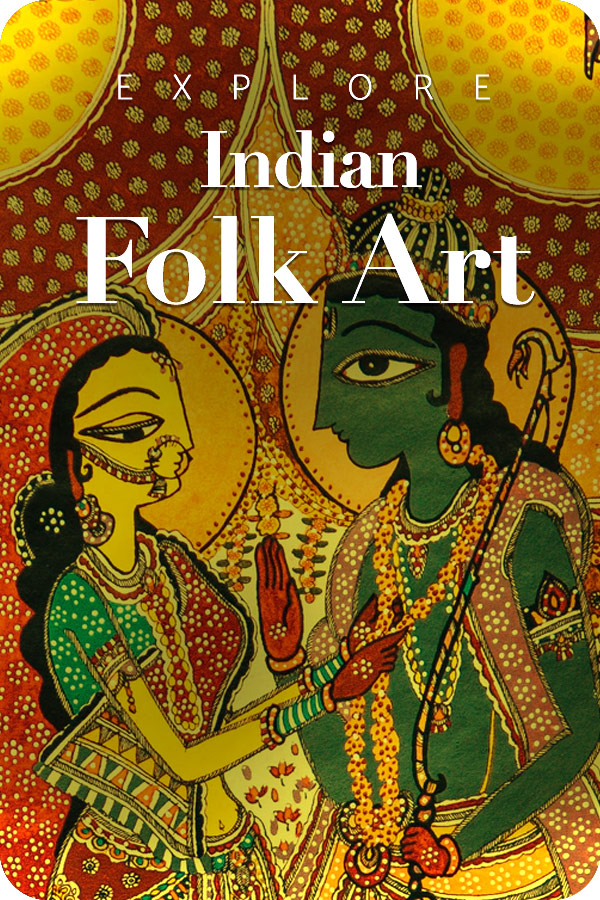
Mandalas are circular designs used in several traditional practices for their spiritual significance. Nowadays, mandala art is widely practised and known for aesthetic reasons throughout the world, with mainstream youtubers and artist-influencers popularising the art. However, aesthetics is not all that there is to Mandalas. They have a rich and ancient history rooted deep in Indian and South Asian spiritual practices and have been used for concentrating the meditative and metaphysical facets of the human mind throughout the pasts of multiple traditions. Mandalas are fascinating pieces of art, spirituality, history or culture based on what one’s interests are.
What are Mandalas?
Mandalas are designs used widely in Hindu, Buddhist and several Indic traditions and religions, as a spiritual and ritualistic symbol, representing the nature of universe and life. They are usually circular and incorporate different complex shapes within the circular outline. They are a part of several significant sites of religious architecture across the world, from the Meenakshi temple in Tamil Nadu to the blue Mosque in Turkey.
Sacred Geometry of the Mandala
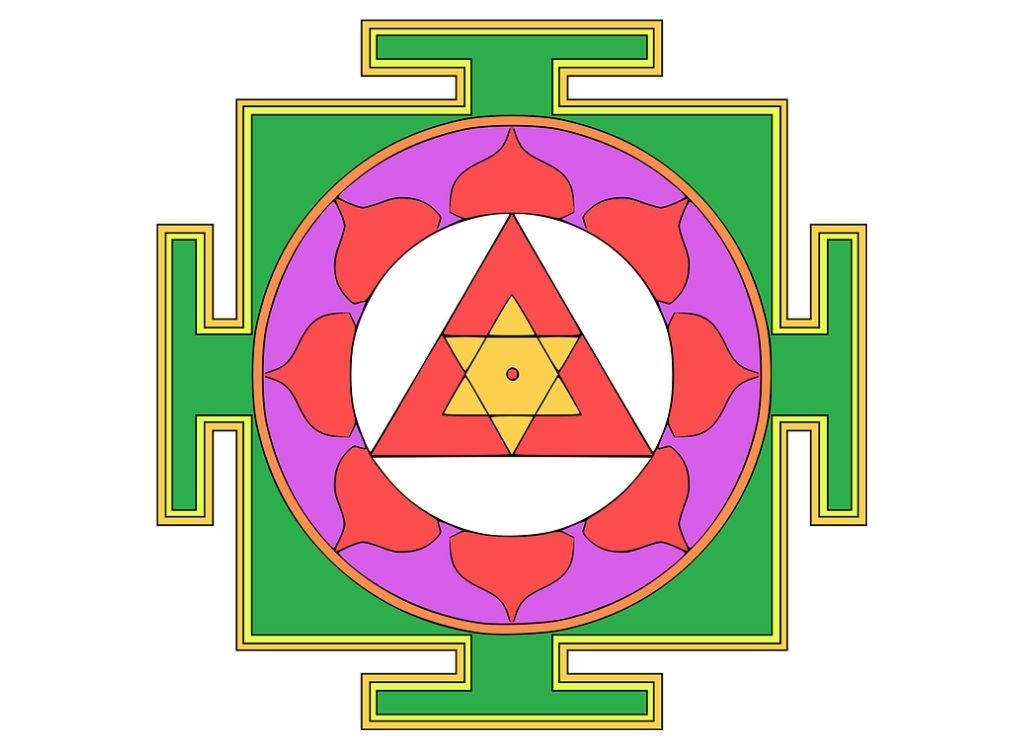
A mandala is far more than an intricate circular design. In Hindu and Buddhist traditions, its geometry symbolizes the structure of the universe and the journey toward spiritual realization. Each shape from the central bindu to the surrounding lotus petals and gates represents a deeper philosophical idea about cosmic order, consciousness, and enlightenment.
- Maṇḍala Meaning: The Sanskrit word maṇḍala means “circle,” “essence,” or “sacred enclosure.”
- Bindu (Central Point): Represents the source of creation and the center of consciousness.
- Circle and Square: The circle symbolizes infinity, while the square represents stability and the sacred realm.
- Lotus Petals and Gates: Lotus petals signify spiritual awakening, and four gates mark entry from the cardinal directions.
- Colors and Symmetry: Symbolic colors and balanced patterns help focus the mind during meditation.
History of Mandalas
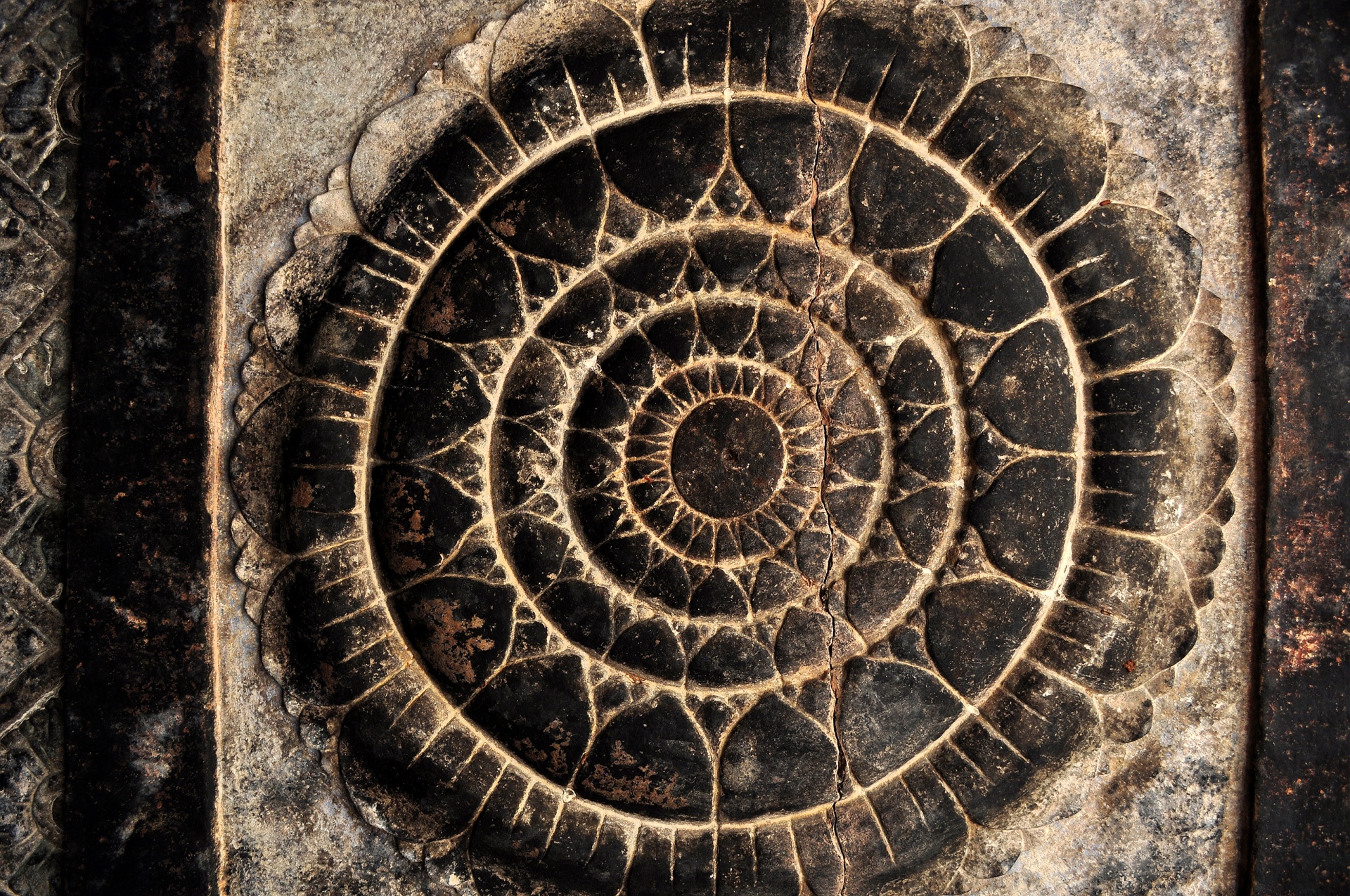
The word ‘mandala’ comes from the Sanskrit word ‘circle’ or ‘disc’. It first appears in one of the bases of Hindu religion, the holy Rig veda, written around three thousand years ago. While this is the first appearance of Mandalass in written or physical form, this need not be the first time they were conceptualised. Mandalas could have been artistic and spiritual symbolS for centuries by then.
Significance of Mandalas in Hinduism
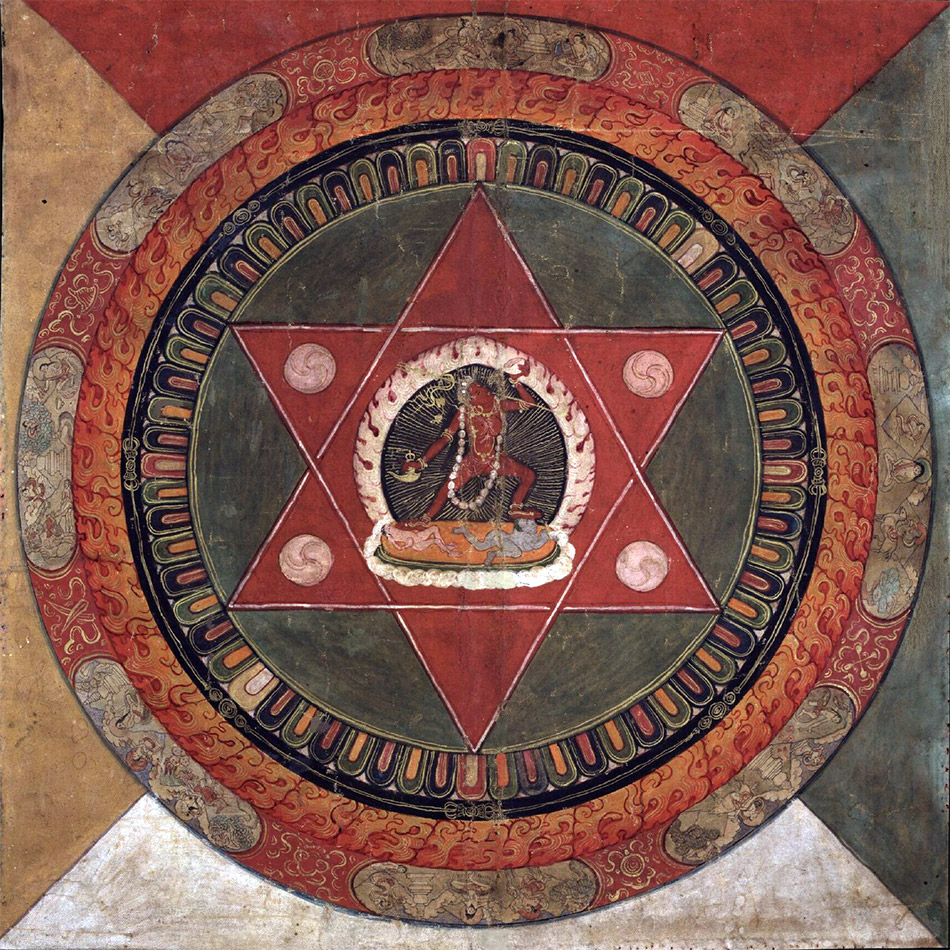
In Hinduism, Mandalas are commonly observed in Yantras, a holy symbol for Hindus throughout the world. Yantras are geometric patterns in a circular configuration surrounded by a square with four gates. The centre is supposed to be the abode of the divine – and the yantras’ complex geometric designs make one feel the presence of the deity, as one concentrates on the symbolism they represent.
Significance of Mandala in Buddhism
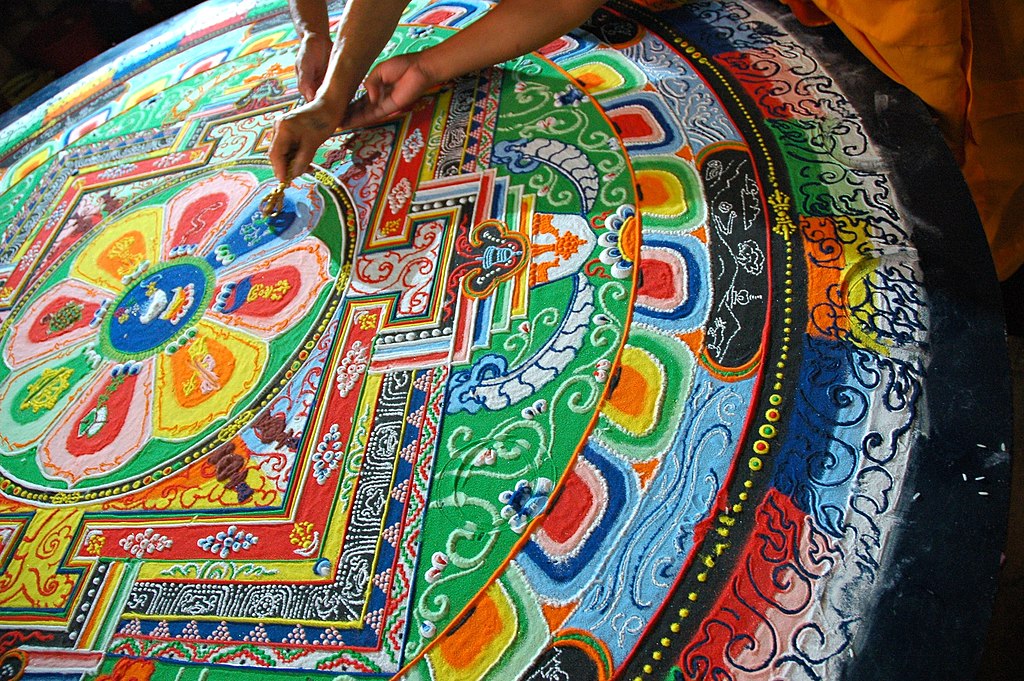
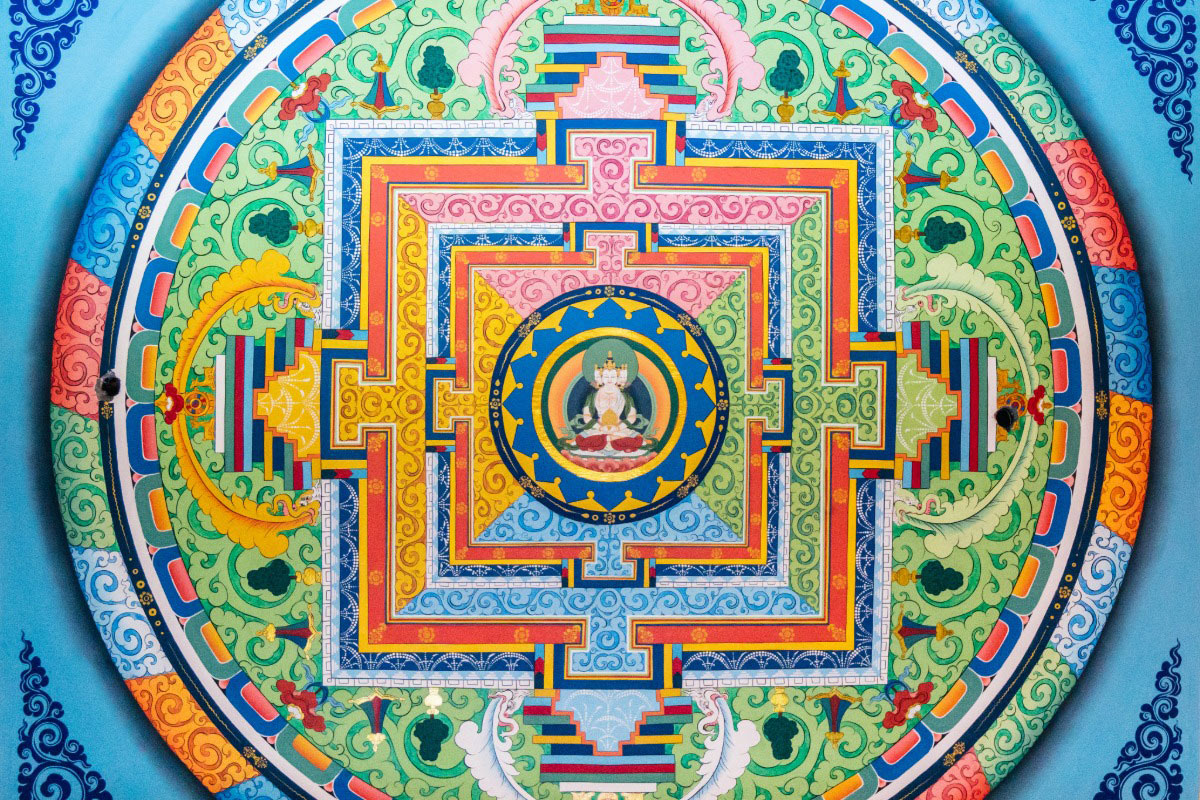
As religions and philosophical traditions boomed in the cultural and philosophical hub that was ancient India, Mandalas became central to Buddhist spiritual practice. Mandalas are crucial to meditation in Buddhism – they are supposed to inspire a person in meditation and are to be contemplated to such an extent that the practitioner can internalise the minutest detail of every mandala. Apart from this, Mandalas are supposed to represent wisdom and the impermanence of the universe. The centre of a Buddhist mandala is usually a sacred symbol, which could be a fire, a deity or another design of spiritually symbolic significance.
The central symbol represents wisdom. One of the outer rings usually incorporates the theme of death, one of which could be charnel grounds, to represent the impermanence of the universe and life.
Apart from this, a ritual in one of the most spectacular and sacred Buddhist events, the Kalachakra, is the tradition of making a mandala as the twelve day long festival progresses. Buddhist monks use funnels called ‘chakpu’ to make a painfully intricate, colourful mandala out of colourful sand, that is, at the end of the event, completely destroyed. The sand of all colours is mixed up, resulting in dull, brown sand. This ritual is heavy with symbolism. Firstly, the quick destruction after the painfully long process of making the Mandala is supposed to symbolise the impermanence of suffering and of life. The circular shape of Mandalas represents the infinite, never ending wheel of time.
Mandalas Travel Across the World
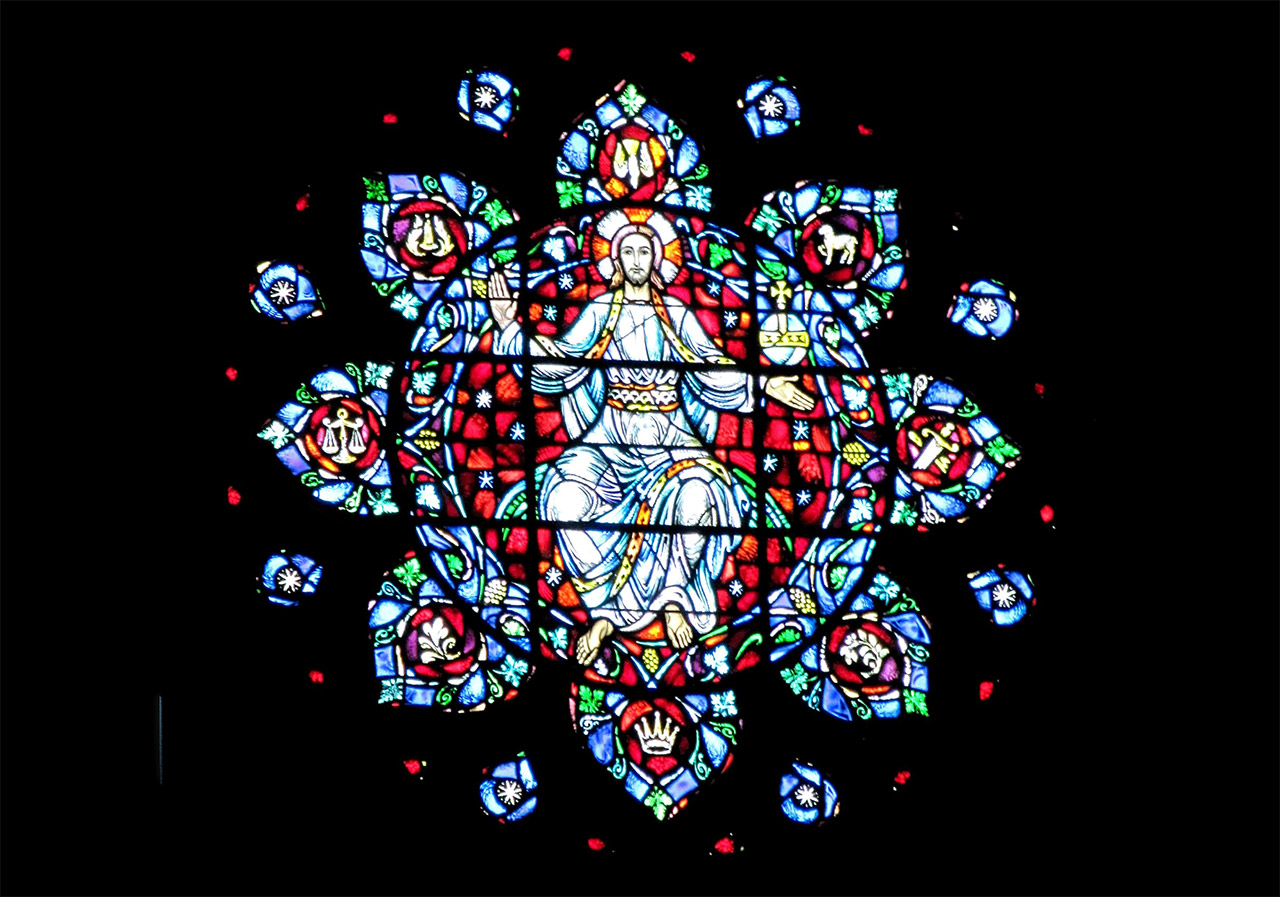
As the wheel of time progressed, Mandalas found a place in the philosophy and architecture of Christianity and Islam. They were also incorporated in the architecture of Hinduism and Buddhism previously, making spectacular, hypnotic centrepieces for domes. Many important religious sites of Abrahamic religions, such as the Hagia Sophia, the blue Mosque and Notre Dame feature them.
Christianity used Mandalas or complex, symmetrical circular patterns as a media to contemplate the wholeness and all-encompassing nature of the divine. In Islam, Mandalas have similar connotations. They incorporate natural themes, additionally representing the beauty of Allah’s creation.
Mandalas are not restricted to symbolism in these religions, it is also included in the philosophical musings of the peoples of the mesoamerican cultures. In the Mayan culture, calendars were represented in the form of a Mandala, resembling the Kalachakra mandalas in Tibetan Buddhism. The famous Aztec find, the Sun stone, found in Mexico and dated to the sixteenth century, resembles mandalas, with the infinite circular encapsulating the whole of the universe.
Mandalas in Western Philosophy

Mandalas travelled throughout the world as spiritual symbols, and as a result, they became open to secular philosophical interpretations by Western philosophers. One of the most prominent commentators on Mandalas was the highly influential Swiss psychiatrist Carl Jung, who lived in the nineteenth century. He wrote in his semi-autobiographical work, Memories, Dreams, Reflections-
I sketched every morning in a notebook a small circular drawing, […] which seemed to correspond to my inner situation at the time. […] Only gradually did I discover what the Mandala really is: […] the Self, the wholeness of the personality, which if all goes well is harmonious.
Myth vs Reality: Mandalas Are More Than Stress-Relief Coloring Patterns
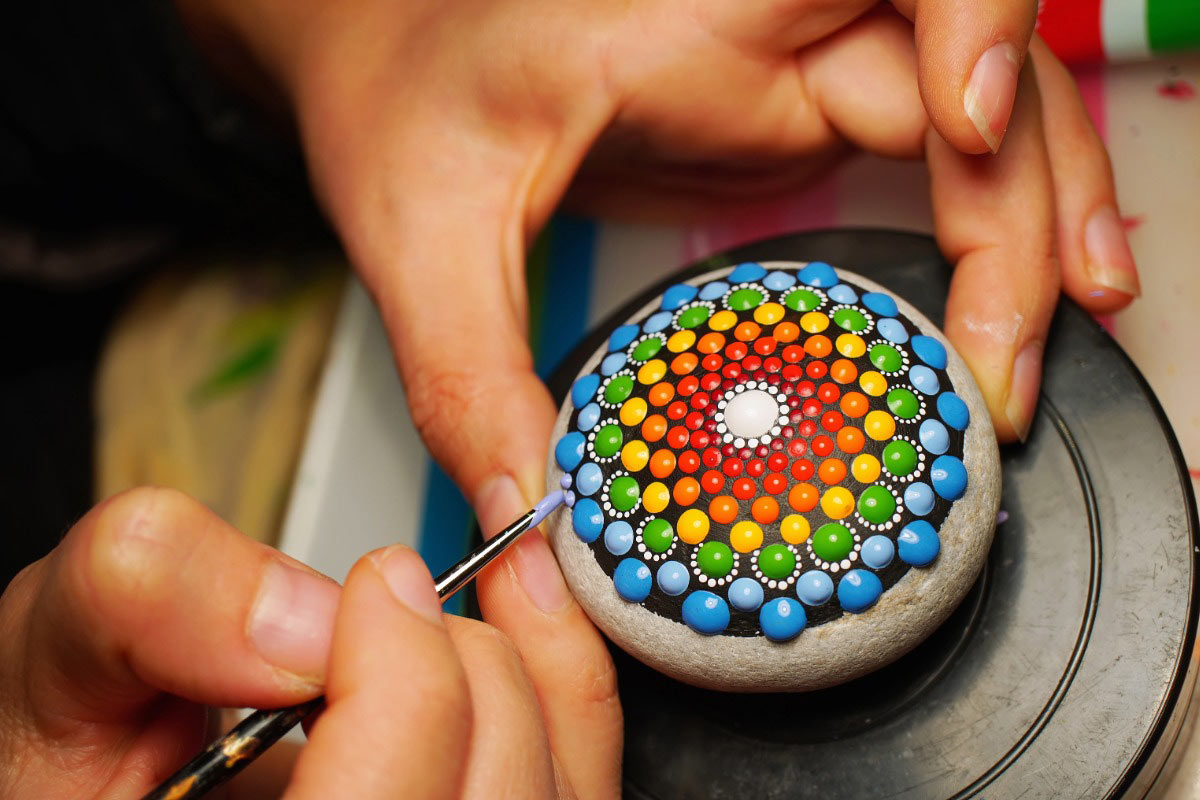
Today, mandalas are widely associated with coloring books, home décor, and mindfulness exercises. While these modern uses can be relaxing and creatively fulfilling, they represent only one aspect of a much deeper tradition. In Hindu and Buddhist practices, mandalas are sacred diagrams created according to precise geometric and symbolic principles. They are used in rituals, meditation, and spiritual initiation, serving as visual maps of the universe and the path to enlightenment.
| Myth | Reality |
| Any symmetrical circular design is a mandala. | Traditional mandalas follow precise symbolic and ritual structures rooted in sacred geometry. |
| Mandalas are mainly decorative art. | They are sacred tools used for meditation, visualization, and consecration. |
| Mandalas were created only for personal relaxation. | Many were created by trained practitioners as part of religious ceremonies and spiritual initiations. |
| The purpose of a mandala is to preserve it permanently. | Sand mandalas are often ritually dismantled to symbolize impermanence and the transient nature of life. |
| Modern mandala coloring books are identical to traditional mandalas. | They are contemporary adaptations inspired by sacred designs, usually without ritual significance. |
Takeaway
It is from such a rich history of philosophical and spiritual contemplation surrounding Mandala art that we come to the present day. Today, Mandalas have been popularised for their aesthetic value, for it demands great patience and skill, being a highly symmetrical and intricate art form. Apart from this, many people in the present day also find the art highly stimulating for similar reasons to Jung’s. Buddhist and Hindu practitioners continue to use Mandalas as a tool for contemplation of the divine, and they continue to be centrepieces in traditional architecture of many cultures. The applications and interpretations of Mandalas are infinite, like the circle they are encapsulated in. Mandalas shall remain a constant in the contemplations of humanity, despite the ephemeral nature of everything else.