The Ninth Edition of Delhi Contemporary Art Week (DCAW) will take place from 31 August to 5 September 2026 at Bikaner House, New Delhi, bringing together six leading women-led galleries from the capital alongside two major curatorial exhibitions. Organised as a collaborative initiative by Blueprint12, Exhibit 320, Gallery Espace, Latitude 28, Shrine Empire and Vadehra Art Gallery, the annual event continues its mission of presenting contemporary artistic practices from India and South Asia while fostering dialogue across disciplines, geographies and generations.
Contemporary Art Across Three Venues
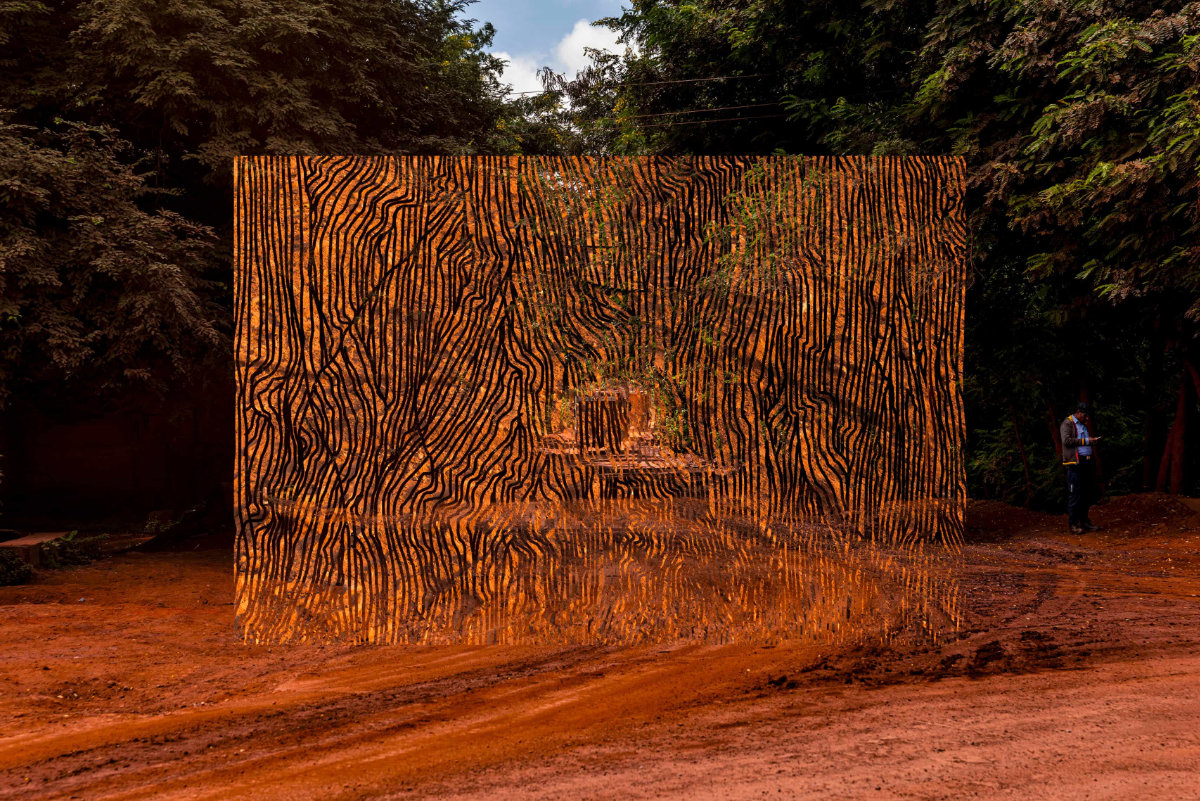
Spread across the Centre for Contemporary Art (CCA), Living Traditions Centre (LTC) and the Main Building at Bikaner House, this year’s edition examines themes including climate change, ecology, memory, identity, place, materiality and lived experience. Through gallery presentations and curated exhibitions, DCAW 2026 reflects on how artists are responding to rapidly changing social and environmental realities.
Established as a collaborative platform between six Delhi-based galleries, DCAW has become an important fixture in the city’s cultural calendar, creating opportunities for audiences to encounter a wide range of contemporary artistic voices in a single venue.
Curators Turn Attention to Climate and the Botanical World
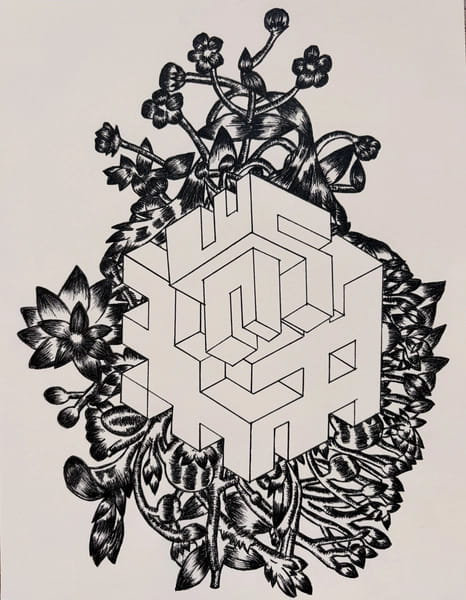
One of the central exhibitions of the edition is Bye-Bye Monsoon, curated by Adwait Singh. Drawing inspiration from Amitav Ghosh’s writings on extreme weather and climate imagination, the exhibition examines changing monsoon patterns, environmental disruption and the historical forces behind contemporary climate crises. Through newly commissioned works by artists from across South Asia, the exhibition investigates the visible and invisible effects of a rapidly shifting climate.
In the Main Building, curator Annalisa Mansukhani presents This Animate Earth, which explores the botanical world as a repository of memory, knowledge and care. The exhibition considers plants not merely as subjects of observation but as active participants in histories of land, labour, caste, ecology and empire. Through a relational understanding of the natural world, the exhibition asks how attention itself can become a form of care and belonging.
Six Gallery Presentations Offer Distinct Perspectives
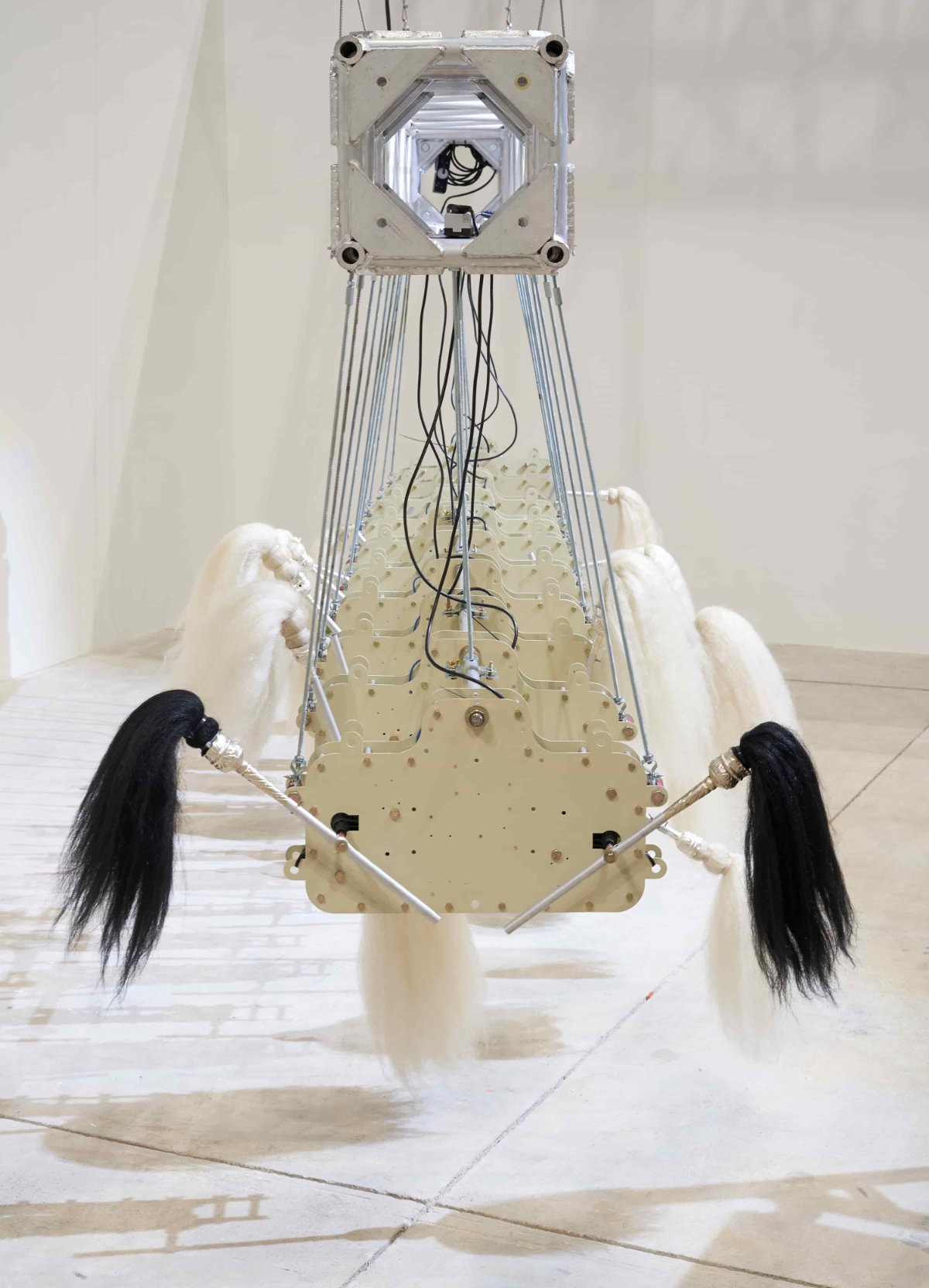
The participating galleries present exhibitions that reflect their individual curatorial approaches while contributing to broader conversations shaping contemporary art today.
Highlights include:
- Blueprint12 – Ways of Being Seen: examining identity, intimacy, grief, memory and belonging through the human figure.
- Exhibit 320: exploring materiality, displacement, labour and memory through painting, textiles, sculpture and mixed media.
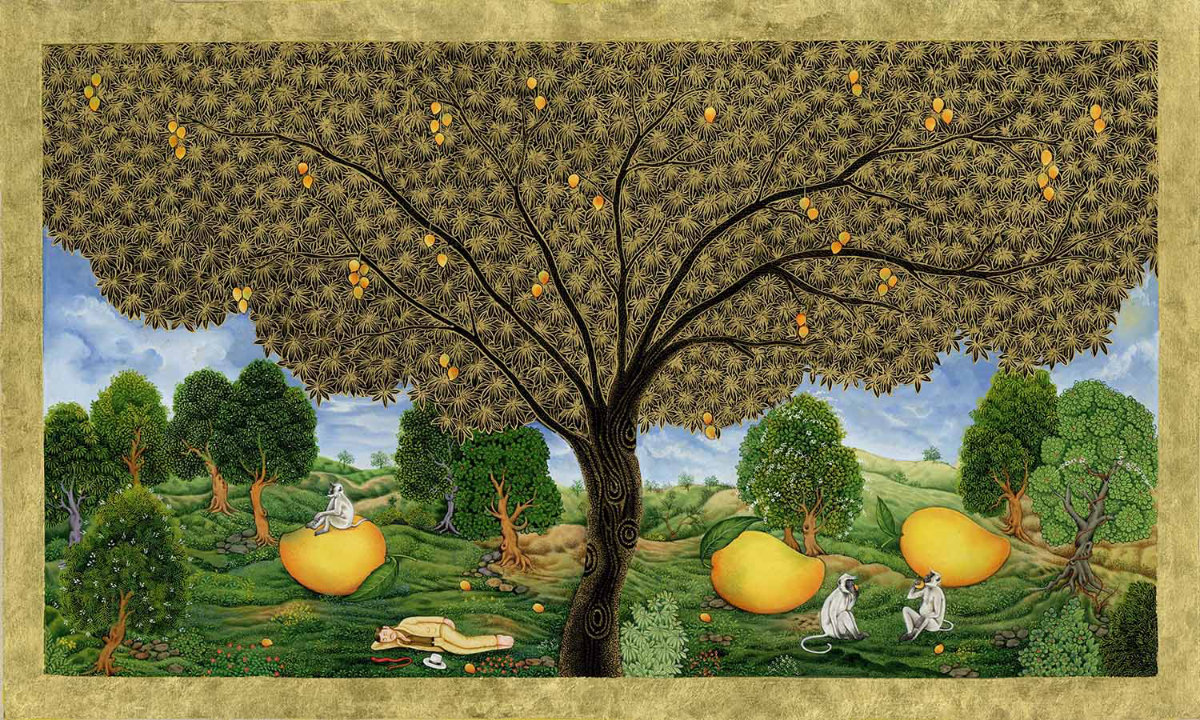
- Gallery Espace – Presenting Abundance: drawing on miniature traditions and abstraction through detailed studies of colour, surface and form.
- Latitude 28 – MERIDIAN: bringing together fourteen artists exploring land, inheritance, archives and personal histories.
- Shrine Empire: presenting South Asian artists whose practices engage with research, process and socio-political inquiry.
- Vadehra Art Gallery – A Geography of Tender Things: examining place through memory, migration, landscape and emotional experience.
Artists from Across India and South Asia
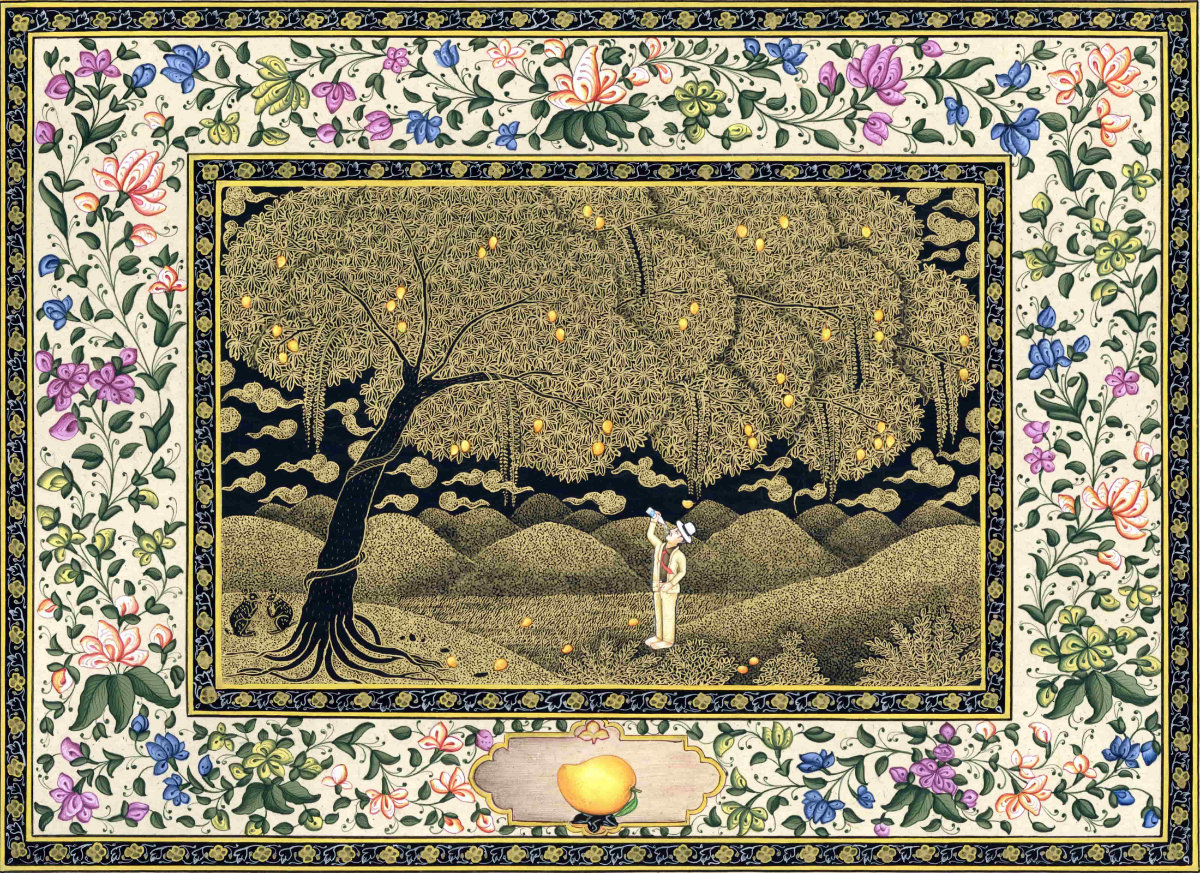
The exhibitions collectively feature a large roster of emerging and established artists working across painting, photography, sculpture, textiles, drawing, installation and mixed media. Participating artists include Anju Dodiya, Atul Dodiya, Sudhir Patwardhan, Shanthamani Muddaiah, Waswo X. Waswo, Priyantha Udagedara, Wahida Ahmed, Yasmin Jahan Nupur, Paribartana Mohanty, Shubham Kumar, Hasseena Suresh and many others from India and the wider South Asian region.
The curatorial emphasis this year highlights artistic responses to environmental uncertainty, social histories and forms of belonging, while foregrounding both established and emerging voices.
Public Programmes and Audience Engagement
Alongside the exhibitions, DCAW 2026 will host a programme of walkthroughs, conversations and audience engagements across Bikaner House. These events are designed to create multiple points of access to the exhibitions and provide opportunities for visitors to engage directly with artists, curators and gallery representatives.
Programme Highlights:
- Curator-led walkthroughs
- Artist conversations
- Public discussions
- Audience engagement sessions
- Gallery-led presentations
Continuing a Collaborative Model
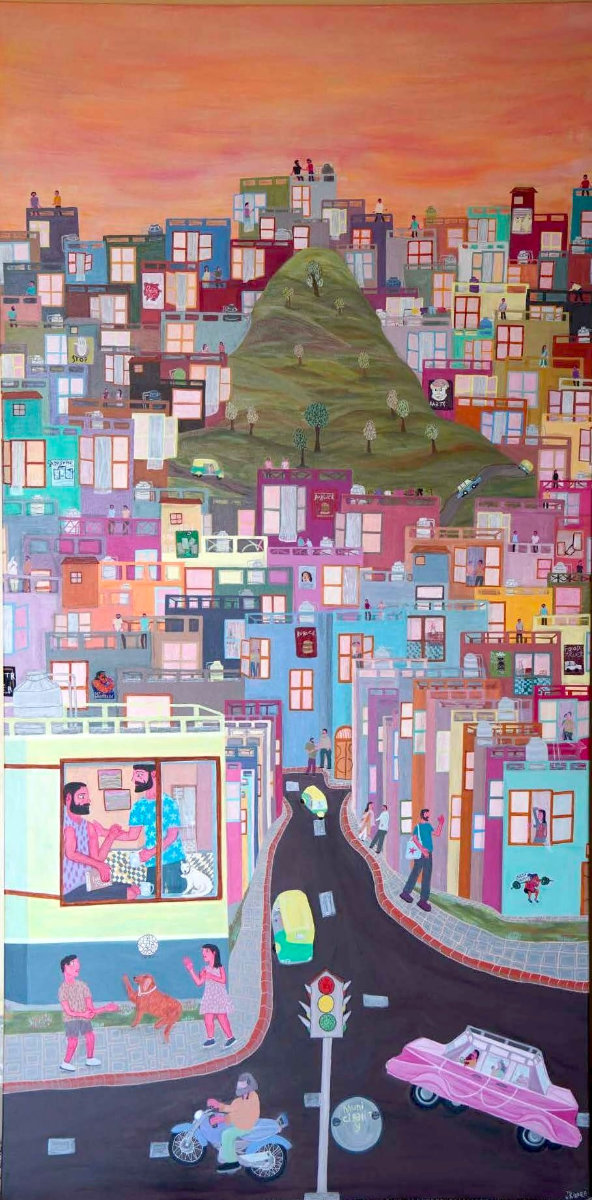
A distinctive aspect of DCAW remains its collaborative structure. Rather than functioning as a conventional art fair, the initiative operates as a collective platform through which participating galleries develop a shared exhibition environment. This approach has helped position Delhi as a significant centre for contemporary art while encouraging sustained dialogue between galleries, artists and audiences.
Event at a Glance Table
| Event | Detail |
| Title | Delhi Contemporary Art Week (DCAW) 2026 |
| Venue | Bikaner House, New Delhi |
| Opening Date | 31 August 2026 |
| Exhibition Dates | 31 August – 5 September 2026 |
| Participating Galleries | Blueprint12, Exhibit 320, Gallery Espace, Latitude 28, Shrine Empire, Vadehra Art Gallery |
| Curators | Adwait Singh, Annalisa Mansukhani |
| Organiser | Delhi Contemporary Art Week (DCAW) |
| Entry / Tickets | Not announced |
| @delhicontemporaryartweek |
Takeaway
The ninth edition of Delhi Contemporary Art Week arrives at a moment when questions of climate, ecology, memory and belonging are increasingly shaping contemporary cultural discourse. Through two ambitious curatorial exhibitions and six gallery presentations, DCAW 2026 offers visitors an opportunity to engage with artistic practices that respond to the complexities of the present. By bringing together diverse voices from India and South Asia, the event continues to strengthen Delhi’s role as a platform for contemporary art and critical cultural exchange.