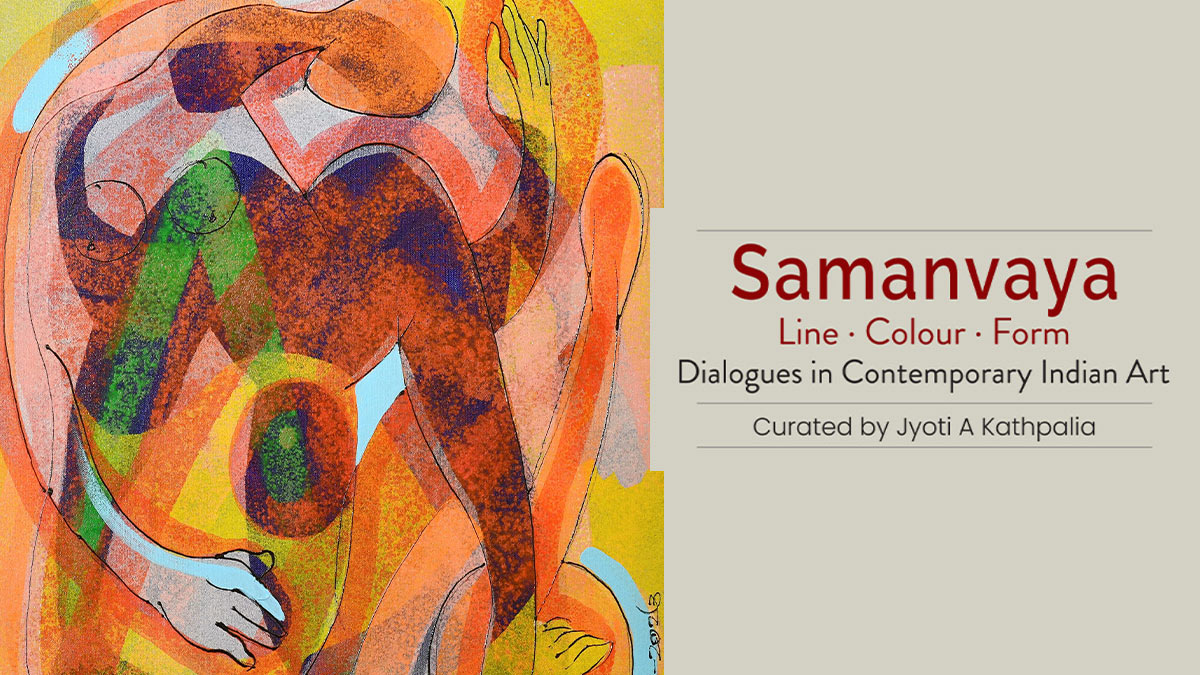
Delhi Art Society presents Samanvaya: Line · Colour · Form – Dialogues in Contemporary Indian Art, a group exhibition curated by Jyoti A Kathpalia. The exhibition is being held at the Main Art Gallery, Kamaladevi Complex, Gate No. India International Centre, New Delhi, from 20th to 30th March 2026. Featuring 25 senior artists, the show brings together a wide range of contemporary practices including painting, printmaking, and sculpture.
Curatorial Approach
The exhibition explores the interplay of line, colour, and form as central elements in contemporary artistic expression. Curator Jyoti A Kathpalia emphasises that the exhibition creates a dialogue between individual artistic visions and shared thematic concerns. The works, while deeply personal, collectively reflect broader emotional and spatial narratives within contemporary Indian art.
Artists and Participation
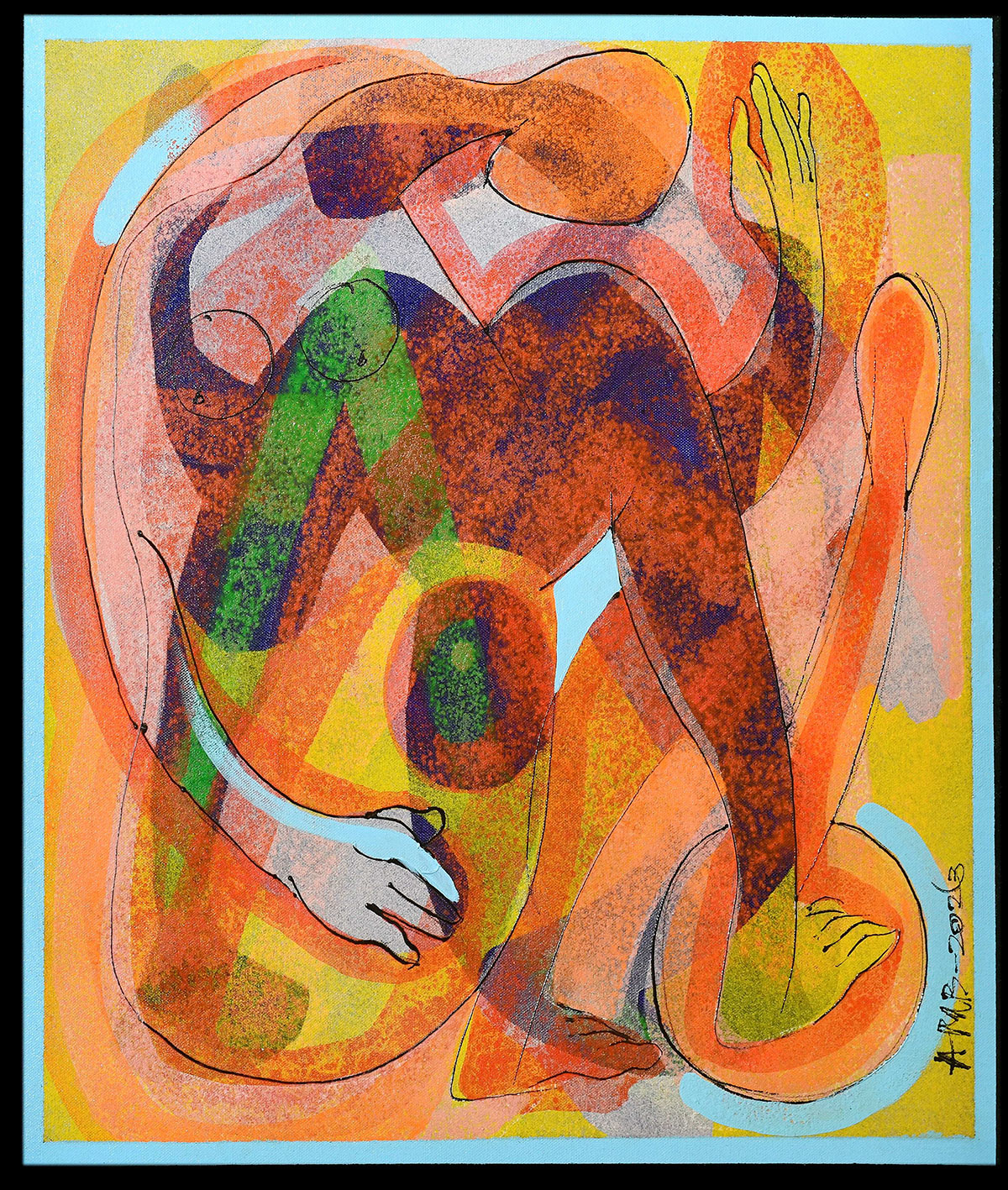
The exhibition includes a diverse group of established artists such as Aashima Mehrotra, Anand Moy Banerji, Anju Kaushik, Neeraj Gupta, Jagdish Chander, Kalicharan Gupta, Shruti Binay, and Vandana Rakesh, among others. Their practices span decades and contribute to a wide spectrum of artistic approaches and techniques.
Participating Artists Include:
- Aashima Mehrotra, Alka Jhamb, Anand Moy Banerji
- Aniruddh Sagar, Anju Kaushik, Apoorva Garg
- Avneet Chawla, Girish Urkude, Jagdish Chander
- Kalicharan Gupta, Meena Deora, Mohan Shingane
- Neeraj Gupta, Nivedita Pande, Prasanta Kalita
- Prem Singh, Rachit Jain, Rakesh Kumar Gupta
- Sanjoy Roy, Satish Sharma, Shashikala Singh
- Shruti Binay, Shruti Chandra Gupta, Surinder K. Mishra
- Vandana Rakesh
Key Artistic Highlights
Several artists present distinct thematic explorations through their works:
- Aashima Mehrotra explores abstraction through layered textures
- Shruti Chandra Gupta presents narrative-driven compositions
- Anju Kaushik uses colour to convey emotional depth
- Kalicharan Gupta’s Metropolis series reflects urban expansion
- Jagdish Chander’s work draws from abstract expressionism
- Anand Moy Banerji explores human psyche through printmaking
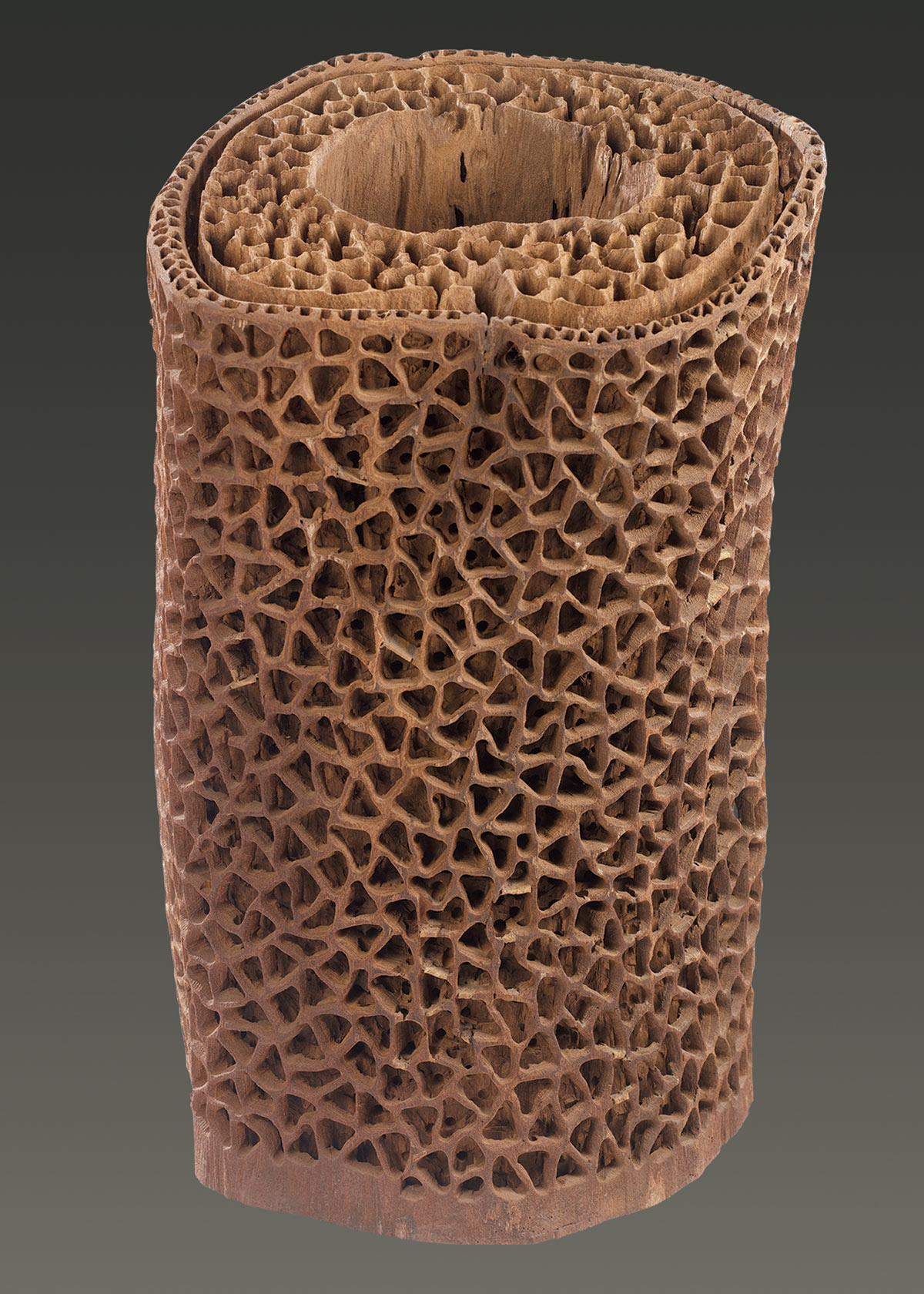
- Neeraj Gupta creates sculptural works using natural wood forms
Themes and Artistic Practices
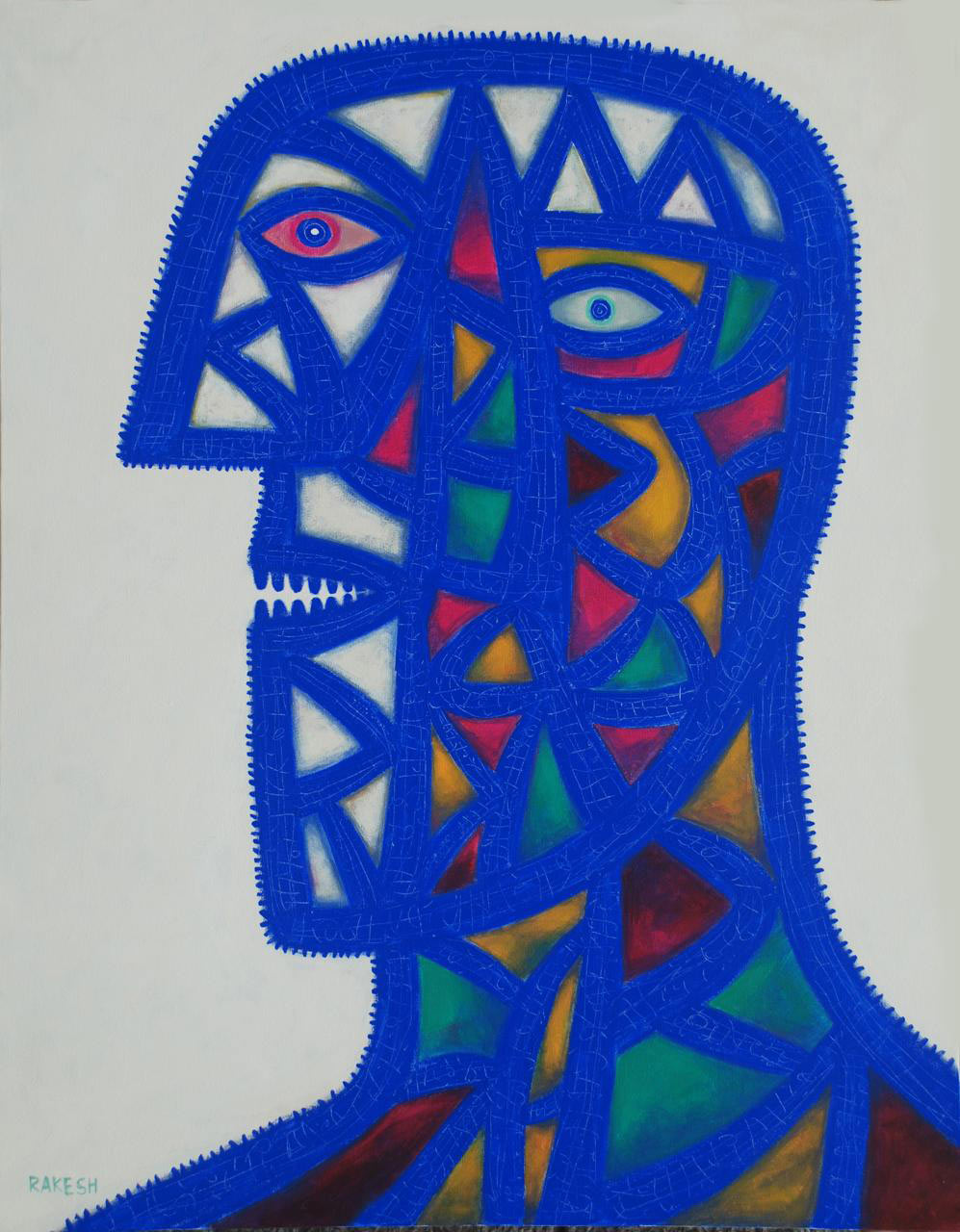
The exhibition brings together varied artistic languages that address memory, identity, urbanisation, and inner experience. Works such as Rakesh Kumar Gupta’s Heads series engage with abstract portraiture, while Shruti Binay’s compositions reflect absence and memory. Vandana Rakesh’s watercolours draw from tribal and primitivist traditions, merging them with contemporary sensibilities.
Organiser’s Perspective
Neeraj Gupta, President of Delhi Art Society, highlights the organisation’s ongoing commitment to promoting contemporary Indian art. He notes the importance of giving visibility to serious artistic practices, particularly in sculpture and contemporary visual language, to strengthen India’s position in the global art landscape.
View this post on Instagram
Visitor Information
| Aspects | Details |
|---|---|
| Event Name | Samanvaya: Line · Colour · Form – Dialogues in Contemporary Indian Art |
| Artist | 25 Participating Artists (Group Exhibition) |
| Venue | Main Art Gallery, Kamaladevi Complex, India International Centre |
| City | New Delhi |
| Opening Date | 20th March 2026 |
| Exhibition Dates | 20th to 30th March 2026 |
| Organiser | Delhi Art Society |
| Timings | 11:00 A.M. to 7:00 P.M. |
The exhibition is open daily from 11:00 A.M. to 7:00 P.M. at the India International Centre, a prominent cultural venue in New Delhi known for hosting art exhibitions, discussions, and cultural programmes. Entry details have not specified ticket requirements, and visitors are encouraged to check directly with the venue for access information.
Conclusion
Samanvaya: Line · Colour · Form offers a comprehensive view of contemporary Indian art through the works of experienced practitioners. By bringing together diverse artistic voices, the exhibition creates a shared space for reflection and dialogue. It contributes to ongoing conversations around artistic expression, cultural memory, and the evolving language of visual art in India.