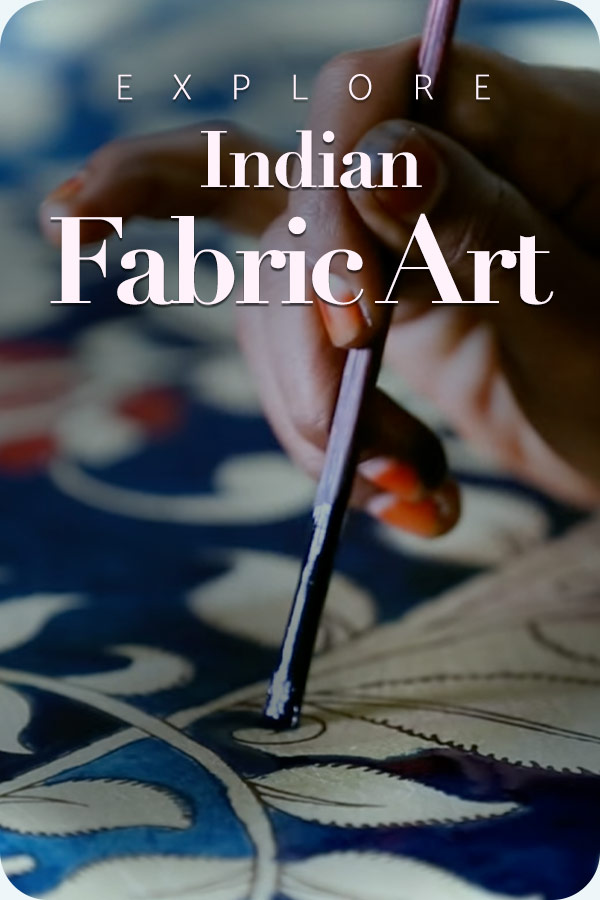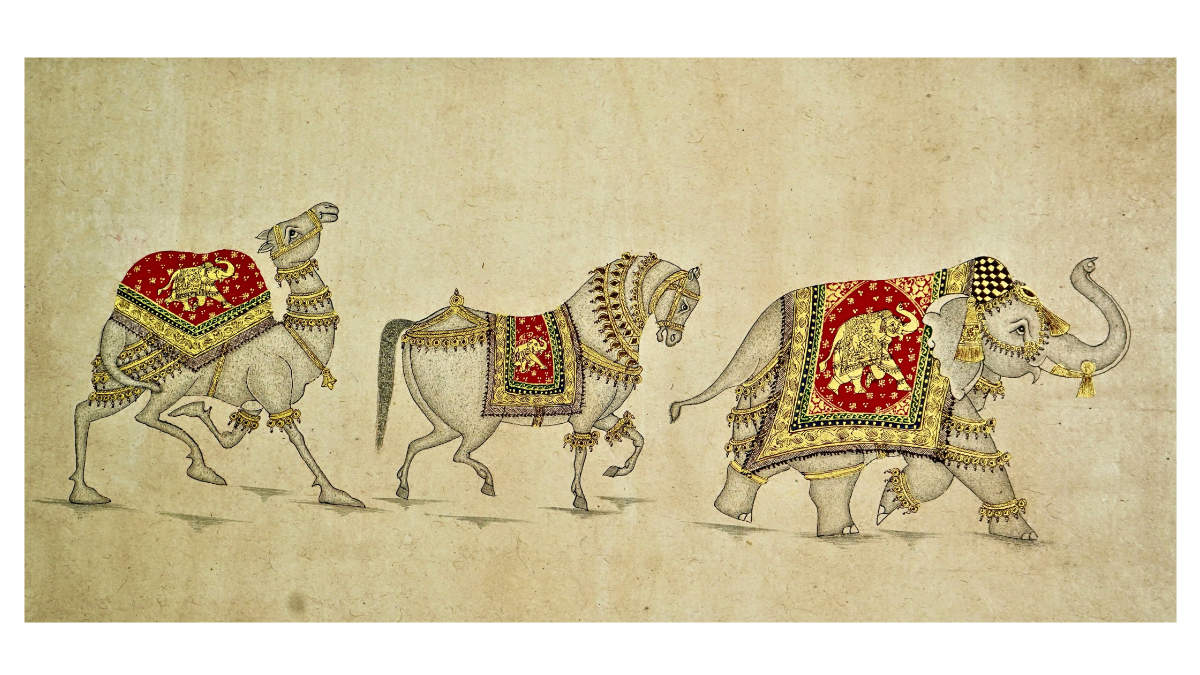
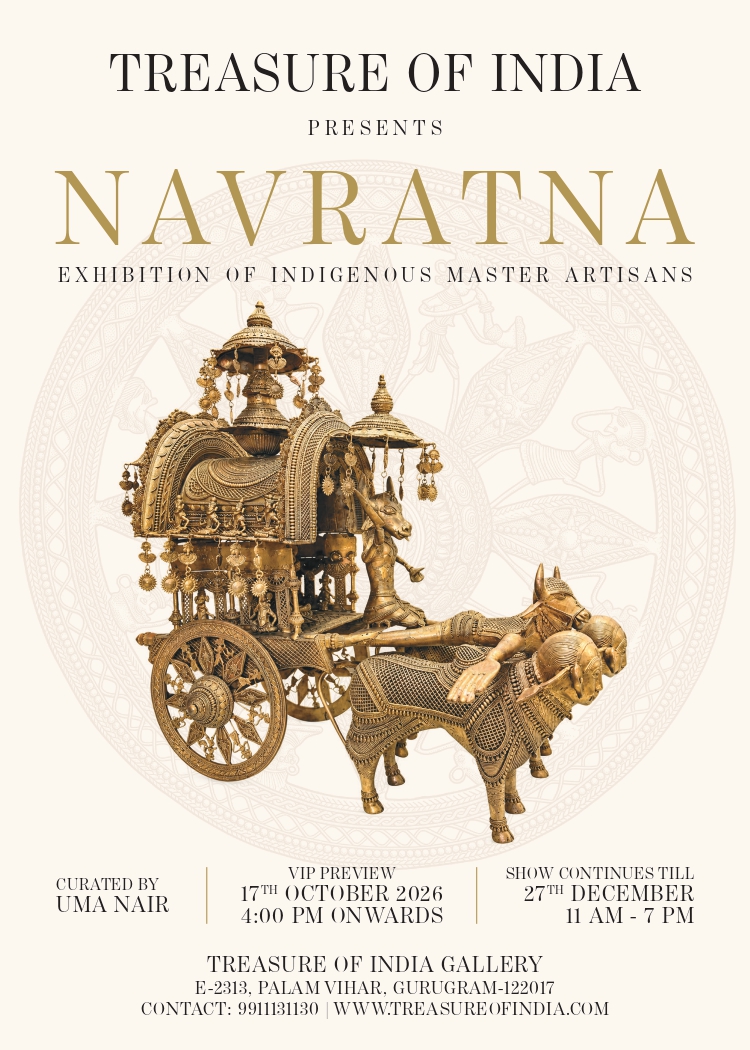
Treasure of India, a new gallery and foundation dedicated to traditional, tribal and indigenous art, will open in Gurugram on 18 October 2026 with its inaugural exhibition, Navratna: Indigenous Masters. Curated by art historian and author Uma Nair, the exhibition will run until 27 December 2026, bringing together nine master artisans representing a range of Indian artistic traditions, from Dokra metalwork to Pattachitra and miniature painting.
A New Platform for Traditional Indian Art
Founded by artist Tanisha Bakshi, Treasure of India aims to provide a dedicated platform for Indian craftsmanship and the communities that sustain it. The gallery builds on a 45-year collecting legacy begun by Bakshi’s father, artist and collector Ashok Samrat Bakshi. Its launch also introduces a wider initiative focused on preserving traditional art practices while connecting artisans with contemporary audiences.
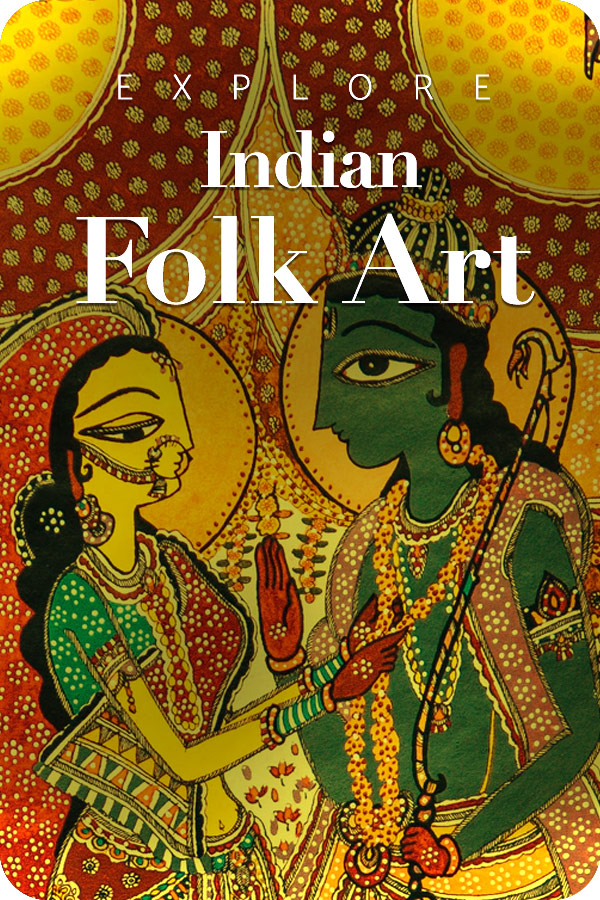
The gallery’s official website features traditional art forms including Gond, Pichwai, Pattachitra, Dokra and Kalighat, reflecting the range of practices associated with its wider programme.
Nine Artisans and Their Artistic Traditions
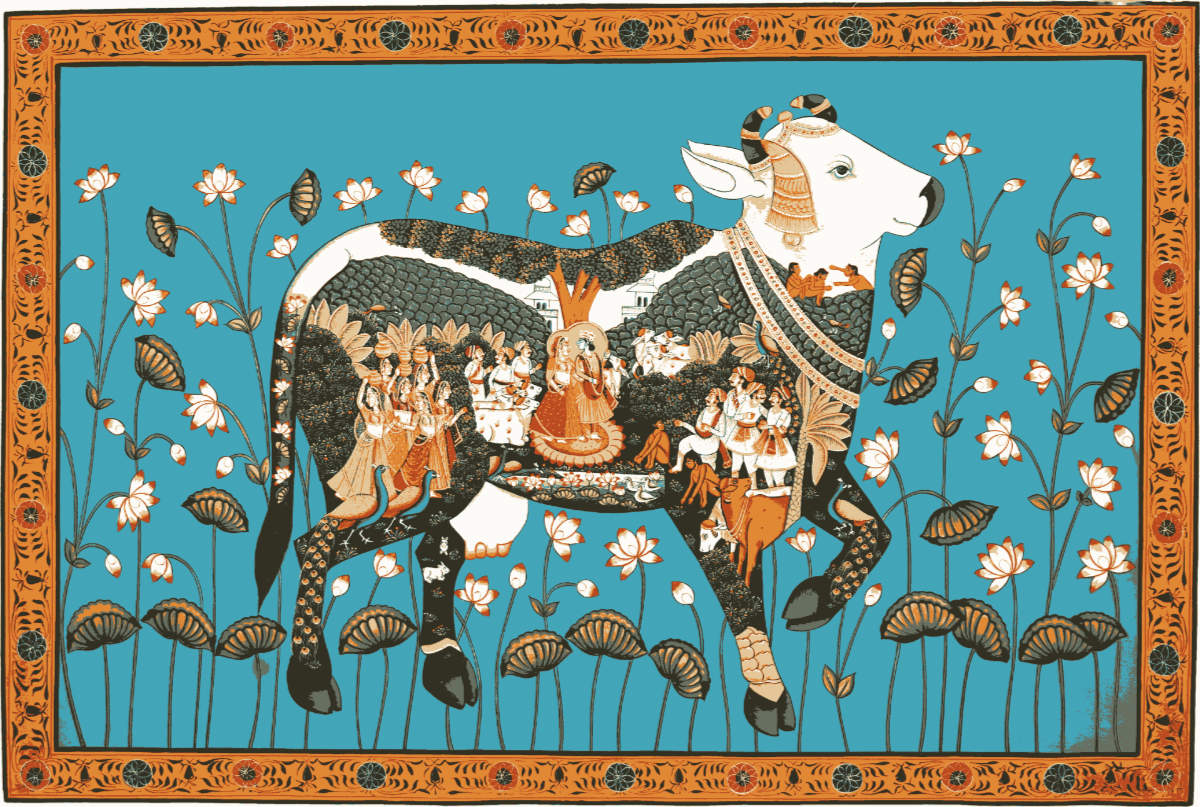
The title Navratna, meaning “nine gems”, refers to the nine artists and master practitioners featured in the exhibition. Their work represents traditions shaped by regional histories, inherited techniques and cultural narratives.
The participating artisans are:
- Dokra art: National Awardees Baldev Waghmare and Hirabai Jhureka Baghel.
- Gond art: Master artisan Nankusia Shyam.
- Sohrai art: Lifetime Achievement Awardee Putli Ganju.
- Pattachitra art: National Awardees Niranjan Maharana and Akshay Kumar Bariki.
- Kalighat painting: State Awardee Putul Chitrakar.
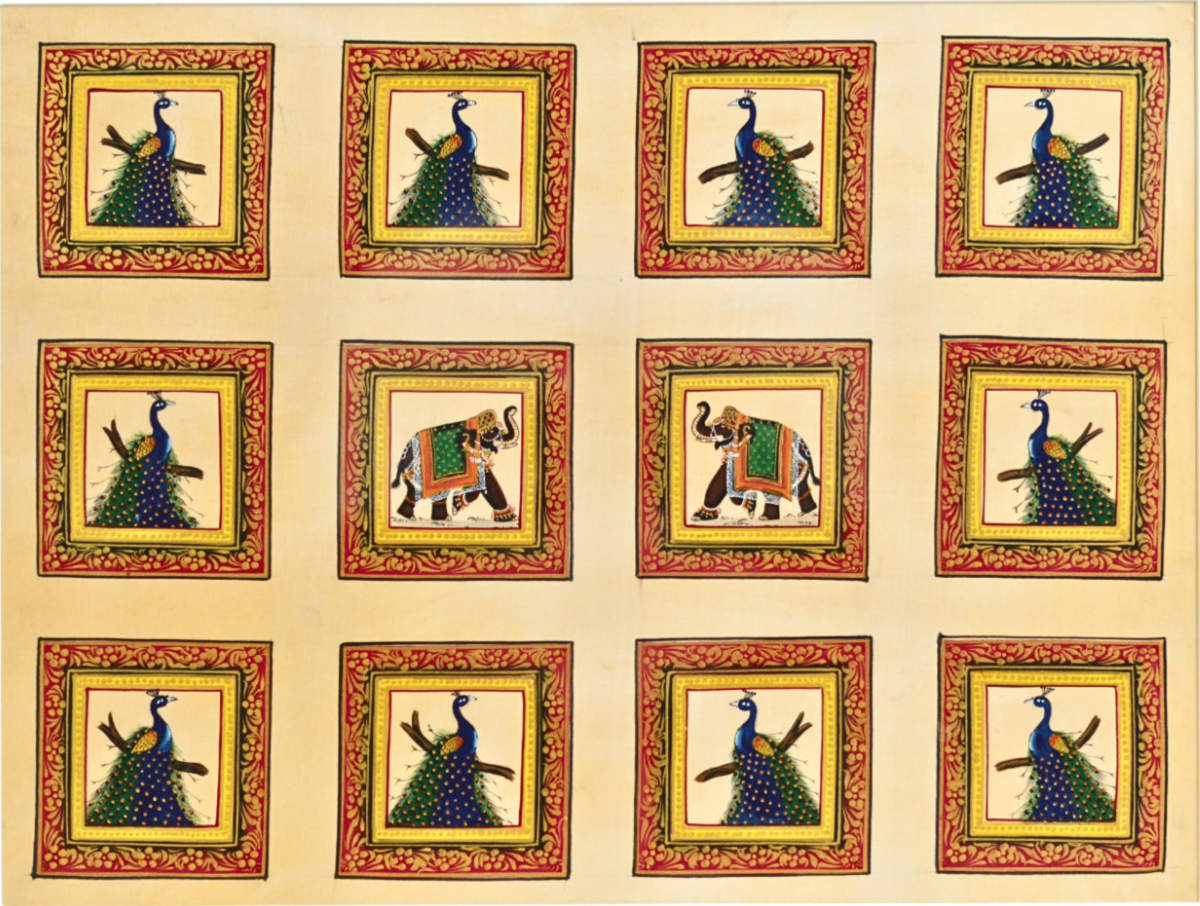
- Pichwai art and miniature painting: Master artisans Leelakant Pareek and Sudarshan Pareek.
Together, these practices demonstrate the diversity of indigenous and traditional art in India. The exhibition brings metal casting and painting into a shared setting, drawing attention to the skills and knowledge maintained across generations.
From Ancient Metal Casting to Detailed Paintings
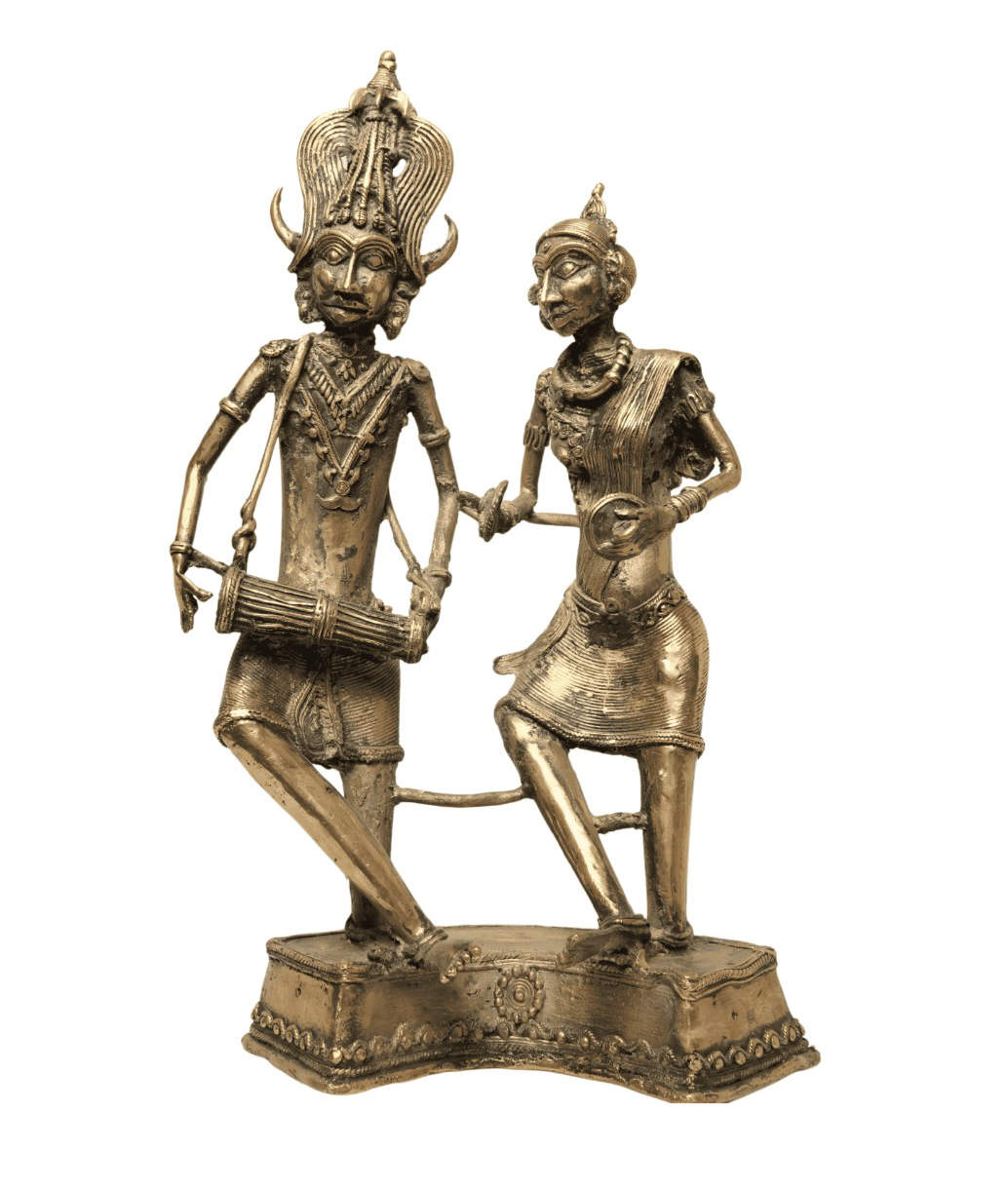
The exhibition spans artistic practices with distinct materials, methods and visual languages. Its scope includes lost-wax metal casting, a technique with a history extending back approximately 4,000 years, alongside the intricate painting traditions of Pattachitra, Pichwai, Gond, Sohrai, Kalighat and miniature art.
These traditions often engage with mythology, spiritual beliefs, nature and everyday life. Their continued practice also depends on the transmission of technical knowledge between generations. By presenting the nine practitioners together, Navratna: Indigenous Masters places different artistic lineages within a common conversation about India’s cultural heritage.
Curatorial Perspective on Living Heritage
Curator Uma Nair, an art historian and author, frames the exhibition around the relationship between artistic expression, community life and spiritual experience. In her statement accompanying the exhibition announcement, Nair describes the paintings and sculptures as expressions that connect everyday experience with wider philosophies of life.
The curatorial approach brings attention to the cultural contexts behind the works rather than treating them solely as decorative objects. It also raises questions about how traditional artistic practices can remain relevant as audiences, markets and modes of cultural engagement change.
Foundation to Support Artisans
Alongside the gallery, the Treasure of India Art Foundation will operate as its non-profit arm. According to the organisers, the foundation intends to provide artistic residencies, skill-building workshops, market exposure and direct financial support to indigenous artisans.
Founder Tanisha Bakshi has identified the recognition, dignity and economic value of traditional creators as central to the initiative. The foundation’s proposed activities aim to help artisans develop independent practices and reach wider audiences while safeguarding inherited knowledge and craftsmanship.
The initiative therefore extends beyond the inaugural exhibition, linking public presentation with longer-term support for practitioners and their artistic communities.
Exhibition Details and Visitor Information
| Event | Details |
| Title | Navratna: Indigenous Masters |
| Artist | Baldev Waghmare, Hirabai Jhureka Baghel, Nankusia Shyam, Putli Ganju, Niranjan Maharana, Akshay Kumar Bariki, Putul Chitrakar, Leelakant Pareek and Sudarshan Pareek |
| Curator | Uma Nair |
| Venue | Treasure of India Gallery, E-2313, Palam Vihar, Gurugram – 122017, India |
| City | Gurugram, Haryana, India |
| Preview Date | 17 October 2026 |
| Opening Date | 18 October 2026 |
| Exhibition Dates | 18 October – 27 December 2026 |
| Organiser | Treasure of India |
| Entry / Tickets | Ticket prices and exhibition-specific registration details have not been provided in the press release. Contact the gallery for visitor information. |
| Website | Treasure of India Official Website |
| Contact | +91 9911131130 |
Visitors can consult the gallery’s official website for information about its collection and contact details. The published gallery information lists visits by prior appointment, with the gallery open Monday to Sunday, from 11 am to 8 pm. No exhibition-specific ticket price or registration link has been provided in the available press material.
Through its inaugural exhibition, Treasure of India introduces a programme centred on the preservation and contemporary visibility of traditional Indian art. By bringing nine practitioners into focus and establishing a foundation for continued support, the initiative offers an opportunity to engage with the people, techniques and cultural knowledge that sustain these artistic traditions.