Walk into a newly set up Indian kitchen and there is a good chance something will be missing. There may be too much rice, but no dal. There could be a full shelf of spices, but no cooking oil. This is the sort of scenario that happens quite often.
The simplest way to avoid such a scenario is to begin from the basics, that is, the food items that are really consumed in the household. There is no prize for filling every cupboard on the first day. A few basic items would suffice for preparing a lot of meals. Even if there is an item which is over, then it is much easier to purchase through online grocery shopping apps without having to make grocery shopping a full-fledged schedule for the day.
Rice And Flour Come First
Rice is such an ingredient that very seldom goes unused. It can be enjoyed with dal, made into pulao, paired with vegetables, or just turned into fried rice the next day.
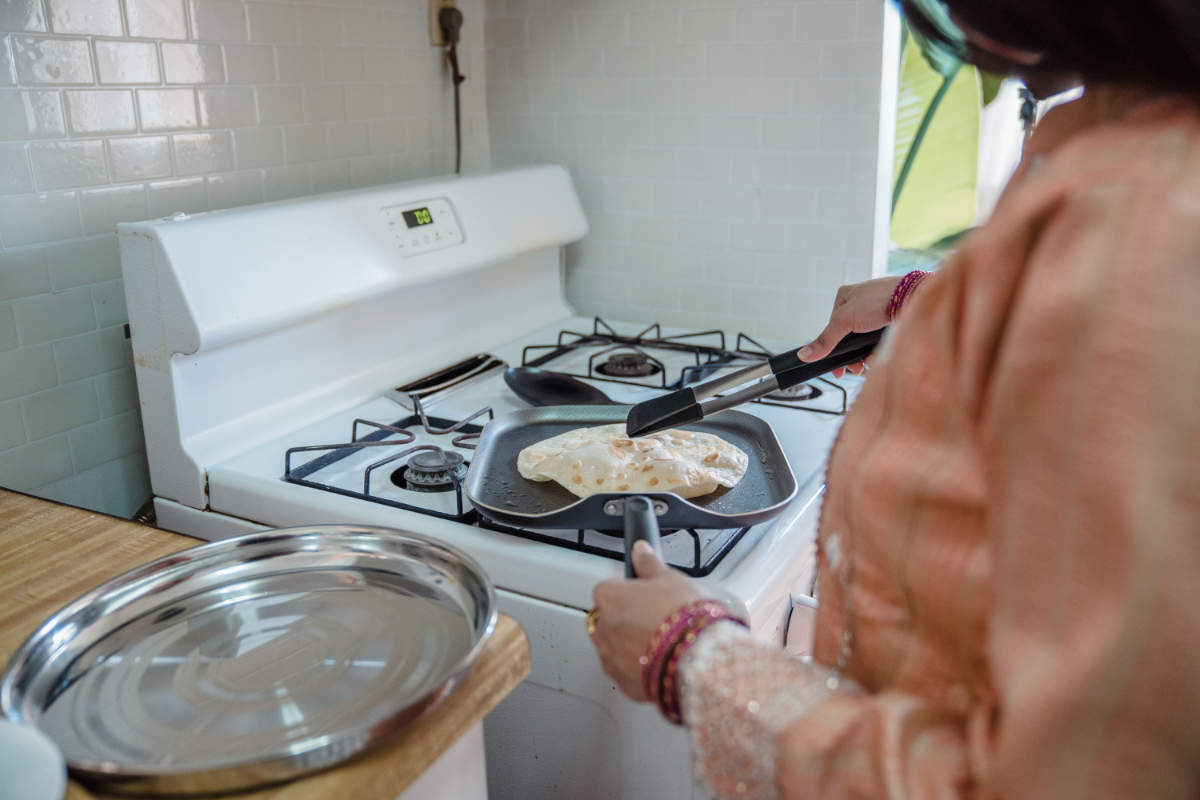
Atta is equally useful where rotis or parathas are consumed on a daily basis at home. It is also good to store poha and sooji. Poha provides a quick breakfast for people who are in a morning rush, while sooji may be used for preparing upma, halwa and some snacks.
The trick is not to buy every variety available. Start with what the family actually eats.
Build The Spice Box Slowly
A new kitchen can quickly end up with an entire shelf devoted to spices. It may look nice, but not everything needs to be purchased right away.
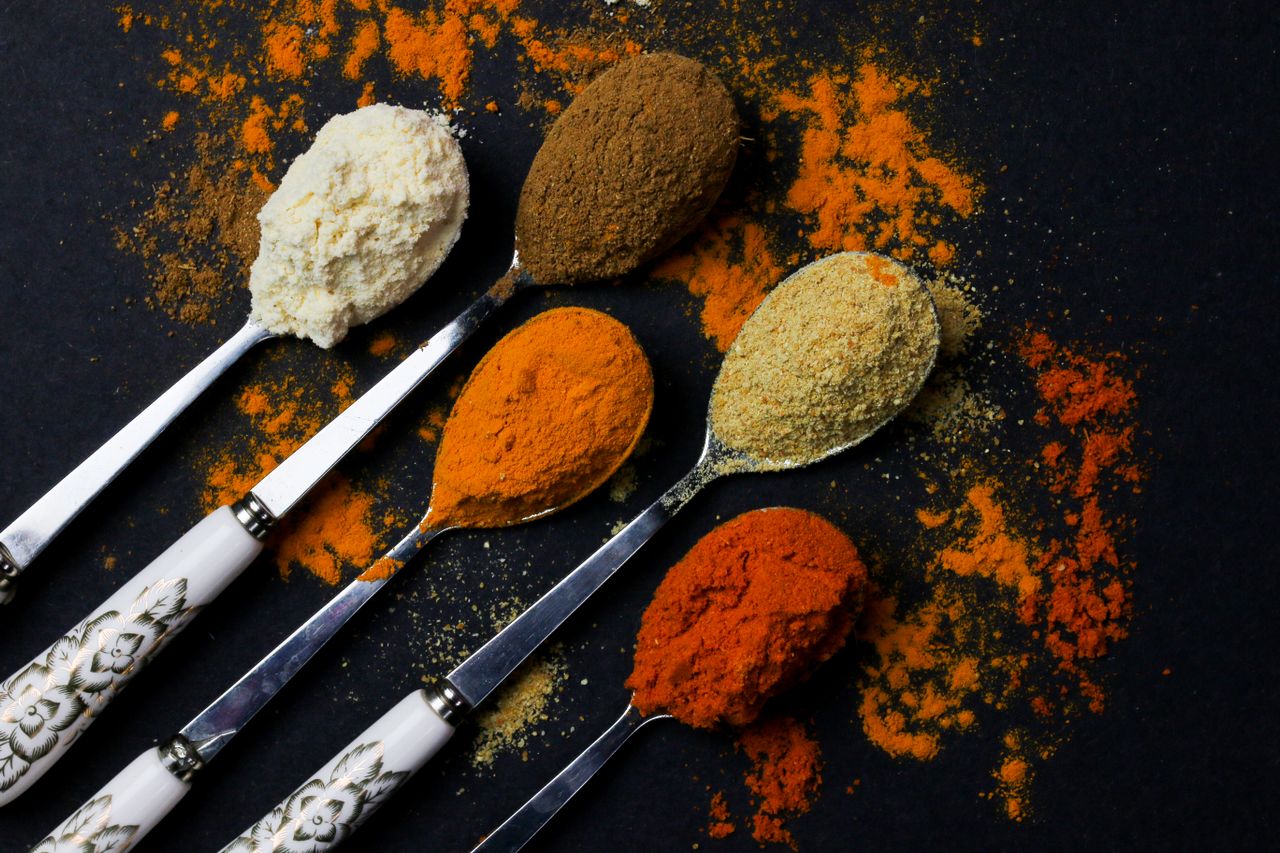
Start with turmeric, cumin, coriander powder, red chilli powder, and garam masala. You should also buy cumin seeds and mustard seeds, which are always useful for tempering. Cinnamon, cloves, cardamom and black pepper can come next.
One thing worth remembering is that spices are not meant to live in the cupboard forever. They gradually lose their aroma. Buying smaller packs and actually finishing them is often a better idea than stocking up simply because there is an offer.
Pick Cooking Oils That Suit The Kitchen
There isn’t any specific cooking oil which should be in every Indian house. Every region has its own preference regarding cooking oil.
While some people may use sunflower oil regularly, others may prefer mustard, groundnut or coconut oil for their dishes. Sesame oil is also one of the frequently found cooking oils in many regional dishes.
One everyday oil is enough to begin with. Other varieties can be bought when a particular recipe calls for them.
Remember The Little Things
Salt and sugar sound too obvious to mention until dinner is halfway prepared and one of them is missing. Some other kitchen essentials include jaggery, vinegar, sauces, tea and coffee.
There are also the ingredients that make cooking easy and enjoyable, like, ginger, garlic, onions, potatoes, and green chilies. Such ingredients are consumed very quickly, so the frequency of shopping groceries online will be higher than expected.
Make Restocking Easier
Before ordering anything, have a quick look through the cupboards. It takes a minute and can prevent buying a second packet of something that is already hiding behind the flour.
It also helps to think about the next few meals. Nothing complicated is needed. If dal, rotis, and vegetables are going to be cooked during the week, then their ingredients can be added to the list.
This is where online grocery shopping apps can prove helpful. Pantry staples can be checked and ordered when necessary, not just after you’ve completely run out of an item.
Let The Pantry Grow Naturally
Every Indian kitchen does not have to be similar in all houses. A person who prepares idlis on weekends needs different staples than a person who prepares rajma and rotis all the time.
Begin with the food you actually eat. Notice what finishes quickly, what gets forgotten and what needs replacing more often. Over time, shopping groceries online would become much easier and less guesswork.
It is not always about having all the ingredients but having the right ones when everyone is hungry.