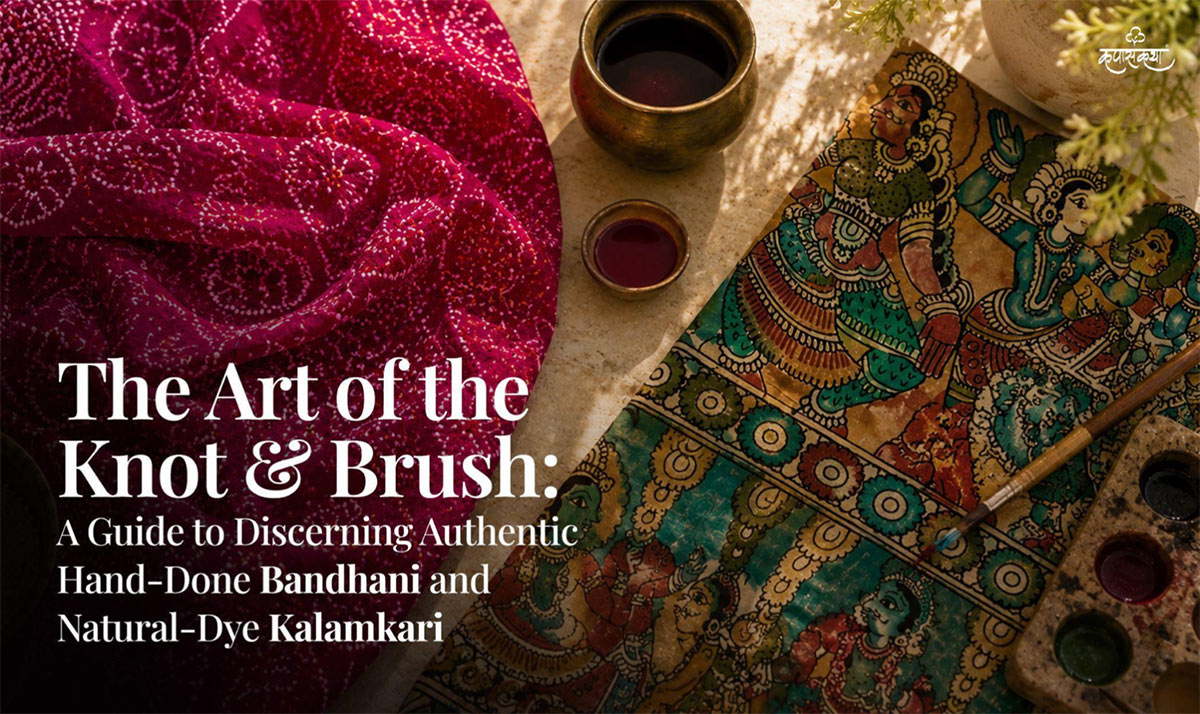
Printed replicas have made traditional Indian textiles more accessible, but they have also made it harder for buyers to identify genuine craftsmanship. The names Bandhani and Kalamkari often appear on products that only imitate the original techniques. For anyone looking to invest in heritage textiles, understanding the difference matters. Whether you are searching for authentic Bandhani sarees or original Kalamkari sarees, learning to recognise the signs of handcrafted work helps you appreciate the skill, time, and cultural legacy woven into every piece. At Kapaas Katha, these craft traditions are celebrated through thoughtfully curated collections that honour the artistry behind every saree.
What Makes Authentic Bandhani Sarees Different from Printed Sarees
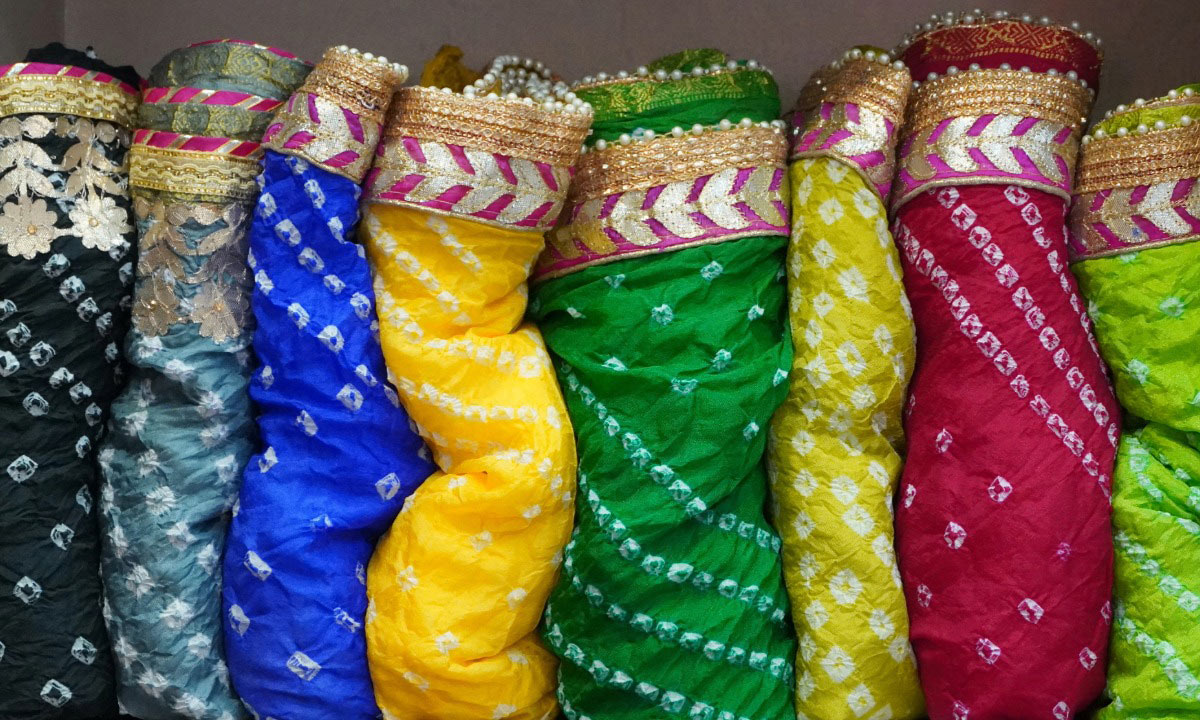
Bandhani is one of India’s resist-dyeing traditions, practiced across Gujarat and Rajasthan. The process begins when artisans pinch tiny portions of fabric and tie them tightly using thread before dyeing. Thousands of these miniature knots create the characteristic dotted patterns seen on an authentic bandhani work saree.
A skilled artisan often relies on the precision of their fingernails to create these ties, and the process can take days or months depending on the complexity of the design. Once the fabric is dyed and the knots are opened, distinctive patterns emerge across the surface.
Printed imitations, on the other hand, simply reproduce the visual appearance of Bandhani through screen or digital printing. While they may resemble traditional work from a distance, they lack the physical characteristics and depth found in genuine bandhani fabric.
Many heritage Bandhani creations are also crafted on luxurious Gajji silk sarees, a fabric long associated with the textile traditions of Gujarat and admired for its rich drape and texture.
How to Check If Your Bandhani Saree Is Hand-Tied or Machine-Made
For buyers investing in handcrafted textiles, a closer look reveals valuable clues about authenticity. Trusted craft-focused brands such as Kapaas Katha work closely with artisan communities to preserve traditional techniques, making it easier for buyers to access genuine hand-done Bandhani.
Feel the Dots
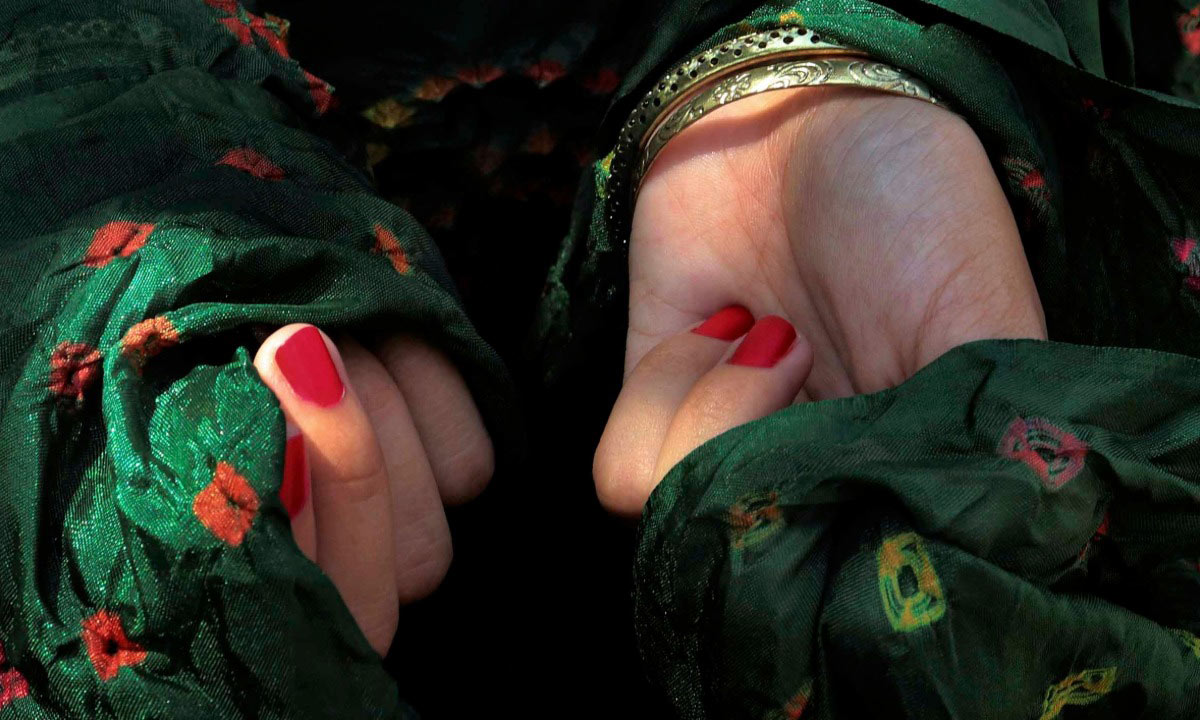
In genuine Bandhani, the dots are not merely visual elements. You can often feel slight raised points where the fabric was tied. On the reverse side, knot impressions may also be visible.
Hold the Fabric Against Light
Tiny halo-like rings often appear around the dyed dots. These occur naturally during the resist-dyeing process and are difficult to reproduce through printing.
Look for Natural Variations
No artisan ties thousands of knots with machine precision. Slight differences in dot size, spacing, and alignment are often signs of authentic handwork rather than defects.
Check the Texture
Traditional Bandhani frequently retains a softly crinkled texture after the knots are opened.
Those interested in handcrafted Bandhani can browse Kapaas Katha’s Bandhani Sarees.
Many traditional saree bandhani design layouts also follow recognized formats passed through generations. Patterns such as Gharchola, Shikari, Chandrokhani, and other classic arrangements remain among the most admired types of Bandhani patterns seen in heritage collections.
What Is Kalamkari? The Art Technique Explained

If Bandhani is the art of the knot, Kalamkari is the art of the brush.
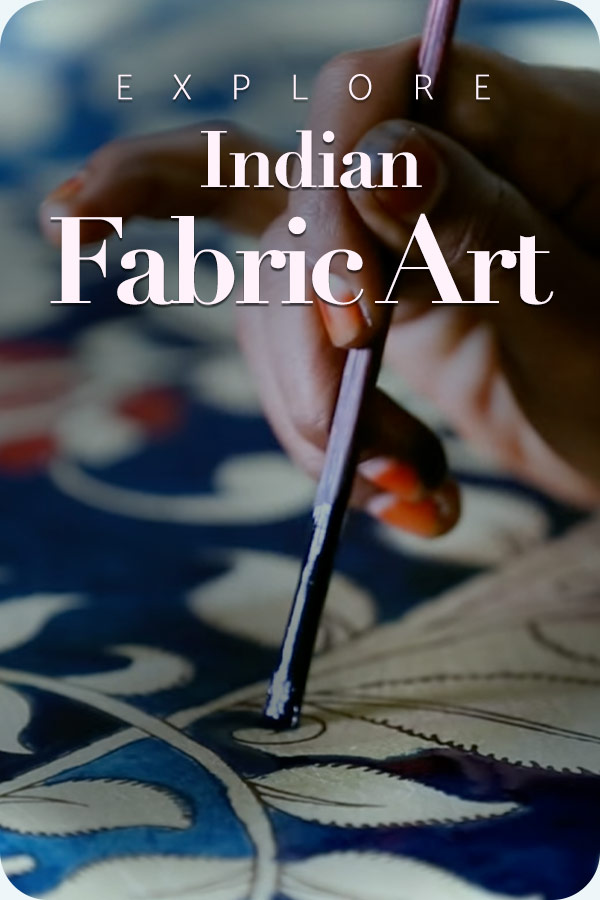
The Kalamkari art technique explained in its simplest form is a process of storytelling through hand-drawn imagery. Mythological scenes, temple narratives, floral forms, birds, and elements from nature are carefully illustrated across the textile surface. Every line is created by hand, giving each piece a distinctive identity.
Unlike printed reproductions, authentic kalamkari artwork carries visible traces of the artisan’s movement and artistic interpretation. Many modern collectors appreciate these artistic traditions through carefully curated Kalamkari Silk Sarees that retain the essence of hand-down craftsmanship.
How Natural Dye Is Used in Kalamkari Fabric
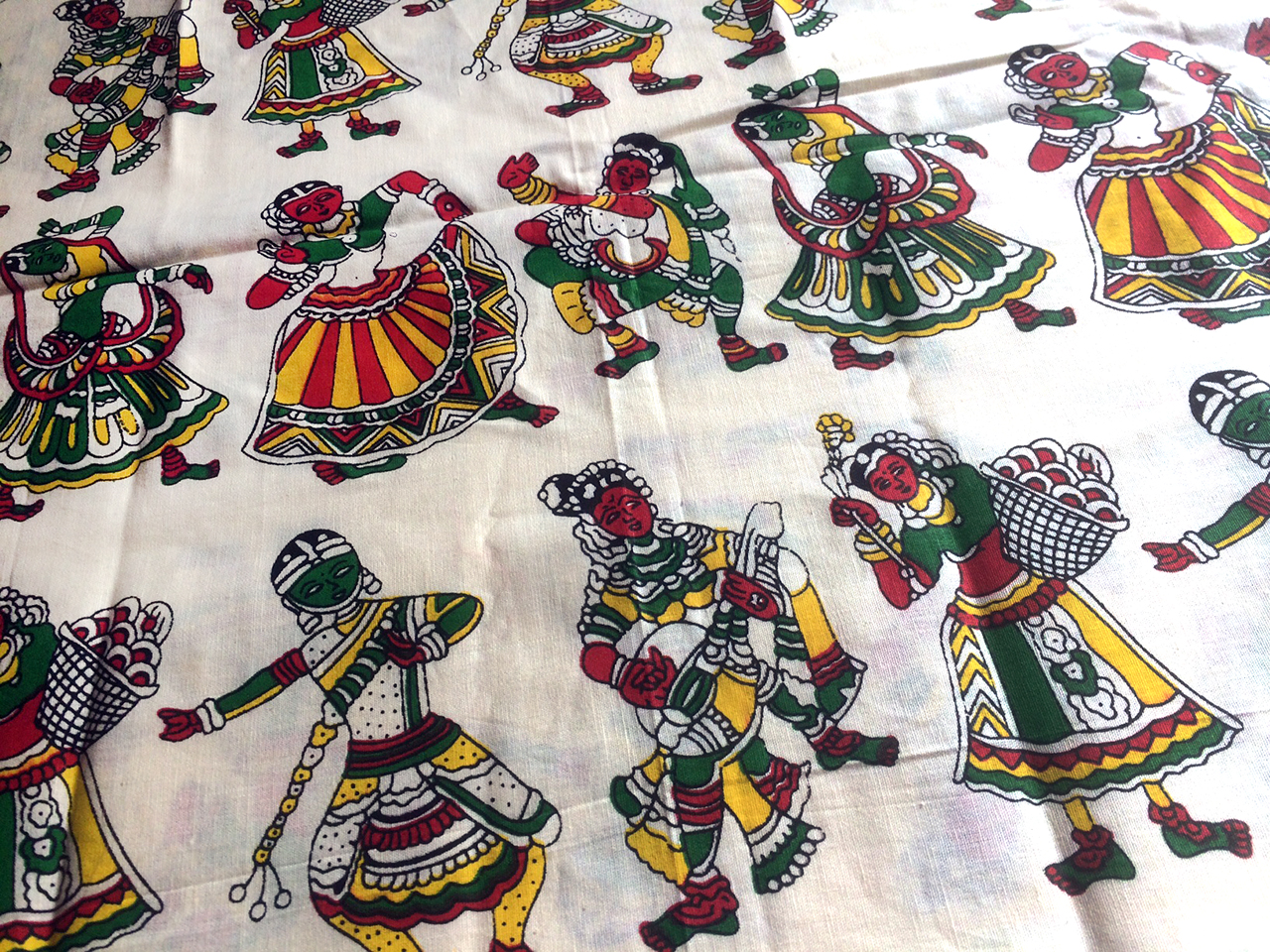
The preparation of kalamkari fabric begins with treating the cloth using myrobalan and milk solutions. This helps the fabric absorb dyes effectively while supporting colour development.
Artisans then apply colours derived from plants, minerals, and natural mordants in multiple stages. Between applications, the fabric undergoes repeated washing and drying cycles, traditionally involving river water and sunlight.
The entire process often extends across several weeks and may involve more than twenty individual steps. This layered approach creates the depth and richness associated with authentic Kalamkari textiles. These techniques can also be found across a variety of Kanjivaram Silk Sarees that showcase India’s textile heritage.
Signs of Real Kalamkari Work
Recognizing genuine Kalamkari becomes easier when you know what details to observe.
Earthy Colour Palette
Authentic pieces usually feature softer, earthy tones rather than highly saturated neon shades. The colours create depth that feels organic rather than artificial.
Hand-Drawn Character
Look closely at the outlines. Minor variations, gentle brush movements, and lines that occasionally move beyond perfect symmetry are often indicators of hand execution.
Distinct Black Outlines
Traditional Kalamkari frequently uses strong black borders to define motifs and compositions. These outlines provide structure while highlighting the artwork.
Reverse-Side Evidence
In many cases, faint traces of ink or colour penetration can be seen on the reverse side of the fabric, reflecting the hand-drawing process.
Natural Scent
Some authentic pieces may retain a mild milky and earthy aroma associated with natural mordants and traditional dyeing materials.
Value Reflects Labour
A genuine hand-painted kalamkari painting on textile requires substantial time and expertise. Pricing often reflects the months of skilled craftsmanship involved.
Appreciating the Artisan’s Signature

The small irregularities found in handcrafted textiles are often what make them meaningful. A slightly uneven dot in Bandhani or a brushstroke that drifts beyond a line in Kalamkari reflects the presence of the artisan rather than a machine.
They represent generations of knowledge, patience, and artistic skill preserved through traditional methods.
At Kapaas Katha, a thoughtfully curated selection of Bandhani and Kalamkari sarees honours these enduring craft traditions through direct relationships with artisan communities. Whether you are drawn to the beauty of Bandhani, the storytelling of Kalamkari, or other timeless weaves such as Banarasi Georgette Sarees, Cotton Silk Sarees, and Silk Sarees, choosing genuine craftsmanship allows these heritage arts to continue thriving for future generations.