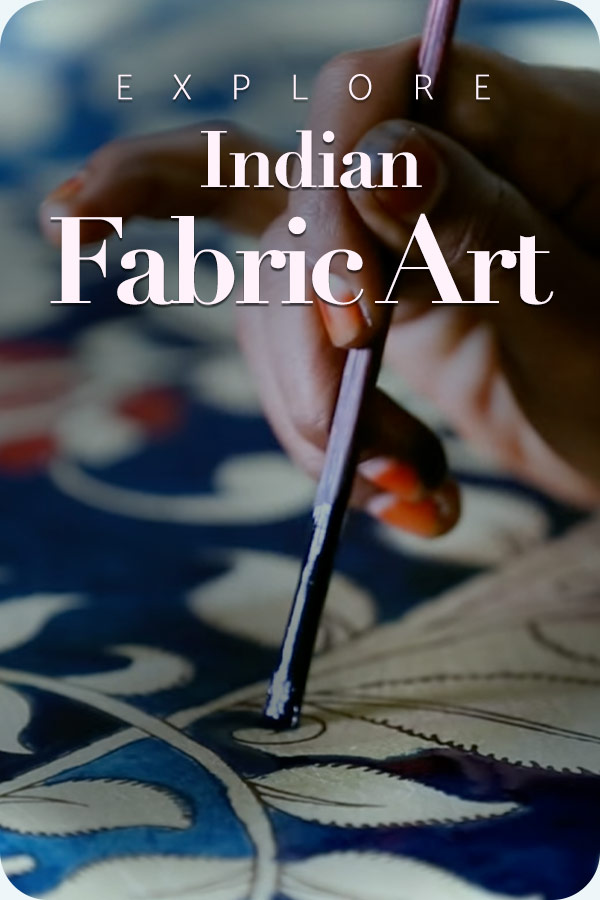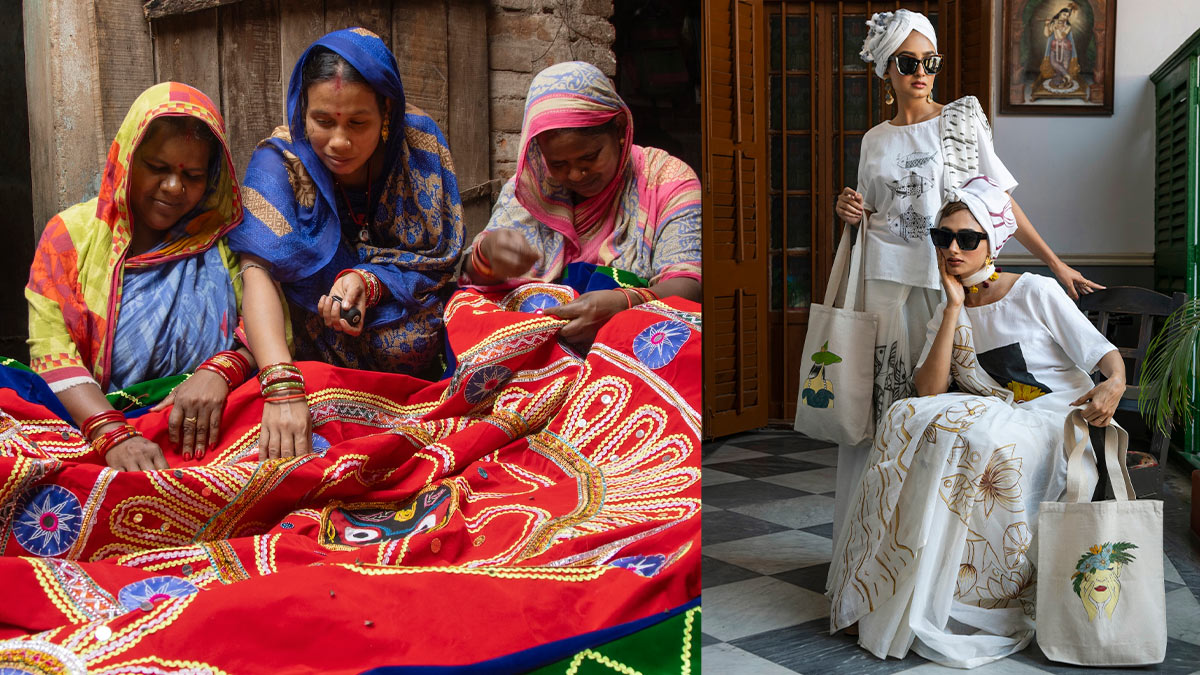
Crafting the Future: The Dawn of the Craft Collective in Kolkata
For centuries, India’s craft sector has been the backbone of its cultural identity. In a world dominated by digital trends and fast fashion, the beauty and aesthetic appeal of a hand-woven textile is rare and is underpinned by threads of history. In order to dive deeper into India’s handloom, natural dye, and artisanal traditions, Craft Collective Kolkata Chapter steps ahead to reframe the craft traditions as a living, evolving cultural economy. The craft collective, organized by the Foundation for MSME Cluster (FMC) in partnership with KARU, Red Strategy Partners, and The Red Bari, with support from Cisco under the India Cash Grant Program, has announced its four-day edition in Kolkata starting from January 29- February 1, 2026, with free entry to all.
This community-led initiative is designed to chisel the loop of “distance” that has turned craft into an obscure form. This platform not only opens up an exhibition but resurrects a movement to re-examine Indian craft through the lens of contemporary culture, design, and global relevance. Kolkata is a city that is historically oriented to textiles and thus becomes the perfect spot for its launch. From the indigo and silk routes of the Hooghly basin to the emergence of Bengal as a hub of muslin, jamdani, and kantha traditions, the city of joy has seen it all. Kolkata is a crucial mediator that accentuates local craft to global media.
A Confluence of Heritage and Innovation

This initiative is working in favour of inducting a qualitative change in how modern people spectate the artisanal sector. The event will be hosted at the Red Bari, a century-old heritage building situated at Kalighat. This event aims to metamorphose the way buyers, designers, and institutions interact with the makers. This initiative ensures an incubation of the artisan’s voice, so that it is not lost in the wave of commerce. Unlike traditional craft exhibitions and fairs, this community-led forum is specifically designed centering around 4 elements.
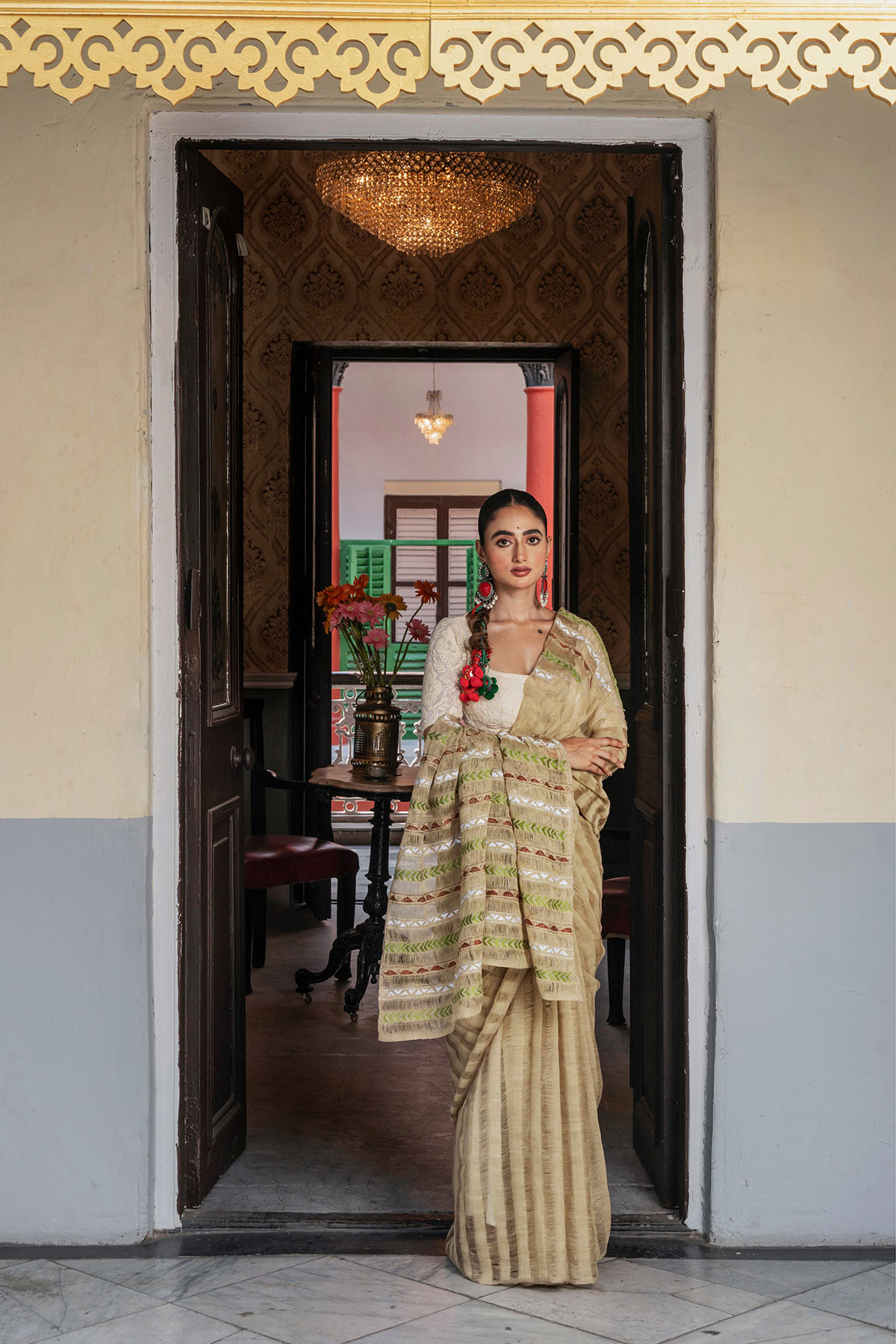
It includes curated exhibitions and marketplaces, dialog sessions, master classes, and cultural performances. Altogether, the organizers aimed at creating an immersive ethos where artisans and consumers engage in qualitative exchange, rather than just monetary transactions. Hitherto, such clusters did surface in Assam, Odisha, Madhya Pradesh, etc. It signifies the paradigm shift in the approach to translating the craft and the craftsmen.
Important Points at a Glance
| Aspects | Details |
|---|---|
| Event | Craft Collective: Kolkata Chapter |
| Event Dates | January 29 – February 1, 2026 |
| Timings | 11:00 AM – 8:00 PM |
| Venue | The Red Bari, 18 Sadananda Road, Kalighat, Kolkata |
| Entry Policy | Free Entry for all visitors |
| Core Organizers | Foundation for MSME Clusters (FMC) & KARU |
| Key Support | Cisco (India Cash Grant Program) |
| Featured Clusters | Boko (Assam), Kotpad (Odisha), Maheshwar (MP) |
Key Highlights
- Curated exhibitions featuring master artisans from Assam, Odisha, and Madhya Pradesh
- Dialog sessions with leading textile entrepreneurs, historians, and international cultural representatives
- Master classes on traditional craft techniques and materials
- Classical music performances creating a multisensory heritage experience
- Free entry, making the platform accessible to students, researchers, and general audiences
- Intellectual deep-dives featuring textile entrepreneur Shri Vikram Joshi, Bengal textile icon Nandita Raja, and expert Amrita Mukherjee.
- These sessions will also host the Consul Generals of France and Italy, fostering a truly international exchange on craft and collaboration.
- Interactive sessions that go beyond the finished product, allowing visitors to engage with the technical nuances of weaving, dyeing, and material processing.
- To mirror the rhythm of the looms, the evenings will feature classical recitals, including Tathagata Mishra on the Esraj and Subhrojoti Sen on the Sarod, creating a soundscape that honors the depth of Indian heritage.
Why “Collective” Matters More Than Ever
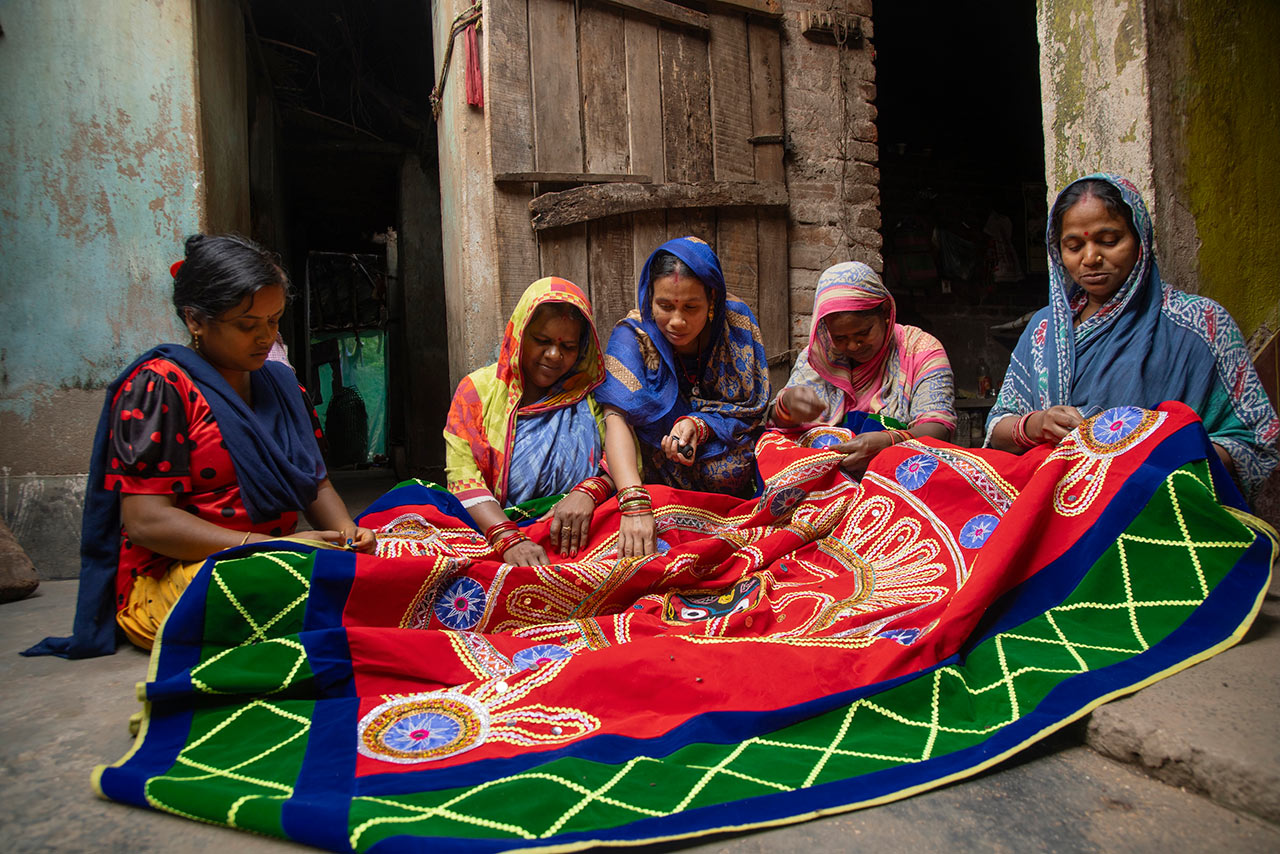
A deep-dive into the Foundation for MSME clusters (FMC) unveils their commitment to empowering unorganized micro-enterprises. Through partnership with Cisco, they have already established E-learning Centres in rural areas to mitigate the digital divide. The Craft Collective is the physical manifestation of this digital thread of empowerment. The organization brings artisans from the Northeast and Central India to cities like Kolkata and provides them the platform and market to showcase and incentivize their crafts.
The organizers aim to modernize the artisans without stripping off their traditional souls. The involvement of KARU is also vital. KARU is a design atelier focused on artistic mastery and sacred art. Under Vikram Joshi, KARU has championed the idea that “hand-made” does not refer to the finished product, but the “sustainable philosophy” and “human connection” embedded with it. Therefore, they are not orchestrating just another “mela,” but an inclusive space where commerce does not overpower tradition.
A Sneak Peek into The Event
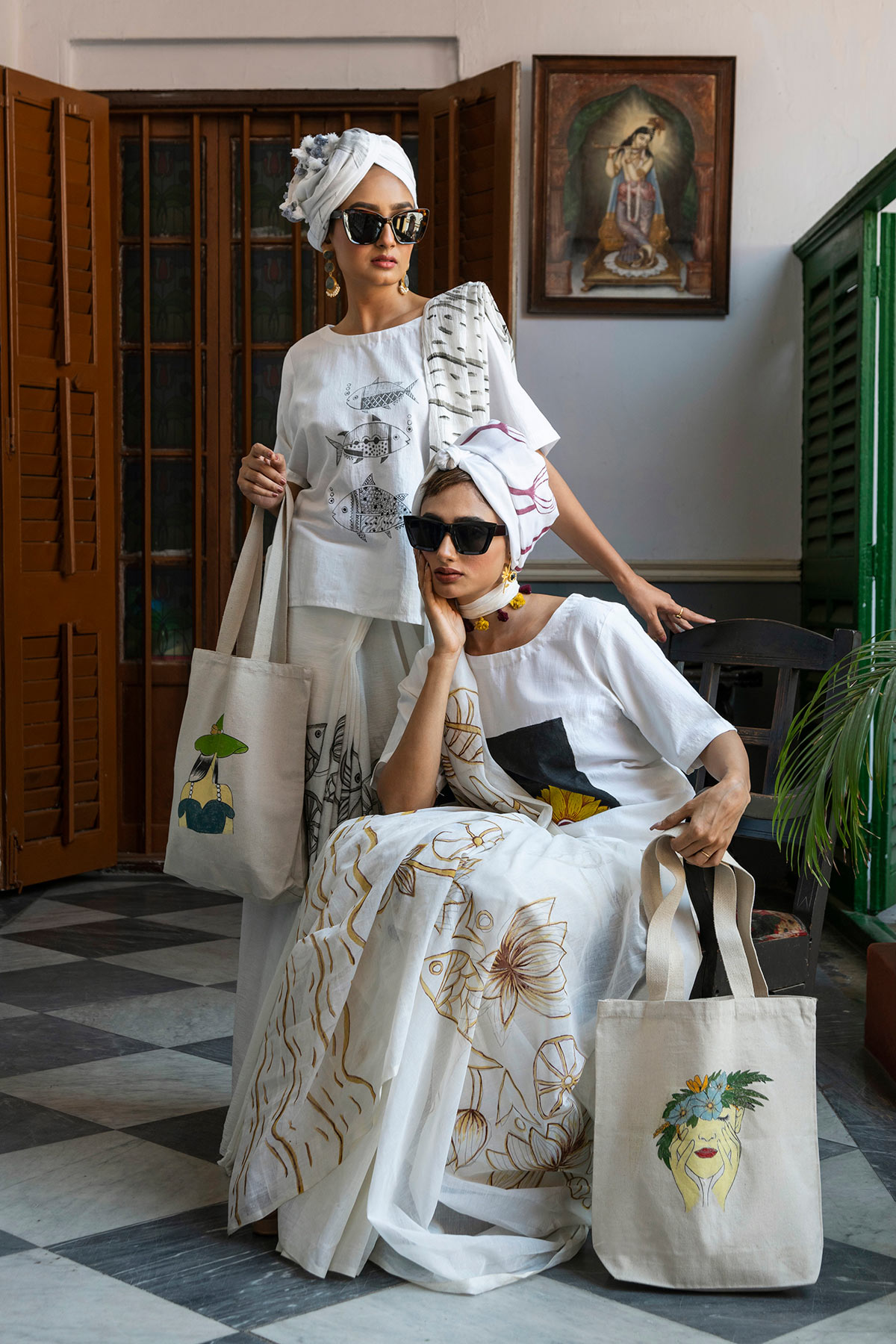
Apart from the buying and selling of craft items, there will be sessions that will comment on the growing international discourse that recognises craft as part of the cultural economy rather than peripheral artisanal labour. Further, there will be masterclasses to engage directly with the techniques, materials, and processes of production. There will be cultural performances, featuring classical recitals such as Tathagata Mishra’s Esraj and Subhrojoti Sen’s Sarod, to establish a consonance with the strings of the loom. The Craft Collective is a thrilling movement that aims to restore visibility, value, and dignity to the Indian artisans and give them a voice, and accentuate their bargaining power. They frame artisans as cultural agents and ambassadors who carry forward their unique tradition.
A Way Forward
By inviting international cultural representatives and contemporary designers into the same room as the weavers of Boko and Kotpad, the organizers are acknowledging that craft must evolve to survive. It isn’t just about selling a product; it’s about acknowledging the artisan as a design partner. Craft Collective isn’t just a four-day event in Kolkata; it is a global statement that the future of design is, quite literally, handmade. This initiative does not merely preserve tradition; it activates it, making Kolkata once again a vital node in the global routes of textile history and contemporary craft futures.