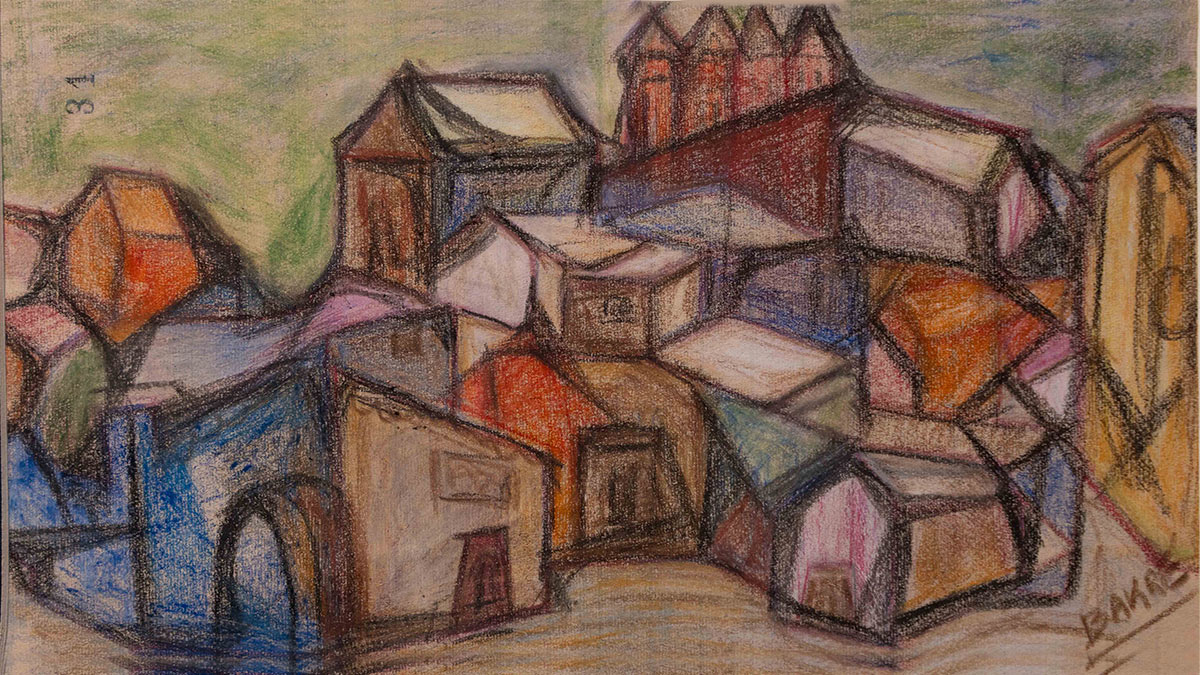
Gallery Dotwalk has opened its second exhibition at its new Defence Colony space in New Delhi, titled The Architecture of the Void: Lines on a Postcolonial Skeleton. Featuring a wide range of works on paper by leading modern Indian artists, the exhibition will remain on view until 30 May 2026.
A Second Exhibition in a New Space
The exhibition marks an important moment for Gallery Dotwalk as it continues its programming in its recently opened Defence Colony venue. The preview brought together members of the art community, including collectors, curators, and patrons, highlighting the gallery’s growing role in fostering dialogue between modern and contemporary practices.
Founded by Gallery Dotwalk, the space has increasingly positioned itself as a platform for experimental and research-driven exhibitions within India’s contemporary art landscape.
Focus on Works on Paper
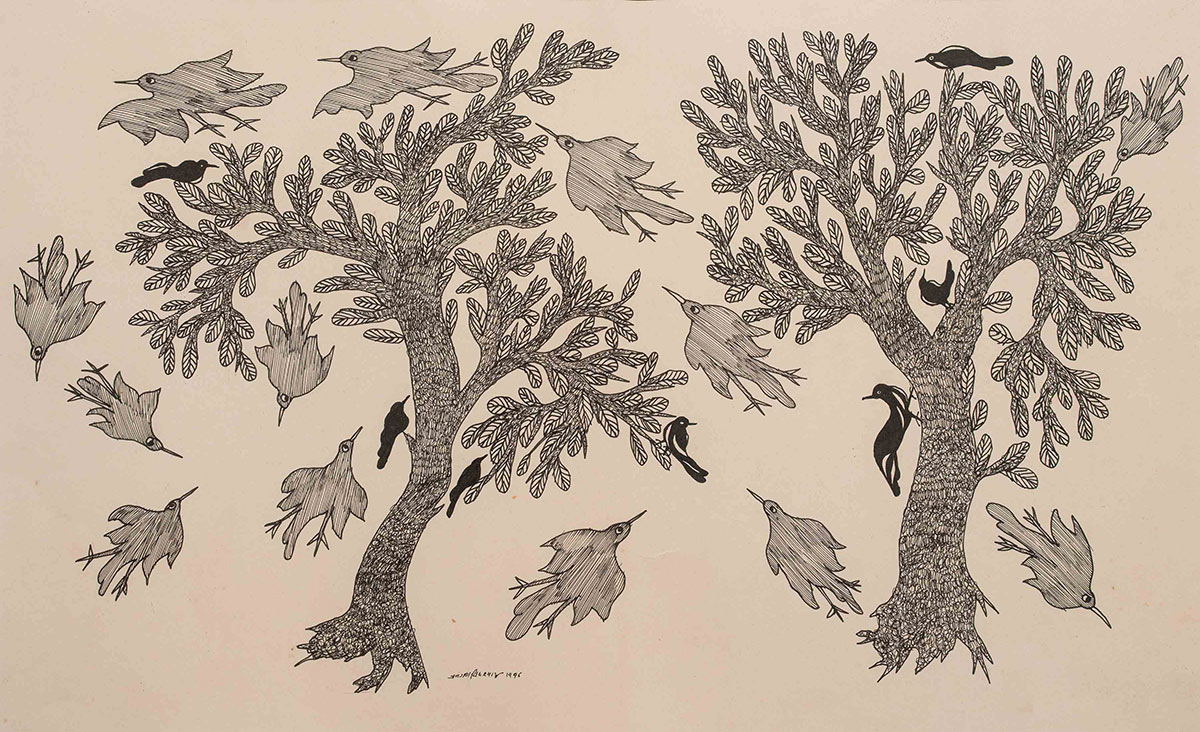
The exhibition foregrounds drawings, watercolours, and etchings mediums often considered secondary to painting or sculpture. By focusing on paper, the show emphasises its importance as a site of experimentation and immediacy in artistic practice.
Highlights of the Exhibition:
- Drawings and sketches capturing early artistic ideas
- Watercolours exploring form and abstraction
- Etchings reflecting technical experimentation
- Works revealing erasure, hesitation, and process
Artists Across Generations
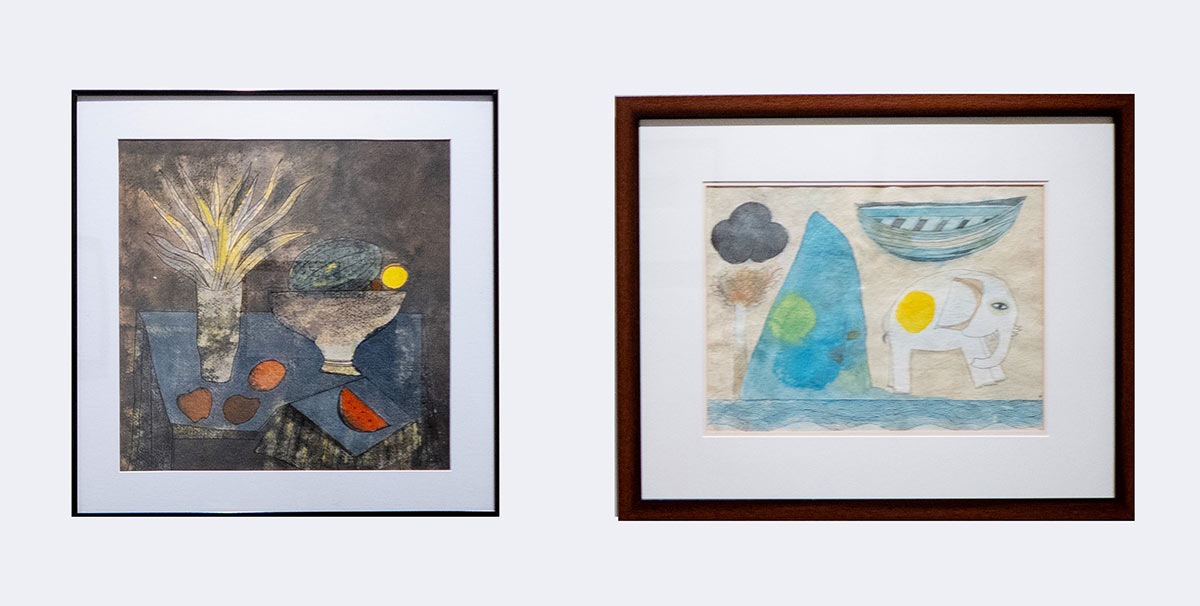
The exhibition brings together works by major figures of modern Indian art, including F. N. Souza, Ram Kumar, Bhupen Khakhar, and Jogen Chowdhury, among others.
Featured Artists Include:
- Sadanand K. Bakre
- Somnath Hore
- Badri Narayan
- Bireswar Sen
- G. R. Santosh
- J. Swaminathan
- Meera Mukherji
- Piraji Sagara
- Prabhakar Barwe
- K. K. Hebbar
A Postcolonial Context
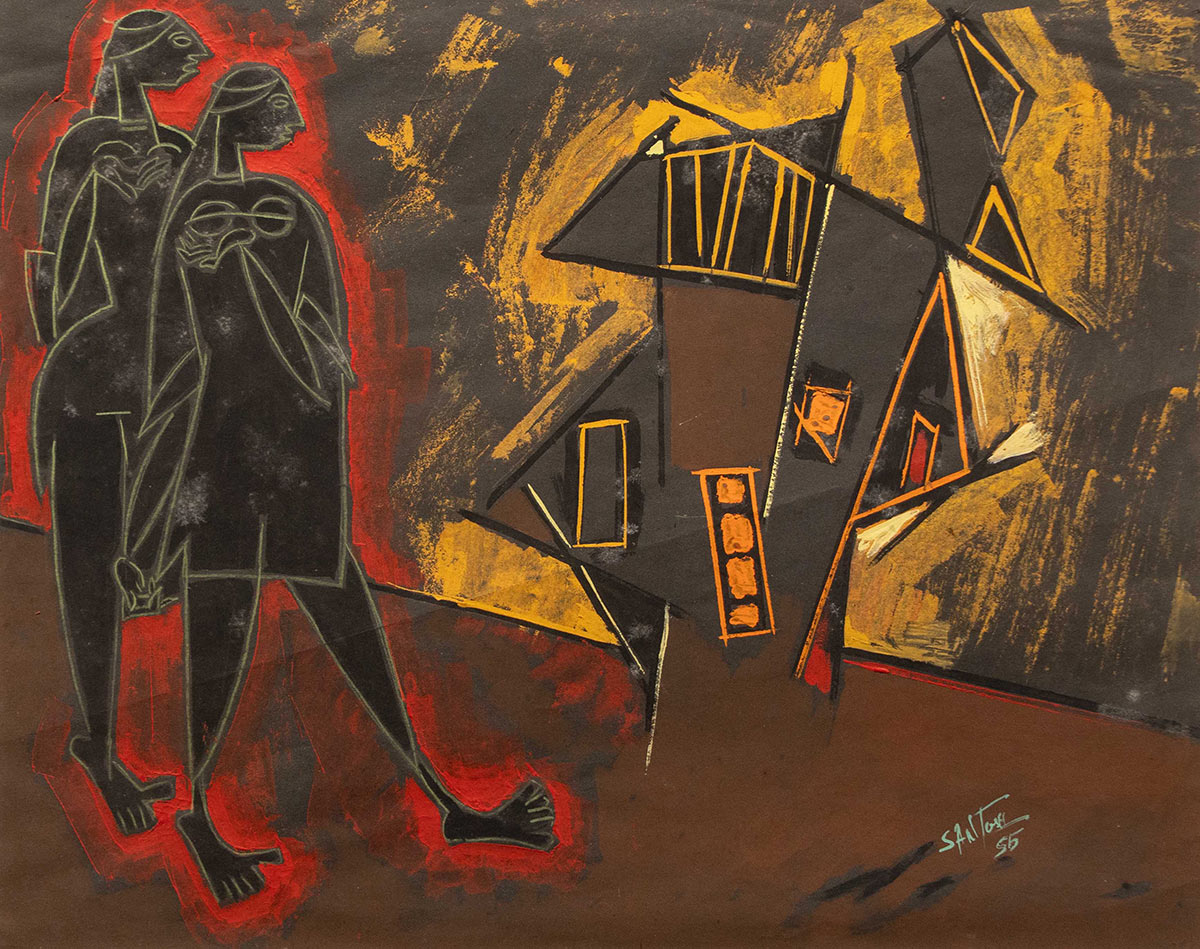
Set against the backdrop of India’s Independence and Partition, the exhibition reflects on a period of social and cultural transformation. Artists of this era used paper as a responsive medium to process ideas of identity, memory, and rupture.
Rather than grouping works by movement or region, the exhibition follows the expressive potential of the line revealing diverse artistic responses to a changing nation.
Curatorial Approach
The curatorial framework avoids conventional categorisation and instead traces how lines function across works as structural, emotional, and symbolic elements. This approach creates dialogues between artists whose works are rarely presented together, offering a broader understanding of postcolonial modernism.
Expanding the Gallery’s Vision
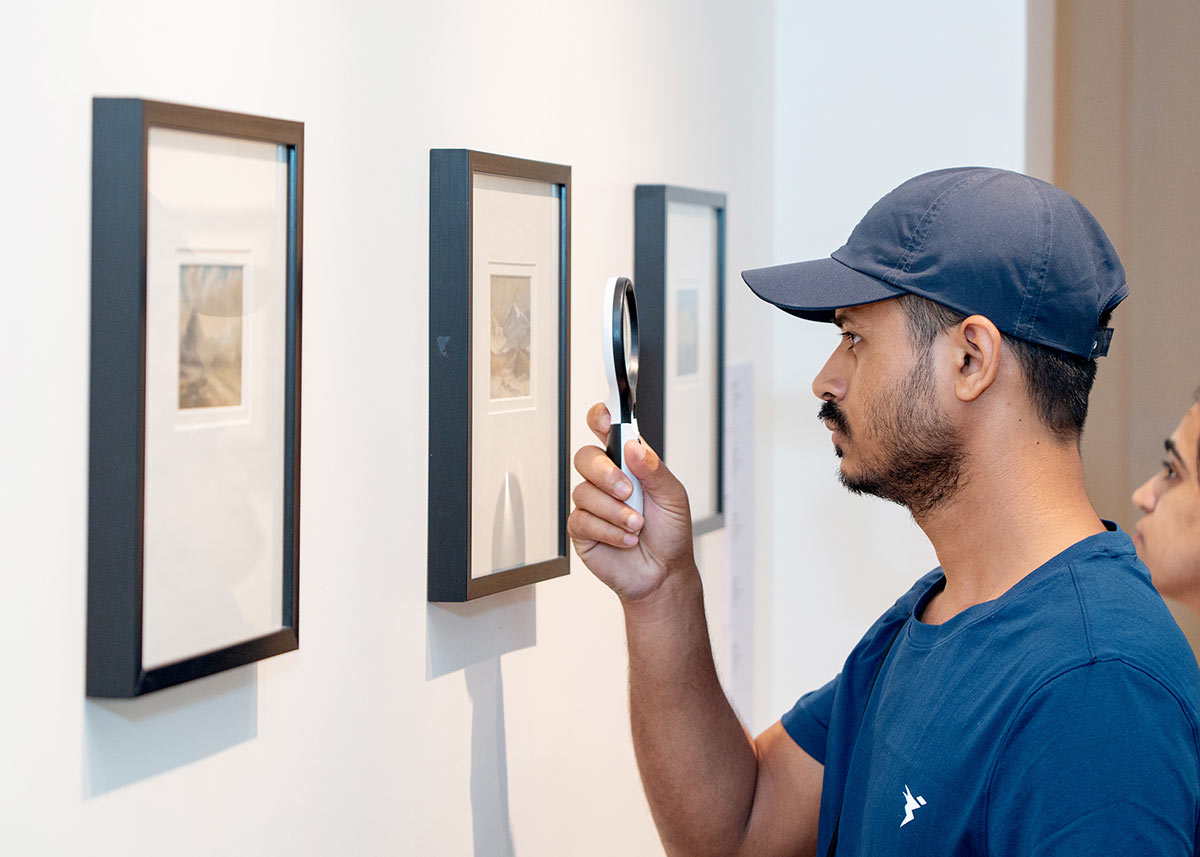
Gallery Dotwalk, established in 2022, has been known for its engagement with contemporary practices, residencies, and moving-image projects. With this exhibition, the gallery deepens its engagement with modern Indian art while maintaining connections to its contemporary programme.
The gallery has also participated in major platforms such as the India Art Fair and runs initiatives like the Dotwalk Ajitara Art Residency, supporting emerging artists.
Visitor Information
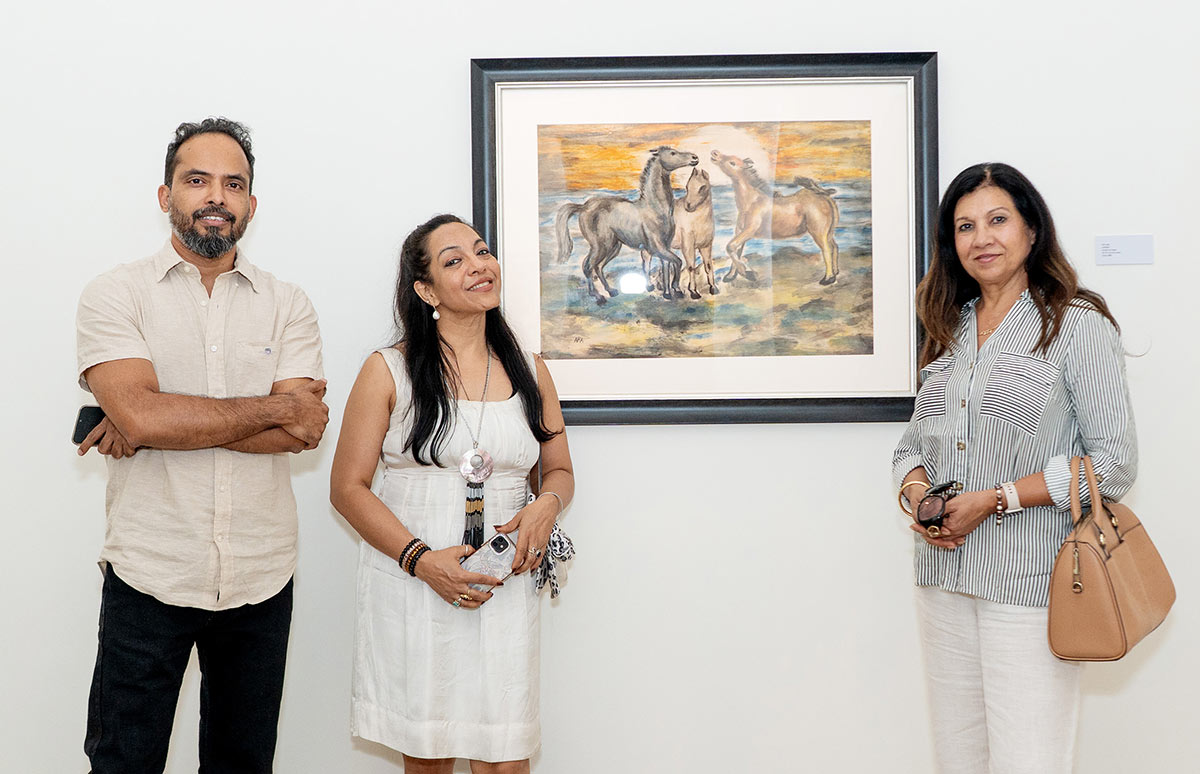
The Architecture of the Void is open to the public at Gallery Dotwalk, Defence Colony, New Delhi.
| Event Name | Details |
| Event Name | The Architecture of the Void: Lines on a Postcolonial Skeleton |
| Artist | Group Exhibition (Multiple Modern Indian Artists) |
| Venue | Gallery Dotwalk, D-34, First Floor, Defence Colony |
| City | New Delhi |
| Opening Date | 19 April 2026 |
| Exhibition Dates | 19 April – 30 May 2026 |
| Organiser | Gallery Dotwalk |
| Entry / Tickets | Not specified |
| Website | https://gallerydotwalk.com |
Visitors can find more details on the official website.
Takeaway
The Architecture of the Void offers a focused look at how modern Indian artists engaged with paper as a medium of thought and expression. By revisiting these works within a contemporary context, the exhibition contributes to ongoing conversations about postcolonial identity and artistic practice. It also reflects the evolving role of galleries in connecting historical perspectives with present-day curatorial approaches.