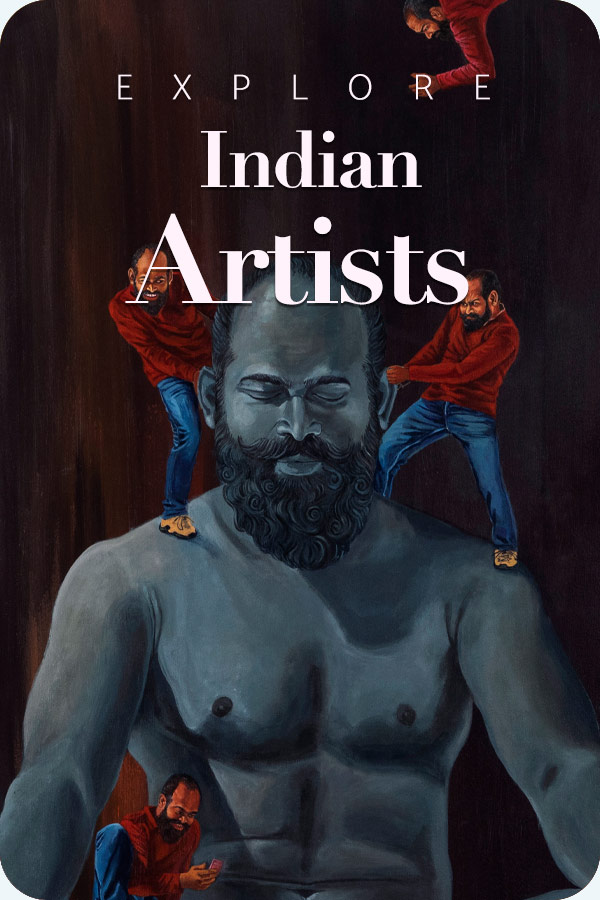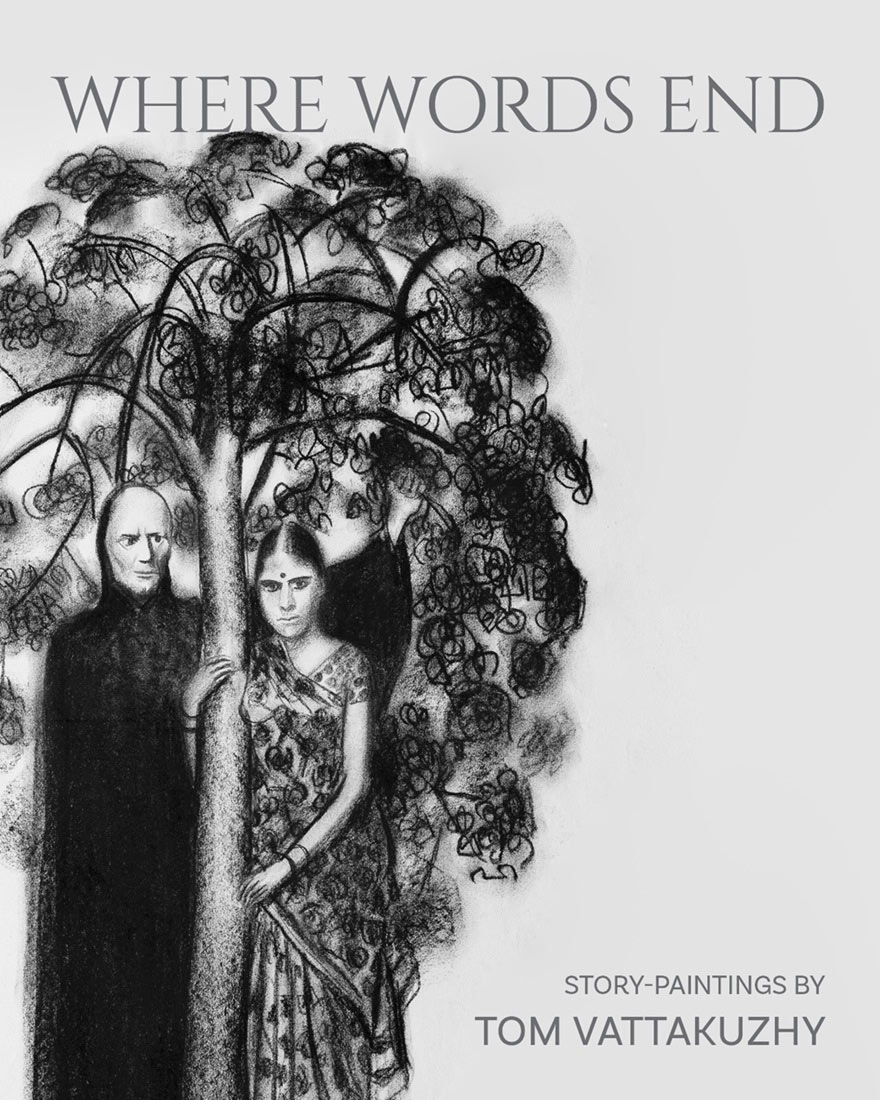
Mumbai will host the first exhibition of artist Tom Vattakuzhy’s work in the city with Where Words End, opening at the Institute of Contemporary Indian Art (ICIA). The exhibition, on view from 3–17 May 2026, presents a focused series of works described by the artist as “story paintings,” examining the limits of language and the expressive potential of painting.
Exploring the Limits of Language
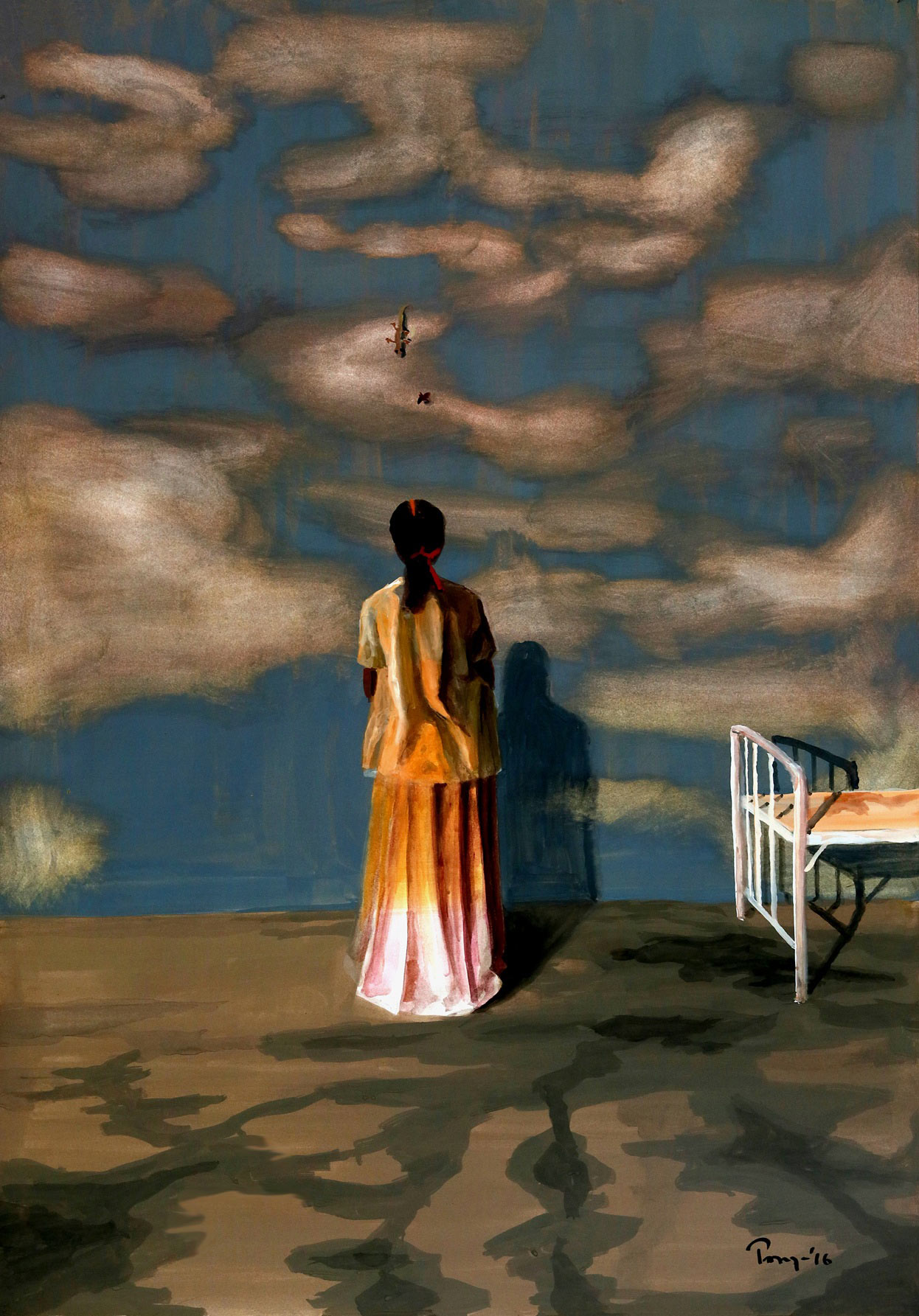
The exhibition begins from the premise that certain experiences cannot be fully expressed through words. Vattakuzhy’s paintings respond to this gap, attempting to capture what remains unspoken. Rather than illustrating narratives, the works move beyond text, presenting moments that resist clear explanation and invite prolonged engagement.
From Illustration to Story Painting
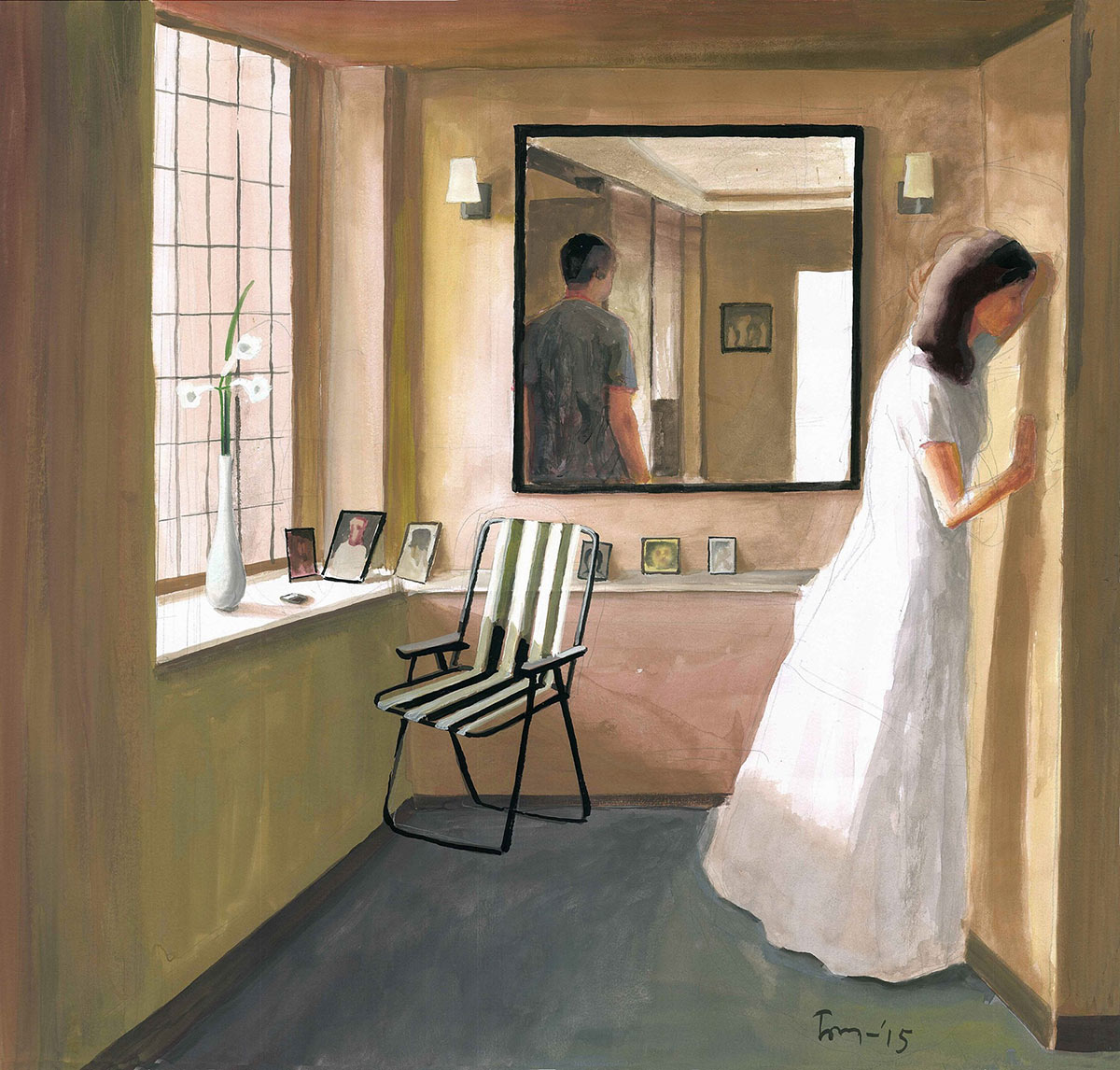
Vattakuzhy’s early career as an illustrator for Malayalam periodicals shaped his understanding of narrative imagery. However, the works in this exhibition depart from that function. These “story paintings” do not accompany text but instead seek to transcend it, shifting from explanation to experience and allowing ambiguity to remain central.
Figures, Memory, and Social Context
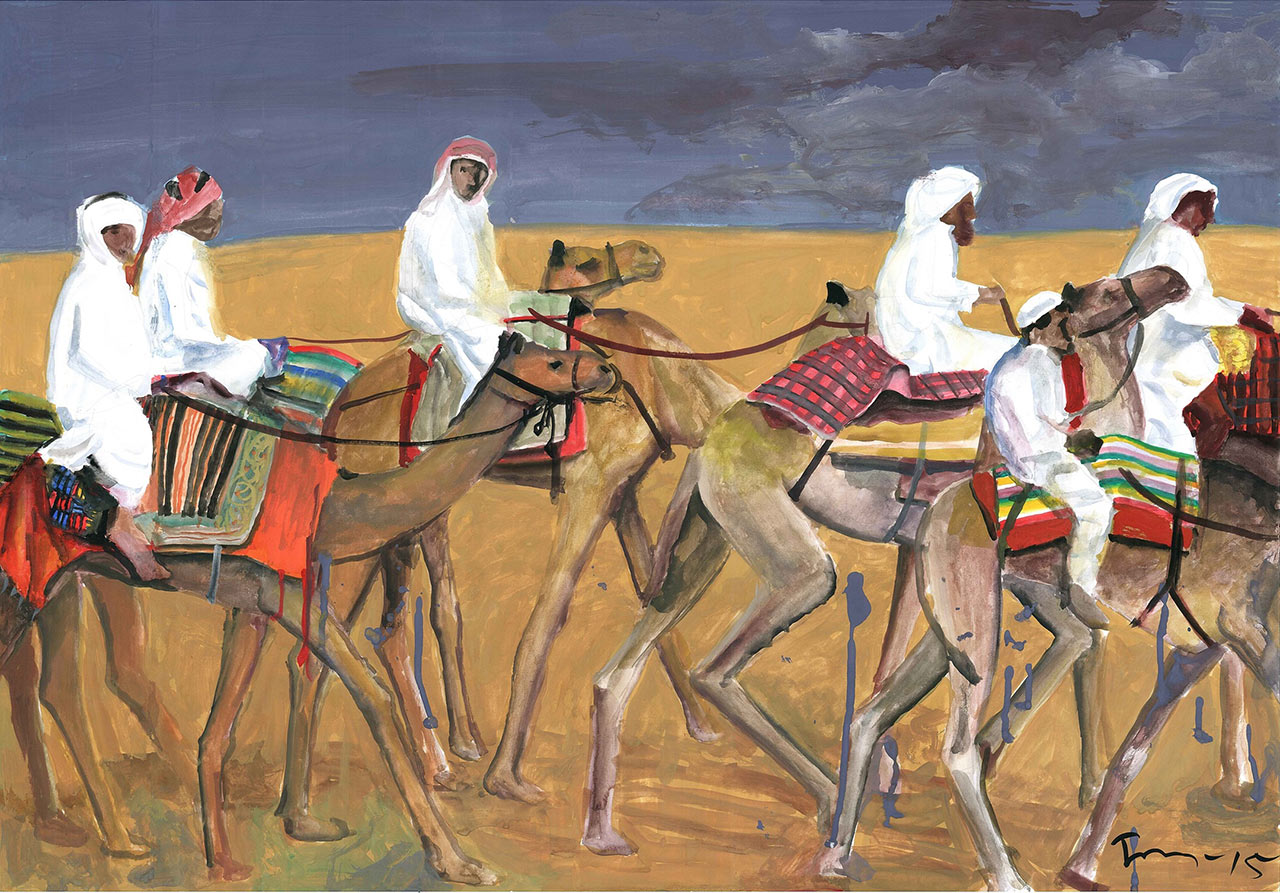
The artist draws on figures from his early life—ordinary individuals, often situated on the margins of social and political discourse. These characters inhabit uncertain spaces between opposites such as truth and fiction or good and evil, reflecting layered realities shaped by memory and lived experience.
A Visual Language of Suspension
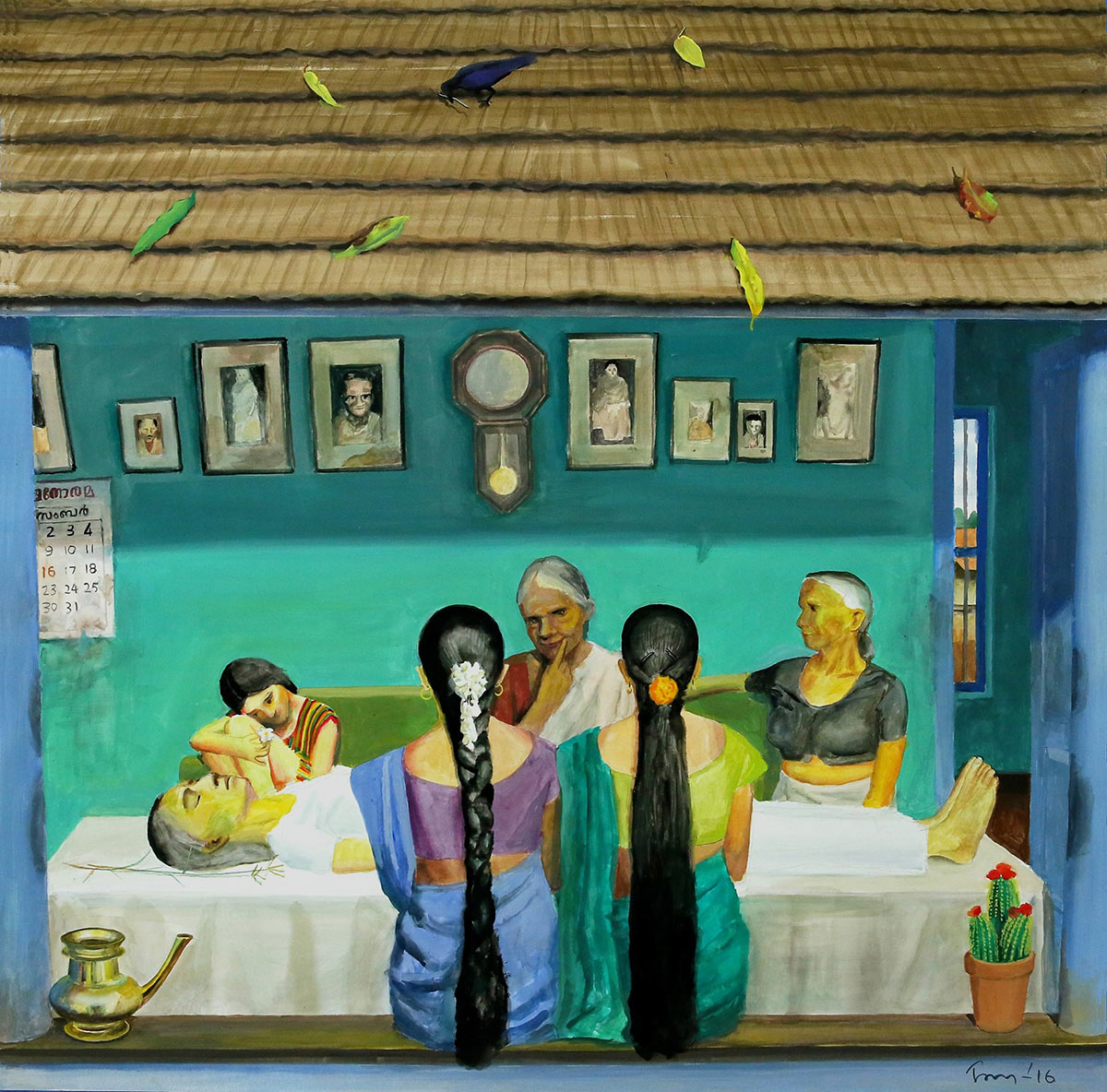
The works are marked by stillness and unresolved gestures. Figures appear suspended, and spaces hold an atmosphere that suggests more than they reveal. Time within these paintings does not progress linearly but accumulates, creating a sense of duration rather than narrative closure.
Curatorial Perspective
According to Siddharth Sivakumar, Director of Curation and Artist Relations at ICIA, the exhibition focuses on the point where language reaches its limits and painting assumes a new role. The curatorial approach emphasises viewer engagement through observation rather than interpretation.
About the Artist
View this post on Instagram
Born in 1967, Tom Vattakuzhy studied printmaking at Kala Bhavana, Visva-Bharati, and later completed his MFA at the Faculty of Fine Arts, MS University of Baroda. His practice spans painting, printmaking, and illustration, often addressing themes of solitude, domestic life, and the emotional effects of migration. He has received several recognitions, including the AIFACS Award and the Kerala Lalithakala Akademi Award.
Recent exhibitions include Song of the Dusk at Aicon Contemporary, New York (2022), and Shadows of Absence at the Birla Academy of Art and Culture, Kolkata (2025). His work has also been featured in the Kochi-Muziris Biennale 2025–26.
Exhibition Details and Highlights
The exhibition will be held at ICIA Gallery in Kala Ghoda, Mumbai, and will be open daily from 11 am to 7 pm.
Highlights of the exhibition include:
- A focused presentation of “story paintings”
- Works exploring silence, memory, and narrative gaps
- References to literature and art history that remain open-ended
- Emphasis on viewer experience rather than interpretation
Event at a Glance
| Aspects | Details |
| Event Name | Where Words End |
| Artist | Tom Vattakuzhy |
| Venue | ICIA Gallery, Kala Ghoda |
| City | Mumbai |
| Opening Date | 3 May 2026 |
| Exhibition Dates | 3 – 17 May 2026 |
| Organiser | Institute of Contemporary Indian Art (ICIA) |
| Entry / Tickets | Not specified |
About the Organiser
Founded in 2007, the Institute of Contemporary Indian Art (ICIA) is a Mumbai-based gallery that supports both emerging and established artists. The organisation is known for its curatorial approach, which promotes dialogue, research, and cross-cultural exchange through exhibitions and programmes across India and internationally.
Conclusion
Where Words End presents a body of work that shifts attention from narrative clarity to emotional and perceptual depth. By foregrounding what cannot be articulated, the exhibition encourages viewers to engage with painting as an experience rather than a text. In doing so, it contributes to ongoing conversations about the role of contemporary art in expanding forms of understanding beyond language.