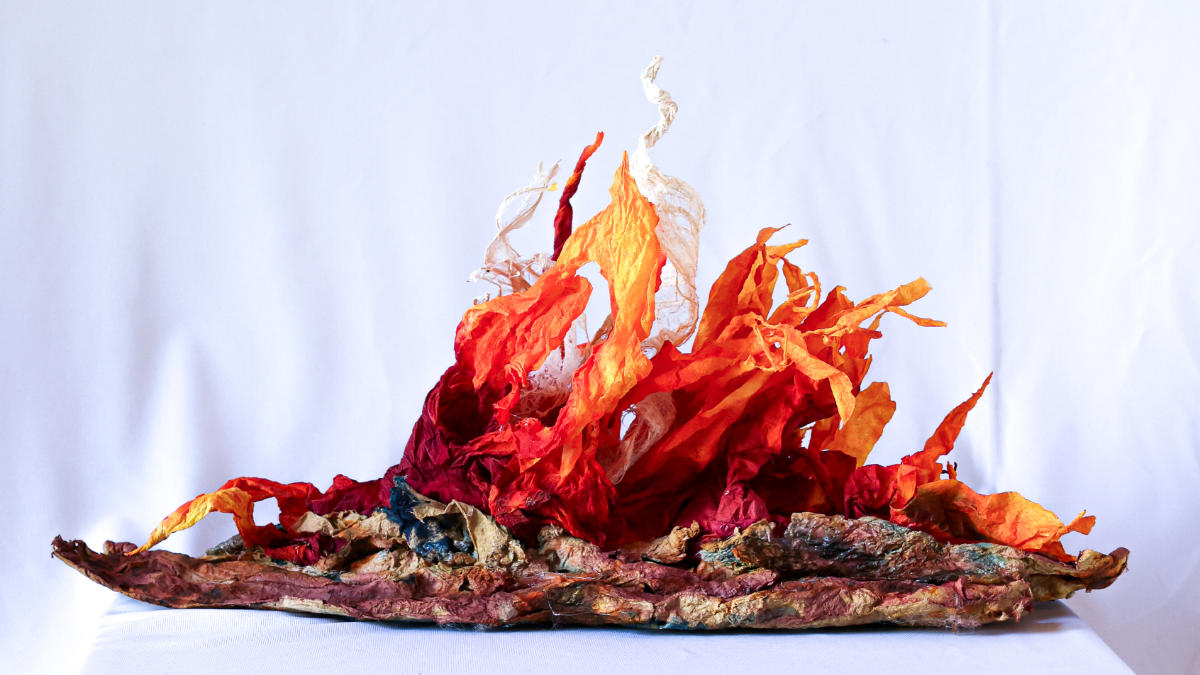
The Sadra Project, an exhibition by New York-based artist Ziya Tarapore, is on view at 47-A in Khotachi Wadi, Girgaum, Mumbai, until December 13, 2026. The exhibition examines memory, sustainability and Zoroastrian heritage through an unconventional artistic process that transforms discarded sacred garments into handmade paper artworks. Working with worn sadras and locally sourced plant fibres, Tarapore explores how personal histories, cultural traditions and spiritual associations can find new expression through contemporary art.
Reimagining the Sadra Through Contemporary Art
At the centre of the exhibition is the sadra, a traditional white cotton muslin undershirt worn close to the body by members of the Zoroastrian community. An important element of everyday religious practice, the garment carries personal and spiritual significance for those who wear it.
Rather than treating worn-out sadras as discarded textiles, Tarapore considers them materials that retain traces of individual lives, memories and devotion. Through her work, the artist investigates how objects associated with everyday rituals can be preserved in a different form.
The project brings together concerns surrounding material reuse, cultural identity and the relationship between objects and human experience. By transforming garments into paper-based artworks, Tarapore creates a connection between traditional practices and contemporary artistic processes.
From Worn Garments to Handmade Paper
The artistic process involves collecting used sadras and processing them alongside locally sourced plant fibres in a Hollander beater, a machine used in papermaking to break down fibres into pulp.
The resulting material is shaped into handmade paper sheets, pulp paintings and moulded castings. Different combinations of cotton and plant fibres produce variations in texture, colour and form, allowing the original garments to take on new physical characteristics.
The process also introduces an element of material transformation. Fabrics that once had a direct relationship with the human body become the foundation for artworks inspired by nature and its elements.
Tarapore’s approach builds on her wider interest in found and recycled materials. Her artistic practice includes working with unconventional materials to create three-dimensional and paper-based compositions, drawing on natural forms, textures and the possibilities of material reuse.
Four Elements Shape the Exhibition
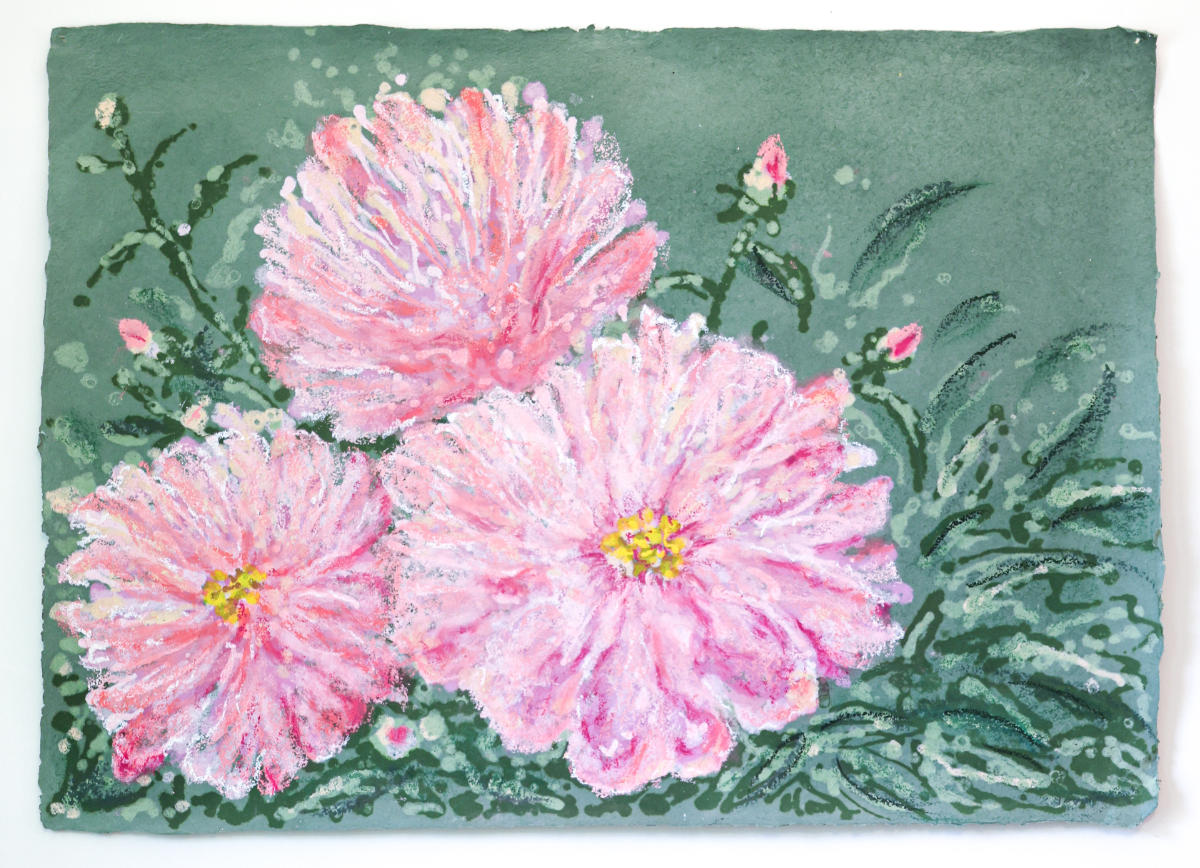
The exhibition is organised around four themes: Atash (Fire), Anahita (Water), Giah (Earth) and Vraksh (Plant Life). These themes provide a framework through which the artist explores natural processes and the relationship between materials and memory.
Some of the key artistic approaches include:
- Atash (Fire): Banana and mulberry fibres are processed with cotton. Their resulting forms curl and spread like flames, emerging from bases made using sadra pulp.
- Anahita (Water): Deep blue, green and grey-white pulp evokes rivers, deltas, ocean floors and the movement of water.
- Giah (Earth): The works turn towards the natural world and the relationship between organic materials and the earth.
- Vraksh (Plant Life): Plant forms and the Tree of Life provide the central visual references for this section.
Together, these works examine how the physical qualities of natural materials can communicate ideas about continuity, transformation and the passage of time.
Personal Memory and Cultural Heritage
The Sadra Project brings together personal histories, traditional practices and material sustainability. By working with garments that have been worn and eventually discarded, Tarapore explores how objects can retain significance beyond their everyday function.
The use of sadras gives the project a specific connection to Zoroastrian heritage, while the incorporation of locally sourced plant fibres introduces an additional dimension of material reuse.
The transformation of cloth into paper also changes how the garments can be experienced. Once worn close to the body, the fabric becomes a material for artistic expression, with its previous associations continuing through its new form.
The exhibition therefore approaches sustainability not only through the reuse of materials but also through the preservation and reinterpretation of cultural and personal histories.
About the Artist, Ziya Tarapore
Based in New York, Ziya Tarapore works across textile-inspired and paper-based artistic practices. Her background includes a bachelor’s degree in woven and knitted textiles from the University of Manchester and a diploma in woven textiles from the University of Bombay.
Her artistic practice draws on the colours, textures and forms found in nature, while incorporating discarded and recycled materials. Previous works have explored the use of cardboard, packaging materials and other unconventional substances to create three-dimensional compositions.
Tarapore’s interest in material experimentation connects sustainability with questions about consumption, production and the natural environment. In The Sadra Project, this approach takes on an additional cultural dimension through the use of garments associated with Zoroastrian religious practice.
47-A and Its Engagement with Art and Design
The Sadra Project is being presented at 47-A, located in Khotachi Wadi, Girgaum, Mumbai. The exhibition provides visitors with an opportunity to explore Tarapore’s approach to papermaking and her engagement with traditional garments, natural materials and Zoroastrian heritage.
The Sadra Project continues this engagement with material and cultural histories, presenting an exhibition in which traditional garments become the starting point for a contemporary exploration of memory and transformation.
Exhibition Details and Visitor Information
| Event | Details |
| Title | The Sadra Project by Ziya Tarapore at 47 A |
| Artist | Ziya Tarapore |
| Venue | 47-A, Khotachi Wadi, Girgaum, Mumbai, Maharashtra, India |
| Exhibition Dates | 10 November – 13 December 2026 |
| Organiser / Gallery | 47-A |
| Entry / Tickets | Ticket information not specified |
| Timings | 11 AM – 7 PM, Tuesday to Sunday |
| Weekly Closure | Monday |
| Website | 47-A Official Website |
Art as a Means of Preserving Memory
The Sadra Project brings together personal remembrance, cultural heritage and material sustainability through an artistic process that gives discarded garments a different purpose. By transforming objects associated with everyday religious practice into paper-based artworks, Ziya Tarapore examines the relationship between identity, memory and the natural world. The exhibition also raises broader questions about reuse, cultural continuity and the emotional significance of ordinary objects. At 47-A, the project offers visitors an opportunity to consider how contemporary art can preserve histories while opening new possibilities for traditional materials.