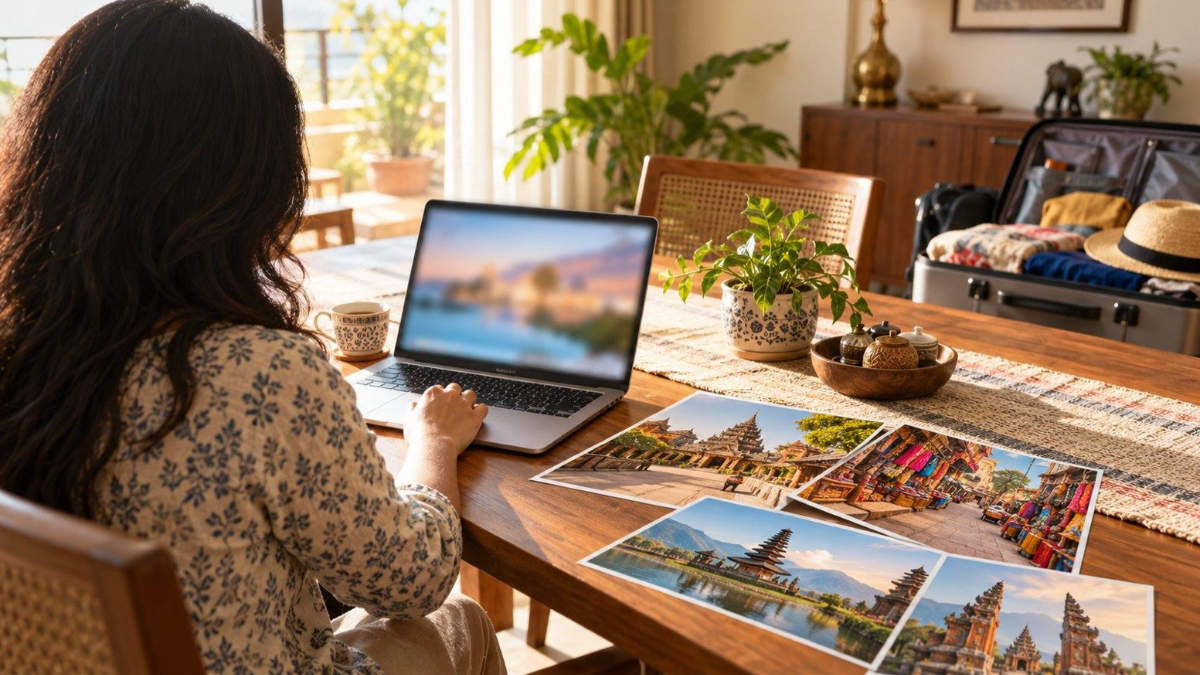
Travelling is not just about visiting famous places. It is also about exploring local art, learning about traditions and understanding how people celebrate their culture. From colourful festivals and traditional dances to historic architecture and local crafts, different destinations offer unique cultural experiences.
If you enjoy discovering art and traditions while travelling, here are eight places around the world worth exploring in 2026.
Japan for Traditional Festivals
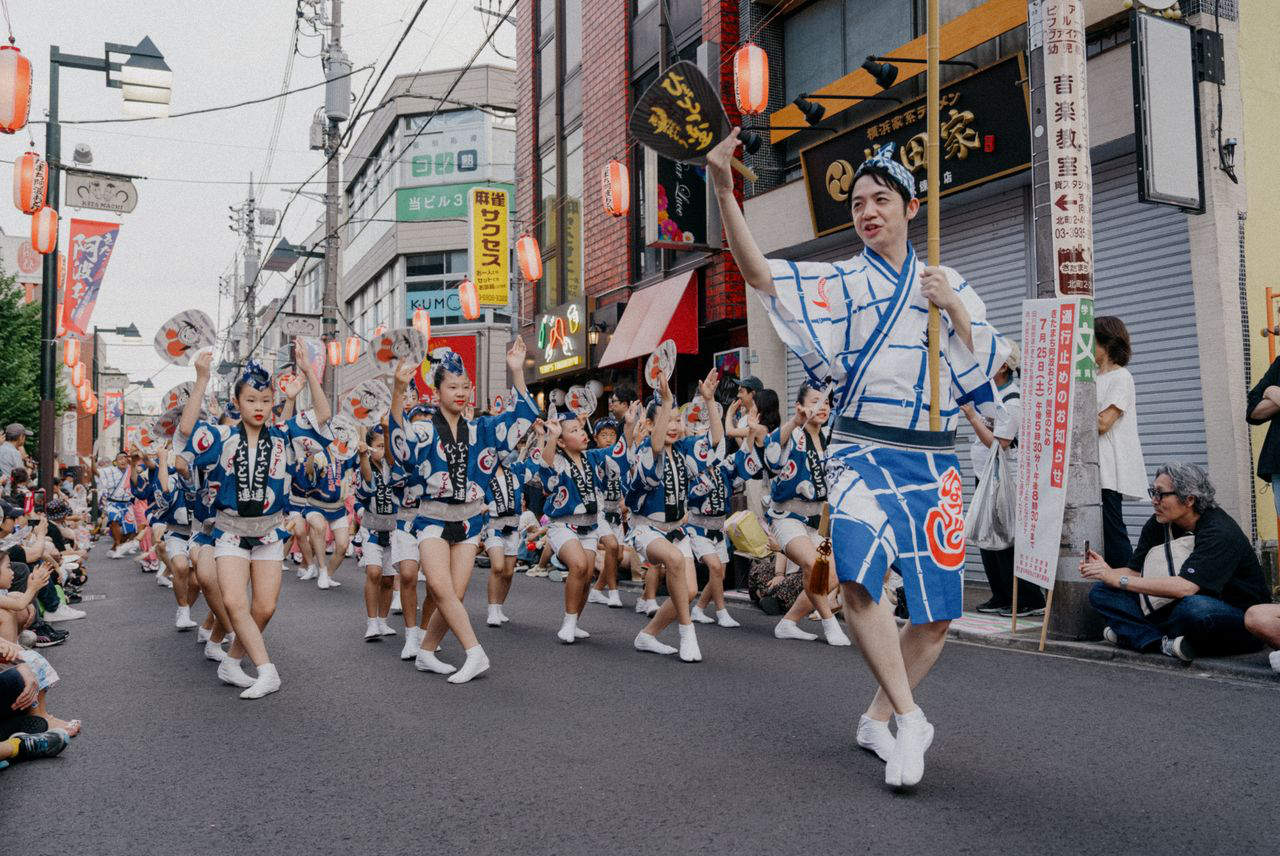
Kyoto’s festivals bring communities together through music, processions and decorated floats. July’s Gion Matsuri is a famous example. Between events, explore temples, traditional streets and local food stalls to experience the city beyond its celebrations. While planning your Japan trip, you can also compare travel insurance in India to find suitable coverage for your holiday.
- Check dates: Festival schedules vary by city and season.
- Explore crafts: Visit workshops specialising in pottery, textiles and fans.
- Respect customs: Follow photography rules and keep processional routes clear.
Italy for Art and Architecture
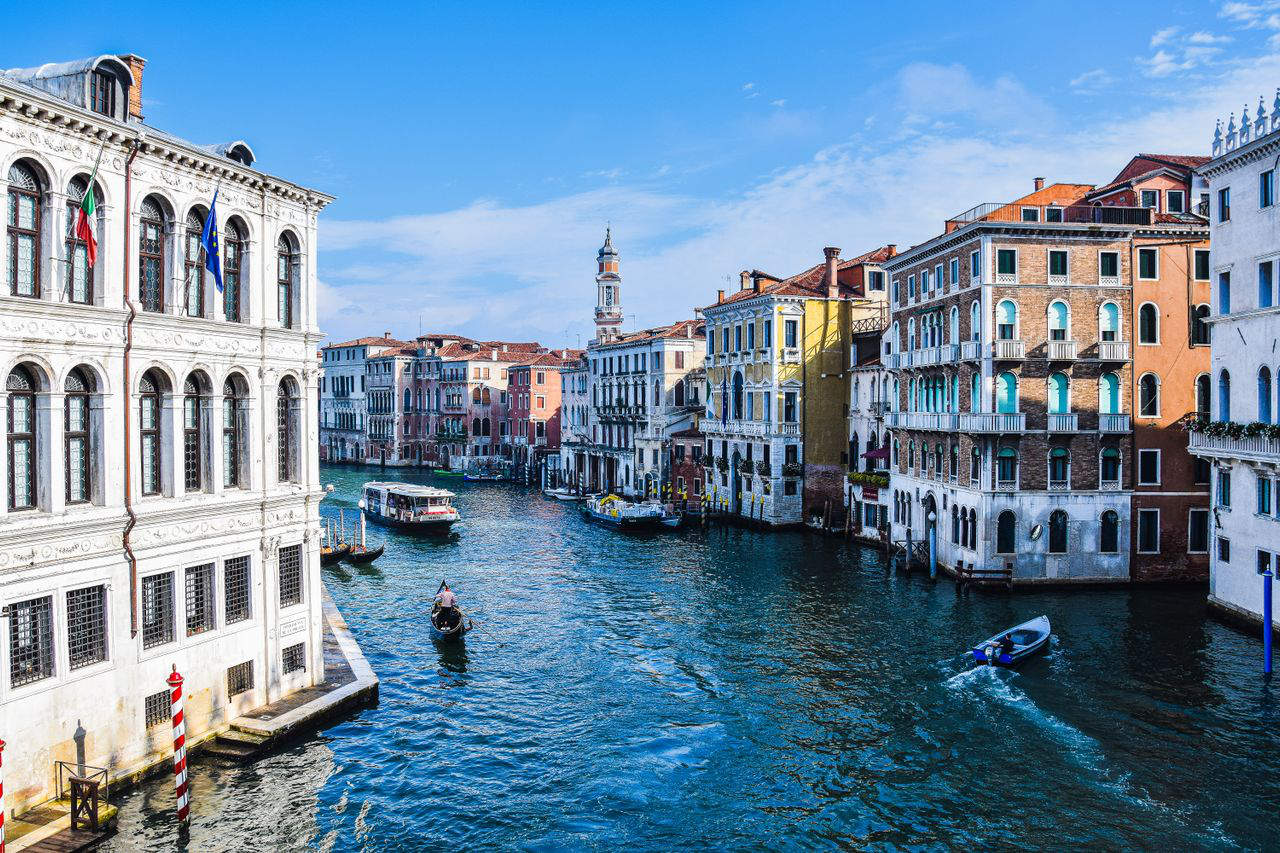
Italy offers a journey through centuries of painting, sculpture and architecture. Florence is known for Renaissance masterpieces, while Rome combines ancient ruins with impressive churches and public squares. Explore smaller neighbourhoods beyond major attractions.
- Book ahead: Reserve entry to popular galleries and museums.
- Walk locally: Discover historic lanes, workshops and community markets.
- Look closely: Notice the details in frescoes, fountains and buildings.
Spain for Cultural Celebrations
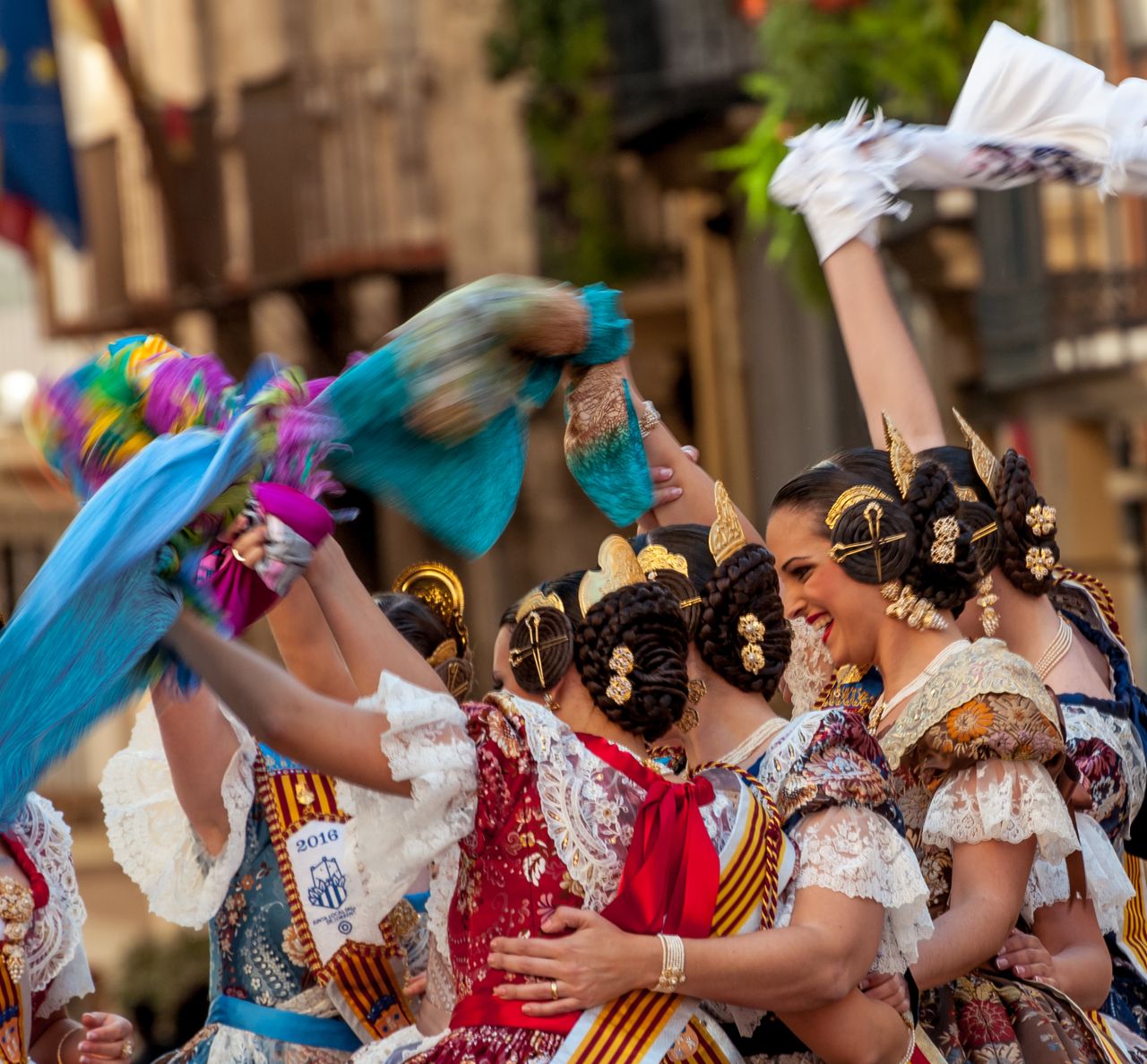
Spain’s cultural traditions come alive through music, dance and public festivities. Seville is a good place to experience flamenco, while historic quarters and food markets reveal another side of daily life. Celebrations transform streets into gathering places.
- See flamenco: Choose a reputable venue for live performances.
- Try local food: Visit markets for regional dishes and snacks.
- Plan transport: Festivals can bring crowds and temporary road closures.
Thailand for Buddhist Heritage
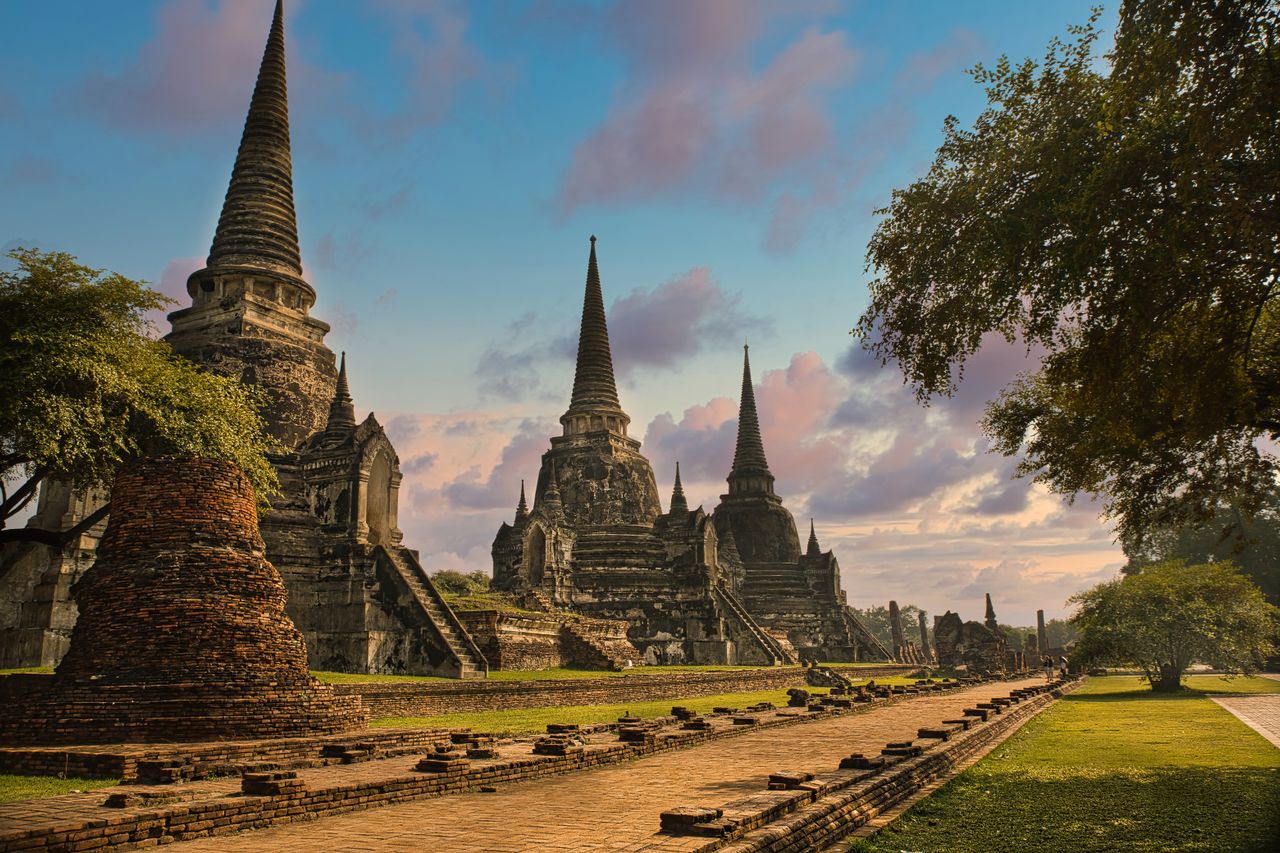
Thailand’s temples tell stories through murals, statues and designed buildings. Bangkok and Chiang Mai offer many opportunities to learn about Buddhist traditions and local history. Watching respectfully can be as rewarding as taking photographs.
- Dress appropriately: Cover shoulders and knees when entering temples.
- Follow signs: Check rules around shoes, photographs and restricted areas.
- Take a tour: Guides can explain symbols and religious customs.
Egypt for Ancient Civilisation
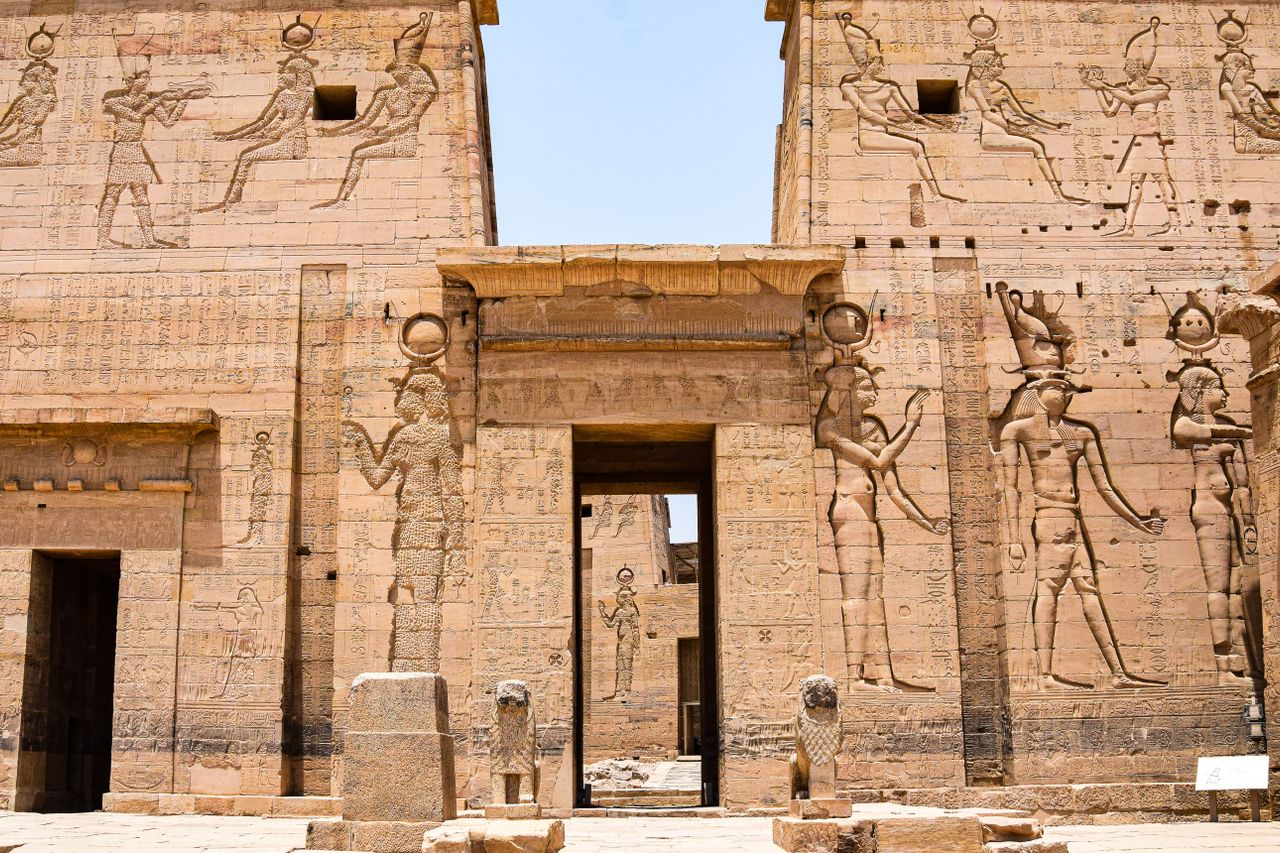
Egypt’s ancient monuments reveal remarkable stories of rulers, beliefs and everyday life. Cairo is home to museums and historic sites, while Luxor is known for grand temples and tombs. Guides can explain unfamiliar inscriptions.
- Visit museums: Explore objects found during archaeological excavations.
- Choose guides carefully: Use licensed professionals at major sites.
- Prepare for heat: Carry water and schedule outdoor visits sensibly.
Morocco for Traditional Markets
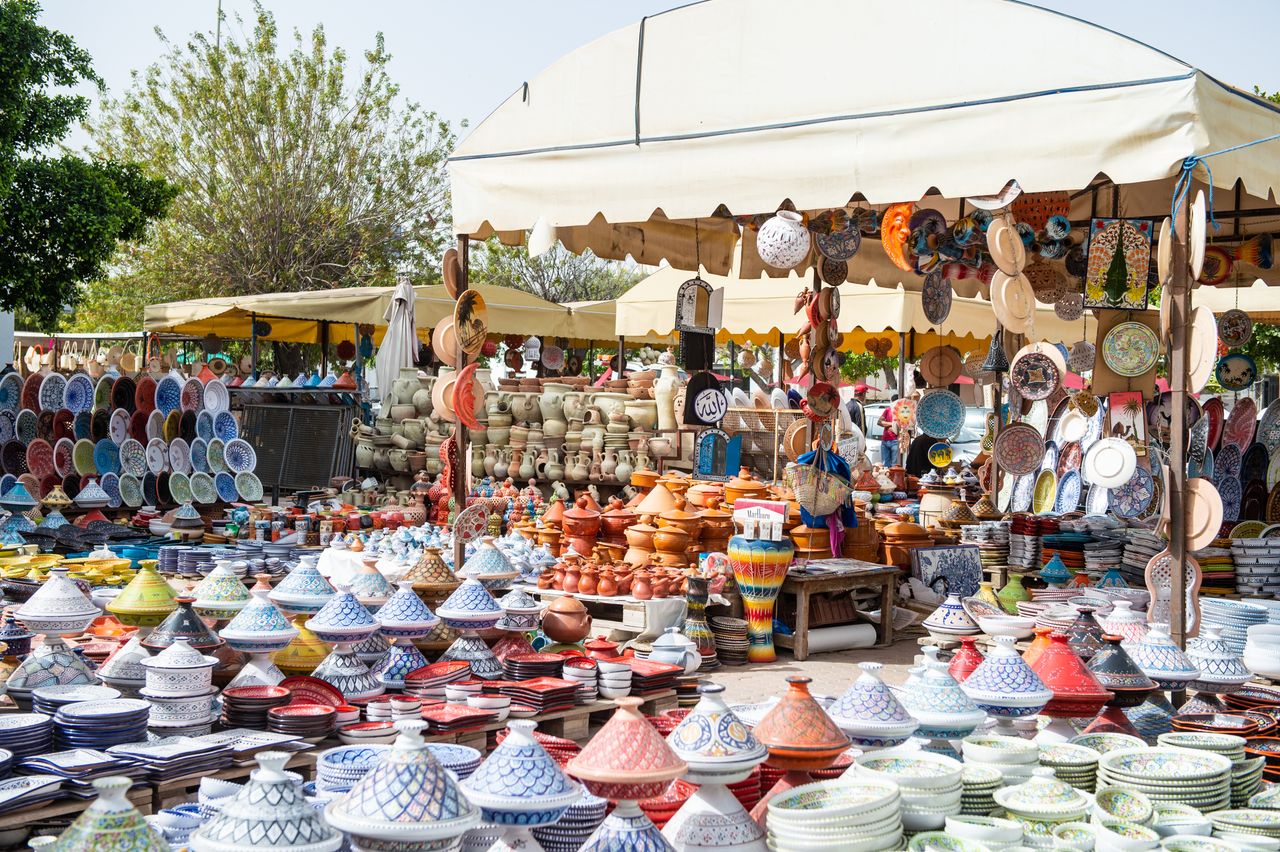
The medinas of Marrakech and Fez are filled with craft shops, winding lanes and busy markets. Visitors can discover ceramics, woven textiles and leather goods while observing techniques that families have practised for generations. Allow time to explore without rushing.
- Meet artisans: Ask about how handmade items are produced.
- Shop respectfully: Discuss prices politely and avoid pressure.
- Navigate carefully: Use landmarks or a local guide in medinas.
South Korea for Historic Palaces
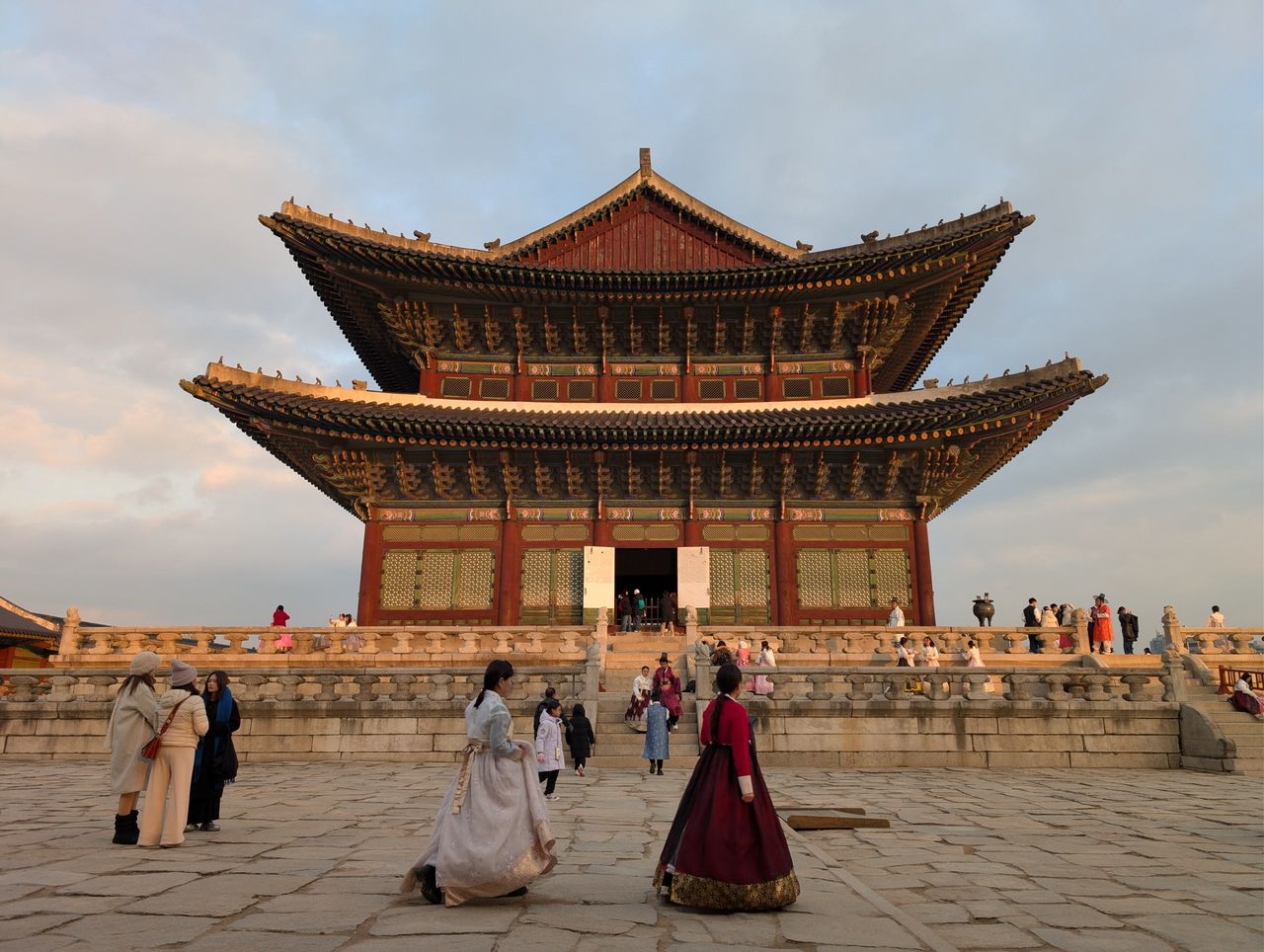
Seoul’s royal palaces introduce visitors to Korea’s dynastic history through courtyards, gates and traditional buildings. Nearby streets show how older architecture fits into a modern capital. Exploring both offers a fuller picture of the city’s changing identity.
- Check opening days: Some palaces close on particular weekdays.
- Join a tour: Learn what palace spaces were used for.
- Explore nearby: Walk through traditional neighbourhoods and cultural streets.
Mexico for Indigenous Traditions
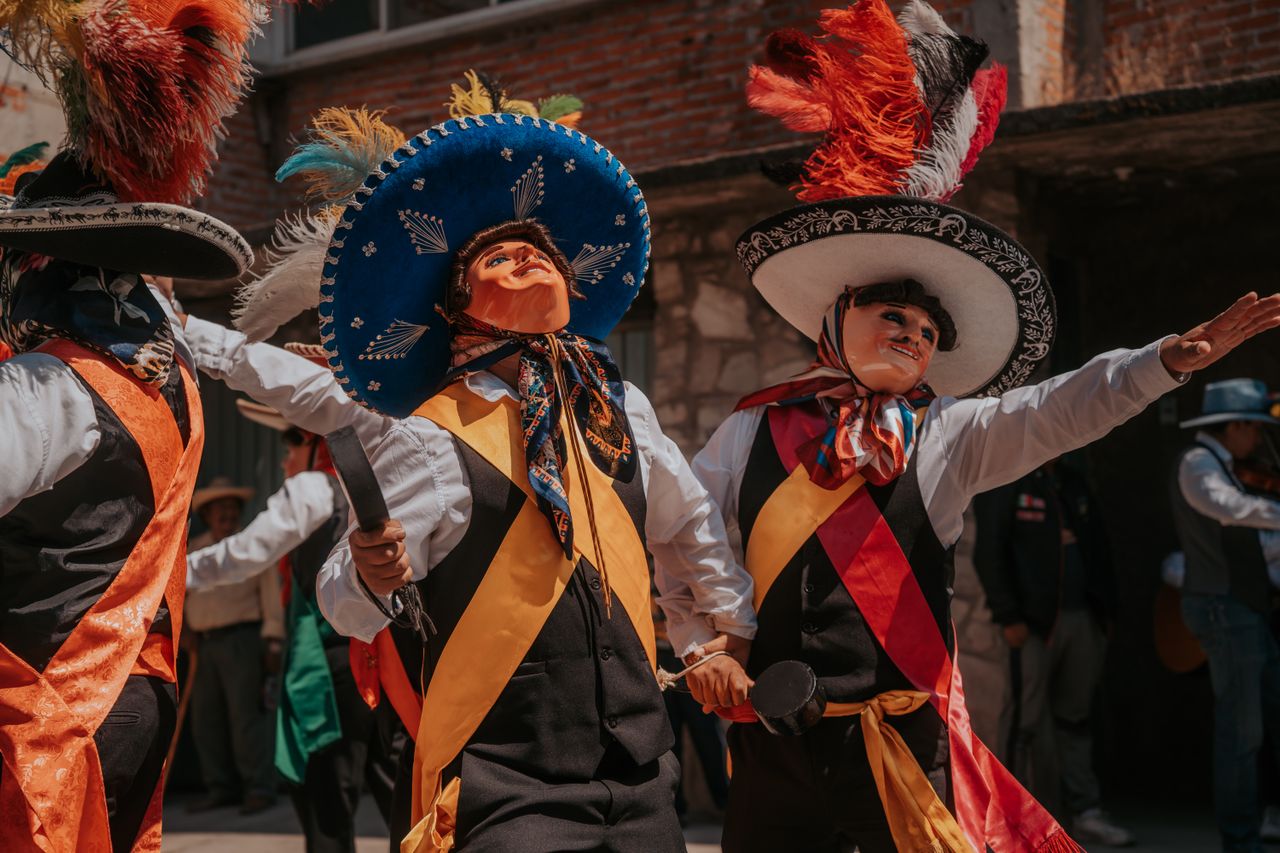
Oaxaca brings together distinctive food, textiles and cultural practices influenced by Zapotec and Mixtec communities. Its historic centre is a good starting point, while the archaeological site of Monte Albán adds a deeper historical perspective. Engage with local traditions thoughtfully.
- Buy directly: Support craft makers and learn about their work.
- Taste regional food: Explore traditional dishes at local markets.
- Show respect: Ask permission before photographing ceremonies or people.
Conclusion
Culture can shape a holiday, whether you travel for street festivals, historic sites or traditional crafts. Start by choosing experiences you want to see, then check travel seasons, entry rules and local event schedules. Give your insurance choice equal attention.
A single-trip policy may suit one planned getaway, while annual cover may work for several eligible journeys. Before paying, read the medical benefits, cancellation terms, exclusions and maximum trip length. Clear planning leaves you more time to enjoy each destination.