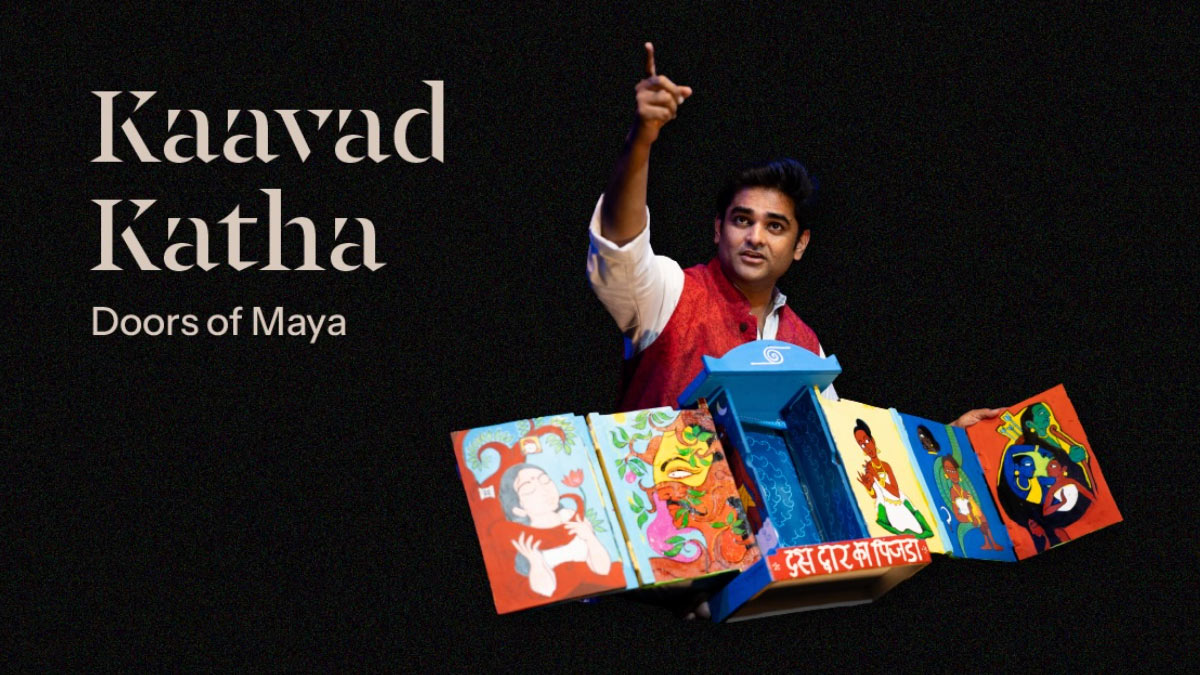
The Kiran Nadar Museum of Art (KNMA) will present Kaavad Katha: Doors of Maya on 22 March from 5.30 pm to 7.00 pm at Durbar Hall, Kochi, as part of the ongoing Kochi-Muziris Biennale. The event brings together storytelling, folk music, and visual art in a performative narrative inspired by Rajasthan’s traditional Kaavad storytelling practice.
Inspired by the Kaavad Storytelling Tradition
The performance draws inspiration from Kaavad Katha, a centuries-old storytelling tradition from Rajasthan. The Kaavad is a portable wooden shrine with multiple painted panels that open like doors, revealing scenes from epics, folklore, and local histories as the storyteller narrates the story.
Traditionally narrated by travelling storytellers known as Kaavadiya Bhats, the unfolding of each panel reveals a new chapter of the narrative, blending visual imagery with oral storytelling.
A Performative Journey Through the Worlds of Maya
Titled Doors of Maya, the performance invites audiences into a layered narrative world where characters and stories intersect across time and space. The storytelling unfolds as a journey through multiple universes shaped by the philosophical idea of Maya, suggesting shifting realities and perspectives.
The performative format merges narrative, music, and visual imagery to create an immersive storytelling environment.
Collaboration Between Storyteller, Musician, and Visual Artist
The performance is led by writer and storyteller Akhshay Gandhi, whose work often explores narrative traditions and performative storytelling. He is joined by folk musician Ishwar Singh, who contributes live musical elements to the storytelling, and visual artist Rohit Bhasi, whose visual interventions shape the stage environment.
Creative producer Anita Gandhi coordinates the project, bringing together artists from different disciplines to reinterpret a traditional storytelling format for contemporary audiences.
Presented Amidst the Ghulam Mohammed Sheikh Retrospective
The event takes place within the context of the ongoing retrospective of artist Ghulam Mohammed Sheikh at Durbar Hall. The exhibition presents works spanning more than six decades of the artist’s practice and is part of the current edition of the Kochi-Muziris Biennale.
The Kochi-Muziris Biennale, launched in 2012, is India’s largest international exhibition of contemporary art and one of the major cultural events in Asia, bringing artists, curators, and audiences from across the world to Kochi.
Performative storytelling inspired by Rajasthan’s Kaavad tradition
Live folk music accompaniment
Visual elements integrated into the storytelling format
A narrative journey exploring the idea of Maya and layered realities
Artists and Contributors
Writer and Lead Performer: Akhshay Gandhi
Co-performer: Ishwar Singh
Visual Artist: Rohit Bhasi
Creative Producer: Anita Gandhi
Venue and Visitor Information
The event will take place at Durbar Hall in Kochi on 22 March from 5.30 pm to 7.00 pm. It is presented as part of the ongoing programming around the Kochi Biennale and the exhibition of Ghulam Mohammed Sheikh’s work currently on view at the venue.
More information about the organiser can be found on the Kiran Nadar Museum of Art website and updates on the broader festival are available through the Kochi-Muziris Biennale official site.
Takeaway
By drawing on the traditional storytelling practice of Kaavad while integrating music and visual art, Kaavad Katha: Doors of Maya creates a dialogue between folk narrative traditions and contemporary artistic expression. The event highlights how storytelling continues to evolve as a living cultural form, offering audiences a reflective experience within the vibrant setting of the Kochi Biennale.
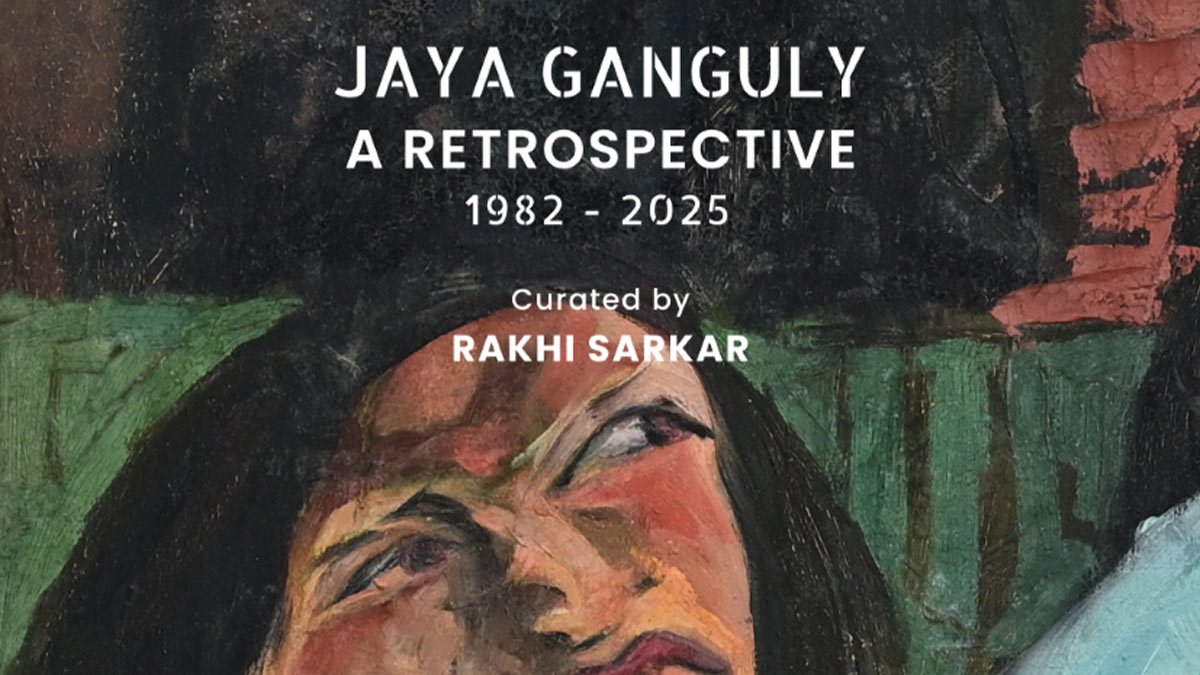
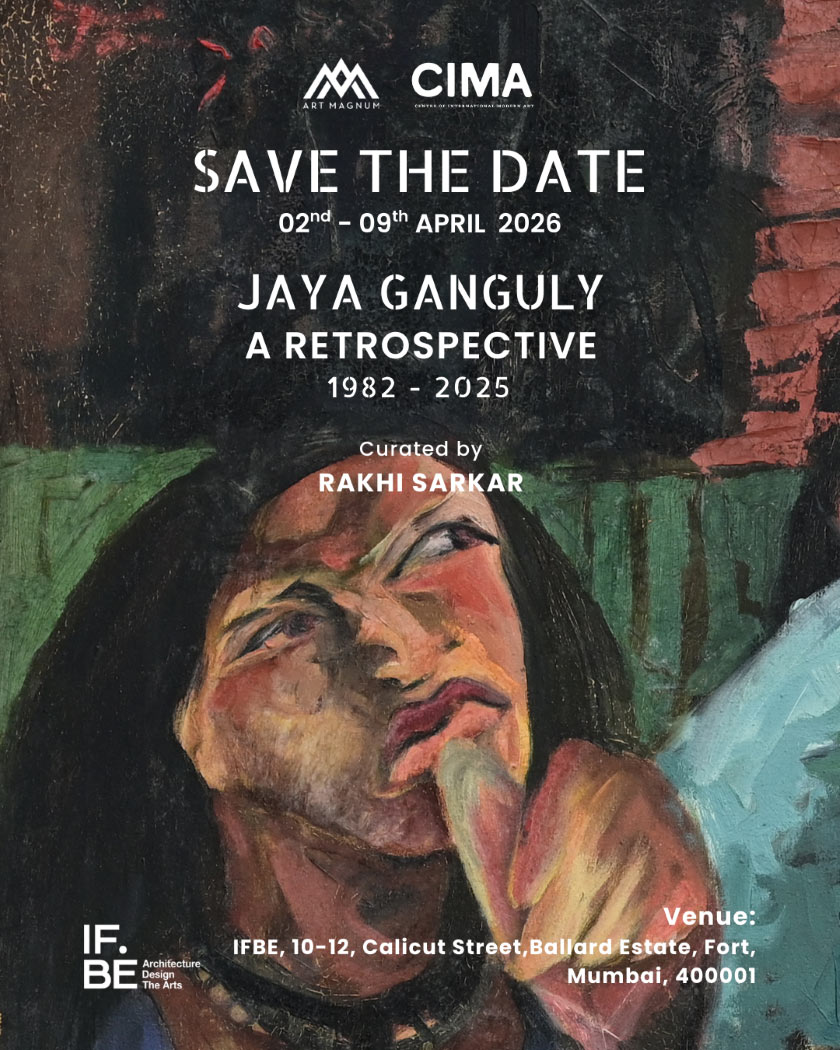
The Centre of International Modern Art (CIMA), in collaboration with Art Magnum, presents Jaya Ganguly: A Retrospective (1982–2025), an exhibition celebrating over four decades of the artist’s practice. The exhibition opens on 2 April 2026 at 6:00 PM and will remain on view until 9 April 2026, with viewing hours from 11:00 AM to 7:00 PM. The exhibition will be held at IFBE, 10–12 Calicut Street, Ballard Estate, Fort, Mumbai.
Tracing Four Decades of Artistic Practice
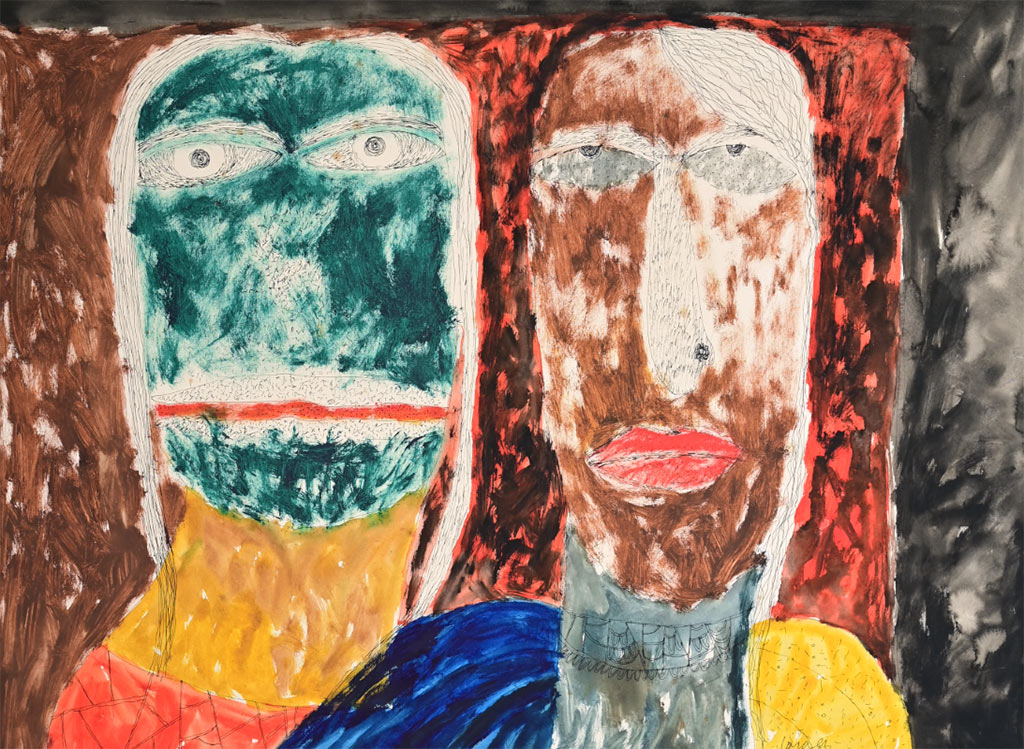
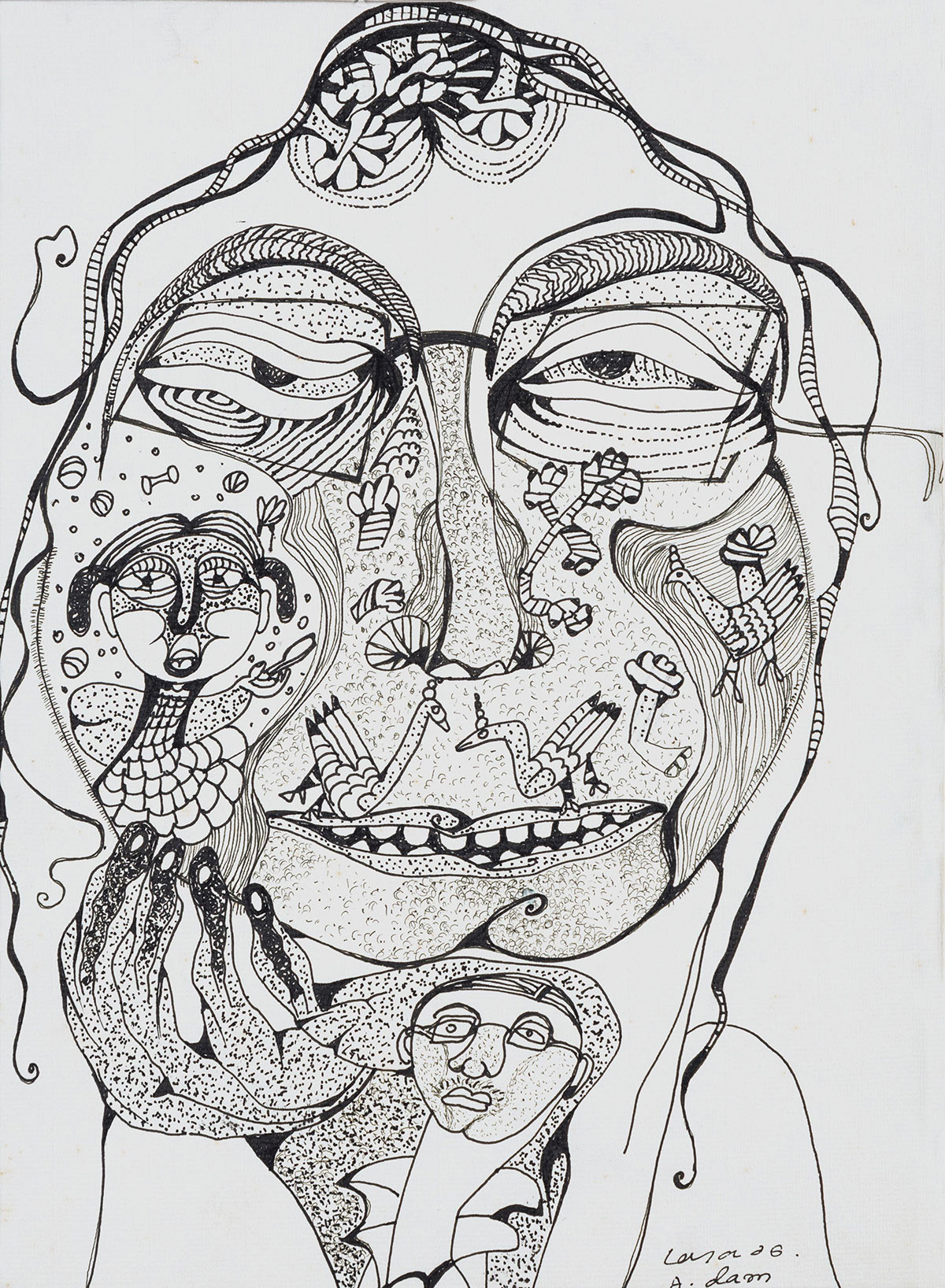
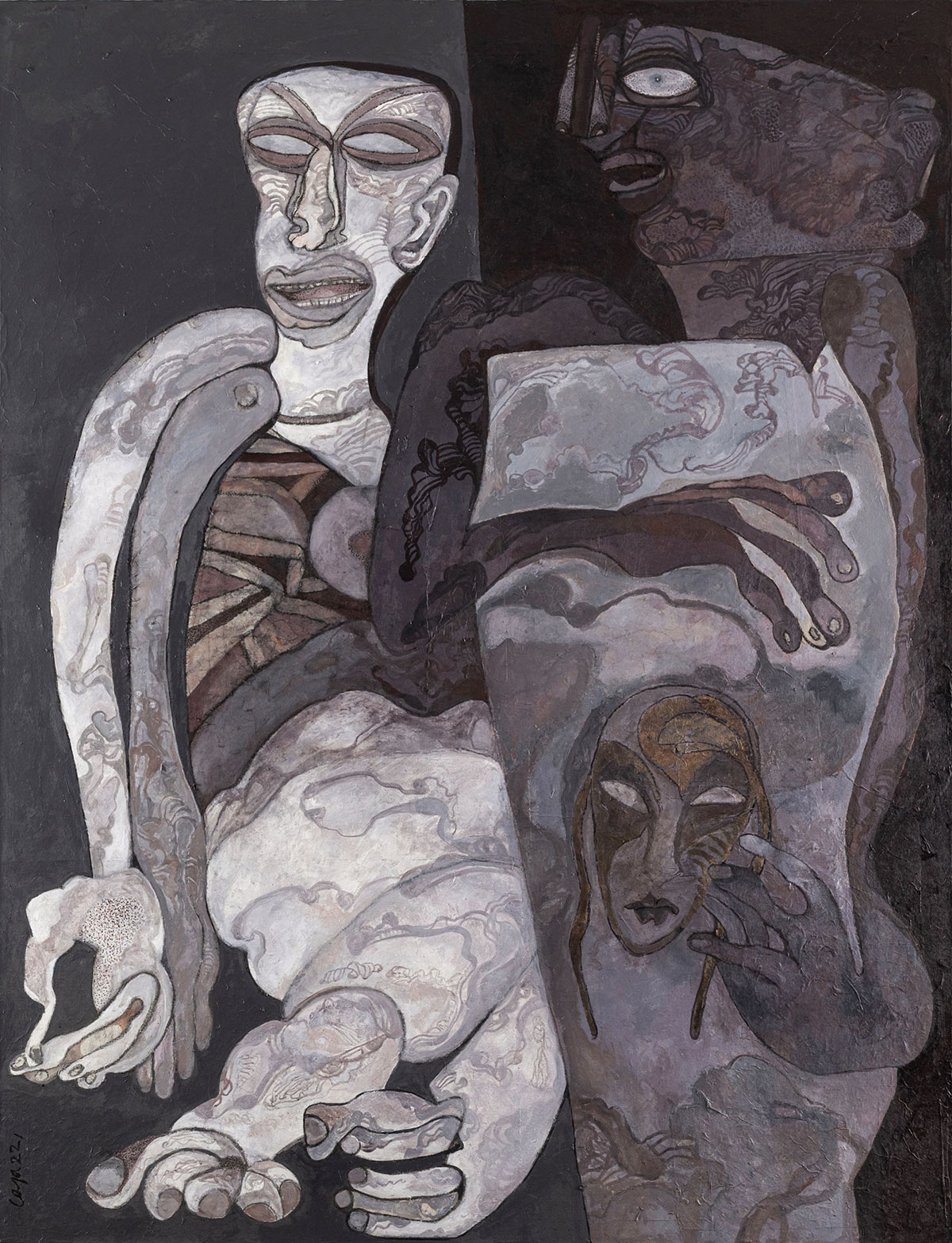
The retrospective brings together works created between 1982 and 2025, offering a comprehensive overview of Ganguly’s evolving artistic language. Through paintings and drawings from different periods, the exhibition reflects the artist’s engagement with themes such as memory, emotional intensity, and the complexities of the human condition. The works demonstrate how her visual vocabulary has shifted over time while maintaining a strong emotional and expressive core.
Artist Background
Born in Kolkata, Jaya Ganguly is known for her expressive approach to the human figure and her exploration of women’s experiences in patriarchal societies. Her works often feature bold lines and emotionally charged faces that reflect resilience, vulnerability, and defiance. Over the years, Ganguly has built a body of work that addresses gender, identity, and psychological states through layered imagery and strong visual symbolism.
Curatorial Perspective
Curated by Rakhi Sarkar, Director of CIMA – Centre of International Modern Art, the exhibition situates Ganguly’s work within a broader modern and contemporary context. Sarkar’s curatorial approach highlights both continuity and transformation in the artist’s practice, allowing viewers to trace how her themes and forms have responded to personal experiences and shifting social realities.
Themes in the Artist’s Work
The exhibition emphasises the emotional and social concerns that have shaped Ganguly’s practice. Her works frequently address the struggles faced by women in restrictive social structures, presenting figures that question authority and assert their own presence.
Key themes explored in the exhibition include:
The lived experiences of women in patriarchal societies
Emotional resilience and vulnerability
Memory and personal introspection
The evolving representation of the human figure
Many of the works reveal a strong sense of pathos combined with defiance, reflecting the artist’s engagement with personal and societal conflicts.
Highlights of the Retrospective
The exhibition presents a selection of works spanning multiple phases of Ganguly’s career.
Highlights include:
Early monochromatic drawings and sketches
Large expressive canvases from later periods
Works created during the COVID-19 period reflecting isolation and introspection
Paintings exploring fragmented and distorted human forms
Together, these works offer insight into how Ganguly’s practice has developed over more than forty years.
Visitor Information
The exhibition is open to the public throughout its run in Mumbai. Visitors will have the opportunity to view a wide range of works that map the artist’s creative journey across decades.
Aspects
Details
Exhibition
Jaya Ganguly: A Retrospective (1982–2025)
Artist
Jaya Ganguly
Venue
IFBE, 10–12 Calicut Street, Ballard Estate, Fort
City
Mumbai, India
Opening Date
2 April 2026, 6:00 PM
Exhibition Dates
2 April – 9 April 2026
Viewing Hours
11:00 AM – 7:00 PM
Organiser
Centre of International Modern Art (CIMA) in collaboration with Art Magnum
Entry / Tickets
Open to the public
Takeaway
Jaya Ganguly: A Retrospective (1982–2025) offers an opportunity to encounter the artistic evolution of a painter whose work engages deeply with questions of identity, resilience, and human emotion. By bringing together works spanning four decades, the exhibition provides viewers with a broader understanding of Ganguly’s practice and its relevance within contemporary Indian art discourse.
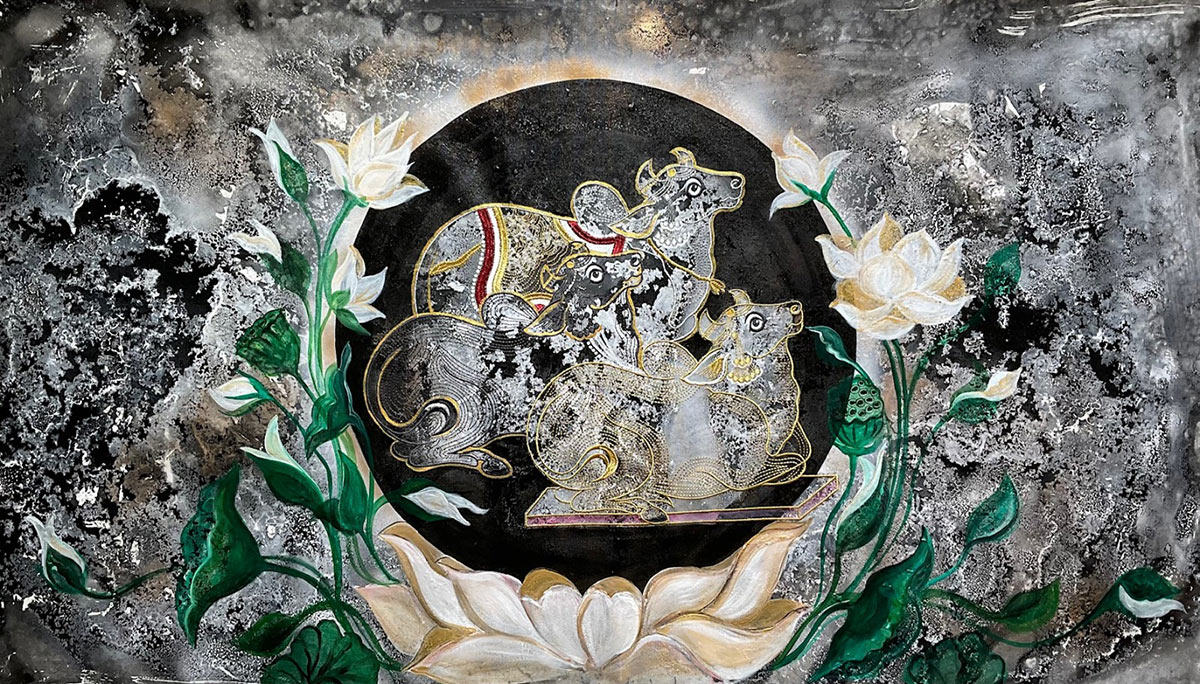
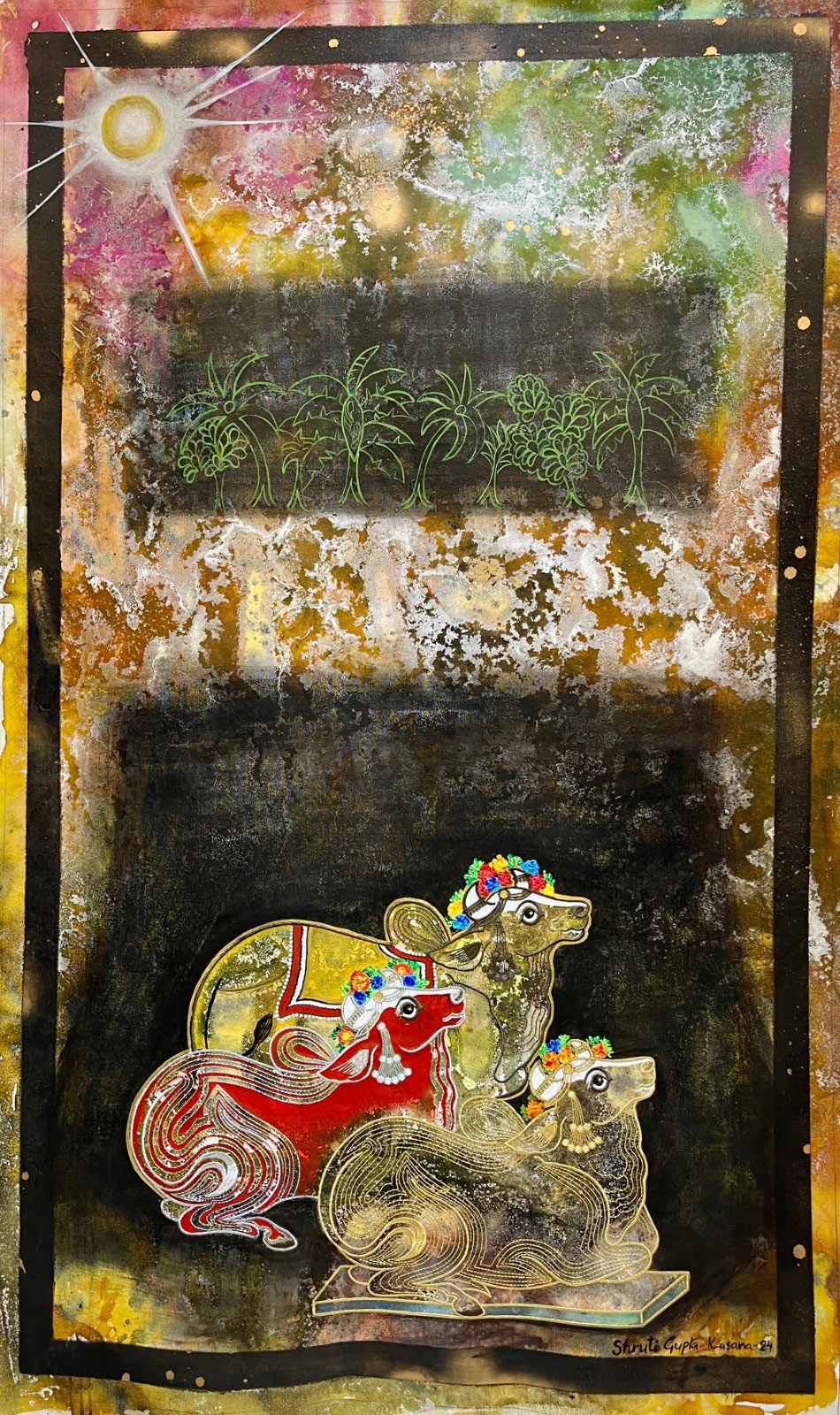
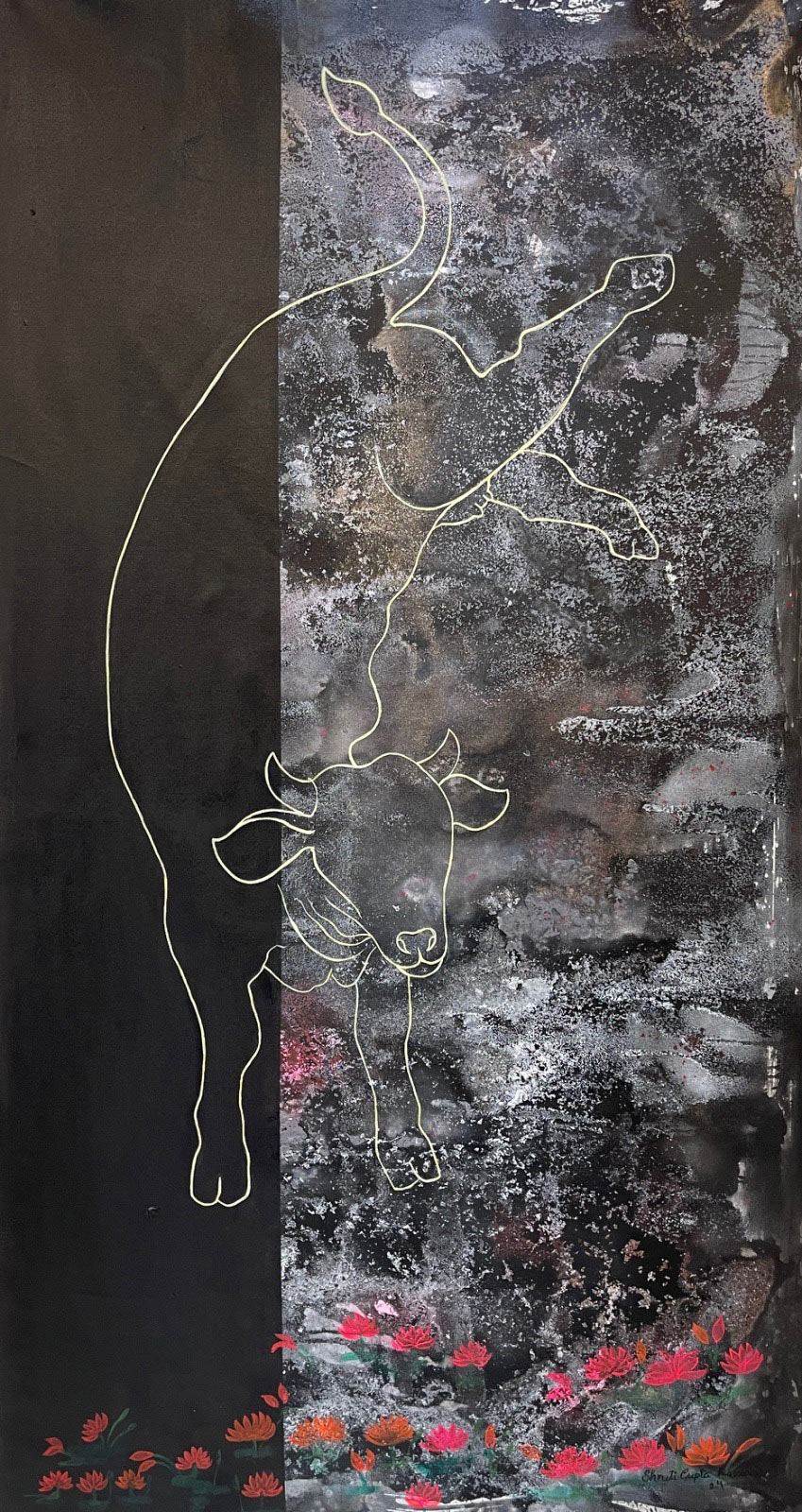
Indian multidisciplinary artist Shruti Gupta Kasana presents a body of work that merges painting, textile craft, and sustainability. Her current collection, Sampurn Vrindavan, explores the poetic and spiritual world of Lord Krishna through layered mixed-media compositions. The works bring together narrative, texture, and tradition, reflecting both cultural heritage and contemporary environmental concerns.
Background and Creative Journey
Shruti Gupta Kasana’s artistic journey is shaped by a diverse academic and professional background. She holds a Fine Arts degree from the University of Kanpur, a Master’s degree in Fashion Design from NIFT Mumbai, and an MBA from Symbiosis, Pune. This multidisciplinary education has allowed her to move fluidly between the worlds of art, design, and conceptual thinking.
Her early career began in fashion design, where artistic experimentation informed her textile collections. Over time, she returned to painting, reconnecting with what she describes as her first creative language. This transition marked a turning point in her practice, leading to a renewed focus on visual storytelling through canvas and textile-based materials.
Artistic Style, Materials and Techniques
Shruti’s work is primarily figurative, yet it resists strict categorisation. Her compositions often combine painting with textile craft, resulting in surfaces that are both tactile and visually layered.
She integrates a variety of materials into her work, including:
Acrylic paint and mixed media
Jute and textile fabrics
Embroidery and hand knitting
Tapestry techniques
These materials are arranged through a process of layering that blends structure with spontaneity. Traditional craft methods are reinterpreted through a contemporary lens, allowing the works to bridge heritage techniques with modern artistic expression.
Her colour palette ranges from subtle monochromatic tones to bold and vibrant compositions. Through these shifts in colour and texture, her paintings build narrative depth and emotional resonance.
The Concept Behind Sampurn Vrindavan
The collection Sampurn Vrindavan draws inspiration from the mythology and symbolism surrounding Lord Krishna. The works evoke scenes, emotions, and spiritual associations connected to Vrindavan, the sacred landscape linked to Krishna’s life and stories.
Rather than literal illustration, the paintings present Krishna’s presence through symbolic forms, layered textures, and figurative abstraction. The approach allows viewers to engage with both mythology and contemporary visual language simultaneously.
Jute Sustainable Front Initiative
A central aspect of this series is Shruti’s experimentation with eco-conscious materials, particularly jute.
Jute, a biodegradable natural fibre, presents unique challenges for painters due to its highly absorbent texture. To address this, the artist collaborated with textile manufacturers in Dhaka to develop a special blend of jute and cotton that functions effectively as a painting surface.
This research-led effort led to the launch of her Jute Sustainable Front Initiative, where artworks are produced on environmentally responsible textile canvases.
Key aspects of the initiative include:
Use of 100% biodegradable natural fibres
Development of jute–cotton blended painting surfaces
Integration of sustainable textile practices within fine art
Exploration of ecological awareness through artistic material choices
Through this approach, Shruti attempts to create a visual language that responds to contemporary environmental concerns while remaining rooted in craft traditions.
Cultural and Contemporary Relevance
Shruti Gupta Kasana’s work reflects a broader movement within contemporary Indian art where artists revisit traditional materials and craft methods. By combining textile techniques with figurative painting, she situated her practice at the intersection of art, design, and sustainability.
The use of jute as a primary surface also speaks to larger conversations about environmentally responsible art practices. Her work suggests that material innovation can play a role in shaping the future of artistic production.
Key Characteristics of the Artist’s Work
Fusion of fine art and textile craft
Figurative compositions rooted in Indian cultural narratives
Use of mixed media and tactile surfaces
Emphasis on sustainable materials such as jute
Exploration of mythology through contemporary visual language
International Exposure and Exhibitions
Shruti Gupta Kasana’s work has been exhibited in several locations across India as well as internationally. Her paintings have been presented in exhibitions and art events in Bangladesh, London, and Dubai, where they have attracted attention for their distinctive use of texture and material.
These presentations have helped position her practice within an expanding network of artists exploring cross-disciplinary approaches between textile craft and fine art.
Exhibitions by Shruti Gupta Kasana
2025
Parallax London — London, UK
World Art Dubai — Dubai, UAE
India Art Festival — Hyderabad, India
India Art Festival — Delhi, India
Art Show & Workshop — Kutch, India
2024
Sampurn Vrindavan — Solo Exhibition, India Habitat Centre, New Delhi
World Art Dubai — Dubai, UAE
India Art Festival — Mumbai & Delhi
Imagin Fest — PCOS Club, New Delhi
2023
World Art Dubai — Dubai, UAE
India Art Festival — Mumbai & Delhi
Dubai International Art Center (DISC) — Jumeirah, Dubai
2022
World Art Dubai — Dubai, UAE
India Art Festival — Mumbai
2021
Solo Exhibition — Nordic Club, Dhaka, Bangladesh
Solo Exhibition — Dhaka Gallery, Banani, Bangladesh
India Art Festival — Mumbai
SAARC Women’s Association Anniversary Exhibition — Dhaka
World Peace Conference Workshop — Foreign Service Academy, Dhaka
2018
Gallery Cosmos — Group Exhibition, Dhaka
National Gallery — Group Exhibition, Dhaka
2015
Gallery Sree — Group Exhibition, Gurugram
2013
Solo Exhibition — Nordic Club, Dhaka
2011
Solo Exhibition — Nordic Club, Dhaka
2010
Solo Exhibition — Nordic Club, Dhaka
2008
Solo Exhibition — Nordic Club, Dhaka
Gallery Sree — Group Exhibition, Gurugram
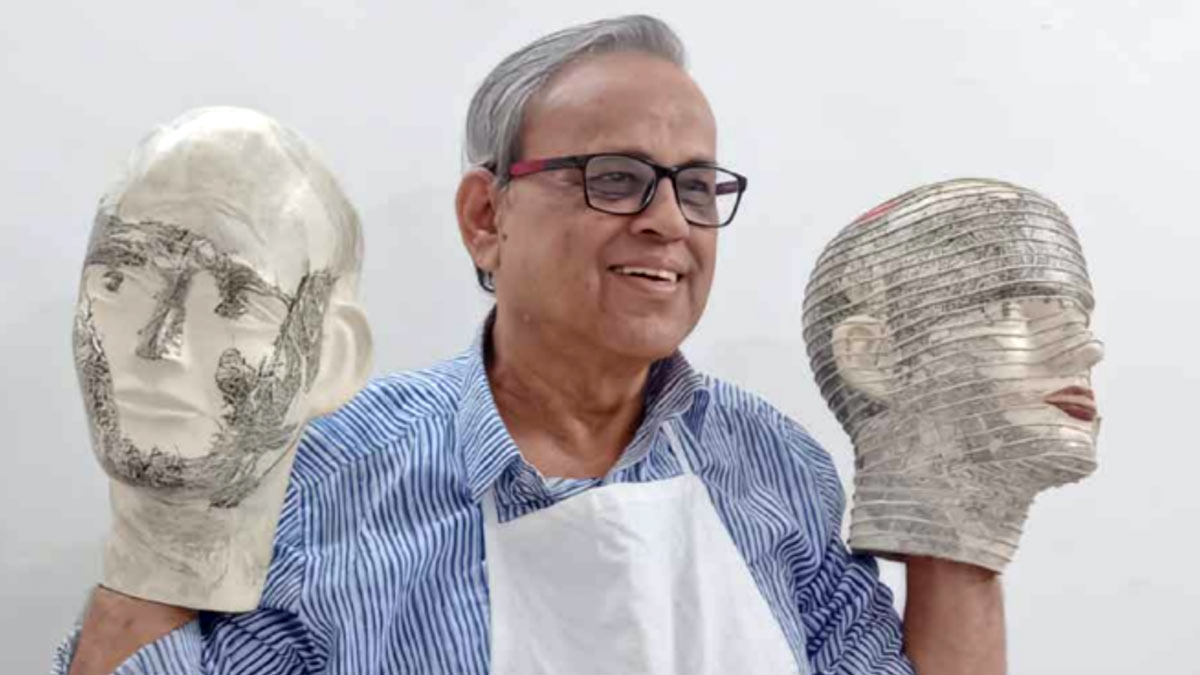
An exhibition titled “Line As Witness”, presenting works by artist Yusuf, will be held from 29 March to 11 April2026 in Sunder Nagar, New Delhi. Organised by Black Cube Gallery in collaboration with Shantanu Sharma, the show brings together a body of work spanning acrylic paintings, mixed media explorations, and sculptural forms. The exhibition will be open daily from 11 am to 6 pm, with entry free and open to all on prior appointment.
Exploring the Line as a Visual Language
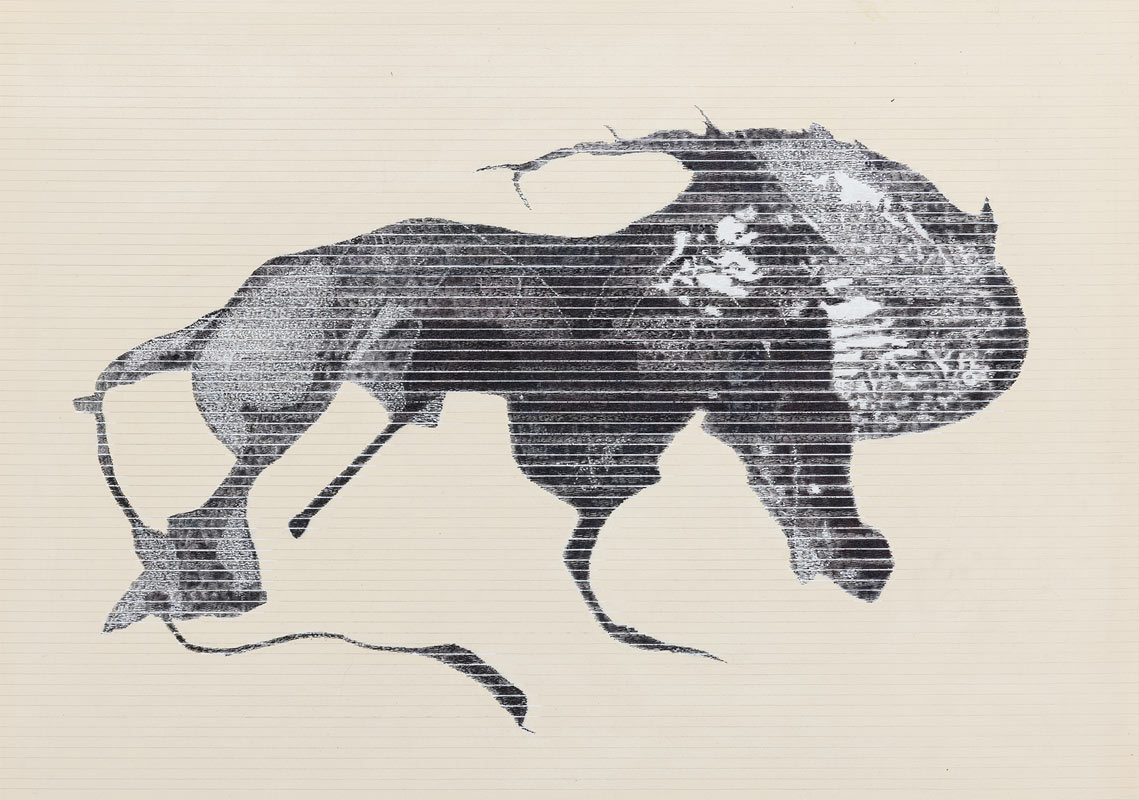
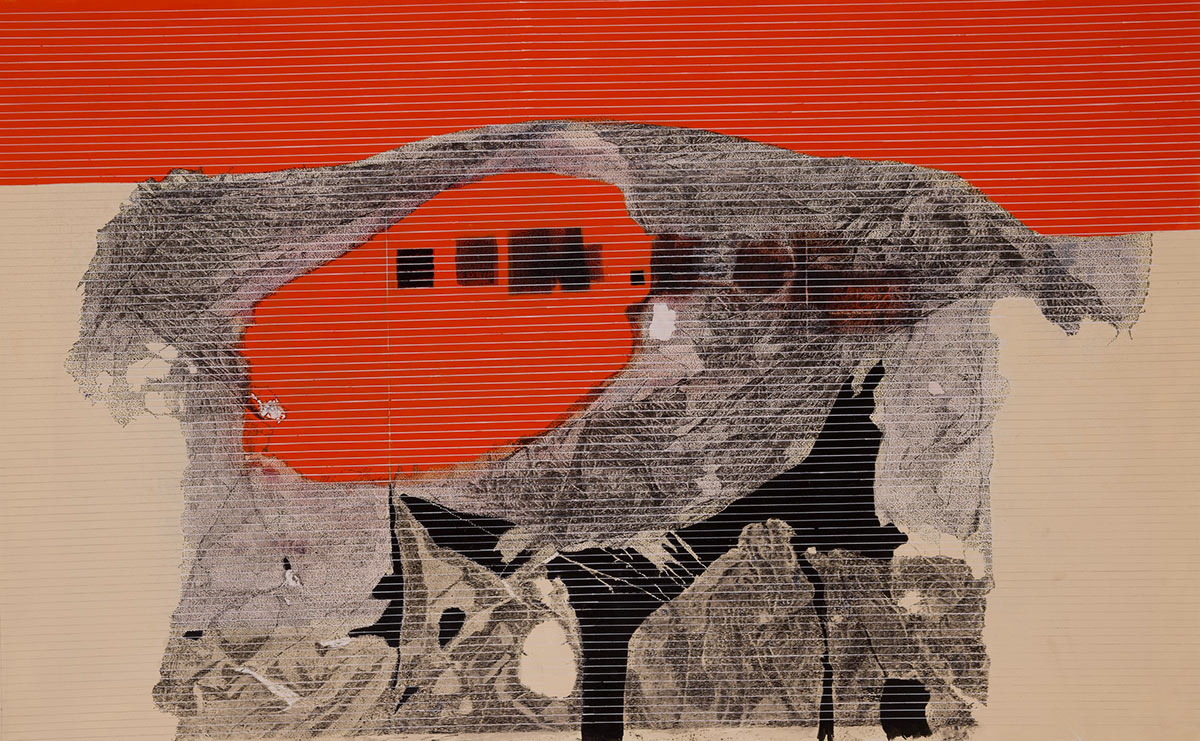
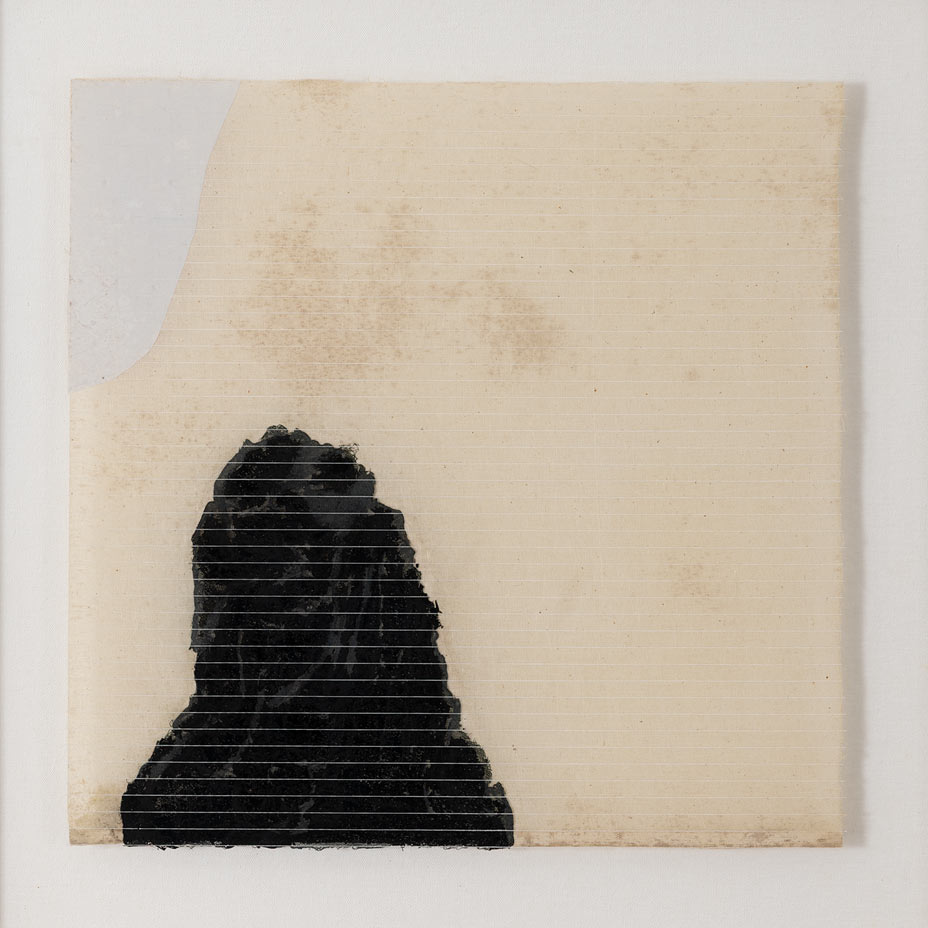
For Yusuf, the line is not simply a formal element of drawing but a fundamental structure through which the world becomes visible. Over decades of artistic practice, he has returned repeatedly to this elemental mark, exploring its potential to record movement, construct form, and register gesture. In his work, the line functions as both subject and method, allowing abstraction to intersect with perception and lived experience.
Movement, Stillness, and Spatial Fields
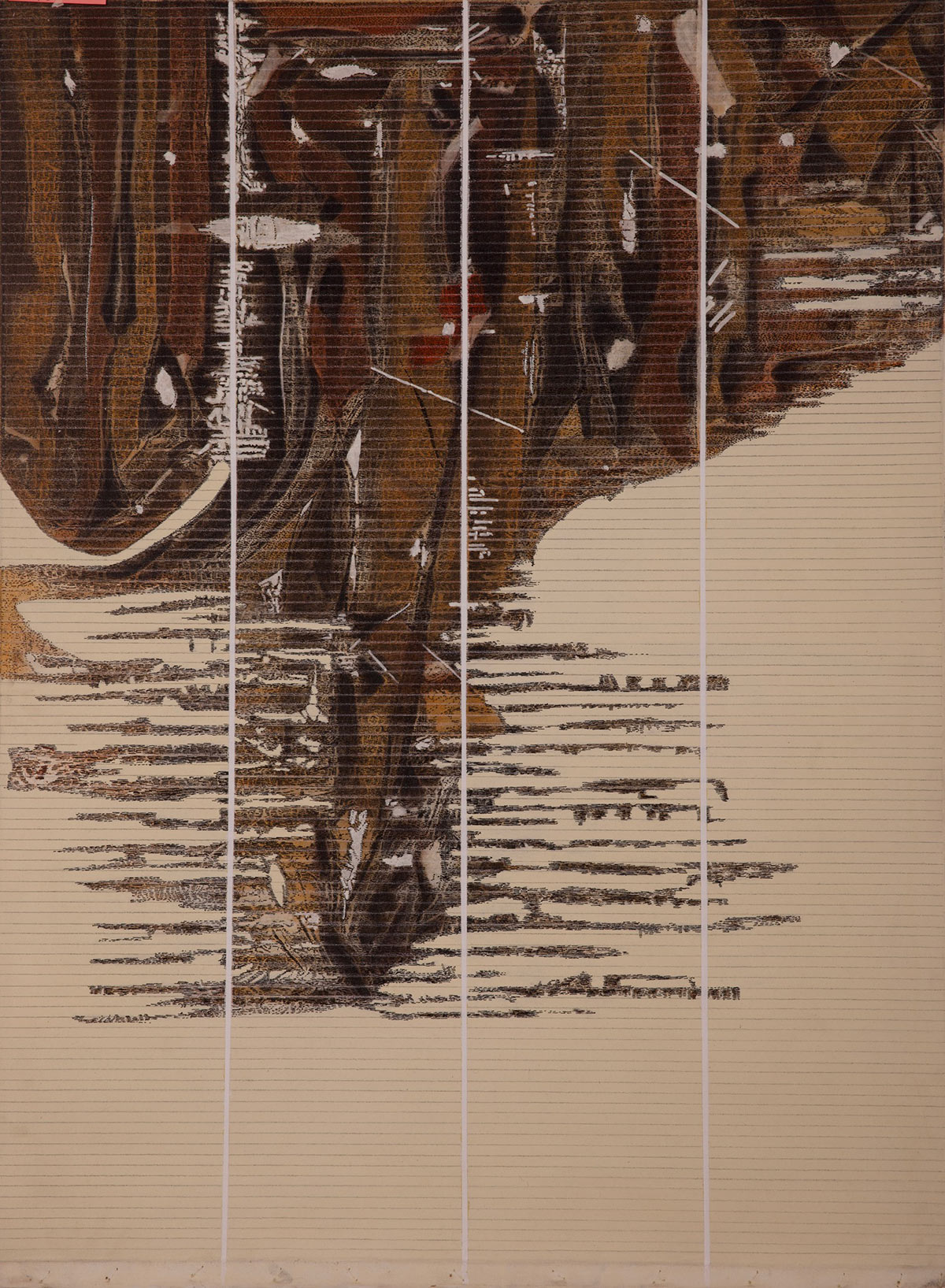
In many of the paintings presented in “Line As Witness,” layers of lines form atmospheric fields across the surface. These visual structures oscillate between states of motion and stillness. At times, they resemble waves of energy moving through space; at others, they appear as quiet grids stabilising the composition. This interplay invites viewers to shift between dynamic and contemplative modes of seeing.
Organic Forms within Abstract Structures
Within these structured fields, Yusuf introduces organic forms that appear to hover or dissolve in the pictorial space. The shapes often suggest fragments drawn from nature evoking dunes shaped by wind, cellular structures, or fleeting memories of landscapes. Rather than depicting nature directly, the artist references processes such as growth, erosion, and the passage of time, creating a visual language that might be described as abstract realism.
Highlights of the Exhibition
The exhibition brings together several aspects of Yusuf’s long engagement with abstraction.
Key elements in the exhibition include:
Acrylic paintings built around layered linear structures
Mixed media works exploring texture and gesture
Sculptural forms extending the idea of line into three-dimensional space
Works reflecting decades of experimentation with abstraction and perception
Artist Background
Born in Gwalior, Madhya Pradesh in 1952, Yusuf studied painting and sculpture in the 1970s. His practice has long centred on minimal forms and the expressive potential of line, often working with ink on rice paper alongside other media.
Over the course of his career, he has held 25 solo exhibitions and participated in significant international events including the VII Triennale in New Delhi (1992) and the Bangladesh Biennale in Dhaka (1995). His work has also been exhibited in Japan and Korea.
Yusuf has received several major recognitions, including the Raza Award and the National Award from the Lalit Kala Akademi. He also received the National Fellowship from the Ministry of Culture, New Delhi. The artist played an important role in establishing the Graphic Workshop at Bharat Bhavan, Bhopal, where he continues to work and contribute to the institution’s graphic arts programme.
Philosophical Reflections on the Line
The conceptual foundation of the exhibition reflects Yusuf’s long-standing engagement with the philosophical possibilities of the line. As he notes, “When a point moves, a line is drawn.” Through this simple gesture, the artist examines the relationship between control and spontaneity, presence and absence, and the spaces that exist between marks.
Artist J. Swaminathan once observed that “There is none better than Yusuf who understands the meaning and magic of the line.” In Yusuf’s work, this seemingly modest element becomes a site of inquiry where perception, abstraction, and memory converge.
Black Cube Gallery in collaboration with Shantanu Sharma
Entry / Tickets
Free entry (prior appointment required)
Takeaway
“Line As Witness” presents a focused exploration of Yusuf’s long engagement with the expressive and philosophical dimensions of the line. Through paintings, mixed media works, and sculptural forms, the exhibition reflects a practice that moves between discipline and intuition. By foregrounding the simplest visual element—the line—the show invites viewers to consider how minimal gestures can hold complex experiences of perception, time, and memory.
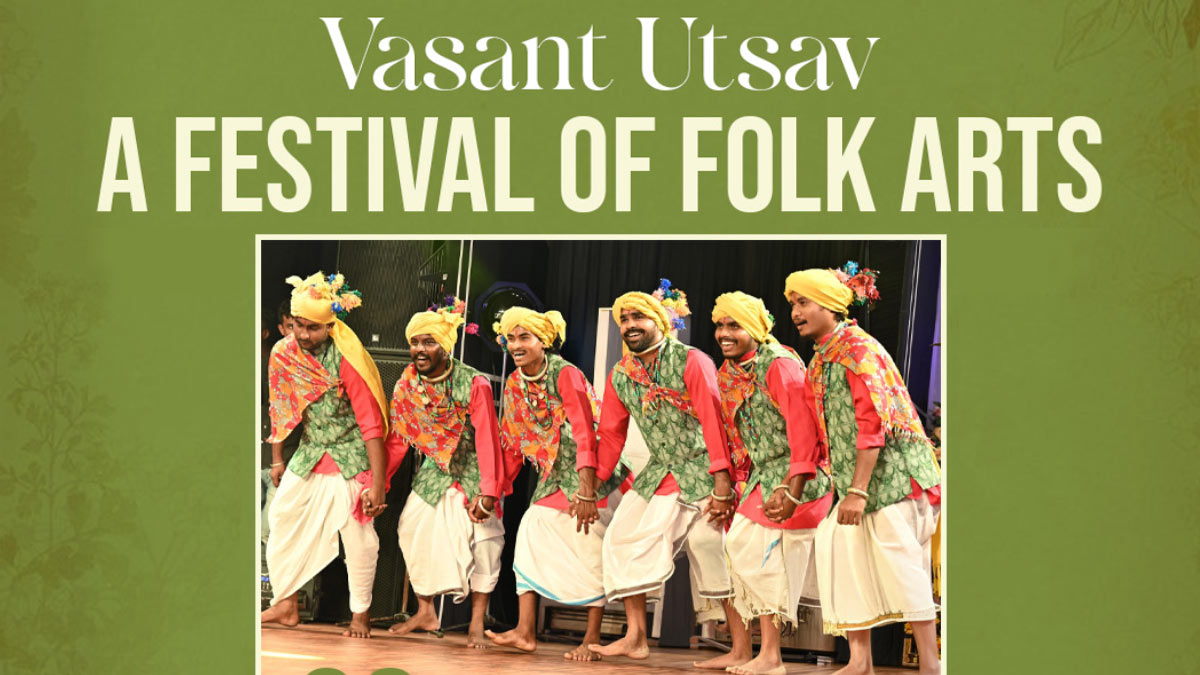
The Vasant Utsav: A Festival of Folk Arts will be held at the India International Centre, presenting a two-day celebration of traditional music, dance and visual arts. The festival brings together artists from different regions of India to showcase contemporary narratives expressed through traditional folk forms. Alongside stage performances, the programme includes exhibitions and demonstrations that introduce visitors to a variety of regional cultural practices.
Basant in the Land of Five Rivers: Dance and Songs from Punjab; Rhythms of Chhattisgarh: Folk Dances of the Heartland
Performing Groups
Universal Art and Culture Welfare Society, Mohali; Artists of Indira Kala Sangeet Vishwavidyalaya, Khairagarh
Folk Singers
Garry Gill and Sukhbeer Pal Kaur
Venue
Fountain Lawns, India International Centre
City
New Delhi
Date
19-20 March 2026
Time
6:00 pm onwards
Organiser
India International Centre
Entry
Open to All
A Platform for Folk Arts
Vasant Utsav is designed to highlight the diversity of India’s folk traditions and the communities that sustain them. By presenting performances from multiple regions, the festival creates an opportunity for audiences in Delhi to experience different cultural expressions within a single programme. The event also reflects the India International Centre’s long-standing role in hosting cultural programmes, lectures and exhibitions related to arts and heritage.
One of the featured programmes of the festival is “Basant in the Land of Five Rivers: Dance and Songs from Punjab.” The performance will present Punjabi folk traditions through energetic dance and music.
Artists from the Universal Art and Culture Welfare Society will perform well-known Punjabi folk dances, including:
Jhumar (Punjabi folk dance)
Giddha
Bhangra
The programme will also feature folk singing by Garry Gill and Sukhbeer Pal Kaur, presenting songs rooted in Punjab’s oral storytelling and seasonal celebrations.
Rhythms of Chhattisgarh
Another highlight of the festival is “Rhythms of Chhattisgarh: Folk Dances of the Heartland.” This performance will be presented by artists from Indira Kala Sangeet Vishwavidyalaya in Khairagarh. Established in 1956, the university is known for its specialised programmes in music, dance and visual arts.
The performance will introduce audiences to traditional dances from Chhattisgarh, including:
Gedi Dance
Karma Dance
Sarhul Dance
These dances are traditionally associated with community rituals, seasonal celebrations and cultural storytelling in central India.
Festival Highlights
In addition to the performances, Vasant Utsav will include activities that allow visitors to engage with traditional arts more closely.
Key highlights of the festival include:
Folk music and dance performances from different regions
Exhibitions showcasing traditional art forms
Demonstrations by artists and practitioners
Cultural presentations exploring regional traditions
Event Information
The performances will take place on 20 March 2026 at 6:00 pm at the Fountain Lawns of the India International Centre in New Delhi. The event is open to all visitors, making it accessible to audiences interested in experiencing Indian folk traditions in a public cultural setting.
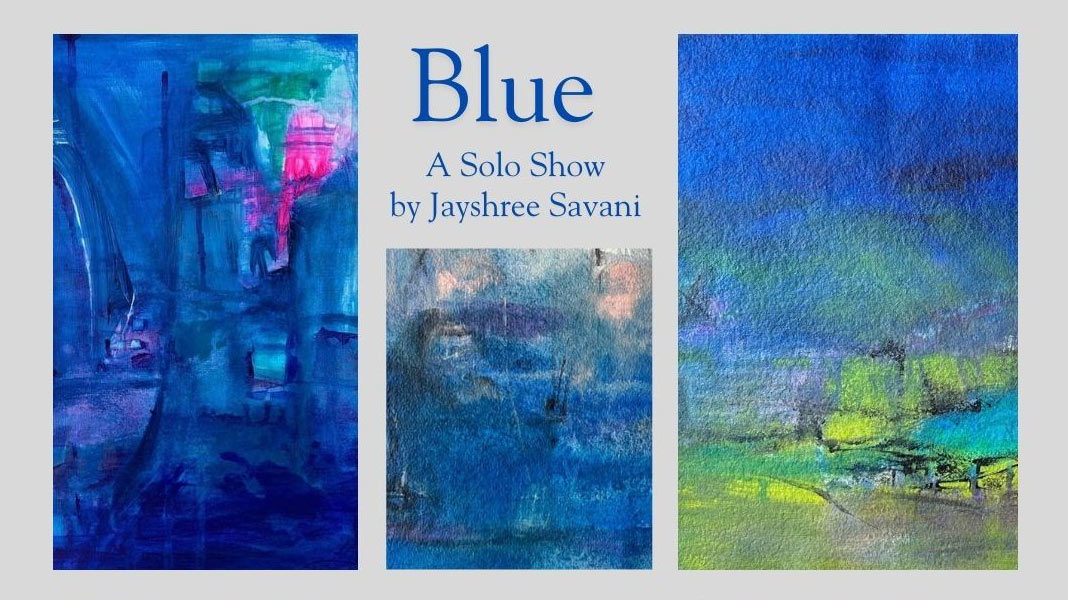
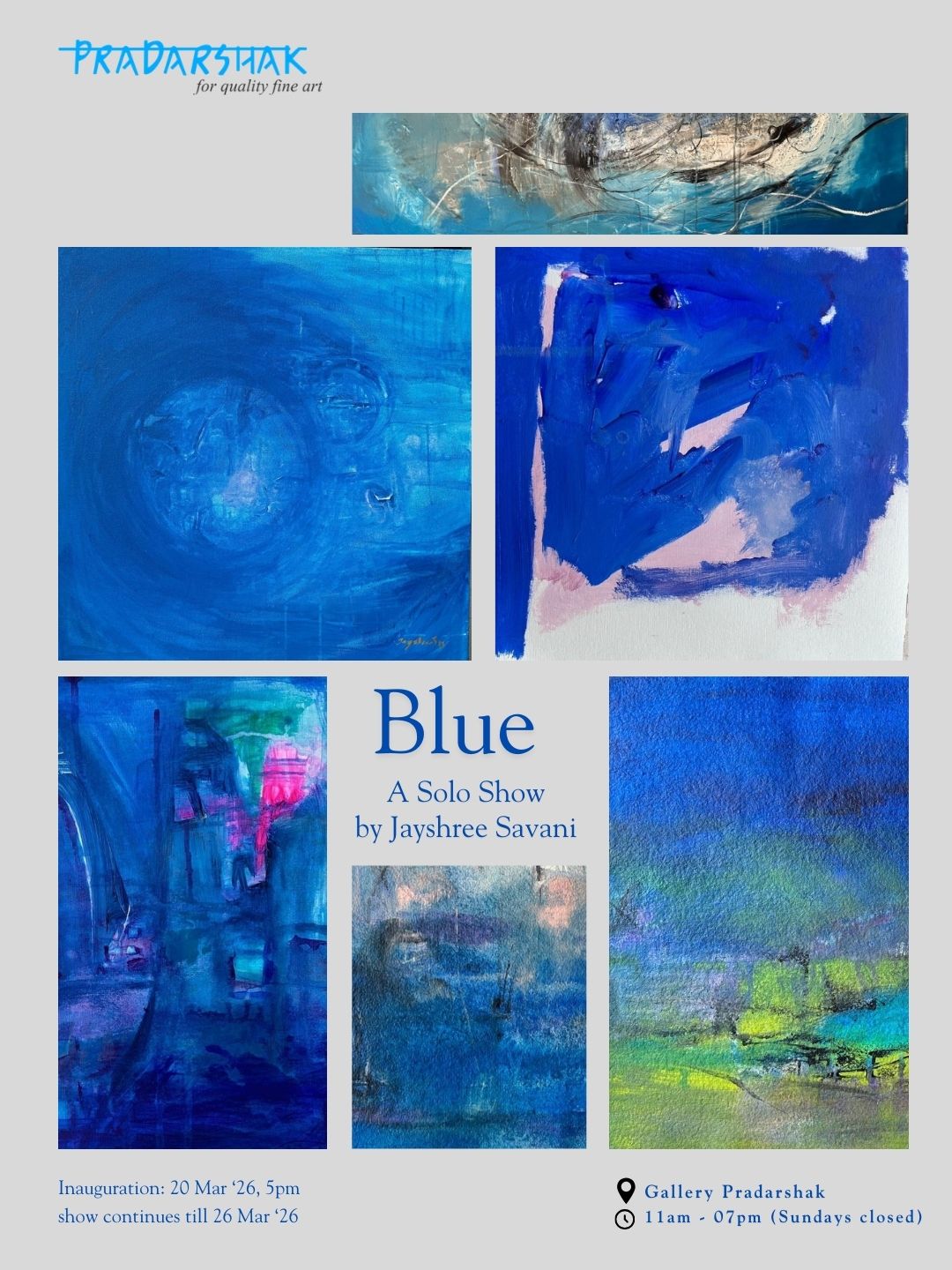
Mumbai will host a new contemporary art exhibition as abstractionist Jayshree Savani presents her solo show titled Blueat Gallery Pradarshak in Khar West. The exhibition will run from 20–26 March 2026, open daily 11 am – 7 pm (except Sundays), and is open to the public.
This presentation marks Savani’s 53rd exhibition, bringing together a fresh body of abstract works that explore the colour blue as a visual and emotional experience.
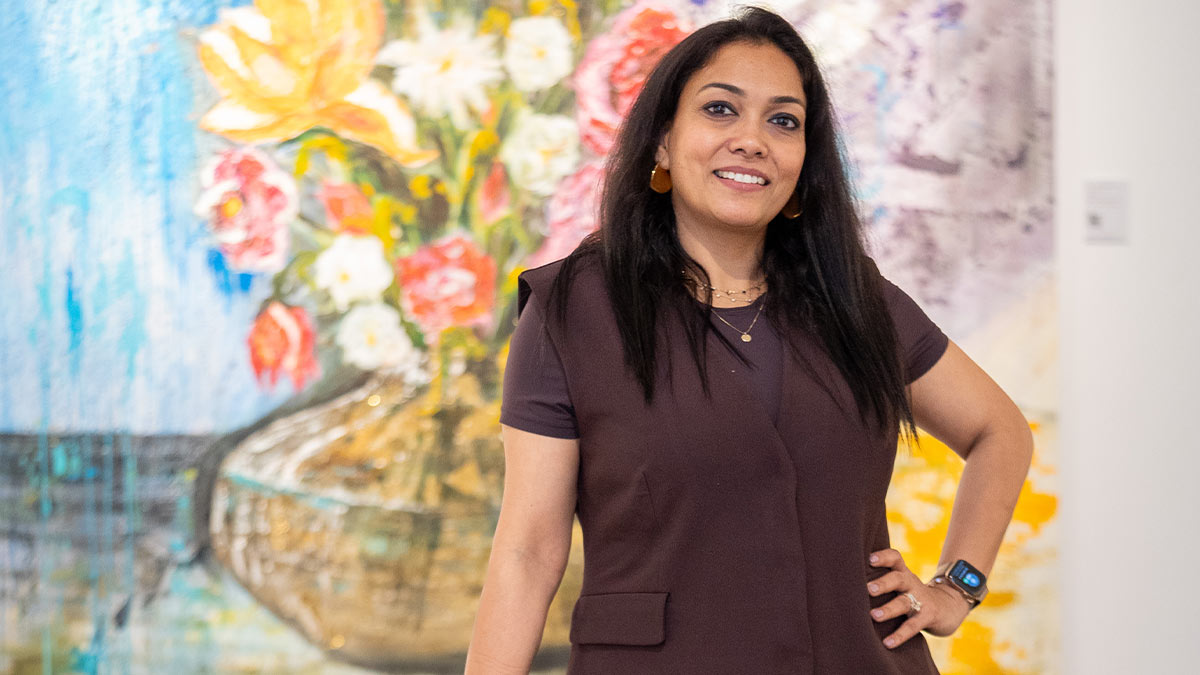
Jayshree Savani, a Mumbai-based abstract painter, has been creating art since the 1980s. Her practice focuses primarily on abstraction, using acrylics on paper and canvas to explore colour, movement, and inner states of reflection.
She is a self-taught artist with a background in commerce and fashion design, and her artistic journey also intersects with performing arts such as dance and drama.
Over the years, Savani has participated in numerous exhibitions and art fairs across India, building a reputation for expressive colour and intuitive abstraction.
Exploring Blue as Atmosphere and Emotion
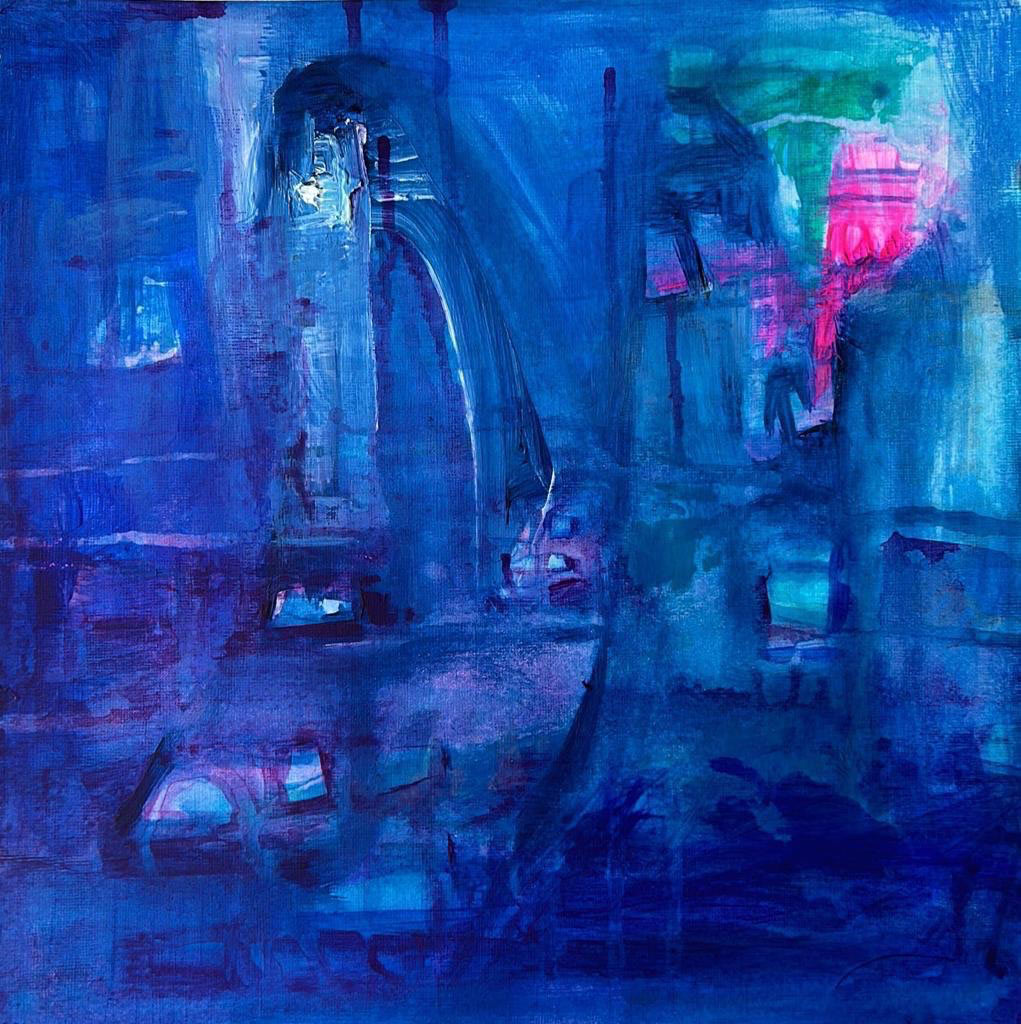
The series focuses on the many moods of blue, presenting it as both subject and sensation. Through layered acrylic compositions, Savani creates paintings that evoke the depth of oceans, expansive skies, and quiet introspective spaces.
In these works, colour becomes a central language, guiding viewers through shifting emotional landscapes rather than literal imagery.
Event at a Glance
Aspects
Details
Event Name
Blue – Solo Exhibition by Artist Jayshree Savani
Artist
Jayshree Savani
Venue
Gallery Pradarshak, Khar West, Mumbai – Google Map
Dates
20 – 26 March 2026
Time
11 am – 7 pm (Except Sundays)
Entry
Open to All
Artworks
Available for Purchase
Enquiries
+91 99201 01015
Artist’s Process and Technique
Savani’s practice reflects more than four decades of exploration in abstract painting. Her works are built through an intuitive and organic process where pigment moves freely across the surface.
Layers gradually accumulate through washes, drips, and tonal shifts. These techniques allow acrylic to behave as a responsive medium where translucence and density coexist within the same pictorial field.
Visual Themes in the Exhibition
The paintings in Blue suggest landscapes without directly depicting them. Instead, they create impressions that may remind viewers of horizons, submerged terrains, or inner emotional spaces.
Key visual qualities in the works include:
Translucent passages and pooled pigments forming layered surfaces
Gestural traces that appear briefly and dissolve into colour fields
Tonal interruptions that create movement across the canvas
Atmospheric compositions that shift between stillness and motion
These elements allow viewers to interpret the works in personal ways, encountering them as emotional terrains.
Takeaway
The exhibition Blue offers visitors an opportunity to experience colour as an immersive and reflective space. Through layered abstraction and subtle tonal shifts, Jayshree Savani invites viewers to pause, observe, and connect with the emotional resonance of colour. The show at Gallery Pradarshak continues the artist’s long exploration of abstraction and her engagement with the expressive possibilities of paint.
Starting out as a new rider can be intimidating, but entry-level motorcycles make the experience smooth and enjoyable. Affordable, reliable, and easy to handle, these bikes are designed with beginners in mind. Platforms like Mera Gadi provide detailed reviews and comparisons, helping first-time riders choose models that balance performance, comfort, and safety. In 2026, the Indian market offers a wide range of motorcycles under ₹1 lakh that cater specifically to newcomers. This article explores why entry-level bikes are ideal for first-time riders, key features to consider, and the top models that deliver both value and confidence on the road.
Why Entry-Level Bikes Are Ideal
Entry-level motorcycles are perfect for beginners because they are lightweight, manageable, and cost-effective. These bikes offer controlled power, smooth acceleration, and easy handling, making them less intimidating for new riders. The affordability factor also allows first-time riders to make mistakes and learn without worrying about high maintenance costs.
According to the detailed guide on best 5 bikes under ₹1 lakh in India in 2026, manufacturers are designing these bikes with ergonomics, safety, and user-friendly features that make learning to ride a safer and more enjoyable experience.
Features That Make Entry-Level Bikes Beginner-Friendly
Key features to consider when choosing a beginner motorcycle include:
Lightweight Frame: Easier to maneuver and handle in traffic.
Moderate Engine Power: Smooth acceleration prevents overwhelming new riders.
Comfortable Seating: Ergonomically designed seats reduce fatigue during commutes.
Affordable Maintenance: Low running costs allow beginners to focus on learning.
Entry-level motorcycles under ₹1 lakh combine these features with modern styling and fuel efficiency, making them the perfect starting point for new riders. Platforms like Mera Gadi provide insights into these bikes, helping riders choose wisely.
Top Entry-Level Motorcycles in 2026
Some of the most beginner-friendly motorcycles under ₹1 lakh include:
Honda CB Shine: Smooth handling, lightweight, and high mileage.
Bajaj Platina 100: Reliable and easy to ride for city traffic.
TVS Radeon: Stylish with comfortable seating and good mileage.
Hero HF Deluxe: Classic design, simple maintenance, and safe handling.
Suzuki Gixxer 155: Trendy design and beginner-friendly power delivery.
For full specifications and comparisons, riders can refer to the complete guide on best 5 bikes under ₹1 lakh in India in 2026. These models not only provide reliability and comfort but also ensure a confident riding experience for newcomers.
Why First-Time Riders Should Invest in Entry-Level Bikes
Investing in an entry-level motorcycle helps first-time riders build skills while enjoying the independence of owning a personal vehicle. These bikes are economical, reliable, and designed for easy handling, making them an ideal choice for beginners.
Using platforms like Mera Gadi, riders can compare options, read expert reviews, and select motorcycles that fit their requirements. With the 2026 lineup, first-time riders can enjoy a safe, comfortable, and efficient commuting experience without overspending.
Conclusion
Entry-level motorcycles under ₹1 lakh continue to be the go-to choice for first-time riders in India. With features like lightweight frames, moderate engine power, and fuel efficiency, these bikes offer a safe and enjoyable introduction to riding. Trusted resources such as Mera Gadi make it easier for beginners to compare models, understand specifications, and select the motorcycle that best fits their lifestyle. In 2026, the market for beginner-friendly bikes remains strong, offering reliability, comfort, and confidence for new riders.
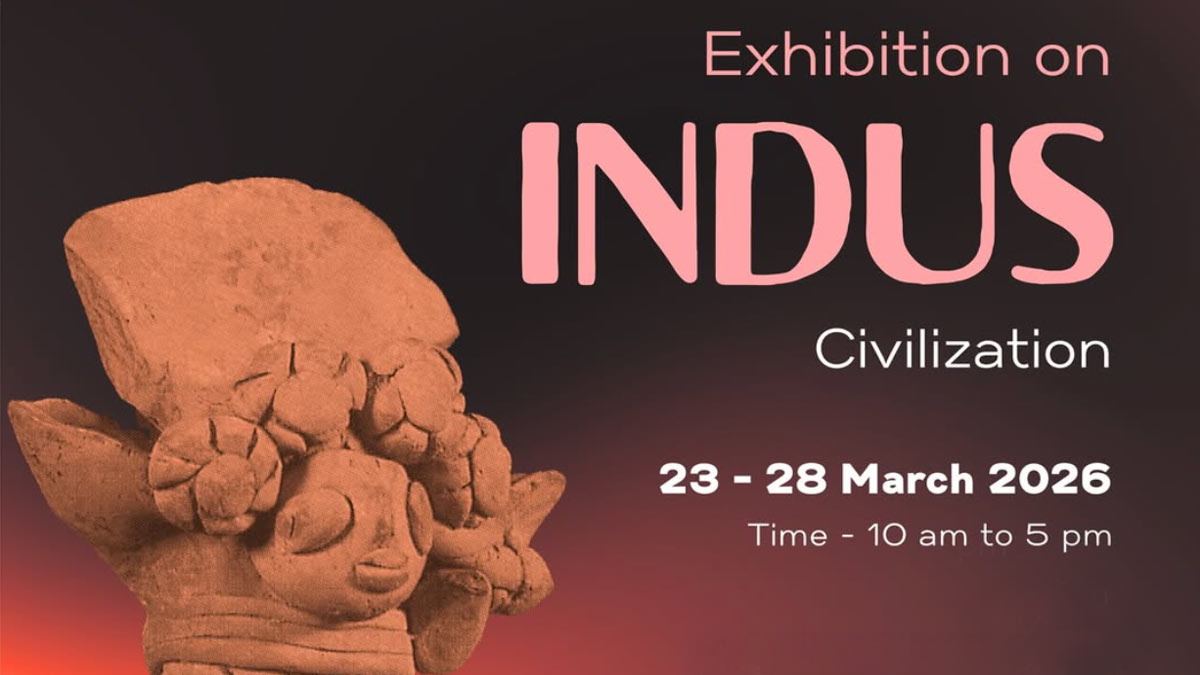
An exhibition on the Indus Civilization will be organised in Chennai as part of the Iravatham Mahadevan Chair established at the Indus Research Centre of the Roja Muthiah Research Library. The exhibition aims to promote awareness of one of the world’s earliest urban civilizations and introduce visitors to its archaeological discoveries, script, and cultural achievements.
The event will take place from 23-28 March 2026, between 10:00 AM and 5:00 PM, at the Roja Muthiah Research Library in Taramani, Chennai. Entry to the exhibition is free and open to the public.
The exhibition is organised under the Iravatham Mahadevan Chair, created to support research and scholarship related to the Indus script and civilization. Iravatham Mahadevan (1930–2018) was one of India’s leading epigraphists and a noted scholar of the Indus script as well as Tamil-Brahmi inscriptions.
His work helped document and interpret thousands of Indus signs and inscriptions, contributing significantly to the academic study of the ancient civilization. The Chair established in his memory encourages continued research and public engagement with Indus studies.
Curated Displays on the Indus Civilization
The exhibition will present curated panels, images, and reference materials explaining the history and discoveries related to the Indus Civilization, which flourished around 2600–1900 century BCE across parts of present-day India and Pakistan.
Visitors can expect to learn about:
Archaeological discoveries from major Indus sites such as Harappa and Mohenjo-daro
The undeciphered Indus script and its symbols
Urban planning, craft traditions, and trade networks of the civilization
Cultural objects such as seals, pottery, beads, and terracotta figurines
The exhibition aims to make this ancient history accessible through clear explanations and visual displays.
Event in a Glance
Aspects
Details
Event Name
Indus Civilization Exhibition
Organiser
Iravatham Mahadevan Chair, Indus Research Centre, Roja Muthiah Research Library
Dates
23–28 March 2026
Time
10:00 AM – 5:00 PM
Venue
Roja Muthiah Research Library, 4th Floor, Integrated Workshop Building, 3rd Cross Road, CPT Campus, Taramani, Chennai – 600113
The exhibition is designed for students, researchers, and members of the public interested in ancient Indian history and archaeology.
Takeaway
The Indus Civilization exhibition at the Roja Muthiah Research Library offers visitors an opportunity to explore one of the earliest urban cultures of South Asia through curated displays and research material. By highlighting archaeological discoveries and scholarly work connected to the Indus script, the event aims to deepen public understanding of a civilization that continues to shape discussions about the early history of the Indian subcontinent.
Nude Indian paintings refer to artworks created by Indian artists that depict the human body in its natural form. These paintings are not only expressions of sensuality but also reflections of beauty, fertility, spirituality, and human emotion in Indian art traditions.
Early Depictions in Ancient Murals
Sigiriya Damsels, a massive 5th century mural in Sri Lanka, have 500 naked ladies adorned on the Lion Rock. The murals of Ajanta tell the Jataka stories, the oldest 2nd century BC age Indian art. Here, there lies handsome princes and princesses with love-lorn displaying heavy breasts and feminine beauty.
Sensuality and Symbolism in Indian Sculpture
If you look closely at the old Indian sculptures, you will find there is a certain kind of an obsession of Indians with the sensual body parts. It is momentous to note that nude art is not always about eroticism, but rather about creating a sense of fertility and abundance through females.
Cultural Context of Clothing and Body Representation
To complement the idea, you must know that centuries ago, 1200 BC, in the reign of the Mauryan empire, women and men didn’t wear anything but just a fabric to cover the essentials, close to nothing. It is not surprising that India has a rich nude art history, from which many Indian artists have drawn inspiration. This article highlights some of the famous ones whose art is irresistible.
Famous Nude Paintings in Indian Art
These artworks reflect how Indian artists explored the human form as a subject of beauty, emotion, and artistic expression. Below are some notable nude paintings in Indian art along with the artists who created them.
Artwork and Artist
Description
Female (Nude) – Mahadev Vishwanath Dhurandhar
A realist nude painting showing a female figure from the rear against a deep blue background, highlighting Dhurandhar’s mastery of anatomy, light, and classical technique.
Untitled – Hemen Majumdar
This painting portrays a woman with soft skin tones and long hair, reflecting Majumdar’s signature style of capturing feminine beauty with realism and emotion.
Self-Portrait as a Tahitian – Amrita Sher-Gil
Sher-Gil’s bold self-portrait reflects modernist influence and explores identity, femininity, and social perception through expressive colours and symbolic elements.
Tilottama – Raja Ravi Varma
A mythological painting depicting the celestial apsara Tilottama. Ravi Varma blends Western realism with Indian mythology to portray divine beauty.
Nude with Mirror – Francis Newton Souza
Souza’s modern artwork portrays a nude woman holding a mirror, using bold outlines and expressive forms that reflect the avant-garde style of Indian modern art.
Bharat Mata – M. F. Husain
A controversial painting portraying India as a nude female figure. Husain used bold colours and symbolism to comment on the nation’s suffering.
Untitled, Nude with Still Life – Badri Narayan
Narayan places a seated nude female within a still-life composition, creating a poetic and dream-like scene with symbolism and introspective themes.
1. Female (Nude) By Mahadev Viswanath Dhurandhar.
Female (Nude) by Mahadev Viswanath Dhurandhar. Source:Tallenge Store
After Raja Ravi Varma, Dhurandhar is the second most popular Indian artist of the first half of the nineteenth century. His work comprised mainly of landscapes, portraits, and mythological and historical India. The painting Female (Nude) is realist nude Indian painting by the artist with a princely eye for details. In Mumbai’s J J School of Art, he mastered classical Western training while incorporating traditional Indian craftsmanship and iconography.
This naked female art by Dhurandhar portrays a lady from the rear against a thick blue background. Her fleshy skin and minimal muscles are some of the features that make her appealing, while she embraces herself with a necklace. The white pearl earrings and flowers on her hair are an addition to her beauty. Her expressions hint to us about her going crimson while closing her eyes. This painting perfectly manipulates the artist’s mastery of lighting, shade, and body language.
Key features of the painting:
Created by academic artist Mahadev Vishwanath Dhurandhar
Demonstrates strong influence of European realism
Focuses on anatomical accuracy and soft lighting
Presents the nude figure with dignity and restraint
Represents the fusion of Western training and Indian artistic sensibility
Among the epic artists, Majumdar is known for the wet-saree effect he produces with his paintings. He learnt art with the European books he got from England. Majumdar produced a series of artworks with the woman as the subject. He used to paint sensuous layers of smooth skin with little muscles and bone structures to portray feminine beauty.
This nude Indian painting has a female with long black hair covering her torso with a free cloth. Moreover, her body skin shows a smooth texture with a whitish tone. Her facial expressions and head-down explain the dilemma of the woman’s life. In the background, there lies a statue which is also naked. The painting holds a spectacular vision of the domestic side of a woman’s life through the rich colours and vivid scenery.
Self-Portrait As A Tahitian By Artist Amrita Sher-Gil. Source: Picryl.com
In remembering one of the finest Indian female artists, one can’t neglect the name of Amrita Sher-Gil, who was a Hungarian-Indian artist. She is the Avante-grande woman artist of the 20th century, referred to as Frida Khalo of the east. By analyzing her 172 oil paintings, it becomes clear that she captured the inside peaks of women’s lives that nobody knew about. She was an exceptional colourist with special effects through colours. Surprisingly, until her late 20s, she did not use red colour in any of her paintings. She took inspiration from the murals of Ajanta and Ellora caves and drew classic compositions. She has painted a number of nude Indian painting that continue to amaze us. Learn more about her style of art, earlier life and late life from here.
The composition you see does not intend to showcase the female body as a component of desire but as a reflection of reality. Sher-Gil portrayed a man’s reflection on the naked lady with misery on her face. The reason behind this is the message of patriarchial society and the female body as a depiction of a mere sexual object. In addition, various Japanese figures used in the background of the naked female art suggest her experimentation with a new art style.
Key features of the painting:
Created by pioneering modern artist Amrita Sher-Gil
Raja Ravi Varma was the first Indian artist to display Westernism in his paintings, yet his values and subjects were deeply rooted in Indian traditions. He was born in Kerala and grew up with his siblings in his mother’s ancestral home, where he observed the women working and performing their daily rituals. In his paintings, he used to display subtle flesh skin with careful attention to facial expressions. He used to embrace feminine beauty with ornamentation and glittering clothing.
In this composition of Tilottama, there lies a Hindu mythological story of an Apsara, Tilottama. As a result of Brahma’s request for the destruction of two demons, Sunda and Upasunda, she was created in the epic Mahabharata. As their atrocities grew, Lord Indra sent her to them. They were captivated due to her irresistible beauty. As a result, they fought and ended up killing each other. The nude Indian painting displays a naturalistic woman with a bare chest and hand gestures above her head. Her long hair, use of red saree and glittering jewel gives another reason for her prolonged charm in the composition by the artist.
Key features of the painting:
Created by renowned painter Raja Ravi Varma
Depicts the celestial apsara Tilottama from Hindu mythology
Combines European realism with Indian mythological themes
Celebrates divine beauty and grace
Demonstrates Ravi Varma’s mastery of oil painting
5. Nude with Mirror By Francis Newton Souza
Nude With Mirror by Francis Newton Souza. Source: Saffron Art
Born in Goa in 1924, he was the most influential modern Indian painter and mentor of M.F. Husain. He studied at St. Xavier’s school, where he was dismissed due to his drawing of pornographic images on the school’s lavatories. He further enrolled in J. J. School of Art in Bombay, where he was expelled again due to his participation in the Quit India movement with Gandhiji. He experimented with many art styles, but his most famous was the black paintings, produced in London during the 1950s to 60s.
In this composition, he portrayed a nude lady who adores her beauty with a comb in one hand and a mirror in the other. The evocative sensuality in this artwork through the unusual private parts of the lady is notable here. The artist filled colours in the lady with black reflections.
Key features of the painting:
Created by modernist painter F. N. Souza
Uses expressionist style and bold outlines
Focuses on emotional intensity rather than realism
There is rarely anyone in India who does not know about M.F. Husain. He was one of the most crucial modernist Indian artists who remained controversial due to his naked depiction of Hindu Gods and Goddesses. On asking about his naked art, he often said that nakedness in it links itself to formlessness, innocence and maturity. He drew nude portrayals of Saraswati, Sita, and Ram and as the hurtful sentiments to the people of India; he even went to exile.
In this composition, he drew Bharat Mata as a red nude female with various other elements in the background. The artwork led him to around 900 odd cases and massive protests against him. It portrays a weeping woman due to colonization by the Britishers. The careful use of lines and symmetry alongside brighter colours are the noted points in the controversial Indian nude painting.
Key Features of the Painting:
Created by renowned modern artist M. F. Husain
Represents India symbolically as a female figure
Uses bold colors and abstract forms
Sparked major artistic and political debates
Demonstrates modern Indian expressionist style
7. Untitled, Nude with Still Life By Badri Narayan
Nude with Still Life by Artist Badri Narayan. Source: Sarmaya.in
Born in 1929, Badri Narayan was an Indian artist, author, and storyteller. He worked as a successful art teacher before he took paintings as a full-time role. Additionally, the core of his composition remains in Indian literature. He inserts popular Indian icons into his oeuvre at times, and symbolism dominates his work. A constant theme in his artwork was self-reflection and autobiographical perspective.
An abstract still-life composition is juxtaposed with the figure of a seated female nude in this painting by Badri Narayan. Almost as if the woman herself is part of the still-life composition. It has a certain mystic dream-like quality, which is typical of the artist’s painting compositions. In Narayan’s artworks, there is a hidden message conveyed through certain symbolic elements.
Key Features of the Painting
Created by Indian artist Badri Narayan
Combines figurative art with still-life composition
Uses soft colors and gentle lines
Focuses on quiet introspection rather than sensuality
There is no doubt that nude depictions have always been a part of Indian history. They not only showcased the purity of artistry but were bound to explore the traditions of old India, which we now overlook. What do you think of these artworks, and which nude Indian painting is your favourite? Let us know in the comments below.
FAQs on Nude Indian Paintings
Question: What is nude art in Indian painting?
Answer: Nude art in Indian painting refers to artistic depictions of the human body without clothing. Historically, it has been used to symbolize beauty, fertility, and divine aesthetics rather than purely erotic themes.
Question: Which Indian artist is famous for nude paintings?
Answer: Artists such as Amrita Sher-Gil, Hemen Majumdar, and M. F. Husain explored the nude form in modern Indian art.
Question: Did ancient Indian art depict nudity?
Answer: Yes. Ancient temple sculptures and murals often depicted the human body, representing fertility, beauty, and divine energy.
Question: Why is the nude figure important in art?
Answer: Artists use the nude figure to study anatomy, express emotions, and explore themes of identity and beauty.
Question: What makes Amrita Sher-Gil’s nude paintings unique?
Answer: Sher-Gil combined European modernism with Indian themes, creating emotionally powerful depictions of women.
Hyderabad will witness a rare traditional storytelling performance this Ugadi with a live presentation of Tholu Bommalata, one of South India’s most intricate shadow puppetry traditions. The event titled “Aroma of Dakshin – Tholu Bommalata Performance” will bring the ancient art form to the stage through a live retelling of Sundarakanda from the Ramayana.
The programme is scheduled for Sunday, 15 March, from 6:30 PM to 8:00 PM, at Aroma of Dakshin, Khajaguda Main Road, Hyderabad, and is open to the public with free entry.
A Heritage Art Form Rooted in Storytelling
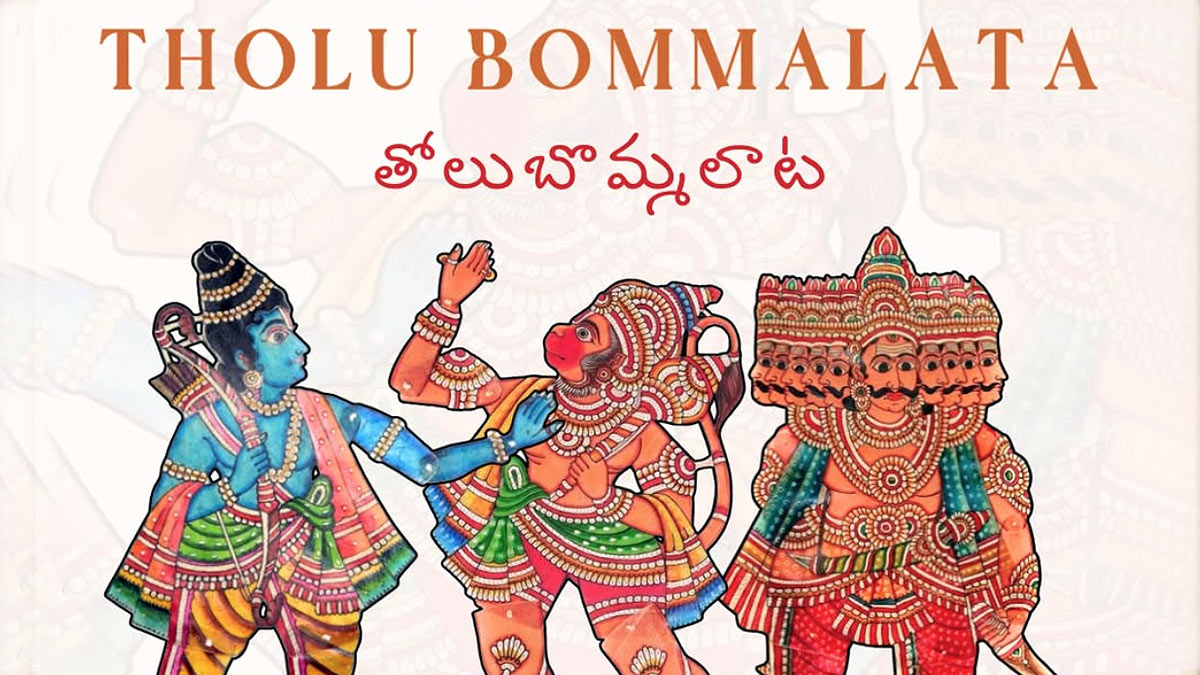
Tholu Bommalata is a centuries-old storytelling tradition from Andhra Pradesh and Telangana. The name literally translates to “dance of leather puppets.” The art form uses hand-crafted translucent leather puppets, coloured with natural dyes, which are animated behind a lit screen to create dramatic shadow images.
Traditionally, puppeteers narrate episodes from Indian epics such as the Ramayana and Mahabharata, accompanied by music and dialogue. The puppets are often intricately carved and painted, making them both performing objects and works of traditional craft.
The upcoming performance focuses on Sundarakanda, one of the most celebrated chapters of the Ramayana that narrates Hanuman’s journey to Lanka in search of Sita. Through shadow, narration, and movement, the puppeteers recreate scenes of mythology using the distinctive leather puppets and illuminated screens.
Organisers say the event is designed to offer audiences a slower and more immersive experience of storytelling, recalling a time when narratives were shared through live performances rather than digital screens.
Cultural Collaboration Behind the Event
The programme is presented through a collaboration between cultural and community organisations working to promote heritage arts. The organisers include:
Brass Lotus, a cultural initiative that curates heritage-based events
Aroma of Dakshin, the venue hosting cultural programming in Hyderabad
Tree Huggers Club, a community group that promotes cultural and environmental engagement
Such collaborations aim to create platforms where traditional artists can present their work to contemporary audiences.
Rare Opportunity for Urban Audiences
Traditional shadow puppetry performances have become increasingly rare in urban settings. Many of these art forms historically thrived in rural temple festivals and community gatherings but now struggle due to declining patronage.
Events like this attempt to reconnect city audiences with living traditions by presenting them in accessible spaces. According to the organisers, the Ugadi performance offers an opportunity for families, students, and cultural enthusiasts to experience a form of storytelling that blends craftsmanship, mythology, and theatre.
The Aroma of Dakshin Tholu Bommalata performance brings a centuries-old storytelling tradition back to a live audience during the Ugadi season. By presenting Sundarakanda through traditional leather shadow puppetry, the event highlights the enduring craftsmanship and narrative richness of South India’s folk theatre traditions. For Hyderabad’s cultural community, the evening offers a rare chance to witness an art form where mythology, craftsmanship, and performance come together under a single illuminated screen.