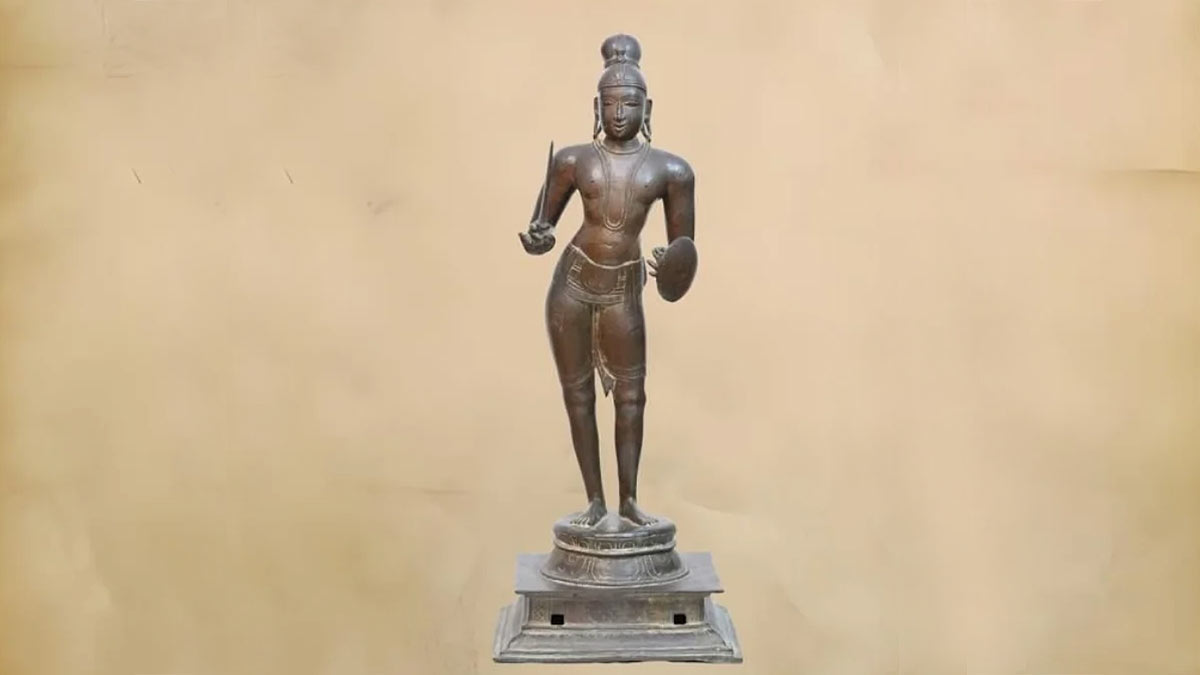
A 16th-century bronze idol of Saint Thirumangai Alvar has been returned from the United Kingdom to India and will be reinstated at the Soundararaja Perumal Temple in Tamil Nadu. The idol, which had been held at the Ashmolean Museum of the University of Oxford, was formally handed over to Indian authorities at the High Commission of India in London. The repatriation marks another milestone in India’s ongoing efforts to bring back sacred artefacts removed from temples in earlier decades.
Ceremony Held at India House in London
The handover ceremony took place on March 3, 2026, at India House in London. Representatives from the Government of India and the museum participated in the event. The Ashmolean Museum acknowledged that provenance research confirmed the bronze idol originally belonged to the Soundararaja Perumal Temple in Thadikombu, Tamil Nadu. The museum cooperated with Indian authorities in returning the sacred icon after verifying its historical origins.
Identification of the Idol Through Archival Research
The identification process began several years ago when researchers matched the idol with archival photographs taken at the temple in 1957. These photographs were preserved in the archives of the Institut Français de Pondichéry. Scholars and cultural heritage groups worked with the Tamil Nadu Idol Wing CID and the Government of India to establish the idol’s provenance and rightful ownership. The process involved detailed documentation and coordination between museums, investigators, and cultural organisations.
Developments in the Repatriation Process
The return of the idol involved several key steps and institutional collaborations:
Provenance research by the Ashmolean Museum linking the idol to the Tamil Nadu temple.
Documentation and verification by Indian authorities and heritage experts.
Cooperation between the museum, the High Commission of India in London, and Indian investigative agencies.
Formal handover of the artefact at India House on March 3, 2026.
The idol had originally been acquired by the museum in 1967 through a Sotheby’s auction before its temple origins were clearly known.
Significance of Saint Thirumangai Alvar
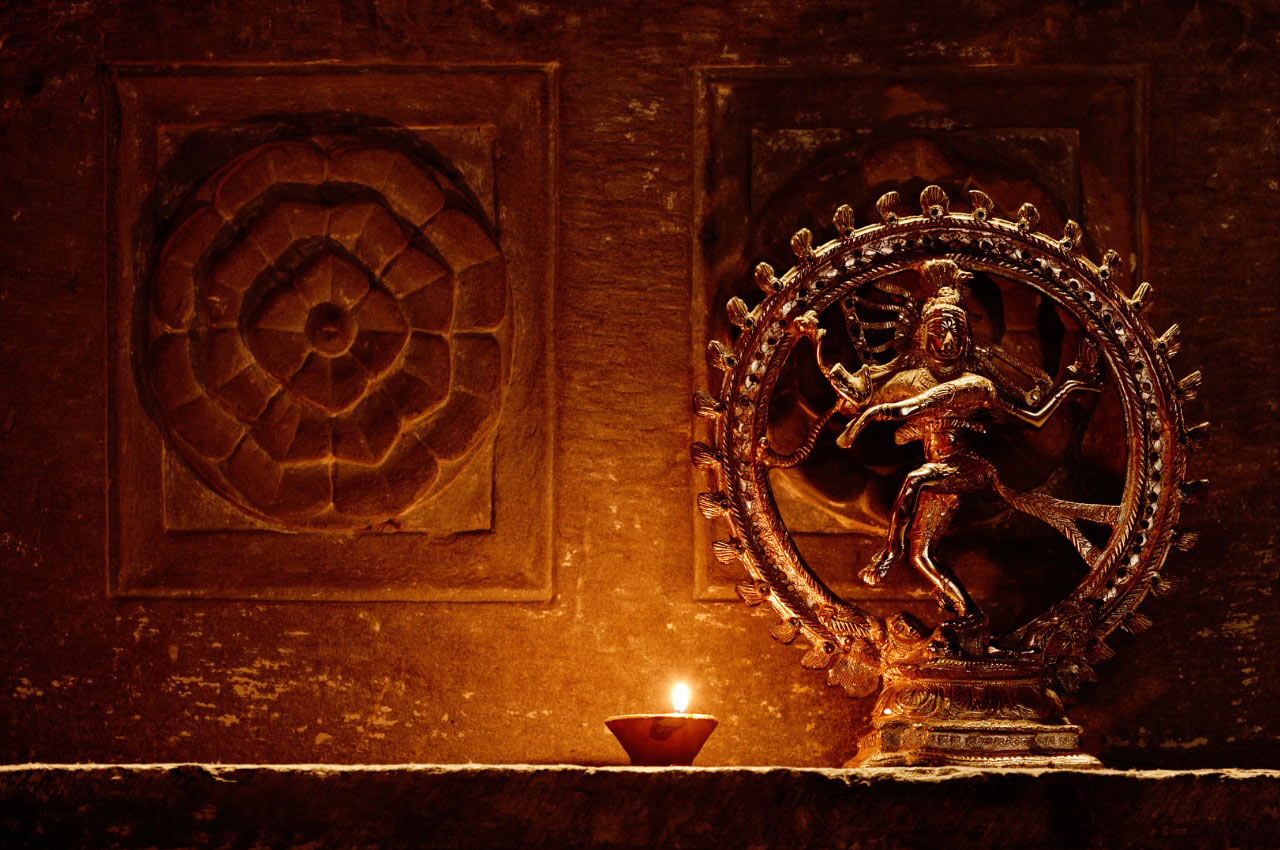
Saint Thirumangai Alvar is one of the twelve Alvar saints revered in the Vaishnavite tradition of South India. His devotional hymns form part of the Nalayira Divya Prabandham, a collection of 4,000 Tamil verses praising Lord Vishnu. The Alvars played a significant role in shaping the Bhakti movement and spreading devotional worship across South India.
Return of Additional Antiquities
Along with the bronze idol of Saint Thirumangai Alvar, four other antiquities were also handed over to Indian authorities during the ceremony. The return of these artefacts reflects a growing international commitment to restoring cultural objects to their original religious and historical contexts.
The repatriation also highlights the role of cultural heritage advocacy groups and government agencies working together to trace and recover stolen temple idols.
Global Efforts to Restore Cultural Artefacts
The repatriation of sacred idols and antiquities has gained momentum in recent years as museums and institutions worldwide reassess the provenance of artefacts in their collections. Increasing collaboration between governments, museums, and heritage organisations has helped identify objects that were removed from temples or archaeological sites in earlier decades.
Such initiatives are part of a broader movement to ensure ethical museum practices and preserve cultural heritage in its original environment.
Takeaway
The return of the 16th-century bronze idol of Saint Thirumangai Alvar represents an important step in restoring India’s cultural heritage. Once reinstated at the Soundararaja Perumal Temple, the sacred icon will resume its role as an object of worship and devotion. The event also reflects India’s continued efforts to reclaim historically significant artefacts and preserve the cultural traditions associated with them.
India’s cultural heritage is deeply enriched by its vibrant traditions of music, dance, and theatre. Among these artistic expressions, classical dances of India stand out as refined art forms that combine storytelling, rhythm, emotion, and spirituality. These dances are not merely performances but powerful mediums through which ancient traditions, mythology, and philosophical ideas are communicated.
Indian classical dance traditions evolved over centuries and are rooted in sacred texts, temple rituals, and royal court patronage. Each dance form reflects the cultural identity of a specific region while following the principles laid down in ancient treatises on performing arts.
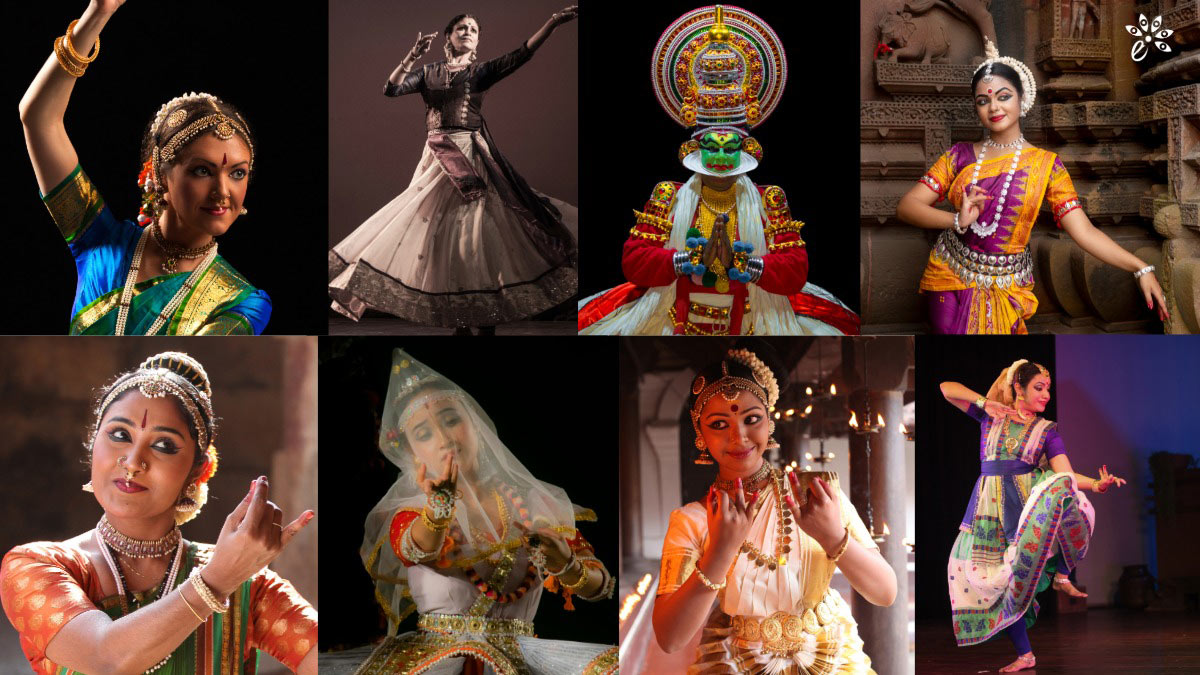
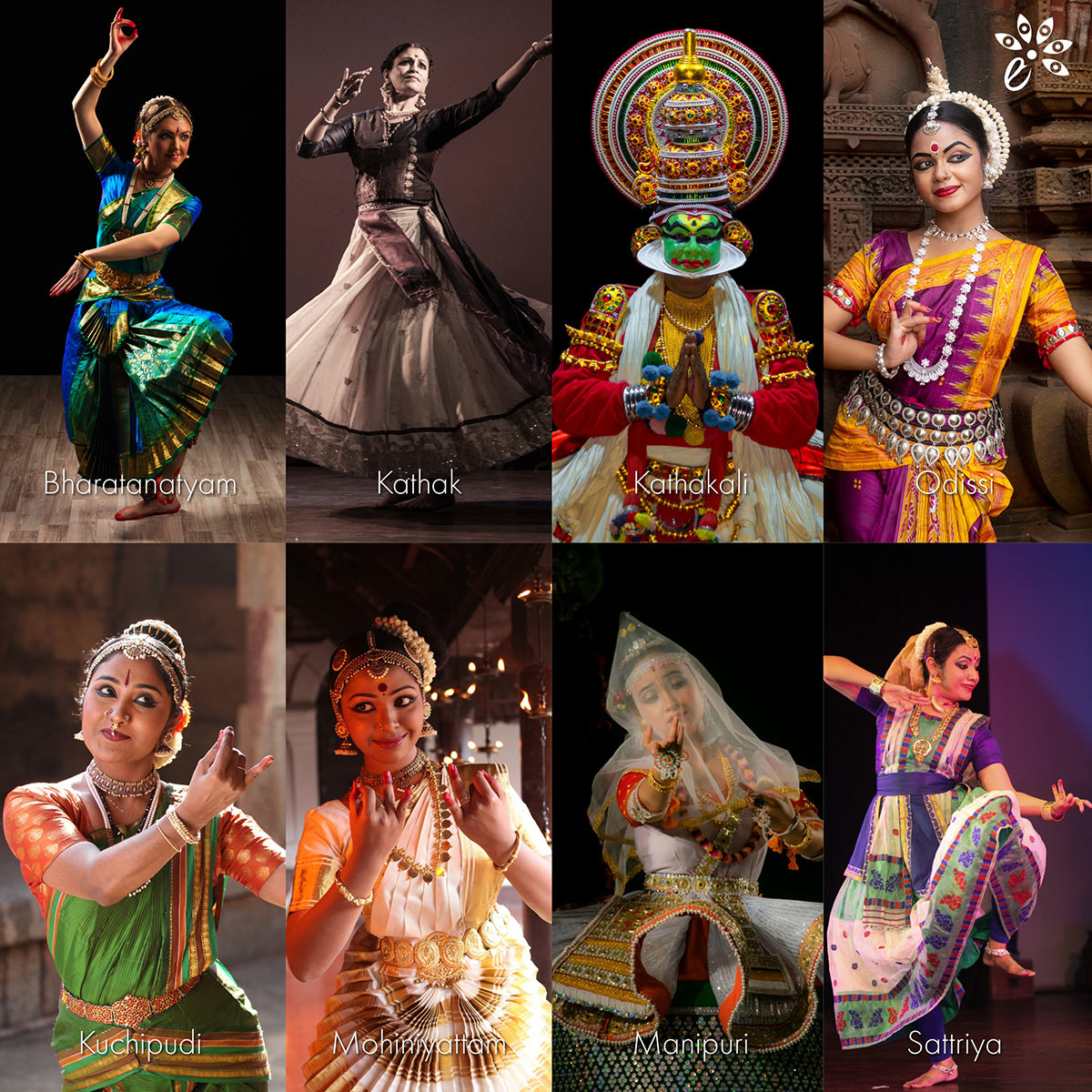
Today, India officially recognizes eight classical dance forms, each distinguished by unique techniques, costumes, music, and storytelling styles. These dances continue to thrive on modern stages while preserving the essence of India’s rich cultural legacy.
Origin of Indian Classical Dance
The origins of classical dance in India can be traced back to the Natya Shastra, an ancient Sanskrit theory on performing arts attributed to the sage Bharata Muni. Written between 200 BCE and 200 CE, this foundational text established the theoretical framework for dance, drama, and music in Indian culture.
According to the Natya Shastra, dance is a divine art created to educate and entertain humanity. The text describes detailed principles of movement, gestures, facial expressions, stage design, costumes, and musical accompaniment. These guidelines shaped the development of classical dance traditions across India.
Historically, many classical dances were performed in temples as acts of devotion. Dancers used expressive gestures and rhythmic movements to narrate stories from Hindu epics such as the Ramayana, Mahabharata, and the Puranas. Over time, these temple traditions evolved into sophisticated stage performances while retaining their spiritual roots.
Key aspects of classical dance traditions include:
Inspiration from the Natya Shastra
Strong connection with temple rituals and devotional traditions
Storytelling through expressive gestures and facial expressions
Use of classical music traditions
Training under the Guru-Shishya tradition
These elements continue to define Indian classical dance even today.
Eight Classical Dances of India
India recognizes eight classical dance traditions that represent the diverse cultural landscape of the country. Each form developed in a particular region and carries distinctive movements, costumes, and musical styles.
The eight classical dances recognized by the Sangeet Natak Akademi are:
Bharatanatyam
Kathak
Kathakali
Odissi
Kuchipudi
Mohiniyattam
Manipuri
Sattriya
Together, they represent the artistic brilliance and regional diversity of Indian culture.
Here is the List of Classical Dances of India with States, Key Characteristics and Music Traditions
Classical Dance Form
Origin State, Key Features, Music Tradition
Bharatanatyam
Tamil Nadu, known for geometric body positions, expressive mudras and strong rhythmic footwork, performed to Carnatic music
Kathak
Uttar Pradesh and North India, famous for rapid spins (chakkars), intricate footwork and storytelling traditions, accompanied by Hindustani classical music
Kathakali
Kerala, dramatic dance-theatre with elaborate makeup and costumes representing mythological characters, uses percussion instruments and traditional Kerala music
Odissi
Odisha, graceful movements inspired by temple sculptures and the Tribhangi posture, performed to Odissi classical music
Kuchipudi
Andhra Pradesh, combines dance and drama with expressive storytelling, famous for the Tarangam performance on a brass plate, Carnatic music accompaniment
Mohiniyattam
Kerala, gentle and graceful dance emphasizing feminine movements and devotion, performed with Carnatic music and traditional percussion
Manipuri
Manipur, known for soft flowing movements and Raas Leela performances depicting Radha-Krishna stories, accompanied by Manipuri devotional music
Sattriya
Assam, originated in Vaishnavite monasteries called Sattras, combines dance, drama and devotional storytelling, traditional Assamese devotional music
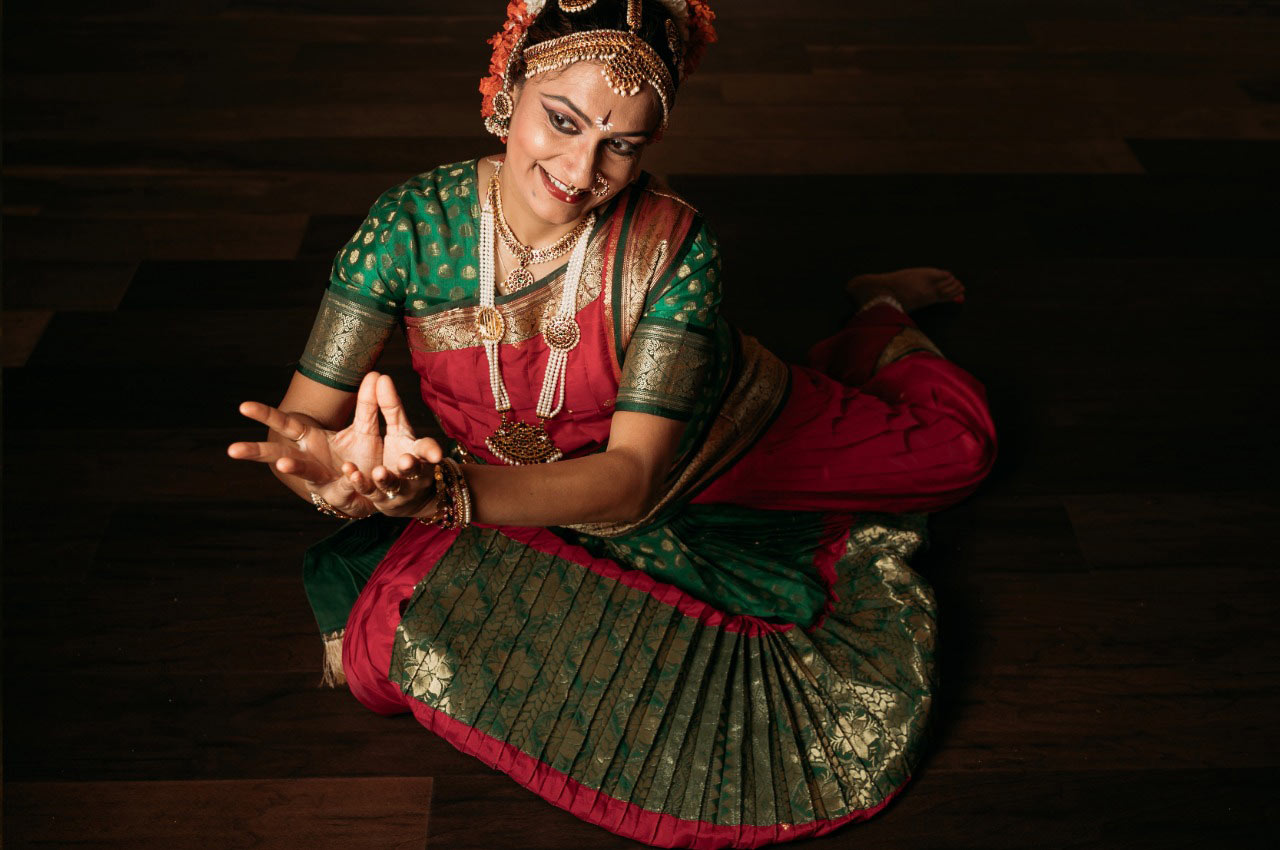
Bharatanatyam is one of the oldest and most widely practiced classical dance forms in India. It originated in the temples of Tamil Nadu, where it was traditionally performed by temple dancers known as devadasis. Over time, the dance evolved into a respected stage art practiced across the world.
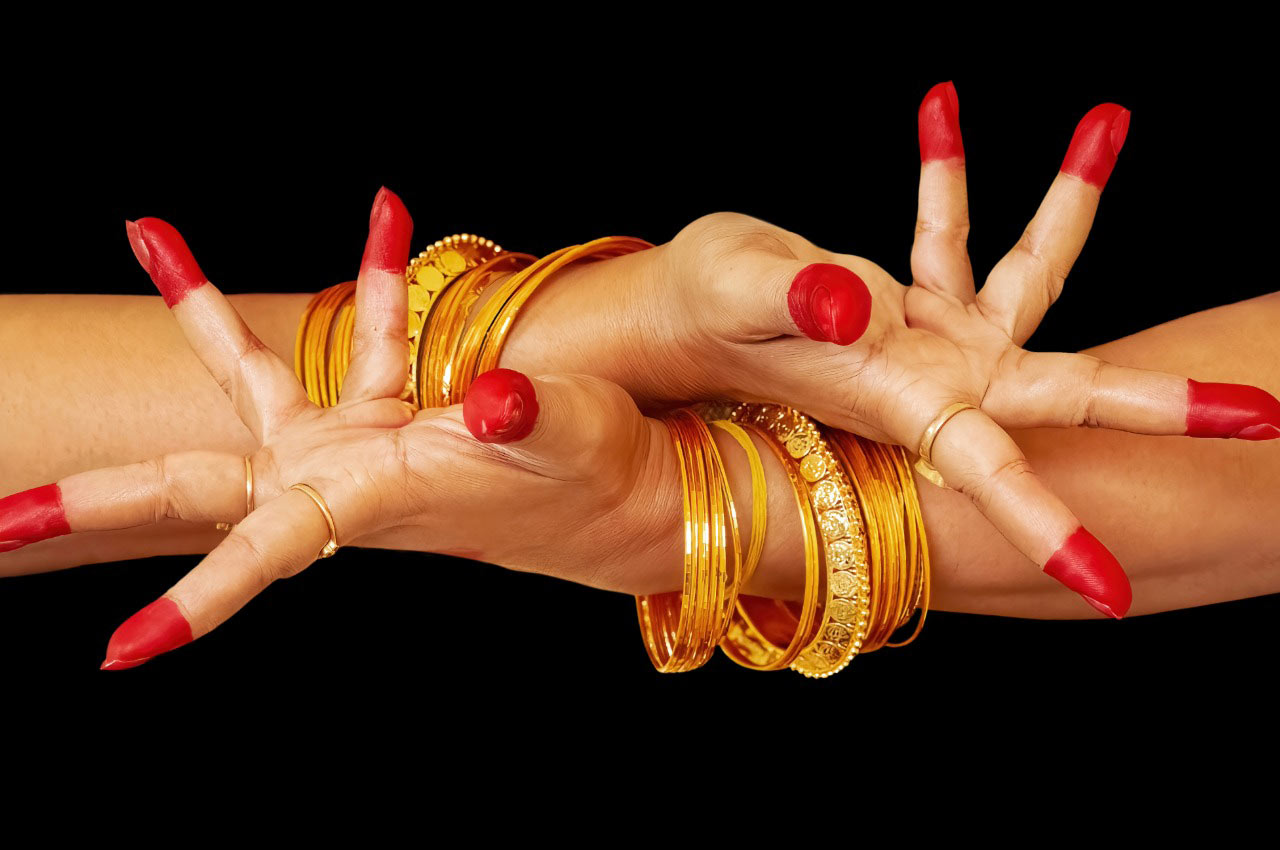
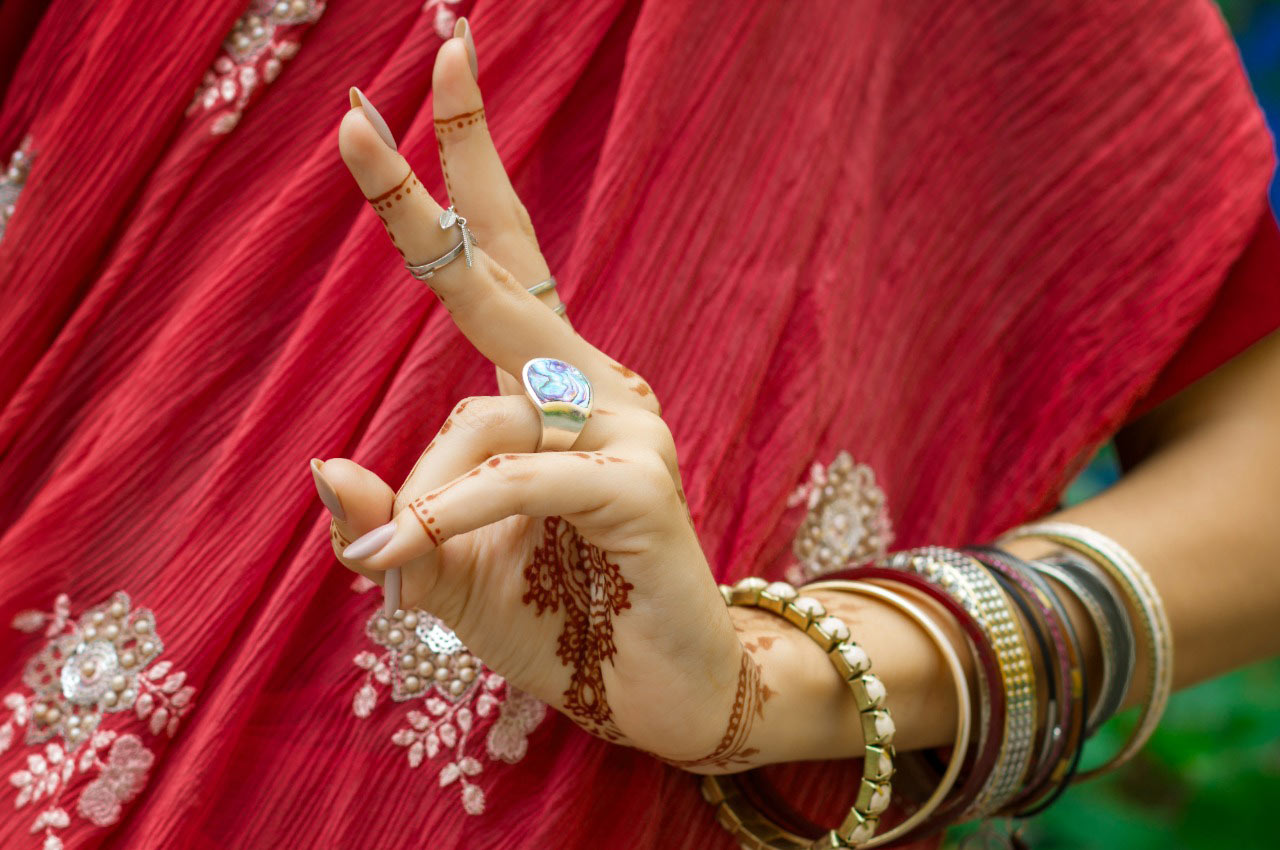
Bharatanatyam is known for its precise geometric movements, rhythmic footwork, and expressive storytelling. Dancers communicate emotions and narratives using hand gestures called mudras and facial expressions known as abhinaya.
Performances often depict stories of Hindu deities such as Shiva, Vishnu, and Krishna. The dance is accompanied by Carnatic music, which enhances its rhythmic and emotional depth.
Key features of Bharatanatyam include:
Origin: Tamil Nadu
One of the oldest classical dance traditions
Strong rhythmic footwork and body geometry
Expressive storytelling through gestures (Mudras)
Performed to Carnatic classical music
Today, Bharatanatyam remains one of the most globally recognized Indian dance forms.
Kathak is a classical dance form that originated in northern India, particularly in the region of present-day Uttar Pradesh. The name “Kathak” is derived from the Sanskrit word katha, meaning story.
Originally performed by storytellers called Kathakars, the dance developed as a narrative art that conveyed mythological stories through rhythmic movements and expressive gestures.
During the Mughal era, Kathak evolved further and incorporated elements of Persian culture, courtly elegance, and intricate footwork. This fusion created the distinctive style that defines Kathak today.
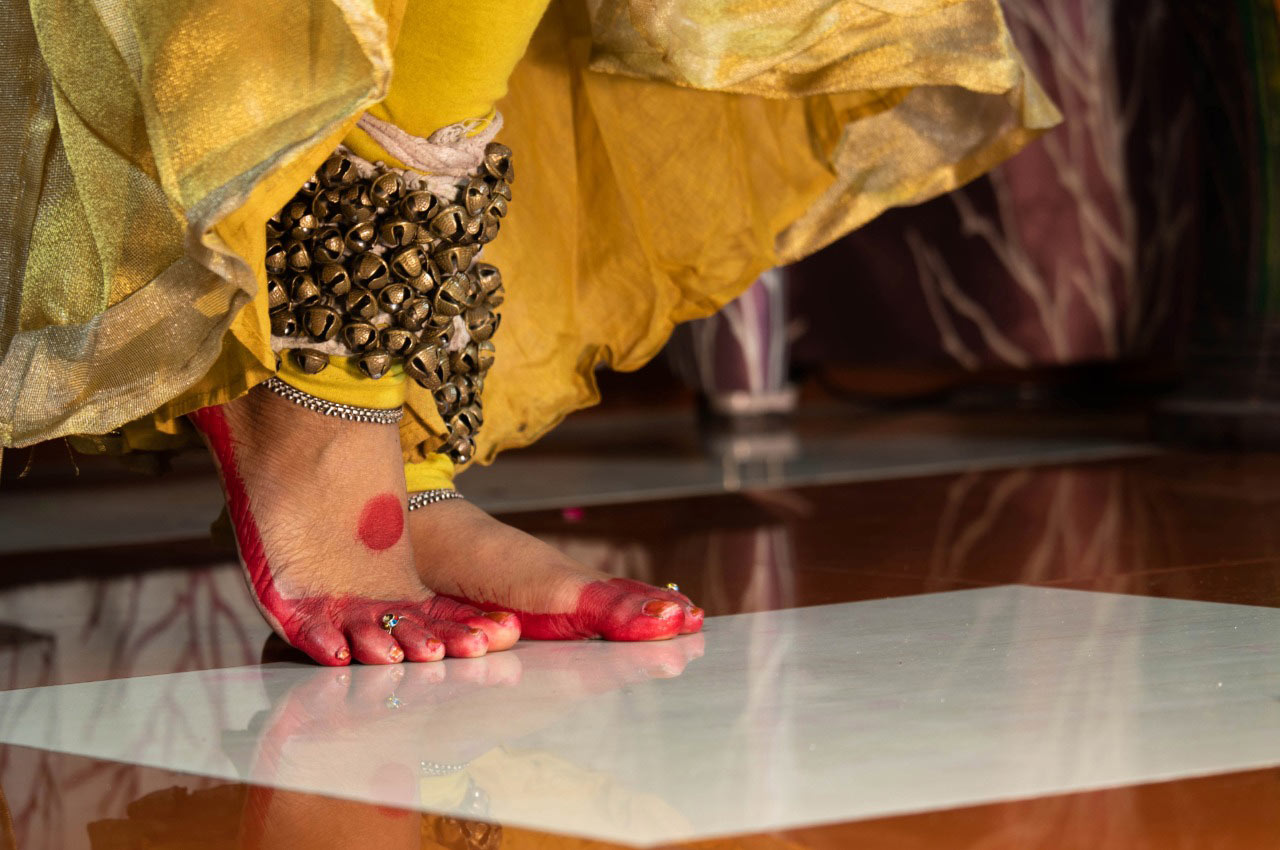
Kathak performances are characterized by rapid spins, complex foot rhythms, and graceful movements. The dance is often accompanied by instruments such as the tabla, sitar, and sarangi.
Important characteristics of Kathak include:
Origin: Uttar Pradesh and northern India
Derived from storytelling traditions
Influenced by Mughal court culture
Known for fast spins and rhythmic footwork
Accompanied by Hindustani classical music
Kathak continues to flourish on both traditional and contemporary stages.
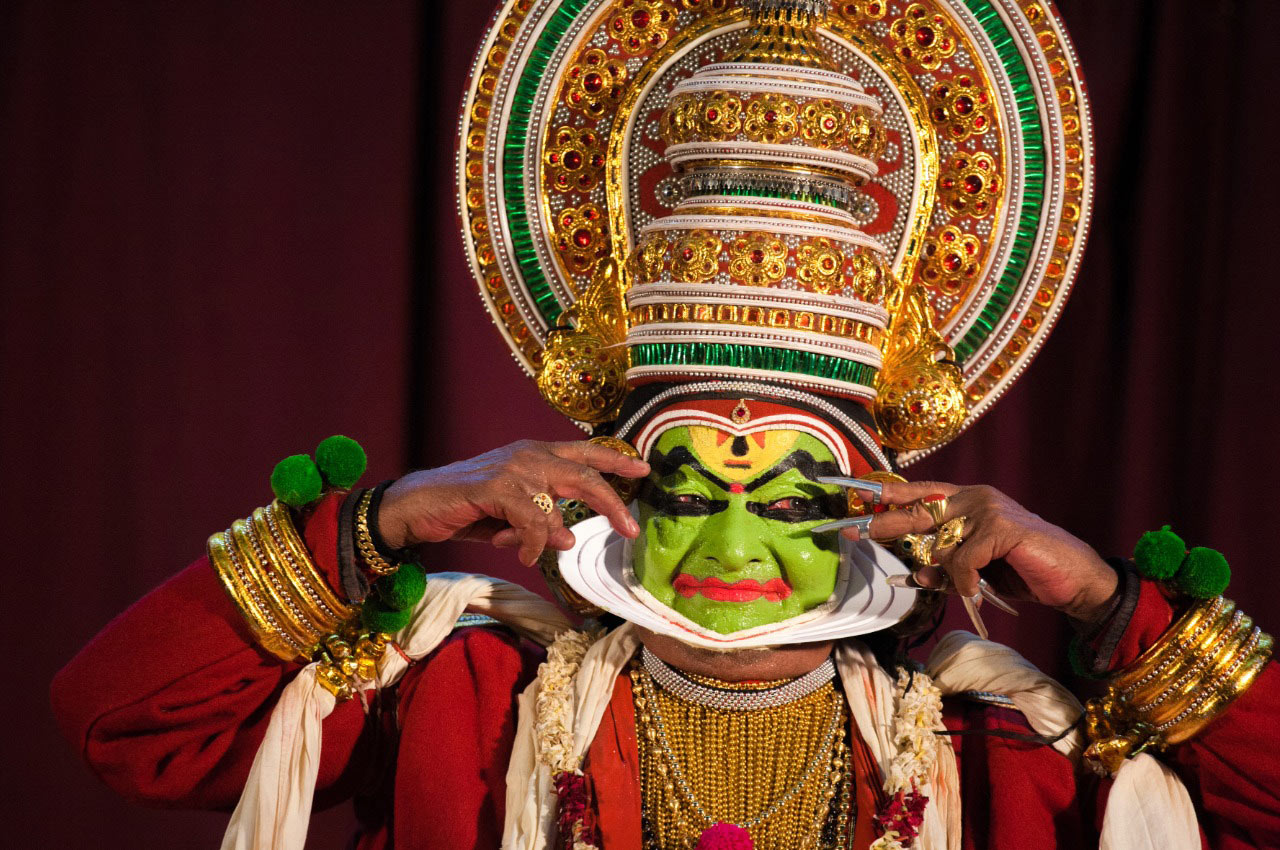
Kathakali is a highly dramatic and visually striking classical dance form from the state of Kerala. It is known for its elaborate costumes, vibrant makeup, and powerful storytelling.
Unlike many other dance forms, Kathakali combines dance with elements of theatre and martial arts. Performers portray characters from Hindu epics using exaggerated facial expressions, stylized gestures, and vigorous movements.
One of the most distinctive features of Kathakali is its intricate makeup and costume design, which transform dancers into mythological characters such as gods, demons, and heroes.
Kathakali performances often last several hours and traditionally take place during temple festivals or cultural events.
Key aspects of Kathakali include:
Origin: Kerala
Known for dramatic storytelling
Elaborate makeup and costumes
Inspired by epics like the Ramayana and Mahabharata
Combines dance, theatre, and martial art elements
Kathakali is widely regarded as one of the most visually spectacular dance traditions in India.
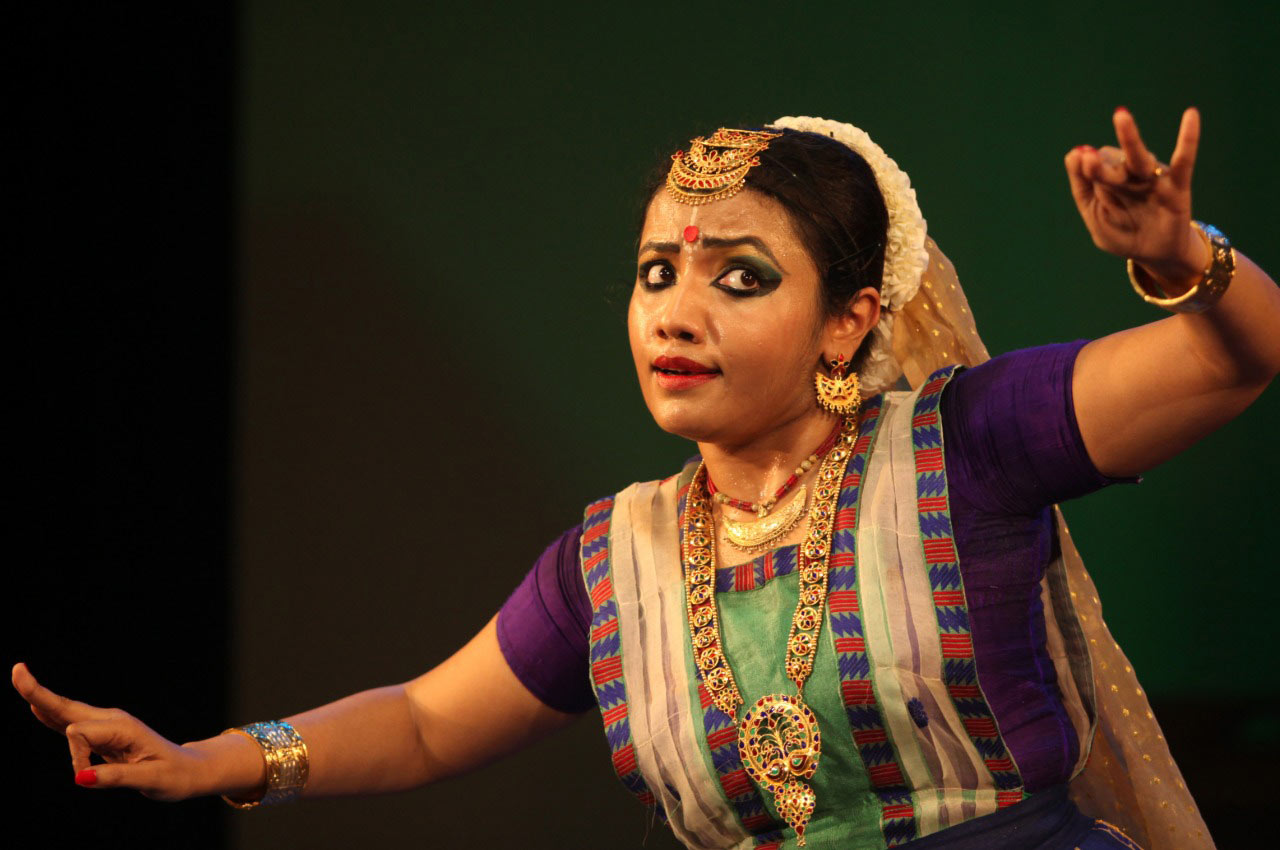
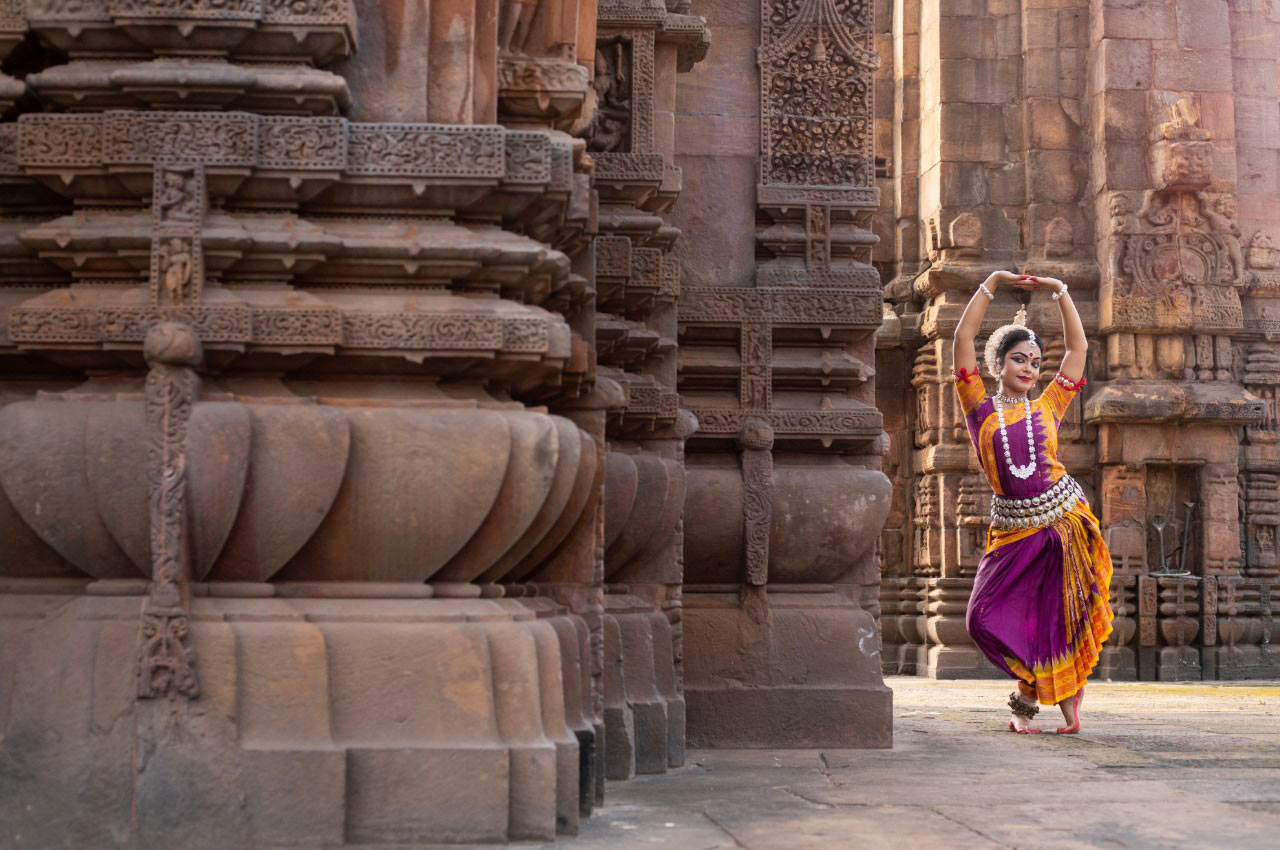
Odissi is a classical dance form from the eastern state of Odisha. It is believed to have originated in ancient temples where dancers performed devotional rituals dedicated to Lord Jagannath.
This dance form is known for its graceful movements, sculptural poses, and lyrical expressions. Many of its movements resemble the poses seen in temple sculptures across Odisha.
Odissi dancers use intricate footwork, expressive hand gestures, and fluid body movements to narrate stories from mythology and classical poetry.
The dance is accompanied by Odissi music, which blends melody and rhythm to enhance the emotional impact of the performance.
Key characteristics of Odissi include:
Origin: Odisha
Inspired by temple sculptures
Graceful and fluid movements
Devotionalthemes and storytelling
Accompanied by traditional Odissi music
Odissi is widely admired for its elegance and aesthetic beauty.
Kuchipudi is a classical dance tradition from the state of Andhra Pradesh. It originated in the village of Kuchipudi, where it was initially performed by male Brahmin performers as part of religious dramas.
Unlike many other classical dances, Kuchipudi incorporates elements of dance, drama, and dialogue. Performers often enact mythological narratives while combining expressive gestures with rhythmic movements.
Over time, Kuchipudi evolved into a solo dance tradition and gained popularity among both male and female performers.
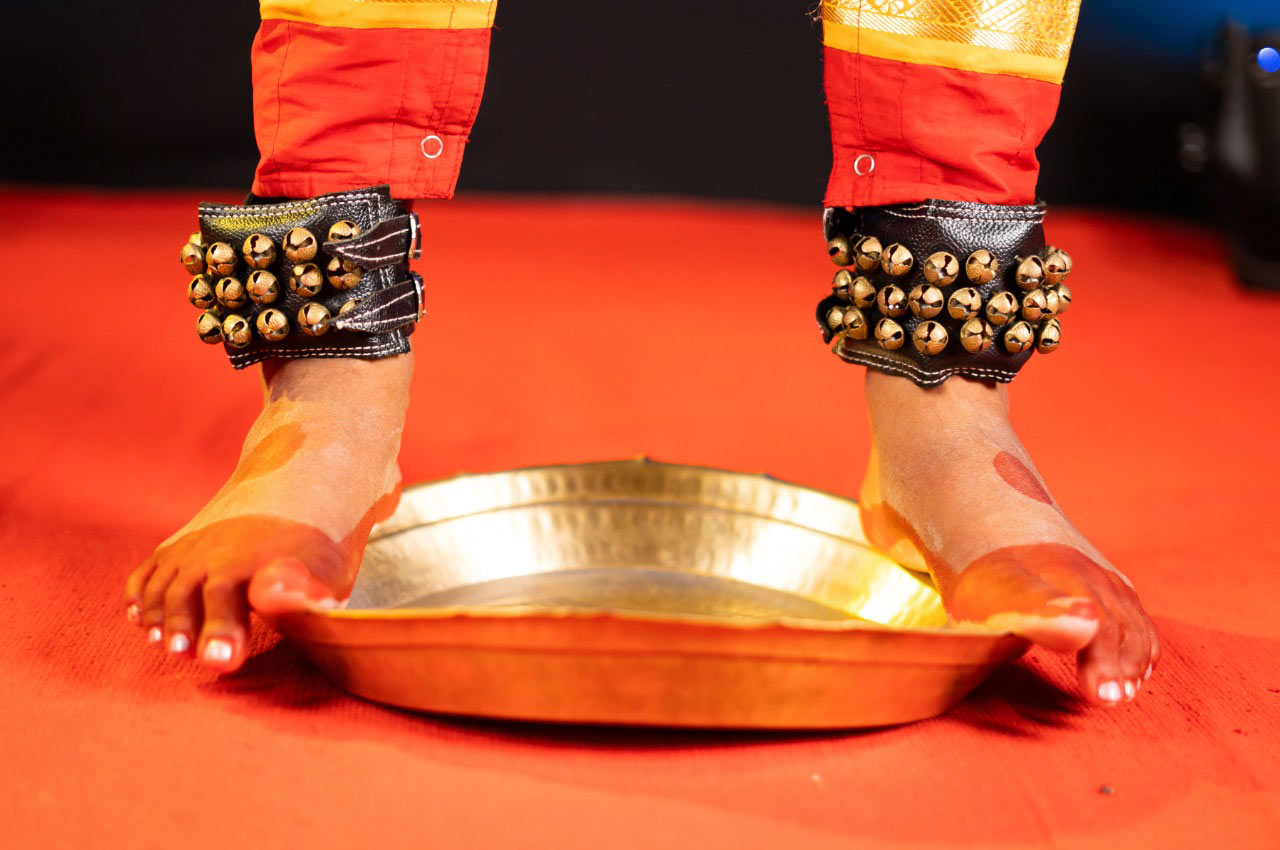
The dance is known for its energetic footwork and graceful movements. One famous feature of Kuchipudi is the Tarangam, in which dancers perform rhythmic steps on the edge of a brass plate.
Key features include:
Origin: Andhra Pradesh
Developed from dance-drama traditions
Energetic movements and expressive storytelling
Incorporates dialogue and dramatic elements
Known for the unique Tarangam performance
Kuchipudi represents a dynamic fusion of dance and theatre.
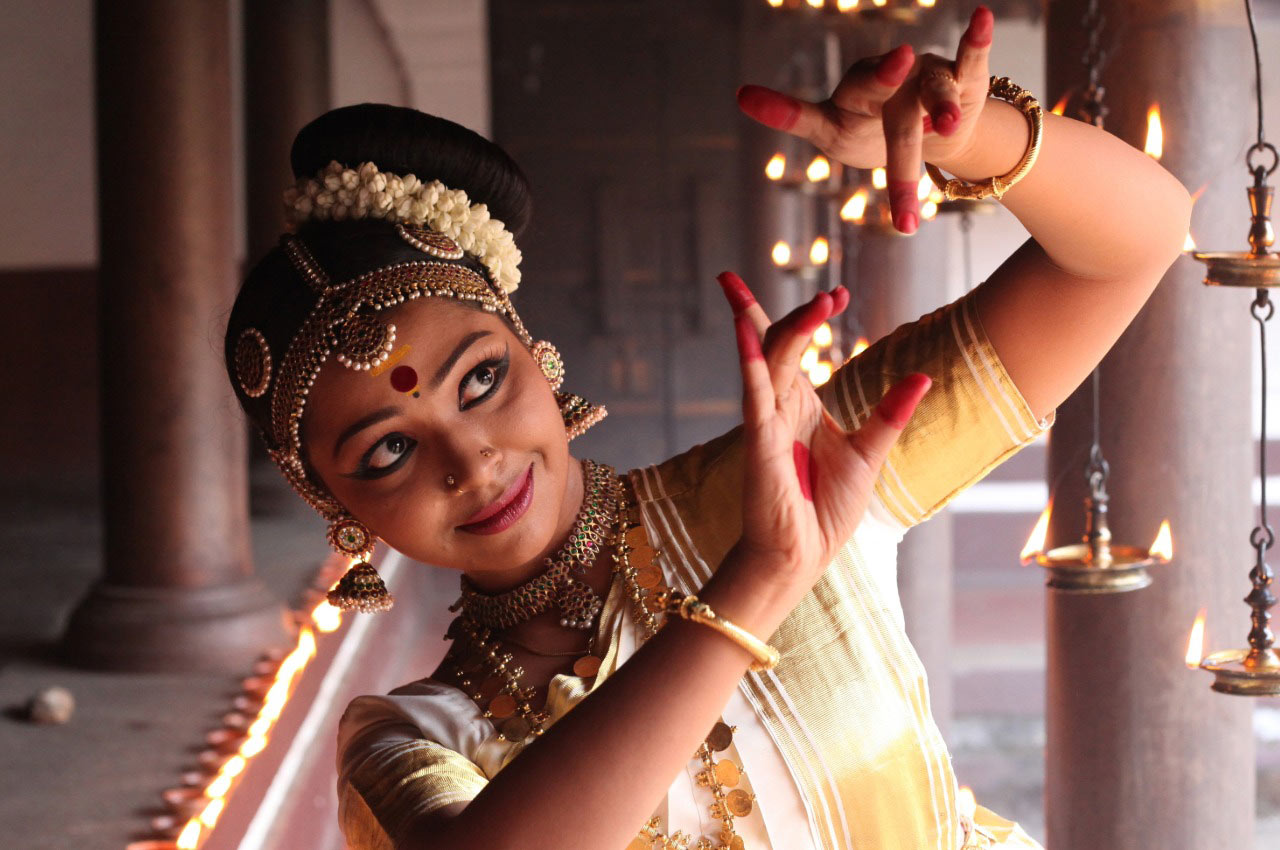
Mohiniyattam is a graceful classical dance form that originated in Kerala. The name comes from the Sanskrit word Mohini, referring to the enchanting female form of Lord Vishnu.
This dance is known for its gentle, flowing movements and feminine grace. Unlike the dramatic intensity of Kathakali, Mohiniyattam emphasizes subtle expressions and delicate gestures.
The dance style reflects themes of love, devotion, and spiritual longing. Performances are accompanied by Carnatic music and traditional percussion instruments.
The costume typically includes a white sari with golden borders, which enhances the elegant appearance of the dancer.
Key characteristics of Mohiniyattam include:
Origin: Kerala
Emphasis on graceful and fluid movements
Feminine style of expression
Themes of devotion and love
Traditional white and goldcostume
Mohiniyattam is celebrated for its elegance and emotional depth.
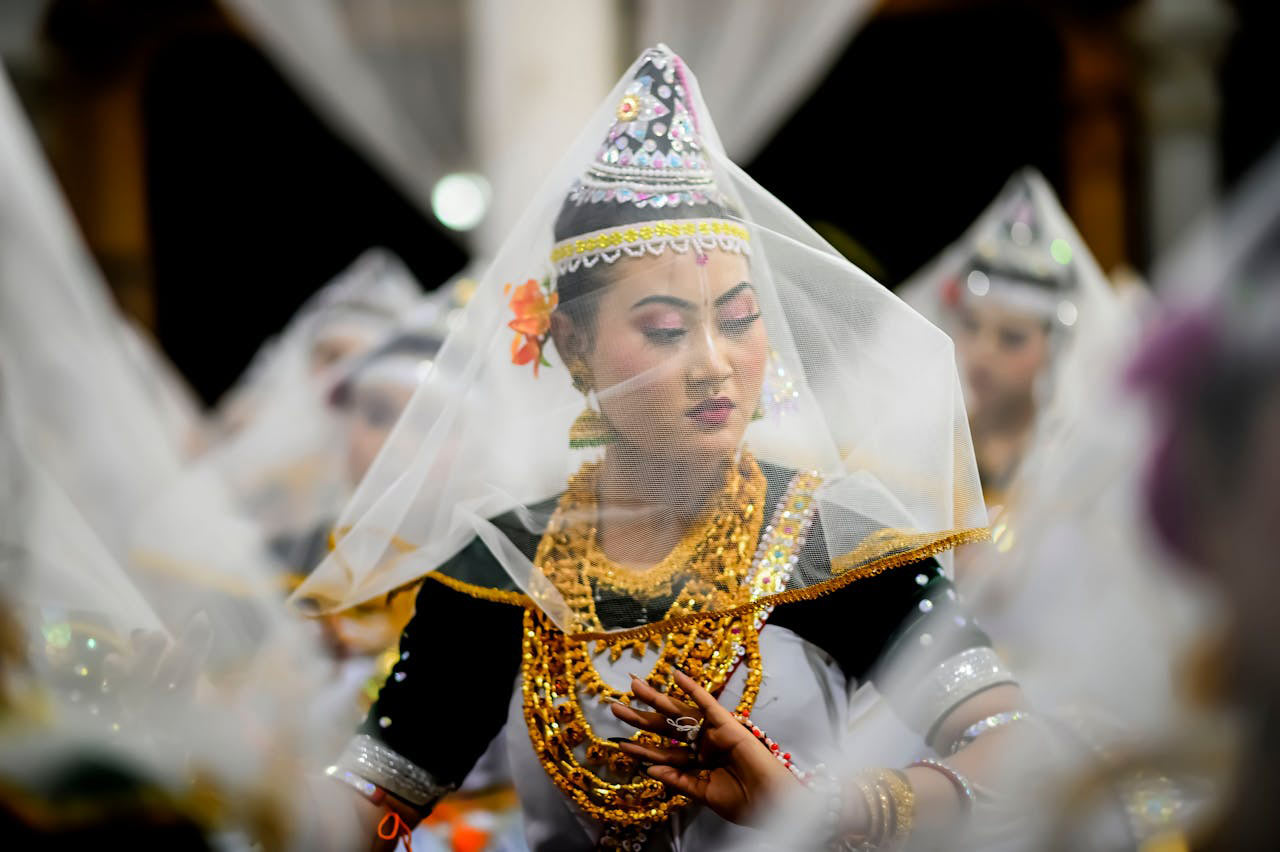
Manipuri is a classical dance form that developed in the northeastern state of Manipur. It is deeply associated with the Vaishnavite traditions of the region and often depicts the divine love between Radha and Krishna.
Manipuri dance is characterized by soft, rounded movements and gentle expressions. Unlike some other classical dances, it avoids strong foot stamping and dramatic gestures.
The costumes used in Manipuri are elaborate and colorful, especially the distinctive cylindrical skirts worn during the famous Raas Leela performances.
Manipuri performances are typically accompanied by devotional music and traditional instruments.
Key features include:
Origin: Manipur
Inspired by Vaishnavite devotional traditions
Graceful and gentle movements
Famous for Raas Leela performances
Colorful and elaborate costumes
Manipuri dance conveys deep spiritual emotion through subtle expression.
Sattriya is the youngest of the classical dance forms to receive official recognition. Mahapurusha Sankaradeva, a Bhakti saint and reformer of Assam, introduced the Sattriya dance form during the 15th century AD.
This dance form was preserved in the Sattras or the Vaishnava Maths. It is an artistic way of imparting teachings through mythological themes, with a combination of dance, ballad and enactment.
Today, the Sattras do not limit the themes and the performances. It includes the popular romantic tales of Radha-Krishna and Ram-Sita. It is one of the most graceful classical dances of India
Sattriya combines storytelling, rhythmic footwork, and expressive gestures to narrate religious themes.
Key characteristics include:
Origin: Assam
Developed in Vaishnavitemonasteries
Strong devotionalthemes
Blend of dance and drama
Recognized as a classical dance in 2000
Sattriya highlights the spiritual and cultural traditions of northeastern India.
Elements of Indian Classical Dance
Despite their regional differences, all classical dance traditions share certain fundamental elements described in the Natya Shastra.
These elements combine technique, emotion, and storytelling to create a complete performance.
Major elements include:
Nritta – pure dance movements without narrative
Nritya – expressive dance that conveys emotions
Natya – dramatic storytelling through dance
Mudras – symbolic hand gestures
Abhinaya – facial expressions and body language
Together, these components allow dancers to communicate complex emotions and stories to the audience.
Cultural Significance of Classical Dance
Indian classical dances play a vital role in preserving the country’s cultural heritage. These art forms act as bridges between ancient traditions and contemporary society.
Through dance, performers communicate philosophical ideas, religious stories, and social values. Classical dance also helps preserve regional languages, music traditions, and traditional costumes.
These dances are taught in cultural institutions and universities across India and abroad, ensuring their continued survival.
Their cultural significance includes:
Preservation of ancient traditions
Representation of regional identities
Promotion of Indian performing arts
Educational value for students and scholars
Cultural diplomacy on global stages
Indian classical dance continues to inspire audiences worldwide.
Conclusion
The classical dances of India represent centuries of artistic evolution and cultural expression. Rooted in ancient texts like the Natya Shastra and shaped by regional traditions, these dance forms reflect the spiritual and artistic heritage of the country.
From the geometric precision of Bharatanatyam to the theatrical grandeur of Kathakali and the gentle grace of Manipuri, each dance style offers a unique glimpse into India’s diverse cultural landscape.
Even in the modern era, classical dance remains a vibrant and evolving tradition. Through dedicated performers, teachers, and cultural institutions, these timeless art forms continue to celebrate the beauty, philosophy, and creativity of Indian civilization.
FAQs on Classical Dances of India
Question: How many classical dances are there in India?
Answer: India officially recognizes eight classical dance forms: Bharatanatyam, Kathak, Kathakali, Odissi, Kuchipudi, Mohiniyattam, Manipuri, and Sattriya.
Question: Which is the oldest classical dance form in India?
Answer: Bharatanatyam is considered one of the oldest classical dance traditions and has roots in temple rituals of Tamil Nadu.
Question: What text explains Indian classical dance?
Answer: The Natya Shastra, written by Bharata Muni, is the foundational text that explains the theory and practice of Indian performing arts.
Question: What is the difference between classical and folk dance?
Answer: Classical dances follow codified rules from ancient texts, while folk dances develop from local traditions and community celebrations.
Question: Which classical dance comes from Kerala?
Answer: Kerala is the birthplace of two classical dance forms: Kathakali and Mohiniyattam.
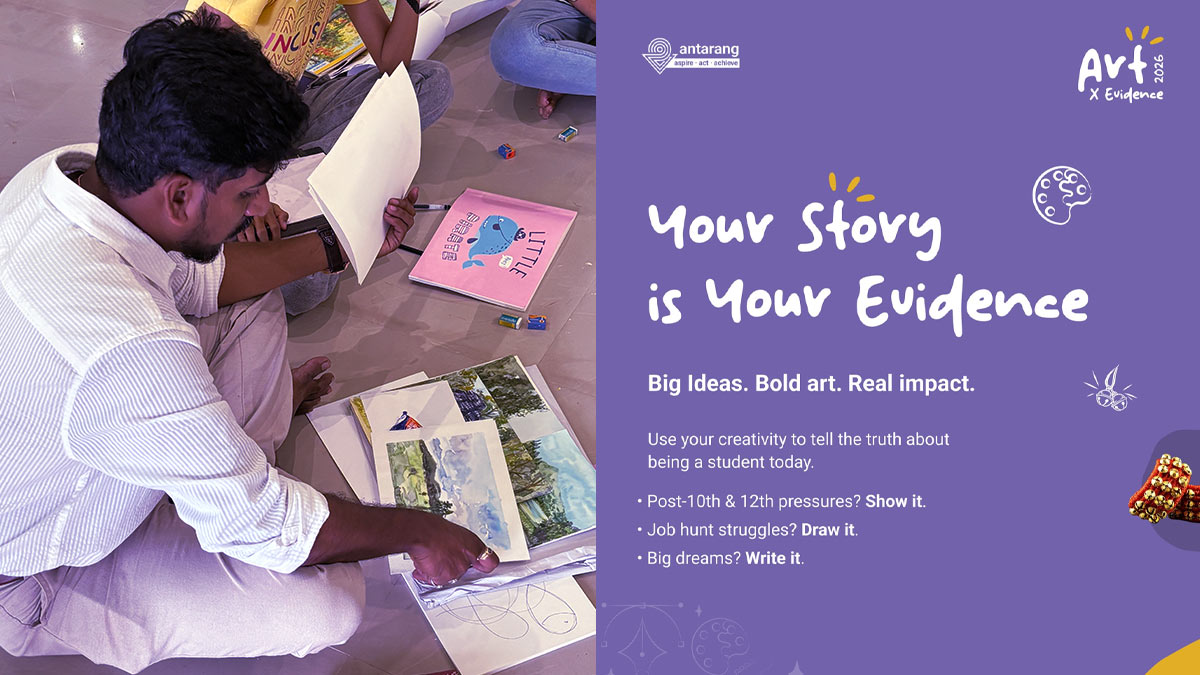
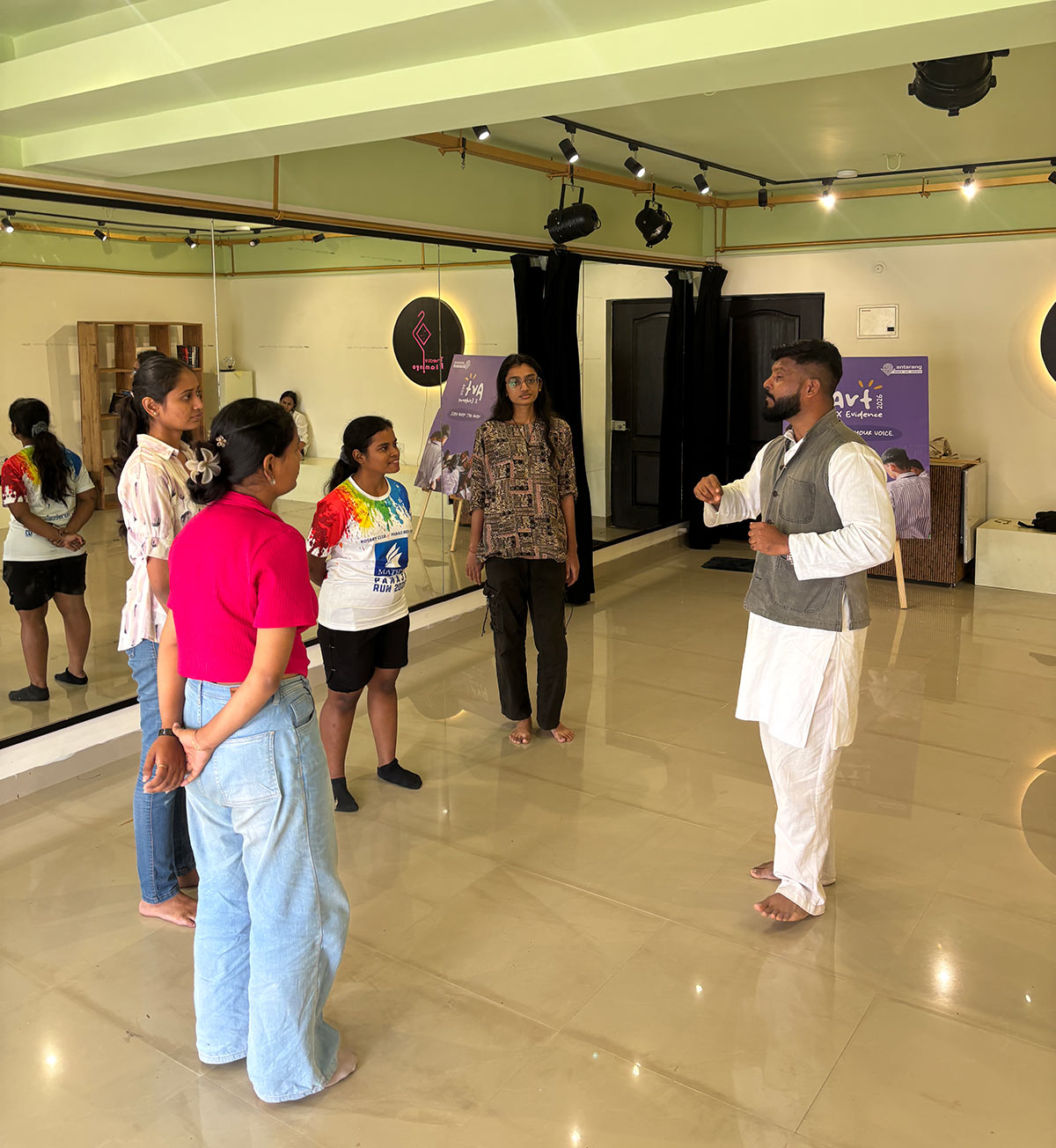
A new youth-led art initiative titled Art × Evidence will launch in Goa on 27 March 2026 from 5:00 PM to 8:00 PM at Sala de Gasper, Club Tennis de Gasper Dias, Goa. The launch will take place before a curated audience of government, education, industry stakeholders and students to enable deeper engagement with the youth work and the research behind it. The initiative has been developed by Priya Agrawal, Founder and Director of the Antarang Foundation, which works to strengthen pathways from education to employment for young people.
The launch will take place before a curated audience of government, education, industry stakeholders and students to enable deeper engagement with the youth work and the research behind it.
Art × Evidence has been conceived as a pilot initiative in Goa that combines research insights with artistic practices. The programme encourages participants to interpret research themes through writing, movement, visual art, theatre, and design.
Rather than presenting research findings only through reports, the initiative places data and lived experiences together, inviting stakeholders to engage with youth perspectives in new formats.
Participation from Young Creators Across Goa
The Goa edition will bring together 45 young participants from across the state who will present original works created during the programme.
The creative works will include:
Poetry and essay writing
Theatre and performance-based storytelling
Western dance and movement-based expression
Visual and fine arts
Textile craft practices such as crochet
Each project responds to structured prompts drawn from research on education-to-employment transitions.
Participants have developed their work through guided co-creation sessions with mentors from diverse creative disciplines.
The mentors include:
Writer and editor Saachi D’Souza
Choreographer and movement educator Saayshha Gadiyar
Visual artist and educator Rohit Bhosle
Theatre director Keatan Jadhav
Artists and design educators Gourish Poke and Uttara Anglo
These mentors have supported participants in translating research insights into artistic and performative forms.
Dialogue on Youth Skills and Employment
The programme is based on more than a decade of research conducted by Antarang Foundation on school-to-work transitions. The research explores topics such as youth unemployment, career decisions after secondary education, and pathways to financial independence.
Findings from a longitudinal study tracking 1,057 alumni of the Foundation highlight:
54.6% female employment among alumni, compared with around 33% nationally
51.7% in regular salaried roles, compared with about 22% nationally
16% NEET rate among alumni, significantly lower than the national benchmark of 28.5%
These insights inform the themes explored through the artworks and performances presented during the event.
Moderated Walkthrough and Public Dialogue
The launch evening will include a moderated walkthrough connecting the artworks with broader discussions about aspiration, employability, and social mobility. Participants, educators, and stakeholders will engage in conversations about how systems can better recognise the diverse capabilities of young people.
The organisers hope the programme will encourage dialogue between institutions, industry, and youth to better support transitions from education into meaningful careers.
About the Initiative and Founder
Art × Evidence is a scalable platform developed by Antarang Foundation to translate research on education-to-employment transitions into creative and participatory formats. The Goa programme serves as a proof-of-concept model that could be replicated in other states.
Founder Priya Agrawal, who established Antarang Foundation in 2013, has spent over two decades working in the development sector. Her work focuses on career awareness, career readiness, and bridging the gap between education and employability for young people.
Conclusion
The launch of Art × Evidence in Goa highlights a growing effort to connect research, youth experience, and creative expression. By encouraging young participants to present their perspectives through art, writing, and performance, the initiative aims to deepen public conversations about employability, skills, and the opportunities available to India’s youth.
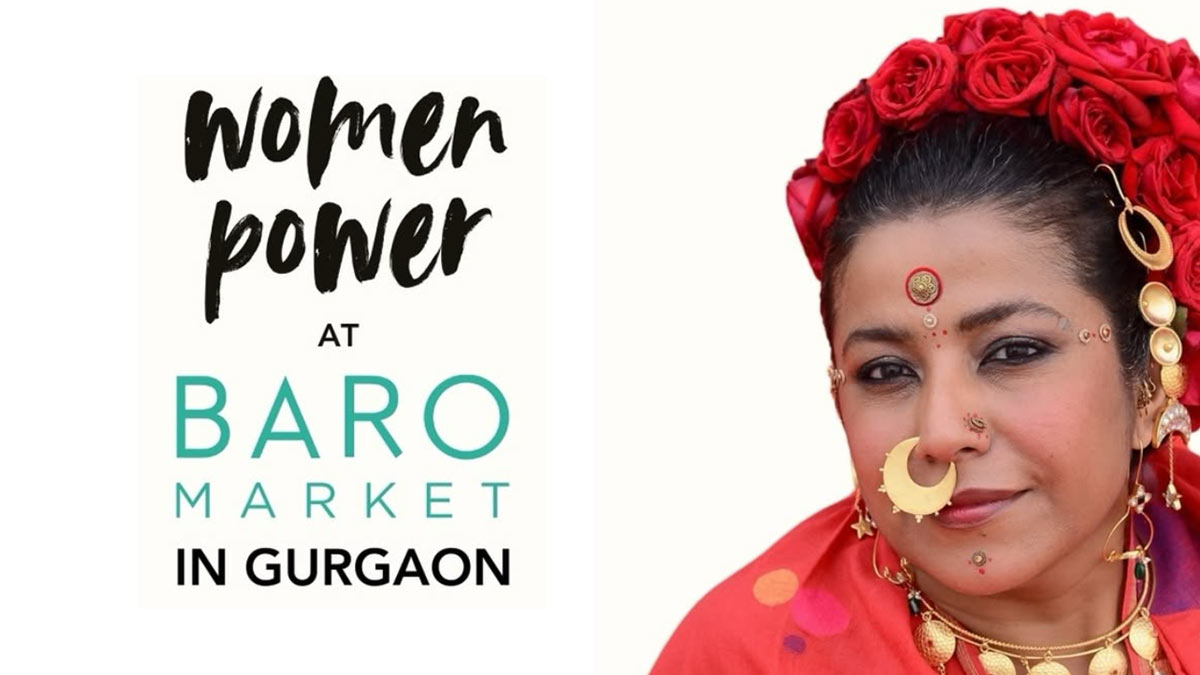
Baro Market will host a special Women’s Day pop-up event from March 13 to 15 at The Quorum Club, Two Horizon Centre, Gurgaon. The curated market highlights women-led brands and entrepreneurs, bringing together fashion, lifestyle products, and handmade creations in a community-focused shopping experience.
The event celebrates women supporting women and offers visitors an opportunity to discover independent labels and emerging designers in a relaxed retail setting.
A Curated Marketplace for Women-Led Brands
The pop-up is organised by Baro Market, known for hosting curated retail events that feature independent and homegrown brands. These markets typically bring together designers, artisans, and entrepreneurs who present small-batch and handcrafted products.
The Gurgaon edition aims to create a platform where women entrepreneurs can showcase their work while connecting directly with shoppers.
What Visitors Can Expect
The event will feature a mix of fashion and lifestyle products suitable for different age groups and everyday use.
Visitors can explore:
Menswear, womenswear, and kidswear collections from emerging labels
Lifestyle and handmade products designed by women entrepreneurs
Curated shopping experiences highlighting independent and craft-focused brands
The pop-up format allows visitors to interact with brand founders and discover products that are often not available in mainstream retail stores.
Venue and Community Experience
The event will take place at The Quorum Club located in Two Horizon Centre, Gurgaon, a private members’ club known for hosting cultural gatherings, networking events, and curated community programmes.
The venue provides an intimate setting for the pop-up, encouraging visitors to explore the collections while supporting women-led businesses. More details about the venue can be found on the The Quorum Club website.
The Women’s Day edition of Baro Market highlights the growing presence of women entrepreneurs in India’s fashion and lifestyle sectors. By creating opportunities for designers and creators to present their work in curated retail spaces, the initiative supports small businesses and community-driven commerce.
Such pop-up markets have become increasingly popular in Indian cities, offering an alternative to conventional shopping environments and encouraging direct interaction between creators and customers.
Women-led curated fashion and lifestyle pop-up market
Featured Categories
Menswear, womenswear, kidswear, lifestyle products and handmade goods
Focus
Women entrepreneurs, curated shopping and community engagement
Entry
Open to the public
Takeaway
The Baro Market Women’s Day Pop-Up in Gurgaon offers a platform for women entrepreneurs to present fashion, lifestyle, and handcrafted products in a curated environment. With a focus on community, creativity, and independent brands, the event celebrates Women’s Day by bringing together designers, shoppers, and supporters of women-led businesses.
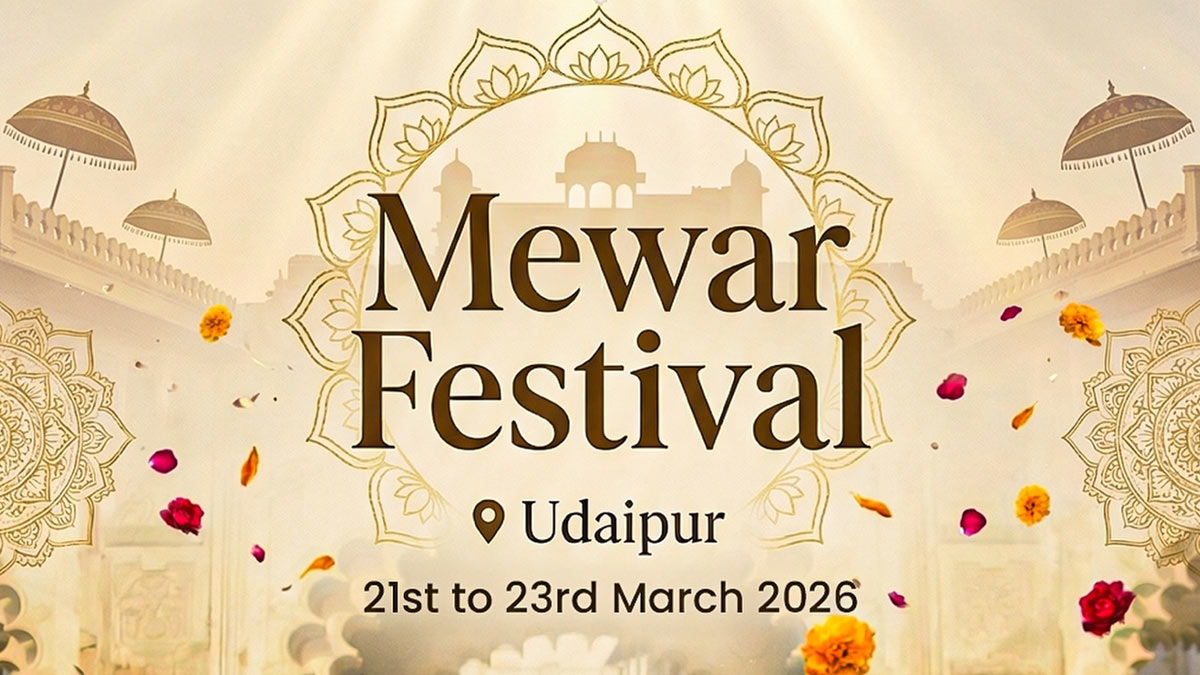
The Mewar Festival will be celebrated in Udaipur from 21–23 March 2026, marking the arrival of spring with devotion, rituals, and vibrant cultural traditions. Organised by Rajasthan Tourism, the festival is one of the important cultural celebrations in the Mewar region and attracts both local residents and visitors from across India and abroad.
Set against the scenic backdrop of Udaipur’s lakes and palaces, the festival highlights the rich traditions of Rajasthan while welcoming the new season with music, colour, and ceremonial processions.
A Festival Rooted in Tradition
The Mewar Festival is closely associated with the Gangaur festival, which celebrates the union of Lord Shiva and Goddess Parvati and symbolises marital harmony and prosperity. During the festival, beautifully decorated idols of the deities are carried in processions through the streets before being taken to the banks of Lake Pichola for ceremonial rituals.
The celebrations reflect centuries-old customs of the Mewar region, blending religious devotion with community gatherings and artistic expression.
Cultural Highlights of the Festival
Visitors attending the festival can witness a wide range of cultural activities that reflect Rajasthan’s traditional heritage.
Some of the key attractions include:
Traditional Gangaur processions featuring decorated idols and ceremonial rituals
Performances of Rajasthani folk music and dance
Cultural programmes showcasing local artists and musicians
Illuminated lakeside celebrations and festive markets
These events allow visitors to experience the cultural identity of Rajasthan in a festive and welcoming atmosphere.
Many of the festival activities take place near Udaipur’s historic landmarks and lakefront areas, where local communities gather to celebrate. The colourful processions, traditional attire, and decorated idols create a vibrant visual experience for visitors.
Tourists visiting the festival can also explore Udaipur’s cultural attractions, including the City Palace, heritage ghats, and local markets that become lively during the celebration.
A Cultural Experience for Visitors
The Mewar Festival is considered one of the most significant spring festivals in Rajasthan. It offers travellers an opportunity to experience traditional rituals, regional music, and community celebrations that have been preserved for generations.
For travellers planning a cultural visit, the festival provides a unique glimpse into the traditions of the City of Lakes, making it a popular event in Udaipur’s tourism calendar.
Event in a Glance
Aspects
Details
Event Name
Mewar Festival
Dates
21–23 March 2026
Location
Udaipur, Rajasthan, India
Organiser
Rajasthan Tourism
Festival Type
Spring and cultural festival associated with Gangaur celebrations
Main Attractions
Traditional processions, folk dance, music performances, cultural programmes
Key Location Activities
Processions and ceremonies near Lake Pichola and historic ghats
Tourism Highlight
Celebration of Mewar culture in the City of Lakes
Takeaway
The Mewar Festival 2026 promises a vibrant celebration of devotion, culture, and seasonal renewal in Udaipur. Through its rituals, folk performances, and festive processions, the festival reflects the enduring traditions of the Mewar region while welcoming visitors to experience the cultural richness of Rajasthan.
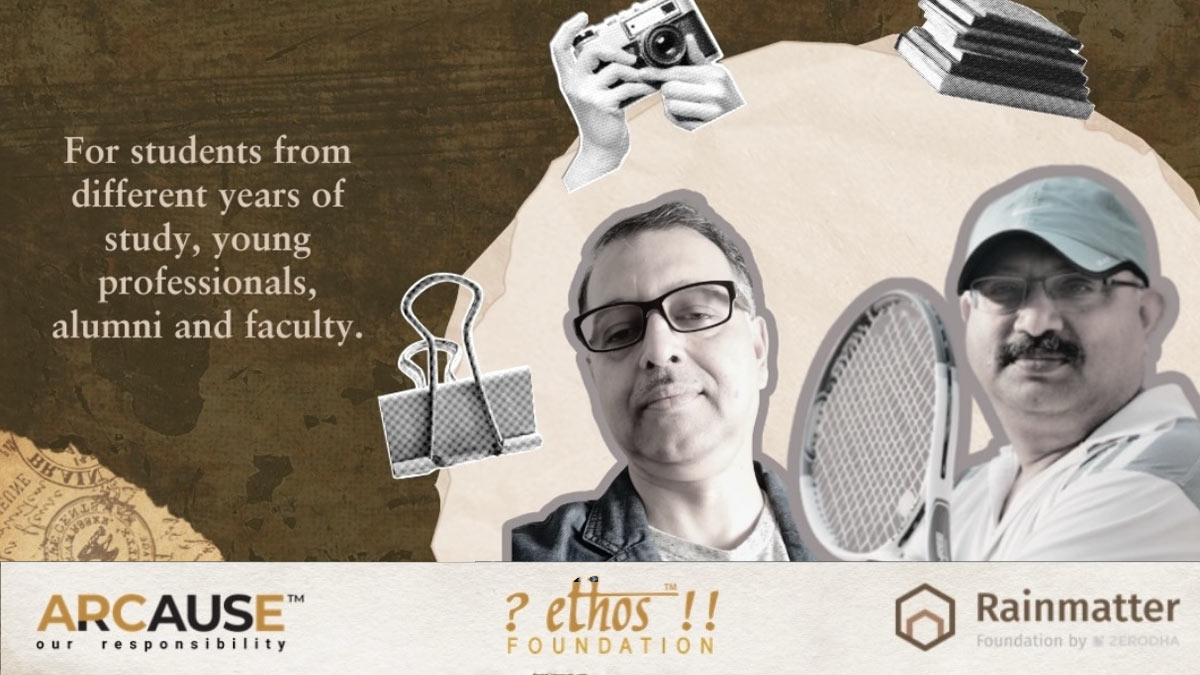
The Arcause Writers Collective – Bengaluru Edition will take place on March 23–24, 2026, at RV College of Architecture, Bengaluru. The two-day intensive workshop is organised by the Ethos Foundation and focuses on architectural writing and documentation.
The programme aims to build a network of architects, researchers, students, and journalists who are interested in documenting responsible design practices in India and expanding conversations around the built environment.
Event in a Glance
Aspects
Details
Event Name
Arcause Writers Collective – Bengaluru Edition
Organizer
Ethos Foundation
Dates
March 23–24, 2026
Venue
RV College of Architecture, Bengaluru, India
Event Type
Architecture Writing and Documentation Workshop
Participants
40 participants including architecture students, faculty and researchers
Key Speakers
Arup Ghosh and Subhro Saha
Workshop Themes
Architecture writing, sustainability, heritage, labour in construction, urban realities
The Arcause Writers Collective (AWC) is an initiative that encourages research-driven and field-informed writing about architecture. Rather than treating architecture only as visual culture, the collective focuses on the social, environmental, and cultural contexts that shape buildings and cities.
Through workshops and collaborative discussions, the programme promotes deeper engagement with architecture as a subject connected to everyday life, labour, and urban realities.
Participants in the Bengaluru session will explore several key themes that reflect current debates in architecture and urban development:
Labour and dignity in construction
Affordable and inclusive design
Sustainability and material cultures
Heritage and conservation
Urban realities and everyday infrastructure
Regional and vernacular narratives in architecture
These themes encourage participants to examine architecture through the lens of society, economy, and environment rather than purely design aesthetics.
Participants and Learning Format
The first in-person Bengaluru edition of the workshop will bring together around 40 participants, including architecture students, young faculty members, and alumni from RV College of Architecture and other institutions.
During the programme, participants will develop story ideas and writing frameworks while engaging in discussions, collaborative exercises, and documentation methods.
Sessions Led by Media Professionals
The workshop will feature sessions led by experienced media and communications professionals who will share insights on writing, storytelling, and publishing.
Key contributors include:
Arup Ghosh, who spent nearly three decades working in corporate communications at ITC
Subhro Saha, a journalist with more than 26 years of experience across publications including The Telegraph, The Statesman, Business Standard, and The Asian Age
Additional sessions will include a photography-led module on documentation and photo-essay development, as well as discussions on regional language writing in architecture, highlighting the importance of expanding architectural discourse beyond English.
Opportunities for Publication
Participants will develop article ideas and writing frameworks during the workshop. Selected works will be refined for publication across architecture, design, and urban platforms, helping emerging writers share stories about India’s built environment.
The Arcause Writers Collective – Bengaluru Edition reflects a growing interest in documenting architecture beyond visual representation. By focusing on field research, storytelling, and critical writing, the initiative aims to build a community of practitioners who can contribute thoughtful narratives about design, cities, and everyday infrastructure in India.
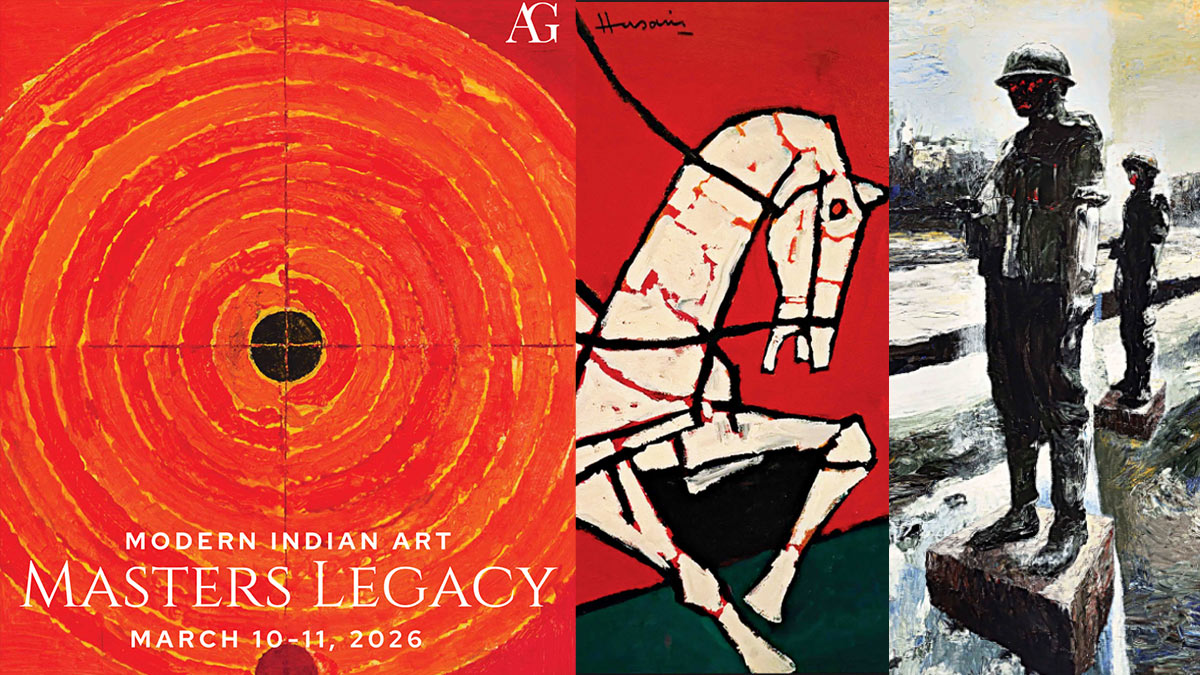
AstaGuru is set to host Masters Legacy, a landmark auction dedicated to the pioneers and torchbearers of Modern Indian art. Scheduled for March 10-11, 2026, the sale brings together an exceptional selection of works by some of the most influential artists who shaped India’s modern visual language.
Rare Works by Leading Artists
At the heart of the auction are rare and important works by icons such as M F Husain, S H Raza, F N Souza, Krishen Khanna, Nandalal Bose, Bikash Bhattacharjee and G R Santosh, each representing distinct stylistic evolutions from lyrical abstraction and metaphysical geometry to social realism and sculptural experimentation. Extending the narrative into the late twentieth century and beyond, Masters Legacy also spotlights important works by practitioners such as Prabhakar Kolte, Akkitham Narayanan, and Shail Choyal. Their works underscore the enduring impact of modernist thought while articulating fresh formal and conceptual concerns. The auction also includes sculptural works by important artists, including Ramkinkar Baij, Somnath Hore, Himmat Shah. Three paper works by artist V S Gaitonde are also featured in the upcoming auction.
Event in a Glance
Event Detail
Information
Auction Title
Masters Legacy
Organizer
AstaGuru Auction House
Dates
March 10–11, 2026
Category
Modern Indian Art Auction
Featured Artists
M. F. Husain, S. H. Raza, F. N. Souza, Krishen Khanna, Nandalal Bose, Bikash Bhattacharjee, G. R. Santosh
Commenting on the significance of the upcoming sale, Mr. Manoj Mansukhani, Director, Marketing, AstaGuru, remarked, “Carefully curated, the auction traces the arc of Indian art from the nationalist revivalism of the early twentieth century to the bold experimentation of the Progressive era and the contemplative abstractions that followed. Together, these works embody a legacy of innovation, intellectual rigour, and artistic courage.” He further adds, “With a focus on quality, rarity, and provenance, Masters Legacy presents collectors and connoisseurs with an opportunity to acquire works that are not only aesthetically significant but also historically pivotal. It reaffirms AstaGuru’s continued commitment to presenting art that defines and enriches the canon of Modern Indian art.”
Highlight Lot: Bikash Bhattacharjee’s Untitled Works
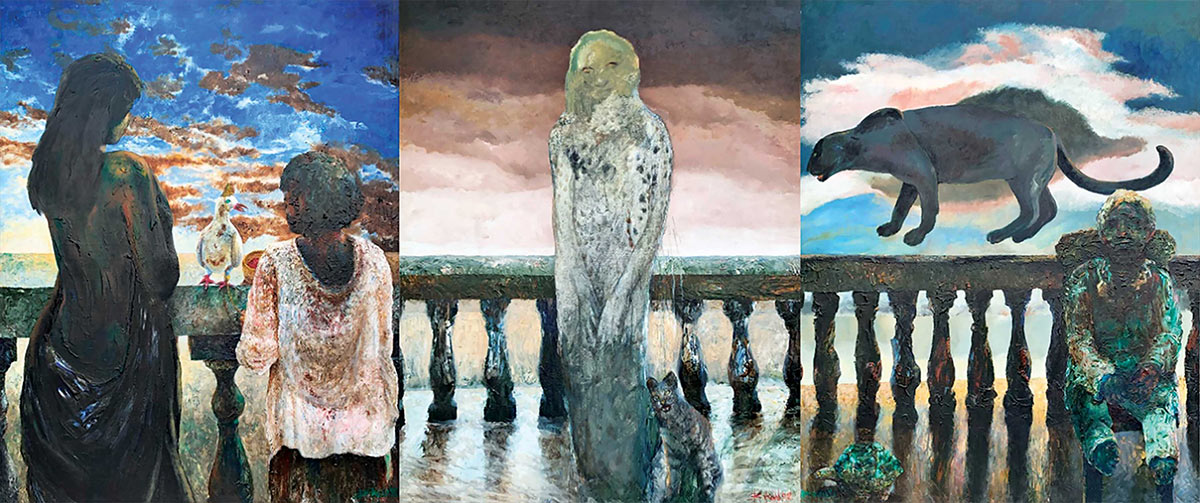
Lot-27 – Untitled’ by Bikash Bhattacharjee
Appearing in the auction is Lot No. 27, an ‘Untitled’ by Bikash Bhattacharjee,a set of three works that presents women and children, two recurring protagonists in his oeuvre. They are seen on a balcony that opens onto a dreamlike, almost unanchored natural landscape. The architectural setting recalls the decaying aristocratic mansions of Bengal, which the artist was known to observe at length, absorbing their quiet desolation and translating it into his pictorial language.
Raza’s ‘Kundalini’ and the Bindu Philosophy
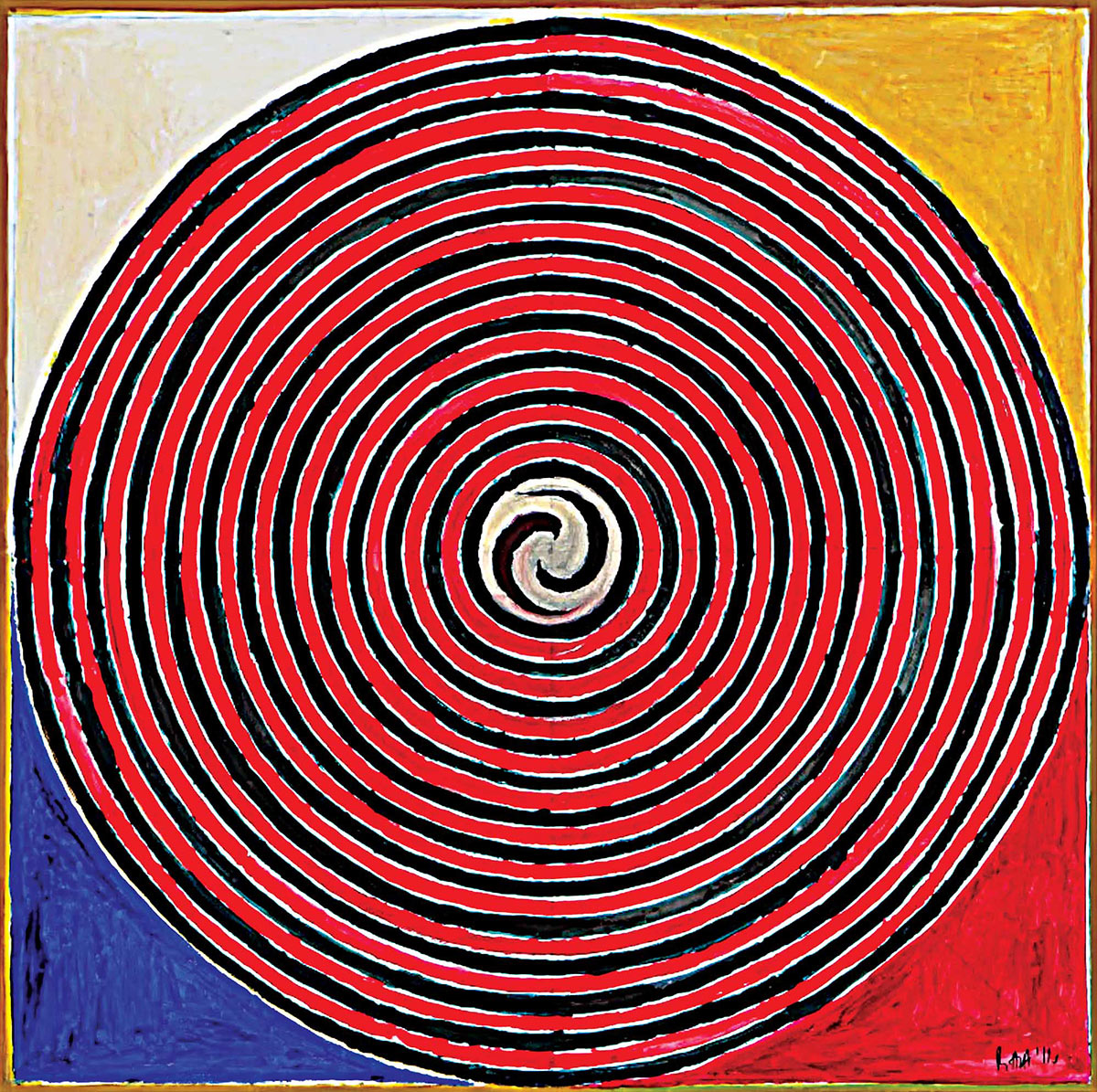
Lot 35 – S H Raza Kundali
Another lot that equally leads this auction is Lot No. 35, Titled as ‘Kundalini’, it belongs to Raza’s late engagement with the bindu, a phase in which the motif is no longer static but suggestive of movement and awakening. The work reflects the artist’s enduring commitment to abstraction as a means of accessing universal truths, synthesising modernist form with indigenous philosophy. In Raza’s bindu paintings, geometry becomes meditation, and the act of seeing becomes an inward journey. Colour plays an equally crucial role in this language. Raza’s high-chroma reds, blacks, blues, and yellows are invested with elemental resonance, intensifying the spiritual charge of the composition. Applied with deliberation and restraint, these hues transform the canvas into a site of concentrated energy rather than an expressive gesture.
Husain’s Dynamic Horse Motif
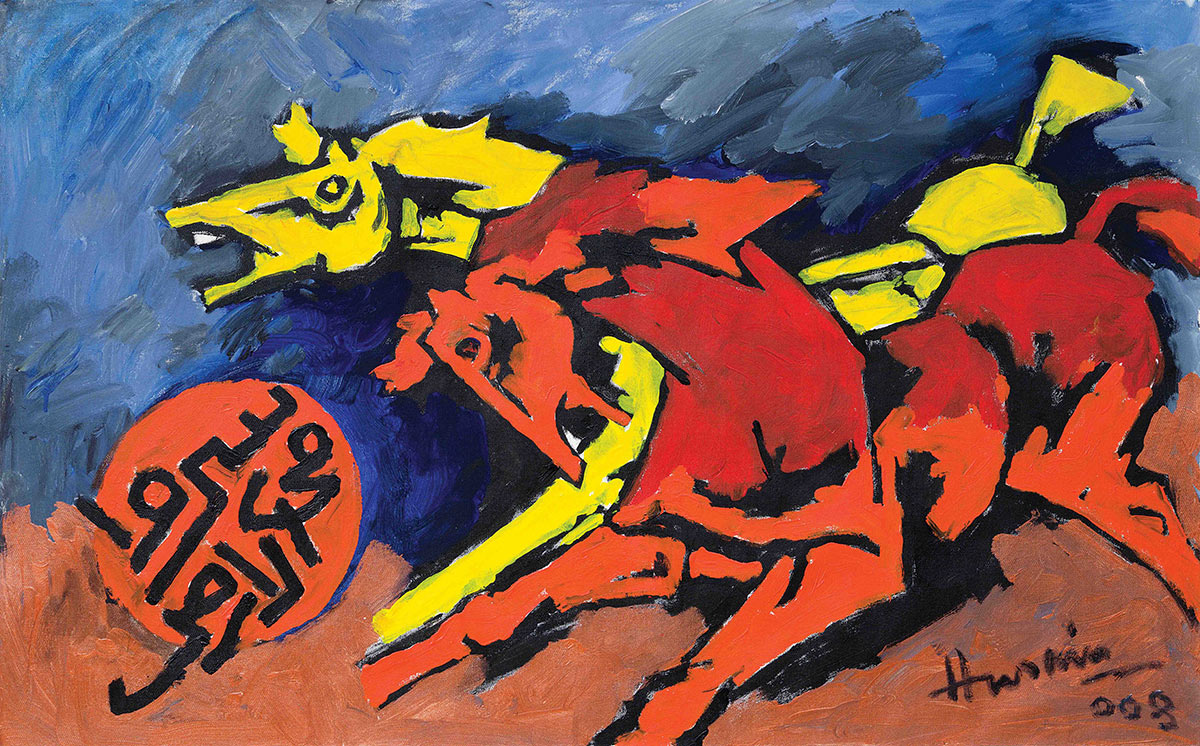
Lot 49 – M-F Husain Untitled (Horses)
Lot No. 49 titled ‘Untitled (Horses)’ by M F Husain, presents a charged and emblematic variation of his horse motif, where colour, symbol, and movement converge with striking immediacy. Two horses dominate the composition, their bodies rendered in fiery reds and acidic yellows, locked into a tense diagonal thrust across the surface. Husain fractures their anatomy into jagged planes outlined with thick black contours, heightening the sense of urgency and physical strain. The open mouths, wide eyes, and sharply angled limbs suggest not grace but exertion and confrontation, as though the animals are locked in a moment of relentless forward drive. The background showcases stormy blues and greys, swirling above an earthen brown ground, creating a dramatic contrast. This turbulent setting amplifies the psychological intensity of the scene, transforming the space into an arena of conflict rather than a natural landscape.
Souza’s Vision of Urban Turbulence
Lot 29 – F N Souza Garden City
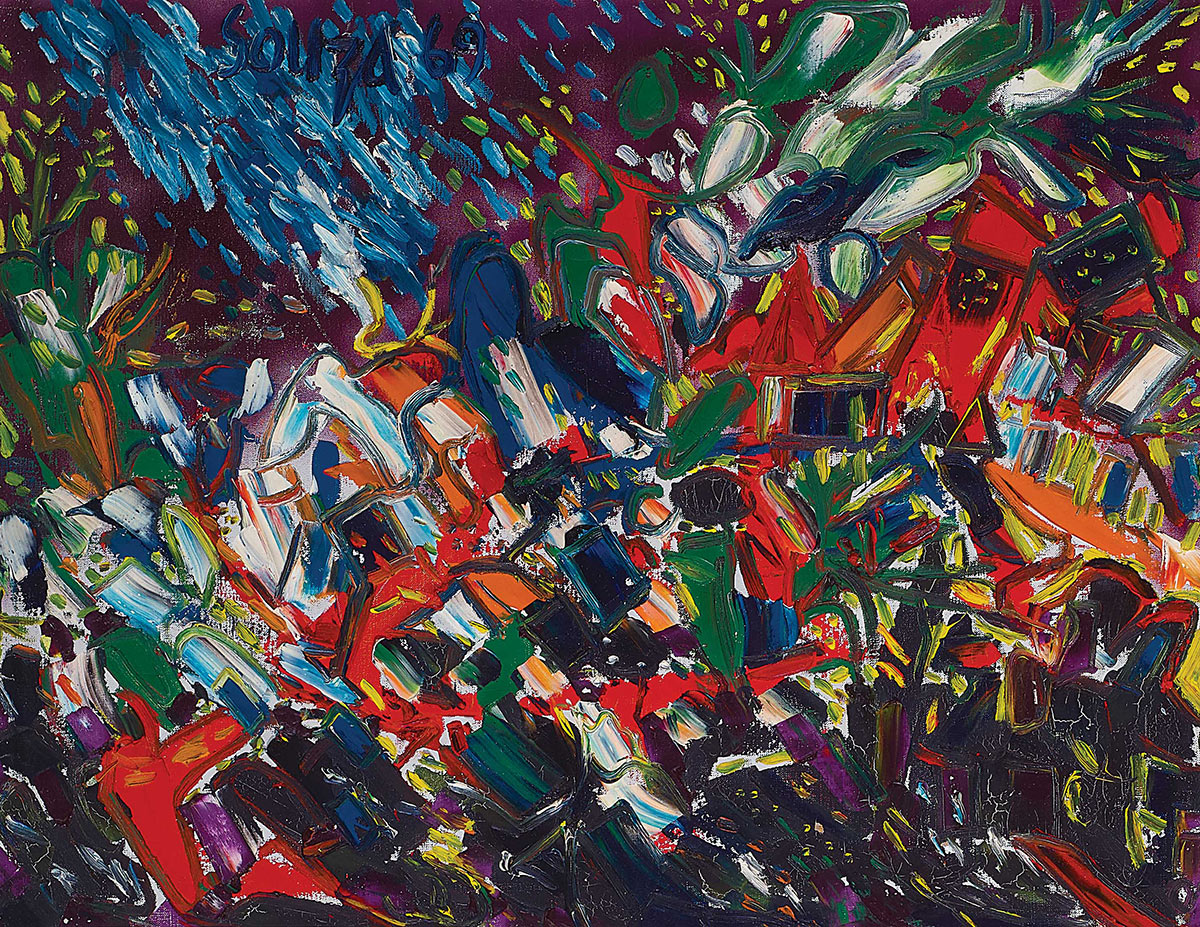
Lot No. 29 by F N Souza titled ‘Garden City’, conjures a turbulent vision of urban life pushed to the brink, shaped by Souza’s deeply sceptical view of modern civilisation. Painted during a personally and historically fraught decade of the sixties, the work transforms the idea of a city into a site of moral and existential collapse rather than order or growth. The garden here is anything but pastoral; instead, it is a charged terrain where human ambition and spiritual failure. Souza’s handling of paint is central to the work’s psychological force. Thick impastos and urgent, slashing brushstrokes charge the surface with kinetic energy. Colour is deployed abrasively— greens, searing reds, inky blacks, and electric blues collide without harmony. The result is a chaotic accumulation of houses, structures, and vegetal forms that appear to lurch and scatter.
Key Highlights of the Auction
Some of the notable aspects of the Masters Legacy sale include:
Works by major modernists such as M. F. Husain, S. H. Raza, and F. N. Souza
Sculptures by Ramkinkar Baij, Somnath Hore, and Himmat Shah
Rare works on paper by V. S. Gaitonde
Important paintings representing diverse modernist movements in India
Collectors and art enthusiasts can explore the complete list of works throughwww.astaguru.com
Takeaway
With its focus on historically important works and influential artists, Masters Legacy offers a rare glimpse into the evolution of modern Indian art across several decades. By bringing together paintings and sculptures that reflect key artistic movements, the auction highlights the enduring influence of modernist ideas and the artists who shaped India’s visual culture.
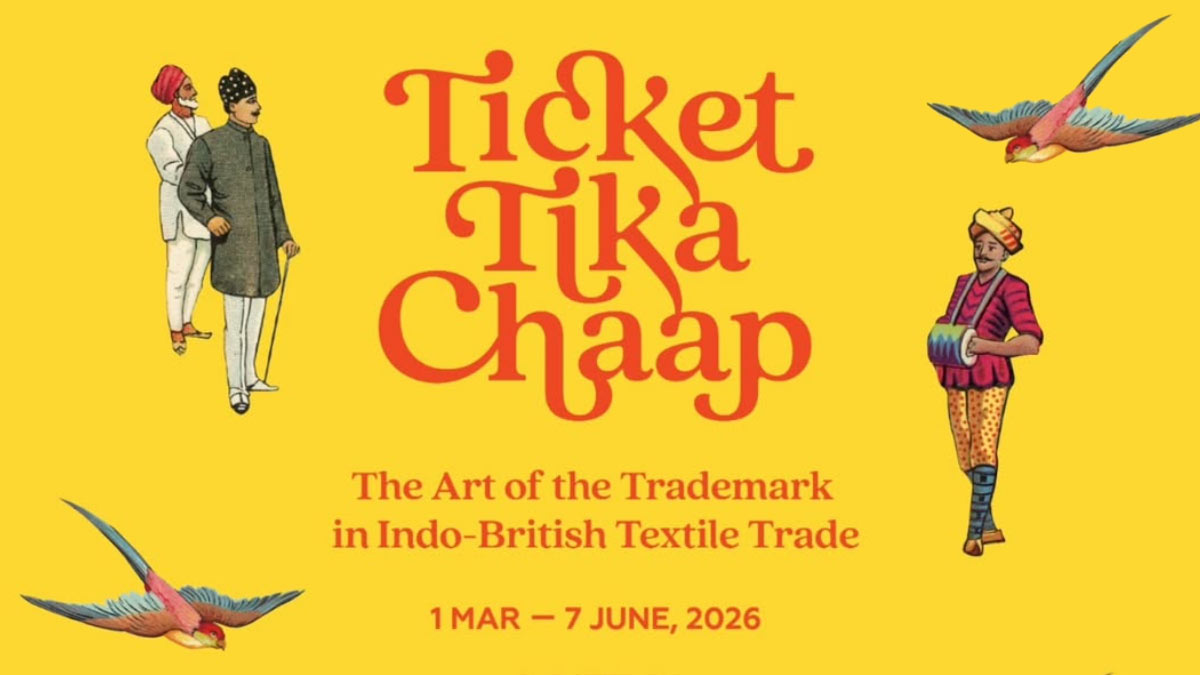
The Dr. Bhau Daji Lad Museum, Mumbai, in collaboration with the Museum of Art & Photography (MAP), Bengaluru, is presenting the exhibition “Ticket Tika Chaap: The Art of the Trademark in Indo-British Textile Trade.” The exhibition runs from 1 March to 7 June 2026 at the museum’s Special Project Space. Curated by Nathaniel Gaskell and Shrey Maurya, the show brings together a collection of historic textile tickets that reveal how imagery was used to promote cloth in colonial-era markets.
Visitors can learn more about the organisers and the exhibition through the official pages of the Museum of Art & Photography and the Dr. Bhau Daji Lad Museum.
Event in a Glance
Aspects
Details
Event Name
Ticket Tika Chaap: The Art of the Trademark in Indo-British Textile Trade
Dates
1 March – 7 June 2026
Venue
Special Project Space, Dr. Bhau Daji Lad Museum, Mumbai
Organisers
Dr. Bhau Daji Lad Museum in collaboration with the Museum of Art & Photography (MAP), Bengaluru
Curators
Nathaniel Gaskell and Shrey Maurya
Exhibition Focus
Historic textile tickets and branding imagery used in Indo-British textile trade
Key Themes
Early branding, chromolithography, colonial trade, visual culture of textile markets
The exhibition focuses on brightly coloured paper labels that were attached to bolts of cloth sold in bustling Indian bazaars during the 19th and early 20th centuries. Known by several names, textile tickets, shippers’ tickets, tika, tikat, chaap, or mark, these labels were printed using chromolithography and featured elaborate images designed to attract buyers.
These labels accompanied cloth imported from British mills as well as Indian factories, becoming an early form of branding and visual marketing in the textile trade.
Highlights of the Exhibition
The exhibition presents these labels not just as commercial tags but as objects that reflect historical trade and culture. Key aspects explored in the show include:
The role of textile tickets as trademarks and early advertising tools in colonial markets.
How colourful images of deities, rulers, animals, ships, and mythological scenes were used to appeal to local buyers.
The influence of Manchester’s printing industry, which produced many of these labels for global textile trade.
The connection between art, commerce, and colonial economic systems during the period.
Research shows that thousands of these labels circulated across markets, helping merchants build brand recognition and trust in a multilingual environment where imagery communicated more effectively than text.
Many of these tickets were small, postcard-sized prints that carried vivid imagery and decorative borders. Over time they were valued not only as advertising material but also as visual artefacts reflecting changing social and political contexts. Some were even collected and used as decorative or devotional images in homes.
The exhibition draws attention to how these labels helped shape the visual culture of consumer goods and influenced the development of branding in the textile industry.
What Visitors Can Expect
Visitors to the exhibition will encounter:
Historic labels printed in rich colours through chromolithography
Images inspired by mythology, royal portraits, and modern technology of the time
Archival material showing the global reach of Indo-British textile trade
Insights into how visual imagery shaped consumer perception and brand identity
Through these objects, the exhibition reveals how trade, art, and communication intersected during a period of intense economic and cultural exchange.
Takeaway
“Ticket Tika Chaap: The Art of the Trademark in Indo-British Textile Trade” offers a detailed look at how simple paper labels became powerful tools of marketing and storytelling. By examining these colourful tickets, the exhibition highlights the complex relationship between colonial trade networks, visual culture, and the rise of modern branding. For visitors, the show provides a rare opportunity to see how design and commerce interacted in India’s textile markets more than a century ago.
Mado Studio in Kochi will host a curated art pop up from 13th to 15th March. The exhibition will run daily from 11 am to 7 pm at the studio space in the city. The show is curated by Srila Chatterjee and will feature original artworks available from Rs 3000 onwards.
Thangka, Pichwai, Pattachitra, Gond, Ajrakh, Sohrai prints watercolours contemporary paintings
Architecture Studio Hosts Art Event
The event is being presented at Mado Studio, an architectural and interior design practice based in Kochi that works across residential commercial and hospitality spaces. The studio was founded by architects Shreya Mathew and Siddharth Dominic and focuses on creating thoughtful design environments. Visitors can learn more about the venue at the official website of Mado Studio.
Artworks from Across India
The exhibition brings together artworks from artists working across different regions of India. The collection includes works inspired by artistic traditions from Ladakh, Rajasthan, Bengal, Central India, Gujarat and Kochi. The exhibition also features a mix of mediums and visual styles that reflect the diversity of Indian art practices.
Folk and Contemporary Art Together
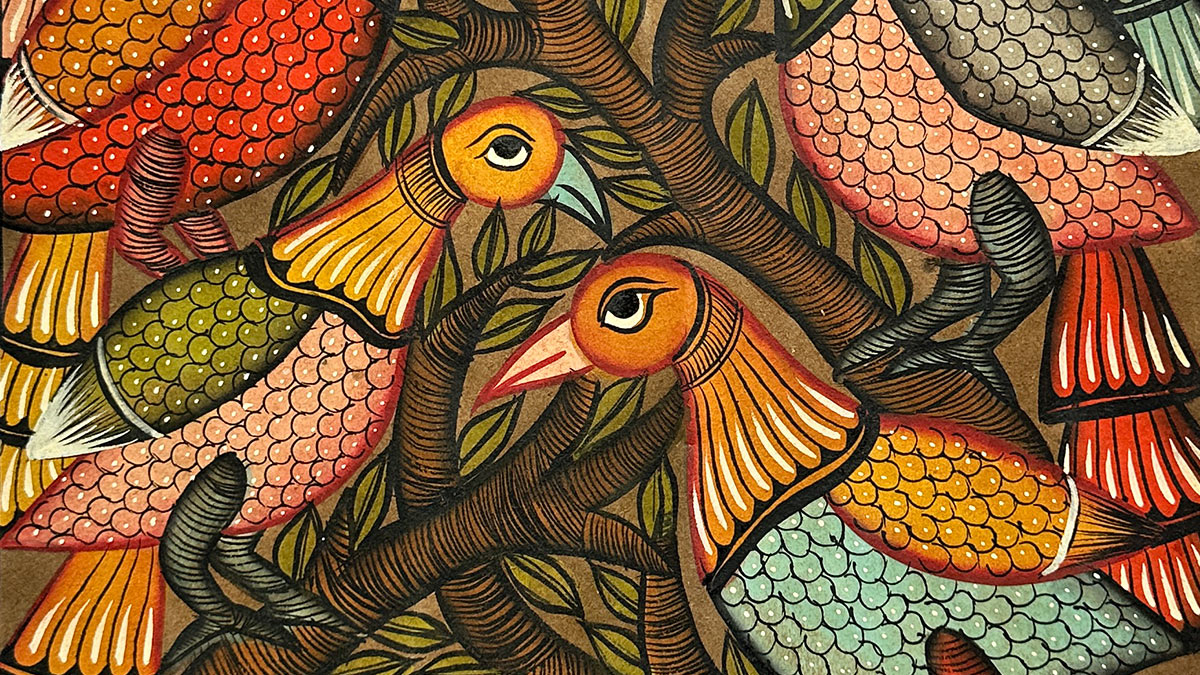
Visitors will find traditional and contemporary forms displayed together in one space. The collection includes Thangka, Pichwai, Pattachitra, Gond, Ajrakh, and Sohrai artworks along with hand pulled limited edition prints, watercolours, contemporary canvases and art objects.
Artists Featured in the Show
The exhibition includes works by well known artists such as Venkat Raman Singh, Shyam and Jogen Chowdhury. Alongside them the show features contemporary practitioners including Ruchi Bakshi Sharma, Zainab Tambawalla and Tushar Tanwar among others. This mix of artists reflects both established traditions and emerging voices in Indian art.
Making Art Accessible
The curatorial approach behind the exhibition focuses on accessibility and everyday engagement with art. All artworks on display are original and certified. By keeping the price range accessible the exhibition aims to encourage new collectors and audiences to experience art in a more approachable way.
Takeaway
The art pop up at Mado Studio offers visitors in Kochi an opportunity to explore artworks drawn from different regions and traditions of India. By bringing together folk masters and contemporary artists the exhibition highlights the continuing dialogue between heritage and modern artistic practices.
A Celebration of Children’s Literature and Imagination
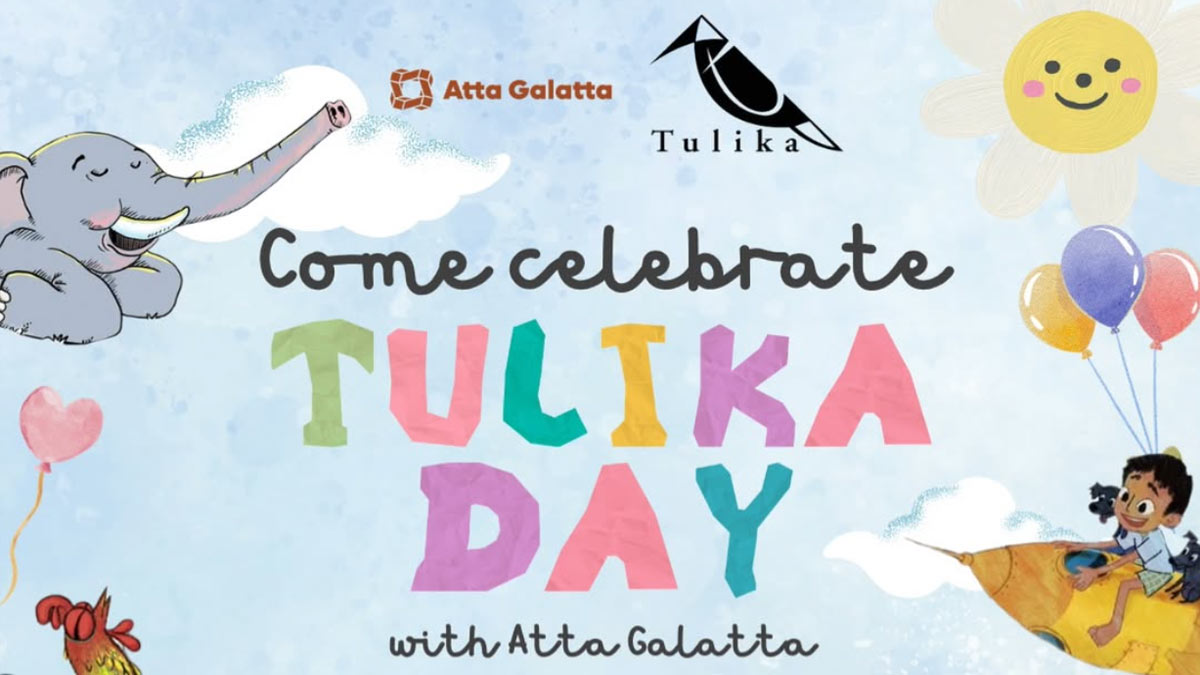
Atta Galatta is set to host Tulika Day, a vibrant children’s festival celebrating 30 years of Tulika Books. Scheduled for Saturday, 21 March 2026, from 10:00 AM onwards, the event promises a day filled with stories, imagination, laughter, and interactive activities designed especially for young readers.
Honouring Three Decades of Tulika Books
Tulika Books, known for its engaging and diverse children’s literature, marks its 30th anniversary with this special celebration. Over the years, the publisher has played a significant role in promoting multilingual storytelling and culturally rich narratives for children across India.
A Day Filled with Stories and Creative Fun
Tulika Day aims to create an immersive environment where children can explore the magic of books through storytelling sessions, playful learning, and imaginative activities. The festival encourages young participants to discover the joy of reading while engaging with stories in a lively and interactive setting.
The event is designed as a family-friendly experience where children and parents can share moments of creativity and discovery. While the festival focuses on children’s participation, two parents are allowed to accompany each child, making it an inclusive celebration of literature and learning.
Flexible Passes for Festival Access
Visitors can choose between day passes and half-day passes to attend the event. While individual session tickets are not available, the day pass offers access to all sessions throughout the festival, while the half-day pass provides entry to morning and evening sessions.
Only children require tickets; two parents can accompany each child
Conclusion
As Tulika Books celebrates three decades of inspiring young readers, Tulika Day at Atta Galatta promises to be a joyful gathering of stories, creativity, and community. By bringing children, families, and books together, the festival highlights the enduring power of storytelling to spark imagination and nurture a lifelong love for reading.