Anyone who lives in India or has eaten Indian food knows that it contains a lot of Indian spices and the dishes are very colorful. India has a huge variety of food which includes different kinds of curries, cuisines, and various flavors as they like to use a lot of fragrant spices and herbs which add to the flavor and color of the food. There are a lot of reasons why Indians love food so much because they have recipes passed on from generations after generations which they like to improvise and evolve. The spices and the ingredients that we use in our food make it extremely healthy and nutritious. In India, no occasion like weddings or birthdays is complete without food.
Fortunately, Indian food is very delicious and addictive and it comforts us. Here we will take a look at the different types of Indian curry.
Pasanda is the type of curry which is usually made with almonds, cream, coconut and is very mild in spice. The Shahi Mughalayi dish was initially made with the leg of lamb or goat flattened into strips, but now it is also made with prawns, chicken, paneer, etc. Pasanda is generally white but people also add turmeric to it which gives it a yellow color. It is a sweet dish and is made with a little bit of spice. For seasoning, peppercorns, garlic, cardamom, and cumin are used. After cutting and flattening the meat, it is marinated in rich and creamy almond coconut sauce with yogurt and spices. After which it is cooked and fried with other ingredients such as onions, coriander, and more spices like cinnamon and black pepper.
It is mostly served with flaked almonds on the top and white rice or naan bread on the side. As the word ‘Pasanda’ also means ‘like’ in English, this is the kind of dish which is liked by everyone from children to adults.
This traditional Indian dish is very rich and creamy and is made using almonds and coconut and so, it is very similar to Pasanda but the difference is that this curry includes saffron which gives it a nice pale yellow color. This curry is also very mild in spice and it has a sweet flavor to it. Korma can be made using any kind of meat like lamb, beef, chicken, goat and some may even include vegetables like spinach and turnip. The meat and vegetables are smothered in water or stock, yogurt or cream.
The main ingredients and spices of the dish include yogurt, coconut, almonds, cashews, ginger, cardamom, cinnamon, and cumin. The vegetables or meat are marinated in the yogurt or cream mixture and then cooked in the gravy using coconut milk. The vegetarian alternative to this dish is Navratan Korma which includes nine different vegetables.
Originating from Bengal, Jalfrezi is the most popular Indian curry and not only in the Indian subcontinent but in the UK as well. It has appeared in British India’s cookbooks. Jalfrezi is the first dish in India that has red peppers in its sauce. It involves pieces of meat, fish, or vegetables marinated and fried in the spiced oil. The dish includes sweet peppers, tomatoes, and onions, coconuts, and spices which are cooked together. The sauce is a dry and thick one. Jalfrezi uses leftovers to create a spicy curry filled with fragrant herbs and spices. The word ‘Jalfrezi’ itself means spicy food and stir-fry. This Anglo-Indian fusion dish is typically cooked with chicken but one can replace the meat with paneer too.
The infamously – spiciest Indian curry dish, Vindaloo hails from the Goa region of India and is influenced by the Portuguese traders who visited during the 16th century. The Portuguese prepared the curry using wine and garlic but the Indian chefs replaced the wine with palm vinegar. The word ‘vindaloo’ is evolved and derived from a Portuguese term and it means wine and garlic. The dish can be made using several types of meat but Pork Vindaloo is the most popular one. The curry is made from tomato, chili, and cumin. It is a hot, sweet, and sour type of curry. Vindaloo is a heavily spiced dish and those who love to eat very spicy food will find it delicious.
This meat dish of Kashmir origin is an authentic Indian lamb curry. The word ‘Rogan’ means oil and ‘Josh’ means heat and so the dish consists of cooking the meat in oil which is at intense heat. Rogan Josh is known for its thick red sauce and the red color but the spiciness of the dish depends on how one makes it. It is full of flavors as the onions are caramelized and the spices are roasted. The meat is marinated and added to the sauce. This spicy red sauce is made using tomatoes, cardamom, and a lot of Kashmiri Chilli Powder which gives the curry the redness.
Rogan Josh is traditionally made using lamb or mutton but nowadays, people have started making vegetarian versions of it in which they include paneer, tofu, potatoes, mushrooms, cauliflower, vegetables, etc. Another meaning of the word ‘Rogan Josh’ is ‘red meat’ or ‘red juice’. The dish is best served with naan bread or parathas and plain basmati rice with fresh salad.
Indian cuisine comprises a lot of curry-based dishes. The spices used in the curries have antibacterial properties and antioxidants. The spices give the curry delicious flavors and make it very healthy and nutritious. There are a lot of types of Indian curries that cannot even be counted and this is only a very small part of India’s rich culinary heritage. So, which Indian curry do you like the most?
A true paradise on Earth, Kerala has always been a traveler’s destination. It is blessed with a perfect flavorsome cuisine, friendly population, and plenty of natural beauty, moreover, has stunningly beautiful cultural arts. Kerala also has a unique and distinctive history comprising of several rulers and dynasties. Visiting Kerala will surely provide you valuable insight into the historic events that led to the unfolding of the current state, as well as the serene beauty of it. Here is a guide to some of the best attractions and historical places in Kerala to make your visit even more memorable.
Also known as the Kannur Fort, this spectacular fort was built as early as 1505 under the leadership of Francesco de Almada (Portuguese viceroy). This fort faces the magnificent Arabian Sea and is under the Archaeological Survey of India for its maintenance. The interesting history which led to its construction states that when Vasco De Gama had visited India for the first time, he received a piece of land from the local king. When De Gama decided that he wanted to build a settlement over it, he handed over the construction responsibilities to Francesco De Almada. The Kannur Fort is an important tourist destination in Kannur attracting several visitors each year.
Famous all over India as the ‘Dutch Palace’ due to being built by the Portuguese in 1555, this Palace is now turned into a museum. The architecture of the Palace is mostly inspired by the Nalukettu architecture (traditional architecture of Kerala) with just a tint of European influence. This Palace, although was originally constructed by the Portuguese, was presented as a gift to the then king of Cochin. Visit the Palace to have a closer peek into the lives of the Cochin Rajas.
Located in the Wayanad district of Kerala, these caves are the broken fragments of our ancestors. They consist of wall paintings from the Neolithic Age and the paintings which are deemed to be from the Stone Age are said to be the only ones in all of South India. The structure of the caves suggests that they are more of a cleft; they were formed by a gigantic split in a comparatively larger rock. The Edakkal Caves are a great way to learn about the way the early man lived and behaved. A must-see spot!
4. Bekal Fort
Image/Yoosaf Abdulla/Pixabay
Fun Fact: Bekal Fort happens to be the largest Fort in Kerala in terms of area. This incredible fort is made up of laterite stones and is situated on the shores of the Arabian Sea. Many people suggest that it was built by Shivappa Nayaka, and has been under the dominance of several rulers from the Sultans to the British Raj. Originally, the Bekal Fort wasn’t meant to house any administrative activities, therefore does not contain any mansions within. However, being a fort primarily built for defense purposes the Fort does exhibit several features for the same. Also visit the Observing Tower and Bekal Beach situated near the Fort, while you’re still there!
Getting its name when Tipu Sultan took over the region and utilized the Jain Temple there as a ‘battery’, this peaceful town yells historic significance. It is situated in Wayanad and was earlier called Ganapathivattom. Upon its invasion, Tipu Sultan had also built a fort in the region. Sadly, this fort now remains in ruins and unavailable for the public eye. The splendid natural bounty of the town, along with its historical heritage is what drives its tourism. With plenty of accommodation services and transport facilities, you are sure to have a leisurely trip to this quaint town!
Kerala is extensively known for its immense faith and pilgrimage centers. It is extremely famous and the main deity in this temple here is Lord Subramanya. According to popular legends, Lord Ram accompanied by Lakshmana and his devotee Hanuman stopped here on their way to rescue Sita. It was Lord Ram who wanted to consecrate the Lord Subramanya idol in his place. Therefore, he sent Hanuman to find an idol for the same. However, when he failed to arrive at the correct time, Lord Ram consecrated his Peruvala, eventually gaining the name Peralassery. The temple pond is impeccably built and is considered a prime devotional site.
Located in the famous city Kozhikode, the Pazhassi Raja Archaeological Museum is a wonderful art gallery showcasing items from the Indus Valley civilization and the megalithic age. These collections include pottery, stones, metal sculptures, stone statues, and many more structures from ancient times. The museum is present in a house that was earlier termed as East Hill Bungalow. Witness the extraordinary historical artifacts found here!
Erstwhile declared as an important trading center under the Europeans, this ancient fort was constructed by the initiative of the East India Company. It was built as a symbol of colonial power in 1703 and played a significant role in the economical and military activities during the colonial reign. The Thalassery Fort is built squarely with artistic carvings on the doors and walls. The glorious stories, secret pathways, and unique architecture are worth exploring. Spend a good amount of time discovering the Fort to have a great time with your family.
This amazing Synagogue is situated in Old Cochin and was built by Jews who used to occupy the Jew Town area. The place has phenomenal architecture and a classy interior comprising of the antique chandelier, hand-painted tiles, and imported lamps. In one of the 7 Synagogues, several tourists are attracted to the lavish decor and grand architecture. A truly impressive place to be!
Enter the St Francis Church and you enter the oldest existing European church in India. Constructed in 1503, the Church has a modest and simple style of architecture. The famous explorer Vasco Da Gama is buried in the yards of this ancient Church in 1524 (Remains were sent to Portugal in 1538). Moreover, this Church is maintained by the CSI (Church of South India) and remains an important component of Kochi tourism.
These heritage sites provide an interesting side to the state of Kerala. History forms a significant part of our lives and is ever-present. Indeed, the lessons we learn from these sites form an important part of our cultural identity. Explore these beautiful places and enjoy the various local stories they have to offer.
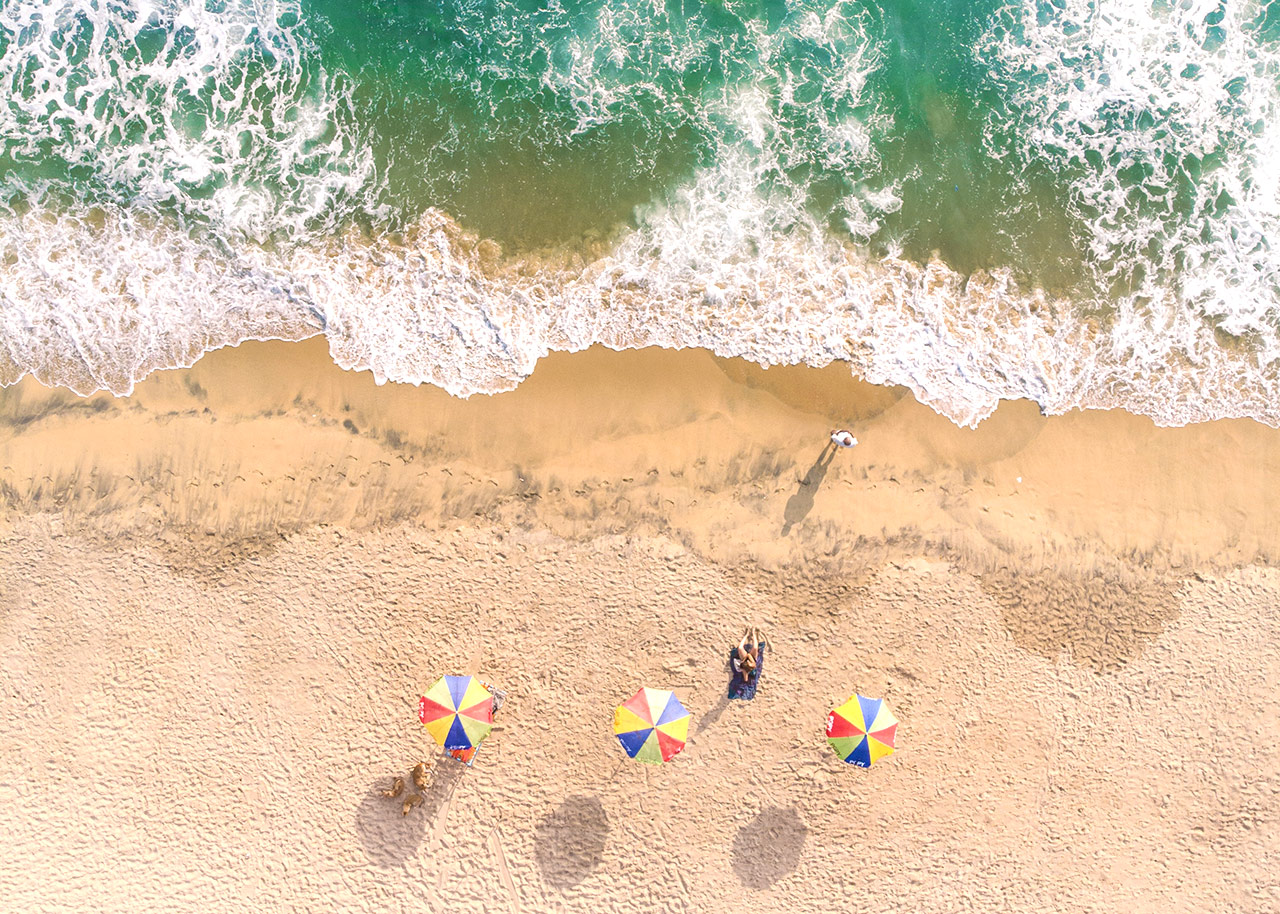
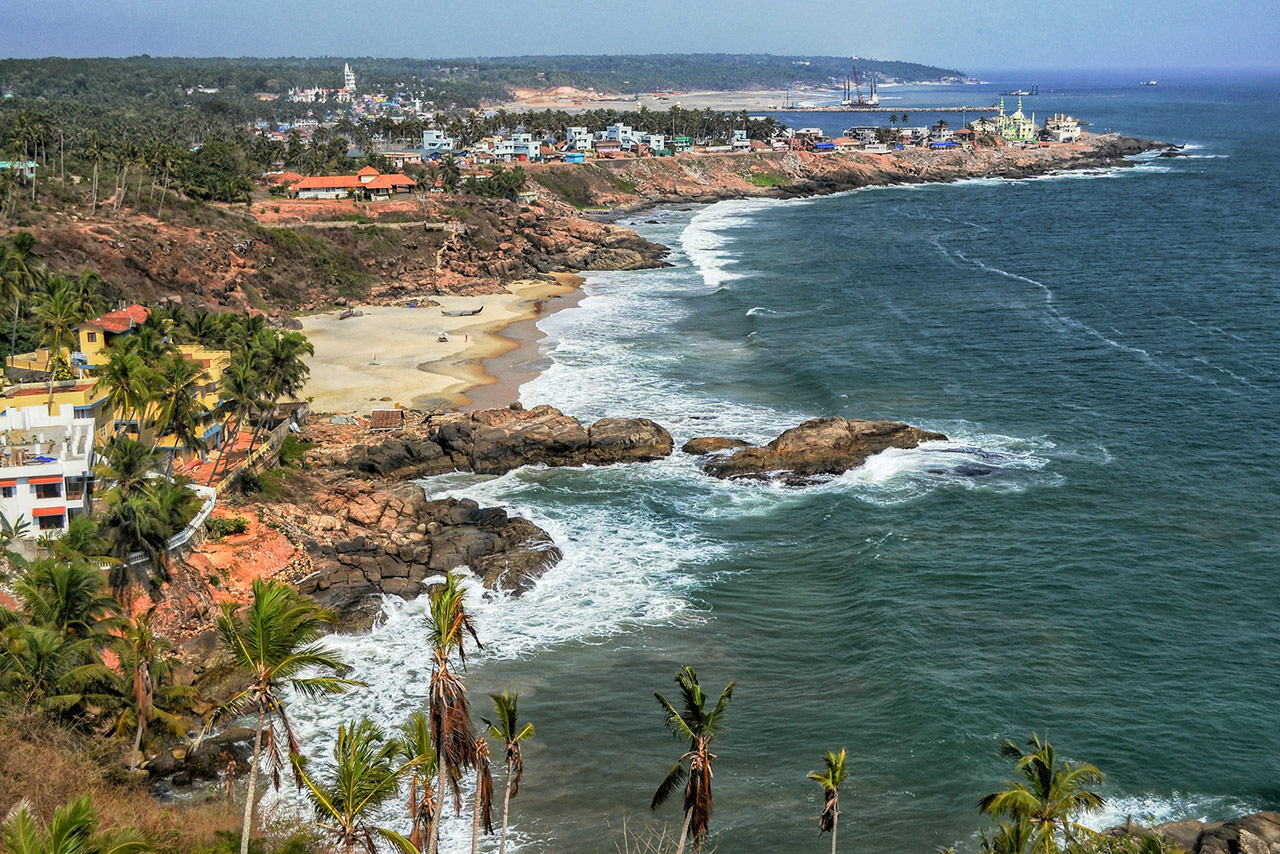
Beaches are one of the best places to relax and de-stress and are a staple holiday destination. Lined with tall, green palm trees, beautiful golden sand and a heartwarming view, the beaches in Kerala are a must-visit. Having in-store a boatload of fun for every person, these beaches never fail to impress. So attractive are these beaches that you are sure to loathe leaving these seashores. If you visit these beaches with your family or friends to witness the natural bounty of the state of Kerala, make sure to check the below-listed places out. Believe me, you won’t regret it.
Situated in the grand city of Trivandrum, the Kovalam Beach is world-renowned. When you visit this beach, you are sure to notice its best feature: coconuts. The tall palm trees and wide seashore will leave you awestruck. The Kovalam Beach is large in size and comprises three smaller beaches known as the Hawa beach, Lighthouse beach, and Samudra beach. Especially famous amongst the Europeans, Kovalam beach offers various water sport activities, spa centers and one can also pay a visit to the nearby tourist attractions. A popular beach for the right reasons, indeed!
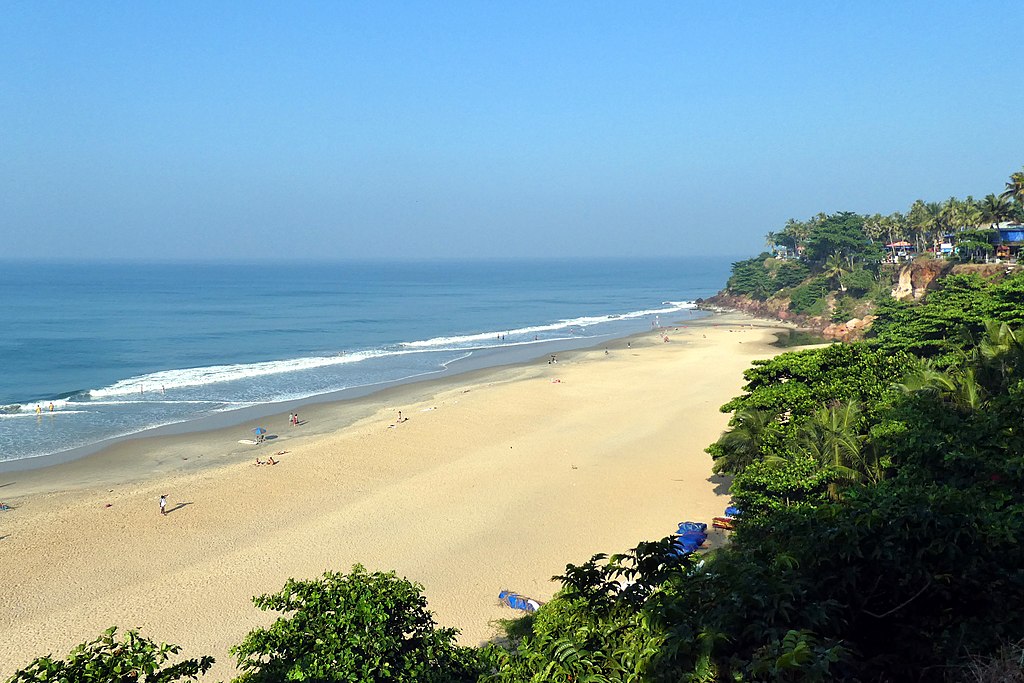
Varkala beach is located on the outskirts of the capital city of Thiruvananthapuram and is highly famous for its clean surroundings and refreshing greenery. It is alternatively known as Papanasam beach due to an interesting belief which states that dipping in the waters of Varkala will wash off the sins that you have committed. This beach is a popular honeymoon site with plenty of adventure activities for thrill-seekers. Unwind in the precious serenity that the Varkala beach has to offer.
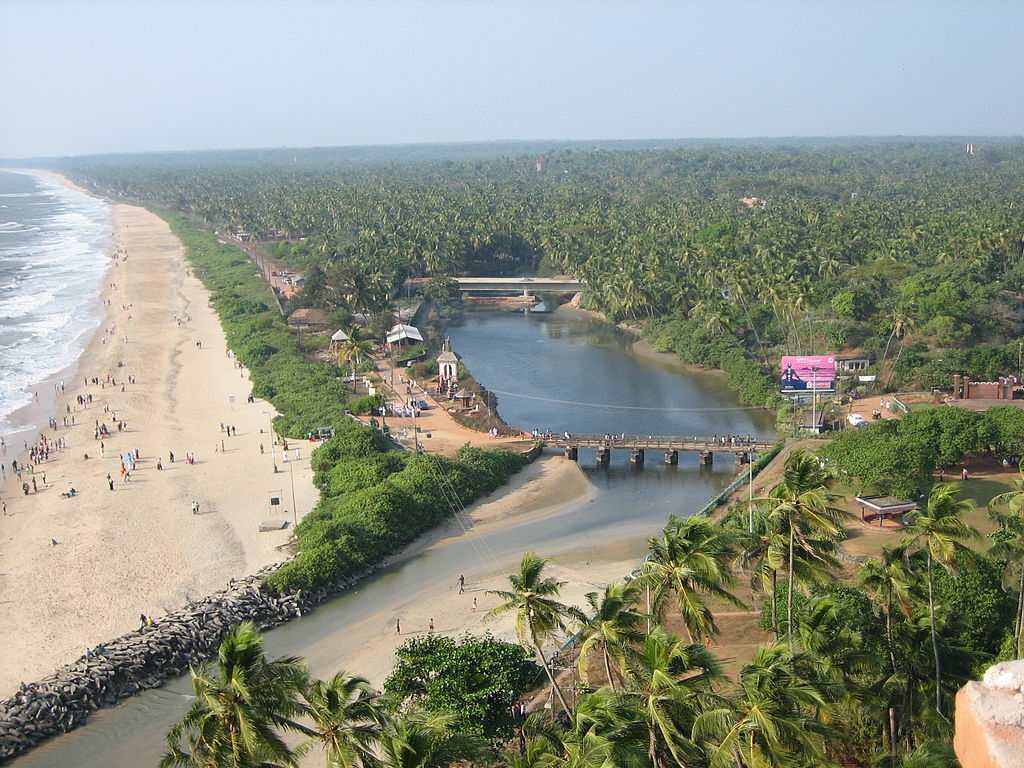
The epitome of picturesque beauty, Chavakkad Beach is a great destination for you and your family. Nestled in Thrissur, this beach has an estuary. This means that here, a river meets a sea; and this unique characteristic is locally called Azhimukam. Enjoy the tranquil waters, take a dip in them and you are guaranteed to be mesmerized!
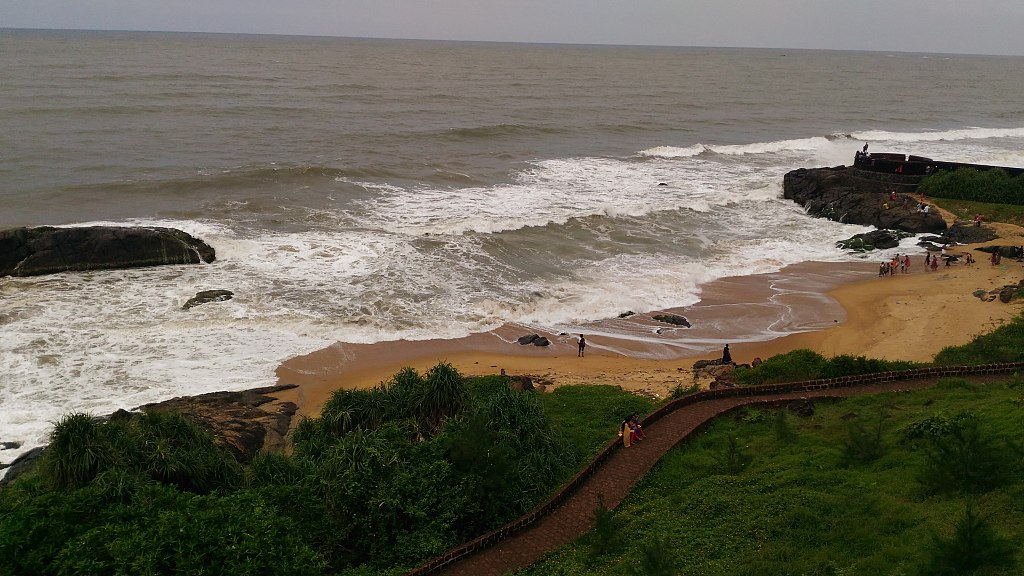
You cannot leave Kerala without paying a visit to this magnificent heaven. Located in Kozhikode, this beach has unique rock formations and has always been a dream for most travelers. Aside from excelling in natural beauty, this beach also has historical significance. The famous explorer Vasco Da Gama walked the shores of this beach for the time while stepping foot in Kerala. A quaint destination for relaxation, you will feel amazed at the beauty of this beach.
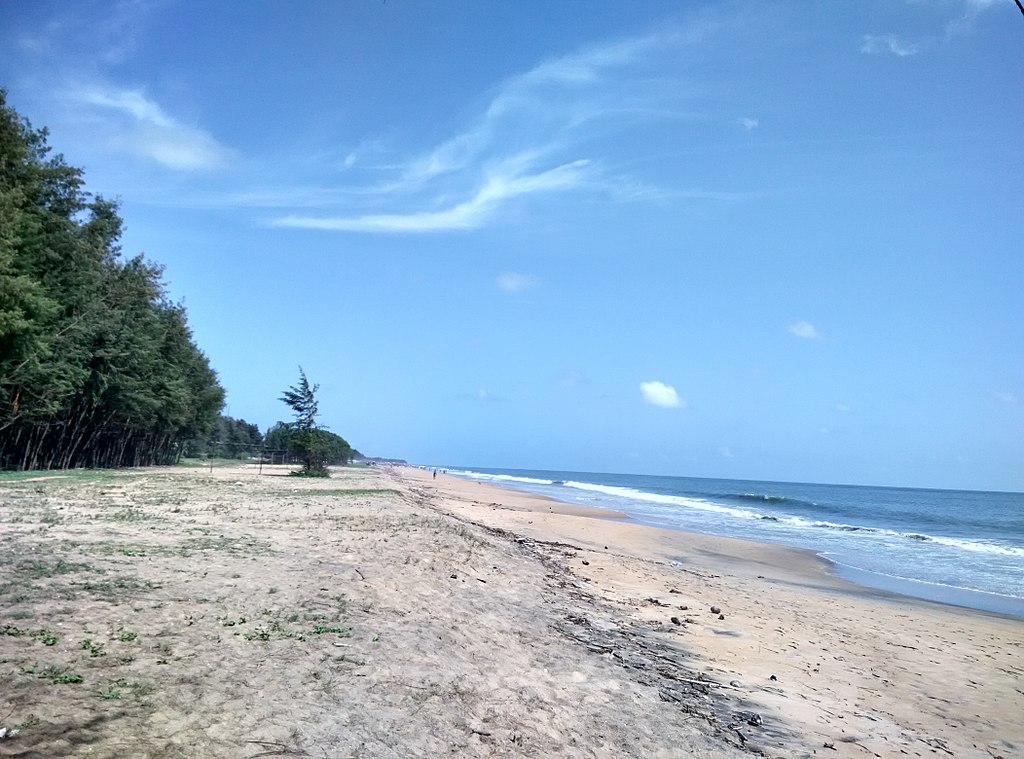
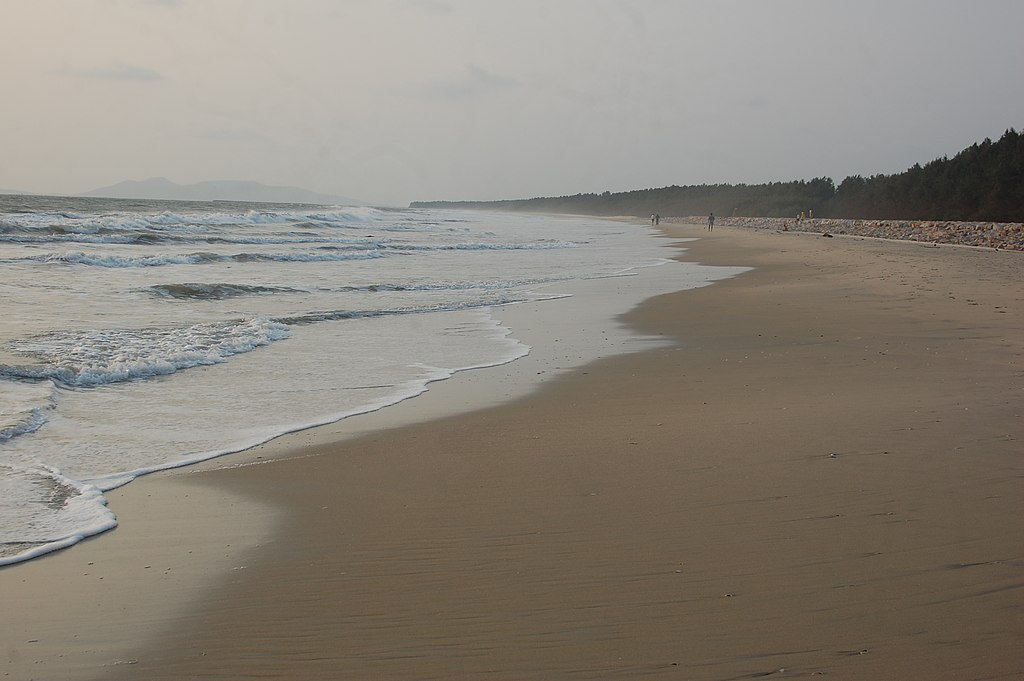
Situated near Kannur, the Payyambalam Beach is an escape route from the usual monotony of city life. Step into this destination and you’re sure to fall in love with it. An extremely long stretch of land, enjoy long walks on the shore and sunbathe under the glaring sun. A favorite amongst the tourists, this beach also offers activities such as surfing and snorkeling. End your day by snacking at one of the many restaurants for a satisfying visit.
Known for the fascinating view of sunsets and sunrises that one can see from this beach, the Meenkunnu beach is truly captivating. As soon as you walk into the beach, the vast Arabian ocean and golden sand welcome you. This is a wonderful holiday spot and should be a part of your holiday package. Unravel in the soothing views of the beach as you let go of your worries!
A splendid situated in its namesake city, this beach is a breath of fresh air. It is highly famous in Kerala and is used for the conduction of public gatherings. Interestingly, the road which leads to the beach was named ‘Gandhi Road’ after Mahatma Gandhi’s visit in 1934. There are various tourist attractions at a short distance from the beach, such as Nadappuram, Murad River, Thuraserikkuadu Island, and many more. Also enjoy the activities on the beach namely, the Lion’s Park (park and aquarium), Dolphin Point, the famous Lighthouse, water sports, and fishing. To get to the best part of the trip that is eating, the Kozhikode beach offers several options for dining out and accommodation for its numerous visitors. Bon Appétit!
A tiny beach located on the shores of the Arabian Sea is all you need to have a good time. Release your stress and worries into the rejuvenating air of the Bekal beach. The major attractions of the place include several local forts, temples, and a stunning collection of caves known as Nityanandashram Caves. Experience the panoramic views and heartwarming hospitality of the locals when they offer their local drink ‘Payasam’ to you. A well-deserved break is needed now and then, no?
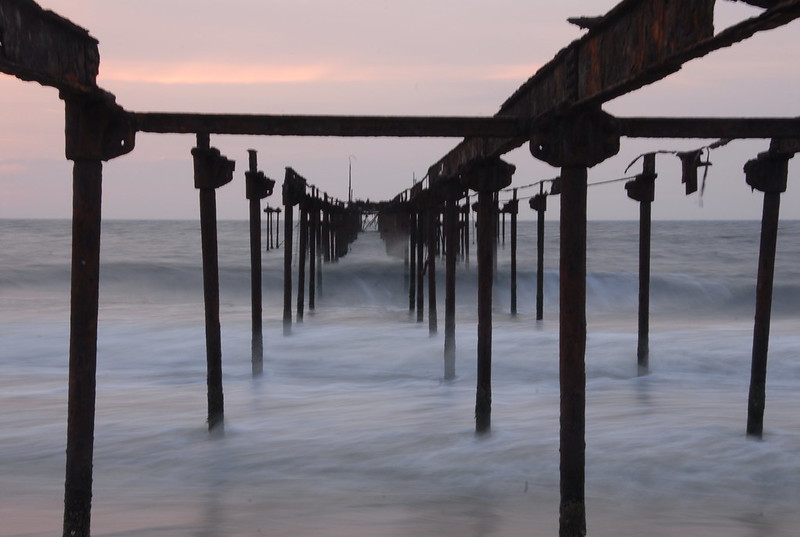
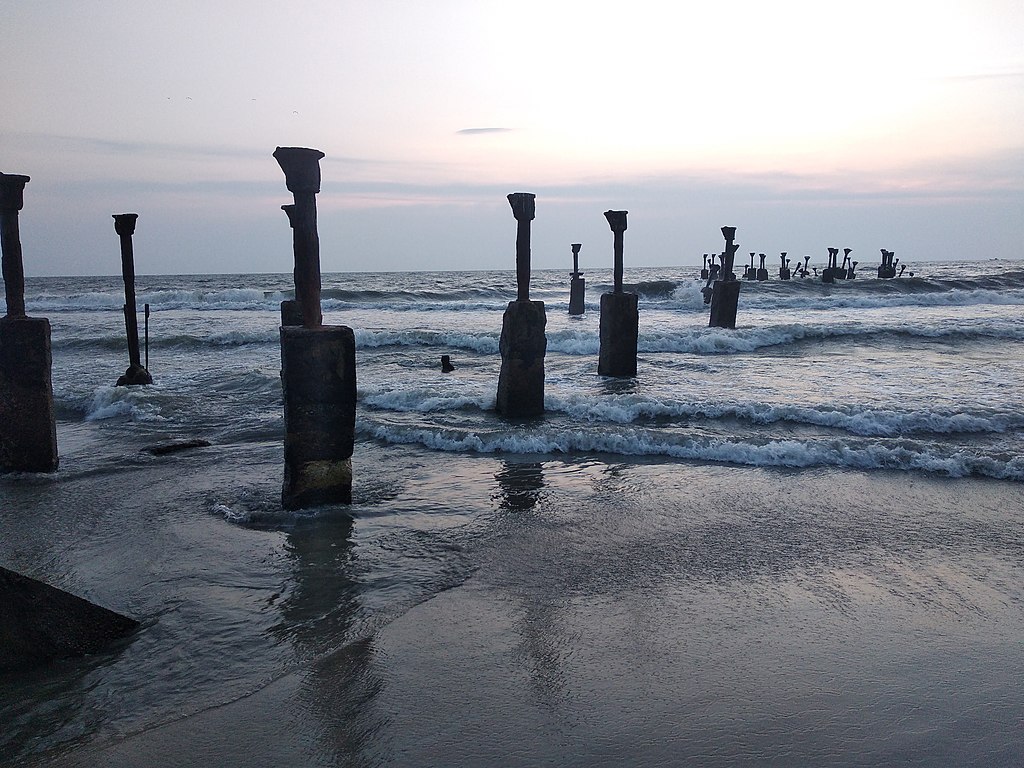
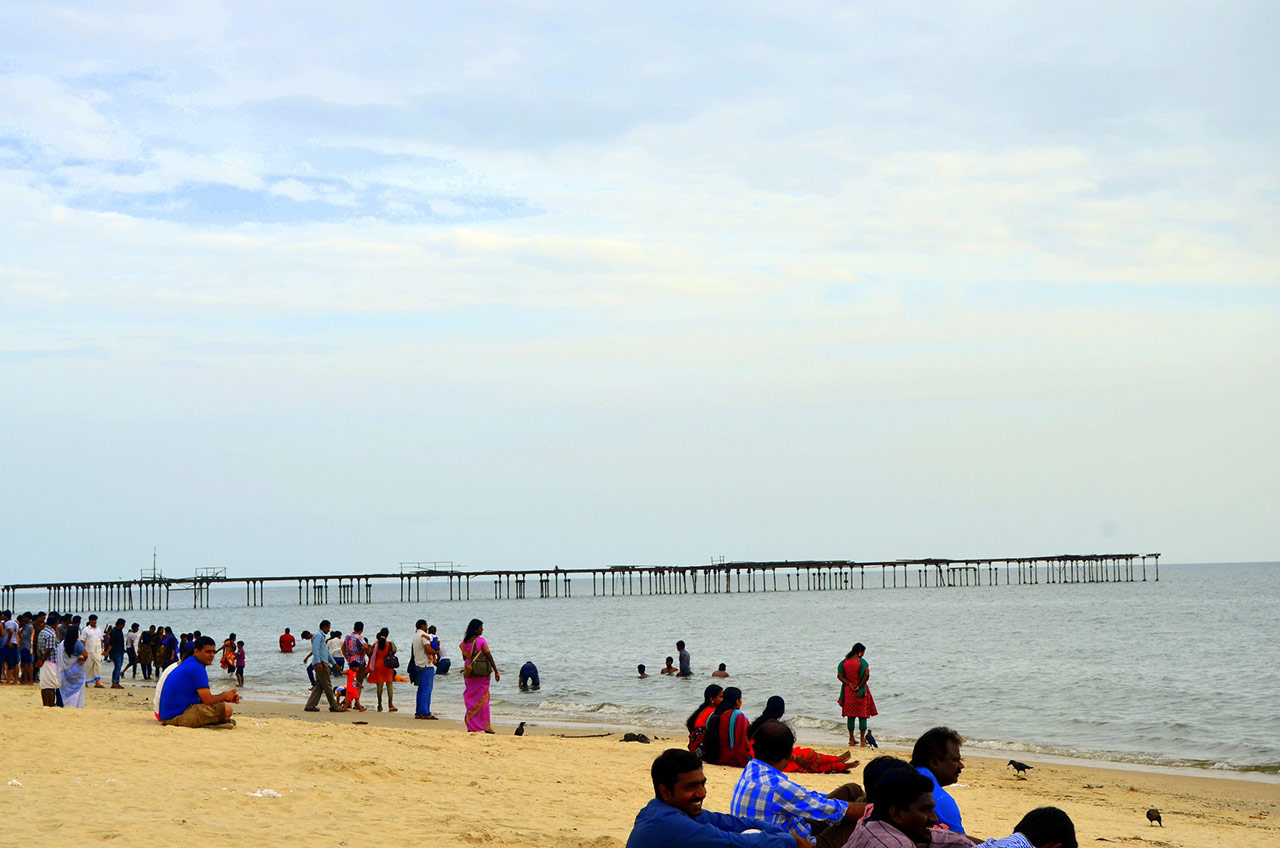
The Alappuzha Beach is one of the most visited and well-famed destinations in the Alappuzha town. The pier extending over the sea has been present for over 150 years! Relish in the exquisite view of the sunset with your family and loved ones and pay a visit to the Alappuzha Lighthouse near the beach. Moreover, youngsters and artists frequently visit the beach to attend the annual Alappuzha beach festival. Also famous is the International Sand Art Festival which was held on the beach in 2015.
10. Neendakara Beach
Image/Wikimedia
We all know that Kerala is highly famous all over the world for its seafood. The Neendakara beach is a famous fishing dock situated in the Kollam district. The village is connected by the Neendakara bridge to Sakthikulangara (a neighborhood in Kolham) and is a prime spot for the sale of fresh fishes. Hideout in this fabulous place to witness the wonderful natural beauty that the beach is blessed with.
Needless to say, these beaches can never grow old. The alluring beauty of Nature is evergreen and is a great way to keep ourselves healthy and fresh. Pack your suitcases and plan a getaway to your favorite beach as soon as possible. Trust me, it’s all worth it!
Reptiles can be excellent pets. Sadly, inexperienced owners get overwhelmed when they begin to understand how costly and complicated it can be to take care of them. Even experienced reptile owners can go home with incomplete and sometimes even incorrect information from pet stores when it comes to the proper care for their pets. And that can lead to surprises and very bad consequences.
If you are thinking about getting a reptile, you need to know about their diet and environmental needs, among other things. You might not be aware of how complicated reptiles’ diets can be. Most reptiles tend to feed on some form of animal life, such as insects, superworms, birds, frogs, fish, even other reptiles.
Some reptiles are better for beginners than others because these types of animals have lower maintenance requirements. However, you will need to invest a significant amount of money in buying the proper equipment to take care of your reptile buddy.
Before bringing home a reptile, you will need to do thorough research to decide which reptile you should buy. You need to take into consideration whether you can provide a proper diet, if your house has the proper environment, and most importantly, what you need to know to take care of it. If you are confused about which type of reptile you should get, read on to find answers to all your questions.
1. Lizards
Lizards can be found in almost every pet store. One of the most common types of lizards is the iguana, which is certainly not a good choice for beginners. They get quite large and have a tendency to become aggressive at maturity. Most importantly, their diet and environmental needs do not make them ideal pets.
There are other lizards like Chinese water dragons that tend to have very specific requirements when it comes to their diet, humidity, lighting, and heat. However, there are some lizards that are suitable for pets. Those are:
Leopard Geckos:
When it comes to lizards, leopard geckos are considered to be the ideal choice, especially for beginners, as they are relatively small. An adult leopard gecko can easily fit into a 15-20 gallon tank. They also don’t need specialized (UVA/UVB) lighting, as they are nocturnal. You can feed them a variety of insects for their diet.
Bearded Dragons
Bearded dragons are definitely one of the most challenging of the lizard species. These are mainly found in Australia and can reach a size of 18-24 inches, so you would need a good size tank to fit them in. They are quite similar to frill-necked lizards as both of them are desert dwellers and require relatively high temperatures. As for their diet, you can feed them a combination of insects and vegetables of many varieties.
Many people consider snakes to be a weird choice for a pet, and many are very scared of them. Still, there are some animal lovers out there who have the courage to keep snakes. The biggest hurdle you will face like a snake owner is maintaining a proper diet for it. You need to be willing to feed them whole prey like mice or rats (pre-killed is advisable) which they would have hunted if they had lived in their natural habitat. However, one of the biggest advantages of keeping snakes is that you only need to feed them once a week or less, so you can leave them without a pet-sitter for days. Also, unlike lizards, they don’t have a preference for UVA/UVB lighting. Here are some snakes you can consider for a pet.
Corn Snakes
Corn snakes are beautiful, tamable, and easy to handle. They can reach an adult length of three to five feet and are expected to have a lifespan of 10 years or more. However, keep one thing in mind: They are excellent escape artists, so you will have to keep them in a container with a tight-fitting lid.
Ball Pythons
Ball pythons are a type of small constricting snake that is quite docile and can easily be taken care of. Maybe that is one of the reasons they are the most common kind of pet snake. They are expected to have a long life, spanning from 20-30 years. However, they’re known for throwing tantrums when it comes to their diet, so make sure to buy a ball python that is healthy and captive-bred.
Last on my list of recommendations is turtles.Many might consider them boring. But they can actually be wonderful pets, especially for children. Then again, it can be tough to fulfill the housing and environmental needs of most turtles, especially aquatic turtles, and tortoises. Keeping a turtle can be a lot of work, so don’t get one if you are not willing to put in the time. Here are some type of turtles you can get:
Red-eared Slider
Red-eared sliders are the most common aquatic turtle species because they are active, friendly, sociable, and easily available. Generally, they are housed inside, but as they mature, they can be housed outside too. They tend to have a long lifespan of around 50 years if they’re taken care of properly.
Eastern Box Turtles
Eastern box turtles aren’t very large and look like tortoises. They tend to have long lifespans. Unlike red-eared sliders, they don’t have aquatic requirements, so their maintenance is low. They’re very adaptable creatures so they can live both indoors and outdoors and can survive on both plants and insects.
Pets provide companionship that we all crave. But we need to remember that having a pet is a huge responsibility, so we owe it to them to do the research and acquire the knowledge to provide them the best care possible. Reptiles can be great pets when they bond with their owners, and they can be pretty easy to care for. I hope this article will help you choose your ideal reptile.
Kerala during the festival season is at its peak! The state simply lights up due to the beautiful decorations all around, as well as the fanfare of the enthusiastic residents who gather together to celebrate the renowned festivals of the state. Being there to witness the magnificent festivals of God’s Own Country is truly a privilege, for this wholesome experience is one that will be etched onto your hearts and souls forever. However, for now, it seems you might have to live vicariously through words that truly aren’t enough to describe the ineffable splendor of these festivals.
Let us commence this vibrant journey with Kerala’s very own: Onam. This is a ten-day festival from Atham (the first day) to Thiruvonam (the last and holiest day). Onam is celebrated throughout Kerala with devotees offering their prayers, dressed in traditional clothing, especially women who look elegant in the white and gold saree referred to as Kasavu. At the doorstep of every household, you can observe a beautiful rangoli made entirely from flowers or pookkalam. Additionally, a customary 9-course meal, consisting of 36 dishes called ‘Sadya’ is cooked for this auspicious occasion and is served on banana leaves. This festival also observes the masses participating in boat races, dances, and martial arts. This festival is celebrated to mark the return of Mahabali, a generous and fair ruler of Kerala. Under his reign, Kerala was nothing less than a utopia and his popularity rose which meant a decline for the Devas who were annoyed by the same. To respond to their complaint, Vishnu went on Earth in the form of a dwarf: Vamana, and requested three steps of land from Mahabali who granted his wish. Vishnu then exponentially grew in size and took the steps. The first one over Earth, second over the heavens, and with no space left, Mahabali offered his head as the third step. Vishnu, touched by his act, allowed him to go back and visit his subjects once a year on the day that is now celebrated as Onam.
Kerala is a state that is renowned throughout the globe for its backwaters. One of the major attractions to visit them has to be without a doubt, the enthralling boat festivals. Whether you are participating or merely witnessing, you are surely in for quite a ride. These races are simply captivating with the surrounding fanfare and the constant wonder as to who will win with boats overtaking each other from time to time making it a very close call. The snake boats referred to as ‘Chundan Vallams’ also serve as another charm of this festival. Some Kerala boat races that are a must-visit are the Vallam Kali and the Nehru Trophy Boat Race.
The religious festival of Maha Shivratri is zealously rejoiced throughout the state of Kerala. As per legend, the day marks the night when Lord Shiva performed the infamous Tandava Nritya which is said to have saved the entire world from its doom. Falling between February and March, per the Hindu Lunar Calendar, Maha Shivratri, as denoted by its very name, is a night in the remembrance and commemoration of Shiva. Devotees in large numbers attend the event at the Aluva Mahadeva Temple, in its namesake city, near the banks of River Periyar.
4. Vishu
Image/ Prashant Kv/ Pixabay
Another well-known festival in Kerala is Vishu. Celebrated on the first day of the Malayalam month of Medam, it marks the astronomical new year, and people throughout the state dynamically commemorate the same. It is also considered to be the day when demon Narakasura was defeated by Lord Krishna. An interesting aspect of this festival has to be ‘Vishnukkani’. Kani is a Malayalam word that refers to what is first seen and therefore the object that you first set your eyes upon during the morning of Vishu serves as a determinant of your luck throughout the year. It is because of this the Vishukkani is previously prepared by the women of the family and it consists of lemon, an oil lamp, mirror, Lord Vishnu’s image, and other such items. The family members are blindfolded by traditionally the eldest member and then guided towards the Vishukkani to bring upon good luck. The arguably best part of the festival for any foodie like me is the truly mouth-watering delicacies prepared such as Veppampoorasam (a sour mango soup) as well as Sadya. Apart from this, children also burst firecrackers at night, adding to the joyous day.
5. Attukal Pongala
Image/Wikimedia
The enthralling festival of Attukal Pongala is one endemic to Kerala and is celebrated every year, generally in the Malayalam month of Kumbham, at the Attukal temple, situated in Thiruvananthapuram, the state’s very own capital devoted to its namesake, the Attukal Devi. The temple is filled with hundreds of thousands of devotees and the majority of them are women who revere Devi Attukal and offer her sweets in clay pots including payasam, one of Kerala’s specialties. A special is also executed on this occasion by a crowd of women which is considered to gratify the Devi. An interesting fact about this festival is that it made the Guinness Book of World Records for the largest female gathering with the number going up to 25 lakhs in the year 2009. This festival is truly mesmerizing due to the way the city of Thiruvananthapuram simply glows as well as the celebration of the power of women brought upon by this festival.
The celebration for this festival usually takes place in December or January. This festival is devoted to Lord Shiva and is considered to be the ideal day to worship Lord Shiva. All of Lord Shiva’s devotees go to the temple for the blessing of the Lord.
The festival’s myth is that it honours the death of Kamadeva the God of Love. At 4 a.m. on this day, women start getting up and sing hymns about the God of Love and create a rhythm with their hands splashing water. Finally, women stand gather in a circle around a lamp called Nilavilakku and sing songs in the praise of Kamadeva. For unmarried women, this event is very important since they keep a fast this day and pray for good husbands. You can see temples and the ceremonies on Thiruvathira decorated beautifully. It’s without a doubt one of Kerala’s most important celebrations.
7. Theyyam
Theyyam celebrations are observed in Koyilandi Wadakara Taluk, the Kozhikode district of Kannur, Kasargod and Mananthavadi, and is popular in the North Malabar region of Kerala, mainly in Kolatunada. Between December and April, this 800 years old celebration is commemorated. This is a form of worship displayed in the art of dance. Over 400 forms of dances exist. Some of the great performances include Wayanad Kulaven, Raktha Chamundi and Kari Chamundi. The performer of Theyyam is taught in three phases. The first stage consists of adorning oneself with flowers and colours. They wear a mask, too. The performer is then subjected to self-torture on the second stage. The third level consists of dance.
During the performance, often called the “dance of gods,” mythological stories are dramatised. Performance with breaks could last between 12 and 24 hours. The performer has to observe fast after sunset as the deity and dancer of the temple. Specialists do the make-up of these dancers. The dance ends with the distribution of prasad.
This celebration is one of Kerala’s most renowned temple festivals. It is held in Thrissur’s Temple in Vadakkunnathan. Seven days before the major pooram, the celebration begins with ceremonial flag hoisting, called kodiyettam. People sit atop enormous elephants, completely appointed outside the temple for this very event. It takes 3 days, which takes 36 hours, to make the traditional pujas, ornaments, and to enjoy the wonderful event with amazing fireworks. Thrissur Pooram features many colours and music, mostly to honour Lord Shiva.
Almost 300 000 people from all over India attend this celebration and Kerala is full of people. Therefore, if you’re planning to attend the festival, book good rooftop rooms to watch the wonderful fireworks and a procession. Thrissur Pooram is a loved Kerala Festival for its gorgeous and lively fireworks which are lit all night.
The most significant and spectacular Christian holiday is held for Christmas in honour of the birth of Jesus on 25 December. There are a variety of shows including the Christmas Star, Christmas tree, Crib and Christmas cake, and the Christmas Father. The glittering of the Christmas stars, the magnificent pointer to the Babe from Bethlehem, sets the mood with the season’s advent. Priests hold a mass in churches three times, beginning at midnight with the first. Just before the midnight service, the priest brings an image of the child, preceded by rows of children holding lights in the crib. In the middle of the fireworks, the song “Gloria in exelcis Deo” is sung. In Kerala, Christmas expresses itself in the cultural traditions of the country.
Without a plum cake, Christmas in Kerala is incomplete. Every Christian household has its unique plum cake variant and it must not be missed. The fruit is steeped in wine for about 41 days to form the cake! Besides the cake, wine is also made in the home. Mutton or Chicken Stews & Appams, Kappa Biryani, Kappa stew, Neyyappam, Unniappam and Acchapam, all types of traditional meals that are made. The people of Kerala have recently begun to make a turkey for Christmas.
The Ambalapuzha Arattu festival is conducted in the Sree Krishnaswamy Temple at Alapuzha and blesses the Ambalapuzha Unnikannan. According to the Malayalam calendar, the festival takes place between March and April in the month of Meenam. It’s a festival of 10 days and begins with the ceremonial hoisting of the flag and finishes in an Arattu, meaning holy bath in the asterism of Thiruvonam. The temple is dedicated to Lord Krishna and was built between the 15th and 17th centuries by king Chembakasserry Pooradam Thirunal-Devanarayanan Thampuran.
The festival is well-known for the processions of several ornamented tuskers. Velakali, originally from Ambalapuzha, is a demonstration of music and martial art. The Ambalapuzha Nadakashala Sadya; a ritualist feast on the Pallivetta Day of the festival is another such noteworthy event.
Apart from these, there are various other religious and temple festivals celebrated in the lively state that is Kerala. Right now, anyone would be enticed to buy a ticket to Kerala and celebrate with the welcoming locals their various breath-taking festivals and eat some delicious South-Indian food too. These festivals bring us closer to our culture and roots which we sometimes forget about owing to the hectic nature of everyday life. So, let’s do our best to remember and take in our marvelous heritage. Also, do let us know in the comments section below about your favorite festival in Kerala.
Kolkata is undoubtedly one of the greatest cultural centers in India, also known as the city of joy. The city is the home of contemporary Indian literary, artistic, and Indian nationalism, with unparalleled heritage. The craftsmanship and ideals of Bengalis are extraordinarily rich. The best thing? While in the city, people of all ages will be seen discussing opinions about cricket, movies, theatres, politics, and all that’s under the sun in their “addas” (chats, or moreover, intellectual trade of ideas). Kolkata has always been a prominent contributor to international literature, arts, and music which is obvious from leading names like Bankim Chandra Chattopadhyay and Rabindranath Tagore to their modern patrons. The city also houses scrumptious traditional Bengali food, which is not only appreciated by its people but throughout the world.
Shorshe Ilish is one of the main kinds of fish curry in traditional Bengali food. There is no better way to a Bengalis’ heart than this Hilsa-delicacy based on mustards, one of Kolkata’s many favorite meals. The Ilish is a vital component of the cultural legacy of Kolkata and is available in abundance during the monsoon. The fish is prepared in a thick mustard stew with slit green chilies and rich mustard oil. Ilish and mustard are a soul gratifying combo. The pungent and bold flavor of mustard oil and mustard paste tastes the fish to a different level altogether. It is not just the main diet, but a key dish during any Bengali occasion. Dig into Shorshe Ilish at Oh! Calcutta on Elgin road or at 6 Ballygunge Place.
Mutton (or Mangsho) Kosha is a celebrated Bengali delicacy. The word kosha can be compared to bhuna, which gradually cooks a sauce over a low fire, over a very long time to achieve a rich dark brown color and melt in the mouth chunks of meat. Porota or polao may be offered on the plate. Even with simple white rice, it tastes wonderful. It is a relaxed preparation, which takes time and patience. With ginger-garlic, coriander, cumin seeds, turmeric, and red chilies and curd, the mutton is marinated overnight. At this time salt is not added, so that the marinade can mesh completely with the meat. The salt used would evaporate water and masala from meat, compromising the flavor. The mutton is then slow-cooked and brown in mustard oil, which adds its particular taste to this Bengali delicacy. Golbari at the Shyambazar junction in Kolkata may be the best-known business selling kosha-mangsho in this form.
Daab Chingri is as authentic as a Bengali cuisine gets as we term that mellow mix of slow, cooked prawns and coconut (daab) meat, cooked in a complete green coconut shell. It dates back several hundred pages or more. Cooking Daab chingri is discussed in the book “Thakurbarir Ranna” with ease and nonchalance. “Simply put it into the coconut, and place it in the oven,” types! Daab Chingri is sweet, savory, and made from fresh prawns, marinated in salt and turmeric powder sautéed with fine gravy, onions, garlic, ginger, chilies, poppy seeds, cashews, panch phoron, etc in mustard oil, added to the meal. After transferring gravy and prawns into a coconut shell, a sealed lid is made with wheat flour dough and cooked graciously. Due to it being served in the whole shell itself, restaurants often find an influx of guests trying to take pictures of this beautiful platter and posting it on social media before digging in.
This hearty dal tastes phenomenal with nearly every bhaja (fried side dishes) or torkari (vegetable dishes). It doesn’t overshadow other foods, because it’s sparsely spicy. Rather, it steps back and lets its other mates shine brightly. It is the sweet savor of dry-roasted moong dal that will often transport you back to your childhood home and memories. It is one of the easiest and quickest dishes one can make. As the dal boils, put on some rice to cook. Throw a small potato (cut halfway) into the rice pot while you’re there. Then add a dash of panch phoron with the Bengali tempering to this protein-rich daal, which makes it irresistibly flavorful and easy to digest. Squeeze some lime over your plate. You now have a meal so comforting, it will have numbed all the stresses and pain in your life.
Potoler Dorma is a healthful traditional Bengali food that can be eaten on almost all types of occasions depending on its preparation style. It is a delectable curry of parboiled pointed gourds filled with a range of mixes, shallow fried and cooked with a spicy, delicious gravy. Hot rice can also be offered with Potoler Dorma. The Bengali dorma is claimed to be a native development of the Dolma in the Middle East which is a part of Ottoman food. Armenian immigrants may have brought Dolma to Bengal. Dorma is possible with several vegetables, but the most popular among Bengali people is when it is created with potol or pointed gourd. The stuffing can vary greatly and generally contain dried fruits (and sometimes nuts). You can have a niramish version (without onion or garlic) with ground Bengal gram, or an aamish version (not vegetarian) with fish and prawns. Dried fish (shutki) or meat may be included in the non-vegetarian recipes, while vegetarian recipes may be created from chhana (cottage cheese), rice, or other vegetables.
Chingri malaikari is a classic, made with large tiger prawns (bagda chingri) or giant freshwater prawns (golda chingri) in an extremely subtle, creamy coconut milk sauce. Don’t be deceived by the sophisticated appearance of this cherished Bengali treat – chingri malaikari looks extremely complicated to cook, when in reality it is incredibly simple to make, even easier than a chicken or egg curry. The word Malaikari is essentially a local term of Malay Curry which means a curry from Malaysia. The principal elements are prawns and coconut milk, with ghee or mustard oil, onions, turmeric powder, diced green chili, garlic paste, and ginger paste accompanying and flavored with spices. The creamy and velvety texture imparts a rather royal and grand look to this dish. You can find this elegant dish at Kasturi restaurant in New Market or Satapdi in Hindustan Park.
This special dish prepared with the fish head holds the highest pedestal in Bengali cuisine among dals.
If you desire to wow your guests, this is the course to make. Thick, rich, aromatic Bengali style Moog Dal along with the dominant presence of the fish head has always found its place at dinner tables during festivities. Therefore understandably this dal is cooked at wedding lunches, first rice ceremonies, or while inviting visitors to an afternoon party at any time. One needs the freshest head of fish to create this dal and this can be achieved by buying live fish. You can use any big freshwater fish head, but a large Katla, a wonderful freshwater carp from Bengal, is the ideal choice. It is coupled with a roasted moong Dal (split green grams), which has been shallowly cooked in Mustard Oil, to a simple tempering of the onions, tomatoes, and Indian basic spices like cumin seeds, coriander powder, etc.
Bengalis and Rosogolla are synonymous with each other. Their utterly soft, unblemished texture, perfectly rounded shape, and sweet syrupy fluid inside are renowned all around the world. Being a healthier option than many other snacks or desserts out there (as it does not need frying in oil or ghee), makes it the favorite of aged and health-conscious beings. It is a milk-based sweet, made by curdling the milk, draining the whey, and then kneading the milk solids into balls. These spongy balls are cooked in hot sugar syrup till they are light and juicy. If one is looking for the most authentic flavor they must visit any of the branches of Balaram Mullick in the city.
Mishti Doi is a popular traditional Bengali food in the eastern parts of India, mostly West Bengal, where it is served with meals as a dessert. Mishti Doi is consumed on festive occasions and is considered an auspicious item to serve while starting for the journey or any important work. It is generally packaged and consumed in earthen pots which is an essential part of its presentation and taste. Mishti Doi is traditionally made from thickened milk, by introducing palm jaggery, cane jaggery, or sugar. Cane sugar is used in Misti Doi for sweetening the dish. The process is usually carried out in an earthen pot which finally imparts a characteristic earthy flavor to the product and also absorbs the extra whey. It is served chilled and known to be very nostalgic for the people of Bengal.
Langcha is a Bengali sweetmeat from West Bengal, India. Langcha consists of sweetened powdered milk and various cereal flours. Shaktigarh is home to several sweet stores providing this dish. Shaktigarh is a mandatory halt for travelers, approximately 91 kilometers from Kolkata, GT Road, or NH2-Durgapur Expressway. Busses, cars, and private cars from Asansol to Kolkata stop not only for a short rest but also for the passengers to enjoy Langcha to take home to their friends and family. It is almost as if people anticipate this more than their actual destination! The langcha has been believed to originated from a novice named Khudiram Dutta, who later established the Langcha Mahal. It is assumed that Langchas became famous when a British officer who had a disability in his leg declared his love for the sweet. A crippled man is called ‘langra’ in Bengali, that is why the sweet got its name Langcha. Today, the town has gotten quite a boost in tourists and visitors to this heavenly concoction. Get this at any of the roadside shops in Shaktigarh for a divine experience.
Kolkata is indeed a heaven for anyone with a sweet tooth or just foodies in particular. Much of Kolkata’s experience involves delving into its wonderful traditional Bengali food. The gastronomy and culture of the city both are testimony to it Hopefully, the next time you visit the city, this list will help you when you’re hungry!
What you wear is a beautiful form of self-expression and the people of Kerala dress up in their traditional attire to symbolize their love and respect for their history and culture as well as their beliefs. The textile industry in Kerala is one of the foremost revenue-generators of the state with cotton and silk being the predominantly produced fabrics here. The clothing of this state is minimalistic, a fact from which it derives its eloquence. When it comes to the traditional dress of Kerala, one simply thinks of Mundu as a reflex.
Kerala Traditional Dress Mundu
Hindu Nair woman wearing Mundum Neriyathum, painting by Raja Ravi Varma – Wikimedia
Mundu refers to a white cloth that is wrapped around the lower waist and seems to be similar to a dhoti or a long skirt. It is worn by both men and women alike. The white Mundu perfectly represents the simplicity of the lives of the people here. It also sometimes differs based on religion for Christian women prefer to wear a pleated Mundu. The cloth also possesses a zari border referred to as ‘kara’ which gives it a royal look and is worn on festive occasions. The white Mundus are set apart by the vibrant karas that allow the people to add their touch to the dress.
Traditional Dress of Kerala Men
Photo by Anoop VS
To cover up their upper bodies, men drape a cloth over their shoulders which is known as ‘Melmundu’. However, with rapid modernization as well as influence from the west, a more commonly seen combination today is a Mundu with a shirt, sometimes with a blazer. For traditional festivals such as Onam, men also opt for a kurta or a sherwani with the mundu. The garment, to avoid obstructions while engaging in work, can be folded and is often done so by men. Furthermore, men in Kerala also wear a dress known as Jubba that is full-sleeved along with the mundu for joyous occasions. Over time, dresses have been revamped to fit the current scenario and in the case of Jubba, the dress itself is now handsomely embroidered.
The women customarily wear a mundu-set or a mundum-neriyathum which includes a blouse that hangs from one shoulder and has a kara similar to the lower-mundu. This attire is said to bear a striking resemblance to a sari. It is primarily made out of cotton or silk (for special events such as a wedding or a festival). Mundus are fashioned in various manners. Every community, every religion adds its touch to this piece of elegance and purity.
Kerala’s Bridal Wear
Photo by Anoop VS
When discussing a state’s fashion and clothing, a discussion upon wedding dresses becomes an absolute must for, after all, it’s not just a dress but a dress you’ll remember forever. The typical bridal dress in Kerala might just be the very definition of grace. The women look heavenly in pastel white and cream colors and even though the earlier trends involved opting for gaudy gold jewelry, the inclinations these days seem to be towards understated pieces made from gold, silver, rubies, platinum, diamond, etc.
The bridal dresses also vary in Kerala from religion to religion. Hindu brides tend to appear extraordinary dressed in bright colors paired with exquisite gold jewelry, Kerala’s very own specialty. When it comes to Christian brides, how could anyone ever go wrong with a classic white gown and the veil with the bouquet that every woman at the ceremony has her eyes on? Muslim brides chose to go the ethnic route, wearing embroidered silk sarees, with heavy makeup as well as a dupatta to round off the look beautifully.
Traditional Jewellery of Kerala
Traditional Jewelry worn by Lady of Royal Family of Travancore – John Perivolaris/Flickr
No dress is complete without accessories and what better than some marvelous jewelry? The gold jewelry of the state is in one word: divine. Most are embellished with portrayals of gods as well as goddesses. The Manga Mala Necklace consists of tiny mango-shaped pendants which are truly delicious. This design is quite popular in the region. Another necklace that can be witnessed worn here is the Mulla Motu necklace which is made from a sequence of jasmine petals, a must-have for any bride. After the wedding, they might consider purchasing a Karimani Mala, the Mangalsutra of the south, adorned by married women. Along with these magnificent necklaces, Kolusu (an anklet), gorgeous earrings referred to as ‘Jhimkis’, and the Vanki armlet are other beautifully designed jewelry seen in the state of Kerala.
“You can’t buy happiness, but you can buy sarees, and let’s face it, that’s kind of the same thing.” Kerala is the perfect example of how ethnic and modern can go hand in hand with men in the region wearing shirts with Mundus and women selecting a minimalistic outlook towards clothing with is a perfect representation of the kind and warm-hearted people of Kerala who still embrace tradition with open arms without the unfounded fear of being referred to as ‘old-fashioned’ for accepting who they are and accepting their identity for real style isn’t limited to right or wrong, black or white. Real style comes from being yourself with resolution.
Kerala, a state located in the southwestern part of the country nearing the Arabian Sea, is rightly referred to as ‘God’s Own Country’. After all, this progressive utopia has so much to offer: its remarkable culture and cuisine, its picturesque beauty, amazing beaches, hill stations and that’s just the beginning. A state that attracts nearly 1.5 crores of tourists every year is a must-visit state. Limiting Kerala’s attractions to its top ten is a seemingly impossible task but still, here’s my valiant effort to lis the some amazing thing Kerala is famous for.
1. Every Photographer’s Dream
Image/Pixabay
The Scenic Beauty of Kerala is unreal as if someone strikingly drew it into existence. The serene beaches, hill stations, backwaters, plantations, and lakes are all to die for. The tranquil experience you will receive in Kerala cannot be beaten. The view from the backwaters is just breathtaking and not to visit the quaint cities of Kochi, Munnar and Wayanad is nothing short of a crime. Just being in Kerala and basking in the glory of this place is enough to give anyone a rush of adrenaline.
Kerala is famous around the world for its delectable cuisine. After all, who wouldn’t want to eat mouth-watering delicacies of Kerala cuisine such as Appam and stew, Puttu and kadala curry, Malabar Parotta with Kerala beef curry, pumpkin and lentil curry, palada payasam, the Kerala prawn curry, banana fritters, idiyappam with curry and Ela Sadya, the king of Kerala’s food items? Popular ingredients used to prepare these dishes are rice, coconut, and fish, whose flavor is enhanced with rich spices found here.
3. Hypnotic Houseboats
Image by aby rock
Kerala’s houseboats form a major tourist attraction of the state and why won’t they? They’re truly extraordinary and are nothing less than a Michelin Star-Hotel on water. The view and comforts of a houseboat are something everyone should be able to enjoy. The houseboat ‘Alappuzha’ is also rightly referred to as ‘The Venice of the East’. It is especially perfect for someone looking to relax and take some time to themselves. There are around 500 houseboats in the state and they will take you on an unforgettable cruise through Kerala.
Talking about Kerala’s specialties and not talking about its mesmerizing beaches? In a word: Impossible. Beaches in Kerala are the perfect blend between relaxation and adventure, there’s something for everyone. Some renowned beaches of the state are Kovalam beach, Varkala beach, Marari beach, Kannur and so many more. Trust me on this, these are some of the most pristine and well-maintained beaches you will ever see. You would definitely want to wait around to take in the glorious view from the beaches at sunset.
Kerala is home to a variety of plantations: spices, tea, and coffee. Ripe with such plantations are the regions of Munnar, Kochi, and Periyar. Fun fact: The plantations you saw in the popular Sharukh Khan movie; Chennai Express was actually shot here in Munnar. A walk among these will refresh you and you mustn’t forget to carry a camera to capture the beauty and charm of these plantations where the fragrance overtakes you and erases every single worry in the world.
Kerala art forms possesses a unique art and culture that is exquisitely symbolized by their dances. The dance of Kathakali involves the dancers wearing bright-colored makeup and dressed in elaborate costumes which is what makes this dance stand out. Expressions play a major role in the dance that attracts tourists from all over the world. This must-see dance customarily depicts a truly enthralling tale. Theyyam is another popular dance form of the state that is executed as a ritual.
This festival of Kerala can only be described as grand in truly every sense of the word. It is due to its very same nature; this temple festival is referred to as the ‘festival of festivals’. The fanfare surrounding this rich festival involves majestically caparisoned elephants, trumpets, an orchestra, vibrant and bedazzled parasols as well as blaring fireworks. The joy that takes over the state of Kerala during Thrissur Pooram is worth witnessing.
8. A Nature Lover’s Paradise
Photo by Nandhu Kumar
The great state of Kerala is home to a diverse variety of flora and fauna. There are various wildlife sanctuaries in Kerala, and the most important ones are the Periyar Wildlife Sanctuary, Silent Valley National Park, the Kumarakom Bird Sanctuary, and the Chinnar Wildlife Sanctuary. Furthermore, Kerala is perfect for trekkers and adventure enthusiasts looking to explore the unknown as the eco-tourism destinations here provide them an opportunity of the same. The state’s one-of-a-kind geographical location makes it all the more opportunistic.
Kerala has always been a state to embrace its culture and is in fact, the only state in the country where Ayurveda is practiced as mainstream medicine. They believe it to be the harmony of body, mind, and soul and you might be inclined to agree with them after receiving an Ayurvedic treatment here, for instance, the Panchakarma, which involves the usage of milk, oil, and various natural herbs. Many hotels in Kerala also offer you relaxing Ayurvedic therapies and massages.
The markets of Kerala are every shopping enthusiast’s dream. A few must-buy items of state are coffee, tea, aroma oils, cashew nuts, spices from the famous Spice Market at Mattancherry, and Kasavu Mundu, the local traditional dress. Don’t forget to grab some coir-handicrafts, which are the coconut-tree-filled state’s specialty. Many people also purchase the vibrant Kathakali Masks as a memoir to remember this great state. How can we talk about shopping in Kerala without their gorgeous jewelry?
So, pack your bags and witness in person the beauty of Kerala for it isn’t just any state, it is the state with the highest literacy rate in the country, the state that is home to a variety of organic herbs and still practices Ayurveda in everyday life, a state that is so joyous that it celebrates the highest number of festivals, a state that is paradise on Earth. That is truly God’s Own Country.
Compared to some other states, the handloom sector in Karnataka would at first seem to be somewhat disorganized by comparison, with little interest taken on the part of the state government in promoting the sector. This is highlighted by the situation in the Priyadarshini showrooms – Priyadarshini is the marketing wing for Karnataka’s handloom apex body – where it’s rather difficult to find the various textiles woven throughout the state. This is in contrast to other states such as Odisha and Kerala, where the focus in government showrooms is on regional varieties. Karnataka has the largest number of GI tags out of any state in India, so this is somewhat baffling. Indeed, the motto for Karnataka Tourism is “One state, many worlds” – which is hardly reflected in Priyadarshini showrooms or most other saree shops, even if that statement is as true of textiles as is of the state’s food culture.
Thus, it’s hardly fair to say that Karnataka is in any way deficient in varieties of handloom, but it is important to note the disinterest among those government bodies which have been successful in other states. The choice of handloom products varies through the region, with both silk and cotton being woven in the drier interior parts of the state, whilst mostly cotton is woven in coastal regions such as Mangalore.
Ilkal is a town in Bagalkot district in North Karnataka, famous for its unique style of saree – which is popular in Maharashtra as well as North Karnataka, to the point that it has been adopted as the typical Maharashtrian saree. The design of Ilkal sarees is fairly basic – a colored body (which may be plain or with checks) with contrasting borders and pallu, usually in darker colors. Common colors for the borders and pallu are red/maroon, dark blue, and green. Body colors consist of green, red, black, blue, and sometimes yellow. The pallu consists of two or three off-white stripes, several inches in width, alternated with whatever colors that the borders are in.
Kasuti embroidery dates back to the Chalukya period and was popularized throughout Karnataka. Kasuti is a sort of hand embroidery done with cotton threads on Ilkal and Kanchipuram sarees, which draws inspiration from traditional rangoli patterns found in Karnataka. The technique itself is of such a nature that the designs will appear more or less the same regardless of which side they’re being viewed from, with no loose ends. These designs can appear throughout the body as well as the pallu, and can sometimes also be found on the borders of the saree. Typically, silk sarees are the traditional base, though some examples can be found on cotton, and lately there has been some deviation from the usage of only Kanchipuram silk and Ilkal sarees, though by far these are still the most common. Kasuti embroidery has been granted the GI tag, but unlike most cases, this does not appear to be specifically tied to a particular place in Karnataka, with the tag being under the authority of the state government to use at its discretion.
Mangalore Handlooms
In all actuality, Mangalore handloom sarees are hardly distinct from those woven in nearby Kasaragod in Kerala. In terms of colors and designs, this too remains essentially identical to what is found in Kerala. The biggest difference is in the fact that while handloom in Kasaragod has received government attention and promotion to uplift weavers, this has not been the case in Mangalore to a large extent – Kasaragod sarees have a GI tag as well as being sold under the Government of India’s Handloom Mark tag, whilst Mangalore sarees lack the former and there has been less usage of the latter. This is highlighted by the fact that Mangalore cotton sarees sell for as little as one-third of the price that Kasaragod sarees do in their respective government outlets. Typically, Mangalore sarees have small borders with extra-warp designs (around two inches in width), with the border matching the pallu (itself being maybe one foot in length).
Mysore silk is known for its unique texture more than any unique designs. Mysore silk is rather light and easy to drape, essentially being similar to chiffon fabrics in nature. Indeed, with Karnataka being among the leading states for sericulture in India (along with Assam and Tamil Nadu), it is hardly surprising that it is home to a significant silk weaving industry, even if that is less widespread than cotton weaving in the state in terms of unique traditions. Sericulture in the state dates back to the time of Tipu Sultan, who had introduced sericulture in what is now South Karnataka and northwestern Tamil Nadu – with these regions accounting for the vast majority of mulberry silk production in India. Indeed, Karnataka itself produces over 60% of mulberry silk in the country, with Tamil Nadu accounting for much of the rest. Mysore silk sarees are relatively simple in design, typically featuring zari borders and stripes in the pallu, with the typical examples having the borders and pallu dyed in contrasting colors to the body. Unlike Mangalore and Ilkal sarees, however, Mysore silk sarees do not have the borders woven separately, but rather are dyed in such a way that the borders and pallu contrast with the body. However, there are also some examples in solid colors. It is important to note, however, that Mysore silk sarees are not exclusively woven on handlooms, with even those examples sold by the famed KSIC often being woven on power looms.
Other traditions
In addition to these places, there are several places with handloom traditions in Karnataka, including Bangalore itself. Bangalore has rather significant silk and cotton handloom industry, though the designs are not vastly different from what one sees coming from other similar places in South India, particularly Kanchipuram. Silks are typically moderately heavy, and there is a prominent use of jacquard motifs in sarees – and it appears that there is little emphasis on more traditional designs in Bangalore. Otherwise, handloom weaving can be found throughout Karnataka – there are several villages throughout South Karnataka with cotton-weaving traditions, and occasionally one finds references in literature to Davanagere dhotis (Davanagere had at one time been known for weaving, though that’s hardly the case now). Molakalmuru in northeast Karnataka is also known for silk sarees, even having GI status for them. Again, like Bangalore, it appears that there’s no sort of unique traditional design that’s popular, but rather an aesthetic sort of universal in many ways to South Indian silks – temple borders, dobby motifs, and designs such as peacocks and mangoes.
Did you know that the state of Karnataka is blessed with more than 34,000 remarkable temples? Its temples attract tourists from all around the world and serve as a beautiful connection to its diverse history and culture. Touring through the hundreds of temples here, of which a thousand can be found in Bangalore itself, is a rejuvenating experience. These sacrosanct structures not only provide a place for solace for the soul but are also fascinating from an architectural point of view.
The Durga Temple, situated in Aihole (the cradle of Hindu rock architecture), was built by the Chalukyas somewhere around the late 7th century. This temple is renowned for its beauty and elaborate carvings which have been preserved throughout centuries. This temple derives its name from the word ‘Durgadagudi’ which means ‘temple near the fort’. Dedicated to Vishnu, this temples’ architectural standouts include the columns which are admirably carved at the entrance, the curved shikhara, and the pillared corridor that forms an eloquent envelope around the shrine.
Considered to be one of the oldest temples in the entire country, the Virupaksha Temple is dedicated to Lord Shiva and forms an integral part of the history of Hampi. This temple blossoms in the ruins of Hampi and prospers like a lotus. The shrine is surrounded by a courtyard as well as a monastery. This temple has a strong base as it is built from brick and mortar. As the centuries have passed, various additions have been made to this everlasting temple.
An exemplary form of the Hoysala style of architecture, this temple is situated in Somnathpura, a mere 36 kilometers away from the city of Mysore. This landmark is nothing less than an architectural wonder for anyone visiting here would remain in awe of its designs such as intricate carving, sculptures, and pillars. This temple’s construction was completed during the rule of king Narsimha III and now is maintained by the ASI aka the Archaeological Survey of India.
Near the banks of the river, Tungabhadra can be found a structure that can only be described as incomparable. Considered to be one of the largest temples in Hampi, it forms a major tourist attraction of the city. It is especially infamous for the stone chariot whose beauty remains unmatched as well the 56 musical pillars (referred to as the SaReGaMa pillars) which when tapped will produce a musical note. This temple derives its name from Vitthala, an incarnation of Lord Vishnu.
This noteworthy temple is dedicated to Mookambika Devi. Early morning, a dip in the holy water flowing down the Kodachadri hills will refresh you. It is speculated to have been constructed by Adi Shankara. This temple influences the fields of craft and education, with the Goddess also being worshipped as the Goddess of Speech and Letters. Integrated on the left side of the sculpture of Mookambika is Mahakali, Mahalaxmi, MahaSaraswati and on the right side, Brahma, Shiva, and Vishnu.
Situated in the temple town of Dharmasthala, it is one of the most infamous temples of Karnataka. This stunning structure is dedicated to Hindu God, Manjunatha (Shiva). This temple is one of a kind which apart from Shiva, possesses idols of other deities as well. This temple, after all these years, still follows old norms and customs such as everyone entering inside must be dressed in traditional attire. This ancient temple is 800 years old and has managed to maintain its true glory.
The Murudeshwara Temple is dedicated to Lord Shiva. It is renowned for the second-highest statue of Lord Shiva and it can be seen from far away as well, providing solace to people passing by. It took 2 years to build this 123 feet statue. This temple reflects the beautiful architecture of the Vijayanagara Empire. Being situated on the hill attached to Murudeshwara beach of Konkan coastline, it possesses a mesmerizing view of the Western Ghats which is a must-capture, so don’t forget to bring a camera.
This legendary Mahabaleshwar Temple at Gokarna that has received citations in the epics of Mahabharata and Ramayana is dedicated to Lord Shiva also. The Kashi of South India, this temple has an Atma Linga at the top of the shrine which is there to greet devotees as they are entering the temple. It is among the seven temples of salvation in Karnataka. This temple is a sight to see during Maha Shivratri where it just comes alive with the rush of pilgrims.
9. Badami Temple
Image/Pixabay
The Badami Cave Temples attract tourists from all over the country who come here to marvel at the sandstone-carved temples near the lake Agastya. There are four temples here, three of which are dedicated to Hindu gods namely Vishnu and Nataraja. The fourth temple there is dedicated to Lord Mahavira. The city of Badami, a Chalukya Capital, has even been declared a heritage site by the government largely because of these temples.
Situated in the pious town of Shringeri, it is a perfect amalgamation of the Hoysala, Chalukya, and South Indian styles of architecture. It is a Shaivite temple that stands near the river Tunga. The temple consists of twelve beautifully carved and ornamented pillars that are a symbolization of the twelve zodiac signs. The intricate carvings around the temple, all portray a tale from the Puranas. This temple possesses five shrines with the chief one being Shiva Linga.
Well, ready to buy a ticket to Karnataka to marvel at their extraordinary temples? It was best put by Jean A. Stevens, “It is in the temple that we remember who we really are and see with clarity who we really can become.” A temple is a place that helps you connect with God and it is a place where the moment you enter all your problems and everything wrong in the world goes away and you are filled with a calming sense of peace and tranquility. A temple is, after all, your sanctuary.




.jpg)


