Andhra Pradesh Culture – A Window to the Rich Heritage & Tradition of Telugu People

0
Andhra-Pradesh-Culture
Image – Saurabh Chatterjee/Flickr

A significant state in South India, Andhra Pradesh is a land of a unique culture with rich history and traditions. It is a prominent agricultural state and the largest producer of rice in the country. Thereby boasting the title of the Rice Bowl of India. It is witness to the vicissitudes of great dynasties like the Mughals, the Pallavas, the Kakatiyas, and the Chalukyas. It is not a wonder that the state draws numerous tourists every year.

Today, we explore the various aspects that color the diverse culture of Andhra Pradesh and make its people unique.

History of Andhra Pradesh

History of Andhra Pradesh Culture
Bhuvangiri – Rahul Ganguly/Flickr

The civilization of Andhra Pradesh is considered to be one of the oldest in the history of India. The people of Andhra Pradesh are deemed to be Aryans of the pre-Christian era who migrated to the region from the Vindhyas. The recorded history of their ancestry in the Maurya period and the Aitareya Brahmana have also been found. The powerful Satavahanas were among the earliest ones to reign over the Telugus.

Architecture of Andhra Pradesh

Architecture of Andhra Pradesh
Lepakshi – Premnath Thirumalaisamy/Flickr

Andhra Pradesh is a state that prides the history of mighty kingdoms. Various empires influenced each other. The heritage architecture of the state depicts the consequence of this. The primary style is Dravidian. It is blended with practices from the dynasties of the Cholas, the Chalukyas, the Satavahanas, and the Gajapatis. The stone structures with intricate engravings of deities and spiritual symbols adorn most of the Buddhist and Hindu temples across the state. The architecture is diverse, which reflects the harmony of the history of the state.

Language of Andhra Pradesh

Andhra-Pradesh-Language
Image – Ms Sarah Welch/Wikimedia

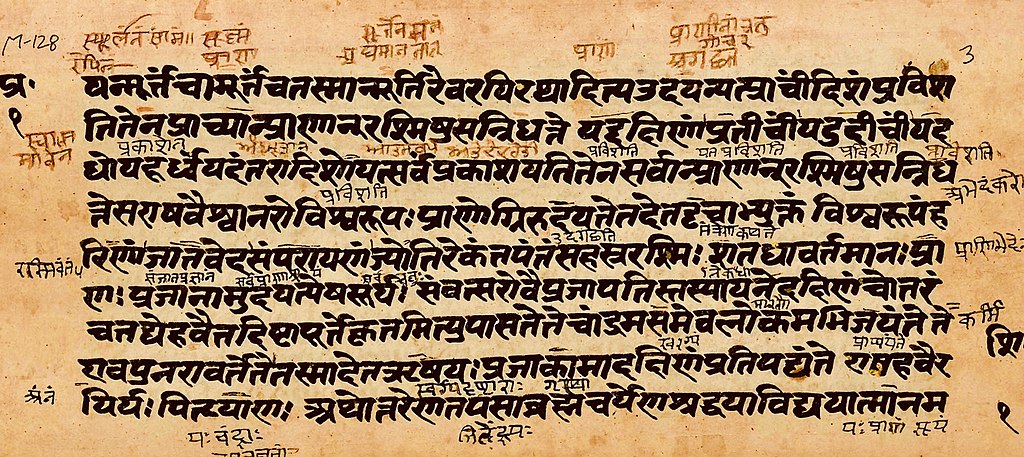
The official language of Andhra Pradesh is Telugu, a rich language that is influenced by Sanskrit. It is the most prominent regional language of the state in which innumerable works of cultural significance and critical acclaim have been written. Other important and prevalent languages include Hindi, English, Urdu, and Banjara. In recent years, there has been an increase in the use of other languages like Tamil, Marathi, and Oriya.

Andhra Pradesh Cuisine

Culture of Andhra Pradesh Cuisine
Image – Wikimedia

Influenced by the Mughal cuisine, a lot of the food of Andhra Pradesh is prepped up with spices. Rice is the staple diet of the state and is generally accompanied by sambar or other types of lentils and vegetables.

Chutneys, pickles, papadams, and powders are important accompaniments for every meal in Andhra Pradesh. Some of the popular Andhra dishes include gongura chutney, pulusu, avakaya, and Jonna kudu. The traditional food of Andhra Pradesh usually includes Pulihora which is tamarind rice. Poppadoms, Sambar, Rasam, and Payasam are also some of them.

Although most of the Andhra cuisine is vegetarian, the coastal regions of the state serve very delicious seafood comprising prawns and fishes. The aromatic biryani of Hyderabad is famous all across the country. The variety of food that is found in the capital city of Andhra Pradesh is incomparable.

Some other authentic dishes apart from Biryani include Chakna, Dalcha, and Murgh ka Korma. Sheer Korma, Bandhar Ladoo, Putharekulu, and Gajar ka halwa are impeccable desserts of the Andhra people. Most of them are prepared in pure ghee.

Traditional Dresses of Andhra Pradesh

Traditional-Dresses-of-Andhra-Pradesh
Image – Ramakrishna Reddy/Flickr

Costumes of the state help in defining the social and cultural identity of the people of a region. The traditional clothes that are worn by the men include the long ‘dhoti’.

It is wrapped around the waist and extends up to the ankles. They also wear shirts and ‘kurtas’ to cover their torso. Dhotis were also worn by the women in the years preceding the 14th century. Sarees and Langa Vonis became prevalent later on.

The tribe of Lambadi who reside in the state wears a long skirt paired with a blouse. A dupatta covers their head. Salwar kameez and western clothing have become popular in modern times. Some of the designs that are embellished on the garments have begun to fade away from prevalence. A surplus amount of cotton is produced in the state along with natural dye extracted from the plants.

The Golconda mine is a significant site of the state which is home to precious gems including the Kohinoor diamond. Andhra Pradesh has always been on the top for its jewelry and has dominated the jewelry market for many years. The Andhra Pradesh fashion also comprises half saris called voni.

Full saris are designed through Bidri, Nirmal paintings, and Kalamkari together having weaves of Pochampalli. Gadwal and Venkatagiri portray ancient traditions centuries old. Some of the best gold jewelry and ornaments comprise Vaddana, Buttlau, Aravanke, and Kasula Haram. These also portray the styles of the upcoming generation.

Art and Craft of Andhra Pradesh

Art and Craft of Andhra Pradesh
Image – Harsha Vardhan/Flickr

The state’s art and craft are a unique presentation of the skills and talent that the people of the region have nurtured and passed on over the years. This is evident in sculptures, paintings as well as architecture.

They specialize in fields of wood and stone carving, silverware figurines, brass work, metal wares, and intricate carpet work. The fact that the people are deeply attached to their traditions is portrayed evidently in the way they make their handicrafts. Alluring designs and detailed coloring enhance the beauty of the works. Andhra Pradesh is also home for one of the famous traditional toys of India “Kondapalli Toys”.

The handloom industry at Ikat has the tradition of producing hand-woven clothes. This includes golden ‘zari’ embroidered sarees and other noble materials. The Batik style of fabric printing uses wax to create enriching designs. The renowned Kalamkari art form makes use of the quill to paint the fabric with vegetable dyes. Nirmal paintings, Bidri work, and Cherial Scroll paintings are a few of the other exquisite practices of art.

Music, Dance, and Literature of Andhra Pradesh

Andhra-Pradesh-Dance
Lambadi Dance – Ramesh Lalwani/Flickr

Andhra Pradesh is a land of three prominent legends in the world of Carnatic music, namely Shyama Sastri, Thyagaraja, and Muthuswami Dixtar. Since the Telugu language is spoken by most people in the state, it can represent the original spirit of the people through the music.

Some famous Carnatic music composers are Kshetrayya, Annamacharya, and Bhadrachala Ramadasa. The folk music of Andhra Pradesh is also considered to be originated from Carnatic music. The musical elements, themes, and underlying meanings of the songs make them attractive. A distinctive feature of the Carnatic style of music is that the song molds in itself the personality of the composer. This increases the expressiveness of the music.

The most prominent dance form of Andhra Pradesh that is practiced and celebrated in the state is Kuchipudi. It is a dance form with similarities to Bharat Natyam and performed mostly by women. Many other dance forms, like that of the graceful Perini, have also emerged from the state of Andhra Pradesh.

Perini is like a warrior dance which is also known as the ‘dance of “Lord Shiva”.The ancient ‘Trinity of the Poets’ includes Nannaya, Tikkana, and Yerrapragad. They were responsible for reviving the Telugu language through popular translational works like the ‘Mahabharata’.

The literature of Andhra Pradesh takes pride in the mother tongue. They also promote its vocabulary to the common people. The history of the Telugu language traces back to the first millennium AD, according to the findings of scholars. Although it originates from the Proto-Dravidian sub-language, literary experts have confirmed its connection to Sanskrit and Hindi.

Cultural Festivals of Andhra Pradesh

Cultural Festivals of Andhra Pradesh
Image – Rajesh/Flickr

Like the rest of India, Andhra Pradesh is a diverse home to people from different religions. Some of the most popular festivals celebrated by Hindus are Pongal, Makar Sankranti, and Maha Shivaratri.

Sri Ram Navami, Ugadi (the Telugu New Year), Tirupati Tirumala Brahmotsavam, Varalakshmi Vratam, Atla Tadde, and Deepavali are some other prominent festivals.

Islamic and Christian festivals are also celebrated with joy among the people. Other significant fairs and events include Dance Festival, Vishakha Utsav, and Deccan festival. They are all organized in the state to enjoy and appreciate cultural values.

Occupations of Andhra Pradesh

Andhra-Pradesh-Occupation
Image – Gangavva/Wikimedia

About 70 percent of the population is dependent on the occupation of agriculture. The production of rice is abundant in the state, making it among the largest producers of India. With the increasing influence of technology, the Information Technology sector has been on its way to flourishment in recent years. Engineering, consultancy, telecom, and other related sectors. They also provide considerable employment to the youth of the state.

Andhra Pradesh is a rich state of various religions, ethnicity, traditions, cultures, beliefs, and practices. The rural traditions and modern lifestyle come together in splendid harmony that thrives in the state.

People regardless of religious beliefs, come together to celebrate festivals and ceremonious occasions. Many citizens still believe in age-old traditions, like Muggulu, and pursue them with sincerity. These practices are prevalent in many households and often vary according to ethnicity. It is a specialty of Andhra Pradesh where every district or every house follows a particular lifestyle that distinctly identifies it from the rest.

Andhra Pradesh is a land of colors and enriching history that takes pride in its deep attachment to its roots. The state offers a diverse tapestry of brilliant culture to those who visit the land.

Indian Beads – Tiny, Vibrant, and Holistically Artistic

0
Indian-Beads
Woman with ornaments made from Indian beads – World Bank Photo Collection/Flickr

Beads may be little, but their usage and utility are large. The tiny round ornaments are strewn together to form umpteen things. Whether as jewelry, talismans, ornamentations, or decorations, beadwork is intricate and precise. The beads can be sewed onto a material or fabric or used to create 3-dimensional objects, such as baskets, jewelry, etc.
The beads, of course, are the hero of the art coming in different sizes, colors, and shine. The process and methodology of producing and creating the beads have changed over time. Yet, beads were created in ancient times and are one of the oldest ornaments to have been around.

Tracing Indian Beads Through History

History-of-Indian-Beads
Harappan (Indus Valley) Beads – Gary Todd/Flickr

The earliest beads were probably used in Mesopotamia and then sent across to Egypt and made from shells and ivory. Also, ‘beads’ then were objects that could be holed, such as stones, animal teeth, shells, and seeds. Yet, it was in Egypt that the bead art form took real shape. Since 3100 BC the faience beads or beads made from a mix of powder clay and lime, silica sand, and soda have been around. This mixture with a bit of water was made into a paste and then molded around a straw or stick to be heated. Once fired the bead hardened and in fact, this method is still used in the production of beads to date too.

The evidence of beads being around for centuries is found in various archeological sites, texts, and also in paintings and drawings from ancient times. For example, King Tut of Egypt had beads in his tomb. But beadwork was not only confined to the Egyptian civilization. Beaded objects have been found in Japan that dates back to the 8th century. Similarly, in India beadwork objects, such as bracelets and armlets were found during the Harappa civilization. The beads of Harappa were extremely diverse and of many types, such as faience, alabaster, lapis, jasper, turquoise, terra cotta, and more.

Suggested Read – Top 10 Traditional Indian Fashion Accessories

The history of beads is fascinating and sometimes hard to keep track of. They have been exported from one place to another until beads have been used all across the world, including in America, Europe, Asia, and Africa. An example of this is in Arikamedu Tamil where Roman beads were excavated dating back from 200 BCE to 700 CE. But of course, with time there was an advancement in technology and infrastructure in the bead-making process.

Spiritual Aspect of Indian Beads

Spiritual-aspect-of-Indian-Beads
Image – Iretina/Flickr

One of the main reasons for beads being so popular since ancient times is their usage in talismans and spiritual objects. The beads strung together in a thread are perfect for those chanting prayers and also helpful to keep a count. For example, the Buddhists use malas made from seed beads from the Bodhi tree. Similarly, Muslims use tasbihs made from different beads, such as amber, plastic, ivory, or pearls. The Hindus japmala are often made from tulsi beads, sandalwood beads, or the Rudraksha. The kind and types of beads used vary, however, the purpose is often the same.

Indian Beads in Ornamentation 

Indian-Beads-in-Ornamentation -01
Image – Victoria Imeson/Flickr

The next huge usage of beads is their added value and beauty as jewelry. A strung bracelet of beads is a pretty sight and a necklace looks elegant and classy. One can look at the different states of India and one would know how the beadwork is an intricate part of the traditional garments and accessories. For example in Northeast beads, such as shells, Cornelius, seeds, and glass beads are used to make accessories for both men and women. The Bondo tribe of Odisha wear breast pieces made from beads. The Gaddis of Himachal Pradesh has traditional caps decorated with beads and feathers and flowers.

The Hallakki tribe from Karnataka wear long beaded necklaces and the Jarawas of Andaman often wear strings made from cowries and shells.

However, the scope of using beads as an artistic concept has been widely accepted and experimented with. Beads are used in ornamentation, decoration, and also in making various utility and decorative objects, such as handbags, baskets, wall hangings, coasters, and much more.

The usage of beads is also extensive on fabrics. A delicate lining on a dupatta or a heavy embroidered beaded work on a Kurti is equally appreciated and loved.

Bead Weaving in India

Indian-Beeds-Weaving
Image – PublicDomainPictures/Pixabay

In India, the beading industry’s heart lies in Gujarat. Artisans have been involved in bead weaving for generations, especially in the Saurashtra and Kutch areas. Known as ‘moti bharat’ this art form gives rise to wonderful expressions, such as toran (wall hangings), mangal kalash (puja pots), or indhonis (mat for pots), etc.

Typically a woman artisan in Gujarat would sit with her beads and the dora or thread that it needs to be beaded through. Coiling the thread around her toe she begins the process of putting tiny beads one after the other to form patterns and colorful designs of high-quality artistic fervor. The number of threads used also may vary from ornament to ornament or from design to design. Some of the techniques used to make the various objects from beads include bead braiding, bead stringing, and bead crochet.

Colorful Indian beads
Image – Masrur Ashraf/Flickr

Also, traditionally different colored beads are often used for different occasions. White beads are for marriages, whereas for engagements green beads are worn. The great thing about these artisans is that usually there is no draft design or a pattern that they see and copy. However, the women do speak verbally and decide on a pattern and then just go with the flow.

Besides, Gujarat, Rajasthan is also famous for beadwork. Some traditional tribes, such as Bopas and Kalbelia wear striking beaded jewelry. Even their bright head gears adore splendid designs and patterns of bead weaving. The different beading work and types in India include Jaipuri beads, Kashmiri beads, Meenakari beads, and more. Besides, the seed bead, in India lac beads are also popular which come from the secretion of insects. There are also lampwork beads that are exported from India.

Indian Bead objects

Indian-Beads-Objects
Image-Tracy Hunter/Flickr

In India, zari work is quite popular. Beads are used to attach to the fabric in different ways. They are either stitched directly, bound together, and then stitched or stitched using the crouching stitch. Beads on fabrics for not only garments but other accessories, such as handbags and footwear are also attractive.

Beaded accessories, such as bags, have been famous since the 19th century. With frames made from silver, gold, nickel, or ivory the bags are quite a rage and in different sizes and shapes. Also, footwear, especially mojris are often beaded to make them look regal and royal. One can imagine kings and queens of erstwhile eras adorning their entire garments and accessories with intricate bead designs.

Beading in India Today

Indian-Beads-in-Ornamentation
Image – Sukhjinder/Pixhive

There are two distinct parts to the beading industry. One is the manufacturing of different kinds of beads. The other is the artistic aspect where the beads are used for various ornamentation and designs.

The manufacturing of the beads is technology-driven with machines producing a large number of these tiny-sized beads. The industry is so diversified that even within glass beads there are many different variations. Some include jade glass beads, glass pearl beads, glass coral, and many more. The many other types of beads include Kolhapuri beads, micron plated beads, hollow metal beads, aluminum beads, wire metal beads, brass beads, etc.

Hence with several different types of beads being produced, the scope of their usage and artistic endeavor is also huge.

The beading industry is hence a wonderful blend of modern and traditional. Where on one hand the beads themselves are evolved through better technology and infrastructure, the utility and creative expression of these is wide too.
Beaded artistic work looks splendid, intricate and gives a 3D effect that adds to the charm of the ornament or decoration. It is wonderful to imagine how a simple tiny object can transform into beauty and color when strewn together.

Meenakari Painting – Intricate, Decorative and Graceful

0
Meenakari-Painting-Occurrence
Image – Wikipedia

Meenakari or Minakari painting is known as the art and process of painting or embellishing the various types of metals like gold, silver, etc. This is done with vibrant colors in spectacular designs, patterns, and themes of flowers, leaves, and birds. It is also the practice of painting metal surfaces and ceramic tiles through enameling, an old and broadly accepted technology that is mainly used in jewelry and decorative art. In ancient times, enameling was only done on gold whereas now, it is also done on other metals like silver and copper. Meenakari, the ancient and intricate art form is considered to be one of the most complicated and complex metal decorations which require an immense amount of commitment, enthusiasm, dedication, skill, precision, and accuracy. The artisans who practice this Meenakari art form are called ‘Meenakars’.

History of Meenakari Paintings

Meenakari-Painting History
Image – Wikimedia

This traditional art form of Meenakari involves the process of painting metal surfaces and ceramic tiles through the method of enameling. It was first originated in Safavid Iran or Safavid Persia which was one of the greatest Iranian empires. The art form is practiced and commercially produced primarily and largely in Iran, Afghanistan, Pakistan, and India. Meenakari work was originated in Persia and created by Iranian craftsmen. It was widely accepted by Greeks, Chinese, Russian as well as Mughals. The art form was unknown and unfamiliar to India but was later introduced by the Mughals.

The Meenakari art form is however often linked to the lively state of Rajasthan in India. This is because of Raja Man Singh of Amber (Jaipur), the man who found the technique and brought Meenakari to Rajasthan around the 16th century. He invited skilled, Persian meenakars from the court of Mughals in Lahore to Rajasthan and established them in Jaipur. They gave the Meenakari art an Indian flavor with a clear and definite look. This is why, today, meenakars from Jaipur are renowned for their production and Jaipur is the hub and the heart of Meenakari work in India with Rajasthan being the capital of the Meenakari trade in the country. Soon, the Meenakari art form started spreading across the country to the other parts of the Mughal Empire. This included Delhi, Punjab, and Lucknow and every area started having its technique and style.

‘Meenakari’ is derived from Meena, the feminine form of the Persian word Minoo. It means heaven or paradise, and Kari meaning to do or put something onto something else. Thus, the word ‘Meenakari’ means to place or put paradise onto an object.

Process of Meenakari Paintings

Meenakari-Painting-Process2
Image-Harminder Singh/Wikimedia

The process of making Meenakari is very long, complex, and complicated. It requires a lot of skill and dedication. It involves the fusing of colored powder glass to a substrate like metal, glass, or ceramics. This is done through intense heat or firing, typically between 750 and 850 ° Celsius or 1,380 and 1,560 ° Fahrenheit. By doing this, the material is made known as vitreous enamel or porcelain enamel. The powder melts flows and then cures to a smooth, long-lasting, durable, and vitreous coating on the metal, glass, or ceramics. Enamel can be used on any metal, stone, substance, or material that can withstand and hold up the fusing temperatures.

The piece of metal is fixed on a lac stick on which Meenakari is to be done. Beautiful, detailed, and elegant designs of flora and fauna, flowers, birds, fish, etc. are carved or engraved on it. Walls and grooves to hold and grasp the color are thus created and the enamel dust of the required color is then discharged and rushed into the grooves. The heat of the kiln melts the color the melted color spreads evenly into the groove. The Meenakari art comprises intricate and elaborate designs made by using geometric lines and shapes and exquisite designs. The Meenakari art is used as a decorative feature to serving dishes, vases, frames, showcases, containers, and jewelry.

Usage of Meenakari Paintings

Meenakari-Painting-in-Jewelry
Image Source

Known for its striking and eye-catching features, the Meenakari art form is showcased on a variety of products. This ranges from anklets, earrings, jewelry boxes, photo frames, key chains, small temple stools, and chairs. Rajasthan and Gujarat are the most famous for their Meenakari articles and jewelry with Jaipur being the main center of it. Traditional Mughal colors such as red, green, and white are used for the enameling in Jaipur. Nathdwara, Bikaner, and Udaipur are popular for their silver Meenakari and Pratapgarh is known for its glass enameling. The art form is even now practiced today in several places of India. The rose-pink color or the gulaabi Meena is used in Banaras the most. in Lucknow, the meenakars use blue and green Meenakari over silver. Delhi, Banaras, and Jaipur do the enameling over gold.

The age-old and traditional Meenakari art form and painting are appreciated worldwide. It is truly magnificent and grand and it keeps its crown high by giving a royal feel and experience. The art form is meaningful to many people in many different ways. It is spread across the country, every area has specialized in its adaptation of style and technique of the art form.

7 Best Adventurous Places to Visit in Ladakh for a Thrilling Experience

0
Adventurous-Places-to-Visit-in-Ladakh
Image – Wikimedia

What comes to your mind when you think of Ladakh? Sky-touching mountain ranges, crystal clear lakes, and expanded horizons make Ladakh an incredible destination to explore. The heavenly, breathtaking landscapes of Ladakh can take you to the world of imagination any day. Traveling across the remote villages, located in the high altitudes makes you feel like you’re standing next to heaven. Besides that, the mind-blowing climate and atmosphere of Ladakh have turned it into the center of attraction for tourists. Naturally, there are multiple tourist attractions here that you can include in your activity list while visiting Ladakh.

Well, the presence of so many enchanting places in Ladakh makes it confusing for globetrotters to schedule their day-by-day traveling programs. If you’re traveling to Ladakh, visit the following destinations mandatorily to get the real flavor of this hill-centered land.

1. Khardung-la Pass

Adventurous-Places-to-Visit-in-Ladakh-Khardung-la-Pass
Image – Wikimedia

If you love riding, the Khardung-la Pass is the route to go on a bike ride. No matter whether you’re going for a solo ride, or you’re taking your soulmate with you, the rigid ice-covered route will fascinate you throughout the journey. This pass also leads you to the Shyok Valley and Nubra and it’s suggested to be equipped with high-quality biking gears while biking through the pass. The entire pass remains covered with snow most of the time. However, if you’re going on a ride through this path during summer, you might get a clearer road. However, the straight mountain walls by the road make your journey thrilling and adventurous and hence, a must-to-include place in your Ladakh tour. 

2. Magnetic Hill

Adventurous-Places-to-Visit-in-Ladakh-Magnetic-Hill
Image – Amit Rawat/Flickr

It will be a lifetime loss if you visit Ladakh and don’t travel to the Magnetic Hill. The astonishing magnetic properties of this hill justify its name. As an adventure-lover, you may not want to miss the shocking experience of going on an expedition on this hill. Being one of the most exciting elements in Ladakh, the Magnetic Hill receives thousands of tourists every month. Therefore, you must arrange a road trip to Magnetic Hill and don’t get afraid if your car gets attracted towards the surface of the hill all of a sudden.

3. Chadar Trek

Adventure-Trips-to-India-Chadar-Trek
Image – Partha Chowdhury via Flickr

No traveler would step back when it comes to trekking. Imagine how thrilling it is to have a trek to high Himalayan altitudes while walking on a frozen river. Isn’t it jaw-dropping? Well, if you are an adventure seeker looking for some amazing trails to trek on, this Chadar Trek is the best option. Trekkers here get a chance to walk over the frozen Zanskar River to reach their trekking points. This is what makes the Chadar Trek so exciting for travelers and trekkers.

4. Zanskar Valley

Adventure-Trips-to-India-The-Trans-Zanskar-Trek
Image via Wikimedia

The hill-surrounded Zanskar Valley is one of the most charming trekking destinations in Ladakh. Almost every Leh Ladakh Sightseeing includes this place in their list of best treks. The special thing about this valley is th at it isn’t green like other famous valleys in India. Rather, this remains covered with snow throughout the year and you can get a fantastic visual of the Zanskar River from the high terrain of the valley. You are bound to be amazed to see how a portion of the Zanskar River remains frozen while the other portion flows in its style.

5. Namgyal Tsemo Gompa

Adventurous-Places-to-Visit-in-Ladakh-Namgyal-Tsemo-Gompa
Image – Wikimedia

You can’t miss out on exploring this ancient gompa if you possess a spiritual mindset. Anyway, you will have to trek through a remote mountain pathway to reach this exotic gompa. Here you’ll feel an old, peaceful, and religious vibe that will reflect the heritage of ancient Buddhism. Also, the structural excellence and designed walls of the gompa will leave you speechless. So, this place is also a must-visit when you have a trip to Ladakh. You’ll explore the lifestyle of the lamas of the gompa as you visit this place.

6. Diskit Monastery

Buddhist-Monasteries-of-Leh-DISKIT-MONASTERY

Do ancient places with historical significance keep calling you? Well, this monastery has all the elements to surprise you as it was founded in the 14th century. The place will take you to the past in the initial days of Buddhism and you’ll make acquaintances with the ancient culture as well. Also, the scenic view around the splendid monastery will impress you as well. This place is worth visiting for everyone who is traveling to Ladakh.

7. Nubra Valley

Adventurous-Places-to-Visit-in-Ladakh-Nubra-Valley
Image – The Adventurous b3n/Flickr

The list remains incomplete without including this spectacular valley in it. The views of Karakoram mountain ranges that you will get from here are beyond words. Apart from that, the dream-like white sand beaches will fill your mind with loads of amazement. The most important thing about this place is that the Shyak and Siachen rivers confluence here, creating an outstanding scenic landscape. So, don’t make the mistake of keeping this heavenly destination out of your plan while visiting Ladakh.

These are the best adventurous destinations to explore when you plan a trip to Ladakh. All these destinations have unique features and thrilling experiences to offer. Therefore, including these amazing and strikingly beautiful destinations in your traveling list will help you make your journey an exotic one.

6 Most Exciting Trekking Places Near Bangalore for Adventure Loving Travellers

0

If you live in Bangalore, take a weekend out from your busy schedule and trek to one of these mountains. It’s a great way to get away from the city and get some exercise. It’s also a popular way to bring groups together, whether it’s college students or even office colleagues.

So if you are you planning a weekend dedicated to trekking near Bangalore? These beautiful and best treks near Bangalore will come in handy when you begin your research. Let’s start the journey to some famous and lesser-known yet incredibly captivating trekking destinations near Bangalore that’ll give your weekend a new purpose.  

1. Savandurga Hill

Trekking-Places-Near-Bangalore-Savandurga-Hill
Image – Solarisgirl/Flickr

This most picturesque trekking place is considered to be one of the largest monolith hills in India. The route to the top takes you to a marvelous fort that is said to have been built by Kempe Gowda II, from where you can get an excellent view of Bangalore’s outskirts. Here, you don’t have to worry about getting lost as the place is always filled with trekkers from different parts of the world. Savandurga is just perfect for nature enthusiasts and adventure lovers.

Distance From Bangalore: 70 km
Difficulty level: Easy to moderate
Highlights: One of the best places to trek near Bangalore during the night.

2. Tadiandamol

Trekking-Places-Near-Bangalore-Tadiandamol
Image – Wikimedia

Known as the second highest peak in Karnataka, located at the Western Ghats range of Coorg, this place is considered as one of the most happening for trekking near Banglore as it reaches an elevation of 1,748 meters. Also considered to be the best place for beginners, the Tadiandamol trek is a great option to spend time amidst nature and enjoy a great time. The mountain offers a magnificent view of the valley after crossing the meadows, water bodies, Shola forest, and lush green vegetation. The spot is a favorite spot for nature lovers and adventure seekers.

Distance from Bangalore: 268 Km
Difficulty Level: Moderate
Highlights: Panoramic view of nature

3. Ramanagara

Trekking-Places-Near-Bangalore-Ramanagara
Image – Navaneeth KN/Flickr

The spot where Sholay was shot, Ramanagara is one of the best trekking places located away from Bangalore. This place has many short treks and is perfect for the weekend as trekking here doesn’t take up much of your time, unless you like to take it slow. Some of them will last only a little over an hour. This trekking spot is popular amongst both amateur trekkers and professionals. It is also known for rock climbing, bird watching, and the ancient Pattabhi Rama temple.

Distance from Bangalore: 54 Km
Trek Difficulty: Moderate to difficult
Highlights: Pitch climbing and fishing in Kanva and Janapada Loka reservoir

4. Nandi Hills

Trekking-Places-Near-Bangalore Nandi-Hills
Image by Bishnu Sarangi from Pixabay

Nandi hills or Nandidurg located at an altitude of 1478 m, is one of the most popular places for trekking. You have two options to get to the top; you can trek from either the north of the mountains which has a proper road and is a little more crowded, as it is also used by cyclists and bikers of the south route If you want a real trek to the top. It is a mesmeric location and offers breathtaking views of the surrounding hills and Amrita Sarovar. At the top, you can see the outside of Tipu Sultan’s summer residence and can click amazing photographs from this point.

Distance From Bangalore: 60 Km
Difficulty level: Easy to moderate
Highlights: Most photogenic sunrise from Tipu’s drop

5. Anthargange

Trekking-Places-Near-Bangalore-Anthargange
Image – Sumeet Mulani/Flickr

This trail is a combination of trekking and cave exploration. Volcanic rocks, boulders, and small hillocks have made Anthargange the most frequently visited trekking place. If you love taking up challenges, you will love the climb up the top of a 1712-meter Mountain. Along the way you will have to bend, twist, crawl, through the tricky path to find your way to the top. A tough, but short trek, it’s also not that far away from the city. So in case you only have a few hours and must get out of the city, here’s where you go.

Distance From Bangalore: 70 Km
Difficulty Level: Easy to moderate
Highlights: Overnight camping in the caves

6. Skandagiri Hill

Trekking-Places-Near-Bangalore-Skandagiri-Hill
Image – Kalyan/Flickr

Skandagiri is a hill located in the Chikballapur district also known as Kalavara Durga, mostly expert trekkers prefer this trek due to its tough trails, The beginning of the trail is pretty easy, but as you go up, you will have to make your way through a maze of dense shrubs. The climb is worth it, as you will witness some amazing views from the top of the mountain. If you’re interested in history or architecture, check out the old fort that once belonged to Tipu Sultan at the top.

Distance from Bangalore: 61 Km
Difficulty Level: Difficult
Highlights: Camping and bird watching

Beautiful Healing Embedded in Indian Jewelry Traditions

0
Indian-Jewelry
Photo by Vaibhav Nagare on Unsplash

To discuss Indian jewelry today, we must pan out to cover the wider region of the Indus River Valley civilization that stretches from West Pakistan through to Bangladesh. Eons ago, this entire region began what would turn into a vast trading network that would inform migration, economy, and technology around the world.

Jewelry has been a supreme artifact that offers glimpses into the ancient practices of the Mohenjo-Daro and Harrappan civilizations. Sculptures excavated from archaeological sites show men and women wearing necklaces and bangles. Incredibly, some jewelry pieces that date back to 2000 B.C. remain intact with intricate beading and stringing. 

This jewelry has found its way across the region and to farther reaches across the Arabian Sea, indicative of widespread trade routes that included the exchange of precious jewelry. It’s no surprise that even today, jewelry from India is sought by wearers around the world.

The culture that surrounds adornments and jewelry in India tells unique stories about the diverse people that reside across the mountains, deserts, plains, rainforests, and seascapes that form this wide area.

Traditions & Cultural Aspects of Indian Jewelry

Indian-Jewelry-Tradition
Photo by Pranav Kumar Jain on Unsplash

Some of the most stunning jewelry pieces designed and created in India are reserved for women to wear. Even so, across diverse regional and tribal cultures within a single country, Indian jewelry marks important cultural traditions for men and women.

Celebration of Womanhood & Femininity

Women have been the beneficiaries of deep ornamental culture in India for millennia. Wearing jewelry accentuates and protects the female physique. The feminine body is considered the ideal form of beauty, and it is customary to imbue it with mystery, grace, and value through different forms of Indian jewelry.

In historical custom, Indian girls were deemed women near the age of 16 years and would thus begin to wear the traditional “solah shringar” – 16 adornments. Some women continue to incorporate these adornments in their daily wardrobe. Many have fallen out of custom and are worn only during special occasions and ceremonies.

The solah shringar covers the woman from head to toe. They are believed to offer protection, a delicate shield of armor over the female body. The 16 adornments are:

  1. Bindi – Dot or marker placed between the brows
  2. Sindoor – Red streak smudged into a married woman’s hair part
  3. Tika – Ornament with similar placing as sindoor and bindi that includes a chain over the hairline and charm at the center of the forehead
  4. Anjana – Thick, dark eyeliner made of kohl or kajal
  5. Nath – Nose ring in the form of a simple stud to ornate rings and chains
  6. Haar – Necklaces that may include intricate lattice work or delicate strings and beads
  7. Karn phool – Earrings, or literally “ear flower,” often with heavy flower charms
  8. Henna – Tattoos drawn on the arms, hands and feet with temporary ink made of natural ingredients and especially applied for special occasions
  9. Bangles – Simple round bracelets made of glass, stone, or plastic typically worn in sets
  10. Baajuband – Armbands affixed on the upper arm
  11. Arsi – Thumb rings, but also other rings were worn
  12. Hair – Plaiting and ornamentation of women’s long, healthy hair
  13. Kamarband – A waist belt or chain, often beaded, but uncommon today
  14. Payal – Anklets worn of simple beading or small bells
  15. Toe rings – Placed for many health benefits and a sign of marriage
  16. Perfume – Natural scents from essential oils[FD1] 

Jewelry as Indicators of Regional & Tribal Affiliations

Indian Jewelry Traditions
Garo girls in Traditional Attire – Wikimedia

A fascinating aspect of Indian culture lies in its vibrant tribal affiliations and regional diversity. From north to south, east to west, languages can change significantly, not just by accents, within miles. India, since its independence, has tried to offer protection to tribal groups who continue to practice and protect their ancient cultures. 

Tribal Indian jewelry has long incorporated necklaces, bangles, nose rings, ear cuffs, and lip rings within their collections. Often using natural, raw materials – like shells, wood, and bone – this jewelry is both delicate and durable. 

Each jewelry piece reveals important socio-cultural traditions of a tribe, from marking elders by stretched ear lobes or thick necklaces to representing spiritual beliefs.

In the Indian state of Madhya Pradesh, in an area called Bastar, tribal people wear jewelry that incorporates peacock feathers and wildflowers. The state of Rajasthan’s many tribes are famed for their uniquely oxidized silver jewelry and gemstones. Jaipur, the capital of Rajasthan, is a Mecca for jewelry design and gemstones. In the eastern states of Sikkim and Meghalaya, red coral beads and turquoise are found in tribal jewelry.

Ornaments of Celebration

Indian-Jewelry-Ornaments-of-Celebration
Photo by Ankur Kumar from Pexels

As mentioned, some jewelry is reserved for special occasions, like marriage ceremonies. These adornments can also mark other significant life events, like births. 

A fun example of the primacy of jewelry for celebration in India is seen through the holiday of Raksha Bandhan, which is all about adorning men with bracelets.

On Raksha Bandhan, sisters gift their brothers beautiful, beaded strings and tie them around their brothers’ wrists. This symbolizes the sisters’ prayers and wishes for the happiness and safety of their brothers and ensures that the brothers will in turn protect their sisters.

Ancient Indian Healing Systems Activated by Jewelry

Thus far, we’ve introduced different types of Indian jewelry that harbor great cultural importance, but there’s more to the story. Much of the jewelry made and worn have significant connections to health and wellbeing.

Jewelry & Ayurvedic Traditions

Indian-Jewelry-Jewelry-&-Ayurvedic-Traditions
Image – Wikimedia

Many of the pieces that make up Indian women’s “solah shringar” have roots in Ayurvedic healing traditions. Ayurveda is an ancient holistic healing system that seeks balance in the physical, mental, and spiritual bodies of an individual to bring optimum health. Ayurveda relies on balms, tonics, and elixirs made from plants and natural ingredients as well as stimulating different regions of the body.

In Ayurveda, the nose ring pierces a nerve connection linked to female reproductive organs. By wearing a nose ring, women promote their sexual health, and during childbirth, it is believed to help a woman find some relief and protection from pain.

Continuing with the emphasis on balance in Ayurveda, bangles have important circular energy that boosts blood flow through the body. The firm round shape of bangles and other bracelets that encircle the wrist and brush against the skin transfer energy to the body in an infinite loop. 

Jewelry & Acupressure Nodes

Extending from Ayurveda, many other pieces of jewelry in Indian traditions touch certain nodes of pressure and nerves that can enhance the body’s functions. Indian jewelry in USA usually comes in the form of necklaces, earrings, toe rings, and bracelets, many of which have major acupressure applications.

The earlobe has been linked to the kidneys and brain. Sustaining pressure, especially in the right ear, can send cues to the endocrine system to filter out toxins from the body and maintain healthy enzyme balance. Thus, the pressure that earrings give can help promote kidney function.

Toe rings enhance female sexuality and intimacy. Nerves in the toe have connections to the female reproductive system and the heart. Targeting both points, toe rings can help generate healthy, nourishing intimate relationships.

Jewelry’s Role in Balancing the Chakras

Jewelry’s-Role-in-Balancing-the-Chakras
Image by Rafael Javier from Pixabay

Indian jewelry connects to the body’s chakra system in many ways. Linked to the system of Ayurveda and to one of the most widespread religions in India, Hinduism, the chakras fuel earthly existence with spiritual consciousness.

In India, gold jewelry – earrings, necklaces, and nose rings – is worn on the upper body to correspond to the upper chakras. Gold cooperates with the energetic frequencies of spiritual auras lodged in the upper chakras.

Silver is believed to react with the earth and soil, bringing grounding and steadiness through the lower chakras. Thus, toe rings and anklets are often made of silver.

Necklaces of varying weights and stones bring strength and control to the heart chakra, a central node to bring the upper and lower chakras into alignment. 

Jewelry’s Significance in the Hindu Religion

Jewelry-Significance-in-the-Hindu-Religion
Image – Parekh Cards/Flickr

In India, Hinduism is practiced by more people than any other religion, although the region is rich in many other belief systems as well.

The Hindu religion is born from the Vedic era in ancient history. During that time, there were 36 essential ornaments a Hindu believer should wear, and while not common practice in modern times, Indian jewelry still makes connection to the divine spirit world.

Divine Symbols for Protection

karma-and-luck-01
Image – karmaandluck.com

Jewelry in India carries myriad symbols of the divine, such as lotus flower charms and elephants for Lord Ganesha.

Throughout Hindu texts, like the Mahabharata and the Puranas, gods and goddesses were depicted with jewelry and adornments. These ornaments played important roles in the lessons imparted through the text. For example, Draupadi in the epic Mahabharata, wipes away the sindoor in her hair part as she feels disgusted and abandoned by her 5 husbands.

Indian jewelry, with its metals and gemstones, build protective fields around the wearer. These pieces especially deflect the power of evil spirits to take over a person’s thoughts and mind.

Vehicles to Bridge the Body to Divine Consciousness 

Indian-jewelry-by-Karma-and-Luck

Interpretations of the role of jewelry in ancient Indian cultures link the wearing of jewelry to the invitation of divine embodiment. The divine spirits were believed to have inspired humans to create beautiful, material embellishments to wear so that the spirits could abide in the incredible designs and have human form.

Thus, it is believed that when a person wears certain jewelry, she seeks the energy of the divine to impart joy and abundance in her life. What’s more, the Hindu religion attests that certain stones and jewelry help facilitate the connection of divine consciousness with the human mind.

Final Thoughts

Indian jewelry in USA has grown popular largely because of the delicate details and stunning gemstones and crystals incorporated into traditional designs. Yet embedded in every piece of jewelry is a much deeper cultural connection to an ancient civilization.

From ties to specific regions to celebrations of femininity, jewelry from India carries important energy believed to bring protection and good health to its wearer.

Learning the meanings and significance behind each beautiful piece of jewelry can manifest an even greater understanding of the gifts an amazing place like India offers to the world.

Top Offbeat Places in Karnataka You Must Consider for Your Next Trip

0
Offbeat Places in Karnataka
Image – Solarisgirl/Flickr

Thrill. Isn’t it something we all desire? From going hiking in dangerous places to scuba diving in the deepest waters, we all find some fragments of ourselves in the places we travel to. While traveling remains subjective in nature, I have come across several people who seek to explore the unexplored parts of the world. These people who go beyond the common social conventions and norms, and strive to find inspiration in such ‘offbeat’ or unconventional places, are termed as ‘offbeat travelers.’

While it is certainly a fun thought to travel to places off the grid, it is usually not easy to gain information about the same. However, if you want offbeat travel, what better place to start than Karnataka? Having several unknown places, Karnataka remains the gemstone of offbeat traveling. From serene beaches to temples, these places are undoubtedly the true bounty of Nature. Read on to find out the best places in Karnataka to ignite the traveler in you.

1. Kudremukh

Offbeat Places in Karnataka, Kudremukh
Image/Wikimedia

We’ve all read the name of this amazing place in our Geography books, haven’t we? Located in the Chikkamagaluru district, Kudremukh is a picturesque hill station combined with a mining hotspot. A paradise of natural resources, it was earlier known as Samseparvatha and is famous all over India for housing the second highest peak in Karnataka, the Kudremukh peak. Interestingly, the word ‘Kudremukh’ translates to ‘horse face’, this implies that the peak resembles the face of a horse from a certain angle. And as if this wasn’t impressive enough, the Kudremukh National Park contains numerous endangered and rare species of flora and fauna. The perfect spot for a Nature lover, Kudremukh is Nature and adventure combined as several trekkers seek out thrill by climbing to the hilltop. But that’s not all, additionally containing many temples and pilgrimage spots, Kudremukh has a little bit of everything for everyone.

2. Agumbe

Offbeat Places in Karnataka, Agumbe
Image/Wikimedia

A true treasure is always the hardest to find, no? Agumbe is a small village located in the Shimoga district of Karnataka. It is listed as a UNESCO World Heritage Spot due to the plethora of flora and fauna found in the village. Having extremely rich biodiversity, Agumbe happens to be one of the few rainforests that have managed to survive in India. Nestled in the loving arms of the Western Ghats, Agumbe is mainly famous for its thick, dense forests. Tourists love the adventure sports arranged, such as hiking, bike rides, or even just a relaxing walk in the forest. Check out the various species of butterflies, deers, and snakes in this ‘cobra capital’. A must-visit, indeed!

3. Channapatna

Offbeat Places in Karnataka, Channapatna
Image – Sandip bose

Channapatna (commonly known by the local people as Channpatna) is a charming small town in the Ramanagara district of Karnataka, located on the edge of the districts of Ramanagara and Mandya. It is the colourful toys and coaters manufactured by brilliant craftspeople and small-scale companies that make Channapatna so unique and famous. This is why the site in Kannada is also called Gombegala Nagara (town of toys). The toys of Channapatna are more than just dolls. They can be complicated and moving parts such like in rocking horses, rabbits, motorcycles, cars, etc. If one ever travels to Channapatna, it is best to immerse themselves into the city’s culture and history. The city has craftsmen, many of whom work from home or have modest booths in which they sell their artworks. Go and meet these craftspeople, talk to them and learn about their lives, art and local history. Just going around the city and watching the craftsman make complex toys from simple woodblocks is an experience in itself. Don’t forget to pick up some wooden toys, not only will they assist craftsmen, but you’ll also bring home a lovely and really excellent work of art.

4. Maravanthe Beach

Offbeat Places in Karnataka, Maravanthe Beach
Image – Ashwin Kumar/Flickr

Even if Kerala is God’s own country, the Maravanthe Beach is no less than heaven. Nothing so beautiful ever existed for us to lay our eyes on and hence, this beach is highly recommended. One of a kind and extremely unique, Maravanthe beach is breathtaking with the Arabian Sea on one hand and the Souparnika River on another. With a line of clear, white sand running in between, the palm trees and blue sky are a splendid add-on to this dream destination. Indulge in the exquisite view as you go for a boat ride in the river, visit the nearby temples and relish the fresh tender coconut to end your day!

5. Anegundi

Offbeat Places in Karnataka, Anegundi
Image – Prashant Ram/Flickr

We’ve all heard of the historical city of Hampi, but have you ever heard of a city older than Hampi, situated right here in Karnataka? Yes, located in the Koppal district, Anegundi has countless beautiful places to visit. The historical significance of this village is plenty. According to the locals, Anegundi is said to be the former kingdom of the Monkey king Sugreev, Kishkinda, and is also the birthplace of Hanuman. If you visit Anegundi, make sure to check out the Hunchappayana mattha, Aramane, Kamal Mahal, and many other worthwhile attractions.

6. Bidar

Offbeat Places in Karnataka, Bidar Fort
Image – Nicolas Mirguet/Flickr

Located in its namesake district, Bidar is mainly known for its archaeological sites, historical heritage, and pilgrimage spots. It is extremely famous for its artisanal hand-crafted items and is an important Sikh pilgrimage center. Moreover, Bidar also contains the nation’s second-largest Air Force training center. This historical city has been in the hands of numerous dynasties, from the Maurya’s to Tuglaq’s. Indulge in magnificent tourist destinations such as the Bidar Fort, Rangeen Mahal, and more.

7. Bylakuppe

Offbeat Places in Karnataka, Bylakuppe
Photo by Ashwitha Shetty on Unsplash

Bylakuppe, a place so serene and majestic you’re sure to fall in love with it! Bylakkupe is a refugee settlement consisting of Tibetan monks who migrated to India in the 1960s. It is considered to be the largest Tibetan settlement in the world and is often referred to as ‘little Tibet’. And ‘little Tibet’ it is! A drastic contrast from the rest of the state, Bylakuppe is flooded with about 70,000 or more monks. As soon as you enter the place, I guarantee you that you’ll feel a reverberation of reverence and serenity floating in the air. Make a point to notice the different shops, schools, and nurseries. To get a true sense of the impressive Tibetan culture, visit the various monasteries, such as the Namdroling Monastery, Tashi Lunpo Monastery, and Sera Monastery. Although it is lesser-known, Bylakuppe gets thousands of visitors every year who wish to learn more about the Tibetan culture.

8. Banavasi

Offbeat Places in Karnataka, Banavasi
Image – Rajeev Rajagopalan/Flickr

Situated near Sirsi, this ancient town in Karnataka is known for its temples. Once upon a time, Banavasi was the glamorous capital of the Kadamba dynasty of Karnataka and has some of the oldest architecture in Southern India. Be sure to pay a visit to the Madhukeshwara Temple and if you can, attend the grand Kadambothsava festival in December.

9. Gokarna

Offbeat Places in Karnataka, Gokarna
Image/Smriti Rai/Pixahive

Gokarna is one of the many temple towns found in Karnataka and is a significant pilgrimage center in Hinduism. The main deity worshipped is Lord Shiva who is said to have appeared from the ear of a cow here. Gokarna is blessed with plenty of beaches, waterfalls, and temples along with fascinating natural beauty.

10. Talakadu

Offbeat Places in Karnataka, Talakadu
Image – Wikimedia

The ‘desert town’ of Karnataka, Talakadu is situated near the famous Kaveri River. The origins of the unusual name of the town, have a story behind them. The brothers Tala and Kadu saw a special tree that attracted several wild elephants. With intent to know more about the tree, they decided to cut it down. Upon cutting the tree, the brothers discovered that the tree housed a Shiva idol and the elephants were rishis in disguise. Thus, the town was named after the brothers. Erstwhile containing over 30 temples, these temples are now under the sand. However, the 5 Shiva temples (lingams) which are known to represent the faces of Shiva deserve to be seen. Enjoy the folk culture and numerous legends believed in this area to get a memorable experience!

11. Bandaje falls

Offbeat Places in Karnataka, Bandaje falls
Image – Wikimedia

If you’re tired of the grey, monotonous city life and are dying for a quick getaway to brush off your worries, trust me, there isn’t a better place to visit than Bandaje falls! Located in Manipal, the Bandaje falls is nestled away in the arms of Mother Nature. Although it is not as high as many other waterfalls in Karnataka, it is the perfect spot to gain a renewed freshness under the clear gushing waters, cool air, and rich greenery. The area is accessible by any automobile and is especially ideal for an adventure trek amongst the youngsters. Bandaje falls is indeed everything you need, packed in a quaint little package!

12. Bijapur

Offbeat Places in Karnataka, Bijapur
Image/Bishnu Sarangi/Pixabay

A colossal treasure of historical heritage and architecture built in the reign of Adil Shah, Bijapur is indispensable in Karnataka. It is officially known as Vijayapur or ‘The City of Victory’ and each region within the city is known to harbor its historic significance. Bijapur has had a long line of rulers, ranging from the Yadava dynasty to the Adil Shahi. Among many of the major tourist attractions include Gol Gumbaz, Malik-i-Maidan, Ibrahim Rauza, and Bara Kaman.

13. Udipi

Offbeat Places in Karnataka, Udipi
Image/Wikimedia

An extremely important pilgrimage center, Udipi is packed with clean and beautiful temples. The term ‘Udipi’ has been taken from ‘Udupu’ meaning moon. Along with housing the famous Krishna Temple, Udipi is also known for being one of the most rapidly growing cities in Karnataka and the famous Udupi cuisine has also been originated from here. Visit the various points of interest, such as the St Mary’s island, Sri Chandramooleshwara Temple, and many more to have a splendid time.

14. Dandeli

Offbeat Places in Karnataka, Dandeli
Image/Wikimedia

An epitome of life and splendor, Dandeli is the place you’ve got to be if you love adventure. Located on the rocky Western Ghats, it is mostly famous for its lush, undisturbed greenery and the wide range of adventure sports arranged. You can either delve into history by visiting the various temples, or you can go hiking, kayaking, or biking for an adrenaline rush. The Dandeli Wild Life Sanctuary is just as exciting to visit, with a plethora of flora and fauna ready to amaze you.

15. Shettihalli

Offbeat Places in Karnataka, Shettihalli
Image – Balaji Venkatesh Sivaram/Flickr

The Church of Shettihalli is a beautiful example of gothic architecture in India and is sometimes referred to as the Submerged Church and the Floating Church. Built by the French missionaries towards the end of the 1800s, the church became an abandoned site in the 1960s, when the Hemavati Dam and Reservoir began to be built. 

In order to properly appreciate their surreal splendour, one has to visit Shettihalli’s ruins twice a year – once between July-October when it is submersed and next Dec-May when the water retreats and church ascends to its full splendour. 

16. Karighatta Hill

Offbeat Places in Karnataka, Karighatta
Image – Wikimedia

Karighatta, often known as “Black Hill,” is a hill a few kilometres away from Srirangapatna’s island city. This is an astonishing place with a view of the junction of the rivers Lokapavani and Cavery, which is 2.967m above sea level. While it is a location of tremendous religious and spiritual importance, the natural beauty and serenity of nature bring many people from Mysore and Bangalore here. The mention of Karighatta is found in old books such as the Varaha Purana, with the term Neelachala or Blue mountains being used for it. Due to the awe-inspiring scenery, countless Kannada and Tamil movies and TV serials highlighted the hills and narrow valleys through which Cauvery and the River Lokapavani run. The rivers and their tributaries flow quickly through the enclosed valleys and are bordered on the bank by trees and several modest shrines. The east part of the hill has a path that climbs directly towards the peak with enormous rocks and trees and is a great place for adventures, nature lovers and shutterbugs.

17. Honnemaradu

Offbeat Places in Karnataka, Honnemoredu
Image – Wikimedia

Honnemaradu is a modest village in the backwaters of Sharavathi River, a little town nestled in the gorgeous stretch of Western Ghats forests with a village named reservoir, and an island in the middle of it. The name of Honnemaradu was taken from the Honne tree. Apart from that ‘Honnemardu’ literally means ‘Golden Lake.’ This may be a reference to it being located on the backwaters of the river Sharavathi. 

In addition to different adventure sports, the beautiful surroundings of Honnemaradu are sought after by campers and walkers for its magnificent landscapes that open up the way for the radiant sunset and wonderful opportunities for bird watching.

18. Ottinene Secret Beach

Offbeat Places in Karnataka, Ottinene beach
Image Source

The very existence of Ottinene is quite unknown to the general public hence its name stands true. Ottinene Beach is located in the region of the Udupi district of Kundapur taluk. The stretch of the lovely beach is full of waves that hit steep mountains. The palms are high and swing to the brisk wind, soothing the water. The scenery of the beach, surrounded by lush green forests overlooking the sea, is breathtaking, located under a little hillside that houses the Someshwara temple. In addition to this, the river Sumana Estuary merges into the Arabian Sea, which makes sense why it had once been selected “the Most Exotic Beach in India.” A long walk rejuvenates the body and the sunset is especially memorable. It is a place to which you want to return over and over again.

19.Guru Nanak Jhira Sahib

Offbeat Places in Karnataka, Guru Nanak Jhira Sahib
Image/Wikimedia

Located in the Bidar region of Karnataka, this place is a holy shrine dedicated to Guru Nanak, the first teacher of Sikhism. The shrine was constructed in the year 1948 and is situated amidst lush greenery to soothe its devotees. An interesting legend says that once Guru Nanak visited Bidar and found out that the city was suffering from a terrible, crushing famine. Guru Nanak performed a marvelous miracle to relive his devotees: he created a water spring from a rock mountain. The spring exists to this very day and is considered especially medicinal. Guru Nanak Jhira Sahib is also known for its langar and Amrit Kund which is a beautiful pond, collecting water from the springs.

20. Southadka

Offbeat-Places-in-Karnataka-Southadka

Located in the Dakshin Kannada district, Southadka is a wonderful pilgrimage destination. The unique name of the place translates into the ‘cucumber field’. According to local sources, the place gets its name from when the royal Ganpati idol was taken to a field of cucumber to protect it from getting destroyed by the enemies. The farmers of the field wanted to build a temple for their Lord. But instead of building a temple, they kept the idol in the open air (to avoid any restrictions). Even today, the idol of Lord Ganpati sits amidst the green surroundings, attracting pilgrims often

After reading this article, I sincerely hope that you have gotten a glimpse of the simple, yet enchanting beauty that is Karnataka. A must-visit with your family, friends, or even by yourself, these places are nothing short of a jewel waiting to be unearthed. So which place would you visit first? Take your pick!

Wildlife Sanctuaries in Karnataka that You Must Visit for a Thrilling Experience!

0
wildlife sanctuaries in karnataka
Image/Wikimedia

If you’re planning an adventure trip to Karnataka and your itinerary doesn’t include a visit to their diverse wildlife sanctuaries filled with rich flora and fauna, then let me stop you right there. An excursion to these is an absolute must, especially for photographers who want to capture the picturesque beauty and wildlife aficionados. Karnataka is a state famous for its biodiversity and the fact that Karnataka is blessed with forest coverage which covers about 20% of the total area of the state fosters, the perfect environment for their growth. Let us learn about some of the most prominent wildlife sanctuaries in Karnataka.

1. Dandeli Wildlife Sanctuary

Wildlife Sanctuary in Karnataka-Dandeli
Image/Bishnu Sarangi/Pixabay

The second-largest wildlife sanctuary in Karnataka, situated in the Uttar Kannada region near the River Kali is the absolute perfect spot for nature enthusiasts as well as bird-watchers. It is surrounded by lush green hills and is a great place for anyone looking to soak in the serene beauty of nature. The wildlife here includes a variety of deer, the Indian bison, the great hornbill, the Indian sloth bear, etc. There are numerous adventurous activities offered here such as camping and a safari that is a must. Furthermore, it is highly recommended to stay in the Hornbill Resort which has received truly glowing reviews.

2. Cauvery Wildlife Sanctuary

Wildlife Sanctuary Karnataka-Cauvery
Image/Bikash Das/Flickr

This wildlife sanctuary was formed for the protection, propagation, and development of wildlife, as well as the surroundings needed for the same. This beautiful sanctuary is situated only a mere 100 kilometers south of the capital, Bengaluru, and would serve as the perfect detour. The periphery of it is formed by the sanctuary’s namesake river whose mesmerizing allure will only add to your experience here. It is because of the river’s presence that this wildlife sanctuary is well-known for its varied species of aquatic life such as crocodiles and the hump-backed Mahseer fish. Other animals found here are the Asian elephant, tigers, sambar, sloths, etc.

3. Daroji Sloth Bear Sanctuary

Wildlife Sanctuary Karnataka-Daroji Sloth Bear
Image/Wikimedia

Located in the historic city of Hampi, this wildlife sanctuary’s specialty can be inferred by its very name. These honey-loving sloth bears are endemic to this region and cannot be found elsewhere which serves as a major tourist attraction of this place. There are approximately 120 sloth bears living here in this rough terrain with the caves there, as their primary home. Apart from that, other animals that can be spotted here are porcupines, jackals, leopards, etc. Due to the nature of this place which involves rocks and boulders, it is also great for trekking enthusiasts.

4. Bhadra Wildlife Sanctuary

Wildlife Sancturay Karnataka-Bhadra
Image/The Belurs/Flickr

An integral part of Project Tiger, this wildlife sanctuary (shelter for about 33 tigers) provides a home to a diverse variety of animals such as wild dogs, guar, elephants, etc. This reserve is also renowned for its flora which includes a 300-year-old tree called ‘Jagara’. Apart from that, approximately 120 different species of plant life can be found here. It is highly recommended to take a jeep safari through the jungle here where it is very likely for you to spot a tiger or a leopard in action. Additionally, the Bhadra Dam is a major appeal of this place and numerous tourists visit it and even go for a boat ride inside the reservoir.

5. Sharavathi Valley Wildlife Sanctuary

Wildlife Sanctuary Karnataka-Sharavathi
Image – Pikist.com

The reasons to visit this wildlife sanctuary are countless. It offers various tourist attractions, for instance, the Jog Falls, the third-highest waterfall in India. A visit to the Linganamakki Reservoir and the Honnemaradu backwaters will make your experience here all the more memorable. The rich biodiversity here includes mesmerizingly lovely butterflies and birds like hornbills and herons. The wild animals seen here are the lion-tailed macaque, tigers, pythons, Malabar giant squirrels, and many more. The lush evergreen trees along with the year-round pleasant atmosphere add to the beauty of this wildlife sanctuary.

6. Pushpagiri Wildlife Sanctuary

Wildlife Sanctuary Karnataka-Pushpagiri
Image/Wikimedia

This wildlife sanctuary is considered to be one of the best places in South India to lose yourself in the wilderness. It provides shelter to a vast variety of rare bird species. Apart from exotic birds, innumerable animals such as spotted deer, brown palm civet, stripe-necked mongoose, bison, etc. can be found here. It is furthermore an amazing destination for trekkers who wish to conquer the Kumara Parvatha. Don’t forget your camera when going here because this place showcases the gorgeous Western Ghats at their best. The Safari offered here is a popular option among tourists. A little-known fact about this wildlife sanctuary is that it has also been suggested as a World Heritage Site.

7. Mookambika Wildlife Sanctuary

Wildlife Sanctuary Karnataka-Mookambika
Image/Wikimedia

Your experience here will involve being surrounded by greenery, breathing in the fresh morning air, and spotting wild animals on the exhilarating jeep safari. Needless to say, the journey will be one you will never forget. For trekkers, this place might just be paradise. Koosalli and Belkal Theerta are the serene waterfalls that can be found here. You can spot here wild animals such as deer, tigers, and jackals along with birds such as myna, bulbul, robin, and kingfisher. If you want to unwind amongst the wild, then this is the perfect destination for you.

8. Bhimgad Wildlife Sanctuary

Wildlife-Sancturay-Karnataka-Bhimgad-01
Image Source

The Bhimgad Wildlife Sanctuary is a must-visit for anyone planning a trip to Belgaum. It derives its name from the fort of Bhimgad which was built by Shivaji. The trees here are both evergreen and deciduous. The biodiversity consists of tigers, leopards, wild dogs, chitals, and foxes. Its major attraction has to be the Barapede caves which is the home of the Wroughton free-tailed bats, a species nearing extinction. The activities that one can partake in here involve trekking and bird-watching.

Missing out on witnessing the variety of flora and fauna here in Karnataka is something you’ll come to regret. There are about 20 wildlife sanctuaries here that are helping in the conservation of fauna and protecting the innocent animals that fall victim to poachers and hunters. Additionally, the state government has initiated various efforts for the same. It was Steve Irwin who put it best, “If we teach people about wildlife, they will be touched. Share my wildlife with me. Because humans want to save things that they love.”

Top 10 Waterfalls in Karnataka that You Must Visit for a Breathtaking Experience

0
Waterfalls in Karnataka
Image/Naksh/Pixahive

The invisible connection between man and Nature is ever-present and long-lasting. The way we feel when we are amidst Nature is something completely off the hook and inexplicable. That’s why one of the best things about traveling is that we can witness everything that a place has to offer – from the artificially made things to the naturalistic elements. How many times have we stopped to take a picture against the backdrop of lush greenery, when on a trip? Talking about Mother Nature, one of the best and superior attractions of a place has to be its waterfalls. Falling at high speed, thundering down with loud incessant noise; waterfalls are a majestic gift to mankind. Don’t we love to witness the extraordinaire of Nature in this form? And of course, what better place than Karnataka to see the finest, most exciting waterfalls! Planning a trip to Karnataka would be futile unless you visit the below-mentioned waterfalls found in Karnataka.

1. Jog Falls

Waterfalls in Karnataka -Jog Falls
Image/Wikimedia

What best way to begin this article, if not by mentioning Jog Falls? Bagging the title of the 3rd highest waterfall in India, Jog Falls should be a staple in your itinerary. Situated in the Shimoga district, the Jog Falls are alternatively known as Geruoppe Falls and Jogada Gundi. The lovely waterfall is made by the convergence of 4 smaller falls namely, Raja, Rani, Rover, and Rocket. Apart from its never-seen-before beauty, one of the reasons which make Jog Falls so special is the fact that the fast-flowing water does not touch the stones on its way down. This is unusual as most waterfalls do maintain contact with the rocks on their descent. The best places to witness the beauty of the Falls include the Watkins Platform. Jog Falls provides an ideal spot for tourism and is a favorite amongst trekkers.

2. Shivanasamudra Falls

Waterfalls in Karnataka-Shivanasamudra Falls
Image/Flickr

Situated near the beautiful Kaveri River, the Shivanasamudra Falls was one of the oldest hydroelectric stations in Asia. Also, a popular travel destination, these Waterfalls are divided into two segments; one of which is Gaganachukki, and the other is called Bharachukki. The waterfalls are perennial in nature and tourists are advised to visit the place during the Monsoon season to get the best experience. Witness the two cascading falls along with the tiny temples distributed along the area.

3.Kalhattigiri Falls

Waterfalls-in-Karnataka-Kalhattigiri-Falls
Image – Sanish Suresh/Flickr

Also going by several other names such as Kalhattagiri and Kalahasthi, the Kalhati falls are absolutely spectacular. It is located in the Chikmagalur district and the water falls from a height of more than 400 feet. Interestingly, the fact that the falls are a natural goldmine is lesser-known. Kalhatti Falls is highly recommended to all those adrenaline junkies out there because thanks to its structure, people can take showers beneath the gushing waters. Another interesting facet of the Falls is its religious importance. The Fall waters are considered to be auspicious and divine due to the existence of Veerabhadreshwara Temple within it. This temple was built in the Vijaynagara era and is devoted to Lord Shiva. An impressive amalgamation of reverence and thrill, indeed!

4. Apsara Konde Falls

Waterfalls in Karnataka-ApsaraKonde Falls
Image/Sudarshana/Flickr

A splendid addition to the list of waterfalls, the Apsara Konde Falls is a relatively smaller waterfall. The name ‘Apsara’ (meaning angels) has been granted to the place because it falls from a height of 10m directly into a pond. The falls look towards an ocean and legends believe that the angels would descend from the holy heavens to swim in the pond. Another noteworthy fact about the falls is that it contains several caves within it which are believed to be the five Pandavas ‘ residences in the course of their exile. The Apsara Konde Falls is tourist-friendly and amazing place to visit with friends and family.

5. Irupu Falls

Waterfalls in Karnataka-Irupu Falls
Image/Wikimedia

Located in the picturesque setting of the Brahmagiri hills, these falls are one of the top tourist destinations in Karnataka. Similar to the Kalhatti Falls, the waters of the Irupu falls, too, are considered highly auspicious and divine. This is due to a popular myth that reads that on his way to rescue Sita, Lord Ram and his brother had stopped to drink some water. This is when Lakshman brought some water from the divine river. Also, due to the Temple Rameshswara being located on its bank, the place has a massive pilgrimage crowd every year.

6. Abbey Falls

Waterfalls in Karnataka-Abbey Falls
Image/Pixahive

The brilliance of Nature, packed inside a waterfall in Coorg, the Abbey Falls is a treat for all nature lovers. Situated amidst a beautiful coffee and spice plantation, the waterfalls flow through to converge with the Cauvery River from a height of 70 feet. The Falls was previously named the Jessy Falls, who was the daughter of the captain of Madikeri.

7. Hebbe Falls

Waterfalls in Karnataka-Hebbe Falls
Image/Sanjib Mitra/Flickr

The breathtakingly beautiful Hebbe Falls is Nature at its finest! The enchanting falls plunge from a staggering height of 550 feet. It is located within the Bhadra Wildlife Sanctuary and is one of the most sought-after places in Kemmanagudi. Tourists can leisurely play in the water as it is said to cure skin diseases. Indulge in the fantastic coffee plantation nearby and enjoy the waters of Hebbe Falls to drown out your worries!

8. Manikyadhara Falls

Waterfalls-in-Karnataka-Manikyadhara-Falls

A waterfall with the added perks of a forest, the Manikyadhara Falls is located in the forests of Baba Budangiri. The waterfalls from about 30 feet and has a peaceful setting. The waters of the fall are believed to be holy by the religious minds of both Hindus and Muslims. Locals state that the pilgrims who bathe in the waters of the falls leave an item of their clothing as an offering; and according to Muslims, offering ornaments such as bangles here will aid in finding a good groom for the daughter. The special features of the Falls entail that the waters do not drain out even in the summer season.

9. Kudlu Theertha

Waterfalls in Karnataka-Kudlu Theertha Falls
Image/Wikimedia

Located in the famous Udupi district, the Kudlu Theertha is also known as the Sita Falls. An ideal spot for relaxation and tranquillity, the falls are mainly popular as a great trekking destination amongst youngsters. The rich forestry, water falling from 150 feet, and colorful flora make up for an exceptional experience.

10. Gokak Falls

Waterfalls in Karnataka-Gokak Falls
Image/Bishnu Sarangi/Pixabay

The Niagara Falls of Karnataka, Gokak Falls stands tall at 52 meters. The Falls is where electricity generation had taken place for the first time in India. It is situated in the Belgavi district, between a charming valley. Some major attractions nearby include a 200 m hanging bridge, Kemple Park botanical garden, boating, hiking, temples, and more.

Any person who gets to witness the pristine glory of Mother Nature is extremely fortunate. The gift of nature and our will to preserve it is what makes us human. These falls in Karnataka are a constant reminder of our cordial relationship with Mother Nature. Such spectacular places give us a chance to have a wondrous time with our family and friends and to appreciate the boundless beauty and bounty of Nature forever.

Mattur Village, Karnataka: India’s Only Sanskrit Speaking Village

6
Mattur-Village,Karnataka-03
Image Source

Namaskarah! To all readers confused by this style of greeting, it shall all become clear very soon, for today our destination remains the quaint little village of Mattur, situated in the Shimoga District of Karnataka which is the very ideal for the preservation of culture. This is a village where people only communicate using the ancient language of Sanskrit.

Sanskrit
Image/Wikimedia

Sanskrit is rightly considered to be the mother of all languages. Most languages used in our country today find their origins in this eloquent and poetic language. It was Sir William Jones who put it best, “The Sanskrit Language, whatever be its antiquity, is of a wonderful structure; more perfect than the Greek, more copious than the Latin and more exquisitely refined than either.” Sanskrit is understood by everyone in Mattur, from the vegetable dealer to the priest. The majority of people are also conversant in the language. It’s not uncommon to witness a group of seniors singing Vedic hymns by the riverbank as a couple of young guys speed by on their motorcycles, flashing their cellphones while conversing in the ancient language. Even small toddlers bickering and playing cricket can communicate eloquently.

Mattur-Village,-Karnataka-01
Image – Live Sanskrit Official

Coming across the fascinating village that is Mattur, you might be quite naturally, astonished. After all, in today’s era, you hardly meet anyone who speaks Sanskrit let alone an entire village. However hard it may be to believe, this town is indeed India’s only Sanskrit-speaking village. But there is still one imperative question: How did this come to be?

A child takes into his hand a little ball of snow which he then rolls around. That little ball goes on to form a snowman. Something that can be considered trivial ends up making a larger impact. That is referred to as the snowball effect. A small event such as a ten-day workshop and the words of a man are what led to Mattur being the town that it is today. This was back in 1983 when an organization called the ‘Sanskrita Bharti’ hosted a workshop to teach Sanskrit to the people of the town. This would have been it, had it not been for a man by the name of Pejawar Mutt from Udupi who on witnessing the town’s active participation and concern for the preservation of our heritage commented, “A place where individuals speak Sanskrit, where whole houses talk in Sanskrit! What next? A Sanskrit village!” Little did he know that his words would actually come true for this was a statement the people of this village took to heart.

Mattur-Village,-Karnataka-02
Image – Live Sanskrit Official

The village of Mattur is an extraordinary symbolization of the way of living in Ancient India. The place might just have you questioning whether you reached there via flight or a time machine. When we’re sitting here moving away from our culture, they’re chanting the Vedas. Possessing the knowledge of ancient scriptures and Sanskrit has actually helped the students here to increase their aptitude and mathematical skills so much so that it is said that every family has a software engineer here in Mattur. The village also has one of the best academic records in the district. Mattur has produced more than 30 Sanskrit professors who are currently teaching in institutions in Kuvempu, Bengaluru, Mysore, and Mangalore. Mathoor Krishnamurthy of Bharatiya Vidya Bhavan, Bangalore, violinist Venkataram, and gamaka exponent H.R. Keshavamurthy are just a few of the famous people that call Mattur home. That is the power of Sanskrit!

Mattur-Sanskrit-Village-Karnataka
Image – Live Sanskrit Official

Mattur is a rural community whose main crops are are nuts and rice. It is home to the Sankethis, an old Brahmin group that moved from Kerala some 600 years ago and settled in Mattur. Apart from Sanskrit, they also speak a dialect known as Sankethi, which is a blend of Sanskrit, Tamil, Kannada, and Telugu. One often asked question is why? Why do the people here choose to revive the language of Sanskrit, why do they still follow old traditions and norms? The answer to that question is fairly simple. It’s not a refusal to move ahead with the times but it’s embracing and honoring your past and despite popular belief, one does not stand in the way of the other.

Mattur-Village,-Karnataka

When you visit this wonderful town, walking down the street you will see signs in Sanskrit. Outside various homes, people proudly display that, “You can speak in Sanskrit here.” This clearly shows the delight derived from their heritage in this rare utopia. As a kid, learning Sanskrit was something you had to do for the sake of marks and when given an option we opted for French or German instead. That’s what makes this village all the more intriguing: the willingness of the people. Even children at the mere age of 10 years old learn about the Vedas as a part of their curriculum and keep the essence of our past alive.

With over 5000 residents who converse fluently in Sanskrit, the town of Mattur is truly an inspiration. The feat they have achieved should be an example for all of us that preservation of our roots is something that is up to us entirely. All that is needed is effort and a little push which is something you might get from the story of the people of Mattur. Traditions are a bridge from our past to our present and respect for your culture does not make you outdated for it serves as the very foundation of your identity and who you are.