Asian Women’s Film Festival 2026 Brings Powerful Cinema to New Delhi

0

Asian-Women’s-Film-Festival-2026-0A

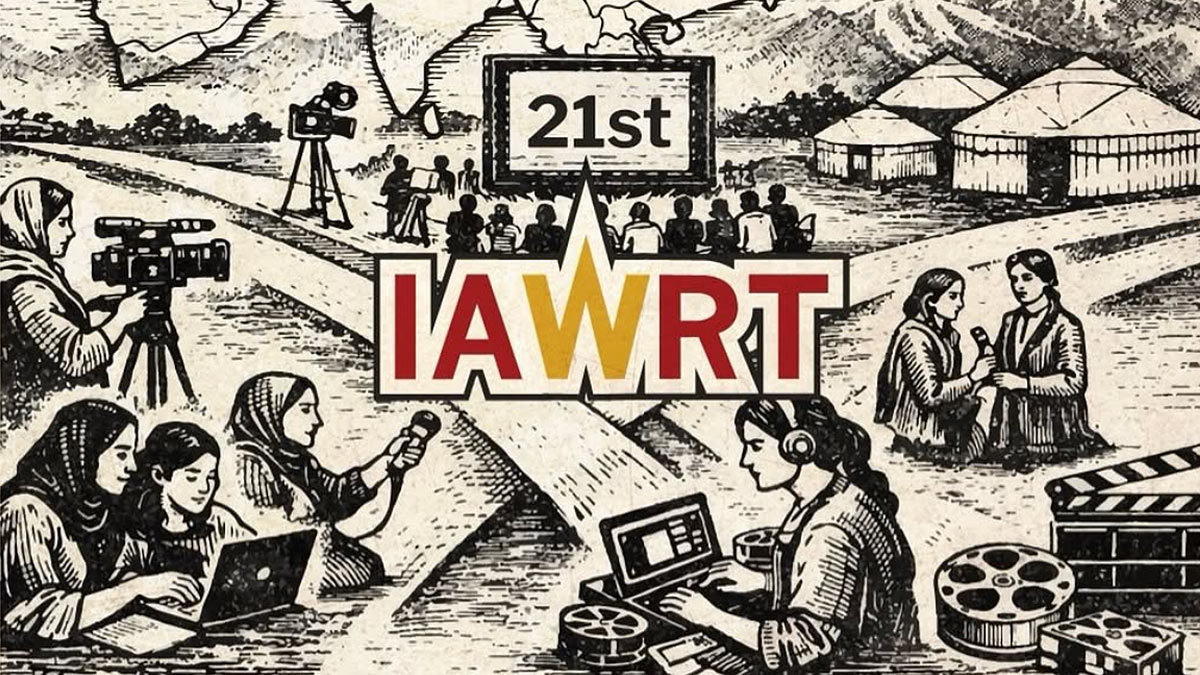
The 21st edition of the Asian Women’s Film Festival (AWFF) 2026, organized by the International Association of Women in Radio and Television (IAWRT), is set to bring three powerful days of cinema to New Delhi. The festival will take place from March 13 to March 15, 2026, at the India International Centre (IIC), celebrating women’s voices, stories, and perspectives from across Asia.

Event Detail at a Glance

Aspects Details
Event Asian Women’s Film Festival 2026
Edition 21st Edition
Dates March 13, 14, 15, 2026
Venue India International Centre (IIC), New Delhi
Organizer International Association of Women in Radio and Television (IAWRT)
Collaboration India International Centre, New Delhi
Focus Celebrating women’s voices, stories, and cinematic perspectives from across Asia

A Platform for Women Storytellers

Held in collaboration with the India International Centre, the festival continues its long-standing commitment to amplifying the voices of women filmmakers. Over the years, the Asian Women’s Film Festival has emerged as a significant platform for showcasing narratives that challenge dominant perspectives while highlighting diverse experiences of women in cinema.

Films That Inspire and Transform

The festival promises an engaging lineup of films that explore themes of identity, resilience, creativity, and social change. Through powerful storytelling and unique cinematic styles, filmmakers from across Asia present narratives that inspire audiences and encourage reflection on contemporary realities.


View this post on Instagram


A post shared by IAWRT India (@iawrtindia)

Conversations Beyond the Screen

Beyond film screenings, AWFF 2026 will create opportunities for dialogue and exchange. Filmmakers, storytellers, and audiences will come together to discuss ideas, share experiences, and reflect on how cinema can question conventions and spark meaningful conversations.

Building Community Through Cinema

For over two decades, the Asian Women’s Film Festival has fostered a community that connects creators, critics, and viewers passionate about women-led storytelling. The festival continues to celebrate the collective spirit of creativity and resistance, bringing together voices that shape the evolving landscape of Asian cinema.

Takeaway

As the festival marks its 21st year, AWFF 2026 stands as a testament to the enduring power of women’s stories in film. By creating space for diverse perspectives and transformative narratives, the Asian Women’s Film Festival continues to inspire audiences and strengthen the cultural dialogue around women in cinema.
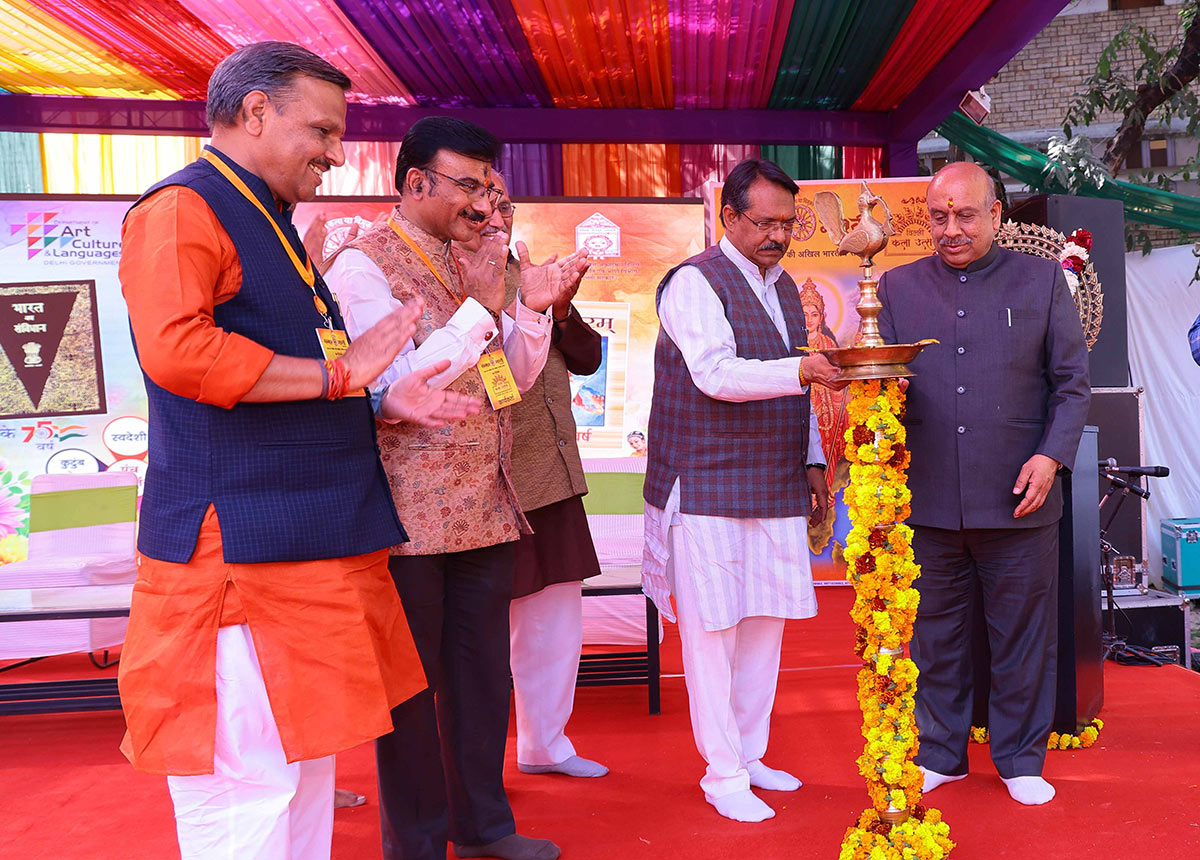
Delhi Kala Utsav 2026 Concludes at Rabindra Bhavan with Grand Celebrations

0

Delhi-Kala-Utsav-2026-Concludes-A

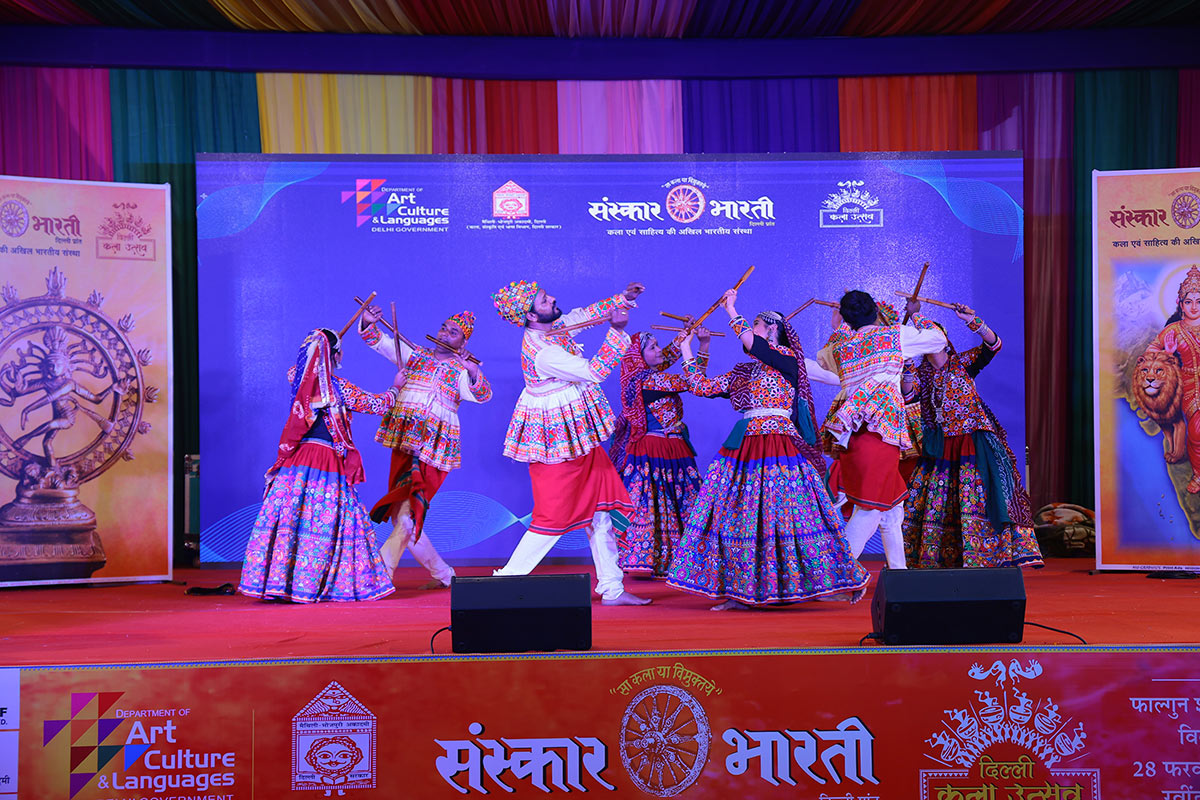
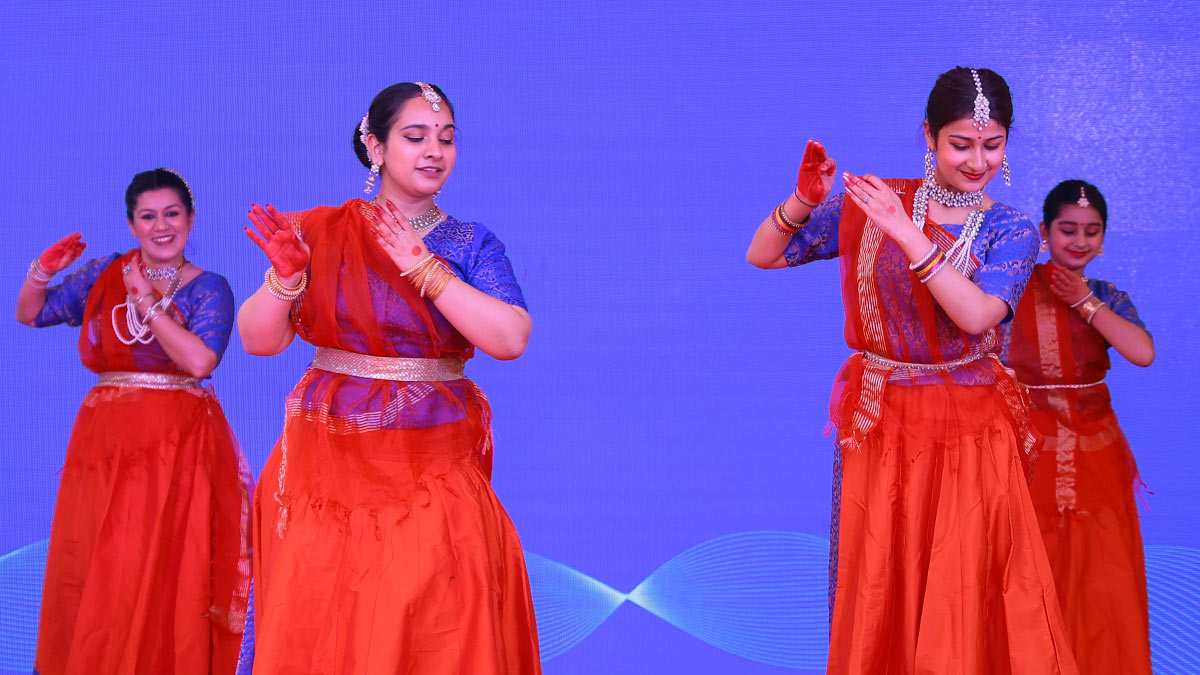
New Delhi, March 2, 2026: The two-day Delhi Kala Utsav 2026, organized by Sanskar Bharati, Delhi Prant, with the support of the Government of Delhi, concluded successfully at Rabindra Bhavan, Mandi House, New Delhi. The festival attracted a large number of art enthusiasts across both days and was widely appreciated for its high-quality cultural presentations.

Dignitaries Grace the Inaugural Ceremony

Delhi-Kala-Utsav-2026-Concludes-at-Rabindra-Bhavan-01

The inaugural ceremony was marked by the presence of Shri Harsh Malhotra, Minister of State for Road Transport & Highways, Government of India; Shri Vijender Gupta, Speaker, Delhi Legislative Assembly; Shri Vijay Kumar, All India Sah-Vyavastha Pramukh & Regional Organization Minister, Sanskar Bharati; and Shri Ashok Tiwari, National Executive Member, Sanskar Bharati. The dignitaries emphasized the importance of initiatives that preserve and promote India’s rich artistic and cultural heritage.

A Confluence of Classical and Folk Traditions

Delhi-Kala-Utsav-2026-Concludes-at-Rabindra-Bhavan-02

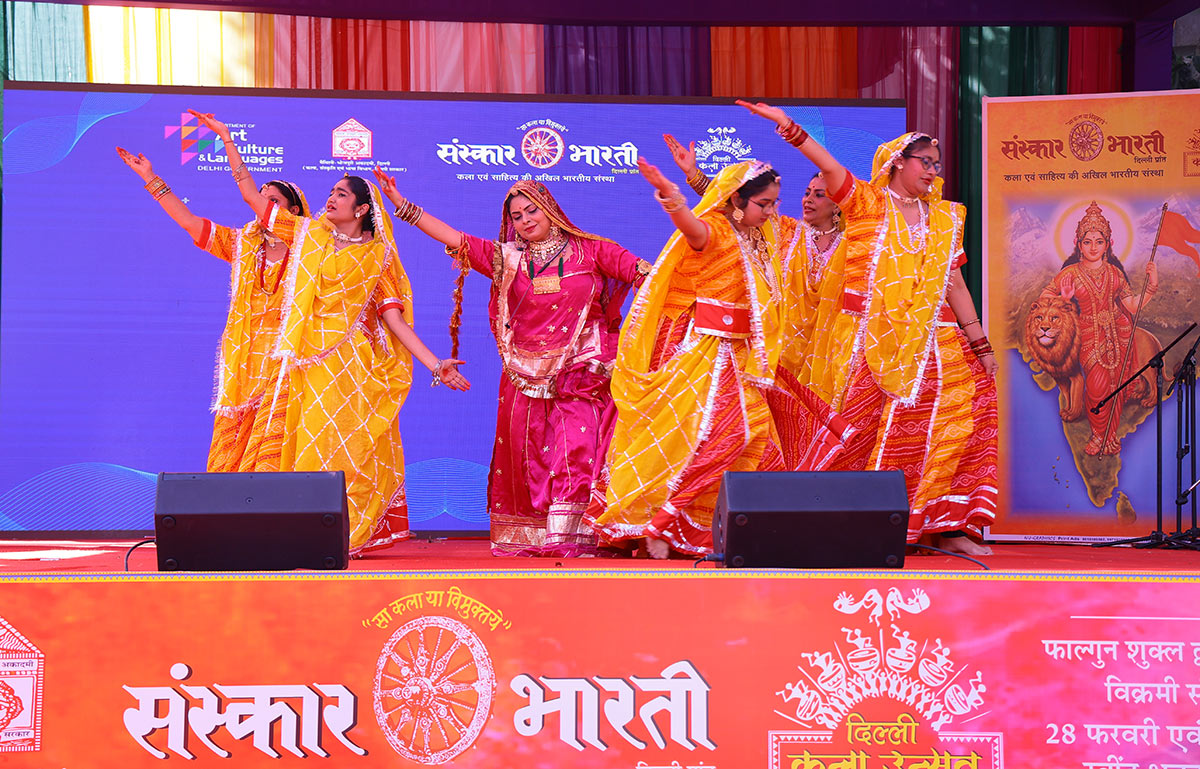
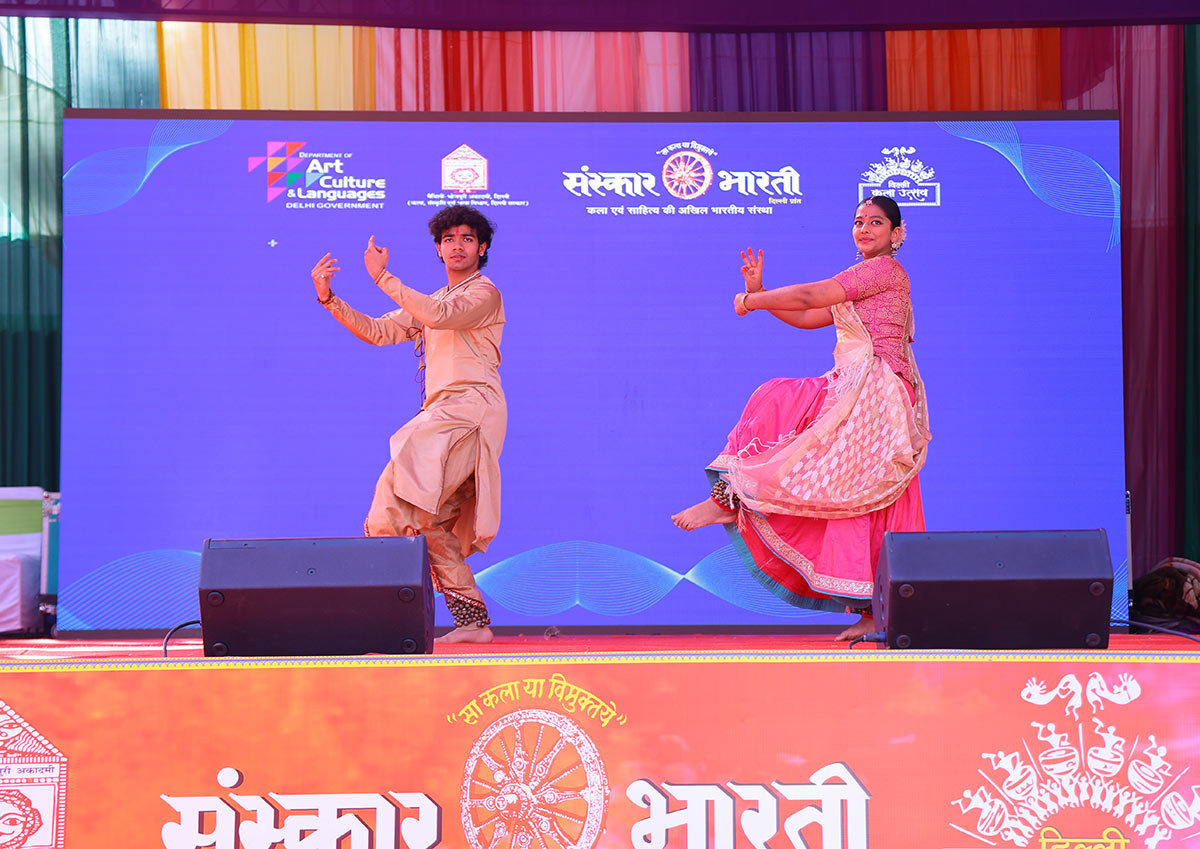
The festival presented a vibrant blend of classical music, dance, folk performances, theatre, poetry, and traditional art forms. Renowned santoor maestro and composer Pandit Abhay Rustam Sopori delivered a special presentation of Raag Bharati, a newly composed raga, earning immense appreciation. Ms. Vidhi Sharma captivated audiences with her melodious rendition of traditional Holi songs.

Theatre, Poetry and Holi Traditions Take Centre Stage

Delhi-Kala-Utsav-2026-Concludes-at-Rabindra-Bhavan-06

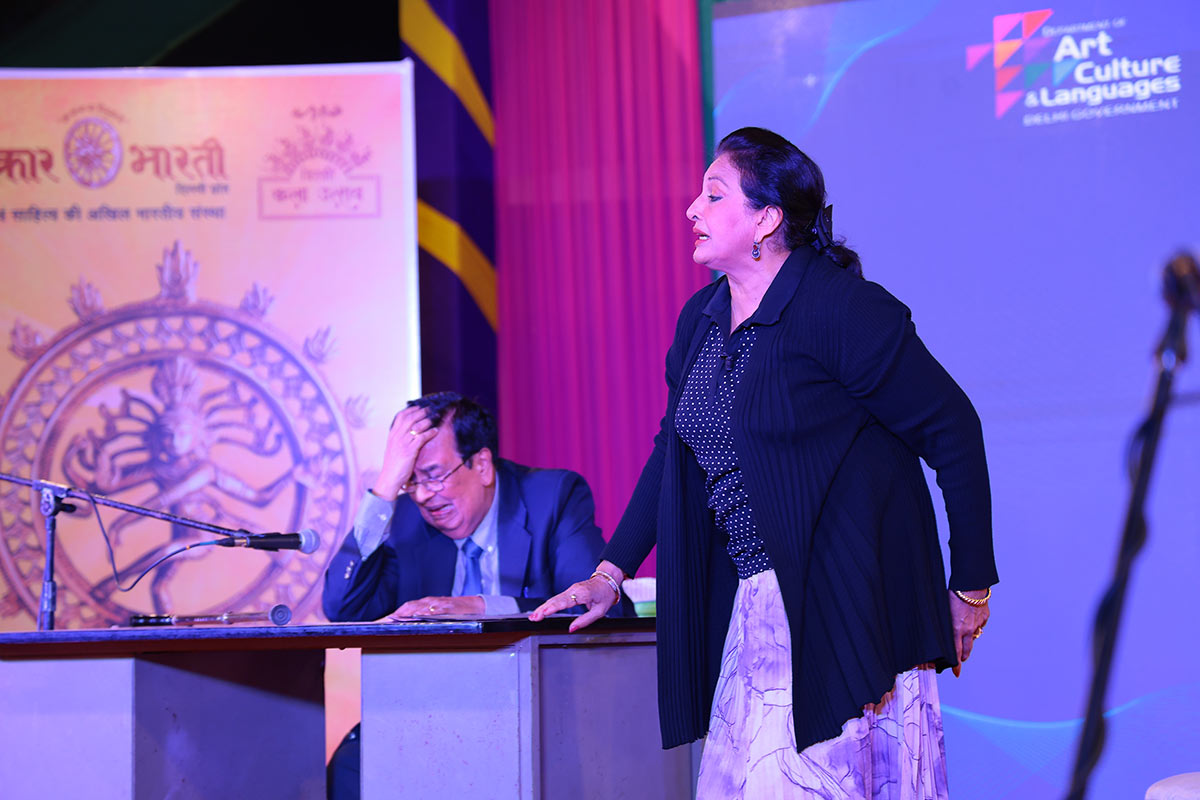
The theatrical production “Besahara Aurat”, directed by Shri Pradeep Kukreja, received notable acclaim. The poetry symposium remained a major highlight, with eminent poets moving audiences through their compositions. A distinctive cultural moment came with Vrindavan Ki Phoolon Ki Holi, presented by Charkula Arts Academy, which connected spectators deeply with Holi traditions.

A Collaborative Cultural Platform

Delhi-Kala-Utsav-2026-Concludes-at-Rabindra-Bhavan-03

Delhi Kala Utsav 2026 was organized with the support of the Government of Delhi, alongside participation from Maithili-Bhojpuri Academy, Lalit Kala Akademi, and various cultural institutions. Held ahead of the Holi festival, the event provided visitors an immersive experience of India’s folk traditions and cultural vibrancy. Several distinguished personalities from the fields of art and culture attended the program.

A Cultural Initiative Beyond Commercial Motives

Delhi-Kala-Utsav-2026-Concludes-at-Rabindra-Bhavan-04

Curated by noted playwright Shri Jaiprakash Singh, the festival stood out as a non-commercial initiative dedicated to the preservation and promotion of India’s artistic traditions. Alongside established performers, the platform offered valuable opportunities to emerging talents who may otherwise lack exposure.

Gratitude and Future Vision

Shri Prabhat Kumar, President, Sanskar Bharati, Delhi Prant, expressed gratitude to artists, guests, collaborators, and attendees for contributing to the festival’s success. He stated that such initiatives reinforce Indian cultural values in society and shared plans to make the festival more expansive and grand in the coming year.

Folk Art, Artisans and Community Participation

Delhi-Kala-Utsav-2026-Concludes-at-Rabindra-Bhavan-05

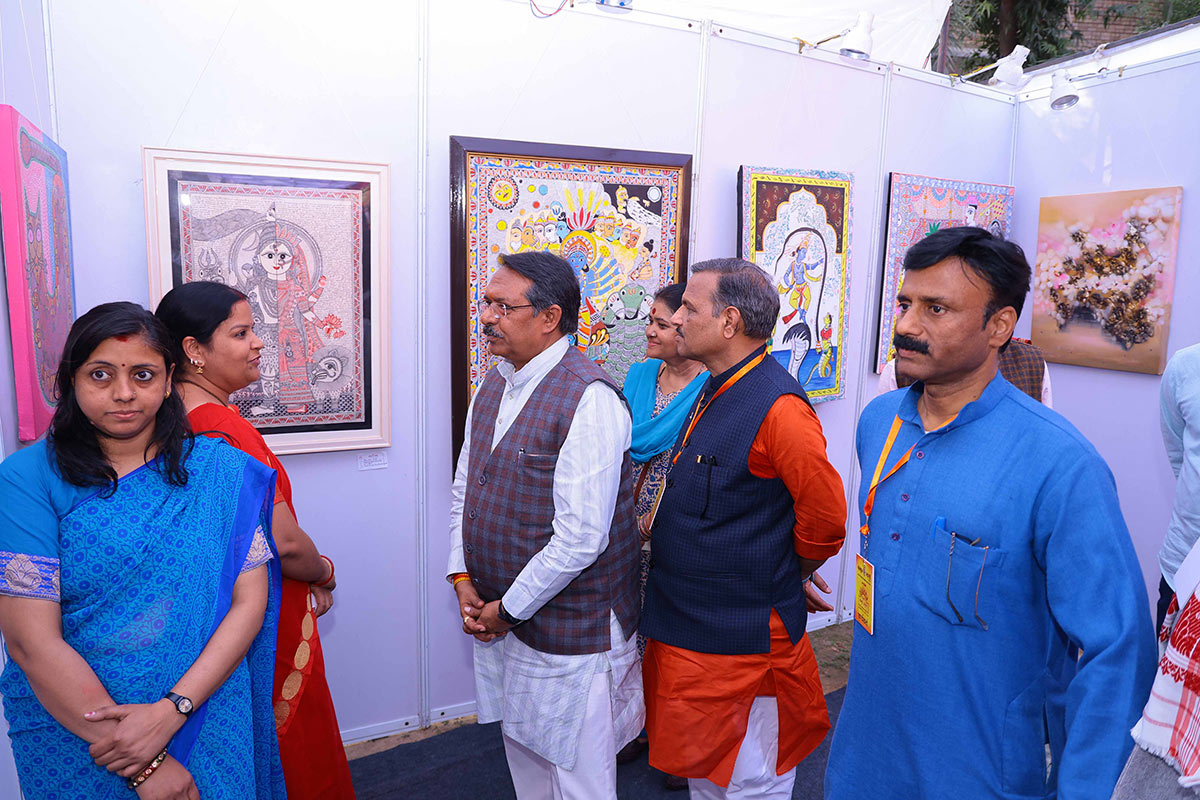
Visitors experienced folk art displays, traditional artisans at work, puppet shows, handicraft exhibitions, and traditional delicacies from Old Delhi (Delhi-6). The enthusiastic participation of families, students, and art lovers added vibrancy to the two-day cultural celebration.

Takeaway

The Grand Finale of Delhi Kala Utsav 2026 reaffirmed its position as a significant cultural platform in the capital. By bringing together classical excellence, folk vibrancy, theatre, poetry, and community participation, the festival celebrated India’s living heritage while strengthening its commitment to preserving artistic traditions for future generations.

Threads of Solidarity at Gallery Pradarshak Celebrates 115 Years of Women’s Day

0

Threads-of-Solidarity-at-Gallery-Pradarshak-Invitation

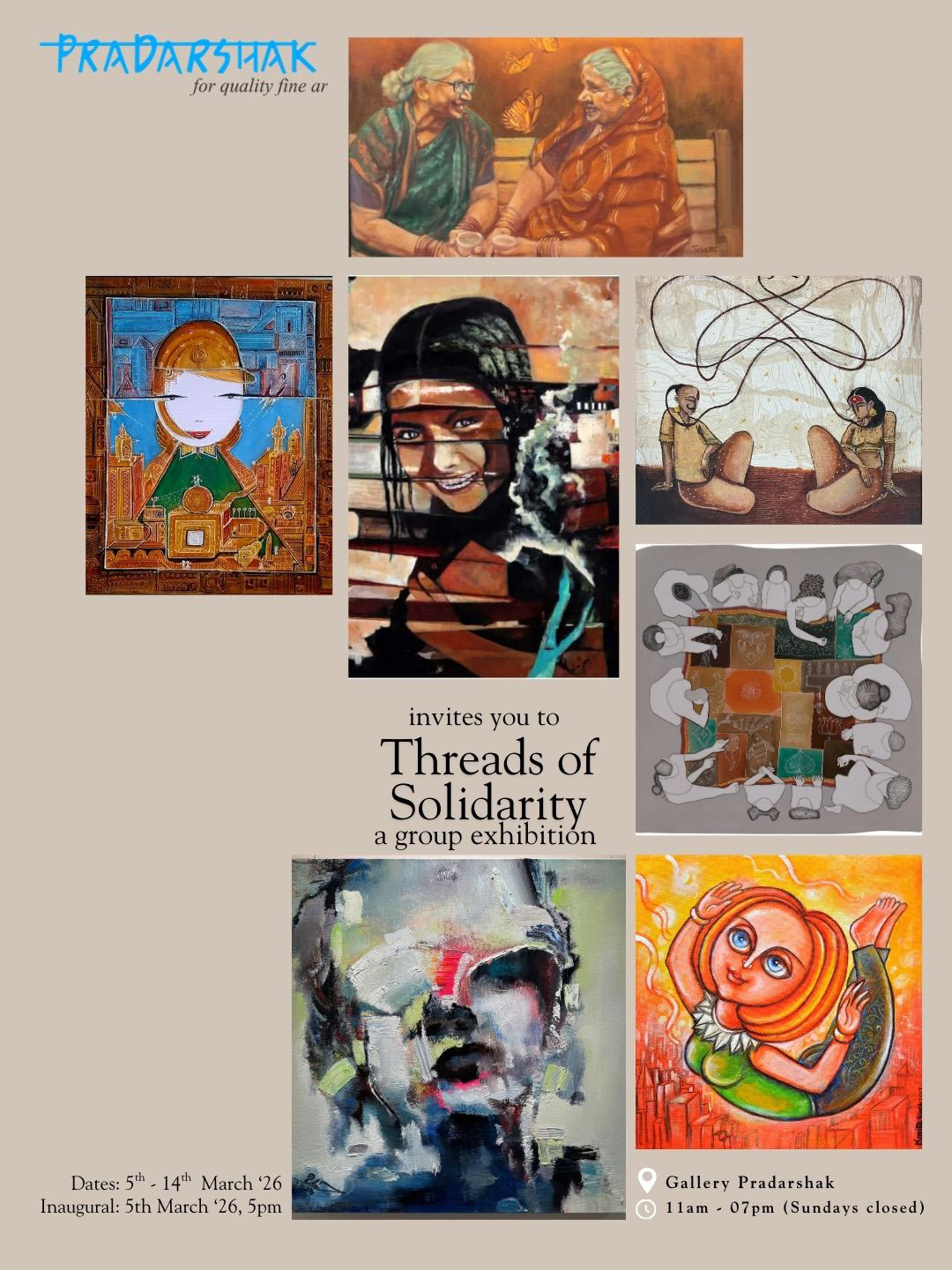
Gallery Pradarshak presents Threads of Solidarity, a curated group exhibition celebrating womanhood in the 115th year of International Women’s Day. The exhibition will be on view from 5th to 14th March 2026 at Gallery Pradarshak, Khar West, Mumbai 

Event at a Glance

Aspects Details
Exhibition Title Threads of Solidarity
Occasion 115th Year of International Women’s Day
Dates 5th – 14th March 2026
Timings 11 am – 7 pm (except Sundays)
Venue Gallery Pradarshak, Khar West, Mumbai
Artists Nalini Joshi, Madhavi Joshi, Hema Mhatre, Prof. (Dr.) Kavita Singh, Satwant Singh,
Monali Khatale, Surabhi Gulwelkar, Gayatri Mehta, Yalda Ostwar, Sunil Tambe,
Pradnya More, Yashashree Sutar, Vishal Phasale
Entry Open to All | Artworks Available for Purchase

A Collective of Diverse Artistic Voices

The exhibition brings together artists Nalini Joshi, Madhavi Joshi, Hema Mhatre, Prof. (Dr.) Kavita Singh, Satwant Singh, Monali Khatale, Surabhi Gulwelkar, Gayatri Mehta, Yalda Ostwar, Sunil Tambe, Pradnya More, Yashashree Sutar, and Vishal Phasale. By consciously including both women and men artists, the exhibition reinforces solidarity as a shared social consciousness rather than a gendered discourse.

Exploring Strength, Resilience and Adaptability

Threads-of-Solidarity-at-Gallery-Pradarshak-Red-Lotus

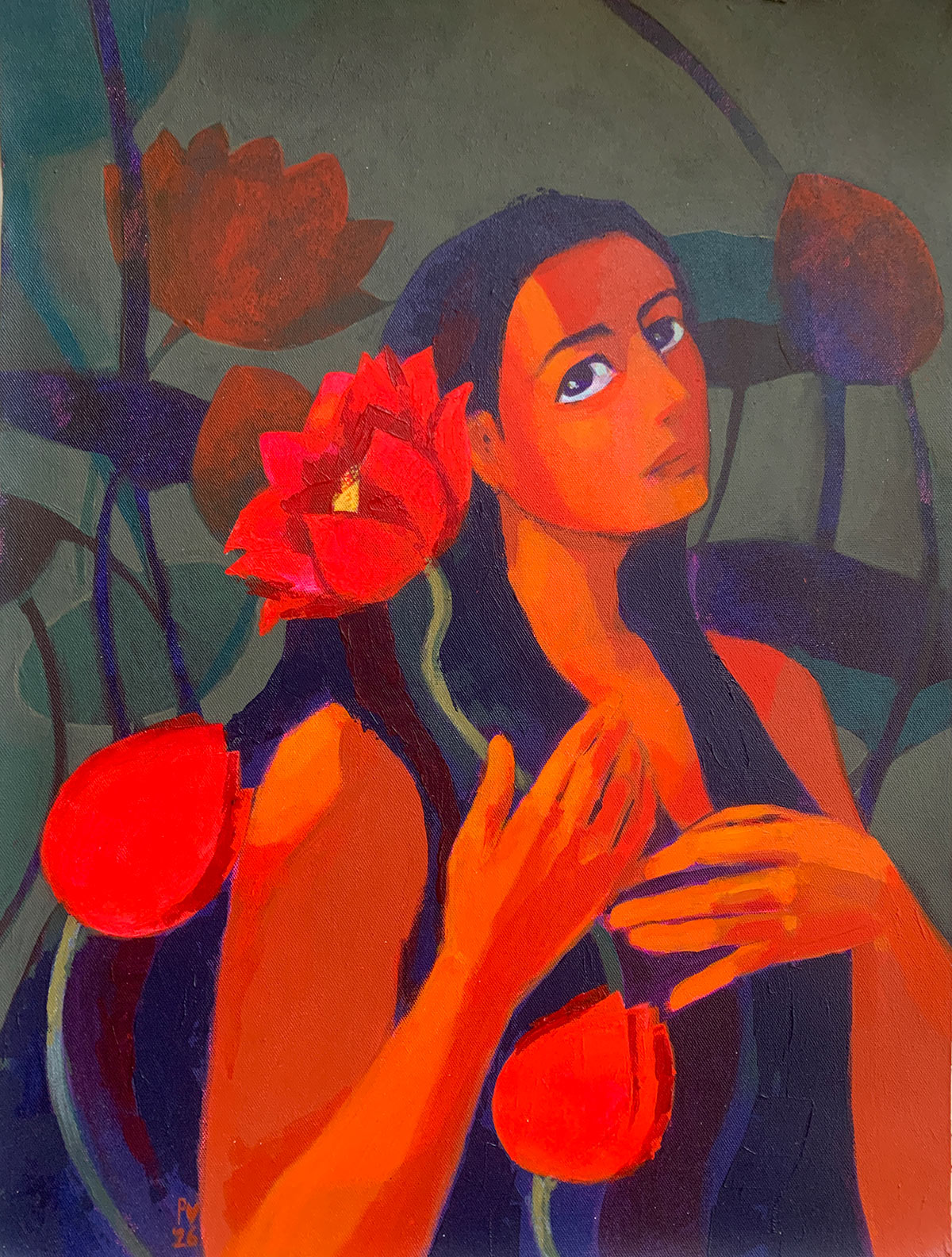
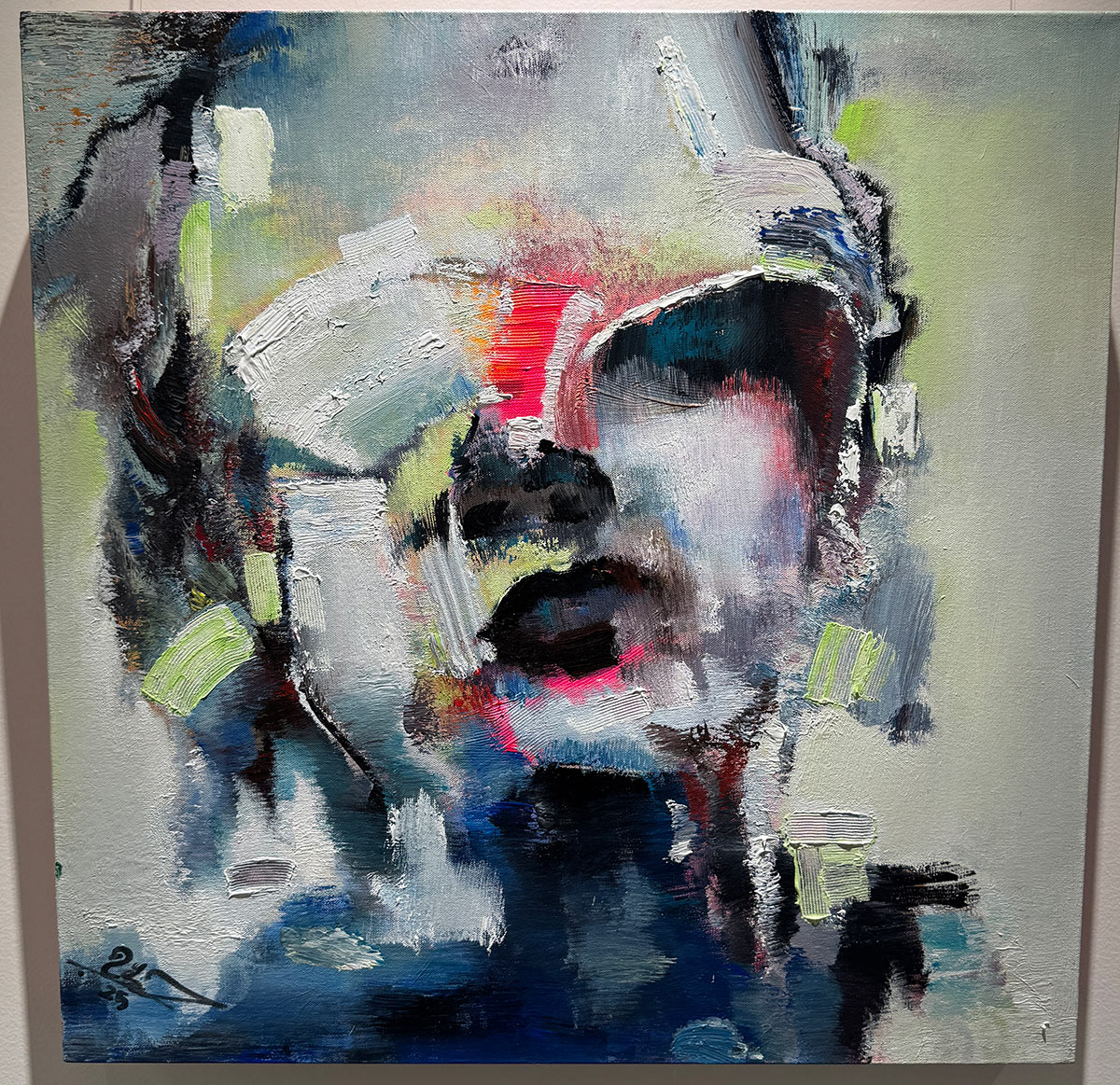
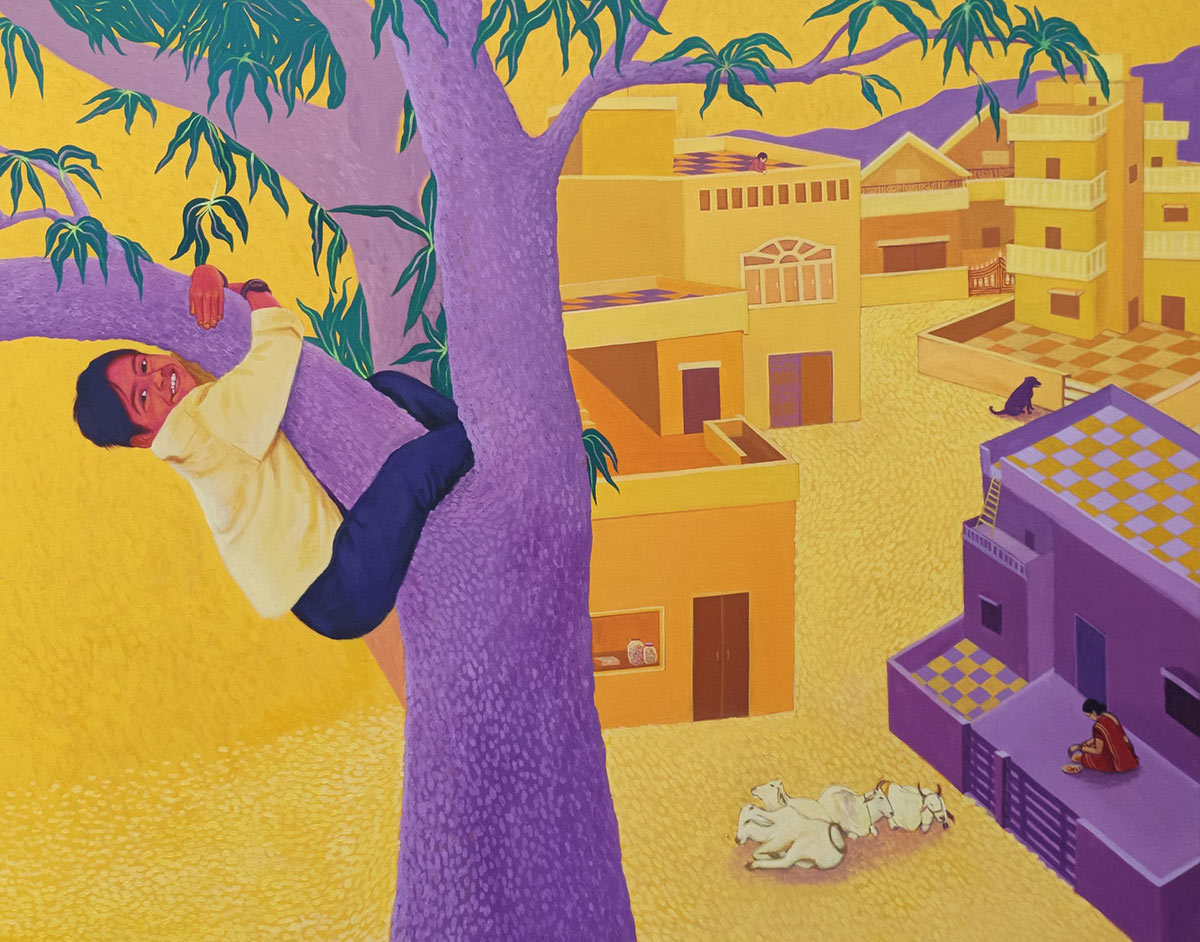
Through layered visual narratives, the exhibition foregrounds strength, resilience, patience, perseverance, and adaptability as enduring human virtues. The works span figurative interpretations, symbolic imagery, and explorations of colour, texture, and narrative form.

Personal Memory and Cultural Reflection

Several artists draw from lived experiences and cultural memory, transforming everyday objects, urban landscapes, and natural metaphors into reflections on continuity, connection, and self-realisation. Themes range from intimate domestic spaces and personal identity to psychological journeys and mythic symbolism.

An Experiential Engagement

Threads-of-Solidarity-at-Gallery-Pradarshak-Yalda-Ostwar

Extending beyond passive viewing, the exhibition introduces an experiential element hinted at through an ongoing social media campaign. Visitors are invited to discover a surprise within the gallery space, encouraging personal reflection and deeper engagement with the theme of womanhood.

Takeaway

Through thoughtful curation and an intimate setting, Threads of Solidarity positions art as a space of recognition and connection. The exhibition celebrates womanhood not as a singular narrative, but as an interwoven continuum sustained by collective kinship. Open to all, with artworks available for purchase, the show offers both reflection and dialogue in the heart of Mumbai.

Woman Power Market at The Quorum Gurgaon Celebrates Sustainable Creativity

0

The-Woman-Power-market-at-Quorum-Gurgaon-A

The Woman Power Market is set to take over The Quorum Club, Two Horizon Centre, Gurgaon, from March 13 to March 15. Curated by Srila Chatterjee, known for her inimitable style and flair for beautiful things, this vibrant pop-up promises a powerful showcase of women-led brands and sustainable creativity.

Event at a Glance

Aspects Details
Event Name Woman Power Market
Dates & Timings March 13 – 3 PM to 8 PM
March 14 & 15 – 11 AM to 8 PM
Venue The Quorum Club, Two Horizon Centre, Gurgaon
Entry Free Entry

Three Days of Art, Design and Community

This electrifying three-day extravaganza will unfold from March 13th to 15th, bringing together decor pieces, apparel, jewellery, unique art, crafts and more. The market celebrates not just products but culture, craftsmanship, and the unbreakable bonds within the women-led creative community. Entry is free, inviting visitors to champion female talent and experience conscious consumption firsthand.

Spotlight on Sustainable Fashion

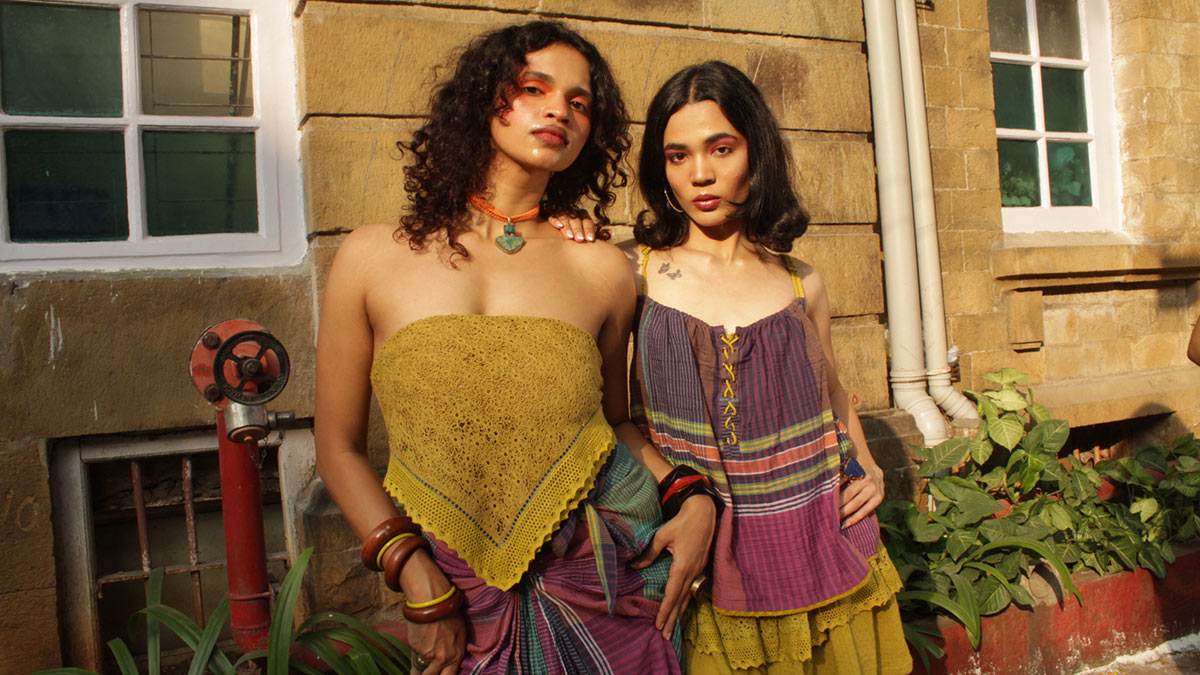
Among the participating brands is The Kefi House, specializing in sustainable cotton clothing for girls. With a focus on durability and timeless charm, its limited-edition designs feature fine materials, enduring prints, lacework and embellishments crafted with emotional artistry.

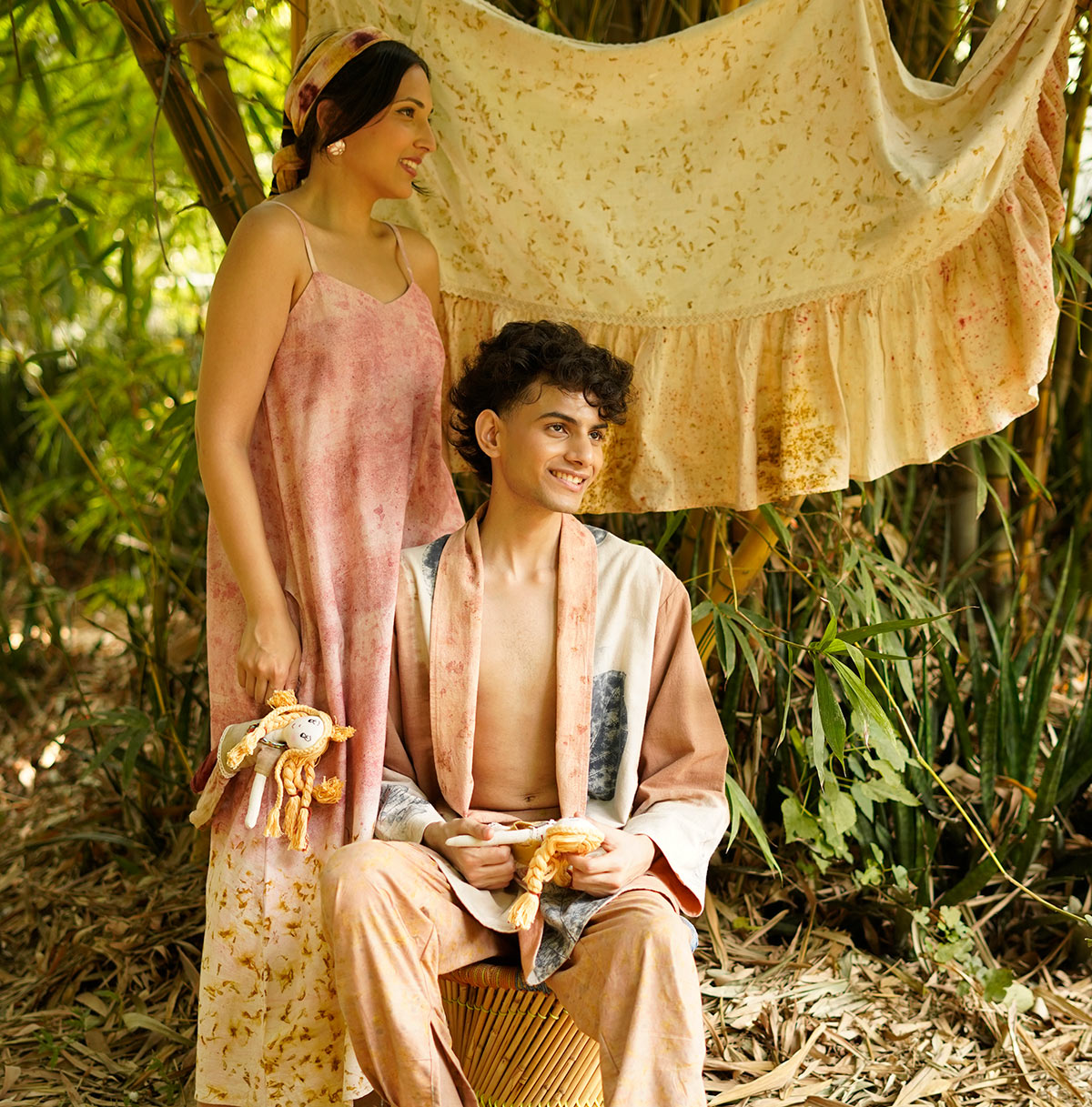
Bageeya, meaning ‘a small garden’ in Hindi, presents eco-conscious apparel created using temple flowers, medicinal roots for natural dyes, and real leaves for distinctive prints and textures. Crafted by local artisans, the brand counters fast fashion pollution with textiles inspired by nature.

Jewellery Rooted in Heritage and Nature

MELO_Chokdi-and-Phulwaali-Earrings-and-Nari-Necklace-and-Phulwadi-Choker-2

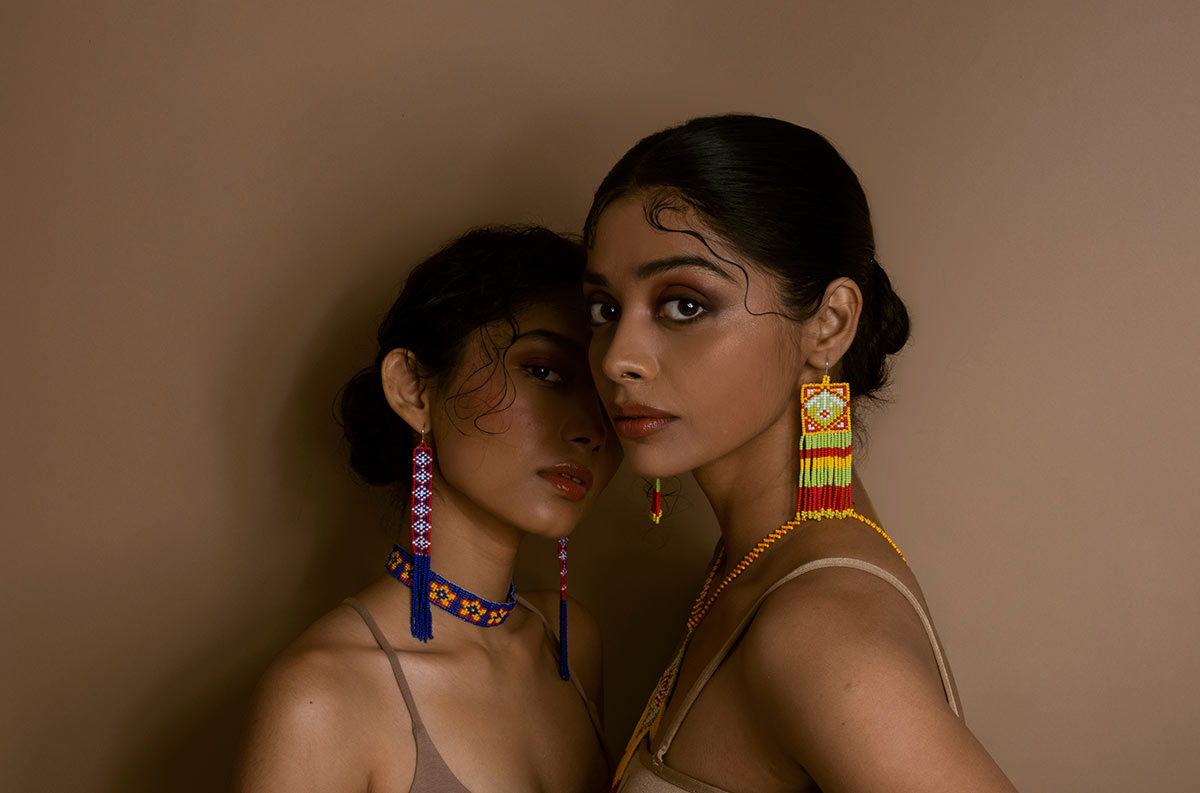
MELO celebrates the heritage and artistry of Gujarat, drawing from founder Sanika Shah’s roots in Ahmedabad. From silver to beadwork, MELO’s creations balance modern aesthetics with deep cultural influences.

Dookdi, founded by Jinal Patel in Ahmedabad, transforms inspiration from butterflies, beetles and moths into wearable art. Using non-precious metals, the brand emphasizes sustainable and ethical jewellery practices.

Conscious Living and Artisanal Flavours

BAGEEYA

Pacha Life brings sustainable home décor into focus with bamboo bookshelves and curtain ties inspired by water lilies and tulips. The brand blends India-made craftsmanship with style and functionality for distinctive interiors.

Adding a gourmet dimension is Käse Cheese, established in 2016 in Chennai. The award-winning fromagerie produces over 40 preservative-free artisanal cheese varieties using ethical, grass-fed cow milk and adapted Western methods.

Pop-up Highlights

Brand Highlight
THE KEFI HOUSE Specializes in sustainable cotton clothing for girls, offering limited-edition designs crafted with durable materials, enduring prints, lacework, embellishments, and timeless charm.
BAGEEYA Creates sustainable apparel using temple flowers, medicinal-root dyes, and real leaves for unique prints and textures, crafted by local artisans to counter fast fashion pollution.
MELO Inspired by Gujarat’s heritage, MELO blends silver and bead artistry with modern aesthetics, reflecting founder Sanika Shah’s cultural roots in Ahmedabad.
DOOKDI Founded by Jinal Patel in Ahmedabad, Dookdi transforms butterflies, beetles, and moths into sustainable, ethical jewellery crafted from non-precious metals.
PACHA LIFE Offers India-made sustainable décor including bamboo bookshelves and floral-inspired curtain ties, blending craftsmanship, functionality, and style.
KÄSE CHEESE Established in 2016 in Chennai, this award-winning fromagerie produces 40+ preservative-free artisanal cheeses using ethical, grass-fed cow milk and adapted Western techniques.

Takeaway

The Woman Power Market at The Quorum Gurgaon stands as a vibrant platform for celebrating women entrepreneurs, sustainable craftsmanship and creative excellence. Over three days, it promises a dynamic retail and cultural experience—inviting visitors to support female-led brands and embrace mindful, design-driven living.

‘Still I Rise’ 2026 Brings Together 30 Women Artists at Shailja Art Gallery

0

‘Still-I-Rise’-2026-Brings-Together-30-Women-Artists-at-Shailja-Art-Gallery-0B

Annual Women’s Month Celebration Returns

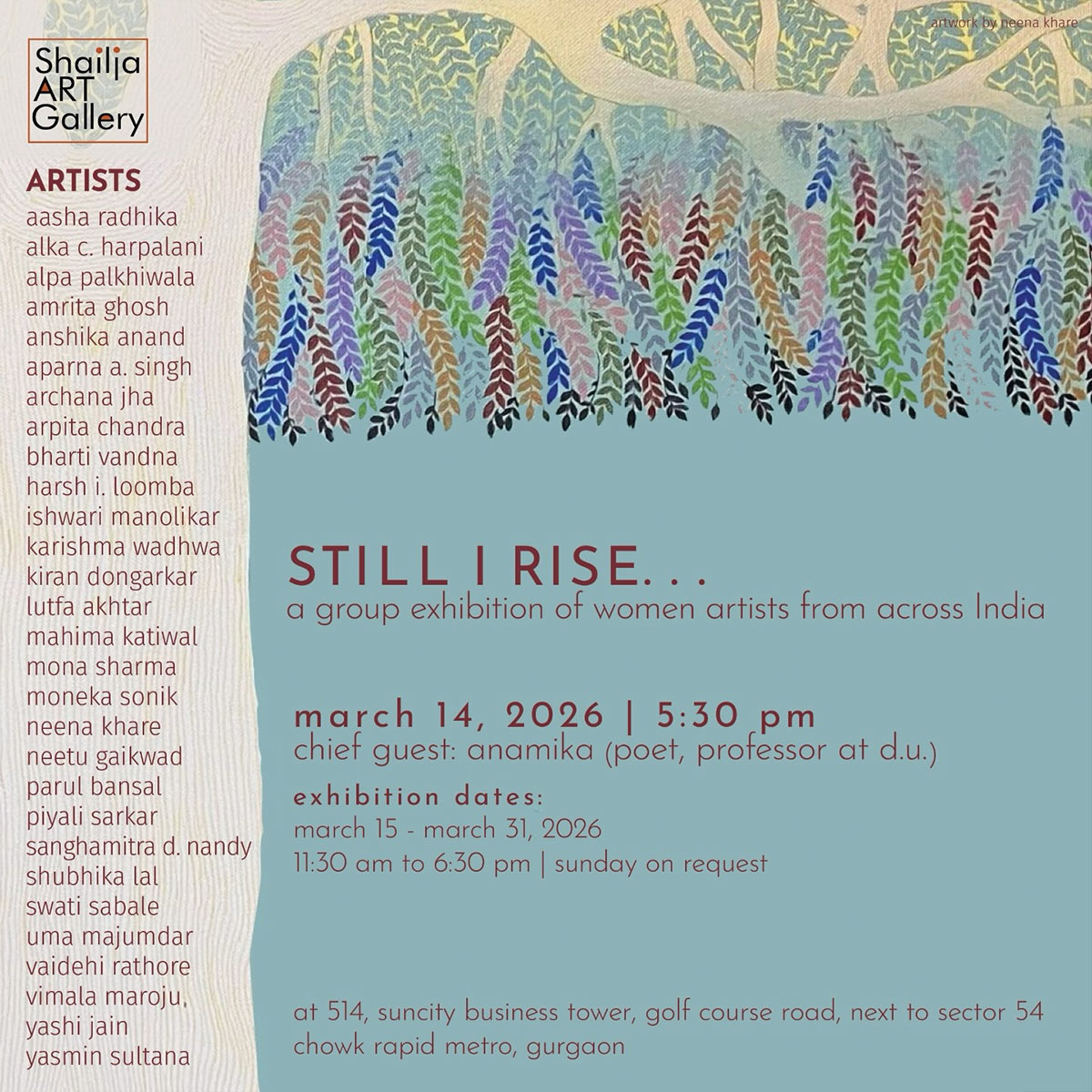
As International Women’s Day approaches, Shailja Art Gallery returns with its annual, month-long celebration dedicated to women artists. The highlight of the festivities is the third edition of its annual exhibition, Still I Rise…, reaffirming the gallery’s commitment to showcasing women’s creative voices.

Suggested Story: Renowned Women Artists of India You Should Know About!

Third Edition of ‘Still I Rise’

Now in its third edition, Still I Rise continues to build on its legacy as a platform for artistic expression rooted in resilience, strength, and identity. The exhibition reflects the evolving narratives of women artists across generations, presenting diverse interpretations of empowerment and lived experience.

Thirty Women Artists from Across India

This year’s edition brings together 30 women artists from across the country, offering a wide spectrum of artistic practices and mediums. The exhibition creates a collective space where individuality meets solidarity, celebrating creativity while highlighting the spirit of perseverance that defines the occasion.

Inauguration by Poet Anamika

The exhibition will be inaugurated by Anamika, Professor at the University of Delhi and the first female poet to win the Sahitya Akademi Award for Hindi poetry. Her presence underscores the cultural significance of the event, bridging literature and visual art in a shared celebration of women’s achievements.

A Platform for Strength and Creativity

Still I Rise is more than an art exhibition—it is a tribute to the strength and creative spirit that International Women’s Day represents. Through painting, sculpture, and mixed media works, the show aims to foster dialogue around representation, identity, and artistic agency.

Celebrating Women Through Community and Art

Shailja Art Gallery’s annual celebration has become a meaningful fixture in the cultural calendar, providing artists a supportive platform while inviting audiences to engage with narratives shaped by courage and conviction. The exhibition continues to grow as a collective moment of recognition and solidarity.

Event at a Glance

Aspects Details
Exhibition Title Still I Rise (Third Edition)
Organised By Shailja Art Gallery, Gurgaon
Date March 14, 2026
Time 5:30 pm
Venue Shailja Art Gallery
Participating Artists 30 women artists from across India
Chief Guest Anamika, Professor, University of Delhi

Takeaway

Opening on March 14, 2026 at 5:30 pm, Still I Rise stands as a vibrant testament to women’s creativity and resilience. By bringing together 30 artists under one roof, Shailja Art Gallery once again reinforces the importance of art as a space for empowerment and shared celebration.

Method Presents “Home?” at ARCOmadrid 2026 Exploring Fragile Sanctuaries

0

Method-Presents-“Home-”-at-ARCOmadrid-2026-B

Method Participates in ARCOmadrid’s Opening Section

For its participation in the Opening section of ARCOmadrid 2026, Method presents Home?, a curated group exhibition featuring works by Sajid Wajid Shaikh, Shamir Iqtidar, Ammama Malik, and Syed Ali Sarvat Jafri. The presentation will be on view from March 4th – 8th, 2026 at IFEMA MADRID, Spain, marking another significant international engagement for the Mumbai and New Delhi-based gallery.


View this post on Instagram


A post shared by Method (@methodindia)

Interrogating the Idea of Home

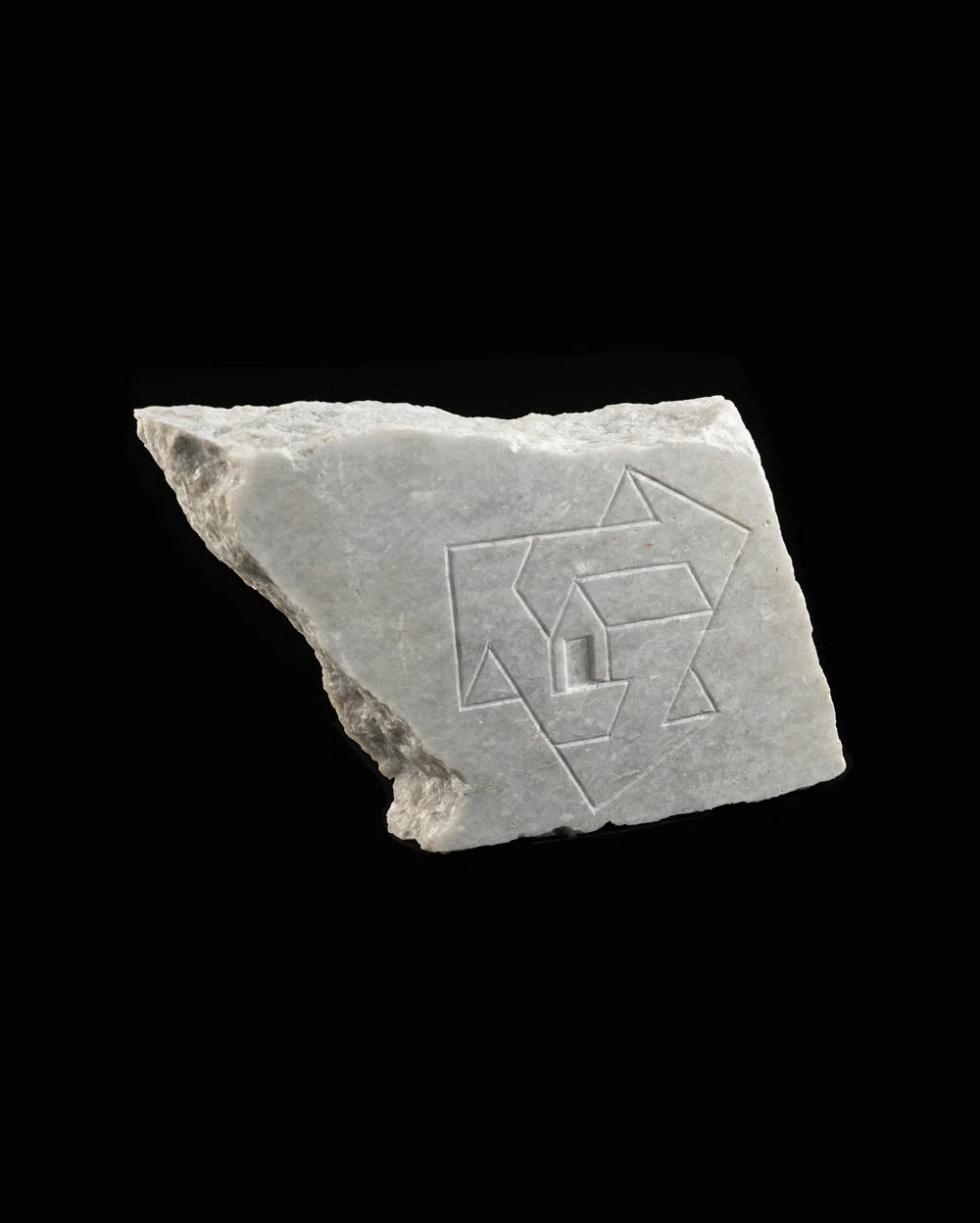
Home? explores the universal yet fragile promise of home—not simply as architecture, but as a site of safety, intimacy, and identity under threat. Through sculpture, painting, and installation, the booth transforms into a porous and contested space. The exhibition questions how private lives endure pressures of public scrutiny, political erasure, and cultural conservatism.

Sajid Wajid Shaikh’s Fractured Concrete Wall

Sajid-Wajid-Shaikh-घर-04-2024

At the centre of the presentation is a new installation by Sajid Wajid Shaikh, who deconstructs the traditional concrete grill—an architectural element designed for privacy and protection. Reduced to fractured geometry and pierced with soft white balloons, the work challenges notions of permanence. Vulnerability emerges not as weakness but as an inevitable force that disrupts structures meant to shield.

Shamir Iqtidar’s Intimate Paintings

Method-Presents-“Home-”-at-ARCOmadrid-2026-0A

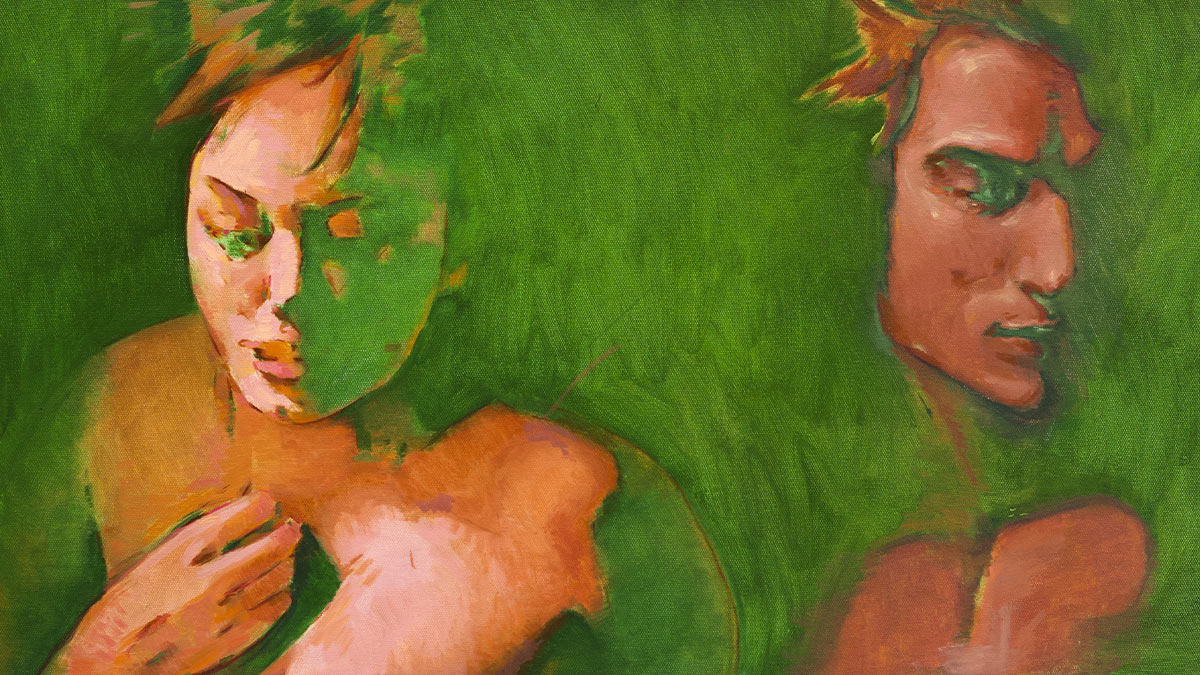
Visible through the apertures of Shaikh’s broken wall are Shamir Iqtidar’s paintings, which capture tender and private moments of Pakistani youth. Acts of affection that rarely unfold freely in public are rendered with quiet sensitivity. Viewed through the fractured grill, the act of looking becomes uneasy, echoing themes of surveillance and social concealment.

Ammama Malik’s Veiled Presence

Ammama-2

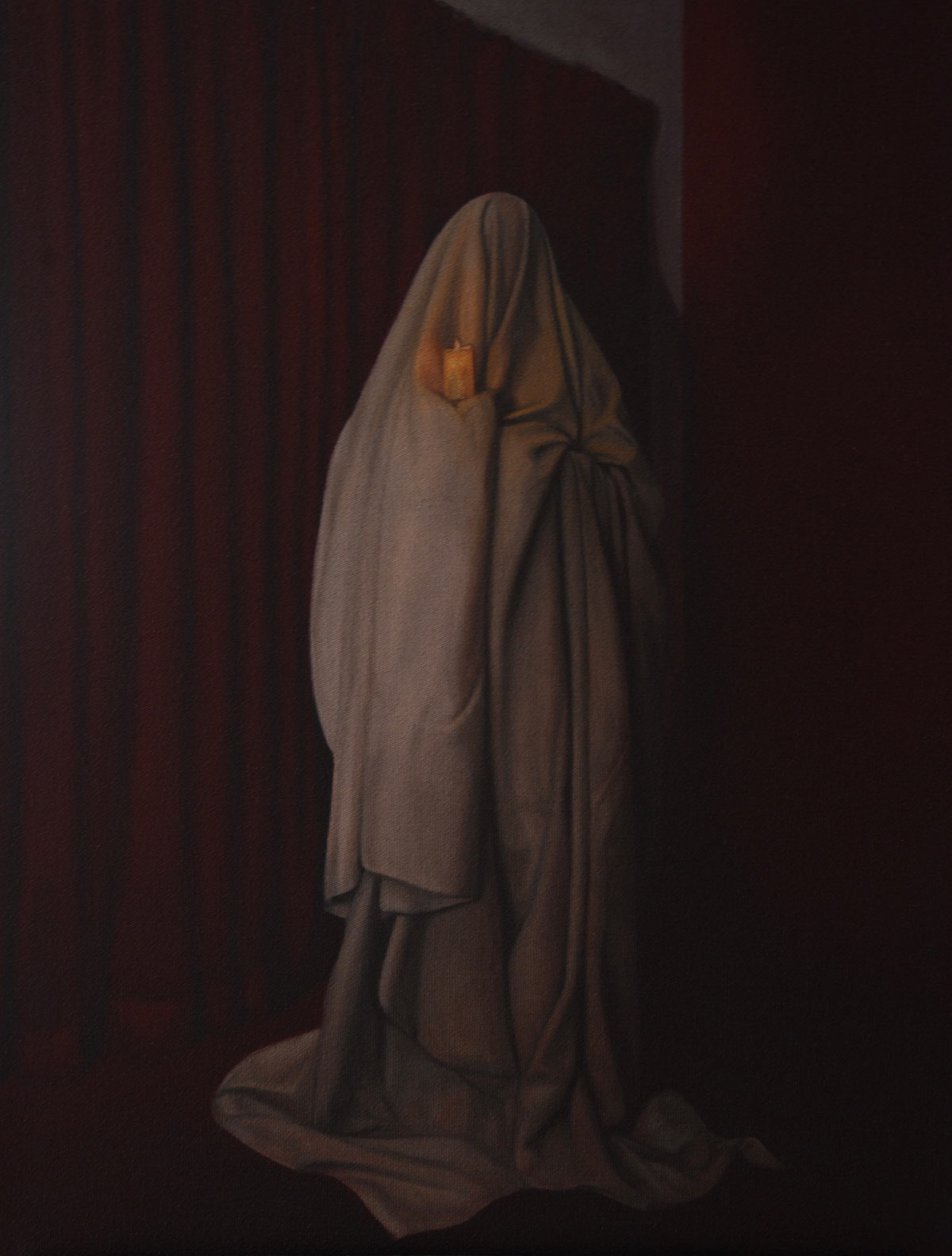
Positioned behind the lattice is a veiled female figure by Ammama Malik. Her deliberate placement reflects how women are often relegated to the margins in conservative environments. The figure embodies dual meanings—hiddenness as constraint and hiddenness as resistance, revealing how invisibility can also function as a form of self-preservation.

Syed Ali Sarvat Jafri’s Material Archives

Syed-Ali-Sarvat-Jafri-Fighting-For-Existence-

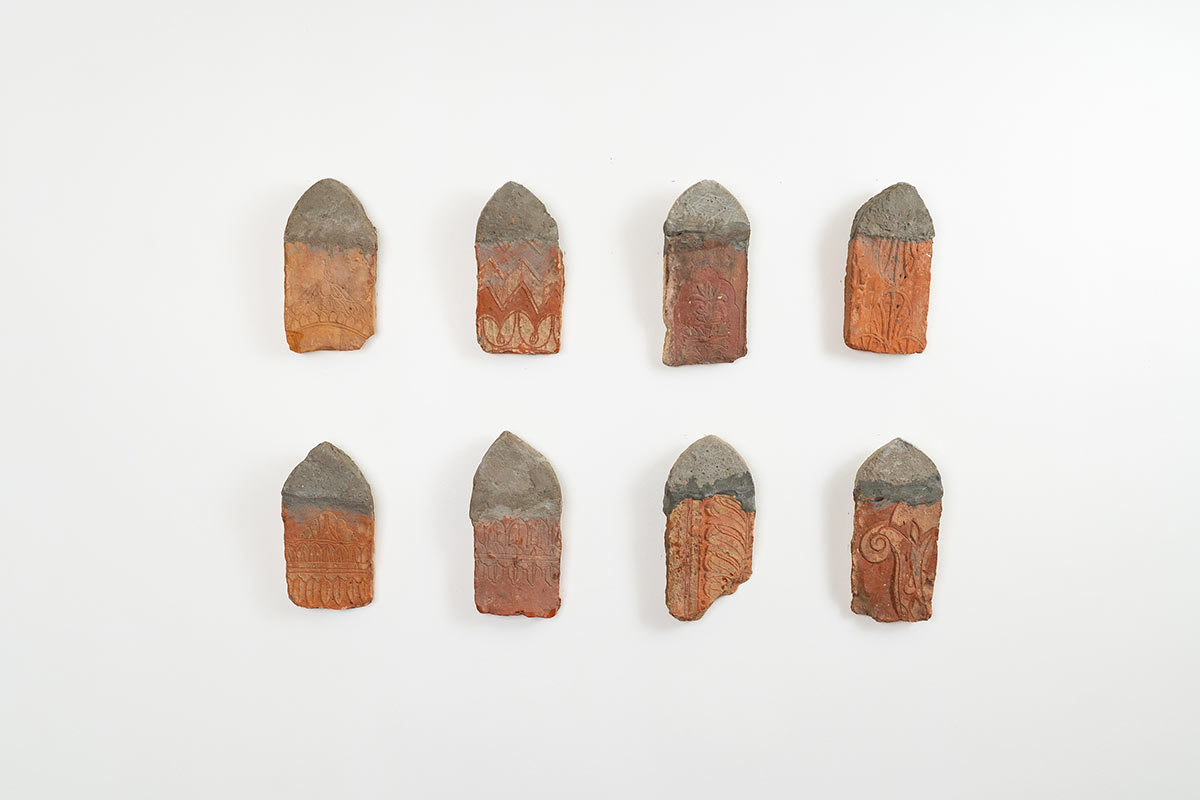
Completing the exhibition are sculptural works by Syed Ali Sarvat Jafri, constructed from 17th-century lakhori bricks salvaged from demolished sites in Faizabad. These fragments serve as material archives, carrying histories of place and memory. In the context of political transformation and erasure, they stand as physical testaments to a past that resists disappearance.

Event at a Glance

Aspects Details
Exhibition Title Method Presents “Home?”
Art Fair ARCOmadrid 2026
Gallery Method (Mumbai & New Delhi, India)
Artists Sajid Wajid Shaikh, Shamir Iqtidar, Ammama Malik, Syed Ali Sarvat Jafri
Dates March 4th – 8th, 2026
Location IFEMA MADRID, Spain
Section Opening Section

Takeaway

Together, the four artists construct a “home” that is unstable, intimate, and deeply contested. Home? becomes a meditation on shelter in a world where safety is fragile and identity remains under negotiation. Through tenderness, material memory, and acts of quiet defiance, the exhibition affirms survival as both emotional and political persistence.

Kiran Dixit Thacker’s ‘Our Ashram…Santiniketan’ Set to Open at IHC

0

Kiran-Dixit-Thacker’s-‘Our-Ashram…Santiniketan-01

Our Ashram…Santiniketan, a solo exhibition by Kiran Dixit Thacker, will be on view from 2nd to 9th March 2026, 11am–7pm, at the Visual Arts Gallery, India Habitat Centre (IHC), Lodi Colony, New Delhi. The presentation brings together more than one hundred works spanning sculpture, drawing and painting, offering an immersive journey through the artist’s decades-long engagement with Santiniketan.

An Oeuvre Rooted in Santiniketan

Kiran-Dixit-Thacker-Couples-Bronze

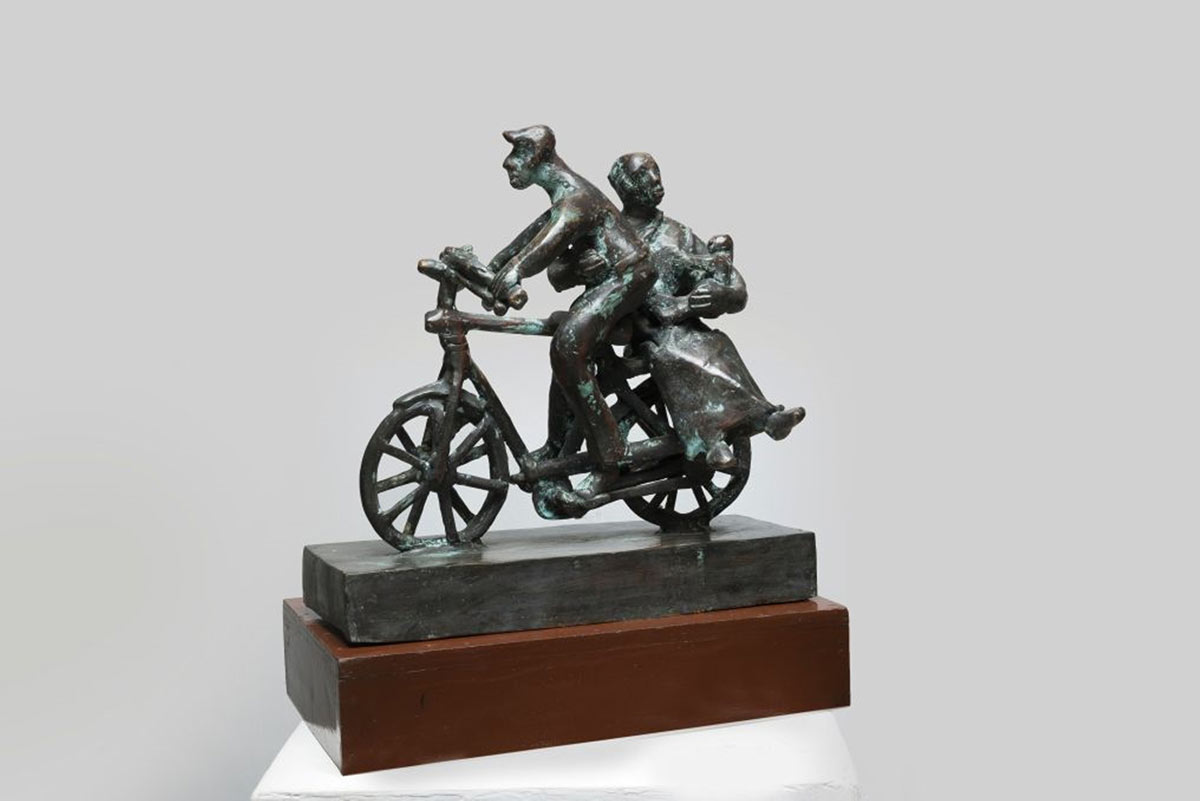
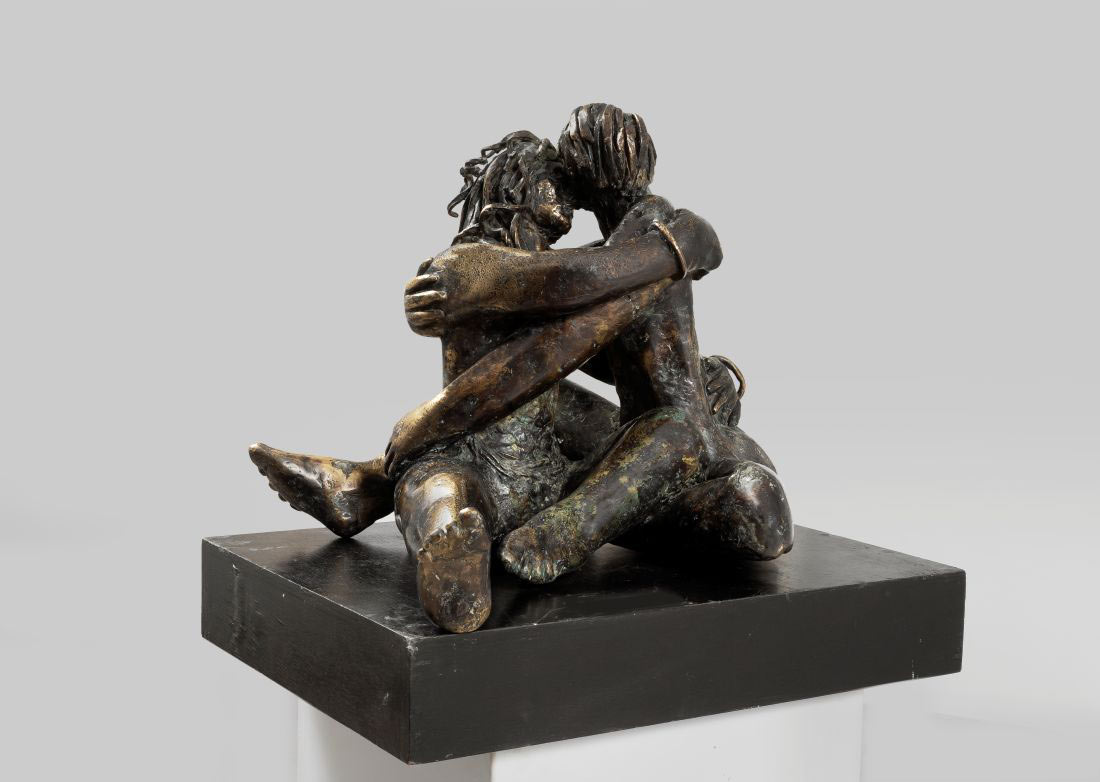
The exhibition traces Thacker’s lifelong relationship with the landscape, people and rhythms of Santiniketan. Moving fluidly between bronze, mild steel, stone, watercolour and drawing, the body of work reflects both monumentality and intimacy. The weeklong show presents a rare opportunity to witness the breadth of her practice in a single comprehensive display.

The Legacy of Ramkinkar Baij

Kiran-Dixit-Thacker-Untitled

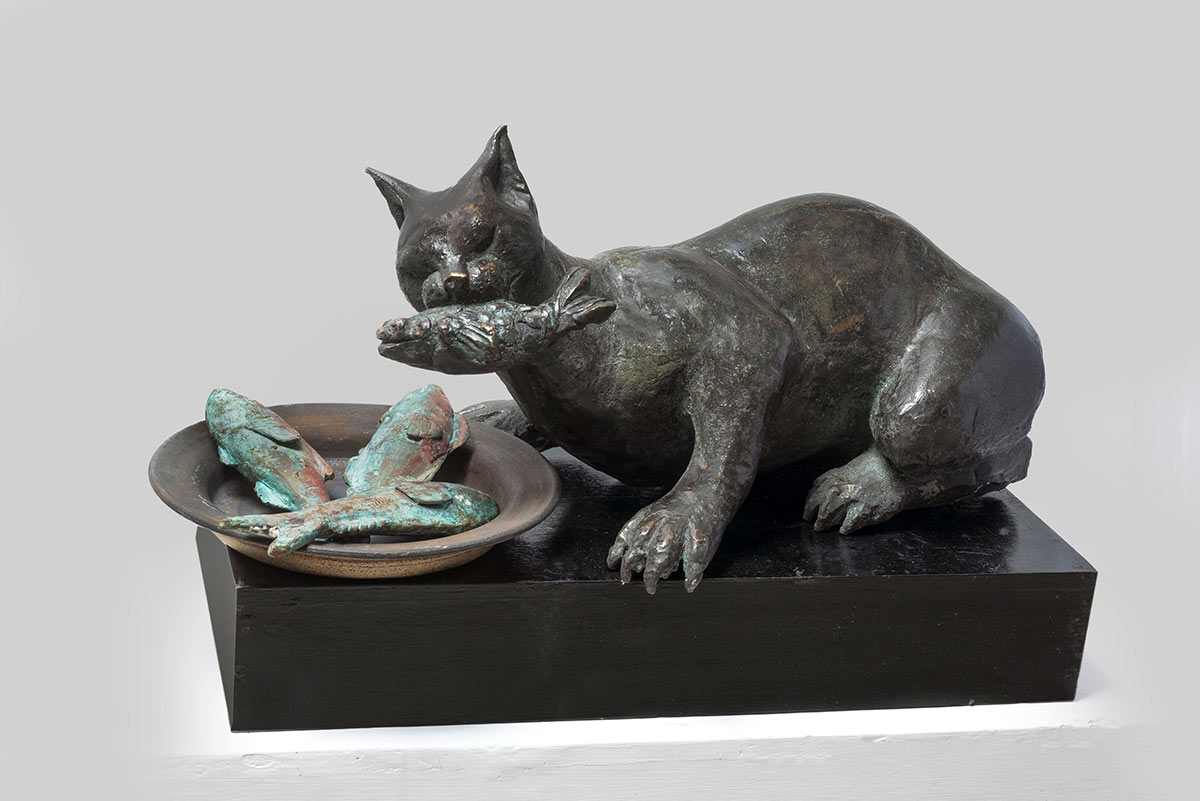
Kiran Dixit Thacker holds a significant place in Indian art history as the only living female disciple of Ramkinkar Baij. Deeply influenced by Baij and the printmaker Somnath Hore, her work carries forward a tactile, material-driven approach to sculpture. Her figurative sculptures are grounded in geometric form and strong armature, giving structural integrity to expressive surfaces.

Village Life and Sculptural Narratives

Kiran-Dixit-Thacker-Woman-with-her-Hens-Cocks-Mild-Steel-lifesize

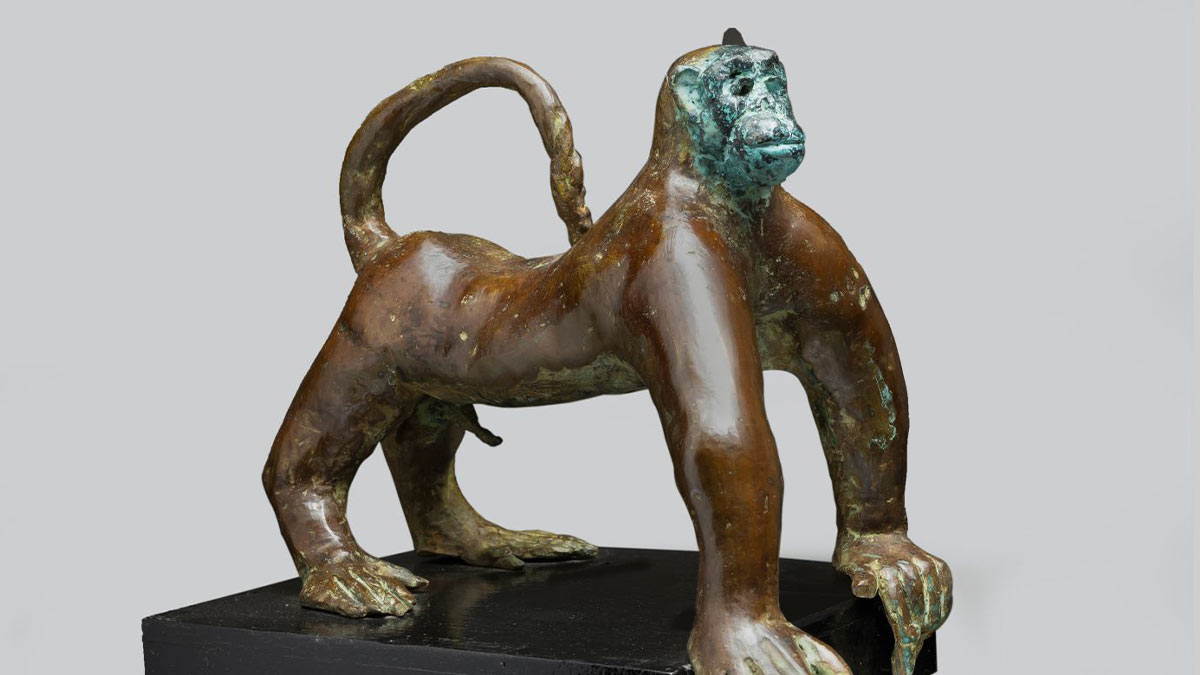
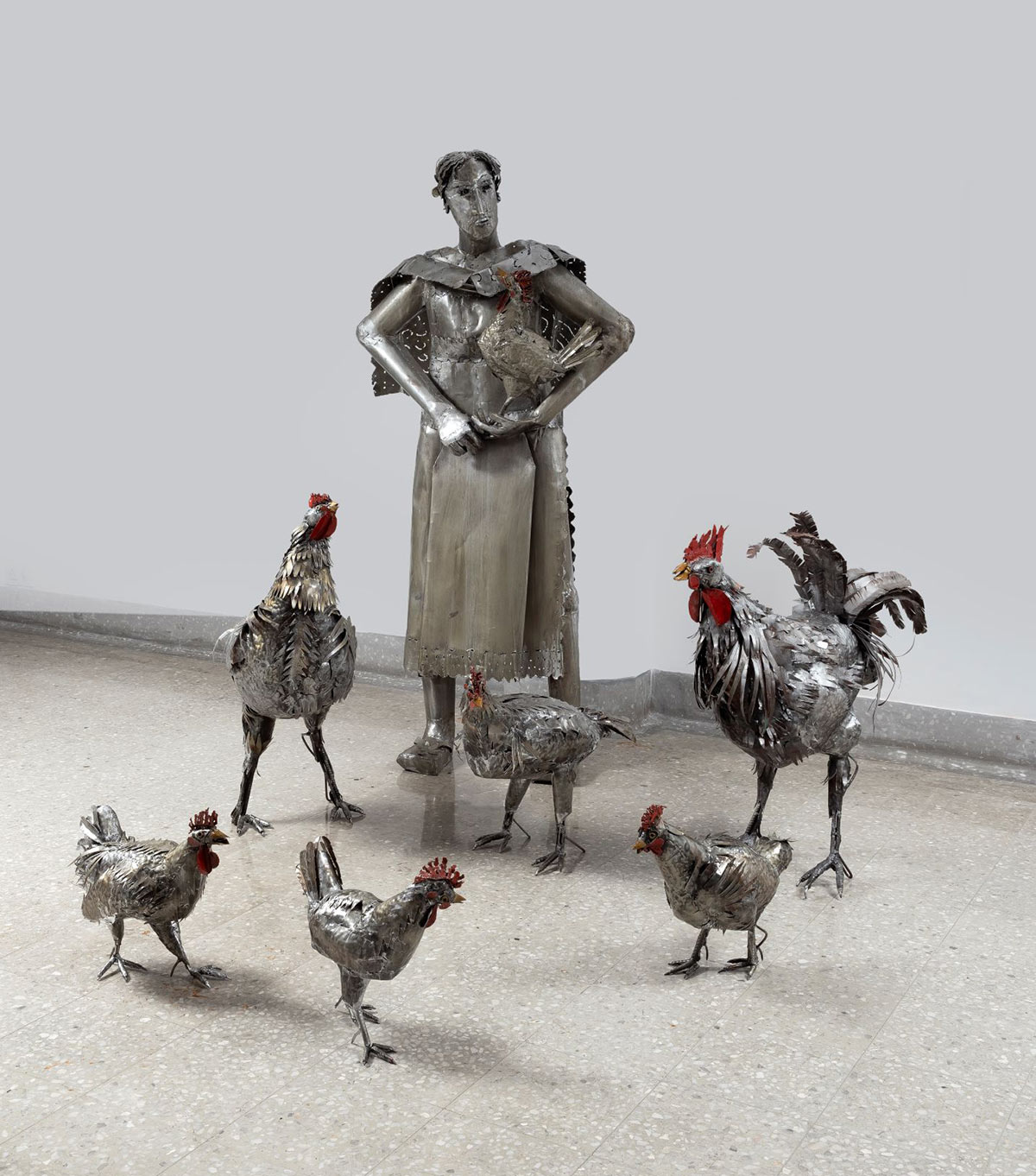
Her themes draw from village and tribal life, reflecting resilient optimism and quiet strength. Among the standout works in the exhibition are The Goat, Three Santhal Men, Woman with her Hens Cocks, towering palm trees with peacocks, and bronze works such as Owls, Lovers and Monkeys. Each piece reveals meticulous attention to detail and a tactile command over metal and stone.

From London to Santiniketan

Kiran-Dixit-Thacker-Cat-Series-Bronze

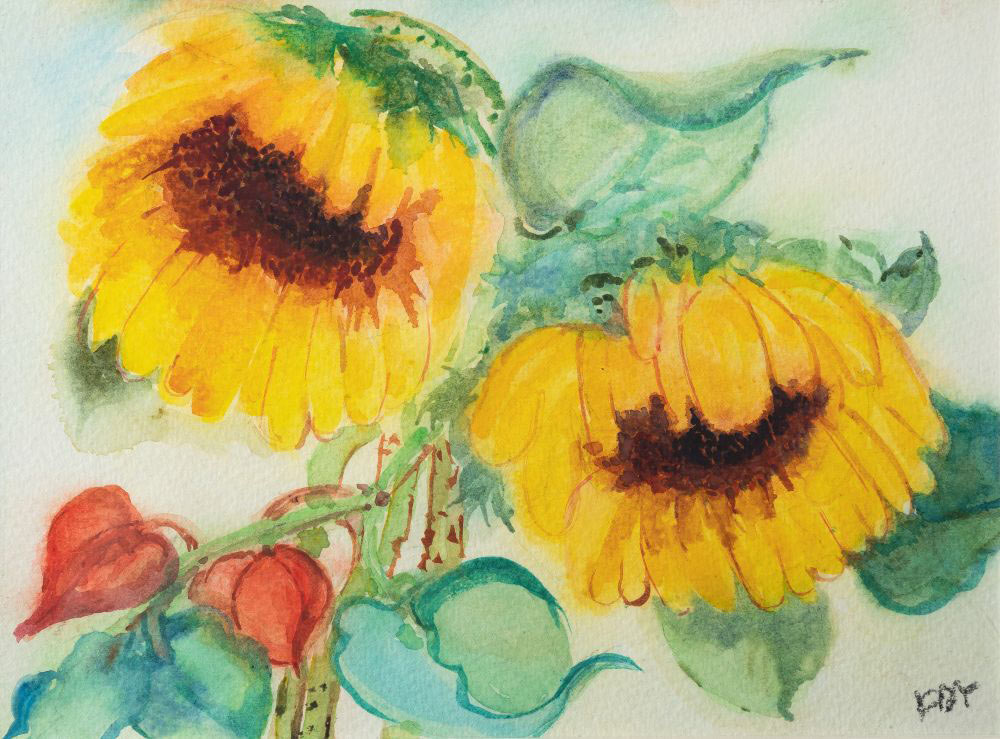
Many of the watercolours, paintings and drawings were created during Thacker’s years in London, where she also taught design and technology, sharpening her metalworking skills. In contrast, the bronze, stone and mild steel sculptures were produced in her Santiniketan studio, grounding the exhibition in both global exposure and local inspiration.

A Dialogue with Metal

Kiran-Dixit-Thacker-Lovers-Bronze

Thacker’s relationship with metal forms the core of her artistic exploration. While bronze remains close to her heart, its cost and technical challenges encouraged her to experiment with mild steel, allowing her to be bold yet economical. Heat, handcraft and patience become tools through which stubborn sheets of metal are coaxed into expressive forms inspired by ponds, birds and barefoot walks in Santiniketan.

Event at a Glance

Aspects Details
Exhibition Title Our Ashram…Santiniketan
Artist Kiran Dixit Thacker
Dates 2nd – 9th March 2026
Time 11am – 7pm
Venue Visual Arts Gallery, India Habitat Centre, Lodi Colony, New Delhi
Mediums Bronze, mild steel, stone, watercolour, painting, drawing
Works on Display 100+ sculptures, drawings and paintings

Takeaway

Our Ashram…Santiniketan offers audiences an encounter with an artist who bridges memory, landscape and material intelligence. Through over one hundred works, Kiran Dixit Thacker transforms everyday life into sculptural narratives that are both monumental and deeply personal, reaffirming Santiniketan as a living source of artistic inspiration.

“Scribble on the Wall” and “Woke Up a Dinosaur” Open at Method Kala Ghoda

0

Scribble-on-the-Wall-Echoes-Of-Home-by-Mona-Sharma

Two Exhibitions Launch at Method on 28 February 2026

Method, Kala Ghoda will host the opening of two exhibitions — Woke Up a Dinosaur and Scribble on the Wall — on 28 February 2026 from 2 PM onwards at Method, 86, Nagindas Master Road, Kala Ghoda, Fort, Mumbai 400001. Curated by Anica Mann, the shows mark a distinctive moment in Mumbai’s contemporary art calendar.

Launch of LOAM: Art as a Living Creative Space

Together, the exhibitions also mark the launch of LOAM, co-founded by Anica Mann — a new contemporary art store for children and families. LOAM’s founding vision positions childhood as a serious creative space and reimagines art as tactile, imaginative, and open-ended — something to live with rather than merely observe.

Woke Up a Dinosaur: Reclaiming the Wonder of Childhood

Woke-Up-a-Dinosaur-by-Vinayak-Sarwankar---everybody-come-alive-now-36_-x-36_

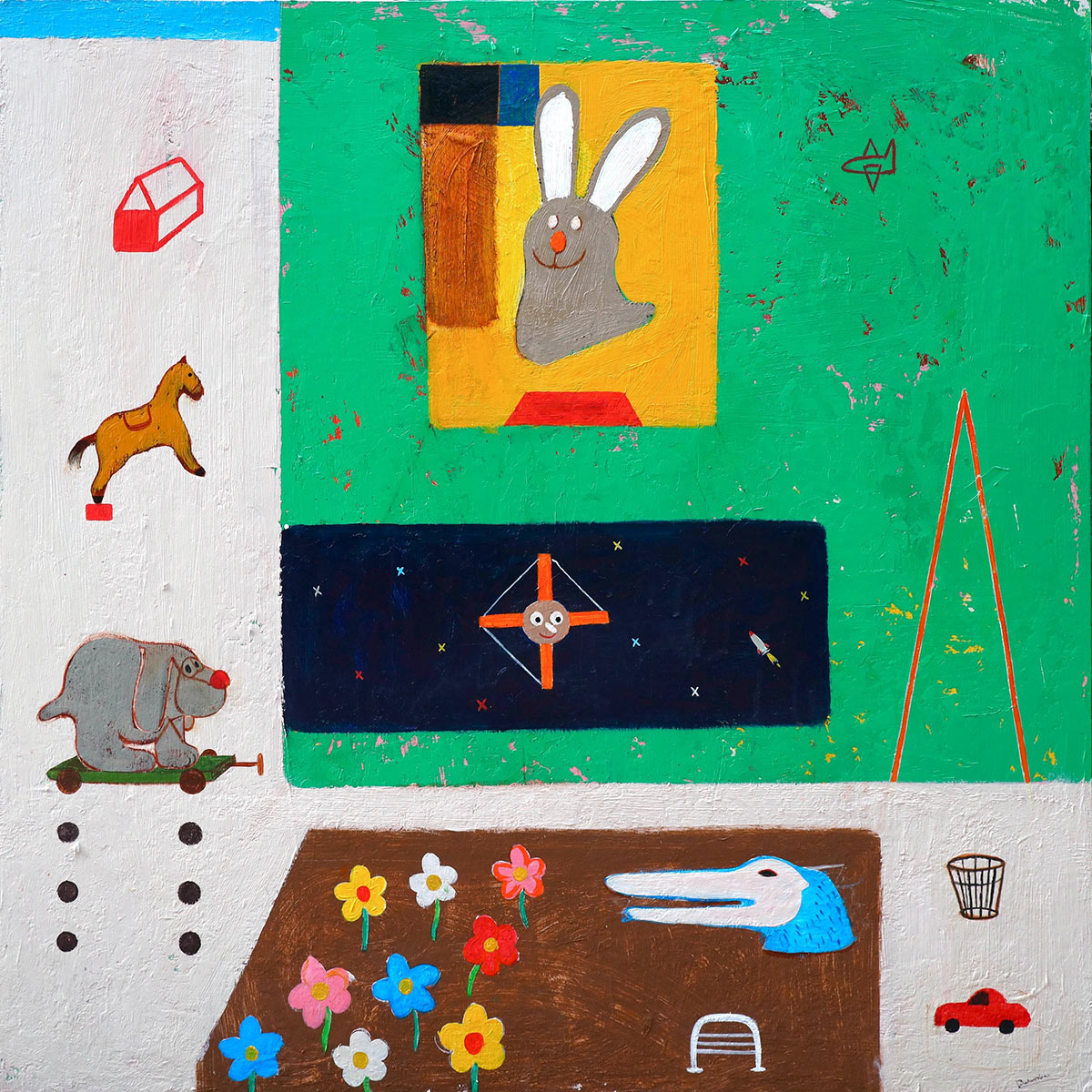
In his debut solo exhibition, Mumbai-based artist Vinayak Sarwankar presents Woke Up a Dinosaur, a poetic exploration of memory, movement, and imagination. The exhibition reflects on the creatures and worlds that define childhood — dinosaurs not as relics but as companions of early imagination. Through this lens, Sarwankar seeks to awaken dormant creativity and playfulness in adulthood.

Playground as Metaphor for Growing Up

Sarwankar’s works create dreamlike collisions between prehistoric creatures and the familiar architecture of childhood — slides, see-saws, and monkey bars. Once symbols of instinctive freedom, these playground structures become metaphors for nostalgia and limitation in adult life. The exhibition softens the boundary between imagination and reality, offering adults a path back to wonder and children an accessible entry into contemporary art.

Scribble on the Wall: A Collective Celebration of Play

Scribble-on-the-Wall-Frida-Toy-Face-by-Amrit-Pal-Singh

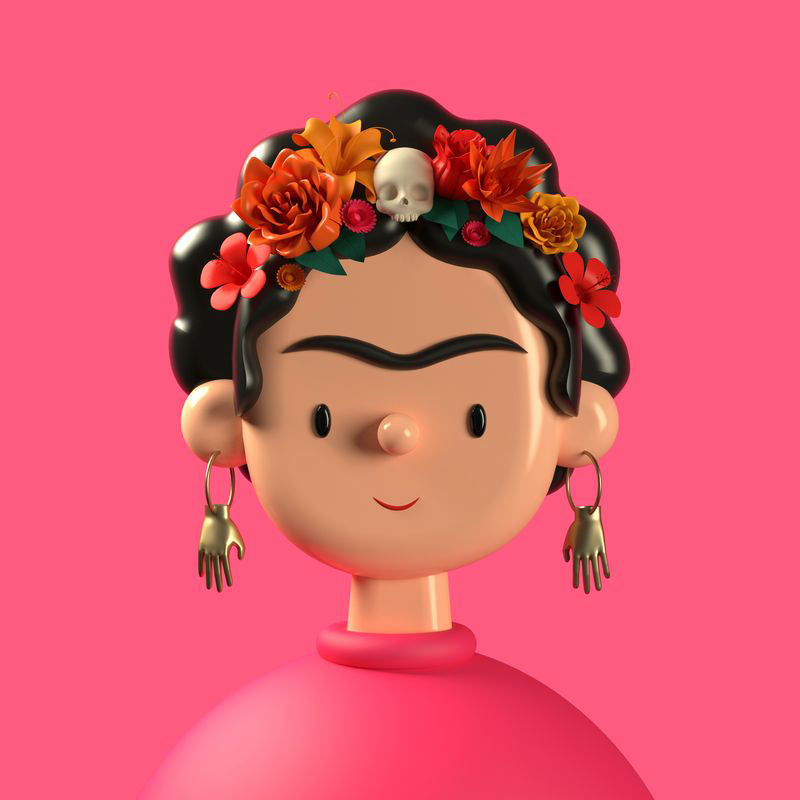
Running alongside the solo show, Scribble on the Wall is a group exhibition curated by Anica Mann and presented by LOAM. Featuring artists including Amrit Pal Singh, Anitha Reddy, Ashna Malik, Cultrebox, Hansika Mangwani, Harshita Sharma, Liactuallee, Mona Sharma, Pavan Kumar, Priyesh T, Raj Chowdhury, Revant Dasgupta, Sanatan Vatsayan, and Vishaka Jindal, the exhibition foregrounds material exploration and imaginative thinking without simplifying artistic complexity for younger audiences.


View this post on Instagram


A post shared by Method (@methodindia)

Material Intelligence Over Mass Production

The participating artists resist the logic of plastic, mass-produced toys by presenting works shaped by texture, humour, craft, and conceptual depth. From textile-based explorations and new media installations to graphic illustration and sculptural assemblage, the exhibition creates encounters where art becomes something to engage with rather than consume.

Event at a Glance

Aspects Details
Exhibitions Woke Up a Dinosaur (Solo) & Scribble on the Wall (Group)
Curated By Anica Mann
Presented By LOAM
Opening 28 February 2026 | 2 PM onwards
Venue Method, 86, Nagindas Master Road, Kala Ghoda, Fort, Mumbai 400001
Solo Artist Vinayak Sarwankar
Group Artists 14 contemporary artists across media and disciplines

Takeaway

With Woke Up a Dinosaur and Scribble on the Wall, Method Kala Ghoda presents an intergenerational dialogue on imagination and artistic freedom. Through LOAM’s launch, the exhibitions reframe childhood as a space of creative seriousness while inviting adults to rediscover the wonder that never truly disappeared.

How to Plan Multi-City Travel Across India Using Rail Networks

0

How-to-Plan-Multi-City-Travel-Across-India-Using-Rail-Networks-01

Planning multi-city travel across India can quickly become overwhelming. Managing routes, train schedules, seat availability, and connections across different regions often creates confusion and delays. A poorly sequenced itinerary can lead to long layovers, missed trains, or unnecessary backtracking, increasing travel time and costs. 

This blog explains how to structure your journey efficiently using India’s rail network so that you can move between cities smoothly without logistical stress.

Understand the Structure of the Indian Rail Network

India’s rail network connects major cities through long-distance routes and links smaller towns through regional lines. Many trips pass through junction stations where different routes meet. At these stations, changing trains may require walking long distances, using crowded footbridges, or exiting and re-entering from another side.

Large cities often have more than one railway station, so always confirm your exact boarding and arrival station for each part of the journey. Some trains stop at many stations and take more time, while others have fewer stops and reach faster. Also, check how frequently the train runs. Daily services give more flexibility than trains that operate only on specific days.

Decide the Cities and Travel Sequence Strategically

A smart sequence reduces backtracking and keeps travel days balanced. It also makes later booking and transfer decisions easier.

  • Group cities that sit on the same corridor, because this can reduce extra changes and simplify station handling.
  • Plan the cities in a clear order, because zig-zag travel can create extra changes and longer gaps.
  • Spread longer journeys across the itinerary, because repeated long days can reduce rest and decision quality.
  • Prefer arrivals and departures that align with local transport, as late hours can limit safer, simpler options.
  • Keep transfer complexity low, because too many changes in one day can increase stress and delay exposure.
  • Book train tickets for high-demand train journeys early, because seats may be harder to find as the travel date gets closer.

Research Routes and Connectivity

Check which routes are direct and which require changing trains. Choose options that are easy to manage and run on days that fit your schedule.

  • Start with direct services, because fewer changes often mean fewer delays and less station-to-station confusion.
  • When a change is needed, choose transfer points with multiple onward departures on that route.
  • Confirm arrival and departure stations, because large cities may use different terminals with different access roads.
  • Record operating days, because limited-day services can create unwanted gaps between cities.
  • Keep two or three acceptable options per route, because train tickets can vary by availability and timings.
  • Check transfer time at the junction, because long platform walks and crowds can reduce connection comfort.

Choose the Right Travel Class for Each City

Travel class affects rest, space, and how you feel on arrival. Selecting a class by journey type can support comfort without overspending.

  • For overnight travel, prioritise berth comfort, because sleep quality can affect the next day’s plans.
  • For daytime travel, choose comfortable seating so you stay fresher during long journeys.
  • Consider luggage needs, because reserved space can make boarding and movement easier in busy coaches.
  • Match class to crowd levels, because peak periods can feel more tiring in tighter seating layouts.
  • Factor in group travel, because staying together can reduce coordination issues at stops and station exits.
  • Consider the season and weather, because ventilation and temperature control can affect comfort on longer journeys.

Plan Booking Strategy in Advance

A booking plan keeps the itinerary stable when several train journeys have fixed dates. It also reduces last-minute decisions that can lead to inconvenient timings.

  • Book the least flexible journeys first, because routes with fewer trains can fill up quickly.
  • Keep passenger details consistent, because errors can create many travel issues.
  • Store confirmations offline, because signal and battery levels can vary during transfers and station waiting.
  • Recheck station names before payment, because a wrong terminal can disrupt the route and add local travel time.
  • Review change and refund rules, because they influence how much flexibility is realistic if plans shift.
  • Keep alternates ready, because changes on one day can affect later train tickets across the itinerary.

Manage Time Gaps and Transit Buffers

Buffers protect the plan from delays, crowds, and local transport uncertainty. They make connections calmer and reduce rushed movement through stations.

  • Allow extra time for same-day transfers, because late arrivals and platform changes can happen on busy routes.
  • Add more buffers at large stations, because long walks, exits, and coach positions can take longer than expected.
  • If changing stations within a city, allow for traffic, because road travel times can vary widely by hour.
  • Plan for basic needs during gaps, because seating, clean facilities, and food access can vary by station.
  • Avoid relying on the last service of the day, because recovery options may be limited if plans slip.
  • Plan arrival times with last-mile travel in mind, because reaching accommodation is part of the travel day.

Conclusion

Multi-city rail travel across India can feel smoother when planning follows real network details such as station choices, junction transfers, operating days, and service patterns. A sensible city order can reduce backtracking, while route research can keep changes clear and workable. 

Travel class decisions can be matched to journey length and rest needs, and bookings can prioritise the least flexible routes. With buffers built in, travel days can stay manageable even when timings shift slightly.

Ganesa Natyalaya’s Shivaarghya 2026 Celebrates Six Classical Dance Traditions

1

Surya Narayana Rao-Kuchipudi

Sixth Edition of Shivaarghya to Be Held on 1 March 2026

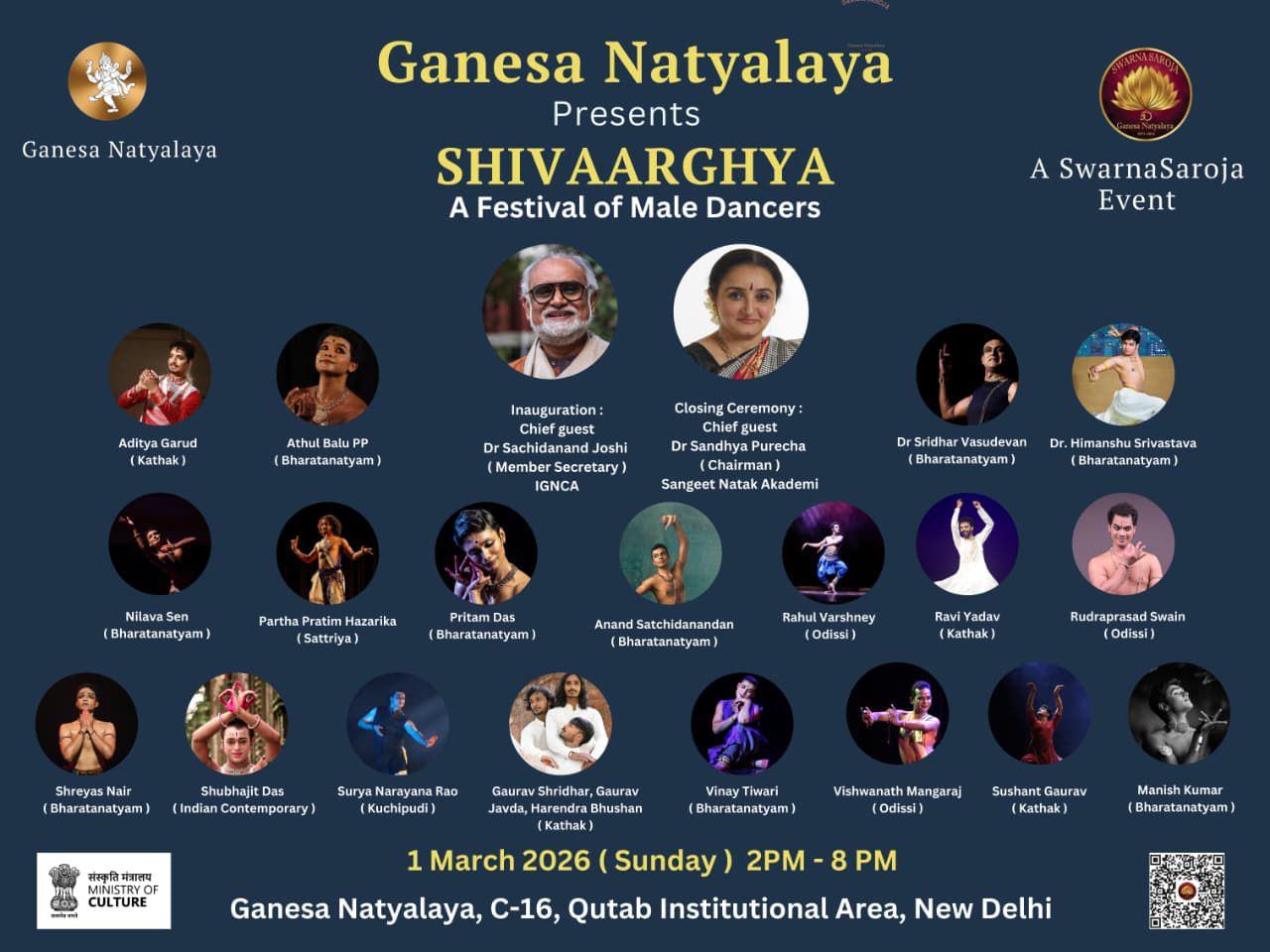
Ganesa Natyalaya, a prominent Bharatanatyam institution in Delhi, will present the sixth edition of Shivaarghya, a rare festival dedicated to male dancers in Indian classical traditions, on Sunday, 1st March 2026, from 2pm to 8pm at Ganesa Natyalaya, C-16, Qutub Institutional Area, New Delhi. Open to all, the festival continues its commitment to showcasing male excellence in classical dance.

A Vision Conceived by Guru Saroja Vaidyanathan

Shivaarghya 2026

Shivaarghya was envisioned in 2019 by the late Guru Saroja Vaidyanathan and is now curated by Rama Vaidyanathan, President of Ganesa Natyalaya. The festival was conceptualised to provide a meaningful platform for young male dancers who have embraced dance as a full-time profession, creating space for devotion, discipline, and artistic expression within classical aesthetics.

Honouring Lord Shiva and the Spirit of Nataraja

Shivaarghya-Odissi

Dedicated to Lord Shiva—the cosmic dancer Nataraja—the festival embodies the spiritual and artistic dimensions of classical dance. Through their performances, male dancers pay homage to the timeless heritage of India’s classical traditions while exploring new creative dimensions. Shivaarghya thus becomes both a devotional offering and a celebration of artistic innovation.

Nineteen Dancers Across Six Classical Traditions

Rahul-Varshanay-Odissi

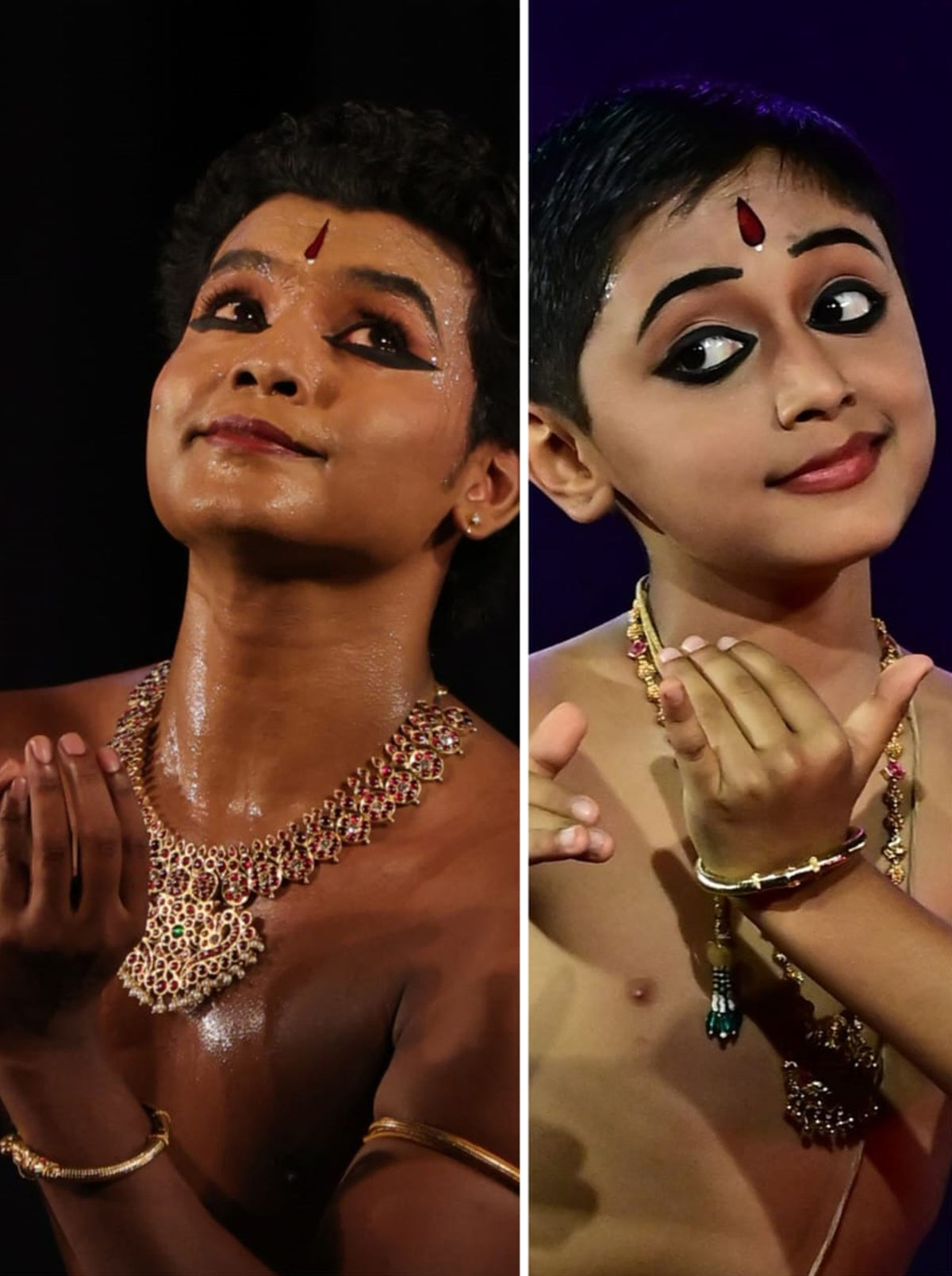
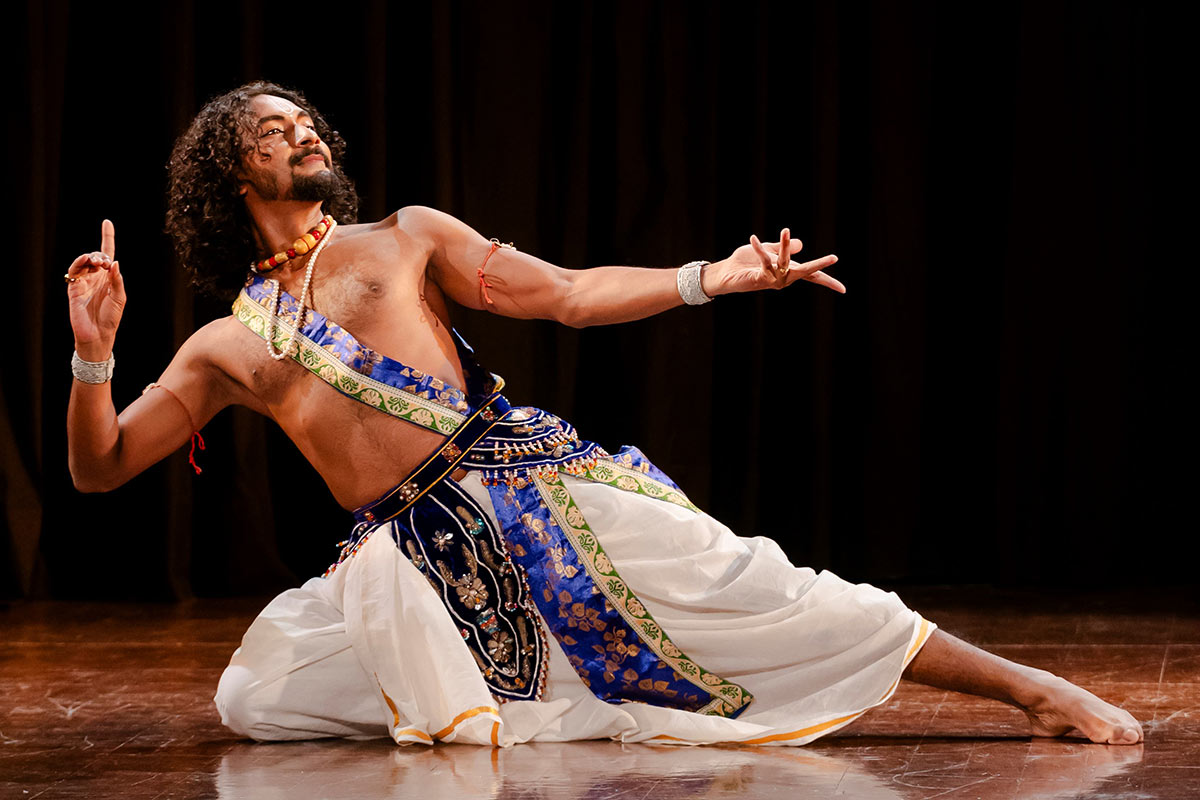
The 2026 edition will feature 19 accomplished dancers from across India, representing six classical dance forms: Bharatanatyam, Kathak, Odissi, Kuchipudi, Sattriya, and Neo-Classical. In a cultural landscape often dominated by female performers, Shivaarghya foregrounds masculine expression within tradition, ensuring inclusivity and balance.

Artists from Across India Take the Stage

Athanu-Bala-and-Shamanthaka

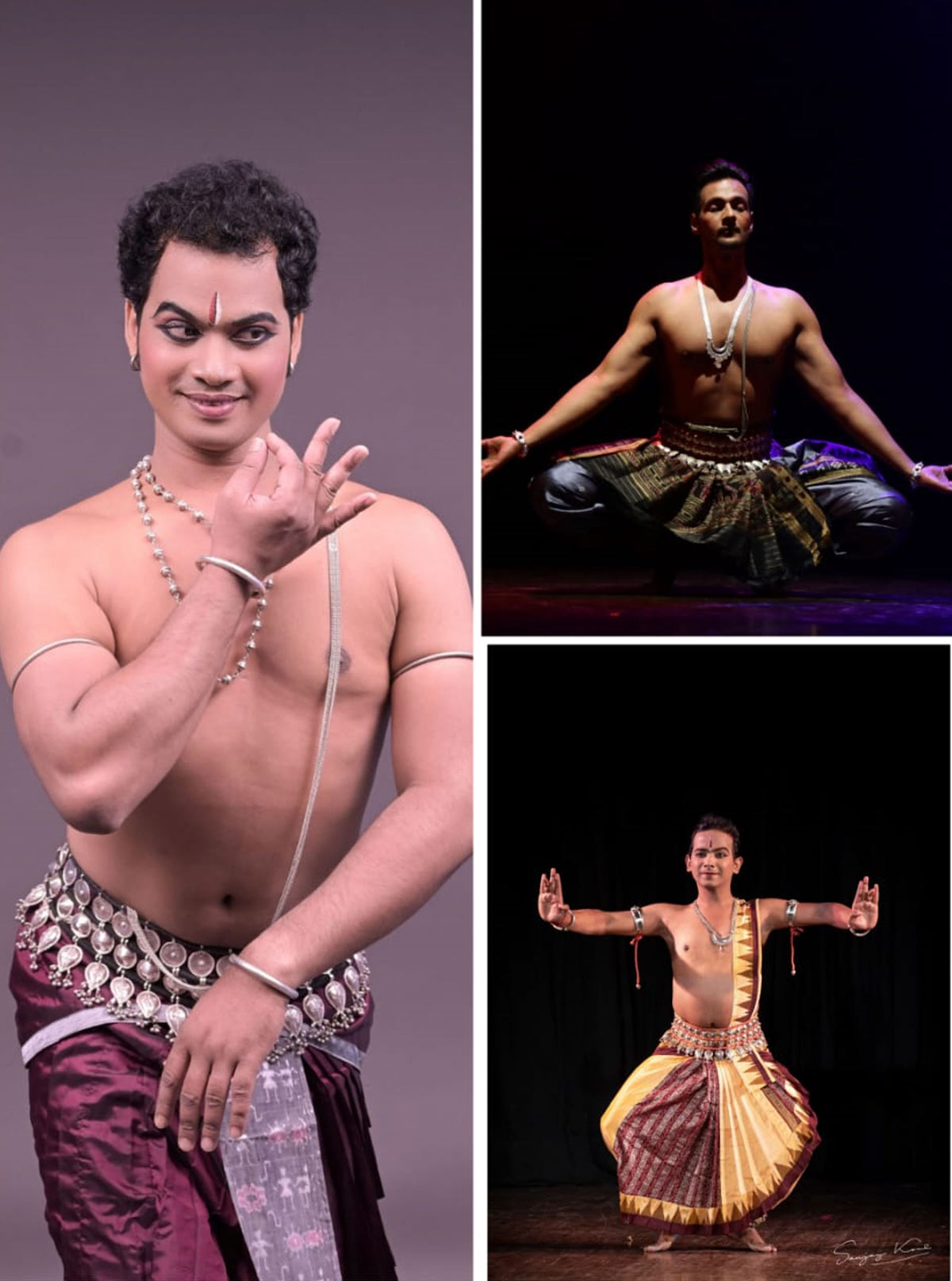
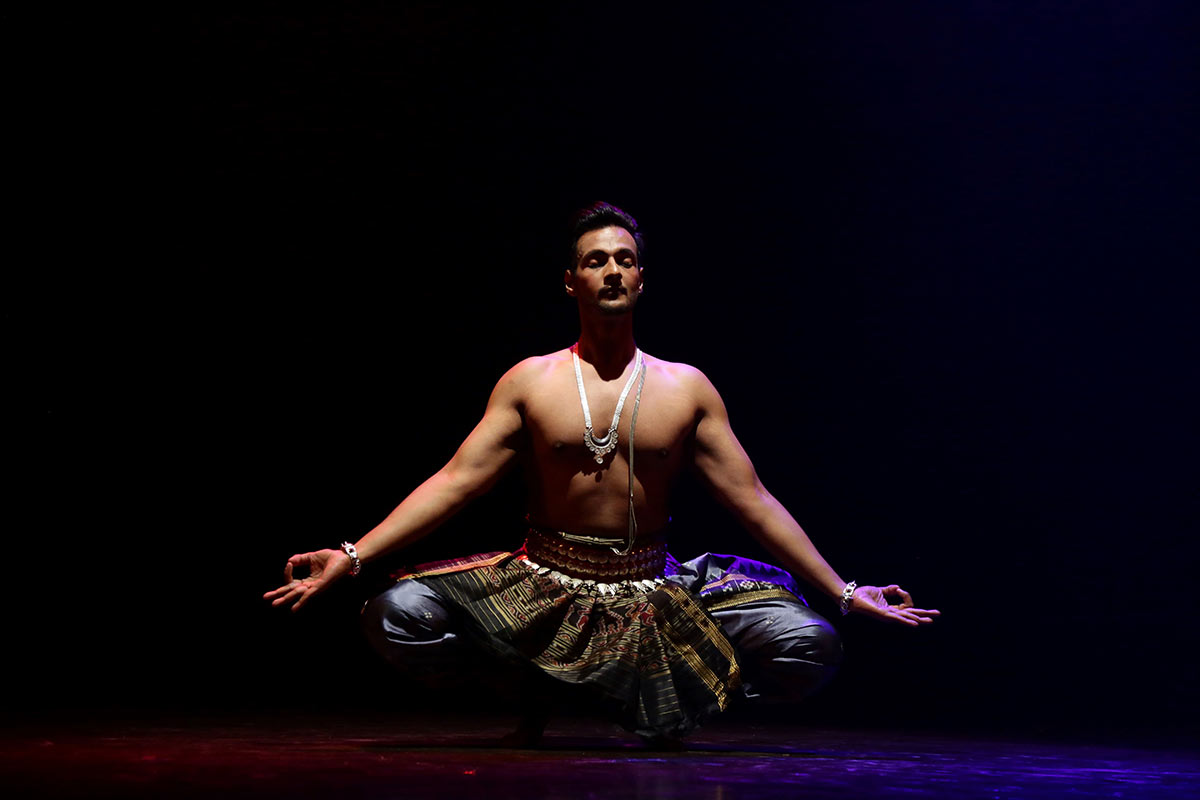
The Bharatanatyam segment includes performers such as Anand Satchidanand (Maharashtra), Athul Balu PP with disciple Shamanthaka (Chennai), Dr. S. Vasudevan, Dr. Himanshu Srivastava, Nilava Sen, Pritam Das, Vinay Tiwari, Manish Kumar (Delhi), and Shreyas Nair (Mumbai). Kathak will be presented by Aditya Garud (Maharashtra), Gaurav Shridhar, Ravi Yadav, and Sushant Gaurav (Delhi). Odissi features Rahul Varshney, Vishwanath Mangaraj (Delhi), and Rudra Prasad Swain (Bhubaneswar). Sattriya will be performed by Partha Pratim Hazarika (Delhi), Kuchipudi by Suryanarayana Rao P. (Bengaluru), and Neo-Classical by Shubhojit Khush Das (Kolkata).

A Space for Dialogue and Renewal

Partha-Pratim-Hazarika-Sattriya

Speaking about the festival, Smt. Rama Vaidyanathan expressed that Shivaarghya continues the tradition initiated by her Guru, late Saroja Vaidyanathan. She emphasised that the festival serves as a space for dialogue, discovery, and renewed appreciation, where performers share both lineage and innovation, and audiences deepen their connection with classical art forms.

Event at a Glance

Aspects Details
Festival Name Shivaarghya – Festival of Male Dancers
Organised By Ganesa Natyalaya
Date Sunday, 1st March 2026
Time 2pm to 8pm
Venue Ganesa Natyalaya, C-16, Qutub Institutional Area, New Delhi
Dance Forms Featured Bharatanatyam, Kathak, Odissi, Kuchipudi, Sattriya, Neo-Classical
Entry Open to all

Takeaway

With participants from Delhi, Mumbai, Chennai, Bengaluru, Bhubaneswar, and Kolkata, Shivaarghya 2026 stands as a tribute to the sacred bond between dance and spirituality. More than a festival, it is a reaffirmation of the enduring rhythm of Indian classical traditions and the divine energy embodied by male performers.