India’s 12 Most Photogenic Locations for Travellers

0

India is filled with stunning locations everyone should visit at least once in their life. The one-of-a-kind country spans a huge area of nearly 3.3 million kilometres and is home to nearly 1.4 billion people, showing its epic size. Its landscape features the world’s tallest mountains, huge sprawling cities and a striking coastline filled glorious beaches.

We’ve put together a list of the 12 most photogenic locations in India to add to your travel bucket list.

Taj Mahal – Agra
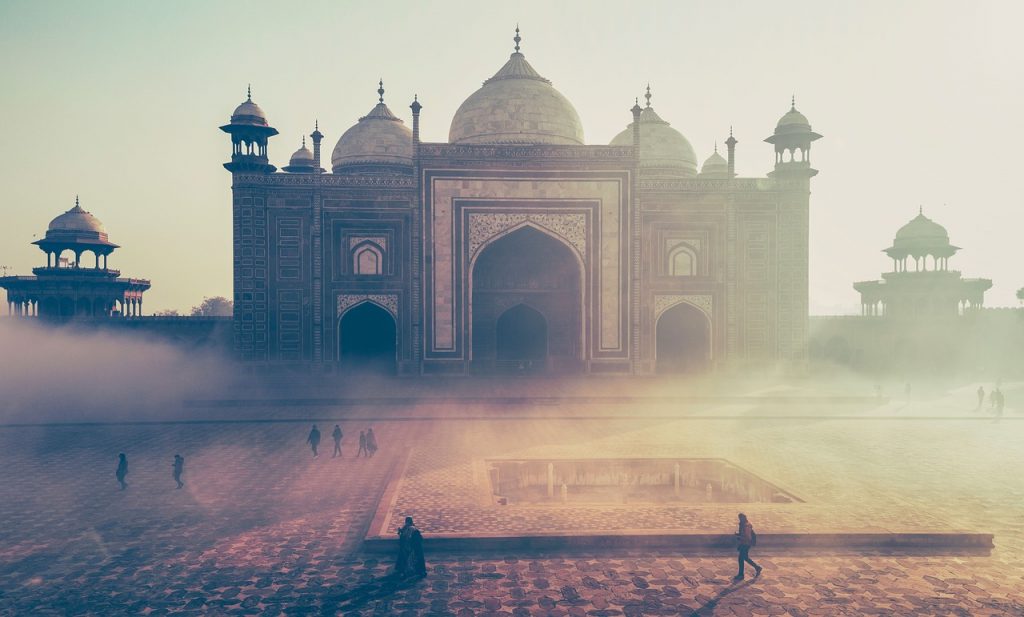
Image – Pixabay

Starting off, we have one of the world’s and India’s most famous structures, the striking Taj Mahal. The stunning ivory monument dates back to the 1600s, built as a testament of love by a Mughal Emperor following the death of his wife.

This distinguished location has millions of visitors every year. It’s a prime place for capturing an Instagram worthy photograph. The Taj Mahal is a stunning spot that deserves the hype it receives.

New Delhi – Delhi
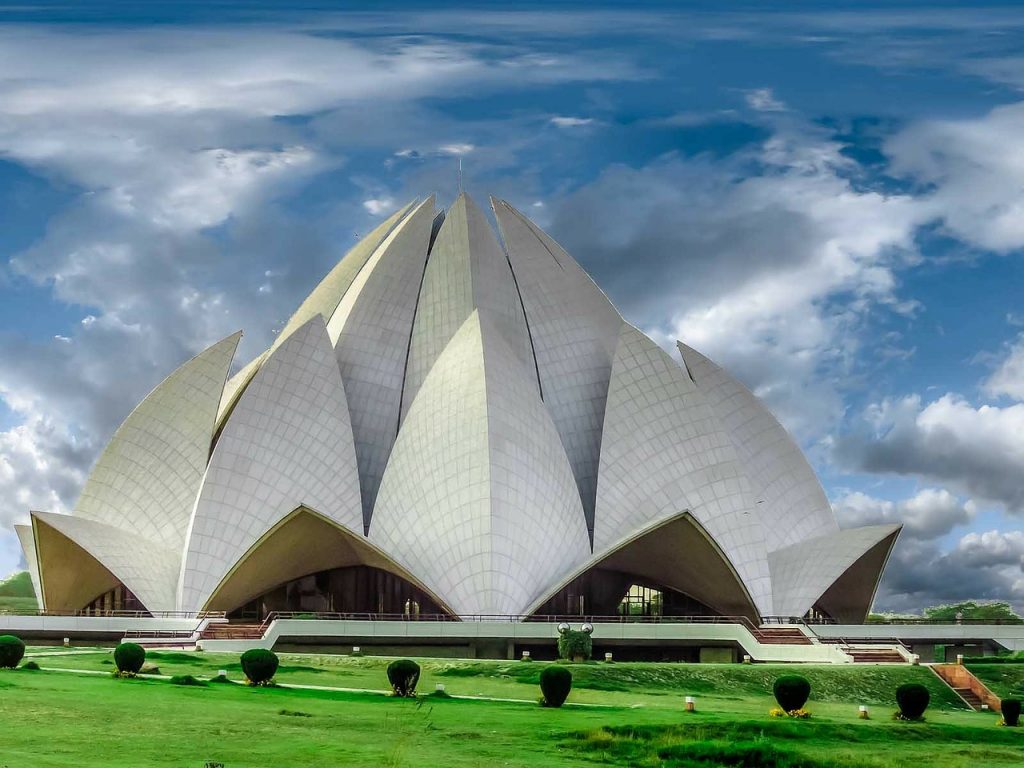
Image – Pixabay

New Delhi is India’s capital city, filled with life and beauty. The chaotic streets are overflowing with culture and colour as well as sites you’ll have to see to believe.

New Delhi is home to stunning wonders like the Red Fort, Indian Gate, the Sacred Heart Cathedral and much more. These jaw-dropping sites make for some beautiful photographs.

Kaziranga National Park – Assam
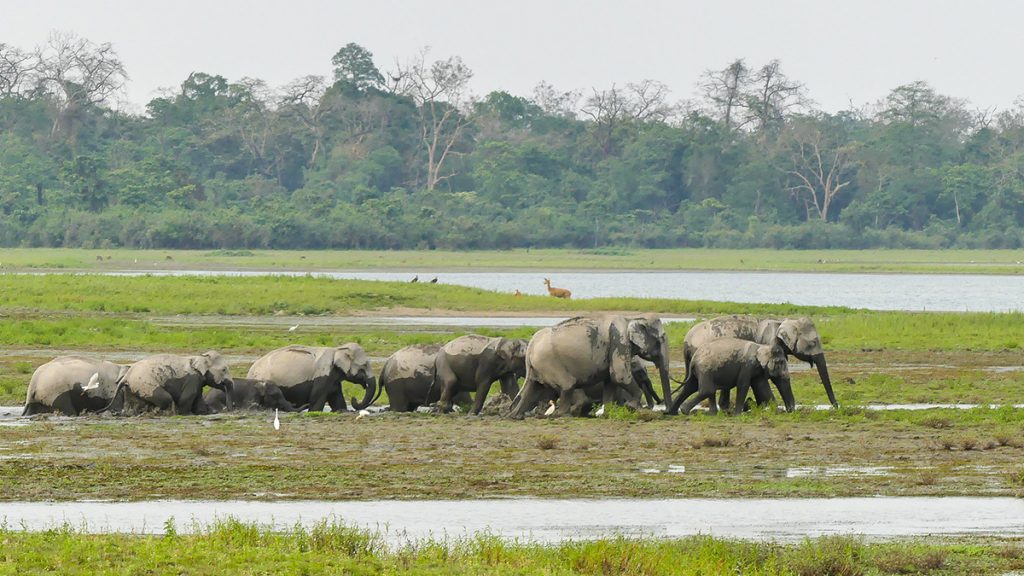
Image – Mike Prince via Flickr

The Kaziranga Nation Park is a World Heritage Site that spans a huge 430 kilometres. It’s home to some of the world’s most unique wildlife including the majestic one-horned rhinoceros and a huge tiger reserve.

The national park is a wildlife photographer’s dream. A huge number of animals can be found in this vast nature reserve.

Goa

Top-Pre-Wedding-Photo-Shoot-locations-in-India-Goa
Source – Studiokelly.in

Goa is a coastal state to the west of India. It’s famous for its untouched golden beaches, World Heritage Sites and nightlife which attracts youths from all over the world.

As well as capturing the beautiful beaches with your camera, the nightlife is well worth taking in with evening markets and clubs.

Jaipur – Rajasthan
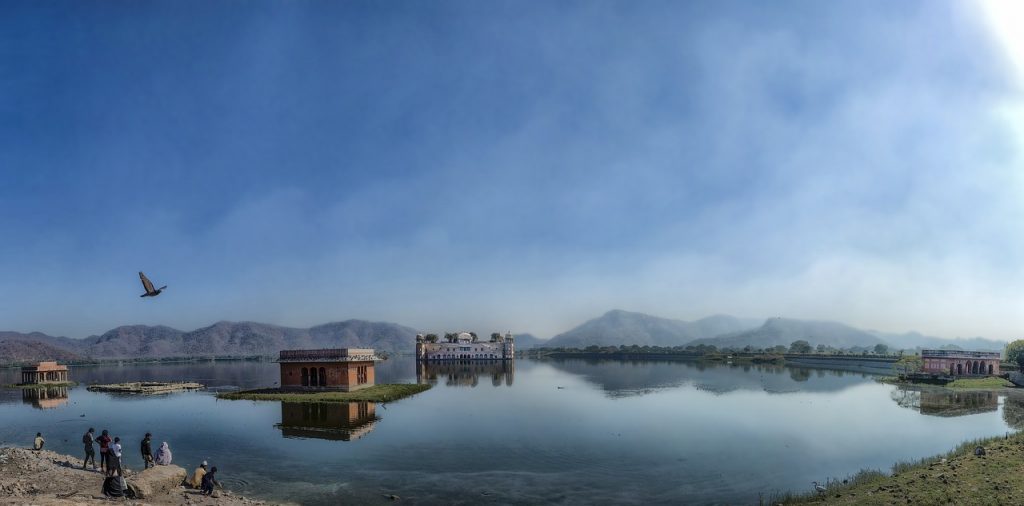
Image – Pixabay

The city of Jaipur, known as the Pink City, is the capital city of India’s state of Rajasthan. The city is filled with colourful pink buildings of old and new, and the streets are home to camels, rickshaws and motorbikes.

Iconic locations include the City Palace, the residence of the former royal family and the Amber Fort.

Darjeeling – West Bengal
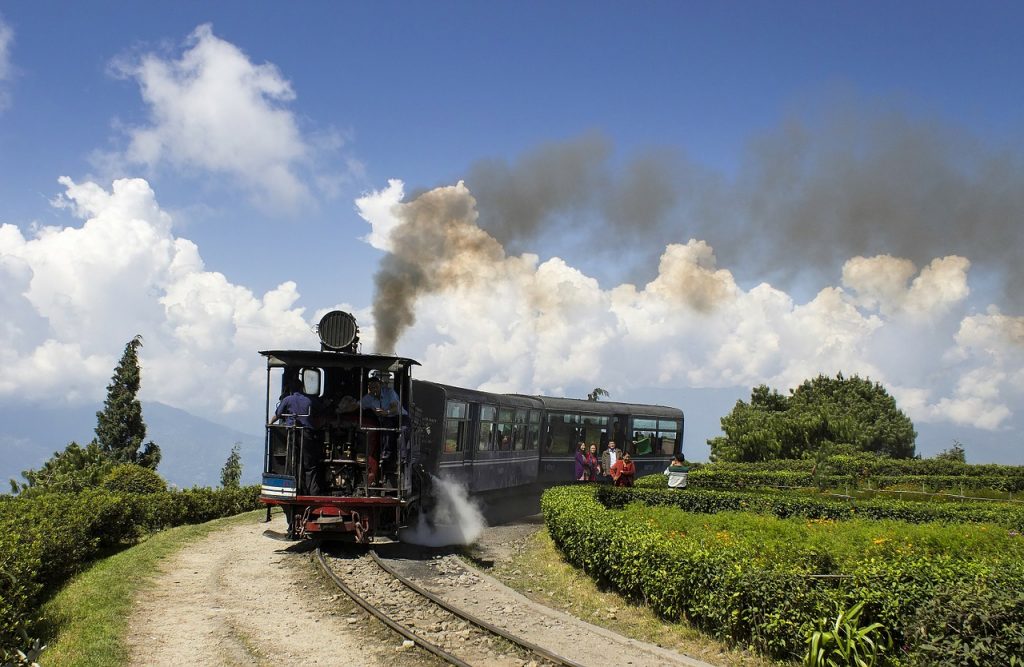
Image – Pixabay

Darjeeling is a town in the lower Himalayas known for its rolling tea fields and historic train line. The town is 2050 meters above sea level creating stunning views all around.

With the combination of nature and the iconic industrial railway, there’s plenty to see. There’s also a huge mix of cultures with Indian, Tibetan, Nepalese and Gorkha residents.

Aurangabad – Maharashtra

Ajanta caves - Aurangabad
Source – Danial Chitnis

The ancient city of Aurangabad is filled with iconic monuments from its wealth of cultures. The region is filled with history from Buddhist to Hindu to Jainism faiths.

The region’s highlight is the caves of Ajanta and Ellora, World Heritage Sites carved by Buddhist monks. There’s a total of 63 caves across the two locations with the earliest dating back to the 2nd century.

The Andaman Islands – Bay of Bengal

Things-to-Do-in-Andaman-&-Nicobar-Islands-08
Image – Matsography Via Flickr

The Anadam Islands are a group of islands that fall under the governess of India. The archipelago is filled with luscious green forest and wildlife. The sea is home to pristine reefs and stunning tropical fish. Between the two, bright white beaches can be found, creating a beautiful paradise.

Tawang – Arunachal Pradesh

Best-Offbeat-Honeymoon-Destinations-Tawang
Tawang via Wikimedia

The mountain town of Tawang falls between China and India, 3,048 metres above sea level. The snow-covered mountains feature a huge number of monasteries, heavily entwined with the Dalai Lama being the birthplace of the sixth iteration.

The stunning scenery, along with the historical and cultural significance, makes Tawang the perfect tourist spot.

Patan – Gujarat
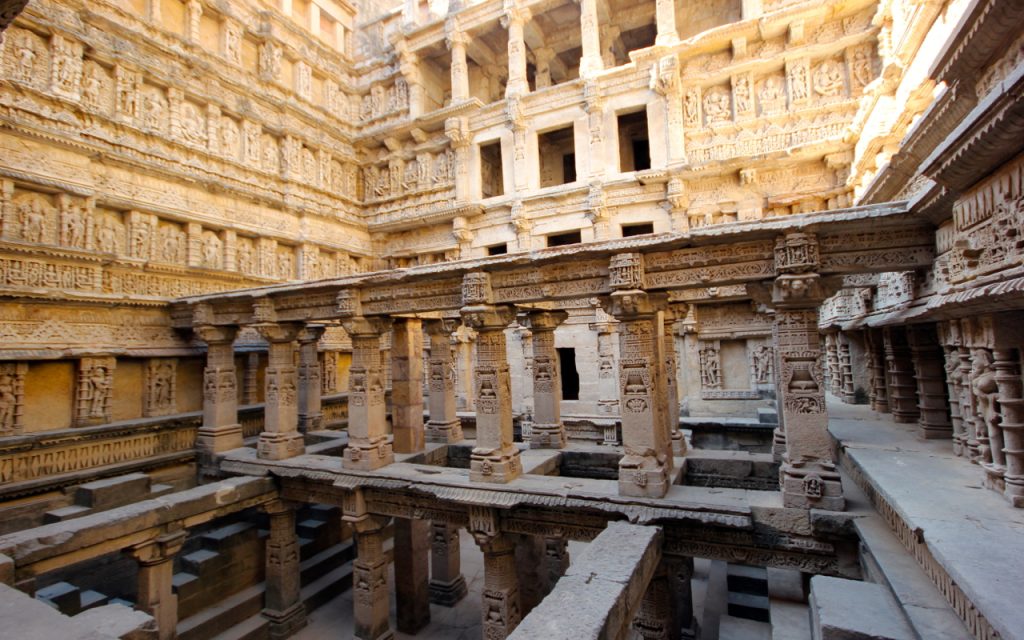
Patan Gujarat
Image – Kandukuru Nagarjun via Flickr

Patan is the capital of the state of Gujarat, a striking city packed with exquisitely engraved fortresses. These eye-catching buildings are covered with intricate sculptures making them a must see.

As well as architecture, Patan is home to some of the world’s finest textiles. Wander the streets to see the colourful textiles being woven by hand.  

The Rann of Kutch – Gujarat

Great Rann of Kutch
Image – Pixabay

The Rann Kutch as a breathtaking salt mine that spans a large section of the Gujarat state as well as Sindh in Pakistan. The huge flat expanse of white salt is submerged under water for four months a year.

The annual Rann Utsav festival brings in a huge number of tourists to watch musicians and artists.

Udaipur – Rajasthan

Mount Abu near Udaipur
Mount Abu near Udaipur – Selmer via Flickr

Aptly named the “City of Lakes”, Udaipur is a gorgeous city on Lake Pichola dubbed India’s most romantic location. The waterside city is filled with beautiful architecture. The pinnacle site is the Lake Palace, a luxury resort found in the centre of the lake.

Author Bio
David Atkinson is a content creator at Azutura, a leading manufacturer of premium wall murals. David is a travel enthusiast who loves to be out on the open road. Azutura has a range of city wall murals available for worldwide delivery.

Expressive Fold Motors by Rubberband

0

Fold-Motors-by-RubberBand-01

Design and creativity can be expressed in varied ways. Ideas transgress from the mind of the creator and are reflected in their art and creations. One such designer, who is known for his designs to stand out, is Ajay Shah who started the ASDS or Ajay Shah Design Studio in Mumbai in 1990. Today the studio is known for providing a different approach to interior and furniture designing, kiosk, graphics, brand development and more. Its pet project Rubberband which started in 2008 is about, ‘finding a balance between industrially produced series and experimentation’. The collection includes, paper products, office and personal accessories, pens, pencils, storage and travel products. The ‘business objective is to position Rubberband products as being design focused and suited for modern living’.

Collaborations

Fold-Motors-by-RubberBand-02

Rubberband has had much successful collaboration in the past. Nathalie Du Pasquier, Anthony Burrill and Jean Julien are some of the renowned international designers that have collaborated with Rubberband. The collection by Dutch designer Floris Hovers called ‘Fold Motors’ is its most recent foray in the world of delightful toy automobile designs. As described by Rubberband, ‘Fold Motors is an unserious expression of serious design.’ 

Fold Motors

Fold-Motors-by-RubberBand-03

Fold Motors takes a cue from the manufacturing process of the automobile industry, where sheet metal is die cut to create a pair of flat components. These are then folded to make the chassis and body of the vehicle. The Fold Motors collection boasts of seven variants of trucks and cars that are designed in bright and vivid colors. The seriousness in design is seen in the meticulous representation of making the toys in the way real automobiles are made. The chassis, body, wheels, axle are incorporate into the product. The ‘unseriousness’ of design is manifested by its beautiful vibrant colors that together with the design of the models are ‘meant to be played with for a lifetime’.

About Floris Hovers

Fold-Motors-Floris-Hovers
Floris Hovers

An autonomous designer living in Raamsdonk, The Netherlands, Floris Hovers has gained fame through his creation the Archetoys. The series of ArcheToys has also been included in their collection by the Stedelijk Museum in Amsterdam. His collaboration with Rubberband has led to creation of Fold Motors, a set of unique automobile toys that are perfected in character and design. Being a father of four children, Floris’s designs are ‘not only special for children but also for grown-ups who have forgotten that they were once children.’ As aptly said by Floris, ‘in the age of rapid development of technology and robotisation, we have to stay human!’ 

And that perhaps, surmises the collection of Fold Motors. On the face of it they are just toys. However, on a deeper note, they are sturdy miniature representations of the real world of automobiles, soaked in color and imagination that are the cornerstones of the architecture of toys. Moreover, they rekindle the sheer fascination and wonder that is so akin to children. Toys nudge the imagination to make stories, to escape into the meadows of fables and tales and to create in our minds an unreal world that is nothing but an extension of the real one. 

Other Rubberband products

Rubberband also houses a collection of furniture, paper, stationery and bags. Their customized furniture caters to the need and space, fitting into the urban spaces. Paper items are customized using emboss, deboss, screen painting or hot foil deboss to produce a myriad range of products. The essential idea is to create something artistic and unique in the everyday furniture and stationery that are used otherwise without much thought for design or placement. 

Fold-Motors-Ajay-Shah
Ajay Shah

ASDS is a small team with Ajay Shah as its Principal Designer and Business Director. The fact that the studio and the designer himself, can ‘apply design to various scenarios and scales, be it a 4-5 lakh square feet mall or a pen’, is the real fun and challenge. Rubberband is one of its many creations and its essence also lies in its collaborations as much as in its concepts and idea. Whether it is Nathalie Du Pasquier’s notebook or Floris Hovers Fold Motors, Rubberband is all for eyeing the details in a splash of colors and designs that will stay in use and the imagination forever. 

Log on to Rubberband’s website, https://www.rubberbandproducts.com/ for more information or for ordering any of Fold Motors lovely models. 

Travel Checklist of Documents to Carry While Travelling to USA

0
Documents-to-Carry-While-Travelling-to-USA
Image – Pixabay

As exciting as the prospect of travelling to the USA may be, it can be a big hassle if you do not have the right document handy at the right time, whether you are travelling for study, pleasure or business. If you do not carry the correct documents you could face all sorts of problems, not least being deported back to your country. Also, do not forget to get yourself a good travel insurance online policy. For your convenience, here we list out the documents along with a USA travel guide you need to keep handy while travelling to the USA:

  • Passport: You need to ensure that you carry your original passport with photocopies of it. You may also keep a copy of it in electronic form on your mobile device.
  • Your visa category defines the purpose of your travel, so it is imperative that you carry your visa and related documents. When you travel to other places search for best luggage storage space at https://stasher.com/luggage-storage/new-york/pennsylvania-station to keep your visa safe.
  • Flight ticket:  It goes without saying that you need your flight tickets handy. Book them as soon as possible to get the most reasonable price.
  • Boarding pass:  You will have to collect your boarding pass on checking into the airport and keep it very handy.
  • E-copies of documents: It would be wise to save copies of all your documents in electronic form on your mobile or in the cloud. These documents would be a passport, ID proof, address proof, addresses of all your contacts in the US, etc., just in case, you lose the hard copies.
  • Medicines: You should also have all your medication in your carry-on luggage, but ensure that you are conversant with the guidelines of the US Food and Drug Administration (FDA). 

USA travel guide

Here are a few useful tips on how to behave while in the USA so that you can make great friends and not antagonize anyone:

  • Always exchange a smile with people you come across on the street or at work, as it is the ‘done’ thing, unlike in India. 
  • Hold the doors open for the person coming behind you, and keep the lift door open for people coming in. Not to do so is considered rude.
  • Do not stare at others directly in the eyes without any reason, as it is considered to be uncultured.
  • Greet people ‘good morning, evening’, etc., but don’t expect them to reply.
  • Address people by their first names, they like it.
  • Religiously avoid cracking racist jokes, especially when you are in your office or professional circles.
  • When you eat outside, leave generous tips – around 15% to 20% is considered normal. If you are paying by card, ensure that you add it with the payment. Also, remember that fast food joints do not expect any tips.
  • Do not touch or hug a person without their permission, or unless offered a handshake, because unsolicited advances, as in India, are considered obnoxious.

Most importantly, to avoid any untoward or unpleasant event, ensure that you buy travel insurance. 

Indian Lunchbox – Epitome of Fusion Cuisine

0
Indian Lunchbox
Source – Pixabay

The Indian lunchbox is evolving and keeping up with the times. A lunchbox no longer contains food that is simple, easy to cook and convenient. The “humble” lunchbox isn’t humble anymore; it has upped the ante. 

In fact, lunchboxes are acting as catalysts for food fusion, and experimentation; after all, if you are hungry, you are going to eat whatever is in your lunchbox aren’t you, irrespective of its taste? Just kidding, of course.

Each one of us, wants to eat delicious food, irrespective of whether it is being served to us at a fine dining restaurant, a roadside eatery or we are eating it out of our lunchbox.  Children are more excited than most about eating scrumptious food.

Children Have Become More Demanding

So why are lunchboxes across India changing and that too for the better? Why do they no longer contain quick fix meals made by harried parents who are hard-pressed to prepare food that appeals to the taste buds of their kids?

Well, the simple reason is kids have become more demanding these days. ‘Simple food’ no longer suits their palate and they want their parents to up their lunch box game. A simple bread and butter sandwich or roti (flat wheat bread) with a vegetable curry is passé.  

Kids these days are exposed to plenty of content on the Net and TV centred on food, and want to eat this food. They don’t want a simple pasta in their lunchboxes, they want a pasta that marries Indian curry flavors with quintessential Arabiata sauce; they want to eat sandwiches that don’t just have veggies with salt and pepper, but some creamy cheese added to the mix and some eggs if possible. 

The list goes on. 

The expectations have gone up manifold and parents are scrambling to meet them.

Kids are Avoiding a Healthy Diet – Fusion Food is the Answer

Your child  will easily be inspired to eat junk food, but even the best and the most sustained inspiration might not be enough to convince him/her to eat healthy food. Mothers find it difficult to persuade their children to finish their lunchboxes irrespective of the “threats’ and ‘cajoling” that comes into play. 

Children don’t like ‘healthy’ food, but mothers are smart and have found a work around. The answer lies in fusion food. Take junk food as the frame of reference and create healthy food that tastes and/or looks similar to that food. 

Take for example the case of pizza. You can make a healthier pizza with a whole wheat pizza base and add healthy toppings (think of all those veggies that your child refuses to eat), and give it a little twist. You could even think about making fritters of veggies they would avoid with a barge pole. 

The whole idea is to get a child to finish that lunchbox; fusion food does the trick. 

Help is at Hand

Alright! We get it. It is easy to think ‘fusion food’ but it is difficult to implement and create a dish that your child will actually like. No worries. T

There are plenty of start-ups that are willing to help you out.  These start-ups aim to remove the word boring from lunchboxes and are a very important reason why food fusion has gone up in a big way in Indian lunch boxes. 

Parents who hire the services of these businesses no longer have to worry what food to prepare and whether their kids will actually eat the food in their lunchboxes. These start-ups have one eye on taste and another on nutrition. They make sure that the food satiates the taste buds of even the most discerning children.

The Focus on Becoming a Global Citizen

Call it a fad or need of the hour, there are parents out there who want their kids to know more about the world around them. One of the ways they believe this can be done is by introducing them to food eaten around the world; however, there is a problem. Some dishes that are a part and parcel of a particular country’s cuisine might not be acceptable to Indian taste buds. 

The answer lies in creating a fusion that mixes the taste of world and Indian cuisine. 

To Conclude

Food fusion in Indian lunchboxes is here to stay. What we are witnessing is a food revolution of sorts wherein there are different reasons fuelling the need for fusion food. In most cases, parents are being forced to meet the evolving lunchbox expectations of their kids. If you think about it, this is not necessarily a bad thing. The kids aren’t complaining about their lunchbox anymore and the parents are happy. A win-win all round.  

Siddhi Panchal

Author Bio –  Siddhi Panchal is a food blogger at CookingwithSiddhi and food aficionado who loves to cook. Her cooking skills cover a range of Indian and international cuisines. Her aim is to enable other food enthusiasts explore their love for food by helping them cook delectable dishes from India and around the world. Follow her on YouTube.

Indian Folk Art Mandana: The Doomed Tradition Needs to be Preserved

0

If one looks back in their history books one will typically find Rajasthan a princely state with lots and lots of historic forts, mighty kings and of course sand and loaded camels. But this state has precisely some hidden treasures which are more precious than any other ornamental stones.

In terms of creative art and unique culture, Rajasthan stands as the most colorful and breath-taking. The intricate carving and exquisite designs are of beggar’s description. Mandana is the oldest forms of tribal folk art that has survived economically in India till ages. It is done in Rajasthan and Madhya Pradesh by one of the ancientest tribal communities, the Meenas.

Indian-Folk-Art---Mandana-Paintings-00
Source – Youtube

In Rajasthan, these valuable paintings are done both in walls and floors whereas in some other states it is traditionally restricted upon the floors only. Mandana is drawn to protect home and hearth, welcome gods into the house and as a mark of festive celebrations. Earlier it was believed that these drawings ward off the malevolent spirits and insulate the house.

These remarkable drawings are traditionally drawn within the house as well as the surrounding it. These developing designs are of perfect symmetry and accuracy. These drawings are untaught rather it is a legacy that transfers from mother to her daughter. Various raw materials are used to make these designs, and the designs consist of beautiful motifs. These motifs have the deepest meaning.

Indian-Folk-Art---Mandana-Paintings-04
Source

Initially, the base is prepared with cow dung mixed with rati, a local clay, and red ochre. The pictures are drawn onto the wall and flooring using various tools such as brush made up of date twig, a clump of hair and cotton. Lime or chalk powder is used for making the motifs.

Once the motif is designed then it is left for drying. At that point in time, the dried motif is filled with colors. The color scheme of these paintings is very simple and basic, i.e. White and red. These colors are chosen specifically in their natural surroundings. White paint or Khadiya and red paint or geru are made up of brick.

The Mandana paintings design motifs include Peacock, Lord Ganesh, Geometrical shapes, jaali, Vedic yagna, women at work, tigers and floral motifs, etc. These Paintings are also called as Mandala Paintings in most parts of Nepal.

Indian-Folk-Art---Mandana-Paintings-03
Mandana Painting on Wall – Source

This day Mandana Art has followed a drastic drop in visibility and has rarely of takers among villages, due to a gradual rise in the considerable number of concrete houses. This art form requires clay walls or earth to naturally tend to efficiently absorb the colors. But this art form still holds its rustic charm on the clay walls. This art form bears architectural and scientific significance which needs to be studied and this art needs to be preserved and spread among people who are going outdated.

Traditional Family Homes of North India; The Joy of Living Together

0

Joint families have been an integral part of the Indian culture. Though today we find fewer families that manage to live all together under one roof, this was pretty much an understood way of life some five decades or more ago. Joint families have many cultural, social and traditional nuances that can be explored in detail some other time, however, what we would like to highlight in this series is the importance of the large family homes or traditional Indian houses.

For a number of urban, economic and social reasons, the joint families have broken up in our modern times, yet it is quite common for the entire clan to meet up for a vacation in an ancestral home. Ancestral or traditional homes are hence still seen, preserved and used in many parts of the country, bearing witness and standing as testimony to the culture of living and staying together.

Roughly dividing our discourse into two parts, let us forge ahead in this series to look at some of the traditional old homes of Northern India.

To be honest, northern India itself is a vast area especially considering it encompasses the architecturally rich states of Rajasthan, Gujarat, Punjab, West Bengal, Assam and the north eastern states.

However, there are some traits of old homes that are more or less same across different regions. Large double or more storied mansions, pillars, columns and wooden cravings, a central courtyard, a large open terrace and arched doorways are some basic outlines of how an old traditional home looks. However, it is the intricate finer local differences and designs that give each village, town or city its distinct own style. Interestingly, the cement, stone and brick made homes are but just the exact medium to facilitate a larger cultural and social milieu, called family.

Traditional Homes of Punjab –

Homes-of-North-India-Punjabi-Homes
HighonTravel.com: Punjabiyat

The new generation needs no introduction to Punjabi traditional homes, thanks to the countless Bollywood movies that have centered on the yellow poppy fields, tractors and a rustic yet vibrant manor. Made from mostly baked bricks and wooden timber for doors there is a cattle shed usually found in the main courtyard. The courtyard is marked with a centrally placed floral arrangement where all ceremonies and rituals are carried out.

The living room is characterized by the ‘charpais’ that are comfortably spread out, whereas the adjoining rooms are laterally placed to the main hall. The verandah runs all along the house, which is often the place for the women of the house to bond and work together. This entire complex lies within a baked boundary that leads to the main road or the house next door.

Traditional Homes of Gujarat –

Homes-of-North-India-Gujarati-Homes
Source

The traditional homes of Gujarat have a lot of variety. The pols of Ahmedabad, the Bohri homes of Sidhpur, the bhungas of Kutch or the havelis of Ahmedabad, traditional homes of Gujarat are hard to stereotype into a single mold. The most iconic of these are the Bhungas of Kutch, found in the rural areas, typically identified by the conical thatched roof and circular walls. Built from locally available soil, bamboo and straw, the architecture and design is perfect to withstand the harsh climate as well as any tectonic or earthquake activity. The interiors are decorated with paintings and mirror works.

The pols of Ahmedabad, characterized by the narrow alleyways are a group of homes that belong to the same caste, religion or group of traders. Found mostly in Old Ahmedabad, the pols were gated communities where each family had its privacy but was yet a part of a larger cluster of the same kind.

Homes-of-North-India-Bohri-homes-of-Sidhpur
Bohri homes of Sidhpur – Source Wikimedia

The Bohra community of Gujarat has a special place in the architectural annals, and their influence is seen mostly in the regions of Kapadvanj and the town of Sidhpur. The three to four storied homes have an internal courtyard in the center of the home with rooms and floors radiating on all sides. The tall windows, usually a few street facing as well as the ‘otla’ a pedestal of sorts outside the entrance for evening chit chats is an important social ingredient added into the otherwise personal properties. However, the common trait that binds most of the traditional Gujarat homes is their colorfully coordinated interiors and their love for intricate carvings and paintings.

Traditional Homes of West Bengal –

Homes-of-North-India-Kolkata-Homes
Source

Not many know this, but the bungalow originated from ‘Bengali’ and its architecture finds its roots in Bengal. Bungalows characterized by wide verandahs and one or two storeys have been adapted by the British for their summer retreats and many old Bengali homes are built on this style of architecture. Some features that are hard to miss in traditional Bengal homes are the hanging balcony, columns running along the balconies, a large central courtyard with the tulsi plant placed in its center and a special puja mandap with apses behind arches where the idols are kept. The various floors and rooms are well connected with stairways and winding corridors. The interiors include the four poster beds with curtain draping and sandalwood carved furniture. Gardens are usually large and well maintained.

Traditional Homes of Ladakh –

Homes-of-North-India-Ladakh--Homes
Matsography via Flickr

Traditional houses in Leh are built using stones, timber, mud and mud bricks, and the housing layout reflects their different needs. The cow pens are usually at the bottom and the Buddhist altar at the top of the house. The most used and important room, including the kitchen faces the sun and the houses look impressive with a proper roof parapet as well as the windows and doors have detail carvings. The roofs of the homes are flat, and there is usually a basement to store the food during winter months. Large spacious rooms more so on the second floor are other typical characteristics of an Old Leh home.

Every region has its own unique style of architecture and most of it is visible in the rural areas. The stilt bamboo homes of Assam characterized by the ikra reeds, the double pitched roof style of Nagalad, the Kathkuni architectural style of Himachal Pradesh or the jharokas, jaalis and stepwells of Rajasthan are just a few examples.

However, where ethnic homes integrate the physical landscape along with the cultural and social variations of each region, old traditional homes are seen in larger towns and cities as well. Traditional homes hence bring together the architectural relevance of the region at the same time showcase the important family traditions, which may be missing from individual traditional homes.

Hence, a layout of a traditional family home though incorporates and follows the general pattern and details of the architectural style of the region it also brings to it a sense of togetherness and living it large.

——

Also Read – Traditional Homes of South India, Culture of Generations

Fun and Exciting Things to do with Kids on a Vacation in South India

0

A family vacation in South India is destined to be loads of fun. From the change in cuisine to the language, kids love experiencing the world through their eyes and South India is going to be a blur of colourful culture, cuisine, dance and nature for them. 

But, if you really want to find out about the kid-friendly things you can do, stay tuned. 

1. Visit the ruins in Hampi

Hampi landscape from Hemakutam hill

Recognized by UNESCO World Heritage Site, Hampi can be enthralling for your kids. Initially, it may not seem like the most exciting place to them but as they discover more of the architectural marvels, your kids are going to appreciate history for what it was. 

Other things that you can do with your kids in Hampi include rock climbing, visiting the waterfall, taking a wildlife tour to Daroji Sloth Bear Sanctuary and visiting the photo exhibit at Hampi Heritage Gallery.

2. Wonderla in Bangalore

wonderla
Image – Silver Blu3 via Flickr

Theme Parks are the ultimate key to getting young children to enjoy themselves without putting too much thought into it. More than 60 exhilarating rides that can make a cranky child the happiest one around and guess what? You will also have the time of your life while ensuring your child has a fun but safe time at the water park. Just make sure you follow the strict guidelines for clothing. You can stay at one of the many resorts in Bangalore for family to make sure you don’t have to rush the trip. In fact, you can also visit the other franchises in Kochi and Hyderabad to make sure your kids are having the best time. 

3. Beaches in Goa and Kerala

Goa
Image – Pixabay

If your kids have a penchant for water, then, by all means, go to Goa. Goa is the most obvious choice if you’re taking a trip down south. It is a great place for you and your kids. You can allow your kids to run free while you bask in the sun and enjoy the jovial atmosphere. 

Kerala is often touted as God’s own country due to beautiful backwaters which your kids will definitely appreciate. There are many family-friendly beaches in Kerala with a ton of activities that you can do together as a family.

4. Bait fishing in Kerala

Bait fishing
Photo by Mael BALLAND on Unsplash

While you’re enjoying the backwaters of Kerala, also take the opportunity to take your kids to Kumbalangi. This is a model fishing village where you can show your children how fishing is carried out by locals in Kerala. You can also enjoy bait fishing with your children here. 

5. Sea World Aquarium in Rameshwaram

Sea World Aquarium in Rameshwaram
Image – Source

Get your kids fascinated with the underwater life in Rameshwaram. The Sea World Aquarium, a beautiful oceanic aquarium has a kids section where young children can learn about marine life in a fun and interactive way. If your children are obsessed with seashells be sure to make a pit stop at the Sea Shell Museum in Mahabalipuram that houses a wide array of seashells. 

6. Visit the Gerry Martin Farm

Gerry-Martin-Farm
Courtesy – Martin Farm

If you live in a concrete jungle, then visiting the Gerry Martin Farm will definitely be a treat for you and your kids. The farm is home to ducks, emus, rabbits, turtles, guinea pigs and pigs. Surrounded by lush greens, your kids will have a terrific time petting and feeding the farm animals. Since the farm is located on the outskirts of Bangalore, you can check into one of the lovely resorts in Bangalore to ensure you make the most of your day.

7. Visit the Jawaharlal Nehru Planetarium

Jawaharlal Nehru Planetarium
Jawaharlal Nehru Planetarium – Wikimedia

What better way to expose your kids to astronomy than to take them to the Planetarium in Bangalore? A fun way to learn about the Universe and our solar system, the Planetarium leaves all kids in awe making it a fun learning experience. 

Of course, you can always take your kids to see one of the many hill-stations in South India like Coorg, Ooty, Kotagiri or countless beaches. Not to mention Pondicherry and Gokarna that are very popular with tourists. You can also book a resort that organizes fun activities to keep your children engaged or family activities to strengthen the family bond. Just remember to let your children be children and have fun. 

Top 5 Destinations Near Udaipur – Right Out of Dreams

0
Top 5 Destinations Near Udaipur
Udaipur – Source

Udaipur passes the fancy of every traveler across the globe at least and for good reason. Several people dream of getting married there, but that remains a dream for most. The mesmerizing lakes, monumental monuments, mansions, a vibrant culture, friendly people and still you haven’t seen half of it yet. 

This post, however, is about other amazing destinations that are shadowed under Udaipur’s illustrious past; places that deserve a short visit at the very least. Book a stay in Udaipur and don’t forget the following places:

Dhebar Lake 

Dhebar Lake Udaipur
Image – Wikimedia

Why would you travel from a city of lakes to a place with lakes? Well, Dhebar Lake – about 2 hours away is not too well-known and inversely gorgeous. It stands among the top places to spend time in the arms of your loved one. The second largest manmade lake in Asia, it was sanctioned by Maharana Jai Singh in 1685 to tackle the problem of water scarcity in the region. As an addition, Lord Shiva’s temple sits atop a dam that was constructed across the Gomti river. The sanctuary adjacent to the lake is home to panthers, jungle cats, wild boats, etc. 

Haldighati

Haldighati-Udaipur
Image – Thinking Practicle

The place gets its name from the colour of the soil, which resembles Haldi (turmeric). The mountain pass in the hills of Aravalli is known for the battle between Maharana Pratap Singh (King of Mewar) and Akbar (Mughal Emperor). History buffs will find much to their amusement at the Maharana Pratap Museum and the Chetak horse memorial. 

The Kumbalgarh Fort is another isolated attraction perched on the top of a hill. It offers hiking along what is considered to the be the 2nd longest wall in the world. It still houses ancient temples, wells, and ruins. 

Ranakpur Village

Ranakpur Jain Temple
Image – Pixabay

Rajasthan receives many visitors throughout the year and yet it offers places like Ranakpur Village that are not so popular but worth every second spent there. The Aravalli range lends Rajasthan its grandeur, and in its arms lies tucked away this important pilgrimage of Jains. The wonderfully carved Jain temples are worth a visit. Also, the Ranakpur Dam is quite significant as it was a retreat for the royals of Jodhpur. Now, it serves as a great spot for picnic where you can relax and watch local birds and the occasional crocodiles in the river. 

Molela

Image – Jean-Pierre Dalbéra via Flickr

Just a little over 50 kilometers from Udaipur lies the village Molela, famous for artisan families who make terracotta plaques. These plaquesfeature Gods and Goddesses perfected to the very last carving; this folk art has been a traditional occupation for generations. The clay is dig up at a nearby river and prepared by the women and provided to the men who sculpt. These plaques are frequently bought by tribal people and priests who travel from Madhya Pradesh during the festive season. 

Mount Abu

Image – Selmer via Flickr

Mount Abu holds the honor of being the only hill station in the state of Rajasthan. However, an accolade that surpasses this one is derived from the examples of great architecture – Dilwara Temples. These temples were built across 200 years over a millennium ago. There are several lakes in the city as well including Nakki Lake which is popular for boating. You can go trekking and camping in the lush green mountains as well.

Such is the location of Udaipur that it is surrounded by wonders that complement its already notable grandeur. In Udaipur accommodation is best finalized with short trips to these places in the intenirary. 

Top 10 Tourist Places to Visit in Kutch You Must Add to Your List

0
Places to Visit in Kutch
Image – Kaushik Patel/Flickr

Kutch, a north western region of Gujarat is commonly known as Great Rann of Kutch and is the largest district of India. The district covers an area more than 40,000 sq. km. There was a time when the district was renowned for its farming and cultivation but due to the devastating earthquake which hit the city twice, the condition of the city got transformed completely but there are several government and non-government research institutes which are taking proper initiatives to make the city available with latest farming techniques. Great Rann of Kutch is reputed as the world’s largest salt water lake. The city holds many monuments and places which were the significant parts of Indian History including Lothal, Dholavira etc. Dholavira an archeological site that holds ruined evidence of the Harappa Civilization. Apart from places related to history it is a multitude of sea and desert, marshlands which make the place a beautiful wonderland.

If you are planning on a visit to Kutch then don’t miss out on visiting these popular tourist destinations: 

Great Rann of Kutch:

Places to Visit in Kutch, Great Rann of Kutch:
Image – Pixabay

It is the world’s largest salt water lake located in the western most state of India. The fascinating view of sunset on the full moon day gives you a spell bound experience of visiting a different planet. The beauty of this place is not only limited to tourists only even the salt marshland has served as a background of many Bollywood movies like Refugee, Ramleela and there are several others in the list. The salt marshland has been divided into 2 regions named Great Rann of Kutch and Little Rann of Kutch. The deposits of salt on the marshland are renowned for creating the beautiful illusions which are experienced by the tourists and have been appreciated too. The area is filled with herbs and shrubs but you cannot find a big tree anywhere in the Kutch but there is an exception of a weird tree named Prosopis Juliflora.

Dholavira:

Places to Visit in Kutch, Dholavira

An archaeological site holding the ruins of Harappa civilization but the place is holding the same popularity at present also. Harappa Civilization was once the most developed civilization around 4500 years back. If you are a history lover or an architecture lover then you must add Dholavira as a stop off in Kutch as the place is filled with curiosity and adventure. However the place lacks in scenic beauty but the architecture and the history of the place binds the tourists towards itself. The archeological site is surrounded by water channels from two sides which are Mansar in the north and Manhar in the south. The sophisticated water reservoirs and the well maintained drainage system of Dholavira are very famous as it was the first city to introduce this system.

Kutch Museum:

Places to Visit in Kutch, Kutch Museum

The oldest museum of Gujarat holding the inscriptions of Kshatrapa which was in existence during 1st century AD and even witnesses the inscriptions of Kutchi script which has been extinct now as now Gujarati language is used mostly. Similar to other museums you can spot the ancient arts and cultures accompanied with embroidery, paintings, musical instruments and others. You can find several colonies of tribal communities living there in Kutch so you get the chance to learn not only the ancient cultures of the tribes but also you can come to know the present cultures which the tribal people are following. The splendid Hamirsar Lake is situated very near to the museum so tourists can get the experience of art and culture accompanied with scenic beauty of the lake.

Topansar Lake:

Places to Visit in Kutch, Topansar Lake

One of the most mesmerizing tourist destinations in Kutch, Topansar Lake is situated at Mandvi.  The place explored by locals for walking, jogging and is the on the top of the list of picnic spots in Gujarat. During winter you can spot many local birds as well as the birds migrated to this place especially black headed gulls and even brown headed gulls. If you are a camera lover then Topansar is the perfect place to click some beautiful pictures as a memory of Kutch. There are benches fixed on the coast so that tourists can get relaxed and can experience the fresh and cool breeze coming from the lake. Food lovers will also not get upset as there are numerous stalls selling lip smacking dishes of Gujarat. Myriads of bird species and people feeding them can be spotted at the lake.

Kandla Port:

Places to Visit in Kutch, Kandla Port

A port holding the great significance and is considered as the 11th most important port of the country. The port is also named as Deendayal Port and Kandla Port Trust which is situated near Gandhidham. If we go through the reports then we can come to conclude that it due to the participation of the private sectors, the port has become one of the busiest ports of India and is holding a great capacity of substantial cargo handling. The port was earlier limited to the imports of only crude oils but now it has expanded to handle the non-POL Cargo too which includes the imports of chemicals, petroleum, iron and steel . The climate of Kandla is usually dry as the place doesn’t get much rainfall. You need to seek permission to enter the port and after entering the port you can get to watch the ship from a very decent height.

Mandvi Beach:

Places to Visit in Kutch, Mandvi Beach

Gujarat is situated on the coastline and so holds numerous fascinating beaches. Amongst all the beaches there is a beach which comes first on everyone’s mouth when we talk about beaches in Gujarat and that is the beach which is located in the middle of the city named Mandvi Beach. Couples spending their beautiful moments with their partners can be witnessed anytime but it’s not like this that the beach is limited to only couples, people tired from their hectic day schedule, local ladies gossiping with each other can also be seen here.  Children playing with sand and making temples or any design on the sand take you back to the memories of your childhood. Various water sports including scooting, speed boating, parasailing are some of the enthralling attractions of the Mandvi Beach. Tourists love walking on the beach and swimming in the water body.

Bhadreshwar Jain Temple:

Places to Visit in Kutch, Bhadreshwar Jain Temple

Not located so far from Bhuj, Bhadreshwar is a pilgrimage dedicated to Jain devout. According to the Historians the origin of this temple is around 2500 years old which means it was constructed after 45 years of Lord Mahavir’s death. There are many ancient temples standing in Bhadreshwar which are dedicated to Jainism including Vasai Jain Temple, Bhadreshwar Jainism Temple. In Vasai Temple, non-Jain devout are not allowed to enter the premise of the temple but keeping such limitations apart the carving done and the scriptures of the temple gives an eye treating and soul enriching view.  The original idol of Lord Parshwanath which was discovered during 500 BC is the major attraction of this temple. Bhadreshwar holds many ancient temples, mosques and historical sites as tourist spots.

Aina Mahal:

Places to Visit in Kutch, Aina Mahal

This glimmer palace was constructed during the reign of Lakhpati Ji which was around 18th century. It is also called as “Hall of Mirrors” by many of the people. You can visit a museum inside this palace where you can find many handicrafts related to Kutch. The palace is a Beautiful compilation of antique clocks, glimmering glasses and non-native tile works but had lost its charm for some time after the devastating earthquake that hit Bhuj in 2001. However the renovation has been done to regain the beauty of the palace. The carvings done on the walls, beautifully designed window panes and airy balconies enhance the charm of the palace at a greater extent. The Hall of Mirrors and a huge collection of art and old fangled pieces are the major attractions of Aina Mahal.

Indian Wild Ass Sanctuary:

Places to Visit in Kutch, Indian Wild Ass Sanctuary

The establishment of Wild Ass Sanctuary was done in 1973 with a motive to provide protection to the endangered Indian Wild Ass. The sanctuary is spread over an area of around 5000 sq. km. in Little Rann of Kutch and covers a great part of other regions including Sundernagar, Rajkot, and Patan. This sanctuary is considered as the largest sanctuary in Gujarat. Wild Ass Sanctuary is not only a home to Indian Wild Ass but also serves as a shelter to around 32 species of mammals like Chinkara, Desert fox, Jackals, Nilgais etc. The bone rattling experience of the Jeep Safari and getting the glimpse of numerous wild animals from Jeep is a major attraction of the sanctuary.

Anjar:

Places to Visit in Kutch, Anjar

The town was found during 650 AD and is so termed as the oldest town in Kutch. This westernmost state of India has witnessed earthquakes several times and has ruined several regions and Anjar is also one of those regions. Jesai Toral Fair is the auspicious fair celebrated here by different Communities and is celebrated as a remembrance of the popular couple Jesai and Toral. Eye catching handicrafts of markets compel tourists to fill their baggage with the beautiful handicrafts showing the art and cultures of Kutch. Madhavrai Temple, Bhureshwar Mahadev Temple, Swaminarayan’s Temple and Ajepal’s monastery are some of the major attractions of Anjar.

Author Bio:

Hello reader, I am Sakshi. I am a perpetual book worm, a foodie by heart, avid reader and a part time explorer. i love writing about various different destinations at Gujarat expert. if not writing i can be seen watching thriller movies, listening to rock music or cooking up some new dishes. 

Momos Form the Heart of Delhi’s Food Culture…

0

Author – Gulraj

Momos-of-Delhi
Image – Seemz via Flickr

It certainly would not be wrong to say that the humble momo occupies a special place in our day-to-day life. Youngsters such as myself appease our growling stomachs by making our way to a nearby kiosk selling momos. Delhi’s love for momos has already been well documented across a number of social media and blogging platforms. There are Momo Festivals being organised, like the one that kicked-off in Ansal Plaza, South Ext, New Delhi a few months back.

The rise of the momo isn’t just limited to momo festivals. Kiosks, and stalls selling a wide variety of momos are making their presence felt throughout the city. These stalls have taken the city of Delhi by storm. Looking at the incredible growth of momo joints in the city, one can easily assume that the stalls selling momos in Delhi are way more in number than those selling Aloo Tikkis and Paanipuris.

What Makes the Momo So Popular?

Of late, momos have become more than just a go-to snack for a common Delhiite.A smoking-hot plate of momos along with some sizzling hot chilli sauce and mayonnaise is way more than just an evening snack. Some of you might disagree, but for people such as myself, it happens to be a way of stealing a few pleasurable moments from the river of time. It is a way of throwing your fears and worries to the wind while savouring the taste of this humble snack. It is a way of taking out time and experiencing the ‘bite-sized’ pleasures of life, like literally.

Furthermore, it is really surprising to see that at a time when fried foods such as the samosas and the pakodas were ruling the roost, a steamed snack came as a breath of fresh air. It was way ahead of its time.

Also, the fact that momos are way cheaper than kathi rolls and sandwiches happens to be a no-brainer. Not many can afford to spend nearly a 100 bucks on a daily basis to get their hands on a plate of mouth-wateringly delicious kathi rolls. Under such circumstances, where a feeling of perpetual melancholy engulfs us on not being able to spend frequently on rolls and stuff, momos come to our rescue. They’re cheap, they’re tasty, and most importantly, they can be eaten quickly and without much fuss.

Plus, momos aren’t heavy. You can enjoy momos quickly without letting anyone know. Momos are light and won’t make you feel like skipping dinner.

Who cares about Hygiene?

One thing I’ve learnt over the years is that one should not care much about health while satisfying the taste buds. If you happen to be health conscious, don’t eat momos and stuff in the first place. If you are ‘daring’ to eat fast food, keep your health excuses at bay. I remember buying momos from a roadside kiosk just outside the Janak Puri West metro station. Also, The guy running the kiosk sells momos while sitting next to a drain that’s open.  And people can be seen swarming the place.

Spicing up the Winter

Momos-in-Winter
Image – Nilanjanchowdhury.blogspot.com

A cold winter evening is certainly incomplete without a plate of smoking-hot momos. Foodies would agree that momos have become a comfort food during winter, much like Maggi noodles. It offers a way of spending a few light-hearted moments with friends. Gossips and friendly banters get spiced up with momos.

The innovations and the Experimentation

Our dear momo has undergone quite a lot of change over the years. Momo joints keep experimenting with newer types and kinds of fillings. For instance, I came across a stall selling Maggi momos. This happens to be the best thing about the momo. While its fillings keep on changing, the level of satisfaction derived remains more or less the same.

Long Live the Momo

Momo, the undisputed ‘King’ of street foods, has come a long way. Coming right from the streets of Nepal, it has found a place in our plates, and not to mention, in our hearts as well. Despite all the negative chatter surrounding the snack, it keeps making its way into our tummies. So, just buy a plate of momos and let your taste buds run wild.