Shantiniketan: Celebrating Rabindranath Tagore

2
Shantiniketan- Shyamali
Shyamali – the Chaitya shaped mud house

“Reach high, for stars lie hidden in you. Dream deep, for every dream precedes the goal.”
— Rabindranath Tagore  —

A jewel in the crown of Indian history, a poet, a lyricist, composer and above all a litterateur, was Shri Rabindranath Tagore.

What connects Amartya Sen, Mahasweta Devi, Indira Gandhi, Maharani Gayatri Devi, Satyajit Ray… to realize the connection, we need to go back in time to 1863.

During his lifetime he created masterpieces such as Gitanjali, Saddhana, The Crescent Moon. Synonymous with his name is another name –‘Shantiniketan’. His father, Maharishi Debendranath, originally established an ashram at Shantiniketan in 1863. Rabindranath instituted a school there, where east blended with the west, where education became a source of mental refinement and not merely to follow a code of rigid rules. The school later became a central university of repute known as Visva-Bharati. Here is an excerpt from the song written by Rabindranath Tagore, which can perhaps elucidate how close Shantiniketan was to his heart.

“She is our own, the darling, of our hearts, Santiniketan
Our dreams are rocked in her arms
Her face is a fresh wonder of love every time we see her,
For she is our own, the darling of our hearts”
 Santiniketan - A class under the tree

Santiniketan – A class under the tree

I had the privilege of being in that celestial world on the auspicious occasion of the 150th birth anniversary of the Nobel laureate (celebrated every year on the 25th of Baisakh, also known as Pochishe Boisakh). Hundreds of students, professors and tourists assembled at the Chatimtala grounds, to pay homage to the great artist and writer. Dressed in pale shades of white and cream, they celebrated his beatific spiritual presence. The Vice-Chancellor of Visva-Bharati addressed the audience, narrating some anecdotes from Gurudev’s life, and recited precious lines from his literary works and some texts from the Upanishads. The function was sprinkled with mellifluous strings of Rabindra Sangeet, enthralling the audience with Gurudev’s evergreen poetry.

Rabindra Jayanti celebrated at Santiniketan
150th Rabindra Jayanti celebrated at Santiniketan

Later, Rabindra Bhavan in Uttarayan complex was opened to the public to celebrate Gurudev’s birthday. Here too, the festivities included a series of immaculate renditions of Rabindra Poetry and Sangeet, by some students of Visva-Bharati and other professional singers. Like the lyrics, the voices lent to the songs were hypnotic — imbued in sweet melancholy. The history of Uttarayan complex is as unique as Rabindranath Tagore himself. Having lived in Shantiniketan, Nutan Bari, Dehali, Prantik, all within the ashram until 1919, Rabindra Tagore decided to live in Uttarayan (for the last 20 years of his life), which consisted of five houses – Konarka, Udayana, Shyamali, Punascha and Udichi. He lived for some time in each; for his poetic spirit sought not to be confined to one house for long.

Santiniketan Upasana Mandir

After the celebrations, as I strolled through the Visva-Bharati campus, I was taken in by the tranquility of all its residents, and milieu of the university including special departments like Kala Bhavan, Cheena Bhavan, Sangeet Bhavan, and Hindi Bhavan. I also came to know that Gurudev had given up on formal-schooling in the early years of his life, and travelled to England where he learnt English classical music and met W.B. Yeats.

Shantiniketan - Celebrations at Chatimtala
Celebrations at Chatimtala

What struck me the most during my visit on Rabindranath Tagore’s birth anniversary was the realisation that apart from his dedication to literature and the arts, he loved his country and its people with all his heart. He was nearly 80-years when he fell seriously ill. On 25 July 1941, he was brought to Calcutta from Shantiniketan for an operation at his ancestral home in Jorasanko. On 30 July, just prior to his operation, he wrote his last poem.

“Tomar Srishtir Path Rekhecho,

Akirno Kari

Bichitra Chalana Jaley,

Hey Chalanamoyee”

Shantiniketan – India’s first university township and eco-commune

Founded by Gurudev Rabindranath Tagore in 1901, Bhubandanga was other name of Shantiniketan which was named after Bhuban Dakat, A Local Dacoit. Shantiniketan can be regarded as India’s first university township and eco-commune. The lush greenery and aesthetically laid out campus stand testimony to Gurudev’s vision to nurture Santiniketan into a place of knowledge and universal brotherhood. Gurudev stated it in no uncertain terms that a man’s sensory encounter with the environment was as important as his mind’s enquiry into its inner mystery. In order to create a proper aesthetic environment that includes the expression of the beautiful in human life and social conduct, Gurudev entrusted the task to renowned artist, Nandalal Bose.

The mud buildings, the frescoes and tree-lined avenues bring a special aesthetic aura, the hall-mark of which was a dynamic simplicity. In fact, the construction of a mud house, Shyamali was an experiment by Gurudev to see if a permanent mud roof could be built. Today, this low-cost structure serves as a model house for villagers. Taladhwaj is a round mud hut with a thatched roof built around a toddy palm with part of its trunk and palm leaves stretching out over the top. No doubt, the Indian government has submitted Shantiniketan to be enlisted as a World Heritage Site by the UNESCO!

Check Our Culturally Kolkata Page

-Factfile-
http://en.wikipedia.org
http://www.ibiblio.org
http://nobelprize.org
http://www.schoolofwisdom.com
http://www.sacred-texts.com
http://whc.unesco.org

What is Free about Freelancing?

3

about freelancing

They were not bonded to work for just one particular army, so they could be hired by foreign armies too. Freelancers were often given serious assignments that normal soldiers could not do. In current times, freelance means “To work independently rather than as a long-term employee.” However, sometimes I find myself mulling over how somewhat misrepresented the word “free” is in freelancing. To me, a couple of things are not at all “free” about freelancing. A freelancer (could be from any profession — sales, advertising, marketing, media, or the business world), never works for “free”, does not have “free” time (because they too have to work, and work-assiduously, because they have no pension schemes to fall back on!)

The only reason that may seem appropriate to use “free” in “freelancing” is possibly — the “freedom” that the freelancer has from having to work for a long-term boss or a senior (who I truly think is great if they can really bring out the best in their juniors). However, as the brackets suggest, that to me, is not “freedom” either. If my senior/employer guides me well, teaches me how to be and remain alert and disciplined, I wouldn’t really want “freedom” from working under such a valuable senior! In fact, I’d continue working long-term.

So the only thing possibly “free” about freelancing to me, is the freedom to pursue work that I love doing — something that sets my spirit “free”.Freelancing is about giving independence to the spirit. As a result I feel the word “Independent” could be used as a synonym for “Freelance” on many forums of the world. Freelancing is more about the “Independence of spirit” that pushes individuals to work independently.

http://www.directcreative.com/blog/freelance-definition

http://www.thefreedictionary.com/freelance

Butterfly Enclave in Science City, Kolkata

3

Butterfly Par Science-City-Kolkata

What the caterpillar calls the end of the world, the master calls a butterfly.  ~Richard Bach

Into Science City, Kolkata, alongside Space Theatre and Evolution Park, I followed a crowd of visitors and families into Dyna Motion, where I came upon several themed play and learning devices for children like: Crazy Ball, Chaotic Chair, the Infinite Well, Walk on Piano, See your voice, Nanolab, Floating Dish, Visualising Sound, Liquid Storm etc. Situated in the same space as these, was a glass enclosed enclave called “The Butterfly Enclave”. I was reminded of the quote above, while I peered through the glass and took in the beautiful sight of colorful wings amidst a garden full of a variety of host plants, flowers of varied shapes and sizes, and a tree.

Apt quote for an apt day and it filled my heart with wonder. This live butterfly-garden housed several species of colourful butterflies. Upon further investigation, I found out that colonies of live butterflies are regularly hatched here. To my surprise, only children below twelve are allowed to go inside the enclave. Others can look at the fleet of tiny wings from outside the enormous glass doors. Here children can learn about the life cycle of a butterfly, and it is a wonderful learning activity for children, and they do love it. Even the screening of a film Rang Bahari Prajapati on the life cycle of butterfly was done here.

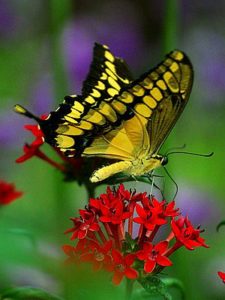
To those of us who have forgotten, the life cycle of a butterfly is divided into four stages: the egg, the larva, the pupa and then the adult butterfly. And this enclave is a wonderful way of reminding us about this metamorphosis. Most of the butterflies I saw at the Enclave were white, black, brown or dark orange in colour; the others were either resting, or hiding behind shrubs and bushes, away from the curious eyes of their audience. Some of the names of the butterflies kept here are Common Mormon, Lime, Common rose, Plain Tiger, Whites, Tawny Costor, Blue Tiger, Common Crow, Emigrant, and Tiger.

 Butterfly EnclaveWhat the caterpillar calls the end of the world, the master calls a butterfly. ~Richard Bach

There is nothing in a caterpillar that tells you it’s going to be a butterfly. ~Richard Buckminster Fulle

However, a lot of work goes behind the scenes, towards the maintenance of the butterfly enclave. As specimens of butterflies are collected, their growth has to be taken care of. Therefore, close to the Butterfly Enclave, out in the open is a “Butterfly Nursery”; where butterflies are kept and hatched. Butterfly eggs from the enclave are taken to the butterfly nursery where they are fed with fresh leaves and plants. Some of the essential activities also include keeping food plants for the butterflies inside and outside the butterfly gardens. Certain other precautions include protecting the garden from winds, and spraying it with water, when required, and protecting the plants and the nursery from extreme conditions of sun and heat; protecting the larvae from ants and other predators, and cleaning the butterfly enclosure with regularity. The plants inside the butterfly garden need to be periodically replaced by plants from the butterfly nursery. The food plant nursery has to be maintained with proper organic fertiliser and manure. Proper care has to be taken to increase the growth of butterfly as it is almost compulsory to display around about eight hundred and fifty butterflies in the enclave.

Flower colours inside the enclave are also important, because butterflies have the ability to see a few colours. Butterflies are cold blooded creatures, so they need rocks – cool and flat surfaces on which they can rest. They need water because like humans they too drink water. Those who tend to this garden sure have a lot of work cut out for them. However, by the end of the day, the smiles on the faces of visitors make all the effort worth it.

The live butterfly garden at Science City Kolkata had all of the above and more. A garden resplendent with shrubs, leafy plants, ferns; amongst which, the butterflies seemed to be enjoying themselves.

Image Courtesy: public-domain-photos.com (Jon Sullivan)

-Factfile-

http://en.wikipedia.org/wiki/Butterfly_gardening
http://en.wikipedia.org/wiki/Science_City_Kolkata
http://www.indianotebook.com/?p=910

ದುಡ್ಡ್ಡಿಗಾಗಿ ದುಡ್ಡೇ ಮಾರುವ ಸರದಂಗಡಿಗಳು!

0

ಮೈಮೇಲಿನ ಹೆಣ ಭಾರದ ಬ್ಯಾಗುಗಳನ್ನು ಲಗುಬಗೆಯಿಂದ ರೂಮಿನಲ್ಲಿ ಎತ್ತು ಬಿಸಾಡಿದ ಗೆಳೆಯರೆಲ್ಲಾ ಮೊದಲು ಶಾಪಿಂಗ್ಗೆ ಪಲ್ಟನ್ ಬಜಾರ್ಗೆ ಹೋಗೋಣ ನಡಿಯಪ್ಪ, ಖರೀದಿ ಮಾಡೋದು ಸಾವ್ರ ಇದೆ ಎಂದು ಅವಸರ ಮಾಡುತ್ತಾ ನನ್ನ ಹೊರಡಿಸಿದರು.

ಡೆಹರಾಡೂನಿನ ಪಲ್ಟನ್ ಬಜಾರ್ ಮೈ ತುಂಬಾ ಅಂಗಡಿ ಮುಂಗಟ್ಟುಗಳನ್ನು ತುಂಬಿಕೊಂಡ ಮಾಕರ್ೆಟ್ ಪ್ರದೇಶ. ಸುಮಾರು ಎರಡು ಕಿಲೋ ಮೀಟರ್ ಉದ್ದಕ್ಕೆ ನಾಲಿಗೆ ಚಾಚಿರುವ ಇಲ್ಲಿ ಮಧ್ಯಮ ವರ್ಗದವರ ಅಚ್ಚು ಮೆಚ್ಚಿನ ಸಾಕಷ್ಟು ವಸ್ತುಗಳು ಅಂದುಕೊಂಡಿದ್ದಕ್ಕಿಂತ ಒಂದಿಷ್ಟು ಕಡಿಮೆ ಬೆಲೆಗೆ ಸಿಕ್ಕು ಆಸೆ ಆಶ್ಚರ್ಯ ಹುಟ್ಟಿಸುತ್ತವೆ. ಅದರಲ್ಲೂ ಇಂಡಿಯನ್ ಆಮರ್ಿಯ ಸೈನಿಕರು-ಆಧಿಕಾರಿಗಳು ಬಳಸುವ ಎಲ್ಲಾ ನಮೂನೆಯ ಬಟ್ಟೆ-ಶೂ-ಬ್ಯಾಗು-ಸ್ವೆಟರುಗಳಂತೂ ಚೌಕಾಶಿ ಮಾಡಿದಷ್ಟು ಕಡಿಮೆ ಬೆಲೆಗೆ ಇಳಿದು ಕೊಳ್ಳುಬಾಕತನವ ಹೆಚ್ಚಿಸುತ್ತವೆ. ಇಂಥ ಬಜಾರಿನ ಮಾಹಿತಿಯನ್ನು ಡೆಹರಾಡೂನಿಗೆ ಬರುವ ಮೊದಲೇ ಎಲ್ಲೆಲ್ಲಿಂದಲೋ ಸಂಗ್ರಹಿಸಿದ್ದ ನಾವು ಆ ದಿನ ಸಾಕ್ಷಾತ್ ದರೋಡೆಕೋರರಂತೆ ರಸ್ತೆಗಿಳಿದು ಎಲ್ಲಾ ಅಂಗಡಿಗಳನ್ನು ದುರುಗುಟ್ಟುತ್ತಾ ಸಾಗುತ್ತಿದ್ದೆವು.

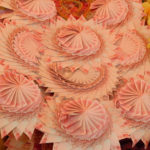
ಅಷ್ಟರಲ್ಲಿ ನನ್ನ ನಜರು ಬಣ್ಣ-ಬಣ್ಣದ ಸರಗಳನ್ನು ನೇತಾಕಿದ್ದ ಅಂಗಡಿಯೊಂದರ ಮೇಲೆ ಅಚಾನಕ್ ಆಗಿ ಬಿದ್ದಿತ್ತು. ಚಿತ್ತಾರದ ಕಲಾಕೃತಿಗಳನ್ನ ಚೆಂದದ ಬಣ್ಣದ ಕಾಗದದಲ್ಲಿ ಮೂಡಿಸಿ ಹೆಣೆಯಲಾಗಿದ್ದ ಅವುಗಳಲ್ಲಿ ಏನೋ ಒಂದು ಪರಮಾಶ್ಚರ್ಯ ನನ್ನ ಕಣ್ಣಿಗೆ ಎದ್ದು ಕಾಣುತ್ತಿತ್ತು. ಹಾಗಿದ್ದರೆ ಇದನ್ನು ಯಾವ ವಸ್ತುವಿನಿಂದ ಮಾಡಿರಬಹುದು!? ನೋಡೋಣ ಎಂದು ಕುತೂಹಲದಿಂದ ಮತ್ತೊಂದಿಷ್ಟು ಹತ್ತಿರಕ್ಕೆ ಹೋಗಿ ನಿಂತೆ. ನಿಜವಾಗಿಯೂ ವಿಸ್ಮಯ ಎನಿಸಿತು. ಅದು ನಮಗೆಲ್ಲಾ ತುಂಬಾ ಪರಿಚಿತವಾದ ವಸ್ತುವೊಂದರಿಂದ ಮಾಡಲ್ಪಟ್ಟಿತ್ತು.!


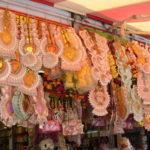
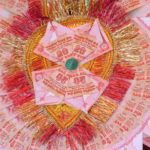
ಅಂಗಡಿ ಮುಂದೆ ಮಾರಾಟಕ್ಕೆ ಸಜ್ಜಾದ ನೋಟಿನ ಹಾರಗಳು.

ನಿಜಕ್ಕೂ ನನ್ನ ಕಣ್ಣುಗಳನ್ನೇ ನಂಬಲಾಗದ ನಾನು ಒಮ್ಮೆಗೇ ಎಲ್ಲರಿಗೂ ಕೂಗಿಕೊಂಡೆ. `ಏಯ್ ಎಲ್ಲಾ ಬೇಗ ಬನ್ನಿ ಇಲ್ಲಿ. ಈ ವಿಚಿತ್ರದ ಹಾರ ಸ್ವಲ್ಪ ನೋಡಿ. ಇದು ಯಾವುದರಿಂದ ಮಾಡಿದ್ದಾರೆ ಅನ್ನೋದನ್ನ ಗಮನವಿಟ್ಟು ನೋಡಿ ಎಂದೆ. ನನ್ನ ಸದ್ದಿಗೆ ಓಗೊಟ್ಟು ಬಂದವರೆಲ್ಲರೂ ಅಲ್ಲಿ ನಿಂತು ನೇತಾಕಿದ್ದ ಹಾರಗಳನ್ನು ಕಂಡು ನನ್ನಂತೆಯೇ ಹೌಹಾರಿ ನಿಂತರು. ನನ್ನ ಪರಿಶೀಲನೆ, ಹಾಗು ಕೂಗಾಟವನ್ನು ಹಾಗೇ ಗಮನಿಸುತ್ತಿದ್ದ, ಅಂಗಡಿ ಮಾಲೀಕನೂ ಏನಾಯಿತೆಂದು ಹೊರಗೆ ಬಂದು ನಿಂತ. ನಮ್ಮ ಆಶ್ಚರ್ಯದ ನಡವಳಿಕೆಯಿಂದ ಅವನೇನೂ ವಿಚಲಿತನಾಗಿರಲಿಲ್ಲ. ವ್ಯಂಗದ ಸಣ್ಣ ನಗು ಚೆಲ್ಲುತ್ತಾ ಟೂರಿಸ್ಟ್ ಎಂದು ಗೊಣಗುತ್ತಾ ನಿಂತುಕೊಂಡ.

ತೂಗು ಹಾಕಿದ್ದ ಹಾರಗಳನ್ನು ನೋಡಿದ ಎಲ್ಲರೂ ಒಮ್ಮೆಗೇ ಕಕ್ಕಾಬಿಕ್ಕಿಯಾದೆವು. ಏಕೆಂದರೆ ಆ ಹಾರಗಳನ್ನು ಯಾವುದೋ ಮಾಮೂಲಿ ಬಣ್ಣದ ಪೇಪರ್ಗಳಿಂದ ಮಾಡಿರಲಿಲ್ಲ. ಬದಲಿಯಾಗಿ ರಿಸವರ್್ ಬ್ಯಾಂಕ್ ಆಫ್ ಇಂಡಿಯಾದ ಹೊಚ್ಚ-ಹೊಸ ಗರಿಗರಿಯಾದ ನೋಟುಗಳಿಂದ ತಯಾರಿಸಿದ್ದರು. ನೂರು ರೂಪಾಯಿಯ ನೋಟಿನ ಹಾರದಿಂದ ಹಿಡಿದು ಎರಡು ರೂಪಾಯಿಯ ನೋಟಿನ ತನಕದ ಹಾರಗಳ ರಾಶಿಯೇ ಅಲ್ಲಿ ತುಂಬಿ ಹೋಗಿದ್ದವು.

ನೋಟಿಗಾಗಿ ವ್ಯಾಪಾರ ಮಾಡುವ ಜನರನ್ನ ನಾವು ದಿನಾ ನೋಡುತ್ತೇವೆ. ಆದರೆ ನೋಟನ್ನೇ ಮಾರಿ ನೋಟು ಸಂಪಾದಿಸುವ ಈ ಜನರ ವರ್ತನೆಯೇ ನನಗೆ ವಿಚಿತ್ರವೆನಿಸಿತು. ಜನರ ದಿನ ನಿತ್ಯದ ವ್ಯವಹಾರಿಕ ಬಳಕೆಗೆಂದು ಸಕರ್ಾರ ಹೊಚ್ಚ ಹೊಸ ನೋಟುಗಳನ್ನ ಪ್ರಿಂಟು ಹಾಕಿಸುತ್ತದೆ. ಆಥರ್ಿಕ ವಹಿವಾಟಿಗಲ್ಲದೆ ಬೇರೆ ಯಾವುದೇ ರೀತಿಯ ಚಟುವಟಿಕೆಗಳಿಗೆ ಇವುಗಳನ್ನು ಬಳಸುವುದು ನಿಷಿದ್ದ. ಹೀಗಿರುವ ಇವುಗಳನ್ನು ಇವರು ಹ್ಯಾಗೆಂದರೆ ಹಾಗೆ ಮಡಿಸಿ ಬೇಕಾಬಿಟ್ಟಿಯಾಗಿ ಸ್ಟೆಪ್ಲರ್ ಪಿನ್ನು ಹೊಡೆದು ರೂಪಿಸಿದ್ದ ಹೂವಿನ-ನವಿಲಿನ ಆಕೃತಿಗಳನ್ನು ರಚಿಸಿರುವ ಇವರ ಇಡೀ ಕಲಾವಂತಿಕೆ ಬಗ್ಗೆಯೇ ನನಗೆ ಸಿಟ್ಟು ಬಂದಿತು.

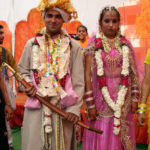
ಇಂಥ ಹಾರಗಳನ್ನ ಯಾರಿಗಾಗಿ ಮಾಡಿಟ್ಟಿದ್ದೀರಿ.ಇವುಗಳನ್ನು ಯಾರು ಕೊಳ್ಳುತ್ತಾರೆಂದು ಅಂಗಡಿಯವನಿಗೆ ಕೇಳಿದೆ.ಅದಕ್ಕವನು ಅದೆಲ್ಲಾ ಇಲ್ಲಿನ ರಿವಾಜು. ಮದುವೆ ಸಮಯದಲ್ಲಿ ಗಂಡಿಗೆ ಈ ದುಡ್ಡಿನಿಂದ ನೇಯ್ದ ಹಾರವನ್ನ ಹಾಕ್ತಾರೆ. ಅವರವರ ಸ್ಥಿತಿಗೆ ತಕ್ಕಂತೆ ಬೇರೆ ಬೇರೆ ರೈಟಿನ ಹಾರಗಳನ್ನ ಖರೀದಿಸುತ್ತಾರೆ. ಬಡವರು ಎರಡು ರೂಪಾಯಿ ಪೋಣಿಸದ ಹಾರಗಳಿಂದ ಹಿಡಿದು ಹೆಚ್ಚ್ಚೆಂದರೆ ಹತ್ತು ರೂಪಾಯಿ ತನಕ ಮಾಡಿದ ಹಾರ ಖರೀದಿಸುತ್ತಾರೆ. ಐನೂರು-ಸಾವಿರ ರೂಪಾಯಿಗಳಿಂದ ಮಾಡುವ ಹಾರಗಳನ್ನ ಶ್ರೀಮಂತರು ಮೊದಲೇ ಆರ್ಡರ್ ಕೊಟ್ಟು ಮಾಡಿಸುತ್ತಾರ ಎಂದ.
ಆಗ ನಮ್ಮ ಕವಿ ಮಿತ್ರ ವಿಕ್ರಮ್ವಿಸಾಜಿ `ಸಾರ ನಮ್ಮ ಕಡಿ ಸತ್ತವಂಗೆ ಮಾತ್ರ ಈ ನಮೂನಿ ಹಾರ ಮಾಡಿ ಹಾಕ್ತಾರೆ. ಎಂದರು. ಆ ಮಾತಿಗೆ ನಾವೆಲ್ಲ ಮುಸುಮುಸಿ ನಕ್ಕೆವು. ಕನ್ನಡ ಅರ್ಥವಾಗದ ಅಂಗಡಿಯವನು ಇವರೆಲ್ಲಾ ನನ್ನನು ಕಿಚಾಯಿಸುತ್ತಿದ್ದಾರೆಂದೇ ಭಾವಿಸಿ ಅಂಗಡಿಯೊಳಗೆ ನುಸುಳಿಕೊಂಡ. ಮತ್ತೆ ಕತ್ತೆತ್ತಿ ಬಜಾರಿನ ಬೀದಿ ಕಡೆ ನೋಡಿದರೆ ನೋಟಿನ ಸರಗಳನ್ನೇ ಸಾಲಾಗಿ ತಮ್ಮ ಮುಖಗಳ ಮೇಲೆ ಹೇರಿಕೆೊಂಡ ಅಂಗಡಿಗಳ ಮಹಾಮೇಳವೇ ಅಲ್ಲಿ ಎದ್ದು ಕಾಣುತ್ತಿತ್ತು.
ಬ್ಯಾಂಕಿನಿಂದ ಆಗಷ್ಟೇ ಬಿಡುಗಡೆಯಾಗುವ ಗರಿಗರಿ ನೋಟುಗಳನ್ನೇ ಹುಡುಕಿ ತಂದು ಕ್ರಮಸಂಖ್ಯೆಗಳಿಗೆ ಅನುಗುಣವಾಗಿ ಇವರು ಹಾರ ತಯಾರಿಸುತ್ತಾರೆ. ದುಡ್ಡು ಕೊಟ್ಟು ದುಡ್ಡನ್ನೇ ಖರೀದಿ ಮಾಡುವ ಇಲ್ಲಿನ ಈ ವಿಚಿತ್ರ ವ್ಯಾಪಾರ ನಮಗಂತೂ ಆಶ್ಚರ್ಯವೇ ಅನ್ನಿಸಿತು.

ಕಲೀಮ್ ಉಲ್ಲಾ.

Nothing plain about Jane Austen

0
Sense and Sensibility

She was an immaculate English author, whose novels are about a quaint world she belonged to and not of a world unknown to her. I admire her for her natural language that comes across in all her novels. Her ability to read the hearts and minds of her characters and the skill to beautifully structure everlasting dialogues, lives in my heart forever.

She wrote about the provincial society she lived in, and she wrote of love; not of wars. The plot of her own life was uneventful, therefore, the plot of her novels and stories were born of her own imagination rather than from what came to pass in her life. However, behind her hazel eyes, was a maze of inner drama; which she projected into her characters that brought her novels to life.

Jane Austen was born into a middle class family on the 16th December 1775, and lived 41 years of her life in the middle-class society of Hampshire, Bath and Southampton in Southern England. She created unforgettable characters like the haughty Mr. Darcy, who finally succumbed to the love of prejudiced Miss Elizabeth; and the precious character of the sensible and stable Elinor of Sense and Sensibility, and many other such loveable people, who continue to live and thrive between the pages of her novels. Novels like Persuasion, Pride and Prejudice, Emma, Mansfield Park, Sense and Sensibility (her first published novel, although not the first one she wrote) are some of her famous novels.

Recently, to my utter surprise, a new revelation came to light through media headlines — Jane Austen; the flawless author did have a few flaws. A few spelling errors were found in some of her original manuscripts. Some of her original facsimiles are now available on the internet for everyone to see. Although, these flaws can never undermine the brilliance of a remarkable author. Oblivious to this new found evidence, the regal power of Jane Austen’s pen lives on, the brilliant dialogue and gentle humour in her novels continue to cast a spell on me and many of her readers, who continue to grow in numbers. Therefore, I shall always remain a Jane Austen fan, despite her flaws. There is definitely something ageless and exquisite about this beautiful Jane.

Text & Pic: Trisha Bhattacharya
– Factfile –
http://timesofindia.indiatimes.com
http://www.nytimes.com
http://classiclit.about.com
http://en.wikipedia.org/wiki/Jane_austen

Why should we have hope in this ever-changing world?

2

have hope

The world is a moving sphere, slowly and sometimes rapidly changing speed, absorbed in a Kaleidoscope of colourful (Happiness, joy and other synonyms) and sometimes not so colourful emotions and feelings (sometimes referred to as depression or melancholy). “Hope” is an anti-dote to this depression, it helps individuals living within the sphere keep pace with the movements of the sphere, especially when certain emotions and feelings residing in their own worlds or a major portion of the sphere/world in general, become saturnine and dark.

Hope to a human is like water to a fish, and it is like oxygen to all sentient and living beings. Hope is respite to the parched throat, it is an anodyne on bruised skin, and it is the thread that binds humanity together. It is a lube for the moving sphere – either your own little sphere or the world at large.

Since human beings have divided “Time” into “The Past, Present and The Future”, let us send a smattering of hope to the present and also to the future. Ironically, hope for the past is an unusual concept; why would someone bother sending a fistful of hope to the past? The past is done with, isn’t it? But then why does our past affect our present or the future? It does, doesn’t it? So, we can choose to believe that we are sending a chunk of hope to the past as well; to the past of our continent, our country, to the past of wonderful individuals we have interacted with and continue to interact with, and to the past of our own little spheres.

Having sent hope to “Time” in its entirety, we can now “hope” to have a somewhat friction-less existence in this constantly changing sphere of a world.

ಕೇದಾರ ಕಾಂಟ್

0

ಇಲ್ಲಿಂದ ಮುಂದಕ್ಕೆ ಕಾಲು ದಾರಿಗಳು ಬಿಟ್ಟರೆ ಬೇರೆ ನಾಗರಿಕ ದಾರಿಗಳೇ ಇಲ್ಲ. ಈ ಕಾಲು ದಾರಿಯಲ್ಲಿ ಹನ್ನೆರಡು ಕಿಲೋ ಮೀಟರ್ ನಡೆದರೆ ತಾಲೂಕ ಎಂಬ ಹಳ್ಳಿ ಸಿಗುತ್ತದೆ. ಇದೇ ಭಾರತ ದೇಶದ ಗಡಿಯ ಕೊನೆಯ ಹಳ್ಳಿ. ಅಲ್ಲಿಂದ ಮುಂದೆ ಪರ್ವತಗಳಾಚೆಗಿರುವ ದೇಶವೇ ಚೀನಾ. ಈ ಊರಿನ ಬೆನ್ನ ಹಿಂದೆ ವಿಸ್ತಾರವಾಗಿ ಮಲಗಿರುವ ಗಗನದೆತ್ತರದ ಪರ್ವತವೇ “ಕೇದಾರ ಕಾಂಟ್“

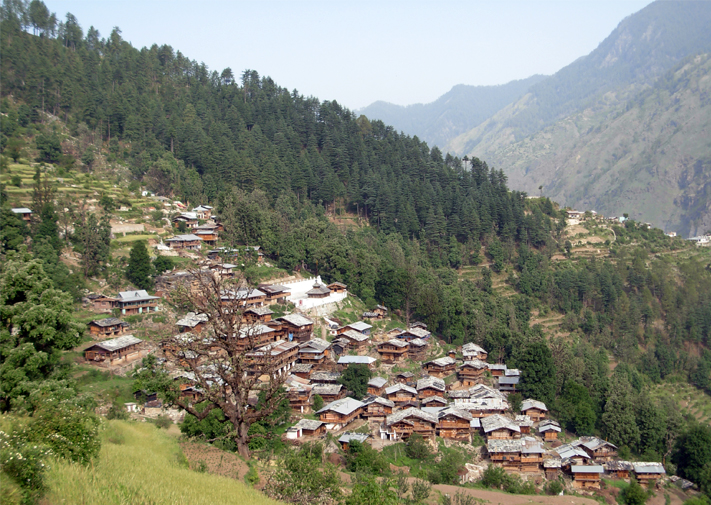
ಇಲ್ಲಿ ನಿಂತು ಎತ್ತ ಕತ್ತು ತಿರುಗಿಸಿ ನೋಡಿದರೂ ಬರೀ ಹಿಮಾಲಯ ಶ್ರೇಣಿಯ ಮುಗಿಲೆತ್ತರದ ಪರ್ವತಗಳು ಎದ್ದು ಕಾಣುತ್ತವೆ. ಹಿಮದ ಕಂಬಳಿ ಹೊದ್ದುಕೊಂಡು, ಮೋಡಗಳ ಮೆತ್ತಿಕೊಂಡು ಕ್ಷಣಕ್ಷಣಕ್ಕೂ ಮಂಜಿನ ಹೊಗೆಯಲ್ಲಿ ವೇಷ ಬದಲಿಸುವ ¸ಸ್ವಗರ್ರೋಹಿಣಿ, ಕಾಲಾನಾಗ್, ಹರ್ಕಿ ಧುನ್, ಪರ್ವತಗಳ ಸೊಬಗೇ ಇಲ್ಲಿ ವೈಶಿಷ್ಟ. ಈ ಪರ್ವತಗಳ ನೆತ್ತಿಯಿಂದ ಕರಗಿದ ಮಂಜು ನದಿಯಾಗಿ ಈ ಊರಿನ ಬುಡದಲ್ಲೇ ಭೋರ್ಗರಿಯುತ್ತಿರುತ್ತದೆ. ಮಹಾಭಾರತ ಕಾಲದಲ್ಲಿ ಧರ್ಮರಾಯ ಹಾಗು ಆತನ ಪರವಾರ ಇದೇ ¸ಸ್ವಗರ್ರೋಹಿಣಿ ಪರ್ವತಕ್ಕೆ ಬಂದು ನೆಲೆಸಿ ಮೋಕ್ಷ ಪಡೆದುಕೊಂಡರೆಂಬುದಾಗಿ ಇಲ್ಲಿಯ ಜನ ಇಂದಿಗೂ ನಂಬುತ್ತಾರೆ.
ಈ ಸಂಕ್ರಿ ತನಕ ಬಸ್ಸಿನಲ್ಲಿ ಬರುವುದೇ ಒಂದು ಯಮಸಾಹಸ. ನಾನಾ ಬಗೆಯ ಭೀಮಾಕಾರದ ಪರ್ವತಗಳ ಮಗ್ಗುಲಗಳ ಸೀಳಿ ನಿಮರ್ಿಸಲಾದ ಕಲ್ಲು-ಮಣ್ಣಿನ ಹಸಿ ರಸ್ತೆ, ಹಾಗು ಅದರ ಅಪಾಯಕಾರಿ ತಿರುವುಗಳಲ್ಲಿ ಪ್ರಯಾಣ ಮಾಡುವಾಗ ಒಳಗಿನ ಜೀವ ಬಾಯಿಗೇ ಬಂದಿರುತ್ತದೆ. ಹೀಗಾಗಿ ಬಸ್ಸು ನಮ್ಮೆಲ್ಲರ ಪರಿಸ್ಥಿತಿಯನ್ನು ಹಣ್ಣುಗಾಯಿ ನೀರುಗಾಯಿ ಮಾಡಿ ಹಾಕಿತ್ತು. ಹೀಗಾಗಿ ಏನೋ ರಸ್ತೆ ಮಧ್ಯೆ ಆಕ್ಸಿಡೆಂಡಾಗಿ ಬಿದ್ದವರು ಆಸ್ಪತ್ರೆಗೆ ಅಡ್ಮೀಟ್ ಆಗಲು ಕೊಸರಾಡಿಕೊಂಡು ಇಳಿಯುವವರಂತೆ, ನಾವೂ ಸಹ ಒಬ್ಬೊಬ್ಬರಾಗಿ ಸೊಂಟ, ಕೈ ಕಾಲುಗಳ ಹಿಡಿದುಕೊಂಡು ಅಬ್ಬಬ್ಬಾ ಎಂದು ಬಸ್ಸಿನಿಂದ ಕೆಳಗಿಳಿದು ನಿಟ್ಟುಸಿರು ಚೆಲ್ಲಿದೆವು. ನಮ್ಮನ್ನು ಸ್ವಾಗತಿಸಲು ಆ ಬೇಸ್ಕ್ಯಾಂಪಿನಲ್ಲಿ ವೈ.ಹೆಚ್.ಎ.ಐ.ನ (ಯೂತ್ ಹಾಸ್ಟೆಲ್ ಅಸೋಷಿಯೇಶನ್ ಆಪ್ ಇಂಡಿಯಾ.ನವದೆಹಲಿ). ಇದರ ಅಧಿಕಾರಿಗಳು ಕಾಯುತ್ತಿದ್ದರು. ನಮ್ಮನ್ನು ಪ್ರೀತಿಯಿಂದ ಮಾತಾಡಿಸಿ ಚಹ ಕೊಟ್ಟು ನಮಗಾಗಿ ಹೆಣೆಯಲಾಗಿದ್ದ ಗುಡಾರಗಳನ್ನು ತೋರಿಸಿದರು. ನೆಲ ಸಿಕ್ಕಿದ್ದೇ ತಡ ನಾ ಮುಂದು ತಾ ಮುಂದು ಎಂದು ಕೈ-ಕಾಲುಗಳ ಚೆಲ್ಲಿಕೊಂಡೆವು.

ವೈ.ಹೆಚ್.ಎ.ಐ.ನ ದೆಹಲಿ ಶಾಖೆಯವರು ಪ್ರತಿ ವರ್ಷದ ಮೇ ಹಾಗೂ ಜೂನ್ ತಿಂಗಳಲ್ಲಿ ಇದೇ ಸಂಕ್ರಿ ಬೇಸ್ಕ್ಯಾಂಪಿನಿಂದ `ನ್ಯಾಷನಲ್ ಹಿಮಾಲಯನ್ ಟ್ರಕ್ಕಿಂಗ್ ಎಕ್ಸಪೆಡೀಶನ್ ಎಂಬ ಚಾರಣವನ್ನು ಕೇದಾರಕಾಂಟ ಪರ್ವತಕ್ಕೆ ಏರ್ಪಡಿಸುತ್ತಾರೆ. ಒಂದು ವಾರದ ಈ ಚಾರಣದಲ್ಲಿ ಯಾರು ಬೇಕಾದರೂ ಭಾಗವಹಿಸಬಹುದು. ಈ ವರ್ಷದ ಟ್ರಕ್ಕಿಂಗ್ನಲ್ಲಿ ನಮ್ಮದು ಒಂಭತ್ತನೇ ತಂಡವಾಗಿತ್ತು.

ಈ ವರ್ಷದ ಮೊದಲ ಚಾರಣ ತಂಡ ನಮಗಿಂತ ಎಂಟು ದಿನ ಮೊದಲೇ 12500 ಅಡಿ ಎತ್ತರದಲ್ಲಿರುವ ಹಿಮಾಲಯದ ಕೇದಾರಕಾಂಟ ಪರ್ವತಕ್ಕೆ ಹೋಗಿತ್ತು. ನಾವು ಬೇಸ್ ಕ್ಯಾಂಪ್ ತಲುಪಿದ ದಿನವೇ ಆ ತಂಡದವರು ತಮ್ಮ ನಡಿಗೆಯನ್ನು ಯಶಸ್ವಿಯಾಗಿ ಮುಗಿಸಿಕೊಂಡು ಬಂದಿದ್ದರು. ಹಿಮಾಲಯದಲ್ಲಿ ಕ್ಷಣಕ್ಷಣಕ್ಕೂ ಬದಲಾಗುವ ಹವಾಮಾನದ ವೈಪರೀತ್ಯ ಅವರನ್ನೂ ಕಂಗೆಡಿಸಿತ್ತು. 21 ಜನರ ಆ ತಂಡ ಒಂದಿಷ್ಟು ಅಡ್ಡಿ ಆತಂಕಗಳನ್ನು ಅನುಭವಿಸಿಯೂ ಸುಖವಾಗಿ ಹಿಂತಿರುಗಿದ್ದ ಕಾರಣ ಬಹಳ ಸಂತೋಷದಿಂದಿತ್ತು.

ಆದರೆ, ಜೀವನದಲ್ಲಿ ಮೊದಲ ಸಲ ಹಿಮದ ಮೇಲೆ ನಡೆದಾಡಲು, ವಾರಗಟ್ಟಲೆ ಸುರಿಯುವ ಮಳೆ-ಚಳಿಗಾಳಿ, ಹಿಮಪಾತಗಳಲ್ಲಿ ಪಿಕ್ನಿಕ್ ಅನುಭವಿಸಲು ಬಂದಿದ್ದ ನಾವೆಲ್ಲರೂ ಮಾತ್ರ ನಿಜವಾಗಿಯೂ ಹೆದರಿಕೊಂಡಿದ್ದೆವು. ಆದರೆ, ಹೆದರಿಕೆಯಾಗುತ್ತಿದೆ ಎಂದು ಯಾರೂ ಯಾರಿಗೂ ಬಾಯಿ ಬಿಟ್ಟು ಮಾತ್ರ ಹೇಳಿಕೊಳ್ಳುತ್ತಿರಲಿಲ್ಲ. ಒಳಗೊಳಗೇ ನಡುಗುತ್ತಾ ನಮಗೆ ನಾವೇ ಸಮಾಧಾನ ಮಾಡಿಕೊಳ್ಳುತ್ತಿದ್ದವು. ಆದಷ್ಟು ಮೊದಲು ನಮ್ಮ ಪುಕ್ಕಲುತನ ಕಳೆದುಕೊಂಡು ಒಂದಿಷ್ಟು ದೈರ್ಯ ಸಂಗ್ರಹಿಸಿಕೊಳ್ಳಲು ವಿಜಯಿಗಳಾಗಿ ಹಿಂತಿರುಗಿದ ಮೊದಲ ಚಾರಣ ತಂಡದವರ ಅನುಭವಗಳನ್ನು ಕೇಳಿದರೆ ಹೇಗೆಂದು ನಿರ್ಧರಿಸಿಕೊಂಡೆವು. ಅವರ ಅನುಭವ ನಮ್ಮ ಅನೇಕ ಅಪೂರ್ಣ ಸಿದ್ಧತೆಗಳ ಪರಿಪೂರ್ಣತೆಗೆ ಅತ್ಯಗತ್ಯವಾಗಿತ್ತು.

ಅದೃಷ್ಟಕ್ಕೆ ಅವರಲ್ಲಿ ಕೆಲವರು ಮೈಸೂರಿನಿಂದ ಬಂದಿದ್ದ ಒಂದಿಷ್ಟು ಕನ್ನಡದ ಗೆಳೆಯರಿದ್ದರು. ಕನ್ನಡ ಮಾತಾಡುವ ಅವರನ್ನು ಆ ಪರದೇಶಿ ನೆಲದಲ್ಲಿ ಕಂಡಾಗ ಮೈ ಪರಚಿಕೊಳ್ಳುವಷ್ಟೇ ಸಂತೋಷ ನಮಗಾಯಿತು. ಅತಿಸಲುಗೆ ನಾಲಿಗೆಗೆ ಏರಿಸಿಕೊಂಡ ನಾವು ಆದಷ್ಟು ಭಯಾನಕ ಅನುಮಾನಗಳನ್ನೇ ಲೋಡು ಮಾಡಿಟ್ಟುಕೊಂಡು ಅವನ್ನೆಲ್ಲಾ ನೂರಾರು ಪ್ರಶ್ನೆಗಳಾಗಿ ಹೊಸೆದುಕೊಂಡು ಅವರೆಲ್ಲರ ತಲೆ ತಿನ್ನಲು ಸಿದ್ಧ್ದವಾದೆೆವು. ಅವರಲ್ಲಿ ಕೆಲವರು ಪಾಪ ಒಳ್ಳೆಯವರು ನಮಗೆಲ್ಲಾ ದೈರ್ಯ ಹೇಳಿ ಹೋಗಿ ಬನ್ನಿ ಏನೂ ಆಗಲ್ಲ ಎಂದು ಸ್ವಾಮೀಜಿಗಳಂತೆ ಹರಸಿದರು. ಇನ್ನು ಕೆಲವರು ಅಂತವರಲ್ಲ. ಅವರು ಸಿಕ್ಕಿದ್ದೇ ಚಾನ್ಸ್ ಅಂತ ಬರೀ ದುರಂತದ, ಜಾರಿ ಬೀಳುವ ಅಪಾಯದ ಅನೇಕ ಘಟನೆಗಳನ್ನೇ ಆದಷ್ಟು ಎಳೆದೆಳೆದು ಹೇಳಿ ನಮ್ಮ ಪುಕ್ಕಲುತನವನ್ನು ಮತ್ತಷ್ಟು ಹೆಚ್ಚಿಸಿ ಬಿಟ್ಟರು. ಹೋಗಿಯಾದ ಮೇಲೆ ನಾವು ಸುತಾರಾಂ ಅಲ್ಲಿಂದ ಹಿಂತಿರುಗುವಂತಿರಲಿಲ್ಲ. ಹೀಗಾಗಿ, ಆಗಿದ್ದಾಗಲಿ ಹಿಮಾಲಯ ಹತ್ತೊಣವೆಂದು ಎಲ್ಲರೂ ಪರಸ್ಪರ ಸಮಾಧಾನ ಹೇಳಿಕೊಂಡು ಸುಮ್ಮನಾದೆವು.

ಮಾರನೆಯ ದಿನ ವೈ.ಹೆಚ್.ಎ.ಐ.ನವರು ನೀಡಿದ ತರಬೇತಿ ನಮಗೆಲ್ಲಾ ಒಂದಿಷ್ಟು ದೈರ್ಯ ತುಂಬಿತು. ಅದಾದ ನಂತರ 3ನೇದಿನ ಬೆಳಗ್ಗೆ ನಮ್ಮ ಚಾರಣ ಆರಂಭವಾಯಿತು. ನಮ್ಮ ವಾರದ ಚಾರಣದುದ್ದಕ್ಕೂ ನಮಗೆ ಹಲವಾರು ನುರಿತ ಗೈಡ್ಗಳನ್ನು ಅವರು ಒದಗಿಸುತ್ತಾ ಹೋದರು. ಆ ಮಾರ್ಗದರ್ಶಕರ ಮೂಲಕ ಹಿಮಾಲಯದ ಕಾಡಿನ ಗಿಡ,ಮರ,ಹೂವು,ಹಣ್ಣು,ಪ್ರಾಣಿ-ಪಕ್ಷಿಗಳ ಸೊಬಗನ್ನು ಸವಿಯುತ್ತಾ ಹೋದೆವು. ಜೊತಗೆ ನಾಗರಿಕ ಬದುಕಿನಿಂದ ದೂರವಾಗಿ ಸದಾ ಹಿಮಪಾತದ ಗ್ಲೇಸಿಯರ್ ಲೋಕದಲ್ಲಿ ದೈರ್ಯವಾಗಿ ಬದುಕುವ ಪಹಾಡಿ ಜನ ಹಾಗೂ ಗುಜ್ಜಾರ್ ಜನರ ಬದುಕಿನ ಕಷ್ಟ-ಕಾರ್ಪಣ್ಯಗಳನ್ನು ತುಂಬಾ ಹತ್ತಿರದಿಂದ ನೋಡುತ್ತಾ ತಿಳಿಯುತ್ತಾ ಹೋದೆವು.

ಹಿಮಾಲಯದ ತಪ್ಪಲಿನಲ್ಲಿ ಎತ್ತ ತಿರುಗಿದರೂ ಹಸಿರು ಮಡಿಲಿನ ತುಂಬ ಹೂವಿನ ರಾಶಿ ಸೂರೆಯಾಗಿರುವುದನ್ನು ನೋಡಬಹುದು. ಪರ್ವತದೆತ್ತರಕ್ಕೆ ಹೋಗುತ್ತಾ ಹೋದಂತೆ
ಕಾಡು ನಿಧಾನವಾಗಿ ಕಡಿಮೆಯಾಗುತ್ತಾ ಹೋಗುತ್ತದೆ. ಬೋಳು ಕಲ್ಲಿನ ಬೆಟ್ಟಗಳು ಅವುಗಳ ಮೇಲೆ ಸುರಿದ ರಾಶಿ ಐಸಿನ ಗುಪ್ಪೆಗಳು ಎದ್ದು ನಿಲ್ಲುತ್ತವೆ. ಪರ್ವತದ ಎತ್ತರ ಹೆಚ್ಚಾದಂತೆ ಆಮ್ಲಜನಕ ಕೊರತೆ ಎದುರಾಗುತ್ತದೆ. ಆಗ ಬೆಟ್ಟಹತ್ತಲು ಜೊತೆಜೊತೆಗೆ ಉಸಿರಾಡಲು ಶಕ್ತಿ ಮೀರಿ ತಿಣುಕಾಡಬೇಕಾಗುತ್ತದೆ.

ಇನ್ನೇನು ಈ ಬೆಟ್ಟ ಹತ್ತಿದರೆ ಇವತ್ತಿನ ಚಾರಣ ಮುಗೀತಪ್ಪ ಅಂದುಕೊಳ್ಳುವಾಗಲೇ ಮತ್ತೊಂದು ಹತ್ತಬೇಕಾದ ಪರ್ವತ ಕಣ್ಣ ಮುಂದೆ ನಿಲ್ಲುತ್ತಿತ್ತು. ಬೆನ್ನ ಮೇಲಿನ ಬಾರದ ಬ್ಯಾಗುಗಳು ಬರುಬರುತ್ತಾ ಬೇತಾಳವಾಗತೊಡಗಿದವು. ದಿನಾ ಹತ್ತು-ಹದಿನೈದು ಕಿಲೋ ಮೀಟರ್ನಷ್ಟು ಕಾಲು ನಡಿಗೆ ಇರುತ್ತಿತ್ತು. ಪ್ರತೀ ದಿನ ಸಂಜೆಯ ಹೊತ್ತಿಗೆ ನಮಗಾಗಿ ಕಟ್ಟಲಾದ ಒಂದೊಂದು ಹೊಸ ಕ್ಯಾಂಪಿನ ಬುಡಕ್ಕೆ ಬಂದು ಉಸ್ಸಪ್ಪ ಎಂದು ಉರುಳಿ ಬೀಳುತ್ತಿದ್ದ್ದೆವು.

ದಿನದಿನವೂ ನಮಗಾಗಿ ಅಚ್ಚುಕಟ್ಟಾದ ಊಟ ತಿಂಡಿ ಟೀ ವ್ಯವಸ್ಥೆಯನ್ನು ಅಧಿಕಾರಿಗಳು ಮೊದಲೇ ಸಿದ್ದಮಾಡಿಟ್ಟಿರುತ್ತಿದ್ದರು. ಪ್ರತಿ ದಿನ ರಾತ್ರಿ ಮಲಗುವ ಮುನ್ನ ಒಂದು ಹಾಡು ಹೇಳುವ, ಮಿಮಿಕ್ರಿ ಮಾಡುವ ಕಾರ್ಯಕ್ರಮ ನಾವೇ ನಡೆಸಿಕೊಡಬೇಕಾಗಿತ್ತು. ಹಿಮದ ಮಳೆ ಸುರಿದ ದಿನ ರಾತ್ರಿ ಚಳಿ ವಿಪರೀತವಾಗಿರುತ್ತಿತ್ತು. ಗಡಗಡ ನಡುಗುತ್ತಾ ಅವರು ಕೊಟ್ಟ ಎಲ್ಲಾ ರಗ್ಗುಗಳನ್ನು ಸುತ್ತಿಕೊಂಡು ಬಿದ್ದುಕೊಂಡರೂ ಚಳಿ ಮಾತ್ರ ಗ್ರಹಚಾರ ಬಿಡಿಸುವುದನ್ನ ಮಾತ್ರ ಯಾವ ದಿನವೂ ಮರೆಯುತ್ತಿರಲಿಲ್ಲ.

ಮಂಜಿನ ಮೇಲೆ ನಡೆಯುವುದೇ ಇಲ್ಲಿನ ರೋಚಕ ಅನುಭವ. ಕೆಲವು ಸಲ ಮಂಜಿನ ಚಳಿ ಗಾಳಿ ಅಂದಾದುಂಧಿಯಾಗಿ ಬೀಸತೊಡಗುತ್ತದೆ. ಆಗ ಹಿಮಪಾತವಾಗುವುದು, ಆಲಿಕಲ್ಲಿನ ಮಳೆ ಜಡಿಯುವುದು ಇಲ್ಲಿ ಸರ್ವೇ ಸಾಮಾನ್ಯವಾದ ಸಂಗತಿ. ಈ ಅನುಭವ ಆನಂತರ ಖುಶಿ ಎನಿಸಿದರೂ ಅನುಭವಿಸುವಾಗ ಮಾತ್ರ ಜೀವ ಹಾರಿ ಹೋಗಿರುತ್ತದೆ.

ಇಲ್ಲಿನ ಶುದ್ದ ಗಾಳಿ, ದಿನ ನಿತ್ಯದ ಕಠಿಣ ನಡಿಗೆ, ನಿಯಮಿತ ಆಹಾರ ನಿದ್ದೆಗಳು ನಮ್ಮೊಳಗಿನ ಸೋಮಾರಿತನ, ಕಳೆದು ಹೊಸ ಚೈತನ್ಯವನ್ನು ಎರಡೇ ದಿನದಲ್ಲಿ ನೀಡಿರುತ್ತವೆ. ಮನೆಯಲ್ಲಿ ಹಾಯಾಗಿ ತಿಂದು ತೂಕಡಿಸಿ ಕಾಲಹಾಕಿದ್ದ ನಮ್ಮೆಲ್ಲರ ದೇಹಗಳು ಒಂದು ವಾರ ಕಳೆದಾಗ ಐದಾರು ಕೆಜಿ ತೂಕ ಕಳೆದುಕೊಂಡು ನಳನಳಿಸುತ್ತಿದ್ದವು. ಮನಸ್ಸಿನಲ್ಲಿ ಆತ್ಮವಿಶ್ವಾಸ, ದೈರ್ಯ ಹೆಚ್ಚಾಗಿರುವುದು ಅರ್ಥವಾಗುತ್ತಿತ್ತು. ಒಂದೇ ಬೇಸರವೆಂದರೆ ಚಳಿ ಗಾಳಿಗೆ ಸಿಕ್ಕು ತತ್ತರಿಸಿದ ನಮ್ಮ ಮುಸುಡಿಗಳು ಮಾತ್ರ ಯಾರೂ ಕಂಡು ಹಿಡಿಯದಷ್ಟು ಕುಲಗೆಟ್ಟು ಹೋಗಿದ್ದವು.

ಕಲೀಮ್ ಶಿವಮೊಗ್ಗ.

What is nostalgia and what is not?

1
What is nostalgia
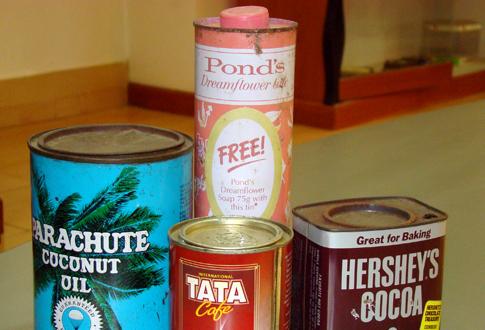
Remember these tins?

Nostalgia is everything that pertains to a time gone by; recent or not so recent; something that elicits memories, good or not so good. Anything that engenders any sort of longing; could be yearning for the freedom of our childhood, or could be wanting to listen to a particular kind of music we would be glued to during our teens, or simply visiting old memory lanes (including your favourite chai ki dukaan, or your favourite movie hall), and all this in your imagination.

Memories which are fleeting, that come and go, and don’t linger around like old friends, cannot be termed “Nostalgia”. It is more like a memory-flash, and may or may not make you feel anything at all. You might never think of it again. However, when one is truly nostalgic, one might even forget the present completely and be transported back to the past, where they can actually smell the air, see the sights, listen to the sounds that they had once been a part of and experienced. The past becomes reality, and the present, turns into an aberration. How convenient and wonderful, isn’t it? No wonder, nostalgic memories of the positive kind should always be welcomed.
Links
http://en.wikipedia.org/wiki/Nostalgia
http://dictionary.reference.com/browse/nostalgia

ಆಗುಂಬೆ ಘಾಟಿಯ ಮಡಿಲಿನಲ್ಲಿ…

1
Agumbe Sunset

ಹೊರಗಿನಿಂದ ಥಂಡಿ ಗಾಳಿ ಸುಯ್ಯಂದು ಬೀಸುತ್ತಿತು. ಹಸಿರು ಬೆಟ್ಟಗಳ ಮೇಲೆ ತುಂಟ ಮೋಡಗಳು ತೆಳುವಾದ ಬಿಳಿ ದುಪ್ಪಟ್ಟ ಹಾಸಿ ವಯ್ಯಾರ ಮಾಡುತ್ತಿದ್ದವು.ತುಂತುರು ಮಳೆಗೆ ಮೈಯೊಡ್ಡಿ ನಿಂತ ನಗ್ನ ಗಿಡ,ಮರಗಳನ್ನೇ ನುಂಗುವಂತೆ ನೋಡುತ್ತಾ ಕೂತಿದ್ದ ಕವಿಮಿತ್ರ ಶಿಜು ಮಾತ್ರ ಸರ್ಪದಂತೆ `ಬುಸ್’ ಎಂದು ಸಿಗರೇಟಿನ ಹೊಗೆ ಬಿಡುತ್ತಲೇ ಕೂತಿದ್ದ.

ಕಾರಿನಿಂದ ಧಡ-ಬಢ ಇಳಿದು ಸುತ್ತಾ-ಮುತ್ತ ಕಣ್ಣಾಯಿಸಿ ನೋಡಿದ ಎಲ್ಲರೂ, ಒಂದು ಸಲ`ವಾವ್!’ ಎಂದು ಉದ್ಗಾರ ಎಳೆದರು. ಸುಂದರ ಹಸಿರು ಪರ್ವತ ಶ್ರೇಣಿಗಳ ನಡುವೆ ಕಣ್ಣಿಗೆ ಹಬ್ಬತಂದಂತಿತ್ತು ಆಗುಂಬೆ. `ಹಸಿರು ಕಾನನದ ಜಡೆಗೊಂದು ದುಂಡು ಮಲ್ಲಿಗೆ ದಂಡೆ ಅಂಟಿಸಿದಂತೆ. ಎ0ದು ಒಬ್ಬರೇ ಗೊಣಗಿಕೊಂಡು, ತಕ್ಷಣ ಹಾಗೇ ಗೀಜಿಕೊಂಡರು ಮತ್ತೋರ್ವ ಕವಿ ನೂರ್. ಇದನ್ನು ವ್ಯಂಗ್ಯ ಕಣ್ಣುಗಳಲ್ಲಿ ಗಮನಿಸಿದ ರಂಗರಾಜನನ್ನ ಕಡೆ ತಿರುಗಿ ನೋಡಿ.`ಥೂ..ಈ ಹಾಳ್ ಕವಿಗಳನ್ನೆಲ್ಲ ಯಾಕ್ರೀ ಕಕರ್ೊಂಡು ಬರ್ತೀರಿ,’ಎ0ದು ಪರಿಹಾಸ್ಯ ಮಾಡಿದ.”’

ಮೊಟ್ಟ ಮೊದಲಿಗೆ ಚಳಿಗೆ ಅವಿತು ಕುಳಿತುಕೊಂಡಿದ್ದ ಆಗುಂಬೆಯ ಸಾಲುಸಾಲು ಮನೆಗಳು ಕಣ್ಣಿಗೆ ಬಿದ್ದವು.ಮಳೆಗಾಲ ಎದುರಿಸಲು ಕಂಬಳಿಯಂಥ ತಡಿಕೆಹೊದ್ದು, ಮುಖವೇ ತೋರಿಸದೆ ನಾಚಿಕೆಯಿಂದ ನಿಂತಿದ್ದ ಅವುಗಳ ವೈಖರಿಯೇ ಒ0ದು ವಿಸ್ಮಯ.

`ಊರು ಸುತ್ತಿ ನೋಡೋಣವೇ’?ಎಂಬ ನನ್ನ ಮೊದಲ ಮಾತಿಗೇ ಕತ್ತುಮುರಿದ ಯೋಗ `ಅದೆಲ್ಲಾ ಆಮೇಲೆ, ಮೊದ್ಲು ನನ್ನ ಸನ್ ಸೆಟ್ ಪಾಯಿಂಟ್ ನೋಡೋಣ ನಡೀರಿ’ಎಂದ. ಆಕಸ್ಮಿಕ ಸಿನಿಮಾದಲ್ಲಿ ಆಗುಂಬೆಯ ಘಾಟಿ ನೋಡಿ ಸಂಭ್ರಮಪಟ್ಟಿದ್ದ ಅವನಿಗೆ ಅದೇ ಮೊದಲಾಗಬೇಕಿತ್ತು. ಮೇಲಾಗಿ ಅವನು `ಅಣ್ಣಾವ್ರ’ ಕಟ್ಟಾ ಅಭಿಮಾನಿ ಬೇರೆ.ನಾವು ಒ0ದು ಚೂರು ಉಸಿರು ಬಿಚ್ಚದೆ ಸರಿ ಆಯ್ತೆಂದು ಒಪ್ಪಿಕೊಂಡು ಅಲ್ಲಿಂದ ಹೊರಟೆವು. ಕೆಲವೇ ನಿಮಿಷಗಳಲ್ಲಿ ಘಾಟಿಯ ತುತ್ತ ತುದಿ ಬಂದೇ ಬಿಟ್ಟಿತು

ಅಲ್ಲೇ ಒಂದೆಡೆ ಪಕ್ಕಕ್ಕೆ ಡ್ರೈವರ್ ಕಾರು ನಿಲ್ಲಿಸಿದ. ನಿಶ್ಯಬ್ಧವೂ, ಆಹ್ಲಾದಕರವೂ, ಆಗಿದ್ದ ಘಾಟಿಯಲ್ಲಿನಿಸರ್ಗದ ಸುಖ ಅನುಭವಿಸುತ್ತಾ; ಎಲ್ಲರೂ ದೀರ್ಘ ಉಸಿರೆಳೆಯುತ್ತಾ,ಮೌನವಾಗಿ ನಿಂತೆವು.ದೂರದ ಅರಬ್ಬಿ ಸಮುದ್ರ ಅಸ್ಪಷ್ಟವಾಗಿ ಬಿಳಿ ಗೆರೆ ಎಳೆದಂತೆ ಕಾಣಿಸುತ್ತಿತು. ಅಪ್ಪಟ ಮಳೆಗಾಲದ ಸಮಯವಾದರೂ, ಮಳೆಯ ಒಂದು ಸಣ್ಣ ಸುದ್ದಿಯೂ, ಬೇಡವೇ.?

ಸಮುದ್ರದ ಕಡೆಯಿ0ದ ಒಂದಿಷ್ಟು ಮುನಿಸಿಕೊಂಡು ಬರುತ್ತಿದ್ದ,ಅಬ್ಬೇಪಾರಿ ಮೋಡಗಳು ಮಾತ್ರ ಹೊಗೆಯಂತೆ ಬಂದು ಘಾಟಿಗೆ ಬಡಿಯುತ್ತಿದ್ದವು.ಅತ್ತ ಆ ಸೂರ್ಯನ ಸುಳಿವಂತೂ ಇರಲೇ ಇಲ್ಲ. ಕಡೇ ಪಕ್ಷ ಇತ್ತ ಸೂಯರ್ಾಸ್ತವನ್ನಾದರೂ, ನೋಡಬಹುದಾ? ಎಂಬ ಗುಮಾನಿ ಆಸೆಯೊಂದಿಗೆ ಹಗುರವಾದ ಹೆಜ್ಜೆಯಿಡುತ್ತಾ ಘಾಟಿ ಕೆಳಗೆ ಹೊರಟೆವು.

ಅಲ್ಲೇ, ಸ್ವಲ್ಪ ದೂರದಲ್ಲೇ, ಆಗುಂಬೆಯ ಜಗತ್ಪ್ರಸಿದ್ಥ ಸೂಯರ್ಾಸ್ತಮಾನ ವೀಕ್ಷಣೆಗೆಂದು ಒಂದು ಕಾಂಕ್ರೀಟ್ ಅಟ್ಟಣಿಗೆ ನಿಮರ್ಾಣವಾಗಿದೆ. ಘಟ್ಟದ ಆ ಅಟ್ಟಣಿಗೆ ತನಕವೇನೋ ನಾವೆಲ್ಲಸುಖವಾಗಿ ಬಂದೆವು. ನಮ್ಮ ಉದ್ದೇಶ ಇಡೀ ಘಾಟಿಯನ್ನು ಹಾಗೇ ಕಾಲ್ನಡಿಗೆಯಲ್ಲಿ ಇಳಿದು ಪೂರೈಸಿ, ತುಂಬಿ ಹರಿಯುವ ಸೀತಾನದಿಯ ಬಳಿಗೆ ಹೋಗುವುದಾಗಿತ್ತು.ಅಲ್ಲಿ ತುಂತುರು ಮಳೆ ಘಾಟಿಯಿಡೀ ಜಿನುಗುವಾಗ; ಕಳ್ಳನಂತೆ ಮೂಡುತ್ತಾನೆ ಆ ಸೋ0ಬೇರಿ ಸೂರ್ಯ. ತನ್ನ ಬಂಗಾರದ ಕಿರಣಗಳ ಟೀ ಅಂಗಡಿ ತೆರೆದು ಚೌಕಾಶಿ ಲೆಕ್ಕದಲ್ಲಿ ಹಸಿರುಬೆಟ್ಟ, ಬಿಳಿಮ0ಜಿನ ಮೋಡಗಳನ್ನು ರಂಗಿನಿಂದ ಸಿಂಗರಿಸುತ್ತಾನೆ. ಆ ಸೊಬಗನ್ನು ಅನುಭವಿಸುತ್ತಾ, ಘಟ್ಟದ ಒಂದೊಂದು ಮೂಲೆಯಲ್ಲೂ, ಚಿಗಿಯುವ ಪುಟಾಣಿ ಜಲಪಾತಗಳನ್ನು ಕ್ಯಾಮಾರದಲ್ಲಿ ಸೆರೆಹಿಡಿದಿಡುವ ಪ್ಲಾನು ನಮ್ಮದಾಗಿತ್ತು. ಆದರೆ ಅಷ್ಟರಲ್ಲೇ, ಅನಿರೀಕ್ಷಿತವಾಗಿ ನಾವು ಅಲ್ಲಿ ಕಂಡ ಕೆಲ ಯಡವಟ್ಟು ಸಂಗತಿಗಳು ಮನಸಿಗೆ ಕಿರಿಕಿರಿ ತಂದು ಅಲ್ಲೇ ನಮ್ಮ ತಡವಿಕೊಂಡವು. ನಾವೂ ಸಮಾಜ ಸುಧಾರಕರಂತೆ ಹಠ ಹಿಡಿದು ಅಲ್ಲೇ ನಿಂತೆವು.

ಅಲ್ಲೇ ನಮ್ಮ ಕೆಲ ನಾಗರಿಕ ಸಮಾಜದ ಜನರ ವಿಕೃತಿಗಳು ಎದ್ದು ಕಾಣತೊಡಗಿದವು. ಅಲ್ಲೀ ತನಕ ಆಗುಂಬೆಯ ಗಿಡ-ಮರ-ಹೂವು-ಹಕ್ಕಿ-ಬಳ್ಳಿ-ಗಾಳಿ-ಆಕಾಶ.. ಅ0ತ ಏನೇನೋ ಪುಕ್ಕಟ್ಟೆ ಕವಿಗಳಥರ ಲೋಡುಗಟ್ಟಲೆ ರೀಲು ಸುತ್ತುತ್ತಾ, ನವೋದಯ ಶೈಲಿಯಲ್ಲಿ ಹಾಯಾಗಿ ನಡೆದು ಬರುತ್ತಿದ್ದ ನಮ್ಮ ಕಾವ್ಯಲಹರಿಗೆ ಒಮ್ಮೆಲೇ ರಸಾನುಭಂಗವಾಯಿತು.!

ಕೇವಲ ಅದಷ್ಟು ಜಾಗದಲ್ಲಿ ಮಾತ್ರ ನಾವು ಕಂಡ ಆಗುಂಬೆಯ ಪ್ರಕೃತಿ ಚಿತ್ರಣದ ರ
ೀತಿಯೇ ಒದಿಂಷ್ಟು ಬಿಗಾಡಾಯಿಸಿತ್ತು. ತಕ್ಷಣ ಮೂಗಿಗೆ ಬಡಿಯತೊಡಗಿದ ಕಮಟು ವಾಸನೆ, ಪಡ್ಡೆ ಹುಡುಗರ ಅಸಾಧ್ಯ ಕಿರುಚಾಟ, ಅವರ ಅಸಭ್ಯ ಕುಣಿದಾಟಗಳು. ಒಡೆದು ಪುಡಿ ಮಾಡಿ ಬಿಸಾಡಿದ ಬೀರು ಬಾಟಲಿಯ ಚೂರುಗಳು, ರಾಶಿರಾಶಿ ಹಾನಿಕಾರಿ ಪ್ಲಾಸ್ಟೀಕ್ ಥೈಲಿಗಳ ಕ0ತೆಗಳು, ಝರಿಗಳು ಸಣ್ಣಗೆ ಗಿಡ ಮರಗಳ ನಡುವಿನಿಂದ ಧುಮುಕುವ ಜಾಗಗಳಲ್ಲೂ ಬಿಡದೆ ತಿಂದೆಸೆದ ಐಸ್ ಕ್ರೀಮ್ನ ಖಾಲಿ ಡಬ್ಬಿಗಳು, ಒಂದೆರಡಲ್ಲ….ಅಬ್ಬಬ್ಬಾ! ಮನುಷ್ಯ ಮಾತ್ರದ ಅಸೂಕ್ಷ್ಮ ಜೀವಿಮಾತ್ರ ಇಂಥ ಸುಂದರ ಪರಿಸರವನ್ನೂ ದಿಕ್ಕು-ದೆಸೆಯಿಲ್ಲದೆ ಹದಗೆಡಿಸಬಲ್ಲ. ಅಂಥ ಸ್ವಚ್ಛ-ನಿರ್ಮಲ ಜಾಗವನ್ನೂ ಬಿಟ್ಟೂ ಬಿಡದೆ ಜನ ಹಠಬಿದ್ದು ಗಬ್ಬೆಬ್ಬಿಸಿರುವ ರೀತಿ ನೋಡಿ ನಮ್ಮೆಲ್ಲರಿಗೂ ಒ0ದೇ,ಸಲಕ್ಕೆ ತೀರಾ ಪಿಚ್ ಎನಿಸಿತು.

ಅಲ್ಲದೆ, ಆ ಕಿರಿದಾದ ರಸ್ತೆಯ ಬಳಿಯೇ ಇಕ್ಕಟ್ಟಾದ ಅಟ್ಟಣಿಗೆಯ ಬಳಿ ಅಡ್ಡಲಾಗಿ ಒಂದು ಐಸ್ ಕ್ರೀಮ್ ಮಾರುವ ಖಾಸಗಿವಾಹನ ಬೇರೆ ನಿಂತಿತ್ತು. ಜೊತೆಗೆ ಆತ ತನ್ನ ಅನುಕೂಲಕ್ಕಾಗಿ ಒಂದು ಜನರೇಟರ್ ಕೂಡ ಚಾಲೂ ಮಾಡಿಟ್ಟುಕೊಂಡಿದ್ದ. ಆದೋ, ನಿಶ್ಯಬ್ಧ ಘಾಟಿಯಲ್ಲಿ ಕರ್ಣಕಠೋರವಾಗಿ ಕಿರಿಚಾಡುತ್ತಿತ್ತು. ಹಕ್ಕಿಗಳ ಇಂಚರ ಒತ್ತಟ್ಟಿಗಿರಲಿ, ನಾವು ಪರಸ್ಪರ ಮಾತಾಡಿಕೊಳ್ಳಲೂ, ಕೆಪ್ಪರಂತೆ ಅರಚಾಡತೂಡಗಿದೆವು.

ಇನ್ನು ಆ ಅಟ್ಟಣಿಗೆಯ ಅವ್ಯವಸ್ಥೆಯಂತೂ ಅಧ್ವಾನಮಯ. ಅರ್ಧಂಬಂರ್ಧ ರೂಪಿತವಾಗಿರುವ ಪಿಲ್ಲರ್ಗಳಿಂದ ಹೊರಹೊಮ್ಮಿರುವ ಬಿರುಸಾದ ಕಂಬಿಗಳು ಸೈನಿಕರ ಈಟಿಗಳಂತೆ ಸೆಟೆದು ನಿಂತಿವೆ. ಹಾಗೇ ಅಲ್ಲಿ ಮಳೆಯನೀರೂ ಕೂಡ ಬಿದ್ದೂ, ಬಿದ್ದೂ, ಅಸಾಧ್ಯ ಪಾಚಿಯೂ ಬೇರೆ ಮಡುಗಟ್ಟಿ ನಿಂತಿದೆ. ಅಲ್ಲಿ ನೀವು ತುಂಬಾ ಜಾಗರೂಕರಾಗಿರಬೇಕು.! ಒಂದು ವೇಳೆ ಆಯ ತಪ್ಪಿ ಜಾರಿ ಬಿದ್ದಿರೋ ಮುಗಿದೇ ಹೋಯಿತು. ಹಣೆ, ಕೈ,ಕಾಲುಗಳೆಲ್ಲಾ ಯದ್ವಾ-ತದ್ವಾ ಅಪ್ಪಚ್ಚಿಯಾಗುತ್ತವೆ. ಈ ಅನುಭವವೂ ನಮ್ಮಲ್ಲೇ ಒಬ್ಬರಿಗೆ ಆಗಿಯೂಹೋಯಿತು.

ಮೇಲಾಗಿ ಅದನ್ನು ಕಟ್ಟಿರುವ ರೀತಿಯೂ ತೀರಾ ಅವೈಜ್ಞಾನಿಕವಾಗಿದೆ, ಎನ್ನುತ್ತಾರೆ ಸ್ಥಳೀಯ ಜನ. ಉದ್ದಕ್ಕೆ ಸೇತುವೆ ಮಾದರಿಯಲ್ಲಿರುವ ಇಲ್ಲಿ ಹೆಚ್ಚೆಂದರೆ ಹತ್ತು-ಹದಿನೈದು ಮಂದಿ ಮಾತ್ರ ನಿಂತು ಸೂಯರ್ಾಸ್ತ ನೋಡಬಹುದಷ್ಟೆ. ಉಳಿದಂತೆ ಹಿಂದೆ ನಿಂತವರಿಗೆ ಕೇವಲ ಮುಂದೆ ನಿಂತವರ ಬೆನ್ನು ದರ್ಶನವಷ್ಟೇ ಸೌಭಾಗ್ಯ. ಹೀಗಾಗಿ, ಇದನ್ನು ಹ0ತಹ0ತವಾಗಿ ಅ0ದರೆ (ಣಜಠಿ ಛಥಿ ಣಜಠಿ) ಮೆಟ್ಟಿಲುಗಳ ರೀತಿಯಲ್ಲಿ ನಿಮರ್ಿಸುವುದು ಅತ್ಯಗತ್ಯವಾಗಿತೇನೋ? ಎ0ಬುದೇ ಬಹಳಷ್ಟು ಪ್ರವಾಸಿಗರ ಅನಿಸಿಕೆ.

ಇದಿಷ್ಟು ನಾವು ಅಲ್ಲಿ ಕಂಡ ಸಮಸ್ಯೆಗಳು ಅನ್ನೊದನ್ನ ಬಿಟ್ಟರೆ ಉಳಿದಂತೆ ಪ್ರಕೃತಿ ಸೃಷ್ಟಿಯ ಅತ್ಯ0ತ ಸುಂದರ ಸ್ಥಳ ಆಗುಂಬೆ. ಪಟ್ಟಣದ ದಣಿದ ಮನಸ್ಸುಗಳಿಗೆ ತಾಯಿಯ0ತೆ ಆಹ್ಲಾದ ತುಂಬುವ ಶಕ್ತಿ ಇಲ್ಲಿನ ಬೆಟ್ಟ-ಗುಡ್ಡಗಳಿಗಿದೆ. ಅದರಲ್ಲೂ, ನಿಮಗೆ ಬಿಡುವಿದ್ದು; ನಿಮ್ಮದೇ ಪ್ರಕೃತಿ ಪ್ರಿಯರ ಒ0ದು ಗೆಳೆಯರ ದಂಡಿದ್ದರೆ ಅವಶ್ಯ ಇಲ್ಲಿನ ಘಾಟಿಯನ್ನು ಸುತ್ತು ಹಾಕಲು ಬೇಗ ಬನ್ನಿ..ನೀವು ಬರುವುದು ಈ ಮಳೆಗಾಲದಲ್ಲೇ ಆದರೆ.. ಇನ್ನೂ ಬೇಗ ಬನ್ನಿ..,ತಡಮಾಡಬೇಡಿ ಘಾಟಿಯ,ಇಂಬಳಗಳು ನಿಮಗಾಗಿ ಶಬರಿಯಂತೆ ಕಾಯುತ್ತಿವೆ..!!

ಕಲೀಮ್ ಶಿವಮೊಗ್ಗ.

Timeless Jewel – Queen’s Necklace Mumbai

4

Author – Rash Writer

Queen’s Necklace Mumbai 3

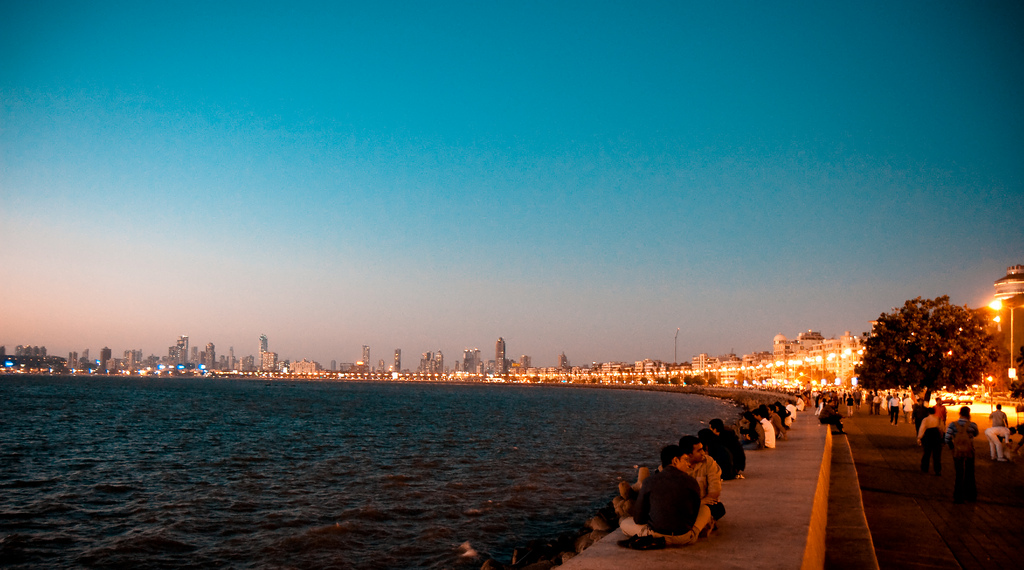
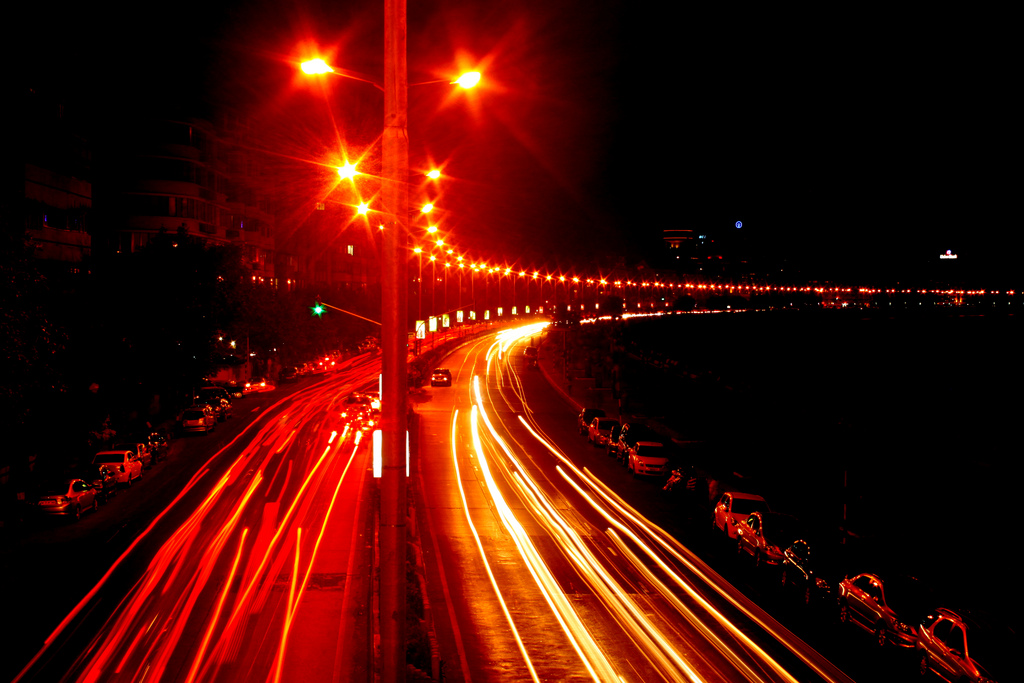
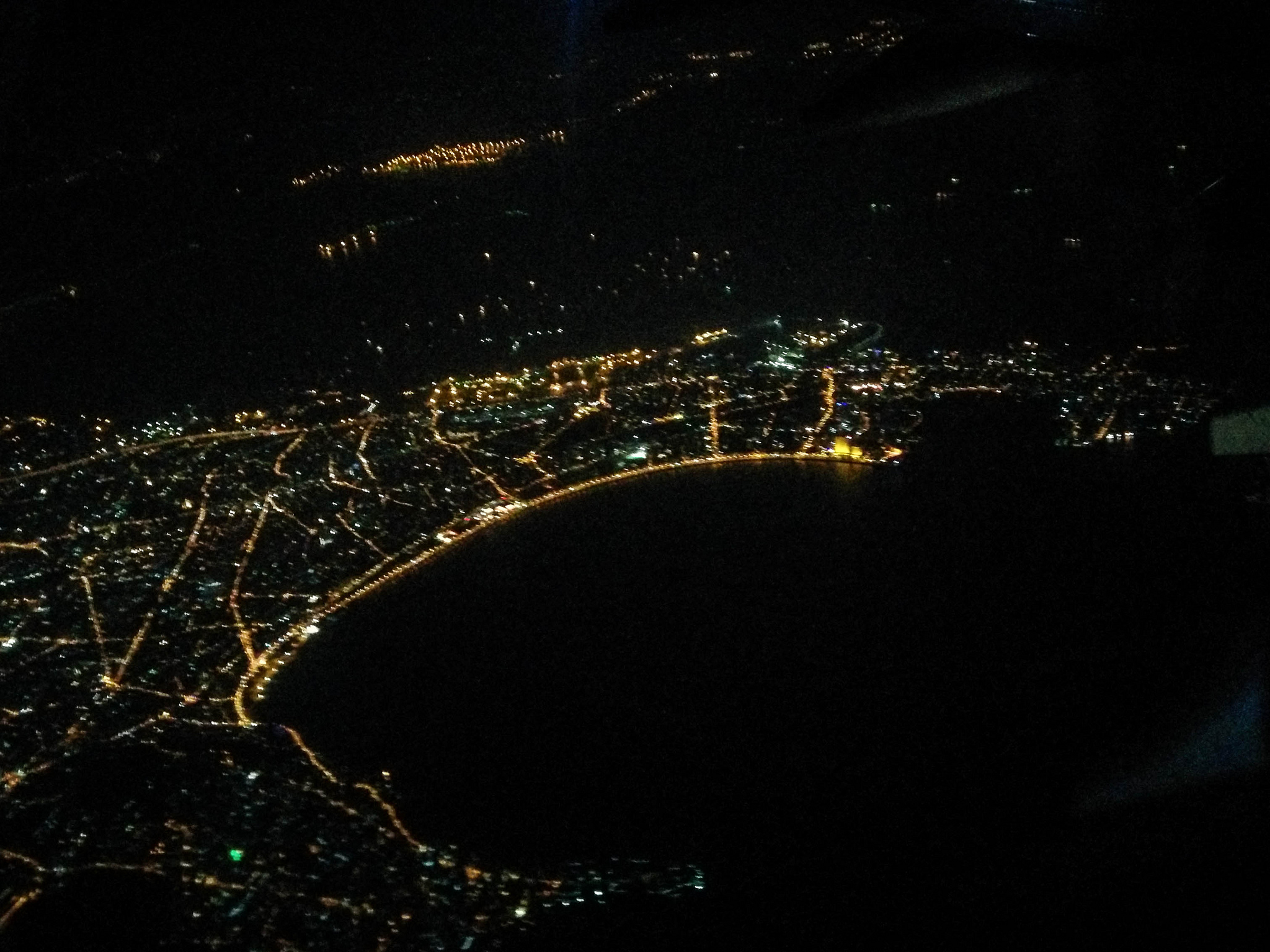
From the richest to the poorest, oldest to youngest, everyone identifies with this miracle of Mumbai – the Queen’s Necklace Mumbai. Marine Drive is called the Queen’s Necklace a never miss Mumbai places to visit, because its aerial view at night, owing to all the sparkling lights of the city that never sleeps, gives it the effect of a dazzling jewel.

The places which make up this fabulous jewel are the favourite hangouts for people of all ages and from all walks of life. Nasir Engineer, a student of Jai Hind College, who frequents the Marine Drive due to its proximity to the college, says “Every time lectures get cancelled, or we don’t feel like sitting for a particularly boring lecture, we come here. It’s so much fun!” There are many others who share his sentiment. Nupur Sariya, who works near Chowpatty, says, “During lunch breaks at work, I come here sometimes, even when it’s sunny, especially in the summers. Alternately, I go to Cafe Coffee Day on the opposite side of the road in the evenings at times with friends. Just being near the sea gives a sense of serenity and calmness.”

Queen’s Necklace Mumbai
Image – Jaideep Vaidya

The people who love being close to the sea would anyway enjoy going to the sea front, but ever since the beautification project was undertaken, the Marine Drive area has become even more inviting. An entire promenade has been created, complete with trees along the way. Another positive step taken was evicting all the hawkers from the main beach at Chowpatty. While it’s true that Chowpatty would be incomplete without its Panipuri and Bhelpuriwalas, they sure were a nuisance when they used to spread right across the beach. Now, the Chowpatty beach is much cleaner than it used to be, which is definitely a plus.

And who can forget the ghoda gadiwalas! Magnificent chariot seats atop resplendent (or not so resplendent!) horses, the breeze in your face while the horse’s hoofs go clippety clop! What more could you ask for? Lower rates for the rides, that’s one thing for sure! A ride from Nariman Point to Chowpatty would cost you anywhere between Rs. 250-350! Ask them why do they charge so much, and the owners of the carriages – such as Masoudbhai Tangewale – say that feeding the horse alone costs so much; like you alone are supposed to be paying for that!

Queen’s Necklace Mumbai
Image – Ashwin Kumar

The Queen’s Necklace has become immortal in Indian cinema; right from Ashok Kumar to Akshay Kumar, Chalti ka Naam Gadi to Lagey Raho Munnabhai! Marine Drive was the place which saw the man whom we all know as ‘King Khan’ now, say to his friend, “I will be the king of this city one day”. And, well, the city bears witness to the coming true of this declaration, and probably many more such dreams that we may know nothing of.

However, apart from all the good things, if one looks beyond the twinkling lights, the water of the Arabian Sea is not exactly crystal clear, but for that, nobody but the public is to blame. Mrs. Shirin Mehta, who lives in NCPA Apartments facing the sea at Nariman Point, says, “It’s great to be living here, but, sometimes, when I’m standing at the window, and see people throwing plastic bottles and whole bags of litter into the sea, I get very upset. Once or twice when I was out and saw this happening, I reprimanded the lady who was tossing things in the water, but she just gave me a nasty look and walked away.”

Mrs. Mehta’s complaints, however, are not the lawmakers’ only concern. The authorities also have to secure the coastal areas, so that another 26/11 attack does not take place in Mumbai. After the carnage at the Taj, the Oberoi and the Trident hotels, securing the coastal areas has become the need of the hour.

Apart from the pressing matter of coastal security, there is this issue of the area being a lovers’ point. In this age, where everyone has the fundamental right to freedom, this right is taken literally by some. While the stand of certain political parties or the ‘moral brigade’ tends to be extreme on the issue of couples indulging in public display of affection, some people just take it too far. Sunita, a young girl, who was enjoying some blissful moments with her boyfriend at Chowpatty, said, “As long as couples do not indulge in behaviour that is over the top, I don’t see any harm in couples sitting together. But this concept of the ‘moral police’ is ridiculous. How can you threaten people for holding hands?” asked a bewildered Sunita, and her partner couldn’t agree more.

Thus, the Queen’s Necklace Mumbai (Timeless Jewel of Mumbai ) epitomizes the essence of Mumbai – where, irrespective of joys and sorrows, the poor can enjoy open sky while looking out at the sea, while the rich can relax on a horse carriage.

– Factfile –
http://en.wikipedia.org
http://www.lonelyplanet.com
http://maharashtra.nic.in