For most of us in India, booking a flight is often about the anticipation of what lies ahead. Sometimes it’s a long-awaited family reunion, sometimes a spontaneous weekend getaway, and at other times, a festive pilgrimage to our hometowns. But if there’s one part of the journey that almost always feels daunting, it’s finding flights that don’t leave a hole in our wallets.
Over the years, I’ve dabbled with different travel websites and apps, each one promising cheaper fares and better experiences than the next. Sometimes the fares worked out and matched my budget, but often they didn’t. I thought that was just how online flight booking operated, until I started using Wego.
What I’ve found with Wego isn’t just consistently cheaper flights, but also a sense of clarity and trust in the booking process.
Truly Transparent Pricing
There’s a peculiar frustration many Indian travelers share: the price that lures us in is never the price we actually pay. You think you’ve found a steal, only to discover a jumble of add-ons once you’re at checkout.
Wego does away with this guessing game. Right from the beginning, the cost displayed is the cost you pay: all fees, taxes, and rules included. There are no last-minute surprises, no hidden fees that suddenly make your budget calculations go awry. For me, this honesty makes trip planning far less stressful.
The Comfort of Knowing You Got the Best Deal
Of course, when it comes to online flight booking, the price matters most. What kept me going back to Wego is how often it actually is cheaper, not just a rupee here or there, but genuinely significant savings.
I was planning a London trip to spend the New Year, so naturally I reached for Wego to browse for a Mumbai – London return flight ticket. I caught a ₹54,923 British Airways direct flight ticket on Wego.
Out of curiosity, I checked for the same schedule on local favorite Makemytrip. That exact same flight was ₹57,944 over there, which then ballooned to ₹59,943 when Convenience Fee was added at checkout. No such extra fee was added when I finally booked with Wego. That’s almost a 10% difference!
Even when I went to other sites to compare, Wego still came out cheaper. The same round-trip itinerary was ₹55,439 on Skyscanner and ₹56,746 on Google Flights.
I knew I was right to trust that Wego would find me affordable flight tickets even during a busy travel period, but it was quite an eye-opener to see how much cheaper it was compared to its competitors.
The Blessing of More Choices
One of the things I value most as a traveler is having options. On high-demand routes, Wego consistently shows me more flight choices than many of its competitors.
That Mumbai – London flight I talked about? Wego returned about twice as many flight results than its competitors.
For all of us who have tried to match a convenient departure time with an affordable price, especially when traveling with family, this wider net of options makes a huge difference.
Tools that Match the Way We Travel
Indian travel is rarely spontaneous. Our calendars are shaped by festivals, school holidays, and family obligations. Whether it’s planning around Diwali, Ganesh Chaturthi, or New Year, flight prices fluctuate wildly depending on the dates.
This is where Wego’s tools really shine. The Fare Calendar shows an entire month of fares at a glance, so I can pick the cheapest day to fly. For festival season, this feature is a lifesaver. I can choose whether to travel just before the rush or return after the peak dates.
Then there’s the Price Trends graph within the app, which helps me decide if I should book right away or wait a little longer. This has helped me avoid the panic of overpaying or the regret of missing a better deal.
Designed for the Indian Traveler
I can use UPI or RuPay cards to pay on Wego if I want to, options I’ve grown accustomed to in my daily life. For me, this removes the anxiety of failed transactions or struggling with international payment gateways.
When a platform not only helps you save money but also aligns with your local habits, it earns your trust. And that’s why, over time, Wego has shifted from being just another app on my phone to my default choice for flight bookings.
A Better Way to Begin the Journey
Travel is deeply emotional. It’s about the people we meet, the food we savor, the places that linger in memory. But before all that magic begins, there’s the practical matter of getting there.
With Wego, I feel that the journey starts on the right note. Transparent prices, competitive fares, smart tools, more flight options, and India-first payment methods. Together, they make flight booking less of a chore and more of a confident step toward adventure.
In a country where travel is woven into our festivals, traditions, and family bonds, having a platform that respects both our wallets and our ways of life feels like a small but meaningful victory.
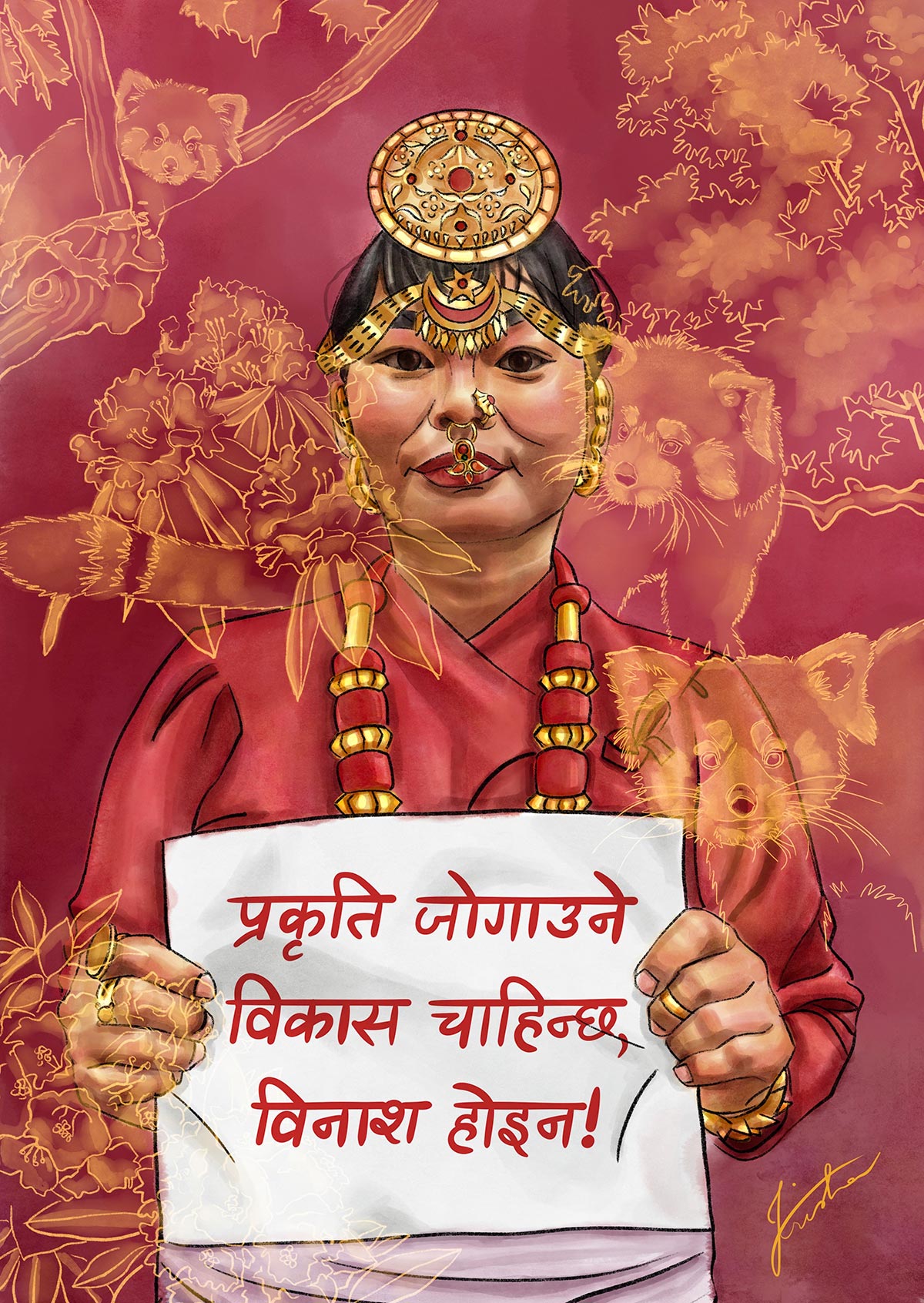
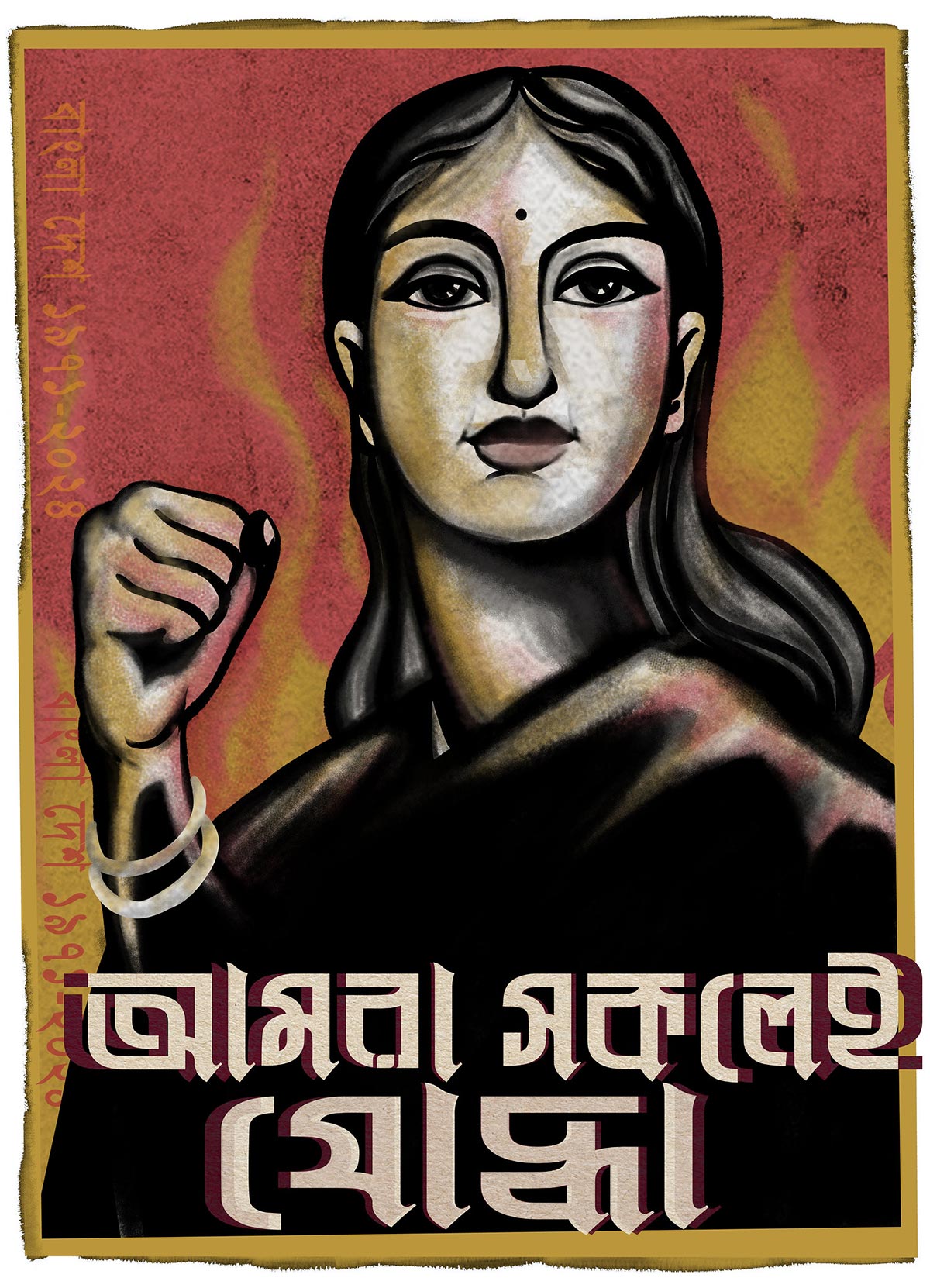
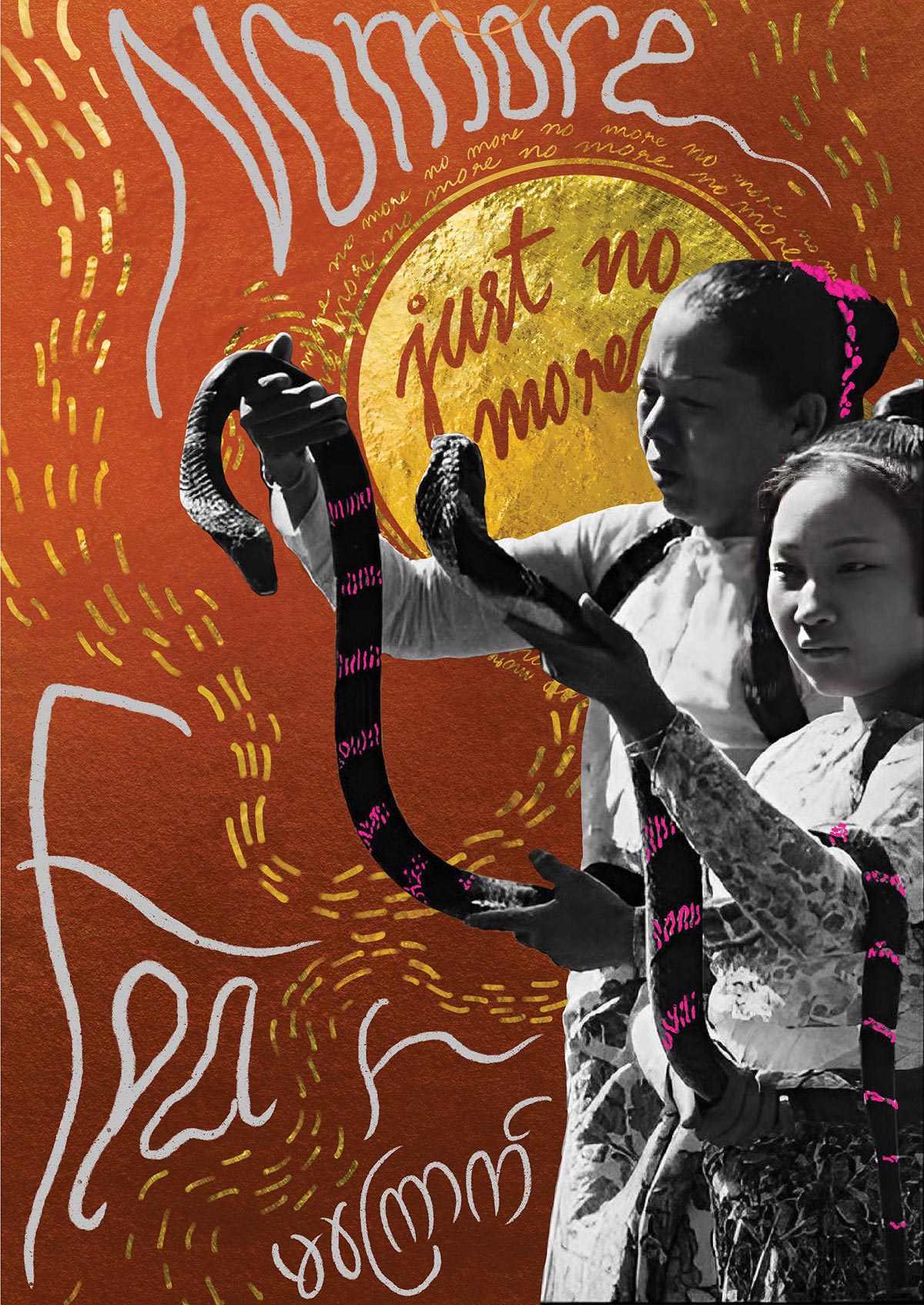
Right at the onset of Diwali, New Delhi will witness the inception of Art of Liberation, a spectacular exhibition that solemnizes fire as an unshackling force. Curated by artist and activist Shilo Shiv Suleman (Founder & Curator, Fearless Foundation for the Arts), with Curatorial Advisor Myna Mukherjee and Co-host Tara Lal, the exhibition is hosted at the Travancore Palace from October 16 to 21, 2025.
The exhibition is far more than just a visual showcase; it is an active manifestation of contemporary political quotient that essentially emphasizes the niche of resistance, struggle, and also puts forth a platform to represent the voices of women. An amalgamation of all these collective consciences creates a wave of ‘protest’ in the face of oppression. It is also a discreet tribute to the lost lives who are seldom known or spoken about. Participating artists from Nepal, Afghanistan, Iran, Pakistan, Myanmar, Bangladesh, and India bring forth narratives of resilience, protest, and solidarity.
Fire as a Liberatory Force
The artist chose ‘Fire’ as the symbolic theme to energize the notions and rightfully depict the current truth of South Asian geospace. Fire, an elemental energy, burns through fear, oppression, and silence. To contextualize the Indian subcontinent and its neighbors, fire projects a duality- both a metaphor and a medium; it’s not only a destructive force, but it also clears paths for new beginnings. The Fearless Foundation for the Arts, making its official launch in Delhi through this exhibition, envisions fire as the spark that ignites collective consciousness. As Suleman notes, “Resistance is not only about confrontation, but about transformation — fire lights the way.”
Each artist transliterates lived experiences and histories into redolent forms — from paintings and installations to performances. Their etchings are acts of avowal, captivating grief, rage, and most importantly, hope.
Key highlights include:
Guardians of Mukkumlung and the Yakthung Resistance by Krishna Joshi (Nepal) – amplifies the struggles of Indigenous communities fighting displacement.
Women Warriors Leading Bangladesh’s Revolutions by Ahsana Angona (Bangladesh) – celebrates the central role of women in justice movements.
Girls Playing with Snakes, Fearless in the Face of Terror by Chuu Wai Nyein (Myanmar) – portrays young women confronting violence without fear.
Women of Shaheen Bagh by Shilo Shiv Suleman (India) – a tribute to the women who safeguarded democracy through peaceful protest.
The Shia Alam Reborn as a Phoenix of Resilience by Luluwa Lokhandwala (Pakistan) – sacred imagery reimagined as symbols of defiance.
Participating Artists and Their Works
These works aren’t isolated statements; they’re loud expressions of the experiences of millions of people. Together, they create a saga of resistance, each voice adding to a collective chorus across South Asia.
Artist & Country
Work / Theme
Krishna Joshi Nepal
Guardians of Mukkumlung & Yakthung Resistance (Indigenous struggles)
Luluwa Lokhandwala Pakistan
Shia Alam reborn as a Phoenix of resilience
Ahsana Angona Bangladesh
Women warriors leading revolutions
Vicky Shahjehan Sri Lanka
Henna flames of the Aragalaya struggle
Shilo Shiv Suleman India
Women of Shaheen Bagh guarding democracy
Chuu Wai Nyein Myanmar
Girls playing with snakes, fearless in terror
Zahra Khodadaddi Afghanistan
Wreckage as testimony to war’s aftermath
Negin Rezaie Iran
Queer lion of resistance in henna and poetry
Beyond the Gallery Walls
The exhibition does not consist of static artwork alone; it carves an array of performances and readings by voices such as Aamir Aziz, Shruti Vishwanathan, and Mahi G. This cumulative experience shall work to extend the ethos of resistance into poetry, song, and spoken word. This intersection of visual and performing arts signifies that liberation is not compromised and confined to a single medium. Whether through paint or performance, the participating artists spark the tangible aspect of cultural resilience.
Exhibition Details
Exhibition
Details
Title
Art of Liberation – An Exhibition by Fearless Foundation for the Arts
The rudimentary objective of the Art of Liberation is not simply to showcase a lavish exhibition drawn with bold lines, but to forge strong connections between the past, present, and the future. It aims to transmit the essence of the indigenous resistance in South Asia, denoting its burning present and a constant hope for a stable future. It creates a strong appeal to the younger generation to be a constructive catalyst in the active political arena and to inculcate a desire for justice and dignity.
In a world fractured by conflict and censorship, this exhibition reclaims fire as a tool of illumination rather than destruction. It shines light on women’s courage, on communities’ resilience, and on art’s enduring power to speak truth to power. As South Asia prepares for Diwali’s lights, Art of Liberation reminds us that the brightest flames often emerge from the darkest times.
Kerala Tourism is preparing to launch a landmark event in India, moving past typical literary gatherings and heading straight into the deep experience of travel. Dubbed ‘Yaanam 2025: Travel, Tales and Trails,’ this three-day affair, scheduled for October 17 to 19, will take place at the picturesque Ranga Kala Kendram on Varkala Cliff.
Conceived from the creative mind of author Sabin Iqbal, Yaanam is set to be India’s very first travel literary festival, promising to change how we think about stories and the journeys that inspire them.
The whole festival is being shaped by people who truly understand the travel life. If you want to get involved in an experience that feels deeply real and rooted in genuine travel endeavours, this is for you.
The officials in Kerala have noted a sharp increase in tourists, both from home and abroad, ever since travel restrictions were lifted. By choosing to hold Yaanam in Varkala, the state is making a clear effort to lift the town’s profile and secure its future growth. The fact that they have set aside a serious ₹25 crores shows this isn’t just a quick idea; it’s a long-term business plan focused on better roads, strong branding, and supporting travel that respects the environment. The curators believe Yaanam’s format will be what sets it apart.
The festival’s unique feel is thanks to the vision of its leaders, Sabin Iqbal and Nirmala Govindarajan. Because both come from backgrounds rich in travel writing, their guidance means Yaanam 2025 will be about deeply experiencing the destination, not just watching a show.
Visitors should look forward to activities that naturally mix stories with movement, photography, and mindful practices. The simple goal is to go beyond the usual panel talks and let the local landscape, the hidden paths, and the voices of the people around you become woven right into the story. This is what truly separates Yaanam from most traditional literary festivals.
The Traveller’s Lineup: Voices You Know
Yaanam 2025 is attracting an exciting and varied list of people, confirming its broad focus that spans literature, music, journalism, and personal travel. The list of people who will be at Yaanam 2025 is phenomenal, with famous personalities from literature, travel, culinary, and other backgrounds coming together to make this event a huge success. Here is a list of personalities you will be seeing at Yaanam 2025:
Highlights
Details
Event Title
Yaanam 2025: Travel, Tales and Trails
Organised By
Kerala Tourism
Concept & Leadership
Conceived by author Sabin Iqbal with co-curator Nirmala Govindarajan
Dates
October 17 – 19, 2025
Venue
Ranga Kala Kendram, Varkala Cliff, Kerala
Festival Focus
India’s first Travel Literary Festival blending storytelling, culture, and experiential journeys
Government Investment
₹25 crores for infrastructure, branding, and sustainable tourism development
Key Themes
Travel writing, photography, mindfulness, local narratives, and cultural storytelling
Integrates local landscape and storytelling to make the destination part of the narrative
A New Category for Travel
Yaanam 2025 is more than a three-day festival; it’s a focused effort by Kerala to reimagine how travel stories are told, created, and personally felt. By tightly weaving narrative into place and letting local scenes act as the canvas for stories, Yaanam has the potential to become a key annual event for Indian culture and travel.
If the festival’s execution lives up to its strong planning, Yaanam could define a whole new kind of travel literary festival, one where the destination itself is the co-author. For Varkala, this could bring lasting fame, not just as a beautiful spot, but as a genuine, internationally recognised place for storytelling. The journey is just beginning.
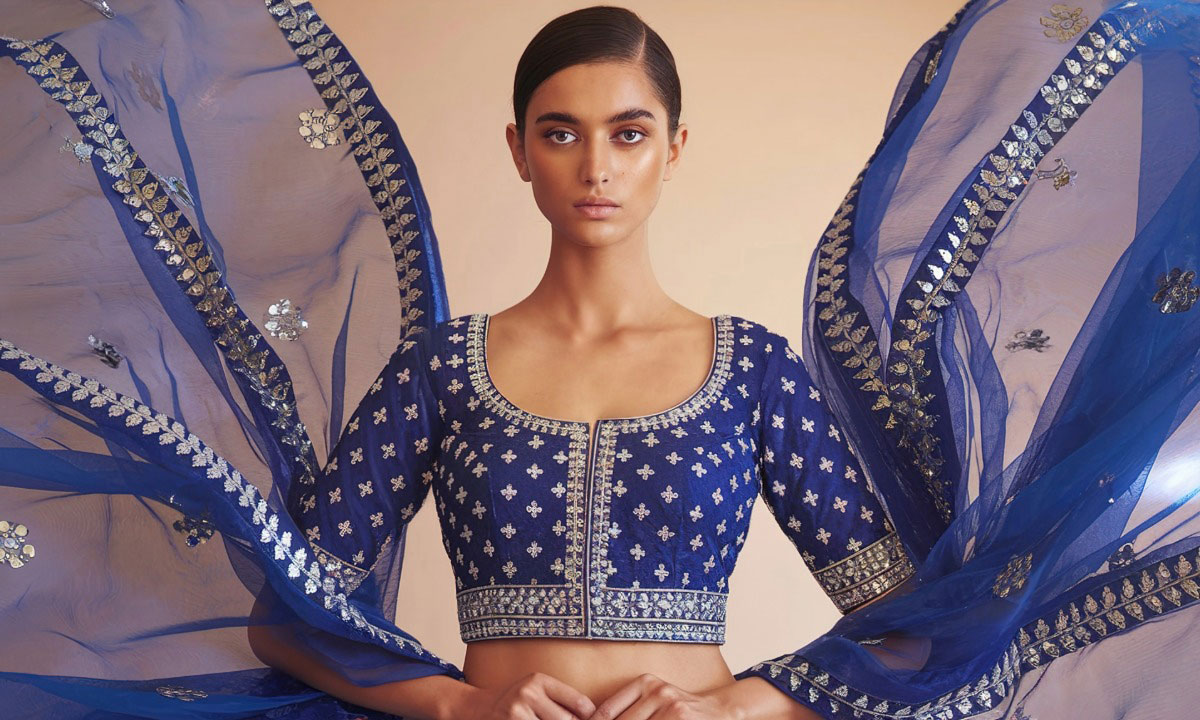
Indian traditional wear has a different charm that makes the style so much in demand. Indian ethnic wear is such an elegant fashion that people willingly opt for it for various occasions, even foreigners. Irrespective of age or reason of the gathering, people like to deck up in the vibrant colors our ethnic wear offers.
Changing fashion needs to call for an upgrade, even of ethnic wear. In recent times traditional wear has become more accessible and fashionable, suiting the choice of most. Online shopping is a platform that enables people to indulge in their shopping spree easily. It is a very convenient accommodation without the pains of crowds, sweat, and jam.
In this article, we will list the top 10 websites to buy Indian ethnic wear from. The unending need for traditional wear calls for top-notch sites that serve the demands of high fashion. Read on to find out which website suits your fashion taste.
Tjori is a new and unique online shopping platform particular to ethnic wear. It is an online brand that brings together customers and artists from across India and around the world. Their holistic approach to uplift the distinctive style of traditional wear has caught the attention of many customers. Tjori has a versatile collection serving the needs of most of its customers successfully. Their kid’s and men’s collections are also very charming.
For those who like their ethnic wear, trendy and comfortable, try out Tjori for your new traditional collections. Tjori will help jazz up your ethnic look with their dynamic collection.
2. Lakshita
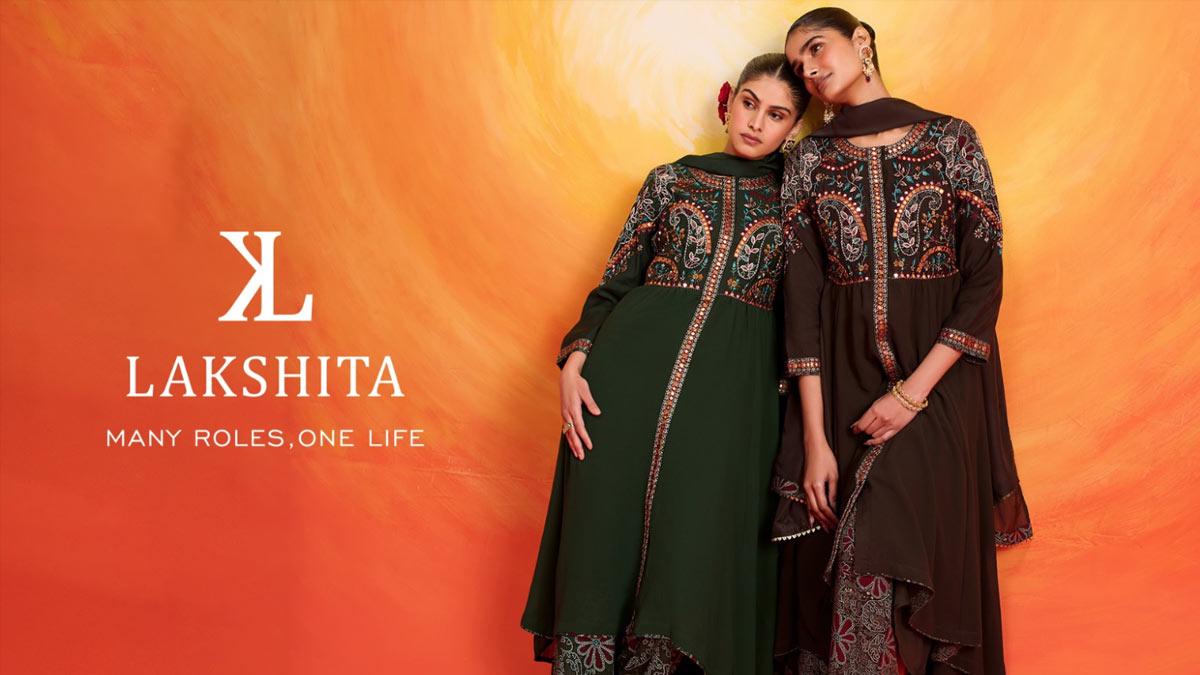
Lakshita is one of the first places that women of any age who desire trendy yet comfortable ethnic wear are likely to think of. The brand is synonymous with ethnic wear that is not only elegant but also highly wearable.Why is Lakshita a brand that has a really good online shopping experience? The site offers detailed information about the product, size chart, and category links for kurta sets, suit sets, and ethnic co-ords, which allow customers to make a very educated choice of the product.
For women who are looking to establish a solid ethnic wardrobe for their professional, casual, and festive needs, Lakshita is one of the very few online shopping networks that you can rely on.
Biba is not exclusively an online fashion brand, but they do provide online services. It is a label famous for its spunky women’s ethnic wear collection. The brand name has existed for some time now, and Biba has effectively proven its mark with skilled professionalism for serving its customers. Their modern take on the Indo-Western style has made many women stop and buy from their stores. Given the current pandemic situation, their online service has kept shopping enthusiasts busy. Biba is purely a women’s clothing brand, and their little girls’ collection is also a definite try.
Biba’s comprehensive collection is funky and vibrant. Their sequence works, embroidery, and tasteful colors coordinate the entire look. The Indo-Western stylization helps working women choose Biba more often.
Global Desi is an affluent contemporary ethnic wear brand, much like the name suggests. The label is also not exclusively online and has numerous offline stores. Their online venture helps sustain the demands of rising customers. Global Desi is “a vibrant and free-spirited brand of the boho-chic ensemble,” as reads their description. Their aesthetic collection catches the eye of many modern traditional wear lovers. This brand is also women only. They offer a wide range of ethnic wear. Sarees, Kurtis, and sundresses in the ethnic style are patents of Global Desi.
The ladies who like to go boho for their outings will love the Global Desi collection. Their colorful variant options spoil a girl to choose one from the other.
W for Women is another long-running contender of brands providing choice-able ethnic wear for women. It has many offline stores around the nation and has an equally successful online store. The theme of their fashion is mix-and-match, and their range of daily wear and festive wear is very tasteful. They provide options for a wide range of stylish Kurtis and also fancy ethnic prints dresses.
Their online store has made it easier for ladies to avail their products. The intelligent choice that W provides is very suitable for working women also.
The House of Indya is available both online and offline. Indya’s products are top-class designer fashion with Bollywood star Shraddha Kapoor as their brand ambassador. The motto of the label’s products is modern-ethnic wear. The diverse options available in this store caters to the need for different tastes and choices. Their gorgeous and trendy take on ethnic wear has made them launch online to reach their global customers.
Indya is a brand that promises high-quality designs and materials for its products. Their vivid range of festive wear will surely catch your eyes.
Instagram is one of the OTT platforms that has launched some budding entrepreneurs who specialize in ethnic wear. Suta Bombay is one such online store that reflects beautifully on Instagram. Suta is a quintessentially saree store. Their collection, though, is highly fashionable. Sujata and Tanya launched their brand and are now one of the leading online stores that fulfill modern demands for the traditional six yards.
Suta Bombay experiments with various hues, patterns, and designs on sarees, and their friendly price range adds to their charm. Ladies who like a chic and minimal look when draping a saree, definitely check out Suta Bombay’s online store. You will be spoilt for choices.
Chakori Ethnic is another online store with its success reflecting on its Instagram page. Its forte is also a wide variety of sarees. They provide an equally tasteful minimalist and gorgeous designs of sarees. Their collection is at par with modern demands. Chakori Ethnic delivers the right aesthetic vibes with their products that most women crave from ethnic wear.
Chakori Ethnic provides delectable choices for official and festive wear sarees. Their Instagram page beautifully highlights their successful journey of customer satisfaction.
Keyah Label is an online brand that has brought forward the new elegant take on ethnic wear. Their label focuses on sarees and functions formally through their Instagram and Facebook handles. Keyah Label successfully brings back the nostalgia all Indian girls have of draping their mothers and grandmothers’ saree and dupatta. Their simple designs and comfortable fabric make the perfect choice for any formal event or festive gathering.
Keyah Label is yet to launch its official website, but its online store is flourishing via Instagram and Facebook. Young and adult women can quickly get their hands on these beautiful sarees by using social media platforms.
Margazhii is a brand that offers both eye-soothing and comfortable sarees. They use tonal shades to create a balmy effect on the beholder and the wearer. They, too, are active on Instagram handling their customers successfully both through their website and social media page. The Margazhii brand’s social media handles and website bonus is their trendy combination of pairing Indian ethnic wear with statement silver jewelry.
Ladies who would like to get aesthetic prints and colored sarees, do check out Margazhii’s website. They also provide ideas on how to deck up in the six yards gorgeously and have a comfortable experience in it.
Jaypore is an Indian ethnic wear brand that takes pride in weaving traditional designs in contemporary cuts. This online store runs a robust website that curates traditional products ranging from handloom to personal care. Jaypore also has an equally eye-catchy men’s collection on their site.
12. Craftsvilla
Craftsvilla.com
Craftsvilla is all about becoming a classic in a world full of trends. Manoj and Monica Gupta founded Craftsvilla in 2011 to sell ethnic clothes and accessories on their eCommerce platform.
Craftsvilla.com utilizes a marketplace concept to capture India’s cultural diversity. They connect local artisans and designers directly to worldwide clients, thereby increasing their income, eliminating intermediaries, assisting them in the creation and promotion of their brands, and preserving culture, traditions, and values. This voyage, according to the brand, would not only benefit Indian creatives but will also allow customers to discover and purchase things that they would not be able to do otherwise.
The clothing designed by Soch complements the successes of today’s cosmopolitan woman at work, at home, and in leisure.
Soch is an unapologetic assortment of prints, colours, designs, and textiles that celebrates life and creation. Soch seeks to constantly update its line with fresher designs and outfits while blending years of traditions in an essence unmatched by any other brand. It has pioneered the term ‘fashion’ in the Indian ethnic setting, thanks to its high-quality hand-picked textiles, distinctive use of colours, complex embroidery, and beautifully rich Indian aesthetic. Soch offers an exclusive range of ethnic wear fashioned to perfection using the finest fabrics such as cotton, chiffon, crepe, silk, brocade, voile, and mixes obtained from various parts of India.
Fabindia is India’s largest private marketplace for products manufactured with traditional techniques, skills, and hand-based processes.
Fabindia connects over 55,000 rural craft producers to modern metropolitan markets, building a foundation for skilled, long-term rural employment while also preserving India’s traditional handicrafts. Fabindia’s garments are handwoven and made from hand-printed fabrics, and the company’s products appeal to clients on an aesthetic level. Fabindia’s products are categorised as totally organic, in-conversion, or natural.
Chidiyaa is for the free-spirited, for those who use clothing to express themselves.
Chidiyaa is motivated by a desire to preserve Indian crafts and traditions. They believe in the beauty of handcrafted goods, where each item reflects the particular individuality of the artists they collaborate with. Chidiyaa’s mission is to unearth Indian history and take its customers on a fashion journey rich in storey, spirit, and legacy.
Chidiyaa maintains a classic silhouette while paying close attention to the fineness of the cloth utilised. The prints and weaves are created in-house and sourced from craftsmen in villages across India. Chidiyaa aims to provide you with age-old crafts with a niche, from exquisite hand blocks from the desert of Kutch to timeless weaves from Andra and regal silks from Banaras.
Libas Impex, defined as young, stylish and modern, is a fashion brand that conveys the tale of a new generation of Indian women that are free-spirited, independent, and aware. Libas’ ongoing goal is to offer a contemporary, stylish, and lively variety of ethnic and fusion apparel that is meticulously picked in accordance with global fashion trends. They specialise in kurtas, but they also provide a large selection of bottom wear and dupattas that you may mix and match to create your ideal combination.
Loomers and weavers are the final remains of the unmechanised era that valued craftsmanship above all else. They are the last defenders of traditional Indian weave craftsmanship, which still uses handlooms to create the sarees of our dreams.
The objective of TheiaScape was to find and give a speciality platform for all of the colourful local arts and handicrafts that resonate with our culture. As a result, when one selects Handloom, they are choosing legacy over all else. Their weaves, trinkets, and lifestyle products are all handcrafted, eco-friendly, and fashion-forward, as envisioned and innovated by the most outstanding artisans across the subcontinent.
Each saree, according to TheiaScape, has its own set of facts and a unique tale to tell.
Vimor, which means ‘pure,’ is a brand inspired by India’s handloom history. They’ve been designing and making magnificent, real, one-of-a-kind, exclusive handwoven sarees for more than half a century.
They are a brand that represents the resurgence of the time-honoured art of handloom saree design. The resurrection of traditional styles has been the focus of their efforts to create and sustain handloom saree weavers. All of their revival sarees are from Vimor’s own collection or from sarees donated by consumers. Handloom textiles are our collective history, and every woman should be able to afford and possess a piece of it, according to Vimor.
19. Ganga Fashions
A Designer Ethnic Brand, revolutionizing the textile world for 20 years, takes pride in its rich culture and heritage. Its artistry not only prioritizes the luxury of contemporary design but keeps comfort as well at the forefront.
Ganga Fashions constantly inspires through its immaculate philosophy for ethnicity by reaching out to millions of hearts.
It is one of the most trusted brands when it comes to meticulous detailing and quality. Their Exclusive Line of Designer Apparel includes a Distinct Craft of Embroidered or Printed Salwar Suits, Latest Kurta Sets, and Relaxed Fit Co-ord Sets.
The Contemporary Collection of these Ethnic and Fusion Crafts give the ranges for a variety of occasions. Be it Weddings, Festive Celebrations, Professional Events, or Casual Days, your outfit needs are covered with Ganga Fashions. You can even discover the line of Unstitched Salwar Suits and Loungewear Collections on the website.
To express yourself with an ethnic look that keeps you connected with the roots of culture, Ganga Fashions is the most affordable yet elegant.
In today’s technological world, websites and OTT social media platforms are excellent sources of shopping hassle-free. These online stores are running efficiently by providing customers with satisfactory products. The stores take pride in hosting vivid options in ethnic wear that make their customers return for more. For those gearing up to revamp your traditional wear closet, do give these stores a try. You might be pleasantly surprised to find the exact products you were searching for all this time.
For people who like to indulge in traditional wear with a contemporary take, do try out the Jaypore label. Their broad collection of ethnic wear will indeed have choices for you to pick.
In today’s technological world, websites and OTT social media platforms are excellent sources of shopping hassle-free. These online stores are running efficiently by providing customers with satisfactory products. The stores take pride in hosting vivid options in ethnic wear that make their customers return for more. For those gearing up to revamp your traditional wear closet, do give these stores a try. You might be pleasantly surprised to find the exact products you were searching for all this time.
FAQs on Buying Indian Ethnic Wear Online
Question: Which is the best website to buy Indian ethnic wear online?
Answer: Top brands like Tjori, Biba, and Fabindia offer high-quality ethnic wear collections combining tradition and modern style.
Question: Are these ethnic wear websites reliable for online shopping?
Answer: Yes, most of these brands such as Soch, Jaypore, and Indya are trusted and have secure payment gateways, easy return policies, and verified customer reviews.
Question: Which online store offers handcrafted or sustainable ethnic wear?
Answer:Chidiyaa, Fabindia, and TheiaScape specialize in handcrafted, sustainable, and artisan-made ethnic apparel.
Question: Where can I find affordable ethnic wear online?
Answer: Brands like Libas, Suta Bombay, and Chakori Ethnic offer stylish ethnic wear at budget-friendly prices without compromising quality.
Question: Which websites have ethnic wear for both men and women?
Answer:Jaypore and Fabindia feature extensive ethnic collections for both men and women, including kurtas, sarees, and accessories.
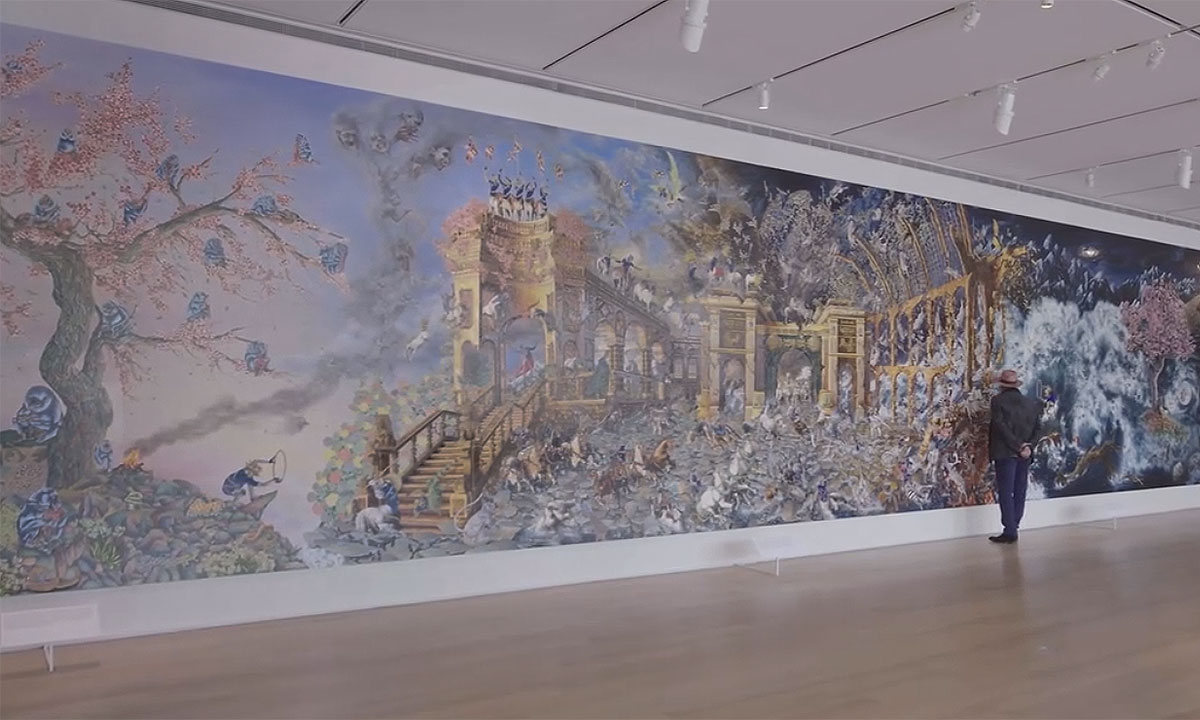
Above: A piece of Raqib Shaw’s colossal ‘Paradise Lost’ (2009–25) displayed at the Art Institute of Chicago. Each of the 21 canvases (cumulatively over 100 feet long) is coated with enamel, glitter, and gemstones. The exhibition will continue till January 19, 2026. The 21-panel artwork vividly recounts Shaw’s life from Kashmir to the West. As Art Institute curator Madhuvanti Ghose observed, visitors are “stacked in front of it… it’s really a community viewing of people looking at Paradise Lost – it’s really something”.
The global art world is buzzing with a fresh frame unlike any other, with Raqib Shaw’s Paradise Lost, now displayed at the Art Institute of Chicago. The 100-foot-long masterpiece, composed of 21 dazzling panels, is the first complete presentation of Shaw’s chef d’oeuvre. Born in Calcutta and raised in Kashmir, Shaw’s story is a reverberation of exile, separation, and reclamation of life through a single medium- ‘art’. Later, after a conflict in 1989, Raqib shifted to London and carried on his life there, much like how the Indian folk art projects collective memory, Shaw’s artwork depicts an amalgamation of transitions ranging from personal loss to cherishment. Visitors burying their feet at the museum’s Gallery 141 are received by a panoramic view: colourful canopies, surfaces smeared with glittering rhinestones, and mythical figures latching on across 100 feet of canvas. The spectators linger for hours, investigating hidden details and implied objectives of the pieces.
A Kashmiri Childhood in Paint
Numerous panels are bridged as Shaw’s memoir of Kashmir— the snow-capped mountains, clear illuminated skies, and solitary figures yowling in separation and exile. In the canvas, Birds escape their cages, serpents coiling in intimidation, and empty huts signify the long-lost sod. Shaw expatiates on the Art Institute’s website: “It is a story of the many paradises we inevitably lose as we move through life: the paradise of childhood… of belonging… of mental stillness.” This is not a trivial transition into nostalgia, but an allegory of losing a place called ‘HOME’.
The themes of Paradise Lost are crafted to percolate deep into one’s soul. In Shaw’s view, Human beings are vectors of loss, and it is exponentially shown through highlighting the “innocence of childhood”. He explains that “not beauty as ornament but as necessity”: art “has the power to transform sorrow into meaning… to alchemize personal pain into something luminous and enduring.” Shaw hopes his work will compel the viewers to slyly take a pause and“look carefully and… feel without haste,” providing “a space of reflection for emotional recognition”.
Technique as Spectacle
Every unit of Paradise Lost is scrupulously handcrafted. Shaw used porcupine quills, syringes, and imbued the golden panels with automotive enamel paint; later bejewelled them with glittering stones. The paintings are essentially designed to engage the viewers, as it turns out to be a task of treasure hunt for them to trace hidden monkeys, jewelled birds, and tiny human faces. CBS Chicago noted that “every inch was created with automobile paint… dense with tiny details like faces in the waves of the ocean.” All these add up and unleash an overwhelming cinematic perception that almost feels unreal to the naked eye.
Shaw’s Own Words
In a recent video aired by the Art Institute, Shaw mentioned Paradise Lost as “a cinematic canvas that spans decades of my life, but also belongs to everyone who has ever lost something precious.” In this age of AI-generated instant images and short attention spans, Shaw cordially invites a meditative pause, crafting not only an artistic masterpiece but also a space where people can find themselves. Though his painting borrows from Milton’s epic, although not a direct retelling, Shaw brings it to the centre as a shared metaphor, as a reflection of many lives, known and unknown, and makes a strong appeal to the diasporic audience and younger generations alike. This is a tribute to the millions of lives vulnerable inducted into the vicious cycle of exodus, separation, and losing everything to man-made chaos.
Acrylic liner, enamel paint, glitter, and inlaid stones on panel
Size
21 panels, totaling approximately 100 feet (30 meters) in width
Content
Four narrative chapters of Shaw’s life – childhood in Kashmir, exile, struggle, and a rejuvenating metamorphosis
Exhibition
Art Institute of Chicago (Galleries 141–42), June 7, 2025 – January 19, 2026
Curator
Madhuvanti Ghose – an expert in Asian art, supported by patrons Usha and Lakshmi Mittal
For students of art and new age creators, Shaw’s work offers unparalleled inspiration. The painting’s narrative, enriched in metaphor and drama, makes the spectators “disappear” into its ambit, yet leaving enough room for the viewer’s conscience to trace a new element almost every minute. The paintings celebrate life in a bit unconventional manner, making it an event in itself. It is a reminder that even in loss and exile, there is beauty and meaning to be found – it’s all about perceptions.
As Kochi’s breezes are getting softer again, the city is set to spring back to life with one of South Asia’s most anticipated art events, the sixth edition of Kochi-Muziris Biennale (KMB) in December 2025. Curated by the renowned performance artist Nikhil Chopra along with HH Art Spaces from Goa, the event will be on view from 12 December 2025 to 31 March 2026 across a range of venues in Kochi, Kerala.
The Kochi Biennale Foundation runs the Biennale not as an exhibition that arrives and departs, but as a temporal conversation with artists, the landscape, and communities who are in dialogue.” With a representation of 66 artists and collectives from 25+ countries, the KMB will re-establish Kochi as a site of cultural interchange, historical mosaic, and creative energies once again.
A City & Its Body of Memories
The 2025 Biennale, in its curatorial statement, prompts us to engage the concept of the body as an entity comprised of memory and material, a living archive that is in contact with its time and place. The city itself becomes the body in Chopra’s conception of Kochi, a body with layers, an organism built on tides of movement, from colonial histories, from migration histories, and from the continuing, living body of the community.
Kochi embodies interconnecting canals and backwaters, and these intersecting histories poetically echo the thinking behind this Biennale. It has always been the place of arrivals and departures, of traders and travellers, of voices travelling across water. For the Time Being invites the viewer both locally in terms of geographies of exchange and globally through the use of installations, performance, film, and works based in a context of location.
A Curatorial Vision of Collaboration
Chopra and the curatorial collective HH Art Spaces have drawn inspiration from Kochi’s ecology, its humid air, its logistical limitations, and its intimate coastal light to invite artists to work with the place, not against it. They call this edition an act of “thinking nimbly and collaborating locally.” Around 50 new commissions will emerge from this process, with several shown in first-time venues scattered through neighbourhoods dense with trade, people, and movement.
The curators describe the Biennale as a “growing organism constantly nourished by ideas, emotions, and actions.” It is a space not only for celebration but also for reflection, for grief and mourning, for the slow regeneration that marks our times.
Voices from the Foundationar
At the announcement, the organisers spoke about the vision behind the event and the thought guiding this year’s selection.
“We are proud to present this list of distinct voices from all over the globe, each resonant with courage, care, and reflection. We envisage the sixth edition of the Biennale not just as a moment of celebration, but as part of a long-term vision for sustaining artistic practices, community, and cultural dialogue in Kochi. Working closely with local communities, artists, and institutions, we aim to create a Biennale that grows, learns, and leaves a lasting impact on the city and people.”
Thomas Varghese, CEO of the Foundation, shared his thoughts on the process:
“We are pleased to unveil this remarkable list of artists for the sixth Kochi-Muziris Biennale. Over months of conversation and collaboration, we have seen these ideas evolve into projects of astonishing depth and resonance.”
Bose Krishnamachari, President of the Kochi-Muziris Biennale, reflected on the spirit of the edition:
“This edition brings together a dynamic constellation of both established and emerging voices from across the world. Nikhil and HH Art Spaces have conceptualised it with remarkable clarity, through works that integrate diverse media, experimental performances, and new ways of imagining what an exhibition can be. It reflects a spirit of solidarity and collective endeavour, marking the first time that a collective has been invited to build a creative site. ‘For the Time Being’ celebrates local energies, global collaborations, and the layered histories that continue to shape and sustain the Biennale.”
Complete List of Participating Artists
Participating artists for the Sixth Edition of Kochi-Muziris Biennale:
Artist Name
Artist Name
1. Abul Hisham
2. Aditya Puthur
3. Adrián Villar Rojas
4. Ali Akbar PN
5. Anja Ibsch and Grüntaler9
6. Arti Kadam
7. Athina Koumparouli
8. Bani Abidi and Anupama Kundoo
9. Bhasha Chakrabarti
10. Biraaj Dodiya
11. Birender Yadav
12. Cinthia Marcelle
13. Dhiraj Rabha
14. Dima Srouji and Piero Tomassoni
15. Dineo Seshee Bopape
16. Faiza Hasan
17. Gieve Patel
18. Gulam Mohammed Sheikh
19. Hicham Berrada
20. Himanshu Jamod
21. Hiwa K
22. Huma Mulji
23. Ibrahim Mahama
24. Jayashree Chakravarty
25. Jompet Kuswidananto
26. Jyoti Bhatt
27. Khageswar Rout
28. Kirtika Kain
29. Kulpreet Singh
30. Lakshmi Nivas Collective
31. LaToya Ruby Frazier
32. Lionel Wendt
33. Malu Joy (Sister Roswin CMC)
34. Mandeep Raikhy
35. Maria Hassabi
36. Marina Abramović
37. Mark Prime
38. Matthew Krishanu
39. Meenu James
40. Minam Apang
41. Mónica de Miranda
42. Monika Correa
43. Moonis Ahmad Shah
44. Naeem Mohaiemen
45. Nari Ward
46. Niroj Satpathy
47. Nityan Unnikrishnan
48. Otobong Nkanga
49. Pallavi Paul
50. Panjeri Artists’ Union
51. Prabhakar Kamble
52. Raja Boro
53. Ratna Gupta
54. Sabitha Kadannappally
55. Sandra Mujinga
56. Sayan Chanda
57. RB Shajith
58. Sheba Chhachhi and Janet Price
59. Shiraz Bayjoo
60. Smitha Babu
61. Sujith SN
62. Tino Sehgal
63. Utsa Hazarika
64. Vinoja Tharmalingam
65. Yasmin Jahan Nupur
66. Zarina Muhammad
The Landscape as Collaborator
This Biennale embraces the idea that place is as vital as practice. Every installation, performance, and conversation is influenced by Kochi’s terrain, its humidity, the slow swell of its tides, and the scent of coir and salt. The artists are invited to operate within these ecosystems, allowing the geography to be present in the work itself. This type of framework harkens back to the original spirit of the Biennale when it commenced in 2012 as a grassroots movement within the comparative contexts of abandoned colonial warehousing and dockyards, formulating a contemporary art museum alive with people. A decade later, this performance continues to deepen as the experience channels new and unwarranted energies of contemporary art onto the shores of India.
Kochi and Continuing the Conversation
What distinguishes the Kochi Muziris Biennale apart is its interconnectedness with the oscillation of life in the city. KMB is enlivened through inhabited space, buildings from the colonial period, courtyards, spice warehouses, even schools and homes. The coming edition plans to activate several first-time venues, reconnecting art with everyday life.
In the Foundation’s words, what unfolds in Kochi is not a static exhibition but a conversation stretched across time. Artists, technicians, curators, volunteers, and locals all make up an amalgamation of a body working on the move: sometimes awkwardly and always collectively.
A Celebration of Continuity
Over a decade of enlivening India’s contemporary art scene, the Biennale has transformed from an event into a philosophy of engagement. The idea of “for a time” conveys an ephemerality embedded in a practice of art: it is here now and yet it leaves echoes to rework the future. Cover artwork by Madhurjya Dey captures this sentiment perfectly, a poetic encounter between stillness and flux, between body and landscape.
As the Foundation prepares to release upcoming venue maps, programmes, and public activations, anticipation builds not just among artists and curators, but among the residents of Kochi who have embraced the Biennale as part of their own rhythm of life.
This Biennale “grows, learns, and leaves a lasting impact on the city and people.” For Kochi, this impact is both tangible and invisible, sensed in murals that remain long after the event ends, in the transformed histories of its spaces, and in the collective hum of a city that continues to speak the language of art.
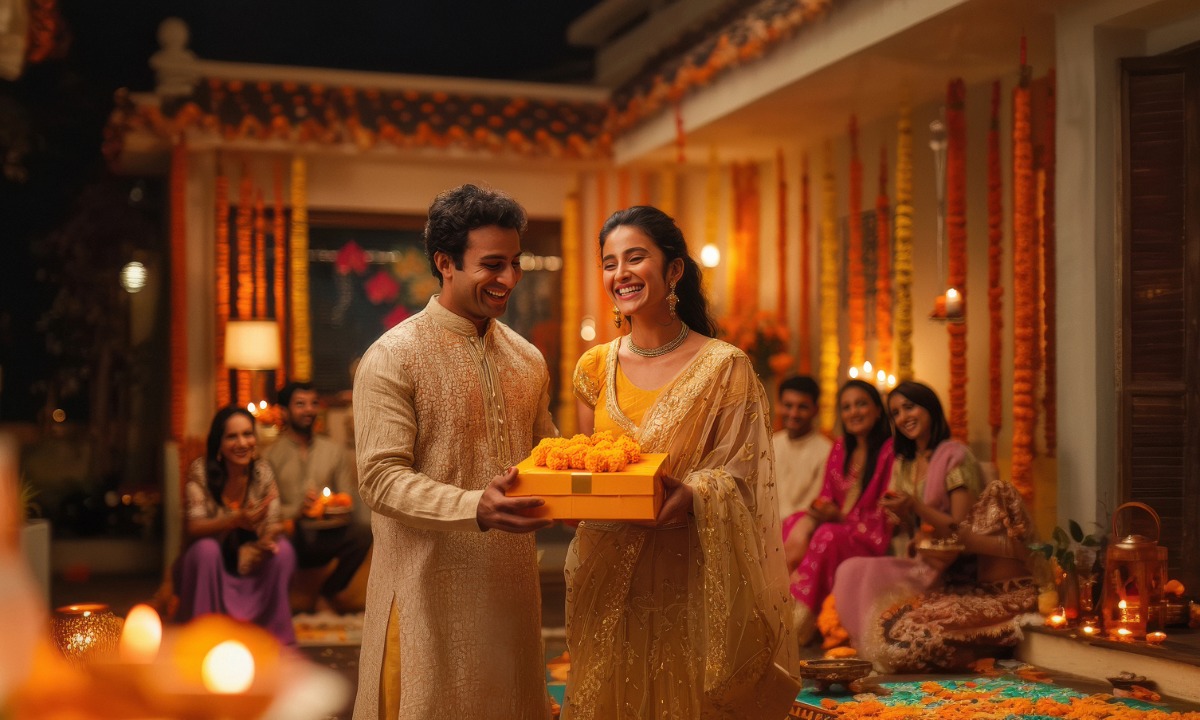
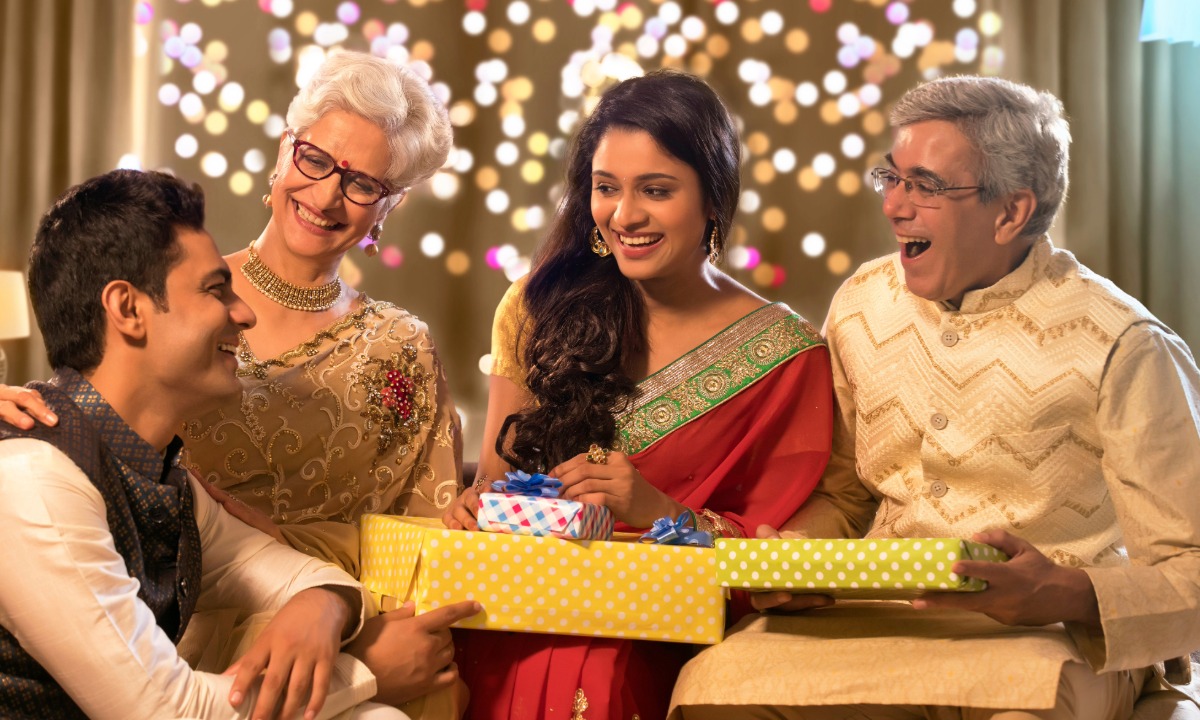
Diwali is special. Your gifts should be special too! But how do you find unique Diwali gifts that people will remember? Let’s learn easy ways to choose perfect Diwali gift items that stand out.
Why Unique Gifts Matter
Everyone gives sweets and dry fruits during Diwali. But unique Diwali gifts are different. They show you put extra thought into choosing.
The best unique Diwali gifts are things people want but don’t buy for themselves.
Examples of such gifts:
Decorative items for home
Premium quality towels
Beautiful serving pieces
Fancy storage boxes
Artistic wall pieces
These items feel special and luxurious.
Pick Items That Match Their Home
Look at their home style before choosing Diwali gift items.
For modern homes:
Sleek photo frames
Minimalist wall art
Simple storage solutions
Contemporary lamps
For traditional homes:
Brass diyas
Ethnic wall hangings
Colourful cushion covers
Traditional mirrors
Matching their style makes gifts more useful.
Add a Personal Touch
Personal gifts become unique Diwali gifts automatically.
How to personalize:
Choose their favourite colours
Pick items for their hobby
Select things for their room
Think about their daily routine
Consider their interests
Personal thought makes ordinary gifts special.
Choose Quality Over Quantity
One good item is better than many cheap items.
Why quality matters:
Lasts much longer
Looks more expensive
People use it more
Shows you care
Creates better impression
Quality Diwali gift items are always remembered.
Think About Usefulness
Unique Diwali gifts should be beautiful and useful too.
Useful home items:
Kitchen organizers
Bedroom storage boxes
Living room decorations
Bathroom accessories
Dining table items
When gifts are used daily, people remember you often.
Choose Items for Specific Rooms
Room-specific Diwali gift items show thoughtful planning.
For living room:
Cushion covers
Coffee table items
Wall decorations
Floor lamps
For bedroom:
Bed sheets
Night lamps
Storage boxes
Curtains
For kitchen:
Serving trays
Storage containers
Colourful towels
Spice organizers
For dining room:
Table runners
Dinner sets
Serving bowls
Napkin holders
Specific gifts are more thoughtful.
Mix Traditional with Modern
Combine old and new for unique Diwali gifts.
Smart combinations:
Traditional diyas in modern designs
Ethnic patterns on modern cushions
Brass items with contemporary shapes
Classic colors in new styles
This mix makes gifts interesting.
Choose Uncommon Colors
Don’t stick to red and gold only. Try different colors for Diwali gift items.
Fresh color options:
Deep purple
Emerald green
Royal blue
Burnt orange
Peacock colors
Unusual colors make gifts stand out.
Consider Their Age Group
Age matters when choosing unique Diwali gifts.
For elderly people:
Comfortable items
Easy to use products
Traditional designs
Practical gifts
For young couples:
Modern designs
Trendy items
Stylish pieces
Contemporary colors
For children’s families:
Durable items
Easy to clean products
Safe materials
Bright colors
Look for Handmade Items
Handmade Diwali gift items are naturally unique.
Why handmade is special:
Each piece is different
Shows craftsmanship
Supports artists
More meaningful
Not mass produced
Handmade gifts always stand out.
Choose Multi-Purpose Items
Gifts that serve many purposes are smart unique Diwali gifts.
Multi-use examples:
Storage that decorates
Trays that organize
Mirrors with storage
Lamps with shelves
People love practical creativity.
Think About the Season
Choose Diwali gift items suitable for the weather.
For winter months:
Warm blankets
Cosy cushions
Soft towels
Warm lighting
Seasonal gifts are more thoughtful.
Avoid Common Mistakes
Don’t make these errors when choosing unique Diwali gifts.
Mistakes to avoid:
Buying without thinking
Choosing very expensive items
Picking things you like, not them
Getting very fragile items
Buying too big or too small
Think carefully before buying.
Create Gift Combinations
Mix 2-3 small items for Diwali gift items that look bigger.
Good combinations:
Plant with decorative pot and care card
Photo frame with candles and small diya
Towels with soap set and storage basket
Cushion covers with small wall hanging
Combinations look more complete.
Check the Packaging
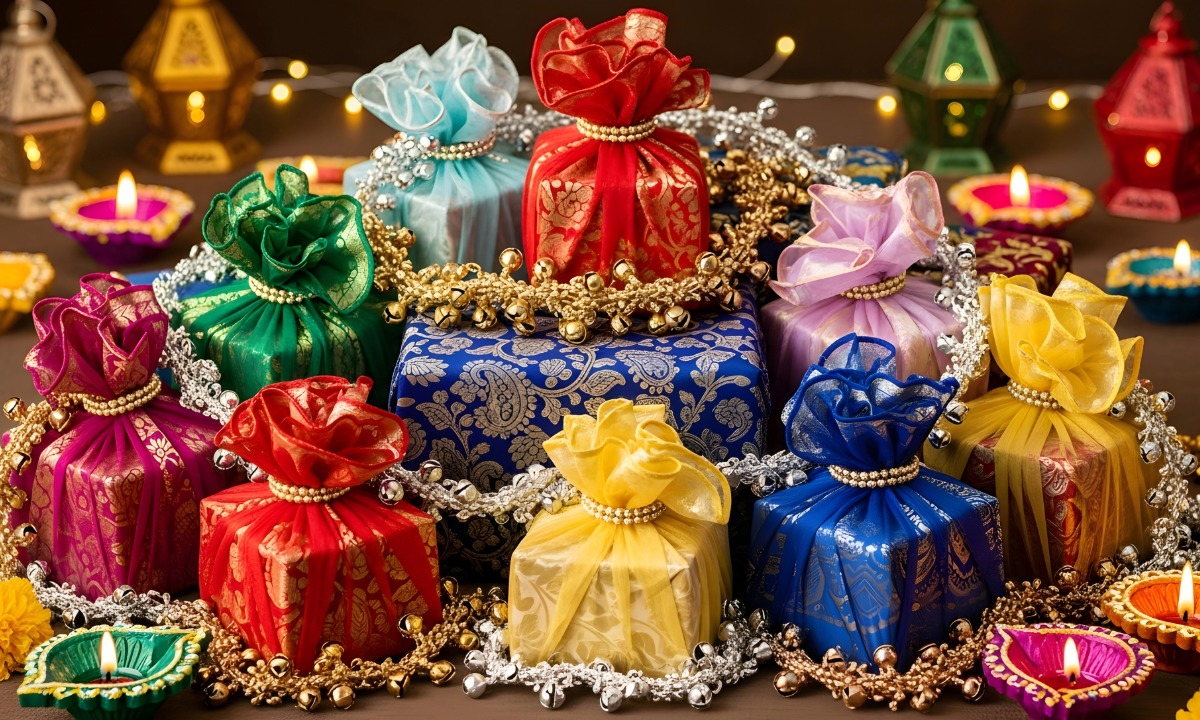
Good packaging makes unique Diwali gifts look premium.
Packaging tips:
Use nice boxes or baskets
Add colorful wrapping paper
Tie with ribbons
Include greeting card
Make it look neat
Beautiful packaging adds value.
Consider Their Lifestyle
Busy or relaxed lifestyle affects what Diwali gift items suit them.
For busy people:
Easy to maintain items
Time-saving products
Simple designs
Quick to clean
For relaxed people:
Decorative pieces
Items needing care
Detailed designs
Hobby-related gifts
Final Thoughts
Choosing unique Diwali gifts is not difficult. You just need to think about the person and what will make them happy. Good Diwali gift items show thoughtfulness, not just money.
Remember these main points:
Know the person well
Choose quality items
Pick useful things
Make it personal
Present it nicely
When you follow these simple tips, your gifts will always be remembered. This Diwali, give gifts that create happy memories!
Happy Diwali! May your thoughtful gifts bring joy and smiles to everyone!
From Kolkata to the world, a voice has chosen a deliberate, lasting pace- the pace of stories, in a world obsessed with fast content and fleeting attention.
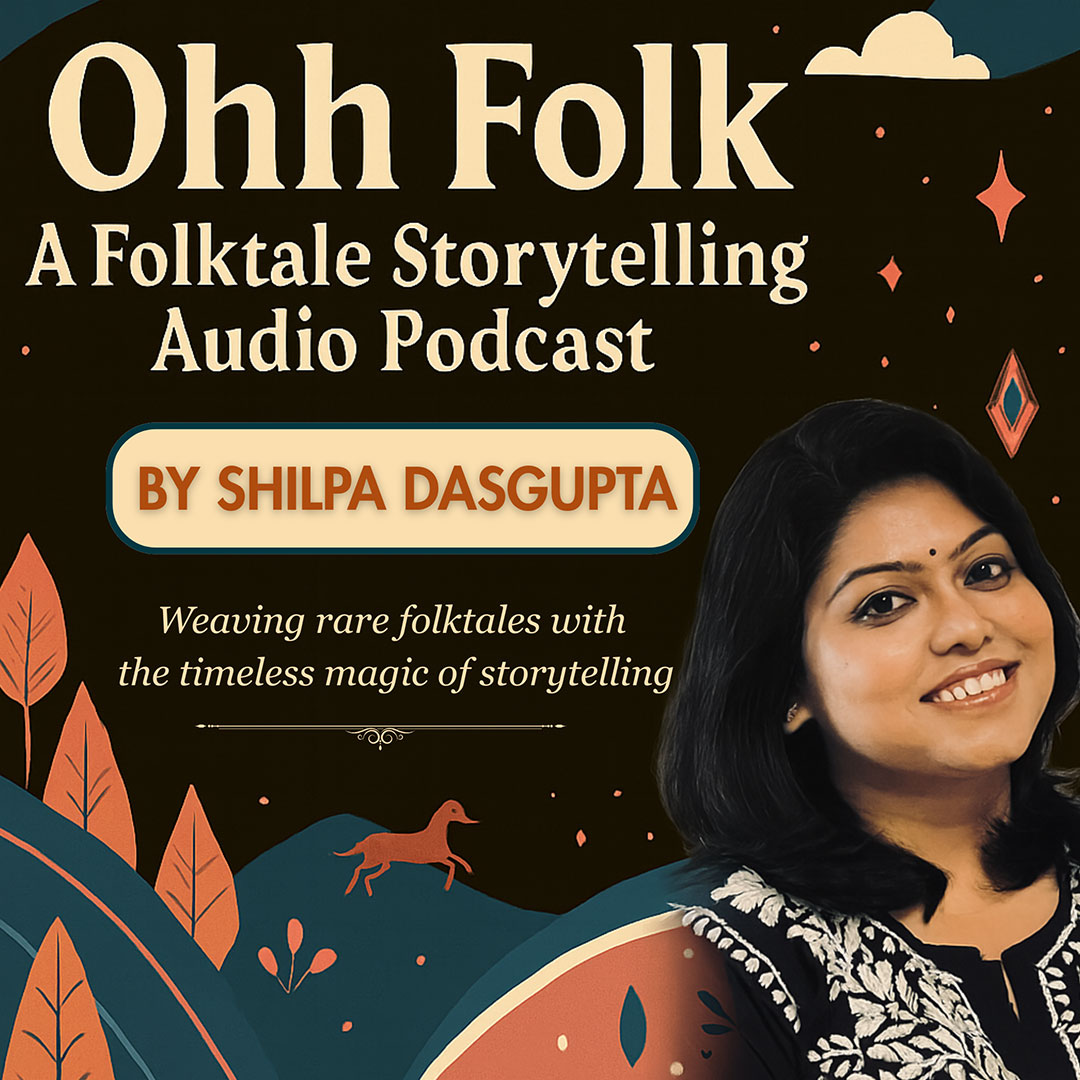
Meet Shilpa Das Gupta, a South Asian media professional from Kolkata. Her globally-renowned podcast, Ohh Folk!!, is an effort to resurrect the ancient practice of oral storytelling for people today.
Where Stories Transcend Time
Step into a world where stories never fade. Ohh Folk!! is more than just a podcast; it’s a bridge across centuries and cultures. Featured as one of the Top 50 Global Folklore Podcasts by Feedspot and officially recognised by the American Folklore Society, this podcast reveals extraordinary and quirky folktales from around the world.
Shilpa Das Gupta, the show’s creator and host, reveals the lesser-known stories that travel quietly via word of mouth; the stories that may be missed in our modern popular culture. Some of the stories are creepy, some amusingly witty and wise, and others reflect a simple observation on life. What they share in common is an element of transcendence from the prevailing times that provides appreciation for human existence.
Every episode carries listeners on an experience of history, mystery and cultural context, magically sharing (sometimes spine-tingling, sometimes heartwarming) stories told with differing degrees of legendary manner, and ancient tales with generative layers of wisdom. Shilpa’s immersive storytelling has the rare quality of feeling like time and space travel, without ever leaving the headphone experience.
Stories That Travel Beyond Borders
Ohh Folk!! brings together a mix of eerie legends, moral tales, and heartfelt parables, all retold with care and imagination. Every episode shares an old tale with a perspective fit for contemporary ears, while staying true to the origins. In an era when social media incentivises speed and length of content, Ohh Folk!! chooses slowness: the pace that allows for a story to breathe. Shilpa’s storytelling makes her audiences feel as though they are listening to a wise elder by the fire – and where the pause, as much as the word, matters.
Podcast
Details
Podcast Title
Ohh Folk!!
Host
Shilpa Das Gupta
Origin
Kolkata, India
Global Recognition
Ranked among the Top 50 Global Folklore Podcasts (Feedspot, 2023)
Academic Appreciation
Recognized and appreciated by the American Folklore Society
Reviving and reimagining oral storytelling traditions across cultures
From Kolkata’s Stories to a Global Mic
Shilpa was born and raised in Kolkata within a home where stories were part of life, folk legends from Bengal, mythic stories from epics, and the small stories that come through every family. These stories offered her understanding of people, emotions, and history very long before a textbook did.
That upbringing informed her worldview, along with her own inclination towards storytelling. Then, when she lived abroad, she understood how stories connect people regardless of geography. Ohh Folk!! became her way to preserve that connection while sharing the richness of oral traditions with a global audience.
“Folktales remind us who we are,” says Shilpa. “They carry lessons our ancestors left behind.”
Now living in the U.S., she continues to record and produce episodes after work hours, balancing her podcast alongside her full-time job and family life. It’s not a commercial project but a personal commitment: a way of keeping old voices alive in the digital age.
Keeping an Old Tradition Alive
The idea for Ohh Folk!! came during the pandemic, when isolation made everyone turn inward. While many people turned to screens, Shilpa turned to sound. She began recording from her living room after work, determined to give voice to stories that might otherwise disappear.
In an online world full of short clips and noise, her slow, careful storytelling feels personal. Each episode is prepared with attention, researched introductions, simple narration, and quiet background sounds that make the story feel close.
Common Threads in Many Cultures
Listeners frequently write to mention that a story from Japan reminds them of a Bengal story or that an African parable feels familiar to their own family tale. For Shilpa, this is the core of the project: uncovering what people share in the stories they tell.
Some of her recurring themes include:
The link between South Asian roots and global stories
Shared morals and emotions are found across cultures
How folklore builds understanding between people
The growing space for women in storytelling
The role of podcasts in keeping oral traditions alive
The Voice Behind the Work
Shilpa Das Gupta is a vibrant technology influencer. She served as an education technologist, voiced over, told stories, and broadcast podcasts. The excitement of history and cultural studies is embedded in her practice and process. As an enthusiastic researcher and content creator, she boasts a long and rich history of quality project development within multiple genre platforms.
She brings over a decade of multicultural experience in both Indian and U.S. media and education sectors to her storytelling with skill and depth. Her expertise in technology enables her control over the production process, while cultural influence keeps her narrative talking in a personal and authentic tone.
It’s this mix of professionalism and heart that gives Ohh Folk!! It’s a steady, honest tone. She doesn’t dramatise her stories. She tells them simply, letting the listener do the imagining.
Final Thoughts
Oh, Folk!! distinguishes itself because it doesn’t hurry to amuse; it prefers to create connections. In every tale, from India to Iceland, there is something that is human and does not change.
With her voice, Shilpa Das Gupta restores the uncomplicated ability to listen that asks for patience and rewards it with understanding. Her work shows that stories still know how to hold their power in the digital world, simply by telling them honestly.
From the courtyards of Kolkata to a broader audience, she carries on a practice that will always have someone willing to listen.
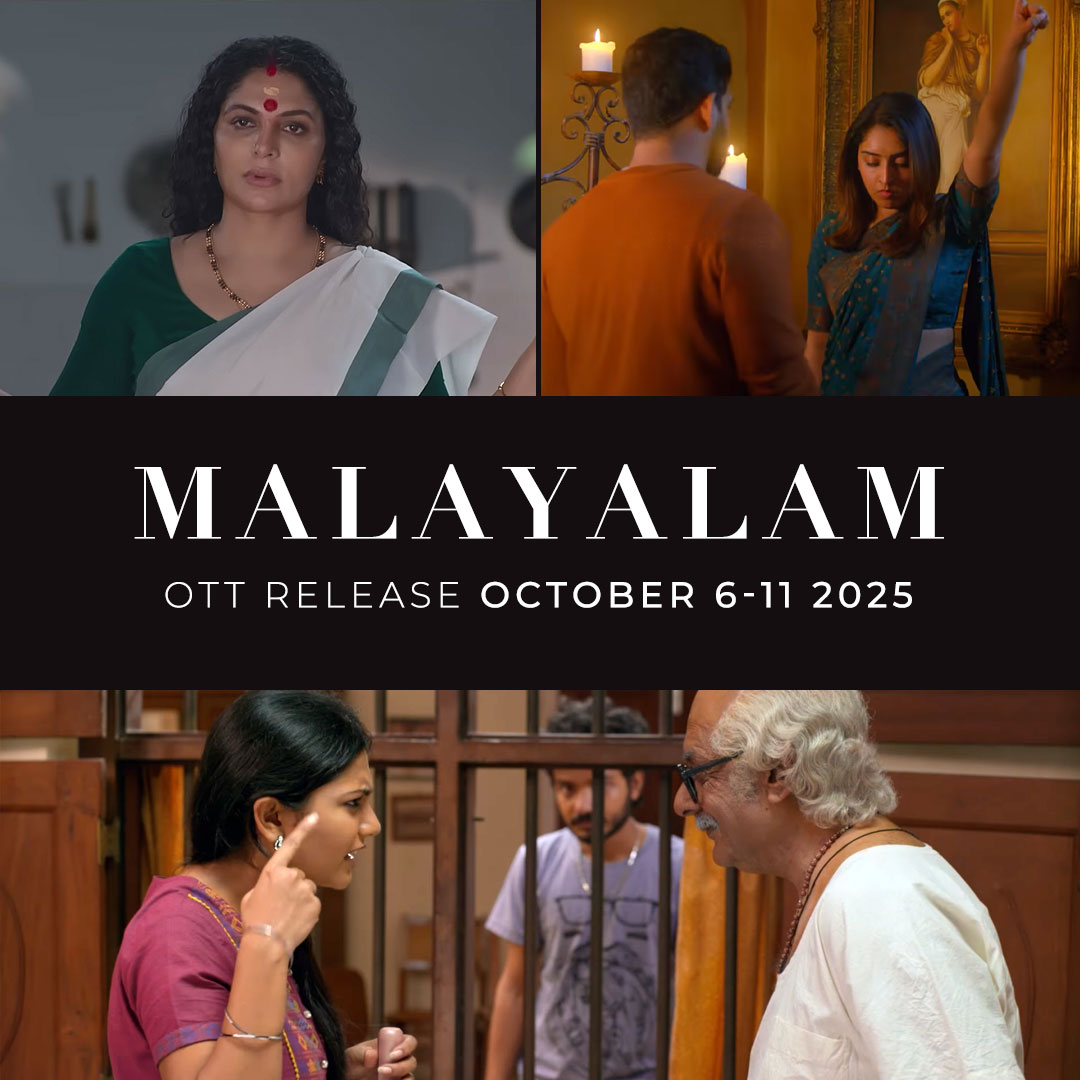
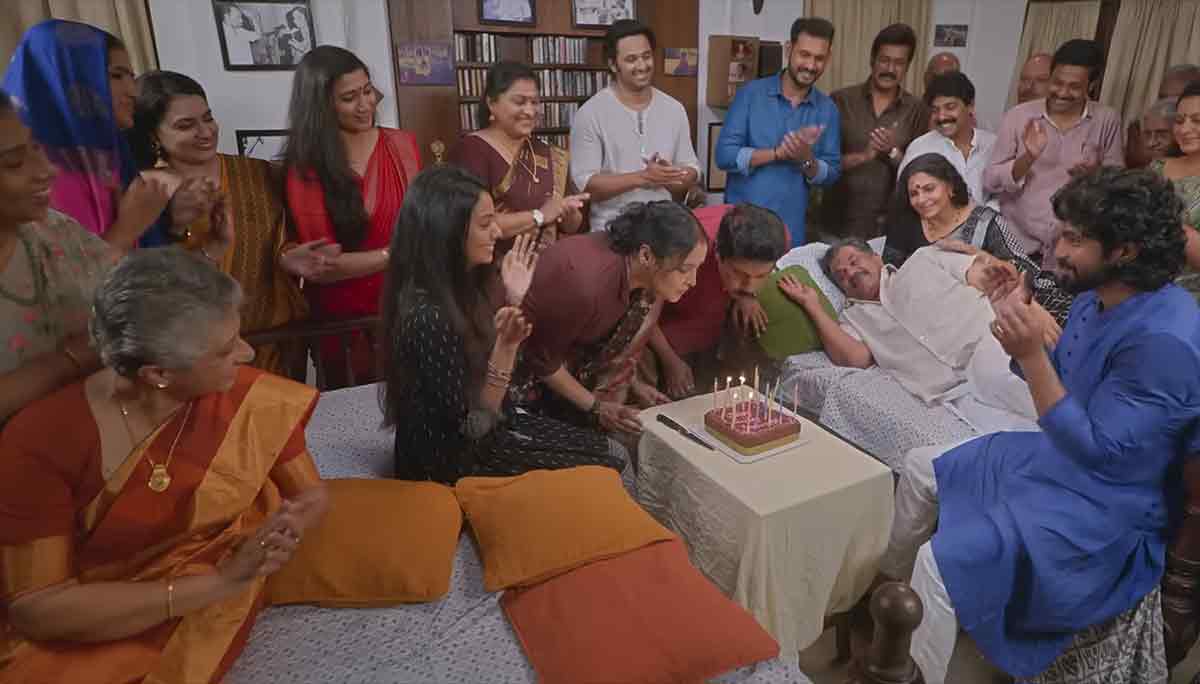
Three intriguing Malayalam films will appear on OTT this second week of October, each with a different storytelling format. Ranging from emotive, musical narratives to strange comedies and modern stories about relationships, the entertainment slate for the week of October 6 to 11, 2025, has something for multiple feelings. This week once again displays the breadth of Malayalam cinema in balancing artistic substance with entertainment. Here are some of the latest Malayalam OTT releases you definitely cannot miss out –
Mehfil – SunNXT (October 10)
Mehfil immerses audiences in the true story behind one of the most beloved characters in Malayalam cinema. Director Jayaraj has formed this sincere and intimate musical drama around Mullassery Rajagopal, the real person who inspired Mohanlal’s legendary Mangalassery Neelakandan in the films Devasuram and Ravanaprabhu.
The film centres on a single mehfil night in Raju’s life, showing how this charismatic man becomes the emotional anchor for everyone around him. Rather than focusing on power or conflict, Jayaraj examines the human side – relationships, music, and the way Raju masks his own struggles to uplift others. Mukesh steps into the title role, supported by Asha Sharath as his wife, creating an authentic portrayal of this legendary Kozhikode figure.
In addition to its original commitment to musical storytelling, eight original compositions by Deepankuran and Kaithapram drive the narrative, with performances by some of India’s most noted artists, including Ramesh Narayan, G Venugopal, and Vaikom Vijayalakshmi.
Produced by Dr Manoj Govindan under the banner of Wide Screen Media Productions, Mehfil commits to reveal the man behind the legend – a person who found strength in providing joy to others, even while living through pain. This is not just biographical storytelling, but a storytelling of a celebration of music, family, and resilience.
Once Upon A Time There Was A Kallan – ManoramaMAX (October 8)
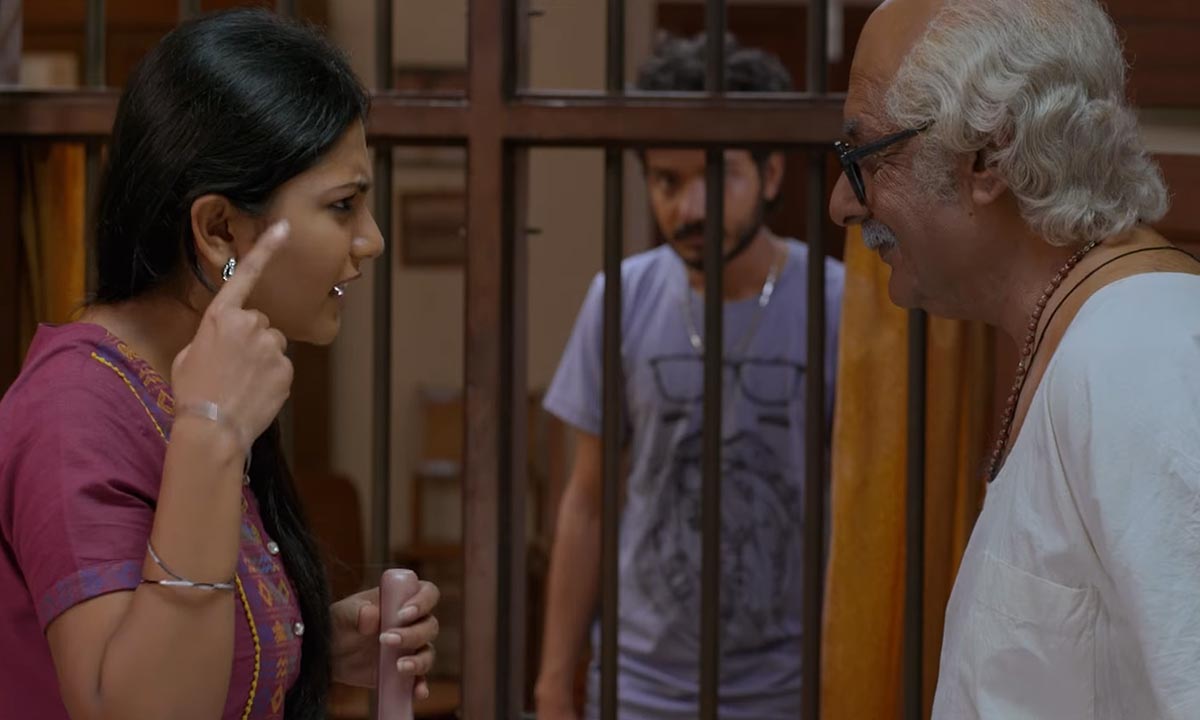
Once Upon A Time There Was A Kallan tells an unlikely duo made up of Sreenath Bhasi in his first leading role and Sreelakshmi Sreekumar in her film debut. The story centres on Neelankavil Joseph Kurien, an old man with plenty of wealth, but a miser living alone in the village of Thookillangadi after the death of his wife.
Joseph’s world revolves around cheap savings for his two children settled in the Gulf of the richly saving. Every six months, he dutifully sends his collected savings to their safety with a devotion that demonstrates what he believes is fatherhood, and while he may have penny-pinching tendencies, his servant, Vineetha, depends on her income from his household to live.
The story takes an interesting turn when thief Hari breaks into Joseph’s house with a discernible plan. After several events, he ends up trapped inside. Joseph finds himself in the conflicting situation of being robbed or befriended, and this is a situation that Joseph chooses, and the two men form a companionship that ends up providing the old man with a friendship to fill the voids of his loneliness.
Working for the viewer is Fazil Mohammed’s direction; the rest of the story unfolds as more humour and hand-to-hand interactions are shared between the two completely different men, allowing warmth to develop from a situation that began with conflict.
PWD (Proposal Wedding Divorce) tackles modern relationship anxieties through a wedding journey gone sideways. Writer-director Joe Joseph creates a “conversational debate drama” that starts as a rom-com but quickly becomes something deeper when bride Eileen Xavier Pynkarath drops an unexpected bombshell just before her marriage gets legalised.
Set against the scenic backdrop of Pynkarath Estate in Coonoor, Tamil Nadu, this mini-feature follows what should have been a smooth wedding trip from Pala to Ooty. Instead, Eileen’s unusual demand transforms the entire celebration into an intense discussion about marriage itself. Her request specifically challenges traditional Indian marriage certificate norms, pushing both the groom and wedding party into uncomfortable territory.
Joe Joseph, who co-stars with Neetha George and Clair Sara Martin, shapes the film around real conversations that couples often have but rarely express. The film does not rely on overbearing, dramatic confrontations or overly imaginative dynamics, but, in part, finds a place of ‘tension’ in the space between what is expected or traditionally held in marriage and what the participants want from their partners.
The focus stays tight on Eileen’s cold feet, her fiancé’s reactions, and the ripple effects of questioning something everyone assumes is straightforward. For viewers dealing with their own relationship questions or marriage pressures, this SainaPlay release offers validation that it’s okay to pause and ask hard questions, even at the altar.
Release Date: October 9, 2025
Platform: SainaPlay
Genre/Theme: Contemporary relationship drama
IMDb Rating: ★ 7.5/10
What Makes This Week Special
Malayalam cinema’s genre diversity, with each release offering a unique tone and focus
Mehfil brings a real-life historical figure to life through a musical narrative
Once Upon A Time There Was A Kallan mines comedy from an unexpected friendship between a thief and a victim
PWD (Proposal Wedding Divorce) tackles modern marriage norms and honest conversation
The rise of regional OTT platforms like SunNXT, ManoramaMAX, SainaPlay, showcases content that might not land on larger services
These platforms now play a vital role in Malayalam cinema’s digital ecosystem, giving filmmakers new avenues beyond theatrical releases
Conclusion
The final section of the Malayalam OTT Docket for October 6-11 presents viewers with a range of artistic storytelling approaches. Readers may enjoy musical nostalgia, a comforting comedy experience, or storylines with a focus on modern relationship dynamics, and the releases from this week offer substantive cinematic experiences regardless of material preferences. Mehfil is for those who seek an artistic experience. Once upon a time, there was a Kallan is the release for easy viewing. PWD is for viewers who appreciate modern narrative storytelling regarding relationships. So what are you planning to watch this weekend?
FAQs on Malayalam OTT Releases (October 2025)
Question: How to access Mehfil?
Answer: Mehfil started streaming on October 10, 2025, on SunNXT, a musical drama directed by Jayaraj featuring Mukesh and Asha Sharath.
Question: What is PWD about?
Answer: PWD (Proposal Wedding Divorce) is a story that illustrates pre-wedding anxieties of marriage through the prompt demands Eileen makes of potential fiancé and husband in the near future, much like what is a social construct of marriage in the modern-day.
Question: Of the releases this week, what is the best option for someone who enjoys comedies?
Answer: Once upon a time, there was a Kallan launched on ManoramaMAX from October 9, which is your best comedic-drama experience featuring Sreenath Bhasi and the late Prathap Pothen.
Southeast Asia has long been a favourite for budget-conscious travellers, offering a blend of rich cultures, striking natural beauty, and unforgettable experiences at affordable prices. From the tranquil landscapes of Laos to the vibrant streets of Bangkok, the region provides endless opportunities to explore without straining your wallet.
With convenient visa options, diverse tourist spots, and a welcoming atmosphere, Southeast Asia stands out as one of the best regions to discover in 2025 for those seeking adventure and value.
Keep reading to explore the best South Asian countries to travel on a budget.
Top Southeast Asian Countries on a Budget in 2025
Here are the top 8 Southeast Asian countries where you can travel on a budget in 2025:
Laos
Laos is a haven for budget travellers seeking peace and unspoilt beauty. With its low cost of living, you can explore comfortably without overspending. Luang Prabang, recognised by UNESCO, blends colonial charm with Buddhist temples and tranquil stupas.
Nearby, the Kuang Si Waterfall features emerald pools set amidst lush, forested surroundings. Beyond the towns, tribal villages, ancient caves, and a relaxed café culture, the country’s timeless appeal is further enhanced, making Laos one of Southeast Asia’s most affordable yet captivating destinations in 2025.
Malaysia
Murugan Statue at the entrance of Batu Caves
Malaysia offers a perfect mix of lush rainforests, scenic islands, and rich cultural landmarks, making it a thrilling destination to explore. For Indian travellers, obtaining a Malaysia tourist visa is simple, with the choice of an e-visa or a visa on arrival at select entry points.
The streamlined e-visa process allows for more time to plan your journey and enjoy highlights such as the iconic Petronas Towers, Kinabalu Park and Mount Kinabalu, the Kuala Lumpur Tower, and the Batu Caves. Beyond sightseeing, Malaysia also boasts vibrant nightlife, bustling shopping centres, and lively casinos, adding to its appeal.
Philippines
The Philippines remains one of Southeast Asia’s most underrated destinations despite its incredible natural diversity. A haven for wildlife enthusiasts, nature lovers, and adventure seekers, the country is blessed with turquoise waters, island landscapes, and world-class diving and snorkelling spots.
Comprising around 7,500 islands, this vast archipelago is home to pristine white-sand beaches and sprawling national parks. Highlights include the breathtaking beauty of El Nido in Palawan, the vibrant coral reefs of Boracay, and the centuries-old Banaue Rice Terraces, which are carved into the mountainsides.
Thailand
Thailand, fondly known as the Land of Smiles, is renowned for its vibrant culture, delectable cuisine, and breathtaking coastlines. For Indian tourists, the visa-on-arrival facility makes travelling hassle-free and ideal for last-minute plans.
Thailand is widely regarded as a top party hub in Southeast Asia. Whether it is lively pub crawls in Bangkok, vibrant cruise parties around Phi Phi, or the legendary full moon celebrations in Ko Pha-Ngan, the country offers unforgettable nightlife experiences for every kind of traveller.
Vietnam
With its breathtaking natural scenery and rich cultural traditions, Vietnam captures the essence of South-East Asia at its finest. Wander among the towering limestone islands of Ha Long Bay, drift along the Mekong River, venture into the mysterious caves of Phong Nha, and savour a steaming bowl of Pho in the capital, Ha Noi.
Every corner of Vietnam offers a story waiting to be discovered. Indian travellers can easily obtain a Vietnam tourist visa via the e-visa system, valid for 15 to 30 days and extendable for longer stays.
Indonesia
Indonesia, the world’s largest archipelago, offers something for every traveller — from Bali’s serene beaches to Jakarta’s vibrant city life. For Indian visitors, the visa-on-arrival option allows a stay of up to 30 days, with the possibility of extending it for another 30 days, making entry both convenient and flexible.
Whether you are diving into the pristine reefs of Raja Ampat or trekking up the slopes of Mount Bromo, insurance provides essential protection against unexpected situations. Purchasing a policy online is quick and simple, ensuring a smooth and stress-free holiday.
Singapore
Often regarded as one of the top destinations in Southeast Asia, Singapore offers an exciting mix of attractions and experiences that captivate, especially for first-time travellers. Although slightly more expensive than many of its neighbouring countries, Singapore more than makes up for it with its wide range of world-class sights.
From the fun-filled Sentosa Island and the renowned Singapore Zoo to the lush Botanic Gardens, striking Marina Bay Sands, vibrant night markets and even the quirky Tiger Balm Garden, the city promises endless variety and charm at every turn.
Cambodia
Cambodia, best known for the awe-inspiring Angkor Wat, provides travellers with a journey steeped in history and culture. For Indian visitors, obtaining a Cambodia tourist visa is simple, with both e-visa and visa-on-arrival options available.
Beyond its ancient temples, the country also embraces modernity, with Phnom Penh offering a lively urban scene, stylish cafés, and a diverse culinary landscape.
Things to Consider When Travelling to Southeast Destinations
The following are some important points you need to consider when travelling to Southeast Asian countries:
Check Visa Requirements
Before setting off for Southeast Asia, ensure you are familiar with the visa requirements for each country on your route. Nations like Thailand, Malaysia, and Singapore permit short stays without a visa, while others, such as Vietnam, Laos, and Myanmar, require advance application or an e-visa.
Always confirm the specific entry regulations for every stop on your journey to avoid last-minute surprises.
Secure Travel Insurance
No trip should be planned without proper travel insurance. Beyond covering medical emergencies, an adequate policy can also protect you from unexpected events such as cancelled flights, lost baggage, or delays. Having reliable coverage in place will give you peace of mind as you explore new destinations.
Choose the Right Time to Travel
The region experiences a tropical climate, characterised by hot and humid weather for most of the year, although conditions vary. From November to February, temperatures are relatively cooler, but occasional rainfall is common.
The monsoon season, which spans from June to October, often brings heavy showers, with the Philippines being particularly affected by typhoons. March and April are usually drier, though air quality can be poor due to the burning season.
Respect Language, Culture, and Traditions
While English is widely understood in major cities and tourist hubs, rural areas tend to rely more on local languages and dialects. Southeast Asia’s cultural diversity is immense, but across the region, respect, humility, and modesty are core values that are deeply ingrained. A little cultural sensitivity goes a long way in ensuring a warm and welcoming atmosphere.
Consider Rentals for Getting Around
Travelling overland is common, with buses and trains offering affordable connections between countries such as Thailand and Cambodia or Vietnam and Laos. Within cities, tuk-tuks, taxis, and motorbike rentals provide quick and convenient ways to get around. Be sure to agree on fares in advance to avoid being overcharged.
Travelling through Southeast Asia in 2025 promises an enriching mix of discovery, affordability, and cultural connection. By planning wisely, securing the right visas, and preparing with essentials, you can enjoy the freedom to immerse yourself in the region’s diverse landscapes and traditions.
Whether your journey takes you to bustling capitals, hidden villages, or serene coastlines, Southeast Asia offers an unforgettable adventure that proves remarkable travel experiences do not need to come at a high cost