Dhanteras 2025: Date, Puja Timings, Rituals, and Auspicious Shopping Guide

0

Dhanteras 2025

The Significance of Dhanteras in Diwali Festivities

Dhanteras (Dhanatrayodashi) marks the first day of the five-day Diwali festival, dedicated to wealth and well-being. It consists of two words- “Dhan” (wealth) and “Teras” (the thirteenth day of the lunar fortnight), referring to opulence ushered into the home. According to legend, during the Samudra Manthan, Goddess Lakshmi (the deity of wealth) and Lord Dhanvantari (the divine physician) emerged from the waters along with the nectar of immortality. Dhanteras thus associates wealth with health by celebrating Lakshmi’s bounty along with Dhanvantari’s healing blessings.

In one folk tale, a princess, to save her beloved prince from the clutches of Yama (the god of death), adorned the palace with heaps of gold and illuminated the royal abode with innumerable lamps to dazzle Yama. Lord Yama, manifested as a snake, upon arriving at the palace, was awed by the lights and jewelry and decided to retreat. This incident is considered the birth of the tradition of keeping lamps burning to ward off misfortune. Symbolically, the festival makes us inculcate the notion of light overcoming darkness and abundance repelling adversity. 

With houses scrubbed clean, rangolis drawn at doorsteps, and oil lamps (diyas) lit everywhere, across India, Dhanteras initiates the preparations for Diwali. The rituals blend spirituality with the anticipation of material prosperity, reinforcing faith in abundance.

Dhanteras 2025 Date, Shubh Muhurat, and Puja Timings

Dhanteras 2025 falls on Saturday, October 18, 2025. According to the traditional Panchang (Hindu calendar), the Trayodashi Tithi (the 13th lunar day of Kartik Krishnapaksha) begins at 12:18 PM on Oct 18 and ends at 1:51 PM on Oct 19. The auspicious Pradosh Kaal (evening twilight period) runs from 5:48 PM to 8:20 PM IST on Oct 18, and within this, the prime Dhanteras Puja Muhurat is 7:16–8:20 PM. Astrologically, the period is known as Vrishabha Kaal (Taurus period), roughly 7:15–9:11 PM, and is considered most favorable for the Lakshmi-Dhanvantari puja. Vedic experts note that favorable planetary alignments (e.g., a strong Venus and Jupiter) make this year’s Dhanteras particularly potent for wealth-invoking rituals.

The most non-negotiable ritual is lighting lamps in the evening. Families light 12 diyas indoors and one special “Yamadeepam” outside at the main entrance. This honors Yama (Lord of Death) and is believed to protect loved ones from the wrath of death. The glowing diyas are said to repel negative energies and illuminate the path for Goddess Lakshmi’s holy steps into the home. 

Traditional Rituals and Customs Observed on Dhanteras

The most rudimentary preparatory regime involves cleaning and decorating houses. With bright rangoli patterns designed along doorways, rows of earthen diyas and electric lights are placed to welcome the divine into the human abode. Often, altars are set up on elevated platforms facing the idol or image of Goddess Lakshmi, accompanied by Lord Ganesh. The two deities are also complemented by some representations of Lord Dhanvantri, and in some instances, even Lord Kubera is placed along. The sanctum of the gods is also elaborately decorated with flowers, a kalash (water pot topped with mango leaves and a coconut), and incense, symbolising abundance. As far as the offerings are concerned, rice, turmeric, kumkum powders, sweets, fruits, and currencies are used. Many people also offer gold or silver coins and new utensils or jewelry to signify wealth.

The puja vidhi (ritual procedure) typically begins by invoking Lord Ganesha to remove obstacles, as he’s referred to as ‘vighnaharta’. Mantras praising Lakshmi and Dhanvantari are recited as lamps are lit, mainly a ghee lamp, and the Dhanvantari mantra (“Om Dhanvantaraye Namaha”) is recited 108 times, praying for health and longevity. Prayers are followed by aarti, i.e., the ritual waving of lighted lamps. With the family singing the hymns seeking blessings, the aarti is separately performed for each deity. Business families often offer their account books to the goddess, symbolically inviting her to bless the year’s work.

After the puja, the blessed offerings are distributed to all members as prasad. Even after the puja is done, the Yamadeepam continues to burn throughout the night. Additionally, a four-faced mustard-oil lamp is placed in the southwestern corner outside the home to honor Yama and to ensure the family’s protection from accidents or death. 

What to Buy on Dhanteras 2025: The Auspicious Shopping List

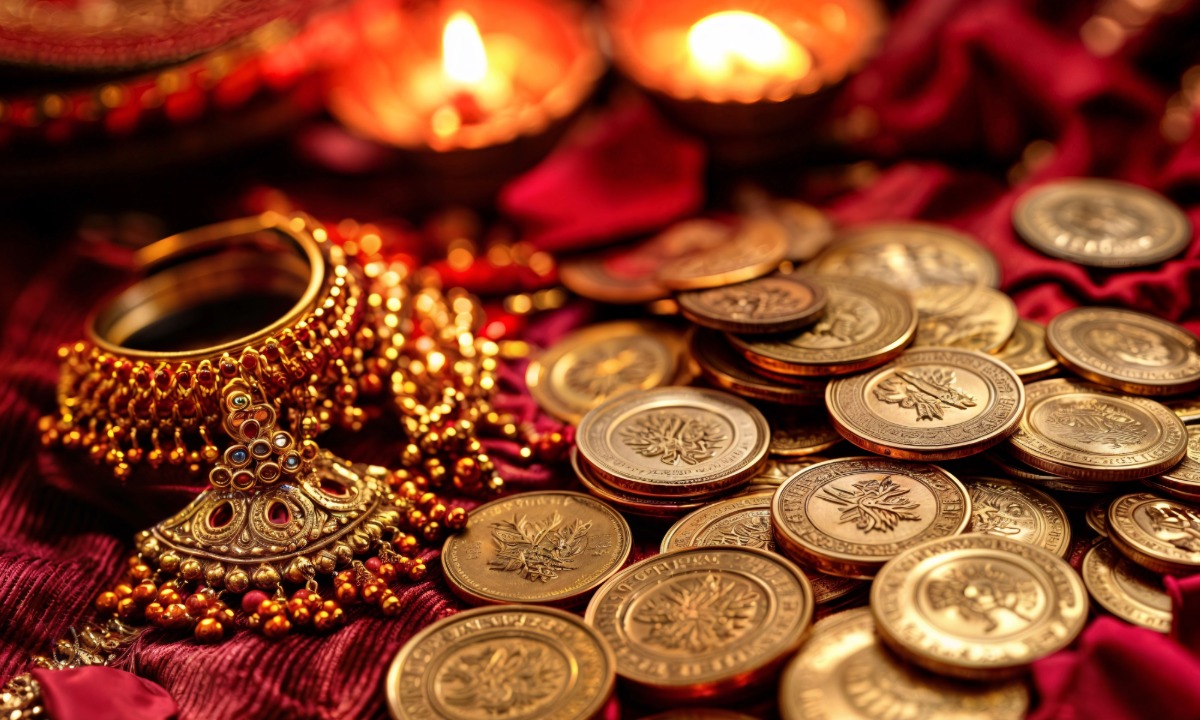
There is a tradition of purchasing new items on Dhanteras that symbolizes inviting wealth into one’s life. Gold and silver are considered the most auspicious purchases. People buy gold ornaments, coins, bars, or silverware, with the hope that it will multiply prosperity. Specific coins that are struck with images of Goddess Lakshmi or Lord Kubera are favoured. 

Beyond metals, useful household items are also auspicious buys. Utensils, especially silver, brass, or copper, such as new kitchen pots, pans, or dishes, are believed to accoutre the home with wealth. That said, a popular belief is that anything acquired or purchased on Dhanteras brings affluence. In contemporary times, electronics and appliances are very much a part of items that are purchased by people on this occasion. Many people like to buy smartphones, laptops, televisions, or home appliances during this time. New furniture, home decor, or artifacts can also be bought to reinvigorate the facade of the household and induce an aura of positivity. Many devotees also bring home Lakshmi-Ganesha idols or pictures on Dhanteras to establish a permanent shrine at home. Modern gift ideas for Dhanteras include donating to the poor or gifting sweets, which is believed to multiply good karma. Many spiritual items, like a Kuber yantra or Dhanvantari yantra, are kept in the cash locker for obtaining blessings. New clothes and sweets or dry fruits for family and friends are also customary, as they symbolize sharing and spreading joy.

One must also be careful about the items to avoid. According to tradition, sharp objects (knives, scissors, needles) should not be bought on Dhanteras as they are believed to “cut” the flow of prosperity. Likewise, iron or steel utensils are generally avoided, as iron is associated with Shani (Saturn). Ghee and cooking oil, though essential, are said to be inauspicious to purchase on Dhanteras. Black or leather goods are also avoided, since black as a colour is often linked to negativity and leather to Saturn’s influence. In case pots or vessels are bought, it is generally suggested to bring them home filled with grains or sweets. To sum up, shopping during Dhanteras primarily focuses on items that signify wealth, health, and good fortune.

Cultural Beliefs and Regional Celebrations Across India

Dhanteras is a nationwide celebration, but its customs also differ due to regional variations. In the Northern core, the day is highly festive in vibe, with markets bustling as people purchase a variety of goods. Business communities, notably in Gujarat and Rajasthan, perform Chopda Pujan (also called Muhurat Pujan) on Dhanteras, opening new account books and offering prayers to Lakshmi and Ganesh for a prosperous financial year. In Maharashtra and Gujarat, the entire tithi is often dedicated to accounting rituals, and some also perform the Narakhanchi Pujan (worship of pots).

Across many regions, lighting the special Yamadeepam is practiced. For example, Maharashtrians place 13 oil lamps at home entrances on Dhanteras night to honor Yama. According to popular tales, the sunflower-like “Bhungroo” lamp pattern protects the household from accidents. In Maharashtra, families also recite the Yamadeep Stotra for long life. Similarly, in Gujarat and Rajasthan, households keep earthen lamps burning through the night, and some people tie a string of lamps (diya chain) outside to create an arch of light.

In South India, including Tamil Nadu, Dhanteras is comparatively less prominent by name but is observed through related customs. Homes are cleaned and decorated ahead of Diwali, and diya lighting in the evening is a common practice. In other South Indian states, the Naraka Chaturdasi (the main Diwali day) is the main highlight, but the spirit of Dhanteras lives on through lamps and prayers for health and wealth. Tamil families also prepare sweets and exchange gifts beginning on Dhanteras, viewing it as the beginning of the Diwali celebrations.

Thus, while the main practices, such as seeking blessings of wealth, health, and longevity, are constant, Dhanteras customs reflect India’s cultural diversity. In the Marwari and Gujarati business, for instance, Hindu offices often reschedule their work to perform the Chopda ceremony. Meanwhile, in Bengal or Odisha, the emphasis might be on thorough home cleaning and the Lakshmi-Ganesh puja. These regional variations underline how Dhanteras synchronizes local traditions with the pan-Indian festival of Diwali.

Dhanteras 2025: Key Timings and Festival Highlights Table

Event Date & Time (IST)
Dhanteras 2025 Saturday, October 18, 2025
Trayodashi Tithi Begins October 18, 2025 – 12:18 PM
Trayodashi Tithi Ends October 19, 2025 – 01:51 PM
Pradosh Kaal October 18, 2025 – 05:48 PM to 08:20 PM
Vrishabha Kaal October 18, 2025 – 07:16 PM to 09:11 PM
Dhanteras Puja Muhurat October 18, 2025 – 07:16 PM to 08:20 PM
Yama Deepam October 18, 2025 – Evening lamp lighting ceremony

Table: Important timings for Dhanteras 2025 (India Standard Time). These highlight the auspicious periods (muhurat) for Lakshmi-Kubera-Dhanvantari puja and the traditional evening rituals.

Welcoming Prosperity with Light and Faith

Dhanteras meaningfully balances the material with the spiritual. On one hand, it motivates the pursuit of wealth and comfort through acts of buying gold, silver, and useful items, with the hope that these will bring prosperity and opulence. On the other hand, it bestows us with feelings of purity, devotion, and gratitude. This polyphony of bhakti and action combined commemorates the fact that true abundance comes from diligence, piety, and generosity as much as from possessions.

Dhanteras teaches that prosperity is initiated with light, both inner light and outer. The evening lamps are not merely pieces of decoration; they hold symbols that “light” penetrates through ignorance and negativity. In the present time, with everyone’s schedule fastened with haste, families get an opportunity to renew their bonds and responsibilities. As Diwali approaches, Dhanteras’s main aim is to invite well-being into our homes in a thoughtful manner. Celebrations should also make us more responsible; for example, using eco-friendly lamps and modest gift-giving makes the joy sustainable. In essence, Dhanteras invites us to nudge towards cleanliness, light, and loving devotion, so that genuine wealth (of health, happiness, and harmony) is kindled in our lives.

FAQs on Dhanteras 2025

Dhanteras 2025
Question: What is the date of Dhanteras in 2025?

Answer: Dhanteras 2025 will be observed on Saturday, October 18, 2025.

Question: What should we buy on Dhanteras for good luck?

Answer: Auspicious purchases include gold or silver coins and jewellery, silver or brass utensils, and idols of Goddess Lakshmi and Lord Ganesha. Buying new appliances, electronics, or home décor items is also considered lucky on this day.

Question: What is the spiritual significance of lighting lamps on Dhanteras?

Answer: Lighting diyas in the evening drives away darkness and negativity while inviting the blessings of Goddess Lakshmi. The ritual is also linked to the legend of Lord Yama — the lamps are believed to protect the household from untimely death and bring harmony and health.

Question: Which God is worshipped during Dhanteras?

Answer: On Dhanteras, devotees worship Goddess Lakshmi for wealth, Lord Kubera for prosperity, and Lord Dhanvantari for good health. Lord Ganesha is invoked at the start of the puja to remove obstacles and ensure an auspicious beginning.

Question: Can we buy iron or sharp objects on Dhanteras?

Answer: No. It is considered inauspicious to buy iron or sharp metal objects such as knives, scissors, or needles on Dhanteras. These are believed to symbolically “cut” prosperity. Instead, purchase gold, silver, or brass items to attract good fortune.

Kochi Biennale Foundation Announces Co-Curators for Students’ Biennale 2025

0

Batch-24’-2019,-KMEA-College-of-Architecture,-Untitled

The Kochi Biennale Foundation (KBF) has announced the roster of co-curators and collectives who will lead the Students’ Biennale 2025–26, a flagship educational programme that brings together emerging artists from state-funded art colleges with curators, mentors, and peer networks. The Students’ Biennale, which concentrates on learning from practice, collaboration, and alternatives to market-oriented approaches, will open on 13 December 2025, running in parallel with the sixth Kochi-Muziris Biennale

Curators, Geography & Mentorship Model

This edition revolves around seven regions: teams of co-curators and collectives will engage directly with students from 150+ institutions, conducting workshops, shortlisting participants, and initiating and coordinating projects in Kochi. The named co-curators include Savyasachi, Anju, Prabir and Sukanya Deb for the north and west; Dr. Sudheesh Kottembram and Dr. Seethal CP for the south; Chinar Shah and Ashok Vish for the south-west; Kursheed Ahmed and Salman Basheer Baba for the mountain states; the artists-collective Gabba (Ritushree Mondal, Himangshu Sarma, Rabiul Khan and Surajit Mudi) for the eastern belt; Anga Art Collective for the seven north-eastern states and Sikkim; and Secular Art Collective (Salik Ansari, Bhushan Bhombale, Shamim Khan and Shamooda Amrelia) for central and western India. The Kochi Biennale Foundation mentions that the model is intended to have sustained, peer-to-peer conversations rather than one-off selection panels.

Sixth Kochi-Muziris Biennale

The Students’ Biennale will run parallel to the sixth Kochi-Muziris Biennale (KMB), christened as ‘For the Time Being’, which will be inaugurated on 12 December 2025 and shall run till 31 March 2026. The larger biennale this year is curated by Nikhil Chopra with HH Art Spaces and puts forward a detailed programme of exhibitions, performances, residencies, and educational events; recent coverage indicates a queue of international artists and a programme that stresses process, networks, and on-site work. 

What Organisers Say?

Mario D’Souza, Director of Programmes at KBF, oriented the Students’ Biennale as a collaborative learning exercise: “Each edition of the Students’ Biennale is a learning exercise. We work with students, educators, curators, and artists to understand the needs and shortcomings of art education in India.” He added that this edition focuses on “other forms of nourishing practice” outside market and grant economies. For example, artist-run initiatives, residency models, collective practices, teaching, and self-publishing to build an well knit artist-to-artist network that responds to the present.

Scheduled Events Details
Students’ Biennale Opening 13 December 2025 (runs alongside Kochi-Muziris Biennale).
Kochi-Muziris Biennale Dates 12 December 2025 – 31 March 2026; 6th edition titled For the Time Being.
Number of Colleges / Institutions Over 150 state-funded art colleges participating across seven regions.
Regional Co-Curator Teams Includes Savyasachi, Anju, Prabir, Gabba Collective, Anga Art Collective, and others.
Media Contact Akhilesh V K, Media Executive, MD Niche — 9895129611 (press release).

Education, Access & Practice

Rajesh-Chacko,-Presence-of-Adoption,-SB-KMB,-2018

The Students’ Biennale has turned out to be one of the few large-scale initiatives in India that explicitly links art training to varied modes of artistic practice. By partnering with state-funded colleges, they are deploying a decentralised curation model. KBF aims to acknowledge voices outside the peripheries of metropolitan nexuses and to give students both a public platform and curatorial mentorship. The emphasis on peer networks, residencies, and artist-run frameworks signals an attempt to bridge classroom learning with the live activity-based learning, contemporary artistic work. 

Access & Practice

The Students’ Biennale has become one of the few large-scale initiatives in India that explicitly links formal art training to alternative modes of artistic practice. By partnering with state-funded colleges and deploying a decentralised curation model, KBF aims to surface voices outside established metropolitan circuits and to give students both a public platform and curatorial mentorship. The emphasis on peer networks, residencies, and artist-run frameworks signals an attempt to bridge classroom learning with the lived, often precarious, economies of contemporary artistic work. 

Key highlights

  • Students’ Biennale exhibition opens on 13 December 2025, concurrent with KMB.
  • Over 150 state-funded art colleges to participate across seven regions.
  • Regional teams include individual curators and collectives (Gabba, Anga Art Collective, Secular Art Collective, among them).
  • The sixth Kochi-Muziris Biennale (For the Time Being) is curated by Nikhil Chopra with HH Art Spaces and runs 12 Dec 2025 – 31 Mar 2026.
  • Programme focus: alternative pedagogies, artist-to-artist networks, and practice-based learning outside market structures.
  • Recent press and listings indicate the KMB 2025 edition will present dozens of international and Indian artists across multiple venues in Fort Kochi and Mattancherry, with expanded programming (talks, residencies, workshops) that the Students’ Biennale will plug into.

Takeaway

The Kochi Biennale Foundation’s Students’ Biennale remains one of India’s most crucial experiments in integrating formal art education to the pragmatic shuffle of artistic life. It will offer young practitioners mentorship, public exposure, and a golden scope to experiment with their ideas within a city-wide ecosystem. That said, unlocking its full potential will require more than high-profile curators and surface-level workshops, but sustained funding for follow-up projects, transparency in selection criteria and procedure, post-biennale support, and accountability. If KBF truly wants to imagine alternatives to market dependency, then this programme must become a long-term success and simply not a biennial moment, for talent, experimentation, and structural change in arts education across India.

Sitaro Ki Diwali: Phoenix India Light Festival 2025 Illuminates Bengaluru’s Urban Canvas

0

Phoenix India Light Festival 2025 1

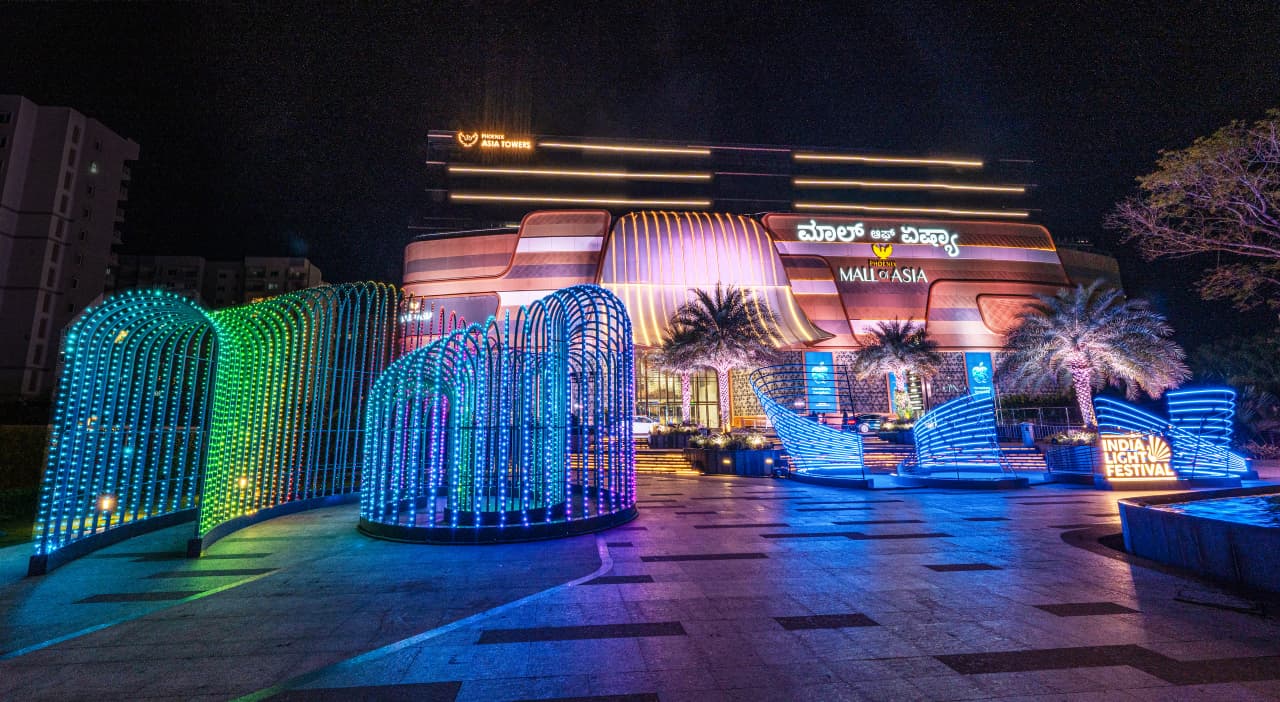
This Diwali, the usual cavalcade of diyas and fairy lights has been refracted through a more theatrical lens. The Phoenix Mall of Asia’s India Light Festival 2.0, Sitaro Ki Diwali, has returned with a robust and more picturesque goal. Based in Bengaluru, the festival was launched during Navratri. The light festival is totally on board to illuminate the space and disperse the festive vibe. It re-envisions the mall’s central plaza as a stage where large-scale light sculptures, kinetic LEDs, and sculptural archways will bestow the most engrossing engagement to the people. Apart from this, they also gather people, prompt photographs, and, briefly, make the ordinary feel astonishing.

The Theme

Phoenix India Light Festival 2025 2

Hitherto, the decor’s yearly resonance was with repetitive props and motifs; however, ILF 2025 did bring innovation to the table. This festive season, they traded the in-box familiarity for an experiential rendezvous. The theme for this year is  Rhythms of Reverie, where light sequences behave like musical notes, and walkways respond to motion, and the roof is suspended with stars, which will definitely turn heads. Each installation is displayed with a purpose, and each piece appears to be self-contained and photogenic. Individually, each display appears like a short scene in itself; however, it is the cumulative effect that lingers. 

The festival positions itself not as retail theatre but as a public artwork that happens to sit inside a mall.

The Four Signature Installations

Phoenix India Light Festival 2025 3

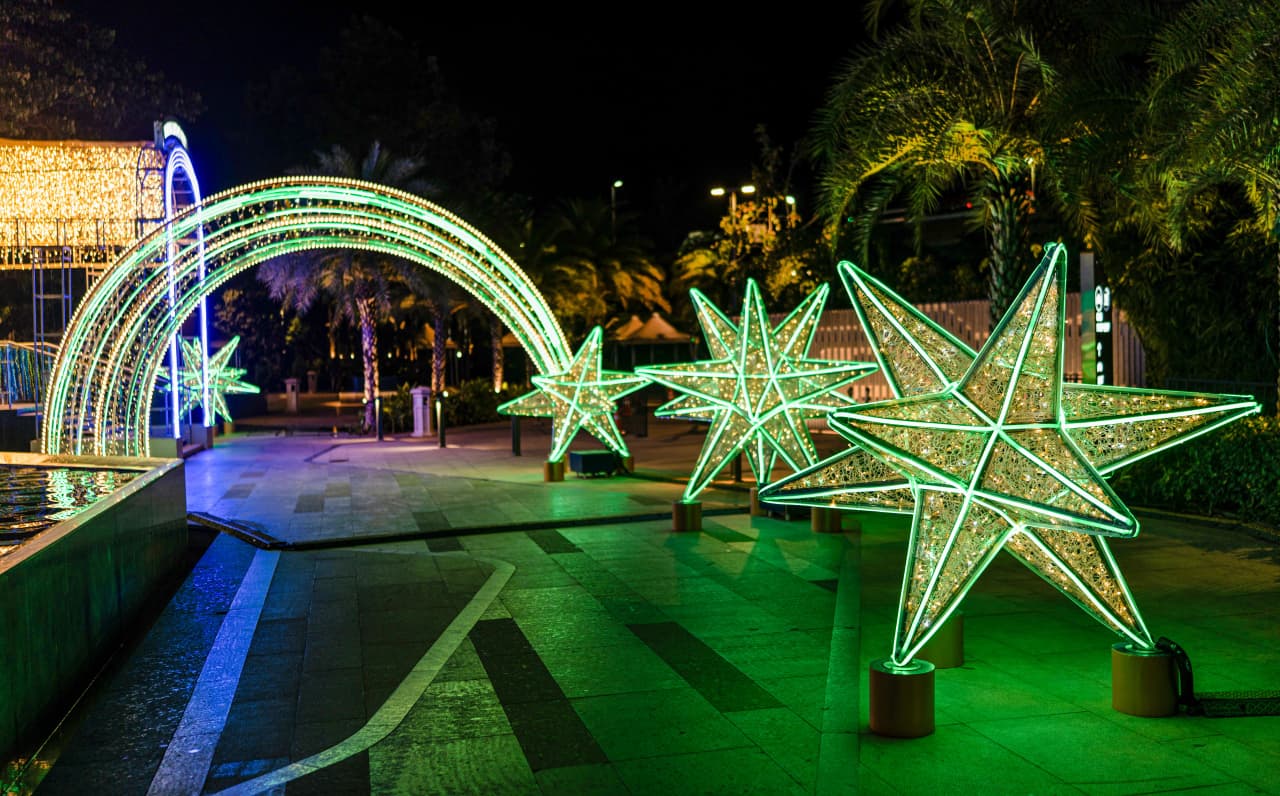
Four classic environment simulations anchor the show. At first, there’s a towering aurora portal christened as ‘echoes’ with programmable LEDs, which is best for Instagrammable snapshots that feel like standing at the brink of entering a totally different time-space. Following it is the tunnel of colours, which overturns the simple act of walking through it into a performance. Beams of light layer up and shift so that each footfall can be displayed with a new palette. Then there’s Dreamscape, a maze of gradients and net-like lights that makes people slow down and lose orientation. It offers the experience of walking through a constellation, beautiful and immersive. Also, Chasing Stars is an overhead procession of warm-lit stars and arcs that feels like an urban night-sky, only more deliberate, and undeniably manufactured. 

Installation What it does
Echoes Aurora portal of programmable LEDs that appears cinematic, doorway-like, and excellent for photos.
Tunnel of Colour A coloured-beam walkway that changes with movement; playful, immersive, and kinetic.
Dreamscape A woven, galaxy-inspired maze — contemplative and gently disorienting.
Chasing Stars Overhead arches of warm lights and stars create a communal, starlit canopy.

An Invitation to All — Art for Everyone

Beyond the awe-inducing visuals, the festival’s democratic gesture is its accessibility. The installations are free and open to the public, inviting families, couples, and neighbourhood crowds to make the mall their Diwali mosey. That accessibility is very thoughtful as the festival’s organisers have labelled ILF as a ‘civic offering’ as much as a commercial attraction, which, in a city that stages pop-up experiences and Diwali markets every year, gives this installation a competitive edge as a cultural destination.

Ritu Mehta, Centre Director at Phoenix Mall of Asia, frames ILF 2025 as an experiment in scale and feeling. “Phoenix India Light Festival 2025 is one of the most unique, immersive, experiential festivals of its kind in India, blending art, technology, and imagination into a celebration that sparks wonder for every visitor,” she says. 

Phoenix Mall as Bengaluru’s Cultural Trailblazer

Phoenix India Light Festival 2025 4

The Phoenix Mall now appears to be an example for all the malls and shopping stops in Bengaluru, as they have distinctly emerged as a trailblazer for inventive festive programming in recent years, turning retail spaces into seasonal hubs of art and culture. The festival also finds itself fitting into a broader setup, as the city’s people desire some leisure and fun during the festive time, ILF offers them a spectacular blend of experiences with easy accessibility, making it the all-around spot to shop, eat, and then drift straight to the illuminated installations. These artworks are intended for quick consumption and repeat pictures, reels, and posts tagged from the plaza; this suggests the festival is succeeding at what it set out to do: be seen, shared, and re-seen. What ILF 2025 offers, skilfully, is an encounter tuned to both the eye and the feed, a seasonal work that admits its reliance on spectacle while still offering genuine moments of collective delight.

Where Tradition Meets Urban Modernity


View this post on Instagram


A post shared by Phoenix Mall Of Asia (@phoenixmoa)

A city that gets adorned with a plethora of Diwali attractions, Sitaro Ki Diwali stands out for the craft of its staging and the freedom of its access. It is neither a colossal museum piece nor a shallow marketing stunt; it squeezes itself in, satisfyingly, somewhere between public art and seasonal entertainment. For anyone plotting the new rituals of urban Indian Diwali, where shopping, social media, and communal light shows come together, the Phoenix India Light Festival is a great spot to crash in. 

Highlights

  • Free, public, and experiential — ILF 2025 transforms the mall plaza into an accessible cultural destination.
  • Four signature installations (Echoes, Tunnel of Colour, Dreamscape, Chasing Stars) create distinct sensory scenes that encourage movement and lingering.
  • The festival’s theme, Rhythms of Reverie, links soundlike light choreography with contemplative moments, balancing spectacle with subtlety.
  • Designed for both in-person wonder and social sharing, the installations are highly photogenic without entirely sacrificing tactile engagement.
  • Position Phoenix Mall of Asia as a seasonal cultural hub in Bengaluru, reflecting how retail spaces now double as sites for public art and communal ritual.

Takeaway

Sitaro Ki Diwali feels exactly like a generous, well-orchestrated piece of an urban theatre-like setup that understands the conventions of our mediated festivals. With time, people’s preferences and choices shift, making celebrations absorb new-age angles. The whole execution of ILF is very inclusive in this aspect as it spectates the new age festive season as a space of joy and leisure, and thus, curates a cozy spot for all kinds of people to walk in. It is unapologetically a great experience and not simply performative. This form of civic art shall proliferate elsewhere in India within the urban landscape, so that people get to see a different shade of the festive season. Still, as a Diwali proposition for a city that loves both light and an audience, ILF 2025 delivers warmth, craft, and a pleasingly luminous idea of togetherness. Wishing you all a happy and prosperous Diwali.

Navi Mumbai to Launch India’s First Waste-to-Art Lab at CBD Belapur

0

Navi-Mumbai-to-Launch-India’s-First-Waste-to-Art-Lab-at-CBD-Belapur-01

Navi Mumbai is on track to make history with the creation of India’s first Waste-to-Art Lab at CBD Belapur. The Upcycling Art Training Centre will be housed beneath the Sector 21 flyover in CBD Belapur and is designed to process about 200 tonnes of dry waste each month. As the municipal officials stated, the lab will literally “transform discarded materials into artistic sculptures that will beautify public spaces across the city,” bestowing a second life to plastics, scrap metal, and other recyclables. In practice, this means turning discarded useless garbage into public art installations that will be used to decorate parks, plazas, and landmarks, reflecting Navi Mumbai’s commitment to environmental responsibility while maintaining its urban aesthetics.

Art Meets Sustainability

The city’s accent is on merging waste management with creativity. Commissioner Dr. Kailas Shinde asseverated that Navi Mumbai “has always been a pioneer in solid waste management and innovative recycling practices,” and that the new lab is not only designed to handle trash effectively but also “promote creativity and environmental awareness”. The Municipal Corporation is also participating in this noble cause by providing space and basic infrastructure, while the baling machines and equipment are taken care of by the private contractors. The sculptures produced will be used to adorn the cityscape, including parks, schools, colleges, and other public squares. 

The NMMC will also run educational workshops, lectures, and awareness programmes in schools, colleges, and different housing societies to engage citizens, especially students and youths, in the act of recycling and environmental conservation. In this way, the project is supposed to run beyond waste disposal; it is to become a participatory art and learning initiative for the community as a whole. 

Socio-Economic Impact

NMMC officials confirmed that the basic feedstock of the lab will be derived directly from the city’s waste ecosystem. Dry waste collected by sanitation workers and informal waste-pickers will be purchased and collected by the lab, securing the supply of recyclables while providing income support to low-income workers. This simulation is a win-win for both the city and its people. This budding initiative is built upon Navi Mumbai’s long-running record of innovation in the niche of recycling. Hitherto, the city has successfully turned organic garbage into compost, converted plastic waste into industrial fuel, and also processed coconut husks into coir ropes and cocopeat. Another instance was the conversion of construction debris to make paving blocks. Navi Mumbai also runs India’s first municipal old-clothes recycling project. Officials mentioned that the Waste-to-Art Lab is expected to “further enhance Navi Mumbai’s reputation as a leader in sustainability and creative waste management”.  

Project Details and Highlights

Aspects of the Project Noteworthy Details
Project India’s first Waste-to-Art Lab (Upcycling Art Training Centre)
Location Beneath Sector 21 flyover, CBD Belapur, Navi Mumbai
Waste Handled Approximately 200 tonnes of dry waste per month
Core Activity Upcycling discarded materials into artistic sculptures for public display
Infrastructure NMMC provides facility space; contractors install baling and processing equipment
Community Outreach Workshops and awareness programs in schools, colleges, and housing societies
Impact & Beneficiaries Beautified public spaces, citizen engagement, and income support for waste pickers

Key Takeaways 

  • Navi Mumbai, hosting India’s first dedicated Waste-to-Art Lab, is a first-of-its-kind initiative
  • Discarded plastics, metals, and other recyclables will be upcycled into sculptures and installations for public spaces, promoting the agenda of  Art from Waste.
  • Waste is purchased directly from local sanitation workers and waste-pickers, promoting Inclusive sourcing.
  • NMMC will organize workshops, lectures, and community events (in schools, colleges, and housing societies), making this appear less like a task and more like an immersive activity.
  • This creative lab complements Navi Mumbai’s existing green projects (composting, plastic-to-fuel, coir/cocopeat production, and clothes recycling), building on past success and building a thriving legacy. 

An Opinionated Perspective

Navi Mumbai’s Waste-to-Art Lab is a remarkable civic innovation. It’s like a cultural manifesto protracted towards urban sustainability. The most potent aspect of this project is merging aesthetic imagination with ecological accountability. With symbolic sculptures and public installations, NMMC can also transform the overlooked pockets of the city into a site of creativity. This reflects strong policy actions paired with creative initiatives to set in motion the wheel of change, as it marks a model for future sustainable pursuits. 

It also creates opportunities, not only for the low-waged workers, but for students in the artistic field, as they gain exposure and hands-on experience in the conversion of waste materials into masterpieces, where each discarded material will be infused with new narratives of beauty and responsibility to make the world a better habitable abode.  It becomes art in motion. It also expands the idea of what constitutes public art in India, moving it beyond elite galleries into the arteries of civic life.

Takeaways

However, the lab’s success will purely depend on consistent public participation and curatorial vision. Without active community engagement, such projects risk becoming symbolic gestures rather than sustainable movements. Yet, Navi Mumbai’s record in civic innovation gives reason for optimism. If executed with commitment, the Waste-to-Art Lab could redefine how Indian cities imagine waste—not as the end of a cycle, but the beginning of creativity.

Shakti: The Art of Resilience Unites Art, Courage, and Compassion

0

Shakti-Art-Exhibition-01

Kian Foundation’s forthcoming exhibition Shakti: The Art of Resilience is to be organized in New Delhi from 24–29 October 2025. This showcase, curated by the virtuoso art critic Johny ML (an Indian art curator and writer), highlights the resilience and strength of women in India’s defence community. Shakti bridges painting, sculpture, photography, and mixed-media works on the theme of fortitude and remembrance. The event is set to take place at the Living Tradition Centre (Bikaner House) in New Delhi, where visitors can reflect on the “unseen resilience” of army wives, daughters, and mothers through the medium of art.

Featured Artists

The-Art-of-Resilience-Kian-Foundation-2

The exhibition displays works by leading contemporary artists, combining variegated styles and media to tell a shared story of resilience. Notable participants include Subodh Kerkar, a renowned Indian painter, sculptor, and installation artist (founder of the Museum of Goa). Sudharak Olwe, an Award-winning social-documentary photographer (Padma Shri awardee) known for intimate portraits of marginalized communities. The lineup also includes Vijender Sharma, Nilesh Vede, Niranjan Jonnalagadda, Prakash Bal Joshi, Milind Mulick, (the late) Pratap Mulick, Shampa Sircar Das, Vipta Kapadia, Meera George, Vivek Nimbolkar, Ajit Deswandikar, Nilisha Phad, Ketaki Pimpalkhare, Dinkar Jadhav, Shrikant Kadam, Satyajeet Varekar, Rashmi Khurana, and Sukesan Kanka.

The-Art-of-Resilience-Kian-Foundation-04

Each artist lays a distinct visual language (painting, sculpture, photography, mixed media) that evokes empathy and a colloquy of thoughts pinned by imagination. In this way, Shakti transforms art “not as spectacle but as a catalyst for change,” using creative expression to honour bravery and vulnerability, crossing straight to the amygdala

The Artworks

Artist Featured Work / Medium
Subodh Kerkar Fatima – Coconut husk and acrylic on plywood (4ft × 6ft)
Sudharak Olwe Photographic series capturing resilience and dignity among the marginalised
Vijender Sharma Figurative paintings exploring feminine endurance
Nilesh Vede Mixed media installations on social transitions
Niranjan Jonnalagadda Sculptural narratives of inner strength
Prakash Bal Joshi Abstract watercolour compositions evoking emotion and movement
Milind Mulick Landscape-inspired watercolours blending realism and introspection
Shampa Sircar Das Feminine forms reflecting devotion, power, and identity
Vipta Kapadia Experimental works in texture and geometry symbolising balance
Meera George Contemporary paintings portraying emotion and resilience

Partnership and Social Impact

5-Celebration-16x12x8-300,000

A key mentionworthy highlight of Shakti is the partnership forged with the Army Wives Welfare Association (AWWA). AWWA is an official non-profit organisation of the Indian Army, and is dedicated to the welfare of on-duty soldiers’ families. It provides ex gratia grants to families of deceased soldiers and scholarships to children of widows. Through a watershed Memorandum of Understanding (MOU), KIAN Foundation will direct the net proceeds (after costs and artist compensation) for the benefit of  War widows and families of martyrs, helping them attenuate the hardships faced by India’s bereaved families. (As of end-2024, there are about 740,766 registered widows of ex-servicemen in India. Also, women married to disabled or amputee veterans, whose sacrifices often go unacknowledged, are taken into the ambit; dependents from defence families seeking education and professional advancement will also be acknowledged. 

The-Art-of-Resilience-Kian-Foundation-devi-series-48-x30

Therefore, the aim is to channel Shakti art sales into concrete support. By collaborating with AWWA, which runs vocational training, psycho-social support groups, and educational schemes for widows, the exhibition turns public wonderment into pragmatic assistance. This is a remarkable specimen of art-driven philanthropy that seeks to empower marginal communities. Hitherto, initiatives (like an exhibition on Radha) have similarly donated revenue to war widows. KIAN Foundation’s co-directors, Siddharth and Aarti Naik, emphasize that Shakti “builds long-term support” by connecting policy, philanthropy, and creativity around this cause.

Visiting Information

Shakti runs 24–29 October 2025 (11 AM–7 PM) at Bikaner House, New Delhi. Admission details (RSVP, tickets) will be available via the KIAN Foundation closer to the dates. The public is encouraged to attend, to view the powerful artworks, and to support women of the armed forces community.

wandering-realms

Exhibition Highlights

  • Showcases over 20 leading Indian contemporary artists.
  • Focuses on women connected to India’s Defence Services, their courage, faith, and unseen resilience.
  • Curated by Johny ML, a respected art historian and critic.
  • Presented by Aarti and Siddhartha Naik of the Kian Foundation.
  • Marks a historic MOU with the Army Wives Welfare Association (AWWA).
  • Proceeds to support war widows, defence families, and women with disabled veterans.
  • The exhibition merges artistic expression with social impact, symbolising Shakti — divine feminine power and strength.

The-Art-of-Resilience-Kian-Foundation-Celebrtaion-28x28x6-280,000-acrylic-on-fiberglass

Shakti is the kind of exhibition that reiterates that art is much more potent than just being a mirror of society. Art can be a meaningful catalyst that can create a healing drive, reform fractured notions, and nudge us towards empathy. By putting the lived experiences of women tied to the defense ecosystem as the foci of this exhibition, a highly sensitized narrative is constructed, which is paired with able curation with a tangible MOU-backed commitment. The noble step taken by the Kian Foundation seeks to transform sympathy into action; it aims to create art with a purpose. It is a remarkable instance that adequately points towards the fact that curation with conscience, and exhibition with intent, can be a driving force of social change.

Meenakshi Nihalani’s Seven Yards of Blue Debut Solo at AMCA

0

Meenakshi-Nihalani's-Seven-Yards-of-Blue-Ontology-of-suicide

Big news from the art world! A remarkable new artist, Meenakshi Nihalani, has launched her first-ever solo show at Anupa Mehta Contemporary Art (AMCA). Meenakshi earned this major spotlight as the very first recipient of AMCA’s special ‘The Emerging Artist Solo’ (TEAS) award.

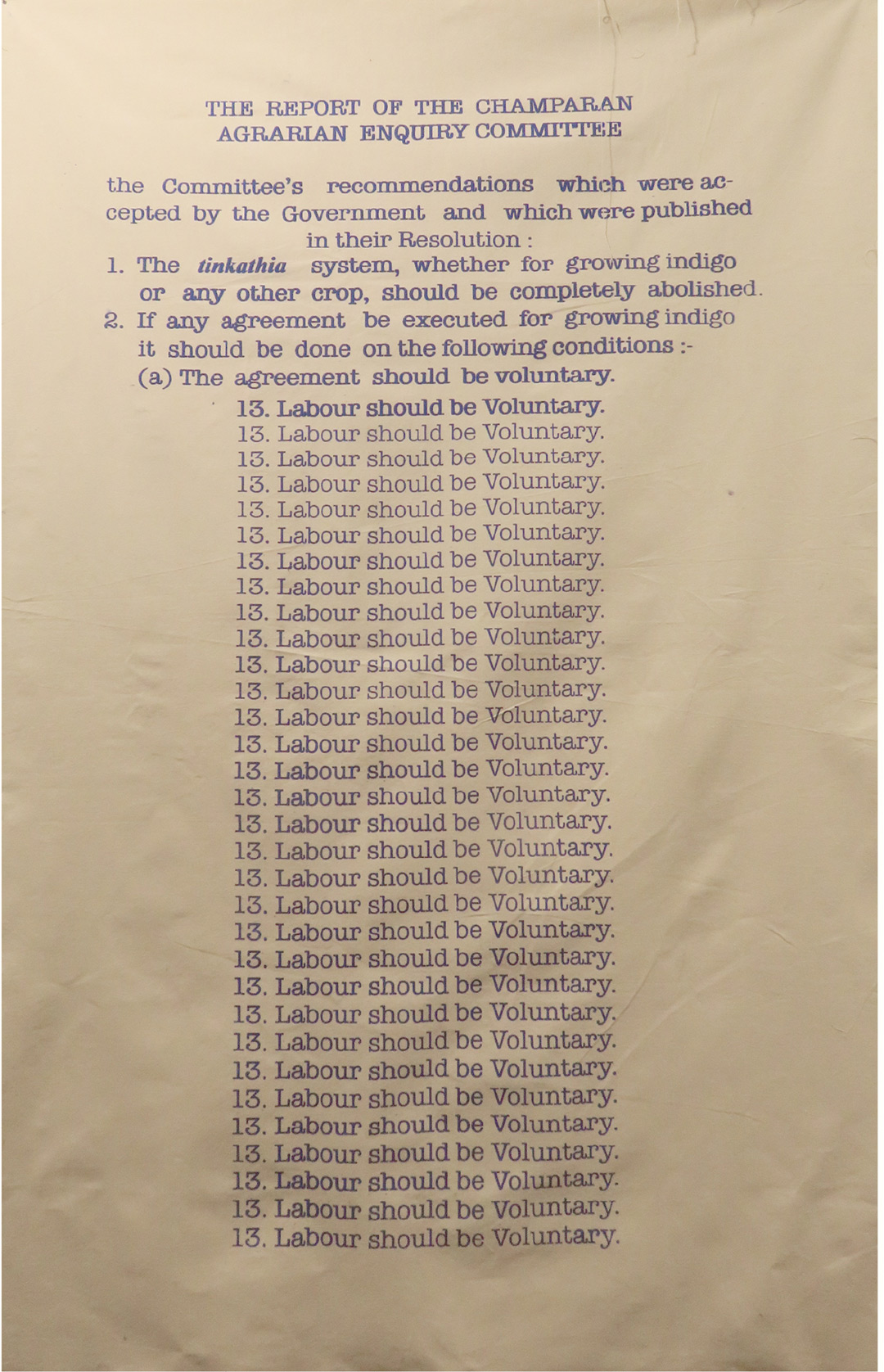
Seven Yards of Blue is open to the public until 25 October. There is no way you’d want to miss this project. It is inspired by an extensive artistic investigation into the Champaran Satyagraha, using Mahatma Gandhi’s own letters to show how the farming community was affected during the movement. Here is everything you need to know about it:

Everything You Need to Know


View this post on Instagram


A post shared by Hampi Art Labs (@hampiartlabs)

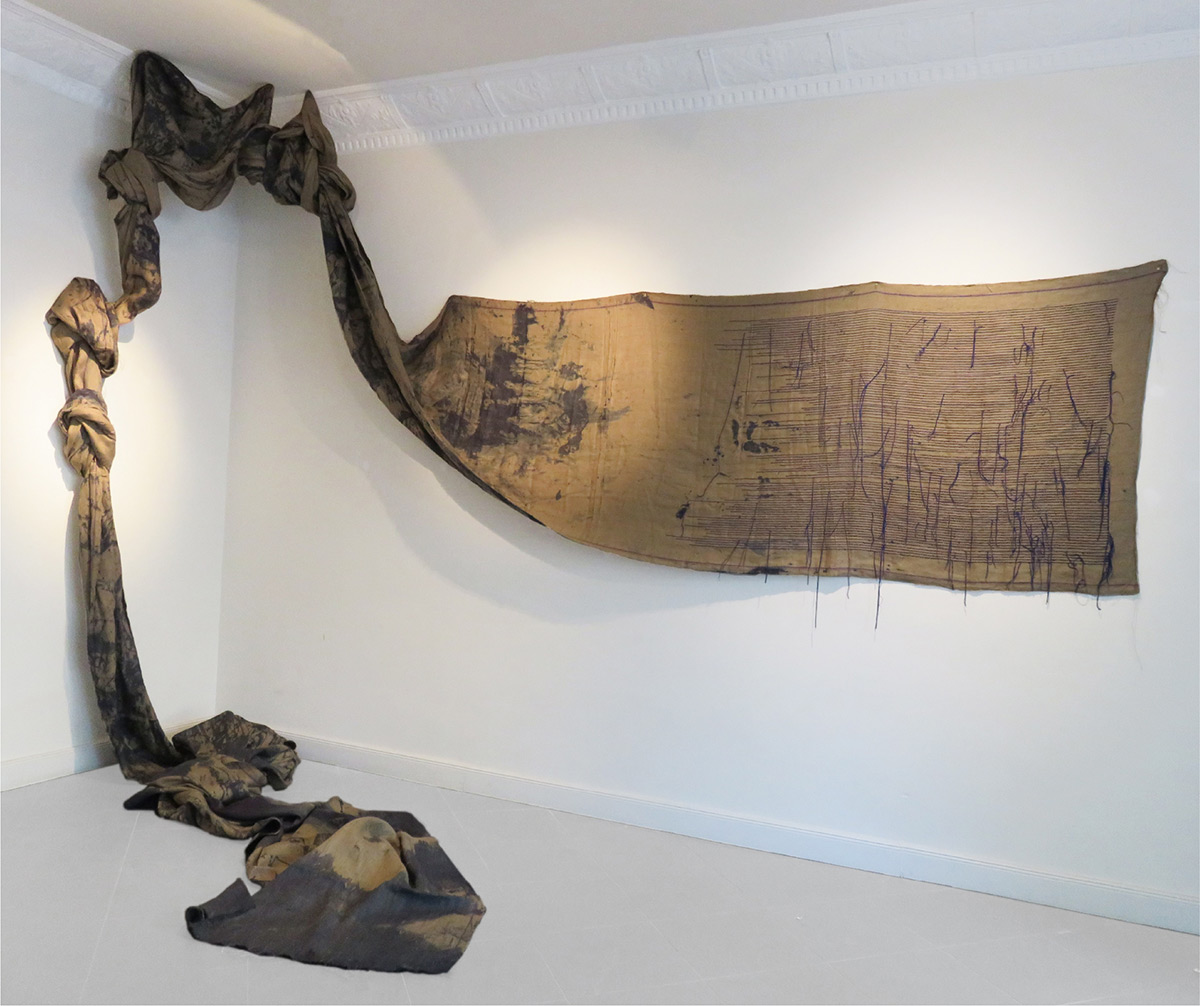
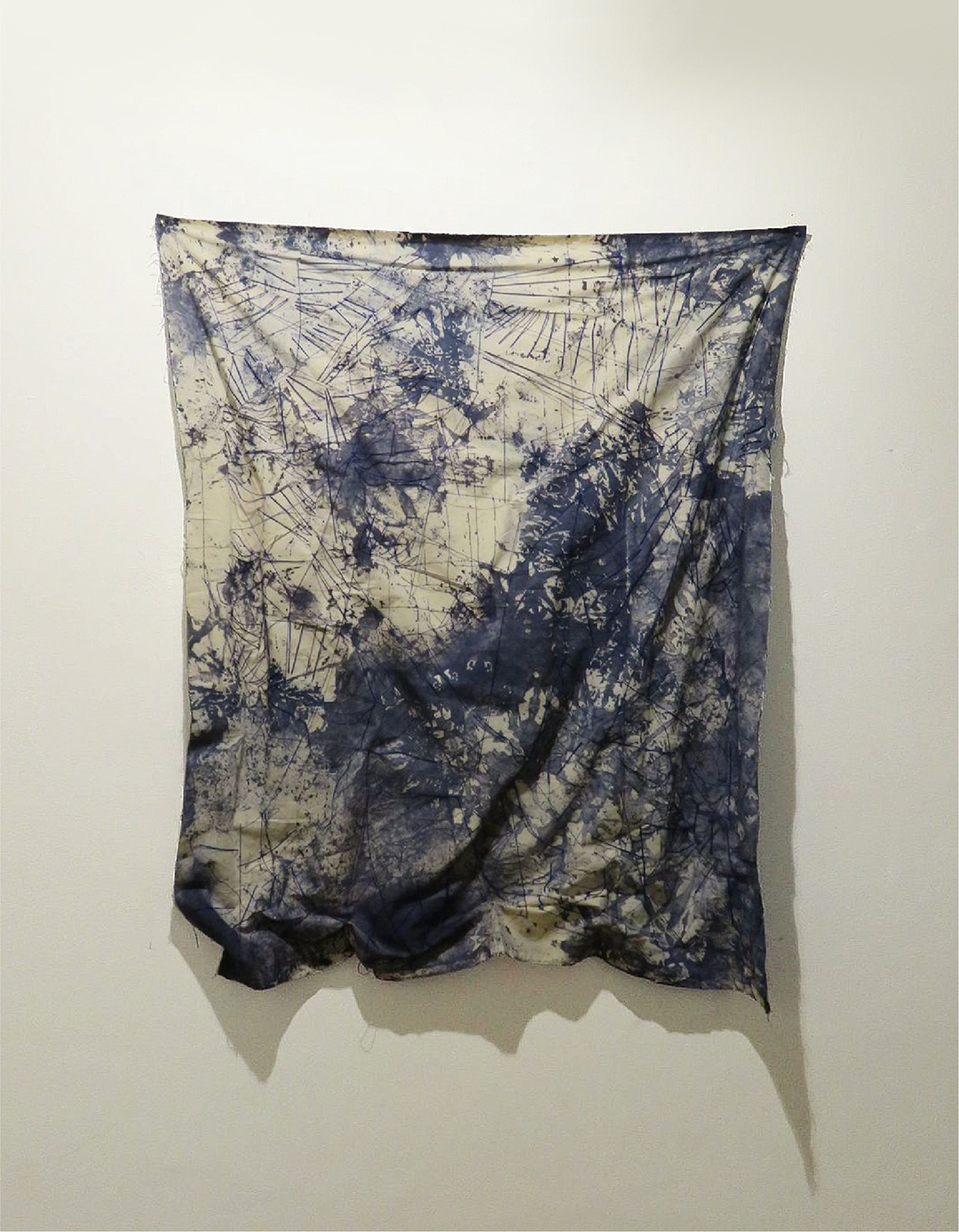
This is no ordinary art display. Nihalani has created an impressive, immersive setting that uses a powerful mix of textiles and sculpture. Her work directly confronts history, vividly showing the immense difficulties faced by indigo farmers under colonial rule. She takes those crucial historical events and skillfully connects them to contemporary art, creating an important conversation between the past and the present.

Event Details
Title Seven Yards of Blue
Artist Meenakshi Nihalani
Award First recipient of the TEAS (The Emerging Artist Solo) Award
Venue Anupa Mehta Contemporary Art (AMCA), Colaba, Mumbai
Dates October 13 – October 25, 2025
Curator Anupa Mehta
Supported by Hampi Art Labs (Artist Residency)
Theme Inspired by Gandhi’s Champaran Satyagraha (1917) and the indigo farmers’ struggle under colonial rule.

The Inspiration: Gandhi and the Farmers’ Fight

Meenakshi-Nihalani's-Filling-blues

The whole exhibition focuses on the spirit of the Champaran movement, which Gandhi initiated in 1917. It was India’s first large-scale effort at civil disobedience designed to put an end to the coerced cultivation of indigo. 

Meenakshi not only studied the event, but also drew emotional and historical force from Gandhi’s letters written to each other during that difficult time. Her installations tell the moving, human story of the farmers who refused to give up, focusing on lasting ideas like justice, standing up for what’s right, and self-reliance.

Anupa Mehta, the gallery owner and curator, was clearly enthusiastic:

We are truly excited to show Meenakshi’s powerful work at AMCA as a tribute to Mahatma Gandhi during this special month. This exhibition gives us all a chance to think about how relevant justice and self-reliance still are. We plan to keep having many more important conversations through the TEAS award in the years to come, and we hope to keep encouraging new talent to share their views on relevant social and economic issues through contemporary art.”

The Significance of the Material

It’s worth noting how Meenakshi uses her materials. By focusing on textiles, she links the work back to the very fabric of the colonial economy, and Gandhi’s eventual push for Khadi. The blue of indigo, which provided unimaginable wealth to the colonizers and a precarious life for the farmers, emerges as the prevailing, often haunting, color in the installation. The textiles themselves hold the weight of labor, history, and exploitation, which renders deeply personal the farmers’ struggle for every viewer of the art.

Why the TEAS Award Matters

TEAS-Labour-should-be-voluntary

The TEAS award and its exhibition are held every year to help artists whose work bravely addresses social and economic issues, giving them a vital start. Supporting new voices like Meenakshi’s guarantees both the global and Indian art worlds can continue to have important conversations.

The opening night attracted a terrific mix of artists, collectors, critics, and the general public longing to see the powerful mix of art, activism, and history on show. 

This is an experience not to be missed! You have until October 25 to see how Meenakshi Nihalani makes history, a modern, moving, and tangible experience!

ART MUMBAI 2025: Cultures Collide at Mumbai’s Racecourse Fair

0
ART-MUMBAI-2025
File Photo

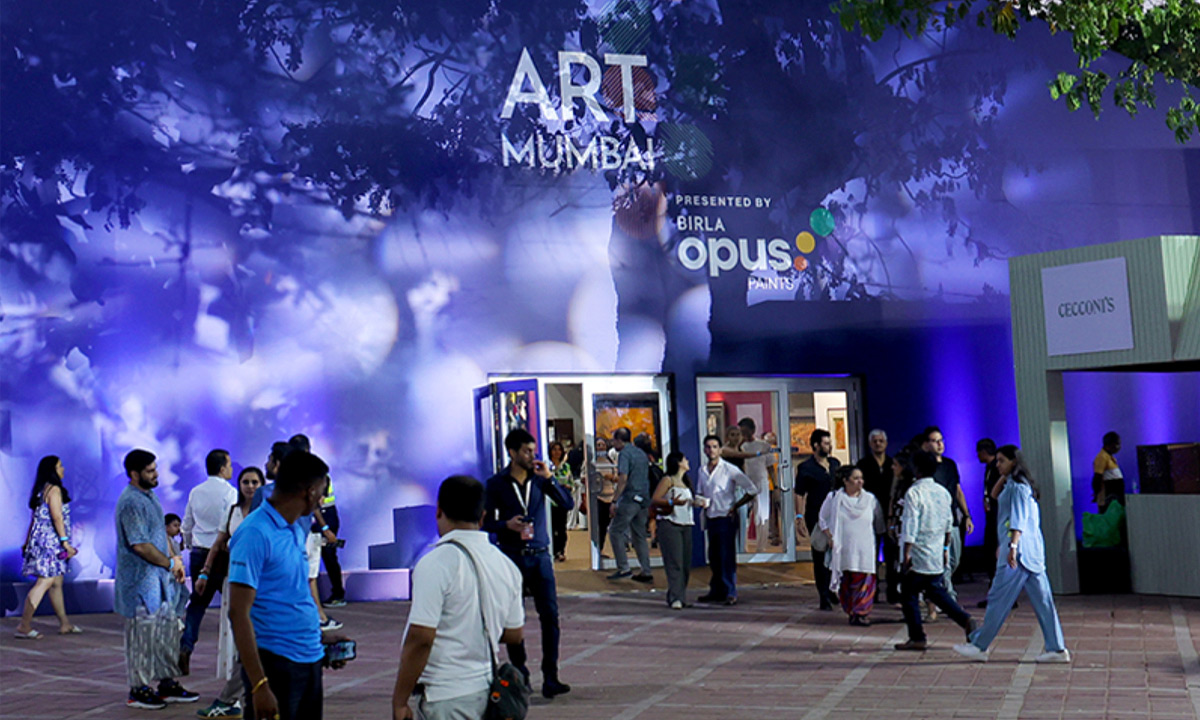
Mumbai’s Mahalaxmi Racecourse will spark with creativity in mid-November as ART Mumbai (Nov 13–16, 2025) returns for its third edition. This four-day event, presented by Birla Opus, is projected not simply as a market but as a global festival entailing culture and dialogue. ART MUMBAI aims to place art at the heart of the city, bringing together a truly cosmopolitan crowd, subjecting them to exceptionally chosen works of contemporary artists. The artworks will be exhibited in the galleries of South Asian and International labels. Following the festive season, Mumbai’s spirit will be rejuvenated with the spirit of art. 

Art Mumbai

 In just two years, Art Mumbai has established itself as the city’s most vibrant art fair. Last year, 70 galleries from India and abroad were placed, creating a cosmopolitan environment where people who cherish art flocked in. On display were works by legends like Pablo Picasso and Andy Warhol, which sat alongside the South Asian art. For instance, Galleria Continua, Ben Brown Fine Arts, and New York’s Aicon Gallery participated in 2024, bringing Picasso’s prints and Warhol’s silkscreens into Mumbai’s frame of perceptions. At the same time, the fair fully celebrated its native artists as well, with installations and paintings by leading Indian artists everywhere, from Ravinder Reddy’s gigantic Devi sculpture to the Singh Twins’ miniature-inspired canvases; it was a blast. 

The artistic celebrations are also complemented by a full-fledged cultural programme to show the richness of the creative culture of India. Apart from the main exhibition halls, now hosting 82 exhibitors from around the world, the fair also includes artist talks, panel discussions, and performances, making the whole experience very immersive and engaging. This year’s topics for discussion include themes like “Collecting Culture: How, Why and When to Invest in Art”; global design dialogue, etc.. By integrating artistic endeavors with other performing arts and gourmet bites, ART MUMBAI aims to open a space where people shall not only indulge in intellectual pursuits but also engage with a community of tastemakers and trailblazers. It is set to be an experience, a platform to hold meaningful conversations, networking, exchange, and celebration.

Featured Galleries & Sections

Numerous prestigious Indian galleries like Vadehra Art Gallery (Delhi), DAG (New Delhi/Mumbai), Nature Morte (Delhi/Mumbai), and others will present four generations of South Asian art, from early modern masters to the latest stars, projecting a historical backing with each piece. Various leading international dealers, for example, Italy’s Galleria Continua and London’s Ben Brown Fine Arts will bring signature works by icons and will accompany the Indian artists. Gallery spaces dedicated to India will spotlight Indian modern masters (MF Husain, Tyeb Mehta) and contemporary celebrities (the Singh Twins), ensuring a pan-Indian narrative under one roof.

Highlight Description
Sculpture Walk A landscaped outdoor trail featuring over 20 sculptures and installations across the racecourse lawns — blending urban vitality with natural calm.
International Masters Global galleries like Galleria Continua and Ben Brown Fine Arts present works by legends such as Picasso and Andy Warhol alongside South Asian artists.
Indian Galleries South Asian heavyweights including Vadehra Art Gallery, DAG, Nature Morte, and Emami Art showcase four generations of Indian modern and contemporary art.
Speaker Series Panel discussions, artist talks, and cultural dialogues covering themes like “Collecting Culture,” design trends, and cross-border art exchange.

The fair also partners with foundations and institutions. In 2024, three cultural foundations participated; while details for 2025 are still emerging, notable trusts or museums are expected to host special displays. For example, last year saw installations inspired by Mumbai’s heritage alongside global pop art.

The fair’s global outreach is vividly evident. A gallery press release mentions that Gallery Isabelle (Mumbai) will feature works by artists Richi Bhatia, Vikram Divecha, and Abdelkader Benchamma at Art Mumbai 2025, displaying a balanced blend of Indian and international creative voices. In fact, the fair itself demonstrates “the very best Modern and Contemporary art from South Asia and beyond” in a carefully curated exhibition. Local design sponsor Birla Opus is working to adorn the surroundings with colourful backdrops and displays, and the District’s co-founders rally the digital-age collector by handling ticketing. The fair is duly perceived on a dual scale, both as a commercial hotspot to incentivize the creative works and also as a cultural summit that serves as a melting pot for people from different backgrounds, places, and identities. 

Why Art Mumbai Stands Out

Art Mumbai’s organizers have coined it a “cultural phenomenon,” and it’s literally translatable, as it successfully emerged as a vibrant art party in India’s financial capital. The racecourse setting combines greenery with urban grit, allowing collectors to roam under the open sky among art. The fair’s mix of Old Masters and young newcomers means a bookish professor and a Mumbai teenager might equally find something captivating. In its upcoming edition, ART MUMBAI 2025 promises a global spectrum; think Picasso next to a rising Mumbai painter, and Tibetan prints by Tsherin Sherpa adjacent to Indian miniatures. This syncretic admixture encompasses an eloquent space where art enthusiasts will gather around to cherish, celebrate, and engage in this exchange. The prime emphasis, though, is on dialogue – between eras, between countries, and between the art world and the local public.

Key Highlights

  • When & Where: ART MUMBAI 2025 — 13–16 Nov at Mahalaxmi Racecourse, Mumbai; tickets via District Updates.
  • What it is: More than an art fair — a festival-like platform for global dialogue, discovery, and shared cultural experience.
  • Program mix: International masters (Picasso, Warhol) alongside South Asian stalwarts (e.g., Ravinder Reddy) and dedicated zones for emerging artists.
  • Experiential highlights: Sculpture Walk and large outdoor installations, plus a robust speaker series of talks, panels, and performances.
  • Why it matters: Unique racecourse setting and festival vibe make it both accessible to the public and essential for collectors — equal parts culture and commerce.

Well, ART MUMBAI does sell masterpieces and high-design novelties, but what it also offers is an immersive experience, a picture of cross-cultural exchange, a blend of family-friendly fun with world-class art, and last but not least, a place of mental refuge and rejuvenation. The fair captures and reflects Mumbai’s energy as a global metropolis. From Ravinder Reddy’s colossal heads to Picasso’s elegant sketches, from panel discussions on investment to live Kathak dance on the lawns, the fair illustrates how art can unify different communities. Ultimately, what makes Art Mumbai stand out is its inclusive spirit. It is as much about celebration as about commerce, and as one organizer put it, “a celebration of the city and its art.”

A Legacy in Blue: Qatar to Unveil the World’s Largest M.F. Husain Museum

0
World’s-Largest-M.F.-Husain-Museum-in-Qatar-01
Image Courtesy – Qatar Foundation

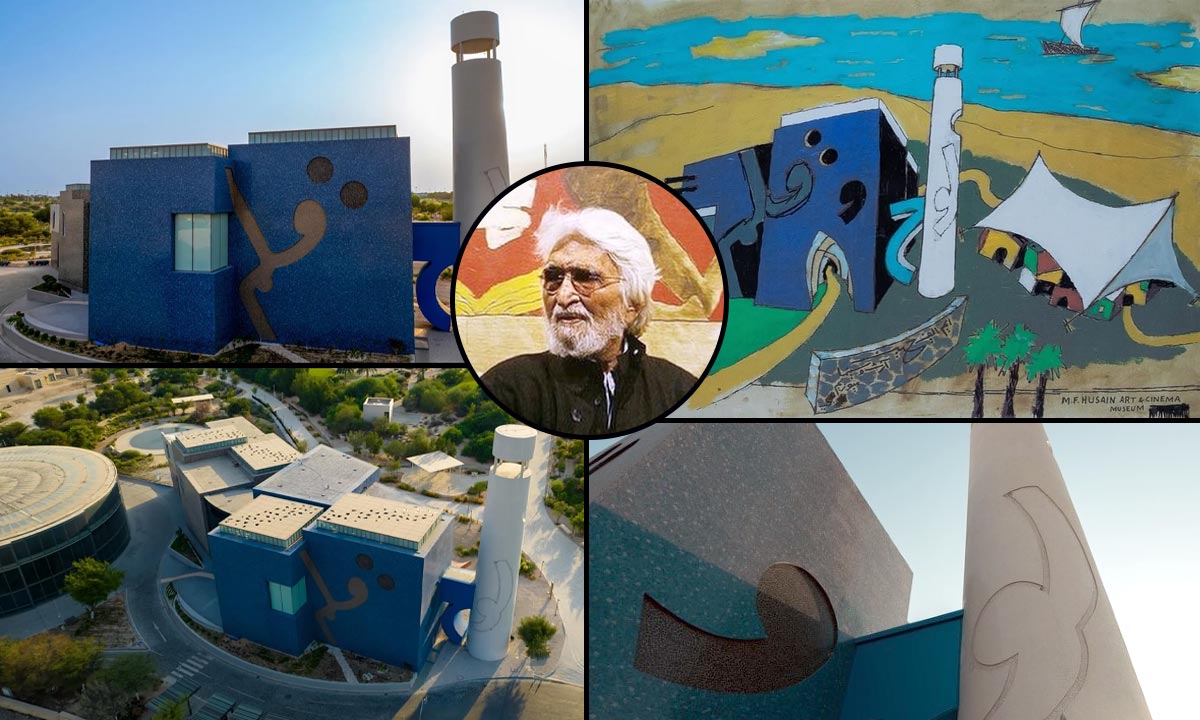
Doha’s Education City is poised to welcome a purposeful establishment on November 28, 2025, Lawh Wa Qalam: M. F. Husain Museum. Spanning about 3,000 square meters, it will be the world’s first and largest museum dedicated solely to a single artist, the late Maqbool Fida Husain, an Indian modernist artist. The museum will trace Husain’s artistic journey from the 1950s until 2011, i.e., till his demise, announced The Qatar Foundation. 

In doing so, it creates a “home in Doha” for one of India’s most celebrated painters.

Design Inspired by Husain’s Vision


View this post on Instagram


A post shared by Sutton (@sutton)

The very facade of the edifice, with a rich cobalt-blue hue punctuated by calligraphic motifs along with a white tower, is an undeviated adaptation from a 2008 sketch, Art & Cinema Museum”, by Hussain himself. Qatar’s press release noted that the architecture was “born from a sketch by Husain himself and realized by architect Martand Khosla”. Based on photographic references, the facade appears to be an “Arabic letter-like apertures”. Also, the name Lawh Wa Qalam, christened by the Qatar Foundation, literally translates to “canvas and pen”, emphasizing a very thoughtful trail of Hussain’s lifelong pursuit of art and storytelling. Architecture critics opined that the museum itself stands tall as a ‘piece of art’.

A Museum of Many Media

Among the themes of display, curators will showcase the whole corpus of Hussain’s multimedia coverage. The permanent collection will include film, painting, photography, poetry, and installation paintings, to late abstract compositions. A portfolio of Husain’s canvas works, spanning from early figurative paintings to late abstract compositions, will be exhibited, alongside his poetry and the films he directed. Qatar Foundation aims to magnify the objectivity of being at the museum as an “immersive, multi-format encounter” with Husain’s work. Considering Hussain’s great career, the museum will feature both his Bollywood-inspired sketches as well as his mega projects. 

Exhibit Title Description & Notable Features
Arab Civilization Series A suite of 35+ large paintings commissioned by Her Highness Sheikha Moza bint Nasser. The works explore historic and contemporary Middle Eastern motifs through bold figuration and color.

  • Monumental canvases with theatrical scale
  • Fusion of Indian narrative style with Arab iconography
  • Reflects Husain’s late-career engagement with regional histories
Seeroo fi al ardh (“Walking in the Earth”) Husain’s final magnum opus — a large-scale, multimedia animated installation featuring life-size Murano-glass horses and racing cars on a rotating platform.

  • 20-minute animated and kinetic installation
  • Murano-glass horses, moving vehicles, and theatrical lighting
  • Embodies Husain’s fascination with motion, folklore, and spectacle
Permanent Collection — Paintings, Film, Tapestry, Photography, Poetry The museum’s permanent galleries present six decades of Husain’s output — from early figurative canvases and modernist experiments to films, tapestries, and photographic series, along with his poetry and sketchbooks.

  • Multi-format curation combining paintings, moving image, and text
  • Educational displays tracing Husain’s evolution from the 1940s–2010s
  • Highlights the original sketch by Husain that inspired the museum’s architecture
Signature Motifs & Thematic Rooms Smaller galleries focus on Husain’s recurring preoccupations — horses, cinema and Bollywood, myth and folklore, and the human form — presented with comparative texts and multimedia.

  • Horses as a central motif throughout his career
  • Bollywood sketches and film excerpts curated interactively
  • Educational spaces designed for students and researchers

Husain’s Legacy and Global Significance

The Qatar museum deeply acknowledges Husain’s stature as an artistic spearhead. Often labelled as “the Picasso of India,” M.F. Husain (1915–2011) co-established Bombay’s Progressive Artists’ Group in 1947 and played a key role in establishing a modern Indian art language. His illustrious career, from just being a barefoot billboard painter to a distinguished modernist, carried both ovation and altercation. In the 1990s and 2000s, he faced menacing fuss in India over some Hindu-themed work and ultimately spent his final years in the Gulf (he received Qatari citizenship in 2010). In Doha, his legacy is very well celebrated and often looked up to. As Qatar Foundation’s community director, Kholoud Al-Ali observes, Husain’s “vision emerged from and resonated across different cultures, including here in Qatar, where he lived and practiced during his life”. As art commentators note, the museum is also a milestone for India’s cultural heritage. Sahar Zaman, an art journalist, predicts this will be “a great moment of pride for India”, as it is the first-ever museum devoted to a single Indian artist. From sketch to passage, from fragment to form, it is a journey that reframes how we see. In other words, the museum is itself the fulfillment of Husain’s own artistic dream – a place where education, culture, and Husain’s bold imagination synchronize.

Highlights and Key Facts

  • Opening: November 28, 2025, in Education City, Doha.
  • Size: ~3,000 sqm (≈32,300 sq ft), the largest collection of Husain’s work ever assembled under one roof.
  • Architecture: Designed by Martand Khosla based on a 2008 Husain sketch; features a bright blue box structure with calligraphic voids and a white minaret-like tower.
  • Collection: Husain’s paintings, films, tapestry, photography, poetry, and installations – covering six decades of work.
  • Highlights: 35+ paintings from the Arab Civilization series (commissioned by Qatar’s Sheikha Moza); the Seeroo fi al ardh installation of glass horses and cars.
  • Mission: An educational hub. The museum will include multimedia storytelling and learning programs aimed at inspiring creativity and critical thinking across generations

Takeaway

The Lawh Wa Qalam, M.F. Husain Museum is not merely an institution of commemoration, but an act of rejuvenation. It seeks to restore the artist’s positioning in the space of belonging that history momentarily denied them. The very fact that Hussain’s final vision is concretized and manifested in the city that provided him refuge is utterly thought-provoking. The city remembers him not only as an artist, but also dedicates a whole space to a person who encountered the place in exile. The depth of the objectiveness of this project stands tall as a testament that a person in the field of art never remains confined within fixed boundaries of suzerainty; they become global citizens, and they become a part of the cultural ethos of other nations as well. The creation of the museum from his own sketch blurs the hard and fast lines between architecture and autobiography, making the building itself an extension of Hussain’s canvas. It is a dialogue between the tangible cultures of India and Qatar, as it will continue to remind us that, between art and memory, it is creativity that liquifies all borders and nurtures the true passion of humans.

Deepotsav 2025: Global Ramleela in Ayodhya Featuring 90 Artistes

0

Deepotsav-2025-Ayodhya-02

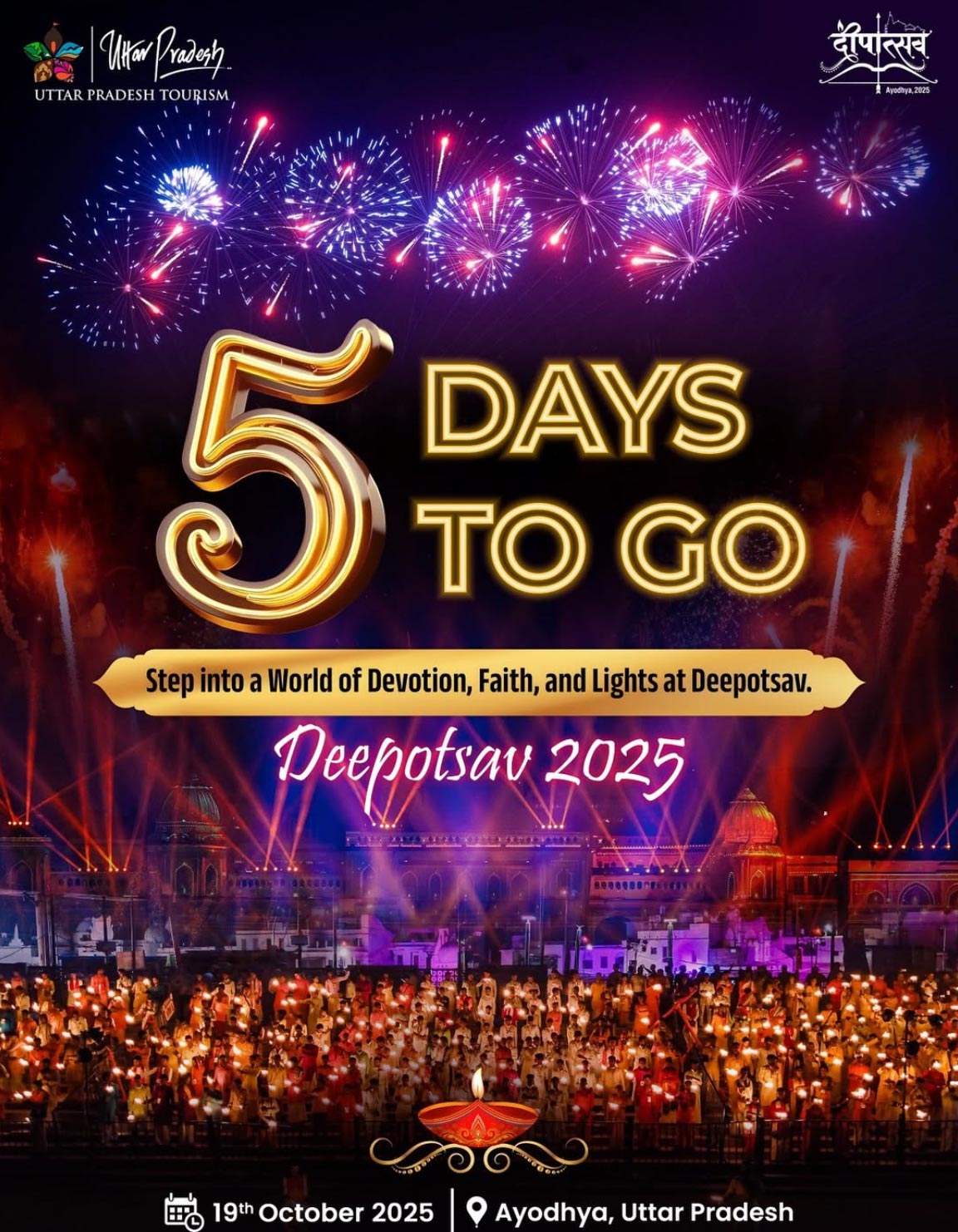
This Diwali, the sacred city of Ayodhya is about to grab the world’s attention once again. The buzz and excitement for Deepotsav 2025 are truly global this year.

This year, the focus is on making the event global, by incorporating live performances and participation by performers from five different countries. So prepare to see the epic story told in a way you’ve never imagined! We’ve got the scoop on everything you need to know about Deepotsav 2025.

The History of Deepotsav 

Ayodhya is revered as the birthplace of Lord Rama, and has recently come to prominence after the Rama Mandir in the city. The place is known to have been hosting the Deepotsave for the last 8 years to celebrate the return of Lord Rama after 14 years of exile.

The best part of the event is the grand Ramleela that is organised in the event, inviting the finest artists from across the country and abroad. The festivities include lighting of diyas, and worship of Lord Rama. 

Apart from this, Deepotsav has become a cultural symbol for Ayodhya. Last year, the Deepotsav gained prominent fame by setting two Guinness World records- for hosting the most number of people performing the diya rotation simultaneously, and for the display of 25,12,585 oil lamps. 

This year, the event is ready to set the bar higher and invite the finest artists from over five countries to perform in the Ramleela, making it the biggest Ramleela of all times.

Event Detail
Event Name Deepotsav 2025 – Global Ramleela Celebration
Date Friday, October 17, 2025
Venue Sarayu Ghats, Ayodhya, Uttar Pradesh
Key Attraction Global Ramleela with 90 artistes from 5 countries – Russia, Thailand, Sri Lanka, Indonesia, and Nepal
Special Highlight Lighting of 28 lakh earthen lamps across 56 ghats, aiming for a new world record
Chief Guest Yogi Adityanath, Chief Minister of Uttar Pradesh

What to Expect from Deepotsav 2025

This year’s Deepotsav is going to be different from anything you have witnessed till now. There are five participant countries this year- Russia, Thailand, Sri Lanka, Indonesia, and Nepal. Artists from these countries are going to perform on stage of Deepotsav 2025, making the celebration one of its kind.

Here’s Who’s Performing:

Russia: 

Fifteen performers will stage the beautiful Swayamvara ceremony, where Ram and Sita are married. Their presentation will combine classic Russian theater techniques with the spiritual feeling of the Indian epic.

Thailand: 

Ten artistes will use their nation’s signature classical dance-drama to act out the dramatic conflicts, including the confrontations with Shurpanakha and Maricha, leading up to the final clash between Ram and Ravana.

Sri Lanka:

22 performers from Sri Lanka will grace the stage with their performance. The country is known as the land of Ravana. There, Ravana is revered as a divine being, and the performers plan to showcase the same.

Indonesia:

10 performers from Indonesia will highlight the scene of burning of Ravana’s Lanka and the subsequent return of Lord Rama to his land and kingdom.

Nepal:

33 performers are coming from Nepal. These performers aim at highlighting the valour of Lakshman, Lord Rama’s younger brother who accompanied him to the vanvaas. This performance is aimed at representing a distinct perspective, apart from the Sita-oriented view point of the whole Ramayana.

The Grandeur of Deepotsav 2025

This Deepotsav is going to be the biggest of all. This is the ninth edition, and is greater than the previous eight editions not only in terms of the size of the event, but also in terms of its impact and cultural significance.

The 2025 Deepotsav is all set to break all previous records and set a new world record by lighting 28 lakh earthen lamps along the Sarayu ghats of Ayodhya. This will take place on October 17, 2025. 56 ghats along the river are going to be lit with earthen lamps during this event. 

What makes it even more significant is the fact that the Chief Minister of Uttar Pradesh, Yogi Adityanath, and other dignitaries will attend the event.

You definitely don’t want to miss being a part of this grand event. Book your tickets for Ayodhya now and be a part of this magnificent event this Diwali.

Suggested read: Uttar Pradesh Culture – A Microcosm of Multicultural India

We Were Always Neighbours: When Art Crosses Borders at Asia Now 2025

0
Jibran-Shahid-Zephyrus-(Unicorn)
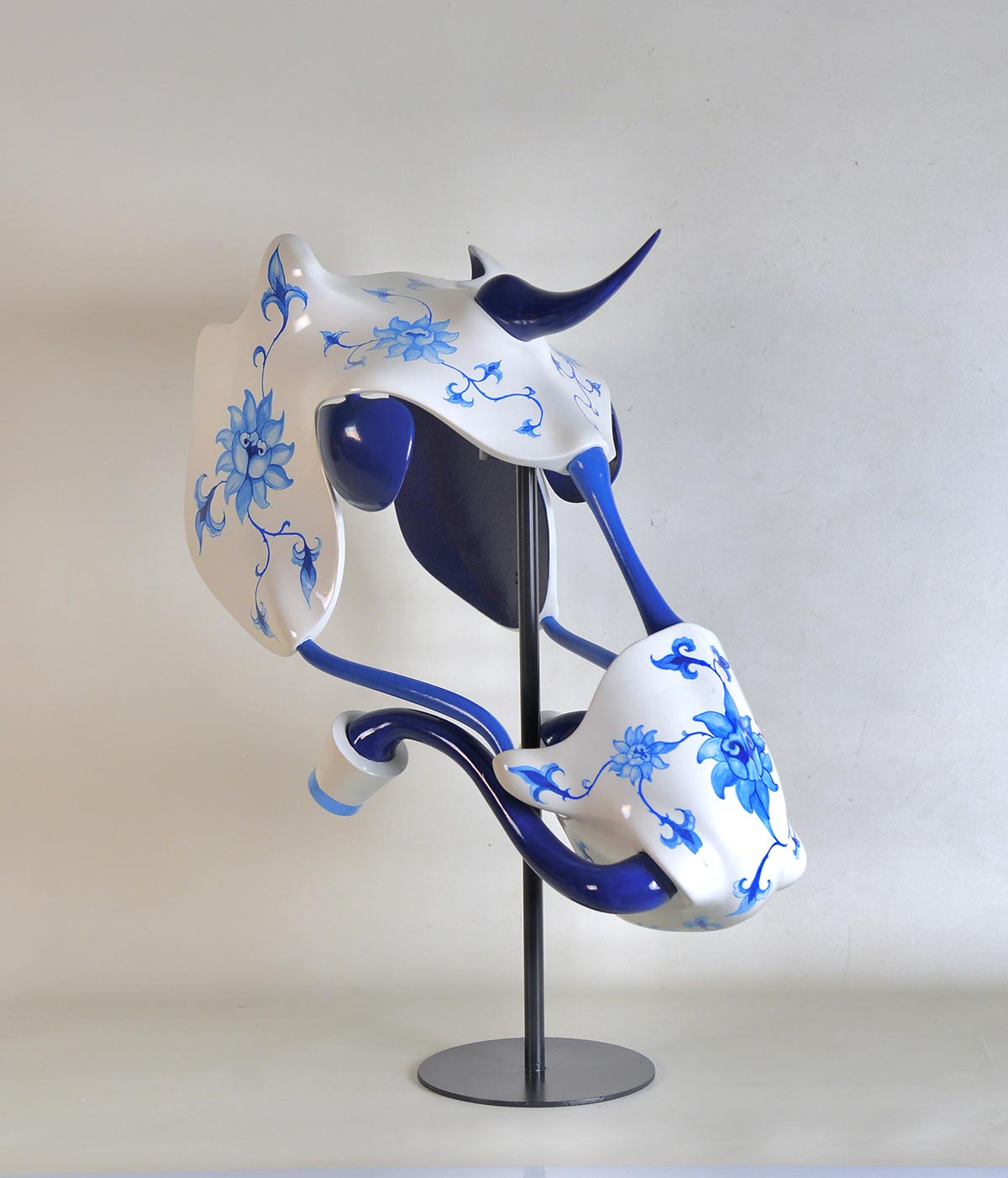
Jibran Shahid Zephyrus – Unicorn

The geopolitical map of South Asia is defined by a deep cut, a border signifying rupture. But what if art could mend that tear? This is the radical, yet quietly profound, premise of “We Were Always Neighbours”, a special showcase set to captivate visitors at Asia Now 2025, running from October 21 to 26 at the venerable Monnaie de Paris.

Curated by Sahil Arora, the smart Founder and Gallery Director of Method (India), this exhibition is a powerful counter-story. It’s an important cultural gift that brings together fresh, young artists from both India and Pakistan, proving that a shared ground of feeling, history, and creation lasts, pushing back against the separations made by politics.

The Third Space: Mapping Our Inner Worlds

Shivangi-Kalra-(Split-ends)
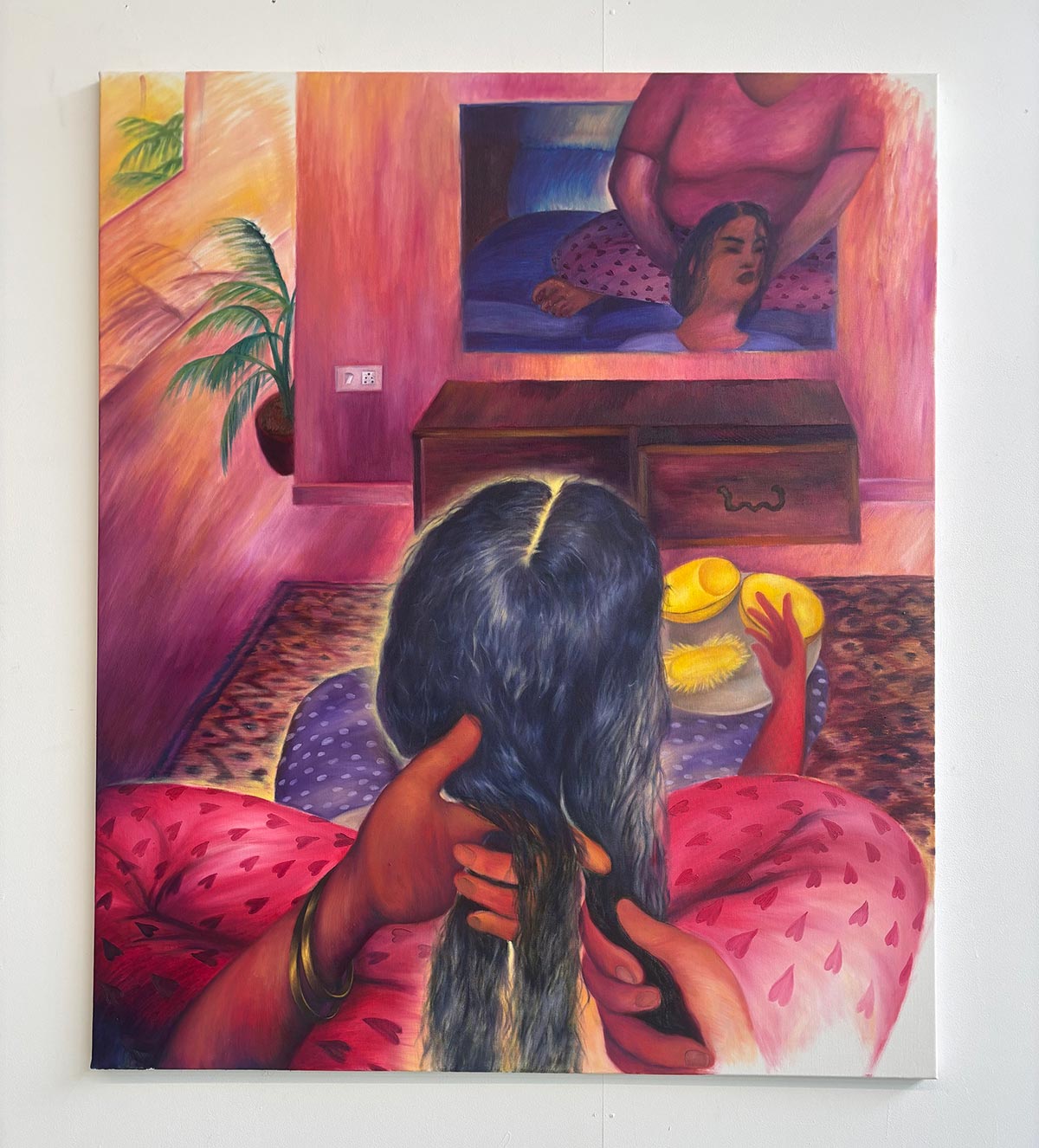
Shivangi Kalra – Split ends

Within the fair’s Third Space section, a dedicated area called “The Corridor” gathers works that are intimate, surreal, and symbolic. These pieces, made by artists from both nations, chart internal geographies. They explore shared themes: feminine spaces, decoration, old stories, and small, quiet acts of resistance.

The artists featured in “The Corridor” create a layered map of shared imaginations: Fatima Kaleem and Shamir Iqtidar from Pakistan; and Shivangi Kalra, Gargi Chandola, Darshika Singh, and Viraj Khanna from India.

Art Beyond the Frame: Action, Memory, and Scale

Fatima-Kaleem-Khan-8.07-AM
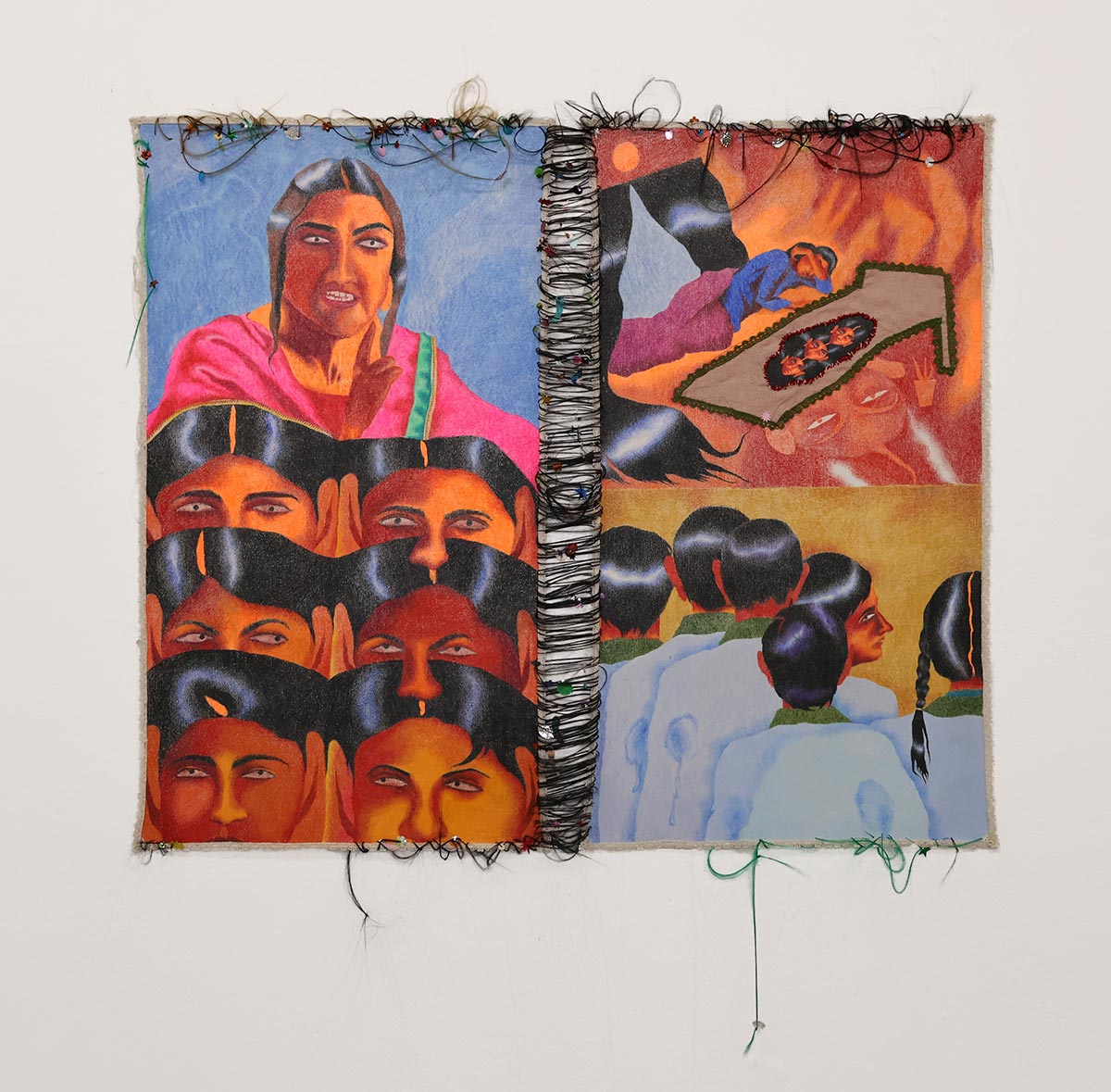
Fatima Kaleem Khan – 8.07 AM

Going past the main gallery walls, site-specific installations will be shown across the Monnaie de Paris. These works respond to the building’s architecture, material, and size, turning hallways and courtyards into spaces for both surprise and deep thought.

This includes small, personal pieces and large, complex installations:

  • Many pieces arrive “folded in” unframed canvases, drawings on paper, and small items that carry the touch of handwork and the clear energy of youth.
  • Others are bigger and made specifically for the location, often created with the help of other good spaces, including Rajiv Menon Contemporary (Los Angeles) and Tao Art Gallery (Mumbai).
  • Some works won’t last: live gestures, bodies in motion, and rituals of sound that exist only in the moment and leave no trace.

This collaborative approach reflects the heart of Method’s practice, extending the conversation into wide networks of support and shared vision.

All Participating Artists: A Common Kinship

Darshika-Singh-Departure
Darshika Singh – Departure

The exhibition features a diverse group of emerging artists, showcasing the wide range of contemporary practice within the region:

Artist & Country Exhibition / Theme
Exhibition Title We Were Always Neighbours
Curator Sahil Arora, Gallery Director – Method (India)
Venue Monnaie de Paris, Paris, France
Dates October 21 – 26, 2025
Theme Cross-border collaboration through shared imagination, resistance, and contemporary practice
Participating Artists (India) Darshika Singh
Gargi Chandola
Kunel Gaur
Mohd. Intiyaz
Sajid Wajid Shaikh
Sehaj Malik
Shivangi Kalra
Tarini Sethi
Viraj Khanna
Participating Artists (Pakistan) Ammama Malik
Fatima Kaleem Khan
Jibran Shahid
Shamir Iqtidar
Tazeen Fatima
Concept Art as a bridge beyond borders — redefining shared histories, identities, and emotions through collaboration.

The Philosophy and Paris Stage

The entire project is deeply rooted in the philosophy of Method, which believes art is about conversation, change, and the continuous questioning of form and certainty. As founder Sahil Arora notes:

“We Were Always Neighbours is rooted in an ethos of connection—across borders, across practices, across disciplines. Asia Now’s commitment to host a presentation of this nature, with a spotlight on young emerging voices, is remarkable and a refreshing change from traditional industry practices.”

France, with its long history of engagement with South Asia through film, literature, and diplomacy, provides a perfect platform. It has always found a way to host dialogue even when official politics go silent. This show continues that spirit, gathering young practices that speak many languages but carry one shared wish: to reach across the border and stay in relation.

Exhibition Details for Your Visit

This exhibition is more than just something to look at; it’s an invitation to step into a space of flow and connection. This is your chance to see these powerful, young artists challenge the usual narratives and prove that shared history is the true story.

  • Exhibition Title: We Were Always Neighbours
  • Curator: Sahil Arora, Gallery Director – Method (India)
  • Venue: Monnaie de Paris, Paris, France
  • Dates: October 21 to October 26, 2025

We Were Always Neighbours stands as a gentle yet powerful reminder that creativity transcends geography. Curated by Sahil Arora of Method (India), the exhibition transforms the walls of the Monnaie de Paris into spaces of healing, dialogue, and shared memory. By uniting young artists from India and Pakistan, it challenges the silence that borders often impose and celebrates a cultural kinship that has never truly disappeared.

Through their works—painted, performed, or lived—these artists redefine connection in a divided world, proving that art remains one of humanity’s most fearless acts of liberation.