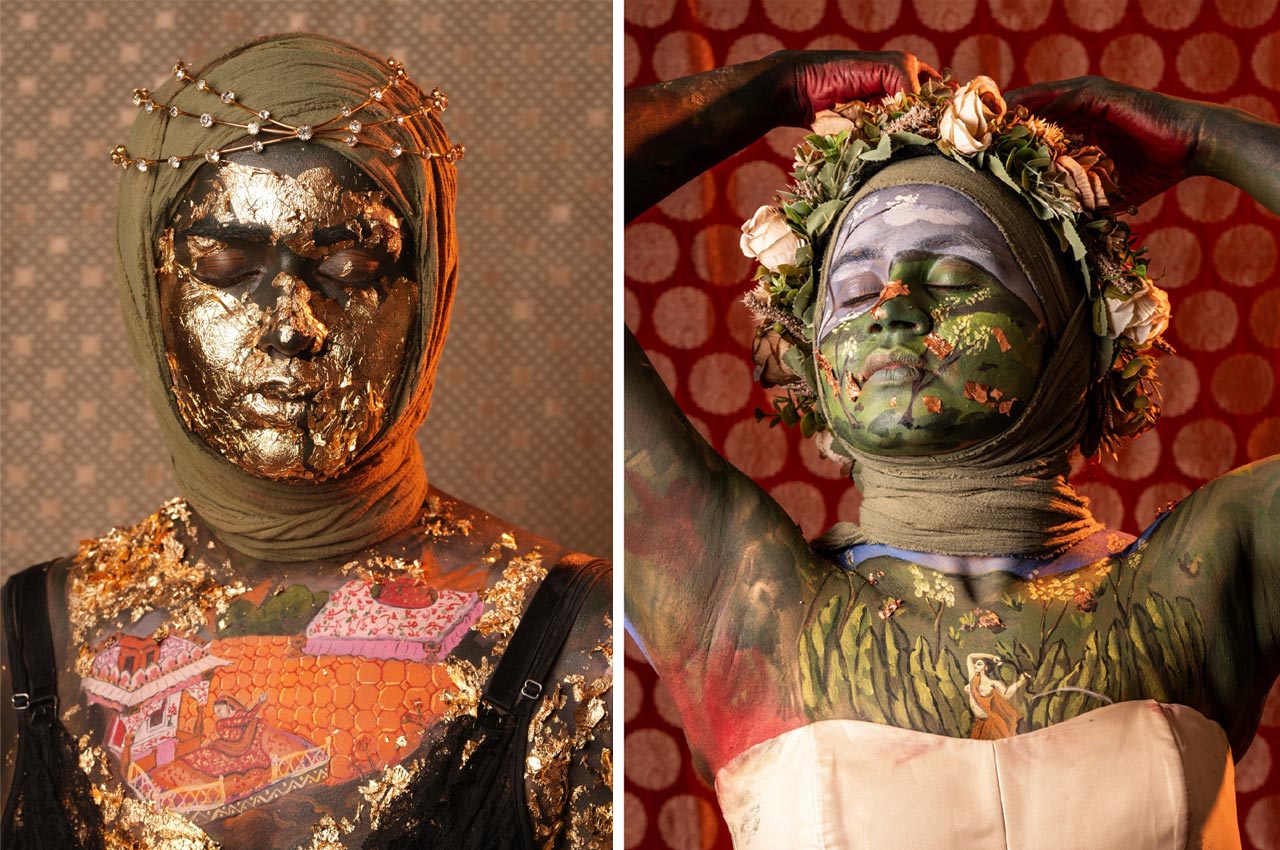
Design Democracy 2025: Hyderabad Set to Become India’s Design Hub

0
Design-Democracy-2025-Hyderabad-01
Image Courtesy – designdemocracy

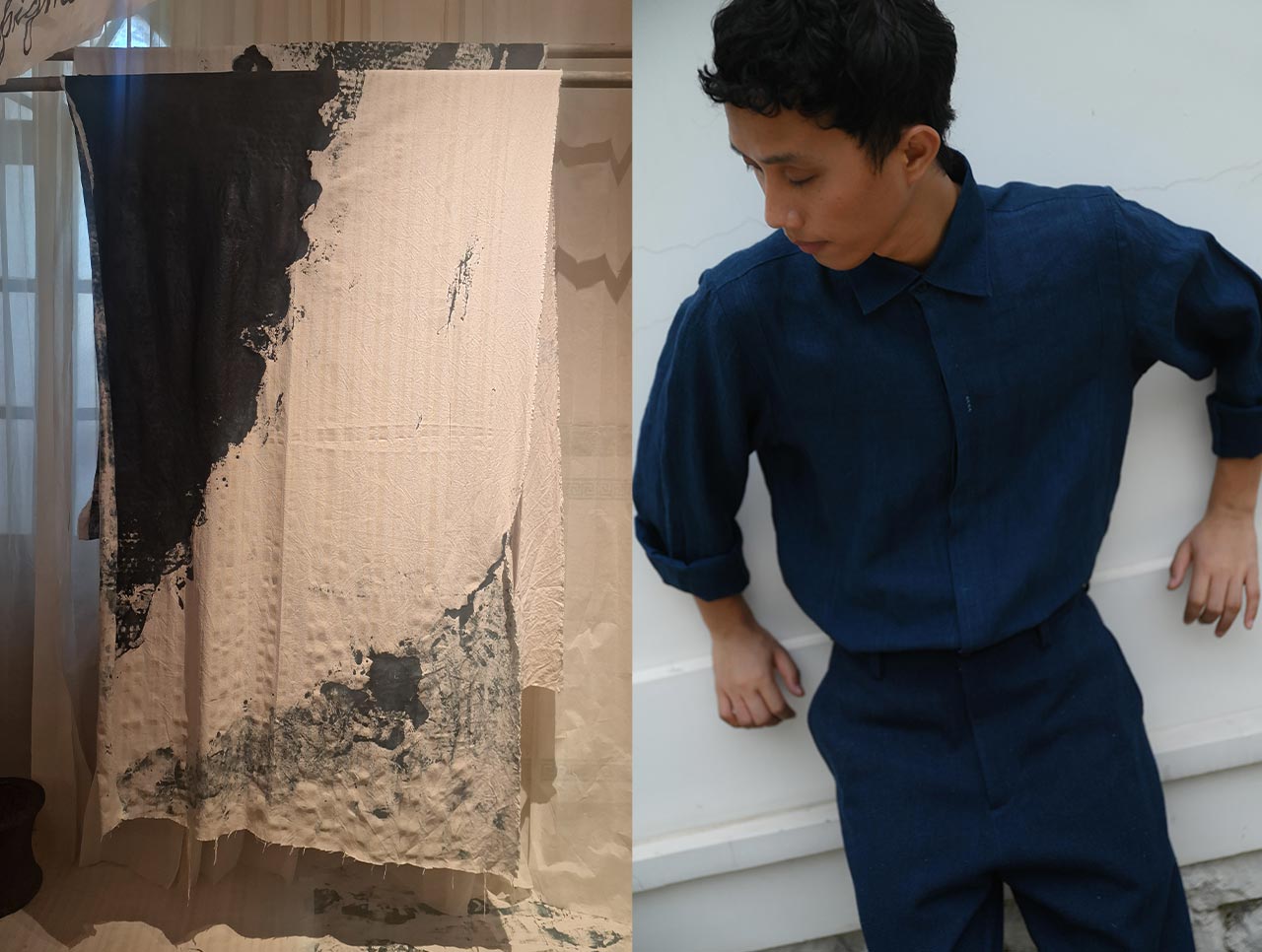
In Hyderabad from September 5–7, Design Democracy 2025 will be held at the HITEX Exhibition Center, featuring interior design, product design, art, visual culture, and more. This three-day festival is more than just an interiors exhibition—it’s a live showcase of creativity, where artistry meets sustainability and legacy blends with cutting-edge innovation.

Event Detail Information
Event Name Design Democracy 2025
Dates Friday, 5 September – Sunday, 7 September 2025
Venue HITEX Exhibition Centre, Halls 1 & 3, Hitex Road, Izzathnagar, Kothaguda, Hyderabad, Telangana 500084
Opening Preview VIP Preview: Thursday, 4 September 2025, from 6:00 PM (by invitation only)
Open Exhibition Hours Thursday, 4 September (invite only): 10:00 AM – 5:00 PM
Friday & Saturday, 5–6 September: 11:00 AM – 8:00 PM
Entry & Ticket Options General Admission: ₹499 per person
Student Pass: ₹299 (valid student ID required)
VIP Access: ₹1,499 (includes priority entry & lounge access)
Tickets available online via BookMyShow
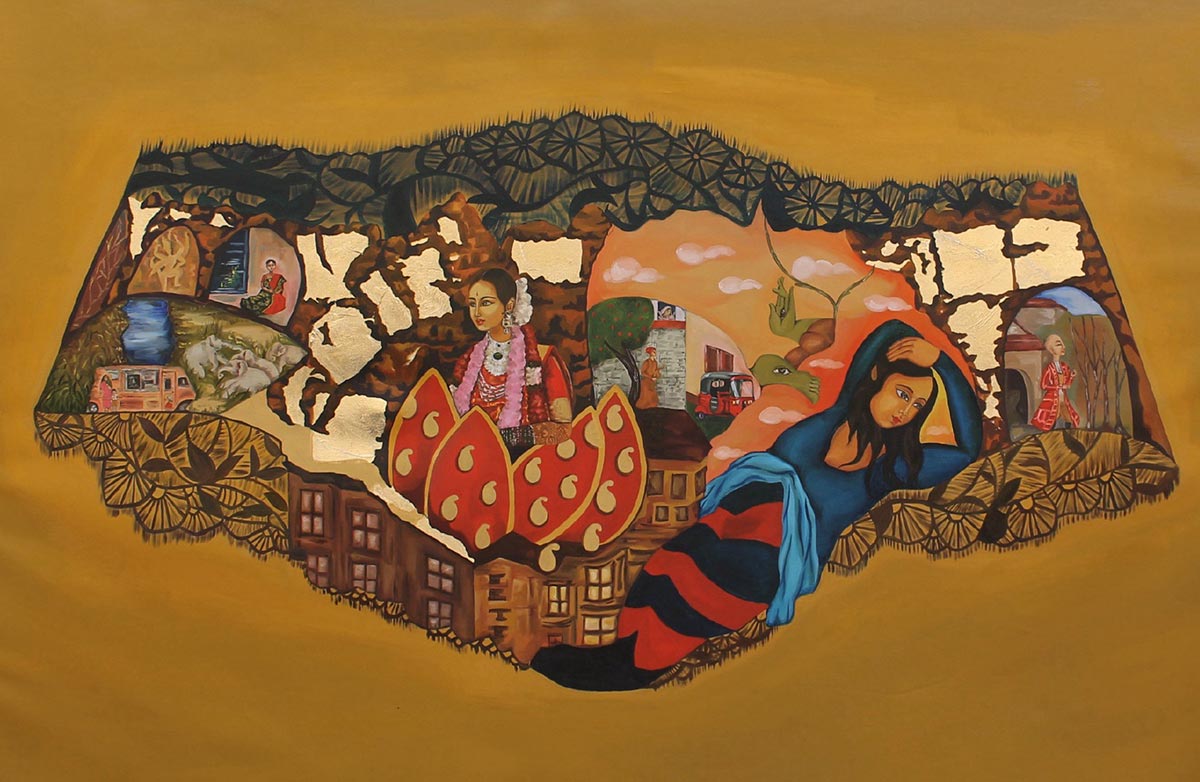
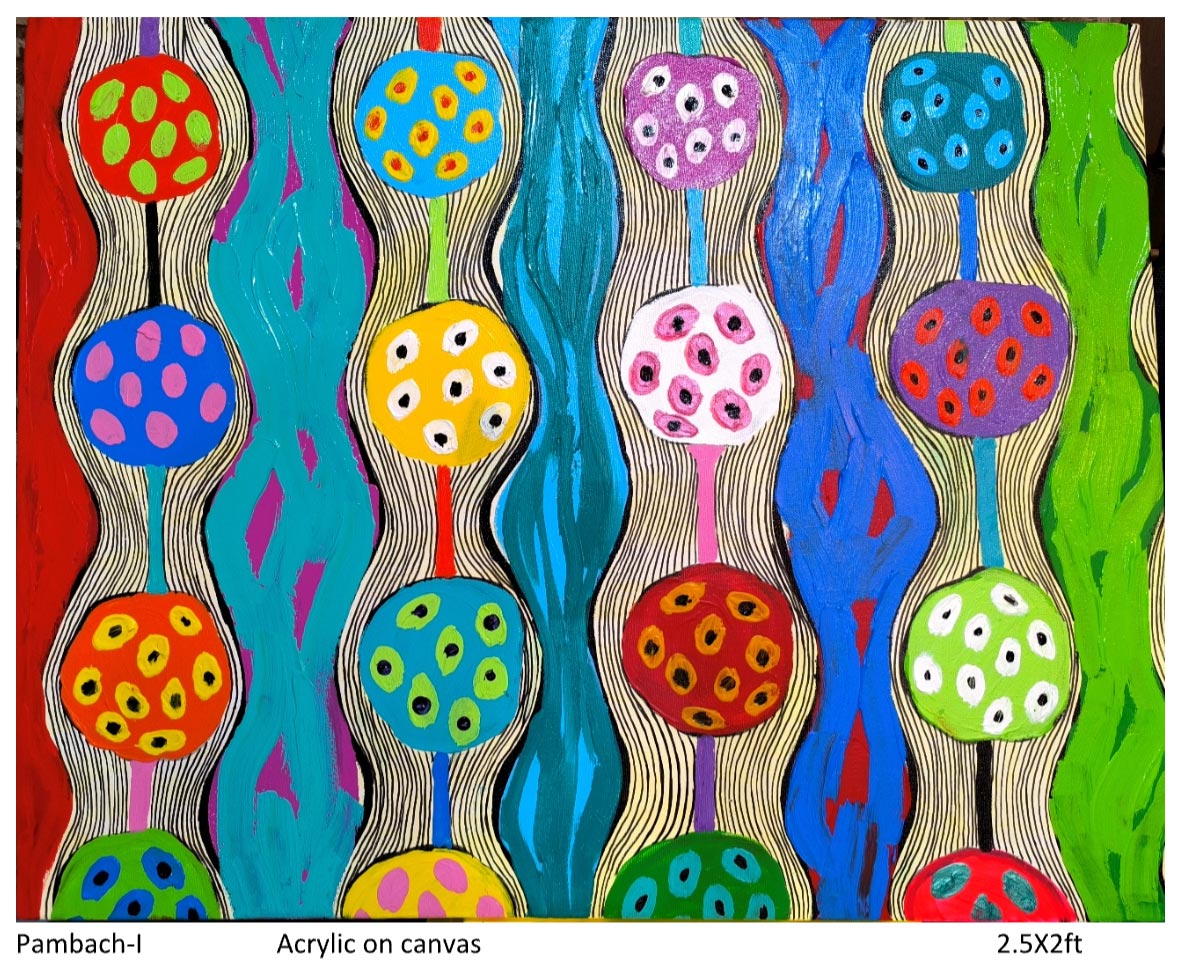
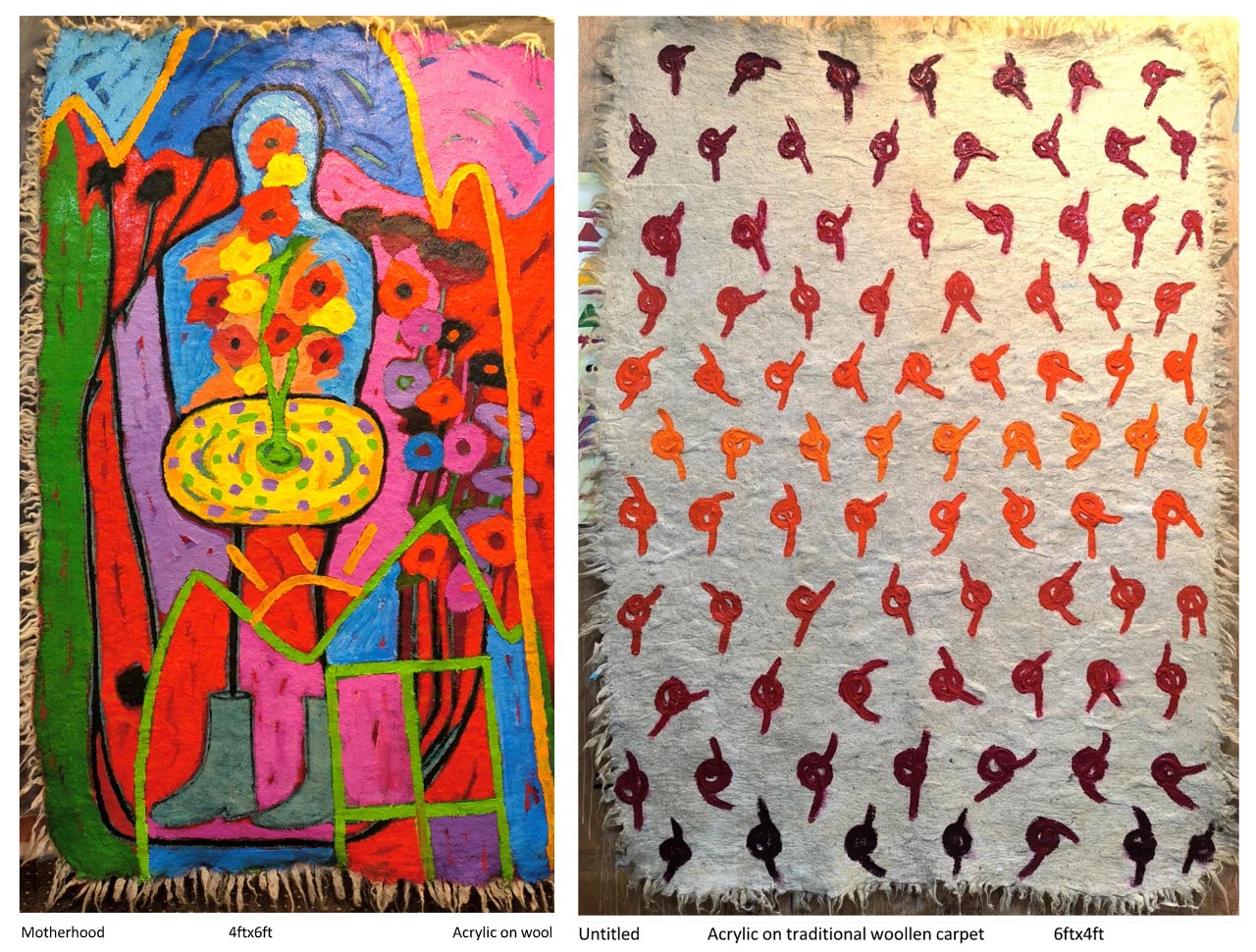
Highlights Over 120 luxury & exclusive brands showcasing statement furniture, lighting, textiles, artisanal surfaces, and contemporary art; immersive pavilions, F&B zones, curated installations, and interactive sessions.
Speakers & Talks 80+ reputable speakers in “DD Talks” on topics such as sustainable cities, design ethics, cultural preservation, and material innovation.
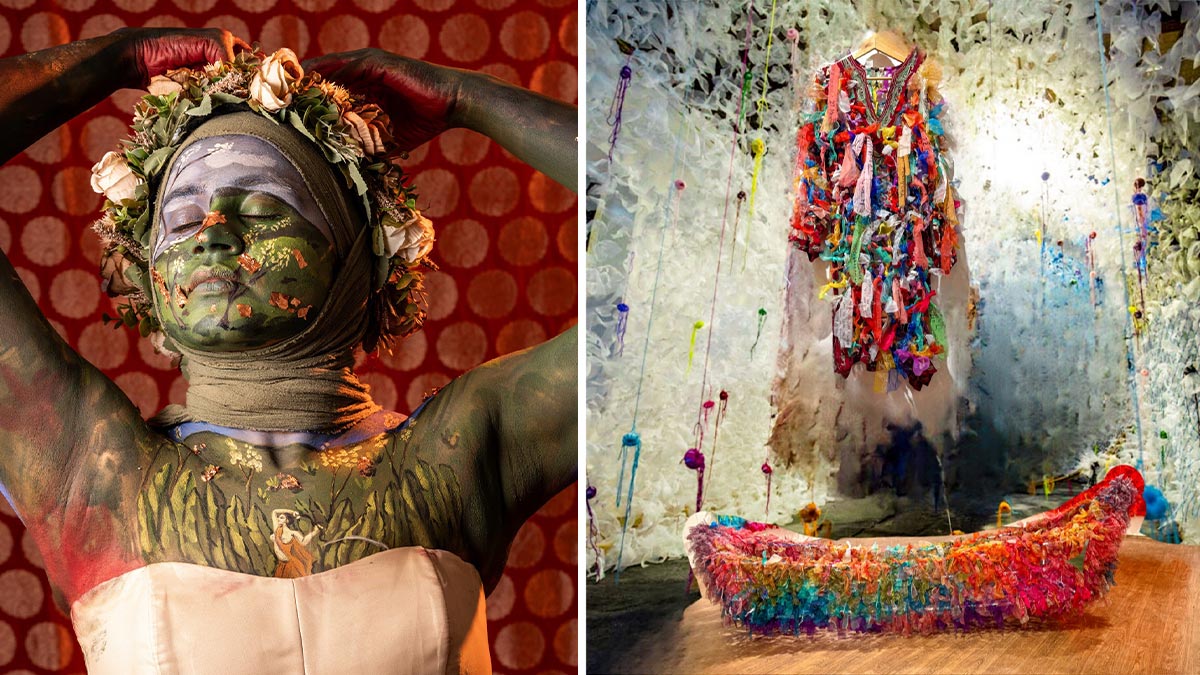
Cultural Showstoppers Four immersive galleries — “Museum of Telangana,” “Gallery of Sustainability,” “Precious Objects,” and “FLOW” — exploring materiality, craft, heritage, and movement.

What is Design Democracy?

Design Democracy is a celebration of design and interior décor, bringing the finest creativity, craftsmanship, and innovation together in one inspiring venue. It is more than a product showcase; it is an experience with the luxury brands, visionaries, and thought-leaders in a meaningful conversation on what the future of living spaces will be. The event showcases design as a universal language through immersive pavilions, cultural installations, and interactive talks, combining heritage and modernity, sustainability and style, ideas and real-world impact.

Few cities can balance centuries-old architecture with a desire for modern luxury like Hyderabad. That distinct culture makes it an ideal setting for Design Democracy’s third edition. This is more than just an exhibition; it is a statement about Hyderabad’s readiness to be regarded as India’s design hub. It is a place where the country’s most influential voices and visionary brands gather to shape the future of how we live, work, and interact with our spaces.

Key Highlights of Exhibition 

The main highlights of the exhibition are: 

  • Over 120 of the best and most exclusive brands will showcase the latest statement furniture, statement lighting, exquisite textiles, artisanal surfaces, and contemporary pieces of art.
  • More than 80 reputable speakers will exchange ideas on topics ranging from sustainable cities and design ethics to cultural preservation and material innovation.
  • Four cultural showstoppers, immersive galleries that push boundaries and explore questions beyond the obvious, will captivate visitors.

Brands Involved

  • Museum of Telangana (MOT) – a poetic journey into shelter by Supraja Rao that asks us to look at a tree as more than a source of shade, but something we can inhabit as well.
  • Gallery of Sustainability – co-curated by Abin Chaudhuri and Snehashri Nandi, which raises the question on how we design to last and to be conscientious.
  • Precious Objects – personal art by Farah Ahmed, art and subtle feeling.
  • FLOW – Sweeping space-transforming intervention by Nuru Karim that alters the flow of the visitors through the festival and their feelings about it.

The Three Pavilions: Atelier, Canvas, Muse

Rather than a trade-show format, Design Democracy 2025 presents three tightly curated pavilions, each with its own identity:

  • Atelier – a commemoration of craftsmanship, where materials convey histories.

  • Canvas – a platform where cultural stories are expressed through design.

  • Muse – a playground of inspiration where ideas of creativity come to life.

Each area is created to be an experience rather than a show- blending the concept of an exhibition and an exploration.

The Gourmet Xone: 

Sculptures will be placed along the walkways with creative names like Artcafe, Krsna Mehta, Leidenschaft, RM Homes, Cult of Collectibles, and House of Katachi so even the in-between areas will be an artistic experience.

There is a Gourmet Zone too. In this case, the most creative chefs in Hyderabad will turn food and beverage into art. Think of having a locally inspired cocktail and chatting about the philosophy of architecture with a designer you look up to in this event.

Organizers Vision

The chief organizer is the Charcoal Project as the title sponsor with Beautiful Homes by Asian Paints, ANCA, Bondtite, FIMA, Dimore, Osum, Marble Centre International and West Elm. Media partners are Design Anthology, Architecture+Design, India Today Home, and others. So the discussions begun here will reverberate well beyond Hyderabad.

Conclusion 

Design Democracy is not just a demonstration of beautiful things. It is the ideas becoming reality-reimagining the places we live and work, challenging the manner in which we make, and reveling in the beauty of craft that makes ordinary life possible. In a world where there is a need for uniformity, this serves to remind us of the worth of cultural specificity, sustainability and human connection. Design Democracy 2025 is sure to be an innovative exhibition in Hyderabad, and the design community of India.

Role of Women in the Independence Movement of India

10

India needs to dearly hold sacred its independence. For generations, the cloak of the British Rule that had grappled, sometimes with force, sometimes with injustice, the very essence of freedom that is the basic right of every individual citizen, was thrown over after many attempts. And hence, the Independence of this nation was won in ways and by its people in unprecedented ways.

Men of honor had a significant role to play in the freedom struggle. However, surprisingly, women too led from the front and emerged as game-changers in the quest for independence.

India Before 1857

Role-of-Women-in-the-Independence-Movement-of-India-Rani-Velu-Nachiyar

Women leaders made a significant mark of their valor and will as early as in the 18 century and set the stage for emphasizing that women were in no way willing to be relegated to the backdrop of the freedom struggle.

  • Maharani Velu Nachiyar (1730 – 1796) bravely fought with the British army decades before the 1857 Revolt. She probably remains the only queen to have defeated the British army successfully.
  • Gauri Parvati Bai who was queen of Travancore carried out reforms and emphasized on the need for education of girls thus in many ways helping women elevate from social and educational stigma.

1857 Revolt

Women-in-the-Independence-Movement-of-India-Rani-Lakshmi-Bai
Image – Wikimedia

Fearless Women Warriors of the 1857 Revolt

However, the 1857 Revolt saw many stalwart women participants in the freedom struggle that have gone down as legends in the history of Indian Independence.

  • Rani Lakshmi Bai dressed up as man and fought alongside her battalion bravely against the British army.
  • Begum Hazrat Mahal refused to be bogged down by the Doctrine of Lapse and reclaimed Awadh from the British as well as reinstated her young son as king. However after the fall of Lucknow she had to flee to Nepal.
  • Rani Avantibai Lodhi of Ramgarh, Rani Tace Bai, Rani Jindan Kaur, Jhalkaribai and Uda Devi are other historical women who fought with the British army during the revolt.

Icons of Resistance and Leadership

Besides their strength and courage at battles with the British armies, notable Indian women also paved way for social change.

Pioneers of Social Reform and Women’s Rights

Savitri Bai Phule, the first female teacher in a first women school also opened a school for the untouchables and worked tireless for women rights. Helping her was Tarabai Shinde known for her published work Stri Purush Tulana considered as one of the first modern Indian feminist perspectives.

Suggested Story: Greatest Women Warriors of India Every Indian Should Know

Early 19th century

The early 19th century saw the freedom struggle take full swing and women from across all castes and class took the baton of being equally responsible and dedicated to the national cause. Where men of stature, such as, Mahatma Gandhi, Nehru, Subhash Chandra Bose and Chandrasekhar Azad emerged as leaders in their own right, women stalwarts too matched them step to step. In fact, undoubtedly women freedom fighters have made significant contributions to the independence movement and in many ways the coordinated synchronization between the two has been an important landmark in the gaining of Indian independence.

Sarojini Naidu

Role-of-Women-in-the-Independence-Movement-of-India-03-Sarojini-Naidu
Mahatma Gandhi and Sarojini Naidu via Wikimedia

Sarojini Naidu, also known as the Nightingale of India, was a notable poet and writer. She travelled throughout India from 1915 to 1918, giving lectures on social welfare, women’s empowerment and nationalism.

  • She also made the women of India more aware and brought them out of the kitchen to work and join the fight for the country.
  • She also contributed to and established the foundation of the Women’s India Association (WIA) in 1917.
  • She was the president and an excellent leader in the Civil Disobedience Movement and the Salt Satyagraha Movement, leading from the front.

Annie Besant

Role-of-Women-in-the-Independence-Movement-of-India-Annie-Beasant
Annie Beasant via Wikimedia

Annie Besant was a notable British theosophist and reformer, and a supporter of Indian Independence. She was interested in Theosophy, a religious movement formed by Hindu concepts of karma and reincarnation in 1875.

  • Besant was a member of the Theosophical Society and later the leader, she propagated their beliefs around the globe, particularly in India.
  • Besant visited India initially in 1893 and afterwards settled there, participating in the nationalist struggle in India. In 1916, she founded the Indian Home Rule League, and became its president.
  • She was also a leading member in the Indian National Congress. A social reformer, labor organizer and strike leader, was also actively involved in setting up schools and colleges to support educational activities. 

Madam Cama

Role-of-Women-in-the-Independence-Movement-of-India-05-Madam-Cama
Madam Cama via Wikimedia

Madam Cama or Bhikaji Cama was an ardent freedom fighter who immensely contributed to the early years of the Indian battle for freedom and campaigned for women’s role in society.

  • She has drawn attention to the Indian struggle as a passionate nationalist. Although she was exiled for 35 years, her quest for liberation did not leave a stone untouched.
  • On August 22, 1907, Madam Bhikaji Cama became the first to hoist the Indian flag on foreign land in Stuttgart in Germany.
  • She recalled the horrific effects of a famine which had smashed the Indian subcontinent in calling for human rights, equality and autonomy from Great Britain. 

Kamala Nehru

Role-of-Women-in-the-Independence-Movement-of-India-06-kamala-nehru
Kamala Nehru – via inuth.com

Kamala Nehru joined the country’s fight for freedom with the Non-Cooperation Movement in 1921. Once known as a quiet person, she emerged as a strong woman and broke all stereotypes in the Indian Independence struggle, uniting with her husband in the movement.

  • She started a big protest, together with other women pioneers, against the shops in Allahabad selling alcohol and foreign fabric.
  • When her husband Jawaharlal Nehru was imprisoned by British for delivering a speech deemed as ‘seditious’, she went in his place to deliver it.
  • Although her husband was incarcerated months ago, Kamala Nehru maintained her fight for freedom and established a dispensary for injured warriors in Nehru’s mansion—Swaraj Bhawan.
  • Together with other women volunteers, Durgabai and Kamaladevi Chattopadhyaya, she also organised no-tax campaigns.

Vijay Lakshmi Pandit

Role-of-Women-in-the-Independence-Movement-of-India-07-Vijaya-Lakshmi-Pandit
Vijaya Lakshmi Pandit via speakingtigerbooks.com

Vijay Lakshmi Pandit, the first woman to become the president of the United Nations General Assembly had an illustrious career spanning over decades. She was among the few to revolutionize women’s roles in national construction as a campaigner, minister, ambassador, and diplomat—fields then typically regarded as male pursuits.

  • In the British era, she was one of the first women cabinet ministers to demand for the Indian constituent assembly to frame a Constitution.
  • When the resolution endorsed by the congress was tabled by the United Provinces in 1937, she did not coat any words and declared the Indian Government Act, 1935 “wholly unsatisfactory.”
  • In the years 1932-1933, 1940, and 1942-1943 in connection with civil disobedience campaigns, she was arrested three times and imprisoned by British people.

Aruna Asaf Ali

Role-of-Women-in-the-Independence-Movement-of-India-08-Aruna-Asaf-Ali
Aruna Asaf Ali via Feminisminindia.com

Aruna Asaf Ali played a pivotal role in the Quit India Movement unfurling the flag in Bombay to signify the start of the movement. She edited ‘Inquilab’ a monthly journal of the Indian National Congress and was awarded the highest civilian award the Bharat Ratna.

  • During the Salt Satyagraha, Aruna Asaf Ali participated in a number of nonviolent riots. For this, the colonial authorities quickly arrested her.
  • In 1931, the Gandhi-Irwin pact guaranteed that all individuals who were detained during the Salt Satyagraha would be released. However, it did not include Aruna Asaf Ali. Only a vigorous protest for her release by the other women freedom activists and Mahatma Gandhi helped her case.
  • She was not involved in politics when she was released, but became an active member of the underground movement by the end of 1942.

Kalpana Dutta

Role-of-Women-in-the-Independence-Movement-of-India-07-Kalpana_Datta
Kalpana Dutt via Wikimedia

Kalpana Dutta joined the Republican Indian Army of Surya Sen in 1931 which had been engaged a year earlier in the Chittagong attack. For the revolutionaries, she used to build bombs and work as a courier agent. She had the duty of attacking a European club in Chittagong the same year, accompanied by Pritilata Waddedar. However, one week before the raid Kalpana was detained during a reception in the region. She went underground following her release on bail.

  • In 1933, however, Kalpana was arrested and imprisoned for life. Mahatma Gandhi visited her in prison in the midst of public protests. Kalpana was released from prison six years later.
  • In 1940 she joined the Indian Communist Party and three years later married PC Joshi, a prominent party leader.
  • Kalpana was dedicated to relief efforts during the Bengal famine and Bengal division in 1943 upon her release from prison.
  • At 81 in Kolkata she died. The principles of Netaji Subhash Chandra Bose had a great influence on her.

Kasturba Gandhi

Role-of-Women-in-the-Independence-Movement-of-India-08-Kasturba-Gandhi
Kasturba Gandhi via Pintrest

Kasturba Gandhi worked with Mahatma Gandhi all through her life and was the leader of the Women’s Satyagraha. She always assisted her husband in almost all his movements. A key difficulty for Kasturba was her worsening health.

  • In Borsad, Gujarat, she nevertheless took part in a Satyagraha (non-violent resistance) campaign. Over the years, Kasturba Gandhi became part of the Indian freedom movement and was involved in campaigns and demonstrations of civil disobedience.
  • Women from all over India looked to Kasturba for inspiration and regularly asked her to organize marches and protests. Together with Gandhi and other freedom fighters, Kasturba was arrested again in 1942 for participating in the Quit India Movement.
  • The inspirative champion breathed her last in Aga Khan Palace in Pune where she had been imprisoned after a life of struggle and protest.

Usha Mehta

Role-of-Women-in-the-Independence-Movement-of-India-09-Usha-Mehta
Usha Mehta via Dailyasianage
  • Usha Mehta who as a child participated in the ‘Simon Go Back’ movement, realized that her true calling was her nationalist spirit and broadcasting for the Congress Radio during the Quit India Movement.
  • Usha Mehta said to her father that education had to wait and left her house to help the movement for freedom. No knowledge of her whereabouts was available for a fortnight. The British seemed to have been able to silence the Quit India campaign, as over 100,000 protesters were detained, or hidden, with important leaders. Now a secret radio station had been revived by Usha.
  • In addition to her partners (the owners of Chicago Radio, the person supplying equipment and technicians), Vithalbhai Jhaveri, Chandrakant Jhaveri, Babubhai Thakkar,  Nanka Motwani, Gandhiji’s and the other major leaders messages were broadcasted here.
  • Dr. Ram Manohar Lohia, Achyutrao Patwardhan and Purushottam Trikamdas gave riveting talks, while National Songs were also broadcasted form the station.
  • When the British movement was hit and the vernacular newspapers were once again restricted, the sound waves of this underground radio connected the people, gave them hope and strength and encouraged them to continue the protests.

Unsung Women Bravehearts

The list can go on, as one woman after the other made her individual as well as a collective mark on the independence movement. Sucheta Kriplani founder of the All India Mahila Congress, Raj Kumari Gupta who supplied the revolvers in the Kakori operation, Abadi Bano Begum who motivated crowds in Lucknow from behind her burqa, Lakshmi Sehgal who headed the Rani Jhansi regiment under Subhash Chandra Bose, Kamaladevi who actively participated in the Non-Corporation Movement, Salt Satyagraha as well as was an eminent theatre personality and promoted native handicrafts and arts, Kanaklata Barua who was shot while leading a procession bearing the Indian National Flag, Parbati Giri who worked dedicatedly for the welfare of orphans, Matangini Hazra who was shot thrice but continued to march with the National Congress Flag chanting Vande Mataram and many more were women of grit, dedication and honor.

Role-of-Women-in-the-Independence-Movement-of-India02

However, as bright stars shone in the freedom struggle, there were also many nameless women who have in their own way contributed to the movement. The Swadeshi movement perhaps involved the most women who picketed foreign products. When men were arrested the women stepped up and fulfilled and finished their unfinished work. The numerous women who laid down their life at the Jallianwala Bagh, the umpteen women who silently wiped a tear in pride when the men of their family sacrificed their lives- Women as messengers, as supporters, as wives and mothers and as leaders were an integral part of the independence movement.

Conclusion

Our nation needs to remember that our freedom struggle would not quite be the same without women. Alas, it is not just memory and names that history teaches us. It is the path forward, the respect earned and the sheer belief that women are as much capable of standing up for themselves, of demanding freedom and willing to pay any price for it.

FAQs About Women Freedom Fighters of India

Question: What role did women play in the struggle for independence?

Answer: Women played a vital role in India’s independence, leading protests, supporting revolutions, spreading awareness, and inspiring unity through courage and sacrifice.

Question: Who was the first woman to participate in the Indian independence

Answer: Kittur Chennamma, queen of Kittur, was one of the earliest women to fight British rule in 1824, leading an armed rebellion and inspiring future freedom fighters.

Question: Who are the top 10 female freedom fighters?

Answer: Top female freedom fighters are – Rani Lakshmibai, Kittur Chennamma, Begum Hazrat Mahal, Bhikaiji Cama, Sarojini Naidu, Annie Besant, Aruna Asaf Ali, Kasturba Gandhi, Usha Mehta, and Matangini Hazra.

Assam’s Bagurumba Set to Go Global with Record-Breaking Performance

0
Bagurumba Set to Go Global with Record-Breaking Performance-01
Image – Wikimedia

It is a moment of pride for Assam as Guwahati is going to witness a historic moment yet again. Himanta Biswa Sarma, the Chief Minister of Assam, shared a video on X, announcing that the government is all set to organise an event, preparing over 10,000 Assam artists to take Bagurumba global. This magnificent event is directed as a step to promote the rich cultural heritage of the Bodo community, which is the largest tribal community of Assam.

From Bihu to Jhumoir: Assam’s Past Records

Earlier, Assam was in the news for the mesmerising Bihu and Jhumoir performances that became a global sensation. In 2023, Assam became a stalwart of cultural endeavours after setting a Guinness World Record for the ‘largest Bihu Dance performance in a single venue’ with 11,304 performers. This was at the spring festival, marking the beginning of the Assamese New Year.

Further, over 8,500 performers came together to perform the Jhumoir dance at the Advantage Assam 2.0 investment and infrastructure summit in February in front of Prime Minister Narendra Modi and the Minister of External Affairs, S Jaishankar. Apart from these popular leaders, a large set of delegation of 61 heads of missions also attended the event. 

Another Record-Breaking Performance in Making

Following the past advances, a meeting was held with the Expert Committee at the Minister’s conference hall in Janata Bhawan. The meeting, chaired by the Cultural Minister, Bismal Bora, emphasised the initiative of highlighting Bodo heritage worldwide. The other attendees included Additional Chief Secretary Dr. B. Kalyan Chakravarty, Special Officer to the Cultural Ministry Rajiv Thapa, Director of Culture Rahul Chandra Das, Dulari Boro Harimu Afad, Bodo Sahitya Sabha, and Dulari Bathou Gauthum, among other representatives from big organisations, and office bearers. 

This Mega Bagurumba performance is all set to be presented in November and will have a record-breaking number of 10,000-11,000 performers, from over 26 districts. The Minister of Cultural Affairs is overseeing the preparations, from costumes to instruments to training sessions, among other things.

Bagurumba: The Butterfly Dance of Assam

For centuries, the Bodo people of Assam have been practising the folk dance of Bagurumba in Assam. The origin story of the same remains unknown; however, the dance steps are a personification of the movements of butterflies; hence, it is known as the butterfly dance. The Bagurumba dance performance is a central part of the Bwisagu festival of the community. This dance and the associated festival signify mutual respect and love for nature and the surroundings. This dance form is dedicated to nature and symbolises the cycle of life, the joys of life and the relevance of togetherness. 

The Bagurumba dance is traditionally performed only by women of the Bodo community, with the musical instruments being played by the males. The dancers dress in handwoven, bright red, yellow and green dokhna, jwmgra, and aronai, dancing to the beautiful beats of the handmade percussion instruments. The musical instruments include the traditional kham (drum made of wood and goat skin), sifung (bamboo flute), jota, gongwna, and tharkha

From Assam to the World Stage

Bagurumba, a renowned folk dance of Assam, has been passed down from one generation to another within the Bodo community since time immemorial. But for the first time, the melody of this folk tradition is going to echo out of the plains and valleys of Assam, at such a massive scale.

The committee has named the performance ‘Bagurumba Dohou’, literally meaning ‘Bagurumba in unity’, showcasing the agenda of unifying the world under the common cause of promoting and embracing cultures of diverse communities. The performance is aimed at highlighting the cultural endeavours of the state and to elevate the recognition of the Bodo community and the culture of Assam on a global stage.

International Youth Day 2025: Celebrating the Power and Potential of Young Voices

0

International Youth Day-01

On 12 August, the world celebrates International Youth Day, dedicated to the power, potential and contributions of youth. It is an opportunity to raise awareness of the problems young people deal with, make their voices heard, and invite them to take an active part in the creation of a more inclusive and sustainable future.

Why is International Youth Day celebrated?

The United Nations announced the International Youth Day in 2000 in order to attract the attention of the world to the problems faced by the youth. Young people with a population of more than 1.2 billion across the globe between the ages of 15 to 24 are the future leaders and agents of change in the current times. The creative and innovative mindset of youth can define climate change solutions, social justice, technology and global peace.

Role of Youth in Today’s world

Youth is the forefront of change, be it student-organized climate movements or locally-based social endeavors young people always bring some change. They have made challenges against injustice, brought digital technology forward, established social networks to ensure human rights and created awareness about various issues within a shorter time in recent years.

The place of the youth as the active citizens is very necessary as the world is stricken with complex problems, through environmental crisis, economic instability and social inequalities. More than anyone, they can be the change because of the way they look at the world and the way they approach it that is fresh and highly adaptive.

Challenges Faced by Youth

Even though the International Youth Day is a celebration, its existence also serves as a reminder of the challenges facing youths across the globe these challenges are:

  • Unemployment: The youth faces the problem of unemployment because its skills are poor and opportunities are few.
  • Mental Health issues: School and social pressure, economic insecurity, all of these factors have led to increased mental health issues.
  • Denial of Education Opportunities: There is a denial of education opportunities in most regions due to poverty, gender inequality and conflict.
  • The Effect of Climate Change: This is because the young generations are being left to inherit a planet that is already at strain and most of the time without much contribution towards policy-making.
  • Digital Divide: There are some youths who do not have equal access to digital tools and resources even at a time when technology connects.

Celebration of Youth Day 

On this day governments, organizations and communities initiate programs that can help in the employment of youth, training in leadership and other skills. Workshops and debates are arranged with schools, universities and NGOs that have mentorship programs and volunteer drives.

International Youth Day also encourages generational dialogue because young people have to be present at decision campaigns. Be it during a climate conference, planning action within a community, or creative business solutions, the engagement of youth can only create open and future-oriented solutions.

Ways to participate: 

  • Attend or Host Local Events: make a contribution in the community, skills or youth forums.
  • Talk Out about the Causes you Believe In: You can promote a cause on social websites or via blogging.
  • Become a Volunteer or Mentor: Supporting the younger generation or help local charities and NGOs.
  • Educate and disseminate knowledge: Participate in the webinars, read on the youth problems and initiate discussions where you belong.
  • Increase Mental Health Awareness: Bring mentally related talks into the open and open up the stigma of asking for assistance.

Conclusion 

International Youth Day reminds us that changing and making tomorrow better is an activity we share. Societies should encourage the young generation to be in charge and listen to their voices. And youth must keep on learning, innovating and working to achieve equity and long-term sustainability.

Each youth is capable of changing the community, state and even the globe. Their potential, imagination and empathy will serve as the guiding light to an inclusive world and will anchor them in a fast changing world.

From this Youth Day, we should trust them, support them, and cooperate with them because, when the youth succeeds everyone wins.

World Elephant Day 2025: Standing Strong for the Tusked Titans

0

World Elephant Day

World Elephant Day is celebrated on 12 August every year for protecting and preserving one of the most magnificent creatures on earth. Elephants are the gentle giants as they are commonly indicators of wisdom, strength and balance in nature. Even though they are so important, they are under more threats than ever before and that is why this day is so crucial.

The World Elephant Day

The World Elephant Day was initially started in the year 2012 in order to create awareness concerning the elephant endangerment. The day reminds people that elephants are not animals that people admire but they are keystone species and they are crucial in ensuring the health of their environments. They are also responsible in shaping the landscape to assist the seeds in germinating, so the balance in nature is maintained.

Regrettably, the African and the Asian elephants are on the verge of extinction as a result of poaching activities to get tusks, loss of habitat, and climatic changes. In certain areas their population has reduced at an alarming rate. World Elephant Day is an action plan-an appeal to people, communities and governments to act together to save their lives.

Elephant Population in India

Region Estimated Population
All India (Total) 29,964 elephants
Southern Region 14,606 elephants
North-East Region 10,139 elephants
Central Region 3,128 elephants
Northern Region 2,272 elephants

These figures reflect counts from the latest comprehensive census in 2017 and remain the most authoritative data available at present.

Threats Faced by Elephants 

The largest land animals on the planet are African elephants and they can weigh as much as 6,000 kilograms with big ears that resemble the African continent. Asian elephants are a bit smaller and their ears are rounded and have a distinct hump on top of the head.

In India, the elephant holds cultural significance because they are symbolized as wise, loyal, and peaceful animals. They are sacred in myths and celebrations and form part of the national history. However, ironically, India is also the country where elephants are becoming endangered, becoming one of the problems, and in most cases, it is caused by the loss of habitats.

Some of the common threats faced by the elephants are: 

  • Poaching: There is a threat to the elephant population through illegal ivory trade all over the world despite international bans.
  • Habitat Loss: The land elephants once freely roamed are decreasing as agricultural activities, urbanisation and infrastructure development expand.
  • Encroach: As humans invade elephant territories, interaction may cause the loss of life on either side.
  • Climate Change: Alteration of rainfall and vegetation patterns influence the food and water supply of elephants.
  • Captivity and exploitation: Elephants are enslaved to work or entertain in certain areas, in poor conditions.

Elephants are also referred to as ecosystem engineers, owing to their power to alter the land where they live. They also dig out water in forests and this acts as a lifeline in dry seasons. They spread their dung to spread seeds far apart, which promotes diversity of plants. The extinction of elephants would imply the loss of the balance of the whole ecosystem.

How to Save the Elephants?

  • Contribute in Conservation: Make a donation to organisations that are trying to help save elephant habitats and prevent poaching.
  • Say No to Ivory Products: Do not use or purchase products containing ivory or containing any part of an elephant.
  • Raise Awareness: Use social media to spread facts, stories and resources about elephants.
  • Be Careful of Wild Elephants: Do not patronize unethical wildlife tourism in which elephants are used as rides or entertainers.
  • Plant Trees and Habitat Protection: Protect and support local reforestation and wildlife corridors.

Conclusion 

Celebrating Elephants on World Elephant Day is not only about celebrating elephants themselves, but acknowledging our collective part in their protection as a shared responsibility. With our own choices, contribution to ethical tourism, and by being vocal against exploitation, we can all make a difference in leaving a better world behind to our posterity where elephants can again be found in the wild.

Millions of years on the Earth, elephants have seen a lot of civilizations grow from the landscapes of their habitat. The World Elephant Day is not only about a species that is saved when we save elephants, it is an entire ecosystem that we are saving.

World Lion Day 2025: Long Live the King

0

World Lion Day 2025

On August 10, every year, the world lion day is celebrated for the savanna of the forest, the lion. World Lion Day is more than a day on the calendar; it is an action on behalf of one of the most iconic, but most endangered of extinction, predators on earth. The populations of lions remain under threat but strong conservation practices are also coming up across the world, giving hope that the king of the jungle can still rule many generations to come.

The Mission Behind It

World Lion Day was started in 2013, by the wildlife conservationists Dereck and Beverly Joubert set up the day to rally people around the world in defending lions and their habitats. At that time, the figures of the lion population were quite scary. Also the population of the wild lions had decreased more than 40 percent within two decades. Those numbers remain alarming today, yet there is greater understanding now, and there are success stories which demonstrate that things can change.

The population of the lions has been decreasing across Africa and Asia. Loss of habitat due to the encroachment of farms and urbanization compels lions to occupy smaller territories, which in most cases results in human-wildlife conflict. Poaching and hunting are still endangering the populations. Also, illegal wildlife trade has also affected the lion population. 

The Asiatic lions that used to spread throughout the Middle East and Asia are now confined to the area of Gujarat and the Gir Forest. The good news? Intensive conservation efforts have helped their numbers climb from fewer than 200 in the 1970s to nearly 900 today. This is proof that protection works when we choose to act.

The Community 

The theme of this year’s World Lion Day is community-led conservation. The locals residing around the lion habitats now play the main role of being protectors instead of perceiving lions as enemies. In a number of African countries, lion guardians use traditional animal tracking skills and modern tracking equipment to track lions. This helps to avoid conflicts and protect both animals and humans.

Project Lion in India is still carrying out its work to establish new safe areas outside Gir and this decreases the chances of disease epidemic or natural calamities that can kill the species. These projects have shown that coexistence is not a dream but a viable option as they mix scientific research and cultural respect to the animal and thus this is making coexistence a reality.

How to Help Preserving lions 

Conserving lions is not just for people in the wild, it can be done by all. This is how one can get involved in the cause:

  • Share it on media: Share facts, stories, and conservation news on social networks. The greater the knowledge, the better the support.
  • Select responsible tourism: Do not go to attractions that exploit lions by keeping them in captivity so that visitors can take pictures. Rather, patronize ethical safaris and reserves that are animal-welfare-focused.
  • Donate to reputable organizations: organizations such as the Lion Recovery Fund and Panthera are making quantifiable progress in reclaiming lion populations.
  • Promote policy shift: Sign to have tougher anti-poaching policies and to protect the wildlife corridors.
  • Educate the next generation: Make the children interested in the issue of wildlife conservation by using books, documentaries, school activities.

Lions are keystone predators if they become extinct, whole ecosystems will fall apart. They control the population of prey, which maintains grasslands in healthy and balanced conditions. Saving lions will also save millions of other species and preserve biodiversity to the planet.

Conclusion 

World Lion Day is a reminder that these magnificent animals don’t need to be limited to stories in history books. The Asiatic lion’s recovery in India and the return of prides to areas in Africa where they had vanished show that hope is alive, but it must be fueled by action.

So, on August 10, let’s do more than admire the lion’s power. Whether it’s by supporting conservation, sharing knowledge, or simply sparking conversations, every effort counts. The roar of the lion has echoed through human history and with united action, it will echo long into the future.

“Impressions” Group Painting Exhibition Opens at Heritage House Mysuru

0

IMPRESSIONS-Group-Painting-Exhibition-at-Heritage-House-Mysore-10-Aug-2025

Mysuru, August 9, 2025 – The Heritage House in Mysuru has come alive with colour, creativity, and contemplation as “Impressions”, a group painting exhibition, opened its doors today. Curated and coordinated by Galerie Crescent, the show runs until August 16, 2025, from 11 AM to 6 PM daily, and promises to be a captivating experience for art enthusiasts and casual visitors alike.

Event Details at a Glance

Event Details
Exhibition Name Impressions – Group Painting Exhibition
Opening Date & Time 9th August 2025, 11:00 AM
Duration 9th – 16th August 2025
Timings 11:00 AM – 6:00 PM daily
Curated By Galerie Crescent
Venue Heritage House, Indian Heritage Cities Network, Kantharaja Urs Road, Kukkarahalli, Mysuru, Karnataka 570005

“Impressions” brings together the works of eight diverse artistsBalu Bhaskar, Gowthami Kalchar, Jyoti Machigad, Nutan Raj, Puja Sharma, Shivaraj M, Surena Shetty, and Suvarna Magaji — each offering a unique perspective on the fleeting moments of life. The exhibition focuses on perception over permanence, presenting paintings as visual encounters rather than fixed narratives.

Where Moments Pause and Colours Flow

IMPRESSIONS-Group-Painting-Exhibition-at-Heritage-House-Mysore-10-Aug-2025-Balu-Bhaskar
Artwork by Balu Bhaskar

The artworks on display capture moments as they shift and evolve: figures in motion, light refracted in unexpected ways, and forms that dissolve into abstraction. Rather than telling complete stories, the exhibition invites viewers to experience— to pause, look deeper, and allow personal interpretation to shape meaning.

Speaking about the concept, the curatorial team described the show as “a record of encounters between artist and subject, colour and surface, intention and chance.”

Diverse Voices, Shared Vision

IMPRESSIONS-Group-Painting-Exhibition-at-Heritage-House-Mysore-10-Aug-2025-Shivaraj-M
Artwork by Shivaraj. M

Each artist brings a distinctive thematic and stylistic approach:

  • Balu Bhaskar channels mythological and divine imagery, reimagining ancient tales with contemporary resonance.

  • Gowthami Kalchar blends cultural narratives, identity, and nature in her thoughtful, research-driven practice.

  • Jyoti Machigad explores the fluidity and symbolism of water through realism, abstraction, and surrealism.

  • Nutan Raj, who began her art journey at sixty, offers intimate reflections on everyday moments.

  • Puja Sharma draws inspiration from the natural world, infusing her work with environmental consciousness.

  • Shivaraj M merges animistic philosophy with technical skill, exploring nature’s spiritual interconnectedness.

  • Surena Shetty portrays the charm and stories of rural India with warmth and nostalgia.

  • Suvarna Magaji, with 15 years in the art field, blends tradition and modernity through vibrant, culturally rich compositions.

Galerie Crescent’s Role in Nurturing Talent

IMPRESSIONS-Group-Painting-Exhibition-at-Heritage-House-Mysore-10-Aug-2025-Suvarna-Magaji
Artwork by Suvarna Magaji

Bangalore-based Galerie Crescent has established itself as a champion for emerging and amateur artists, having supported over 100 creatives through its exhibitions. Its commitment to providing a platform for diverse voices has helped shape a more inclusive and dynamic art scene in the region.

An Invitation to Experience

“Impressions” is more than an art display — it’s a shared space for introspection, sensory engagement, and the joy of seeing the world anew. In this exhibition, the ordinary becomes extraordinary, and the fleeting is rendered timeless.

Sanskrit Language – Dead or Alive?

2

Sanskrit Language

India has so many things to be proud of. One among them is the Sanskrit. A language that has existed since time immemorial is still being celebrated today. Thailand proudly hosts the 16th World Sanskrit Conference from 28th June till 2nd July. The concept of Vasudhaiva Kutumbakam (the world is one family) is stressed on. Headed by our External Affairs Minister, 250 Sanskrit scholars will be attending the event. Unlike previous conferences, all warped views about India and its connection to the language will be set right.

The highlight of this conference will be the Sanskrit Kavi Samavāya which invites Non-Indian Sanskrit scholars to present their poetry.

When global measures are being taken to propagate the language, it got me thinking about its usage on a smaller level.

“रामः रामौ रामाः”!! रामाः echoed around the class two more times. The monotonous yet rhythmic chanting of the राम शब्द was a regular occurrence in our 4th standard classroom.

My great grandfather was a Sanskrit scholar. My grandfather, parents, uncles and cousins had all learnt Sanskrit during their school days. So I did too. I chose Sanskrit as my second language as all the seniors dubbed it ‘extremely easy to score’. Back then that was the aim- score marks with no effort to learn. None of us ever bothered if we would learn the language. It was also taught at a rudimentary level with hardly challenging exams.  With its Devanagari script, Sanskrit reads mostly like Hindi. So like all other students in school, I took it for granted.

The Hindu form of worship involves chanting of Sanskrit verses which praise the various Gods. Born in a TamBrahm family, Sanskrit is a regular part of our day-either through the verses or selected Tamil words borrowed from Sanskrit which are part of the TamBrahm slang.
My mother would say, ”Anukulam (अनुकूल) ah po.” to prevent a fight or “Upakaram (उपकारं ) pannu” if she needs help. To say ‘one moment’ we say “Oru nimisham (निमेष)”. I also found out that my name Neeraja (नीरे जायति इति – that which is born of water) means lotus or water lily. It can also mean otter or a certain species of grass but I stick to the euphemistic approach.

Sanskrit at schools is taught in a nearly elementary level. The mixed use of English and Sanskrit was permitted in the exams. That is why it is probably the easiest to score. Hindi and Tamil, as second languages, dealt with intricate grammatical rules and deep literature.

In college, I again chose Sanskrit as my second language. Part of me was confident that it would be easy but a part of me was curious to know more about something that I use on a regular basis.

Sanskrit literature is rich with elaborate descriptions and poetic devices. I got to know the poetic beauty of the language. Kalidasa’s Kumarasambhavam (the birth of Lord Karthikeya) and Meghadutam (the cloud messenger) were the prescribed lessons. Kumarasambhavam spoke of the love, marriage and union of Shiva and Parvathi. When the subject at hand was love, there was no dearth of poetry and romance. Meghadutam was the story a Yaksha who was separated from his lover. He requests a cloud to carry a message to his beloved. The cloud’s travelogue makes up the rest of the story.

Each of the verses contained abundantly rich descriptions. If the poet talked about a lily, he would not just describe it as a pearl or ruby like flower which adorns the lake. Vivid imagery and poignant similes would describe the lily.

निशातुषारैर्नयनाम्बुकल्पैः पत्रान्तपर्यगलदच्छबिन्दुः।

उपारुरोदेव नदत्पतङ्गः कुमुद्वतीं तीरतरुर्दिनादौ॥

As day broke, the river-bank tree, shedding drops of clear water from the tips of its leaves and ringing with birdsong, seemed to weep for the lily with tears formed of the night’s dew.

I learnt German in college too. Not beyond the basics but enough to notice few things. Interestingly German, like Sanskrit, uses the neutral gender ( नपुंसकलिङ्ग ) which is absent in most languages. Arya which means noble or respectable was also bestowed on as a title for revered people. Hitler borrowed the term to describe his ‘superior’ race.

Matr in Sanskrit means Mother. The German equivalent is Mutter while the Persians say Madar.
Pitr means Father in Sanskrit. The Germans say Vater (the V is pronounced as F), Persians say Pedar. On a closer look into Sanskrit and German, few more similar words can be traced. Hima (हिम) means snow while Himmel is sky. Wagen which means vehicle is similar to Vahana (वाहन).

Sometime last year, there was a debate about replacing German with Sanskrit in CBSE school syllabuses. Maybe our revered ‘Arya’ ministers thought that the similarities in the structure warranted a smooth replacement. Since the new government took over, there have been many schemes that have been introduced to generate the ‘Indianness’. The emphasis of Sanskrit is one such a move.

Everybody enjoys a little bit of narcissism. Honestly speaking, that was one of the reasons I delved deeper into the language. Little snippets and tidbits of information regarding Sanskrit were thrown at me. The sub-textual use of Sanskrit in our lives got me wondering about it history, richness and the reasons behind its decline.

FAQs About Sanskrit Language

Question: What language is Sanskrit from?

Answer: Sanskrit is an ancient language belonging to the Indo-Aryan people, originating as Vedic Sanskrit during 1700–1200 BCE

Question: Is Sanskrit old or Tamil?

Answer: Tamil is one of the oldest continuously spoken classical languages, with written records from around 5th century BCE; Sanskrit’s roots go back to Vedic traditions around 1700–1200 BCE.

Question: Is Sanskrit hard to learn??

Answer: Sanskrit can be challenging due to its complex grammar and vocabulary, but with consistent practice and guidance, it becomes rewarding to learn.

Question: Which language first in India?

Answer: Tamil is considered the first language of India still in use today, with origins over 2,500 years ago, while Sanskrit is the oldest recorded language.

Question: Is Sanskrit older than Chinese?

Answer: Sanskrit dates to around 1700–1200 BCE, while Old Chinese emerged around 1250 BCE; Chinese remains the world’s oldest continuously spoken language.


Image – Courtesyhative.com

World Sanskrit Day 2025: Keeping A 3500-Year-Old Legacy Alive

0

World Sanskrit Day 2025

On 9 th August World Sanskrit Day is celebrated, it is an honor to one of the oldest languages in human history. Sanskrit,  also known as Devavani or the language of the gods, serves as a reflection of India’s ancient wisdom, rich cultural heritage, and profound intellectual tradition. Although it is not the language used in everyday conversation, it is still heard in prayers, rituals, yoga, classical music and scholarly literature.

So, we will take a plunge into the history of Sanskrit and why 9 August should be celebrated with respect and admiration.

History and Sanskrit

Sanskrit is not only an ancient language it is timeless. It has influenced Indian civilization for more than 3,000 years and has formed a linguistic basis of many contemporary Indian languages such as Hindi, Marathi, Bengali and even some of the languages outside India. All the ancient literature such as the Vedas, Upanishads, Bhagavad Gita, Mahabharata and Ramayana were all written in this language.

Interestingly, World Sanskrit Day (Vishva-Samskrita-Dinam) is celebrated on the full-moon day (Shravana Poornima) of the Hindu month of Shravana, which typically occurs in August. It falls on Raksha Bandhan and the day when sages used to share Vedic knowledge to their  disciples.

Sanskrit is a repository of philosophy, science, astronomy, mathematics, medicine and even grammar. It is one of the most advanced linguistic systems in the history of humanity created by Panini who was an old Sanskrit grammarian. Linguists all over the world continue to study his work!

Besides, numerous Sanskrit verses are mathematically precise. Such concepts as zero (shunya), decimal system, and even trigonometric concepts were recorded in Sanskrit many centuries earlier than they were recorded in the West.

Sanskrit in the New World

Although it is a fact that one does not commonly hear Sanskrit in everyday life, it is present in all aspects of life, in chanting, wedding hymns, yoga sutras, and classical arts. Schools, universities and spiritual centers all around the world are rediscovering the interest in this language today.

Sanskrit is spoken in India through the National Education Policy 2020 which promotes the study of Sanskrit in educational institutions. In some villages like Mattur in Karnataka, and Jhiri in Madhya Pradesh, the inhabitants speak Sanskrit fluently!

Sanskrit has also entered the digital age. The learning of Sanskrit is increasingly accessible to younger generations through the use of digital tools, mobile applications, and educational YouTube channels dedicated to the language.

Sanskrit Day Celebration

You do not necessarily need to be a scholar to celebrate Sanskrit. These are a few of the easy but significant things to do on the day that can help you to learn more about this language:

  • Study and learn the meaning of a Sanskrit shloka or mantra.
  • Attend a local or online workshop or storytelling session in Sanskrit.
  • Read/Listen to Bhagavad Gita or Upanishads excerpts.
  • Post Sanskrit quotes and facts on social media and raise awareness.
  • Children and students should be encouraged to learn about Sanskrit literature by playing games, quizzes or recitations.

Simple measures can do a great deal in preserving this golden thread of Indian heritage.

Conclusion 

Sanskrit is not a dead language but it is a wealth which needs to be brought to life by cultural pride. For the World Sanskrit Day we should keep in mind that the words of our ancestors do not die, they are still alive not only in books but also in our thoughts, speech, and connection with our roots. In a world moving fast, Sanskrit invites us to pause, reflect, and reconnect with our intellectual, spiritual, and cultural DNA. So this 9th August, whether you chant a shloka, read a verse, or just speak a few Sanskrit words you let the legacy live on.

Raksha Bandhan 2025: Timeless Traditions & Modern Twists

0

Happy Raksha Bandhan 2025

Raksha Bandhan fills the Indian homes with warmth, laughter, and love every year. It is not only about exchanging gifts, it is a valuable memory, the day when the special relationship between brothers and sisters is celebrated. In 2025, when the world is becoming more digital and global friendships go much beyond just national boundaries, Raksha Bandhan is a sweet way of combining the old tradition with the influence of the new technology. It has nothing to do with remembering the traditions, it is about updating them to the modern world in the manner in which they will not lose their cultural soul.

Raksha Bandhan 2025: Shubh Muhurat

Rakhi Muhurat Date & Time (IST)
Purnima Tithi Begins August 8, 2025 — 2:12 PM
Purnima Tithi Ends August 9, 2025 — 1:24 PM
Shubh Muhurat (Auspicious Time) August 9, 2025 — 5:47 AM to 1:24 PM

What is the Significance Raksha Bandhan? 

Significance-Raksha-Bandhan

Raksha Bandhan is a sign of protective relationship between a brother and a sister. On this occasion, the sister puts a rakhi (a sacred thread) on the wrist of this brother and the brother promises to take care of her. 

In the Mahabharata epic, Draupadi tied a piece of cloth around the wrist of Lord Krishna as he injured himself to show that she was looking after him and as he promised to guard her. The second mythology is that of Queen Karnavati of Mewar sending a rakhi to Mughal Emperor Humayun asking him to save her. This tradition has evolved centuries before these stories evolved into a cultural activity. The Raksha Bandhan festival has ended up becoming a festival not only among the Hindu but also among the communities as a sign of trust, love and protection by the 20th century.

The day of Raksha Bandhan in 2025 is Saturday, August 9 th. In India, the date falls on Shravana Purnima- a full moon day and very auspicious in Hindu lunar calendar.

Raksha Bandhan Customs and Rituals

Raksha Bandhan Customs and Rituals

A Raksha Bandhan festival often begins with the sister making a beautiful thali with a rakhi, kumkum, grains of rice, a diya and sweets. She puts on a tilak on the forehead of her brother, ties the rakhi around his wrist and gives him sweets. In return, the brother gives her a gift and renews his vow to protect her.

Rakhis have evolved greatly over time, shifting from simple red-and-gold threads to intricate designs adorned with beads, gemstones, and even silver plating. The handmade rakhis with cotton or silk threads are still popular in India, but one can find rakhis featuring cartoon characters too. Some of the rakhis are made by high-end designer firms.

There is no Raksha Bandhan without mithai, whether it is the olden day laddoos and barfis or the new tastes such as chocolates and fusion desserts.

Contemporary Trends and Trends in 2025

Sampoorna-Bamboo-Kendra-Bamboo-Rakhi-01

Raksha Bandhan 2025 shows the way how traditions can change to fit modern way of life:

  • Sustainable rakhi – rakhis made from jute, organic cotton, or recycled materials have become popular as eco-friendly choices.
  • Digital gifts – Siblings can use digital gifting platforms to send an instant gift voucher or e-card.
  • Custom rakhi – Online rakhi shopping implies that sisters will be able to order custom-made rakhis that will be shipped to any part of the world with a personal note and a gift box.
  • Virtual rakhi celebration – zoom calls with siblings in other countries and even specially curated digital thalis delivered through photo or video are now possible.
  • Social media campaigns – these will make people share memories, photos, and heartwarming stories on the internet.

Raksha Bandhan Gift Ideas 2025

Raksha Bandhan Gift Ideas 2025

The gift that best fits will help you to decide whether to keep it traditional or give it an added modern touch. Here are some gift ideas for rakhi 2025:

Traditional picks:

  • Gourmet hampers or sweets
  • Ethnic jewelry or wear
  • Silver or gold coins

Modern picks:

  • Smart devices, wireless earphones or Kindle devices
  • Gifts such as engraved pens, photo frames or monogrammed wallets

Budget-friendly ideas:

  • Handmade cards
  • Custom made mugs or cushions
  • Make-your-own snack jars or recipe kits

Experience-based gifts:

  • A weekend trip
  • Art, music, cooking online workshops subscriptions
  • Admission to concerts or culture events

How to Create the Perfect Rakhi Message

Raksha-Bandhan-Wishes-10

There are times that what you say is better than the present you bring. An emotional message will make your sister or brother feel special. Write some messages that show your emotional bond with your sibling. Add some childhood memories to make it more special. Here are some messages that you can writ: 

  • We are as far apart as we can ever be but you will always be my bodyguard and accomplice. Happy Raksha Bandhan 2025!
  • I have stood by you, and you have stood by me, for as long as we can remember. To more jokes, more secrets and more memories.
  • You are not only my sister, but my best friend, my guide, and my cheerleader always. Happy rakhi!
  • With every rakhi I tie I remember the bond that distance cannot break and time cannot erase.

Happy Raksha Bandhan 2025: Quotes & Wishes

Even When We’re Miles Apart,
You’re Always in My Heart.
Happy Raksha Bandhan!

Raksha Bandhan Wishes 01

From silly fights to serious talks,you’re my favorite! Happy Raksha Bandhan!

Raksha Bandhan Wishes 02

Because of you, I laugh a little harder, cry a little less, and smile a lot more. Happy Raksha Bandhan!

Raksha Bandhan Wishes 03

Tied with a thread, sealed with love. Happy Raksha Bandhan!

Raksha Bandhan Wishes 04

Together or apart, you’ll always have my heart. Happy Raksha Bandhan!

Raksha Bandhan Wishes 05

A Thread of Love That Ties Our Hearts Together. Happy Raksha Bandhan!

Raksha Bandhan Wishes 06

You make my life better! Thanks Bro!Happy Raksha Bandhan!

Raksha Bandhan Wishes 07

फूलों का तारों का सबका कहना है एक हज़ारों में मेरी बहना है. Happy रक्षा बंधन!

Raksha-Bandhan-Wishes-08

You are not just my brother; you are my confidant, my protector, and my support system. Wishing you a Rakhi filled with love and happiness. Happy Raksha Bandhan!

Raksha-Bandhan-Wishes-09

Together or Apart, You’ll Always Have My Heart. Happy Raksha Bandhan!

Raksha-Bandhan-Wishes-10

My Built-in Support System Forever! Happy Raksha Bandhan!

Raksha-Bandhan-Wishes-11

Raksha Bandhan Celebration Across India 

Pavitropana is also the name of the festival in Gujarat, where prayers are offered to gain prosperity. In Maharashtra, it coincides with Narali Purnima when fishermen make offerings of coconuts to the sea to bring blessings. All states have their own traditions, but tying rakhi to brothers remains the same. 

How-You-Can-Celebrate-Raksha-Bandhan-If-You're-Living-Abroad-01

Raksha Bandhan has helped the global Indian diaspora to retain their culture. Cultural performances, food stalls, and group ceremonies are arranged in Rakhi melas that are held by many communities abroad. There is also a virtual party with the siblings in different time zones.

In the current world Raksha Bandhan is a time to take a break to say thank you, I love you, I care for your sibling. Past the sweets and selfies, it is a reminder that relationships have to be nurtured regardless of how busy we become. It is a time to connect with one another when living apart. To all it is evidence that love, when given, can only be deepened by the years.

Conclusion

With the Raksha Bandhan coming up on the 9th of August 2025, we need to remember the classic traditions of this festival, and also its new variations. It does not matter whether you are wrapping a handmade rakhi, setting up a video chat, sending a tech device or writing a handwritten letter, the theme is the same, that is to celebrate the invaluable connection of siblinghood.

FAQs About Raksha Bandhan

Question: What day is Raksha Bandhan in 2025?

Answer: Raksha Bandhan falls on Saturday 9th August 2025, which is Shravana Purnima.

Question: Is it possible to send rakhi abroad?

Answer: Yes! International delivery of rakhis and gifts is available in many online sites, which are sometimes customizable.

Question: So what are rakhi alternatives that are environment friendly?

Answer: Environmentally friendly rakhis could be created out of jute, organic cotton, recycled paper or even seeds which grow into plants once they are used.

Question: Is Raksha Bandhan between blood brothers?

Answer: It is not necessary, nowadays lots of individuals attach rakhis to cousins, friends, mentors, and other people who they regard as family.

Question: What is the way to celebrate virtually?

Answer: You may arrange a video chat, send e-gift cards, exchange digital photo albums or even arrange online game nights with your sibling.