The UK entry requirements for Indians in 2025 can be quite easier to navigate when you have the right information to help you plan. Over the last decade, many more Indians have continued to migrate into the UK for work, business, study or family using the UK visa route.
Whether you are considering a visa option that allows you a temporary visit, or a long term stay in the UK – you have to comply with the documentation and entry requirements stipulated by the UK immigration rules for Indians. This article will help you familiarize with the updated UK entry requirements to achieve a stress-free application process in 2025.
What Are the Updated UK Visa Options for Indians in 2025?
Work, study, business or family dependent? This section will provide adequate insight on the updated UK visa option you can explore as an Indian immigrant in 2025.
The UK Skilled Worker Visa
If you are a highly skilled Indian professional that has received an employment offer from a registered UK company, this is the ideal visa category for you! Your employment contract must be within the minimum salary threshold of £38,700and the company must be ready to issue you a CoS(Certificate of Sponsorship) to aid your application process.
This visa category allows you to work and live in the UK for a duration of 3 to 5 years while offering you the flexibility of changing employers within the same sector during your stay. and includes work rights for dependents. You can expect to get feedback on your application status within the next 4-8 weeks, with priority services available for faster processing.
India Young Professionals Scheme
This visa category is for young Indian professionals between the age of 18 – 30 years who wish to work in the UK for a duration of two years without a certificate of sponsorship from a UK employer. As a way to improve the bilateral relations between both countries, this scheme was specifically created by the UK government to provide 3,000 visas to young Indians every year. If your application is approved, you have the liberty to work in any industry niche in the UK.
High Potential Individual (HPI) Visa
If you or any Indian you know studied or graduated from a top global university, please recommend this visa route to them. Qualified Indian graduates have the opportunity to work in the UK even if they haven’t received a job offer prior to their application. They’ll be granted a UK visa with a two-year duration of stay or three if they have a PhD degree in any field. This visa immigration route aims to attract foreign talents to work and live in the UK so it’s a great idea to maximize it if you fall into the category.
UK Graduate Route
Perfect for Indian students who are about to complete their studies in a licensed UK institution of learning. With this visa option, you’ll have the opportunity to live, work or start a business in the UK for a period of 2 years, or 3 years for PhD holders. Many more Indian students in the UK are beginning to prioritize this option because of the flexibility and ease it offers with the visa application and requirements.
The UK Scale-up Visa
Similar to the skilled worker visa, this UK visa category also allows highly skilled Indian professionals to join a UK company and work with them for a duration of 5 years with an opportunity to file for permanent residency in the UK. Indians on this visa route can equally change employers after the first six months of working with a UK company.
The UK Global Business Mobility Visa
If you already run an active business in India and wish to start up a new UK branch or, send a senior executive/ graduate trainee in your company to an already existing UK branch of your business, this visa category affords you that opportunity. Indian businesses establishing presence or transferring staff to the UK.
The UK Digital Nomad Visa
For Indian remote workers who want to live in the UK and work remotely with different employers across the globe, this UK digital nomad visa is a friendly option to explore for digital skilled Indian workers.
The UK Family Dependent Visas
If you are a spouse, fiance or family to UK residents with a legal permit to live in the UK, the UK family dependent visa allows you to join them for a long-term stay and eventually earn the right to live, work and study in the UK.
With this visa pathway, you no longer have to separate from your Indian family relations in the UK. Application process and pricing relatively varies with the kind of dependent visa you are opting for(spouse or sibling) and duration of stay.
For more detailed information on the application process, cost and UK immigration rules for Indians considering any of these visa options, check here.
What Indians Need to Know About UK Entry Requirements in 2025
Here are the UK entry requirements for Indians traveling to the UK from India in 2025;
A UK visa. To be legally permitted to enter into the UK for whatever reasons, you would need to apply and be approved for a UK visa. You can consider consulting with an immigration lawyer on the visa option that suits you best.
UK immigration health surcharge(IHS). You are mandated to pay the fee as an immigrant so you can access quality healthcare in the UK.
Evidence of adequate funds to support your finances during your stay in the UK. The standard amount varies with the visa category but note that you would need a bank statement from your Indian account to support your claims.
Evidence of proficiency in English Language or a pass score on the IELTS / TOEFL test.
A tuberculosis test certificate that certifies that you do not have tuberculosis.
Police clearance certificate to prove your criminal record history
(Not compulsory) Travel insurance that allows you access medical care during emergencies or refunds for trip cancellations.
No banned goods, weapons (not even a pepper spray), food products, substances or cash more than €10,000 in your personal baggage.
Important Documents for Indians Entering the UK in 2025
Here is a list of important documents for Indians traveling into the UK from India. Please make sure all documents are clearly written in English or properly translated by a certified translation service.
A six months valid passport showing previous travel history
A copy of your recent passport photographs
Evidence of housing or accommodation arrangements.
Evidence of payment for IHS
Legally binding marriage certificate (If applicable)
#Didyouknow that a very active art scene of prints existed in 19th century Bengal in North Calcutta (now Kolkata) which was available for everyone? We are talking about the ‘Battala prints’ which were made in different forms on reasonably priced paper. There were pamphlets, posters, illustrations for books, ephemera, artworks, advertisements for the local jatra, (a form of theatre) enjoyed by all folk. This artform made as a woodcut or metal-cut print which evolved from the Kalighat ‘pat’ was a great leveller and seems to have had no boundaries. Innovation was very well accepted. Let us find out more about this artform and take a nostalgic journey!
What is a woodcut?
Rabindranath Tagore, Linocut on paper by Chittaprosad, 8.5 x 11.5 in., DAG Museums. Wikimedia
According to the EncyclopaediaBritannica, “Woodcut is a relief printing technique in printmaking. An artist carves an image into the surface of a block of wood—typically with gouges—leaving the printing parts level with the surface while removing the non-printing parts. Areas that the artist cuts away carry no ink, while characters or images at surface level carry the ink to produce the print. The block is cut along the wood grain (unlike wood engraving, where the block is cut in the end-grain). The surface is covered with ink by rolling over the surface with an ink-covered roller (brayer), leaving ink upon the flat surface but not in the non-printing areas. Since its origins in China, the practice of woodcut has spread around the world from Europe to other parts of Asia, and to Latin America. Woodcut, which appeared in the 8th century in the East and in the early 15th century in the West, is the earliest known relief-printing method. Although woodcuts are generally conceived in bold lines, or large areas, tonal variations can be achieved with textures, a variety of marks made with gouges, chisels, or knives. In contemporary woodcuts many other methods, such as scraping, scratching, and hammering, are also used to create interesting textures. The standard procedure for making a woodcut with two or more colours is to cut a separate block for each colour. If the colour areas are distinctly separated and the block is large, one block can be used for more than one colour. All blocks must be the same size to assure that in the finished print the colours will appear in their proper relation to one another, that is, properly registered”
Journey of the Woodcuts of Bengal
Chitpur Road, Old Calcutta, published in 1867 in India: Ancient and Modern by William Simpson. – Wikimedia
Woodcut printing happened at Bat-tala which literally means the underneath area (tala) of a banyan tree (bat or ‘baut’) or the environs of a banyan grove. The area probably had a number of trees at that point of time. Now they are not found. The art of printing took place in the lanes of this area in North Kolkata, in fact it is the birthplace of the Bengali printing presses in the early 19th century. The woodcutters lived around the Chitpur and Shovabazaar areas. Stone and burnt clay were also used in printing. Battala was an important centre for woodcuts. The area was a melting pot for cultural activities which included jatra; music programmes, also printing on various topics including religion, mythology, current affairs, mystery and suspense, books on history, biographic plays, even erotica, printing almanacs and calendars, artists workshops and markets as well.
Woodblock printing on fabrics has been in India for centuries which has even been traced to Egypt in the 6th and 7th centuries. Woodblock printing on paper came much later. Battala had many printing presses in the 19th century, around 46 run by Indians. In 1857, 322 titles in Bengali were produced from these presses, among which there were 19 almanacs. In fact, Biswanath Deb was the first person to set up a press in 1818 and published the first title. The Battala prints could not last for a very long time because of new technology called lithography. Very few of these prints have survived because of humidity and also the quality of paper used was not very good in order to keep its cost less, so many people could buy the same. The Battala area became known for the prints in the early 19th Century. They made their first appearance in the 1820s as book illustrations; by the mid-nineteenth century, printmakers started printing the smaller prints, which often represented Kalighat paintings.
Battala woodcut prints were made by people from all castes. The products covered a plethora of subjects. The books were carried by hawkers to the smaller towns and villages. It is mentionable that other than illustrating books the Battala artists made large letters for handbills and posters, designed for advertisements and labels as well.
The Calcutta woodcuts were quite similar to the Kalighat ‘pat’ artworks. The Kalighat ‘pat’ was a reflection of the times and the social mode which existed then. Battala prints were a variation which flourished most around 1850s and continued to the ’60s and ‘70s. They were cheaper than the Kalighat ‘pat’ made by the patuas. Some were imitations of the ‘pat’. The subjects included Hara-Parvati, Annapurna, Gaur Chaitanya and Krishna-leela. Krishna-leela had Rajasthani influence. Other than these the love story Bidyasunder was in vogue. The Battala artworks had the artist’s name on them and there was a focus on signature styles and individuality. There were many artists; Gobindochandra Rai and Hiralal Karmakar to mention just two. The Kalighat ‘pat’ declined by 1930, while the Battala woodcuts declined by the 1890s. As mentioned, demand for the prints began to decline with the introduction of colour lithography printing. However, for few decades Battala had book engravers for illustration and poster-making for the jatras.
Some glimpses of the artworks
Goddess Durga as Mahishasuramardini, Battala print, circa 1860, Victoria and Albert Museum, London. Wikimedia
Let us check out some prints preserved in different places and appreciate these works which were quaint, beautiful, arty and quirky as well. The first artwork depicts Goddess Durga who is slaying Mahishasura as he is emerging in his human form. Goddess Durga is flanked by Lakshmi and Ganesha on the left and by Sarasvati and Kartikeya on the right. This artwork depicts Durga as she is worshipped during the Durga Puja festival in Bengal.
The artwork titled as “Untitled” looks not so easy to decipher. It is coloured and shows a Ravana like figure probably fighting with a Hanuman like figure from the Indian epic Ramayana. It could have been probably used as a poster for a jatra.
Untitled, Bengal woodcut print, Late 19th century, DAG Museum, India. GIF IT UP India/Flickr
The Met Museum says about the next artwork in two columns – “This double-image is printed from two metal plates on a single sheet of paper is one of the pioneering images of Calcutta print-making. They are referred to as Battala prints, named after Battala, a locality in the Hooghly district of Kolkata, where many local presses had been established in the early to mid-19th century. The print engravers worked both on metal sheets and woodblocks. The print on the left depicts the goddess Kali standing on the prone figure of Shiva, wielding a sacrificial blade in a raised hand while holding by a tuft of hair the severed head of her victim in her lower hand. Her expression, with wide eyes, blood-stained mouth and protruding tongue—intended to instill terror in the disbeliever—is a source of comfort to her devotees.
The second print (right) depicts the goddess Jagadhatri, a form of the Hindu goddess Durga, in a near identical setting of a Europeanized columned pavilion. Like Kali, to whom she is related, Jagadhatri is also honoured lavishly in an annual puja held in the Hooghly district of Kolkata in the month of Kartik (mid-November). A third eye in her forehead and a snake rising above her right shoulder signal her allegiance to Shiva. The goddess sits upon a lotus-cushion, poised majestically upon her lion vehicle (vahana), wielding her divine weapons. She is flanked by two female guards and at her feet kneel a worshipful couple. Both goddesses are framed by a Victorian cusped arch supported on slender openwork pillars with Ionic capitals, all evocative of the cast-iron architectural décor that was such a feature of British Calcutta”.
Goddesses Kali and Jagadhatri circa. 1850–70, by Sri Hemchandra Das, Battala print, Met Museum, New York.
The ‘Reclining lady with a man’ image very much resembles a Kalighat painting. It depicts a Bengali Nawab with his bibi, a upper-class lady who is in a reclining posture.
The image from Wellcome Collection shows Sri Chaitanya and Nityananda standing under a canopy and flanked by Advaita Acharya and Srivasa Thakura, made by artist Govind Chander Rai.
Sri Chaitanya and Nityananda flanked by Advaita Acharya and Srivasa Thakura, Battala woodcut print, 19th century, Wellcome Collection, U K.
A very unique picture of Lord Krishna steering a mayurpankhi (peacock-headed boat) with gopis, the cowherd maidens and an old lady, Radha may be seated in the enclosure.
Krishna steering a peacock-headed boat carrying seven gopis (milkmaids) and an old lady, Battala woodcut print, 19th century, Wellcome Collection, U K.
Though this art is more or less obsolete and few people know of it, it remains an art which reached out to everyone and had a democratic appeal. It has left an indelible mark in the art history of Bengal and can’t be forgotten. Museums and private collectors are still preserving extant examples of this unique artform from 19th century.
Have you ever stepped back after mowing your lawn and thought, “It’s neat, but it’s not quite there yet?” Maybe you’ve noticed those stunning striped or diamond-shaped patterns on golf courses or football fields and wondered how they pull it off. The good news? You don’t need specialised equipment or professional training to achieve the same effect. With a bit of technique and attention to detail, you can turn your lawn into the envy of the neighbourhood.
Why Mowing Patterns Make a Difference
Lawn mowing patterns aren’t just for show, though they do make a fantastic first impression. Creating patterns can actually contribute to a healthier lawn. Alternating directions prevents soil compaction and helps grass blades stand upright, encouraging more even growth. Plus, it’s a simple way to take your lawn care up a notch, giving your yard a professional, polished look that’s sure to wow.
Understanding the Basics of Mowing Patterns
Before diving into specific techniques when using your lawn mower, let’s break down how these patterns work. The secret lies in how light reflects off the grass. When you mow in one direction, the grass is bent toward you, creating a darker stripe. Mowing in the opposite direction bends the grass away from you, making a lighter stripe. The contrast between these light and dark stripes creates the eye-catching effect.
Essential Tools for Success
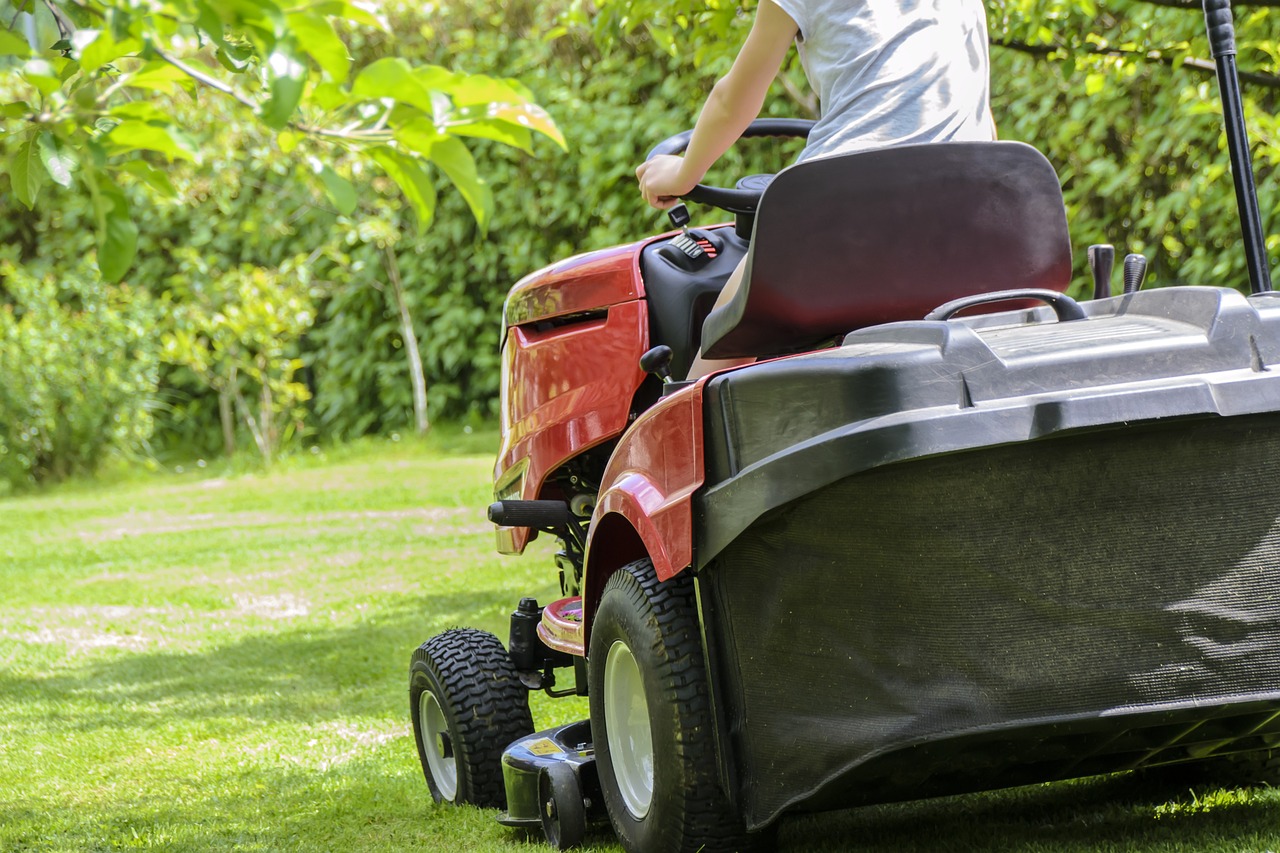
You don’t need a high-end mower, but the right equipment can make a difference. A rotary or reel mower with a sharp blade is ideal for clean cuts. Adding a roller attachment can help bend the grass more effectively, but if you don’t have one, no worries—you can still create patterns without it.
Step-by-Step: Creating Simple Lawn Stripes
Let’s start with the classic stripe pattern. It’s straightforward, looks fantastic, and sets the foundation for more advanced designs later.
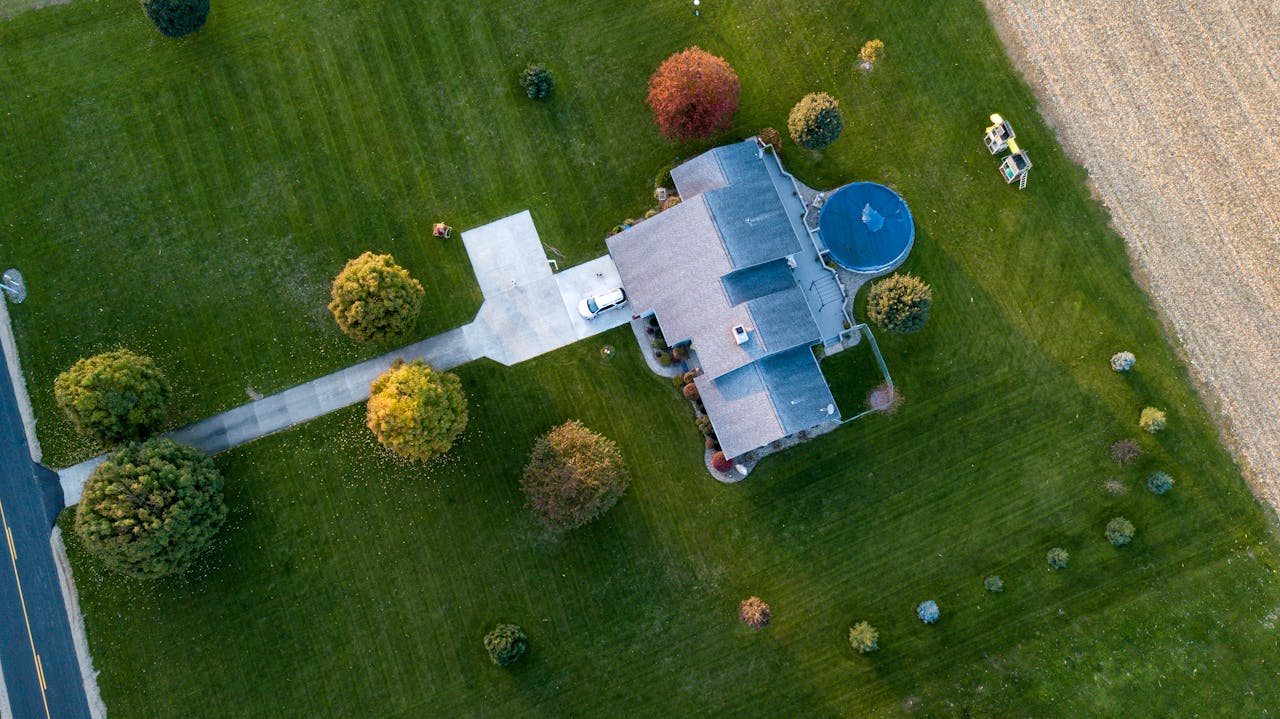
Plan your stripes – Decide which direction you want your stripes to face. Pick a straight landmark like a fence or driveway to help guide your first stripe.
Mow the first stripe carefully – Begin at one end of the lawn and mow in a straight line to the other side. Walk at a consistent pace to keep the stripe even.
Turn around and mow the next stripe – When you reach the edge, turn your mower around and mow back parallel to your first stripe. Keep your lines close together without overlapping too much.
Alternate directions – Continue this process across the entire lawn, alternating the direction of each stripe. The contrast will create those light and dark stripes that make the pattern pop.
Elevate Your Lawn with Advanced Patterns
Once you’ve mastered stripes, why not experiment with something more intricate? Here are a few popular options:
Checkerboard Pattern
This design adds a criss-cross effect to your lawn. Start by mowing straight stripes as described earlier. Then, repeat the process at a 90-degree angle to your original stripes. The result? A neat checkerboard pattern that looks professionally done.
Diagonal Stripes
Diagonal patterns are similar to straight stripes but angled across your lawn. These work particularly well in irregularly shaped yards or to create a sense of depth. Start at one corner and mow diagonally across to the opposite side, then repeat in alternating directions.
Diamond Pattern
For a stunning, high-impact look, combine diagonal stripes into a diamond pattern. Begin by creating diagonal stripes as described above. Then, mow a second set of diagonal stripes in the opposite direction, forming a diamond shape. It’s a bit more time-consuming but worth every minute for the impressive results.
Pro Tips for Picture-Perfect Patterns
Overlap slightly – To keep lines crisp and avoid gaps, overlap your mower slightly with the edge of the previous stripe.
Keep your blade sharp – A dull blade tears the grass rather than cutting it cleanly, leaving ragged edges that ruin the pattern’s look.
Switch up the pattern regularly – Changing directions each time you mow prevents permanent ruts and keeps your grass healthier.
Edge your lawn – Finishing touches like edging around paths or flower beds make patterns stand out even more.
Troubleshooting Common Issues
If your patterns aren’t turning out as expected, don’t worry—small adjustments can make a big difference. Stripes not showing up clearly? Check your mower blade height. Grass that’s too short won’t bend as much, so raise the blade slightly. Uneven lines? Take your time and use visual guides to keep things straight.
The Hidden Bonus: Your Lawn’s Health
Aside from making your yard look amazing, mowing patterns can also improve the health of your grass. Alternating directions helps reduce wear and tear on the same areas, while the gentle bending of grass blades encourages even exposure to sunlight. It’s a win-win for style and substance.
Ready to Impress?
Creating stunning lawn mowing patterns doesn’t have to be complicated. With a little planning, practice, and patience, you can turn your yard into a showpiece that’ll leave everyone asking how you did it. Start with simple stripes, then challenge yourself with checkerboards, diamonds, or other creative designs. Your lawn deserves to stand out, and now you’ve got the tools to make it happen.
Bihar is known for its rich cultural heritage, including a variety of traditional folk dances. Folk dances of Bihar are one of the most important aspects of the culture and heritage of Bihar. Some popular folk dances of Bihar include:-
Jat-Jatin is a popular folk dance of Bihar, performed by the women of the Mithilanchal region. The dance is performed on moonlit nights where the dance shows the love story and the separation of lovers ‘Jat’ and ‘Jatin’. Jat-Jatin is most popular in North Bihar, especially in the Mithila and Kosi region. The dance also enacts and reflects on several social issues like droughts, floods, love, sorrow and poverty. The dance depicts a married couple’s sensitive love and dispute. The story shows the love between couples and how Jat and Jatin were very much in love but had to live separately due to bad conditions. It is mostly performed in moonlight in the monsoon season. The women and pairs dance from midnight to dawn and are usually performed by two people.
This is another very popular folk dance of Bihar. The theme of this dance is social issues, contradictory topics like rich and poor, upper class and lower class and conflict between the traditional and modern lifestyle. This dance form originated in the 20th century as a folk theatre form. The dance form is prevalent in the Bhojpuri- speaking areas of Bihar. This dance form started as a folk theatre play by Bhikari Thakur, a barber by profession. Bhikari Thakur was a well-known playwright and artist of his time and was also referred to as the ‘Shakespeare of Bhojpuri’. He used dance to showcase his views and did it in a sarcastic and entertaining manner which soon became very popular among locals. The Biraha songs used in this dance tell us about the struggle of women who were left behind by their husbands. It gives a clear picture of how women were treated. The female roles in this dance are enacted by male artists with the help of costumes and artificial long hairs.
This folk dance form is a type of prayer dance that stemmed in the Koshi region of Bihar. This is a ritualistic dance performed when there is total drought and the land becomes dry and cracked. This dance form is often performed by women only. It also includes a lead singer, harmonium player, a flutist and a person who plays dholak. Through this dance, people pray and appease Lord Indra, the Lord of rain hoping for a good and life- giving rain as it is crucial and important for agriculture. Along with the dance, the people sing songs that show their conviction and devotion to Lord Indra for a healthy harvest and crops.
This folk dance is performed by the tribal communities of Bihar and several other states. The dance is performed for more religious and social rituals than entertainment purposes. The dance is a form of worship to the Karma tree which symbolizes the Karama Devta, the God of Fate. It is performed by both men and women as they form a two-tiered formation. They dance in a circle, with the dancers holding each other’s hands and moving in a clockwise direction, taking quick, energetic and brisk steps, accompanied by intricate hand movements. The dance is performed to the beat of the traditional dhol and singing. At the end of the dance, the dhol starts to beat fast and loud and everyone dances on a happy note and expresses their happiness and joy.
This dance form is performed to welcome the monsoon season during the month of ‘Shravan’. It lasts the entire season starting from the beginning of the monsoon season till the end of the season. The dance is accompanied with Kajari songs. The dance expresses feelings of happiness, excitement, tranquility and mental refreshment one feels during the change in weather and the commencement of the rainy season. The song also describes the feelings and emotions of the people and the beauty of our planet because of rain. The dance is performed by the maidens and young girls as they dance and express their emotions and joy at the commencement of this season.
Another famous and renowned traditional folk dance of Bihar is Chhau, meaning ‘mask’. The word Chhau is inspired from the Sanskrit word ‘Chhaya’ which means shade. The dance is a combination of martial arts, acrobatics and storytelling and is performed by men. Chhau is typically performed during auspicious occasions and festivals and is accompanied by a dhol. The dancers wear colorful costumes and masks. There are three types of Chhau which are performed in the respective regions with different styles, masks and costumes – Seraikella Chhau, Mayurbhanj Chhau and Purulia Chhau. The Seraikella Chhau is known for its elegant and graceful movements, the Mayurbhanj Chhau is known for its energetic and powerful movements while the Purulia Chhau is known for its elaborate masks and costumes and its way of storytelling. The Chhau dancers hold swords and shields when they perform. Chhau is being recognized as a UNESCO Intangible Cultural Heritage of Humanity as an effort to preserve and promote this traditional dance form.
This type of traditional folk dance is performed by the Paika community, a warrior class of Orissa. The dance is also performed by the ‘Munda’ and the ‘Oraon’ tribes. Paika is a type of martial or war dance which includes acrobatic and martial arts movements and is usually accompanied by a dhol and a pepa, which is a type of trumpet. This dance form showcases agility, courage, and excitement. The dancers have weapons with them while dancing; they hold wooden shields and swords in their hands while they engage in fierce combat as part of their performance. This dance is used to demonstrate the physical strength of the performers and is performed during festivals and ceremonies. The performers also wear tight dhotis and colorful turbans.
FAQs on Folk Dances of Bihar
What are the most famous folk dances in Bihar?
Some famous folk dances of Bihar include Jumari, Sohar-Khilona, Domkach, Jhijhiya, and Karma are famous folk dances. These dances depict modern cultures of various areas within the state.
What is special about Jumari Dance in BIhar’s folk culture?
Jumari Dance symbolizes marital happiness and therefore is regarded as the cultural dance of marriage. It also has a social cohesion effect as people participate in it in large numbers and produce rhythmic formations.
What musical instruments are used in the folk dances of Bihar?
Normal instruments like dholak, manjira and harmonium are used in the Bihar folk dances. These instruments complement the performances by adding tunes and beats to them.
When are these dances performed?
It should be noted that most of Bihar’s folk dances are performed during festivities, marriages or other functions like Holi or Navaratri. They also commemorate certain events such as birth and harvest periods.
How could the tourists have a taste of these folk dances?
The folk dances of Bihar can be observed during the festivals and functions, programs of local residents or during the A festivals/program of state tourism. Travellers can use the occasions to visit the countryside and get an actual feel of these traditional dances.
Few Lines on Folk Dances of Bihar
Jumari Dance is a joyful dance that represents marriage and happy family life.
Sohar-Khilona Dance is the dance that is performed to commemorate birth.
Domkach Dance brings laughter for the bride and groom for the wedding of Bihar.
Folk dances of Bihar are colorful and strongly embody both traditions and specific segments of population.
Dholak and harmonium are considered as the common instruments of most of the folk dances of Bihar.
Bihar’s folk dances depict the rural and traditional life of Bihar.
Folk dances remain as a way of passing on events and the history through dances.
Conclusion
Some folk dances of Bihar are Jumari, Sohar-Khilona, Domkach, etc. that are not merely performances but expressions of the very essence of cultural life in Bihar. It gives a reflection of the tradition, emotions, and community spirit which defines people in Bihar.
From celebrating marital harmony to honoring childbirth and enhancing the wedding celebrations, these dances let people peek at the happy moments and significant traditions of Bihar.
Given the financial industry’s volatility and unpredictability, investors look for investment solutions that provide both safety and liquidity. Although traditional fixed deposits (FDs) have long been a well-liked option, the advent of the flexi fixed deposit (FFD) has given investing tactics a fresh perspective.
What is Flexi Fixed Deposit?
A flexi fixed deposit (FFD) is a type of hybrid investment product that combines savings account and regular fixed deposit (FD) features. With the liquidity of a savings account and the benefit of higher interest rates typical of FDs, this option is appealing. With a Flexi FD, you can make a one-time deposit for a predetermined period of time and receive interest at fixed rates. But unlike typical FDs, you can take money out of the account whenever you need to without getting penalized—just as in a savings account. When an amount is put over a predetermined threshold, it automatically becomes a fixed deposit, which has higher interest rates.
Benefits of Flexi Fixed Deposits
Flexi fixed deposits are a popular choice for investors because they have a number of benefits over standard fixed deposits, including:
Liquidity: Flexi FDs offer more liquidity than regular FDs, enabling you to withdraw money as needed without being penalized. They are perfect for handling unforeseen costs or taking advantage of investment possibilities because of their flexibility.
Higher Interest Rates: The interest rates offered by Flexi FDs are usually higher than those of savings accounts and are on par with standard FD rates. This lets you keep access to your money while earning higher returns on your savings.
Auto-Renewal Feature: This feature, which ensures continuous interest income, is included with the majority of flexible savings accounts. This useful feature lowers the chance of losing out on interest revenues and does away with the necessity for manual renewals.
Partial Withdrawals: With Flexi FDs, you can take out portion of your money without having to break your entire deposit. This adaptability aids in keeping a healthy balance between earning larger returns and liquidity.
Minimum Balance Requirement: A flexi FD can be opened with a minimum balance that is often less than that of a regular FD, allowing a greater variety of investors with varying levels of investing capacity to access it.
Safety and Security: Your invested money is protected with Flexi FDs since they are supported by the same safety and security measures as regular FDs. This gives investors looking for safe investing options comfort of mind.
Tax Benefits: In general, flexi FD interest is taxable in accordance with the relevant income tax regulations. To comprehend the precise tax ramifications, it is best to speak with a tax expert.
Flexi Fixed Deposits vs. Traditional Fixed Deposits
Making an informed investment choice requires knowing the main distinctions between traditional fixed deposits and flexible fixed deposits.
Liquidity: Flexi fixed deposits provide more liquidity, enabling penalty-free withdrawals of cash as needed. Conventional fixed deposits limit access to money until they mature and frequently charge early withdrawal penalties.
Interest Rates: Traditional fixed deposits often give marginally higher interest rates than flexi fixed deposits, despite the fact that both alternatives offer greater interest rates than savings accounts. This is a result of flexi FDs’ increased liquidity.
Tenure: Conventional fixed deposits need a lump sum payment for a predefined amount of time and have a fixed tenure. More flexibility is provided by flexi fixed deposits, which permit top-ups and partial withdrawals.
Minimum Balance: Compared to traditional fixed deposits, flexi fixed deposits frequently offer lower minimum balance requirements, which makes them more accessible to investors with a range of investing capacities.
Flexibility: With options like auto-renewal and partial withdrawals, flexi fixed deposits offer more flexibility to meet the needs of a variety of investors. There is less flexibility in terms of accessing funds with traditional fixed deposits.
How to Choose Between Flexi FD and Traditional FD
The decision you make between a traditional fixed deposit and a flexible fixed deposit is based on your risk tolerance and your financial objectives.
Liquidity Requirements: A flexi FD is the best option if you value having quick access to your money and foresee the need for withdrawals. Because of their limited liquidity, traditional FDs might not be appropriate for these kinds of needs.
Interest Rate Sensitivity: Traditional FDs typically give marginally greater interest rates than savings accounts, despite the fact that both offer higher interest rates. A classic FD might be taken into consideration if your main objective is to maximize returns and you are willing to forsake liquidity.
Investment Horizon: A flexi FD provides flexibility for short- or medium-term goals that may demand liquidity. Conventional FDs are better suited for long-term investments when money is not needed right away.
Risk Tolerance: Flexi FDs are appropriate for most investors since they provide a balance between rewards and liquidity. Traditional FDs appeal to investors who can tolerate more risk because of their reduced liquidity but maybe larger rewards.
Conclusion
Combining the flexibility of a savings account with the safety and better returns of traditional fixed deposits, flexi fixed deposits present an alluring investment choice. Flexi fixed deposits offer more accessibility and flexibility than traditional fixed deposits, which are nevertheless a well-liked option for investors looking for higher returns with a set investment horizon. You can maximize your savings and make wise investment decisions by being aware of the main characteristics and advantages of both solutions.
India houses some of the most diverse indigenous tribes. All have their own culture, tradition, and history. These are dispersed in the country’s varied landscape and have lived in a harmonic manner with nature for centuries. Such tribes have preserved ancient customs and ways of living full of folklore, rituals, and art forms. From the deserts of Rajasthan to the lush hills of the Northeast, every tribe’s lifestyle reflects their deep connection to the land, environment, and spiritual beliefs. Their colorful festivals, music, and dances are all testaments to their resilience and adaptability. This article takes you through 20 major tribes of India, giving a glimpse of the customs, practices, and cultural significance of these, which can show the diversity and richness of India’s indigenous heritage.
It is one of the largest indigenous communities in India; its concentration is highly marked in the states of Rajasthan, Gujarat, Madhya Pradesh, and Maharashtra. Historically known for their expert archery and warrior skills, the Bhils have played a crucial role in resisting colonial powers. The language, Bhilodi, and culture are embedded in agricultural traditions. Bhil people have their unique art forms in Pithora paintings, and they celebrate colorful festivals like Holi, Diwali, and Bail Pola. The tribe is full of rituals and dances which celebrate nature and ancestral spirits.
The Santhal is one of the biggest tribes in India, and the majority of its people are found in West Bengal, Odisha, Jharkhand, and Bihar. The Santhals are famous for their colorful music, dance, and festivals. They are deeply attached to nature. They are primarily agriculturalists and rely on rice cultivation. The Sohrai and Baha festivals of the tribe are sung and danced by them along with community gatherings. Here, the Santhal dance is prominent. They have a rich oral tradition that includes folktales and stories of gods.
The Munda tribe mainly inhabits the states of Jharkhand, Bihar, and West Bengal. They possess a very rich historical background. They are famous for resistance against the British colonial era. The Munda believe in a Sarna faith that believes in worshipping nature and the spirits of ancestors. They have subsistence farming and farm crops including rice, pulses, and vegetables. Cultural performances of the Munda people include their dances with some important festivals like Karam and Magha, where harvest ceremonies play the focus.
The Khasi people are predominant in the Meghalaya state. In their society, they trace their lineage through the mothers while properties are passed on from generation to generation through them. People here are good farmers and experts in cultivating rice and vegetables. A culturally important festival of the tribesman is Ka Shad Suk Mynsiem, when harvests are over. They Were accompanied with songs and traditional dances. The tribe is also known for its peculiar architecture, including the well-known living root bridges and a peculiar social system where the roles of women in the family are valued.
The tribe resides in the Nilgiri Hills of Tamil Nadu and is pastoral in nature, especially in cattle rearing and herding. The Toda people live in Thachos, a community of circular houses made of bamboo and thatch. They are also very expert in dairy production. Besides this, the tribe is known for its shawls woven using traditional techniques. They believe in the worship of natural elements and celebrate their festivals, like Thembra, to pay their obeisance to the gods.
The Gond tribe is one of the biggest tribal groups in central India, which can be found in states like Madhya Pradesh, Maharashtra, and Chhattisgarh. Traditionally, they were hunter-gatherers, but today they are mostly agriculturalists. They are also very famous for their colorful Gond paintings, which depict themes of nature, mythology, and spirituality. Their Dussehra and Nag Panchami festivals are celebrated with dances and songs and marked with rituals that symbolize their deeper connection to lands and deities.
The Naga tribe is a collection of sub-tribes spread across the state of Nagaland and parts of Myanmar. Traditionally, Nagas were known for their warrior culture and headhunting practices. The sub-tribes are immensely diverse with each having its distinct dialect, customs, and festivals. The Hornbill Festival is a grand celebration where the different Naga tribes come to celebrate and showcase their rich culture through dance, music, sports, and traditional attire.
8. Warli Tribe
The Warli tribe is in the states of Maharashtra and Gujarat. It is known for its “Warli art,” or tribal painting, using basic geometric shapes and forms, circles, squares, and triangles. The Warlis were traditionally farmers and hunter-gatherers. They glorify nature on Diwali and Nag Panchami festivals through dances, traditional songs, and prayers to gods and natural spirits.
The Bonda tribe is located in the remote hills of Odisha. Their dress culture and customs are quite unique. Women have tattoos and ornaments on their clothes, and men are mostly bare-chested and in loincloths. Being semi-nomads, the Bondas also practice agriculture of rice, millet, or vegetables. They celebrate their harvest festivals with ritual dances and offerings to gods and goddesses of nature.
Siddis originated from Africa as their forefathers were brought to India as a result of slave trade, merchant routes, and even soldiers. Today, they are present in Gujarat, Karnataka, and Maharashtra. Siddis preserved the African culture like music, dance, and food habits. They are also contributors to agriculture. They are master craftsmen in wood products, metal work, and weaving. Their vibrant cultural events are always a mix of African and Indian traditions, such as Diwali and Eid.
The Garos are a matrilineal community that mainly inhabit Meghalaya. In a family setting, Garo women have a very prominent position and have a central position in a lineage. Agriculture is their main economic activity, with rice as the staple crop. The Garo people celebrate the Wangala festival, which is a harvest celebration marked by dances, songs, and rituals. Ancestors and deities play a crucial role in their belief system, in which the tribe maintains a deep spiritual connection to nature.
The Pauri Bhuiya tribe lives in the states of Odisha, West Bengal, and Jharkhand. They are agriculturalists and cultivate crops like paddy, maize, and vegetables. They are good craftsmen at pottery and weaving. They celebrate the Sohrai festival, which falls under the harvest and ancestral spirits festival, where they perform dance, music, and make offerings to the gods.
The Mishing tribe is significantly attached to rivers and forests, as it mainly lives in Assam. Wetland rice-based agriculture is the primary occupation of this tribe for traditional farming besides weaving, for which Mishings are known to produce gorgeous Mishing clothes. They observe the Ali-Ai-Ligang festival for the arrival of the sowing season. The Mishings also have an attractive type of house called chang ghar, which is made of bamboo.
The Rabari community in Rajasthan and Gujarat live like nomads. It mainly raises cattle and sells animals. They are very good at making fantastic woolen textile work, elaborate ornaments, and have a lot of attachment towards nature; hence, their culture relates with the proper care of the animal and land. Some festivals that are followed are Diwali and Pola along with rituals and folk dances.
The Karbi tribe primarily inhabits the Karbi Anglong district of Assam. This tribe is famous for weaving patterns that are uniquely complex and have great skill in making delicate shawls. They mostly adopt slash-and-burn cultivation and are well-linked to the forest. Among them, festivals of Karbi youth attract much popularity by organizing dances, folk songs, etc. related to the youth, games, and their cultures.
16. Paliyan Tribe
The Paliyan tribe, mainly residing in Tamil Nadu and Kerala, is the tribe that is very aware of the forest ecosystem. The people of Paliyan were hunter-gatherers in the past, and today they are experts in honey hunting. They are involved in agriculture and cultivate millet and vegetables. The Paliyan tribe celebrates several nature-related festivals, especially those related to the planting and harvesting seasons.
The Konyak is one of the most known Naga tribes that come from Nagaland. Traditionally, the Konyaks were headhunters and tattoos on their bodies were signs of bravery. The tribe is highly warrior-oriented, and they have very colorful rituals, ceremonies, and festivals such as the Hornbill Festival, which features their traditional music, dance, and rituals.
Lambani is known as the Banjara tribe. They are nomads from Maharashtra, Andhra Pradesh, Rajasthan, and Karnataka. Lambanis are identified with their colorful dresses, heavy jewelry, and rich embroidery. They have traditionally been traders and nomads, while nowadays, many are involved in farming and handicrafts. Their festivals and rituals celebrate music and dance, especially on harvest festivals.
The Soliga tribe is a semi-nomadic community traditionally found in Karnataka’s Purush Mahadeshwar Hills (MM Hills) and Biligiriranga Hills (BR Hills). This tribe harvests honey and medicinal herbs from forests; otherwise, it practices subsistence farming. Rich reverence for nature and deities such as Purusha Mahadesavara marks this group, and they sustain their cultural heritage with a Dravidian language influenced by Kannada. Known for their ecological knowledge, they play an important role in the preservation of the cougar reserve. Despite facing such challenges as a lack of easy access to health care and education, the Soliga people have been living sustainably under the Forest Rights Act (2006). Efforts are being taken to improve the quality of their life and their cultural heritage.
Chakma tribe lives primarily in northeastern states of India, especially in Mizoram, Tripura, and Arunachal Pradesh. The tribe is also known for its art of rice cultivation with the help of its ancient technique of weaving. The religious practices of the tribe follow Buddhism and celebrate many other festivals as well, such as Buddha Jayanti and Makar Sankranti.
Conclusion
Tribes of India are a part of Indian social life. They are important enough to be considered for one’s historical and cultural trip across India. India is one of the most culturally rich countries in the world as every tribe carries its own traditions, language, art forms, and way of life. The tribes keep developing and adapting to modernity, still maintaining their distinctive cultural identities. Whether it is art, music, dance, or social structure, the tribes of India give one a glimpse of the deep heritage of this vast nation.
The understanding and appreciation of these communities not only help celebrate their culture but also ensure that they survive and prosper amidst the challenges of modern life.
FAQs on 20 Major Tribes of India
Question: What is the importance of tribal communities in India?
Answer: Tribal communities in India greatly contribute to the nation’s cultural diversity, providing a unique perspective on tradition, art, and lifestyles. They maintain a strong connection with nature, preserving customs and practices that have been passed down for generations.
Question: Which is the largest tribal community in India?
Answer: Bhil is the biggest tribal population in India. They belong to Rajasthan, Gujarat, Madhya Pradesh, and Maharashtra. The Bhil people are generally popular for their colorful cultures and rich history as one of the most excellent archers.
Question: What is special in the Garo tribe?
Answer: Garo people reside in Meghalaya. The Garos have a matriarchal setup and their lineage and inheritance passed from mother to child down the line. Wangala is the harvest season coming to an end.
Question: What are the ways of the Santhal tribe to preserve its culture?
Answer: Santhals can be preserved through their energetic dances, songs, and even their major festivals Baha and Sohrai, which would distinctly communicate their agriculture-related living habits.
Question: What are tribal contributions to Indian biodiversity?
Answer: Indian tribal communities are a strong custodian of the environment. Their traditional knowledge in flora and fauna, natural farming, and use of resources add extensively to the biodiversity conservation in the country.
Few Lines About 20 Major Tribes of India
Bhil tribe is the largest tribal group in India with its traditional archery skills and colorful artwork.
The Santhal tribe is known for their community dances, festivals, and connection to agriculture.
Munda people have a culture deep in folk music and dance, as well as a native language, Mundari.
The Khasi tribe of Meghalaya is one of the matrilineal societies and has the richest oral literature.
Toda from Nilgiris is known for its peculiar dairy farming methods and fine shawl embroidery.
Gond is famous for its brilliant Gond painting and deep reverence for nature.
Assam is the home to India’s most popular weavers and colored fairs, known to be the Karbi Youth Festival
Planning a home cleanout can feel overwhelming, but one decision that shouldn’t add to your stress is choosing the right waste container. If you’re tackling a small project like decluttering your garage, cleaning out a spare room, or even tidying up your yard, you don’t need a massive dumpster. But what size is the sweet spot?
Why Choosing the Right Size Matters
Ever started a project only to realize you didn’t have the right tools or enough space to work efficiently? Picking the wrong waste container size can feel the same way. Too small, and you’re stuck making multiple trips to dispose of everything. Too big, and you’re paying for space you don’t need. The goal here is to strike a balance—getting a container that fits your project without overcomplicating things.
So, what are we looking at for small home cleanouts? The 10-yard container from wasteremovalusa.com is often the perfect fit. It’s compact but roomy enough to handle the kind of waste you’d expect from a modest decluttering session. But let’s look closer to see if this size is truly what you need.
What Fits in a 10-Yard Container?
Here’s where you’ll see why this size is ideal for small projects. A 10-yard container typically measures around 10 feet long, 7 feet wide, and 4 feet high. But what does that mean in practical terms? Picture roughly three pickup truck loads of material.
This size can handle items like:
Furniture – Chairs, small tables, even a sofa or two.
Appliances – Things like a microwave, a small fridge, or a washer/dryer combo.
Yard Waste – Branches, grass clippings, and even some small tree stumps.
Household Junk – Boxes of old clothes, toys, or random clutter that’s been piling up.
It’s perfect for single-room cleanouts or yard projects without being overwhelming. You can fill it up without worrying you’ve gone overboard.
When Would a 10-Yard Container Be Too Small?
While a 10-yard container is incredibly versatile, there are instances where you might need something larger. If you’re clearing out an entire house, doing a big renovation, or dealing with heavier materials like concrete or tiles, you’ll probably want to go up a size. In those cases, containers in the 20-yard range or larger will give you more breathing room.
Think about your cleanout—what kind of items are you dealing with? If most of what you’re tossing is lightweight or small, a 10-yard container will serve you well. However, if you’re on the fence about whether it’s enough, don’t hesitate to reach out to a waste container provider to discuss your options.
Benefits of Choosing a Smaller Container
Why lean toward a smaller container like the 10-yard option? For one, it’s easier to manage. If you’re cleaning out a tight space or have limited driveway room, a compact container won’t take up as much space. Plus, smaller containers often cost less to rent, so you’re not spending extra on capacity you don’t need.
Another key benefit is environmental responsibility. Using a smaller container encourages you to be mindful of how much waste you’re producing. You might even find yourself donating or recycling items instead of tossing everything.
How to Make the Most of Your Waste Container
Once you’ve chosen the right size, you’ll want to use it as efficiently as possible. Start by breaking down bulky items like boxes or furniture to maximize space. Place heavier items at the bottom and lighter items on top to keep everything balanced. If you’re dealing with yard waste, try bundling branches together to save room.
Also, remember that certain items can’t go in a waste container, like hazardous materials or electronics, so check the rules ahead of time. This ensures you stay compliant and avoid unnecessary fees.
Alternatives for Very Small Projects
Not every project needs a full waste container. If you’re doing something as simple as clearing out a closet or a single piece of furniture, a bag-based waste solution might be enough. These are essentially oversized trash bags designed for small disposal jobs. They’re not as sturdy as a container but work well for very light loads.
However, for anything more substantial, the convenience and sturdiness of a 10-yard container are hard to beat. It’s better to have a bit more capacity than you need than to run out of space midway through your project.
Wrapping It All Up
The 10-yard waste container is a fantastic option for small home cleanouts. It’s compact, affordable, and versatile enough to handle most decluttering projects without being excessive. Whether you’re tackling a spare room, garage, or yard, this size offers just the right amount of space to make your cleanout stress-free.
So, as you gear up for your next project, think about what you’re clearing out and how much waste you’re likely to generate. With the right container on hand, you’ll be ready to tackle the job efficiently, leaving your space cleaner and your mind at ease.
For working professionals, having a formal wardrobe is a must-have – from shirts to trousers to shoes. A well-fitted trouser determines your overall formal look, which is why you need to invest in the best formal gear. Formal pants for men were the one-size-fits-all kind of affair. Nowadays, with the varied needs of working professionals, men’s formal trousers have been completely changed to suit these requirements. So whether it is a corporate setting, business lunch, or just going out after work to grab a few drinks, formal pants for men now are perfect for comfort, design, and tailoring without losing their touch of sophistication.
Let’s dive deeper into how these wardrobe staples have evolved and how you can choose the best pair to suit your style, workplace, and lifestyle.
1. Chinos: The Casual Yet Smart Option
Chinos are one of the excellent illustrations to describe the evolution of formal pants for men to meet both comfort and style. These are relaxed compared to dress pants; however, more formal compared to casual dress trousers. Chinos are light and airy, quite good to wear during office hours or while taking casual strolls.
Today’s chinos come in a variety of fits, from slim to relaxed, making them ideal for different body types and personal styles. Pair them with a crisp shirt for a smart-casual look, or throw on a blazer for a business-ready vibe. Their easy-to-maintain fabric makes them an excellent choice for day-to-day office wear, and they even transition effortlessly to evening cocktails or weekend brunches.
2. Flat Front: Streamlined and Sharp
For an updated, modern look, men’s formal pants with a flat front are the right ones to go for. Contrary to pleated, which tends to have a gathered silhouette, flat fronts would create a clean and sleek outline that would give great shape to the legs. This design is especially good for those who desire a modern, tailored look.
Flat-front pants can be dressed up in the best of professional attire and even matched with a suit jacket to complement a corporate environment or, with a smart shirt, paired down for a less formal work environment. The result is sophisticated but not stuffy. Available in a range of fabrics – from wool and cotton to various blends, these pants promise to make you feel great throughout the workday.
3. Cargos: Function Meets Fashion
For men who need a bit more utility without compromising on style, cargo is the perfect formal pants option. Traditionally seen as a more rugged and utilitarian look, modern cargos have been refined to fit well into professional settings. With multiple pockets and a slightly looser cut, they are just about the perfect balance of functionality and formality.
While cargo may not be the most common for a boardroom meeting, they work well in creative or casual settings. Pair them with a slim-fit blazer and loafers, and you are good to go, wearing a smart-casual outfit that’s practical yet stylish. They can suit any type of activity: office hours or after work.
4. Joggers: Style and Comfort Combined
Joggers have become a trend in fashion and one of the comfiest forms of formal trousers for men. Even though they are seen more frequently with casual outfits, the modern jogger has now evolved into being much more fitted, giving it the ability to fit well within the semi-formal setting. With sleek lines and elasticised cuffs, joggers infuse a laid-back modern feel into any professional work environment, most especially into workplaces that follow a much more relaxed dressing code.
Joggers made from wool blends or lightweight cotton can be matched with dress shirts or even blazers to strike a perfect balance between comfort and style. These formal pants will keep you comfortable while working long hours at the office or running errands after work, without sacrificing style.
5. Corduroy: Vintage Vibes with Modern Appeal
Corduroy pants are experiencing a new age in the formal world of men’s formal attire. Once considered solely for casual, laid-back affairs, modern corduroy designs bring a sophisticated alternative for the modern man in this modern age. There are both slim and regular fits, so corduroy formal pants for men bring that soft yet structured feeling that gives warmth and stylish wear during cooler months.
They pair effortlessly with both casual shirts and more formal attire, giving your look a vintage, textured feel that’s far from outdated. The unique fabric adds depth and interest to your outfit, and with the right fit and styling, corduroys can easily be worn for everything from business meetings to weekend outings.
6. Pleated: The Timeless Classic
While flat-front pants dominate the modern wardrobe, pleated formal pants for men are a classic that’s far from being obsolete. The pleats provide additional room and comfort, which makes them ideal for people who need a little extra space around the waist and thighs. Pleats add a bit of structure and elegance to the trousers, making them apt for formal or traditional events.
The pleated pants of today come in more refined cuts to make sure the pleats don’t add any unnecessary bulk. When styled right, pleated pants create a sharp, distinguished look that is classically fresh. Team it up with a tailored blazer or even a knit sweater for a smart and professional look.
Formal Pants for Every Man and Every Occasion
With regards to balance, modern formal pants have emerged for men as the union of comfort and sophistication; or the combination of timeless design with fresh, contemporary cuts.
Today, men’s formal pants are all about ease, flexibility, and versatility, making it easier than ever to dress for success without sacrificing comfort. So, step into the future of professional style with modern formal pants, and watch how they elevate your wardrobe to new heights!
Just picture yourself standing amongst the mountains, air which feels like music and picturesque scenes at their best, Sounds mesmerizing right? Well, all this is really possible to feel all together in the Leh Ladakh tour package. Leh Ladakh is a place where adventure and beauty knows no bounds. Ladakh is breathtaking because of its sparkling blue lakes and stunning monasteries which can leave you completely spellbound.
Whether you are an adventurous person or if you are someone looking for a peaceful and serene destination, then Ladakh has it all. Imagine being able to drive across the world’s highest bike ride, drinking hot butter tea in a traditional Ladakhi home or watching the sun set behind the hills of Ladakh. Ahhh! Sounds so dreamy, doesn’t it? There can’t be a better time than this if you are planning to visit the best tourist places in Ladakh with Capture A Trip with our Leh Ladakh trip package or our Leh Ladakh bike trip package if you want to experience some extra thrill. Welcome to the world of wonders that can truly amaze you- let’s discover them all.
Must Visit Tourist PLaces in Ladakh
Ladakh is not merely a place; it is an emotion, it is a feeling. As you continue reading through this blog, we shall present to you some of the most renowned tourist places in Ladakh, both in terms of natural beauty and cultural colors as well as adventurous activities.
1. Pangong Tso: The Ever-Changing Lake
Pangong Tso is one of the most famous tourist destinations of Ladakh. This mountain lake lies at the height of 14,270 feet and features crystal clear beautiful waters that change its color from blue to green and occasionally turn golden. You might have probably seen this lake in the Bollywood movie- 3 Idiots.
If you have a desire for camping, Pangong Tso under the tableau of star lit sky will leave a memorable imprint on your mind. The place is free from excessive hustle and bustle, coupled with the scenic view from the lake, and therefore is among the most spectacular and famous tourist places in Ladakh.
Best Time to Visit: May to September
2. Nubra Valley: A Lonely and Special Desert in Mountains
This is the place where the adventure meets the real beauty. This high altitude desert with white sand dunes is home to the spectacular double humped Bactrian camels. You can only picture riding a camel while gazing at snowy mountains here which you cannot experience anywhere else.
To get to Nubra Valley, one has to pass through the Khardung La Pass, which is the highest motorable road. When you reach there, do not leave without paying a visit to Diskit Monastery for the majestic views.
Best Time to Visit: June to August
3. Leh Palace: A Royal Journey into the Past
Leh Palace is one of the places that history enthusiasts should consider visiting. Dating back to the 17th century this magnificent nine-storied palace has an excellent view of the surrounding mountain and the Leh town. Strolling through the royal corridors makes one understand the royalty of Ladakh.
The layout and design of the Palace are appropriate to the traditions of the region and it is considered as one of the most attractive tourist places in Ladakh.
Best Time to Visit: March to October
4. Magnetic Hill: A Mysterious Wonder
Because of its features, Magnetic Hill is winning the hearts of tourists from around the globe. Here one might think that cars are moving upward against gravity. Of course, it is an extraordinary and rather entertaining attraction and people from all over the world go there to witness it. The ways that lead to the place are also a little thrilling; the trip to this one of the most famous tourist places in Leh ladakh, could be unforgettable.
Best Time to Visit: May to October
5. Tso Moriri: Nature at Its Best
If you are in search of solitude, then Tso Moriri is the place to go to. With towering mountains, this high altitude lake is genuinely a paradise for the lovers of nature and bird watchers. Less popular as compared to the Pangong Tso, Tso Moriri is a rare gem of Ladakh offering tourism without the tourist traffic.
If you wish to go camping near the lake and watch the sunrise then it will be an unforgettable experience at this one of the most famous tourist places in Leh Ladakh.
Best Time to Visit: June to August
6. Hemis Monastery: Spiritual Bliss
It is the largest monastery in the whole of the Ladakh region and immensely popular as a place of spirituality. The Monastery has its own festival known as the Hemis Festival which is very colorful and is participated by people from across the world. What is more striking to watch is the popular and splendid masks and classic dances done during the festival.
Hemis Monastery is one of the most visited and famous tourist places in Ladakh because of its location in a secluded area.
Best Time to Visit: Especially in July (during the festival) or September – November
7. Zanskar Valley: An Adventure Paradise
Adrenaline seekers must spend a day at the Zanskar Valley. Often famous for tall cliffs and separated tracks, this valley is good for trekking, rafting, and especially the Chadar trek on the frozen river. This valley is one of the most beautiful because of its terrains and sparkling rivers.
Best Time to Visit: June to September
8. Lamayuru Monastery: Moonland of Ladakh
Lamayuru monastery being the oldest monasteries of ladakh is located in the backdrop of lots of ‘Moon- like’ small terrains. Due to the aura of this place together with the rich historical architecture of the region, makes this place one of the must visit tourist places in ladakh.
Best Time to Visit: May to September
Conclusion
Ladakh is a place which leaves its imprints in the heart and soul of the traveller. The gorgeous views, the colorful heritage, the kind of excitement can only be associated with a holiday in Ladakh which is one of a kind. In search of tranquility or adventure or a mix of both, the tourist places in Ladakh have it all to offer to anyone.
Planning a trip to Ladakh? Embrace your dream journey with the services of Capture a Trip and enjoy travelling. To help you set up this stunning tour for an out of the world experience, talk to our expert team of planners and get the best packages.
FAQs
When is the right time to get to Ladakh?
Ladakh is best to visit from May to September because of the favorable and suitable weather conditions to travel and most of the sightseeing places are open.
How do I reach Ladakh?
The best way to get to Ladakh is by air as there is an airport at Leh known as Kushok Bakula Rimpochee Airport. You can also prefer a road tour through Srinagar to Leh or Manali to Leh.
What is the procedure of getting a permit for visiting Ladakh?
Yes indeed there are certain restricted areas of Ladakh where Indian citizens must have Inner Line Permits (ILP). Some of these permits can be obtained in Leh.
Which delicacies are a must try in Ladakh?
One should try Thukpa, Momos, Butter Tea and Skyu. All of these dishes are local and show the distinct culinary tradition of the Ladakh region.
Is it safe for a solo traveler to visit Ladakh?
Yes, Ladakh is a safe place for the solo traveler staying in the hotel. The people of this place are jovial and willing to assist.
In today’s world, which is increasingly conscious of the environment, trading your plastic bottle for a steel one is no longer just a trend—it’s a step towards a more sustainable and rewarding lifestyle. Steel bottle combine durability, sustainability, and practicality, whether you’re a dedicated athlete, a daily commuter, or looking for stylish ways to stay hydrated. The best part? They keep your drink cool or hot for hours. So, why not make the switch from plastic to steel today?
Let’s see how switching to a steel bottle will benefit you.
1. Indomitable Durability
The truth remains: life is tough on things. If you drop it, kick it through the hall, throw it in the bag, or knock it down, steel bottles can take it. Compare that with glass or plastic bottles that break or leak or chip with the least provocation. Stainless steels are indestructible, and should the life of your bottle someday die, it will be good enough to recycle it. No more bottles in a free fall to enter a landfill, and instead, indestructible steel for everyday life from the drop of a hat- a mountain adventure or an enriched business work just fine.
2. Best Sustainable Alternative
The main reason you should embrace steel bottles is the great benefit they grant to the environment. Plastic pollution is a world problem, where single-use plastic bottles are the greatest culprits. Stop using them and spare the world from plastic wastage, making a way towards a sustainable future. Never mind how much real difference it makes as you, in time, bid goodbye to disposable plastic and invest in steel: it is one of these changes that, while small, make a considerable difference.
3. Keeps Drinks Fresh (and Cold or Hot!)
Steel bottle is a very useful invention that, once filled, will insulate your liquids to ensure the perfect temperature for hours—no more lukewarm water or coffee that’s gone cold after an hour. Their insulated technology allows steel bottles to maintain the temperature of your drinks, whether cold for 24 hours or hot for 12 hours. Simply, if you are doing sports, drink cold crystal clear water or satisfy your senses with a hot beverage. As you head to your office, your drink will stay in the water in your mouth as you like it.
This is what makes them great for people who run when they are always apprehensive that they will run late, especially you. It’s a game-changer!
4. Stylish and Practical
However, the visual aspect of these bottles is also quite impressive. Steel bottles are not only functional but also a newcomer in trend this season. With different models, colours, and textures, steel bottles add a touch of sophistication to your regular equipment. Strengthen your unique style with minimalistic matte black options to bright, vivacious tones of steel bottles. Have you seen one that stirs you? There are countless other green features, from water filtration to bio-friendly packaging, that make a water bottle yours, a water bottle for all!
Moreover, they are convenient. They are usually easy to clean, have large openings for filling and spilling, and most are equipped with leak-proof caps that can be sealed with a simple twist for maximum convenience. They are quite versatile as you can place them in your gym bag, your purse, etc., without having to bother about leaks and spills.
Final Thoughts: Hydration Meets Innovation
To put it simply, switching to a steel bottle is the wiser thing for your health, style, and also the environment. The steel water bottles are the best with their durability, eco-friendliness, and ability to keep your refreshments fresh for long hours, and these are the ideal solutions that you as an individual need to practice to keep hydrated in the most convenient and eco-friendly way.