What is the Best Time to do the Kashmir Great Lakes Trek?

0

Best-Time-to-do-the-Kashmir-Great-Lakes-Trek-01

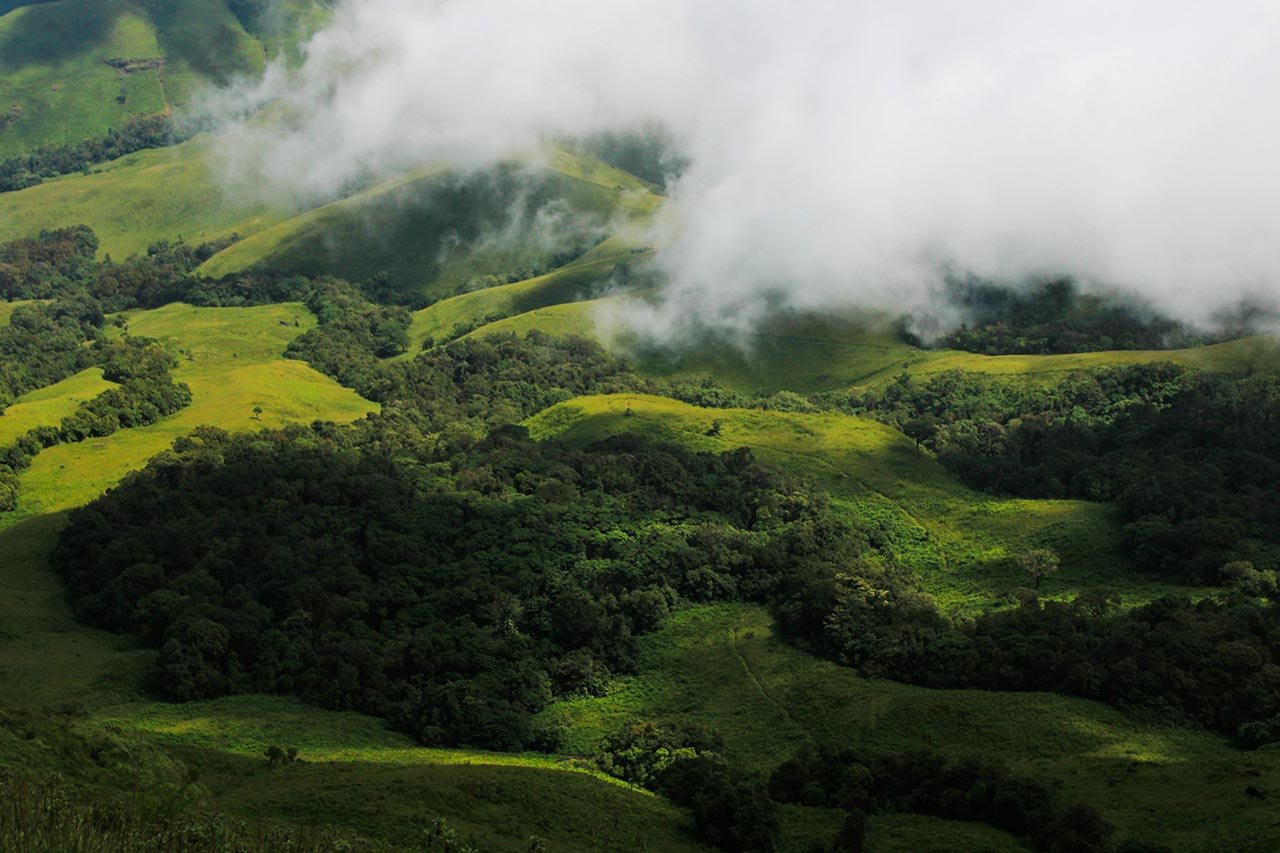
Kashmir Great Lakes trek, popularly known as the 7 Lakes of Kashmir trek, is arguably the most exquisite trek of India. It is very popular among trekkers and you will see the trails crowded by the adventure-seekers. As the name suggests, it takes you to more than 6 serene lakes of Kashmir and their breathtaking beauty will surely capture your heart. Its basecamp lies in Shitkadi Sonamarg and it finds its annex at the Naranag, a beautiful village of the valley. You pass through vast meadows with wildflowers dotting the region, gushing  streams and lakes with turquoise waters, and those snow-laden mountains always in sight. Essentially a summer trek, the best time to do Kashmir Great Lakes trek is from June till September. The weather is favourable with easily accessible routes. You will find various camping spots where you can pitch your tents and spend the night, relaxing and rejuvenating for the next day. 

Here is a detailed breakdown of the best time to do the Kashmir Great Lakes trek and some necessary tips to remember in a particular month. 

Highlights of Kashmir Great Lakes Trek

Best-Time-to-do-the-Kashmir-Great-Lakes-Trek-02

High-altitude lakes: Throughout the trek, you will be lucky to witness some of the most mesmerising lakes of Kashmir valley including Vishansar Lake, Gadsar Lake, Kishansar Lake, Nandkol Lake, Gangabal Lake and many like theses. You even get the once-in-a lifetime opportunity to camp by the shores of some of these water-bodies. The setting that the ambience there provides is so soothing that it takes all the stress away. A popular activity to do here is lying under the vast sky and stargaze. 

Adventurous Passes: Trekkers also cross three high-altitude passes in this trek such as Gadsar Pass, Zajbal Pass and more. Gadsar Pass is the one of the highest points of the trek and gives you a peek of the Vishansar Valley and the twin lakes. Mount Harmukh with Gangabal and Nandakol lakes are to be seen from the Zajbal Pass. You have to be extra careful while crossing these passes. 

Landscapes and Valleys: Starting from the Sonamarg Valley, where you acclimatise before the trek, you also get the chance to trek in other stunning valleys and through gorgeous meadows as well. The pristine beauty here is unparalleled. Some of them included Gadsar Valley, Satsar Valley, Gangabal Valley etc. These are some favourite camping spots among travellers. 

Best time to do Kashmir Great Lakes Trek

Best-Time-to-do-the-Kashmir-Great-Lakes-Trek-03

Kashmir Great Lakes Trek In June: 

As summer commences in Kashmir from June, Kashmir Great Lakes trek is a must thing to do during June. It is important to know that the trek is possible in the later days of june as per the rules of Department of Tourism Jammu and Kashmir The sun is out and about the whole day, keeping it warm and balmy. The temperature hovers between 15°C to 25°C and drops to a minimum of 10°C, making the nights a bit colder.

There is little to no sign of rainfall in June in Kashmir which keeps the trekking trails dry and easily trekkable. You will see crystal clear views in the absence of fog too. There are chances of sunburn and heatstroke so, keep hydrating yourself. Drink water frequently even when you are not thirsty. Wear cotton clothes by the day and keep some woollens to be comfortable at night. Trekking without a trek leader can be dangerous, so you can take help of trek operators in Kashmir for an unforgettable experience.

Kashmir Great Lakes Trek In July:

Best-Time-to-do-the-Kashmir-Great-Lakes-Trek-04

July is the peak month for Kashmir Great Lakes trek as the pleasant weather makes all the long walking tolerable and enjoyable. The month of July also marks the onset of Monsoon season in the valley. It does not rain heavily here unlike the rest of Northern India. You will experience light drizzling and occasional rainfall at the end of the month.

It does not hamper your plans in any way as the routes remain traceable and not slippery. The temperature is around 15-25°C, same as that of june but you will feel refreshness in the air with the moisture present. Kashmir Great Lakes trek is crowded this time of the year. 

Carry a raincoat to be dry when it rains. Wear clothes that are quick-dry and not very thick. Keep everything in a spacious and waterproof backpack. 

Kashmir Great Lakes Trek In August:

Best-Time-to-do-the-Kashmir-Great-Lakes-Trek-05

Kashmir Great Lakes trek can be done easily in August as the climate remains convenient as per the difficulty of the routes. The monsoon season is at its peak in August and occasional rainfall is experienced on some days.

You will witness a surreal side of nature and the trek in the monsoons. Being in a place that is absolutely cut from the rest of the world and getting drenched in the middle of nowhere is a whole other experience. The temperature remains flexible between 20°C to 30°C, keeping the weather enjoyable. Keeping a raincoat is important and your clothes should be quick-dry ones. The month will surely give you memories of lifetime and an unforgettable time of Kashmir Great Lakes trek.

Nala-Damayanti – An Ancient Love Story Retold in Pahari Painting

2

Nala-Damayanti-Love-Story-Retold-in-Pahari-Painting

Did you know that the story of Nala – Damayanti figures in the Hindu epic Mahabharata? This story is told in the ‘episode of Nala’ – Nalopakhyana of the epic. This story was narrated by Rishi Brihadashva to Yudhishthira during the latter’s exile in the forest (Mahabharata, Vana  Parva).The tale never gets old and is timeless because it celebrates love and the strength of the human spirit. Artists from the Pahari school, mostly hilly kingdoms represented by Guler, Kangra Basohli, Chamba, Mandi, Nurpur, Garhwal and Bilaspur have captured the sequences in paintings and as illustrations because of the storyline’s vast range of events and the pathos of the situations in it. The story is very interesting. Nala, son of Veerasena is the king of the kingdom of Nishadha (in Central India), and is an expert with horses and culinary matters and is known for his righteousness.

आसीद्राजा नळो नाम वीरसेनसुतो बली…………….उपपन्नो गुणैरिष्टै रूपवानश्वकोविदः

“There was a King by name Nala, the son of Virasena,  strong, endowed with desirable qualities, handsome and well-skilled in (the science of horses”… … .. translation of the verse from Nalopakhyana by Paramu Kurumathur. 

He gets married to Princess Damayanti, daughter of King Bhima of the kingdom of Vidarbha. She is very beautiful and wise and was in love with Nala because she had heard about his virtues from a golden swan. Nala is blessed with some exceptional qualities as well. He could make himself invisible, cook without fire and water. His simple glance made vessels to get filled with water. He could crush flowers and yet it would stay fresh. Damayanti knew of these virtues even before she met Nala. Let’s know some more details along with Pahari paintings of this fantastic tale of yore!

Nala-Damayanti-Love-Story-Retold-in-Pahari-Painting-01
Damayanti listening to the swan, from a Nala-Damayanti series. Kangra school, Pahari painting, circa. 1775; from Dr Karan Singh collection at Jammu.

The same golden swan had been caught by Nala who had released it on hearing about Damayanti ‘s exceptional beauty and the swan having promised to convey to her, Nala’s message of love. The swan was thus a messenger between them.

“Possessing a lustre resembling that of an object coloured with turmeric, was she not extracted from the clay of the River of Gold? Because, on her body not even the unevenness marking the joint of two limbs can be guessed’’………….on the beauty of Damayanti, translation from 1956 by Krishna Kanta Handiqui of the Naishadha-charita by Shriharsha of Ujjain from the 12th century which is an adaptation of the same story.

 The tale is one of love, virtue, trials, and destiny. Some other characters who figure in the story are Pushkara, Nala’s brother who later becomes an adversary, Kali, the spirit of the age of Kali (the age of strife and discord), who curses Nala, Indra, Agni, Varuna, and Yama, the gods of the Vedic pantheon who play a significant role in the story full of twists and turns which include challenges the couple face. The story of Nala and Damayanti is rich with moral lessons as well. The sheer power of love and devotion; Damayanti’s loyalty and love for Nala never waver, even in the face of severe hardships. Both Nala and Damayanti face severe tests, but their perseverance and faith lead them to a happy reunion. Let’s see some events and related artworks in the story from the school of Pahari miniature painters, an important genre in Indian painting.

‘’With the sole exception of Damayantī, what beautiful woman, no longer proud of her beauty, after having seen him, did not darken with her sighs the mirror, which she had taken up in her hand, to look at herself, thinking, “I am worthy of Nala in beauty?’’……………………translation from 1956 by Krishna Kanta Handiqui of the Naishadha-charita by Shriharsha from the 12th century.

Nala-Damayanti-Love-Story-Retold-in-Pahari-Painting-02
Damayanti looks in the mirror, Folio from a Nala-Damayanti, Kangra, circa 1790, LACMA, U S A. Image: Wikimedia
Nala-Damayanti-Love-Story-Retold-in-Pahari-Painting-03
Nala and Damayanti theme, showing the swan, Pahari painting, 18th century. Image: Wikimedia

Nala and Damayanti 

Nala, the handsome and virtuous king of Nishadha, hears about the beauty and grace of Damayanti, likewise, Damayanti hears of Nala’s virtues and falls in love with him. They have never met but are deeply in love through the stories they’ve heard about each other. A description of Nala in Naishadha-charita by Shriharsha, 12th century of Ujjain; which is an adaptation of the same story reads thus- 

‘’Nala, whose story by the varieties of its sweetness surpasses nectar, was the lord of the earth, marvellous in his virtues. The flaming trail of his might and the circle of his fame served as a sceptre of gold and a unique, white umbrella’’……….. translation from 1956 by Krishna Kanta Handiqui.

The Swayamvara

Nala-Damayanti-Love-Story-Retold-in-Pahari-Painting-04
Siddhas meet the Gods en route to the wedding of Nala and Damayanti, Pahari painting, circa 1812, San Diego Museum of Art, U S A. Image – Picryl.com

A swayamvara, where the bride chooses her husband, was set up for the hand of Damayanti. The Gods Indra, Agni, Varuna and Yama too wanted her hand.  Nala had met the Gods on his way to the event and had been asked by the Gods to be their messenger. They wanted Damayanti to choose one of them. However, in spite of wearing a robe which made him invisible to all except Damayanti, she recognised him and selected him as her husband. The Gods even disguised themselves as Nala, but she saw though them and chose Nala in the swayamvara ceremony. The Gods leave blessing the couple.

Nala and Damayanti’s Marriage

After the swayamvara, Nala and Damayanti get married and are blissfully happy. They have children, whom they name as Indrasena and Indrasenaa, a boy and a girl. Their kingdom prospers as Nala rules righteously.  And they lead a happy marital life for a few years.

‘’Surrounded by chariots, the charioteer king then started for the home of the king of Vidarbha, taking auspicious objects with him, and in two ways putting the priest Gautama, a perfect knower of the self, to the fore.’’……………….. as translated in 1956 by Krishna Kanta Handiqui from the Naishadha-charita of Shriharsha from the 12th century.

‘’The priest (Gautama) brought the rites concerning Nala to a most successful issue, while he was married to Damayantī, even as the great sage Bṛhaspati did those relating to Indra, when he married Sachi.’’………………………..as translated in 1956 by Krishna Kanta Handiqui from the Naishadha-charita of Shriharsha from the 12th century.

‘’ The king of Vidarbha, hastening on account of the close approach of the auspicious moment, sent kings as heralds every moment, one after another, whose throng added to the immensity of Nala’s army on the way.’’……………………………….. as translated in 1956 by Krishna Kanta Handiqui from the Naishadha-charita of Shriharsha from the 12th century.

These translated verses above reveal the joyousness, excitement, pomp and glory of the event of the Nala- Damyanti wedding.

Nala and Damayanti's wedding, Nala Damayanti, Bilaspur, circa. 1760-1770, V and A Museum, London, U.K.
Nala and Damayanti’s wedding, Nala Damayanti, Bilaspur, circa. 1760-1770, V and A Museum, London, U.K. Image: Collections.vam.ac.uk
Nala-Damayanti-Love-Story-Retold-in-Pahari-Painting-06
Wedding of Damayanti and Nala, 1775-1800, Pahari coloured drawing, Guler School, Smithsonian Freer Sackler Gallery, Washington, U S A. Image: Wikimedia
Nala-Damayanti-Love-Story-Retold-in-Pahari-Painting-07
Damayanti leaving for Nishadha in a palanquin, after her wedding to Nala, the king of Nishadha Kingdom. Guler School, 1775-1800. Image: Wikimedia
Nala-Damayanti-Love-Story-Retold-in-Pahari-Painting-08
Damayanti approaching Nala, Nala Damayanti series, Bilaspur, circa 1760-1770, V and A Museum, London, U K. Image: Collections.vam.ac.uk
Nala-Damayanti-Love-Story-Retold-in-Pahari-Painting-09
Nala and Damayanti after marriage, folio from a Nala-Damayanti Series – attributed to Ranjha, circa 1800–10, Kangra painting, The MET, New York, U S A. Image: Metmuseum

Kali’s curse and Nala’s exile

Nala’s marital happiness attracts the envy of Kali, the spirit of the age of strife. The demon Kali (evil spirit of Kaliyuga) also wanted to marry Damayanti. But on hearing of her choice, he vows to ruin Nala and decides to separate them and ensure that Nala leaves the path of dharma or righteousness. Damayanti and Nala are happily married and have two children. It takes Kali twelve years to trap Nala.  Nala is fond of gambling and under the influence of evil plays a game of dice with his brother Pushkara. He ends up gambling away his kingdom and wealth. Nala-Damayanti have to go to the forest where they live in poverty for three years and even get separated; Nala starts worrying for Damayanti, and abandons her to protect her from his bad fortune. Nala abandons Damayanti, thinking she would be safer without him. He leaves her with half of his garment as a token of his love and to help her identify him later.

Nala-Damayanti-Love-Story-Retold-in-Pahari-Painting-10
Damayanti sending her nurse Vrihatsena to fetch the charioteer Varshneya while Nala gambles away his kingdom to Pushkara. From a Nala Damayanti series, Bilaspur, circa. 1760-1770 V and A Museum, London, U K. Image: Collections.vam.ac.uk
Nala-Damayanti-Love-Story-Retold-in-Pahari-Painting-11
Damayanti sends children to her father, Nala Damayanti, opaque watercolour on paper, Bilaspur, ca. 1760-1770, V and A Museum, London, UK. Image – Collections.vam.ac.uk

Nala’s Trials

On his way away from Damayanti, Nala saves a naga (snake) Karkotaka from a fire; the naga bites him and the poison transforms him to a dwarf called Bahuka. The naga also gives him a magic incantation to get back his original form. Nala reaches Ayodhya after wandering around. He becomes a charioteer to King Rituparna. During his time in Ayodhya, Nala learns the art of dice from Rituparna, hoping to one day reclaim his kingdom.

Damayanti’s Search

Meanwhile Damayanti takes refuge in the palace of the Princess of Chedi, Bhanumati, actually an aunt of Damayanti, offering to serve her. She hails from Dasarna kingdom which they both come to know during their meeting and also about their relationship. Damayanti is thus discovered and taken back to her father’s house where she is reunited with her children, Indrasena and Indrasenaa. They search for Nala, but cannot locate him.

Reunion of Nala and Damayanti

Damayanti starts thinking that the only way Nala will come back would be for fear that she would not be his wife anymore. Thus, she requests a fake second swayamvara. She is still of such great beauty that many kings attend it. Damayanti sends a riddle to King Rituparna to confirm Nala’s presence. On hearing that Damayanti might find another husband, Rituparna who had attended her first swayamvara asks Bahuka to take him to Vidarbha. He drives the chariot very fast to reach Vidarbha from Ayodhya in a short time. Damayanti recognizes Nala and he reverts to his original form. Rituparna also comes to know who his charioteer really was. Nala teaches his skills to Rituparna, who in turn teaches him to magically control dice. He finally overcomes the influence of Kali.  In spite of numerous hardships, Nala never leaves the path of dharma or righteousness. He gets back his kingdom by defeating Pushkara in a re-match. Nala and Damayanti are reunited, their love stronger than ever after enduring so many trials. 

Nala-Damayanti-Love-Story-Retold-in-Pahari-Painting-12
Nala-Damayanti, 1775-1800. Guler School, coloured Pahari drawing, Smithsonian Freer Sackler Gallery, Washington, U S A. Image: Wikimedia
Nala-Damayanti-Love-Story-Retold-in-Pahari-Painting-13
Nala Damayanti watch the New Moon rising, by artist Nainsukh of Guler, late 18th century, San Diego Museum of Art, U S A. Image: Wikimedia

There have been many adaptations of this classic story in India and other countries. It is accepted as a great work of literature. The best-known adaptation is the Naishadha-charita – ‘Deeds of the Nishadha King’, from the 12th century by Shriharsha in Kannauj. Some translations have been used in this essay.  This story will keep getting retold because it has an intrinsic message about the resilience of the human spirit and depicts true love which faces severe trials and tribulations but is a winner at the end without resorting to unrighteous ways! 

References:

  1. https://www.tribuneindia.com/news/arts/the-timeless-tale-of-nala-and-damayanti-102070 (accessed 02.06.2024) 
  2. Indian paintings from the Punjab Hills: a survey and history of Pahari miniature painting / by W. G. Archer, London: Delhi: Sotheby Parke Bernet: Oxford University Press, 1973.
  3. https://deccanviews.in/category/nala-damayanti/ (accessed 28.5.2024)
  4. Epics, myths and legends of India/Thomas, P, Bombay: D.B. Taraporevala and Sons,1942.
  5. https://tamilandvedas.com/2018/08/28/science-in-nala-damayanthi-story-of-mahabharata-post-no-5371/ (accessed 02.06.2024) 
  6. https://www.encyclopedia.com/history/encyclopedias-almanacs-transcripts-and-maps/nala-and-damayanti (accessed 03.06.2024)
  7. https://www.wisdomlib.org/hinduism/book/the-naishadha-charita-of-shriharsha/d/doc371793.html (accessed 03.06.2024)
  8. https://oursanskrit.com/2016/10/05/na%E1%B8%B7opakhyanam/(accessed 03.06.2024)
  9. Pahari paintings of the Nala Damayanti theme in the collection of Dr. Karan Singh/B.N Goswamy, New Delhi: Publications Division, 1975.

Top Monsoon Destinations in South India for Your Next Holiday

0

Top-Monsoon-Destinations-in-South-India-01

South India, with miles of greenery, beautiful beaches and historical background, becomes a beautiful heaven during the monsoon season. The monsoon rains last from June to September and rejuvenate the region making it the best time to visit. Through this article I would like to showcase various interesting places in South India that can be visited especially during the monsoon season with an amalgamation of nature, thrill and solitude.

The monsoon in South India is one of the most picturesque times of the year when the area awakens with the much needed rain, the breeze carries the fragrance of the wet soil and the rivers and waterfalls are in full swing. The southern states including Kerala, Karnataka, Tamil Nadu, Andhra Pradesh and Telangana are famous for their varying geography from the Western Ghats to the backwaters, from cities to villages. The charm of these places further gets enhanced in the monsoon season and it becomes an ideal time for those who love nature and adventure and those who want to explore the culture of the region.

Munnar, Kerala: The Land of Tea Gardens and Mist

Top Monsoon Destinations in South India Munnar, Kerala

Munnar is a famous hill station located in the Western Ghats and is famous for its tea gardens, scenic mountains and pleasant weather. In the monsoon season the entire region is covered with green carpet and the tea plantations look very beautiful with fresh tea leaves. The waterfalls of Munnar and its vicinity like Attukal and Lakkam are at their best during this season. The Eravikulam National Park inhabited by the endangered Nilgiri Tahr becomes thrice lively and is perfect for wildlife photography.

Alleppey, Kerala: The Venice of the East

Top-Monsoon-Destinations-in-South-India-Alleppey,-Kerala

Alleppey also known as Alappuzha is widely known for its beautiful backwaters, houseboats and lagoons. The monsoon adds to the charm of backwaters thus making the houseboat cruises look like a fairy tale. Paddies, fields that are washed by the rain and coconutPlantations also enhance the beauty of the environment. Sitting in a houseboat in the middle of the backwaters, in the middle of the rain, is indeed very Kerala.

Wayanad, Kerala: A Green Paradise

Top-Monsoon-Destinations-in-South-India, Wayanad

Wayanad is a beautiful district with hypnotizing views and is located in the Western Ghats, which is famous for wildlife sanctuaries and historical backdrops. The monsoon makes Wayanad look like a green paradise where the Edakkal Caves, Banasura Sagar Dam, and Pookode Lake look even more beautiful. The Wayanad Wildlife Sanctuary, one of the best places to visit in Kerala during the wildlife tour and trekking, is rich in flora and fauna.

Coorg, Karnataka: The Scotland of India

Top-Monsoon-Destinations-in-South-India, Coorg

Coorg or Kodagu is one of the famous southern hill stations which is surrounded with beautiful hills, coffee estates and lush green environment. It looks more beautiful during the monsoon and during this time Abbey Falls and Iruppu Falls are in full spate. It is quite beautiful and anyone who has ever been to the coffee estates will surely attest to this, taking a stroll in the rain is quite exciting. It also has a vibrant Kodava culture and some yummy food which can be enjoyed especially during the monsoon season.

Chikmagalur, Karnataka: The Coffee Land

Top-Monsoon-Destinations-in-South-India, Chikmagalur

Chikmagalur, situated at the base of Mullayanagiri hills is another beautiful and picturesque place famous for its coffee estates and pleasant environment. The monsoon is a good season, which enables one to trek to Mullayanagiri, the highest peak of Karnataka state. Some of the main places of interest include Hebbe falls which is a cascade and Baba Budangiri Hills which is quite peaceful. The cool and misty weather during the monsoon period also enhances the romantic feeling of the entire trip.

Agumbe, Karnataka: The Cherrapunji of South India

Top-Monsoon-Destinations-in-South-India, Agumbe
Image Source: Wikimedia

Agumbe which is a small village located in the districts of Udupi and Shimoga of Karnataka is one of the wettest places in India and is fondly known as the Cherrapunji of the South. The monsoon rain is quite heavy and gives a beautiful scenery with waterfalls like Barkana Falls and Onake Abbi Falls. It is also famous for its biodiversity, including the King Cobra which is nearly threatened. Owing to the rainforests which are often drenched with rain and the scenic views, this place is an attraction for photographers and nature enthusiasts.

Kodaikanal, Tamil Nadu: The Princess of Hill Stations

Top-Monsoon-Destinations-in-South-India-Kodaikanal-Tamil-Nadu

Kodaikanal, situated in the Palani hills, is one of the most beautiful and famous hill stations in South India with beautiful lakes, rivers, waterfalls and dense forest. The monsoon gives a fairytale-like view to this town especially with the Kodai Lake and the Coaker’s Walk. The Silver Cascade Falls and the Berijam Lake are particularly beautiful during the monsoon and hence Kodaikanal is an ideal place for honeymooners and people who love nature.

Ooty, Tamil Nadu: The Queen of the Hills Stations

Top-Monsoon-Destinations-in-South-India-Ooty-Tamil-Nadu

Ooty or Udhagamandalam is another famous hill station in Tamil Nadu positioned in the Nilgiri Hills. The monsoon season adds to the beauty of the place with the lake, gardens, and the mountain railway adding spots to the sightseeing list. The tea estates, the hills, and the mist give the place a peaceful and romantic feel, and that is why Ooty is a popular tourist destination.

Yercaud, Tamil Nadu: The Jewel of the South

Top-Monsoon-Destinations-in-South-India-Yercaud-Tamil-Nadu

Yercaud is another beautiful and relatively unexplored hill station located in the Shevaroy Hills, which is ideal for the tourists as it provides serene surroundings and lovely vistas of coffee plantations, orange orchards and the hills. The monsoon enhances the beauty of Kiliyur Falls and the Emerald Lake and makes them beautiful. The weather is cool and the landscape during the monsoon is quite beautiful making Yercaud a perfect place to visit during the monsoon season.

Araku Valley, Andhra Pradesh: A Scenic Wonderland

Top-Monsoon-Destinations-in-South-India-Araku-Valley,-Andhra-Pradesh

Araku Valley is a beautiful valley situated in the Eastern Ghats of Andhra Pradesh, this valley is famous for its coffee gardens, waterfalls and tribal life. The monsoon is the perfect time to visit Araku as the Ananthagiri Hills and the Borra Caves become more beautiful. The thick forest and the cool climate are perfect for treks and discover the cultural values of the tribal population.

Horsley Hills: The Ooty of Andhra Pradesh

Top-Monsoon-Destinations-in-South-India-Horsley-Hills
Image – Subash BGK/Flickr

Horsley Hills in Andhra Pradesh is a beautiful hill station where one can find solace in the monsoon season. The rain washed hills, the green dense forests and the view from the top is very beautiful. The greenery and the serenity of the place makes Horsley Hills ideal for a quiet monsoon holiday.

Nagarjuna Sagar, Telangana: A Historic Marvel

Top-Monsoon-Destinations-in-South-India-Nagarjuna-Sagar
Image – Wikimedia

Nagzarjuna Sagar is a town in Telangana which is famous for the huge dam as well as the ancient island of Nagarjunakonda. During the monsoon season, the reservoir is full to the capacity and the water coming out of the dam gate is an awestruck view. Nagarjunakonda is an interesting site to visit during the monsoon because of its greenery and the historical importance of the place with Buddhist ruins and archaeological sites.

Final Word

The monsoon season in South India is more than just rain; it is the beauty of the natural world, the history, and the serenity. From the hilly terrains of Munnar and Coorg to the backwaters of Alleppey and from the historical place of Nagarjuna Sagar each place has its own charm in the monsoon season. The problem with traveling during this time of the year is that it rains a lot and the paths are slippery, but the view is breathtaking. The rain makes the land fresh, waterfalls become active and the whole region turns into a green piece of land. So, pack your bags, absorb the beauty of the monsoons, and plan to go on a trip to discover the beauty of South India in the rains.

Top Monsoon Destinations in North India for Your Next Vacation

0
Top-Monsoon-Destinations-in-North-India-01
Image – Wikimedia

Travelers are drawn to North India during the monsoon season because it provides a singular and engaging experience. People travel to North India during the monsoon for several reasons, including the following:

Environmental Elegance: The environment is revitalized and turned into a lush, green paradise by the monsoon rains. Fields, forests, hills, and valleys all take on a vivid, attractive quality.

River and Falls: The monsoon season brings forth the most breathtaking waterfalls, and the lush, flowing rivers enhance the natural splendor.

Relief from Heat: The monsoon brings lower temperatures, which is a pleasant diversion from the scorching summer heat experienced in many regions of North India.
Comfortable Weather: Outdoor activities are enhanced by the normally nice weather.

Let’s see some of the top monsoon destinations in North India which will make you feel like heaven at the time of summer.

1. Manali, Himachal Pradesh

Top-Monsoon-Destinations-in-North-India-Manali

During the monsoon season, Manali, a well-known hill station in Himachal Pradesh, is an excellent place to visit.

In Manali, the monsoon season usually lasts from June to September, with the wettest months being July and August. Rainfall in the area ranges from mild to heavy, which adds to its natural beauty. During the monsoon, the temperature swings from 9°C to 26°C (51°F to 78°F), offering a cool and comfortable environment.

The monsoon season is especially lovely for hiking routes like the Bhrigu Lake Trek, Beas Kund Trek, and Jogini Falls Trek because of the lush surroundings and bubbling streams.
It’s refreshing to stroll by the riverbanks and through the deodar woodlands.

The Solang Nullah stream and its magnificent vistas make Solang Valley a worthwhile trip even now. During the monsoon, Manali is less busy and provides a more tranquil and pleasant experience. For those who value the beauty and tranquility of nature, visiting Manali during the monsoon season is a lovely experience. A mystical mood is created by the mist-covered mountains, cascading waterfalls, and lush green surroundings. Off-season savings, fewer crowds, and the unadulterated beauty of the area make it a desirable time to visit, albeit with certain drawbacks like excessive heat and possible travel delays. An enjoyable and revitalizing vacation to Manali during the monsoon season is possible with the correct planning and safety precautions.

2. Jim Corbett National Park, Uttarakhand

Top-Monsoon-Destinations-in-North-India-Jim-Corbett-National-Park

While going to Jim Corbett National Park in the rainy season is a unique experience, there are certain difficulties and things to keep in mind.

In Jim Corbett National Park, the monsoon season normally lasts from June to September.
The park experiences a lot of rainfall, which can result in verdant surroundings but can also create flooding and make certain regions unusable. With temperatures ranging from 25°C to 35°C (77°F to 95°F), the climate is warm and muggy. The oppressive summer heat is much relieved by the rain. In the Jhirna and Dhela zones, Jeep safaris are offered, providing an opportunity to discover the abundant wildlife of the park.

During the monsoon, safari operators take safety precautions. For those who love the outdoors, a unique and rewarding experience can be had by visiting Jim Corbett National Park during the monsoon. Despite certain difficulties including weather delays and restricted accessibility, the journey is enjoyable because of the beautiful environment, few crowds, and abundant wildlife. An enjoyable and unforgettable journey to Jim Corbett during the monsoon season can be achieved with careful preparation, safety measures, and the appropriate equipment.

3. Jaipur, Rajasthan

Top-Monsoon-Destinations-in-North-India-Jaipur
Image – Wikimedia

Monsoon travel to Jaipur may be a lovely experience, providing a blend of natural beauty and cultural inquiry.

During the monsoon season, moderate to heavy rainfall falls in Jaipur. Usually, there are brief, intense downpours followed by clear skies. There is a reprieve from the harsh summer heat with temperatures ranging from 25°C to 35°C (77°F to 95°F).

It can be very nice in the evenings and the early mornings. During the monsoon, Jaipur provides a unique combination of scenic beauty and cultural diversity. The city’s scenery is revitalized by the rain, which makes it the perfect time to see its lakes, gardens, and historical sites. Even while there are certain difficulties, such as excessive humidity and sporadic flooding, the benefits of fewer tourists, off-season savings, and the distinct allure of a city covered in rain, make it worthwhile. A monsoon trip to Jaipur can be an exciting and unforgettable experience if you plan and keep an open mind

4. Udaipur, Rajasthan

Top-Monsoon-Destinations-in-North-India-Udaipur
Image – McKay Savage/Flickr

Monsoon season travel to Udaipur is a pleasant experience. Referred to as the “City of Lakes,” Udaipur is particularly charming when the rainy season begins. This is a summary of everything to look forward to and enjoy.

In Udaipur, the monsoon season normally lasts from July to September and brings with it moderate to intense rainfall. Because the rains are usually sporadic, there’s plenty of time to explore in between downpours. When compared to the sweltering summer months, the temperature is comparatively milder, ranging from 24°C to 34°C (75°F to 93°F).

Despite the excessive humidity, the atmosphere is comfortable due to the rain and milder temperatures. The monsoon season in Udaipur is a fascinating time to visit. The rains have rejuvenated historical landmarks, full lakes, and lush landscapes, adding to the city’s natural attractiveness. It’s a pleasant time to visit because of the benefits of lower people, off-season pricing, and the distinct attractiveness of a city bathed in rain, despite certain drawbacks like extreme humidity and possible travel delays. An unforgettable and enthralling experience can be had on a monsoon trip to Udaipur with the necessary preparation, safety measures, and equipment.

5. Harsil, Uttarakhand

Top-Monsoon-Destinations-in-North-India-Harsil
Image – Wikimedia

The quiet village of Harsil, which is in Uttarakhand’s Uttarkashi district, is especially charming in the monsoon season. Tucked up in the foothills of the Himalayas, Harsil is renowned for its apple orchards, peaceful surroundings, and unspoiled natural beauty. Traveling to Harsil in the monsoon season can offer a distinct experience. Here’s a summary of stuff to look forward to and enjoy:

In Harsil, the monsoon season normally lasts from July to September. Rainfall in the area ranges from moderate to heavy, which occasionally results in landslides and obstructions.
The weather is cold and pleasant, ranging from 10°C to 25°C (50°F to 77°F). Wearing warm clothing is advised because the evenings and mornings are very chilly. Despite the excessive humidity, the cool weather makes it comfortable. Harsil offers a special fusion of peace and scenic beauty throughout the monsoon season.

The abundant vegetation, colorful plants, and meandering rivers combine to create a tranquil and scenic setting. Even though there are drawbacks like the possibility of landslides and excessive humidity, the benefits of fewer tourists, off-season savings, and the cool climate make it a worthwhile trip. An unforgettable and revitalizing monsoon trip to Harsil is possible with the correct planning and safety precautions.

6. Shimla, Himachal Pradesh

Top-Monsoon-Destinations-in-North-India-Shimla

It might be lovely and invigorating to travel to Shimla, the capital of Himachal Pradesh, during the monsoon season. Shimla’s monsoon season usually lasts from July to September, when the hill station is transformed into an incredibly verdant wonderland.

During the monsoon season, moderate to heavy rainfall occurs in Shimla. There are regular rain showers and sporadic thunderstorms, along with variable weather. It is cold and pleasant, with a temperature range of 15°C to 25°C (59°F to 77°F). Since it can get very cold in the evenings and early mornings, wearing thick clothing is advised. The frequent rains contribute to the high humidity levels, but the cool weather keeps things comfortable.

The scenery is lush and green as a result of the monsoon rains revitalizing the gardens, meadows, and woodlands. The monsoon season in Shimla is enchanting, with verdant vistas, mist-clad mountains, and revitalized flora and fauna. Even while there are certain difficulties, like the possibility of landslides and excessive humidity, going during the off-season has its benefits—including fewer tourists, lower prices, and the distinct allure of a city that has been completely transformed by rain. An enjoyable and rejuvenating vacation to Shimla during the monsoon season is possible with the correct planning and safety precautions.

7. Leh-Ladakh, Jammu & Kashmir

Top-Monsoon-Destinations-in-North-India-Leh-Ladakh
Image – sandeepachetan.com/Flickr

In contrast to the busier summer and fall months, a visit to Leh-Ladakh during the monsoon season—which typically runs from late June to early September—offers a unique experience. Even during the monsoon, Leh-Ladakh receives very little rainfall due to its location in a rain shadow.

With sporadic light showers, the area is still largely dry, especially in Ladakh’s lower regions. The range of daytime temperatures is 15°C to 25°C (59°F to 77°F).
The temperature can drop dramatically at night, frequently to between 5°C and 10°C (41°F to 50°F).

See the distinct beauty of Leh-Ladakh, which offers an alternative viewpoint to the usual dry and barren appearance, with its verdant valleys, full rivers, and bright skies. An unforgettable and fulfilling experience can be had by traveling to Leh-Ladakh during the monsoon season. The region’s vivid scenery, lush valleys, and bright skies all contribute to its natural beauty. Although there are certain difficulties, like possible obstacles and the requirement for adequate acclimatization, the benefits—such as fewer crowds, cultural immersion, and stunning vistas—make the trip unforgettable. An amazing vacation to Leh-Ladakh during the monsoon season can be achieved with the correct planning and safety precautions.

8. Valley of Flowers, Uttarakhand

Top-Monsoon-Destinations-in-North-India-Valley-of-Flowers

Part of the Nanda Devi Biosphere Reserve, the Valley of Flowers is located in Uttarakhand, India, and is recognized as a UNESCO World Heritage site. This breathtaking alpine valley is a popular destination for hikers and environment enthusiasts, known for its meadows of indigenous flora and a wide variety of flowers that bloom during the monsoon season. When the flowers are in full bloom during the monsoon season, which runs from late July to early September, is the ideal time to visit the Valley of Flowers.

The monsoon season brings heavy rains to the Valley of Flowers. Thousands of flowers grow thanks to the rain, resulting in a vivid and colorful scene. The range of daytime temperatures is 10°C to 20°C (50°F to 68°F). Warm clothing is required because nighttime temperatures can dip as low as 5°C to 10°C (41°F to 50°F).

The high levels of humidity are a factor in the vibrant flowers and luxuriant vegetation. When the valley bursts into a brilliant and colorful display of flowers, visiting the Valley of Flowers during the monsoon season is a magical experience. A vast range of flora and stunning vistas make up the rewards, even though there are some problems like treacherous trails and strong rains. A great and rewarding experience can be had on your monsoon walk to the Valley of Flowers with careful preparation, safety measures, and the appropriate equipment.

9. Rishikesh, Uttarakhand

Top-Monsoon-Destinations-in-North-India-Rishikesh

The monsoon season, which runs from late June to early September, provides a unique experience in Rishikesh with revived rivers, verdant surroundings, and a peaceful vibe.
During the monsoon season, Rishikesh experiences moderate to heavy rainfall.
Although it can rain frequently, clean skies usually follow, giving the surroundings a vibrant, new look.
The weather is cool and pleasant, ranging from 20°C to 30°C (68°F to 86°F).
It is sometimes chilly in the evenings, so you may need to wear light, warm clothing. During the monsoon, Rishikesh sees fewer tourists, making for a more tranquil and laid-back atmosphere.

With its vivid rivers, verdant scenery, and peaceful mood, a visit to Rishikesh during the monsoon season is a singular and rejuvenating experience. Even though there are drawbacks like possible obstacles and excessive humidity, visiting in the off-season is worthwhile because of the tranquil surroundings, lower crowds, and off-season savings. A monsoon trip to Rishikesh can be an amazing and revitalizing experience if it is planned ahead of time and includes appropriate safety precautions.

10. Nainital, Uttarakhand

Top-Monsoon-Destinations-in-North-India-Nainital
Image – lensnmatter/Flickr

During the monsoon season, Nainital, a charming hill station located in Uttarakhand, India’s Kumaon area, provides a tranquil and captivating experience.

From July to September, Nainital has moderate to severe rainfall during the monsoon season. There are regular, albeit brief, rain showers that are followed by bright skies. The temperature during the day ranges from 15°C to 25°C (59°F to 77°F), offering a cool and comfortable environment. Temperatures can dip at night, often to between 10°C and 15°C (50°F and 59°F).

During the monsoon, there is an increase in humidity; nonetheless, the cool weather makes outdoor activities enjoyable. During the monsoon season, Nainital sees fewer tourists, making for a more tranquil and laid-back atmosphere.

A unique and enthralling experience may be had in Nainital during the rainy season, when the city’s verdant surroundings, foggy hills, and revitalized water features come together. Even though there are drawbacks like sporadic downpours and slick pathways, visiting during the off-season is worthwhile because of the reduced crowds, off-season prices, and stunning scenery. A journey to Nainital during the monsoon can be rejuvenating and unforgettable if planned ahead of time and safety precautions are taken.

11. Mussoorie, Uttarakhand

Top-Monsoon-Destinations-in-North-India-Mussoorie
Image – Wikimedia

Known as the “Queen of the Hills,” Mussoorie is a well-liked hill resort in the Indian state of Uttarakhand. The monsoon season, which usually runs from July to September, provides a distinctive and revitalizing experience when visiting Mussoorie.

During the monsoon season, Mussoorie experiences moderate to high rainfall, which occasionally causes landslides and obstructions in the road.
Although they happen frequently, clear skies are frequently mixed with rain storms.

The temperature during the day ranges from 15°C to 25°C (59°F to 77°F), offering a cool and comfortable environment. Temperatures can dip at night, often to between 10°C and 15°C (50°F and 59°F). During the monsoon, there is an increase in humidity; nonetheless, the cool weather makes outdoor activities enjoyable.

With its verdant surroundings, foggy hills, and revitalized water features, Mussoorie during the monsoon season provides a singular and captivating experience. Even though there are drawbacks like sporadic downpours and slick pathways, visiting during the off-season is worthwhile because of the reduced crowds, off-season prices, and stunning scenery. A journey to Mussoorie during the monsoon can be rejuvenating and unforgettable if appropriate planning and safety precautions are taken.

12. Mount Abu, Rajasthan

Top-Monsoon-Destinations-in-North-India-Mount-Abu
Image – Wikimedia

During the monsoon season, Mount Abu, the lone hill station in the desert state of Rajasthan, provides a cool haven.

Usually, from July to September, Mount Abu receives moderate to high rainfall throughout the monsoon season. There are frequent, albeit sometimes fleeting, downpours mixed with sunny spells. The 20°C to 25°C (68°F to 77°F) daytime temperature range offers respite from the summer heat. Temperatures can dip at night, often between 15°C and 20°C (59°F and 68°F). During the monsoon, humidity rises, but the cool weather makes it pleasant to spend outside.

The monsoon rains revitalize the lush sceneries of Mount Abu, turning the parched terrain into an abundance of greenery. A singular and captivating experience may be had by visiting Mount Abu during the monsoon season when the area is covered with misty hills, verdant landscapes, and revitalized water features. Even though there are drawbacks like sporadic downpours and slick pathways, visiting during the off-season is worthwhile because of the reduced crowds, off-season prices, and stunning scenery. A monsoon journey to Mount Abu can be a relaxing and unforgettable experience if the right planning and safety precautions are taken.

13. Dalhousie, Himachal Pradesh

Top-Monsoon-Destinations-in-North-India-Dalhousie

Amid the stunning Dhauladhar mountain range in the Indian state of Himachal Pradesh, Dalhousie provides a calm and revitalizing haven during the monsoon season.
Usually, from July to September, Dalhousie receives moderate to heavy rainfall during the monsoon season.

The summer heat is relieved by frequent but frequent sporadic rain showers.The temperature during the day ranges from 15°C to 25°C (59°F to 77°F), offering a cool and comfortable environment. Temperatures can dip at night, often to between 10°C and 15°C (50°F and 59°F). During the monsoon, humidity rises, but the cool weather makes it pleasant to spend outside.

Experiencing Dalhousie in the monsoon season provides a distinct and captivating experience, replete with verdant vistas, foggy hills, and revitalized water features. Even though there are drawbacks like sporadic downpours and slick pathways, visiting during the off-season is worthwhile because of the reduced crowds, off-season prices, and stunning scenery. A monsoon journey to Dalhousie can be an unforgettable and revitalizing escape if the right plans and safety precautions are taken.

14. Pahalgam, Jammu & Kashmir

Top-Monsoon-Destinations-in-North-India-Pahalgam
Image – Wikimedia

Pahalgam is a quaint hill station known for its unspoiled beauty and tranquil surroundings. It is situated in the gorgeous Kashmir Valley in Jammu and Kashmir, India. Monsoon season travel to Pahalgam is a singular and rejuvenating experience.

Usually, from July to September, Pahalgam receives moderate to heavy rainfall throughout the monsoon season. Although they can occur frequently, sunny spells are usually mixed with rainy spells. The temperature at playtime is cold and pleasant, ranging from 15°C to 25°C (59°F to 77°F). Temperatures at night falling to between 10°C and 15°C (50°F and 59°F).

With its verdant scenery, foggy hills, and revitalized water features, Pahalgam in the monsoon season provides a singular and captivating experience. Even though there are drawbacks like sporadic downpours and slick pathways, visiting during the off-season is worthwhile because of the reduced crowds, off-season prices, and stunning scenery. A monsoon trip to Pahalgam can be a soothing and unforgettable experience if the right plans and safety precautions are taken.

15. Kausani, Uttarakhand

Top-Monsoon-Destinations-in-North-India-Kausani
Image – Rajesh/Flickr

Known for its expansive vistas of the Himalayan peaks, notably Trishul and Nanda Devi, Kausani is a tranquil hill station in Uttarakhand, India’s Bageshwar district. A serene and revitalizing experience can be had by traveling to Kausani during the monsoon season.

Usually, from July to September, Kausani receives moderate to high rainfall during the monsoon season. Although there may be regular downpours, there are frequently clear skies that provide beautiful views of the Himalayas. The temperature during the day is between 15°C and 25°C (59°F and 77°F), which makes for a cool and pleasant atmosphere. Temperatures can dip at night, often to between 10°C and 15°C (50°F and 59°F).

Kausani’s hazy surroundings, verdant foliage, and expansive views of the Himalayas make for a tranquil and restorative visit during the monsoon season. Even though there are drawbacks like sporadic downpours and slick pathways, visiting during the off-season is worthwhile because of the reduced crowds, off-season prices, and stunning scenery. An enjoyable and enlightening journey to Kausani during the monsoon season is possible with the right planning and safety precautions.

16. Cherrapunji, Meghalaya

Top-Monsoon-Destinations-in-North-India-Cherrapunji
Image – Wikimedia

Cherrapunji, which is often called Sohra, is a town in Meghalaya, India’s East Khasi Hills district that is well-known for its incredibly high rainfall and verdant surroundings. A distinctive and engaging experience can be had by traveling to Cherrapunji during the rainy season.

With consistently high annual rainfall, Cherrapunji is the world record holder for maximum rainfall. Cherrapunji sees heavy rainfall during the monsoon season, which usually lasts from June to September. This frequently results in misty and foggy conditions. The temperature during the day is between 15°C and 25°C (59°F and 77°F), which makes for a cool and pleasant atmosphere. Temperatures can dip at night, often to between 10°C and 15°C (50°F and 59°F).

A wonderful and enthralling experience may be had at Cherrapunji during the monsoon season thanks to the lush green scenery, breathtaking waterfalls, and exceptional natural beauties. Even though there are difficulties like persistent rain and slick roads, the time of year is worthwhile because of the amazing scenery and chances for unforgettable encounters. A trip to Cherrapunji during the monsoon, with the right planning and precautions taken, can be an amazing experience full of breathtaking views and natural marvels.

 17. Darjeeling

Top-Monsoon-Destinations-in-North-India-Darjeeling

West Bengal’s Darjeeling is a picturesque hill station known for its tea plantations, natural beauty, and expansive vistas of the Himalayas, which include the famous Kanchenjunga peak. A distinctive and revitalizing experience can be had by traveling to Darjeeling in the monsoon season.

Usually lasting from June to September, Darjeeling receives moderate to severe rainfall throughout the monsoon season. There are frequent, albeit sometimes fleeting, downpours mixed with sunny spells. The temperature during the day ranges from 15°C to 25°C (59°F to 77°F), offering a cool and comfortable environment. Temperatures can dip at night, often to between 10°C and 15°C (50°F and 59°F).

A singular and enthralling experience may be had in Darjeeling during the monsoon season, when hazy vistas, verdant tea estates, and magnificent views of the Himalayas abound. Off-season travel is worthwhile because of the reduced crowds, off-season deals, and chance to see the area’s natural beauty at its peak, despite certain drawbacks like high rainfall and slick roads. A monsoon journey to Darjeeling may be an incredible experience full of scenic delights and cultural encounters if the right plans and safety precautions are taken.

18. Dharamshala, Himachal Pradesh:

Top-Monsoon-Destinations-in-North-India-Dharamshala
Image – Jonnalagadda/Flickr

Situated in the Kangra district of Himachal Pradesh, India, Dharamshala is a picturesque hill station renowned for its tranquil surroundings, Tibetan culture, and meditative atmosphere. Experiencing Dharamshala in the monsoon season is invigorating and revitalizing.

Usually, from July to September, Dharamshala receives moderate to severe rainfall throughout the monsoon season. The summer heat is relieved by frequent but frequent sporadic rain showers. The temperature during the day ranges from 20°C to 30°C (68°F to 86°F), offering a cool and comfortable atmosphere.
Temperatures can dip at night, often between 15°C and 20°C (59°F and 68°F).

Monsoon season travel to Dharamshala is a revitalizing and refreshing experience, with opportunities for cultural immersion, tranquil forests, and verdant scenery. Even if there are drawbacks like sporadic downpours and slick paths, visiting during the off-season is worthwhile because of the reduced crowds, off-season savings, and chance to discover the area’s natural and cultural riches. A trip to Dharamshala during the monsoon, with the right planning and safety precautions, can be an amazing journey full of breathtaking scenery and spiritual experiences.

These are all the most beautiful places in northern India. You can visit all these places in the monsoon.  During the monsoon season, there are many places in Northern India to visit, each with its own distinct charm and charms. These are just a few of the many fascinating places to visit in Northern India during the rainy season. There is something for everyone in Northern India, whether you are looking for adventure, spiritual tranquility, or just to spend time in the breathtaking natural surroundings.

Sursagar – Exploring Artworks on the Iconic Work by Surdas

0

Expoloring-Artworks-on-the-Iconic-Work-by-Surdas-01B

Who was Surdas and why is he still remembered?

Surdas was a 16th-century blind Hindu devotional poet and singer, who was known for his works written in praise of the much-loved Indian deity Krishna. He was a Vaishnava devotee of Krishna, and he was also a revered poet and singer. His compositions depict his unwavering devotion towards Krishna. Most of his poems were written in the Braj language, while some were also written in other dialects of medieval Hindi, like Awadhi. He was born in the 15th century into a Brahmin family of Uttar Pradesh. He is spoken of and popular to this day because of his heart-warming poems written as dohas, a kind of couplet. They are taught at schools in India as well. Several films have been made about the poet’s life. These include: Surdas (1939) by Krishna Dev Mehra, Bhakta Surdas (1942) by Chaturbhuj Doshi, Sant Surdas (1975) by Ravindra Dave, Chintamani Surdas (1988) by Ram Pahwa. He was one of the important figures in Bhakti movement of Hinduism. 

Poet Surdas on a commemorative stamp issued by the Govt. of India on 1st October 1952.

Expoloring-Artworks-on-the-Iconic-Work-by-Surdas-001
Image – Wikimedia

Surdas was blind from his childhood, so his poor family of him could no take care of him and he has to live by begging. He was forced to live on the banks of Yamuna River. He came to know about Vallabh Acharya and became his disciple. His life changed after his interaction with the saint. At an early age, he listened to Vallabha Acharya on life and other relevant topics. He was influenced by Vallabha Acharya and started writing hymns on Lord Krishna. Though he was blind, he was an astute follower of sound and had excellent memory, could easily write poetry and sing them with a devotional and sweet voice, thus becoming hugely popular. He became a great poet and devotee of Lord Krishna. According to historians, Surdas was born in 1478 AD or in 1483 AD and died in 1561 AD or 1584 AD. 

Works of the poet

The book Sursagar (Ocean of tunes/melodies) is traditionally attributed to Surdas, and is a great literary work from the Bhakti Kaal of Hindi literature. However, many of the poems in the book seem to be written by later poets in Sur’s name. The Sursagar in its present form focuses on descriptions of Krishna as the lovely, adorable  child of Gokul and Vraj. He described Lord Krishna and Radha as lovers and also the dalliance of Lord Krishna with ‘gopis’, the cowherd maidens of whom Radha was one. In Sursagar, Surdas describes the childhood activities of Lord Krishna and antics with friends and ‘gopis’. Surdas composed other works, the Sur-saravali and Sahitya-lahari, Nala-Damayanti, Sur-Pachchisi, Govardhan-Leela, Nag-Leela, Pada-Sangraha and Byhalo. These works totalled approximately one lakh verses. Many verses have been lost with time. In some of his poems one gets to listen to the incidents from the epics Ramayana and Mahabharata. He describes beautifully about all incarnations of Lord Vishnu as well in his devotional poetry. Sur- Saravali, based on the festival of Holi, originally consisted of hundred verses. In this poem, he tried to create a theory of Genesis, with Lord Krishna as the Creator. Sahitya Lahiri is mainly associated with Bhakti (devotion) towards the Supreme Lord. Sur-sagar is considered to be the ‘magnum opus’ of Surdas. The poem has been woven around the life of Lord Krishna. It originally contained 100,000 poems or songs, out of which only 8000 have survived to the present time. In all his works, he has blended emotion, devotion and imagination in a way that touches the heart. His blindness never came in the way for his creative and devotional work.

One of his famous lyrics is – 

मैया मोरी मैं नहिं माखन खायो,

भोर भयो गैयन के पाछे, मधुवन मोहिं पठायो

चार पहर बंसीबट भटक्यो, साँझ परे घर आयो

मैं बालक बहिंयन को छोटो, छींको किहि बिधि पायो

ग्वाल बाल सब बैर परे हैं, बरबस मुख लपटायो

तू जननी मन की अति भोरी, इनके कहे पतिआयो

जिय तेरे कछु भेद उपजि है, जानि परायो जायो

यह लै अपनी लकुटि कमरिया, बहुतहिं नाच नचायो

सूरदासतब बिहँसि जसोदा, लै उर कंठ लगायो ॥………………………………………………………………सूरदास

O mother mine, I did not eat the butter

come dawn, with the herds,

you send me to the jungle,

o, mother mine, I did not eat the butter.

all day long with my flute in the jungles

at dusk do I return home.

but a child, younger than my friends

how could I reach up to the butter?

all the ‘gopas’ are against me

on my face they wipe the butter,

you mother, are much too innocent,

you believe all their chatter.

there is a flaw in your behaviour,

you consider me not yours,

take you herd-stick and the blanket

I’ll dance to your tune no longer.

Surdas, Yashoda then laughed,

and took the boy in her arms,

mother mine I did not eat the butter……………………………………….. as translated by Kalaivani Retnavellu

Artworks on Sursagar

Artists have worked on his verses to create artworks as miniature paintings from different schools. In many paintings Surdas is depicted in one corner of the composition with a verse on top. Paintings have been made in the Rajasthan and Pahari Schools which depict his verses. Let us check some of them pertaining to various stages and activities of Lord Krishna’s life of whom he was an ardent devotee.

The Birth of Krishna

Expoloring-Artworks-on-the-Iconic-Work-by-Surdas-The Birth of Krishna
The Birth of Krishna, from a Sursagar of Surdas, Mewar school, Rajasthan, 1705–10, Image Source

– the translation of the verse on top of the painting reads……

‘’Today I have heard good news and come: Mother Yashoda has given birth to a son. The courtyard’s plastered with revelry. What can I say? I’m speechless: the ground fairly glistens with jewels. Young men, old men, kids—they’re all dancing. It’s a mess of milk and curds. Cowherds and cowherd girls crowd at the door—how can it be described? The Lord of Surdas who knows everything inside—he is Nanda’s son. He’s the one who gives us joy.’’………. ………………………………………………………………………………………Cleveland Museum of Art

Krishna takes his first steps – 

Expoloring-Artworks-on-the-Iconic-Work-by-Surdas-Krishna-takes-his-first-steps,-1700-1800
Krishna takes his first steps, 1700 – 1800, Yale University Art Gallery, U S A. Image – Wikimedia

The colouful painting is described thus –

‘’Krishna, as a toddler, takes his first steps, watched over by his adoptive mother, Yashoda, and her friends. The white architectural structure at left frames the event. From the rolling hills in the background, gods, including Shiva and Vishnu’s Shesha (a five-headed serpentine demigod), witness the moment. In the lowest register of the white architectural facade, separated in time and space from this event, the poet Surdas, who composed these verses, sings them and keeps the beat with his cymbals. Saraswati, the goddess of learning and music, listens from her lotus throne in a pond’’………………………………………………………………………………………………………………Yale University.

Hands stretched out hesitantly,

A foot on the ground unstably,

Yasoda, teaching the Lord to walk.

Sometimes watching His adorable face

Storing away the joy in her heart,

Sometimes praising the family deity:

Give long life to her Kanhaiya.

Sometimes calling to Bal

Two to play in her courtyard.

Surdas see the Lords leela

The lustre of bliss of Nandraiya (Yashoda)………………… Surdas, translated by Kalaivani Retnavellu.

Krishna demanding the moon

Expoloring-Artworks-on-the-Iconic-Work-by-Surdas-Krishna-demanding-the-moon
Krishna demanding the moon from mother Yashoda, Pahari Miniature painting, circa A.D. 1780-85. National Museum in Delhi, India. Image – Wikimedia

The painting of ‘Krishna demanding the moon’ from the Kangra school is very evocative. Krishna has stretched his hands to hold the moon while in Yashoda’s lap!

Mother, the moon I want as my toy.

I will roll on the floor,

Not come to your lap,

Nor have my hair-braid combed.

No longer will I be your child

I will only be Nand baba’s boy.

Listen son, come to me

There’s a secret from Bal we can hide.

Hiding her smile, Yashoda said,

I’ll give you a brand-new bride.

Quick then, Mother, I swear by you

A wedding is what I’d like……………………………………..Surdas, as translated by Kalaivani Retnavellu

Scenes from Krishna’s childhood and youth

Expoloring-Artworks-on-the-Iconic-Work-by-Surdas-Scenes-from-Krishna’s-childhood-and-youth
Scenes from Krishna’s childhood and youth, artist Manohar, from a Sursagar manuscript, 1600 – 1900, Toledo Museum of Art, Ohio, U S A. Image – Picryl

A painting by artist Manohar Das (active 1582–1624) was an Indian painter in the Mughal style; which depicts several scenes from Krishna’s life. In the upper register Krishna is being coaxed to get up. Next to it is Krishna as a small boy being admonished by his foster mother Yashoda and he is turning to father Nanda. In the lower register of the painting Krishna is shown on the bank of the Yamuna with his favourite cows, cowherds and ‘gopis’, the cowherd maidens in Vrindavan with various trees, including Kadamba as the backdrop.

The Dance of Krishna

Expoloring-Artworks-on-the-Iconic-Work-by-Surdas-The-Dance-of-Krishna
The Dance of Krishna, from the manuscript of Sursagar of Surdas, style of Manohar of Mewar, mid-17th century, Collection Gopi Krishna Kanoria, Patna. Image – Wikimedia

A painting from Mewar in the style of Manohar (active 1582–1624), where Krishna is dancing with the ‘gopis’ or cowherd maidens, here Kadamba and other trees form the backdrop. Musicians are depicted in the upper register of the composition, also some ‘gopis’ having a discussion in a pavillion. This painting is from an illustrated manuscript of Sursagar of Surdas.

Radha and Krishna Exchanging Clothes

Expoloring-Artworks-on-the-Iconic-Work-by-Surdas-Radha-and-Krishna-Exchanging-Clothes-and-Reversing-Roles
Radha and Krishna exchanging clothes and reversing Roles, folio from a Sursagar manuscript: Mewar, c. 1700-1725, National Gallery of Canada, Ottawa, Canada. Image – Wikimedia

A very interesting painting showing dalliance between the divine lovers Radha and Krishna who are exchanging their clothes and roles as well. In the lower right-hand corner of this folio, the blind poet Surdas is witnessing the whole ‘leela’ (meaning play/antic) of Krishna with his beloved Radha.

“Darling, just a little, let me play your flute.

The notes that you’ve been singing out, Love —

let me produce them all.

The jewellery you’ve been wearing, I’ll put on —

and dress you up in mine.

You’ll sit aloof, a woman angry with her lover;

I’ll come and plead with you, touch your feet.

You’ll retreat to a hut in the forest;

I’ll tug at the edge of your clothes to lure you out.

I’ll pull back the veil from the love of my life

and hold you close, take you in my arms.

You’ll be Radha; I’ll be Madhav,

Madhav — everything upside down.

I’ll make a braid in the hair on your head

and on that head, I’ll place a crown.

Lord of Surdas, you’ll become Radhika

and Radha — let me call her Nanda’s son.” ………………….. Surdas, as translated by Hindu Aesthetic

Krishna as the Destroyer of Demons

Expoloring-Artworks-on-the-Iconic-Work-by-Surdas-Krishna-as-the-Destroyer-of-Demons
Krishna as the Destroyer of Demons, from a Sursagar of Surdas, 17th/18th century, Rajasthan, Cleveland Museum of Art, Ohio. U S A. Image – Archive.org

Krishna was a destroyer of demons in many forms who were sent by his uncle Kamsa to kill him in his childhood. In this painting he is shown overcoming a ‘crane demon’……in the same painting the vadha or destruction of Kamsa is also portrayed in which Krishna uses an elephant tusk for the job.

‘’At the bottom left of the composition, the blue Hindu god Krishna as a child killed a crane demon sent by his evil uncle, King Kamsa, to assassinate him. To the right, he gestures in explanation to his worried foster mother Yashoda, showing her how he tore the bird apart. Fast-forward in time, across the river to Krishna’s slaying of his evil uncle, whom the god Vishnu incarnated himself on earth as Krishna to kill and restore balance to the world. His weapon was the tusk of a demonic elephant. Kamsa, with dishevelled hair falls dead by the river bank’’……………………..…………………The Cleveland Museum of Art.

Sursagar lives on as the ‘magnum opus’ of poet and devotee of Lord Krishna, Surdas of which songs are sung to this day and paintings have been made of events and stages in the life of Krishna, one of Lord Vishnu’s (of the Hindu trinity of Gods) avatars in Hinduism. We get to see them as they are preserved for posterity in different museums across the world.

References

  1. https://indiathedestiny.com/icons/poets-writers/surdas-biography/ (accessed 07.05.2024}
  2. https://en.krishnakosh.org/krishna/Surdas(accessed 21.05.2024}
  3. https://www.hindwi.org/pad/ab-main-nachyau-bahut-gupal-surdas-pad(accessed 21.05.2024}
  4. https://hinduaesthetic.medium.com/k%E1%B9%9B%E1%B9%A3%E1%B9%87a-and-r%C4%81dha-exchange-clothes-a58a4ffc3d62(accessed 21.05.2024}
  5. https://kaavyaalaya.org/maiyaa_moree(accessed 22.05.2024}

Top Cultural Tourist Places to Visit in India

0

India, with its rich and diverse cultural heritage, offers a plethora of destinations that cater to the culturally inclined traveler. From historic monuments to vibrant festivals, each region in India showcases a unique aspect of its cultural tapestry. Whether you are a history buff, a lover of arts, or someone looking to immerse yourself in traditional practices, India has something for everyone. In this article, we will explore some of the top cultural tourist places to visit in India.

1. Jaipur, Rajasthan

Cultural-Tourist-Places-to-Visit-in-India-Jaipur,-Rajasthan

Known as the Pink City, Jaipur is a treasure trove of cultural experiences. The city’s rich history, stunning architecture, and vibrant markets make it a must-visit destination for cultural enthusiasts.

Must-Visit Attractions:

  • Amber Fort: A majestic fort with intricate carvings and panoramic views of the city. Don’t miss the sound and light show in the evening, which narrates the history of the fort.
  • City Palace: A royal residence that houses museums showcasing Rajasthani artifacts, costumes, and armory. The architecture is a beautiful blend of Mughal and Rajasthani styles.
  • Hawa Mahal: Also known as the Palace of Winds, this iconic building features an intricate façade with numerous small windows designed for royal women to observe street festivals without being seen.

Accommodation:

For budget-conscious travelers, Jaipur offers a variety of options. Use a hotel booking app or hotel booking website to find the best budget hotels in Jaipur. Additionally, for a blend of comfort and affordability, consider staying at one of the many 3-star hotels in Jaipur.

2. Udaipur, Rajasthan

Cultural-Tourist-Places-to-Visit-in-India-Jaipur-Udaipur

Often referred to as the City of Lakes, Udaipur is renowned for its picturesque lakes, palaces, and cultural heritage.

Must-Visit Attractions:

  • City Palace: Overlooking Lake Pichola, this palace complex is a stunning blend of Rajasthani and Mughal architecture. The palace houses several museums, courtyards, and gardens.
  • Jag Mandir: A beautiful island palace on Lake Pichola, known for its serene surroundings and historical significance. It’s an excellent spot for a peaceful boat ride.
  • Bagore Ki Haveli: A historic haveli that now serves as a museum showcasing traditional artifacts, costumes, and folk art. The evening cultural show is a must-see.

Accommodation:

For a comfortable stay, consider booking one of the many 3-star hotels in Udaipur. These hotels offer a blend of affordability and luxury, making your stay enjoyable. When planning your trip, you can also explore places to visit in Udaipur using various hotel booking websites to ensure you cover all the must-see locations.

3. Varanasi, Uttar Pradesh

Cultural-Tourist-Places-to-Visit-in-India-Varanasi

Varanasi, one of the oldest cities in the world, is a spiritual and cultural hub. The city is famous for its ghats, temples, and vibrant religious life.

Must-Visit Attractions:

  • Kashi Vishwanath Temple: One of the most sacred Hindu temples dedicated to Lord Shiva. The temple is known for its spiritual ambiance and intricate architecture.
  • Dashashwamedh Ghat: A bustling ghat where you can witness the evening Ganga Aarti, a spectacular spiritual ritual involving fire, chants, and music.
  • Sarnath: A nearby site where Buddha delivered his first sermon after attaining enlightenment. The site includes ancient stupas, monasteries, and a museum housing Buddhist artifacts.

Accommodation:

Varanasi offers a range of budget accommodations. Use a hotel booking app to find the best deals on budget hotels in Varanasi. For those looking for more comfort, there are several 3-star hotels in Varanasi offering modern amenities.

4. Kolkata, West Bengal

Top Cultural Tourist Places to Visit in India-Kolkata

Kolkata, known as the cultural capital of India, boasts a rich literary and artistic heritage. The city is famous for its colonial architecture, art galleries, and cultural festivals. Also, you must read the most essential travel accessories to carry on every trip.

Must-Visit Attractions:

  • Victoria Memorial: A grand marble building housing a museum with exhibits on British colonial history in India.
  • Indian Museum: The oldest and largest museum in India, featuring an extensive collection of artifacts, including ancient sculptures, fossils, and paintings.
  • Tagore House: The ancestral home of Rabindranath Tagore, now a museum showcasing his works and personal belongings.

Accommodation:

Use a hotel booking website to explore a variety of accommodation options in Kolkata, from budget hotels to luxury stays.

5. Hampi, Karnataka

Top Cultural Tourist Places to Visit in India, Hampi
Image/Mahesh Pishe/Pixabay

Hampi is a UNESCO World Heritage Site known for its ancient temples and ruins from the Vijayanagara Empire.

Must-Visit Attractions:

  • Virupaksha Temple: A stunning temple dedicated to Lord Shiva, with intricate carvings and a towering gopuram.
  • Vijaya Vittala Temple: Famous for its musical pillars and stone chariot, this temple is a marvel of medieval Indian architecture.
  • Hampi Bazaar: A historic marketplace with numerous ancient structures and a vibrant local market.

Accommodation:

Hampi has several guesthouses and budget hotels. Use a hotel booking app to find suitable options.

6. Mysore, Karnataka

Top Cultural Tourist Places to Visit in India-Mysore
Image – Ruchitha M

Mysore is famous for its royal heritage and grand palaces. The city is also known for its silk, sandalwood, and yoga.

Must-Visit Attractions:

  • Mysore Palace: A magnificent palace that is the epitome of Indo-Saracenic architecture. The palace is illuminated with thousands of lights every Sunday evening and during the Dussehra festival.
  • Chamundi Hill: A sacred hill with a temple dedicated to Goddess Chamundeshwari, offering panoramic views of the city.
  • Brindavan Gardens: Famous for its musical fountain and beautifully landscaped gardens, it’s a popular spot for evening outings.

Accommodation:

For a pleasant stay, look for budget and mid-range hotels using a hotel booking website.

7. Amritsar, Punjab

Cultural-Tourist-Places-to-Visit-in-India-Amritsar

Amritsar is the spiritual and cultural center of the Sikh religion, home to the Golden Temple.

Must-Visit Attractions:

  • Golden Temple: The holiest Sikh shrine, known for its stunning architecture and serene surroundings. The temple complex also houses a large community kitchen serving free meals to thousands of visitors daily.
  • Jallianwala Bagh: A memorial garden commemorating the 1919 massacre, with a museum detailing the tragic event.
  • Wagah Border: Witness the daily flag-lowering ceremony at the India-Pakistan border, a display of military pomp and pageantry.

Accommodation:

Use a hotel booking app to find budget hotels and other accommodations in Amritsar.

8. Madurai, Tamil Nadu

Top Cultural Tourist Places to Visit in India-Madurai
Meenakshi Amman temple, Madurai – Rainer Voegeli,Flickr

Madurai is one of the oldest continuously inhabited cities in the world, known for its Dravidian-style temples.

Must-Visit Attractions:

  • Meenakshi Amman Temple: A historic temple known for its intricate sculptures and towering gopurams. The temple complex is a hub of religious activity and cultural events. Check out Must-Visit Temples in Tamil Nadu for divinely Inspired Travellers.
  • Thirumalai Nayakkar Mahal: A 17th-century palace known for its grand architecture, featuring a blend of Dravidian and Islamic styles.
  • Gandhi Memorial Museum: Showcasing the life and contributions of Mahatma Gandhi, including a section of the blood-stained garment worn by him when he was assassinated. 

Accommodation:

Madurai offers a range of budget-friendly accommodation options. Use a hotel booking website to find the best deals.

9. Khajuraho, Madhya Pradesh

Top Cultural Tourist Places to Visit in India-Khajuraho
Image – Wikimedia

Khajuraho is famous for its stunning temples adorned with intricate erotic sculptures.

Must-Visit Attractions:

  • Kandariya Mahadeva Temple: Known for its intricate carvings and stunning architecture, depicting various aspects of life and spirituality.
  • Lakshmana Temple: Another beautiful temple with exquisite sculptures and detailed artwork.
  • Chitragupta Temple: Dedicated to the Sun God, featuring stunning carvings and a serene atmosphere.

Accommodation:

Khajuraho offers various budget hotels. Use a hotel booking app to find suitable options.

10. Ujjain, Madhya Pradesh

Top Cultural Tourist Places to Visit in India, Ujjain
Image – Jean-Pierre Dalbéra/Flickr

Ujjain is an ancient city known for its historical and religious significance.

Must-Visit Attractions:

  • Mahakaleshwar Temple: One of the twelve Jyotirlingas dedicated to Lord Shiva, attracting pilgrims from all over the country.
  • Kal Bhairav Temple: A unique temple dedicated to the fierce form of Lord Shiva, where devotees offer liquor as a part of worship.
  • Ram Ghat: A sacred ghat on the banks of the Shipra River, known for its religious rituals and serene environment.

Accommodation:

Use a hotel booking website to find budget and mid-range accommodation options in Ujjain.

Conclusion

India’s cultural diversity is reflected in its myriad tourist destinations, each offering a unique glimpse into the country’s rich heritage. From the royal palaces of Jaipur and Udaipur to the spiritual ghats of Varanasi, these destinations promise an immersive cultural experience. Use a hotel booking app or hotel booking website to find the best accommodation deals, whether you’re looking for budget hotels in Jaipur or 3-star hotels in Udaipur. So, pack your bags and embark on a journey to discover the cultural treasures of India. Happy traveling!

Dhalapathara Parda –The Ethnic Fabric of Odisha

0
Dhalapathar-Parda-0
Image Source

The state of Odisha has a rich the-old handloom traditions in India. The Dhalapathara Prada has a glorious history. Dhalapathara the ethnic weave got its name from the place of its origin, Dhalapathara of Odisha which is situated about sixty kilometres from the capital of Odisha, Bhubaneswar. The Dhalapathara technique of weaving is adopted by the “RANGANI” community in Odisha almost a century ago. In Odia “ranga” means colour and “ani” means “to bring”- “one who knows the art of bringing colour on fabric (Asia Inch). They weave saris, Curtains, lungi and gamcha (towels). These fabrics are hand-woven with thick threads of pure cotton and naturally dyed from the extracts of fruits, trees (mango tree and jamun tree) and mud. This rare weave is not just an art but a way of life.

Dhalapathara Parda (curtains /screens)

Dhalapathara-Parda-01
Source-OditaTrust @Bhabanijourno Dec-21-2019

‘Dhalapathar Parda’ is one of the unique hand loom -woven traditional door screens of Odisha. The technique of weaving of the door screen is unique and not seen in any other parts of India.

Once most of the Odia household displayed dhalapathar parda with pride as the curtains of their homes showed motifs of temple. It is believed that the temple designs on curtains have an aesthetic look at the entrance and create a temple feeling in the minds of the viewer. Due to the popularity of temple design, the weavers created designs of all the famous temples of Odisha like Jagannath Temple, Konark Temple, Lingaraj Temple and also beautiful designs of Lord Krishna, Lord Hanuman, Tajmahal, Gautama Buddha and several other famous personalities. The re-creation of theTajmahal on curtains was not impossible for the two famous skilled artisans, Late Udaynath Sahoo and Harekrushna Rout. These beautiful curtains were liked by everyone and the demand increased. With time, demand for the product decreased and the Dhalapathara Parda is going to be extinct. Dhalapathar Parda has found a place in the list of 50 exclusive and iconic heritage textile crafts of the country released by UNESCO.

Dhalapathara Sari

Dhalapathar-Sari-01
Image – Source

Dhalapathara sari used to be the first choice for a bride.  It is believed that during the1950s dhalapathara saris were in high demand for festivals by traders from Kolkata and they used to buy it from Bhubaneswar weekly market.  Some designs of these saris are KusumaKapta, Kankana Pedi, Muktapunji, Nahati and Akata. The designs on these saris are extremely sharp and so accurate that it becomes difficult to believe that these saris are made by hand. These weavers were so skilled that they can create exquisite designs with beautiful multicolour effects without the use of any graphs.  Now weavers take the help of the graphs to weave designs with proper accuracy. Dhalapathara saris are precious and comfortable as it is made of pure cotton. These smooth textured premium cotton saris have   traditional motifs of fishes, butterflies and lotus flowers in the pallu. In 2012, Dhalapathara parda and fabric received the status of GI tag. 

Special Technique

Dhalapathar-Weaving
Image – Source

The uniqueness of the Dhalapathara weaving technique is, that it is done without a jala, jacquard or dobby. The weavers weave the fabric with the help of wooden planks known as ‘‘Chiari’’ (wooden sticks). To strengthen the thread they put it in the mixture of rice and water.  Then the hank is squeezed, taken out and dried in shadow over a bamboo bar. Then the threads of the hanks are separated for easy warping.  The beams used in this weave are made up of Sal wood. The loom is arranged in such a way that the wrap beam and the cloth beam are parallel to each other. Once the warping is complete the weavers insert the chiaris in the frame of the loom which holds the warp thread. The number of chiaris are to be inserted depends on the requirements of the designs. This technique enables the weaver to create a very large design on the centre of the door screen. 

Challenges

 Like any other traditional craft the dhalapathara weave is also not free from challenges. Here the process is time consuming, tiring and labour -intensive so relatively more expensive than the power loom products. The younger generation of artisans do not find the craft lucrative and moving towards other profession.  GI tag status too couldn’t be effective in safeguarding the craft because the dhalapathara saris sold in the market follow the designs but not the technique.

Now the weavers are no doubt exposed to a wider consumer base in India and abroad, financial and marketing support by the initiatives of the Governments, NGOs and textile designers. They are trying to target marketing for consumers, not only interested in organic and sustainable fashion, but also have the purchasing power and  have the knowledge of the culture and beauty of the material to share the sentiments and value to buy this premium products. Now the market trend is moving towards organic, eco-friendly and non-toxic  products, so let’s hope the younger generation of artisans will be inclined towards this ancient tradition.

Sonepur Cattle Fair: A Celebration of Tradition and Trade

0
Sonepur-Cattle-Fair-00
Image – Wikimedia

Sonepur is village panchayat of district Saran, which is located on the bank of River Gandak and the Ganges. This town is special for holding an event which is ancient in the state of Bihar. Sonepur has been long celebrated by holding a fairs on Karthik Poornima which is a full moon day.

Sonepur Mela, one of Asia’s biggest cattle fairs, is held there around the Ganga and Gandak rivers. Popular from ancient times for the trading of livestock, this event is 30 days long and is held in the month of November on the occasion of Kartik Purnima. The pilgrims in Hindu religion visit the area and bathe in the holy waters of Ganga and Gandak river and perform puja at Harihar Nath Temple. Sonepur Cattle fair is also well known by the name Harihar Kshetra Mela and it lasts for 15 days to one month. The event is held in the period of November and December taking people from every country in the world. The festival also provides a range of cultural programs that will be presented by famous artists who are currently celebrated on the national and international level. Thousands of people arrive at the fair from every corner of the world with an aim of taking home the best memories they can ever have.

 History of Sonepur Cattle Fair

History of Sonepur Cattle Fair
Image Source: Ashley Van Haeften, Flickr

As per the local folklore, it was Lord Ram’s temple Harihar Nath where everything began. This temple, therefore, was a sacred ground of huge importance, especially to the indigenous beings. The local cattle fair is not only meant to honor Lord Vishnu in his role as the deity who intervened in a fight between a crocodile and an elephant but also to remind us of the peaceful nature of animals. In Hindu mythology, while an elephant was bathing in the River Gandak, the crocodile came up and attacked the elephant. Finally the elephant prayed to Lord Vishnu who cut short the story and killed the crocodile himself. With itself endowed with the protection of sacred rivers such as Gandak and Ganges, people look at this as a holy site. Besides visiting the temple, it is common for devotees to take a dip in the water of the pond. This practice helps them to purify themselves and show reverence to Lord Vishnu. But, the real-time cattle fair was started at the time of the Mughal emperor Aurangzeb in the 4th century BC. Traders came from The Ganges River and brought horses and elephants for the king Chanragupt Maurya. Mythologically speaking, different celebrities like the Emperor Akbar, freedom fighter Babu Singh and Lord Clive of the East India Company have once visited the cattle fair in a different period.

It covers an area of over 500 acres and cattle-buying-and-selling activity at this venue has been continually happening since centuries. The giant pachyderms and horses were the most popular ones.

Central and western Asia traders used to find horses in trade while elephants were carried by population flu coming from the south of India. Similarly, alongside them, a lot of other types of animals like cows, donkeys and even monkeys were available in the fair from the 90s till now. It enabled the seller and the buyer to connect with each other and allowed for the birds and animals to be traded for a long period of time.

The Fair Trade

Sonepur Cattle Fair-02
Image – azotesdivinos/Flickr

The human can select any breed of animals in the fair of Sonepur from dogs of all types, buffaloes, donkeys, ponies, Persian horse, rabbits, goats and a few times even camels. Among these you can find all types of birds and poultry too. To the area where everyone goes is the Haathi Bazaar where anthropoids are examined and then they are sold. The Sonpur Mela is the only spot that such a substantial amount of elephants are traded — through, they are not really sold legally. Numerous other stalls are also present at the panchayat (union) / Mela Grounds of the Sonepur Cattle Fair. Since trade in elephants has been banned at Sonepur Mela since 2004 owing to a stringent regime of enforcement of Wildlife Protection Act, 1972 and in addition, denying the transfer of ownership certificate to the elephant owners, elephants in this Mela are confined to booths owned by the State Forest Department. In these retail stalls everything is sold which varies from fashion, to arms which includes furniture, toys, utensils, implements of agriculture, jewelry and handicraft items. The event’s most major feature is the sight of many elephants that have been prepared by beautifying them for the event. In 2001 Sonpur National Fair’s list of elephants presented to it was 92,354 elephants in 2004 and 13 elephants in 2016 within which 11 elephants were particular for display purposes only while 2 were for sale. In the enduring tusker development project, 3 tuskers were the participants of the fair in 2017. In 2017, the Central Government of India prohibited the trading (sale) of cattle on the grounds of Prevention of cruelty to Animals rule (Act) at Sonepur cattle fair.

Sonepur-Cattle-Fair-02A
Image – Priyadarshi Ranjan/Flickr

The scene is completed by placing a little stall ‘railgram’ to earmark the Railways Operation with the toy train also parked for the children’s amusement. To Sonepur Mela, both foreign tourists who are in essence hunting for various combining elements of rural life keep rushing. In addition to tourism just for the sake of visit, the largest beasts, elephants, are the major tourism magnet for most foreign visitors. The Swiss cottages will be arranged by the Bihar State Tourism Development Corporation (BSTDC) into the place of the Sonpur fair where the lessons of motorboat ride in the river Gandak, online course at the tourist village and other amenities like pre-paid taxis from Patna airport are available. Santa Land will be situated in the public during the Sonpur fair.

The Present Sonepur Cattle Fair

Sonepur Cattle Fair-03
Image – Oliver Kember/Flickr

The situation, however, is different now in comparison to the past where the town was selling cows and a lot of people gathered to watch it, the most interesting local events for today. Instead of crowds upon crowds of animals and people, bargaining over them, you will be able to find shops to how to begin their business roundabout. A variety of stalls selling clothing and handicrafts, street food sellers touting sweets, cinemas and other junkets just adds up to the experience. Before it was known as the modern zoo, it appears that elephants were exhibited and even sold in a stand alone exhibit known as the Hatthi bazaar. It is widely known as a public ground where people can rest, walk, and even play sports. Several tourists who had been visiting Sonepur’s animal fair now perceive this as the upshot that would lead to the end of the fair.

Sonepur-Cattle-Fair-2B
Image – azotesdivinos/Flickr

Under The Wildlife Act of (1972), elephant selling was proclaimed as banned by the government of India in (2004). However, the Sonepur fair was in vogue for trade elephants and for showcasing earlier 2000’s. Through the enactment of the ban, the number of elephants traded in the fair has been in the declining trend over the period. Today maybe, there are no elephants on exhibit, which means the fair rituals which existed for quite a long time have almost ended. Even strong men who formerly lived well enough to bring a herd of elephants to show off have abandoned the place. Anyhow, you may run into livestock such as cows, buffaloes, donkeys, as well as horses, that are on display.

The international visitors arriving from all over the world are enamored to see the cattle fair and the cultural aspects which have encompassed it. And instead of simple free animals exhibited, watching strong puja and the aficionados bathing in the River Ganges adds to the experience they have with Sonepur.

Other Major Attractions in Sonepur

1. Hariharnath temple

Sonepur-cattle-fair-harinath-mandir
Image Source: Facebook

This temple is therefore an important artifact in the fair’s origins which, according to folklore, can be traced back to the past. The very structure that stood strong during the Mughal period while it was built by Raja Ram Narain still stands. This auspicious day of Kartik Poornima will be celebrated on moon day, therefore, devotees from all around the country come to offer their prayers to Lord Shiva to please God Hariharanath.

2. Sports

Sonepur-Cattle-Fair-04

In spite of Sonepur being a combination of temples and cattle, the sports arena in this cattle fair is equally very lively. A variety of sports activities are conducted in which people usually play wrestling, cricket, volleyball, football, kabaddi, and several other kinds of sports. These activities are not gender-specific, i.e. male and female members of the society can participate in them. Thus, if you would like to be in the fair you are expected to sign-up prior to the beginning of the fair.

3. Ganga Aarti

Sonepur-Cattle-Fair-05
Image – Oliver Kember/Flickr

While the sun sets in the evening, the Grand Lighting of Ganga Maha Aarti follows with lit lamps and tresses. Highly aesthetic of seeing it near Ganga and Gandak Holy rivers. “The puja is a Hindu ritual done by the priest with him accompanied by sacred songs, the devotees singing praises to Mother Ganga. This is a typical ceremony which many people do and the meaning is quite powerful and if one is spiritual. A crucial source of pride and national identity in India, the Sonepur Cattle Fair is the one that beats all; the Ganga Maha Aarti being the part that should not be missed.

Conclusion:

Sonepur-Cattle-Fair-06
Image – Oliver Kember/Flickr

Sonepur Cattle Fair makes us realize that Indian villages have still got their own rhythm and flavor which is independent of times. It represents the essence and soul of the nation’s cultural heritage, and its antique traditions interplay with modern industry as well as festivity happening at the same time. As the fair stays popular year by year, it unconsciously reinforces the strength of people surrounding themselves in this community, the significance of the annual traditions, and the inseparability of people from nature.

This single annual musical show is not only meant for entertainment but has the purpose of celebration of life itself, of the people that live it daily and of the bonds that were meant to keep the rural community growing and progressing. The Sonepur Cattle Fair is a shining lamp that resonates with every generation of enthusiasts who are keepers of their roots, revivers of their customs, and developers of their legacy that keeps this tremendous cultural event alive.

6 Reasons to Invest in a Wooden Sofa Set for Living Room

0

Wooden Sofa Set for Living Room-01

Anywhere around the world, if there is a place you can call your own, then it is your home, which is meticulously built with not only bricks and stones but also with a flavour of dreams and a special ingredient, called love. You may have created your nest recently, but if you don’t have the right furniture in your living room, then you will always be missing out on comfort, beauty, and functionality.

In that case, you certainly need to understand the importance of the right furniture items in your living room, which makes gatherings and family time even more satisfying and enjoyable. Being the heart of the home, your living room says a lot about your personality, and thus it needs attention, and the best wooden sofa set designs to choose from. 

In the day and age of experimentation and creativity, wood still remains the most trusted material for furniture making, and we don’t see its popularity slowing down anytime in the future. 

Here are 6 reasons why you must invest in a 3 seater sofa in wooden material and how their presence sets the tone for overall home decor:

Reason 1: Promotes Longevity & Durability

You and I would never wish to spend our hard-earned money on a furniture piece that doesn’t guarantee durability, right? In the race of longevity, wood wins hands down, as no other material can come even close to it for reflecting exceptional strength and sturdiness. A wooden sofa set doesn’t get damaged over time with regular usage and is less prone to wear and tear. The structure or frame of a sofa made out of solid wood never loses its form unless there is any major damage to the wood from excessive moisture or sun rays. If you have a small family, then look for a 3-seater sofa online in India. You will get a variety of design options to harmonize with the existing interior design of your living room. We suggest you explore the options and choose what resonates with your comfort needs and decor preferences. 

Reason 2: Exudes Beauty Beyond Trends

The design trends change every now & then, but a wooden sofa will never lose its charm, as it exudes timeless beauty and goes with any type of decor setting- whether it is classic, traditional, or modern. After some years, if you feel bored looking at the same sofa, then you can experiment with the colour of the upholstery or can set new patterned cushions that add a pop of colour to the interiors. No doubt a 3 seater sofa price is much higher than other materials but considering all its benefits, it is truly a value for money. 

Reason 3: Sustainability

Are you encouraged enough to buy products made from natural and recycled materials? Your contribution towards preserving the planet means a lot, and thus your choice of wood for furniture matters the most. A wooden sofa is an eco-friendly product as compared to other materials and will allow you to protect Mother Nature from further exploitation and damage. As wood ensures durability, you can save a lot on frequent repairs and maintenance, which ultimately saves time, money, effort, and resources. 

Reason 4: Endless Customised Design Options

Wood is a material that artisans and craftsmen use to create incredible furniture designs for any decor style. For a traditional look, intricate carvings can be done. On the other hand, sleek and subtle designs can be crafted for a chic and stylish look. The moment you make up your mind and explore the wooden sofa sets online, you will be surprised to see the versatility in design options. Also, if you have any specifications concerning the type of wood, finish, size, upholstery fabric, and storage needs, you can connect with a furniture store to turn your vision into a reality. You will get a wooden sofa set that will perfectly suit your comfort needs and style preferences. 

Reason 5:  Less Maintenance Cost

As we’ve already mentioned earlier, wood is a long-lasting material, you need not spend much on repairs, which saves you money. Also, it doesn’t need much to retain its beauty. For instance, a regular dusting routine with a clean cotton cloth is enough to remove the dust from the crevices of the sofa. Avoid using any harsh cleaning agent that may damage the finish of the wood. Use blinds or curtains if the sofa set is placed near the window to avoid the harsh sunlight, as excessive UV rays may fade or dry out the wood. These simple tips can help you retain the beauty of a wooden sofa for many years to come, ensuring that it becomes a treasured heirloom piece for posterity. 

Reason 6: Promotes Better Health & Ergonomic Benefits

There is no doubt about the fact that an ergonomically designed sofa crafted using solid wood offers ultimate comfort and support for the back and neck. It keeps your posture straight so that you never feel discomfort while watching TV or engaging in conversations with your guests for long hours. Besides, the presence of wood brings you close to nature, ensuring that the environment is filled with organic beauty and purity. It contributes to healthier living and promotes better air quality in interiors. Apart from this, the warmth of the wood allows you to create a space that is cozy and more inviting for your guests and family members. Thus, a wooden sofa not only accentuates the aesthetics of your living room but also contributes to the good mood and well-being of its inhabitants. 

Explore the best wooden sofa set designs available at trusted online furniture stores. You can search and read their customer reviews to understand their credibility and the quality of their products. Find a sofa that works for your living room interiors. We highly suggest you shop for a furniture unit after reading the product description carefully. Know about the type of wood, size, finish style, and additional features before you make a purchase decision. Ready to transform your living room? Happy Shopping!

Seasonal Delights of Dehradun – Festivals & Fairs

0
Dehradun-Festivals-and-Fairs-01
Image – Vijay Anand Ismavel/Flickr

Located in the Doon Valley, Dehradun has a lively festival scene and a city steeped in cultural legacy. Offering a wide variety of festivals and fairs all year round to suit various seasons and events, this city hosts everything from the vibrant Holi celebrations to the lavish Dussehra celebrations. Hire a tempo traveller in Delhi and go explore the local culture with your friends and family, for Dehradun’s festivals are a feast for the senses, showcasing the region’s traditions and customs.

Top Festivals and Fairs of Dehradun

Dehradun-Festivals-and-Fairs-02
Image – Ramesh Lalwani/Flickr

Dehradun has a busy festival calendar to commemorate its rich cultural legacy. There are a wide range of festivals and fairs held in the city all year long, from lively fairs exhibiting regional customs to exciting festivities honouring gods. If you’re taking a Delhi to Dehradun taxi for visiting the area, these top festivals and fairs are a must for anybody looking to immerse themselves in the city’s rich cultural tapestry.

Jhanda Fair

Dehradun-Festivals-and-Fairs-03

Celebrated the fifth day after Holi, the Jhanda Fair is one of Dehradun’s most colourful and spectacular celebrations. Gathering followers from all across Northern India, including Punjab, Haryana, Delhi, Uttar Pradesh, and Himachal Pradesh, this yearly fair honours Guru Ram Rai Darbar. The flag-hoisting ritual, which immerses a 27-metre-long Sal tree from Dundhali forest in milk, curd, and holy Ganga water, is the fair’s high point.

Tapkeshwar Mela

Dehradun-Festivals-and-Fairs-04

Annually held during the auspicious Shivratri holiday, the Tapkeshwar Mela is a festivity steeped in Hindu mythology. Situated on the eastern side of the Tonnes River lies the Tapkeshwar Temple, a cave temple devoted to Lord Shiva. The Skanda Purana attributes the name Drona Gufa to this cave because, during the Dwapara Yuga, Guru Dronacharya and his family lived here. Thousands of people throng the temple during the Mela to offer prayers and ask the all-powerful Lord Shiva for his blessings.

Lakshman Siddha Fair

Lakshman Siddha Fair is unique among the four Sidhpeeth (spiritual achievement centres) in the Dehradun area. Every Sunday there is a little gathering, but the last Sunday in April sees a large number of devotees paying their respects at Lakshman Siddhas Samadhi, or ultimate resting place. It is said that Lord Laxman, the younger brother of Lord Ram, sought atonement by doing penance after killing the demon king Ravana, at the location of the Laxman Siddh Temple.

Bissu Fair

Dehradun-Festivals-and-Fairs-05

Gathering nearby communities to celebrate the harvest season during Chaitra’s Shukla Paksha, the Bissu Fair honours Santoora Devi, an incarnation of Goddess Durga. There is exciting music, traditional dances, and colourful clothing.

Mahasu Devta Fair

Dehradun-Festivals-and-Fairs-06

The August Mahasu Devta Fair held in Hanol village by the Jaunsari tribe honours the four celestial brothers known as Mahasu Devta. Old rites and chants draw devotees looking for the deities’ favour at the 9th-century Mahasu Devta Temple. 

Wrapping Up

Dehradun’s broad selection of festivals and fairs highlights the city’s unique cultural tapestry all year. Whether they are vivid harvest festivals or colourful festivities, these occasions provide a special chance to get fully immersed in the traditions and customs of the area. Plan your visit during these festivals and experience the city’s vibrant cultural scene with the convenience of a Delhi to Dehradun taxi or a tempo traveller in Delhi from Savaari Car Rentals, a reliable and premium car rental service.