Best Diving Destinations in Africa for Serious Divers

0

Best-Diving-Destinations-in-Africa-for-Serious-Divers-01

Africa doesn’t ease you into diving. It throws you straight into the deep end in the best possible way.

This is a continent where dives feel raw and unpredictable. One day it’s calm reefs and endless visibility. The next, you’re drifting through strong currents with sharks cutting through the blue. It’s not always comfortable. But that’s exactly why serious divers keep coming back.

If you’re chasing real encounters whale sharks, hammerheads, fast-moving bait balls Africa delivers. Not in a polished, resort-heavy way. More in a way that feels slightly wild, sometimes remote, and always rewarding.

Here are the destinations that stand out when you’re ready to go beyond easy diving.

1. Mozambique – where megafauna steals the show

Mozambique feels like one of the last places where ocean life still shows up in full force.

It’s known quietly, but firmly as one of the best locations in the world for megafauna. Whale sharks glide past without warning. Manta rays gather at cleaning stations. Humpback whales move through during the season, and reef sharks are never too far away.

Tofo is where most divers start. It’s famous for manta encounters, though conditions can be a little demanding. Visibility shifts. Currents pick up. You have to stay alert.

Further north, the Bazaruto Archipelago offers something slightly calmer but still rich. You might even spot dugongs here, which feels rare enough to be memorable.

Then there’s the Quirimbas remote, quiet, and largely untouched. Fewer boats. Fewer divers. Just long stretches of reef and open ocean.

Planning a trip here takes a bit more effort, especially if you want to move beyond the obvious sites. Many divers end up spending time exploring Mozambique’s remote dive regions through curated itineraries that help unlock lesser-known reefs and offshore locations.

Quick tip:

This isn’t beginner territory. Strong currents and deeper sites mean Advanced Open Water is the bare minimum.

2. South Africa – high-adrenaline shark diving

If Mozambique is about grace, South Africa is about intensity.

This is shark territory. Aliwal Shoal and Protea Banks are known for close encounters with tiger sharks, bull sharks, and ragged-tooth sharks. It’s not staged. It’s not predictable. And that’s exactly what makes it compelling.

But the real headline here is the Sardine Run.

Every year, billions of sardines migrate along the coast. What follows is chaos in a good way. Dolphins herd bait balls into tight formations. Sharks strike from below. Birds dive from above. If you happen to be in the water at the right time, it feels less like diving and more like stepping into a live documentary.

Conditions aren’t always forgiving. Water can be cold. Visibility varies. Surge is common.

Quick tip:

Bring the right exposure suit. And expect dives that demand focus more than comfort.

3. Egypt (Red Sea) – consistent, world-class deep diving

The Red Sea is often the first place people think of. But for serious divers, it still holds up especially offshore.

Sites like the Brothers Islands, Daedalus Reef, and Elphinstone aren’t casual dives. They’re deep, exposed, and built for drift diving. You’ll often be suspended over drop-offs that disappear into blue water.

That’s where the action is. Oceanic whitetips. Hammerheads. Sometimes both in a single trip.

What makes Egypt different is consistency. Visibility is excellent. Marine life is reliable. And liveaboards make it easy to access remote sites without logistical headaches.

There’s also the wreck scene. The Thistlegorm is the standout, though not the only one worth exploring.

Quick tip:

Perfect if you want challenging diving without unpredictable logistics.

4. Tanzania (Mafia Island & Zanzibar) – quiet but rewarding

Tanzania doesn’t always get the same attention as Egypt or South Africa. But that’s part of the appeal.

Mafia Island is the highlight. Between October and March, whale sharks gather here. Not in massive, overwhelming numbers but consistently enough that encounters feel likely.

The diving itself is balanced. Some reef exploration. Some pelagic sightings. Nothing too extreme, but still engaging.

Zanzibar offers a slightly different feel. Coral reefs, gentle drift dives, and sites like Mnemba Atoll that are easy to enjoy without feeling crowded.

It’s a quieter experience overall. Less pressure. Less noise.

Quick tip:

A strong option if you want big marine life without high-stress diving conditions.

5. Seychelles – remote, clean, and slightly underrated

Diving in Seychelles feels different from the mainland.

The granite rock formations alone change the underwater landscape. Instead of endless coral fields, you get dramatic structures, swim-throughs, and unusual topography.

Marine life is healthy. Reef sharks are common. Seasonal whale sharks pass through certain areas. And the reefs—particularly around more remote islands remain relatively untouched.

Aldabra, in particular, stands out. It’s isolated, protected, and not easily accessed without a liveaboard.

Quick tip:

Ideal if you value pristine conditions and fewer divers over high-action encounters.

6. Sudan – raw Red Sea diving, without the crowds

Sudan feels like stepping into an earlier version of the Red Sea.

Less developed. Less crowded. Slightly harder to access.

But once you’re there, the rewards are clear. Reefs are vibrant. Marine life is abundant. And sites like Sha’ab Rumi and Sanganeb offer strong chances of encountering hammerhead schools.

There’s also a historical edge. Jacques Cousteau’s experimental underwater habitat still sits here, quietly adding to the sense of exploration.

Quick tip:

Best experienced via liveaboard. And better suited to divers comfortable with limited infrastructure.

7. Cape Verde – Atlantic energy and wreck diving

Cape Verde sits out in the Atlantic, and you can feel it underwater.

The conditions are more dynamic. The marine life is different. Tuna, rays, and sharks move through open water. It’s less about coral and more about motion.

Wreck diving is a big part of the appeal. Several sites offer interesting structures without heavy crowds.

It’s not as polished as the Red Sea. But that’s part of its character.

Quick tip:

Good for divers looking to mix wreck exploration with pelagic encounters.

8. Kenya – underrated and easy to overlook

Kenya doesn’t usually make the top of diving lists. But it probably should.

Watamu Marine Park and Malindi offer healthy coral reefs, good biodiversity, and a relaxed diving pace. You’ll see turtles, reef fish, and occasional larger pelagics.

It’s not extreme diving. It’s not built around headline encounters.

But sometimes that’s exactly what makes it enjoyable.

Quick tip:

A solid alternative if you want quality diving without crowds or intensity.

Where to go based on your diving style

If you’re narrowing it down, this helps:

  • Megafauna encounters: Mozambique
  • Shark-focused diving: South Africa
  • Liveaboard + deep sites: Egypt, Sudan
  • Remote and pristine: Seychelles
  • Whale shark season: Tanzania
  • Mixed, relaxed diving: Kenya
  • Atlantic-style diving: Cape Verde

Practical tips for serious divers in Africa

A few things to keep in mind before you go.

Certification matters

Most of these sites assume Advanced Open Water. Some lean toward technical-level experience, especially with deep or drift dives.

Currents are part of the experience

Drift diving isn’t optional in many places. It’s the norm.

Seasonality changes everything

Whale sharks, Sardine Run, manta sightings—timing matters more than location.

Gear needs vary

You might need a 3mm suit in one location and something thicker in another. Don’t assume consistency.

Logistics take planning

Some of the best sites aren’t easy to reach. Flights, transfers, and liveaboards need to be planned ahead.

When to go

Timing can shape the entire trip.

  • Mozambique: Good year-round, with peak megafauna sightings varying by region
  • South Africa: Sardine Run peaks June to August
  • Tanzania: Whale sharks from October to March
  • Seychelles: Best conditions vary, but April–May and October–November are often ideal
  • Egypt & Sudan: Generally strong year-round, with seasonal pelagic variations

Final thoughts

Diving in Africa isn’t about ticking boxes. It’s not always easy. It’s not always predictable.

But that’s exactly where the value sits.

These are places where dives feel like exploration rather than routine. Where every descent holds a bit of uncertainty. And where the best moments tend to be the ones you didn’t plan for.

If you’re a serious diver, this is where things start to feel interesting again.
Ephemeral Geographies: Where Land, Light and Time Shift at Gallery Pradarshak

0

Amol-Pawar

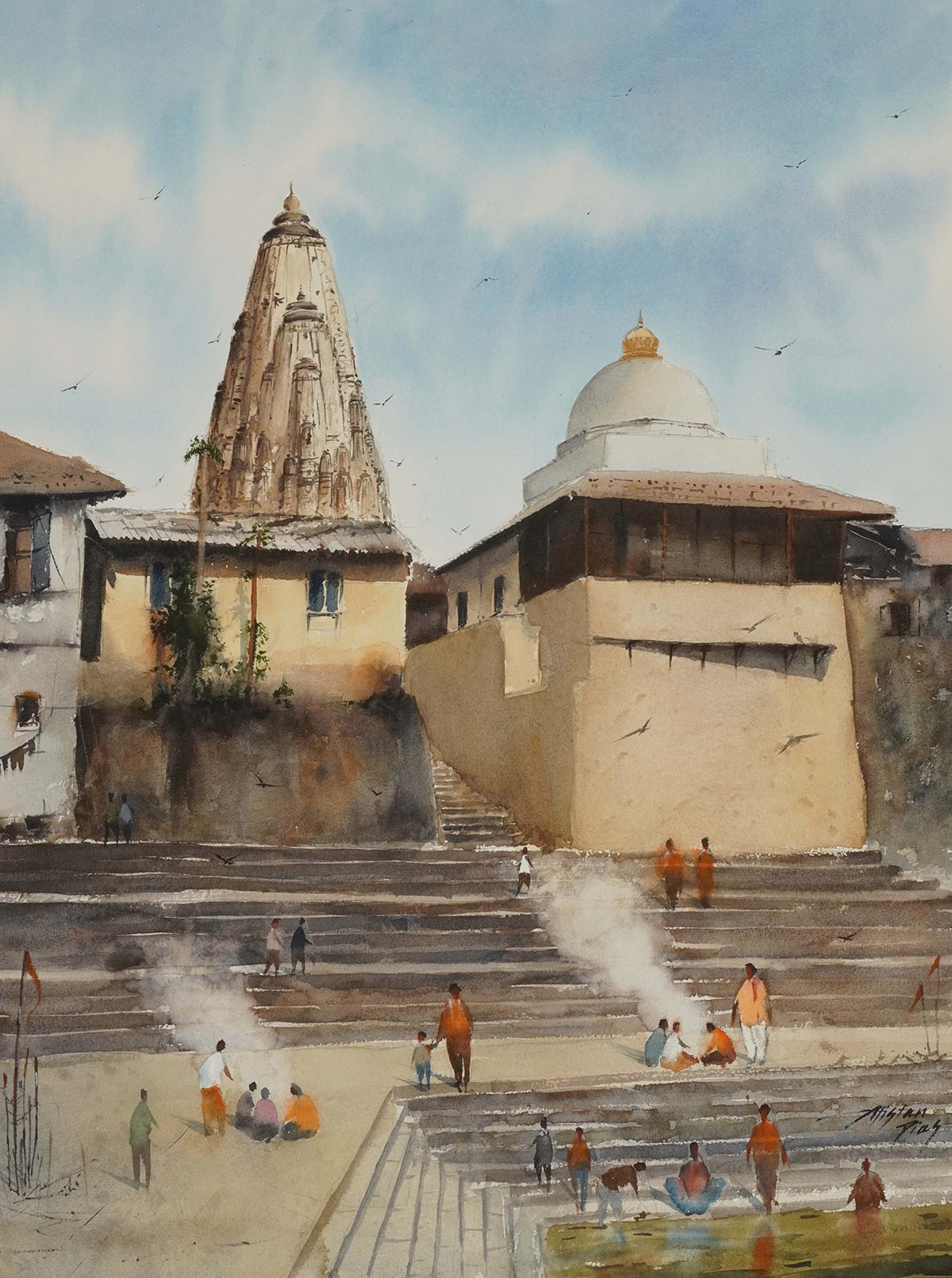
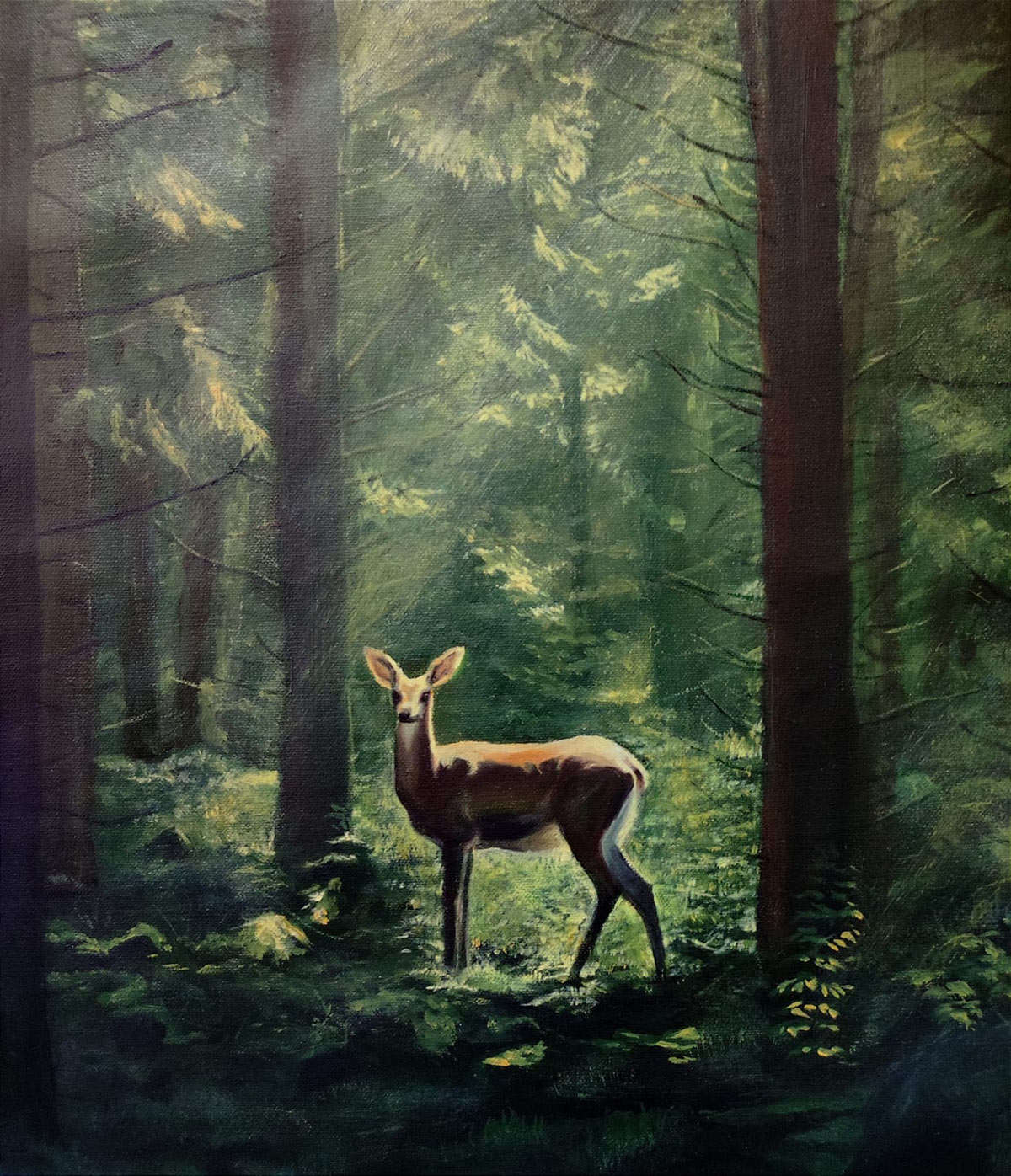
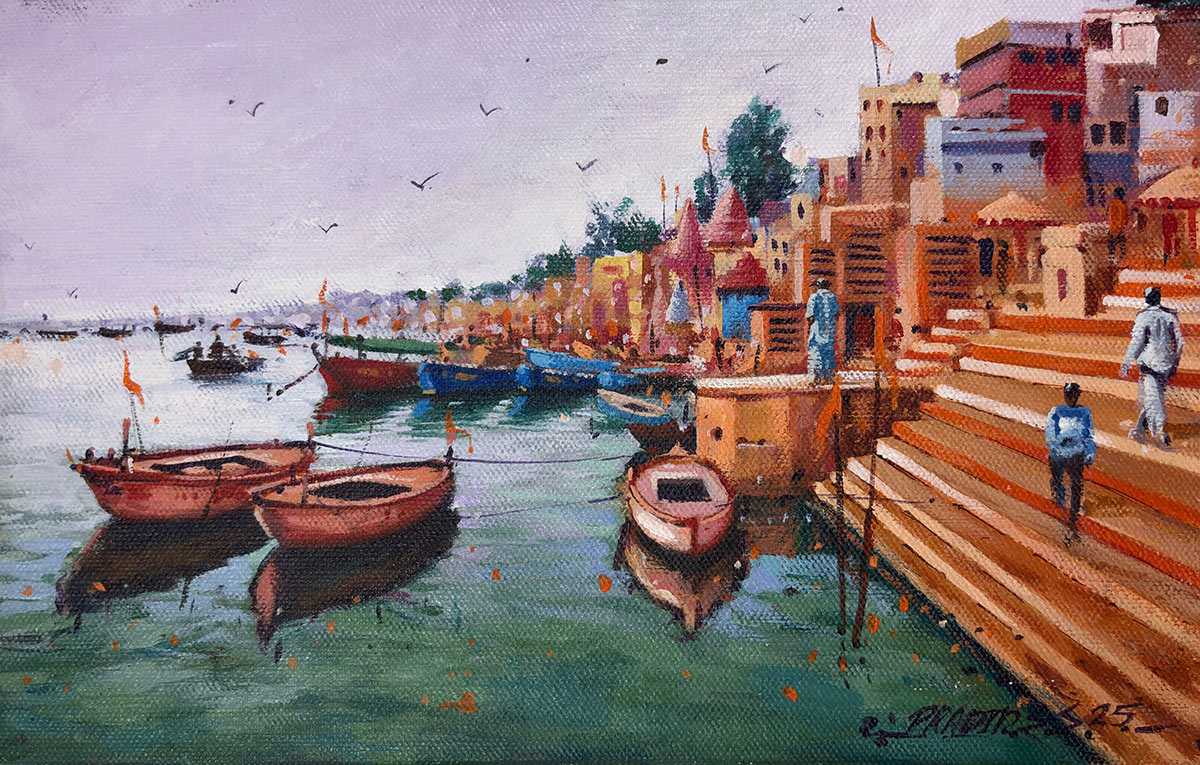
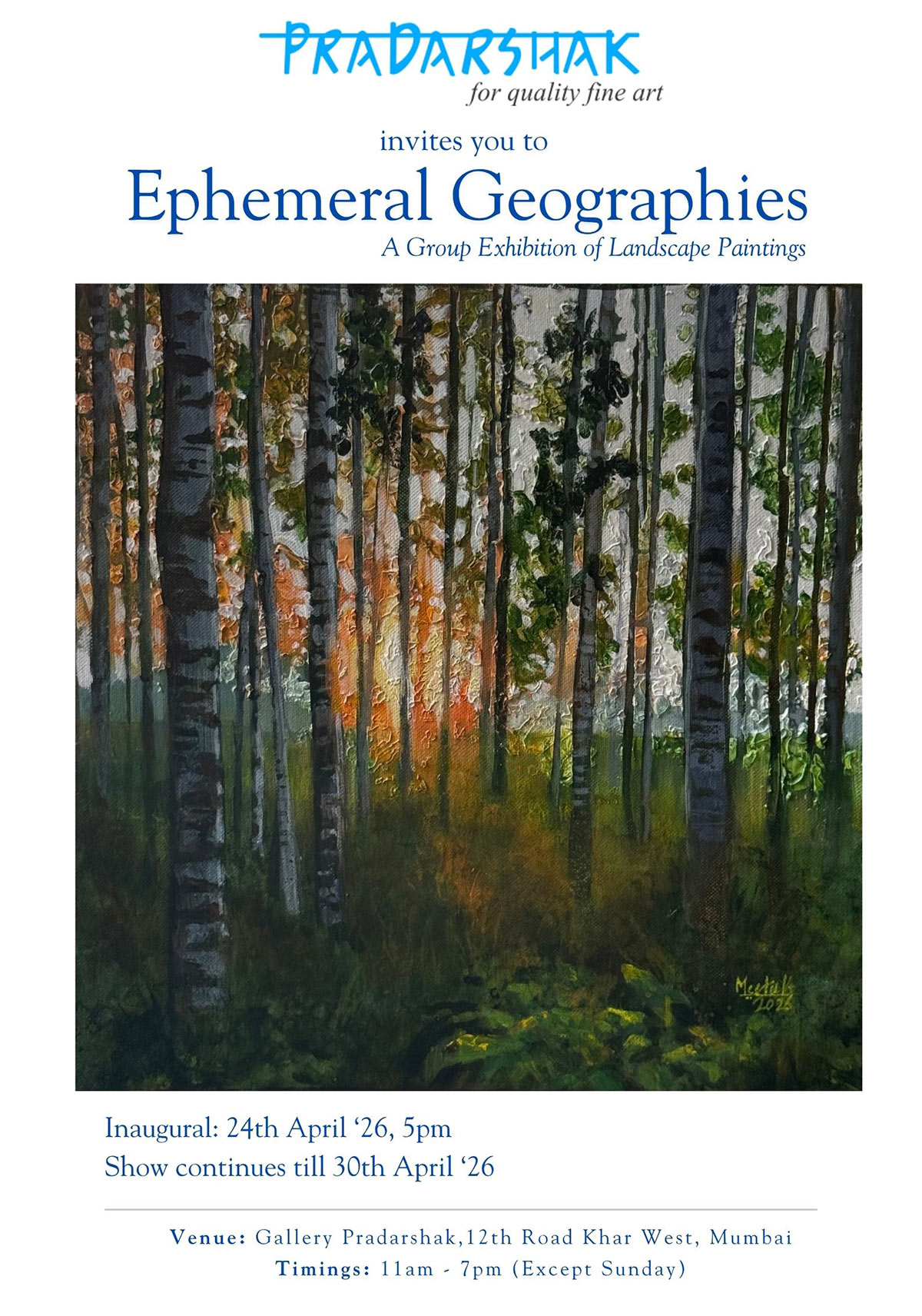
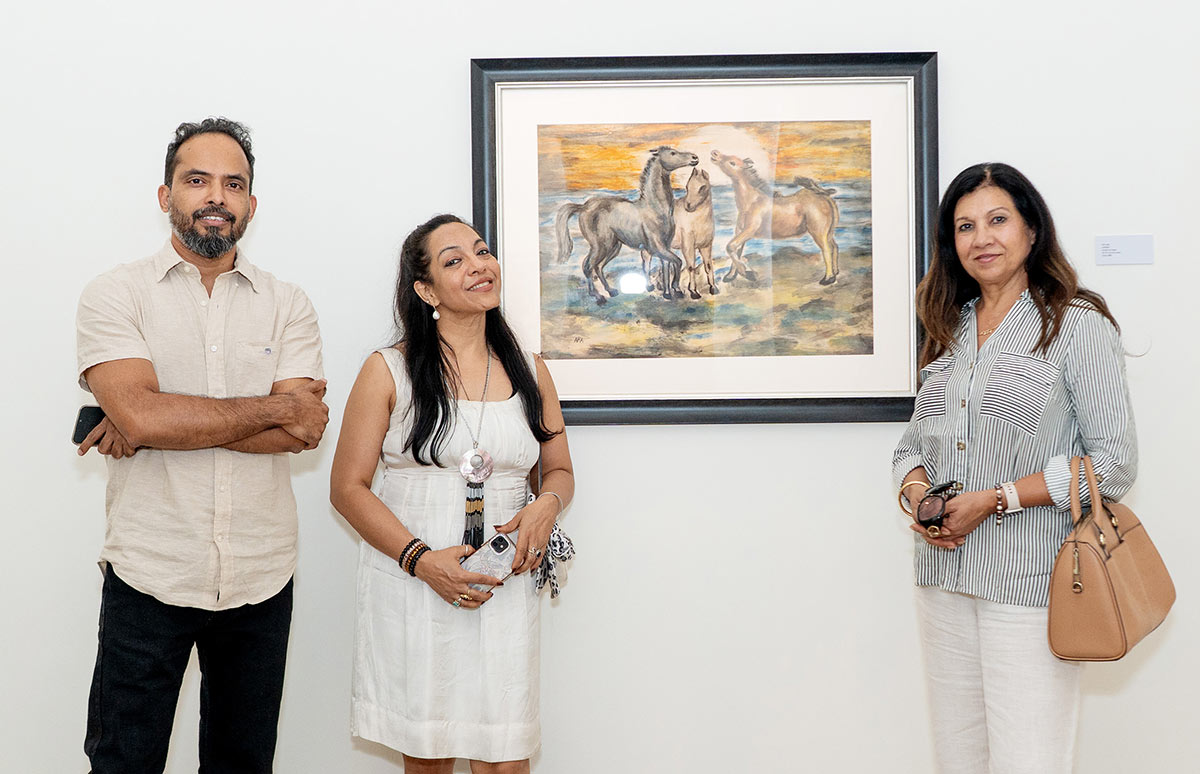
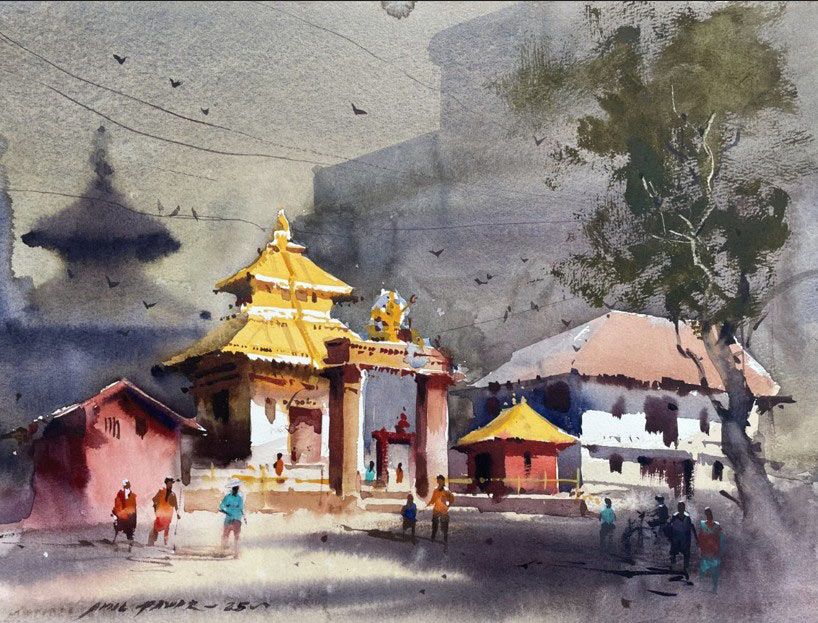
A group exhibition titled Ephemeral Geographies: Where Land, Light and Time Shift will open at Gallery Pradarshak in Khar West, Mumbai, on 24 April 2026. The exhibition brings together emerging and mid-career artists working across multiple mediums, presenting varied interpretations of landscape shaped by time, memory, and perception. 

Exhibition Overview

Event Name Ephemeral Geographies: Where Land, Light and Time Shift
Artist Alistan Dias, Amol Pawar, Bhoomika Karbhari, Manthan Tambe, Meetul Agarwal, Pradip Suryawanshi, Rohan Bhavsar, Sharu Anjirbag, Siddhant Bansod, Suresh Jangid
Venue Gallery Pradarshak, Khar West
City Mumbai
Opening Date 24 April 2026
Exhibition Dates 24–30 April 2026
Organiser Gallery Pradarshak
Entry / Tickets Open to all
Website http://www.gallerypradarshak.com

Exploring Landscape as Process

Alistan-Dias

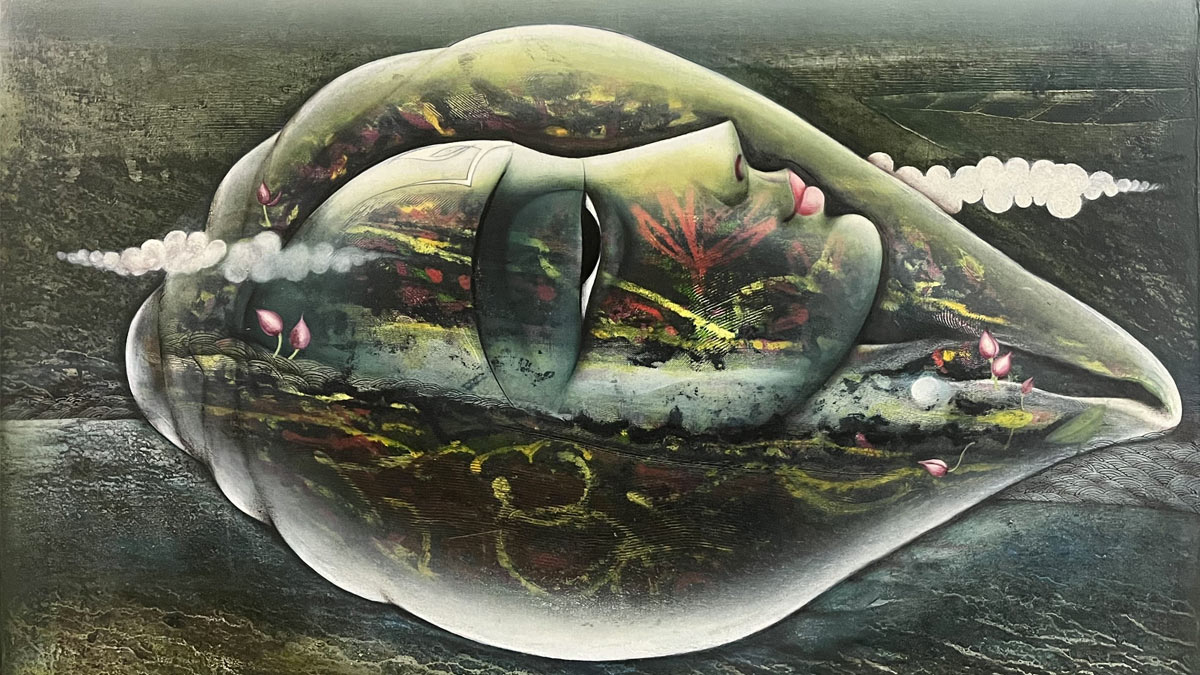
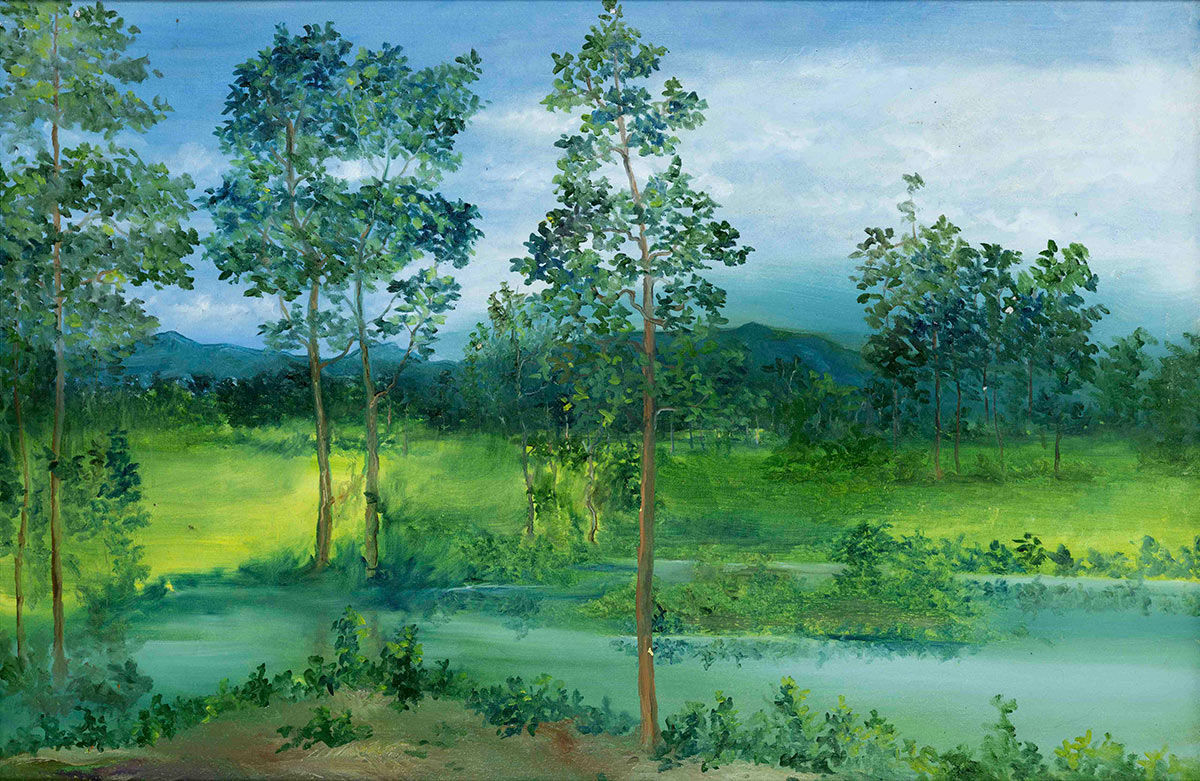
The exhibition presents landscapes not as fixed scenes but as evolving conditions shaped by light, atmosphere, and time. The works span forests, water bodies, coastal environments, temple precincts, and urban spaces, reflecting diverse encounters with both natural and built surroundings. 

Role of Light and Time

A central thread across the exhibition is the role of light in transforming perception. Whether filtering through foliage or reflecting on water, light alters how each landscape is experienced, suggesting a continuous shift rather than permanence. 

Individual Artistic Approaches

Bhoomika-Karbhari

Several artists approach landscape through distinct conceptual lenses. Alistan Dias explores lived rhythms of place, while Bhoomika Karbhari focuses on stillness and attentiveness. Pradip Suryawanshi engages with memory, and Rohan Bhavsar examines reflection as a mode of seeing. Suresh Jangid’s work evokes contemplative spaces shaped by time. 

Mediums and Techniques

The exhibition includes works in:

  • Oil and acrylic painting
  • Watercolour
  • Pen and ink
  • Mixed media

These varied approaches expand how landscapes are constructed and interpreted, offering multiple visual and material perspectives. 

Gallery Context

Pradip-Suryawanshi-2

Gallery Pradarshak, based in Mumbai, has presented exhibitions featuring emerging and established artists across contemporary Indian art practices. The gallery’s programming often engages with thematic explorations and diverse artistic mediums.

Visitor Information

Ephemeral-Geographies--Where-Land,-Light-and-Time-Shift-at-Gallery-Pradarshak-02

The exhibition is open to all visitors, and artworks will be available for purchase. For enquiries, visitors can contact the gallery directly at +91 9920386641.

Conclusion

Ephemeral Geographies brings together varied artistic approaches to landscape, focusing on how perception shifts through light, memory, and time. By presenting landscapes as fluid and evolving, the exhibition encourages viewers to reconsider familiar environments. It offers a reflective space within contemporary art practice, highlighting how fleeting moments can shape lasting cultural and visual experiences.

PackPlus 2026 Registration Opens for Visitors and Exhibitors Across India

0

PackPlus-2026-Registration-Opens-01

Registration has opened for PackPlus 2026, the 20th edition of India’s flagship exhibition dedicated to the packaging, converting, and supply chain industry. Scheduled from 20–22 August 2026 at Pragati Maidan, New Delhi, the event is expected to bring together more than 15,000 visitors and over 300 exhibitors from across the sector.

A Milestone Edition for the Packaging Industry

PackPlus 2026 marks a significant milestone as it celebrates its 20th edition. Over the years, the exhibition has developed into a key platform for industry stakeholders, offering access to new technologies, business opportunities, and sector-wide collaborations. The event continues to position itself as a comprehensive sourcing destination for industries reliant on packaging solutions.

Focus on Innovation and Sustainability

The upcoming edition will highlight advancements in sustainable packaging, printing, and converting technologies. With increasing global emphasis on eco-friendly materials and processes, PackPlus 2026 aims to present solutions that address environmental concerns while maintaining efficiency and scalability.

Participation Across Industries

The exhibition is expected to attract participants from a wide range of industries, including FMCG, pharmaceuticals, food and beverage, e-commerce, textiles, logistics, and retail. Organisers have also indicated the participation of international companies alongside domestic manufacturers, expanding the global outlook of the event.

What Visitors Can Expect

Visitors will have access to live demonstrations, networking opportunities, and direct engagement with suppliers and decision-makers.

Key highlights include:

  • Live machinery and product demonstrations
  • Insights into packaging trends and sustainability practices
  • Networking with industry professionals and buyers
  • Exposure to new technologies across the value chain

Opportunities for Exhibitors

For exhibitors, PackPlus 2026 provides a focused B2B platform to showcase innovations and connect with high-intent buyers.

Exhibitor benefits include:

  • Lead generation and business development
  • Brand visibility across the packaging ecosystem
  • Engagement with curated buyers from multiple industries
  • Access to partnerships and sourcing opportunities

Organiser and Industry Context

PackPlus is organised by RX India, part of RX, a global events and exhibitions company. RX operates in 25 countries and hosts approximately 350 events annually across 41 industry sectors. The company is part of RELX, a global provider of analytics and decision tools, serving customers in over 180 countries.

More information about the organiser can be found on the official website: https://www.rxglobal.com

Venue and Legacy

The event will take place at Pragati Maidan in New Delhi, one of India’s प्रमुख exhibition venues known for hosting large-scale international trade fairs. Previous editions of PackPlus, including PackPlus 2025, saw strong participation and facilitated sourcing of cost-effective and sustainable packaging machinery.

Aspects Details
Event PackPlus 2026
Venue Pragati Maidan
City New Delhi
Opening Date 20 August 2026
Exhibition Dates 20–22 August 2026
Organiser RX India
Entry / Tickets Registration Required
Website / Registration https://www.packplus.in

Registration and Participation

Registrations are now open for both visitors and exhibitors. Interested participants can explore details and register through the official event platform:
https://www.packplus.in

Conclusion

As PackPlus 2026 marks its 20th edition, it reflects the growth and transformation of India’s packaging industry. By bringing together innovation, sustainability, and business networking, the exhibition continues to serve as a vital platform for industry advancement and collaboration across sectors.

Where Words End Exhibition Brings Tom Vattakuzhy’s Story Paintings to Mumbai

0

Where-Words-End-Exhibition-Tom-Vattakuzhy-01

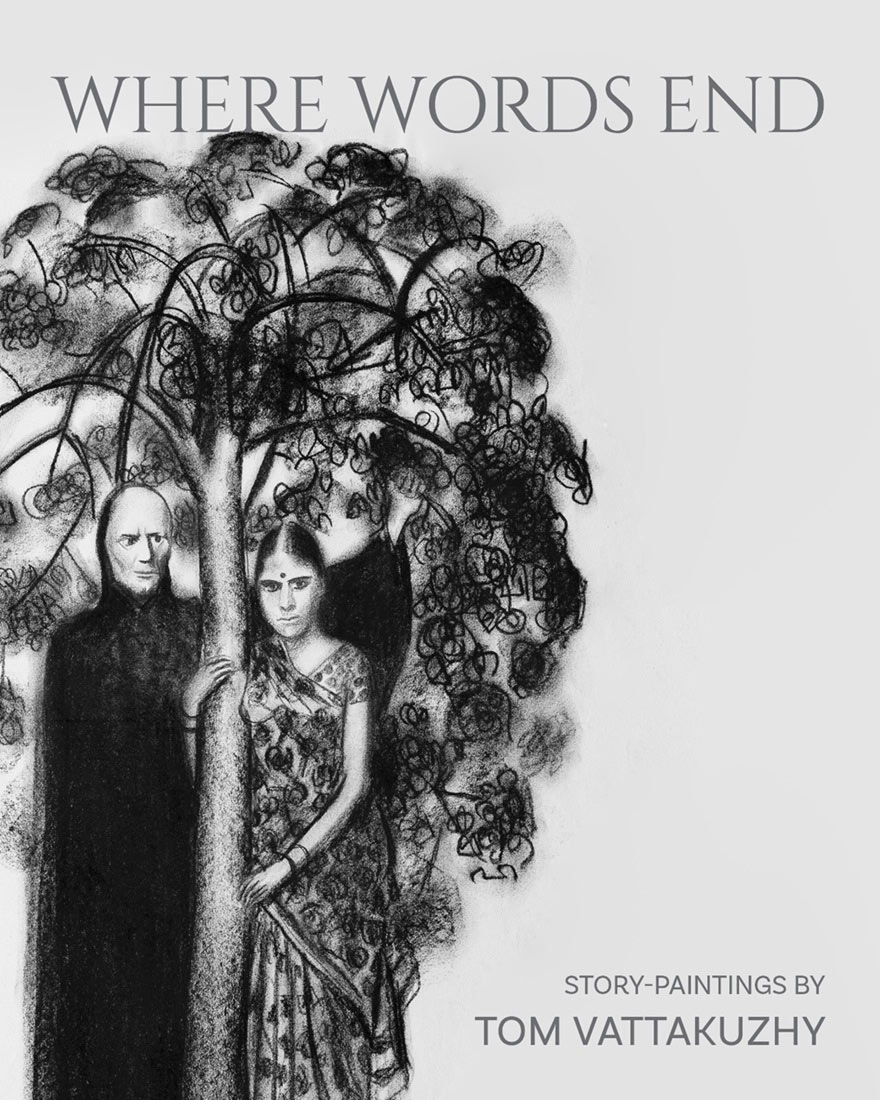
Mumbai will host the first exhibition of artist Tom Vattakuzhy’s work in the city with Where Words End, opening at the Institute of Contemporary Indian Art (ICIA). The exhibition, on view from 3–17 May 2026, presents a focused series of works described by the artist as “story paintings,” examining the limits of language and the expressive potential of painting.

Exploring the Limits of Language

The exhibition begins from the premise that certain experiences cannot be fully expressed through words. Vattakuzhy’s paintings respond to this gap, attempting to capture what remains unspoken. Rather than illustrating narratives, the works move beyond text, presenting moments that resist clear explanation and invite prolonged engagement.

From Illustration to Story Painting

Tom-Vattakuzhy-Gouache-on-paper,-2015

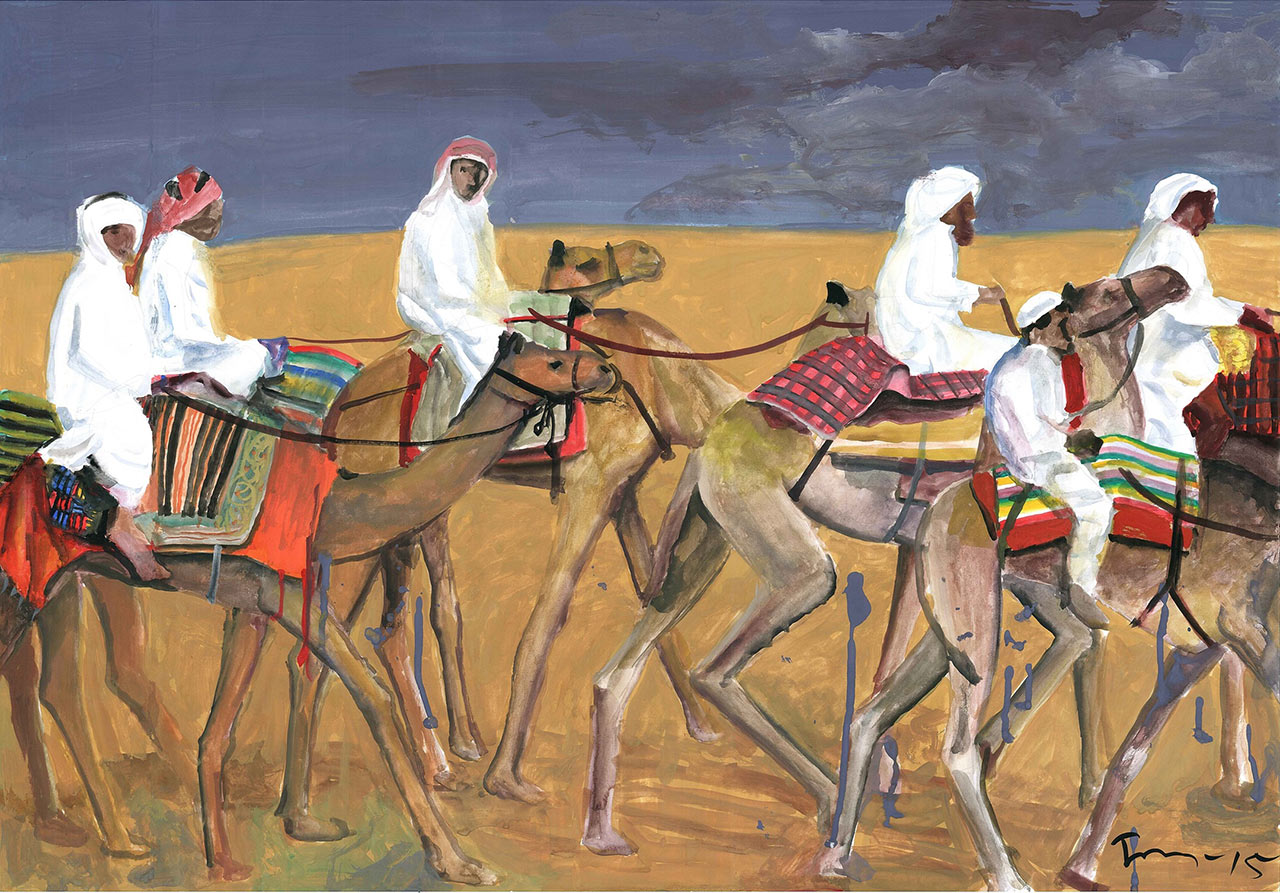
Vattakuzhy’s early career as an illustrator for Malayalam periodicals shaped his understanding of narrative imagery. However, the works in this exhibition depart from that function. These “story paintings” do not accompany text but instead seek to transcend it, shifting from explanation to experience and allowing ambiguity to remain central.

Figures, Memory, and Social Context

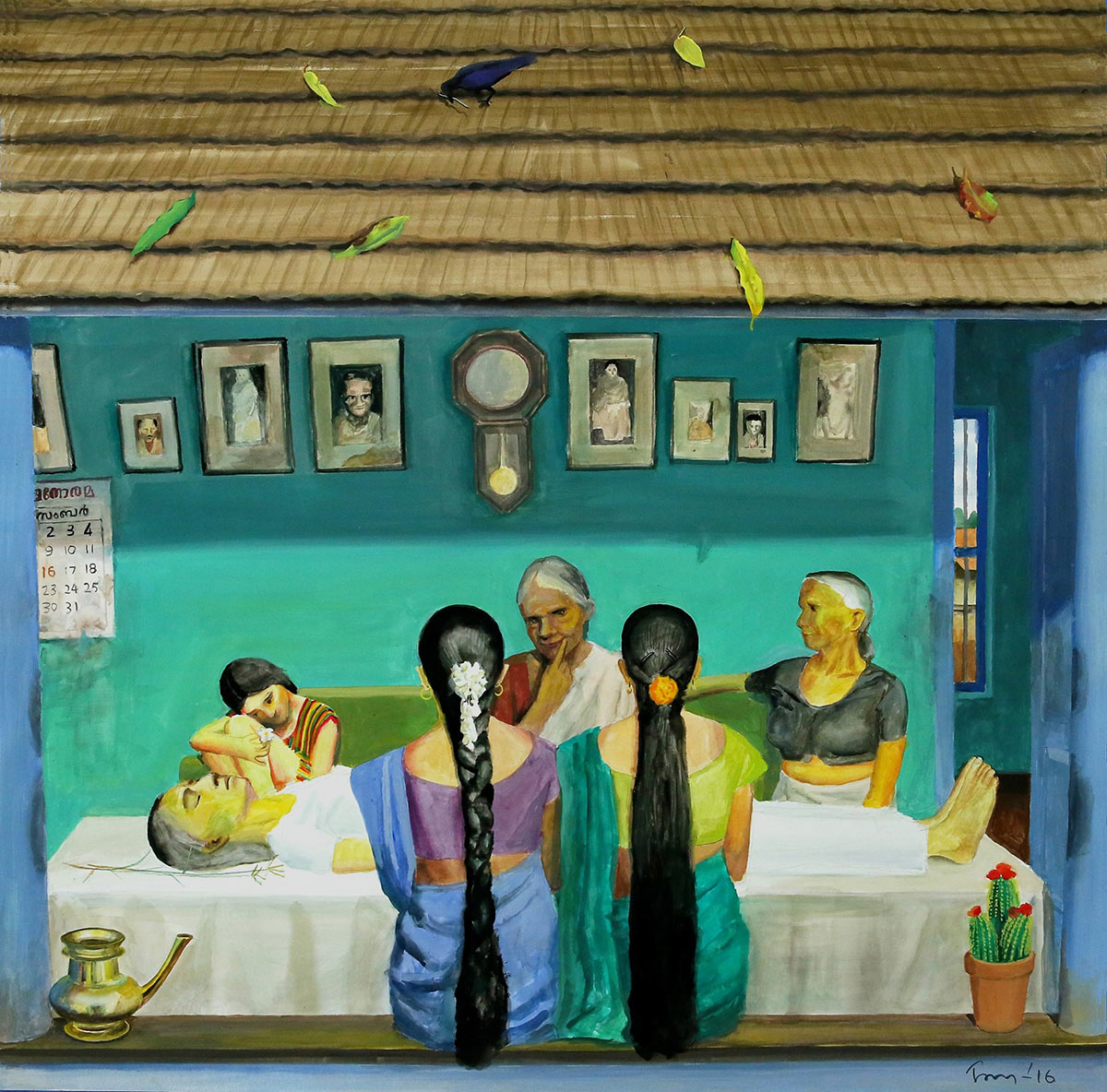
The artist draws on figures from his early life—ordinary individuals, often situated on the margins of social and political discourse. These characters inhabit uncertain spaces between opposites such as truth and fiction or good and evil, reflecting layered realities shaped by memory and lived experience.

A Visual Language of Suspension

Tom-Vattakuzhy-Gouache-on-Canson-paper,-2016.

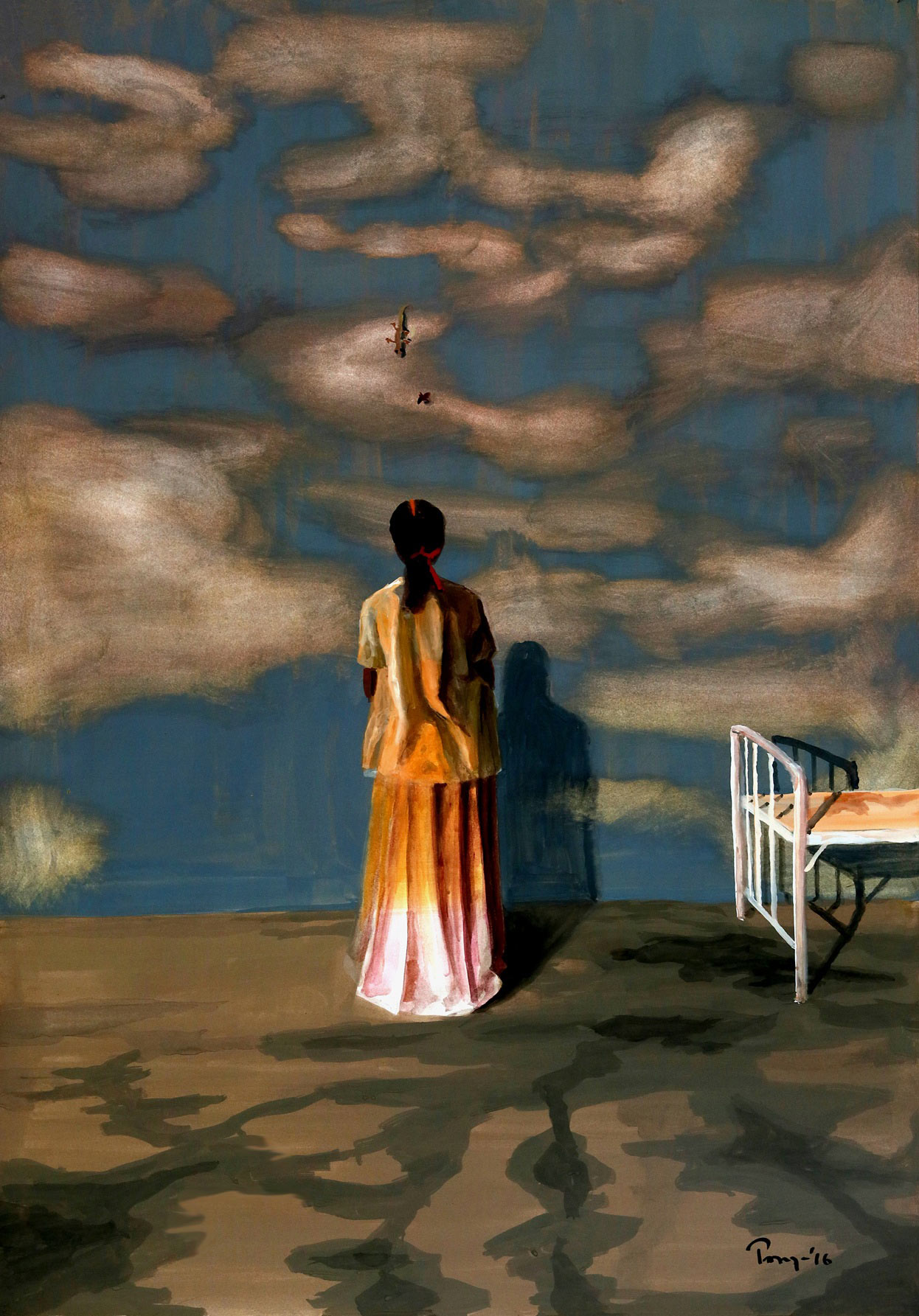
The works are marked by stillness and unresolved gestures. Figures appear suspended, and spaces hold an atmosphere that suggests more than they reveal. Time within these paintings does not progress linearly but accumulates, creating a sense of duration rather than narrative closure.

Curatorial Perspective

According to Siddharth Sivakumar, Director of Curation and Artist Relations at ICIA, the exhibition focuses on the point where language reaches its limits and painting assumes a new role. The curatorial approach emphasises viewer engagement through observation rather than interpretation.

About the Artist


View this post on Instagram


A post shared by Tom Vattakuzhy (@tomvattakuzhy)

Born in 1967, Tom Vattakuzhy studied printmaking at Kala Bhavana, Visva-Bharati, and later completed his MFA at the Faculty of Fine Arts, MS University of Baroda. His practice spans painting, printmaking, and illustration, often addressing themes of solitude, domestic life, and the emotional effects of migration. He has received several recognitions, including the AIFACS Award and the Kerala Lalithakala Akademi Award.

Recent exhibitions include Song of the Dusk at Aicon Contemporary, New York (2022), and Shadows of Absence at the Birla Academy of Art and Culture, Kolkata (2025). His work has also been featured in the Kochi-Muziris Biennale 2025–26.

Exhibition Details and Highlights

Tom-Vattakuzhy-Sakalathinum-porul.-Sangeeta-sreenivasan

The exhibition will be held at ICIA Gallery in Kala Ghoda, Mumbai, and will be open daily from 11 am to 7 pm.

Highlights of the exhibition include:

  • A focused presentation of “story paintings”
  • Works exploring silence, memory, and narrative gaps
  • References to literature and art history that remain open-ended
  • Emphasis on viewer experience rather than interpretation

Event at a Glance

Aspects Details
Event Name Where Words End
Artist Tom Vattakuzhy
Venue ICIA Gallery, Kala Ghoda
City Mumbai
Opening Date 3 May 2026
Exhibition Dates 3 – 17 May 2026
Organiser Institute of Contemporary Indian Art (ICIA)
Entry / Tickets Not specified

About the Organiser

Tom-Vattakuzhy

Founded in 2007, the Institute of Contemporary Indian Art (ICIA) is a Mumbai-based gallery that supports both emerging and established artists. The organisation is known for its curatorial approach, which promotes dialogue, research, and cross-cultural exchange through exhibitions and programmes across India and internationally.

Conclusion

Where Words End presents a body of work that shifts attention from narrative clarity to emotional and perceptual depth. By foregrounding what cannot be articulated, the exhibition encourages viewers to engage with painting as an experience rather than a text. In doing so, it contributes to ongoing conversations about the role of contemporary art in expanding forms of understanding beyond language.

Gold Prices Drop on Akshaya Tritiya 2026, Fueling India’s Timeless Obsession with Gold

0

Gold-Prices-Drop-on-Akshaya-Tritiya-01

On April 20, 2026, the tail-end of one of Hinduism’s most auspicious days, gold prices across India quietly slipped. For millions of Indian families, that was not a warning. It was an invitation.

The Numbers That Made Jewellers Smile

There is a moment, just before an Indian bride steps into her wedding mandap, when the gold she wears ceases to be jewellery and becomes something else entirely memory, blessing, inheritance, hope. It is in that same spirit that millions of Indians approach Akshaya Tritiya, the single most auspicious day in the Hindu calendar for buying gold. And on April 20, 2026, the markets handed those buyers an unexpected gift.

Gold prices across India declined on Sunday into Monday, with 24-carat gold falling to approximately ₹1,53,440 per 10 grams a drop of nearly 0.77% from the previous session. On the futures market, the picture was sharper still:

  • MCX gold (June 2026 expiry) fell by around ₹1,600 per 10 grams, opening at ₹1,53,158 and slipping to as low as ₹1,53,018 during early trade.
  • MCX silver crashed by approximately ₹5,110 per kilogram a decline of nearly 2% hitting an intraday low of ₹2,51,671 per kg.
  • On international markets, COMEX gold shed 2% to trade at $4,780 per ounce, reversing the previous week’s modest 1.7% gain.
The trigger was renewed geopolitical turbulence in the Strait of Hormuz, US naval forces seized an Iranian-flagged cargo vessel in the Gulf of Oman, reigniting energy supply fears and pushing investors toward crude oil and the dollar, momentarily cooling precious metal appetite.

On any ordinary Monday, this would have been a footnote in the business pages. But April 19–20 was not an ordinary Monday. It was Akshaya Tritiya.

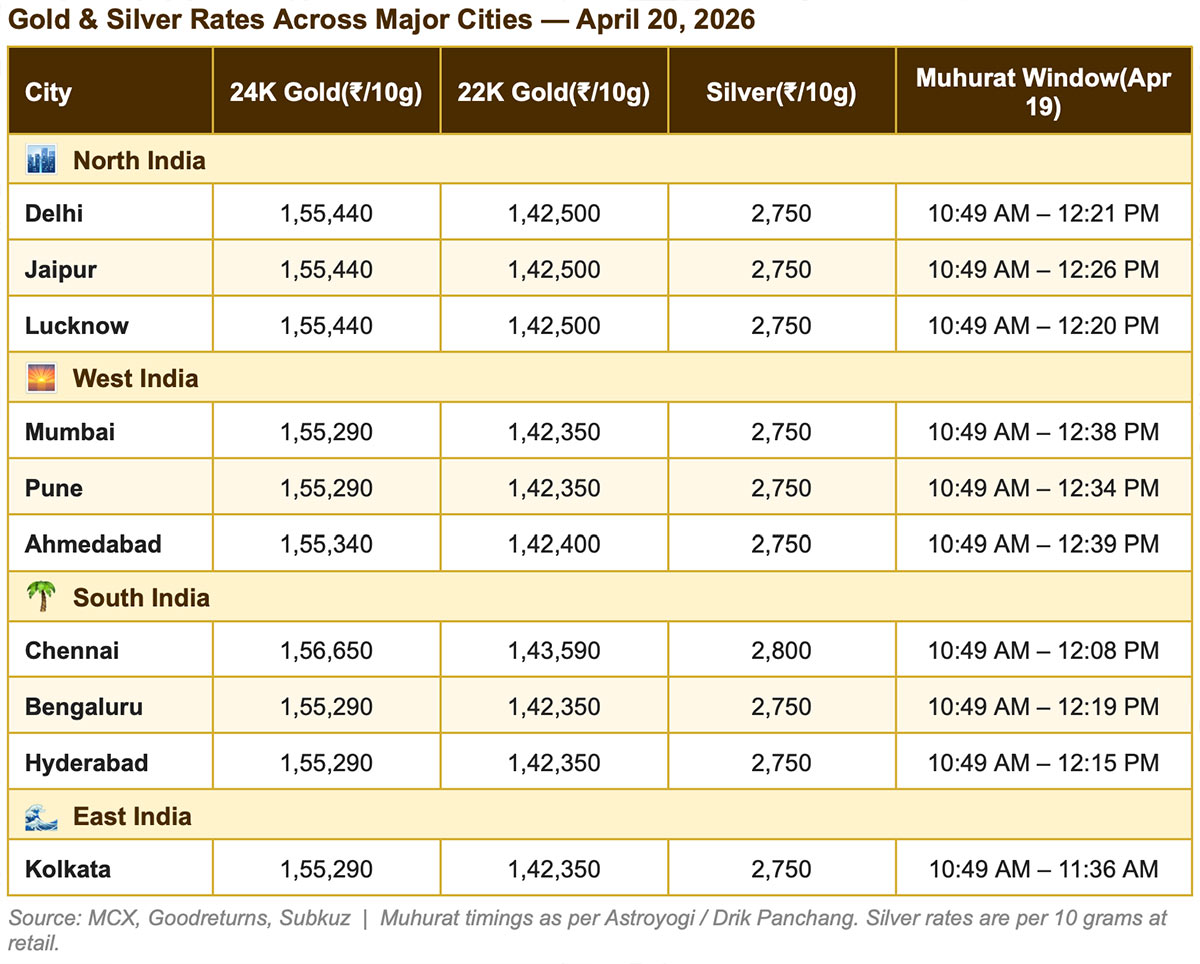
Gold-&-Silver-Rates-Across-Major-Cities-April-20,-2026

‘Akshaya’ That Which Never Diminishes

The word comes from Sanskrit: Akshaya means that which never decays, never reduces, never ends. Celebrated on the third lunar day (Tritiya) of the bright fortnight of the month of Vaishakha, the festival is considered so inherently auspicious that even the act of purchasing gold on this day regardless of price is believed to multiply into lasting prosperity.

According to Hindu tradition, this is the day when Treta Yuga began, and it marks the birth anniversary of Lord Parashurama, the sixth avatar of Vishnu. The day is also considered the most powerful occasion in the calendar for:

  • Buying gold, silver, or property as a long-term investment
  • Starting new businesses, signing contracts, or launching ventures
  • Performing Griha Pravesh (housewarming) and weddings
  • Donating food, clothes, or money acts believed to return multiplied
  • Worshipping Goddess Lakshmi and Lord Vishnu together for household prosperity

In 2026, the Tritiya Tithi began at 10:49 AM on April 19 and extended until 7:27 AM on April 20, making a generous window of nearly 21 hours during which buying gold was considered especially blessed. Jewellers across the country had been preparing for weeks stocking new designs, rolling out EMI schemes, and training staff for the rush that would inevitably follow.

That the gold rate in India dipped on the very day of this festival, then, was less a market anomaly than a cultural coincidence and one that played out beautifully for buyers.

From Kolkata to Kochi, a Nation Queues at the Jeweller’s

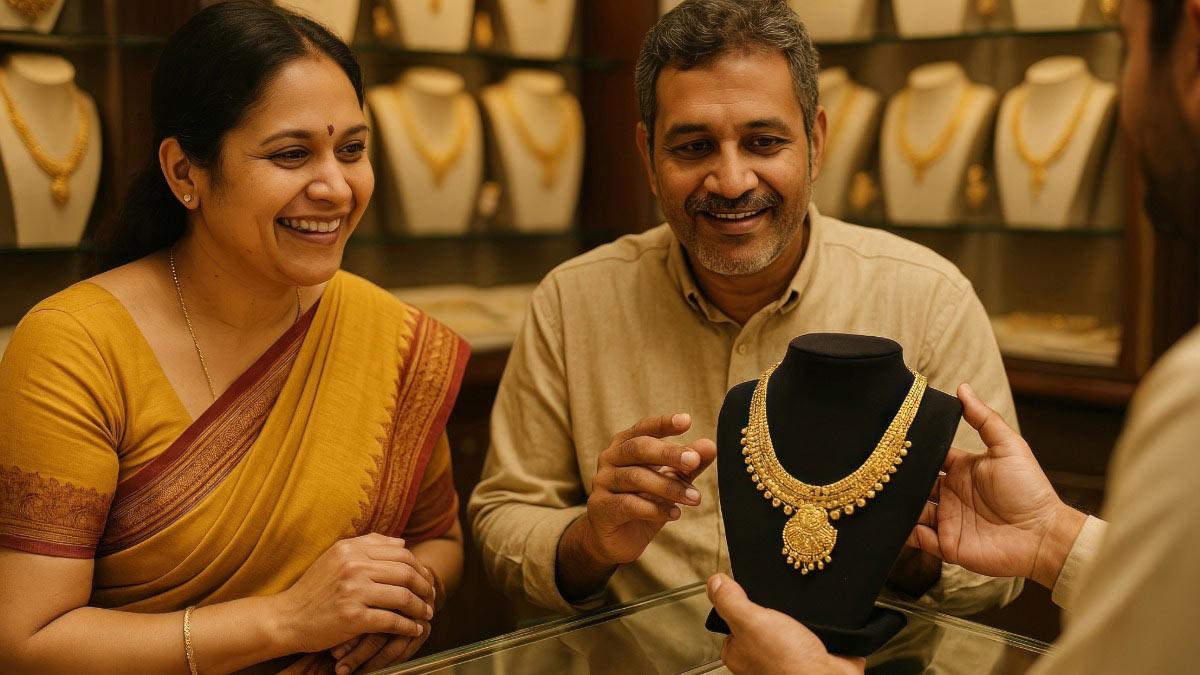
From-Kolkata-to-Kochi,-a-Nation-Queues-at-the-Jewellery Shops

The regional texture of Akshaya Tritiya gold buying is as varied as India itself. Across the country, the festival plays out differently but with the same fervour:

  • Tamil Nadu: Chennai and Madurai see queues snaking onto pavements from dawn, families clutching tokens issued the evening before. Chennai also commands a premium rate over most other cities, a reflection of its traditionally high local demand.
  • West Bengal: The festival overlaps with the Bengali new year’s sensibility of fresh beginnings, making gold purchases doubly significant for Kolkata’s families.
  • Gujarat & Rajasthan: Akshaya Tritiya anchors the wedding season here. Many families buy gold today specifically to fund the ornaments their daughters will wear at the altar months later.
  • Kerala: Gold consumption per capita is among the highest in the country. Families visit temples first, then their trusted jewellers often the same shops their grandparents patronised.
  • Northern India:  Delhi’s Karol Bagh and Chandni Chowk, among the largest gold merchant networks in Asia, record some of the highest single-day volumes. Here, gold is savings, hedge, and heirloom all in one.

The gold rate in India may fluctuate daily, but the ritual of this day does not.

Why Indians Buy Gold: A Story Older Than Any Market

To understand why a price dip on Akshaya Tritiya matters so much emotionally, commercially, and culturally one must first understand why Indians buy gold at all, and in such extraordinary quantities. India’s gold imports hit a record USD 71.98 billion in FY26 alone, a figure that no purely financial explanation can account for.

Gold in India is not primarily an investment vehicle. It is a language one that speaks simultaneously of:

  • Love and commitment, woven into weddings as mangalsutras, bangles, necklaces, and rings
  • Security and independence, for generations of Indian women, gold was the only asset they truly owned, portable and liquid in times of crisis
  • Spiritual devotion, gold is considered a physical manifestation of Goddess Lakshmi; buying it on Akshaya Tritiya is an act of inviting her blessings into the home
  • Generational legacy, inherited jewellery carries family memory as much as monetary value
  • Practical investment, a reliable hedge against inflation and currency depreciation, trusted across income levels

This history is why the gold rate today in India carries an emotional weight that no stock ticker can replicate. When prices rise, families feel proud of the gold in their lockers. When prices fall, they feel the call to buy more. It is a relationship with metal that functions less like investing and more like devotion.
Weddings, Daughters, and the Long Game of Gold

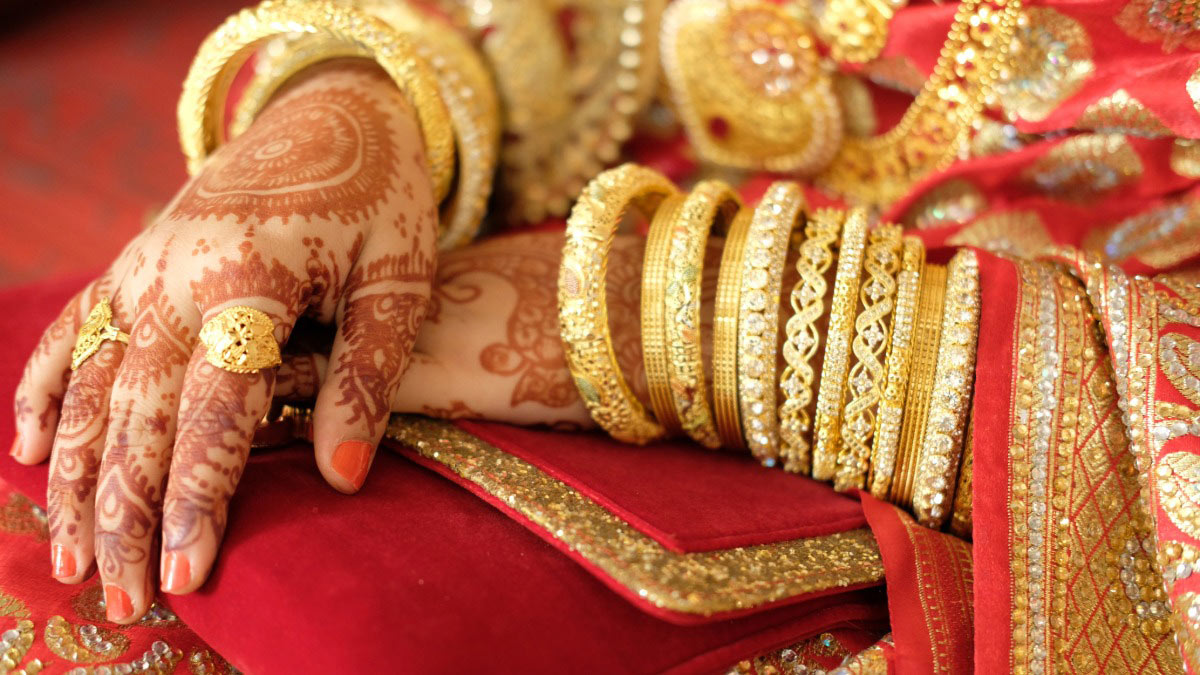
Weddings,-Daughters,-and-the-Long-Game-of-Gold

There is a particular category of buyer that drives Akshaya Tritiya volumes more than any other: the Indian parent of a daughter. In many communities across the country, the tradition of Streedhan the gold a family gifts a bride as her own rightful wealth remains very much alive. Grandmothers save for years. Fathers set aside bonuses. Mothers compare designs at family gatherings months before the wedding. And Akshaya Tritiya, given its auspiciousness, is the day many of these families choose to make that purchase.
A price correction, even a modest one, at this moment in the calendar feels almost providential. Jewellers report that even buyers who had mentally committed to the day regardless of price feel a surge of enthusiasm when the gold rate today is lower than the week before. Sentiment, in the gold market, is its own kind of fuel.

The generational habits around gold investment are equally resilient. Buyers on Akshaya Tritiya 2026 broadly fell into three types:

  • The traditional buyer, purchasing physical jewellery for a daughter’s trousseau, a family puja, or to mark a milestone, often guided by a family jeweller of decades’ standing.
  • The occasion investor,  buying gold coins or small bars as a store of value, increasingly through hallmarked government-recognised outlets.
  • The digital adopter, using Systematic Gold Investment Plans (SGIPs) or sovereign gold bonds as modern equivalents of physical accumulation, though even many of these buyers visited a physical store today for the ritual of it.

There is something about holding the gold, feeling its weight, that no app quite replicates.

Silver’s Quieter Moment in the Sun

While gold commands the cultural headlines, silver prices in India tell their own story on days like these. Silver fell sharply on MCX futures crashing by over 2% though physical retail prices held relatively steady, with 10 grams trading at around ₹2,750 across Delhi, Mumbai, and Kolkata, with Chennai commanding a slight premium at ₹2,800.

Silver has long been Akshaya Tritiya’s understated companion. Popular silver purchases on this day include:

  • Silver coins and small bars, gifted to children or kept as symbolic investments
  • Silver diyas and pooja thalis, for religious use, especially in Maharashtra and Karnataka
  • Idols of Lakshmi and Ganesh, considered deeply auspicious when bought on this day
  • Silver utensils, particularly in Tamil Nadu and Andhra Pradesh where silverware holds ceremonial significance

For budget-conscious buyers young couples setting up homes, first-time investors, students gifting something auspicious to parents silver offers participation in the ritual without the full weight of gold’s price. The act of buying something precious on this day, however modest, is what counts.

Where Markets End and Meaning Begins

Where-Markets-End-and-Meaning-Begins-01

There is always a temptation, when writing about gold and silver prices, to reduce the story to supply and demand, to geopolitical triggers and currency movements. And those forces are real the Strait of Hormuz did weigh on gold futures on April 20. The strong US dollar did cool sentiment on MCX. These are facts.

But they are not the whole story. Not in India, and not on Akshaya Tritiya.

The whole story is the grandmother in Coimbatore who has been saving for three years so her granddaughter can wear real gold at her wedding. The young couple in Pune who bought their first gold coin together, small and ceremonial, as a way of beginning. The merchant in Ahmedabad who opened his new account books today because his father did, and his grandfather before that.

Gold prices today may be charted on a graph, but the reasons people buy gold in India belong to a different register entirely one that speaks in the language of seasons, deities, and decades. On Akshaya Tritiya 2026, with gold rates dipping at just the right moment, that language found one more willing audience.

FAQs on Gold Prices Drop

Question: Why do Indians buy gold on Akshaya Tritiya?

Answer: Akshaya Tritiya is considered highly auspicious, and buying gold on this day is believed to bring lasting prosperity, wealth, and good fortune.

Question: Why did gold prices drop on April 20, 2026?

Answer: Gold prices dropped due to global market factors such as geopolitical tensions, a stronger US dollar, and shifting investor sentiment away from precious metals.

Question: Is it a good time to buy gold when prices drop during Akshaya Tritiya?

Answer: Yes, a price drop during Akshaya Tritiya is seen as an ideal opportunity, combining cultural significance with favorable pricing for buyers.

The Architecture of the Void Explores Modern Indian Art at Gallery Dotwalk, New Delhi

0

The-Architecture-of-the-Void-01

Gallery Dotwalk has opened its second exhibition at its new Defence Colony space in New Delhi, titled The Architecture of the Void: Lines on a Postcolonial Skeleton. Featuring a wide range of works on paper by leading modern Indian artists, the exhibition will remain on view until 30 May 2026. 

A Second Exhibition in a New Space

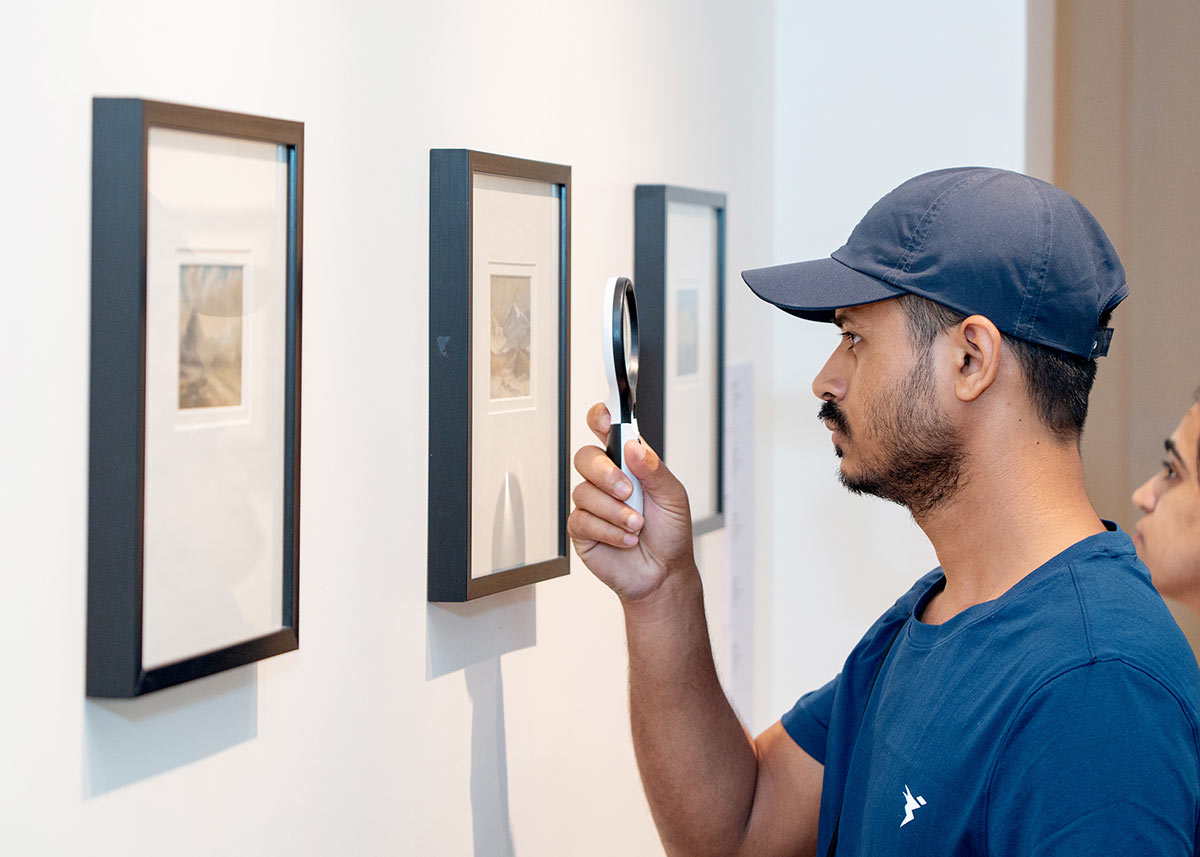
The exhibition marks an important moment for Gallery Dotwalk as it continues its programming in its recently opened Defence Colony venue. The preview brought together members of the art community, including collectors, curators, and patrons, highlighting the gallery’s growing role in fostering dialogue between modern and contemporary practices. 

Founded by Gallery Dotwalk, the space has increasingly positioned itself as a platform for experimental and research-driven exhibitions within India’s contemporary art landscape.

Focus on Works on Paper

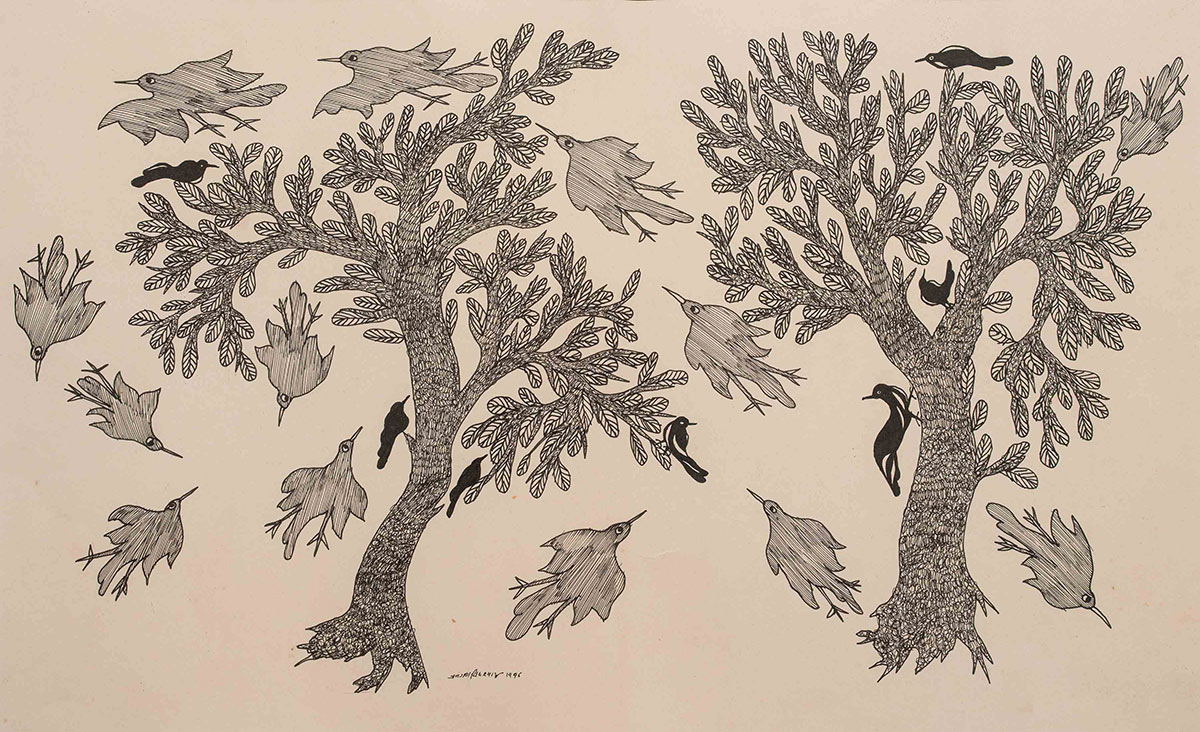
Jangarh-Singh-Shyam_Untitled_Ink-on-Paper_12.5-x-20.3-inches_1996

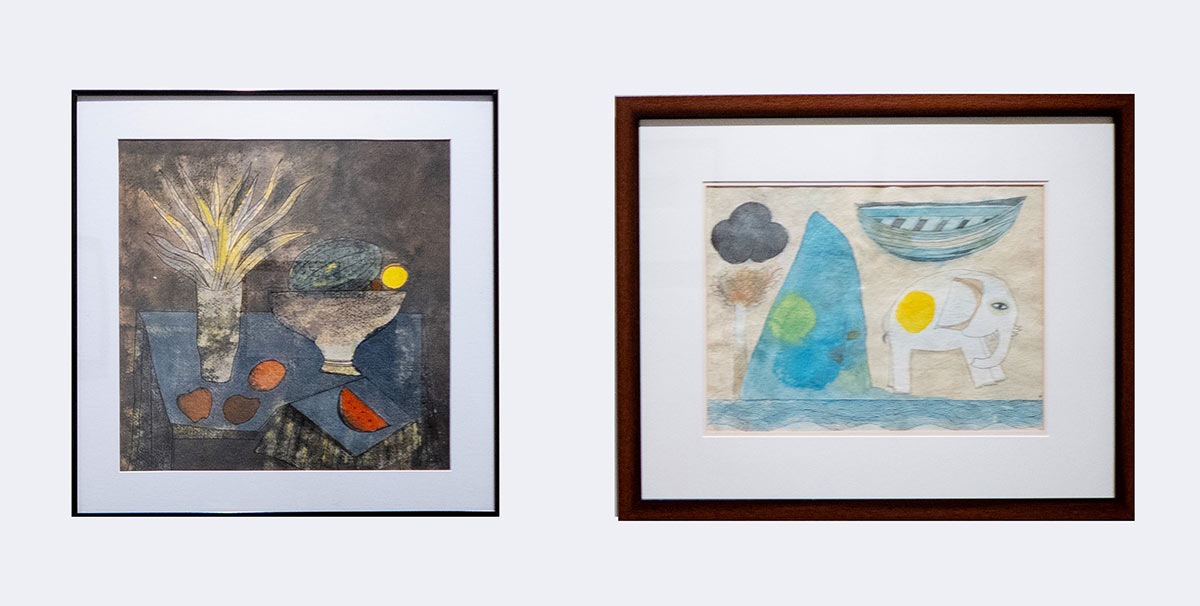
The exhibition foregrounds drawings, watercolours, and etchings mediums often considered secondary to painting or sculpture. By focusing on paper, the show emphasises its importance as a site of experimentation and immediacy in artistic practice. 

Highlights of the Exhibition:

  • Drawings and sketches capturing early artistic ideas
  • Watercolours exploring form and abstraction
  • Etchings reflecting technical experimentation
  • Works revealing erasure, hesitation, and process

Artists Across Generations

Gallery-Dotwalk-2

The exhibition brings together works by major figures of modern Indian art, including F. N. Souza, Ram Kumar, Bhupen Khakhar, and Jogen Chowdhury, among others. 

Featured Artists Include:

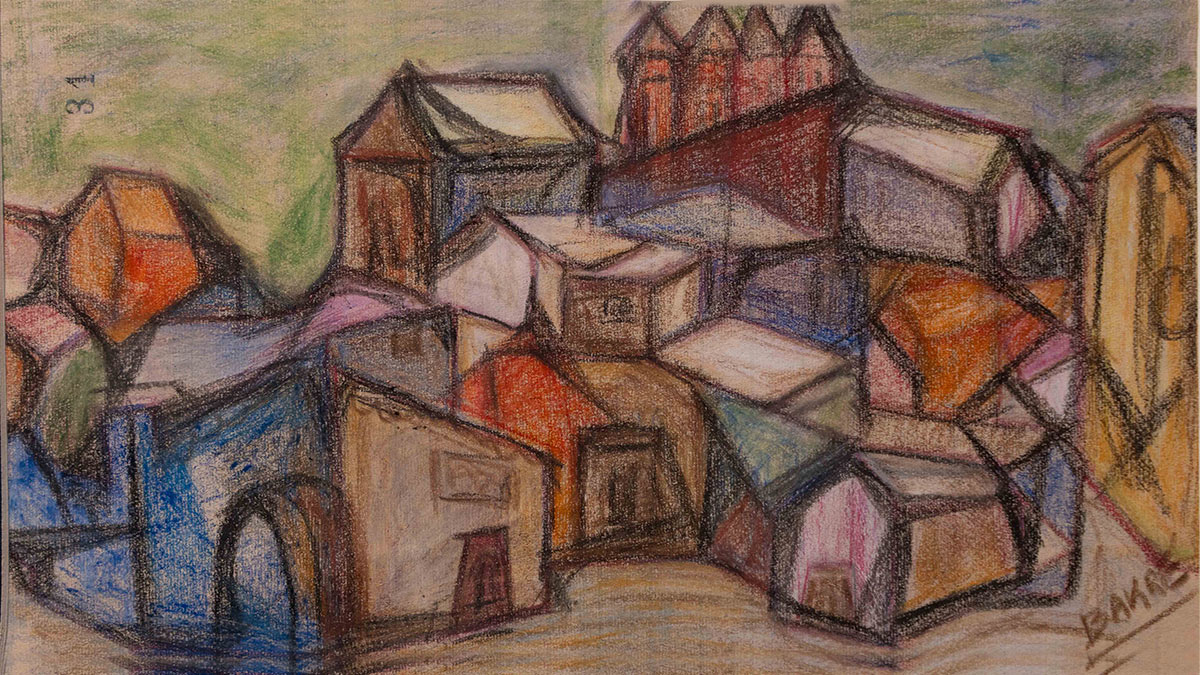
  • Sadanand K. Bakre
  • Somnath Hore
  • Badri Narayan
  • Bireswar Sen
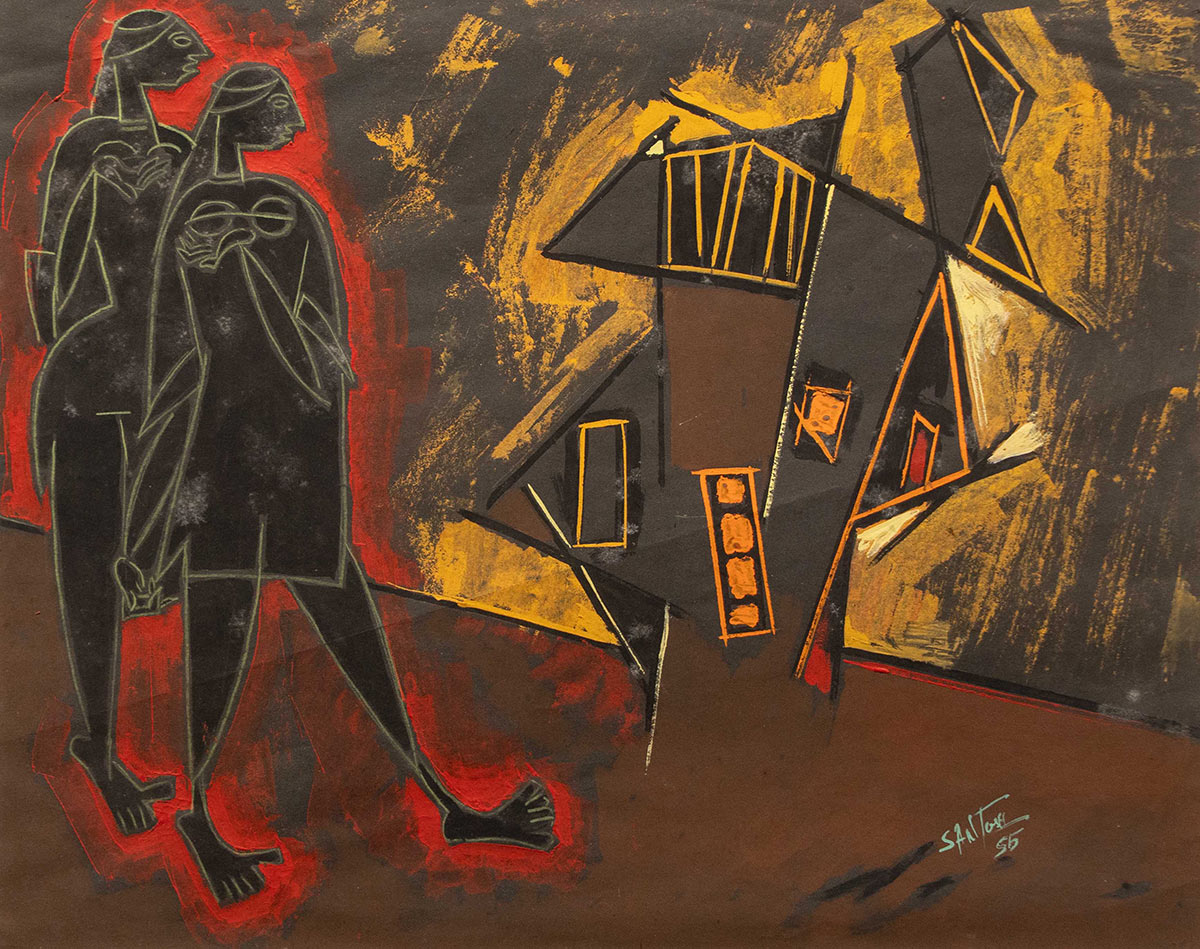
  • G. R. Santosh
  • J. Swaminathan
  • Meera Mukherji
  • Piraji Sagara
  • Prabhakar Barwe
  • K. K. Hebbar

A Postcolonial Context

G.R.-Santosh

Set against the backdrop of India’s Independence and Partition, the exhibition reflects on a period of social and cultural transformation. Artists of this era used paper as a responsive medium to process ideas of identity, memory, and rupture. 

Rather than grouping works by movement or region, the exhibition follows the expressive potential of the line revealing diverse artistic responses to a changing nation.

Curatorial Approach

The curatorial framework avoids conventional categorisation and instead traces how lines function across works as structural, emotional, and symbolic elements. This approach creates dialogues between artists whose works are rarely presented together, offering a broader understanding of postcolonial modernism. 

Expanding the Gallery’s Vision

5.-Gallery-Dotwalk

Gallery Dotwalk, established in 2022, has been known for its engagement with contemporary practices, residencies, and moving-image projects. With this exhibition, the gallery deepens its engagement with modern Indian art while maintaining connections to its contemporary programme. 

The gallery has also participated in major platforms such as the India Art Fair and runs initiatives like the Dotwalk Ajitara Art Residency, supporting emerging artists.

Visitor Information

Gallery-Dotwalk-1

The Architecture of the Void is open to the public at Gallery Dotwalk, Defence Colony, New Delhi.

Event Name Details
Event Name The Architecture of the Void: Lines on a Postcolonial Skeleton
Artist Group Exhibition (Multiple Modern Indian Artists)
Venue Gallery Dotwalk, D-34, First Floor, Defence Colony
City New Delhi
Opening Date 19 April 2026
Exhibition Dates 19 April – 30 May 2026
Organiser Gallery Dotwalk
Entry / Tickets Not specified
Website https://gallerydotwalk.com

Visitors can find more details on the official website.

Takeaway

The Architecture of the Void offers a focused look at how modern Indian artists engaged with paper as a medium of thought and expression. By revisiting these works within a contemporary context, the exhibition contributes to ongoing conversations about postcolonial identity and artistic practice. It also reflects the evolving role of galleries in connecting historical perspectives with present-day curatorial approaches.

Art Vanguards of Rajasthan – Rasa Panchaka Brings Contemporary Rajasthani Voices to Delhi

0
Art-Vanguards-of-Rajasthan-Rasa-Panchaka-0
Shivatva 3 by Artist Dharmendra Rathore

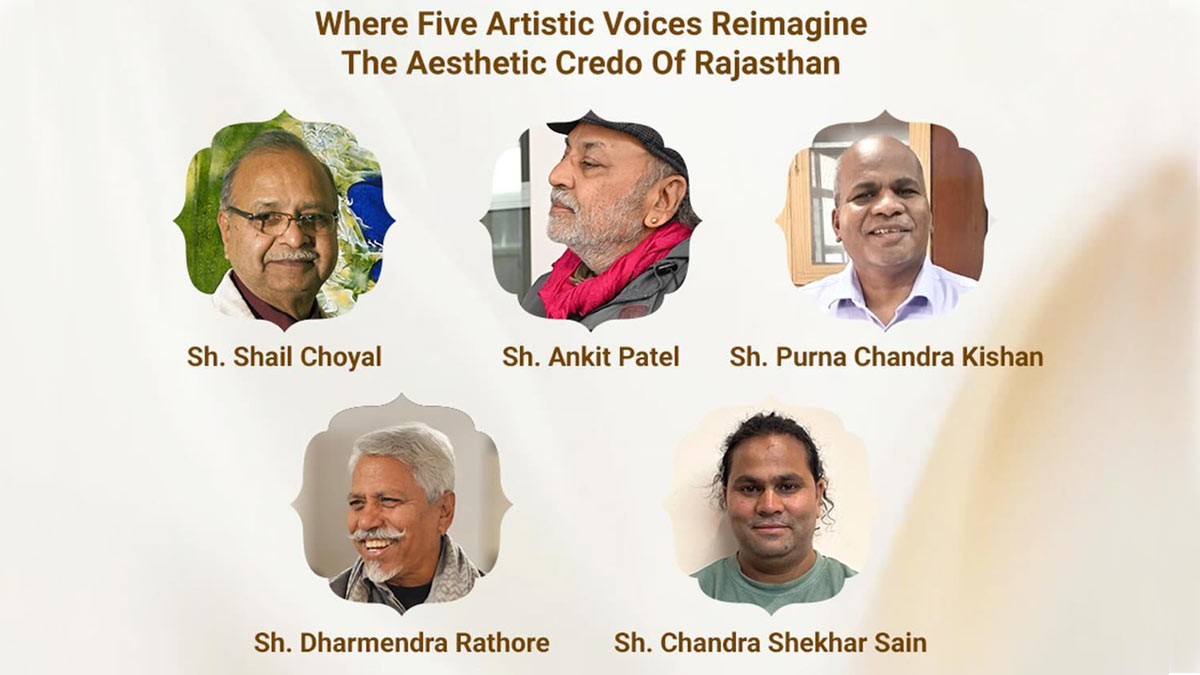
Art Vanguards of Rajasthan – Rasa Panchaka, curated by Nikhat Ansari, will be held from 24th to 30th April 2026 at the Visual Art Gallery. The exhibition opens on 24th April at 5:00 PM and will remain on view daily from 11:00 AM to 8:00 PM. The show brings together five artists whose works explore diverse interpretations of tradition, memory, and lived experience.

Concept of Rasa Panchaka

Autumn-Noon-by-Artist-Purna-Chandra-Kishan
Autumn Noon by Artist Purna Chandra Kishan

The exhibition is structured around the idea of “Rasa Panchaka,” representing five distinct artistic expressions. Each artist contributes a unique perspective rooted in cultural narratives and emotional depth, creating a dialogue between heritage and contemporary thought. The curatorial approach focuses on how traditional forms can evolve while retaining their cultural essence.

Artists and Their Practices

Art-Vanguards-of-Rajasthan-Rasa-Panchaka-1


The exhibition features works by:

  • Shail Choyal
  • Ankit Patel
  • Purna Chandra Kishan
  • Dharmendra Rathore
  • Chandra Shekhar Sain

Each artist engages with different mediums and themes, ranging from painting and sculpture to terracotta and mixed media, reflecting a wide spectrum of artistic practices from Rajasthan.

Revisiting Tradition Through Contemporary Lenses

She-Bird-by-Artist-Shail-Choyal
She Bird by Artist Shail Choyal

Shail Choyal’s work revisits the intricate detailing of Rajasthani miniature painting, presenting it in a contemporary format. Ankit Patel’s sculptural practice draws from rural life, capturing personal memories and everyday experiences. Together, their works highlight how traditional aesthetics can be reinterpreted in modern contexts.

Nature, Mythology, and Philosophy

Shivatva-3-by-Artist-Dharmendra-Rathore
Shivatva 3 by Artist Dharmendra Rathore

Purna Chandra Kishan explores the relationship between Nari and Prakriti, presenting them as interconnected entities while addressing environmental concerns through layered compositions. Dharmendra Rathore’s works engage with mythology and philosophical traditions, including Buddhist thought, creating narratives that bridge historical and contemporary realities.

Folk Traditions and Material Practices

They Met by Artist Shail Choyal

Chandra Shekhar Sain works across terracotta and painting, combining Rajasthani folk traditions with contemporary themes. His works focus on rural life, cultural identity, and human emotion, offering a tactile and grounded perspective within the exhibition.

Exhibition Highlights

We are all puppets by Artist Chandra Shekhar Sain
  • Five artists presenting distinct yet interconnected practices
  • Exploration of Rajasthani cultural heritage in contemporary art
  • Use of diverse mediums including painting, sculpture, and terracotta
  • Themes of memory, environment, mythology, and rural life

Venue and Visitor Information

Aspects Details
Event Name Art Vanguards of Rajasthan – Rasa Panchaka
Artist Shail Choyal, Ankit Patel, Purna Chandra Kishan, Dharmendra Rathore, Chandra Shekhar Sain
Venue Visual Art Gallery, India Habitat Centre
City New Delhi
Opening Date 24th April 2026, 5:00 PM
Exhibition Dates 24th – 30th April 2026
Organiser Curated by Nikhat Ansari
Entry / Tickets Not specified
Website https://www.indiahabitat.org

For more details, visitors can explore the official website of the India Habitat Centre: https://www.indiahabitat.org

Takeaway

Art Vanguards of Rajasthan – Rasa Panchaka brings together diverse artistic voices that reflect both continuity and change within Rajasthani art practices. By engaging with tradition through contemporary perspectives, the exhibition offers viewers an opportunity to reflect on cultural identity, environment, and lived experience. It contributes to ongoing conversations in Indian art about how regional narratives can find relevance in a broader contemporary context.

Bhoot Bangla Review: Akshay Kumar is Back in Form in This Nostalgic Horror-Comedy

1

bhoot-bangla-movie-review-01

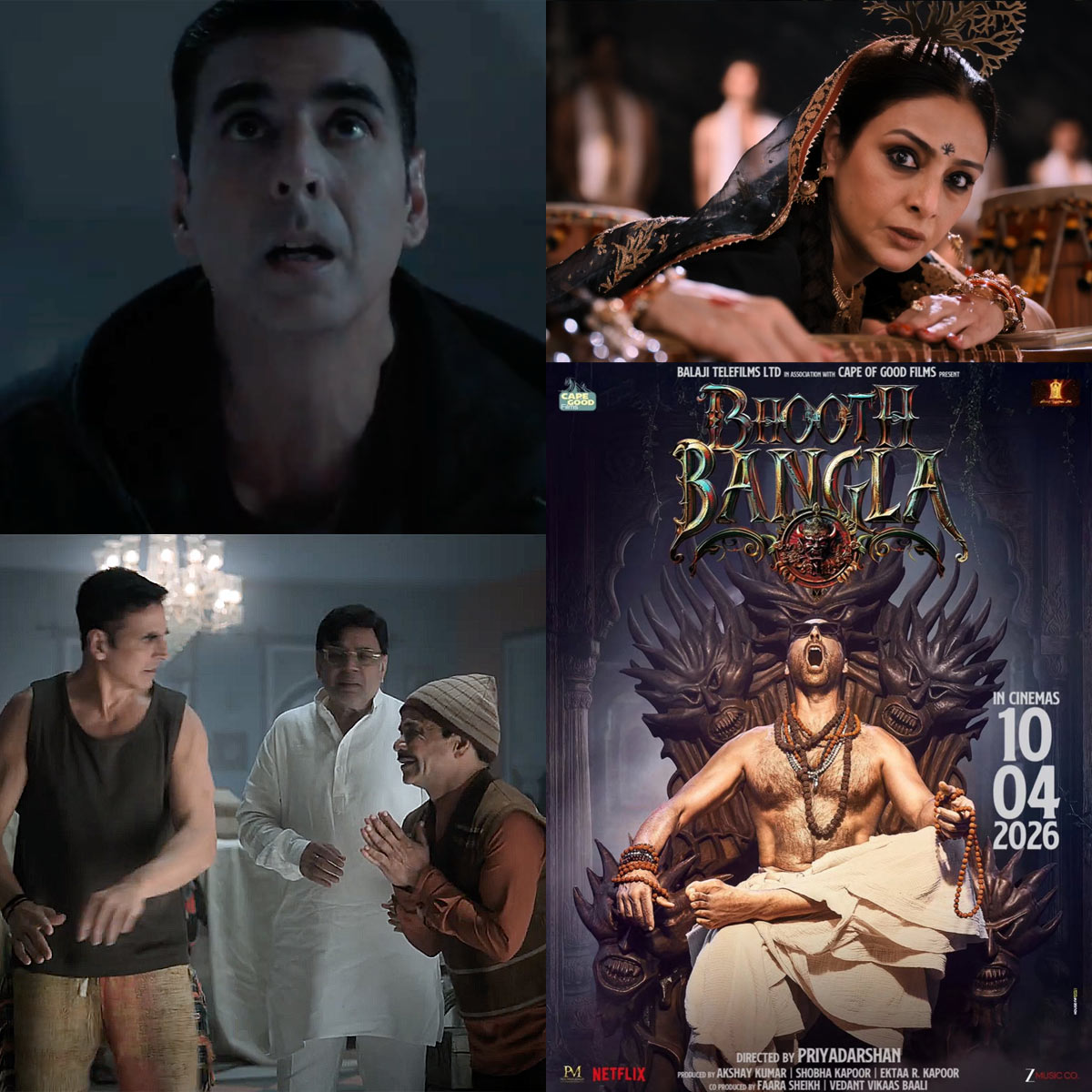
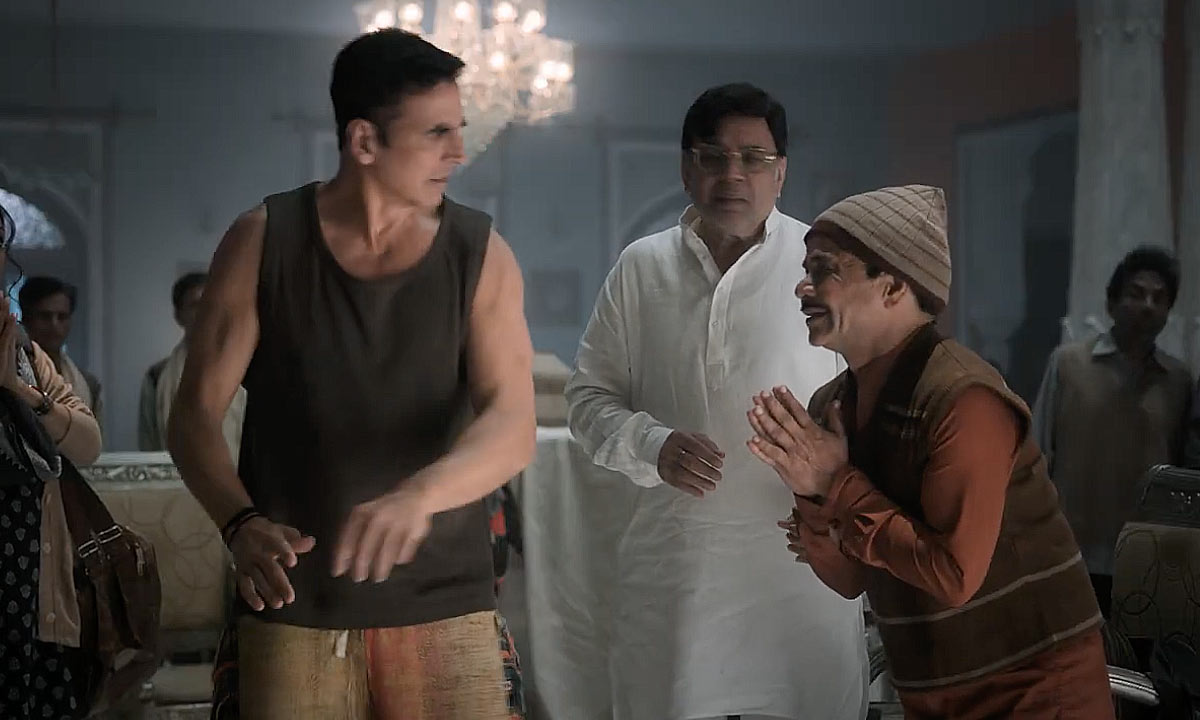
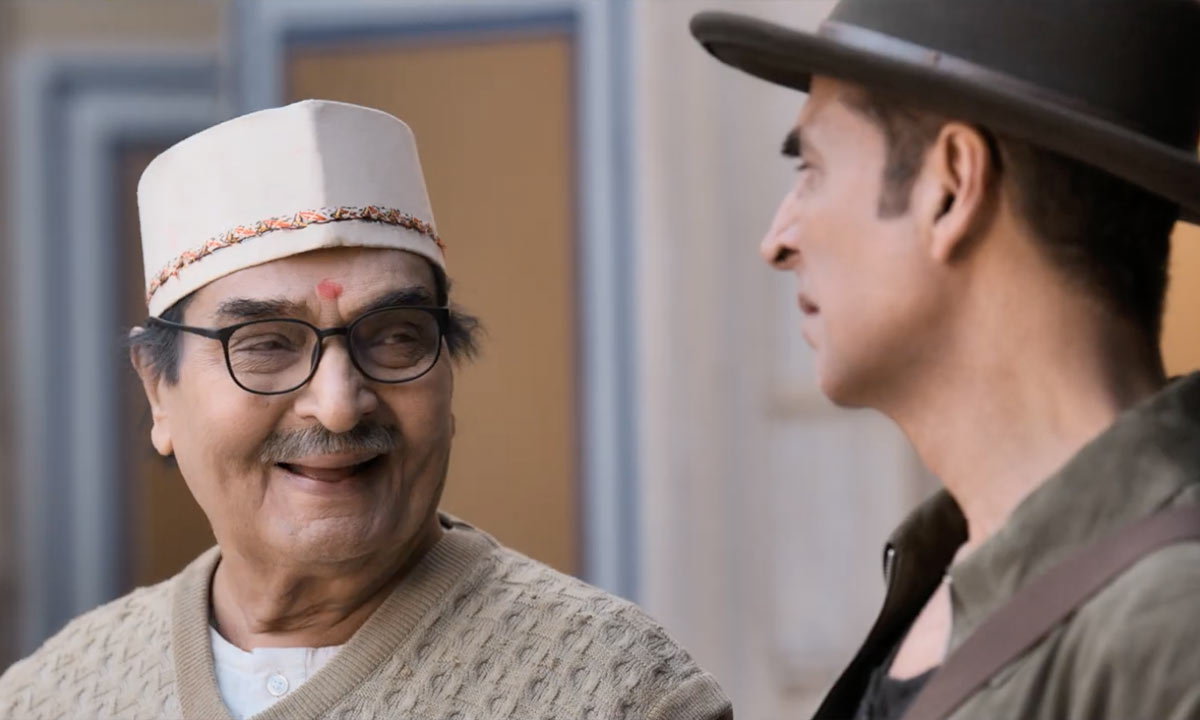
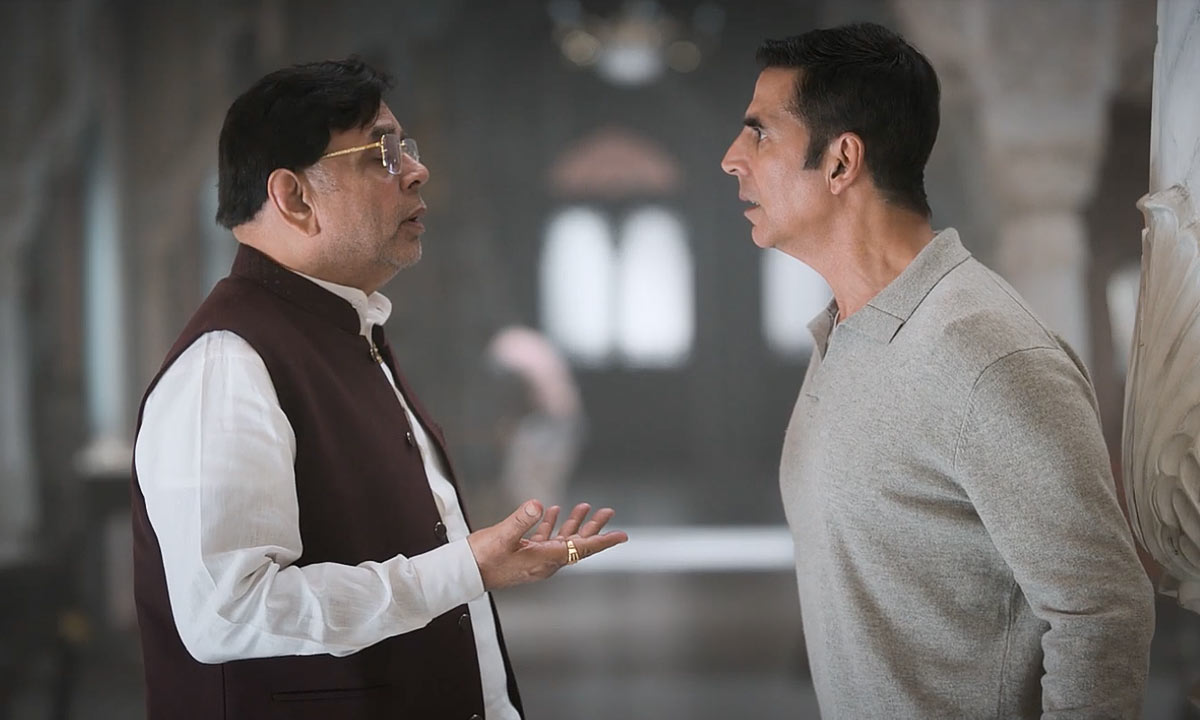
Sixteen years after their last collaboration, Akshay Kumar and director Priyadarshan return together with Bhoot Bangla a Hindi horror-comedy that leans heavily into old-school slapstick, supernatural mythology, and the kind of ensemble chaos that once made their earlier films beloved by audiences across generations.

Officially titled Bhooth Bangla (translated as Haunted Mansion), the film is directed by Priyadarshan and produced by Akshay Kumar, Ekta Kapoor and Shobha Kapoor under Balaji Motion Pictures in association with Cape of Good Films. The film stars Akshay Kumar, Paresh Rawal, Jisshu Sengupta, Rajpal Yadav, Tabu, and Wamiqa Gabbi, and released theatrically on April 17, 2026.

About Bhoot Bangla Movie

About-Bhoot-Bangla-Movie

Bhooth Bangla is a horror-comedy rooted in Indian mythology and black magic, drawing inspiration from ancient texts including the Vedas and the Mahabharata. The story follows a man who inherits a mysterious palace in rural Mangalpur and plans his sister’s wedding there, only for strange supernatural events to unfold as locals panic forcing him to uncover the dark secrets of the past.

The narrative is built around the eerie legend of Vadhusur and a village long possessed by a dark presence, including the haunted bungalow at the centre of the story. Beneath the horror lies an intriguing backstory that slowly reveals itself, adding emotional weight to the proceedings.

bhoot-bangla-movie-2026

This marks Priyadarshan’s second Hindi-language horror-comedy following Bhool Bhulaiyaa (2007) both of which feature Akshay Kumar, Paresh Rawal, Rajpal Yadav, Asrani, and Manoj Joshi. It is also the seventh collaboration between Akshay Kumar and Priyadarshan, coming 14 years after Khatta Meetha (2010).

The film was shot across multiple locations including London, Jaipur, Kochi, Mumbai, Chennai, and Hyderabad, with principal photography completing in May 2025. The soundtrack was composed by Pritam, with lyrics by Kumaar, and the music rights were acquired by Zee Music Company.

Bhoot Bangla Reviews and Ratings

Bhoot-Bangla-Reviews-and-Ratings

Bollywood Hungama – 3.5/5 The publication called Bhooth Bangla a fair entertainer that works best through its humour, performances, and old-school Priyadarshan-style chaos. The first half was praised as highly enjoyable and packed with laughs, while the second half was noted to lose steam due to an underwhelming backstory and an overlong climax. Bollywood Hungama (Source: bollywoodhungama.com)

Trade Analyst Ramesh Bala – 4/5 South Indian trade analyst Ramesh Bala rated the film four stars, describing it as a layered supernatural tale that blends fear with humour in a way that keeps audiences invested. He particularly noted how the film explores the unusual relationship between the ghost and the living characters. Republic World (Source: republicworld.com)

Filmibeat / Early Audience Preview – 4/5 An early reviewer described the film as a solid horror-comedy with twists, laughs, and jump scares, praising a fun first half and a gripping second half, while calling out Akshay Kumar’s performance and the contributions of Paresh Rawal and Rajpal Yadav. Filmibeat (Source: filmibeat.com)

Bhoot Bangla Movie Key Highlights

Bhoot-Bangla-Movie-Key-Highlights

  • Akshay Kumar’s comic timing was singled out as the film’s biggest strength, with reviewers noting he enhances several scenes, including performing well in dramatic moments too.
  • Rajpal Yadav dominates key sequences in the first half, with his back-and-forth exchanges with Akshay described as arguably the best part of the film.
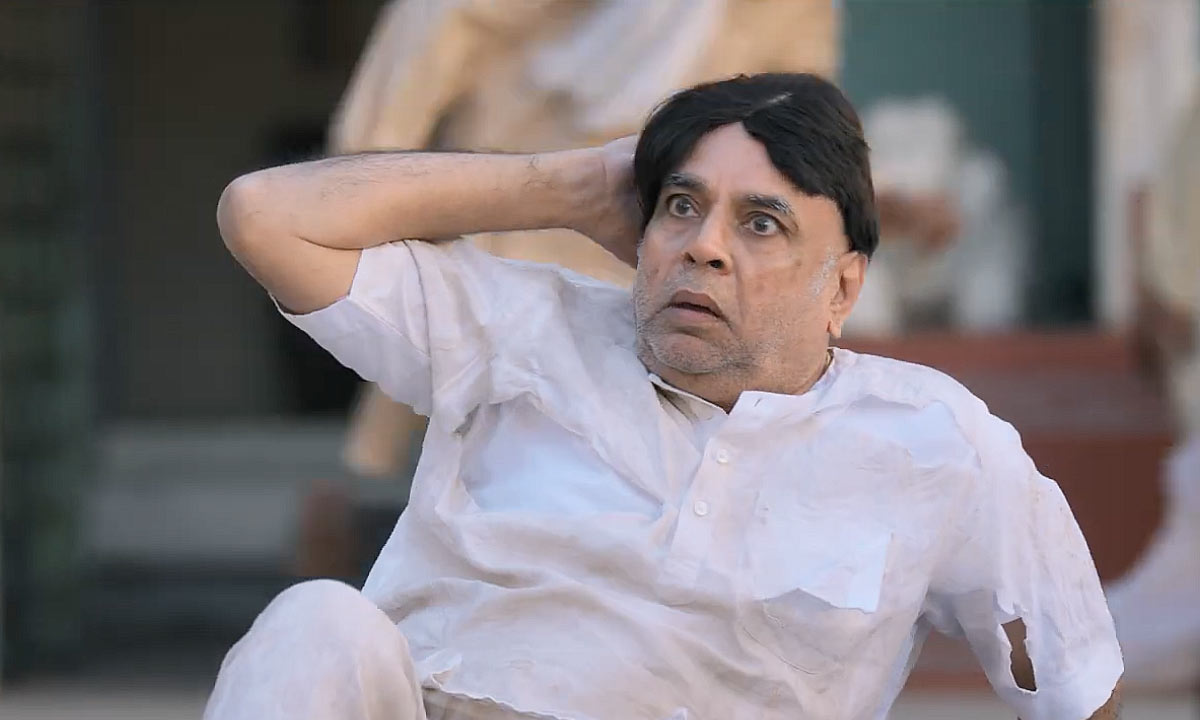
  • Paresh Rawal contributes warmly to the ensemble chaos, while the late Asrani’s funny scenes in the first half were called memorable.
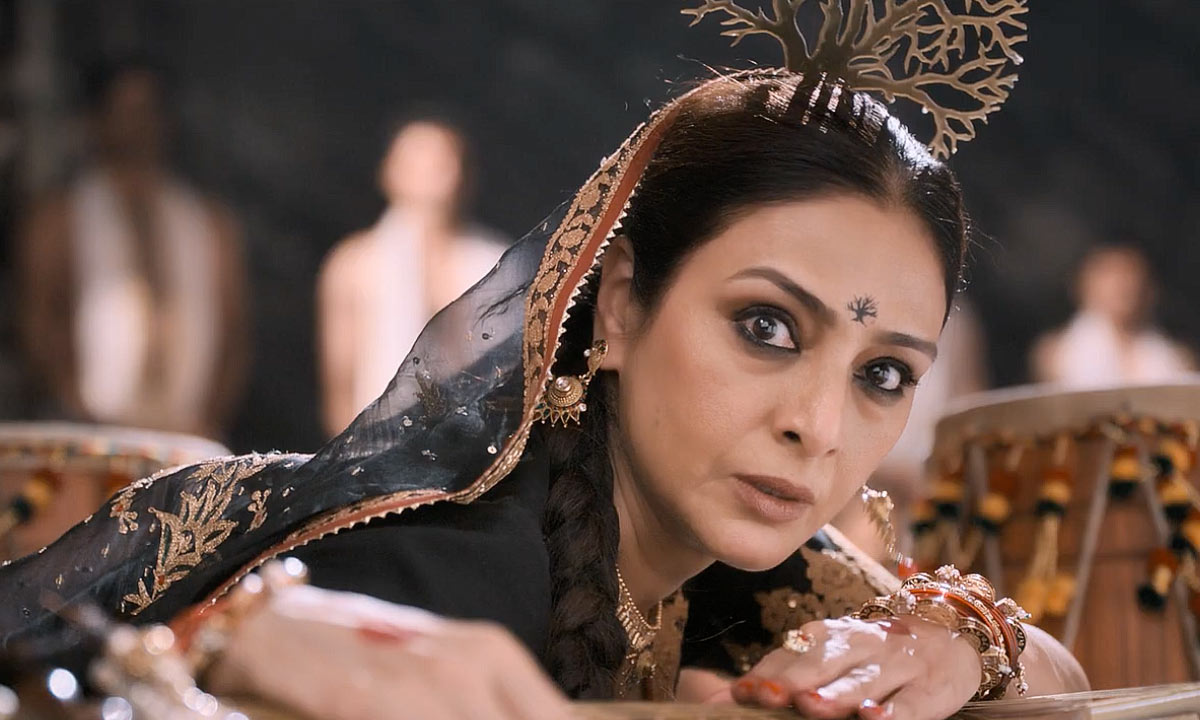
  • Mithila Palkar was noted to have the best role among the female cast, while Tabu, though arresting, has limited screen time. Wamiqa Gabbi’s track was described as forced and not contributing much to the narrative.
  • Priyadarshan’s direction ensures the humour lands well, evoking nostalgia for his earlier hits like Hera Pheri(2000), Hungama (2003), and Hulchul (2004) through physical comedy and character-driven misunderstandings.
  • The film received a UA 16+ certificate from the CBFC with a final runtime of approximately 164 minutes after voluntary cuts were approved on April 11, 2026.
  • Singer Arijit Singh contributed to the soundtrack, approaching the makers himself after feeling a strong personal connection to the track “Tu Hi Disda”, released on March 24, 2026.

Bhoot Bangla Cast and Crew

bhoot-bangla-movie-Cast-and-Crew

Name Character / Role Position
Akshay Kumar Lead (Akash) Lead Actor / Co-Producer
Tabu Undisclosed Supporting
Wamiqa Gabbi Female Lead Lead Actress
Paresh Rawal Undisclosed Supporting
Rajpal Yadav Undisclosed Supporting (Comic)
Mithila Palkar Sister of Lead Supporting
Jisshu Sengupta Undisclosed Supporting
Asrani Undisclosed Supporting
Manoj Joshi Govind Maharaj Supporting
Rajesh Sharma Undisclosed Supporting
Zakir Hussain Vashishtha Guruji Supporting
Bhavna Pani Ragini Supporting
Priyadarshan Director
Akshay Kumar Co-Producer
Ekta Kapoor Co-Producer
Shobha Kapoor Co-Producer
Pritam Music / Soundtrack
Kumaar Lyrics
Akash Kaushik Story
Abilash Nair & Rohan Shankar Screenplay
Rohan Shankar Dialogues
M. R. Rajakrishnan Sound Designer

Release and OTT Details

bhoot-bangla-Release-and-OTT-Details

Bhoot Bangla Details
Theatrical Release Date April 17, 2026
Paid Previews April 16, 2026 (from 9 PM IST)
Language Hindi
CBFC Certificate UA 16+
Runtime Approx. 164 minutes
OTT Platform Not announced yet
OTT Release Date To be confirmed
Book Tickets BookMyShow / Paytm Movies

Takeaway

Bhoot Bangla arrives as one of the most keenly anticipated Hindi releases of 2026, fuelled largely by the nostalgia of watching Akshay Kumar and Priyadarshan back together in their preferred territory of horror-comedy. Early critical response suggests the film delivers on its core promise Akshay Kumar is in strong form, the humour is Priyadarshan at his most familiar, and the ensemble cast adds considerable depth. Where it falls short is in its second half, which reviewers have consistently flagged as uneven, with a backstory that doesn’t fully match the energy of its lively opening.

For audiences who grew up watching this director-actor duo’s earlier work, Bhoot Bangla is likely to satisfy as a theatrical experience. Families, genre fans, and casual moviegoers looking for a big-screen entertainer this summer will find enough to enjoy even if the film doesn’t quite reach the heights of the classics it draws inspiration from.

What India Learned to See: Battala to Ravi Varma Press Show at Gallery G Bengaluru

0

What-India-Learned-to-See--Battala-to-Ravi-Varma-Press-Show-at-Gallery-G-Bengaluru-01

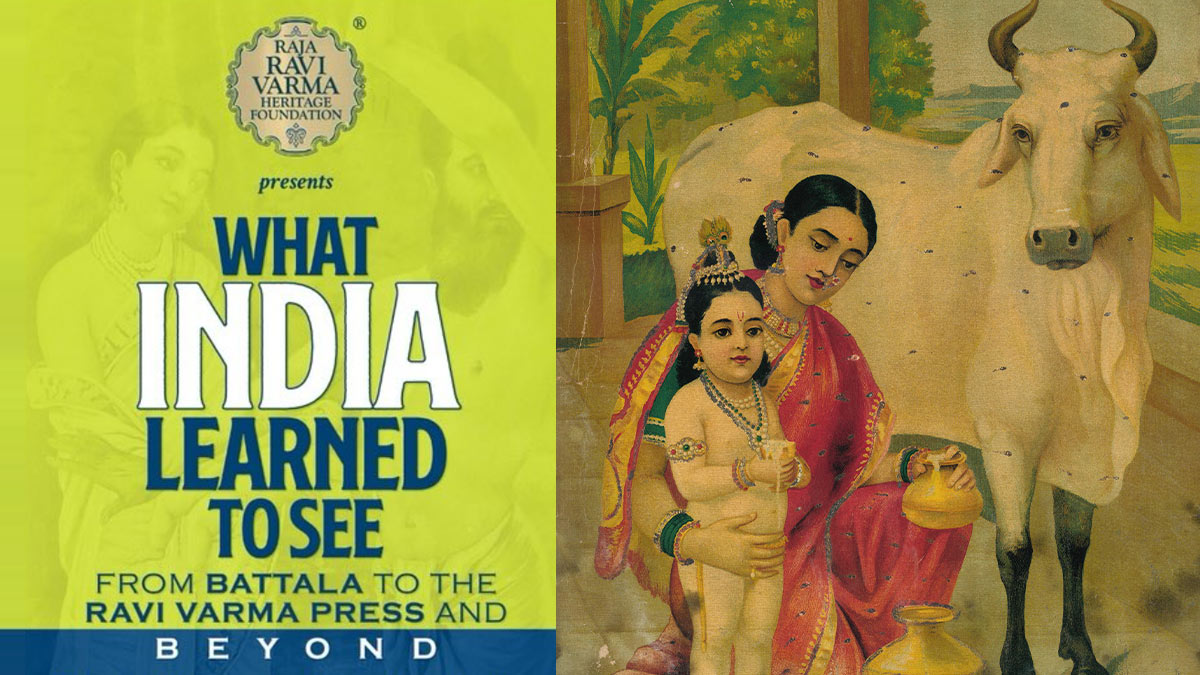
An ongoing exhibition titled What India Learned to See: From Battala to the Ravi Varma Press and Beyond is currently on view at Gallery G in Bengaluru until May 31. Presented by the Raja Ravi Varma Heritage Foundation, the exhibition examines how printmaking shaped the visual imagination of modern India.

Exploring the Role of Printmaking

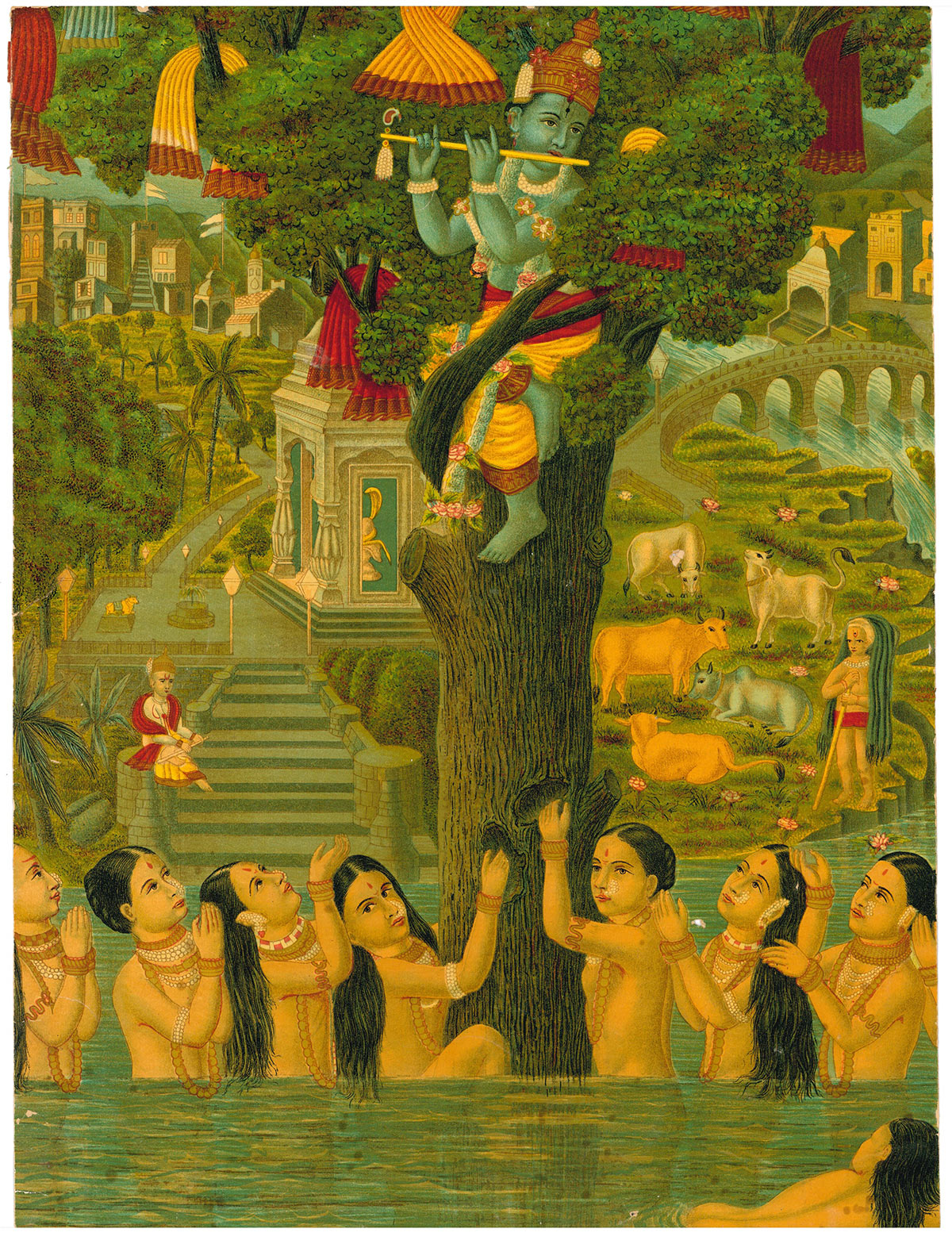
Krishna-Leela

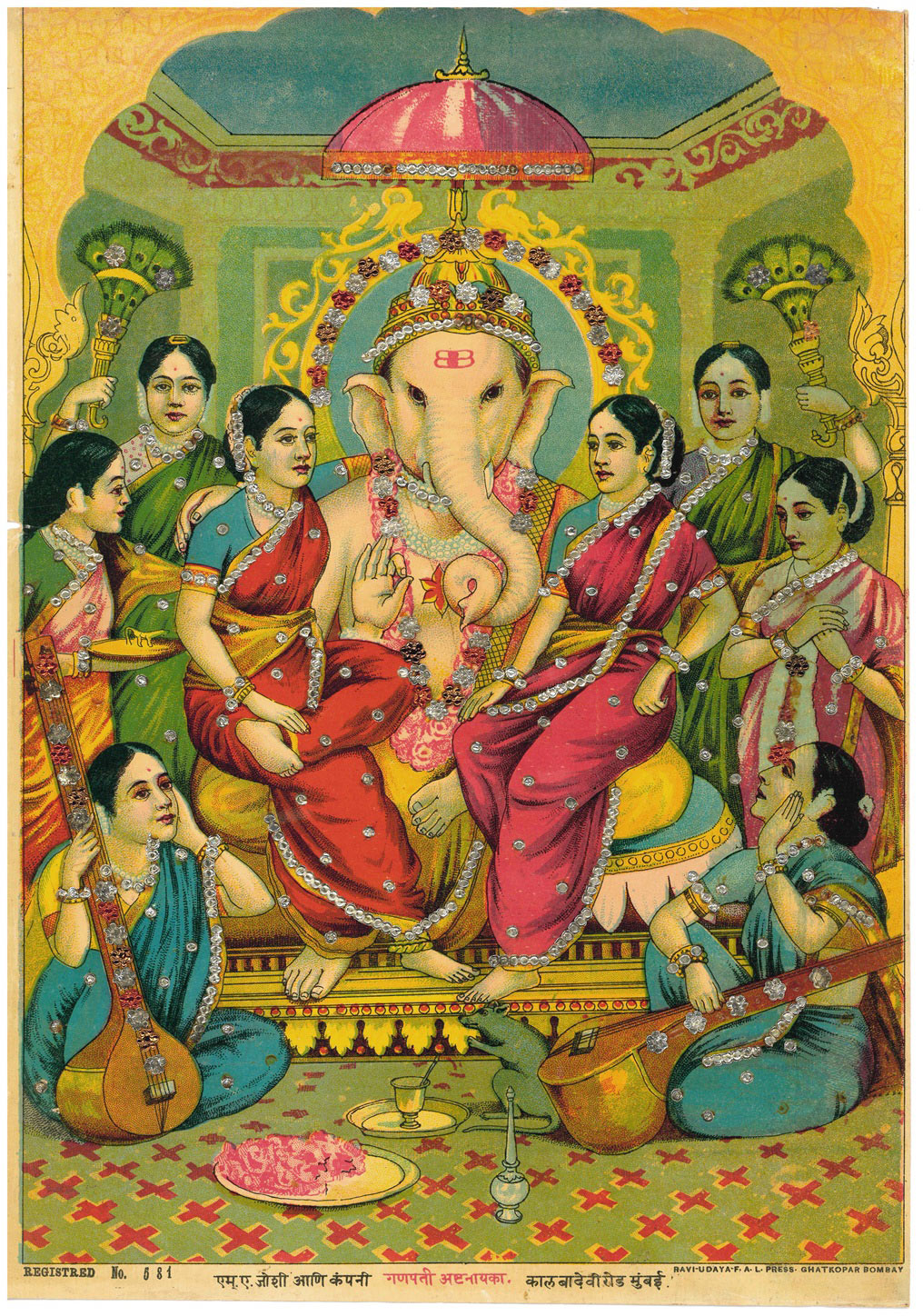
The exhibition brings together a rare collection of oleographs, lithographs, and printed ephemera dating from the late nineteenth to the mid-twentieth century. It situates printmaking as a key medium that enabled the widespread circulation of images, influencing how visual culture developed across regions.

Legacy of Raja Ravi Varma

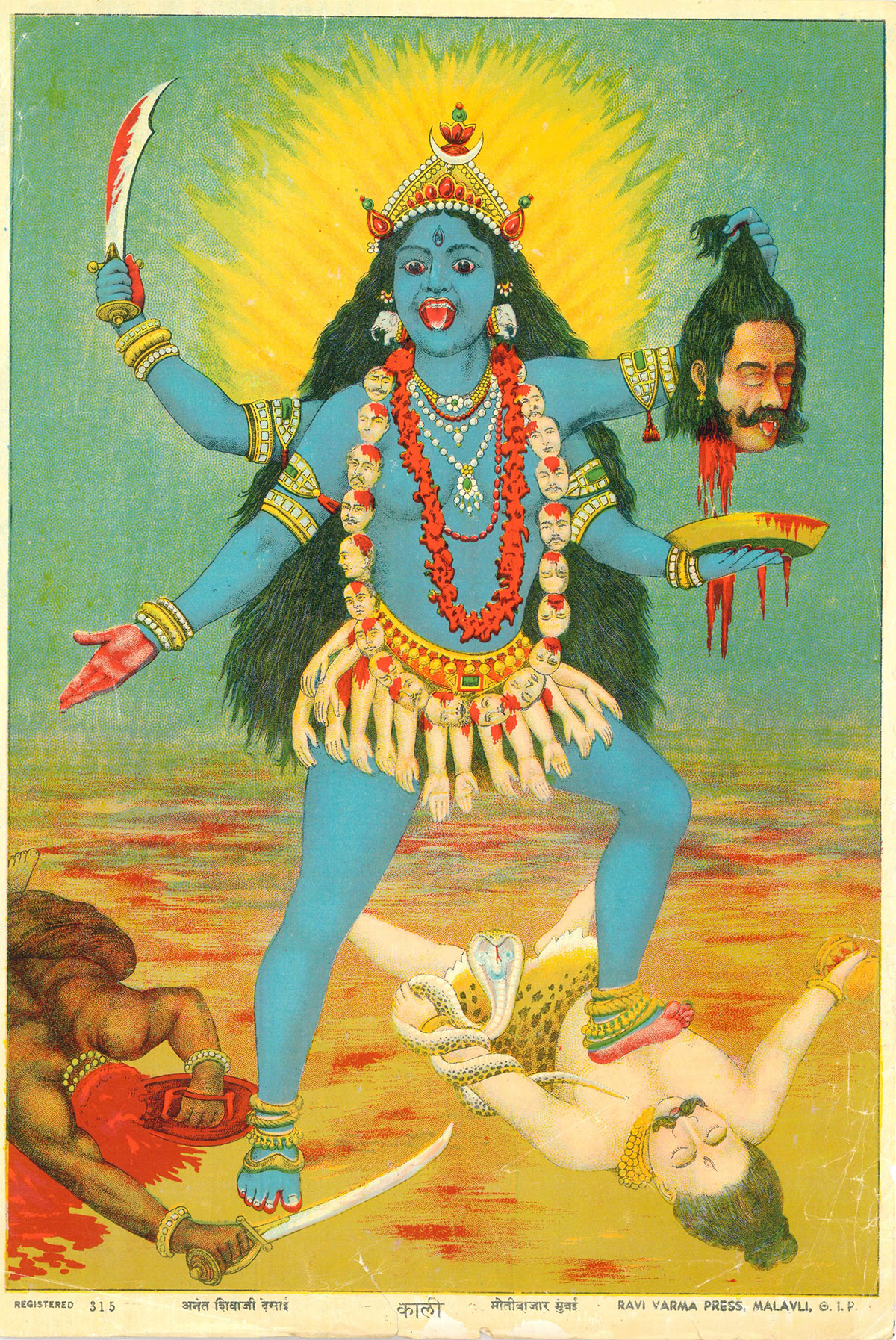
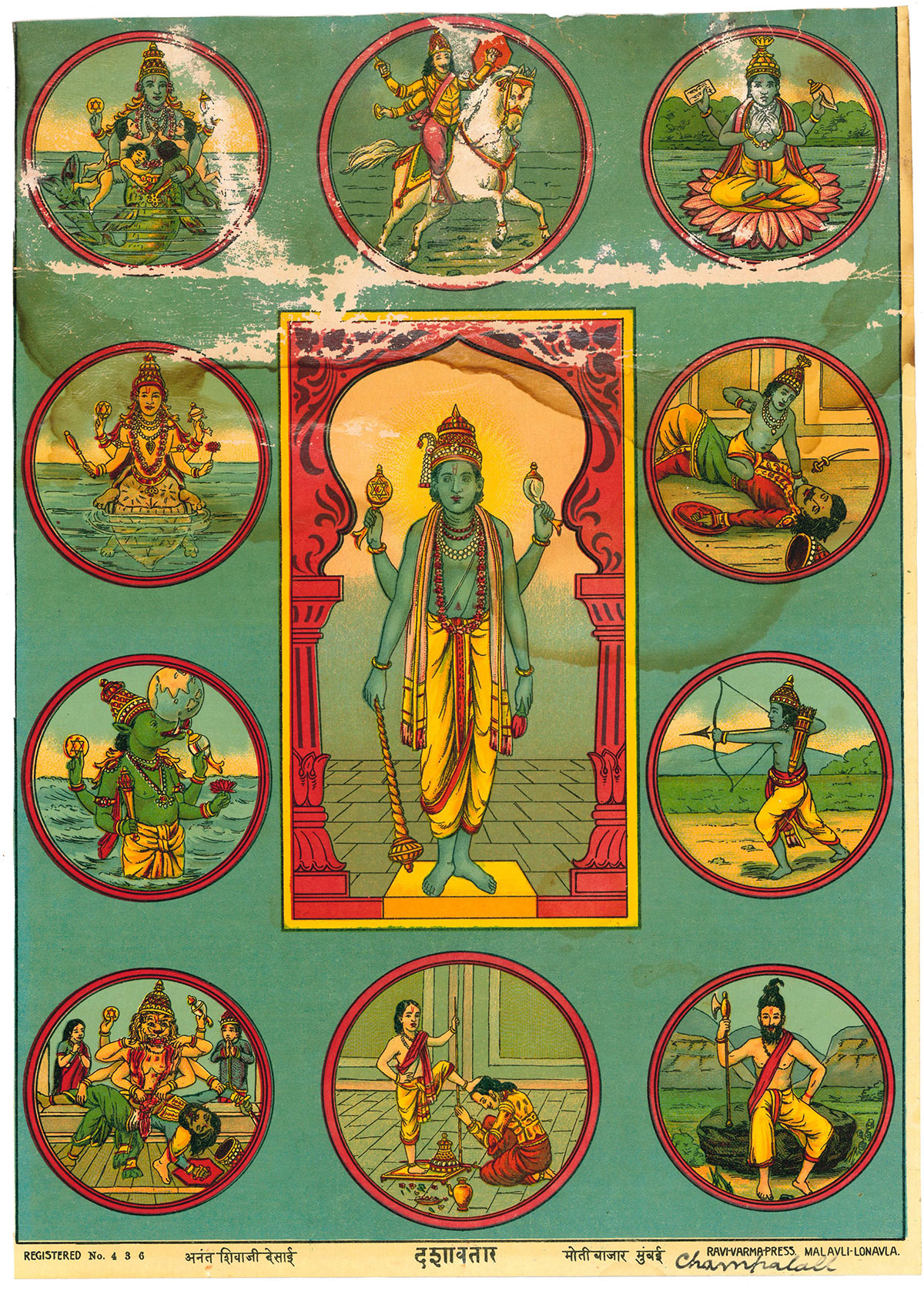
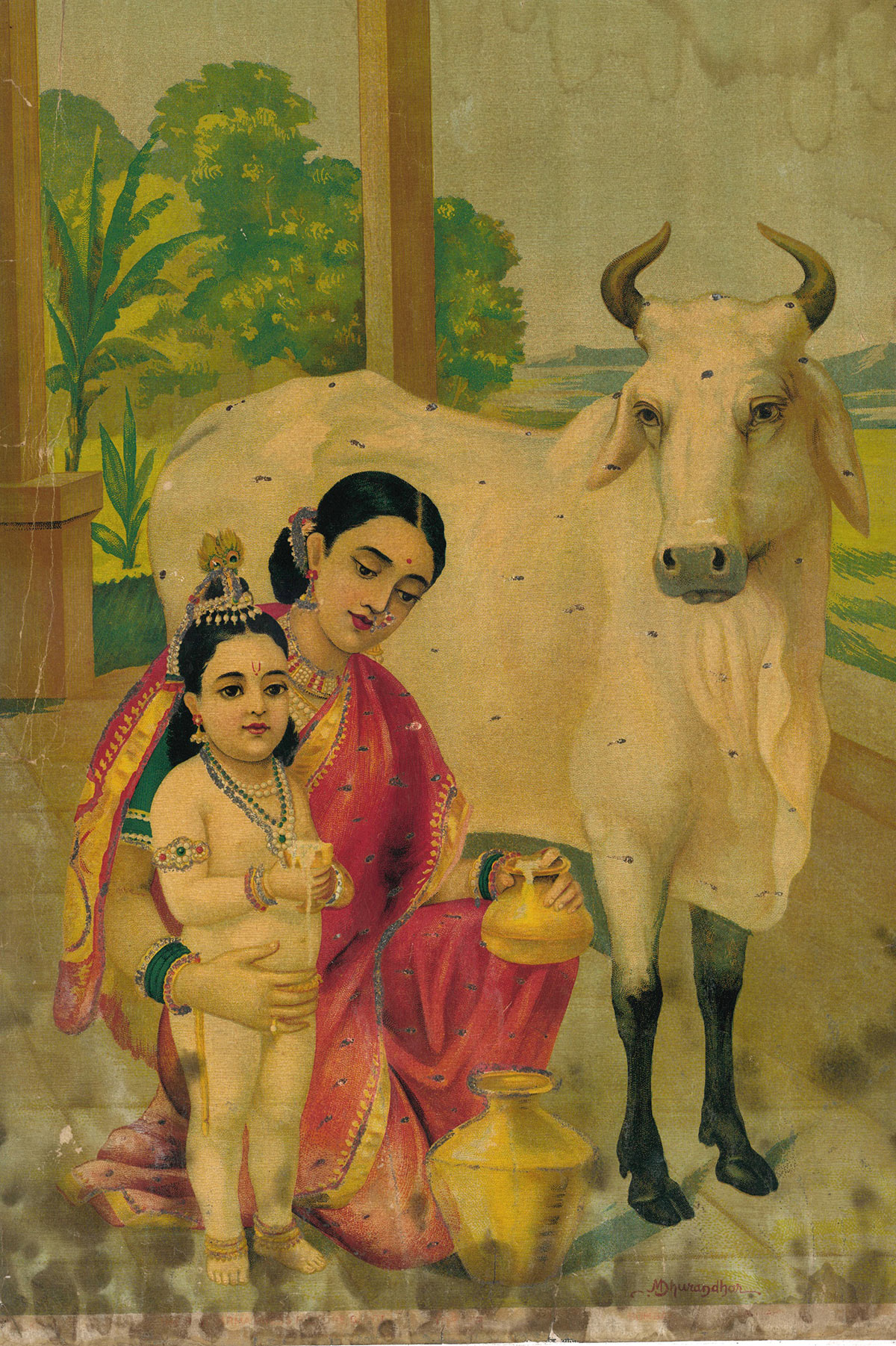
At the centre of the exhibition is the work of Raja Ravi Varma and the establishment of the Ravi Varma Press. By translating oil paintings into printed formats, the Press enabled mythological imagery to reach a broader audience. Deities such as Lakshmi, Saraswati, Vishnu, Shiva, Rama, and Krishna were standardised in visual form through these reproductions, becoming part of everyday domestic and public spaces.

Regional Print Traditions

Ganapati-With-8-wives-2

Moving beyond a single press, the exhibition highlights a wider network of printmaking practices across India, including traditions from Calcutta and Western India. By placing these works side by side, the exhibition examines how recurring visual elements—such as the lotus, veena, conch, and flute—remain consistent even as stylistic interpretations shift.

Key Highlights of the Exhibition

  • Rare oleographs and lithographs from the late 19th and early 20th centuries
  • Comparative displays of divine iconography across regions
  • Archival materials contextualising print circulation and production
  • Exploration of technological and market influences on visual culture

Print as a Cultural Force

Kali

The exhibition positions print not merely as a tool of reproduction but as an active force in shaping cultural identity. Through repetition and circulation, printed images helped construct a shared visual vocabulary that continues to inform perceptions of mythology and divinity in India.

Voices from the Foundation

Rukmini Varma, Chairperson of the Foundation, emphasised the role of prints in expanding access to art, noting that the exhibition coincides with the birth anniversary of her great-great-grandfather, Raja Ravi Varma. Gitanjali Maini, Managing Trustee and CEO, highlighted that prints were created for dissemination rather than exclusivity, describing them as part of a shared cultural inheritance. Trustee Jay Varma described the exhibition as an inclusive gesture that allows wider audiences to engage with the artist’s legacy.

About the Organiser

Dasyavatar

The Raja Ravi Varma Heritage Foundation focuses on research, preservation, and public engagement with the legacy of Raja Ravi Varma and his artistic lineage. Its initiatives include exhibitions, publications, and conservation efforts that aim to expand understanding of Indian visual traditions.

Venue and Visitor Information

Aspects Details
Event What India Learned to See: From Battala to the Ravi Varma Press and Beyond
Artist Raja Ravi Varma (focus of exhibition)
Venue Gallery G, 38, Maini Sadan, Lavelle Road, Shanthala Nagar, Ashok Nagar
City Bengaluru, Karnataka
Opening Date Ongoing
Exhibition Dates Until May 31
Organiser Raja Ravi Varma Heritage Foundation
Entry / Tickets Not specified

The exhibition is being held at Gallery G, located on Lavelle Road in Bengaluru. It is open to the public until May 31. Visitors can view the exhibition during gallery hours; entry details have not been specified.

Takeaway

Artist-Dhurandhar-Go-Dohan

What India Learned to See offers a considered look at how printmaking shaped India’s visual culture and collective imagination. By foregrounding accessibility and circulation, the exhibition invites viewers to reflect on how images travel, transform, and endure. It situates print as a vital link between art, society, and shared cultural memory.

Toaster Movie Review and Rating: Rajkummar Rao’s Hindi Dark Comedy Explained

0

Toaster-Movie-Review-01

Netflix India’s newest original Hindi film, Toaster, arrived on the platform on April 15, 2026 a black comedy thriller that takes one of Bollywood’s most versatile actors and builds an entire murder mystery around a household appliance.

Directed by Vivek Daschaudary, Toaster is produced by Rajkummar Rao, Patralekhaa, and Tarun Bali under their banner KAMPA Films, marking Patralekhaa’s debut as a film producer. The film stars Rajkummar Rao alongside Sanya Malhotra and features a supporting ensemble including Archana Puran Singh, Abhishek Banerjee, Seema Pahwa, Upendra Limaye, and Farah Khan.

About Toaster Movie

About-Toaster-Movie-01

The story follows Ramakant, a stingy man married to Shilpa (Sanya Malhotra), who gifts a ₹5,000 toaster to a newlywed couple at a wedding. When the marriage dissolves the very next day, Ramakant becomes irrationally obsessed with retrieving his gift, setting off a chain of mishaps involving murder and mayhem.

What begins as something silly turns increasingly messy the same toaster becomes connected to a murder, prompting Ramakant to hide it, only for the situation to spiral further as others also begin chasing the object for reasons he cannot comprehend.

The film was first announced on May 22, 2024, with Sonakshi Sinha initially attached to play the female lead before being replaced by Sanya Malhotra ahead of filming in late 2024. Archana Puran Singh, who has described her role as the best of her career, reunites with Rao following their earlier collaboration. Abhishek Banerjee appears in a cameo, continuing a working relationship with Rao that goes back to Stree (2018).

Reviews and Ratings

Toaster-Movie-Reviews-and-Ratings

India TV News3/5 The reviewer described Toaster as a film with all the ingredients for a standout dark comedy that doesn’t fully capitalise on them entertaining in parts and slow in others, but never entirely losing the audience’s attention. Rajkummar Rao’s performance was singled out as the anchor that holds the chaos together. indiatvnews(Source: indiatvnews.com)

123Telugu2.75/5 The review noted that while the premise is solid and Rajkummar Rao is hilarious, the screenplay fails to sustain the film’s promise. The second half was cited as particularly repetitive, and the verdict was that what could have been a wild, eccentric ride is reduced to an average watch. 123telugu (Source: 123telugu.com)

IMDb7.3/10 The film currently holds a 7.3 rating on IMDb, with users responding to its dark comedy premise centred around murder erupting from a miser’s obsession with a wedding gift. IMDb (Source: imdb.com)

Key Highlights

Toaster-Movie-Key-Highlights

  • Rajkummar Rao’s performance is universally acknowledged as the film’s strongest element — his comic timing and commitment to a deeply stubborn, miserly character keeps the film watchable throughout.
  • Sanya Malhotra plays a woman obsessed with crime shows who tries to solve a murder mystery herself, generating unintentional laughs in the process. 123telugu
  • Archana Puran Singh takes audiences by surprise with a bizarre and memorable character. 123telugu
  • The film’s background score by Aman Pant and cinematography by Jishnu Bhattacharjee complement the quirky tone of the story.
  • The teaser was released on February 3, 2025, building early anticipation for this Netflix India original. Wikipedia
  • The film is a direct-to-digital Netflix release, skipping theatrical distribution entirely.
  • Writers Akshat Ghildial, Anagh Mukherjee, and Parveez Shaikh collaborated on the screenplay.

Cast and Crew Table

Toaster-Movie-Cast-and-Crew

Name Character / Role Position
Rajkummar Rao Ramakant (the miser) Lead Actor / Co-Producer
Sanya Malhotra Shilpa Lead Actress
Archana Puran Singh Undisclosed Supporting
Abhishek Banerjee Undisclosed Cameo
Seema Pahwa Undisclosed Supporting
Upendra Limaye Undisclosed Supporting
Farah Khan Undisclosed Supporting
Jitendra Joshi Undisclosed Supporting
Vinod Rawat Undisclosed Supporting
Patralekhaa Co-Producer
Tarun Bali Co-Producer
Vivek Daschaudary Director
Akshat Ghildial Writer
Anagh Mukherjee Writer
Parveez Shaikh Writer
Aman Pant Music / Background Score
Jishnu Bhattacharjee Cinematographer
Chandrashekhar Prajapati Editor

Release and OTT Details

Toaster-Movie-Release-and-OTT-Details

Detail Information
Theatrical Release None (Direct OTT release)
OTT Platform Netflix
OTT Release Date April 15, 2026
OTT Release Time 12:30 PM IST
Language Hindi (Original)
Watch Online Netflix.com

Takeaway

Toaster arrives as a well-intentioned dark comedy with a genuinely original premise, anchored by one of Hindi cinema’s most reliable performers. Rajkummar Rao gives the film its best moments, and the supporting cast particularly Archana Puran Singh and Abhishek Banerjee — adds texture to the ensemble. However, critics have consistently pointed to an uneven screenplay and a second half that loses momentum as the film’s primary weaknesses.

For audiences drawn to absurdist, character-driven humour in the vein of quirky Bollywood crime comedies, Toasteroffers enough to justify a single sitting on Netflix. It may not fully deliver on its premise, but it is rarely unpleasant company. The film also marks a notable milestone as the first production from KAMPA Films and Patralekhaa’s debut on the production side of Indian cinema.