Disadvantages of Copper Water Purifiers

0

Disadvantages-of-Copper-Water-Purifiers-01

There has been a tremendous rise in the use of copper water purifiers in the past few years owing to some bold claims regarding their antimicrobial properties and wide-ranging medical benefits. Despite these benefits, consumers should weigh various demerits that come along with the copper water purifiers before buying them. This is a comprehensive guide that examines the disadvantages of copper water purifiers in different critical factors.
For a more objective and scientific understanding of both copper purifier’s promises and its challenges makes it possible to decide on the most suitable purification system for the family’s needs.

Is copper water same as alkaline water?

No, Copper water and Alkaline water are different. Copper water contains copper ions, while alkaline water has a higher pH around 7. Copper water is created by passing water through copper vessels or copper filter cartridge, this does not make the water alkaline.

Some disadvantages of Copper Water Purifiers

Despite the multitude of claimed benefits, there are also several important disadvantages to copper water purifiers that consumers need to carefully consider before making a purchase.

Risk of Copper Toxicity

One of the most serious disadvantages of copper water purifiers is the risk of gradually accumulating toxic amounts of copper in the body over time. This can occur if copper concentrations in the purified water become too high.

The oligodynamic effect that makes copper effective at killing microbes also means copper is toxic for human cells at higher doses. Excessive accumulation of copper can lead to a range of copper toxicity symptoms such as:

  • Stomach pain, nausea, vomiting and diarrhea
  • Metallic taste in the mouth
  • Yellowing of skin and eyes (jaundice)
  • Liver damage and cirrhosis
  • Kidney damage which can lead to kidney failure
  • Anemia as copper impairs iron absorption
  • Neutropenia or low white blood cell count
  • Bone marrow depression
  • Irregular heartbeat and heart damage
  • Thyroid problems
  • Headaches, fainting and dizziness
  • General weakness, fatigue and headaches
  • Drastic mood swings, anxiety, depression and trouble focusing

Children and pregnant women are especially vulnerable to copper toxicity. People with certain genetic conditions like Wilson’s disease are also at much higher risk since they cannot excrete excess copper efficiently.

For the general population, the EPA has set standards limiting the maximum permissible level of copper in public drinking water systems to 1.3 ppm (parts per million). Private well testing is also advisable to identify copper levels.

Water Taste Alteration

A glass of water with a bitter taste

Passing water through a copper purifier also tends to alter its taste in undesirable ways. The copper ions can leave water with a strong metallic, bitter taste. For those accustomed to relatively neutral-tasting tap water, bottled water or well water, this altered taste can be off-putting.

Some people quickly get used to the taste, while others never adapt even after months of use. Individual sensitivity varies, but taste alteration is a common complaint. The impacted flavour and palatability of the water may discourage people from drinking as much, which should be avoided.

Maintenance Issues

Copper water purifiers have higher maintenance requirements than other types like alkaline filters, faucet filters or pitchers. Over time, mineral deposits and oxidation can build up in the device and need thorough cleaning.

Significant white or blue-green discoloration on the device parts means removal and cleaning is overdue. Any blockages or reduced flow also indicates a need for maintenance. Without diligent cleaning, efficiency suffers.

Depending on water chemistry, some units may need cleaning as frequently as monthly. Many models also require filter cartridge changes every 6-12 months to maintain performance. More maintenance means more hassle and expense.

Here is the table of annual maintenance cost of an RO with Copper water purifier

Component Frequency of Replacement Approximate Cost
Sediment Filter 3-6 months ₹300 – 500
Pre-Carbon Filter 3-6 months ₹300-500
Activated Carbon Filter 6-12 months ₹180-900
RO Membrane 1-2 years ₹1000-2000
UV Lamp 12-24 months ₹200-500
UF Membrane 2-3 years ₹500-1000
Copper Cartridge 6-12 months ₹299-2000
TDS Controller (if applicable) 6-12 months ₹200-400
Service Fee (optional) Annually ₹500-1000

Cost Factor

The purchase cost of copper water purifiers tends to exceed that of other systems like simple faucet filters or pitchers which can cost under ₹5,000. Higher-end copper purifiers often run from ₹8,000 to ₹23,000, with replacements parts and cartridges adding to ongoing costs.

For consumers primarily interested in basic water filtration and improved taste/odour, copper purifiers represent a much higher upfront investment. Water dispensers with copper components also have higher prices than standard plastic or stainless-steel counterparts.

Ineffectiveness Against Certain Contaminants

While copper’s antimicrobial action may destroy harmful bacteria and viruses, copper purifiers are far less effective at removing many other common water contaminants.

Copper does little to remove heavy metals like lead, arsenic, mercury, and chromium-6 that may be present in source water from natural deposits or industrial pollution.

Chemical contaminants like chlorine, fluoride, pesticides, fertilizers, hormones and drug residues are also not removed by copper.

Other inorganic compounds like dissolved salts, nitrates, sulfates, and toxic elements that may be in water would go through a copper purifier unchanged.

This limitation means copper water purification on its own does not fully resolve health risks for those whose water contains a range of contaminants. Additional multi-stage filtration is required to achieve broader purification.

For people relying on wells or streams in agricultural areas, or houses with old lead pipes, copper units cannot singularly address those contamination issues.

Alternatives to Copper Water Purifiers

Given the limitations of copper purifiers, many consumers would benefit more from alternative water purification technologies that offer broader contaminant removal without copper’s disadvantages:

Reverse Osmosis (RO) Purifiers

RO systems use a semi-permeable membrane to filter out sub-micron contaminants. RO removes heavy metals, microbes, salts, pesticides, and much more through a membrane that acts almost like an extremely fine filter. A tank stores the purified water until needed.

RO provides comprehensive contaminant removal, but does require draining the concentrated reject water from the membrane process. Maintenance involves periodic tank sanitization and membrane replacement every 2-5 years typically.

Ultraviolet (UV) Water Purifiers

These systems destroy microorganisms by exposing water to an intense ultraviolet light beam within a specialized chamber. The UV radiation damages the cellular DNA and proteins of microbes to kill them.

UV purification leaves no chemical traces or byproducts behind. However, a pre-filter is needed to remove sediments that could block the UV lamp. Lamps need replacement every 6-12 months. UV only targets microbes, not other contaminants.

Activated Carbon Purifiers

Activated carbon filters use high-porosity carbon to absorb and adsorb a wide range of contaminants through electrostatic attraction and surface bonding. Excellent at removing organic chemicals, pesticides, chlorine, Odors, tastes and coloured compounds.

Carbon filters are affordable and effective for general water filtration, but do little regarding heavy metals and dissolved inorganics. Regular filter replacements are the main maintenance required.

Suggested Read: Traditional Water Purification Methods in India

Conclusion

When evaluated objectively, it becomes clear copper water purifiers have some meaningful disadvantages that must be weighed against their promoted benefits. Health risks associated with excessive copper intake, altered water taste, added maintenance duties, purchase/operating costs, and ineffectiveness against many common contaminants present downsides consumers need to carefully consider.

Alternative technologies like reverse osmosis, UV sterilization and activated carbon filtration often represent preferable options: more comprehensive purification without copper’s potential toxicity risks and other drawbacks.

No single water purification solution is right for everyone. Factors like your household’s water chemistry, existing pipe infrastructure, budgets, and specific health risks should all play a role in determining the ideal system after comparing copper purifier disadvantages vs alternatives.

Research beyond the marketing claims and consult qualified water quality experts rather than relying on hearsay or sales hype. Get your water tested by professionals and customize your purification method accordingly. As with most products, caveat emptor – let the buyer beware of overstated or unsubstantiated claims around copper water purifiers.

Sharing this guide can help spread awareness of the important copper water purifier disadvantages that are often underemphasized. The more informed consumers become, the better able they are to make smart decisions about their families’ drinking water purification choices.

7 Questions to Ask Your Doctor Before Breast Augmentation Surgery

0

7-Questions-to-Ask-Your-Doctor-Before-Breast-Augmentation-Surgery-01

The journey of breast augmentation surgery requires careful consideration and informed decision-making. As you contemplate enhancing your appearance through this transformative procedure, it’s crucial to engage in open dialogue with your surgeon. You may make sure that your expectations match the possible results and obtain a thorough understanding of the process by making relevant inquiries. In this exploration, we delve into seven key questions to pose to your doctor, ranging from the intricacies of the surgical procedure to postoperative considerations.

1. What possible dangers and difficulties may one expect from breast augmentation surgery?

Whether you are getting breast augmentation surgery in Kansas City or any other location, making educated judgments about the surgery requires knowledge of the possible dangers and side effects of the procedure. Infection, hemorrhage, or unfavorable anesthetic reactions are examples of complications. Furthermore, there’s a chance of implant leaking, rupture, or capsular contracture—a scarring of the surrounding tissue around the implant. During the appointment, your surgeon will go over these risks in detail with you to make sure you fully understand any potential difficulties that could occur both during and after breast augmentation surgery. 

2. Could you elaborate on the many kinds of breast implants that are available and how they might affect the outcome?

Typically, surgeons provide silicone and saline implants, each with unique qualities. After surgery, saline implants can be adjusted and seem less natural because they are made of sterile salt water. Conversely, silicone implants frequently offer a more realistic appearance and feel, closely imitating real breast tissue. The decision between these solutions is based on personal tastes and factors. Moreover, factors such as implant shape, size, and placement contribute to the final aesthetic outcome. Breast augmentation surgeons may discuss these options thoroughly during consultations, tailoring recommendations to align with the unique preferences and anatomy of each patient. 

3. What is the anticipated recuperation period and the surgical technique?

The process of breast augmentation surgery involves several key steps. Typically performed under general anesthesia, the surgeon will make an incision to create a pocket for the implant, choosing from various locations such as under the breast, around the areola, or within the armpit. The type of implant, whether saline or silicone and its placement contribute to the surgical approach. Once the implant is positioned, the incision is closed, and the healing process begins. Although recovery times can vary, patients should generally anticipate some initial days of discomfort, swelling, and bruising. Postoperative care involves adhering to specific guidelines provided by the surgeon, including limitations on physical activities, to ensure a smooth recovery process. Throughout the healing process, follow-up appointments will be planned on a regular basis to assess progress and handle any issues that may come up.

4. Are there any specific pre-operative preparations or lifestyle adjustments I should consider before undergoing breast augmentation?

Extensive advice specific to your situation will be given by your surgeon. Generally, these may include discontinuing certain medications that can increase the risk of bleeding, such as blood thinners, and refraining from smoking, which can impede the healing process. Additionally, maintaining a healthy lifestyle and ensuring optimal physical health before the surgery is crucial. A balanced diet, getting enough sleep, and drinking plenty of water can all help in a speedier recovery. It’s advisable to arrange for a responsible adult to assist with transportation on the day of surgery and to have a supportive network in place to help during the initial postoperative period. Following these guidelines helps create an environment conducive to a successful and complication-free breast augmentation procedure.

5. What is the expected lifespan of breast implants, and what factors may contribute to the need for future surgeries or replacements?

Even though they are made to last, breast implants are not thought of as lifetime appliances. The lifespan varies among individuals, with factors such as implant type, age, and lifestyle playing significant roles. Over time, wear and tear, changes in breast tissue, and the natural aging process can impact the appearance and integrity of the implants. Additional factors that may lead to the need for revision operations include pregnancy, changes in hormone levels, and fluctuations in weight. Regular follow-up consultations with a qualified surgeon are essential to monitor the condition of the implants and address any potential issues, ensuring the longevity and satisfaction of the breast augmentation outcome.

6. Can you share before-and-after photos of previous breast augmentation procedures you have performed, along with patient testimonials?

Visual references provide insight into the surgeon’s skill and the range of possible outcomes. Surgeons often maintain a portfolio of their work, showcasing various implant types, incision placements, and aesthetic results. Patient testimonials offer additional perspectives on the overall experience, including the surgeon’s communication, postoperative care, and satisfaction with the results. Evaluating this comprehensive collection of visual and experiential evidence allows individuals to make informed decisions about their choice of surgeon and sets realistic expectations for their breast augmentation journey.

7. How will the surgery affect breastfeeding, and are there any potential challenges or considerations in this regard?

Breast augmentation generally does not rule out the possibility of breastfeeding; it’s essential to discuss this with your surgeon. The surgical approach, incision location, and implant placement can influence the preservation of milk ducts and nerves crucial for breastfeeding. Surgeons strive to minimize disruption to these structures during the procedure. However, it’s crucial to be aware that there may be a temporary decrease in nipple sensation, and individual variations could influence the ability to breastfeed in anatomy and surgical techniques.

Conclusion

By actively engaging with your doctor, you establish a clear understanding of potential risks, surgical processes, and postoperative expectations. This informed dialogue not only fosters trust in your chosen healthcare professional but also empowers you to make decisions aligned with your individual preferences and goals. Remember, an open and transparent conversation with your surgeon lays the foundation for a smooth journey towards achieving the aesthetic enhancements you desire.

The Origin of Ayurveda and Its Relationship with India

1
The-Origin-of-Ayurveda-and-Its-Relationship-with-India-00
Image – Wikimedia

Ayurveda is an ancient system of medicine whose origins are deeply embedded in the rich history and cultural heritage of India. Dating back thousands of years, it’s survived for centuries and evolved with the modern needs of society. But has it lost its roots recently? Or are modern Ayurvedic principles still intact?  Join us on this journey to discover the captivating story of Ayurveda and its deep ties to India.

Where Did Ayurveda Originate?

Ayurveda, which translates to “the science of life” in Sanskrit, originated in the Indian subcontinent thousands of years ago. It’s believed to have emerged around 5000 BCE, making it one of the oldest documented medicinal systems in the world. The origins can be traced back to the ancient Indus Valley Civilization, which thrived in what is now modern-day Pakistan and northwestern India.

Ancient Roots

The Indus Valley Civilization, which flourished from roughly 3300 to 1300 BCE, was known for its advanced urban planning, sophisticated drainage systems, and a thriving trade network. Modern archaeological excavations revealed the presence of well-organized healthcare systems, indicating the existence of early medical practices and herbal remedies.

During this time, Ayurveda began to take shape as a comprehensive system of medicine. The ancient texts, such as the Charaka Samhita and the Sushruta Samhita, were written during this period and served as foundational texts for Ayurvedic knowledge.

Philosophical Foundations

The philosophical foundations of Ayurveda can be found in the ancient Indian scriptures known as the Vedas. The Vedas are a collection of sacred texts that contain hymns, rituals, and philosophical teachings. Within the Vedas, the Atharvaveda specifically mentions healing herbs and their medicinal properties, which laid the groundwork for Ayurvedic medicine.

Ayurveda draws heavily from the philosophical concepts of Samkhya and Yoga. Samkhya philosophy explores the nature of existence, consciousness, and the interplay of the physical and spiritual realms. Yoga, on the other hand, focuses on practices to achieve physical, mental, and spiritual well-being.

The integration of these philosophical concepts into Ayurveda provides a holistic approach to health and wellness, emphasizing the balance between mind, body, and spirit. 

Ayurveda and Indian Society

The-Origin-of-Ayurveda-and-Its-Relationship-with-India-01
Image – Wikimedia

Even to this day, Ayurveda has played a significant role in Indian society. It’s deeply integrated into the culture, traditions, and daily life of the Indian people. It’s far more than just a system of medicine; it’s a way of life. 

Cultural Integration

Ayurvedic principles and practices are integrated into various aspects of Indian society, including food, lifestyle, beauty, and spirituality. 

In terms of food, Ayurveda emphasizes the importance of a balanced diet that is suited to an individual’s unique constitution or dosha. Traditional Indian cuisine incorporates Ayurvedic principles, using a variety of herbs, spices, and ingredients known for their health-promoting properties. Even certain desserts fit into the Ayurvedic lifestyle.

Ayurveda also influences lifestyle choices in Indian society. Daily routines, known as dinacharya, are followed to maintain optimal health and well-being. These routines include practices such as oil pulling, tongue scraping, and self-massage with herbal oils.

In addition to food and lifestyle, Ayurveda has influenced beauty and skincare practices in India. Traditional Ayurvedic herbs and formulations are used in natural skincare products to enhance beauty and maintain healthy skin.

Furthermore, Ayurveda has a strong connection to spirituality in Indian society. It’s a holistic approach to well-being, encompassing physical, mental, and spiritual aspects. Ayurvedic practices, such as meditation, yoga, and pranayama (breathing exercises), are often integrated into spiritual practices in India.

Evolution Over CentuOkay Ries

Over the centuries, Ayurveda has evolved and adapted to meet the changing needs of Indian society. It has incorporated influences from various cultures and civilizations that have interacted with India, including Persian, Greek, and Chinese influences.

During the medieval period, Ayurvedic knowledge underwent significant developments. Notable scholars like Charaka and Sushruta further expanded and systematized Ayurvedic principles and practices. Their contributions shaped the understanding and practice of Ayurveda as we know it today.

In modern times, Ayurveda has faced challenges and transformations. The colonization of India by European powers led to a decline in Ayurvedic practices as Western medicine gained prominence. However, in recent decades, there has been a revival of interest in Ayurveda both within India and globally. Government initiatives, research institutions, and educational programs have sought to preserve and promote Ayurvedic knowledge.

Today, Ayurveda continues to be an integral part of Indian society, with Ayurvedic hospitals, clinics, and wellness centers spread across the country. It is recognized by the government of India as an official system of medicine, and efforts are being made to integrate Ayurveda with modern healthcare practices.

Ayurvedic Principles and Practices

The-Origin-of-Ayurveda-and-Its-Relationship-with-India-02
Image – Adams Homestay Cochin/Flickr

Ayurveda is based on a set of fundamental principles that guide the approach to health and well-being. These principles form the foundation of Ayurvedic practices, which aim to restore balance and harmony within the body and mind. Let’s explore each of them. 

Fundamental Concepts

  • Tridosha: Tridosha states that every individual is composed of three doshas, or biological energies – Vata, Pitta, and Kapha. Each dosha represents different qualities and governs specific bodily functions. When balanced, a person is considered healthy. When imbalanced, this can lead to disease.
  • Prakriti: Prakriti refers to an individual’s unique constitution, determined by the dominant dosha or combination of doshas. Every person’s prakriti is unique, and influences their individual diet, lifestyle, and treatments.
  • Agni: Agni, meaning “fire” in Sanskrit, represents the digestive fire responsible for transforming food into nutrients. A balanced agni is crucial for proper digestion and assimilation of nutrients, while a weakened agni can lead to digestive disorders and toxin buildup.
  • Dhatu and Mala: According to Ayurveda, the body is made up of seven dhatus, or tissues – plasma, blood, muscles, fat, bones, marrow, and reproductive tissue. Proper nourishment and elimination of waste products, known as malas, are necessary for the maintenance of these tissues and overall health.

Ayurvedic Treatments

There are dozens of treatments in Ayurveda, each unique to the issue & the individual. But some are more popular than others: 

  • Panchakarma: Panchakarma is a detoxification and rejuvenation therapy that involves a series of specialized treatments aimed at eliminating toxins, balancing doshas, and rejuvenating the body. Panchakarma typically includes procedures such as oil massages, herbal steam therapy, and enemas.
  • Herbal Remedies: Herbs are chosen based on their specific properties and effects on the doshas. Commonly used herbs in Ayurveda include turmeric, ginger, ashwagandha, and triphala.
  • Dietary Guidelines: Dietary recommendations are tailored to an individual’s dosha and prakriti. Foods are classified based on their taste, energy, and post-digestive effects, and specific dietary guidelines are provided to restore doshic balance.
  • Yoga and Meditation: Practices such as yoga, pranayama, and meditation are incorporated to promote mental and emotional well-being, reduce stress, and enhance overall vitality.

These are just a few examples of the principles and practices of Ayurveda. The holistic approach of Ayurveda addresses not only the physical symptoms but also the underlying imbalances, promoting long-term health and well-being.

Ayurveda’s Global Spread

The-Origin-of-Ayurveda-and-Its-Relationship-with-India-03
Image – Ayurveda in Sri Lanka/Flickr

Despite being threatened by global colonization, Ayurveda has managed to spread far beyond the boundaries of India. It’s grown exponentially in recent years, as people seek alternative and holistic approaches to health and well-being. People are more skeptical of Western medicine now more than ever, hence the appeal. It’s made its way to various countries and has been embraced by individuals seeking natural remedies, stress relief, and overall balance.

It’s been received differently in different regions of the world, each putting its own “spin” on the ancient practice: 

  • South Asia: Ayurveda has had a significant influence on neighboring countries such as Sri Lanka, Nepal, and Bangladesh. These countries have integrated Ayurvedic practices into their healthcare systems and promote Ayurvedic tourism, attracting visitors seeking traditional Ayurvedic treatments.
  • Europe: Ayurveda has gained considerable popularity in European countries, where it is recognized as a complementary and alternative medicine. Ayurvedic clinics, retreat centers, and wellness resorts have emerged, offering a range of Ayurvedic treatments, consultations, and educational programs.
  • North America: Ayurveda has found a strong foothold in North America, particularly in the United States and Canada. Ayurvedic clinics, wellness centers, and spas offer a variety of Ayurvedic treatments, consultations, and workshops. Certain products like Ayurvedic supplements, herbal products, oils, and skincare items, are readily available in most health food stores & online marketplaces.
  • Australia and New Zealand: Ayurveda has gained popularity in Australia and New Zealand, where clinics and wellness centers provide a range of treatments and consultations. Ayurvedic education programs and workshops are also offered to those interested in learning more about this ancient healing system.

Surviving for centuries and evolving into a globally recognized wellness system is a testament to Ayurveda’s enduring relevance and adaptability. It’s present in every aspect of Indian society, from diet and lifestyle to spiritual practices, which goes to show just how holistic the practice is. And outside of India, other cultures have found ways to combine traditional medicine with contemporary needs. And as people continue to value their health above all, there’s no signs of Ayurveda’s growth slowing down. 

GI Tags Protecting the Tradition & Cultural Heritage of Indian Products

7

GI Tags

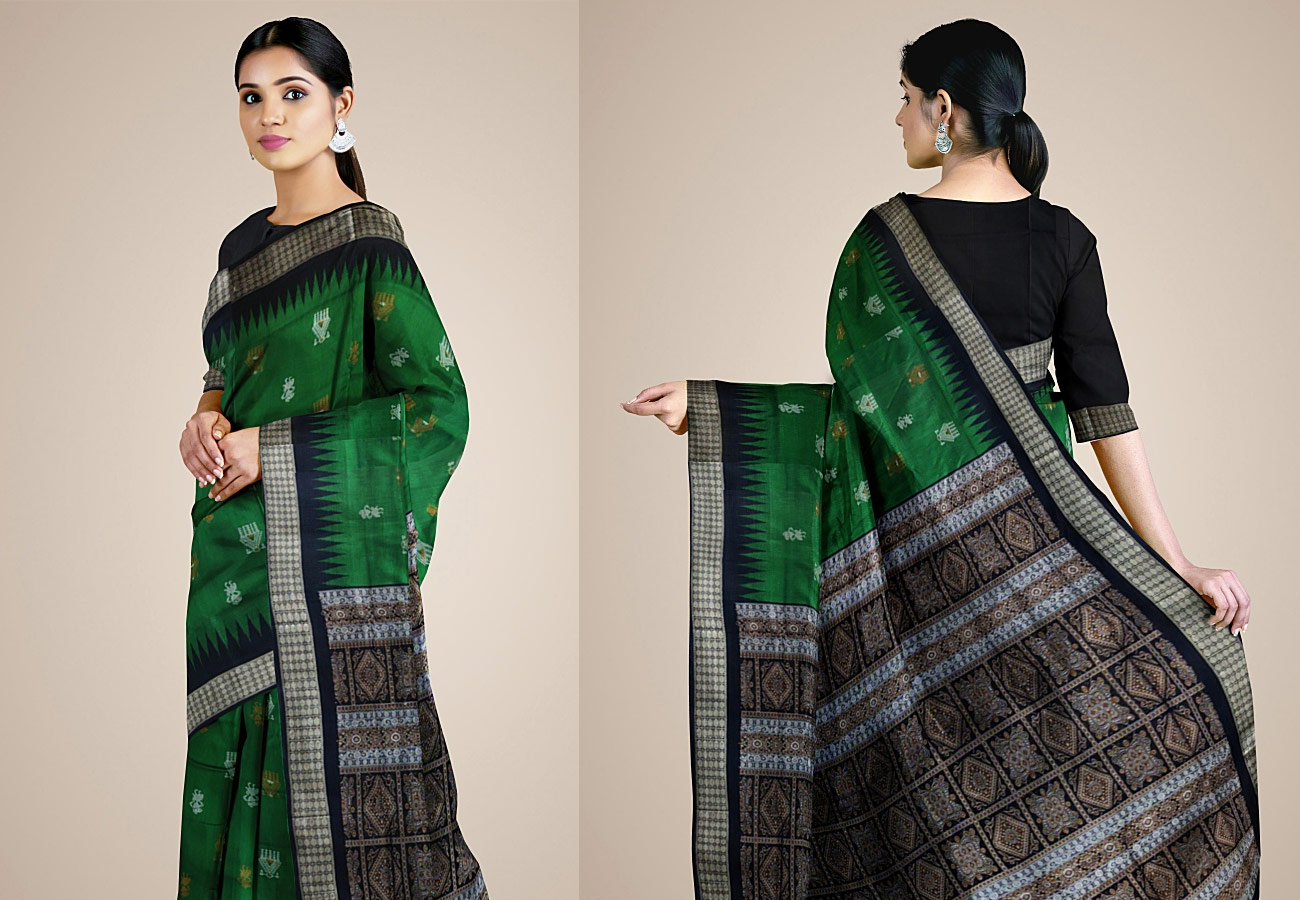
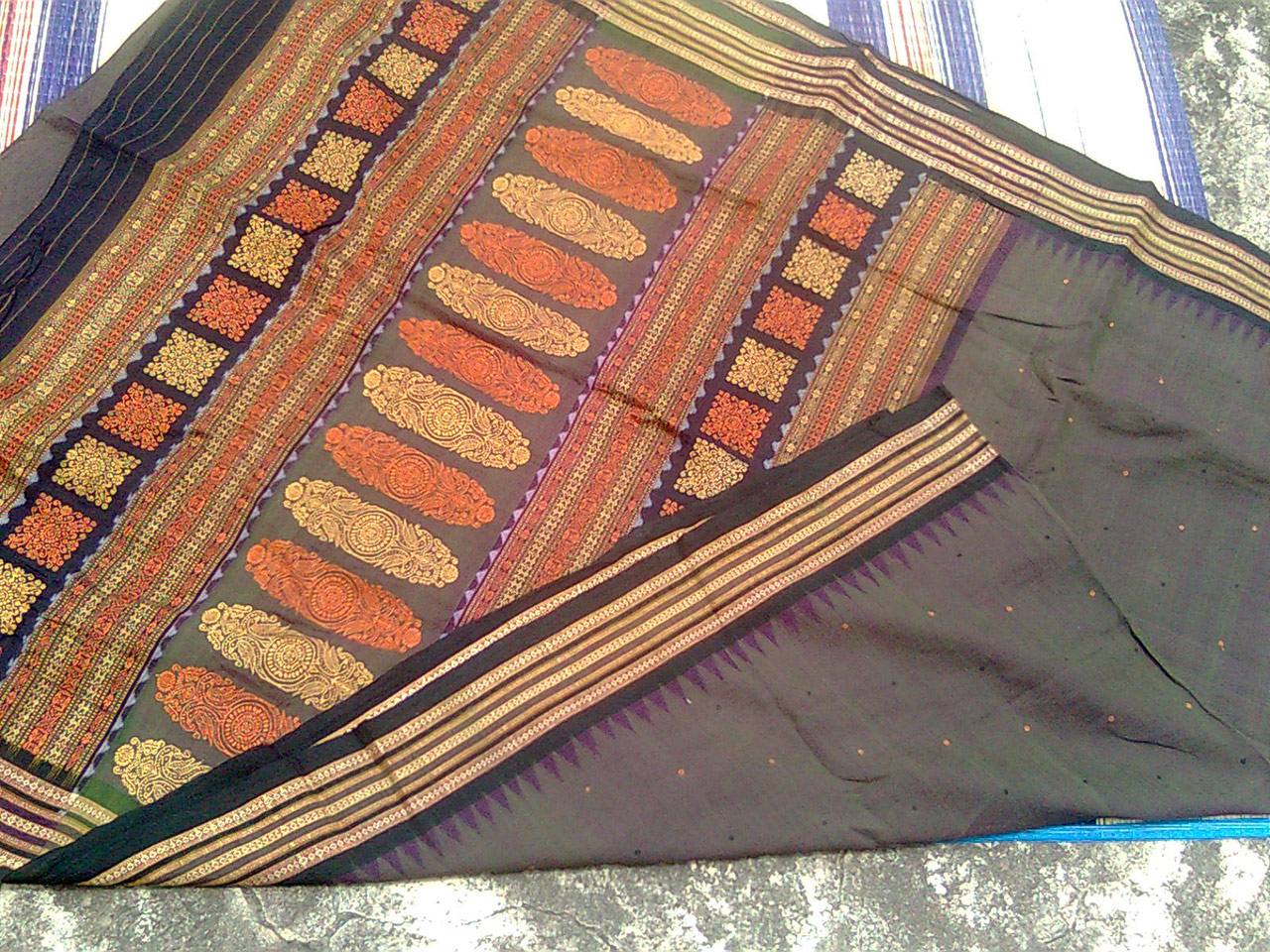
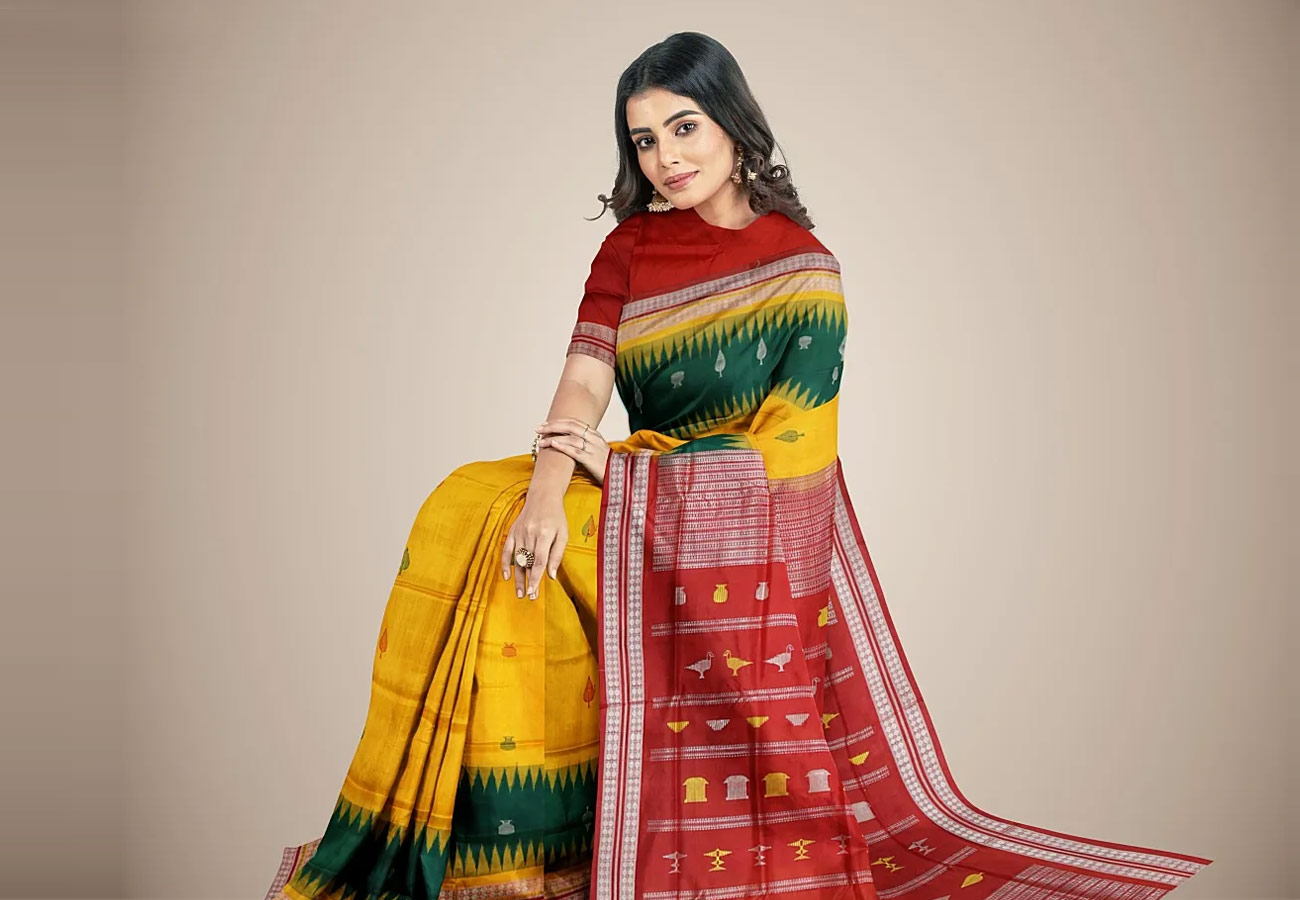
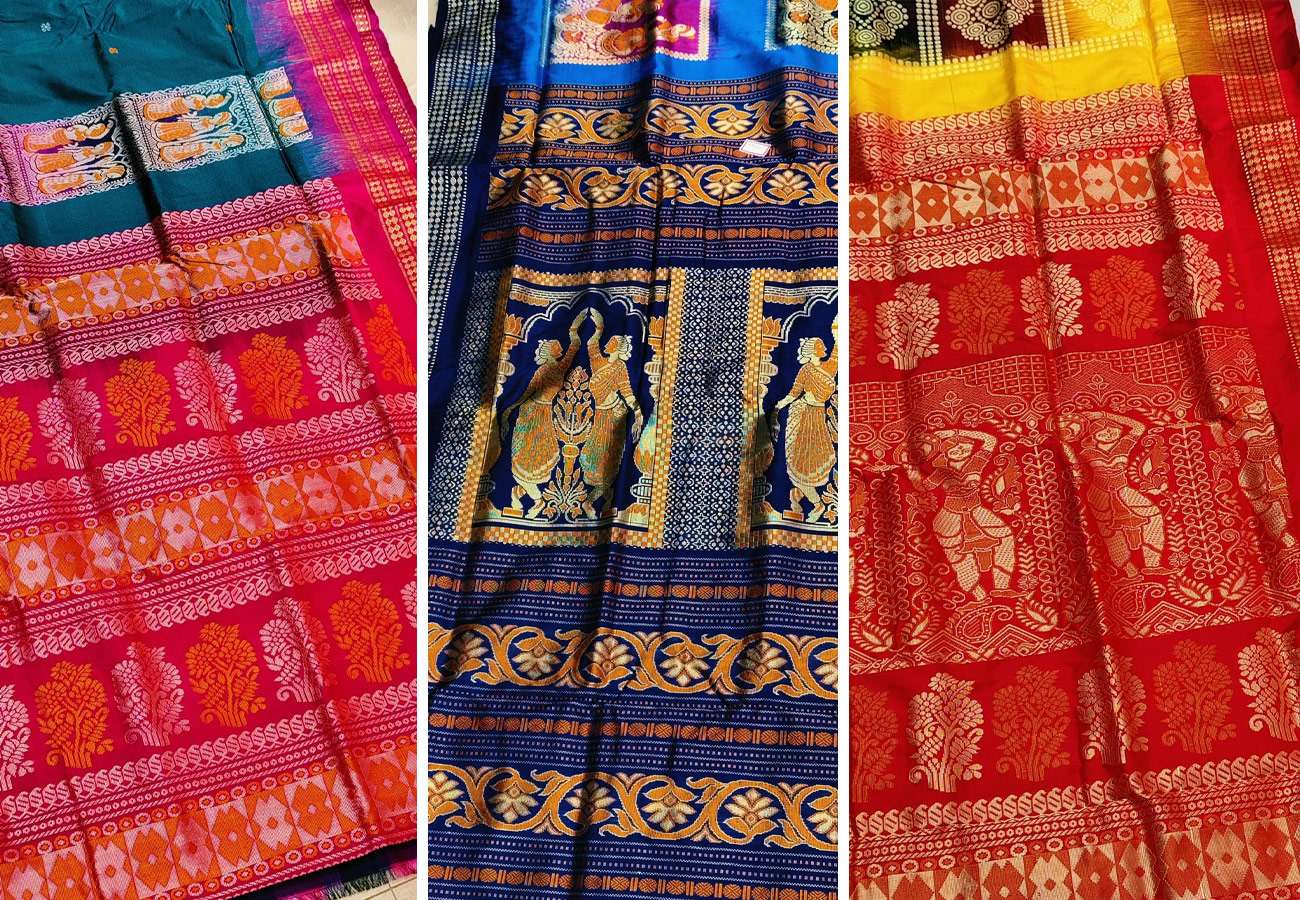
Since my childhood, I have regularly heard about unique food items, silk saris and other products that are popular in certain places of India. Handcrafted items such as Kolkata Rasgulla, Banaras Silk saris, Hyderabadi Biryani, Orissa Ikat, Jaipur pottery, Thanjavur dolls and Madurai Malli (jasmine) are unique to particular location and are created through proprietary processes. However, I did not know that these unique items are now protected by the law as intellectual properties of our country!

GI Tag - Madurai Malli
Madurai Malli

It all started in 1997 when an American company RiceTec based in Texas applied for a patent of its unique rice varieties, “Texmati” the American-style Basmati rice and “Kasmati” the Indian-style Basmati rice. Soon controversy erupted with Indian NGOs filing serious objections to a private company trying to appropriate the indigenous knowledge of traditional Indian farmers, which is considered as “Biopiracy”. The company was forced to withdraw after the Indian government raised objections through the ‘TRIPS’ agreement of the World Trade Organization. That was the first time the world got to know about Geographical Indications or GI tags.

GI Tag - Jaipur blue pottery
Jaipur blue pottery

Further, the widespread export of tea from other countries claiming to be ‘Darjeeling tea’ forced the Indian government to realize that if it needed to protect its own geographical indications globally, it needs to protect them at the national level to begin with. The second reason is related to institutional commitment. Being a signatory to the TRIPS agreement, India is obliged to set into place national intellectual property laws, which also include GI laws. The Government of India enacted Geographical Indications of Goods (Registration and Protection) Act in 1999, which came into force in 2003.

What is a GI tag?

Geographical Indication - Darjeeling Tea
Darjeeling Tea

A geographical indication (GI) tag is a trade name or sign used on certain products that corresponds to a specific geographical location or origin. The GI tag ensures that none other than those registered as authorized users residing inside the geographic territory are allowed to use the product name. The GI tag certifies that the product possess unique qualities that can be considered as intellectual property of that local community. In 2003, Darjeeling tea became the first GI tagged product in India, and since then, 191 more items had been added to the growing list.

To put in simple words, GI tags are like the hallmark for gold or silk mark for silk, which mean that the product has certain qualities, a good reputation and is made with specific standards. GI tags provide intellectual property rights to the traditional producers who make and sell that product.

When a product is given GI status, its price increases in the international market (because consumers in the First World prefer such exotic items with proven origin) and hence its export gets a boost and poor farmers/artisans from that particular region have to face less competition from sellers selling fake products. This indirectly leads to sustainable development.

GI tags are often confused with ‘trademarks’ that are valuable to producers for the same reasons. GI tags help as source identifiers and guarantors of quality, but trademarks belong to a single company/individual and can refer to a product or a service. We could say GI tags are trademarks given specifically for physical products rather than companies.

GI Tags protect tradition

Geographical Indication - Mysore silk
Mysore silk

As a country of extreme diversity, we have numerous handicrafts all over the country produced mostly from rural areas. These handmade crafts depict our culture, their exclusive proprietary processes, unique key ingredients, and the enduring tradition that has been followed since centuries. It is important for us to know about these products, help them to keep making these products and carry on to the next generation.

Today, we regularly come across advertisements proclaiming unique GI tags such as Kancheepuram or Mysore Silk. They highlight the weavers’ name, their location, and the years of experience in their profession. This is a good way to encourage the local community and bring them the respect they deserve. At present, there are 191 products from various regions of India, which have received the GI tags. There are 100 more products waiting for approval to be identified as GI tags.

The list of popular handicraft products that have got GI tags in India is given below:

  • Aranmula Kannadi – Kerala
  • Salem fabric – Tamil Nadu
  • Pochampalli Ikat – Andhra Pradesh
  • Chanderi fabric – Madhya Pradesh
  • Solapur Chaddar – Maharashtra
  • Mysore Silk – Karnataka
  • Kancheepuram Silk – Tamil Nadu
  • Kullu Shawl – Himachal Pradesh
  • Orissa Ikat – Odisha
  • Madhubani Paintings – Bihar
  • Nakshi Kantha – West Bengal
  • Bastar Dhokra – Chhattisgarh
  • Blue Pottery of Jaipur – Rajasthan
  • Kutch Embroidery – Gujarat
  • Kani Shawl – Jammu & Kashmir
GI tag list
GI tag list

Here is a list of well known GI agricultural products from India:

Geographical Indication State
Darjeeling Tea West Bengal
Nanjanagud Banana Karnataka
Mysore Jasmine Karnataka
Monsooned Malabar Coffee Karnataka
Alleppey Green Cardamom Kerala
Eathomozhy Tall Coconut Tamil Nadu
Naga Mircha Nagaland
Malihabadi Dusseheri Mango Uttar Pradesh
Guntur Sannam Chilli Andhra Pradesh

Geographical Indication tags are relatively new institutions evolved to protect indigenous knowledge in the food and handicrafts sector without hampering the process of free global trade. It is argued that such protection through GIs can help localize economic control, promote rural socio-economic development and assure higher economic returns. However, what remains to be seen is how well these claims actually translate into better business for producers in the developing world. Thus, proponents regard GIs as strong tools for protecting their national property rights offering them new export opportunities in these sectors. Opponents, however, consider GIs as barriers to trade!

Suggested Read – Exploring the GI Protected Art Forms of India

Factfile –
http://indiatoday.intoday.in
http://www.simplydecoded.com
http://www.iprsonline.org

Image Source

wiki/File:Aranmula_mirror.jpg
http://pochampally.com/
http://indianwomenclothingstyle.blogspot.in
http://en.wikipedia.org/wiki/Paisley
http://www.himachalvalley.com
http://en.wikipedia.org/wiki/Nakshi_kantha
http://www.tradeindia.com
http://apniavani.blogspot.in
http://commons.wikimedia.org/wiki
http://parvaizart.wordpress.com/gallary/
http://www.indiaunimagined.com
http://en.wikipedia.org/wiki/Banarasi_saris
wiki/Hyderabadi_biriyani

Understanding the Cultural Diversity of Karnataka [Infographic]

8

The term “Karnataka” has its roots in the Kannada language and is derived from two words: “Karu” and “Nadu.”

  • “Karu” means ‘elevated’ or ‘high.’
  • “Nadu” means ‘land’ or ‘region.’

Therefore, “Karnataka” can be translated to mean the ‘elevated land’ or the ‘high plateau.’ This name is apt as Karnataka is situated on the Deccan Plateau in south-western India. The state is known for its diverse geography, rich cultural heritage, and historical significance. Karnataka was previously known as the State of Mysore and was renamed to Karnataka in 1973.

November 1st Karnataka celebrates the day of its state formation, “Kannada Rajyothsava”. While Kannada language provides a unified medium of communication across the state, there is a notable diversity in its regions. The state was formed in 1956 after the linguistic reorganisation of various Indian states, when various Kannada speaking regions were brought together. Having been ruled by different rulers, these regions have their own distinct culture, cuisine, dress and dialects. For example, North Karnataka has a strong Marathi influence on its dialect. However, many are still not satisfied with the  linguistic reorganisation. Belgaum remains a contentious issue between Karnataka and Maharashtra. Similarly, the Tulu and Konkani speaking coastal regions of Mangalore and Karwar now came into Karnataka, while Kannada speaking Kasargod went to Kerala. This infographic tries to depict the cultural divisions among the regions of Karnataka –

Infographic - Karnataka culture

Kannada Language: A Glorious Story of History and Evolution

0

Kannada-Language-Literature-2

If there is anything we humans can do well, it is communication. From the wall painting of a bull in that cave centuries ago to the use of the continuously evolving English language – we’ve, indeed, come a long way in terms of communication. The history of languages goes back to the Mesopotamian era. Did you know that one of the oldest written languages in the world was Sumerian? And considering how essential Sumerian was to understand the components of the Mesopotamian civilization, it is no secret that the language of a region is the purest, most sacred form of its ideals.

Kannada-Language
Image – Omniglot.com

The south-western state of Karnataka, home to several important bearers of Indian identity like Bangalore, Mysore, and Hampi, is also the birthplace of the Kannada language. Kannada is a Dravidian language spoken by the inhabitants of Karnataka (and sometimes in Maharashtra, Tamil Nadu, Andhra Pradesh, and Goa). It is officially a scheduled language under the Indian Constitution and it has a total population of about 43 million in India. The list of accomplishments of this language is long. Evolved from the Kannada script, the Kannada literature has bagged 8 Jnanapith awards, which is deemed the highest for any Dravidian language. Kannada language is also a designated classical language of India and was the court language of several powerful empires in ancient India as well. Impressive, no?

History of Kannada Language

Kannada Language-History
6th Century Kannada Inscription, Badami/Wikimedia

Kannada is a language that was prevalent even in the 3rd Century BCE. The proof of the existence of the Kannada language is plenty and scattered all around India and sometimes abroad. For instance, a word called ‘isila’ was found on an Ashokan inscription, which was later confirmed to be a word from the Kannada language. Several Kannada words were found on this curious Ashokan inscription. Next, we know the details regarding the language from Ptolemy’s book, The Geography which speaks of the places in Karnataka and their language.

Moreover, the famous Halmidi record of the Kadambas is one of the oldest living pieces of evidence of the existence of the Kannada language in the 5th century AD. From this we can well establish the fact that Kannada was a developed language; both spoken and written from the very early ages. Another surprising revelation suggested that Kannada was also found in several Tamil inscriptions. In a 1st century CE Tamil inscription, the Kannada word ‘ayjayya ‘was found. Similarly, in a 3rd Century Tamil inscription, the word ‘oppa nappa vlan’ has been repeated throughout the inscription. This is noteworthy because ‘oppanappa’ contains the Kannada word ‘Appa’. Several scholars believe that the grammatical categories found in these inscriptions belong more to Kannada rather than to Tamil.

Oldest-Indian-Languages-Kannada

Kannada had become an administrative language around 450 century AD. We know this due to a full-length stone inscription entirely in the Kannada language known as the Halmidi inscription. This inscription has been invaluable in tracing the early culture and paradigms of the society and culture in Karnataka. Interestingly, Kannada inscriptions are not only found in Karnataka but are also extensively found in Maharashtra, Andhra Pradesh, Telangana, Tamil Nadu, and sometimes in the northern state of Madhya Pradesh. Yes, Madhya Pradesh. A Kannada inscription was found near Jabalpur (present-day Madhya Pradesh) which is believed to have been from the reign of Krishna III. This also tells us about the inter-communication and reach of languages between the then-cities of India. It is also important to know that the various inscriptions in Kannada can be categorized into two segments- Pre-old Kannada (450 to 800 AD) and old Kannada (800 to 1000 AD). Of course, the language currently spoken is termed Modern Kannada.

Another topic of discussion which frequently emerges when one talks about Kannada is the influence of Sanskrit and Prakrit on Kannada grammar. According to scholars, Prakrit has had a spot in Karnataka’s society since the early ages. Sources suggest that people engaging in vernacular Prakrit may have come into contact with the Kannada speaking population (before Kannada was used as an administrative language) and thus influenced a large part of it. For example, the Kannada word for color is Banna. The Prakrit word for color is Vanna. Sound familiar?

Kannada Literature

Kannada Language-Literature
Image/Wikimedia

The Kannada literature has been divided into three parts – Old Kannada, Middle Kannada, and Modern Kannada. The earliest Kannada work speaks about its grammar and literary styles and most of the early Kannada texts were poems on religious subjects such as the 12th century Ramayana by Abhinava Pampa. Speaking about Kannada novels, one of the earliest forms of Kannada literature which can be considered as a novel is, “Nemicandra’s Lilavati”. The story narrates the love story between a prince and a princess. Another famous Kannada literature is “Rajashekara Vilasa” by Sadaksaradeva. It is a fictional story written in 1657 which contains both prose and poetry. From the 20th century, Kannada literature was influenced by the Western concept of writing and saw an intermix of writing styles.

Key Figures in Modern Kannada Literature

Kannada Language-Key Figures
Image/Wikimedia

Modern Kannada literature saw its development when Maharaja Krishnaraja Wodeyar III began writing prose based on Sanskrit epics in the early 19th century. The first Modern Kannada novel is”Mudramanjusha” by Kempu Narayana. The dawn of the 20th century saw the emergence of B.M. Srikantaiah or B.M. Sri, who revolutionized Modern Kannada literature and is thus termed as the ‘Father of modern Kannada literature’. B.M. Sri published his work – English Geethegalu – a collection of poems that are translated into English. This era was marked by the writing of new, original work in Modern Kannada, while simultaneously leaving behind the old forms. Some other famous 21st century Kannada writers include Kuvempu, V.K. Gokak, K. Shivaram Karanth, Srinivasa, Girish Karnad, U.R. Ananthamurthy, and Ambikatanayadatta.

Kannada flag

The birth and subsequent development of the Kannada language and literature is truly fascinating. Emerging from the earliest periods and still going strong, the works in the Kannada language are a wonder. The stages of transformation of a language are common in every region. Even languages such as Hindi, Marathi, Punjabi, and English have evolved and changed over the years. These changes give birth to the languages as we know them.

Captivating Kashmir: Uncover Paradise through These Indispensable 9 Tours

0

Captivating-Kashmir

Embark on a captivating journey as we delve into the heart of Kashmir, a realm of unrivaled beauty and cultural splendor. In this exploration, we unveil the magic of the region through a curated selection of nine indispensable tours, each designed to offer a unique perspective on the enchanting paradise. From the tranquil waters of Dal Lake to the vibrant markets of Srinagar, and the pristine landscapes of Aru Valley, these tours promise to be the key to unlocking the timeless allure of Kashmir, inviting travelers to uncover moments of awe and create cherished memories in this celestial destination.
1. Srinagar Reverie: Dal Lake and Mughal Gardens (Chennai)

For those venturing from the vibrant city of Chennai, Kashmir tour packages from Chennai take you through the Srinagar Reverie tour as the perfect initiation into the wonders of Kashmir. Glide through the serene waters of Dal Lake on a shikara, marveling at the reflections of snow-capped peaks. Explore the meticulously designed Mughal Gardens, such as Nishat Bagh and Shalimar Bagh, where nature and architecture entwine to create a symphony of beauty. 

2. Gulmarg Grandeur: Gondola Ride and Winter Wonderland (Ahmedabad)

Ahmedabad travelers, seeking an exhilarating adventure, can dive into the Gulmarg Grandeur tour. With Kashmir packages from Ahmedabad ascend to Apharwat Peak on the Gulmarg Gondola, one of the highest cable cars globally, to witness panoramic views of snow-covered slopes and dense pine forests. In winter, indulge in skiing and snowboarding, transforming Gulmarg into a winter wonderland. Summers offer a stark contrast, with meadows adorned in a vibrant carpet of wildflowers.

3. Pahalgam Paradise: Betaab Valley and Lidder River (Delhi)

Delhi’s soulful wanderers can explore the Pahalgam Paradise tour, where nature’s allure takes center stage. Discover the breathtaking beauty of Betaab Valley, named after the Bollywood film shot there, and engage in pony rides amidst pristine landscapes. The Lidder River, with its tranquil flow, provides a soothing backdrop for leisurely strolls and moments of quiet reflection.

4. Srinagar Cultural Sojourn: Temples and Markets (Kolkata)

For Kolkata travelers, the Srinagar Cultural Sojourn tour unveils the rich tapestry of Kashmir’s cultural heritage. Visit the historic Shankaracharya Temple for panoramic views and spiritual serenity. Explore the architectural masterpiece, Jamia Masjid, and wander through the vibrant markets of Lal Chowk and Polo View Market, where traditional handicrafts and local delicacies beckon.

5. Mumbai’s Culinary Expedition: Kashmiri Cuisine Tour (Mumbai)

Embark on a gastronomic journey from Mumbai with the Kashmiri Cuisine Tour, where every dish tells a tale of rich flavors and cultural heritage. Indulge in iconic Kashmiri dishes like Rogan Josh, Yakhni, and Wazwan. Experience the warm hospitality as you sip on traditional ‘Kahwa’ and savor the aromatic delights that define the culinary identity of Kashmir.

6. Evening Tranquility: Shalimar Bagh Night Tour (Bengaluru)

Bengaluru residents can experience the tranquil beauty of Srinagar with the Shalimar Bagh Night Tour. As the sun sets, the gardens illuminate, offering an evening of serenity by the lake. Enjoy a leisurely stroll through the illuminated pathways, embracing the fragrant breeze and the subtle sounds of the night, creating a peaceful retreat away from the bustling daytime activities.

7. Nature’s Retreat: Offbeat Aru Valley Exploration (Hyderabad)

Escape the tourist trails with the Offbeat Aru Valley Exploration, perfect for those seeking a deeper connection with nature. Hyderabad travelers can immerse themselves in the untouched beauty of Aru Valley, surrounded by meadows and snow-capped peaks. Engage in nature walks, breathe in the crisp mountain air, and experience the tranquility that defines this off-the-beaten-path destination.

8. Chennai’s Himalayan Bliss: Pahalgam Retreat to Betaab Valley (Chennai)

Chennai residents can discover Himalayan bliss with the Pahalgam Retreat to Betaab Valley tour. Pahalgam, cradled between meadows and the Lidder River, invites exploration. Discover the breathtaking scenery of Betaab Valley, named after the Bollywood film shot there, and engage in activities like trekking and pony rides. This tour offers a peaceful retreat into nature’s embrace, creating an idyllic setting for unforgettable moments.

9. Kolkata’s Symphony of Scents: Saffron and Rose Garden (Kolkata)

For those captivated by fragrances, the Symphony of Scents tour in Srinagar offers a delightful experience. Kolkata residents can explore the Saffron and Rose Garden, where the air is filled with the sweet scent of saffron and the gentle aroma of blooming roses. Witness the meticulous process of saffron cultivation and enjoy a leisurely stroll through the vibrant rose gardens, creating a sensory symphony.

Crafting Your Kashmir Experience: A Tour from Every Corner

Whether you’re dreaming of a Kashmir trip from Pune or exploring Kashmir Tour Packages from Ahmedabad, these essential tours promise an immersive experience tailored for every traveler. The convenience of transportation and carefully selected accommodations ensures a seamless and enriching journey, allowing travelers from every corner of the country to focus on the captivating beauty and unforgettable moments that Kashmir unveils.

Top 10 Destinations in Rajasthan During Winters

0

Rajasthan, a land of royal palaces, vibrant culture, and golden sands, transforms into a magical realm during the winter months. The cool, crisp air adds an extra layer of charm to the already enchanting landscapes, making it an ideal time for travelers to explore the myriad wonders of this regal state. In this guide, we will unveil the best places to visit in Rajasthan during winters, providing an immersive experience into the heart of India’s cultural tapestry.

1. Jaipur – The Pink City

Top 10 Destinations in Rajasthan During Winters Jaipur

Jaipur, the capital city of Rajasthan, is a vibrant mosaic of history and modernity. During winters, the Pink City takes on a special glow, with the iconic Hawa Mahal, Amer Fort, and City Palace standing out against the clear blue sky. The pleasant weather allows for comfortable exploration of the bustling bazaars, offering an array of traditional handicrafts and textiles.

2. Udaipur – The City of Lakes

Top 10 Destinations in Rajasthan During Winters Udaipur

Udaipur, often hailed as the Venice of the East, becomes even more romantic during the winter season. The cool breeze off Lake Pichola adds to the charm of boat rides, providing breathtaking views of the City Palace and Jag Mandir. The City of Lakes truly comes alive during this season, making it an ideal destination for a winter getaway.

3. Jodhpur – The Blue City

Top-10-Destinations-in-Rajasthan-During-Winters-Jodhpur

Jodhpur, with its iconic blue-painted houses and the formidable Mehrangarh Fort, is a visual treat during winters. The mild temperatures allow for comfortable exploration of the narrow lanes of the old city, where vibrant markets offer an array of traditional Rajasthani goods. The Umaid Bhawan Palace and Jaswant Thada are must-visit attractions.

For a seamless and immersive experience, consider exploring Jodhpur tour packages from Bangalore to make the most of your winter sojourn.

4. Jaisalmer – The Golden City

Top-10-Destinations-in-Rajasthan-During-Winters-Jaisalmer

Jaisalmer, with its golden sand dunes and intricate architecture, is a desert jewel that sparkles even more during the winter months. The Jaisalmer Fort, Patwon Ki Haveli, and the Sam Sand Dunes offer a magical experience when the temperatures are mild. The Desert Festival, held in February, showcases the vibrant culture of Rajasthan and is a highlight for winter visitors.

For those embarking from Delhi, Jaisalmer tour packages from Delhi offer a convenient and curated way to explore the Golden City.

5. Pushkar – The Sacred City

Top-10-Destinations-in-Rajasthan-During-Winters-Pushkar

Pushkar, with its sacred lake and Brahma Temple, takes on a serene ambiance during winters. The ghats around Pushkar Lake become a peaceful retreat, and the annual Pushkar Camel Fair in November adds a colorful touch to the spiritual atmosphere. Winter is the perfect time to explore the cultural richness and tranquility of this sacred city.

6. Ranthambore National Park – Wildlife Wonderland

Top-10-Destinations-in-Rajasthan-During-Winters-Ranthambore

Ranthambore National Park, home to the majestic Bengal tiger, is best explored during the winter season. The cool weather enhances the wildlife safari experience, increasing the chances of spotting a variety of animals in their natural habitat. The Ranthambore Fort adds a historical touch to the natural beauty of the park.

7. Mount Abu – The Hill Station of Rajasthan

Top-10-Destinations-in-Rajasthan-During-Winters-Mount-Abu

Escape the plains and head to Mount Abu, the only hill station in Rajasthan. Nestled in the Aravalli Range, Mount Abu offers a refreshing climate during winters. The Dilwara Jain Temples, Nakki Lake, and the sunset point at Honeymoon Point are must-visit attractions in this serene hill station.

8. Ajmer – The Spiritual Hub

Top-10-Destinations-in-Rajasthan-During-Winters-Ajmer

Ajmer, known for the revered Ajmer Sharif Dargah, is a destination with a spiritual aura. The mild winter weather allows for a comfortable visit to the dargah and leisurely strolls around Ana Sagar Lake. The Akbari Fort and Museum and the Jain Temple are additional attractions worth exploring.

9. Bikaner – The Camel Country

Top-10-Destinations-in-Rajasthan-During-Winters-Bikaner

Bikaner, often referred to as the Camel Country, takes on a different charm during winters. The Junagarh Fort, Karni Mata Temple (known for its rat residents), and the vibrant markets showcasing traditional crafts and snacks can be explored comfortably when the temperatures are mild.

10. Chittorgarh – Citadel of Valor

Rajput-Architecture-Chittorgarh
Chittorgarh Fort – Wikimedia

Chittorgarh, with its massive fort and tales of valor, is a destination that becomes more inviting during winters. The Chittorgarh Fort, the largest in India, boasts impressive structures like the Vijay Stambh and Kirti Stambh. The Meera Temple and the Rana Kumbha Palace add to the historical allure of this citadel.

Rajasthan, with its diverse landscapes and rich cultural heritage, truly comes alive during the winter months. The pleasant weather allows travelers to explore the historical landmarks, vibrant markets, and serene lakes without the discomfort of extreme temperatures. Whether you choose the regal allure of Jaipur, the romanticism of Udaipur, or the desert mystique of Jaisalmer, Rajasthan in winter promises an unforgettable journey into the heart of India’s royal past.

Diadem Lehenga – A Diwali Fashion Essential

1

Lehenga-A-Diwali-Fashion-Essential-01

Diwali is coming up, so now is the perfect moment to dress up. Without a doubt, lehengas are the ideal option for both bridal and celebration attire. Lehengas are three-piece outfits that consist of a dupatta, a blouse, and a skirt. These clothes are made of different materials, patterns, and styles. Because they are the ideal combination of tradition and modernity, lehengas are a popular choice for Diwali.

Lehengas come in a variety of styles on the market. Every style has a certain allure and can be selected based on tastes and body shape. Certain lehengas have elaborate embellishments like mirror work, sequins, and embroidery, which makes them ideal for the festival season.

Lehenga-A-Diwali-Fashion-Essential-02

Selecting the perfect lehenga for Diwali might be challenging, but Diadem’s online shopping assortment will help you locate the one you love. You can choose from a wide variety of Lehengas to get one that fits your budget and style. Furthermore, Diadem’s amazing deals and discounts make purchasing lehengas for Diwali easy.

Lehenga, the traditional Indian outfit, is one of the most sought-after clothing options for the festival of lights. And when it comes to choosing the perfect lehenga for Diwali, Diadem’s online shopping collection is your go-to destination.

How to choose the perfect lehenga?

Lehenga-A-Diwali-Fashion-Essential-03

Choosing the perfect lehenga can be overwhelming. From the right fabric to selecting the perfect colour, there are a lot of factors to consider. But don’t worry, here are some tips to help you choose the perfect lehenga.

Consider your body type. It’s crucial to choose a lehenga that flatters your body type. For instance, if you have a pear-shaped body, A-line or flared lehengas would be perfect for you. If you’re tall, you can opt for a mermaid-style lehenga. Remember to choose a lehenga that accentuates your best features.

Choosing the right fabric. It can make a huge difference in how your lehenga looks and feels. Silk and velvet are great options if you want to add some drama to your look. If you’re looking for something more lightweight, georgette or chiffon would be perfect.

Lehenga-A-Diwali-Fashion-Essential-04

Also, select the perfect colour. The colour of your lehenga can make or break your entire look. While red is the go-to colour for Diwali, you can experiment with different colours. If you’re a fan of pastels, you can opt for shades of pink or yellow. If you’re feeling bold, you can go for a black lehenga.

Even accessories can elevate your lehenga game. While statement jewellery is always a good idea, don’t forget about your footwear. Opt for heels or juttis to add some height. A dupatta can also add some drama and volume to your lehenga.

Choosing the perfect lehenga can be intimidating, but with these tips, you’ll be able to make a statement at any Diwali party. So go ahead, explore Diadem’s online shopping collection of lehengas at Diadem Store and celebrate Diwali in style!

Lehenga-A-Diwali-Fashion-Essential-05

Diwali is the perfect time to showcase your fashionable side with the latest trends in ethnic wear. This year, lehengas in floral prints and pastel hues are ruling the fashion scene. These soft colours give a refreshing touch to your Diwali look and are perfect for day functions.

Statement sleeves and off-shoulder styles are also in demand this season. They add an instant glamour quotient to your look and give a modern twist to the traditional silhouette.

If you’re someone who loves traditional motifs, then you can opt for lehengas with a modern twist. These lehengas blend traditional motifs with contemporary designs and create a unique look.

So, whether you’re attending a family gathering or a festive party, these trends are sure to make you stand out. Don’t be afraid to experiment with your style this season and make heads turn with your Diwali fashion choices!

So this Diwali, celebrate in style with a beautiful lehenga from Diadem’s online collection on www.diademstore.com. Dress up like a diva, light up your home, and spread the joy of this festive season with your loved ones.

Dancing through Diversity: The Vibrant Folk Dances of Tripura

0

The Northeast is a region of immense diversity. It is home to many tribes and communities with distinct cultures and traditions. Each state in the Northeast hosts several tribes, and Tripura is no exception. The state has many different tribes and communities, producing an explosion of a diverse range of traditional practices. These tribes live a simple and joyful life, valuing family and community life. As a result, dance plays a significant role in traditional celebrations, bringing together the entire community. 

1. Bizhu Dance

Folk-Dances-of-Tripura,-Bizhu
Image Courtesy – CulPride/FB

The Bizhu dance is performed by the Chakmas, a community with origins in the Chittagong hill tracts. It is performed during the Bizhu festival, a three day festival that marks the commencement of the new year for the Chakmas. 

The vibrant dance is a feast for all the senses to enjoy. It is performed in perfect sync by groups consisting of both men and women. The female performers sparkle in silver jewellery while dressed in the traditional combination of pinon and khadi, while the male performers wear a dhoti and jacket along with headgear called khabang which complements their outfit. 

The dance itself represents simple folk themes, and consists of easy movements. The performers dance to the tunes of traditional music, with flutes and drums called the dhol and bhaajhi setting the beat and rhythm of the music. Native instruments like the khenggerang and dhudhuk, which are crafted out of the North East’s abundant bamboo, are also used.

2. Hojagiri Dance

Folk Dances of Tripura, Hojagiri
Image Source

The Hojagiri is a dance performed by the Tripuri people of the Bru Reang clan and is a part of the Hojagiri festival, which falls on the full moon night after Durga Pooja. The festival celebrates the powers of Lakshmi Devi, known as Goddess Mailuma amongst the community. 

The dance is executed perfectly by young women and girls wearing a black coloured combination of the Pachra and Rea, the traditional attire for Tripuri women. The performers dance in perfect sync, poised on plates and earthen pots while balancing a lamps called ‘Kalash’ on their heads and in their hands. They dance beautifully and slowly, skillfully moving their lower bodies gracefully while balancing themselves and the lamps on their heads. The women dance to music from the Khamb, a bamboo flute and bamboo cymbals.

3. Goria Dance

Folk Dances of Tripura, Goria
Image – Rahul Shrivastava/Twitter

The Goria is a part of the festival of Goria pooja, a Tripuri festival celebrating the sowing of new crops, which usually falls in April. The dancers- both men and women- perform it while moving from village to village. It is accompanied by drums and flutes and the tempo of the music and the speed of the performance picks up as the dancers move further away from the initial location.

4. Maimita Dance

Folk Dances of Tripura, Maimita
Image Source

The Maimita is traditionally performed by the men and women of the Tripuri, Jamatia and Noatia people. It is a part of the Mamita festival, which celebrates the first harvest. The men wear dhotis and a headdress while the women wear the Pachra and Rea. Traditionally, the clothes are vividly coloured, with combinations of white and red or other bright colours. The performers can also carry and play cymbals made of bamboo to complement the dance. The dance is complemented by a folk song sung by a man with a traditional flute and drums playing in the background. 

5. Jhum Dance

Folk Dances of Tripura, Jhum-dance

The Jhum is performed during the Sangrai festival in Tripura by the Mog community. Youngsters of the community travel through villages, moving from house to house carrying the sacred Kalapataru tree on their heads. They dress traditionally and dance their way through the village, accompanied by singing and instruments.

6. Lebang Boomani Dance

Folk Dances of Tripura, Lebang-Boomani
Image Source

The Lebang Boomani is a folk dance performed by the Moi people of Tripura. The dance is performed during the lull in agricultural activity before the monsoons. The dance depicts the procedure of catching lebangs, insects that come to the farms in search of seeds. Dressed in traditional attire, male and female performers dance together. The men play long bamboo cymbals called tokkas while the women wave colourful scarves to catch the lebangs. It is believed that the number of lebangs caught is directly proportional to the success of the crop.

7. Masak Sumani Dance

Folk Dances of Tripura, Masak Sumani
Image Source

The Masak Sumani is a dance performed by the Tripuri, Noatia and Murasing communities. It is a part of the hunting rituals performed when villages of men go out together to hunt. Both men and women perform while dressed in traditional attire with hunting equipment. It is a lively dance, depicting the actions of hunting in sync with catchy folk music in the background.

8. Hai Hak Dance

Folk Dances of Tripura, Hai Hak
Image Source

The Hai Hak dance is performed by the Halam community of the Kuki people in Tripura. The dance is performed at the end of the harvest season to invoke the blessings of Goddess Lakshmi.

9. Gajan Dance

Folk Dances of Tripura, Gajan-Dance

The Gajan dance is a part of the Gajan festival of the Bengali community in Tripura. The festival heralds the coming of the new year of the Bengali calendar. It celebrates the traits of Lord Shiva and the ideals of devotion and sacrifice. The dance is an integral part of this festival- people dress up as Lord Shiva, Parvathi, Durga and other Hindu Gods and goddesses and dance to the beats of the drum, singing and listening to the praises of Shiva.

Conclusion

The folk dances of Tripura are a testament to the diversity of the local culture and traditions. They are celebrations of simple folk cultures that have stood the test of time; they not only entertain but also serve as a means to preserve the unique cultural heritage of the tribes. In our fast-paced, globalised world, it is high time that we appreciate folk art and dance forms that showcase the culture of our country in their simple and unique fashion.