Durga Puja – A Heartfelt Celebration

0

durga

There are very few festivals that are religious in fervor but incorporate a wide range of social, creative, environmental and political ideas and showcase them on a platform and medium that is artistic, relevant and relatable to people of all religions and caste.

The Durga Puja celebrations that are an integral part of festivities in eastern India, especially in West Bengal and surrounding states is a frenzy of heightened activity and palpable festive earnestness that floods the towns and cities and brings routine daily life to a complete standstill.

From someone who has grown up in Kolkata, take it from me that Durga Puja is probably the best carnival of sorts that is much more than just a religious celebration of good over evil. It is in fact, a perfect way to highlight, create awareness and make statements about myriad cultural and social elements. Besides, of course, like any other festival, it is the time to shop, catch up, to gorge on food, to socialize with friends and family and to go ‘pandal’ hopping, a term that is used with a dash of excitement and enthusiasm by the locals.

What is Durga Puja?

Durga-Puja-Sindur-Khela
image – Chinmoy Mukerji via Flickr

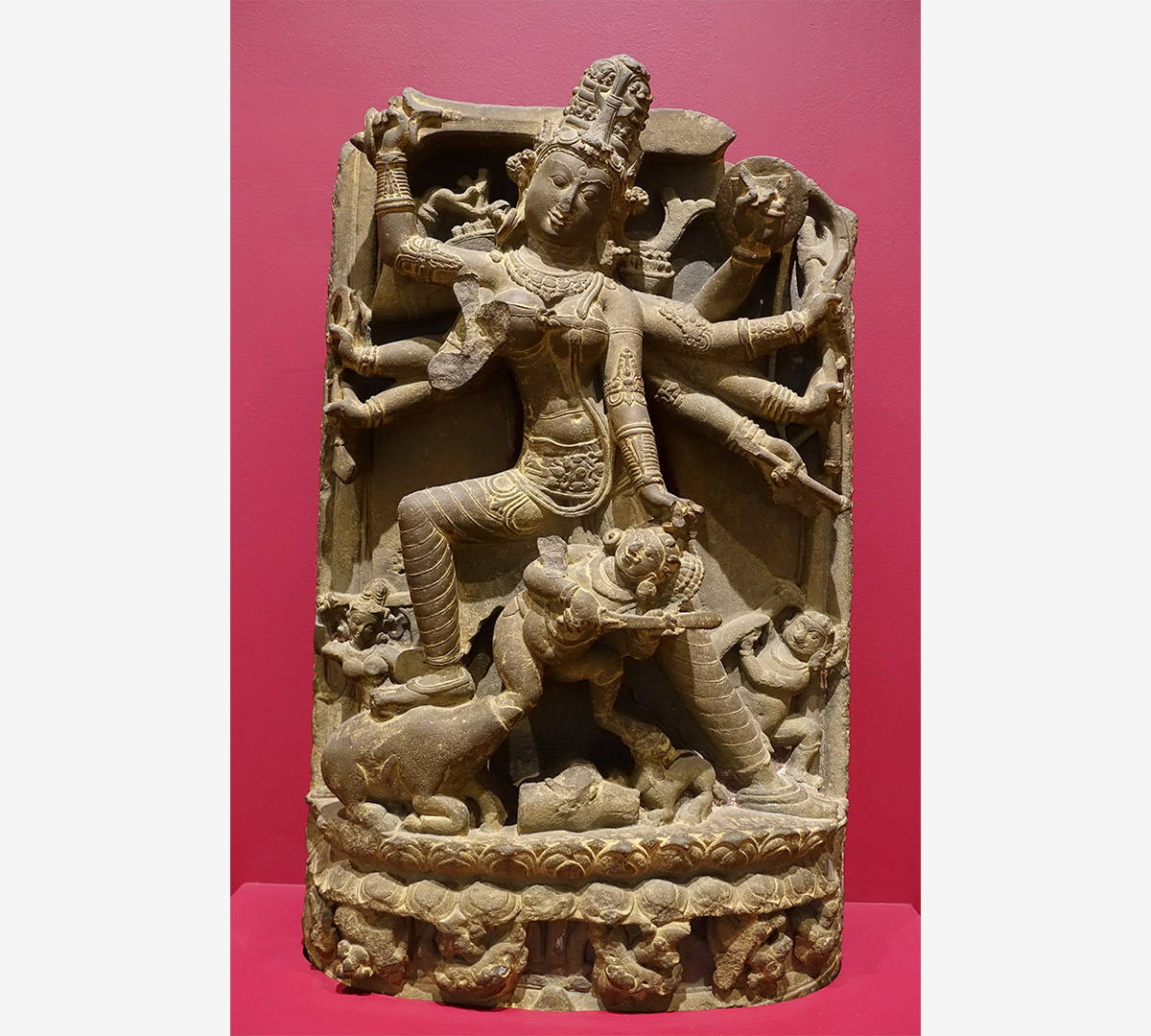
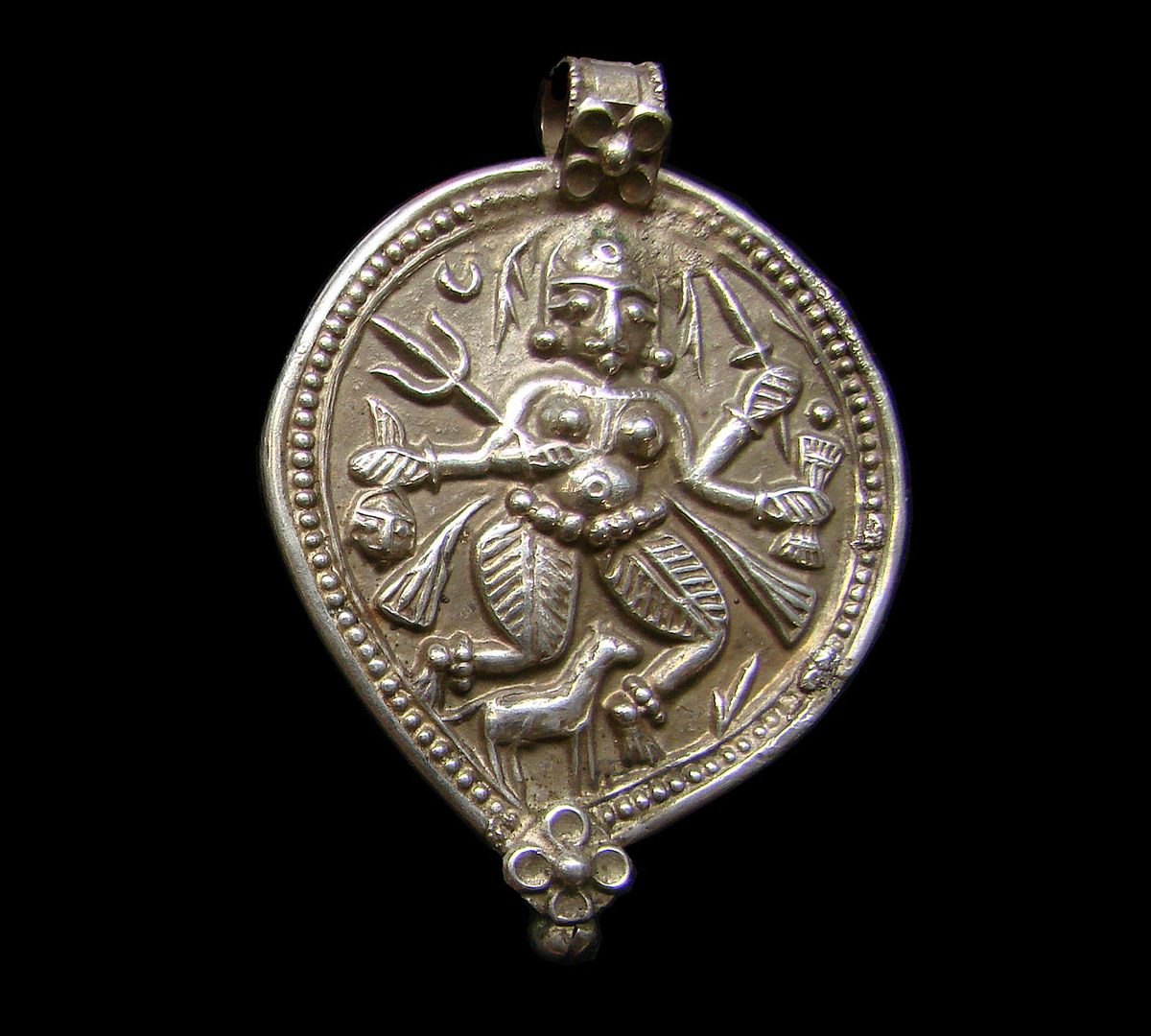
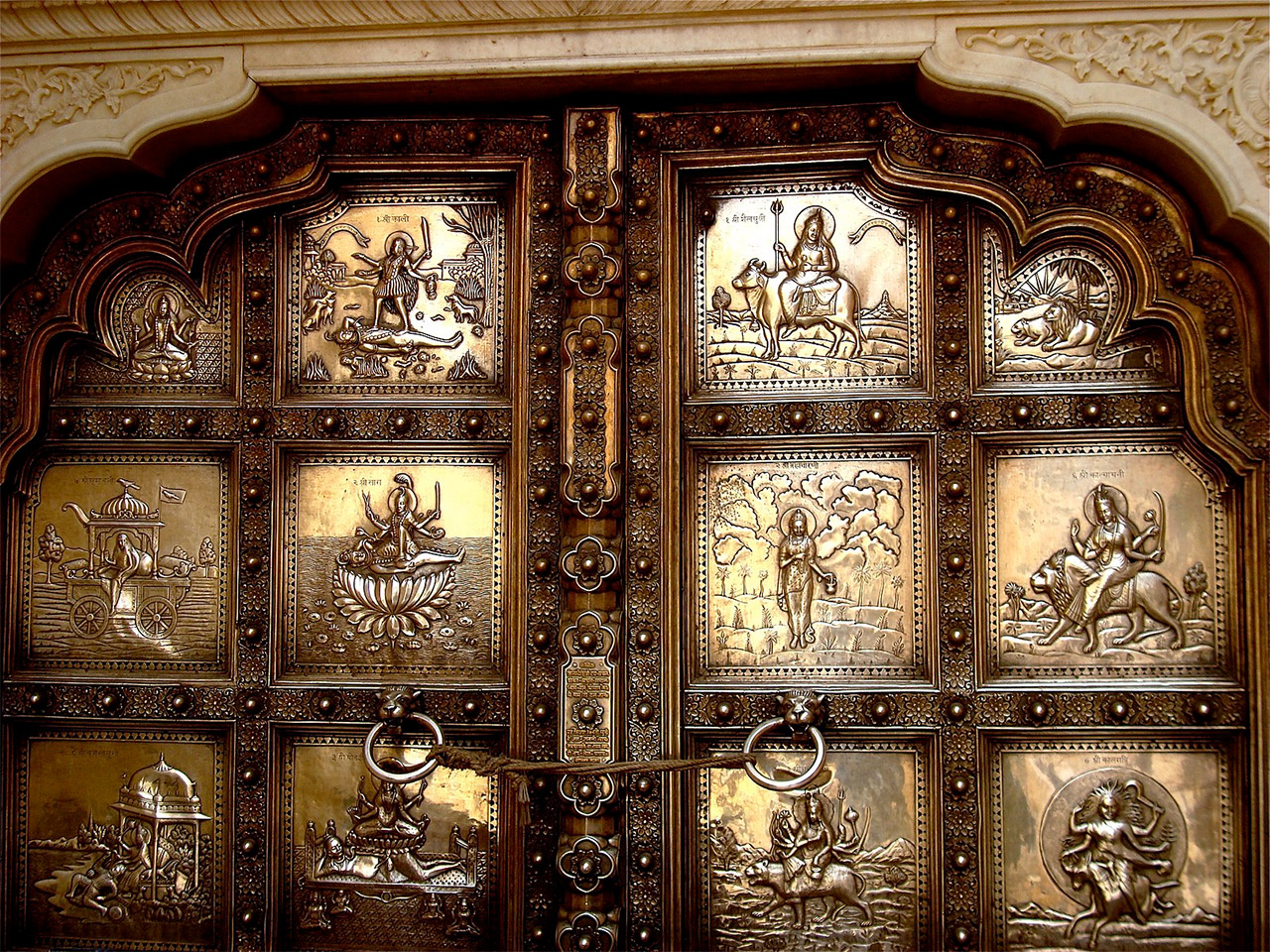
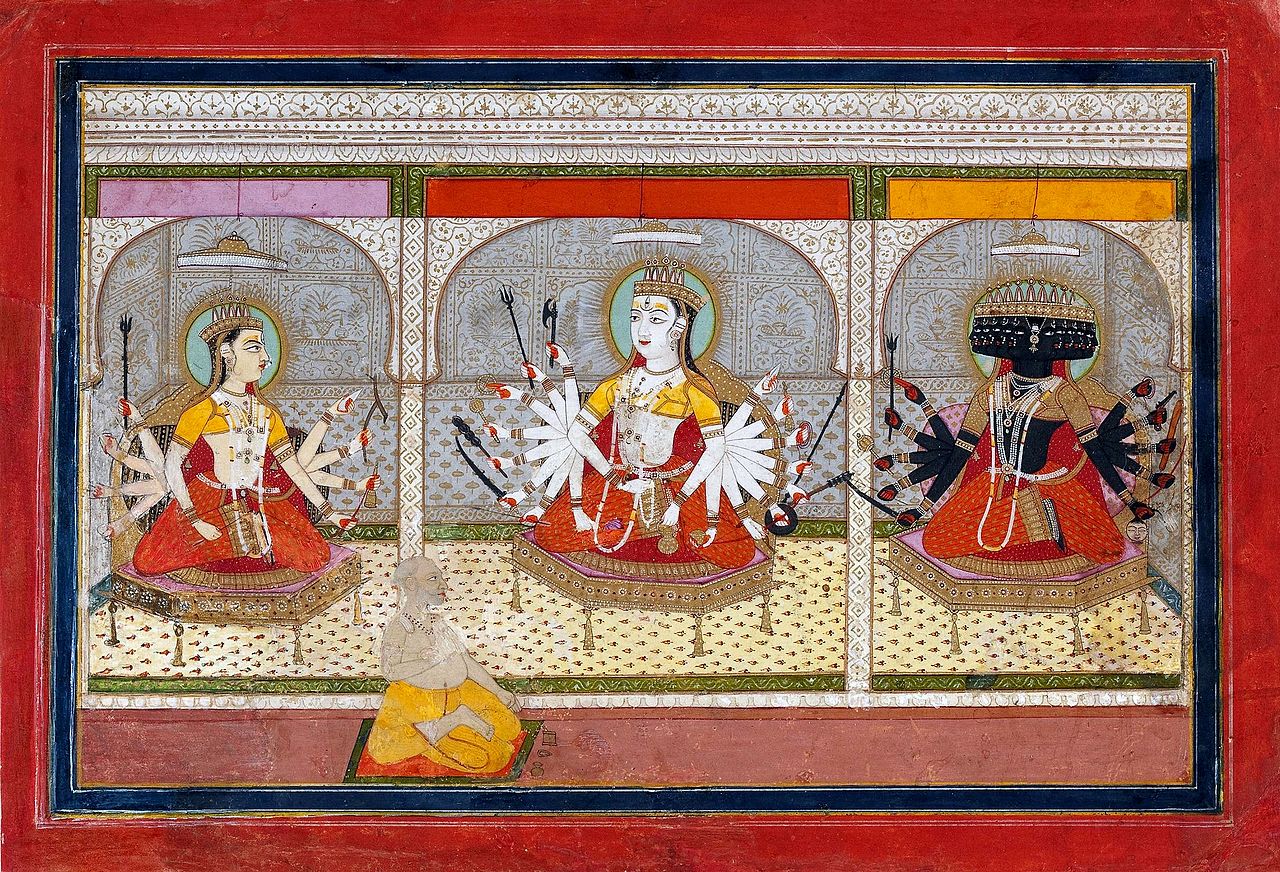
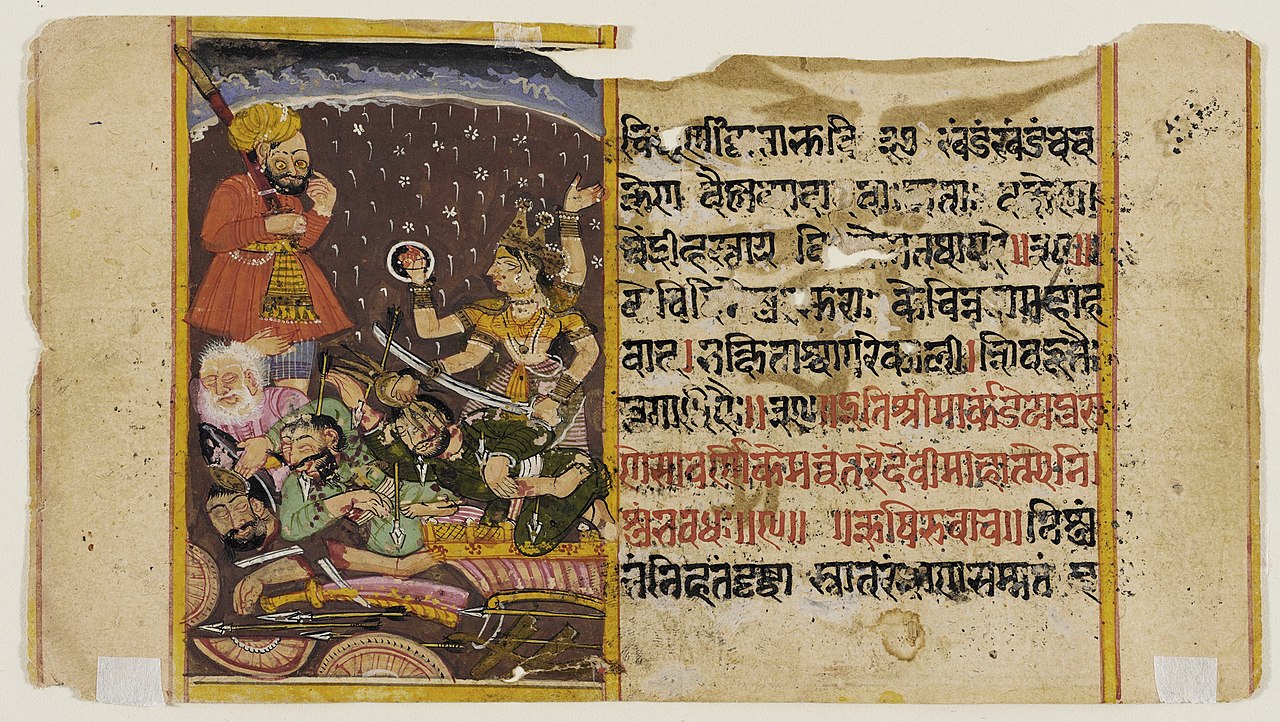
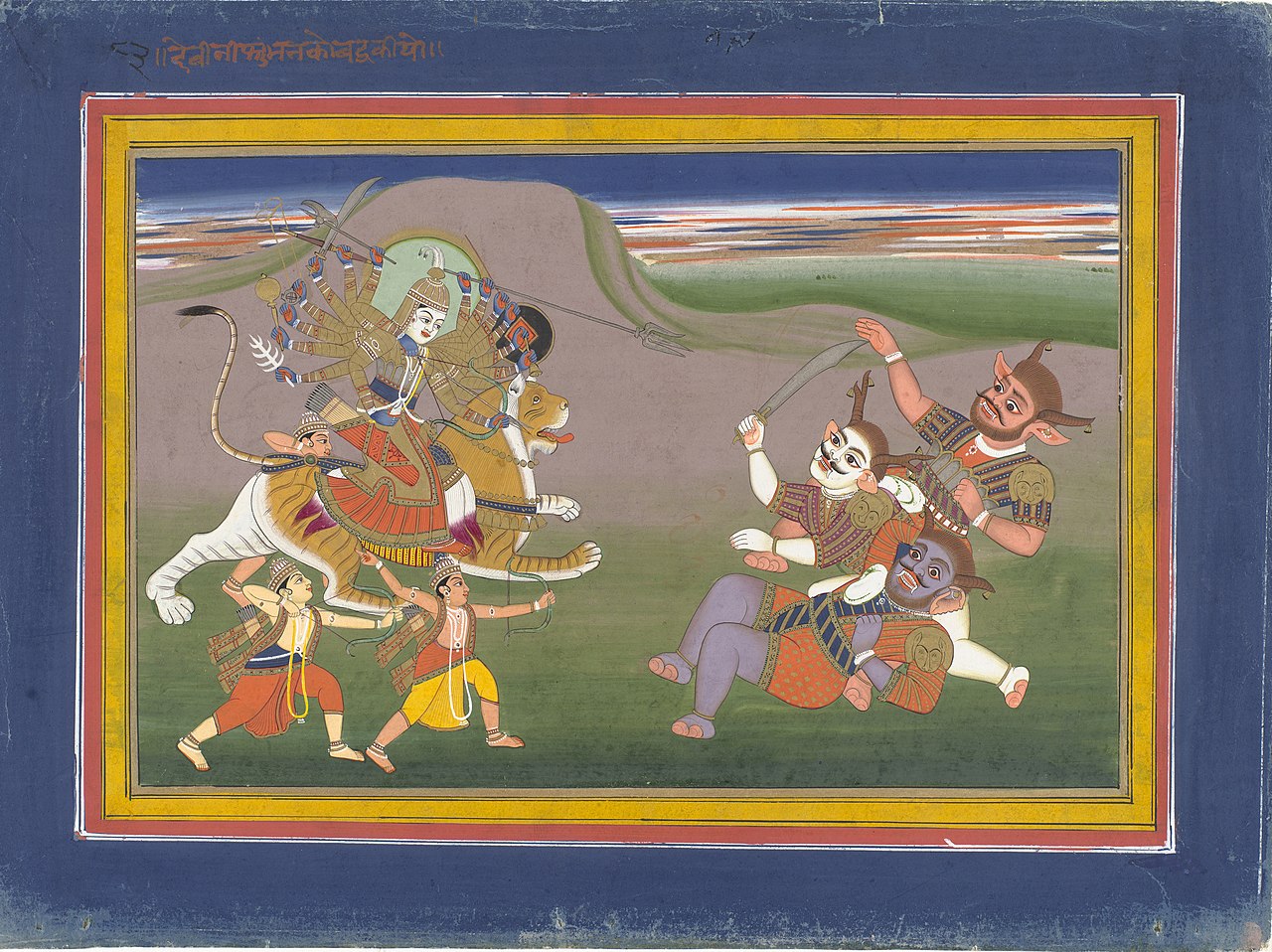
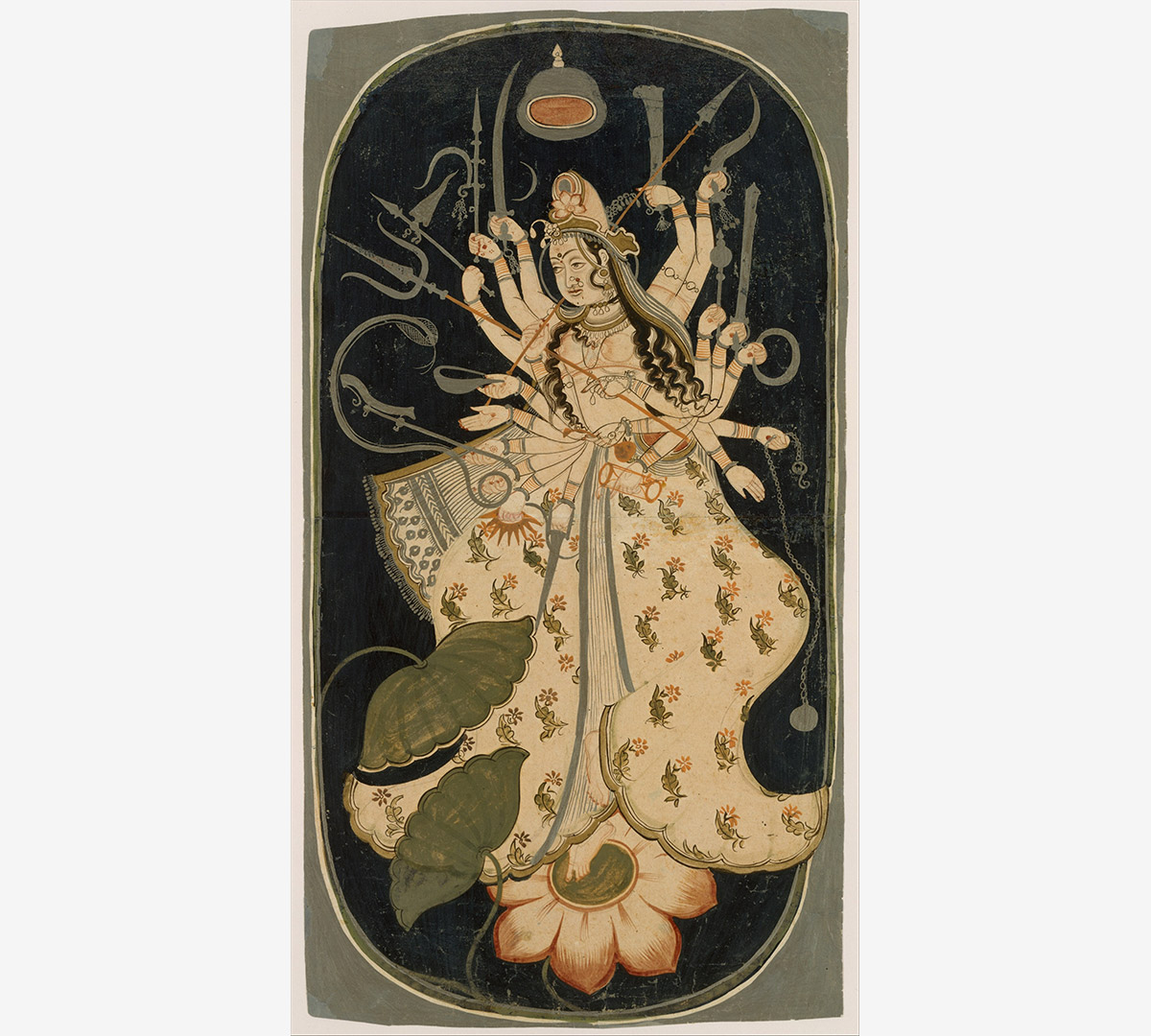
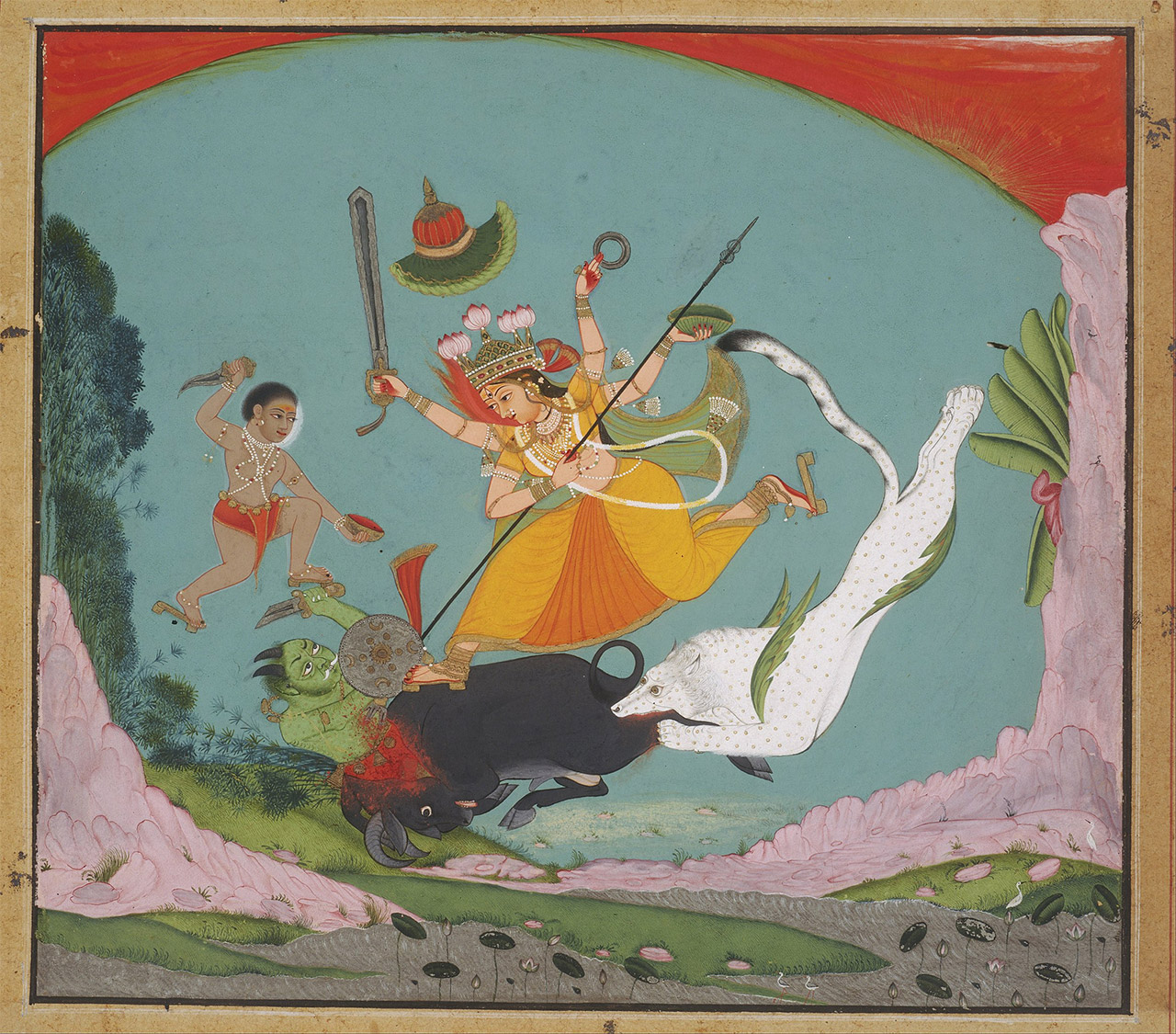
Popular in the states of West Bengal, Bihar, Odisha, Assam and Tripura, Durga Puja is celebrated in the Hindu calendar month of Ashvin that usually falls in September or October. It celebrates the defeat of the deceptive buffalo demon Mahishasura on the hands of Goddess Durga. Durga Puja is a ten day festival beginning with Mahalaya which is the first day of the Puja celebrations. The sixth day (Shashthi) onwards the real celebrations and prayers commence when the eyes of the deity are painted symbolizing the infusion of life into the clay idol and continue through Saptami (seventh day), Ashtami (eight day) and Navami (ninth day). During these days, along with Durga, Goddess Lakshmi, Goddess Saraswati, Lord Ganesha and Karthikeya are also worshipped. On the tenth day or Dashami amidst the beating of drums and chants the idols are immersed in the ocean or rivers and bid adieu as they are believed to return to their divine abode. Dashami is also the day when women smear each other with vermillion called Sindur Khela.

The last day of the Puja coincides with Dussehra.

How is Durga Puja celebrated?

How-is Durga-Puja-celebrated

Durga Puja is celebrated by organizing pujas in homes and prayers and religious rituals are a part of the ten day festival. However, besides the religious rituals and prayers, Durga Puja appeals to non-Hindus as well, because of the beautiful idols that are created by local artists, using various ideas and materials that are centered in pandals or temporary stages that dot the entire city. Each of these pandals are unique in their art and the message that they wish to convey. The magnificently carved and beautifully dressed idols of Durga and other deities on stage are the work of art, created by artists who pour their skills and reverence into the idols over months. Pujas and rituals are also carried out within the pandals yet they are open for all visitors who come in hundreds to adore the splendid idols, the surrounding decorations and the themed pandal renditions.

A-Puja-Pandal
A Puja Pandal – Wikimedia

Social and cultural relevance

Durga Puja involves communities, local ‘paras’, societies coming together, to pool in resources and create something wonderful. The larger than life depiction of the deities, of Ma Durga riding over the astonished and defeated Mahishasura, the petite dignified figures of the other gods and goddesses are poised in the midst of light Rabindra Sangeet, mingled with the chatter of the crowds and lighted with the chants of prayers from the priest. However, the pandals also reverberate with social causes and are exceptional ways to inform and educate the masses that throng to visit them. In many parts the pandals are themed and there are also competitions to vote for the best pandal. Themes range from replicating iconic structures, such as the Buckingham Palace, Big Ben, Jagannath Temple as well as, pandals are also built on various concepts, such as, the shape of a Kerala houseboat, a musical concert or the fictional Mahishmati Palace.

Durga-Idol-in-Different-pose
Image – Stefan Krasowski via Flickr

However, many pandal themes and decorations also highlight some of the most pressing social issues, such as, the plight of sex workers, women empowerment, global warming, saving the Ganga and more.

The creativity of the artists and the pandal committees are on full display, when they use environment friendly materials or build the pandal using only chairs, or theme the pandal based on the various watches and time aged clock techniques. The list is endless, as every year; the absolute genius of the creators manifests itself in colorful, beautiful and meaningful work that resonates with the social, cultural and current state of affairs.

Preserving the heritage

Durga-Puja - Ramakrishna Math
Durga-Puja – Ramakrishna Math

Durga Puja is also the time when traditional and cultural arts, including dance forms, music etc. are performed by artists. Many pandals organize cultural performances and shows showcasing the traditional talents and heritage of the state and region.

The most wonderful thing about the Durga Puja celebrations is that though there is usage of technology and modern methods whether it comes to pandal building, thematic representations, using 3D technologies and so on, the traditional essence of the celebration is not lost on anyone. In spite of the grandeur and sometimes, the glitz, the music and the fun, the spiritual divinity is not ignored neither usurped. At the end of the day, the puja is still about the victory of good over evil, the understanding of standing up for right and the conviction to emerge victorious against all odds.

Navigating the World of Indian Couponing: Tips for Beginners

0
Navigating-the-World-of-Indian-Couponing-01
Image – Wikimedia

In the dynamic realm of online shopping, savvy consumers are constantly on the lookout for ways to maximize their savings. One of the most effective strategies is harnessing the power of coupons. This guide is tailored for beginners venturing into the world of Indian couponing, offering insights, tips, and tricks to help you score top discounts on a wide range of products, including sought-after sports equipment.

Understanding the Indian Coupon Landscape

The surge in couponing popularity in India is attributed to the growing availability of coupon sites that cater to a wide range of consumer needs. These platforms serve as hubs where discounts, deals, and promotional offers from numerous online stores are gathered and made accessible to shoppers. This trend has empowered consumers, enabling them to make well-informed purchasing decisions and ultimately leading to significant savings. As a result, shoppers can now navigate the online shopping landscape with greater confidence and financial efficiency.

Secrets to Finding the Best Deals

Sign Up for Newsletters

Pro Tip: Create a dedicated email address for newsletters to keep your main inbox clutter-free. This way, you can easily locate and access all your exclusive discounts.

Stay Organized: Consider using email filters and labels to categorize promotional emails from various retailers. This will make it easier to find and use coupons when you’re ready to shop.

Engage with Retailers: Engaging with retailers on social media platforms can sometimes lead to exclusive offers and discounts. Be sure to follow your favorite brands and participate in their promotions.

Utilize Coupon Aggregator Websites

Diversify Your Sources: While Discount One is a fantastic resource, don’t limit yourself. Explore a variety of reputable coupon aggregator websites. Each platform may have unique partnerships and offers.

Stay Updated: Make it a habit to visit these aggregator sites regularly. New deals and offers are frequently added, and you wouldn’t want to miss out on a hidden gem.

Check for Validity: Always ensure that the coupons are current and valid. Some platforms may not promptly remove expired deals, so exercise due diligence before attempting to use them.

Timing is Key

Plan Ahead: Mark important dates on your calendar, including major festivals, holidays, and special sales events. Retailers tend to offer their deepest discounts during these periods.

Pre-Sale Research: Many retailers provide a sneak peek of their upcoming sales. Use this information to create a shopping list and know exactly what to look for when the sale begins.

Consider Off-Peak Shopping: Sometimes, the best deals can be found during off-peak hours. Early mornings or late nights may offer less competition for limited-time offers.

Compare Prices

Use Price Comparison Tools: Websites and browser extensions like PriceBaba, MySmartPrice, and PriceDekho can help you compare prices across multiple online stores. This ensures you’re getting the best value for your money.

Consider Additional Costs: Factor in shipping fees, taxes, and any other potential expenses when comparing prices. Sometimes a slightly higher-priced item may actually be a better deal once all costs are considered.

Read Reviews and Ratings: Don’t just focus on price. Check customer reviews and ratings to ensure the product meets your expectations in terms of quality and performance.

Unlock Savings on the Go with the Discount One Mobile App!

Experience the power of Discount One in the palm of your hand. Our user-friendly mobile app is designed to make your couponing journey even more convenient and efficient. Here’s how you can make the most of it:

Instant Notifications: Receive real-time alerts on your mobile device for new discounts, flash sales, and exclusive offers. Never miss out on a great deal again!

Personalized Deal Recommendations: Get tailored recommendations based on your preferences and shopping history, ensuring you’re always in the loop for discounts that matter to you.

Effortless Navigation: Browse through a wide array of discounted items from various online stores with ease. Our intuitive interface makes finding deals a breeze.

Simplified Redemption: Access and redeem your discounts directly from the app. No need to switch between multiple tabs or copy-paste codes.

Track and Organize Your Savings: Keep a record of your accumulated discounts and track your overall savings over time. Stay motivated as you watch your savings grow.

Utilizing Discount One

Discount One is a game-changer for smart shoppers looking for discounts on various goods. This platform scours various online stores in India to compile a curated selection of discounted items. The beauty of Discount One lies in its simplicity:

Convenient Search: Discount One makes it easy for you to find the coupons you want. You can browse by categories, such as electronics, fashion, beauty, travel, food or entertainment. You can also search by store name or keyword. You can also save your favorite coupons for later use.

Thousands of Discounts: With Discount One, you can save money on every purchase you makeonline. You can find coupons for up to 90% off on various products and services from top Indian online stores.

Regular Updates: More than a hundred offers are posted daily. Discount One updates its database regularly with new coupons and discounts from Indian online stores. You can always find fresh and valid offers on the app. You can also get notified of the latest deals and exclusive coupons via push notifications or email alerts.

Design: Simple and clear design, where you can find everything you need. Discount One has a user-friendly interface that lets you access all the features of the app with ease. You can see the details of each coupon. You can also rate the coupons and share them with your friends via social media or messaging apps.

Discount feed, tailored to your tastes: Discount One learns from your preferences and shows you the coupons that match your interests and needs. You can also get personalized recommendations based on your browsing and shopping history. You can also discover new offers and deals every day on the app.

Conclusion

Indian couponing is a valuable strategy that empowers consumers to make the most of their online shopping experiences. By following the tips outlined in this guide and utilizing reliable platforms like Discount One, beginners can embark on a journey to discover incredible deals and discounts across a wide range of products. Remember, the key to successful couponing lies in staying informed, being diligent, and enjoying the thrill of finding amazing discounts in the vast world of online shopping. Happy couponing!

Jhoti Chita – Floor and Wall Paintings of Odisha

5
Jhoti-Chita-01
Image – Wikimedia

Floor and wall paintings are a unique artistic expression in India. People of different regions across the nation adorn their homes, with rangolis and designs that are intrinsically a part of their cultural heritage. Jhoti Chita is a traditional art that is painted on the walls and floors of rural Odisha. It is an important inclusion during festivals, spiritual and social occasions. Made from rice paste, the Jhoti Chita incorporates floral, geometric, animal and religious motifs in its designs. 

How Is Jhoti Chita Made?

Jhoti-Chita-03
Image – Moni Attractive Art

Jhoti Chitas are a common sight in rural Odisha, where women create figures or floral patterns on the walls and floors of their homes. Each Jothi Chita is made from semi-liquid rice paste. The patterns are either made directly with fingers or using a piece of cloth that is attached to a twig. Also, sometimes the surface on which the Jhoti Chita is made, is first smeared with Dhau, a red earthy color to provide the perfect contrast. 

The outline of the painting is created and then the paste is filled within the outlined borders of the design or sketch. Also, different techniques are used to draw the Jhoti Chita. Often the cloth attached to the twig is used as a brush to paint. On other occasions, fingers dipped in the rice paste are enough to create a stunning effect. Besides, sometimes the paste is just sprinkled on the wall and with a light touch and swirl of the hand the painting resembles a sheaf of paddy. 

Jhoti Chitas are always made with rice paste and are white in color. Thus, they are different from Rangolis, which are created using a variety of hues and shades. Besides, in Jhoti Chita the white signifies purity, peace and prosperity. 

When Is Jhoti Chita Created?

Jhoti-Chita-04
Image – Wikimedia

Jhoti Chitas are created on all festivals and occasions. This includes social customs, such as marriages, child birth etc. However, this art form flourishes and finds its true wings during the many festivals, such as Manabasa Gurubara, Basanti, Raja, Jhulana, Karthika, Lakshmi Puja, Dola etc. 

Manabasa Gurubara is perhaps one of the most important festivals in Odisha. And is also one of the main occasions on which the Jhoti Chitas are created with much enthusiasm and devotion. It is celebrated during the Hindu month of Margasira that usually falls between November and December. According to mythology, it is believed that Goddess Lakshmi is present in each house on every Thursday during this month. The Kharif crop is also harvested during this period. Thus, on each Thursday of the month, the married women of the household create Jhoti Chita that include designs of the feet of Mother Lakshmi. In fact, one of the main significances of the Jhoti Chita is to attract Goddess Lakshmi, who is believed to bring prosperity and happiness. And hence, several Jhoti Chita paintings have small feet or foot marks painted as a symbol of welcome for the Goddess. 

Symbolic Significance & Designs in Jhoti Chita

Jhoti-Chita-06
Image Source

On the face of it, the Jhoti Chita paintings are drawn for decorating the house on special festivals and occasions. However, they hold a significance that is much more than for sheer aesthetic or decorative purposes. Most of the motifs and designs drawn in the Jhoti Chita hold symbolic significance. Just as the feet are painted to mark the presence of Goddess Lakshmi, similarly, there are various other motifs that also have spiritual and mystical meanings. For instance, rice sheaves or paddy are drawn in a pile stacked in the shape of a pyramid during Lakshmi Puja and Manabasa Gurubara. Also, usually, the Jhoti Chita featuring the Dhana Shishaas or heaps of paddy is drawn on the outer walls of the huts. 

During Durga Puja, red dots are painted over white dots to signify the worship of both Shakti and Shiva. Also, several of the motifs and symbols used in Jhoti Chita are similar to the ones used in PattaChitra.

Symbols of Lord Jagannath and Lord Vishnu are also a part of several Jhoti Chitas. Some of these include, the lotus flower, wheel, conch shell and the mace or gada. However, the heaps of paddy always signify the presence of Lakshmi and are a symbol of success and prosperity. 

One of the most beautiful and detailed paintings is called the Swapna Padma Chita which is circular and quite huge in size. The Jhoti Chitas are also drawn in grain storage areas, or on earthen pots, doorsteps of homes and around deities. 

However, there are also figures and designs that are drawn for sheer artistic and aesthetic reasons. Some of the designs that are commonly painted in the Jhoti Chita include the peacocks, the Kumbh, fish, elephants and other animals. The motifs are both in floral and geometric patterns creating a visual marvel for all to see. 

Besides, once the Jhoti Chita is created no one walks over it. Certain paintings that are offerings for Gods and Goddesses are not even swept away with a broom. Instead, they are wiped with a wet cloth. 

Role of Women in Jhoti Chita

Jhoti-Chita-07
Image Source

Like several traditional arts, the women of rural Odisha are the backbone of Jhoti Chita. Besides, married women are the main flag bearers and artists that create the Jhoti Chitas. 

With their exceptional creative skills, that are honed over generations, the women showcase their artistic inclinations manifested through the various designs, motifs and patterns of the Jhoti Chita. Also, since the paintings have a strong connection to Goddess Lakshmi, it is imperative that women play a crucial role in the creation and sustenance of this art form. 

Manabasa Gurubara

Jhoti-Chita-09
Image – Wikimedia

Interestingly, the festival of Manabasa Gurubara celebrated during the month of Margasira is an important occasion for the creation of this traditional art. The Jhoti Chita is an important part of the rituals, which includes the singing of a popular folklore story. According to the story, Goddess Lakshmi, is impressed with cleanliness and bestows her blessings on the woman who sweeps and keeps her home clean. And hence, the women clean their homes before the prayer and draw the Jhoti Chita that has the drawings of small feet or Laxmi Paada Chita. This signifies that the Goddess is pleased with the way they have performed this household chore. And thus, blessed them with Her presence. 

Jhoti-Chita-10
Image Source

A jar called Mana is placed in the middle of the Jhoti Chita and is filled with the newly harvested paddy. The puja is then performed and is concluded with distribution of traditional dishes, such as Chitau, Manda Pitha, Kakara, Khiri and more. Also, on this day, every woman recites the Lakshmi Purana with utmost dedication. The same ritual is followed on all the Thursdays of the month. 

Besides, the Jhoti Chita is also drawn below the Pidhaa Marei or a wooden pedestal on which the idol of the Goddess is placed. 

Floor and wall art paintings are abundant in India. They are temporary creations that fade away with time, only to be restarted and reimagined all over again for the next festival or occasion. The Jhoti Chita is a wonderful art form that is a representation of the social, cultural and religious beliefs of the people of Odisha. Though rural women practice this art form, many women living in urban areas too continue to follow its traditions. 

Dissolving Paper Could be the Next Big Thing in Laundry Sustainability

0

Dissolving Paper Could be the Next Big Thing in Laundry Sustainability-01

Each year, billions of plastic laundry detergent bottles and jugs are tossed in the trash while harsh chemical runoff pollutes waterways. The substantial carbon emissions from transporting all that liquid also add to the environmental impact. But what if there was a simpler, greener way to wash our clothes? Enter the laundry strip. These paper-thin, plant-based sheets contain an ultra-concentrated dose of detergent and dissolve completely in the wash. As more consumers seek sustainability, laundry strips may soon render heavy liquid detergent bottles obsolete.

Dissolving laundry strips offer a convenient, mess-free alternative to conventional powder and liquid detergents. With benefits like reduced plastic waste, lower carbon emissions, and preventing overuse of detergent, these innovative sheets could make laundry far more eco-friendly. Homeowners seeking to lighten their environmental footprint may find laundry strips provide a simple switch to meaningful sustainability.

Problems with Conventional Laundry Detergents

Traditional laundry detergents come packaged in weighty plastic containers, averaging about 50 ounces for liquid varieties. The household does around 300 loads of laundry annually, so detergent bottles produce tremendous plastic waste. Most of these containers end up in landfills, taking centuries to biodegrade. Some detergent jugs get recycled but still contribute to plastic pollution. All this unnecessary plastic packaging has major environmental costs.

Heavy detergent bottles make it easy to accidentally over-pour each load. Excess detergent then washes down the drain, polluting lakes and rivers with chemicals and nutrients that harm ecosystems. Water quality researchers say overdosing on laundry contributes to chemical runoff, creating toxic algal blooms. Preventing detergent overuse is key to sustainability.

Conventional laundry formulas contain many synthetic chemicals linked to environmental issues. Components like chlorine bleach, phosphates, ammonia, and synthetic fragrances get flushed out in wastewater. These compounds damage aquatic life and disrupt natural ecosystems. Eco-friendly alternatives are needed to protect waterways.

Many detergent components, like palm oil derivatives or synthetic fragrances, have large carbon footprints before reaching the consumer. Sourcing palm oil drives deforestation, while many perfumes rely on petrochemicals. The laundry industry must find ways to source ingredients more sustainably.

Bottles and jugs require lots of fuel to ship compared to their actual cleaning ingredients. One study found over 80% of liquid detergent is water, bulked up unnecessarily for appearance. A few spoonfuls of concentrated detergent can effectively clean a whole load. By transporting only active ingredients, brands can vastly lower emissions.

Explaining Laundry Strips

Rather than packaged in plastic, laundry strips are thin sheets made from plant-based materials designed to dissolve. Common materials include cotton, cellulose, and corn or sugar starch polymers layered to create a sturdy film. These fully biodegradable materials quickly break down when activated by water and agitation in the wash cycle.

The dissolvable sheet design allows laundry strips to be incredibly thin and space-efficient. Each flat sheet is roughly the size of a standard sticky note, with thickness ranging from paper to tissue. This compact size means boxes of strips generate far less packaging waste than detergent bottles. Portability also improves since the strips are lightweight.

Laundry strips fully dissolve during the wash process to release their concentrated detergent. Hot water, agitation, and water chemistry help break down the natural fibers within minutes. The dissolved ingredients then permeate fabrics evenly while activating sudsing agents. Nothing remains at the end except clean clothes.

Despite their tiny size, laundry strips are highly concentrated and pack enough detergent for an entire load. Advanced production methods and technologies allow detergent ingredients to be distilled into a solid dissolvable form. Some strips also include oxy cleaners, fabric softeners, and whitening agents.

Individual strips come pre-measured with the ideal amount of detergent for each load based on the machine size. This prevents underdosing, which leaves clothes dirty, or overdosing, which wastes detergent. Just toss in one strip, and no mess or measuring is required. Proper dosing also enhances sustainability.

With their ultra-compact design, laundry strips are far less resource-intensive to transport than traditional bottled detergents. Boxes of strips weigh a fraction of bulky plastic jugs, allowing more product transported per pallet. The lightweight nature cuts fuel usage and carbon emissions to get strips to retailers, benefiting the environment.

Benefits of Strips for Sustainability

Swapping heavy detergent jugs for dissolvable strips would prevent billions of pounds of plastic from being produced annually for laundry. Since strips come in cardboard boxes, they avoid single-use plastics entirely. For the eco-conscious home, this change slashes plastic waste into landfills. The natural materials in strips also fully biodegrade if discarded.

Many laundry strip brands use plant-derived ingredients from responsibly sourced suppliers. Plant oils, coconut derivatives, essential oils, and mineral powders have lower environmental impacts. Consumers can feel assured strips don’t drive deforestation or use harsh petrochemicals in production.

Using less detergent with a laundry strip system is practically impossible. Each pre-measured sheet contains just the right concentration to clean effectively. Without excess sudsing agents swirling down drains, strips prevent water pollution and protect ecosystems. Less detergent consumed also means lower production impacts.

Laundry strips greatly reduce the environmental footprint of shipping detergent since they are over 90% smaller in volume than bottled detergent. This means substantial carbon emission savings from transportation at every stage – from factory to warehouse to retailer. Strips offer a simple switch for consumers seeking to lower their carbon impacts.

Most laundry strip ingredients are plant-derived and biodegradable, making them gentler on the skin and the earth than conventional formulas with added dyes, synthetics, and toxins. Dermatologists often recommend strips for sensitive skin. Their safe ingredients also minimize harm to waterways and microorganisms when washed down drains.

Future Outlook

If dissolved laundry strips were adopted at scale, experts estimate over 90% reductions in packaging waste and detergent transportation emissions are achievable. This change in consumer behavior and industry standards could massively lower the footprint of doing laundry. Transitioning to strips provides one of the simplest paths to more sustainable laundering.

Several environmentally-focused brands are at the forefront of popularizing laundry strips and developing next-gen products. Companies like Tru Earth, Smol, and Nest Fragrances offer strips made from natural plant fibers that dissolve completely plastic-free. Expect more consumer product companies to release eco-friendly laundry strips as demand grows.

Market researchers predict that the global laundry strips segment will grow at a CAGR of over 5% from 2022 to 2030 as sustainable habits become mainstream. Consumer surveys reveal over 75% would switch to plastic-free, concentrated strips for environmental reasons. Machine manufacturers are also designing washers and detergents to work in tandem for maximum dissolving effectiveness. Laundry strips are poised to become the new norm.

Conclusion

Laundry strips provide a convenient solution that eliminates plastic waste, prevents water pollution, reduces transportation emissions, and pushes the industry towards plant-based ingredients. As consumers learn about their benefits for the planet, strips have the potential to transform how we wash clothes and advance sustainability fundamentally.

Rethinking laundry detergent offers a big impact for homeowners seeking easy ways to lighten their environmental footprint. By switching to dissolving paper strips, you can avoid unnecessary plastic waste while still getting the superior clean you expect. Let’s make laundry strips the new load-saving standard.

Tartrazine Food Color: The Yellow Dye Dilemma

0

Tartrazine-Food-Color-The-Yellow-Dye-Dilemma-01

Imagine a world without the vibrant yellows that adorn your favorite snacks, candies, and drinks. Tartrazine, also known as E102, is the unsung hero behind these visually stimulating food products. This synthetic yellow dye has been a reliable companion of the food industry for decades, lending its golden touch to a wide array of items. However, as with many additives, tartrazine has stirred up debates and concerns about its safety and potential health effects. In this blog, we’ll embark on a journey to explore the world of tartrazine food color, shedding light on its origins, applications, regulations, controversies, and the scientific insights into its impact on health.

The Birth of Tartrazine

The story of tartrazine starts in the late 19th century when chemists first laid eyes on this synthetic organic compound. Initially discovered in coal tar and petroleum, tartrazine found its way into the food industry early in the 20th century. Its radiant yellow color made it an instant hit for enhancing the visual appeal of various food and beverage products.

Tartrazine’s Multifaceted Role

Tartrazine is a versatile food colorant that enjoys a widespread presence in an array of products, including:

  • Beverages: Soft drinks, energy drinks, and flavored waters frequently feature tartrazine to achieve their bright yellow or greenish-yellow allure.
  • Confectionery Delights: Tartrazine is the secret behind the vivid colors of candies, gummies, and desserts, particularly those with a lemony twist.
  • Baked Creations: Pastries, cakes, and baked goods employ tartrazine to bestow a sunny yellow hue upon their icings or fillings.
  • Savory Munchies: Some popular potato chips, corn chips, and snack foods dabble in tartrazine to diversify their color palette.
  • Instant Noodles: Certain instant noodle products rely on tartrazine to lend their broths or seasonings an enticing yellow tint.

The Safety Standard and Regulations

Tartrazine’s incorporation into food is subject to stringent regulations and safety assessments, guided by organizations such as the U.S. Food and Drug Administration (FDA) and the European Food Safety Authority (EFSA). These bodies establish acceptable daily intake (ADI) levels for food additives, including tartrazine, to ensure consumer safety.

Within these guidelines, tartrazine is considered safe for the vast majority of individuals. However, concerns have surfaced regarding its potential health effects, particularly among individuals with specific sensitivities or allergies.

Tartrazine’s Controversial Stance

Tartrazine hasn’t escaped the spotlight of controversy:

  1. Allergic Reactions: Some individuals might exhibit allergic reactions to tartrazine, such as hives, itching, asthma, and digestive discomfort. These reactions are rare but can be severe among sensitive individuals.
  2. Hyperactivity in Children: A long-standing debate centers around the possible connection between tartrazine consumption and heightened hyperactivity or attention deficit hyperactivity disorder (ADHD) in children. While certain studies have hinted at a potential link, concrete evidence remains elusive.
  3. Asthma and Aspirin Sensitivity: Individuals with asthma or aspirin sensitivity may be more prone to adverse reactions to tartrazine.
  4. Migraine Trigger: Tartrazine has been identified as a potential migraine trigger in some individuals.
  5. The Shift Toward Natural Alternatives: Due to these concerns, both consumers and food manufacturers are embracing natural food colorants and clean-label products.

The Science Behind Tartrazine and Health Impacts

The debate over tartrazine’s potential health impacts is nuanced and multifaceted. Consider these key aspects:

  1. Individual Sensitivity: Not everyone is equally susceptible to tartrazine, and reactions can vary significantly among individuals. Those experiencing adverse effects are often individuals with pre-existing sensitivities or allergies.
  2. ADHD and Hyperactivity: While certain studies suggest a conceivable connection between tartrazine and increased hyperactivity in children, more comprehensive research is needed to establish a conclusive link.
  3. ADI and Safety: Regulatory bodies have set ADIs for tartrazine, ensuring that daily exposure to the dye remains well below levels associated with adverse health effects.
  4. Consumer Choice: With growing awareness and demand for clean-label and natural products, many consumers and food manufacturers are moving away from synthetic colorants like tartrazine.

Conclusion: A Fine Line Between Brilliance and Caution

Tartrazine, with its radiant yellow brilliance, has long played a pivotal role in the food industry. While it is generally considered safe for the majority of consumers when consumed within established ADI levels, lingering concerns about its potential health impacts persist. Sensitivity and allergic reactions to tartrazine are rare but can be severe in specific individuals, prompting a growing interest in alternatives.

As consumer awareness continues to expand, and the call for clean-label and natural products gains momentum, food manufacturers find themselves at a crossroads, seeking a balance between enhancing the visual appeal of their products and ensuring the safety and well-being of their customers. In this dynamic and evolving landscape, the food industry strives to navigate the fine line between brilliance and caution that tartrazine presents.

Crafting the Expressions: When the Goddess is Animated

0

Crafting-the-Expressions-of-Maa-Durga-Hands--01

Hedau is in a rush as he is preparing to leave his house to visit an artist, who has given him a contract. It is of making hands and feet for idols of goddess Durga, who will be welcomed with great fervour in the next few days. 

The artist takes a look at the half-finished idols of the goddess in his own workshop, waits for a moment, and contemplating completion time for each, leaves. 

A professional red clay sculptor, canvas painter, and rangoli artist, Parag Hedau has multifarious artistic abilities that always keep him busy. However, in the month-long period preceding Navratri when he is engaged in hand and feet-making, he finds himself most occupied. Many sculptors in the town of Yavatmal seek his expertise to make the hands and feet for Durga idols they sculpt.

As Hedau reaches a sculptor’s atelier, he examines the idol for which he has to sculpt fingers. After scrutinizing the arms and the context, he takes out a lump from the dough of red clay and rolls it into a coil, which he cuts across into chunks that would make fingers.

Next, he grabs a carving tool, incises a nail at the tip of the piece, flattens it, renders bends, and makes creases. This is how a finger comes into existence. Then, he inserts a thin wire in its base, so that the finger can maintain stability during the movement of the idol. Also, as fingers are made with soft clay, sculptors add cotton in the clay, which helps ensure the firmness of fingers.

Crafting-the-Expressions-of-Maa-Durga-Hands--02

The sculptor churns out ten fingers at a time for two hands, in order – little finger, ring finger, middle finger, index finger, and thumb. He considers the function the hand will perform before giving shapes to fingers. So, for the hand holding lotus, he fully bends the ring and the middle fingers at the base knuckle, and bends the little finger at the middle knuckle, while keeping the index finger and thumb straight. For the hand holding sword, the artist bends the two middle fingers while rendering light bends to the rest of the two fingers, as thumb is positioned to depict a hold. Then, he places the hilt firmly in this arrangement of fingers. 

As each finger comes with a different expression requirement, the process of finger-modelling becomes fairly complex, though the fast manoeuvre of the sculptor makes it seem easy. If the idol has eight hands, then the sculptor must make fourty fingers. And for idols with eighteen hands, he has to make ninety fingers. 

Before attaching fingers, the artist makes a palm with the thenar and hypothenar shaped to match the forearm. Shallow holes are made at the top of the palm. In these holes, the artist secures the fingers with the help of thin wire that he had fitted into them, attaching fingers one by one and then arranging them to bring out the intended expression. Then, the artist creates various lines and curves on the hand. He keeps fine-touching the fingers and the palm by applying water and levels them until they are merged with each other.

“Well, making mistakes is a part of any learning process, but with sculpting, you hardly have any scope. And at least with hand and feet-making, you have little room for mistakes. You need to be attentive so that your creation comes out in its perfect form right in the first attempt.”

Crafting-the-Expressions-of-Maa-Durga-Hands--03

“The challenge is that the portion of hands till wrist are made by different sculptors, and then you have to align palms and fingers with the shape and size of the arms,” remarks Hedau. 

For toes, the sculptor checks how the feet have been positioned, and then sculpts each toe. He then attaches them to the ball, arranging them all to complete the foot. 

In toe-making, the artist follows almost the same process he follows for making fingers, just that he keeps toes longer and thicker to showcase the typical foot expressions. 

Seemingly tricky, the task has become a cakewalk for Hedau, today. He effortlessly rolls clay clods and models them into fingers and toes. “The feministic expressions conveyed through the face must align with that of the hands. All elements must work in synchronization for the work of art to successfully depict the intended emotions,” stresses Hedau. Altogether, it takes him around four hours to finish hand and feet-making for one idol.

Making these parts is one challenging task in the entire Durga sculpting. Each hand exhibits a unique expression and each toe must correspond to how the feet have been set, which is where the sculpting skills of an artist are put to test. So, one might feel as if the hands and feet have been made with a mould. But no such mould exists, and artists craft these expressions with their hands.

Avian Symbolism: Exploring Birds in Indian Culture through Art

24

Birds-in-Indian-Culture-through-Art-00

I have always been inspired by nature since my childhood days. During my early summer breaks, my parents would take my siblings and I to different locations in South India, particularly in the State of Tamil Nadu where I was born and raised. We would not just visit the tourist destinations, which included ancient temples, historic places, monuments, and museums, but also wild life sanctuaries, botanical gardens, aquariums, and zoos to experience different sides of nature. My parents had also given me many opportunities to raise different pets at home, namely dogs, fish, and birds.

I can still remember being a ten-year-old girl and visiting the Vedanthangal Bird Sanctuary with my family. Vedanthangal, in my native language Tamil, translates to “hamlet of the hunter.” The city was originally a hunting ground for rich landowners in the early 1700’s who hunted for sport. It would later become home to thousands of migratory birds coming from different parts of the world, including the pintail, grey wagtail, common sandpiper, and blue-winged teal birds. Being a young girl, I was fascinated and inspired by the birds’ beautiful colors and appearances. As the years went by, my love for birds continued to grow. 

Suggested Read: The Depiction of Animals & Birds in Indian Arts

Within India, both domesticated and wild animals play a prominent role in the expression of religion and are commonly seen in tourism, farming, and business. Having a love for nature, I became more interested in learning about fauna, especially birds and their associations with Indian mythology and literature. Some of the birds that I began to learn more deeply about were the eagle, peacock, swan, dove, crane, parakeet, and owl. In this article, I will be discussing what have become three of my most favorite mythical birds: the parakeet, peacock, and swan. 

The parakeet, meaning “kili” in Tamil, has always been considered sacred in India because of its ability to mimic human speech. Parakeets have appeared in many Indian folktales, and have been celebrated as a messenger, story teller, and teacher. In Hinduism, the parakeet is the vehicle to the God of love, Kama, who rides upon a parakeet steed. Its red beak and green feathers symbolize fertility. In South Indian temples, it is sacred to the Goddesses Meenakshi and Andal. The Goddess Meenakshi is depicted by holding a parakeet on her right shoulder in the world-famous Madurai temple, whereas the Goddess Andal is depicted holding a parakeet on her left hand in the Srivilliputhur temple. The specialty of the parakeets at these temples is that they are handcrafted using green leaves daily. 

Parakeet fortune-telling, meaning “kili josiyum” in Tamil, is an ancient Indian tradition used by astrologers to predict the future and has been passed on from one generation to another. It is popular in South India, especially in the states of Tamil Nadu and Andhra Pradesh. Astrologers each have a cage containing one trained parakeet. Then, 27 tarot-like fortune cards are either stacked or spread, with some containing an image of a Hindu deity while others contained images of Buddha or the Virgin Mary. When a patron sits before the astrologer, the astrologer asks for their name and then opens the cage to let the parakeet out, instructing it to pick up a card at random. The astrologer then views the card and based on the image tells the fortune of the patron. Due to a lack of patronage, this practice is weakening in the state of Tamil Nadu. However, in Singapore, it has become a tourist attraction.  

Birds-in-Indian-Culture-through-Art-01

The peacock, meaning “mayil” in Tamil, has different meanings in different cultures around the world. In general, it symbolizes freedom, self-expression, spirituality, integrity, love, and an adornment to feminine beauty. It is the national bird of India. In South India, especially within Tamil mythology, the peacock is seen as the vehicle of Murugan, the Hindu God of war, victory, and wisdom. The Goddess Saraswati, who represents education, creativity, and music, is often depicted with a peacock in South India, and with a swan elsewhere. The peacock has been an inspiration and object of wonder, dating back to more than 2000 years. Lord Krishna, who has been an inspiration to artists across the subcontinent, is usually depicted with peacock feathers adorning his head. A Hindu legend says that peacocks were enchanted by the music played on the flute by Lord Krishna and then laid their feathers on the ground before him, after which he promised to wear them forever. Peacocks are often associated with different forms of art, namely ancient and contemporary paintings, murals, and decorative motifs on buildings, and have significance in other cultures as well. 

Birds-in-Indian-Culture-through-Art-02

The swan, meaning “anna paṟavai” in Tamil, is a beautiful bird that’s known for its beauty, elegance, and grace. It is depicted in art and folktales not only in India but around the world. Considered by scholars to be either the Mute Swan or the Bar-headed Goose, the swan is the vehicle of Lord Brahma, the Hindu God with powers of creation, and of the Goddess Saraswati, the Hindu Goddess of knowledge and creative arts who is also often depicted as sitting atop a swan while playing an instrument. The swan is considered as a decorative element and a spiritual sign in Indian and Southeast Asian culture. In Hinduism, it is said to eat pearls and is bestowed with magical qualities such as being able to separate milk from water in a mixture of the two and drink only the pure milk. This particular ability of making fine distinctions is an essential requisite of creation. The swan has caught the imagination of painters and poets alike, and stylized versions of it can be seen as woven motifs, carved on wood, and cast in metal lamps. A pair of swans also are known to represent soulmates for life.

Birds-in-Indian-Culture-through-Art-03

Conclusively, birds are wonderful beings that come in a variety of colors and appearances, and each of their kind communicates their own symbolic connection to the world around us. Their relationship with Hindu mythology has vast meaning, as can be seen in parakeets, peacocks, and swans, and is a topic that I am definitely eager to continue exploring.

Winter Wardrobe Essentials: Top Men’s Jackets for Cold Weather

0

Top Men's Jackets for Cold Weather-01

When the temperature drops and the chilly winds start to bite, it’s time to update your wardrobe with essential winter gear. One crucial item that should never be overlooked is a reliable winter jacket. In this article, we will explore the top winter jackets for men, ensuring you stay warm and stylish during the winter season.

Why a Good Winter Jacket Matters?

Top-Men's-Jackets-for-Cold-Weather-02

Before we dive into the specifics, let’s understand why investing in a high-quality winter jacket is essential.

1. Protection from the Elements

A proper winter jacket provides insulation against the cold, keeps you dry in wet conditions, and shields you from biting winds.

2. Style and Comfort

Besides its functional purpose, a winter jacket also adds a layer of style to your outfit while ensuring you feel comfortable and cozy.

Types of Men’s Winter Jackets

Top-Men's-Jackets-for-Cold-Weather-03

Now that we’ve established the importance of a winter jacket for men, let’s explore various types available in the market.

1. Puffer Jackets:

Puffer jackets are known for their excellent insulation and lightweight design. They are perfect for extremely cold conditions.

2. Parkas:

Parkas offer superior warmth and often come with a fur-lined hood, adding a touch of elegance to your winter attire.

3. Wool Coats:

Wool coats are a classic choice, providing both warmth and a timeless look that can be dressed up or down.

4. Bomber Jackets:

Bomber jackets are versatile and stylish, making them suitable for various occasions during winter.

Top Picks for Winter Jackets

Top-Men's-Jackets-for-Cold-Weather-04

Now, let’s delve into some of the top picks for men’s winter jackets:

1. The Arctic Explorer Parka

Designed to withstand the harshest winter conditions, this parka is your ultimate defense against extreme cold.

2. The Classic Wool Peacoat

A timeless choice, the wool peacoat combines sophistication with warmth, making it a staple in any winter wardrobe.

3. The Down-Filled Puffer Jacket

Lightweight yet incredibly warm, this puffer jacket is perfect for those who want to stay cozy without feeling bulky.

4. The Stylish Bomber Jacket

For a trendy look that doesn’t compromise on warmth, the bomber jacket is a must-have this winter.

Key Features to Consider

Top-Men's-Jackets-for-Cold-Weather-05

When shopping for a winter jacket for men, consider the following key features:

1. Insulation

Look for jackets with down or synthetic insulation for maximum warmth.

2. Waterproofing

Ensure the jacket is water-resistant or waterproof to keep you dry in snowy or rainy conditions.

3. Fit and Comfort

Choose a jacket that fits well and provides room for layering if needed.

Conclusion

In conclusion, a winter wardrobe is incomplete without a high-quality jacket. Whether you prefer the classic elegance of a wool peacoat or the rugged warmth of a parka, there are plenty of options to suit your style and needs. Invest in a jacket that not only keeps you warm but also complements your fashion sense.

Gandhism – A Philosophy or Reality?

0
Gandhism
Image – Kandukuru Nagarjun via Flickr

Mahatma Gandhi needs no introduction. There are enough historical references, literature, anecdotes, incidents and experiences that have touched the lives of several people, not only in India but around the world. Gandhism is a well-known term too, considering that the ideas and ideologies of the Mahatma have been propounded over the years and been ingrained in our consciousness for long. The question, however, remains is whether they are being followed today. More importantly, are they even relevant today? 

Gandhism and Reality
Image – Kandukuru Nagarjun via Flickr

In India, Mahatma Gandhi is an iconic figure and is probably one of the first names to pop in our heads when we think about the Indian Independence movement. His philosophies and the way he educated and envisaged the people of the nation to build a county that was not only free from the shackles of foreign rule but also, from its knots and cuffs of inequality and societal evils are legendary. Yet, despite the outward reverence and significance that we all give Bapu, are his ideas and thoughts given the same pedestal and importance? Here, we take a look at some of the points that we identify as Gandhism, and how much these ideologies are still a big part of the way post-independence India behaves and sees itself. 

Satya –

Gandhism and Satya
Image – Kandukuru Nagarjun via Flickr

Satya or the truth is a value found in many religions and one of the fundamentals of Gandhism. It means being true to your thoughts, actions and speech. Satya is often extended to Satyagraha, a significant highlight of Gandhism. The meaning of Satyagraha is holding onto truth, which in this context not only means being honest but also, practising non-violence, fearlessness, equal respect for all, the value of labour and economic techniques, such as boycotting foreign goods. 

Ahimsa –

Gandhism-and-Ahimsa
Image – Kandukuru Nagarjun via Flickr

Non-violence or ahimsa is of paramount significance, though it does not mean cowardice or passive resistance. Gandhi was a staunch believer in never using non-violent means to address any conflict or differences between people, nations, races or even religion. ‘An eye for an eye makes the world blind’, is a definite message in the direction of ahimsa. Almost all of his protests included non-violent means, such as the Civil Disobedience Movement, Non-Cooperation Movement, fasting and so on. 

Self Sufficiency –

Gandhism-and-Self-Sufficiency
Image – Kandukuru Nagarjun via Flickr

Gandhism also incorporates not only the philosophy of living but also the practicality of it. Being self-sufficient also meant producing products domestically and banning imported goods to boost the struggle for independence. However, Gandhi’s way of living was extremely simple, as he abstained from drinking, smoking and after a certain age was also a brahmacharya or celibate. He initiated the concept of the homespun khadi, which was also a protest against the British cotton industry. 

So the question today is whether the citizens of this country are anywhere nearing the ideology of Satyagraha, Ahimsa or Self- sufficiency?

Gandhism and Philosophy
Image – Kandukuru Nagarjun via Flickr

India ranked the 78th least corrupt nation out of 175 countries of the world, and it is no secret that lies, opportunism and favouring the powerful have long been the way independent India also works. Yet, there is hope, because irrespective of politics and power, the people of the country are still relatively grounded to its culture and hold religion and moral values at an exalted position. This is probably why many auto drivers return money and valuables left behind by customers, educated sons and daughters of villages go back to their roots to better the collective standard and individuals don’t succumb to distorting the truth even at the expense of lifetime imprisonment. NGOs continue to rehabilitate defaulters; organizations teach skills to victims to better their lives and parents are finding reasons enough to spend money out of their comfort zones for the education of their daughters.

Gandhism and Simplicity
Image – Kandukuru Nagarjun via Flickr

And Gandhism seems most to come to the forefront when citizens protest with marches and candle lights when the rhetoric in communication is arguments, fasts and non-violent ‘dharnas’.On the other hand, it dissuades into non-action when we hear of lynching, of Dalit children being beaten up to death and of violence bursting on sites of protest. 

Where there are indigenous products, local artisans, encouragement and an environment for nurturing domestic talent, there are glimmers of Gandhism. Where there is tailing the line of big industrialists and making businesses profitable for only some, whereas, the small shop owners suffer at the hands of mass globalization, it’s quite the opposite. 

Gandhism-Quote

And hence, making an objective analysis of where Gandhism stands today can be a daunting task. More because there are so much of ‘both sides of the coin’, that we witness flip situations for almost all incidents. For every action or comment that stands against it, there is someone who proves that Gandhism is still alive. For when there are reports of violence and abuse, there are also images of peaceful marches. Where extravagances are living, there are also public figures that live simply. Where there is disrespect for religious and social equality, there are those that cherish friendships with their ‘other’ neighbours. And the list could frankly go on. 

We Recommend…
Gandhi: The Years That Changed the World

Is this special to India or there are always good people in the world who do right or Satya irrespective of circumstances? Is it really Gandhism and our Indian value system or just humanism? The answers could be debatable, yet the influence of Gandhism on our lives, cannot be ignored. And it is essential to have them repeated, to children in schools or adults through movies and dramas. It is imperative because the world needs, more than ever; to understand that the mind takes precedence in being humble, whereas, the heart needs to include everyone and every type within its fold of acceptance and humanity.

Kumbh Mela – An Experience I Yearn to Relive

0

kumbh-mela-images-01

In the heart of Northern India, where the Ganges, Yamuna, and the mythical Saraswati rivers converge, lies a sacred spectacle of faith and humanity that defies imagination – the Kumbh Mela. It was the year 2019 when I embarked on a journey that would forever change my perspective on culture, spirituality, and the immense power of human connection.

kumbh-mela-images-09

With a deep-rooted passion for documentary film and photography, I have always sought to explore diverse cultures. The Kumbh Mela, however, was more than just a cultural encounter. It was my first journey to India, a country I have long dreamed of visiting. Residing amidst Singapore’s bustling urban landscape, where crowds were a daily companion, I thought I understood congestion in the real sense. However, my perspective shifted dramatically as I embraced the vibrance of the Kumbh Mela which made Singapore’s hustle a distant memory.

kumbh-mela-images-02

The Kumbh Mela, often referred to as the world’s largest gathering of humanity, is a mass Hindu pilgrimage held once every 12 years. The sheer magnitude of the event is awe-inspiring, with an Ardha Kumbh Mela occurring every six years in between. This monumental gathering is not merely a religious festival; it is an experience deeply intertwined with the cultural and spiritual fabric of India. It is also worth noting that it is recognised as an Intangible Cultural Heritage by UNESCO.

kaumbh-mela-images-04

In 2019, the Kumbh Mela took place in Allahabad, a city nestled at the confluence of the three sacred rivers – the Ganges, the Yamuna, and the mythical Saraswati. For Hindus, this represents a powerful symbol of spirituality, a place where the divine energy flows unceasingly. Pilgrims from all corners of the country and beyond gather here with a singular purpose – to cleanse themselves of sins and attain Moksha, the liberation from the cycle of birth and death.

kumbh-mela-images-03

As I set foot in Allahabad, my anticipation turned to awe as I gazed upon the convergence of nature, humanity, and faith. It was beyond my wildest expectations. Every moment etched a new story, and every smile offered a connection beyond borders. The diversity of faces, the multiplicity of ages, and the stories woven together in this celebration of harmony were simply overwhelming. Navigating this sacred gathering on my own, I found myself completely immersed in the grand spectacle.

kumbh-mela-images-08

One of the most exhilarating experiences for me was witnessing gravity-defying stunts at the Wall of Death. It was a testament to the incredible skills and fearless spirit of the people I encountered at the Kumbh Mela. However, the most transformative experience occurred when I joined the throngs of pilgrims in the sacred waters. Surrounded by 40 to 50 million people, I felt a sense of unity and shared purpose that transcended language, culture, and nationality. The water was not just a physical medium but a conduit for spiritual purification and a symbol of the shared belief that we were all part of something greater than ourselves.

kumbh-mela-images-07

The Kumbh Mela was a living, breathing testament to the warmth and hospitality of the Indian people. Amidst these warm and welcoming people, I felt the heartbeat of a culture unlike any I have encountered, breaking down the barriers of language and nationality. I realised that the soul of India was not just a metaphorical expression; it was a tangible presence that pulsed through the people and the land. 

kumbh-mela-images-06

In those moments, as I looked through the lens of my camera, I saw the essence of the Kumbh Mela unfold before me. It was a tapestry of vibrant colors, a symphony of sounds, and a dance of emotions. As I reflect on my time at Kumbh Mela in 2019, I remember how it was otherworldly, like a scene from a film. Those words, though simple, encapsulate the profound impact this experience had on me. It was a journey beyond the ordinary, a pilgrimage of the soul, and a celebration of the human spirit.

kumbh-mela-images-10

In these frames, the heart of the Kumbh Mela beats – an echo of a once-in-a-lifetime experience woven from the threads of culture, people, and travel. It is a story that I am honoured to have witnessed and a memory that will forever be etched in my memory and my photographs.

About José Jeuland 

Founder, Photographer & Art Director, COCO Creative Studio, Singapore

José Jeuland is a seasoned professional with a wealth of experience in the world of photography and videography with his expertise honed over the years. Having embarked on an atypical journey as a professional triathlete at 25 by taking part in various international competitions, little did he know that this globe-trotting lifestyle would fuel an appetite for documenting lesser-known cultures worldwide and inspire him to begin his journey as a professional photographer. 

kumbh-mela-images-05

José’s distinctive style shines through in his portrait photography, which remains a hallmark of his craft. His expertise in this genre is evident in his captivating street, travel, and documentary photography. Some of his remarkable works, such as the photography exhibitions “Haenyeo” and “Longevity Okinawa,” garnered immense attention when showcased at The Fullerton Hotel in Singapore. His work has also received widespread acclaim and has been featured in prestigious international publications like National Geographic.

However, José’s talent is not just limited to portrait photography or exhibitions, as he has undertaken a multitude of projects for clients spanning diverse industries. From advertising and commercial photography to corporate headshots, lifestyle photography, and even video production, Jose offers an exceptional range of services through his venture, COCO Creative Studio in Singapore.