Top 10 Destinations in Rajasthan During Winters

0

Rajasthan, a land of royal palaces, vibrant culture, and golden sands, transforms into a magical realm during the winter months. The cool, crisp air adds an extra layer of charm to the already enchanting landscapes, making it an ideal time for travelers to explore the myriad wonders of this regal state. In this guide, we will unveil the best places to visit in Rajasthan during winters, providing an immersive experience into the heart of India’s cultural tapestry.

1. Jaipur – The Pink City

Top 10 Destinations in Rajasthan During Winters Jaipur

Jaipur, the capital city of Rajasthan, is a vibrant mosaic of history and modernity. During winters, the Pink City takes on a special glow, with the iconic Hawa Mahal, Amer Fort, and City Palace standing out against the clear blue sky. The pleasant weather allows for comfortable exploration of the bustling bazaars, offering an array of traditional handicrafts and textiles.

2. Udaipur – The City of Lakes

Top 10 Destinations in Rajasthan During Winters Udaipur

Udaipur, often hailed as the Venice of the East, becomes even more romantic during the winter season. The cool breeze off Lake Pichola adds to the charm of boat rides, providing breathtaking views of the City Palace and Jag Mandir. The City of Lakes truly comes alive during this season, making it an ideal destination for a winter getaway.

3. Jodhpur – The Blue City

Top-10-Destinations-in-Rajasthan-During-Winters-Jodhpur

Jodhpur, with its iconic blue-painted houses and the formidable Mehrangarh Fort, is a visual treat during winters. The mild temperatures allow for comfortable exploration of the narrow lanes of the old city, where vibrant markets offer an array of traditional Rajasthani goods. The Umaid Bhawan Palace and Jaswant Thada are must-visit attractions.

For a seamless and immersive experience, consider exploring Jodhpur tour packages from Bangalore to make the most of your winter sojourn.

4. Jaisalmer – The Golden City

Top-10-Destinations-in-Rajasthan-During-Winters-Jaisalmer

Jaisalmer, with its golden sand dunes and intricate architecture, is a desert jewel that sparkles even more during the winter months. The Jaisalmer Fort, Patwon Ki Haveli, and the Sam Sand Dunes offer a magical experience when the temperatures are mild. The Desert Festival, held in February, showcases the vibrant culture of Rajasthan and is a highlight for winter visitors.

For those embarking from Delhi, Jaisalmer tour packages from Delhi offer a convenient and curated way to explore the Golden City.

5. Pushkar – The Sacred City

Top-10-Destinations-in-Rajasthan-During-Winters-Pushkar

Pushkar, with its sacred lake and Brahma Temple, takes on a serene ambiance during winters. The ghats around Pushkar Lake become a peaceful retreat, and the annual Pushkar Camel Fair in November adds a colorful touch to the spiritual atmosphere. Winter is the perfect time to explore the cultural richness and tranquility of this sacred city.

6. Ranthambore National Park – Wildlife Wonderland

Top-10-Destinations-in-Rajasthan-During-Winters-Ranthambore

Ranthambore National Park, home to the majestic Bengal tiger, is best explored during the winter season. The cool weather enhances the wildlife safari experience, increasing the chances of spotting a variety of animals in their natural habitat. The Ranthambore Fort adds a historical touch to the natural beauty of the park.

7. Mount Abu – The Hill Station of Rajasthan

Top-10-Destinations-in-Rajasthan-During-Winters-Mount-Abu

Escape the plains and head to Mount Abu, the only hill station in Rajasthan. Nestled in the Aravalli Range, Mount Abu offers a refreshing climate during winters. The Dilwara Jain Temples, Nakki Lake, and the sunset point at Honeymoon Point are must-visit attractions in this serene hill station.

8. Ajmer – The Spiritual Hub

Top-10-Destinations-in-Rajasthan-During-Winters-Ajmer

Ajmer, known for the revered Ajmer Sharif Dargah, is a destination with a spiritual aura. The mild winter weather allows for a comfortable visit to the dargah and leisurely strolls around Ana Sagar Lake. The Akbari Fort and Museum and the Jain Temple are additional attractions worth exploring.

9. Bikaner – The Camel Country

Top-10-Destinations-in-Rajasthan-During-Winters-Bikaner

Bikaner, often referred to as the Camel Country, takes on a different charm during winters. The Junagarh Fort, Karni Mata Temple (known for its rat residents), and the vibrant markets showcasing traditional crafts and snacks can be explored comfortably when the temperatures are mild.

10. Chittorgarh – Citadel of Valor

Rajput-Architecture-Chittorgarh
Chittorgarh Fort – Wikimedia

Chittorgarh, with its massive fort and tales of valor, is a destination that becomes more inviting during winters. The Chittorgarh Fort, the largest in India, boasts impressive structures like the Vijay Stambh and Kirti Stambh. The Meera Temple and the Rana Kumbha Palace add to the historical allure of this citadel.

Rajasthan, with its diverse landscapes and rich cultural heritage, truly comes alive during the winter months. The pleasant weather allows travelers to explore the historical landmarks, vibrant markets, and serene lakes without the discomfort of extreme temperatures. Whether you choose the regal allure of Jaipur, the romanticism of Udaipur, or the desert mystique of Jaisalmer, Rajasthan in winter promises an unforgettable journey into the heart of India’s royal past.

Diadem Lehenga – A Diwali Fashion Essential

1

Lehenga-A-Diwali-Fashion-Essential-01

Diwali is coming up, so now is the perfect moment to dress up. Without a doubt, lehengas are the ideal option for both bridal and celebration attire. Lehengas are three-piece outfits that consist of a dupatta, a blouse, and a skirt. These clothes are made of different materials, patterns, and styles. Because they are the ideal combination of tradition and modernity, lehengas are a popular choice for Diwali.

Lehengas come in a variety of styles on the market. Every style has a certain allure and can be selected based on tastes and body shape. Certain lehengas have elaborate embellishments like mirror work, sequins, and embroidery, which makes them ideal for the festival season.

Lehenga-A-Diwali-Fashion-Essential-02

Selecting the perfect lehenga for Diwali might be challenging, but Diadem’s online shopping assortment will help you locate the one you love. You can choose from a wide variety of Lehengas to get one that fits your budget and style. Furthermore, Diadem’s amazing deals and discounts make purchasing lehengas for Diwali easy.

Lehenga, the traditional Indian outfit, is one of the most sought-after clothing options for the festival of lights. And when it comes to choosing the perfect lehenga for Diwali, Diadem’s online shopping collection is your go-to destination.

How to choose the perfect lehenga?

Lehenga-A-Diwali-Fashion-Essential-03

Choosing the perfect lehenga can be overwhelming. From the right fabric to selecting the perfect colour, there are a lot of factors to consider. But don’t worry, here are some tips to help you choose the perfect lehenga.

Consider your body type. It’s crucial to choose a lehenga that flatters your body type. For instance, if you have a pear-shaped body, A-line or flared lehengas would be perfect for you. If you’re tall, you can opt for a mermaid-style lehenga. Remember to choose a lehenga that accentuates your best features.

Choosing the right fabric. It can make a huge difference in how your lehenga looks and feels. Silk and velvet are great options if you want to add some drama to your look. If you’re looking for something more lightweight, georgette or chiffon would be perfect.

Lehenga-A-Diwali-Fashion-Essential-04

Also, select the perfect colour. The colour of your lehenga can make or break your entire look. While red is the go-to colour for Diwali, you can experiment with different colours. If you’re a fan of pastels, you can opt for shades of pink or yellow. If you’re feeling bold, you can go for a black lehenga.

Even accessories can elevate your lehenga game. While statement jewellery is always a good idea, don’t forget about your footwear. Opt for heels or juttis to add some height. A dupatta can also add some drama and volume to your lehenga.

Choosing the perfect lehenga can be intimidating, but with these tips, you’ll be able to make a statement at any Diwali party. So go ahead, explore Diadem’s online shopping collection of lehengas at Diadem Store and celebrate Diwali in style!

Lehenga-A-Diwali-Fashion-Essential-05

Diwali is the perfect time to showcase your fashionable side with the latest trends in ethnic wear. This year, lehengas in floral prints and pastel hues are ruling the fashion scene. These soft colours give a refreshing touch to your Diwali look and are perfect for day functions.

Statement sleeves and off-shoulder styles are also in demand this season. They add an instant glamour quotient to your look and give a modern twist to the traditional silhouette.

If you’re someone who loves traditional motifs, then you can opt for lehengas with a modern twist. These lehengas blend traditional motifs with contemporary designs and create a unique look.

So, whether you’re attending a family gathering or a festive party, these trends are sure to make you stand out. Don’t be afraid to experiment with your style this season and make heads turn with your Diwali fashion choices!

So this Diwali, celebrate in style with a beautiful lehenga from Diadem’s online collection on www.diademstore.com. Dress up like a diva, light up your home, and spread the joy of this festive season with your loved ones.

Dancing through Diversity: The Vibrant Folk Dances of Tripura

0

The Northeast is a region of immense diversity. It is home to many tribes and communities with distinct cultures and traditions. Each state in the Northeast hosts several tribes, and Tripura is no exception. The state has many different tribes and communities, producing an explosion of a diverse range of traditional practices. These tribes live a simple and joyful life, valuing family and community life. As a result, dance plays a significant role in traditional celebrations, bringing together the entire community. 

1. Bizhu Dance

Folk-Dances-of-Tripura,-Bizhu
Image Courtesy – CulPride/FB

The Bizhu dance is performed by the Chakmas, a community with origins in the Chittagong hill tracts. It is performed during the Bizhu festival, a three day festival that marks the commencement of the new year for the Chakmas. 

The vibrant dance is a feast for all the senses to enjoy. It is performed in perfect sync by groups consisting of both men and women. The female performers sparkle in silver jewellery while dressed in the traditional combination of pinon and khadi, while the male performers wear a dhoti and jacket along with headgear called khabang which complements their outfit. 

The dance itself represents simple folk themes, and consists of easy movements. The performers dance to the tunes of traditional music, with flutes and drums called the dhol and bhaajhi setting the beat and rhythm of the music. Native instruments like the khenggerang and dhudhuk, which are crafted out of the North East’s abundant bamboo, are also used.

2. Hojagiri Dance

Folk Dances of Tripura, Hojagiri
Image Source

The Hojagiri is a dance performed by the Tripuri people of the Bru Reang clan and is a part of the Hojagiri festival, which falls on the full moon night after Durga Pooja. The festival celebrates the powers of Lakshmi Devi, known as Goddess Mailuma amongst the community. 

The dance is executed perfectly by young women and girls wearing a black coloured combination of the Pachra and Rea, the traditional attire for Tripuri women. The performers dance in perfect sync, poised on plates and earthen pots while balancing a lamps called ‘Kalash’ on their heads and in their hands. They dance beautifully and slowly, skillfully moving their lower bodies gracefully while balancing themselves and the lamps on their heads. The women dance to music from the Khamb, a bamboo flute and bamboo cymbals.

3. Goria Dance

Folk Dances of Tripura, Goria
Image – Rahul Shrivastava/Twitter

The Goria is a part of the festival of Goria pooja, a Tripuri festival celebrating the sowing of new crops, which usually falls in April. The dancers- both men and women- perform it while moving from village to village. It is accompanied by drums and flutes and the tempo of the music and the speed of the performance picks up as the dancers move further away from the initial location.

4. Maimita Dance

Folk Dances of Tripura, Maimita
Image Source

The Maimita is traditionally performed by the men and women of the Tripuri, Jamatia and Noatia people. It is a part of the Mamita festival, which celebrates the first harvest. The men wear dhotis and a headdress while the women wear the Pachra and Rea. Traditionally, the clothes are vividly coloured, with combinations of white and red or other bright colours. The performers can also carry and play cymbals made of bamboo to complement the dance. The dance is complemented by a folk song sung by a man with a traditional flute and drums playing in the background. 

5. Jhum Dance

Folk Dances of Tripura, Jhum-dance

The Jhum is performed during the Sangrai festival in Tripura by the Mog community. Youngsters of the community travel through villages, moving from house to house carrying the sacred Kalapataru tree on their heads. They dress traditionally and dance their way through the village, accompanied by singing and instruments.

6. Lebang Boomani Dance

Folk Dances of Tripura, Lebang-Boomani
Image Source

The Lebang Boomani is a folk dance performed by the Moi people of Tripura. The dance is performed during the lull in agricultural activity before the monsoons. The dance depicts the procedure of catching lebangs, insects that come to the farms in search of seeds. Dressed in traditional attire, male and female performers dance together. The men play long bamboo cymbals called tokkas while the women wave colourful scarves to catch the lebangs. It is believed that the number of lebangs caught is directly proportional to the success of the crop.

7. Masak Sumani Dance

Folk Dances of Tripura, Masak Sumani
Image Source

The Masak Sumani is a dance performed by the Tripuri, Noatia and Murasing communities. It is a part of the hunting rituals performed when villages of men go out together to hunt. Both men and women perform while dressed in traditional attire with hunting equipment. It is a lively dance, depicting the actions of hunting in sync with catchy folk music in the background.

8. Hai Hak Dance

Folk Dances of Tripura, Hai Hak
Image Source

The Hai Hak dance is performed by the Halam community of the Kuki people in Tripura. The dance is performed at the end of the harvest season to invoke the blessings of Goddess Lakshmi.

9. Gajan Dance

Folk Dances of Tripura, Gajan-Dance

The Gajan dance is a part of the Gajan festival of the Bengali community in Tripura. The festival heralds the coming of the new year of the Bengali calendar. It celebrates the traits of Lord Shiva and the ideals of devotion and sacrifice. The dance is an integral part of this festival- people dress up as Lord Shiva, Parvathi, Durga and other Hindu Gods and goddesses and dance to the beats of the drum, singing and listening to the praises of Shiva.

Conclusion

The folk dances of Tripura are a testament to the diversity of the local culture and traditions. They are celebrations of simple folk cultures that have stood the test of time; they not only entertain but also serve as a means to preserve the unique cultural heritage of the tribes. In our fast-paced, globalised world, it is high time that we appreciate folk art and dance forms that showcase the culture of our country in their simple and unique fashion.

Bhoota Kola – Fiery Folk Art Form of Konkan Culture

4

bhoota-kola-festival

My recent visit to Mangalore in Karnataka was quite different. Well, it was more like a travel back into medieval times. It was much more different than those times when I would visit the place and just go the beaches and feast on the seafood delicacies with my friends. This time I made sure that I will explore the folk art & cultural aspects of Mangalore.

The coastal region of Tulu Nadu, which stretches beyond to the city of Mangalore, has a lot of cultural and historical value imbibed in its traditional beliefs and rituals. There are several religious connections in this culturally diverse area and it extends from the border of Kerala up to Kundapura. Beyond Kundapura, one can find the Konkan culture, which is slightly different. This 150 km coastal stretch is filled with several cultural and religious sites, which make way for colourful and joyous celebrations during Hindu festivals. Among these the most significant ritual that I experienced was the Bhoota Kola.

bhoota kola history
Image – Wikimedia

“Bhoota Kola” or “Bhuta Kola” is a ritualistic theatre form that worships the lesser-known demons and spirits, who largely represent the religious sentiments and culture of the pious people of Tulu Nadu. Besides, this folk art form also acts as a forum for social connection and builds a vibrant community life in general. This practice of spirit worshipping is seen mainly in and around Dakshina Kannada district in Karnataka.

I visited this place with my close friend from the area, whose family had organized the ritual. It was quite unusual because she invited me in the late evening and I learnt that the Bhoota Kola ritual is mostly set in the background of the night. Most of the spectators actually stay until early morning, where the Kola dance reaches its final juncture.

Bhoota_Kola_face painting
Image – Wikimedia

The ritual includes elaborate face painting, folk costumes, drum based music and the area is lit up with the light from the burning bonfire, which gives the ritual a touch of mysticism and visual appeal. People’s belief in these spirits further adds credence to this religious art form. People believe the spirit talks to them through the impersonator and protects them.

bhoota-kola-costumes
Image – Wikimedia

There are different types of spirits or ‘Daivas’ as the people call them, some of them are of totemic origin; some others are of Brahminic origin. They mainly depict the fiery attendants of Lord Shiva and Goddess Shakthi (Ganas). Each Daiva has human related origin wherein heroes of the region who attained martyrdom fighting in the region are deified. Each spirit has a distinct story, background, physical representation, performance and music. Offerings to these spirits again differ; Puranic spirits are offered flowers, rice, bananas, whereas the tribal spirits are offered liquor and meat. Meat of the rooster is usually sacrificed by the impersonator.

bhoota-kola-festival
Image – Wikimedia

The Bhoota Kola worship has different forms of spirits: Bhuta, Preta, Daiva, Kule, Sirikulu, etc. Many of these deities have been gradually incorporated from Vedic myths, which got recomposed into Paadanas. These Paadanas are songs that are composed and sung when the performance begins. The elements of these rituals, costumes complete with a sword, bells and other accessories, high pitched song and music, burning of torches, leaping over burning coal etc, creates a massive psychological effect among believers. It was a gripping experience for me as well.

bhoota-kola-Daiva
Image – Wikimedia

The Daiva’s face painting creates a vivid visual appeal. The vibrant colours and body curves are so arranged to give a mysterious look. There is a lot of intricate detailing done in the face painting. The eyes of the performer are painted black. Apart from the elegance that it gives to the whole face; black also symbolizes mystery and fear. It also helps in hiding the features of the eye as it is easy to identify the dancers through their eyes. So when these Daiva impersonators look at themselves, they cannot identify themselves. They would have a different face altogether with the features of the makeup adding to it get up. The rest of the face is painted red or orange. Red is a stimulating color that is associated with energy and it instantaneously grabs the viewers’ attention. The significance of the colours used in the Ritual is truly fascinating. The Daiva impersonators are this way slowly prepared for self-hypnotism for imposing the spirits on them.

Bootha Kola Photo
Photo – PMK

Even in the modern age ruled by technology, Bhoota Aradhane continues to hold sway over Tulu Nadu as it has done for centuries. As an art form, tradition, entertainment and psycho-cultural phenomenon, spirit worship stands as a grand example of man’s longing for an intimate connection with nature. Globalization and rapid modernization have not changed the instincts of Bhoota Kola, it still remains an intimate part of the life of the people in Tulu Nadu. And to me, it was like I said in the beginning; a very different experience of Mangalore altogether.

Factfile –
http://www.demotix.com/news/1741199/bhuta-kola-spirit-worship-performed-udupi
http://www.deccanherald.com/content/70064/connecting-nature.html
http://tulunadakale.weebly.com/tulundad-daiva.html
http://mytulunadu.wordpress.com/traditions/

UNESCO World Heritage Sites in Karnataka

1

UNESCO-World-Heritage-Sites-in-Karnataka-01

The UNESCO World Heritage Sites is an important benchmark that provides recognition, protection and preservation to areas of natural and cultural heritage. The World Heritage Sites are located across the world, belonging to different countries, people and cultures. India has a total of 42 World Heritage Sites. The Hoysala Temples were the most recent addition to the list in 2023, taking the count to 3 UNESCO World Heritage Sites in Karnataka. 

What is the UNESCO World Heritage List?

What-is-the-UNESCO-World-Heritage-List
Image – Wikimedia

The international body UNESCO grants legal protection to an area or landmark that then becomes a part of the World Heritage List. These landmarks or regions have either cultural, scientific, historical, natural or any other form of significance. They are unique, historically or geographically demarcated and hold a special importance. These can be monuments, buildings, deserts, cities, structures, ruins, mountains, lakes, wilderness areas and more. The site thus entails an impacting contribution and influence on humanity, is a part of the intellectual legacy or it can be a place of remarkable beauty. 

The Process

How does an area or landmark become a part of the UNESCO World Heritage List? The first step is for the country to identify its site in a document called the Tentative List. From the Tentative List, the country can now place the site for nomination in the Nomination File. This File is then evaluated and the World Heritage Committee then meets once a year to determine which site can be included in the List. There are around 52 sites from India on the Tentative List currently. Out of these there are quite a few from Karnataka as well. 

Natural and Cultural Heritage of Karnataka

hoysala-dynasty-01

Karnataka is a leading state of India, known for both its culture, as well as, technology. A land of ancient temples, ruins, empires, dynasties and monuments, the state is also blessed with several important rivers and lakes. On one hand it has a rich artistic and cultural heritage, and on the other, it is home to the Silicon Valley of India. Therefore, it is no surprise that some of the most iconic and landmark heritages of the country, hail from the state of Karnataka. Here is taking a look at all the UNESCO World Heritage Sites in Karnataka. 

Hampi

UNESCO-World-Heritage-Sites-in-Karnataka-Hampi
Hampi – Roehan Rengadurai via Flickr

The Group of Monuments in Hampi, in the Vijayanagara District were included in the World Heritage Sites in 1986. Hampi, was the erstwhile capital of the Vijayanagara Empire. The empire is considered one of the most powerful and influential rules in the region dating from 1343-1565. Today, the ruins of the city bear testimony to the glorious past, with stunning architecture, monuments and sculptures. With more than 500 temples, halls, water reservoirs, mandapas, bastions, treasury buildings, royal complexes and more, the ruins and monuments of Hampi are an archeological and historical treasure. Situated on the banks of the Tungabhadra River, some of heritage structures that are a must-visit include, Hemakuta Hill Temples, Vitthala Temple, Hazara Rama Temple, Elephant Stables, Queen’s Bath, Lotus Mahal, Hampi Bazaar, Archeological Museum, various canals, residential areas, aqueducts, military barracks and more. 

Pattadakal

UNESCO-World-Heritage-Sites-in-Karnataka-pattadakal-monuments
The Group Monuments of Pattadakal are located in the Bagalkot district of Karnataka. The structures and monuments here were built during the reign of the Chalukya dynasty in 18th century CE. This site was included in the World Heritage Sites in 1987. Pattadakal was also known as the ‘City of Crown Rubies’ and the village is situated on the banks of the Malaprabha River. Pattadakal village itself has 9 temples and a Jain sanctuary. The temples are a striking example of the Badami Chalukya architectural style. Some of the best places and structures to visit in Pattadakal include Sangameshwara Temple, Virupaksha Temple, Mallikarjun Temple, Chandrasekhar Temple and more. These temples are renowned for their intricate carvings and designs on pillars and walls that depict the stories from the epics of Ramayana and Mahabharata. The heritage structures and monuments are located in the area from Badami to Aihole and is around 23 km in length. From Bangalore one can visit Pattadakal, along with Badami and Aihole over a weekend trip.

Western Ghats

UNESCO-World-Heritage-Sites-in-Karnataka Western Ghats

The Western Ghats cut across the states of Gujarat, Maharashtra, Goa, Karnataka, Tamil Nadu and Kerala. Also called the Sahyadri Mountains, the Western Ghats were included in the World Heritage Site List in 2012. The entire stretch of the ghats is home to a total of 39 national parks, reserve forests and wildlife sanctuaries. Karnataka has ten of such demarcated natural properties that are either forests, sanctuaries or national parks. Some of the best places to visit in Karnataka that are a part of the Western Ghats, are Dandeli, Madikeri and Coorg. The Western Ghats are a natural haven and have earned a much-deserved place on the heritage list. This can be judged by its sheer impact on the biodiversity of the region. It is estimated that the Western Ghats has more than 7000 flowering plant species, 130 plus mammals, more than 500 bird species and more than 300 species that are globally threatened. 

Hoysala Temples

UNESCO-Heritage-Site-Hoysala-Temples-01
Image – Wikimedia

The Hoysala Temples are the latest and most recent entry on the World Heritage List from Karnataka. The temples were a part of the Tentative List since 2014, however they officially became a part of the List in September 2023. The Sacred Ensembles of Hoysala include the temples of Chennakesava, Hoyasaleshwara and Keshava Temple situated in Belur, Halebid and Somnathpur in Karnataka. The Hoysala Temples date to between the 12th and 13th century, built during the reign of the Hoysala Empire and are a classic example of Dravidian and Nagara style of architecture. The statues that are stone carved, along with the stunning sculptures, intricate carvings and the star shaped platforms form the main highlight of these temples. 

Tentative List

Here are some of the sites that have been included in the UNESCO World Heritage Tentative List. 

Monuments at Srirangapatna

Srirangapatna is a popular tourist spot for history buffs. Located close to Mysore, this island on the river Cauvery gets its name for the town’s famous Ranganathaswamy Temple. Srirangapatna was once the capital of the state of Mysore and hence is home to some of the best heritage sites from the period. The monuments that merit a visit include the Srirangapatna Fort, Daria Daulat Bagh, Gumbaz of Tipu Sultan and the Jama Masjid. One can also visit the Ranganathittu Bird Sanctuary. The monuments of Srirangapatna have been nominated and are on the World Heritage Tentative List since 2014. 

Forts and Monuments of the Deccan Sultanate

The Deccan Sultanate remained one of the powerful kingdoms of southern India for a long period of time. Their monuments and forts are spread across four areas, namely Bidar, Bijapur, Gulbarga and Hyderabad. The architecture resulted in a beautiful blend of Islamic and Hindu designs. 

Gulbarga was the capital of the Bahmani Kingdoms and includes heritage sites, such as the Gulbarga Fort, Gumbad and the seven tombs and the Great Mosque. Bidar was the next or second capital of the kingdom. One must visit the Bidar Fort, Bahamani tombs, Madrasa Mahmud Gawan and the Badri Shahi tombs. Bijapur became an important center after the Bahmani Sultanate disintegrated. It has the Gol Gumbaj, as well as, canals, gates, forts, palaces, tombs and more. The monuments of the Deccan Sultanate have been on the World Heritage Tentative List since 2014, and there is hope that soon they will be included in the list. 

Hire Benakal

The megalithic site of Hire Benakal is in the Koppal district of Karnataka. It has 400 megalithic funerary monuments that can be dated between the Neolithic period and the Iron Age. It is also the largest ancient burial ground or necropolis in southern India. These megalithic monuments are called morya gudda in Kannada, meaning the ‘hill of the Moryas’. 

The UNESCO World Heritage Sites of Karnataka, as well as, the sites on the Tentative List are monuments and places of historical, architectural or natural brilliance. They are also some of the leading tourist destination sites for travelers and adventurers. 

Kondapalli Bommalu – A Culture Concentrated on Toys

5
Kondapalli-Bommalu-01
Image – Balamurugan Natarajan/Flickr

Toys are an integral part of a child’s life. While toys may be viewed as and dismissed as just toys- a medium of entertainment for children- by many, they are much more than just that. Apart from delighting children, traditional toys of a region can act as an educative medium about the culture, lifestyles and beliefs of the place. The earliest found identifiable toys in India came from the Indus valley civilisations about five thousand years ago, and a long, unbroken tradition of making toys has continued in many regions across India since then. From the Asharikandi toys of Assam to the Vilachery toys of the Vilachery village in Tamil Nadu, the category of traditional Indian toys is one that is rich with diversity.

History of Kondapalli Bommalu

Kondapalli-Bommalu-02
Image – Harsha Vardhan/Flickr

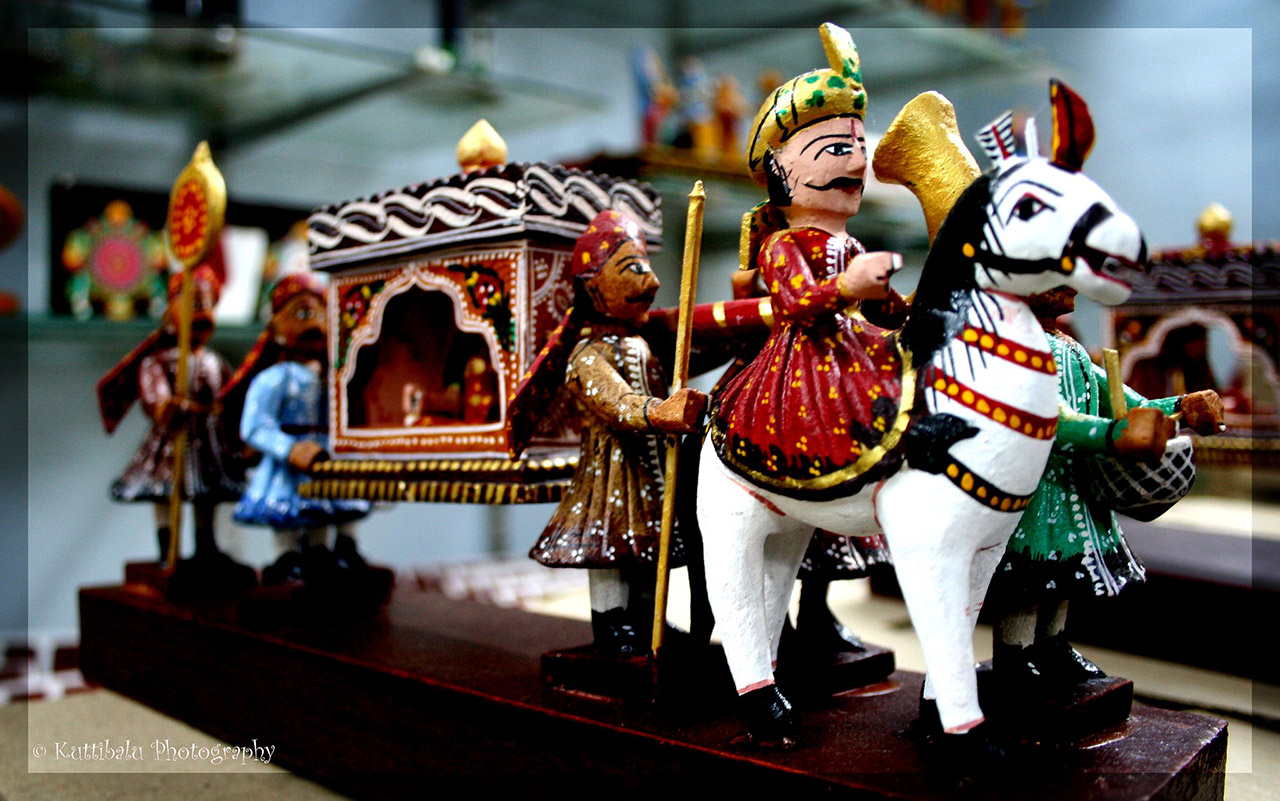
Southern India is known for its beautiful traditional wooden toys. The Kondapalli toys of Andhra Pradesh are a part of one such long tradition of making traditional toys. The origins of these toys date back centuries- the craft was said to have started when Rajasthani toy makers migrated to Vijayawada in Andhra Pradesh in the sixteenth century, with the incentive of patronage by the local king of the Reddy clan. This legend originates from the fact that the toys closely resemble Rajasthani crafts of this period. 

Artisans Who Create Kondapalli Toys

Kondapalli-Bommalu-03
Image – Harsha Vardhan/Flickr

Kondapalli toys are traditionally made by a community called ‘Arya Kshatriyas’, who are also known as ‘Nakarshalu’. The community claims their lineage to that of the revered sage Muktharishi, who was said to have been blessed by Shiva himself with unparalleled skills in arts and crafts. They are even mentioned in the Brahmanda Purana, one of the oldest of the eighteen mahapuranas. 

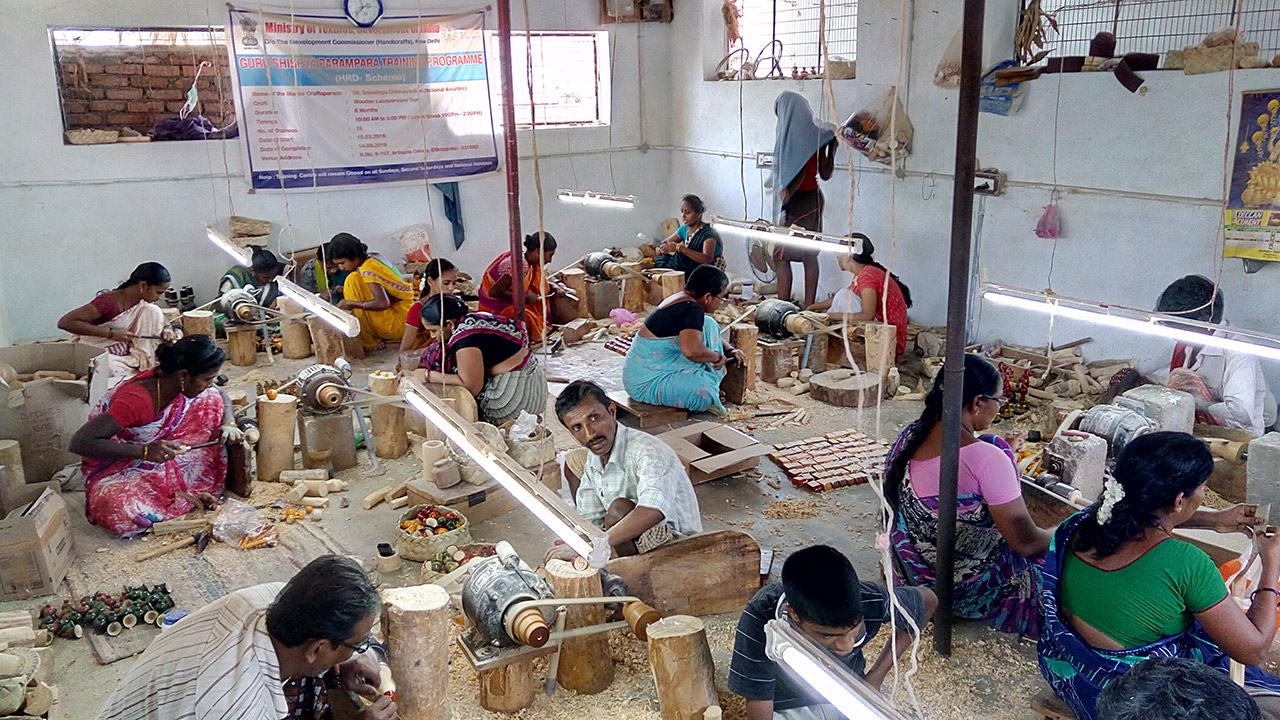
Today, the artisans lead a humble life, and are settled in a small colony called ‘Bommala colony’ or ‘toys colony’ in the village of Kondapalli in the Krishna district, near Vijayawada in the state of Andhra Pradesh. This is where the magic happens- what appears to be a simple, sleepy village is a hub for the preservation of this centuries-old craft, as is evidenced by the muffled scrapes and knocks one can hear from the small home workshops in the village. 

Process and uniqueness of Kondapalli Toys

Kondapalli-Bommalu-04
Image – Harsha Vardhan/Flickr

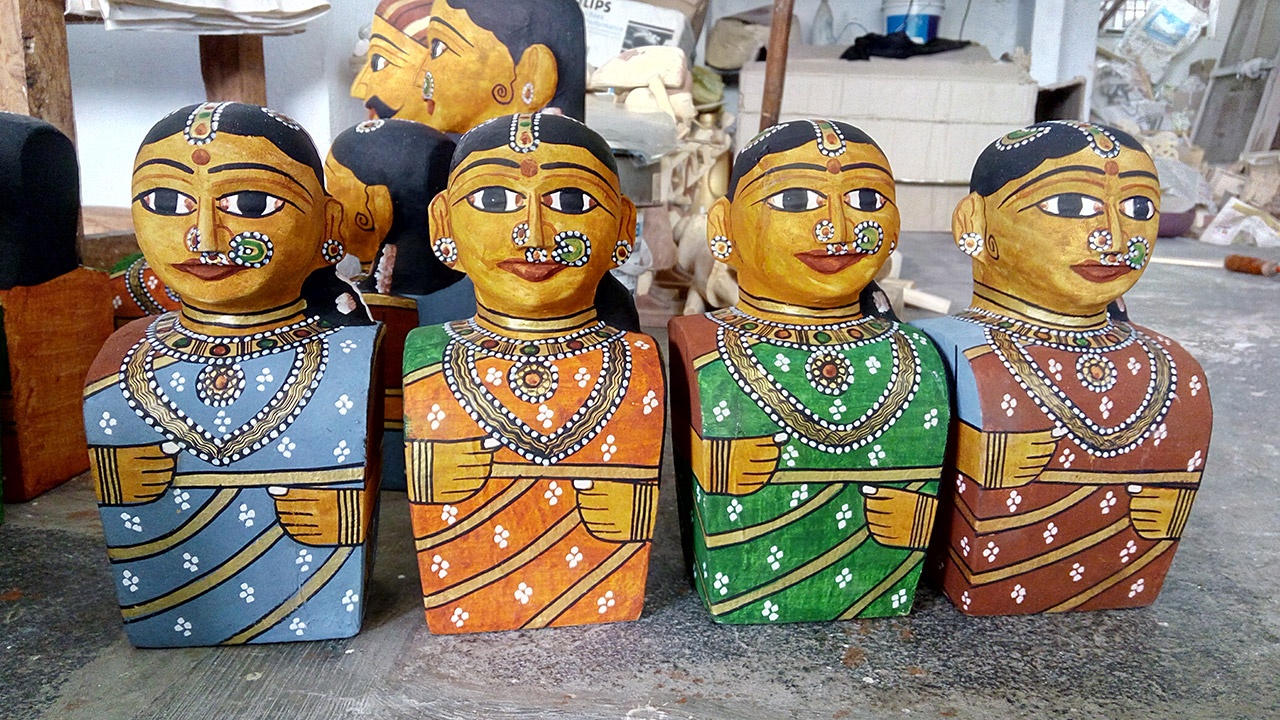
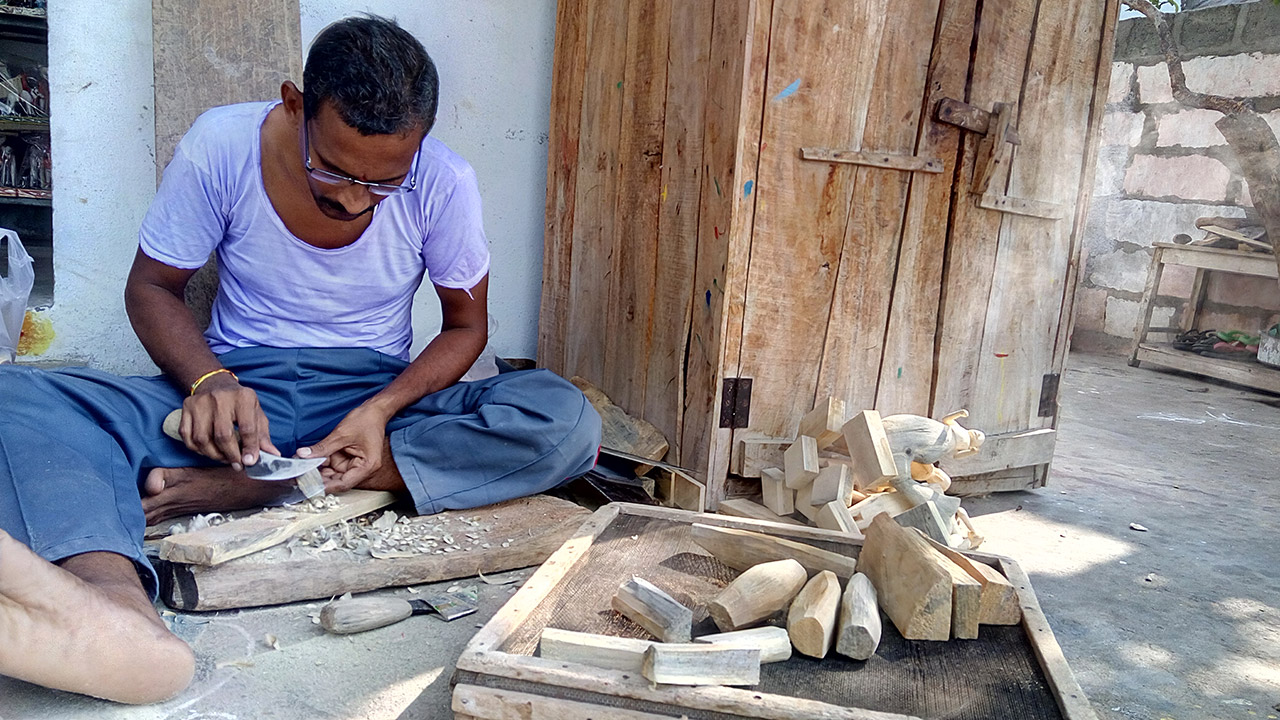
While Kondapalli toys look deceptively simple, making them is not an easy process. The most distinctive of their features include the vibrant colours and their surprisingly light weights- this is because they are made only with a light weight wood called ‘Tella Panki’. Pieces of this wood undergo a long and slow heat treatment process to rid it of any moisture, giving the toys their distinctive ultra-light weight characteristic. The different components of the toys are then carved separately and attached with a glue made of tamarind seed paste. After the toys are attached and assembled, they are carved and attached, the artisans smooth out the surface of the toys using a paste made of water, tamarind seed paste and sawdust and sand it till they get the desired result. 

After this dries, they apply an adhesive made of lime, to prime the wood and give it the white coloured base. They start colouring the wood in oil based colours of vibrant hues when the primer sets. This is delicate work and requires painstaking precision. Themes of the Kondapalli toys are those of village life and the vast, rich subject of Indian mythology – the features of the many Dasavataras of Vishnu, bullock cart drivers, farmers and Ram – Sita – Lakshmana sets are painted with thin brushes in a simple yet beautiful style. 

Recognition for Kondapalli Toys

Andhra-Pradesh-Arts-and-Crafts
Image – Kondapalli toys sals & manufacturing

The toys have been given their due recognition to an extent. The bommala colony where the artisans now reside was established by the then Chief Minister of Andhra Pradesh, NT Rama Rao in 1987 to help the artisans coordinate in sales and craftsmanship. They were also given the GI or the Geographical Indication tag in 2006. 

Present state of Kondapalli Toys

Kondapalli Bommallu
Image – Wikimedia

Today, the state of the Kondapalli toys and the artisans is not very rosy despite the recognition. Competition from foreign toy makers, specifically mass-produced cheaper Chinese toys. Despite their history and beauty, people prefer Chinese toys because they are flashier, automated and cheaper. Another problem is the scarcity of the ‘Tella panki’ wood, which is soft and requires high maintenance. The Andhra Pradesh state government has also set up a wood bank with an aim to distribute the wood to the artisans at a nominal price. Gone are the days of royal patronage for the makers of Kondapalli toys. The Andhra Pradesh government state handicraft store chain, Lepakshi and the Lanco Institute of General Humanitarian Trust are doing their best to preserve this craft and provide a platform for the artisans to sell it.

Despite the reduction in the interest in the Kondapalli and traditional toys in general in recent years, there is a growing niche of customers enamoured by traditional handmade crafts. However, the artisans are unaware of ways to connect with their customer base directly, and rely mostly on sales from their workshops, which isn’t always feasible. Luxury handicraft brands sell these toys at high prices, but take a large share of the money, not leaving the artisans better off. Kondapalli toy makers are in desperate need of an online platform to sell these toys, without the interference of middlemen.

Conclusion

In a world where mass-produced goods dominate the market, Kondapalli toys are a reminder of the beauty and value of handmade craftsmanship with centuries of history and heritage. Looking beyond the idea of cheap, flashy Chinese toys, the common populace must start recognising the value and significance of traditional crafts like the Kondapalli toys. By understanding the woes of the artisans, buying their works and possibly helping them set up platforms to sell their works, we can help preserve this beautiful art form and the history it represents, keeping it alive for future generations to enjoy.

Suggested Read

Etikoppaka Toys – Andhra’s Heritage in Wood
Play, Learn and Preserve – The GI Tagged Toys of India

Interesting Facts About the Diverse Land of South India

4

Facts-About-South-India

South India is known for a lot of things- Idli, Dosa, Sambhar, temples, Madras and Tamil to name a few. Unfortunately, this is all that many non-South Indians know and see of the region, missing out on its uniqueness in many other facets. The region reigns supreme not just in culinary diversity, but also in linguistic, historical and ecological importance! These are ten facts for everyone who wants to better their understanding of the beauty of the region.

Suggested Read – Traditional Food of South India: Discovering the Culinary Treasures

1. Tamil is the oldest living language in the world

Facts About the Diverse Land of South India Oldest-Indian-Languages-Tamil

Tamil has a rich history spanning over two millennia. With its origins in southern India, Tamil boasts a vibrant literary tradition, encompassing classical poetry, philosophical works, and scientific treatises. Sangam literature, one of the oldest and widest spanning categories of literature in the world, is written entirely in the Tamil language.

Suggested readOldest Indian Languages That Survived For Ages

2. The Chola Dynasty had one of the world’s largest Navies

Facts About the Diverse Land of South India Chola_dynasty
Image – Wikimedia

The Cholas were one of the South’s most powerful ruling dynasties. They had taken over the Indian ocean and all that it bordered, including Cambodia, Thailand and Sri Lanka. This, of course, required a mighty navy. The Chola Navy was instrumental in establishing hard and soft power over neighbouring nations. While the Cholas did not have dedicated warships, they had large ships that could transport thousands of soldiers at once. Besides, the Cholas wielded their maritime prowess of 500-1000 ships in diplomatic and trading spheres, and established their soft power over the territories around the Indian ocean.

3. Hampi, capital of the Vijayanagara dynasty, is home to a plethora of architectural innovations

Heritage-of-Karnataka-Hampi
Hampi – Roehan Rengadurai via Flickr

The ruins of Hampi in Karnataka is one of the most celebrated wonders of South India. The erstwhile capital of the Vijayanagara empire houses many architectural marvels.

One of the most wondrous buildings in Hampi is the Vitthala temple. The Vitthala temple is a temple dedicated to Lord Vitthala, a form of Lord Krishna and is built like a large campus with multiple buildings. Every part of the granite temple is marvellously carved with profuse sculptures, but the most awe-inspiring features of the temple is the musical pillar section. The Musical pillars of the Vitthala temple are what they sound like- upon being struck, these pillars make sounds in tone with the classical Indian music notes – Sa, Re, Ga, Ma…. Such was the technology of the times.

There are many architectural wonders like this in Hampi. While the sheer grandeur of the ruins can stun anyone, there is a lot more than what meets the eye. While today, none of us can imagine a building without cement and mortar, the entirety of Hampi was built without any binding agent! The bricks were made in such a manner that they interlocked without the need of a binding agent. The innovations hidden amidst the sprawling ruins of Hampi are truly astonishing.

Suggested read – UNESCO World Heritage Sites in Karnataka

4. More than ninety percent of India’s sandalwood comes from the South

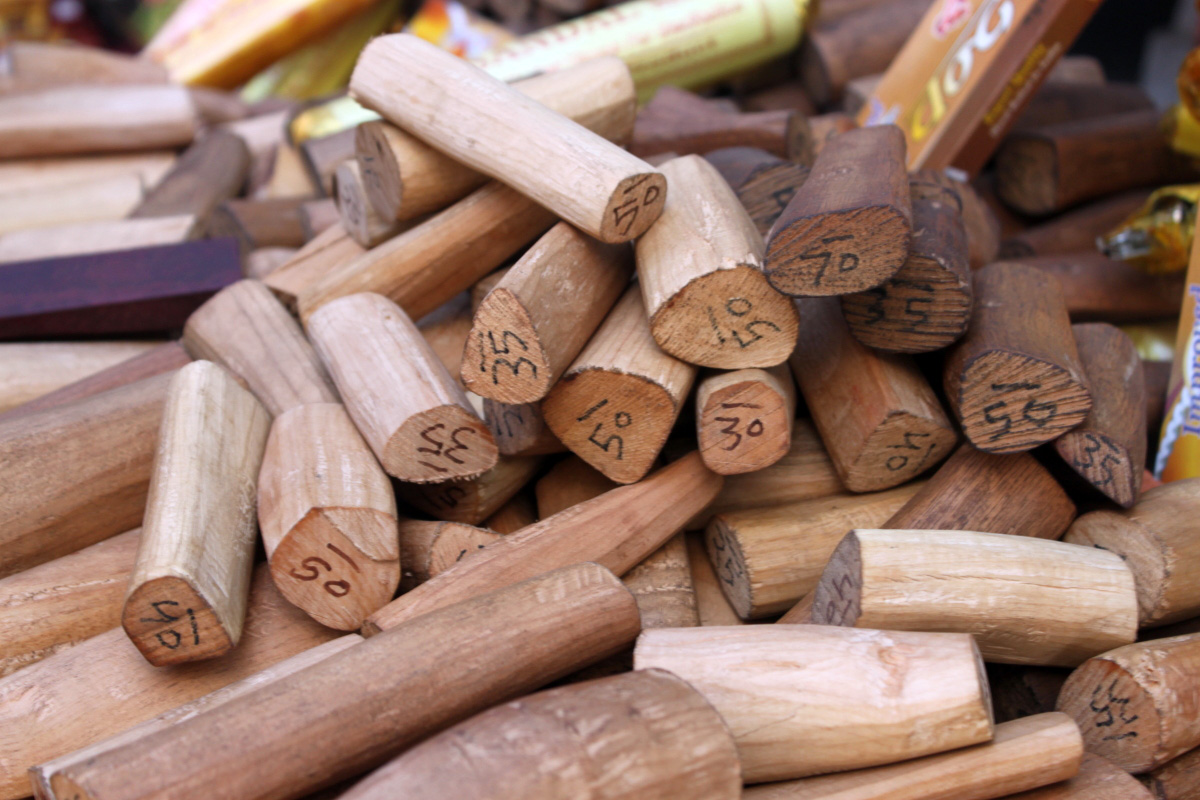
Facts About the Diverse Land of South India Sandal Wood
Image – Kinshuk Sunil Via Flickr

Sandalwood is coveted for a number of reasons- its ethereal perfume, its medicinal properties and its role in religious rituals. India is one of the abodes of this divine tree. Suited to tropical climate, moderate altitude and rainfall and well-draining soil, the hilly forests of South India, Karnataka, in particular, provide ideal conditions for the growth of these trees. The fragrant tree, coveted for its luxuriant heartwood, grows widely in these states. The state of Karnataka itself accounts for more than ninety percent of India’s sandalwood production and more than half the area under sandalwood cultivation

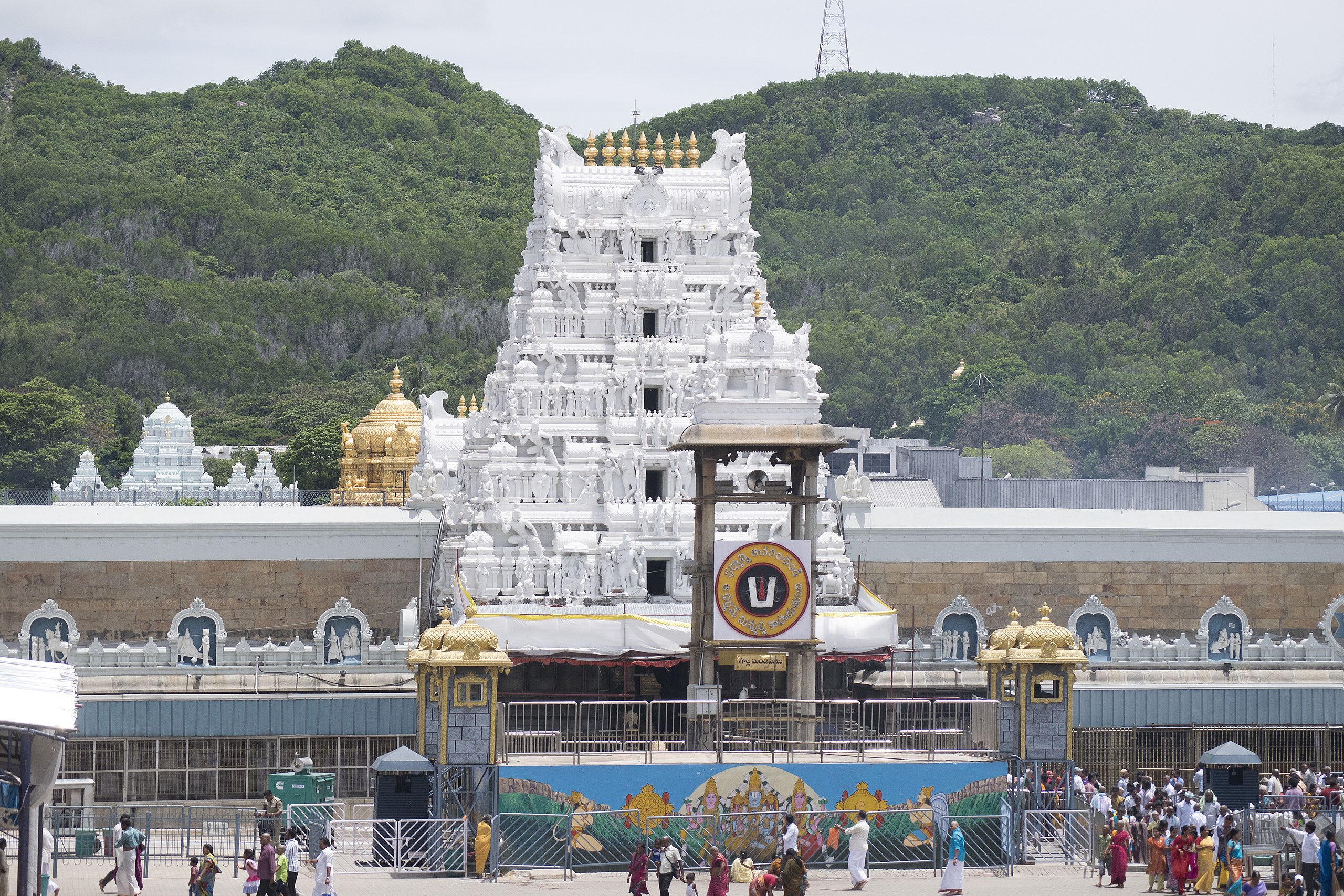
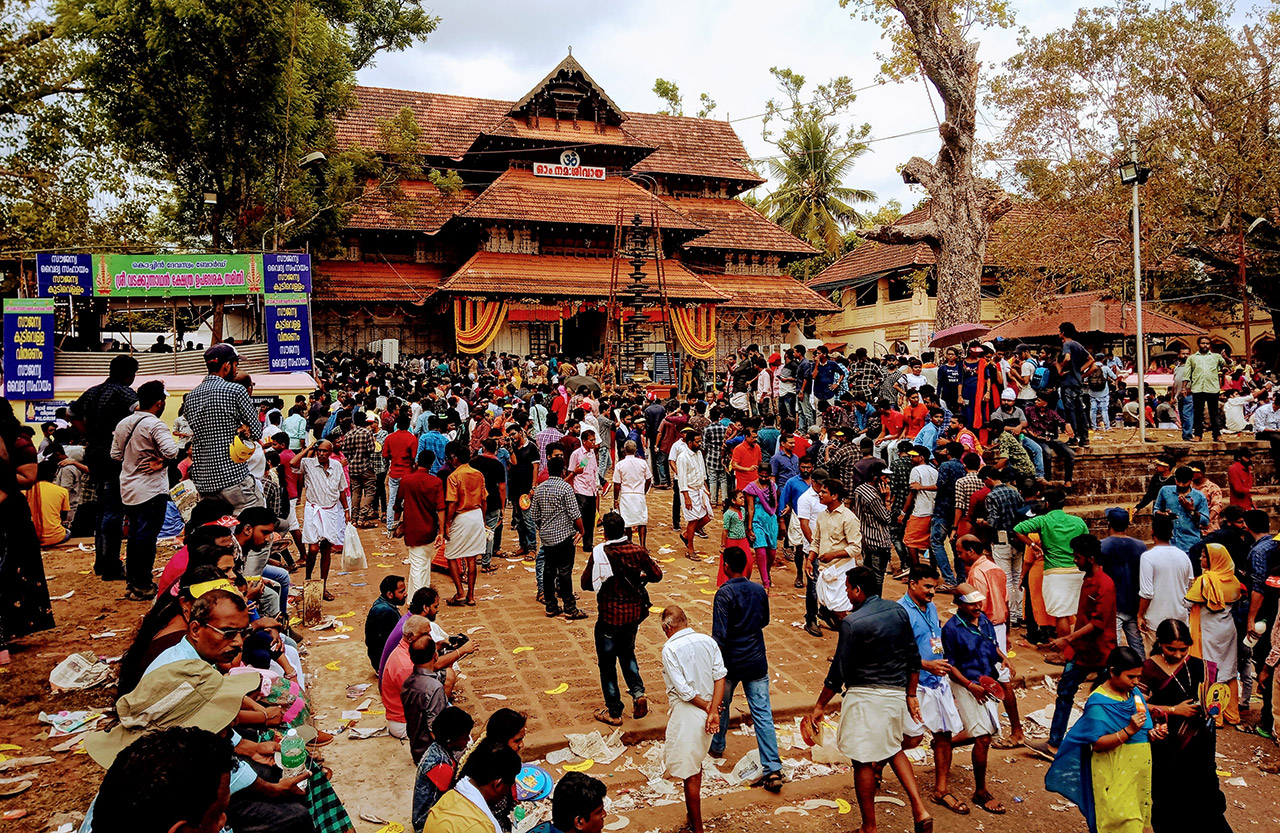
5. The Sri Venkateswara Swamy temple in Tirupati is the most visited temple in the world

Facts-About-the-Diverse-Land-of-South-India Sri Venkateswara Swamy temple
Image – Wikimedia

The temples of South India are famous not just in India, but across the world for their stunning architecture, their significance in Hinduism and rich history. Amongst the many temples that dot the landscape of South India, the Sri Venkateshwara Swamy temple in Tirumala is one of the most famous and beautiful. The murthi of Sri Venkateshwara Swamy in the temple is said to be a manifestation of Lord Vishnu’s divine plan to settle in the region. The temple, for this reason and many others, is believed to be very powerful, and is visited by millions of people every year. The temple, on an average, sees about thirty to forty million visitors every year and fifty thousand to one hundred thousand visitors per day, while this shoots up five fold on special occasions!

6. India’s only active volcano is located in the Andamans

Facts About the Diverse Land of South India Barren Volcano
Image – Wikimedia

India’s diversity of landscape is well known. From the beautiful hilly coastal towns of the South to the mighty Himalayas in the far north, from the deserts of the west to the marshy jungles of the East. However, did you know that there is an active volcano in India too?
Yes, this is true. In the Andaman and Nicobar islands in the Arabian ocean, one of the islands, namely Barren Island, is the only active volcano in India. The first known eruption is believed to be in 1787, while the last major significant eruption was as recent as six years ago.

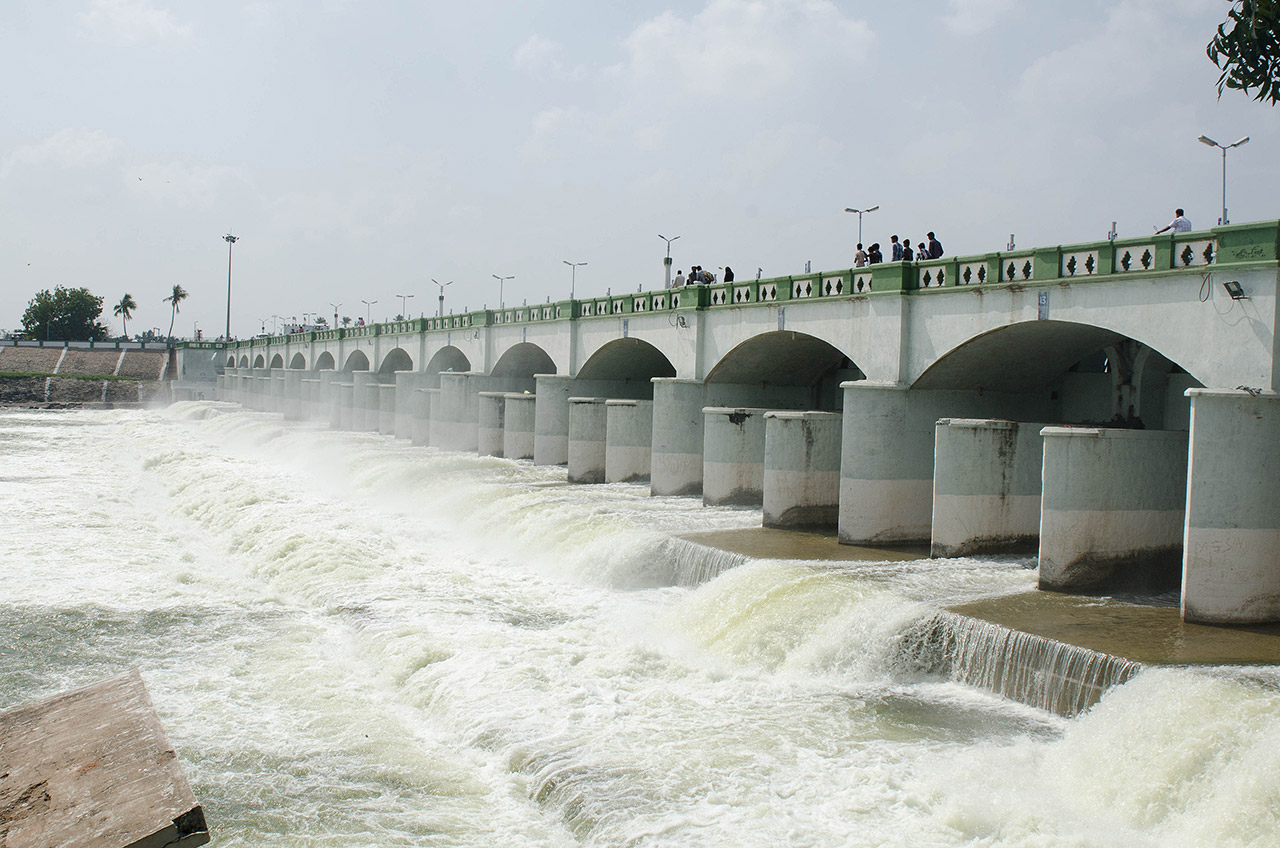
7. The eighteen hundred year old Kallanai Dam in Tamil Nadu is India’s oldest dam

Facts-About-the-Diverse-Land-of-South-India-Kallanai-Dam
Image – Wikimedia

The Cholas were one of South India’s most powerful dynasties and left behind a legacy of marvellous architecture, and far-sighted planning and governance models. The eighteen hundred year old Kallanai dam in Tamil Nadu serves as a testament to the far-sighted planning and architectural prowess of the dynasty.

The Kallanai dam, also known as the Grand Anicut today, is the world’s fourth oldest and India’s oldest water dam that is still in use. The Kallanai was built in the second century CE by King Karikalan Cholan to divert the water flow of the Cauvery and promote better irrigation in the delta region. The dam was later remodelled by the British to increase its capacity, and it still continues to be in use today. The dam is located in Trichy and is still functioning. It is a mark of the ancient architectural knowledge of the South.

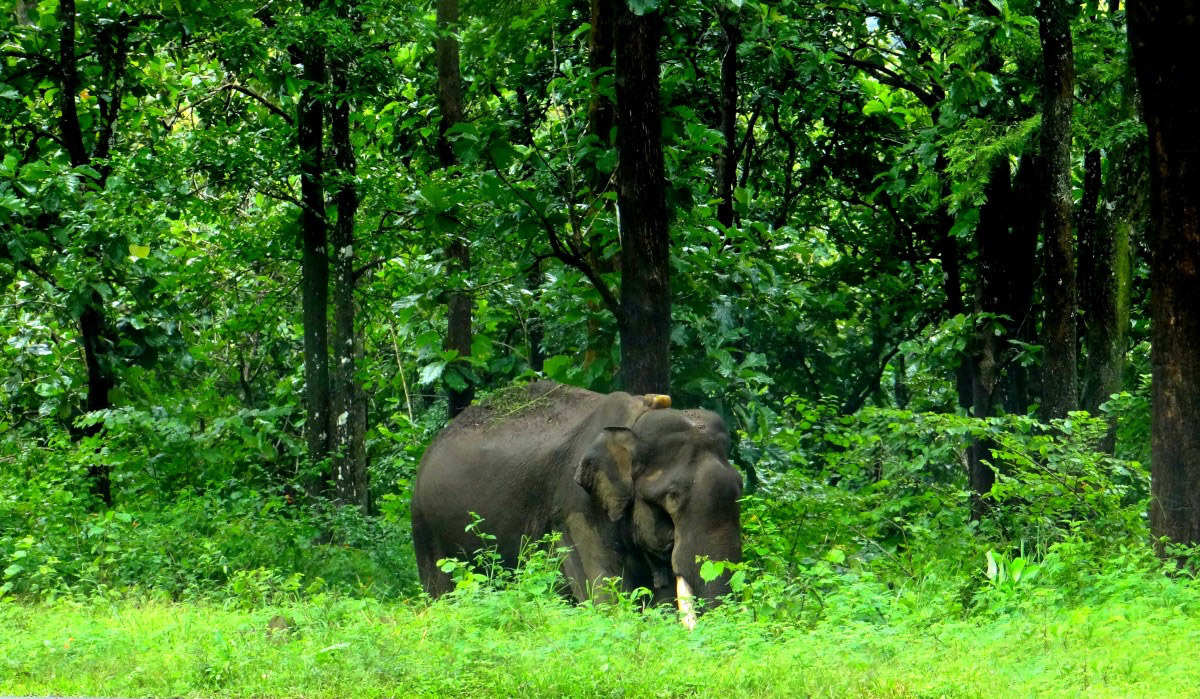
8. The Nilgiri Biosphere reserve hosts the largest elephant population in India

Facts-About-the-Diverse-Land-of-South-India-Nilgiri-Biosphere

The Nilgiri Biosphere reserve is India’s first designated Biosphere reserve. Spanning more than 5500 square kilometres and located in the state of Tamil Nadu, the reserve is one of the most diverse in not just India, but the world. Fourteen species of birds, fifty percent of India’s amphibian species, two hundred medicinal plants and one hundred and thirty two flowering plants are endemic to the reserve. As is seen, the region is one of the most biologically diverse areas in not just India, but the world. The reserve is also well known for hosting the largest elephant population of over 5500 Asian elephants in India! The Nilgiri Biosphere reserve includes the Nilgiri elephant corridor, an important natural passage that allows elephants to continue their natural nomadic way of life and maintain genetic diversity.

9. The state of Kerala has the highest sex ratio in India

Facts-About-the-Diverse-Land-of-South-India-Kerala-has-the-highest-sex-ratio

Kerala is known for a number of reasons- the highest literacy rate in India, its beautiful backwaters and lush green hills. However, these are not all the accolades the state has to its name. The state is known for its progressive outlook towards women empowerment and equality, and this can be seen in the fact that it also has the highest sex ratio in India. As a matter of fact, according to the 2011 census, this is the only state where women outnumber men, with 1084 women per 1000 men!

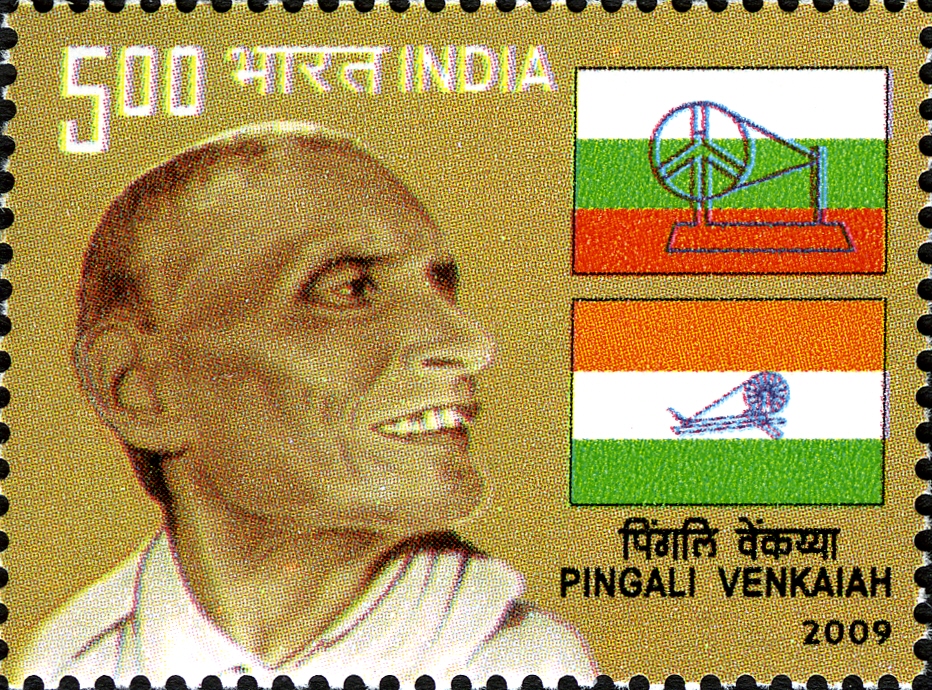
10. The designer of India’s national flag, Pingali Venkaiah, is from Andhra Pradesh

Facts-About-the-Diverse-Land-of-South-IndiaPingali_Venkayya
Image – Wikimedia

The tricolour- a beautiful blend of saffron for sacrifice, white for peace, green for fertility with the Ashok Chakra in the middle of them all, symbolising development and progress. The Indian national flag is revered and cherished by all of us. However, not many know the flag’s history and the man behind it.

Pingali Venkaiah was born on 2 August, 1866 in Machilipatnam, Andhra Pradesh. At nineteen years old, he enrolled in the British Indian Army and was deployed to South Africa during the second Boer war, when they were made to salute the Union Jack. This is when Venkaiah realised the need for an Indian flag more than ever, and this was when he first met MK Gandhi, beginning his journey in India’s freedom struggle.
After the war, Venkaiah settled down back in Andhra Pradesh and began getting more involved in the happenings of the freedom struggle. He attended the All India Congress Committee session in Calcutta in 1906, when he first resolved to design the national flag. Thereafter he designed several drafts for a national flag, and in 1916, he even published a book titled ‘Bharatha Desaniki oka Jathiya Pathakam’, meaning ‘A national flag for India’ with thirty different flag designs. Gandhi personally asked Venkaiah to design flags starting from the 1921 AICC conference in Bezawada, and worked with him for a while before the national flag in its current form was finally used in 1931.

Suman Kabiraj: The Award Winning Artist Transforming Kolkata’s Landscape

18

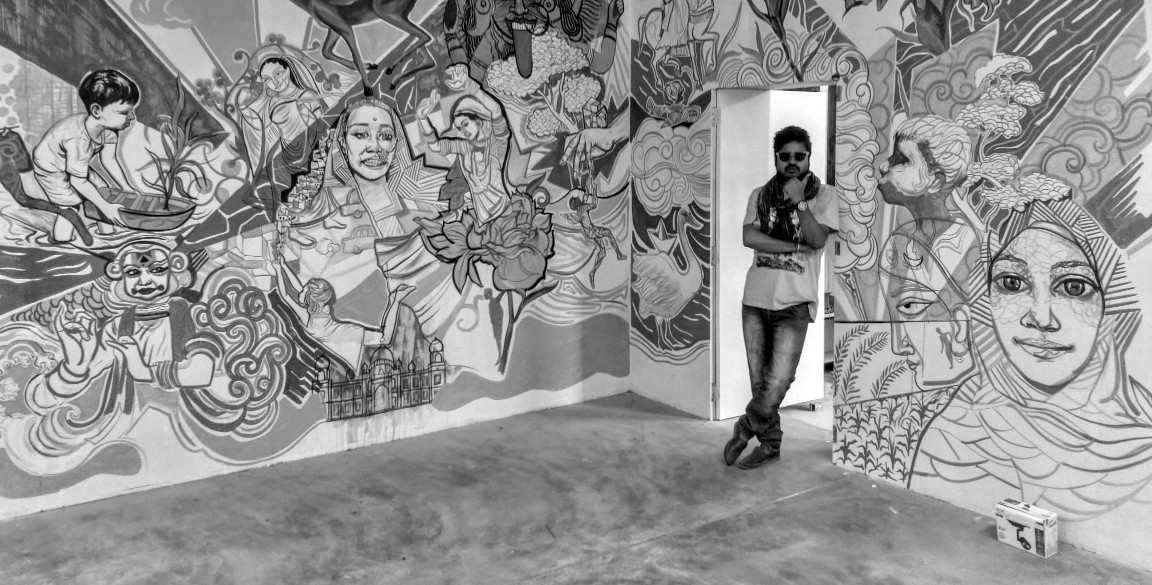
Suman Kabiraj Artist 01

Mural art is rooted deep in Indian culture. Over centuries, traditional art forms have emerged throughout India, representing local culture and traditions. However, today, with quick and easy travel and instant access to information from around the world, a number of artists are incorporating global elements to represent the unique local cultures. One of them is Suman Kabiraj from Kolkata.

Suman Kabiraj Artist 02

Suman Kabiraj is a passionate artist from the city of Kolkata who has transformed the landscape of the city with his lively, fresh murals that depict stories of Kolkata and India -stories of resilience. His art is uniquely contemporary in style while depicting the age old traditions, people and culture of our country.

Suman Kabiraj Artist 03

He pursued his MFA from Government College of Art and Craft, University of Calcutta in 2007. Ever since, he has made an indelible mark on different sites of Calcutta with his vast mural work and represented the country in several contemporary art shows and art events worldwide. He has also received several prestigious awards and scholarships like the Governor’s gold medal, Kalanand National award ,Kalanand Scholarship, Gaganendranath Tagore Memorial Award, Camlin Euro Professional Visit Scholarship, Rashbehari Dutta Memorial Award, Sunil Das Scholarship , Gopen Roy Memorial Award and the Mukul Dey graphics Award. 

Suman Kabiraj Artist 04

Suman Kabiraj has carved his niche in the world of art. We wanted to know more about his journey and spoke to him over the phone. The following is his interaction with him.

How did you begin your journey as an artist? Where did all of this start?

Suman Kabiraj Artist 05

While I was in school, I was attracted to drawing and painting, no matter what subject it was. I was very happy to draw geography diagrams or biology diagrams. As I pursued my interest, a few of my achievements in national children’s art contests encouraged me. While I was pursuing my Masters, I got a chance to go to Europe through an art foundation and visited different traditional and modern-day art galleries and museums of London and Paris. It became an opportunity for me to open my eyes via world art and grasp master artists’ works to view. After completion of my MFA in art college I began to do experiments and attempted to construct my very own art language.

What were the challenges you faced in carving your niche and being successful as an artist?

Suman Kabiraj Artist 06

The primary challenge for artists is staying motivated and consistent. Creating art can be a long and arduous process. It requires dedication and hard work. Staying focused and dedicating time and resources to creating artwork is essential for an artist to develop their craft and create pieces that can stand out.

In addition to that, as with any creative endeavor, financial stability can be an obstacle. It is important for an artist to have an understanding of the economical side too. Additionally, an artist must be able to network and find opportunities to showcase their artwork. That takes time and effort.

Why did you choose India, and particularly Kolkata as your muses? What drives your passion to represent our country in your work?

Suman Kabiraj Artist 07

As a creative artist, India has always been a source of inspiration for me. With its vibrant culture, colorful festivals, and rich history, it is the perfect muse for me to express my creative ideas through my art. I also find inspiration in the beauty and charm of India’s landscapes and culture. For me, India is a land of dreams, a place of endless possibilities. By creating art inspired by our country, I hope to bring the beauty, spirit, and culture of India to life.

Suman Kabiraj Artist 08

Kolkata, in particular, has been my main source of inspiration. I’m constantly in awe of the city’s vibrancy, its bustling streets, people and its diverse cultures. Its architecture, with its grand edifices and colossal buildings, provides me with endless inspiration for my art. The hustle and bustle of the city, its chaotic energy, and the warm hospitality of its inhabitants make it a great place to explore and create.

You had mentioned that your style is a combination of classic and contemporary art forms. What art forms are you most influenced by, and what themes are you primarily interested in?

Suman Kabiraj Artist 09

Different art forms of classical Indian art and western modern and contemporary art constitute my language of art. Mughal and Rajasthani miniature art and their exceptional architectural styles are represented in a recontextualized pattern in my works. Sometimes, very different themes from nuclear power symbols to geographical diagrams, and the beauty of the structure of even microorganisms inspire me. My artwork is very diverse, but is usually naturalistic.

How has art influenced you in other spheres of your life?

Suman Kabiraj Artist 10

Art can have a major impact on an artist’s outlook and their approach to life. The act of creating art is a form of therapy- to work through difficult emotions and challenges that arise in my life. By focusing on the creative process, an artist can draw on their inner strength and find a way to express themselves in a unique way. This can also lead to a greater understanding of one’s own emotions and ideas, which can lead to greater self-confidence as I have experienced.

Art can also be a source of inspiration for me. Seeing the world in art can spark new ideas and give me a sense of motivation. This can help to stay focused on my own creative goals. It can also help to stay connected to my passion, even when it feels like I lost my way.

Through art, an artist can share their ideas and feelings, and connect with like-minded people. This can help to build relationships, as well as to spread awareness about certain causes or issues. 

From your perspective as an artist, how does art influence and change the world? 

Suman Kabiraj Artist 11

Art has the power to educate and inform. Art can be used to teach important values such as justice and equality. It can also be used to promote awareness about important social issues such as climate change, poverty, and inequality.

It also helps bring people together. By creating art, people can share their experiences and perspectives with others. Art can be used to bridge cultural divides, inspire conversations, and foster understanding.

A message to aspiring artists? 

Suman Kabiraj Artist 12

First, it is important to understand that success in the art world begins with passion. If you are passionate about art, you will be more likely to find success and fulfilment in the art world. Passion is the driving force behind any successful artist, and it is essential that you nurture your passion for art in order to achieve success.

Second, it is important to develop a strong portfolio of work. Whether you are a painter, sculptor, photographer, or any other type of artist, having a portfolio of work that showcases your skills and talents is essential for success. A portfolio of work will give potential clients or galleries a sense of who you are as an artist and what type of art you create.

While many overlook this, it is also very important to build relationships with other artists and art professionals. Having a strong network of contacts can help you to find opportunities, make connections, and get your work seen.

Finally, it is important to stay true to yourself and your art. Don’t be afraid to experiment and create art that expresses who you are. Your art should reflect your unique perspective and style, and it should be something that you are proud of.

Ultimately, I believe that success in the art world is possible, but it is up to you to find your own path and make your dreams a reality.

6 Unique Salwar Suit Styles We’re Loving in 2023

0

Unique-Salwar-Suit-Styles-01

Salwar suits are undoubtedly one of the most versatile and timeless outfits in a woman’s wardrobe. These graceful ensembles have transcended borders to become a global fashion statement. If you’re on the lookout for some variety in your ethnic wear collection, here are six different types of salwar suits for you to explore.

1. Anarkali Salwar Suits:

Unique-Salwar-Suit-Styles-Anarkali-Salwar-Suits

The Anarkali salwar suit is a symbol of timeless elegance and grace. These suits are characterised by their long, flowy kurta and fitted churidar or leggings. Anarkalis come in a wide range of fabrics, from silk to georgette, and can be heavily embellished or kept simple for a more understated look. They are perfect for festive occasions, weddings, and grand celebrations.

2. Palazzo Salwar Suits:

Unique-Salwar-Suit-Styles-Palazzo-Salwar-Suits

The palazzo salwar suits are the epitome of comfort and style. Palazzo pants are wide-legged, flowing trousers that are paired with a straight-cut or A-line kurta. This combination exudes a modern and chic vibe, making it ideal for both casual and formal events. The wide range of prints, patterns, and fabrics available ensures that you can find a palazzo suit for any occasion.

3. Patiala Salwar Suits:

Unique-Salwar-Suit-Styles-Patiala-Salwar-Suits

Patiala salwar suits hail from Punjab and are known for their distinctive, pleated, and voluminous pants. These suits often feature short kurtas with intricate work, and they are a popular choice for festivals and family gatherings. The comfort and unique style of the Patiala suit makes it a favourite among women of all ages.

4. Churidar Salwar Suits:

Unique-Salwar-Suit-Styles-Churidar-Salwar-Suits

Churidar salwar suits are a classic choice that never goes out of style. The churidar is a tightly fitted, tapered trouser that gathers at the ankles, providing a sleek and sophisticated look. Pair it with a straight-cut kurta for a formal event, or choose an embroidered Anarkali kurta for a more opulent feel. Churidar suits are suitable for office wear, parties, and special occasions.

5. Straight-Cut Salwar Suits:

Unique-Salwar-Suit-Styles-Straight-Cut-Salwar-Suits

For a more streamlined and contemporary look, the straight-cut salwar suit is a perfect choice. The kurta in this ensemble is designed to fall in a straight line, creating a clean and structured appearance. These suits can be styled with a variety of bottoms, such as churidars, palazzos, or even trousers, making them incredibly versatile for different occasions.

6. Jacket Salwar Suits:

Unique-Salwar-Suit-Styles-Jacket-Salwar-Suits

Jacket-style salwar suits are a fusion of traditional and contemporary elements. They feature a jacket or long shrug that can be layered over a kurta, adding a touch of glamour and sophistication to the outfit. These suits are perfect for weddings, receptions, and formal events. The jacket can be plain, embroidered, or heavily embellished, offering a range of options to suit your personal style.

No matter which type of salwar suit you choose, the key to making a lasting impression is in the details – the right accessories, makeup, and hairstyle can elevate your look and make you the centre of attention. So, explore these diverse styles and let your inner fashionista shine in the world of salwar suits.

How to Balance Electric Loads with Strategic Energy Storage

0

Strategic Energy Storage

Facility managers face a constant challenge – balancing electric loads to avoid demand spikes that lead to higher costs. With thoughtful planning and the strategic use of capacitor banks, it is possible to smooth facility loads, avoid peaks, and reduce electricity expenses. This article explains the benefits of capacitor banks and provides a guide to leveraging them for better energy management.

Introduction

Electricity is a major expense for industrial and commercial facilities, often one of the largest after-personnel costs. While energy efficiency measures can help reduce consumption, managing loads to avoid demand peaks is another part of the equation. Most electricity providers charge higher rates based on peak demand – a facility’s maximum power draw during a billing cycle. A spike in consumption, even for a short period, can significantly inflate the demand charge.

Load management is crucial but difficult to optimize in facilities with variable processes or operations. Producing a steady, even load profile is ideal. This is where capacitor banks come in. These devices strategically placed around a facility help smooth loads by providing reactive power support at key times. This article provides an overview of using capacitor banks to balance facility loads and avoid costly demand spikes.

Capacitor Bank Basics

A capacitor bank is a grouping of individual capacitor units combined to work as a single reactive power resource. Capacitors store energy in an electrostatic field between a pair of conductors. When connected to an AC circuit, they exchange current with the system in an alternating charge and discharge cycle. This interaction provides needed reactive power, measured in volt-amperes reactive (VARs).

Capacitors help stabilize voltage, improve power factors, and reduce line losses associated with inductive loads. They provide reactive power support to offset the reactive demand of motors, transformers, induction furnaces, welding sets, and other inductive equipment. Facility loads with many of these devices can benefit dramatically from capacitor banks.

Capacitor units are combined switchable banks, so reactive power can be applied where and when needed. Banks typically range from 100 kVAR to over 10 MVAR in size. They are placed at key substations, switchboards, or large motor loads. Conductors, switches, protective equipment, and controls allow the banks to be switched on or off as necessary.

Balancing Loads with Capacitor Banks

The main incentive for installing capacitor banks is to avoid demand charges for peak consumption. Electricity providers apply demand charges to a facility’s maximum 15-minute or 30-minute average load throughout a billing period. A single spike in usage can disproportionately inflate this peak demand measurement.

Capacitor banks provide reactive power support when loads would otherwise peak, flattening the profile. Using them effectively requires understanding the facility’s load behavior and patterns. While every site is unique, analyzing meter data can reveal when peak demand will likely occur. This may be particular days, times, seasons, or process schedules.

With this knowledge, capacitors can be switched on to provide extra support before these predictable peaks. For example, on weekdays, capacitor banks may be energized mid-afternoon to handle motor start-ups and air conditioning loads. Or they could be used when large process machinery operates during the second shift. Banks sized to cover 10-20% of the facility’s average load are often adequate for load smoothing.

To optimize the system, capacitors should be placed as close as possible to motor loads. This provides reactive support at the source before line losses can sap voltage. Capacitor switching can be automated based on load monitoring to respond dynamically rather than on fixed schedules. The goal is to provide just enough VARs to flatten peaks without overcompensating, leading to reverse VAR flow.

Case Study: Peak Load Reduction

An industrial packaging plant incurs high demand charges from seasonal equipment start-ups in the summer months. By analyzing their loads, the peaks occurred during the same daily period in summer when chillers, air compressors, and conveyor motors needed to start up.

Three 800 kVAR capacitor banks were installed at the main switchboard to provide reactive power before and during the problem timeframe. This reduced the average peak demand from 21 MW to 19 MW, saving over $100,000 annually in electricity demand charges. The $90,000 investment in the capacitor banks paid for itself in under a year through load smoothing.

Other Capacitor Bank Considerations

Proper equipment selection, installation, and maintenance are needed to realize the benefits of capacitor banks for load management. Capacitors should be specified in kVAR sizes appropriate for the application with voltage, current, and frequency ratings that match the system. Protective devices are critical to isolate faults and prevent damage.

Capacitors can fail over time, leading to blown fuses. Periodic inspections detect signs of deterioration so banks can be serviced proactively. Environmental conditions also impact life expectancy. Capacitors should be kept clean and dry with adequate air circulation. Facilities planning to expand production lines or new loads in the future should account for this in capacitor sizing.

Conclusion

Capacitor banks effectively smooth electric loads and avoid costly demand spikes for industrial and large commercial facilities. Strategically placed near inductive loads, they inject reactive power to stabilize voltage sags during motor start-ups and peak operating periods.

Understanding a facility’s load behavior is key to properly sizing and switching capacitor banks when and where they are needed. The result is a flatter, steadier load profile and reduced peak demand charges. With the proper capacitor bank implementation, facilities can realize significant savings from better load management. The initial investment pays back rapidly in reduced electricity expenses.