Art is something that unites communities. When one sees an art piece, one does not care what community the artist belongs to. Everyone appreciates good art, and artists come from all communities and backgrounds. The artists’ only identity in the moment that someone sees their work is the art, and this results in a pure connection between the artist and the spectator. The art of India, particularly is something that unites people of vastly different cultures and religions together, considering the diversity of the subcontinent. One such art form is the Patua paintings of West Bengal.
Patua paintings originated in West Bengal centuries ago, as a part of the Patachitra scroll paintings tradition of West Bengal. The Patuas are a community who were originally involved in making Hindu Gods’ murtis for worship- the name of the community is a corruption of ‘Pota’ or ‘engraver’. A lot of the Patuas converted to Islam in the mediaeval times under Islamic rulers, but they, however, stuck to their craft of making Hindu Gods’ murtis. They have also been known to be Buddhist at some point in time, but are mostly either Hindu or Muslim today. They practise traditions of both religions even today.
Anyway, in addition to their original occupation, they also began to make scroll paintings since they were skilled at painting the murtis. This demographic of the Patuas are known as ‘chitrakars’ or ‘picture makers’. They would paint long panels of scroll paintings and travel from village to village, narrating stories as they uncovered the scrolls. The show would also include singing and dramatic voice effects for engaging the audience. This was a form of education and entertainment.
Patua paintings originally stuck to Hindu mythological stories, but as the times changed, the community also began to incorporate tales from the Sufi tradition. Sufi stories were also similarly narrated frame to frame, and these were a great source of wisdom and entertainment. People of all communities would listen to the different communities’ tales of wisdom, and this would bring a sense of togetherness amongst the different peoples in rural society.
Like other styles of Patachitra art, Patua art looks simple, but it has an ornate beauty to it. Bright, natural colours are used, to ensure the audience’s attention during the performances.
Traditionally, Patua paintings are done on a type of cloth called Patti or Patta. The paintings were painted upon this cloth, which would be reinforced by old sarees on the back. They are painted with brushes made of Bamboo sticks and goat hair. The dyes are made using vegetable colours and are mixed with resin to make it waterproof and lustrous. The different paintings would then be glued together using glue derived from, again, vegetables. This long scroll is called ‘jorano patta’.
First, the design is sketched lightly using a pencil. The borders are an integral part of Patua paintings, as with all forms of Patachitra art styles, and are drawn first. They are elaborate and beautiful, with borders consisting of two or three lines depending on the size of the painting. Then, the colours are filled in, and a final outline is given using black paint. Despite sounding simple, Patua art requires great skill and is time-taking.
The art has lost its popularity, as a result of the decline in the interest in traditional crafts, and also as a result in the decline of the singing – storytelling tradition, with the evolution of more modern forms of entertainment. The few skilled artists who have remained in this tradition are impoverished and are struggling. Younger generations are discouraged from getting into the craft and are told to find more lucrative jobs. The art was at the cusp of death, but a government initiative breathed a new lease of life into it.
The art itself had evolved to meet the demands of the market today- evolving from the scroll art complementing storytelling to being made on individual sheets of paper or canvas for display. However, rising costs have forced artists to resort to making the paintings with synthetic paints and brushes. Then, the art’s condition became better when the Government of West Bengal’s Department of Micro, Small and Medium Enterprises & Textiles collaborated with UNESCO to set up a Rural Crafts Hub in Midnapur district. As a result of this enterprise, the artists reverted to using traditional colours and methods. In the Naya village of Midnapur, a three day art festival, called Pat Maya is held annually, turning the village into a hub of song, storytelling and visual arts. The artists’ homes turn into makeshift stores and the village becomes alive with the art.
Conclusion
The Patua paintings are a beautiful folk art form, uniting the cultures and practices of two of India’s biggest communities. The art is a testament to the unity in diversity of India, and, for this reason, is a great representative of Indian art forms. Apart from this, it represents layers of the history of our country. Hence, it is important to preserve this ancient art form and support its artists, for it represents the true diversity and history of India.
Indian art is a vibrant and diverse category that has a rich history dating back thousands of years. Indian art has evolved over time, influenced by various cultures and religions that have made their mark on the subcontinent. From the traditional paintings of the Mughal and Rajput courts to the modernist works of contemporary artists, the category of Indian art is a juggernaut that has no parallels. The art styles of India are known for their diverse range of themes and styles, including those that depict the folklore and various indigenous Gods of India, each with their own unique backgrounds. The Masan paintings of Bengal are one such unique art style that represents a unique and interesting section of Indian culture.
The sources of inspiration for Masan paintings are the Masan Devtas or Masan demigods of an ancient Tibetan sect of Tantric Buddhism, in which the demigods would be worshipped in or near a crematorium. The word ‘Masan’ itself is Bengali for ‘smashan’ or crematorium in Hindi. The origins of Masan paintings lie in the worship of the Masan Devtas, who were worshipped for their healing and protective powers- the paintings were made to help people visualise them during Masan Puja, or the worship of the Masan demigods.
Rajbanshi Tribe and Masan Paintings
Owing to their origins in Tibet, the earlier forms of the Masan paintings greatly resembled the famous Thangka paintings of Tibet, but as the art style travelled with the worship of the demigods throughout the eastern region of the Indian subcontinent via the silk road and other trade routes, it grew into what could be called an Indianised form of Thangka paintings. Today, Masan paintings are primarily made in the North eastern regions of India, the epicentre of the craft being West Bengal. It is also widely made in Bangladesh.
Since the Indianisation of the Masan religion and paintings, they have primarily been made by the Rajbanshi tribe that is, today, widespread in Bengal. This is the only tribe still practising the worship of the Masan Devtas, and this culture is dwindling even amongst them today.
Characteristics of Masan Paintings
The Masan paintings are vibrant and intricate- they usually have a bright red background and depict an Indianised form of the ancient Tantric religion they have their origins in. The characters painted can look frightening and bizarre, having been inspired by Tantric themes. In addition to these themes, the tribe has also diversified the themes, including other tribal Gods and practices. The paintings also depict various celebratory events like the birth of a child and marriages or are also made for their supposed healing and protective powers. When someone in a house was unwell, priests called ‘Ojhas’ would bring the paintings to that house and perform some rituals and pujas, which supposedly helped the sick. The paintings were traditionally made on a silk cloth, but are painted on Shola, or thin sheets of Indian cork today. They may, in rare cases, also be made on paper.
The Masan paintings are made with colours derived from natural elements. The brushes are also made by the artists themselves. The artists are garland makers of the Rajbanshi tribe, called Malakars.
Decline of Masan Puja and Masan Paintings
Today, Masan Puja and Masan paintings are declining practices. Both of them are practised mostly by old fashioned senior citizens amongst the Rajbanshi tribe, and the younger generation has moved on from the traditions of Yore. However, there has been a surge in the number of artists who are shifting their interests to traditionals arts, and this holds true for Masan paintings as well.
There have been many young artists, of not only the Rajbanshi tribe, but of other tribes too, who have shifted their focus to practising and preserving this beautiful art form. One such artist is Madhusudhan Das, who has brought Masan paintings to the limelight not just in India, but in the world. Madhusudhan Das is the most popular artist of Masan paintings. He is an artist who graduated with a masters in fine arts from the Vishwabharathii university at Shantiniketan, founded by Tagore himself. He first popularised the art form in India, and was awarded a scholarship by the ministry of Human Resources Development in the 1990s, also winning a gold medal in an All India Art Festival. From the national level, he has advanced to the international level, having his artworks exhibited in solo exhibitions in several cities across the world, including New York, Singapore and London. Some of his exhibitions were entirely supported by the Indian High Commission. He has helped immensely in preserving and popularising this ancient art form in this age of soulless modernisation.
Preservation of Masan Art
Masan art is a unique art form that transcends what it appears to be- a painting, no matter how beautiful. Masan art represents centuries of syncretism of various cultures and religious beliefs- each painting is a piece of history, concentrated into a single sheet of cork. It is, hence, important that we realise this and support artists like Madhusudhan Das, who are working tirelessly for the preservation of the art. This is an age of modernisation, which has mostly been bad for traditional artists. However, we must also start reaping the benefits modernisation holds- making traditional art forms such as these accessible all over the world, for example. Supporting traditional art is easier than ever today, and Indians, as a community, must come together and help preserve the unique art and craft forms that represent centuries of our history and culture.
Rabindra Sangeet or Rabindro Songit, as pronounced in Bengali is the soul of Bengal. Written by Rabindranath Tagore, the legendary literary personality, these collections of over 2000 songs, are not only wonderful play of words and music, but also, touch human emotions unlike others. Gitabitan is the name of the book or collection of the 2233 songs written by Rabindranath Tagore, which form the repository of Rabindra Sangeet.
The 1913 Nobel Prize laureate for literature, Gurudev Rabindranath Tagore is unmatched by very few in the history of world literature with his sheer volume and depth of writing. However, with Rabindra Sangeet what Rabindranath Tagore manages to do is mind boggling. The artistry flows not only in the poetry of words, but also in the rhythm of the songs which are heavily influenced from classical Indian, folk, as well as, international music.
The lyrics of the songs are based on myriad themes. However, the basic classification can be done on first, songs written about being human, the emotions and secondly, about nature in all her different forms. Though Tagore never really felt the need to classify his songs, after his death, the themes of his songs and poetry are generally classified as the following:
Pooja Porjaay or devotional songs
Prem Porjaay that are songs on love
Prakrati Porjaay which are songs devoted to seasons
Swadesh Porjaay are songs about the motherland and patriotism. These also include songs before and after the partition of Bengal
Bichitra Porjaay or miscellaneous compositions
Aanushthanik Porjaay are compositions relating to specific occasions, such as death, marriage or festivals
Nritya Naatya are the acclaimed dance dramas
Yet, the classifications sometimes get mixed up. Some songs that might fall under Pooja Porjaay can also be interchanged with Prem Porjaay. In other words, the meaning and interpretation of many songs can be left to the admirer or listener.
Tagore’s lyrics are not just about words. They are about a depth in thinking and a panoramic emotional landscape that one finds hard to escape when lost in the rhythm of its beats. The words go beyond the literal explanation and connect with the human heart and understanding at various levels. In fact, many experts find it hard to exude the same emotional wavelength while translating his songs. It is believed without much argument, that those who know Bengali understand the nuances and feel of the songs better than anyone else who listens to its translated version.
Though many songs are written in Bengali, Tagore with his extensive knowledge and education in the Upanishads and Puranas does not refrain from using multiple different languages in his songs. His earliest works were written in Brajabuli, a derivative language from the Vaishnav hymns, writings of Jayadeva and Sanskrit influences from Kalidasa’s writings, Upanishads and Puranas.
The Music
The genre of Rabindra Sangeet is versatile and vast. Kabiguru Rabindranath was well travelled and he encountered different types of music during his travels and interactions. His songs thus do not fit into a single genre. Tagore created about six new taals or rhythms because he was not satisfied with the existing taals doing justice to his poetry. Rabindra Sangeet is hence an amalgamation influenced by Hindustani and Carnatic classical music, Western music and Folk music of Bengal. The Baul genre of Bengal, Keertanang, tunes of Lalon Fakir and Sadhak Ramprasad Sen are included in the compositions besides the influence of Indian classical music, such as Hindustani thumri. Western music also finds place in Rabindra Sangeet with influences from Scottish ballads and Christmas carols. The musical instruments used for Rabindra Sangeet are the flute, esraj, ektaaraa, taanpura, sitar, dotaara, tabla, khol, piano, pump organ.
Some of the most notable songs from Rabindra Sangeet, include Amar Porano Jaha Chay, Amar Hiyar Majhe, Bhalobashi Bhalobashi, Ei Korechho Bhalo, Elem Natun Deshey, Sokhi Bhabana Kahare Bole, Purano Shei Diner Kotha and many more. In fact, the influences of Rabindra Sangeet are also seen in Bollywood with hits, such as Tere mera Milan ki yeh raina (Jodi tare nai chini go shey ki) and Chhukar mere man ko (Tomar holo shuru, amar holo shara)
Rabindra Sangeet is an important part of the Bengali culture. In practically almost all Bengali homes, Rabindra Sangeet is sung and learned. The love for poetry and music, heightened by the Kabi Guru, Tagore himself finds expression and a deep connection with all Bengalis no matter where they reside. The sweetness of the language, the efficiency and proficiency of use of words and the seamless flow of emotions and feelings that sometimes float, sometimes sink deep into the perfectly carved rhythm of music make Rabindra Sangeet a blissful experience. A fulfilling, intuitive experience that resonates with the singer and listeners at all levels. If you haven’t already been mesmerized by the magic of Rabindra Sangeet, wait no longer. Plug into Youtube or download the songs on Saregama which has digitized more than 7000 Rabindra Sangeet songs.
The Camino de Santiago, also known as the Way of Saint James, is a spiritual pilgrimage that has been attracting thousands of pilgrims from all over the world for centuries. The trail runs through Spain, from the Pyrenees Mountains in France to the city of Santiago de Compostela, where the remains of Saint James are believed to be buried.
The journey can be done on foot, by bike or on horseback, but walking the camino Santiago trail is the most popular way to experience the pilgrimage. In this guest post, we will explore the Camino de Santiago as a spiritual journey on foot.
The History Of The Camino De Santiago
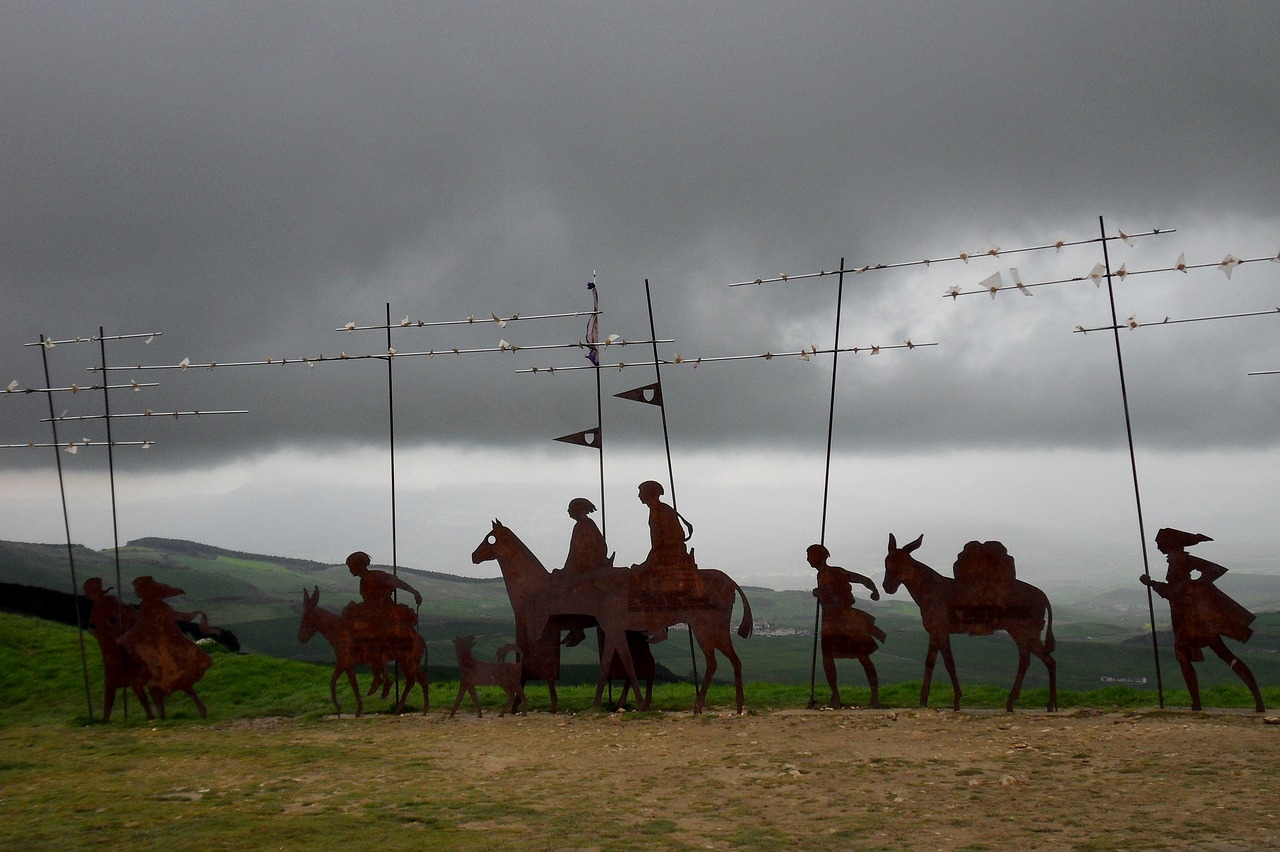
The Camino de Santiago has a rich history that dates back to the 9th century when the remains of Saint James were discovered in the region of Galicia. Since then, the trail has been a pilgrimage route for Christians who walk the path to pay homage to Saint James and seek spiritual enlightenment. In the Middle Ages, the trail was one of the three most important Christian pilgrimages, along with Rome and Jerusalem. Today, the Camino de Santiago is not only a religious pilgrimage, but also a cultural and recreational experience that attracts people from all backgrounds.
The Spiritual Significance Of The Camino De Santiago
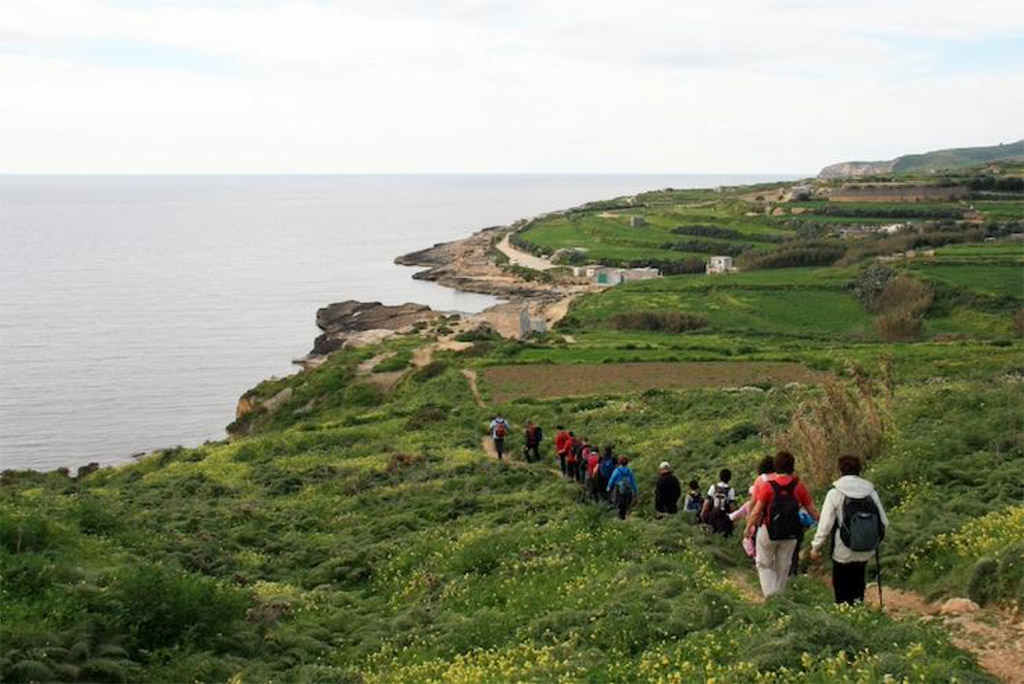
The Camino de Santiago is a spiritual journey that allows pilgrims to reflect on their lives, connect with nature and find inner peace. Walking the trail requires physical and mental endurance, and pilgrims often face challenges that test their resilience and faith. Along the way, they encounter fellow pilgrims who share the same spiritual journey, and the exchange of stories and experiences creates a sense of community and belonging. The trail is also lined with ancient churches, monasteries and other religious sites that offer pilgrims opportunities for prayer and contemplation.
Preparing For The Camino De Santiago
Walking the el camino de Santiago hike is a physically demanding journey that requires proper preparation. Pilgrims should start training several months before embarking on the trail, by gradually increasing their daily walking distance and carrying a backpack with the gear they plan to take on the journey. Pilgrims should also invest in comfortable walking shoes and clothes, as well as a good quality backpack. It is also important to research the trail and plan the itinerary, taking into account the daily walking distance and the availability of accommodation and food.
Walking The Camino De Santiago
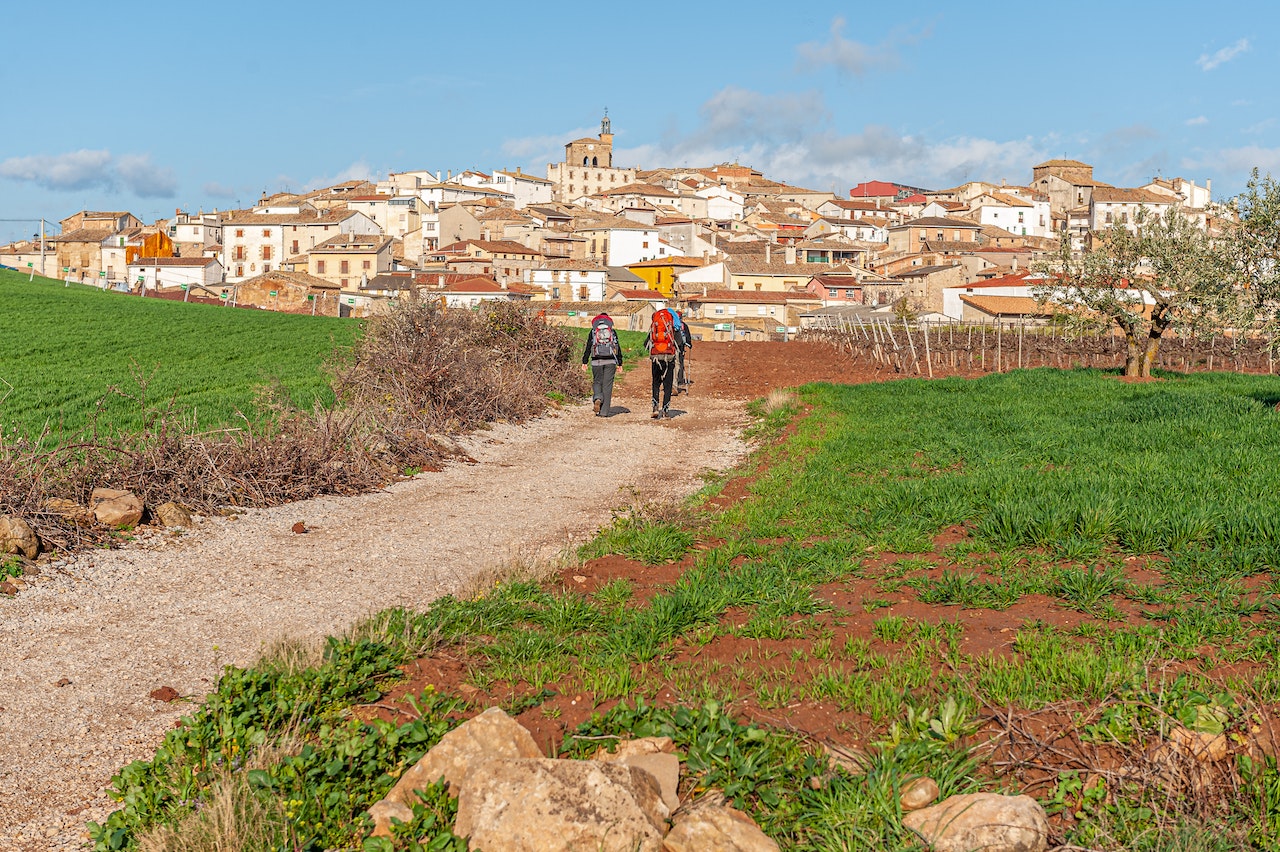
Walking the Camino de Santiago is an unforgettable experience that challenges both the body and the mind. The trail is divided into several routes, each with its own unique scenery and attractions. The most popular route is the Camino Francés, which starts in the French town of Saint-Jean-Pied-de-Port and covers a distance of 780 km. Along the way, pilgrims walk through picturesque villages, lush forests, and rolling hills, and encounter stunning landscapes such as the Pyrenees Mountains, the vineyards of Rioja, and the plains of Castilla.
The Camino de Santiago is also a cultural journey that allows pilgrims to experience the history, art, and cuisine of Spain. Along the way, they can visit ancient churches and monasteries, admire the architecture of medieval towns, and taste the local food and wine. The trail also offers pilgrims opportunities for socializing and making new friends, as they share meals and stories with fellow pilgrims in the hostels that line the trail.
The End Of The Journey
The end of the Camino de Santiago is the city of Santiago de Compostela, where the remains of Saint James are believed to be buried. Pilgrims traditionally gather at the Cathedral of Santiago, where they attend the Pilgrim Mass and receive the Compostela, a certificate that confirms they have completed the pilgrimage. The atmosphere at the Cathedral is festive and emotional, as pilgrim
The Camino De Santiago As A Modern-Day Pilgrimage
Despite its Christian roots, the Camino de Santiago has become a popular pilgrimage for people of all faiths and backgrounds. In recent years, the trail has attracted people seeking spiritual fulfillment, as well as those looking for a challenge or a break from their daily routine. The Camino de Santiago has also been featured in popular culture, such as in the movie “The Way,” which has helped to popularize the pilgrimage and attract new audiences.
The Future Of The Camino De Santiago
The Camino de Santiago is a unique pilgrimage that has endured for centuries, and it is likely to continue attracting pilgrims for generations to come. However, the camino de santiago hiking tour is facing new challenges, such as overcrowding, environmental degradation, and changes in the cultural and religious landscape. It is important for pilgrims, as well as local authorities and communities, to work together to preserve the integrity of the trail and ensure that it remains a meaningful and sustainable pilgrimage for future generations.
Conclusion
The Camino de Santiago is a spiritual journey that offers pilgrims an opportunity to reflect on their lives, connect with nature, and find inner peace. Walking the camino walking trail in Spain requires physical and mental endurance, but it is also a cultural and social experience that allows pilgrims to explore the history, art, and cuisine of Spain.
Whether one is seeking spiritual fulfillment or simply a break from their routine, the Camino de Santiago is a unique and rewarding pilgrimage that is sure to leave a lasting impression.
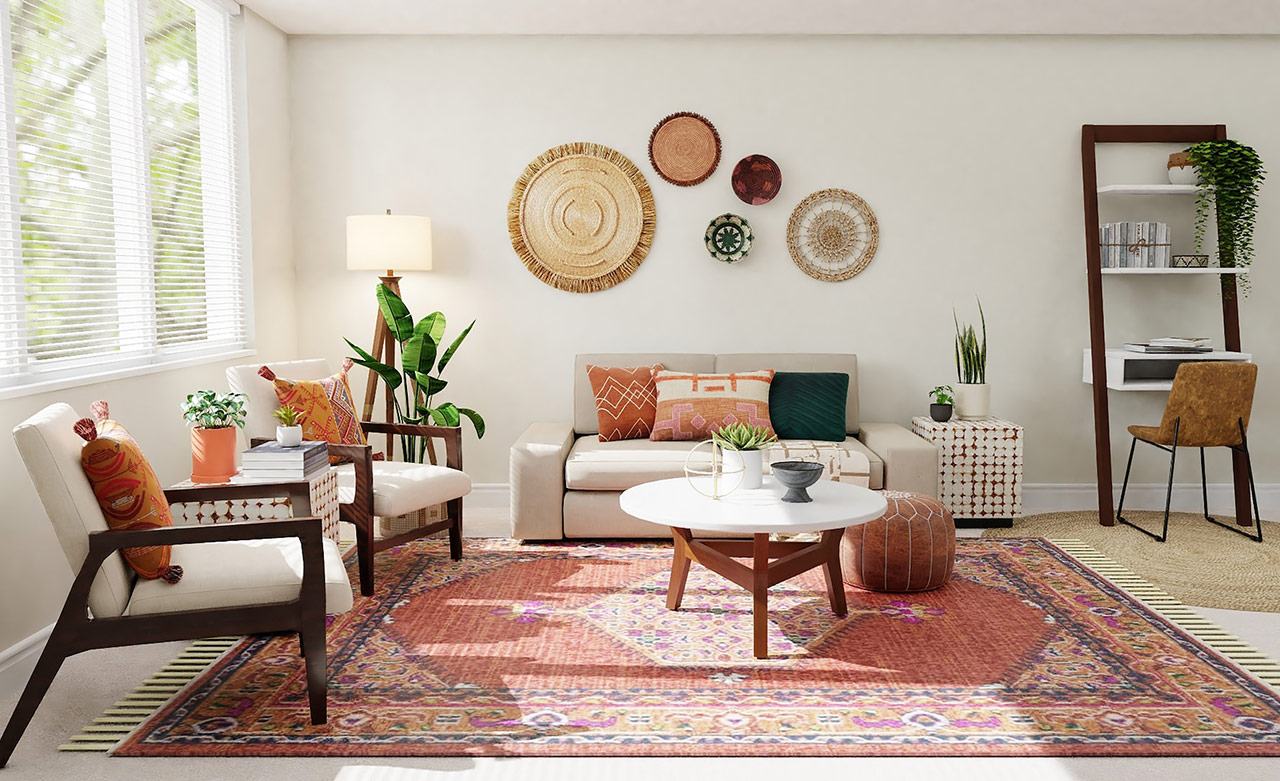
Many people spend most of their time in the living room. It’s where we unwind, have parties, and hang out with loved ones. A home’s ambience and environment may benefit greatly from fashionable and comfortableliving room decor. Here are some suggestions to help you design the living room of your dreams. The mood of your home may be determined by the colours you choose in the living room. When I was searching for 1 bhk flat for rent in Gurgaon near me, I realised that an ideal living room must have array of tones, prints, and textures to achieve the required aesthetic. For instance, you may get a classic and sophisticated style by sticking to a colour scheme of white, beige, and grey. However, bright and vivid hues like blue, green, and yellow are better suited to convey a sense of fun and vitality.
Put in Some Soft Seats
Sofas, armchairs, and recliners are all available alternatives for furnishing your home comfortably. To further enhance the comfort and cosiness of your sitting space, consider using decorative cushions, blankets, and rugs. If you want extra functionality, adjustable sofa beds can also be a smart addition to the living room, offering both seating and a convenient sleeping option for guests.
Use Elements from the Outside
Warmth and texture may be added to your living space by including natural components such as wood, stone, and plants. Natural and soothing environments may be created with a wooden coffee table, stone fireplace, or indoor plants. Two additional benefits of incorporating natural components into the home are better indoor air quality and lower stress levels.
Fix the Lighting
The correct lighting in your living room designis essential to setting the mood you want to relax. Overhead lights, floor lamps, and table lamps are options available when deciding how to illuminate your space. The lighting in your living room may also be utilised to draw attention to certain pieces of décor, architectural elements, or works of art.
Decorative Tems and Works of Art
Adding artwork and ornamental pieces to living space may give it character and flair. Paintings, sculptures, and vases are just a few of the many alternatives available for making your home or office your own. In addition, artwork and ornamental artefacts may serve as a focal point in your living space by pulling attention and adding visual appeal.
Add Some Texture
The use of texture in a living space may provide a sense of depth and dimension. Create a tactile and welcoming space with plush carpets, warm blankets, and fluffy throw pillows. You can make your living area more inviting and cosier by adding texture, which may generate a feeling of warmth. You can make your wall design for your living room more inviting and fashionable by selecting the right colour scheme, adding comfortable seating, incorporating natural elements, adding lighting fixtures, adding artwork and decorative objects, optimising storage, establishing a focal point, introducing texture, selecting the appropriate window treatments, and adding personal touches.
Minimise Clutter and Maximise Space
A clutter-free and well-organisedwall art for the living room directly results from smart storage solutions. Built-in cabinets, bookcases, and storage ottomans are just some of the possibilities available to you when designing a practical and aesthetically pleasing room. Maximising storage space can make your living area seem more open and comfortable.
Focus on One Thing
A living area might benefit from having a focal point installed as an anchor and visual centre. A fireplace, striking artwork, or a bold piece of furniture are all great alternatives for making a statement and serving as a focal point in your space. The focal point may guide the modern living room ideas, making for a more harmonious and pleasant atmosphere.
The key to realising your ideal living room’s aesthetic is to pay close attention to every design aspect. If you have a lot of ideas but are looking for a trusted interior designer for your home in India, you must book a free consultation with NoBroker’s design experts! Do visit NoBroker to know more about how you can design the home of your dreams!
Network security has become more critical as businesses adopt digital technologies. Fortinet, a leading provider of network security solutions, offers a certification program to help professionals gain expertise in securing enterprise networks. The Fortinet NSE7_EFW-7.0 exam is the highest level of certification in this program, and passing it demonstrates a mastery of network security concepts and skills. This article will break down the exam and provide a path to achieving network security expertise.
Understanding the NSE7_EFW-7.0 Exam
The NSE7_EFW-7.0 exam tests your knowledge and skills in various network security areas, including firewall policies, VPNs, IPS/IDS, and SSL inspection. The exam consists of 60 multiple-choice questions; you’ll have 120 minutes to complete it. You’ll need a score of at least 50% to pass the exam.
Preparing for the Exam
To prepare for the NSE7_EFW-7.0 exam, it’s essential to have a solid understanding of network security concepts and Fortinet’s network security solutions. Fortinet offers a range of training and certification programs to help you build the knowledge and skills required for the exam. These programs include online courses, self-paced study guides, and hands-on lab sessions. Taking practice tests to assess your readiness for the exam is also recommended. To achieve Fortinet NSE 7 Enterprise Certification, you must thoroughly prepare for the NSE7_EFW-7.0 exam questions.
Taking the Exam
Once you’ve prepared for the exam, it’s time to schedule your test. You can take the NSE7_EFW-7.0 exam online at a Pearson VUE testing center. Before the exam, ensure a stable internet connection, a quiet testing environment, and all the necessary identification documents. During the exam, please read each question carefully and take your time to answer it. If you need help with an answer, mark it and move on to the next question.
Passing the Exam
After you’ve completed the exam, you’ll receive your score immediately. If you’ve scored 50% or higher, congratulations, you’ve passed the exam! Your certificate will be available for download from the Fortinet Certification Candidate Portal. If you didn’t pass the exam, don’t worry; you can retake it after a 15-day waiting period.
The NSE7_EFW-7.0 exam covers many topics, including firewall policies, security fabric, advanced security services, and more.
The exam consists of 60 multiple-choice and multiple-select questions; you will have 120 minutes to complete it.
You can use various study materials, including official Fortinet training courses, practice exams, and study guides, to prepare for the exam.
It’s also important to have hands-on experience working with Fortinet products and solutions, as this will help you understand the practical applications of the concepts covered on the exam.
After earning the NSE7_EFW-7.0 certification, you may be eligible for various job roles, including network security engineer, security analyst, and security consultant.
In addition to increasing your career opportunities, the certification can help you enhance your skills and knowledge in network security, making you a more valuable asset to your organization.
Network security is becoming an increasingly important concern for businesses of all sizes, and the demand for skilled security professionals is only expected to grow in the coming years.
To maintain your expertise in network security, it’s essential to stay up-to-date with the latest threats and trends, attend industry conferences and events, and continue to develop your skills through ongoing training and education.
Networking with other security professionals can also be valuable, as it can help you stay informed about the latest industry developments and build relationships with other experts in the field.
Benefits of Fortinet NSE7_EFW-7.0 Certification
Passing the NSE7_EFW-7.0 exam and earning Fortinet certification can benefit your career. It demonstrates your expertise in network security and Fortinet’s network security solutions, making you a valuable asset to any organization. It also opens up new job opportunities and can lead to higher salaries. Additionally, Fortinet certification provides access to the Fortinet NSE Institute, which offers ongoing training and professional development opportunities.
Exam Format and Preparation Tips
This section should cover the exam format, including the number of questions and the time limit. It should also provide some general tips for preparing for the exam, such as reviewing the exam objectives, using study materials and resources, and practicing with sample questions.
Career Benefits of NSE7_EFW-7.0 Certification
Here, you can discuss the career benefits of earning the NSE7_EFW-7.0 certification. It may include increased job opportunities, higher salaries, and greater recognition and credibility in the industry.
Importance of Network Security in Today’s Digital Landscape
In this section, you can talk about the importance of network security in today’s digital landscape. With Fortinet cyberattacks becoming increasingly sophisticated and frequent, network security has become a critical concern for businesses of all sizes. You can discuss some of the significant security threats facing organizations today and how the NSE7_EFW-7.0 certification can help address these challenges.
Tips for Maintaining Network Security Expertise
Finally, this section can provide tips for maintaining network security expertise even after earning the NSE7_EFW-7.0 certification. It may include staying up-to-date with the latest security threats and trends, participating in professional development and training opportunities, and networking with other security professionals in the industry.
Conclusion
The Fortinet NSE7_EFW-7.0 exam is a challenging but rewarding certification for network security professionals. By understanding the exam, preparing thoroughly, and confidently taking the test, you can achieve network security expertise and advance your career.
Are you a food blogger and are looking for ways to promote your passion on multiple social media accounts? If so, then you can always go for TikTok. This is one of the most popular platforms right now, so you can surely find viewers here, but how do we effectively do that while also advertising our food blog?
Make Quality Content
An essential part to focus on in social media marketing is providing quality content. Now that you have a food blog to promote, you need to invest in SEO tools and other software like PosterMyWall to enhance your templates. Not only is this applicable in your blogs, but you can also use this on TikTok too where you can customize video formats to make marketing easier and simpler for you. Connect with your audience by telling them who you are in a relatable and relevant manner. Build your blog and brand awareness through consistent quality content.
Connect Your Social Media Platform to Your Profile
Now that you’ve established your content, this is where you should focus on driving traffic to your TikTok account. One of the best ways to do this is by connecting your other social media platforms in your profile. In this way, you can easily reach users on multiple platforms smoothly. Just simply go to “edit profile,” scroll down at the bottom part of the screen, and then proceed to connect your active profiles.
Add Your Blog’s Link in Your Bio
This is the part where you can advertise your food blog. Your TikTok bio should have a link to your site. However, not all platforms are allowed to be clickable websites on the bio. For now, what you can do is check if yours is visible under the “edit profile tab.” Take advantage of this as much as possible because your bio is one of the first things people can see when they visit your profile. If your platform doesn’t appear, another alternative is to be a part of the TikTok tester program. Afterward, see if your website will appear. If not, it’s still worth a try. Still, your bio can be optimized even without a clickable link by adding other relevant information about your blog.
Participate in TikTok Challenges and Trends
One of the best ways to start becoming visible on TikTok is by joining trends and challenges. When on this app, you have to actively engage with what’s popular as this is how you can make yourself relevant. Try to promote your blog while doing so, but make sure you’re providing something interesting, fun, and informative. You can go to the “Discover” tab on your TikTok to start checking out the latest trends. In general, just have fun, and eventually, people will start noticing you.
Collaborate With Other TikTokers
You may think that you’re competing with other TikTokers, especially those with the same niche as you. However, they can easily be your friends when you start engaging with them. Just like with the challenges and trends, you have to make yourself visible out there so that people will start noticing you. Go to the “Discover” tab again and find similar content creators like you, then start reaching out to them! Like and leave a comment on their videos; you can even mention them on your own too. Once you’ve established a friendship online, suggest some collaborations that you can do.
Include TikTok Ads
This is another tip that you can invest in if you want more traffic added to your blog site. With this, you’ll have a feature to add a clickable button to your video, which would lead to your platform. It’s a good investment if you’re keen on upgrading your profile. This call-to-action step guarantees you visibility. While you can depend on hashtags or algorithms to naturally boost your account, this can be a hit or miss. You can try TikTok Ads and see if the exposure increases your overall traction and just discontinue it when there’s no need to anymore.
Go Stream Live
The last one on our list is going live. Apart from depending on TikTok video templates, you can always go streaming. Just go to the live feature in your profile and wait for your followers to watch you. You can use this tactic to build your brand awareness, and this is where you can smoothly promote your food blog. What’s great about going live is you’ll have a much more intimate interaction with your viewers, and you can even do some fun and creative things together with them – you can share recipes and even cook if you want to. The possibilities are just endless.
We’ve now reached the end of our article, but we hope that you got something useful here. Give these simple tips for promoting your food blog on TikTok a try, and see where it’ll lead you!
Acting and theatre are popular career choices in India and in today’s time, the youth of India are going more towards these fields and considering them as a career option as there are so many job opportunities in this field. Whether it is acting, direction, production, sound, animation, design and graphics or media, people have found these jobs to be more rewarding and creative.
There are so many job opportunities in the Indian film industry for artists, actors and performers that many aspiring actors and creative people begin their careers by training and studying the art in drama schools which offer them proper training, knowledge and experience for the industry. Most actors begin their career by performing in local theatres and doing stage plays. Drama schools are a valuable resource for aspiring actors and artists as they help in developing their skills, build their resumes, gain knowledge and experience and provide them with the opportunity to network and make connections in the industry.
Here are some of the best drama schools in India, that can help your learn the art of acting and build a career in entertainment industry.
National School of Drama, New Delhi is one of the most popular and renowned theatre training institutes in India. NSD was established in the year 1959 by the Sangeet Natak Akademi and became an independent academy in 1975. NSD functions under the Ministry of Culture, Government of India with Paresh Rawal as its current Chairperson. NSD offers undergraduate and post-graduate courses in acting, theatre, direction, stage design and much more. The syllabus and training in NSD is highly intensive and thorough and it covers every aspect of theatre. As part of their training, the students of NSD are required to write and produce plays which are then performed in front of the public. Om Puri, Naseeruddin Shah, Anupam Kher, Neena Gupta, Ratna Pathak, Piyush Mishra, Pankaj Kapur and Ashutosh Rana are some of the notable alumni of NSD.
Location: New Delhi Average fees: INR 20,000 – INR40,000 website: https://nsd.gov.in/delhi/
Based in Pune, FTII is another one of the best acting schools in India. It was set up under the Ministry of Information and Broadcasting, Government of India and is aided by the Central Government of India. Established in the year 1960, the institute offers three year post-graduate diploma courses in film direction, cinematography, editing and audiography, two year courses in acting and art direction and a one and a half year course in computer graphics and animation. The institute also offers a one year course in feature film scriptwriting and several other certificate courses in various different fields. FTII offers a total of eleven full-time courses in various disciplines as well as many short term courses.
Founded in the year 2005 by the veteran Bollywood actor Anupam Kher himself, Actor Prepares is one of India’s finest acting schools for aspiring actors and writers. It offers professional level courses, workshops and master classes in various fields like acting, scriptwriting, voice and movement, etc. Based in Mumbai, Actor Prepares is believed to be the only institute in the world that is headed by a globally recognized and currently professionally active actor. The founder himself having acted in over 500 films globally and having a career of over 35 years in the film industry, the courses at his school are designed in a way that includes his learnings and immeasurable experience. Some of Actor Prepare’s notable alumni include Deepika Padukone, Preity Zinta, Hrithik Roshan, Abhishek Bachchan and Kiara Advani. Actor Prepares has had the honor of having many well-known and renowned Indian as well as International celebrities visit the academy such as Robert De Niro, Anil Kapoor, Vidya Balan, Jason Isaacs, Russell Peters, Shoojit Sircar and Imtiaz Ali.
Another addition to the list of India’s best drama schools is Whistling Woods International in Mumbai founded by veteran filmmaker Subhash Ghai. WWI is a film, communication and creative arts academy that offer undergraduate, postgraduate and diploma programmes in various disciplines and domains like Cinematography, Acting, Direction, Editing, Production, Design, Advertising, Journalism and Scriptwriting. The full-time faculty of WWI includes renowned industry professionals like Ashwini Kaul, Rakesh Ranjan, Mandar Deshpande, Ravi Gupta and the founder himself Subhash Ghai. WWI has affiliated with two universities in India, Tata Institute of Social Sciences and Rajiv Gandhi National Institute for Youth Development to offer for all its Bachelors and Masters Degrees and Diploma and Advanced Diploma Programmes.
Founded by renowned actor and director Barry John, this drama school first opened as Imago Acting School in 1997 in Noida, U.P and then near Saket, New Delhi in 2002. Afterwards, they decided to move to Mumbai in 2007, where it was renamed Barry John Acting Studio. Some of the notable alumni of this drama school in Mumbai are Shah Rukh Khan, Manoj Bajpayee, Sushant Singh Rajput, Varun Dhawan, Arjun Kapoor, Jacqueline Fernandez, Richa Chadda, Freida Pinto and Rana Daggubati. This drama school offers diploma programmes, intensive training and courses as well as workshops in acting.
Location: New Delhi Average Fees: INR 2, 50,000 – INR 3,50,00 website:https://www.bjas.in/
6. Satyajit Ray Film and Television Institute, Kolkata
Established in the year 1995 in Kolkata, West Bengal, SRFTI is a film and television institute named after one of the greatest and legendary filmmakers of the 20th century, Satyajit Ray who was showered with respect and admiration. The institute is funded by the Ministry of Information and Broadcasting, Government of India and it is also a part of CILECT, International Association of Film and Television Schools (Centre International de Liaison des Ecoles de Cinéma et de Television) . The institute has various departments in its film wing like Direction and Screenplay, Editing, Cinematography, Sound Recording, Production and Design. Some of the institute’s notable alumni include Vipin Vijay, Amal Neerad, Sagar Ballary, Namrata Rao and Kanu Behl.
Location: Kolkata, West Bengal Average Fees: INR 40,000- INR 50,000
Website: http://srfti.ac.in/
7. Ramesh Sippy Academy of Cinema and Entertainment
Ramesh Sippy, an Indian film director and producer, known for directing one of India’s most iconic cinematic experiences and one of the most influential Indian films ever made – Sholay, founded his academy of Cinema and Entertainment in the year 2017 in Mumbai. RSACE film school has a tie-up with Mumbai University which allows a graduate degree to be awarded to the students that complete their study in the chosen course of filmmaking. Some of the degree and certificate courses offered by the University of Mumbai and RSACE are in Direction, Screenwriting, Film Production and Management, Animation, Visual Effects, Acting and Sound.
Location: Mumbai, Maharashtra Average Fees: 1,75,000 – 14,00,000 website:https://rsace.edu.in/
This acting school has branches across four major cities in India – Noida, Mumbai, New Delhi and Kolkata. The first one was established in 1993 in Noida by Sandeep Marwah, a film producer and renowned international media personality who is also the founder of Noida Film City and Marwah Studios. He is a recipient of seven world records and various national and international records. He is also the producer of the largest number of short films globally and is associated with various television programs and films. AAFT offers a variety of programs, bachelors, masters, and diploma as well as certificate courses in film, television and media studies. AAFT focuses on practical and experiential learning and so, it gives students an opportunity to work on real-world projects and internships. Anil Kapoor and Boney Kapoor are directors at AAFT and many people from the industry, successful actors and directors have been its alumni like Arjun Kapoor, Gurmeet Singh, Anjali Rana and Akash Mathur.
Founded in the year 1949 in a small village of Heggodu, Karnataka, NINASAM is a drama school and cultural organization. NINASAM is short for Sri Neelakanteshwara Natyaseva Sangha and is founded by K.V Subbanna, who is a renowned dramatist, Kannada writer and scholar with the goal to promote Kannada theatre and preserve the cultural heritage of Karnataka. Originally, it began as an amateur theatre group which evolved into a many winged cultural institution which is now considered a premier institute for theatre training in India. This drama school offers courses in acting, direction, writing as well as hosting workshops and cultural events. NINASAM also runs a theatre company that stages Kannada plays and has produced over 150 plays till now. Another unique feature of this drama school is that it is located in a rural setting, surrounded by coffee plantations and forests. NINASAM focuses on community involvement and often collaborates with local organizations and also encourages students to participate in various aspects of theatre production like acting, set design and stage management.
The acting, theater and creative fields as career in India are very dynamic, tough and competitive field, but is one that offers many rewards and opportunities for those who are able to succeed for which, one needs to have a strong passion for their craft, willingness to focus and work hard, dedicate their time and sharpen their skills in their respective fields. For this, many people join drama schools as they help them in reaching their goals and in their personal and professional growth. These drama schools have given birth to a lot of successful, legendary and renowned actors, directors, artists and given them flourishing and prosperous careers.
Indian art has various forms. When one thinks of art, we often confine our imagination to painting, sculpting, dance or music. However, embroidery is an expression on fabric and a unique art form too. The skill involves the usage of threads and other accessories to weave and stitch together a piece of artistic articulation that also can have multiple practical uses and applications. There are various forms of embroideries that are popular both in India and the world. However, a culturally connected embroidery art that must be understood and appreciated is the Banjara Embroidery.
The Banjaras, as the name suggests, are gypsy people who wander from place to place. Their history and origins can be traced back to more than 500 years old. Originating from Rajasthan the Banjara tribe is believed to have moved from place-to-place transporting military supplies for the Mughals, as well as, other household and general supplies and commodities. Thus, the Banjaras are not so much a caste, as much as a profession. However, when the British came to India, the role of the Banjaras of transporting commodities was replaced by other modes of transportation, such as the railways and vehicles. This led to the tribe settling down in many parts of the country, including in Andhra Pradesh, Maharashtra, Karnataka and Rajasthan.
The Banjaras are also known by different names, such as Lambanis, Lambadis, Gormati, Vanjara etc.
What is Banjara Embroidery?
Image Source
Banjara Embroidery is a specific type of embroidery that is not only done by the Banjara tribe, but also worn by them. The Banjaras, especially the women, are dressed in a distinct colorful attire that is both attractive and beautiful. With vivid vibrant colors, beadwork, mirror work and using different assortments, such as bells, shells, tassels etc. the Banjara Embroidery work stands out for its riot of colors and breath of freshness.
However, the embroidery itself, requires fascinating creative skills, that the women of the community employ to create masterpieces. Unlike many other art forms, such as painting or sculpting where the painting or sculpture has a much longer shelf life and is used to adorn walls or homes, embroidery is quite different. It is applied on garments or accessories that are used or worn. And hence this art form is more like a recurring piece of work, where new patterns and fabrics are used in the course of time.
In Maharashtra specifically, the Banjaras predominantly reside in the Vidarbha, Khandesh, Solapur and Marathwada regions. Most of the tribe is involved in rearing animals, farming or working as laborers. However, the women of the household continue to create the Banjara embroidery for both household use, as well as for commercial trade. Though their popularity has not grown as significantly as some of the other local or regional traditional arts, various government efforts and NGOs are trying to bring their work to the forefront.
Banjara Embroidery looks resplendent but requires hard work to create. The embroidery is essentially needling work done on small pieces of cloth that are then later joined to create the finished product. The embroidery involves stitching, patterning, mirror work, quilting, cross stitch, patchwork, applique work and more. Fourteen types of stitches are used in Banjara embroidery. Some of the stitches are Vele, Maki, Kilian, Kans, Saudi, Tera Dora, Gadri, Nakra, Smock Stitch and more. The stitches work across different shapes and designs, be it square, circular, diagonal lines, rectangles or other geometric shapes.
Also, the stitches are apt to include beads, mirror, cowrie shells, metal buttons, ghungroos, bells, coins and more on to the fabric and into the design. Another distinguishing characteristic of these embroidered products are the triangular borders. The applique work involves creating small triangles with another piece of cloth and stitching them over the fabric along the edges as a border. Besides, the base cloth usually is red, though other bright colors are used on it, such as red, yellow, blue, green, black, off-white and more.
Banjara Embroidery Step by Step Guide
For ease of understanding here is a step-by-step guide on how a Banjara embroidered product is prepared.
Through the method of layering the base fabric is prepared.
The embroidery design is drawn on the base cloth using chalk. The design is done freehand by the women and hence the wavy lines instead of straight structured lines are seen on the embroidered products. The design is usually very basic and geometric in nature.
The women now start embroidering over the chalked-out design.
After the basic embroidery, the embellishments are added. For instance, the process of adding the mirror work is called Kaanch Tunna. Similarly, other additions to the embroidery are made at this stage.
The Banjara embroidery made products include clothing, accessories, footwear and more. The dresses worn by the ladies of the community, such as the lehenga, dupatta, choli etc. are all created using the Banjara embroidery.
Traditionally and culturally, the embroidery has been used on the following:
Phetia – Phetia is a skirt made of blue or red color. The phetia forms the lower skirt of the ladies of the Banjara community and offers a wide scope of showcasing the embroidery designs due to the length and breadth of the material.
Kanchali – Kanchali is the upper garment fitting blouse. It is usually decorated with beads, shells, tassels etc.
Chatiya – Chatiya is a veil that covers the upper parts of the body. An end of the chaitya is tucked into the phetia. The section of the chaitya that covers the head is where the maximum embroidery is done.
Zolana – Zolana is a bag that has a long strap and is hung on the shoulder. The bag is decorated with embroidery using different materials like mirrors, shells, bells and more.
Ghalna – This is the headgear that has a ring and an embroidered panel. An end of the panel hangs down at the back of the neck and is adorned with embroidery.
Chunchi – A small bag the Chunchi has 3 to 4 pockets that is used specifically to keep betel leaves.
Darani– This is a piece of cloth that is used for household chores, such as covering the chapati or fruits etc.
Gadano – This is also a piece of cloth but is used to cover drinking water pots and dishes. Like the Darani the Gadano is also embroidered.
Pat – Pat is any game made from fabric where patchwork and applique work are used. This includes chess and many other local games where the game layout is embroidered.
Kothali and Kothalo – Both of these are cloth bags used to keep money and shopping items. They are carried by the Banjaras when they are out shopping.
Chandiya – This triangular cloth is put on the heads of the bulls and cows as decorative costumes during festive occasions.
In modern times, Banjara embroidery is used in different applications. Besides being used on lehengas and dupattas, other modern products where the embroidery is used includes sarees, blouses, skirts, tops, footwear, bags, bedsheets, cushion covers, wall hangings and more. Most of these products are made for commercial purposes and sold in markets.
The Banjara community in Karnataka is working with various NGOs, such as the Sandur Kushala Kala Kendra (SKKK) to uplift the tribal community and spread awareness about Banjara embroidery. In Maharashtra, there are a few NGOs and government initiatives that materialize in the form of exhibitions etc. However, more effort is certainly required to give the Banjaras due credit and resources for furthering their heritage and art.
This skill, like all other traditional arts, is passed from one generation to another. However, the younger generation of the Banjara community is not too comfortable wearing the traditional clothing and many of them are moving into other professional fields. Thus, the future of Banjara embroidery needs to be secured right away through proper initiatives and marketing.
The Banjara embroidery is a colorful artform that is akin to a Rangoli on the floor. Also, the Banjaras dress code is aligned to their various cultural beliefs. For instance, the bright colors are believed to ward off evil. Hence, this artform is an intrinsic part of the heritage of the tribal community and has been carried out by the women of the household. Yet, this art form is perhaps not getting its deserved due. And it is time that we collectively make efforts to sustain this wonderfully bright art form.
IMG World of Adventure is a world-class indoor theme park located in Dubai, United Arab Emirates. It is the largest indoor theme park in the world, covering an area of 1.5 million square feet. The park features four zones: Marvel, Cartoon Network, Lost Valley, and IMG Boulevard, offering thrilling rides, attractions, and entertainment for all ages.
If you are planning to visit IMG World of Adventure, you can easily purchase IMG World tickets online or at the entrance gate. The park offers various types of tickets, including general admission, fast track, annual passes, and more. It is recommended to book your tickets in advance to avoid long queues and ensure availability.
One of the main highlights of IMG World of Adventure is its thrilling rides. From roller coasters to simulators, the park offers a wide range of rides that cater to all levels of thrill-seekers. Some of the most popular rides include the Velociraptor roller coaster, the Hulk Epsilon Base 3D simulator, and the Spider-Man Doc Ock’s Revenge dark ride.
In addition to the rides, IMG World of Adventure also features various attractions and experiences. The Marvel zone is home to the Avengers Battle of Ultron ride, where you can join the Avengers in their battle against Ultron. The Cartoon Network zone features the Ben 10 5D cinema, where you can experience an immersive 5D adventure with Ben 10 and his alien friends.
The Lost Valley zone is inspired by the prehistoric era and features attractions such as the Forbidden Territory, Dino Carousel, and the Predator roller coaster. Finally, the IMG Boulevard zone offers a variety of dining, shopping, and entertainment options, including the Haunted Hotel, which is a must-visit for thrill-seekers.
Moreover, if you are looking for an even more thrilling experience, you can opt for the fast track tickets, which give you priority access to some of the most popular rides in the park. With fast track tickets, you can skip the long lines and enjoy more rides in a shorter amount of time.
For frequent visitors, IMG World of Adventure offers annual passes that allow unlimited access to the park for a year. Annual passes also come with additional benefits such as discounts on dining, merchandise, and fast track tickets.
When visiting IMG World of Adventure, it is essential to wear comfortable clothing and footwear, especially if you plan to spend the entire day in the park. The park provides lockers and storage facilities for your convenience.
In addition to its exciting rides and attractions, IMG World of Adventure also hosts various events throughout the year, such as Halloween Horror Nights and Winterfest. These events offer unique experiences and entertainment that you don’t want to miss.
Finally, when it comes to dining, IMG World of Adventure offers a variety of options ranging from fast food to full-service restaurants. The park also features various themed dining options, such as the Tony’s Skydeck restaurant in the Marvel zone, which offers stunning views of the park.
Safety is a top priority at IMG World of Adventure, and the park adheres to strict safety guidelines and procedures to ensure the well-being of its guests. All rides and attractions undergo regular inspections and maintenance to ensure they are safe for operation.
In response to the COVID-19 pandemic, IMG World of Adventure has implemented additional health and safety measures, including enhanced cleaning and sanitization, mandatory face mask policy, temperature checks, and social distancing protocols.
Moreover, the park offers a dedicated first aid center and trained staff to handle medical emergencies, ensuring the safety and well-being of all guests.
IMG World of Adventure is located in the heart of Dubai and is easily accessible by public transportation or private vehicle. The park offers ample parking facilities for guests who prefer to drive.
In conclusion, IMG World of Adventure is a must-visit destination for anyone seeking an unforgettable theme park experience. With its thrilling rides, exciting attractions, and immersive experiences, IMG World of Adventure offers something for everyone. So, get your IMG World tickets today and get ready for an adventure of a lifetime!