Baraf Golas – The Indian Chilly Icy Delights to Beat the Heat

2
Baraf gola
Baraf Gola – Bhargavpatel009 via Wikimedia

The mouthwatering baraf golas are a ubiquitous sight on Indian roads. One of the most sought after street foods the golas also called chuski needs no introduction to anyone grown up in the hot scorching heat of Indian towns and cities. Crushed ice put together like a lollipop on a stick and dipped in syrups of various flavors takes an immense amount of effort to stay away from. This is truer when the colorful chilled golas are found parked on roadside stalls on sweltering hot days. 

Baraf gola wala
GolaWala – Kapil S via Flickr

Whether as kids or as adults, the baraf golas are one of the most irresistible delicacies that generations can identify and connect memories with. And let’s not forget the baraf gola man. That one ‘chacha’ or ‘bhaiyya’, who stands with his cart laden with colorful elongated glass bottles, some orange, some red, some yellow and some purple. In other words, kachi kerri, kala khatta, rose sherbet, pineapple sherbet and more. The ice crushing machine rooted on the cart efficiently rotated by him collects the ice that drizzles down in blistering transparency. The crushed ice is scooped up in quick reflex and transferred into the glass, tipped and tapped while the stick inserted with deftness. The gola is then pulled out in perfect shape as the baraf gola man waits patiently for his customers to decide and fret over the different flavors of syrup. The colors are painted over the white snow lollipop that blazes into a frenzy of tempting vibrancy. And almost in a gesture that is equivalent to grabbing; the gola is licked and slurped upon until the entire crushed ice is devoured. Many times I have wondered that sucking on the gola with so much energy could be a good exercise for the lungs. You know, inhale with the mouth with force which makes the face muscles strong and do so in quick succession before the ice melts to ensure a healthy heart. 

History of Baraf Golas

baraf gola nostalgia
Shaved Ice – Pixabay

Crushed and shaved ice is believed to have been invented by the Japanese around the first century AD. They brought it with them to Hawaii when they migrated and today the Hawaii shave ice is quite a popular serving. It became famous during the Industrial Revolution when vehicles carrying ice blocks moved across the USA and distributed the ice shaves to kids. Hence, the gola though a very Indianised version, is also popular in other parts of the world. The snow ball and snow cone in North America, the raspa in Texas and Mexico, the shave ice with a scoop of ice cream in Hawaii and the Ais kacang in Singapore and Malaysia are all different variations of the Indian baraf gola. 

Health and hygiene

Indian Gola
Indian Gola – Pangalactic gargleblaster and the heart of gold via Flickr

As kids we didn’t think twice before slurping on the tantalizing golas, yet today as parents, we find it difficult to let our children suck on a gola as carelessly as we did. Various factors account for this. The quality of water and the change in climate are however, the primary reasons. On a hot day it is advised by medical experts to avoid the intake of ice because that could lead to a sudden change in body temperature and lead to illness. The quality of water used to make ice is another area of contention as we know that adulteration; especially in water is a common concern these days. To overcome these certain branded companies have ventured into the market, providing golas made from mineral water and ensuring that they are made in hygienic surroundings. Similarly, certain artificial syrups also lead to throat ailments and one has to be careful and aware about them.

baraf gola shop
Beach Gola Shop – pexels.com

Yet, not only the baraf golas, but if you see the street foods in India, most are not always prepared in the best hygienic surroundings. But the good thing is that they are up in front for the customers to see exactly how they are being prepared and what they entail. The ingredients or finished products are not behind closed doors of secrecy and the makers open to any questioning that one might have. The fact that street foods continue to be craved and loved by a large population who seemingly or necessarily do not fall sick after consuming it is a point in case. 

The baraf golas continue to be a delightful dessert or snack for all age groups. The non-sophisticated way of eating it, if there is any, only highlights its sheer charm and nostalgic value. I mean it’s probably one of the only foods where the sound of slurping rings in your ears as you suck on the cool icy flavors and no one really minds. The want of thirst, chill and tang are all quenched in each ‘chuski’ of the gola. 

The next time you see the baraf gola stall anywhere near you indulge in some colorful icy chill to beat the heat. However, do it more to remind you of childhood and of simple joys of life. 

Awesome Gift Ideas: Vincent Van Gogh’s Paintings as Gift

0

Vincent-Van-Gogh's-Paintings-as-Gift-00

The name Vincent Van Gogh is synonymous with genius and creativity. His work was truly revolutionary and inspired many artists, including Pablo Picasso, who said that painting should be a way to “reveal the sadness of man’s existence.”

His work touches on everything from landscape to portraiture and from passionate love letters to frenzied madness. Plus, his bold, vibrant, and emotive paintings have inspired generations of art lovers and continue to captivate people worldwide. So if you are planning to give something to an art enthusiast, there’s always some masterpiece created by the famous Vincent van Gogh. 

Reasons Why You Should Gift Van Gogh’s Paintings

Vincent-Van-Gogh's-Paintings-as-Gift-01

While the original Vincent van Gogh paintings cost a whopping fortune, you can always get a replica art of the famous van Gogh paintings list to gift to your loved ones. But what makes van Gogh’s paintings?

First of all, van Gogh’s paintings are timeless pieces of an enduring classic that are loved and appreciated by anyone who sees it. Be it the Starry Night or Almond Blossoms, or even The Potato Eaters; you can never get tired of appreciating these artworks— more so if you are an avid van Gogh fan. 

Not to mention the obvious, but the famous artist paints wonderful works using the best combination of hues and his world-famous brushwork. It isn’t just that his paintings are beautiful; they are so well crafted that they bring you into a world where you can feel right along with the artist – and that’s no easy feat. So what could make for a better gift to an art enthusiast?

Above all, van Gogh’s paintings convey a beautiful message to universal themes of love, loss, and the beauty of life. This makes for the most thoughtful gift you can gift to someone. 

Starry Night

Vincent Van Gogh's Paintings as Gift-Starry-Night-Painting

One of the highly celebrated artworks by van Gogh, Starry Night is very easily recognized for its vibrant swirls of yellow and blue colors. It is also one of the most reproduced artworks in different forms. From print and posters to home decor and even apparel, Starry Night has been a source of inspiration for many creatives all across the world. 

While the painting was created in 1889, Starry Night is one timeless beauty that mesmerizes audiences of all ages and backgrounds even today. Also, it makes for a great gift for someone who is creative. Each and every detail of the artwork inspires the creative in you- from its colors and techniques to swirling lines and twinkling stars. It’s perfect for writers, artists, musicians, and any individual looking to tap into their creativity. 

Almond Blossoms

Vincent Van Gogh's Paintings as Gift-Almond-Blossoms-Painting

If you want a gift that is aesthetic and meaningful, you can always go for the painting reproduction of Almond Blossoms by Vincent van Gogh. This classic piece of art is visually stunning and flawlessly captures the beauty and serenity of nature. The delicate shades of white look incredible against the blue sky, creating a calming effect.

Appreciated by people of all age brackets, this reproduction of this masterpiece can be gifted to a friend, family member, or even co-worker. Even better is the fact that this famous van Gogh painting can be displayed in different settings— from the bedroom to the living room to the office. 

Sunflowers

Vincent Van Gogh's Paintings as Gift-Sunflowers-Painting

One cannot remember Vincent van Gogh without thinking of a series of Sunflower paintings. But did you know van Gogh originally painted Sunflowers as a gift for his friend and one of the famous artists Paul Gauguin? So, the art piece is associated with friendship, gratitude, and warmth. 

Besides, the thick brushstrokes and bold colors make the painting incredibly eye-catching, and it’s sure to brighten up any room. Giving someone a reproduction of “Sunflowers” shows that you’ve put thought and care into their gift. Whether it’s for a special occasion or just because, this painting is a thoughtful and meaningful way to express to someone how much you care.

Irises

Vincent-Van-Gogh's-Paintings-as-Gift-Irises-Painting-1

Irises is another painting by Vincent van Gogh that makes for quite a thoughtful and versatile present for your loved ones. The eye-catching painting is sure to add a beautiful touch of elegance to any room. Furthermore, this painting is frequently associated with calmness and tranquility as van Gogh painted it when he was a patient at the Saint Pual-de-Mausole asylum in France. So, it’s ideal for someone who you care about and who is going through a rough time. 

Van Gogh’s “Irises” is a timeless and beautiful painting that makes for a wonderful gift. Whether you’re looking for a gift for a friend, family member, or significant other, a reproduction of this painting is sure to be appreciated and cherished for years to come.

The Bottom Line

In conclusion, giving a reproduction of a Vincent Van Gogh painting as a gift is a unique and meaningful way to show someone how much you care.

Bhojpuri Paintings – Art Representing the Rich Folk Culture of Bihar

0

The category of Indian art forms has a long, rich history. After prehistoric rock art, Indian art, in a streamlined manner, began during the Indus valley civilisation, more than five thousand years ago. Since then, the tradition of Indian art has grown into a vast and diverse category, with the emergence of several art forms all over the country. Each art form tells a story- from the Tanjore paintings that developed from temple murals under royal patronage in Tamil Nadu to the humble Santhal paintings in West Bengal. Every Indian folk art forms have a story to tell, one such art form is the Bhojpuri Painting of Bihar and Uttar Pradesh in the heart of the Hindi belt of India. 

History of Bhojpuri Paintings

History of Bhojpuri Paintings
Image Source

Bhojpuri paintings have a history dating back millennia. They are said to have originated in the princely kingdom of Magadha, when the kingdom was at its prime as one of the sixteen Mahajanapadas. This was before the rise of emperor Ashoka, in the early second millennium BCE. The paintings were initially said to have been done on the walls of temples or on the walls of houses of newlyweds. This is supported by the fact that the paintings traditionally depict the love between Lord Shiva and Parvati, which according to Hindu scriptures is one of the strongest of marital unions. However, over the time this art form has mellowed, gradually incorporating themes of everyday life and those of natural beauty. 

While the art form has its origins in Magadha, it spread throughout the region over time. It is now prevalent in Bihar, Uttar Pradesh and the Northwestern regions of Jharkhand. Today, it is practised mostly by the same community that has practised it for millennia, the Bhojpuriya community. 

Bhojpuri Paintings Style

Bhojpuri Paintings Style
Image Source

Bhojpuri paintings have a distinct style and can be recognised because of their distinct style of childlike simplicity, with bright, vivid colours and bold lines, occasionally incorporating geometric patterns. They are traditionally done on cloth, but are also being done on paper today. Apart from this, in the modern era, Bhojpuri art has grown into two different styles. The two styles are

Kohbar paintings – This is the older style of the two styles of Bhojpuri paintings. In this style, the main themes are that of love and pleasure; mostly depicting the union of Shiva and Parvati. This is the original form of Bhojpuri art, and was originally reserved to develop temples and as gifts for newlyweds.

Pidhiya paintings – This is the style of Bhojpuri paintings that represents all things mundane and natural- the woes of daily life and the beauty of lakes, flowers, jungles and animals. In addition to this, the Pidhiya paintings also showcase the culture of Bhojpuri This is the newer form of Bhojpuri art which developed to appeal to people of all beliefs and regions.

Bhojpuri Painting Process

Process of Bhojpuri Paintings
Image Source

While the styles of Bhojpuri paintings vary, the materials and equipment used are the same. Both styles of painting use bright, natural dyes for making the primary colours, while the black paint is made by grinding the seeds of the Malacca bean tree, known as ‘Bhelwa’ in native languages. The white paint is made of the white soil native to these regions. The paint brushes used to paint these are also made of natural materials, such as twigs and bark. 

Recognition for Bhojpuri Paintings

Recognition for Bhojpuri Paintings
Image Source

Bhojpuri art has not received its due importance in the contemporary history of India. However, the Pidhiya style of Bhojpuri paintings, which is practised mostly in the state of Jharkhand, received a GI (geographical indication tag) in 2020. Beyond this, Bhojpuri art has not seen much recognition in the state or national levels. 

Current State Bhojpuri Paintings

Current State Bhojpuri Paintings
Image Source

The current state of Bhojpuri paintings and artists is far from ideal. Apart from the decreasing interest in handicrafts as a whole, the Bhojpuri style of art is overshadowed by the more popular art forms of the region, like Madhubani paintings. Artisans have been unhappy with this treatment of their craft. In a rare and significant occurrence, artists associated with Bhojpuri art, specifically of an organisation called Bhojpuri Kala Sanrakshan Morcha, staged protests in 2021 in the Arrah district of Bihar, asking for due recognition, alongside sister art forms of Bhojpuri art. The protests culminated in the government painting the walls of the Arrah station in Bhojpuri art. This incident illustrates the sad state of affairs of the art form, with proponents of an ancient art form receiving little to no recognition.

Takeaway

Bhojpuri Painting represents the rich folk culture and art traditions of India. In this age of modernisation and decreasing interest in traditional art and craft forms, it is high time we realise the importance of our traditional art forms to preserve them and understand what makes us unique in this increasingly uniform world. 

Photo CourtesyBhojpuri Paintings/Facebook

Indian Folktales for Kids to Make the Summer Holidays Memorable

0

Folktales of India narrate stories of moralistic values. These are centered around religious and mythological themes and impart universal philosophy. The characters often have supernatural powers and teach lessons of honor and wisdom. Prominently set against the backdrop of the country’s history and culture, many of the popular folktales trace the lives of animals instead of human characters. 

The most abundant sources of folktales that offer to imbibe children with humanitarian values include those of the Panchatantra tales, the tales of Tenali Raman, the Buddhist fables of Jataka, Baital Pachisi, and the Hitopadesha collection. 

A cornucopia of stories that have been passed on orally for eons, the culture of Indian folktales and fables inspire and educate children. Here, we delve into a handful of them, to express the kind of tales one might expect to come upon. 

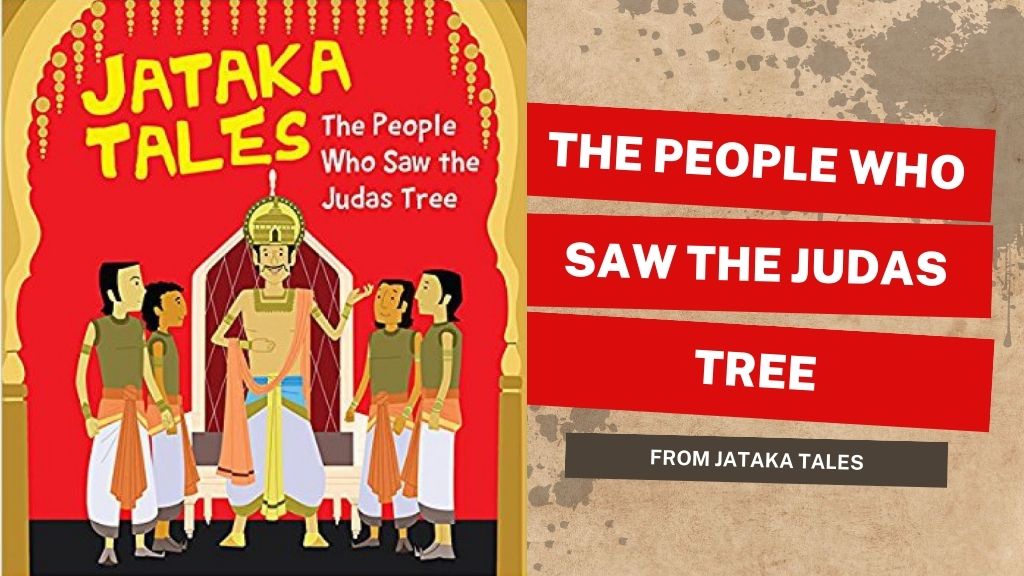
The people who saw the Judas Tree”, from Jataka Tales

The people who saw the Judas Tree", from Jataka Tales

This story from the Jataka collection of Buddhist folklore centers around the four sons of the King of Benaras, who wanted to see a Judas tree. The charioteer shows them each of the Judas tree, one at a time. For the first son, the tree was just sprouting buds from the stem. When the second one saw it, the leaves were green. The third saw the time of blossoming, and the fourth, when the tree was bearing fruit. When the brothers gather later to discuss, they are anxious as none of their observations match. To find the true nature of the Judas tree, they approach their father, who teaches them the important lesson of distinction. The boys did not care to ask the charioteer what the tree was like throughout the year, and there lay their mistake. One sees something during a specific time, but should also learn what it’s like in the wider picture to understand it in its absolute essence. 

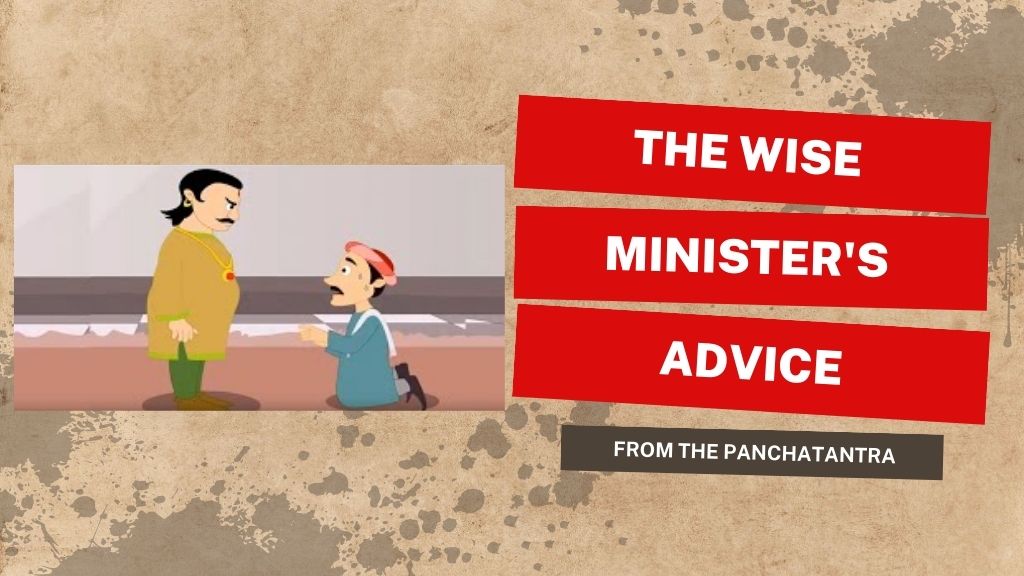
“The Wise Minister’s Advice”, from the Panchatantra

"The Wise Minister's Advice", from the Panchatantra

When a gang of owls attacked some crows in the middle of the night, the King of the latter sought his wise minister’s advice. This tale from the Panchatantra narrates what a clever and deliberate feat it is to keep a closer eye on their enemies than one keeps on their friends. Few of the crows staged a pageant at the owls’ cave: one praised the owls’ bravado while the others struck him down. Thinking that this one crow was in their favor, the Owl King let him live alongside them. This allowed the crows to set fire and annihilate the owls’ cave one morning when the nocturnals were fast asleep. 

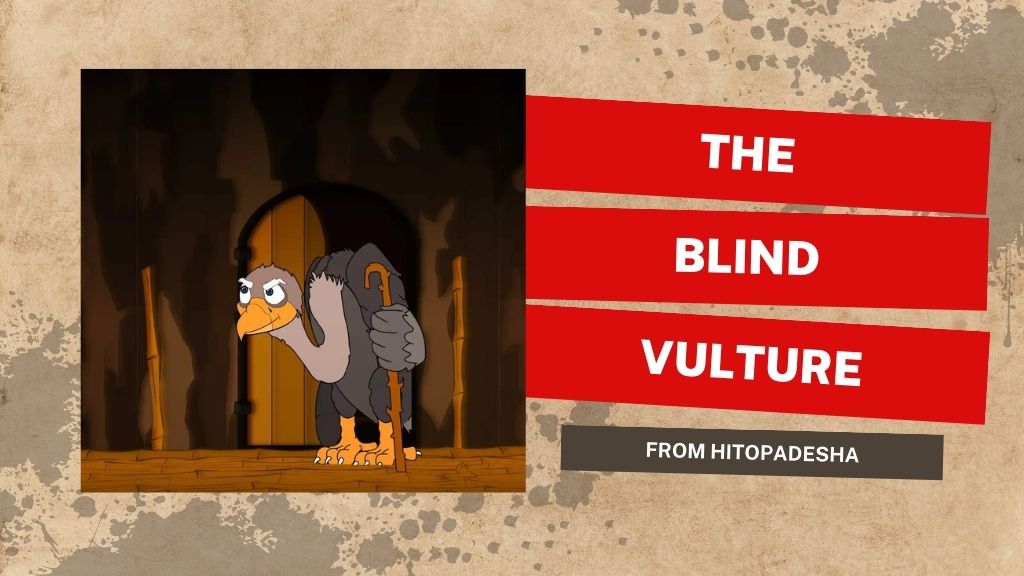
“The Blind Vulture”, from Hitopadesha

"The Blind Vulture", from Hitopadesha

The story of miscalculated trust offers a valuable piece of advice from the collection of Hitopadesha. The blind vulture, grateful for the other birds’ generosity towards him, decides to guard their fledglings while they go on the hunt.

It has not been long when a cunning cat arrives and manipulates the vulture into putting his trust in her. Although hesitant at first, the old vulture lets the cat stay, and the latter eats up the fledglings one by one. The story explores the importance of proper judgment when one comes upon a person they hardly know. Being kind stands apart from having blind faith towards a stranger. 

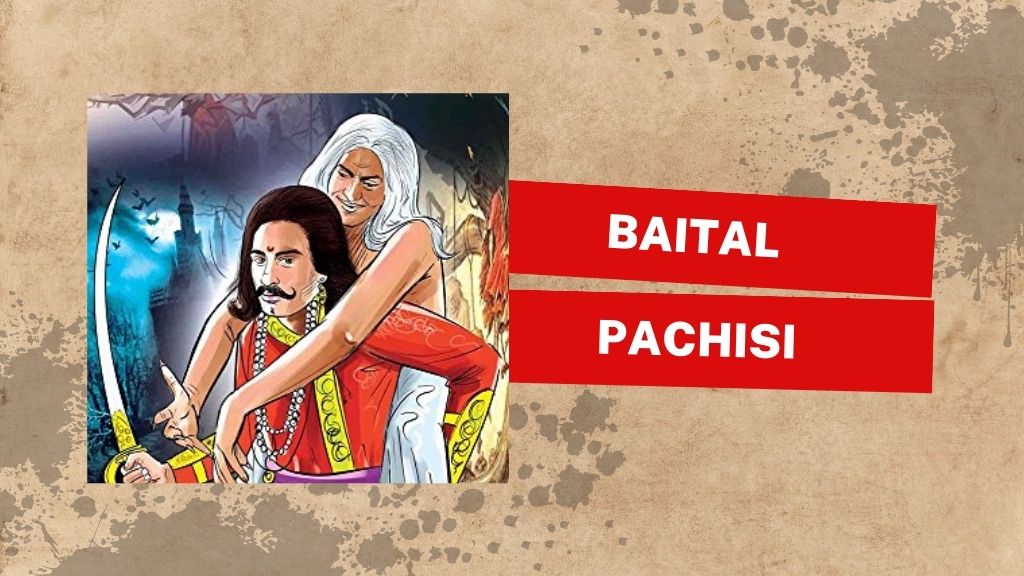
Baital Pachisi

Baital Pachisi

The stories of Vikram and Betal, collected as Baital Pachisi, are the oldest of vampire tales from India. When King Vikram goes to capture a ‘baital’ spirit to fulfill his promise to a tantric sorcerer, he is faced with the offer of an interesting deal and a string of riddles. Between the king and the vampirish spirit, it was decided that at the end of every puzzle, if Vikram was unable to answer correctly, the spirit would willingly be taken prisoner.

If Vikram knew the answer but remained silent, his head would explode into a thousand pieces. The wise king could answer each of the twenty-four questions correctly, and thus, as was decided in the deal, the baital was able to get away. The tales that formed the riddles of the baital explored the philosophies of life. However, when the king failed on his twenty-fifth riddle, the spirit kept his promise to be taken captive. Later on, the story reveals that the baital was the spirit of a prince sacrificed by the vicious sorcerer who wanted to attain immortality. 

“The Tortoise that Loved his Home too much”, from the Jataka Tale

"The Tortoise that Loved his Home too much", from the Jataka Tale

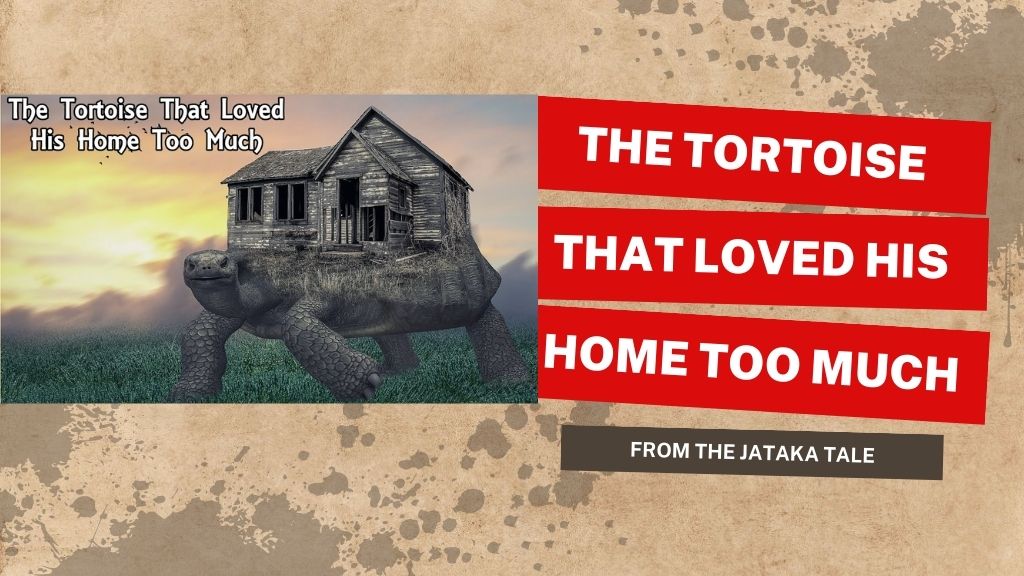
When the fish and tortoises knew that drought would encroach upon them, they swam to the adjoining river from the lake where they lived at a time when the water was still abundant. There was one tortoise, however, who was so stubborn to remain in his “home”, the lake, that it ended up dying under the unwitting stroke of Bodhisattva’s spade. The tale portrays how the tortoise clung so desperately to his possession that he ended up losing everything in the end. It is a tale that advises one to be wise and leave for the place where there will be life and eventual spiritual fulfillment instead of clinging to ignorant comfort.

“A Tale of Three Fish”, from the Panchatantra 

"A Tale of Three Fish", from the Panchatantra 

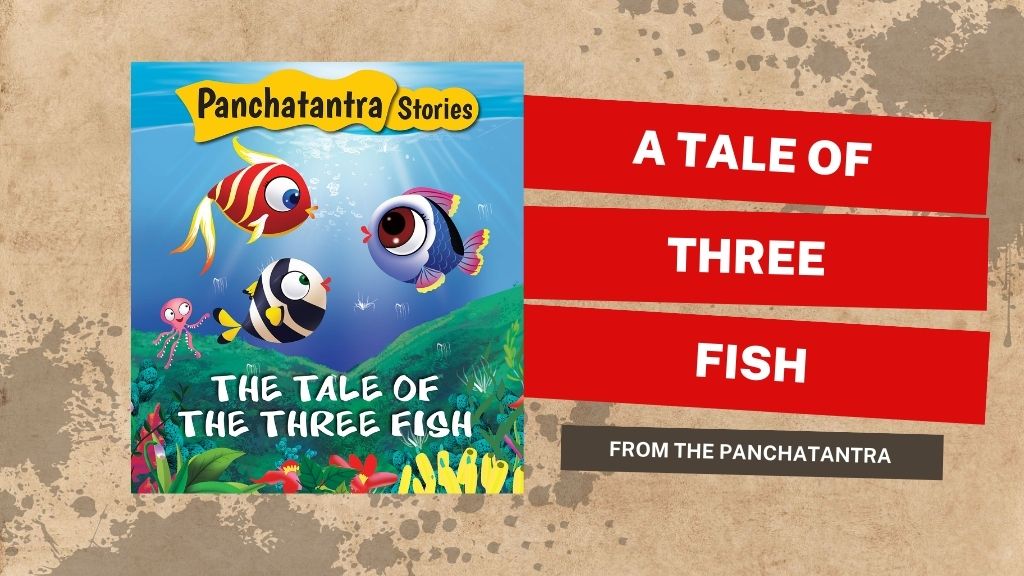
This is a story that portrays the importance of adapting according to change. Each of the titular fish is portrayed in a different shade of characterization. The first fish is intelligent, the second is resourceful, while the third is adamant. When they learn that the fishermen will arrive the next day, the first fish swims out of the lake. The second fish stays, but its confidence helps it escape capture. The third one, however, is so obstinate in going with the flow that even after it was caught, it did nothing to escape death. Thus, it is imperative for survival that one is quick on one foot and strong-willed to confront dire circumstances.

“Tenali Raman’s Dream”

"Tenali Raman's Dream"

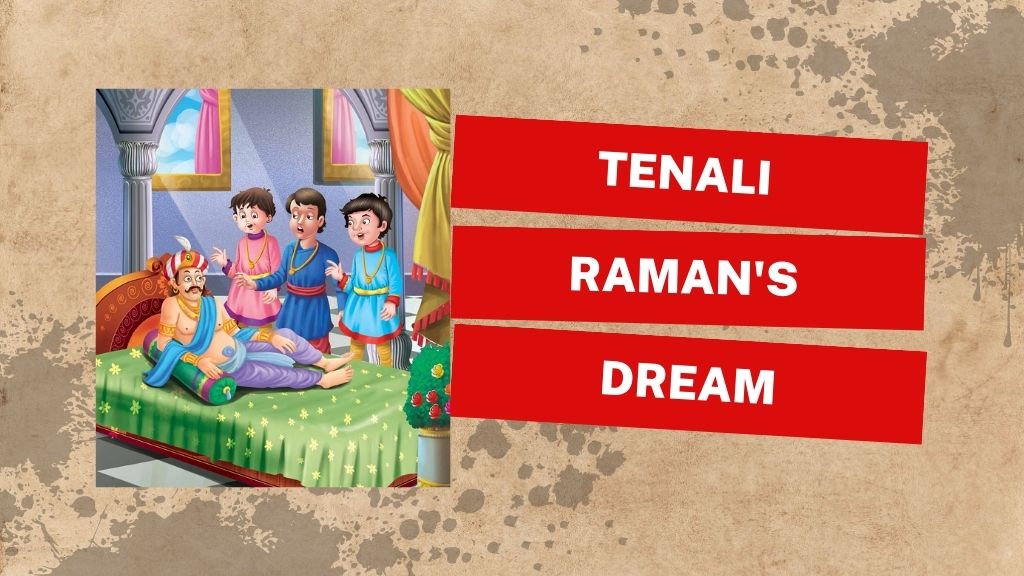
Historically, Tenali Raman was a poet in the court of the 16th monarch Krishnadewaraya of the Vijayanagar Empire of southern India. He is known through these folktales for his quick wit and cleverness. This story explores the time when the king decided to jest with Raman in the court by narrating a dream. In the dream, the king saw himself jumping into a pit of honey while Raman tumbled into another pit of the cesspool. The next morning at the court, Raman narrated his peculiar dream that continued the king’s tale. Both of them had managed to escape out of the pits, but because of their filthy state, Raman decided that they should help each other clean up by licking off. While Raman got the honey, the king was faced with the waste from the cesspool. 

“The Timid Hare and the Flight of the Beasts”, from the Jataka Tales

"The Timid Hare and the Flight of the Beasts", from the Jataka Tales

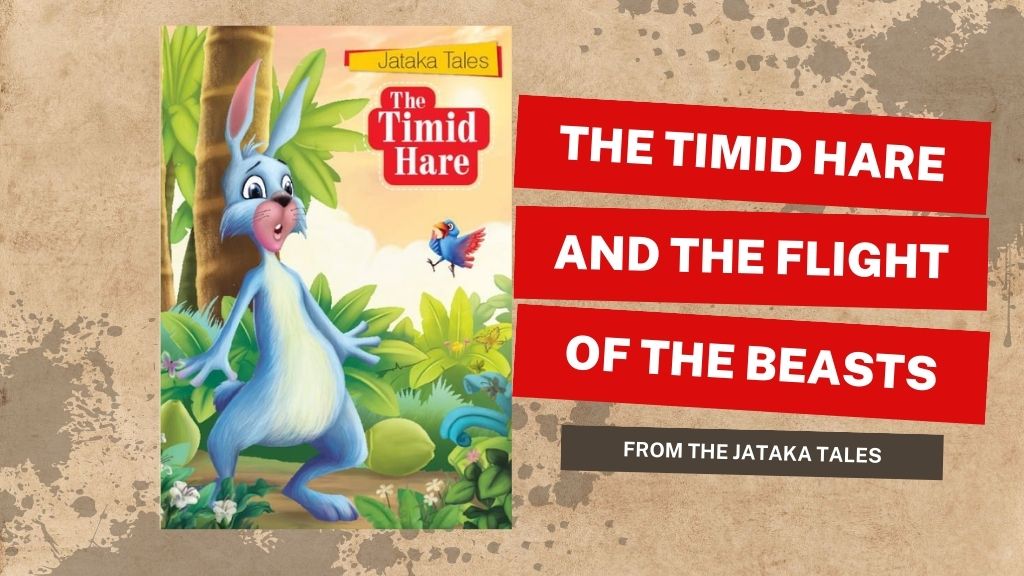
The tale is set during a time when the Bodhisattva was living in the woods, having transformed himself into a lion. It explores how he saved the other animals who were impulsively driven to distress because of one hare’s foolish assumption that the earth was collapsing. The tale admonishes herd mentality as well as the detrimental consequences of jumping to conclusions. Before making a decision, one should always thoroughly regard and examine the situation. 

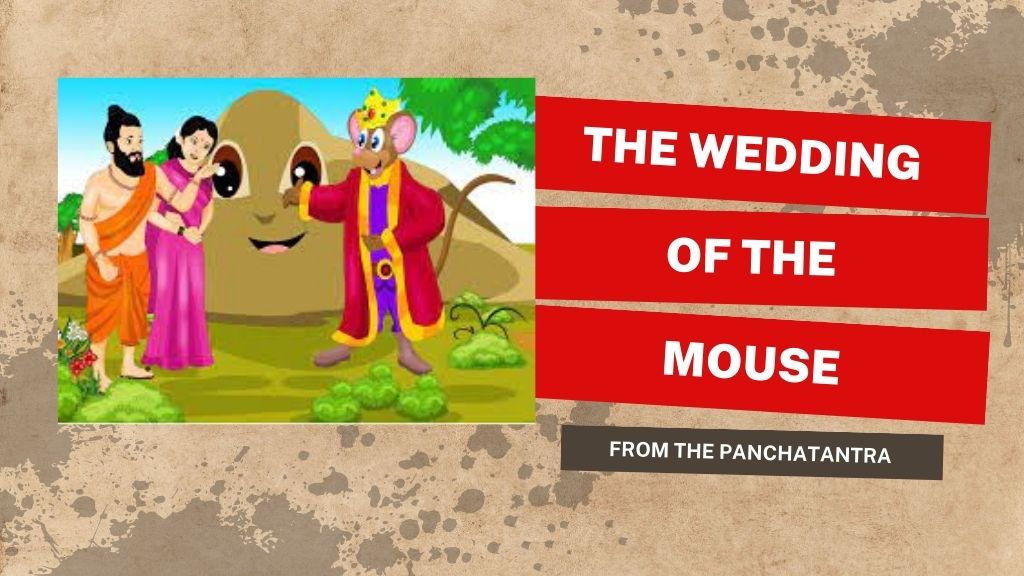
“The Wedding of the Mouse”, from the Panchatantra 

"The Wedding of the Mouse", from the Panchatantra 

When a mouse fell from a falcon’s beak, a sage hermit decided to turn her into a little human girl and took her in as his child. The time of her marriage came, and the hermit summoned the powerful Sun to be her suitor. The daughter refused because the Sun was too bright. The hermit then called upon the Cloud, but the daughter found him to be black and cold. Stronger forces like the Wind and the Mountain were called upon, but the daughter refused them all because none was at par with her. Finally, when the hermit summoned another mouse, the daughter realized how the animal was of her kind. The hermit transformed her back to a mouse so that they could marry. This tale from the Panchatantra depicts how power and grandeur do not ensure fulfillment. Every being that the hermit summoned for the daughter was glorious, yet too distant for her; except for the mouse, a being of her own kind. 

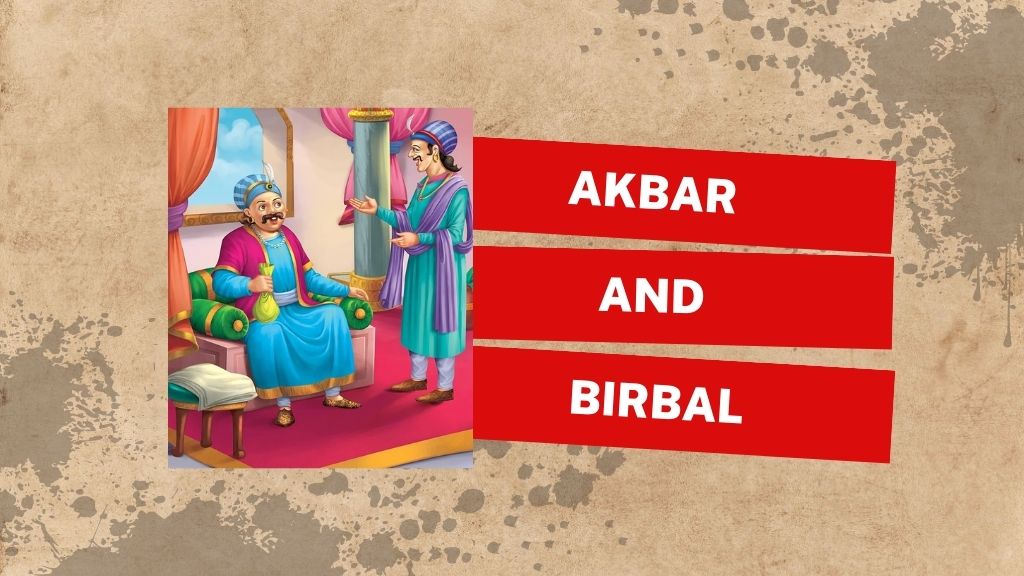
Akbar and Birbal

Akbar and Birbal

Birbal was one of the ‘navratnas’, or the nine jewels, in the court of the Mughal Emperor Akbar. Both the king and his treasured minister were exceptional intellectuals and artists. Through delightful folktales, their clever interactions, repartees and the way Birbal outsmarts jealous courtiers have been preserved all across India. 

One of the most popular of these tales takes place when Akbar drew a line on the ground and asked his ministers to make the line smaller without erasing it. None could solve the puzzle despite racking their brains. However, Birbal stepped in and drew a longer line beside the one Akbar had drawn. In this way, the original line was made shorter. 

Often containing creation myths, folktales are an important means to preserve historical elements. Most of them impart lessons and values that are significant even in the changing political and social landscape of today. Kids should be acquainted with the folktales of India concerning modern times and life.

The Depiction of Animals & Birds in Indian Arts

3

The Depiction of Animals & Birds in Indian Arts
Image Courtesy – Exoticindiaart.com

Content and depiction of art cover a wide range of subjects. From human emotions, festivals, situations to tales and stories, art finds its roots in both the mundane, divine and special activities of life. However, Indian art is also defined by the flora and fauna depictions. Interestingly, whether it is in the form of sculptures, paintings or even architecture, wildlife has always found an important place in Indian arts. 

Fauna as a part of our world

Of course, animals and birds are a part of our world and their existence along with ours is a seamless integration of the dynamics of the physical earth. We see and are often fascinated by wildlife around us and since long; animals and birds have triggered the interest and imagination of humans. This curiosity in understanding animals and birds has manifested itself in artistic forms since ages. Besides, the utility and involvement of wildlife in daily routine and chores also makes them an essential and integral part of human life. The evidence of depicting animals and birds in artistic circles finds presence since the time of the Indus Valley Civilization. Animal motifs have been found on stone figurines, paintings, amulets, engravings etc. The bull, elephant, rhinoceros, monkey, bison, peacock and many more animal figures are found on pots, utensils, sculptures, jewelry etc. 

The-Depiction-of-Animals-&-Birds-in-Indian-Indus-Valley-Civilization-
Indus Valley Civilisation Art – Source

The same can be seen in the arts during the Megalithic Period where animal and bird motifs have been generously used on figurines, metal and terracotta pottery, paintings and even coins. 

In spiritual and religious context

Though animals and birds are a natural inclusion of our surroundings, in Indian culture they often carry a deeper symbolic meaning. Where on one hand, the animals and birds have been used in arts and sculptures purely on their merit as physical forms or utilitarian value; on the other hand, they are also delved with divine or spiritual contexts. 

The-Depiction-of-Animals-&-Birds-in-Indian-Lord-Vishnu
Image – Pixabay

Hindu mythology for example, lays huge significance on the allegory of animals. The first incarnations of Lord Vishnu are the creation of a fish, tortoise, boar and half human-half lion. Almost all deities have an animal or bird that accompanies them and is depicted on their idols or in temples. And hence, the importance and significance of animals and birds rises above their natural existence into the realm of the spiritual. The architecture of almost all temples in India incorporates the usage of animals and birds in their designs and styles. 

The-Depiction-of-Animals-&-Birds-in-Buddhism
Image – Pixabay

Similarly, Buddhist and Jains also have their own understanding and faith in animals that is depicted in the architecture and arts of their beliefs. For example, in Buddhism animals such as the horse, peacock and elephant represent the different traits one needs to reach enlightenment. Jains are staunch advocates of how nature and animals play a pivotal role in human peace and this belief finds expression also in their architecture and arts. Animals are also worshiped in this country; hence their merit in spiritual arts is undoubtedly significant. 

Composite Animals in Indian arts

The-Depiction-of-Animals-&-Birds-in-Indian-Arts-hoysala
Hoysala – Priyadarshi Chaudhuri via Flickr

Composite art refers to images that are made of parts from different beings, such as humans, animals, insects, birds etc. Composite art is prevalent in Indian arts, with composites being made by clubbing human figures, animals, demons etc. Composite art was most popular during the Mughal era. The idea of composite art is the imagination of the artist who is trying to say much more and convey a deeper meaning through his art. The composite animals cease to be seen as mere physical forms. Each symbolizes a thought or idea that influences the emotion and nature of man.

The-Depiction-of-Animals-&-Birds-in-Indian Mughal Art
Mughal Art – Asian Curator Via Flickr

Fauna in Literature

The importance of animals is not only seen in Indian arts of sculptures, paintings, architecture or design. They also seep into its literary treasures. Here again, animals are woven into stories and take almost human form in terms of emotions and intellect. References to animal allegories are found in the Vedas and Arthshastra. But most popularly, it is also found in the tales of Jatakas and Panchatantras. 

The-Depiction-of-Animals-&-Birds-in-Indian-Literature-
18th century Panchatantra Manuscript – Wikimedia

Finally, the incorporation of fauna in our arts is so natural and seamless that very often we tend to overlook or underestimate its significance. The depiction of animals and birds ranges across a wide spectrum in Indian arts. They are present in their most natural raw forms, as well as, as divine symbols and worshipped forms from various religious beliefs. They are also allegories that represent philosophies and emotions, at the same time they are also depictions of right vs wrong or good vs evil. They serve the aesthetic purpose of beauty of all things natural or the aggression of the survival of the fittest in arts. They also serve as learning means to concretize emotions, philosophies and tenants. And then again, their depiction in the arts in temples and religious sites, exalts them to spiritual significance.

5 Ways Artificial Intelligence Can Impact Culture & Arts

0

Ways Artificial Intelligence Can Impact Culture & Arts-01
Photo by Brett Sayles

Art is a creative expression that has kindled the imagination of mankind for thousands of years. Whether it be paintings, music, sculpting, dance or photography, art has evolved and adapted, as well as, reflected the times in which it was created. However, in today’s modern age, artificial intelligence or AI has started to play an important role in all aspects and fields of life. Artificial intelligence in culture is a reality, though its impact and influence are debatable. 

Artificial Intelligence in Culture

With artificial intelligence in art, artistic creations can be created and improved by a click of a button. Anyone can create a piece of art using AI tools and software, irrespective of their artistic inclinations, skill or education. Hence, there are different schools of thoughts that view the intervention of AI into the field of culture and arts differently. Critics believe that AI will in fact, negatively impact the arts. They argue that it will become easier to create a piece of art, increasing the risk of the art being devoid of human soul and emotion. On the other hand, some believe that AI can completely replace human artists. However, a large section of society also believes that AI is but a tool that the artists can use to enhance their art. 

No matter what the argument, there is no doubt that AI is impacting the culture and arts. To study artificial intelligence and the influence that it has on various fields, is essential because we need to understand where we stand at the present, and how we as a society can use AI to positively sustain and improve our cultural future.  Even google has voiced about the positive impact of AI on Art and culture on its portal Google Arts & Culture Lab.

Ways in which AI impacts arts and culture

The foremost discussion to hence have, is to figure out how AI is impacting the arts. Only then can one understand the positives and the challenges that technology and AI pose for the cultural heritage and artistic expression of this generation.

So, what are the ways in which AI is impacting the arts? Let’s find out. 

1. Art Is Now for Everyone

One requires inherent talent, as well as, training to master any art form. Be it painting or composing it is believed that it takes years of dedication and hard work to excel. However, with AI the idea that only experts can create worthy pieces of art has been slightly shaken. Now, anyone who has access to particular tools and software can in fact, create art seamlessly. And in much less time when compared to creating it manually. For instance, starryai is a program that allows users to input what they want to draw in text. Using AI the program then generates an image. 

2. Art Lives Longer

We see manuscripts and paintings from years ago preserved with tremendous care, especially in museums all over the world. Yes, many artistic creations risk to perish in course of time. However, using artificial intelligence in culture and arts can help preserve the art for posterity. Once the artistic creation, be it an image, video, musical composition or photograph is stored digitally it survives till the end of the time.

3. Culture & Art Can Improve

Artificial intelligence in culture and arts is also evolving. Just like an artist needs to continuously improve and improvise upon his/her works, AI too needs to be updated to constantly upgrade the quality of the end product. GAN or Generative Adversarial Network is a technology used today that takes image data over a period of time to create an improved version or an image/design that has never been created. Thus, AI too trains itself using tools such as GAN to help create unique images by learning and training from images that are already in existence. 

4. Improves Viewing Experience

Artificial intelligence in culture and arts is not only impacting the artists, but also the viewers. AI can help better the realism in an image or enhance its clarity making it a better viewing experience. Also, interactive installation arts are an exciting way to view and discover different arts and media, such as sculptures, paintings, drawings etc. Many museums across the world are also adopting interactive art installations and digital art spaces to engage audiences. 

5. AI Prejudice

Though there are significant advantages of using artificial intelligence in culture and arts, there are a few drawbacks too. Many experts fear that the AI bias or prejudice may be an unintended influence on the culture and heritage of art. Since AI algorithms are built using existing data, the end result heavily depends on the type of data that has been coded in. This increases the chances of developing racist or derogatory art, as well as, ignoring a section of art. 

To study artificial intelligence has thus become vital for artists and creators of our time. However, artificial intelligence in culture and arts, should be cautiously used as tools to enhance the ideas and creative thinking of the artist. The delicate line where AI overpowers the entire purpose and soul of creative thinking is what society and artists in particular, need to be aware of. Artists, whether painters, photographers, sculptors, musicians, performers etc. must have a valid justification in using AI in their creative fields. And only then, can humans and AI collaborate together to create magic.

Top-Rated Mother’s Day Gifts That Will Blow Her Mind!

1

Mother's Day Gifts

This article will surely help you if you, like many other people, are having trouble deciding on the best possible Mother’s Day gift. We’ll help you choose the perfect present for your loving Mother this year by providing a wide range of Mother’s Day Gift Ideas. What follows is a list of the top Mother’s Day presents you can buy right now. A youngster views their mother as unique. She is the one who will give birth to a child and raise her with all her love and attention. A mother’s unconditional love and unwavering support are unrivalled in any circumstance. This Mother’s Day, show your appreciation for the extraordinary love your mother showed you by greeting her in a unique way. When it comes to what you can get your mom on Mother’s Day, the choices are plentiful. Make her feel special and blessed by bringing her something she can’t get anywhere else instead of the typical Mother’s Day present. Don’t worry, we’ve got you covered with a handful of inspiring Mother’s Day gift ideas that will help you on your way to making this year’s Mother’s Day the most memorable one ever for Mom. The best Mother’s Day gifts suggestions are listed here.

Cosmetic Hamper

Those who have discovered their mother’s passion for enhancing her appearance with various cosmetic items would do well to consider a cosmetic hamper as a gift. Finding a cosmetics basket is not a challenging task at all. But internet gifting businesses have a wider selection of these kinds of things. You can even make preparations to personalise a cosmetic hamper by including all the cosmetic items your mother enjoys using. Giving her a cosmetics basket would be a thoughtful and fun gift.

Jewellery

For a truly memorable Mother’s Day greeting, jewellery is a terrific choice. Your mother, like any other lady, would appreciate a piece of jewellery presented in an elegant jewellery box for Mother’s Day. Bring your mom a gift of your affection in the form of jewellery, and she will treasure it forever. This is true whether you choose to give her bangles, a necklace, a kadha, earrings, a ring, or a bracelet.

Flowers and Chocolate Hampers

On this Mother’s Day, if you really want to show your mom how much you care, you could give her a big box of chocolates and a beautiful bouquet of flowers. Adding that little something extra to make your mom feel special is something she would undoubtedly appreciate.

Personalized Coffee Mug

One of the most well-liked presents these days is a personalised mug for a special mother in your life. Just have a picture of you and your mum, together with a touching quote for Mother’s Day, printed. Your mother will be overjoyed to receive this thoughtful gift of a customised mug.

An idol of God

A god or goddess idol is the perfect present if your mother is deeply religious and wants to spend more time praying and worshipping. Just give her the god statue she most enjoys bowing down to. There’s no question in my mind that this Mother’s Day present would be the most appreciated of all others.

Spa Kit

Your mother’s devotion and care for you were unparalleled. Now is the time to show her how much you care by giving her a spa set that will make her skin glow and her heart sing. Moreover, every woman has an inherent desire to be attractive. Thus, if you want to make her happy and make her feel special and attractive, a spa kit is a great gift idea.

Saree

For every Indian mother, that gift is the one they will cherish and use the most. Each and every woman shares a common desire to feel and look stunning while draped in a saree. This is one of the best Mother’s Day gifts you can offer your mom to make her happy and lift both of your spirits.

Personalized Cushion

Give your mum a lift on Mother’s Day with a personalised cushion that will have her beaming with joy over the fact that you put in so much effort to find something unique just for her. Have a cushion made up with images of you and your mum and give it to her as a surprise. She’ll absolutely adore it.

There are many additional alternatives available to you if you’re looking to surprise your Mom on Mother’s Day. Get more of these goods and don’t forget to send mothers day cake, you can buy them immediately by going online.

How to Collaborate and Network with Peers in College Learning

0

Collaborate and Network with Peers in College Learning
Photo by Ivan Samkov:

Social skills are vital in learning institutions. You cannot be a pro in everything; therefore, here and there, you’ll need help from your peers. Knowing how to communicate effectively, relate with others, and maintain healthy relationships is important. Thus, it will help if you are productively collaborative and networking with your peers.

Collaborating and networking with peers are crucial components of college learning. As a student, you can work with individuals from diverse backgrounds and skill sets, enhancing your knowledge, creativity, and problem-solving abilities. Besides working together, students can learn from each other, share ideas, and build a strong support community. An introvert or an extrovert, there are several ways to connect with your peers and make the most of your college education. Let’s take a glance at ways learners can collaborate and network:

Take part in group projects

You’re in big trouble if you don’t like working with others. Some college assignments are mandatory to be done in groups. Group projects provide an excellent opportunity to collaborate with peers. You have different strengths and weaknesses, thus, the need to work together with others. You’ll have varying opinions and more reasons to collaborate in group assignments. So, when working in groups, contribute actively and communicate effectively with your team members. This can help you learn more and stay focused. Try to avoid neglecting your responsibilities, as this can cause resentment and undermine the effectiveness of the group.

Therefore, to encourage collaboration and achieve more, set goals and expectations for your group and ensure everyone understands their roles and responsibilities. This ensures every member is valued, creating a sense of belonging. You can also schedule regular meetings to monitor progress and address any challenges that may arise.

Join a club and attend meetings and events

There is no learning institution without clubs and organizations. You can review all the available social groups and know which share similar values and interests. Besides, campus clubs and organizations offer a great way to connect with peers and share ideas. Attend club meetings and events regularly to network and learn from others, as you might get project breakthroughs through these gatherings. You can also join online forums and groups related to your field of study to connect with like-minded individuals across the globe, like Homeworkdoer.org.  

Therefore, be friendly and open-minded when attending meetings or events, and introduce yourself to others. Ask relevant questions, participate in discussions, and share your ideas and experiences with a respectful tone. Remember, when joining clubs and organizations, you aim to learn more and improve your performance; thus, this site can help ease your studies.

Join study groups

Study groups are important, but if all you do is learn. If all you do in a study group is discuss things unrelated to what you’re supposed to learn, you’re wasting your time. An influential study group can help you collaborate on coursework and exam preparation with peers. They provide a structured environment to discuss challenging concepts, share notes, and review material. By working together, you can help each other stay motivated and on track with your studies. In that case, ensure you have a study routine and set goals that you follow to help with time management, organization, and focus.

So, when joining a study group, ensure you’re fully committed and ready to attend and contribute to the group’s goals. Respect others’ time and opinions, and offer constructive feedback and support. Besides, group study is not for you if you think you’re better than others.

Volunteer for campus events

Now and then, there are college-organized events, and students are allowed to participate. Don’t let such opportunities bypass you. Volunteering for campus events allows you to network with peers, faculty, and staff while giving back to your college community. Besides, you can develop new skills and acquire valuable experience to enhance your resume.

So, take the initiative of checking with your college’s student affairs or career services department, or browse online job boards and volunteer websites to get a chance to exercise your knowledge and skills.

Attend networking events and career fairs

Don’t be ignorant. If you’re not putting yourself out there, job opportunities will never present themselves. Networking events and career fairs provide an excellent opportunity to connect with potential employers and learn about the job market in your field. Also, you’ll meet new people with who you can build relationships, which can be instrumental in helping you in your career. Therefore, attend these events with a clear goal, such as meeting specific recruiters or learning about a particular industry or company.

So, before attending these events, research the companies or speakers who will be present, prepare a list of questions or talking points, and showcase your skills where necessary. Dress accordingly and bring copies of your resume.

Collaborating and networking with peers can help you learn to appreciate others as you discover new things. This is a priceless opportunity to learn how to relate with others, develop practical communication skills, and make friends. Remember to be genuine, authentic, and respectful in all your interactions, and you will be well on your way to building a successful career and a fulfilling life.

Mata ni Pachedi – An Artistic Fight Against Prohibitions

0

Gujarat is known for its rich history, beautiful beaches and its vibrant and diverse cultural heritage, which is reflected in its art forms. Gujarati art is a fascinating amalgamation of various styles and techniques, ranging from folk to contemporary art styles. The world of Gujarati art consists of a plethora of different styles of art – from the delicate and intricate Rogan art made with thickened castor oil to the simple but beautiful Mata ni Pachedi, portraying mythology and years of tradition on simple cloth, Gujarati art is a juggernaut that consists of vastly diverse art styles. One such art style is Mata ni Pachedi, a traditional Gujarati art style that has its origins amongst the nomadic tribe of the Vagharis, on the banks of the Sabarmati. The story of the origin of this art form is a simple but powerful tale of devotion and resilience. 

History and Origins of Mata ni Pachedi

History and Origins of Mata ni Pachedi
Image Source

According to legend, the Vagharis, being nomadic tribes, were not allowed to enter temples and offer their prayers to the deities. Instead of knuckling under these restrictions, the people of the tribe found an ingenious way around them- they began to paint the mother goddesses in shrines on cloth and hang it up- and this would be their own altar, their own temple. This would also make it simple to bring down and fold, ensuring they weren’t caught offering their respects to the mother goddesses. Sometimes, multiple paintings would be hung up in sequence to simulate something that greatly resembled an actual temple. Thus began the tradition of making Mata ni Pachedi, translated to ‘behind the mother goddess’ amongst the tribe.

Themes and Style of Mata ni Pachedi

Themes and Style of Mata ni Pachedi
Image Source

To simulate the intricate beauty of the temples and goddesses, the paintings must also be similarly intricate, and hence, the process of making these paintings is not an easy task. Mata ni Pachedi is an intricate art form- resembling the interiors of a temple exactly. The paintings consist of a central altar with the main goddess, which is surrounded by other subordinate and ancillary deities. The ‘walls’ of the temples depict natural and divine themes, resembling temple wall sculptures. Mata ni Pachedi has a distinct style – the paintings are traditionally coloured only in red and black. The process of making the Mata ni Pachedi painting is long and painstaking, both in terms of the preparation procedures and of the procedure of painting itself. 

Process of Mata ni Pachedi

Mata ni Pachedi process
Image Source

The process starts when members of the artists’ community begin to prepare the cloth (starting at 4×4 metres), which is typically made of cotton. The cloth is soaked for a long time, and then washed, to destarch and clean it thoroughly. Then, the cloth is treated with a water – based solution of Harda. Then, the process of painting begins. There are two ways to make the outlines for the paintings – which are always done in black. This can be done using a bamboo pen freehand, or using wooden blocks for printing the intricate motifs on the cloth. Both methods were practised traditionally, but the freehand method is more difficult and requires a lot of skill. 

Once the outline is finished, the colour is filled in- traditionally red. However, a solution of alum and tamarind seed powder mixed with a temporary yellow dye is painted on the cloth first, using bamboo brushes- this ‘paint’ will only become red when the cloth is treated with alizarin solution with Dhawda flowers in it as well. The yellow dye is mixed in to keep the solution visible- so that it doesn’t cross outlines. Then, the painting is washed and dried by the artists to remove any excess dye. After this, the cloth is treated in a solution using alizarin as a mordant, to fix and seal the dye. The yellow colour magically transforms to a deep, gorgeous red as it boils in the crimson solution. This visually spectacular transformation exhibits the profound knowledge of chemistry the ancients had. 

Recognition for Mata ni Pachedi

Mata ni Pachedi- recognition
Image Source

Mata ni Pachedi has gotten some recognition in the recent past- having been awarded a GI tag in 2023. Besides this, Prime Minister Narendra Modi presented Mata ni Pachedi as a present during the G20 summit in 2022, popularising the art in the media and India for a short while. However, this still has not changed a lot for the artists. 

Present State of Mata ni Pachedi

Mata ni Pachedi-Present state
Image Source

Today, like many other traditional art forms,  the tradition of Mata ni Pachedi is fighting to stay alive, with the decline of interest in traditional arts and crafts. Since few are now interested in buying traditional artforms, especially large and elaborate ones like Mata ni Pachedi, the artists have had to evolve to the demands of the modern market. The artists have tried to stay as close to the traditional art as possible, but some of them have now introduced more colours to make them more attractive to the modern buyer. The artists have also diversified to creating similar works on a smaller size or with uses in daily life. For example, the artists have now begun to create smaller versions of the original art, to be displayed as wall art. Since the pandemic, they have also begun making reusable masks with Mata ni Pachedi on them, and they have gradually expanded to textiles as well. While this is a good step on their part, it is unfortunate that they had to resort to such methods to keep this art alive.

Takeaway

Mata ni Pachedi is a beautiful art form, representing centuries of tradition of artistry passed down from generations. It also symbolises dissent against oppression and restrictions, and of devotion. The values it stands for, the long standing tradition of artistry and its sheer beauty make the art form worth preserving in this age of industrialisation and globalisation. It is high time we realise the value of such ancient arts and make efforts to preserve them.

Godna Paintings – Chhattisgarh’s Traditional Art by Women

0

Chhattisgarh is known for its lush natural beauty and its iron and steel industries. However, Chhattisgarh has a rich cultural heritage and vibrant folk art forms too, which deserve much more attention than is given to them. The state is home to a diverse range of tribes and communities, each with its unique artistic traditions. From colourful folk paintings and intricate crafts to mesmerising dance forms and soulful music, Chhattisgarh has a lot to offer for enthusiasts of the fine arts and crafts. The Godna paintings are one such unique art. 

History of Godna Painting

Godna painting-History
Image Source

Godna paintings are a traditional form of indigenous art that originated in the state of Chhattisgarh and some regions of Bihar from the tattooing tradition of the Gond, Dusadh and Oraon tribes amongst many tribes.The name of Godna paintings was derived from the Hindi word ‘Godna’, which means ‘to tattoo’ or ‘to prick’. These paintings are deeply rooted in the cultural and spiritual beliefs of the indigenous tribes of the region and have been practised for centuries, the difference being that the original medium was skin. The tattoos were traditionally done by women, and were supposed to have healing powers. Some tribespeople also believe in the divinity of tattoos because this is the only ornament or decoration that remains with them- even after death. Besides these beliefs, they were also done to commemorate important events in the lives of women, like the attainment of puberty and weddings.

The Godna paintings are a unique art, not just because of their style, but because of the fact that the bulk of the community of artists consists of impoverished rural tribal women whose means of independence is this art of tattooing. In the 1970s, a German anthropologist named Erika Hoser visited a Dusadh village and inspired the woman to transfer their art of tattooing to create a new art- Godna painting. This is the origin of the Godna paintings that are made today, on paper or canvas. 

Themes, Style and Process of Godna Painting

Godna painting-Themes, style and process
Image Source

The tattoos are beautiful with geometric patterns and designs, and are made with traditional black ink and sharpened bamboo reeds or thorns. The themes and styles of the paintings encompass the same as that of the Godna tattoos, but, instead of just the black colour that was used for the tattoos, the Godna women also use paints of multiple colours to beautify the art. They have also included other themes to appeal to all sorts of people- from the famous tree of life to paintings of Hindu Gods and Goddesses, and depictions of the daily life and celebrations of the tribe.

The components of the original Godna art- the tattoo ink- the ink is made of cow bile, soot, herbs, and pig fat or of vegetable juices, oil, and soot. The skin is first perforated or wounded slightly with a sharpened reed or a thorn, and ink is then drawn on it. The paintings are made with similar ink and similar instruments, but they are instead made on paper or canvas, and are coloured in with paints made of natural dyes.The paints are made of natural elements like vegetables, barks, soot, and roots. The outline is applied with a similar bamboo reed, and the paint is filled in with brushes made of bamboo. The paintings consist of intricate geometric patterns or scenes of celebration, and community life of the tribes. They take anywhere from a day to a few days to finish, depending on the intricacy.

Current state of Godna Painting

Godna painting-Current state
Image Source

Godna art is a relatively young art form, when compared to the more established art forms like the Madhubani and Mithila forms of art. While the art comes at a time when interest in traditional arts and crafts is declining, this is also a time of increasing awareness regarding the indigenous crafts of our country. Godna paintings were made to adapt to the nature of the modern day, when there is an increase in interest in handmade display art amongst niche audiences. 

Future of Godna Painting

Godna painting-Future
Image Source

The future of Godna art looks bright. There is an increase in interest in it amongst tribal women, for it provides an avenue for financial stability, independence and freedom from oppression and poverty. There is an increasing number of tribal welfare and women’s welfare organisations that are looking to preserve and propagate this art form- and they have succeeded. From the single village of Jitwarpur that originally took part in the practise of making Godna paintings after Erika Hoser’s visit the art has now spread all over Chhattisgarh and some regions of Bihar. They are also finding ways to make Godna art more lucrative- expanding the media for making Godna paintings from paper and canvas to textiles, including all sorts of clothing from sarees to handkerchiefs. 

Takeaway

It is the indigenous arts and crafts of our country and region that make us unique, in this age of increasing modernisation. The traditional arts of our country represent centuries of history and cultural developments, and the communities of artisans who are working on these ancient arts and crafts till this day, are worth supporting. An art like Godna, especially, is worth cherishing and saving, for it supports and represents thousands of tribal women whose source of income and strength is their art. It represents not only history and culture, but the resilience of the tribes and women of India, who have managed to break the shackles of poverty and oppression and gain financial independence through this art form.