Language of Metal: Explore Asurvedh’s Solo Sculpture Exhibition at Triveni Gallery, New Delhi

0

Language of Metal-by Artist-Asurvedh-01

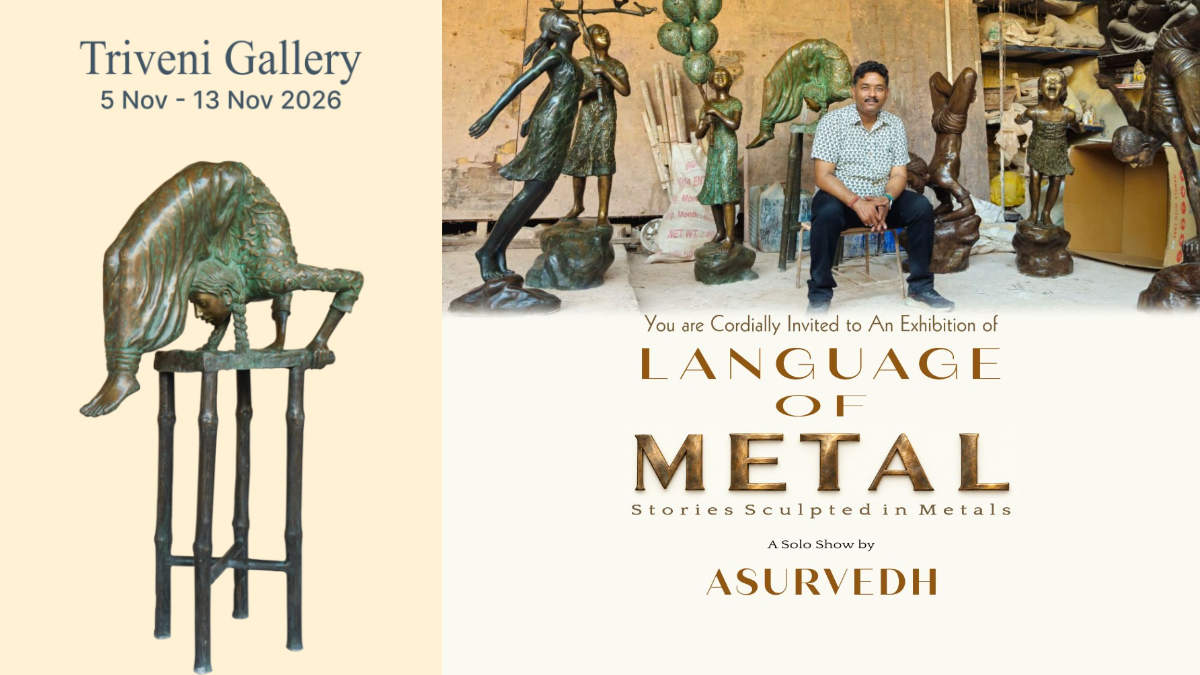
Artist Asurvedh will present Language of Metal: Stories Sculpted in Metals, a solo sculpture exhibition at Triveni Gallery, Mandi House, New Delhi. Opening on November 5, 2026, the exhibition will bring together a collection of metal sculptures exploring the expressive possibilities of metal as an artistic medium. It will remain open to visitors until November 13, 2026.

The exhibition will be inaugurated at 5:30 PM on November 5.

Exploring Metal as an Artistic Medium

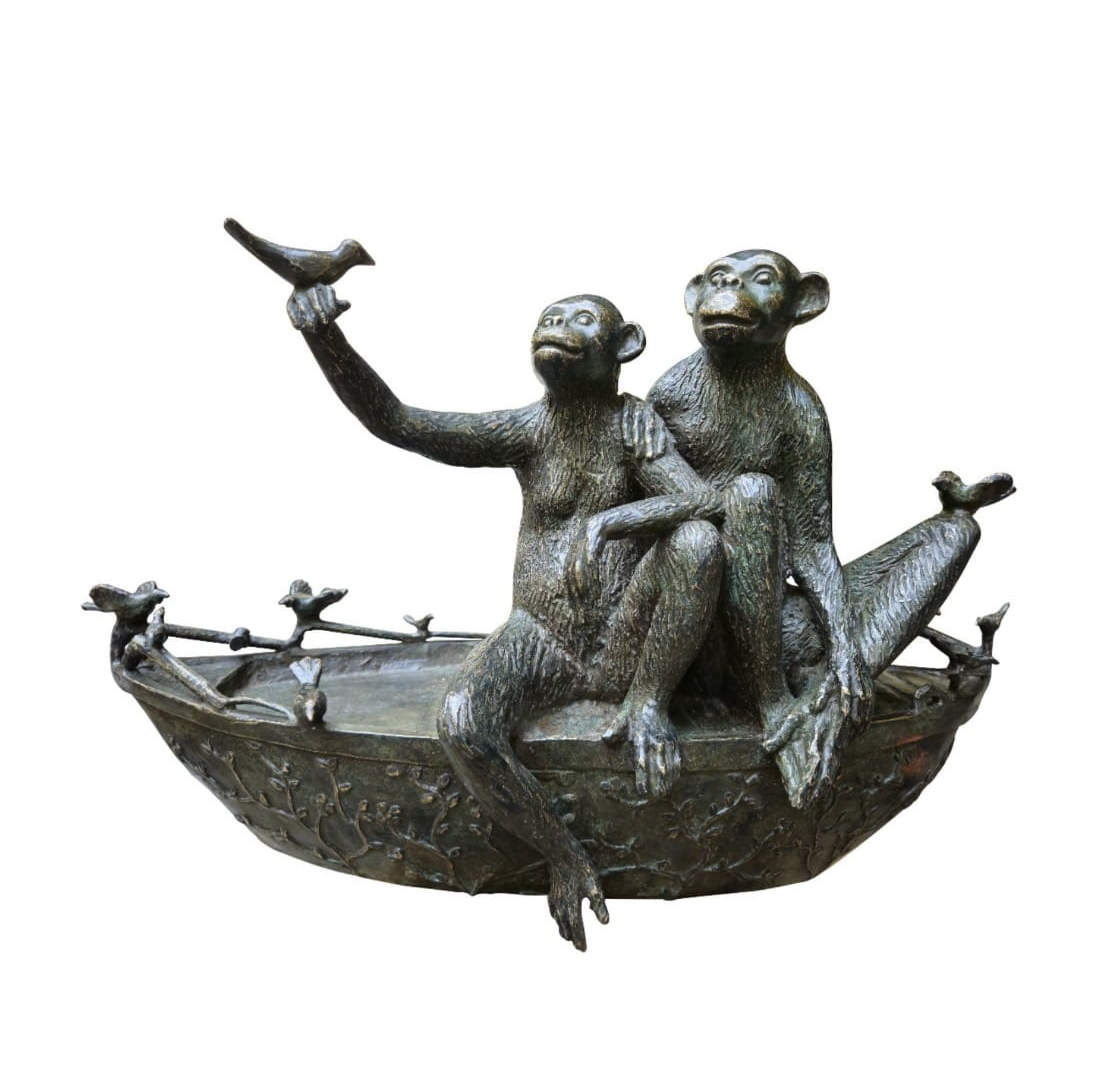
Metal work-by Artist-Asurvedh

Titled Language of Metal, the exhibition examines how a material commonly associated with strength, solidity and permanence can communicate emotion, movement and meaning.

Through his sculptures, Asurvedh explores the relationship between material, form and storytelling. The artworks transform metal into visual narratives, encouraging viewers to look beyond its physical characteristics and consider its potential for artistic expression.

The exhibition brings attention to the ways sculptural forms can communicate ideas and interpretations through the manipulation of materials.

Inauguration and Guests

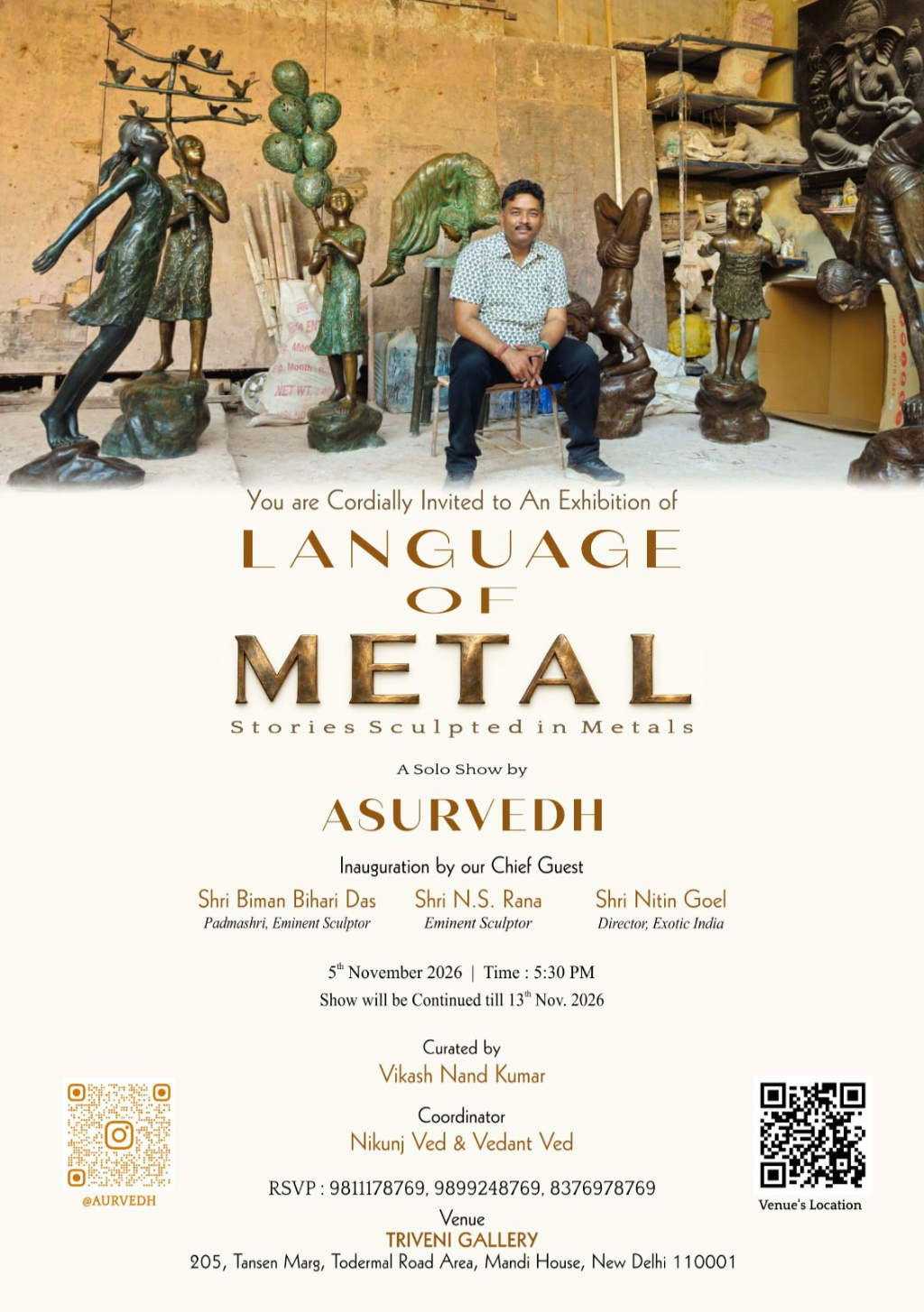
The exhibition will be inaugurated in the presence of three distinguished personalities from the art world:

  • Shri Biman Bihari Das, Padma Shri awardee and eminent sculptor
  • Shri N. S. Rana, eminent sculptor
  • Shri Nitin Goel, Director of Exotic India

Their presence will mark the opening of the exhibition at Triveni Gallery.

Language of Metal-by Artist-Asurvedh-Invite

Curatorial and Coordination Team

The exhibition is curated by Vikash Nand Kumar, with Nikunj Ved and Vedant Ved serving as coordinators.

The team brings together the artistic vision and organisational direction of the exhibition, presenting Asurvedh’s exploration of metal through a focused sculptural display.

Visiting the Exhibition

Event Details
Name Language of Metal: Stories Sculpted in Metals
Artist Asurvedh
Venue Triveni Gallery, 205, Tansen Marg, Todermal Road Area, Mandi House, New Delhi
Dates November 5–13, 2026
Inauguration November 5, 2026, at 5:30 PM
Curator Vikash Nand Kumar
Coordinators Nikunj Ved and Vedant Ved

Takeaway

Language of Metal: Stories Sculpted in Metals brings attention to the expressive possibilities of metal in contemporary sculpture. Through Asurvedh’s works, the exhibition examines how material and form can communicate stories, ideas and emotions. The exhibition will be open to visitors at Triveni Gallery, New Delhi, until November 13, 2026.

E3 – Ephemeral Echoes of the Earth Brings Six Women Artists Together at Bikaner House, Delhi

0

E3 – Ephemeral Echoes of the Earth-01

New Delhi will host E3 – Ephemeral Echoes of the Earth, a group exhibition bringing together six women artists to examine the relationship between art, nature and the environment. Curated by Georgina Maddox, the exhibition will take place at Kalamkar Gallery, Bikaner House, from 21 to 24 November 2026, with a preview scheduled for 20 November. Through different artistic approaches, the exhibition considers ecological fragility, conservation and regeneration, encouraging audiences to reflect on humanity’s changing relationship with the natural world.

An Exhibition Exploring the Fragility of Nature

At the centre of E3 – Ephemeral Echoes of the Earth is the understanding that the planet’s natural resources are finite. Forests, rivers, minerals and other resources have developed over extensive periods, yet their consumption continues at a pace that places pressure on the environment. The exhibition considers how human intervention, industrialisation and the pursuit of natural resources have contributed to the growing separation between people and the ecosystems they depend on.

Rather than presenting nature simply as a landscape or visual subject, the exhibition approaches it as a source of memory, metaphor, material and living presence. Its central theme examines the relationship between human activity and the environment, asking viewers to reconsider ideas of ownership, control and coexistence. The works collectively explore how artistic expression can encourage greater awareness of environmental concerns.

Six Women Artists Present Different Perspectives

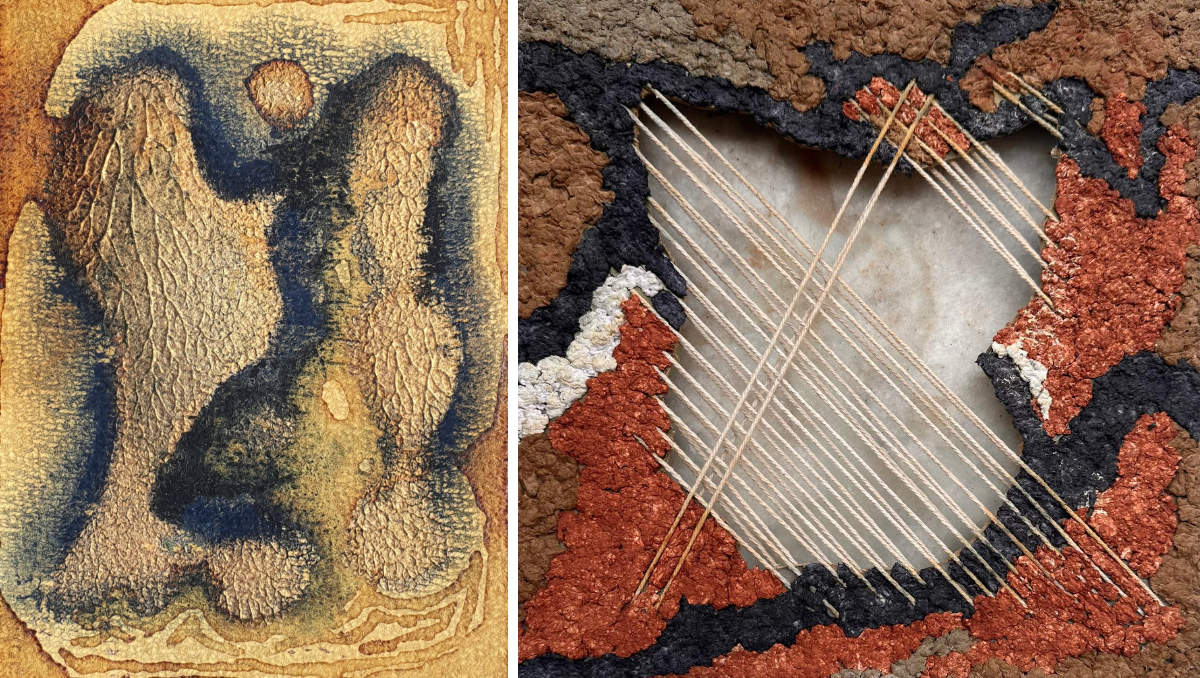
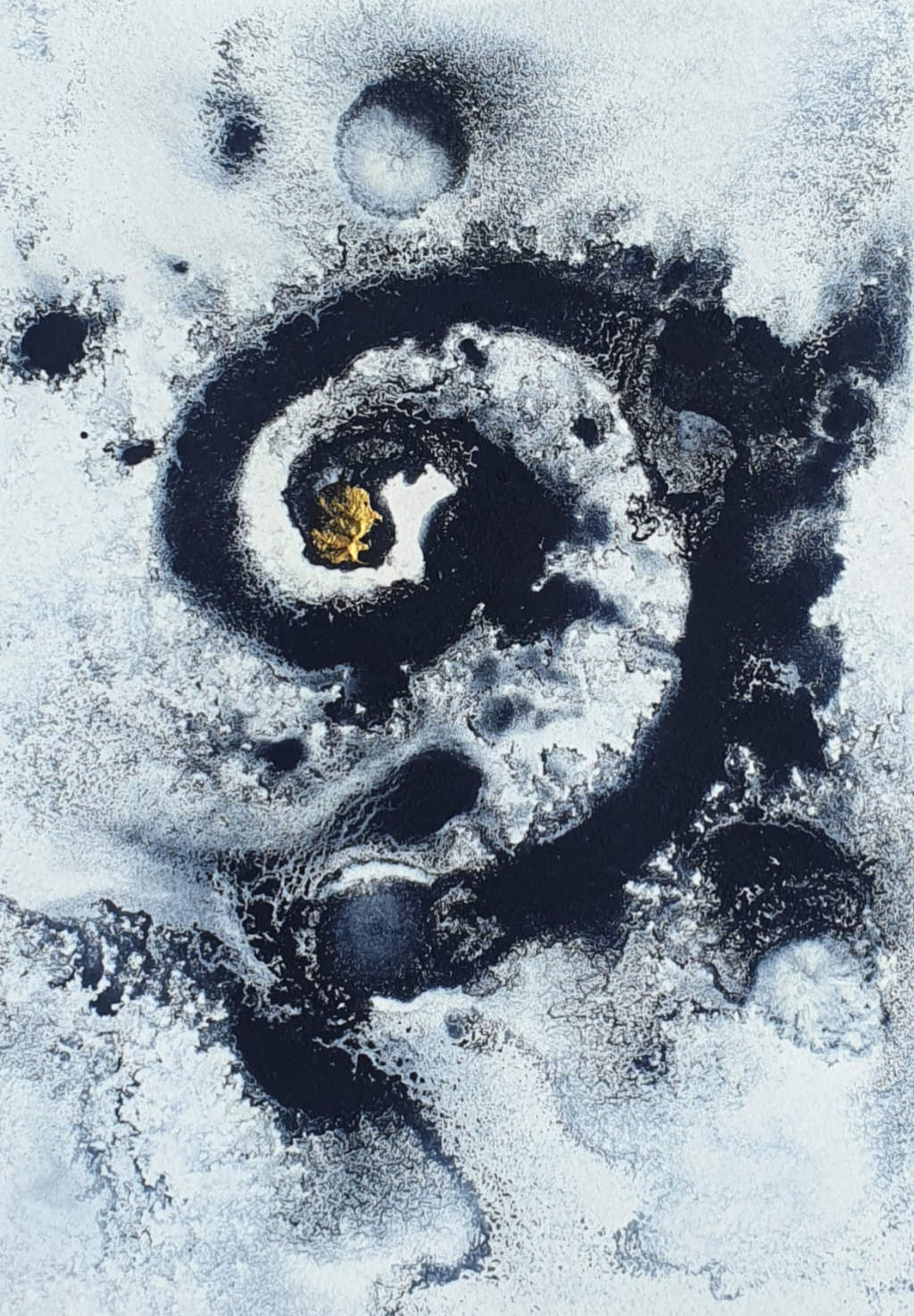
4X6 INCH-ACRYLIC & INDIGO

The exhibition features six artists: Anika Jain, Jasmeet Khurana, Kanika Raj Singh, Pooja Hada, Poonam Bevli Sahi and Suparna Arora. Their participation brings together different artistic perspectives around the themes of nature, conservation and regeneration.

The exhibition also considers the relationship between nature and nurture, with the artists examining the possibilities of observing, preserving and reconnecting with the natural world.

The participating artists approach the subject through distinct creative practices, allowing the exhibition to develop a conversation around environmental responsibility without limiting itself to a single visual language. Their works encourage audiences to consider nature as something closely connected to everyday human existence rather than an external resource.

Georgina Maddox’s Curatorial Approach

E3 – Ephemeral Echoes of the Earth-03

The exhibition is curated by Georgina Maddox, an independent critic-curator, journalist and visual artist based in New Delhi. With approximately two decades of experience in Indian art and culture, Maddox has worked across art criticism, exhibition curation and cultural writing. Her professional background includes contributions to publications such as The Hindu, The Indian Express and STIRworld, alongside curatorial projects and critical essays on contemporary art.

For E3, Maddox has developed a curatorial framework that brings together six artistic interpretations of the natural environment. The exhibition also includes a special curator’s wall, through which Maddox contributes her own artistic perspective alongside the participating artists.

This addition creates a space for the curator to participate in the exhibition’s visual conversation, extending the presentation beyond the conventional distinction between curatorial interpretation and artistic practice.

Moving Beyond the Idea of Human Dominance

E3 – Ephemeral Echoes of the Earth-02

The exhibition’s conceptual framework addresses the historical tendency to view nature as something to be controlled, transformed and consumed. The development of industrial societies has intensified this relationship, with forests, mountains, rivers and oceans increasingly treated as resources for human use.

E3 does not propose an idealised return to an untouched natural world. Instead, it considers the possibility of developing a more responsible relationship with the environment through awareness and coexistence.

Some of the key themes explored through the exhibition include:

  • Ecological fragility: Understanding the vulnerability of natural ecosystems and the pressures they face.
  • Conservation: Recognising the importance of preserving natural resources and biodiversity.
  • Regeneration: Exploring the possibility of restoring and nurturing the relationship between humans and nature.
  • Nature and memory: Considering the natural world as a source of cultural, emotional and artistic meaning.
  • Human responsibility: Questioning the assumption that nature exists primarily for human consumption.

Venue, Dates and Visitor Information

Event Details
Event Name E3 – Ephemeral Echoes of the Earth
Artists Anika Jain, Jasmeet Khurana, Kanika Raj Singh, Pooja Hada, Poonam Bevli Sahi and Suparna Arora
Curator Georgina Maddox
Exhibition Dates 21–24 November 2026
Venue Kalamkar Gallery, Bikaner House, New Delhi – 110011

Art as a Way of Reconsidering Our Relationship with the Earth

The exhibition places art within a broader conversation about environmental awareness and collective responsibility. While artistic expression cannot directly restore damaged ecosystems or replenish disappearing natural resources, it can influence how people understand and respond to environmental challenges.

Through six artistic practices and a dedicated curator’s wall, E3 invites visitors to reflect on the connections between human life and the natural world. It presents an opportunity to engage with ecological concerns through visual culture while considering the importance of conservation and sustainable relationships with the environment.

By bringing these perspectives together, E3 – Ephemeral Echoes of the Earth seeks to encourage a shift from the idea of nature as a resource to the understanding that humans are part of a larger ecological system. The exhibition offers audiences an opportunity to reflect on what must be protected, remembered and nurtured for future generations.

When Dancers Become Puppets: Shanti Bardhan’s Ramayana

0
When Dancers Become Puppets- Shanti Bardhan’s Ramayana-01
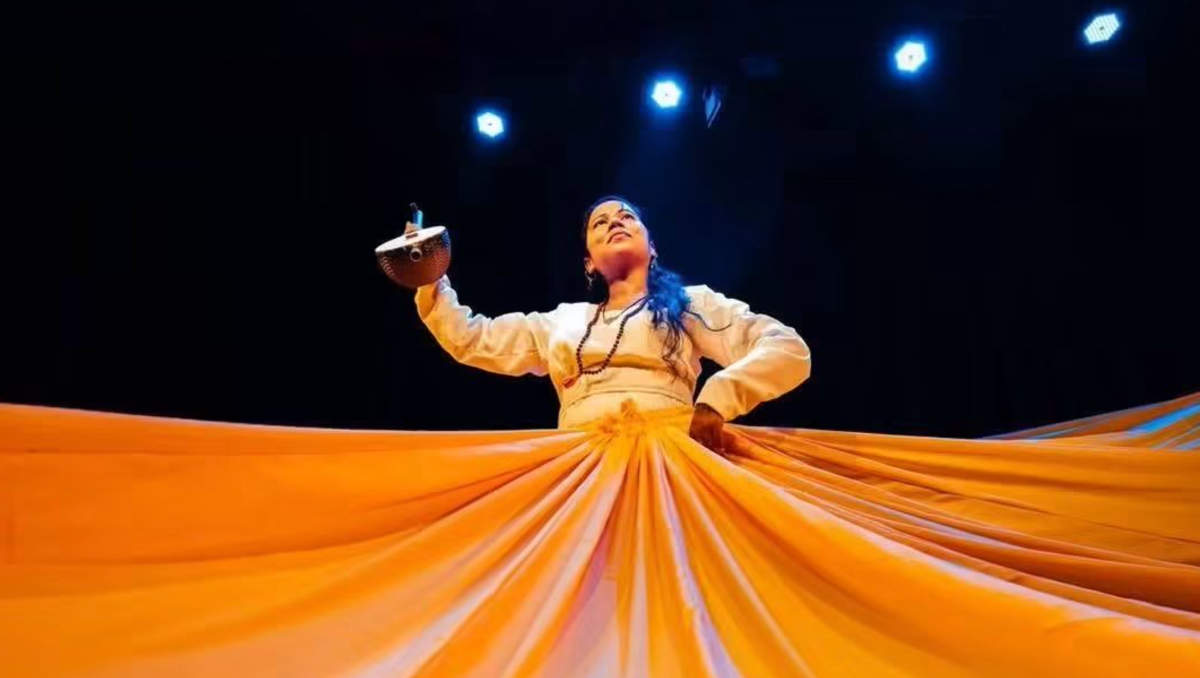
A performer from Rangasri Little Ballet Troupe presents Shanti Bardhan’s distinctive dance tradition. Photo courtesy of Rangasri Little Ballet Troupe, Bhopal.

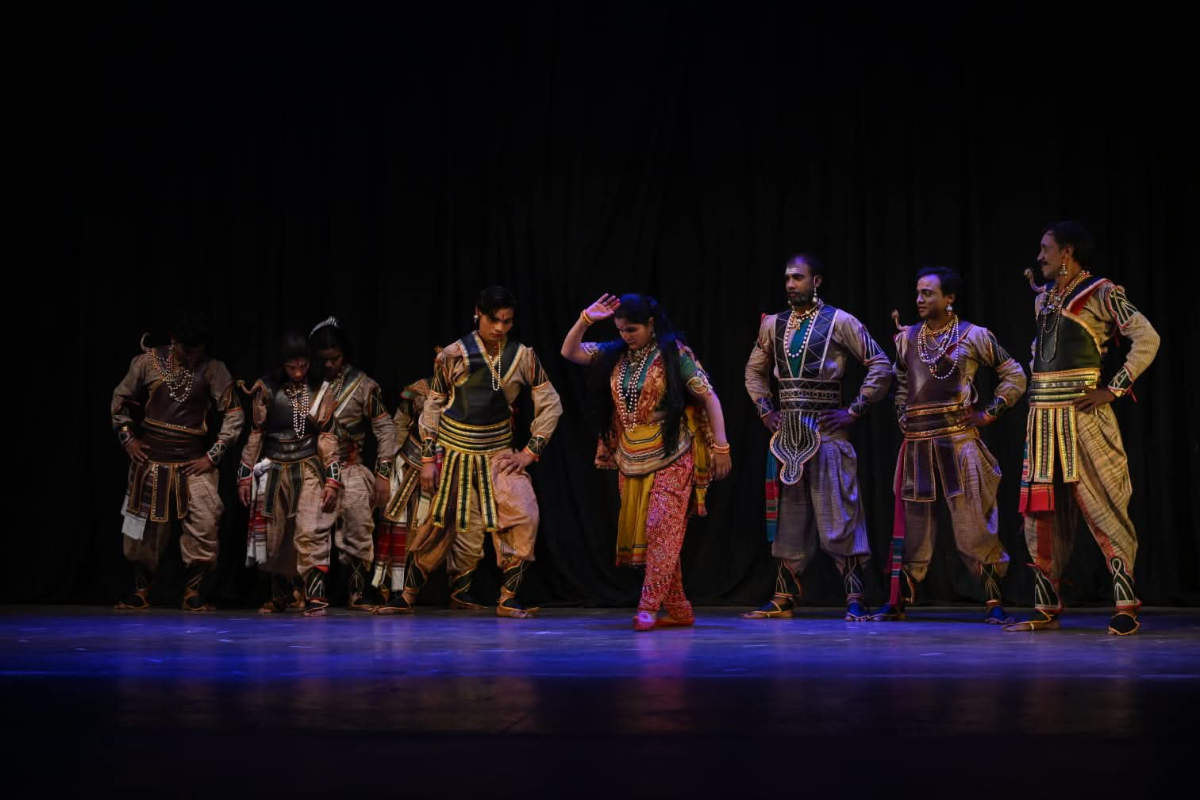
When we watch a dance performance, our attention usually moves between the dancer’s face, eyes, hands and the fluidity of movement. We look for expressions that help us understand what a character feels. But Shanti Bardhan’s ‘Ramayana’ asks the audience to look differently. The performers move like puppets brought to life. Their gestures are controlled, their steps precise, and their movements sometimes deliberately stiff. Their faces disappear behind masks, leaving the audience to follow the story through the body.

This unusual approach changes the experience of watching an epic. Instead of reading emotion through a smile or a frown, we begin to notice the angle of a head, the position of an arm and the rhythm of a step. The body becomes the principal storyteller.

Created in the early 1950s, this dance drama remains part of the repertoire of Rangasri Little Ballet Troupe, based in Bhopal. Its continuing life raises an interesting question: how can a familiar story acquire a different meaning when its performers abandon the usual language of expression?

A New Ramayana

When Dancers Become Puppets- Shanti Bardhan’s Ramayana-02

Shanti Bardhan trained in Manipuri and Tipperah dance traditions and worked with Uday Shankar, whose experiments helped shape modern Indian dance. Bardhan drew on Indian dance and folk traditions to develop a movement language that did not simply reproduce an existing classical form.

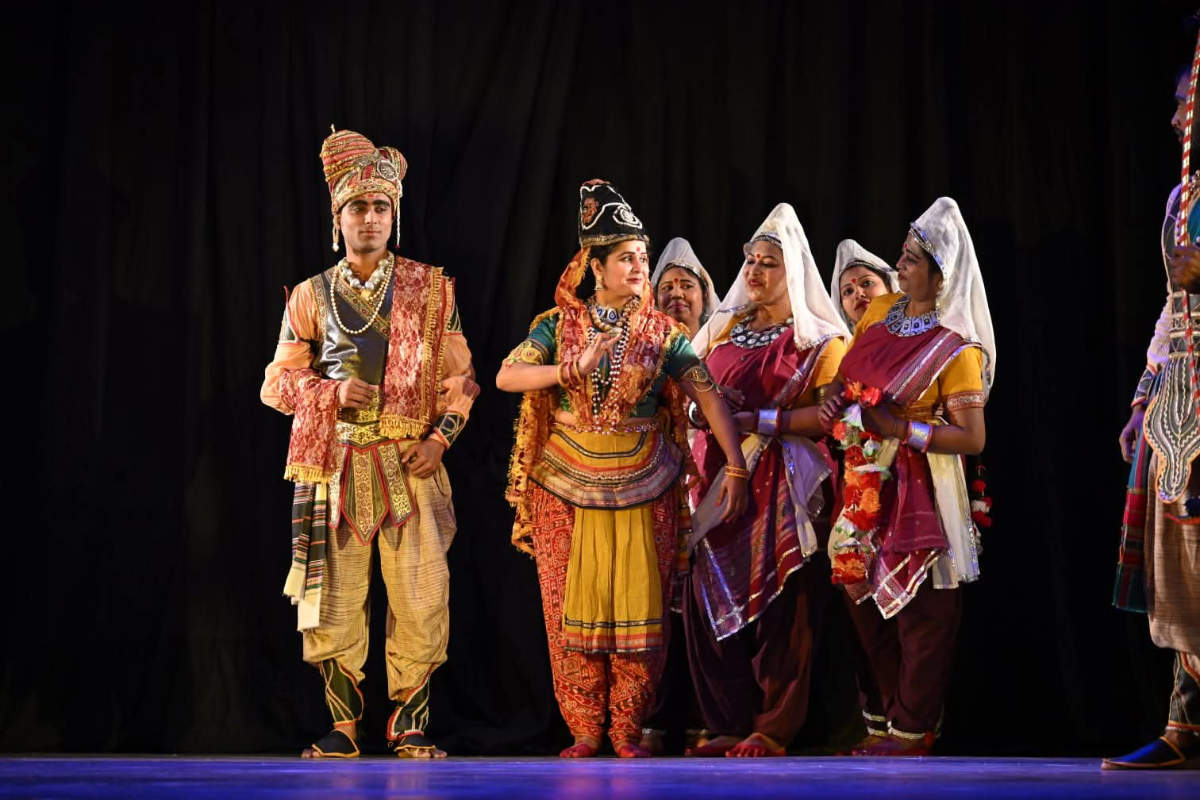
The Little Ballet Troupe was founded in 1952. Among Bardhan’s important works were ‘Ramayana’ and ‘Panchatantra’. In ‘Ramayana’, the epic’s characters were imagined as living puppets. The dancers used masks, controlled gestures, rhythmic footwork and carefully patterned movements to create their characters.

The idea was more than a visual novelty. A puppet appears to move under an external force, following a particular rhythm. Bardhan translated this quality into choreography. The performers seem restricted, yet their movements require considerable control. What looks mechanical from a distance is the result of physical discipline.

The masks also alter the relationship between performer and audience. Viewers cannot depend on facial expressions to understand a character’s feelings. They must pay closer attention to the body. A slight turn of the head or a change in the timing of a step can become important. Watching the dancers means learning to read a different visual language.

Telling Through Movement

When Dancers Become Puppets- Shanti Bardhan’s Ramayana-03

The ‘Ramayana’ has inspired countless performances across India, from folk theatre and puppetry to classical dance and popular drama. Bardhan’s interpretation took a distinctive route. The story remained recognisable, but its presentation moved away from familiar ideas of heroic display.

According to the troupe’s account of Bardhan’s work, he approached the epic as a human story rather than placing its religious dimension at the centre. The puppet-like figures gave the characters an unusual quality, even though they were represented by human bodies on stage.

The effect lies in the meeting of the familiar and the unfamiliar. The audience may already know the story, but the performers tell it through a different arrangement of bodies, gestures and rhythms. The dancers do not merely illustrate the epic; they build a separate stage world in which movement, costume and mask work together.

This style also makes the collective effort visible. A mask must remain convincing through movement, and a costume must support the choreography without obscuring it. The dancers have to coordinate their steps so that individual figures become part of a larger pattern. The performance depends on the precision of the group rather than on a single star performer.

A Living Tradition

When Dancers Become Puppets- Shanti Bardhan’s Ramayana-04

Bardhan died in 1954, only a short time after the troupe’s founding. His work continued through artists who carried it forward. Gul Bardhan and choreographer-director Prabhat Ganguly became important figures in sustaining the troupe and its productions.

The troupe moved to Bhopal in 1984. The city became the base from which this distinctive experiment in Indian ballet continued to reach audiences. Its history connects the artistic experimentation of the early post-Independence years with the work required to keep older productions alive.

A stage work does not survive simply because its original choreographer created it. Its gestures, timing and collective rhythms must be passed on through practice. Masks and costumes need care, while performers must learn how to move within the restrictions of the form. Each new performance depends on artists learning and carrying forward details that might otherwise disappear.

Rangasri’s repertoire has extended beyond Bardhan’s ‘Ramayana’, but the production remains a striking expression of the troupe’s founding spirit: drawing on Indian traditions while searching for new ways to tell stories through the body.

In ‘Ramayana’, the human body imitates an object traditionally controlled by strings. Yet the apparent limitation becomes a source of expression. The dancers seem to surrender their freedom of movement, but it is through that restriction that they create a world of their own.

More than seven decades after the troupe began, Bardhan’s experiment reminds us that Indian ballet is not a single, fixed form. It can bring together folk traditions, theatrical storytelling and new ways of using the body. In Bhopal, that unusual language of movement continues to have a home.

India Art Fair 2027 Returns to New Delhi with 120+ Exhibitors and Major International Galleries

0

India Art Fair 2027 Returns to New Delhi with 120+ Exhibitors and Major International Galleries-01

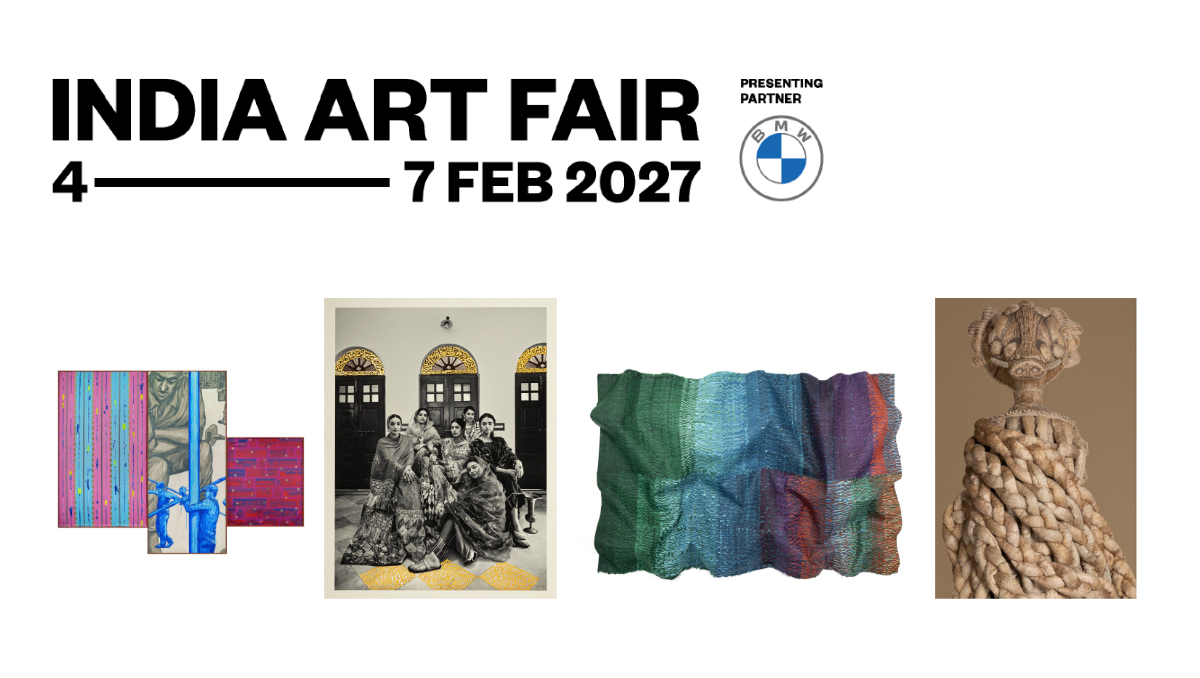
India Art Fair has announced the exhibitors and key highlights for its 18th edition, scheduled to take place from 4 to 7 February 2027 at the NSIC Exhibition Grounds in New Delhi. Bringing together more than 120 exhibitors, including leading galleries, art institutions and contemporary design practices from India and across the world, the four-day event will focus on the diversity of South Asia’s modern and contemporary art landscape. The upcoming edition will feature international gallery presentations, artist commissions, outdoor installations and dedicated design and solo artist sections.

18th Edition to Bring Together the International Art Community

The 2027 edition will continue the fair’s role as a meeting point for artists, galleries, collectors, curators and cultural institutions. Its programme is expected to bring together established and emerging creative practices, providing opportunities for audiences to engage with different approaches to contemporary art and design.

According to the announcement, the fair will feature more than 120 exhibitors from India and overseas. Returning international participants include David Zwirner, Galleria Continua, neugerriemschneider, Whitestone Gallery, Carpenters Workshop Gallery and Sundaram Tagore Gallery. New international participants include Chilli, Opera Gallery and Siddhartha Art Gallery.

The international presentations will sit alongside the work of Indian galleries and creative practitioners, reflecting the growing exchange between South Asian art and the wider international art community.

Jaya Asokan Highlights South Asia’s Changing Art Landscape

Jaya Asokan, Fair Director of India Art Fair, said the 18th edition reflects the energy and ambition of South Asia’s artistic landscape. She highlighted the expanded gallery presentations, participating artists and institutions, and new international collaborations as important elements of the upcoming programme.

Asokan also pointed to the fair’s year-round activities across the country, noting that these initiatives have helped build momentum ahead of the 2027 edition.

India Art Fair is owned by Angus Montgomery Arts, a division of Angus Montgomery Ltd. The organisation describes itself as a platform for modern and contemporary art from South Asia, bringing together galleries, artists, foundations, cultural institutions and artist collectives. Its activities extend beyond the annual fair through educational initiatives, artist commissions, professional development programmes and exhibitions.

Jitish Kallat to Create the Façade Commission

One of the announced highlights is a new architectural interpretation of Here After Here After Here by contemporary artist Jitish Kallat. The artist will reimagine the fair’s façade through this commission, bringing an existing body of work into the context of the exhibition venue.

Born in 1974 in Mumbai, Kallat is known for a multidisciplinary practice exploring science, historical memory, existential questions and the natural world. His work spans painting, sculpture, installation and other forms of visual expression, often examining the relationship between time, history and human existence.

Kallat has exhibited internationally at institutions including Tate Modern in London, the Mori Art Museum in Tokyo and the Art Institute of Chicago. He also served as curator and artistic director of the 2014 Kochi-Muziris Biennale. His previous association with India Art Fair includes the 2024 presentation Antumbra.

Design and Focus Sections to Present Diverse Practices

The 2027 edition will include an expanded Design section, bringing together established studios and emerging creative practices. Returning participants include Ashiesh Shah, Gunjan Gupta and Vikram Goyal, while new participants include Tribolt and INDI-GENIUS, a specially curated craft showcase.

The section will explore the relationship between contemporary design, material experimentation and traditional craft practices. Its expanded format also reflects the fair’s continued engagement with disciplines that connect art, design and cultural production.

The Focus section will feature solo presentations by artists including Rina Banerjee, Sameer Kulavoor and Ketaki Sarpotdar. These individual showcases will offer visitors an opportunity to engage more closely with distinct artistic practices and ideas.

Outdoor Installations and BMW India Partnership

Large-scale outdoor art projects will form another part of the programme. The announced participants include Arvind Sundar, December Design, Justine and Deepak, Niroj Satpathy and Birendar Yadav.

The fair will also mark eleven years of its creative partnership with BMW India through the sixth edition of The Future is Born of Art Commission. The initiative provides a platform for artistic interpretations connected with contemporary creative practice and the relationship between art, technology and innovation.

BMW India will continue as the presenting partner, while Standard Chartered joins the 2027 edition as Associate Partner.

Some of the announced highlights include:

  • Façade Commission: Jitish Kallat’s architectural interpretation of Here After Here After Here.
  • International Galleries: Presentations by David Zwirner, Galleria Continua, Opera Gallery and other international participants.
  • Design Showcase: Works and practices represented by Ashiesh Shah, Gunjan Gupta, Vikram Goyal, Tribolt and INDI-GENIUS.
  • Focus Section: Solo presentations featuring Rina Banerjee, Sameer Kulavoor and Ketaki Sarpotdar.
  • Outdoor Art Projects: Large-scale installations by Arvind Sundar, December Design, Justine and Deepak, Niroj Satpathy and Birendar Yadav.
  • Art Commission: The sixth edition of The Future is Born of Art Commission, presented in partnership with BMW India.

Venue, Dates and Visitor Information

Event Name Details
Event Name India Art Fair 2027 – 18th Edition
Artist Jitish Kallat (Façade Commission), alongside participating artists and exhibitors
Venue NSIC Exhibition Grounds, Okhla, New Delhi, New Delhi, India
Exhibition Dates 4–7 February 2027
Organiser India Art Fair (owned by Angus Montgomery Arts)
Presenting Partner BMW India
Associate Partner Standard Chartered
Website / Registration https://indiaartfair.in/

A Platform for South Asian Art and Cultural Exchange

With its 18th edition, India Art Fair continues to position itself as a platform for presenting South Asian artistic practices to audiences from India and abroad. The combination of international gallery participation, individual artist presentations, design initiatives and public art commissions reflects the different directions in which the region’s creative landscape is developing.

Beyond its role as an exhibition and commercial platform, the fair offers opportunities for artists, institutions and audiences to exchange ideas and engage with contemporary cultural questions. Its February 2027 edition will provide a space to encounter established and emerging practices while contributing to wider conversations about the place of South Asian art in the international cultural landscape.

8 Places Around the World to Experience Art and Traditions in 2026

0


8 Places Around the World to Experience Art and Traditions in 2026-A

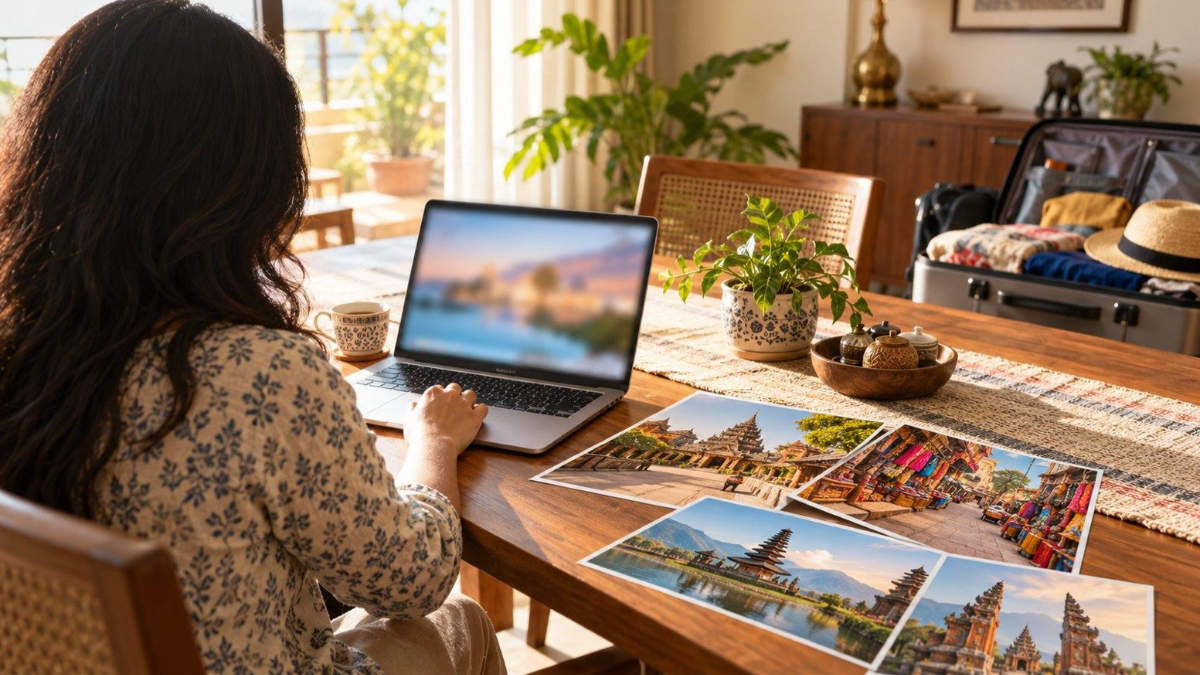
Travelling is not just about visiting famous places. It is also about exploring local art, learning about traditions and understanding how people celebrate their culture. From colourful festivals and traditional dances to historic architecture and local crafts, different destinations offer unique cultural experiences.

If you enjoy discovering art and traditions while travelling, here are eight places around the world worth exploring in 2026.

Japan for Traditional Festivals

Japan for Traditional Festivals

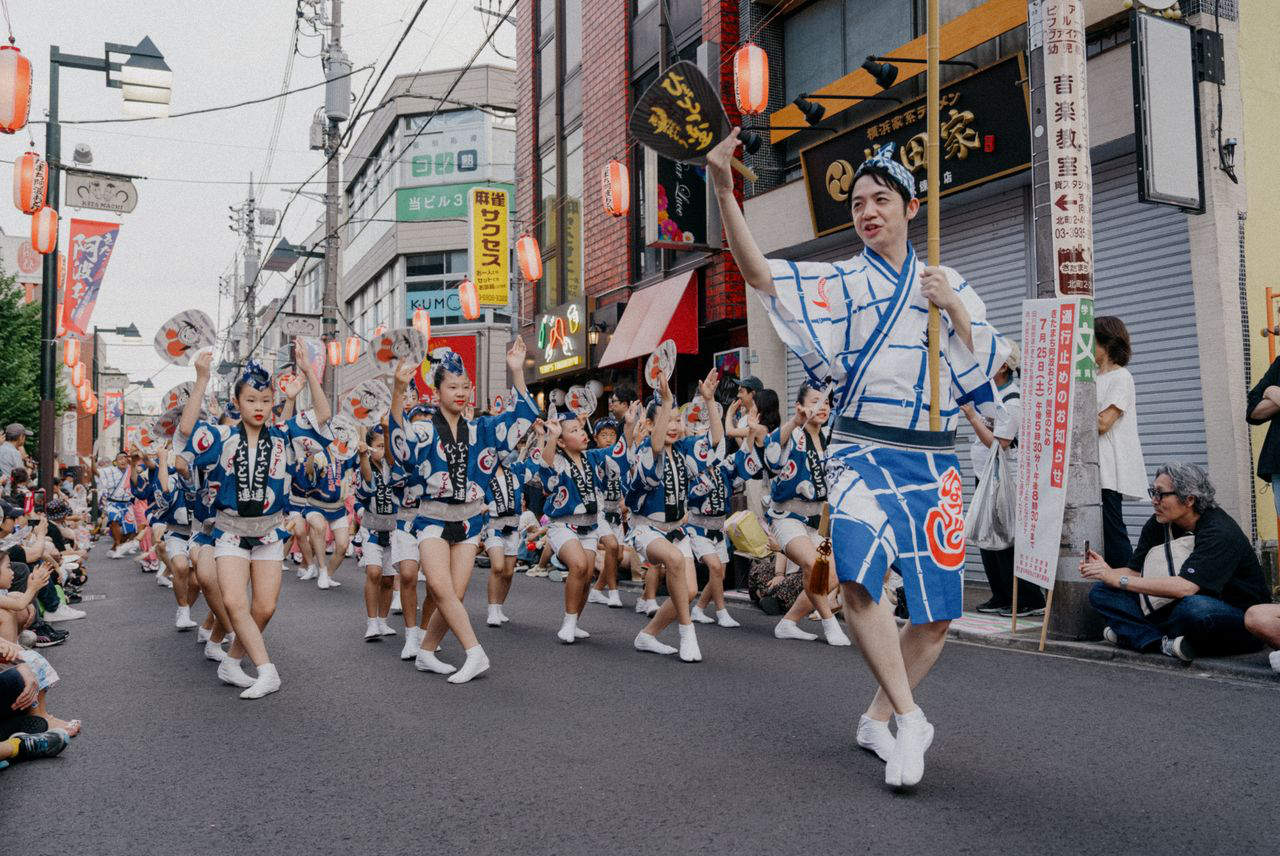
Kyoto’s festivals bring communities together through music, processions and decorated floats. July’s Gion Matsuri is a famous example. Between events, explore temples, traditional streets and local food stalls to experience the city beyond its celebrations. While planning your Japan trip, you can also compare travel insurance in India to find suitable coverage for your holiday.

  • Check dates: Festival schedules vary by city and season.
  • Explore crafts: Visit workshops specialising in pottery, textiles and fans.
  • Respect customs: Follow photography rules and keep processional routes clear.

Italy for Art and Architecture

Italy for Art and Architecture

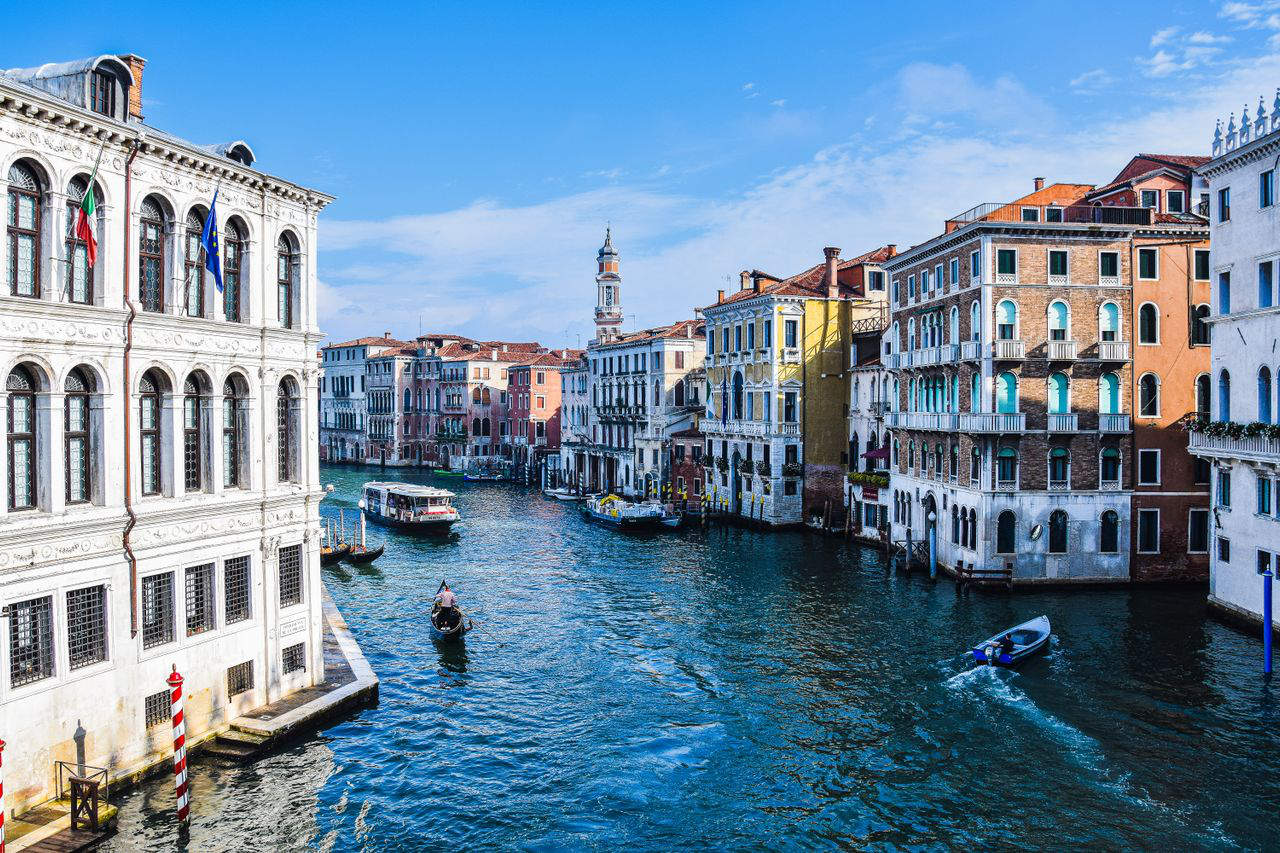
Italy offers a journey through centuries of painting, sculpture and architecture. Florence is known for Renaissance masterpieces, while Rome combines ancient ruins with impressive churches and public squares. Explore smaller neighbourhoods beyond major attractions.

  • Book ahead: Reserve entry to popular galleries and museums.
  • Walk locally: Discover historic lanes, workshops and community markets.
  • Look closely: Notice the details in frescoes, fountains and buildings.

Spain for Cultural Celebrations

Spain for Cultural Celebrations

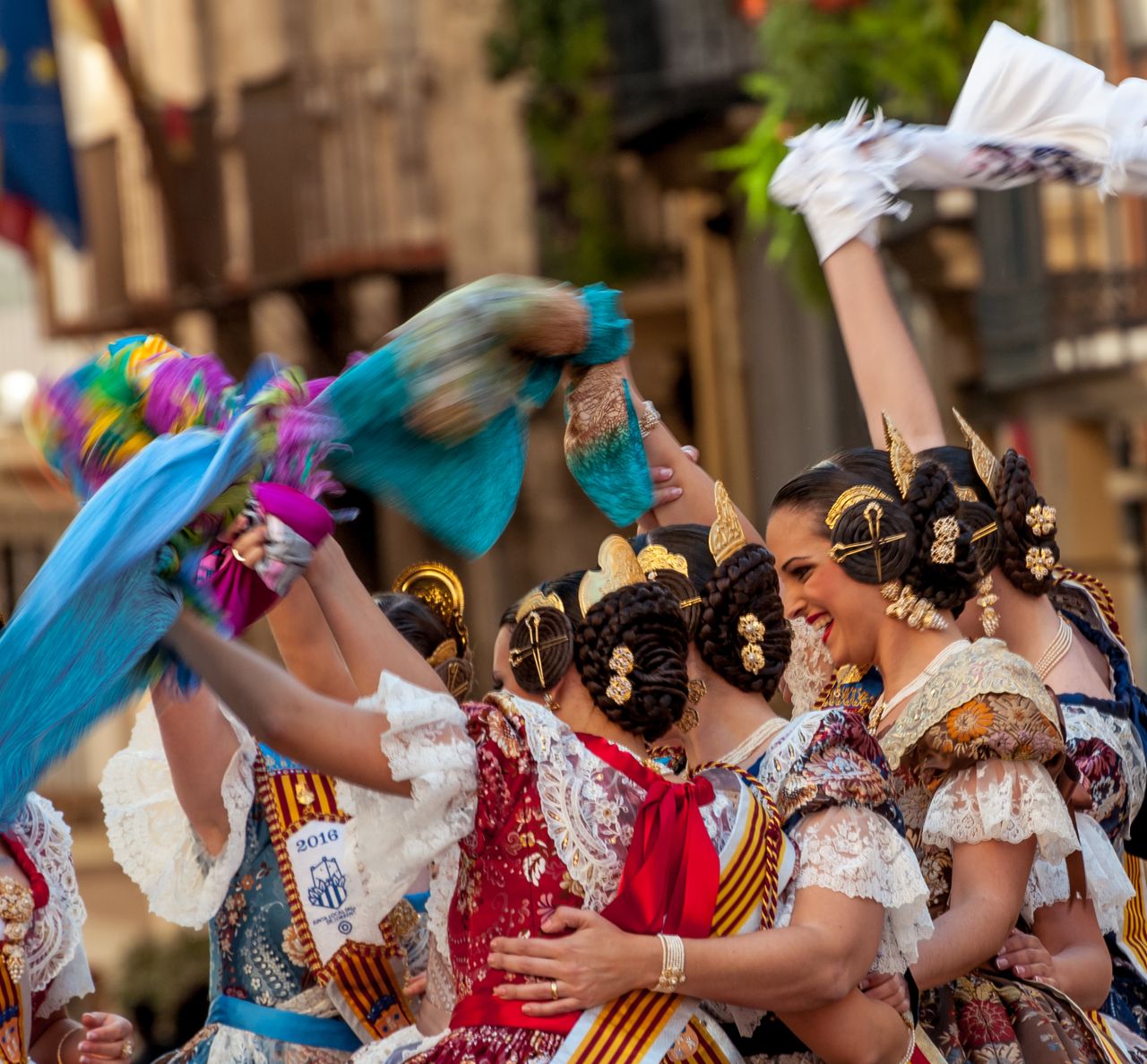
Spain’s cultural traditions come alive through music, dance and public festivities. Seville is a good place to experience flamenco, while historic quarters and food markets reveal another side of daily life. Celebrations transform streets into gathering places.

  • See flamenco: Choose a reputable venue for live performances.
  • Try local food: Visit markets for regional dishes and snacks.
  • Plan transport: Festivals can bring crowds and temporary road closures.

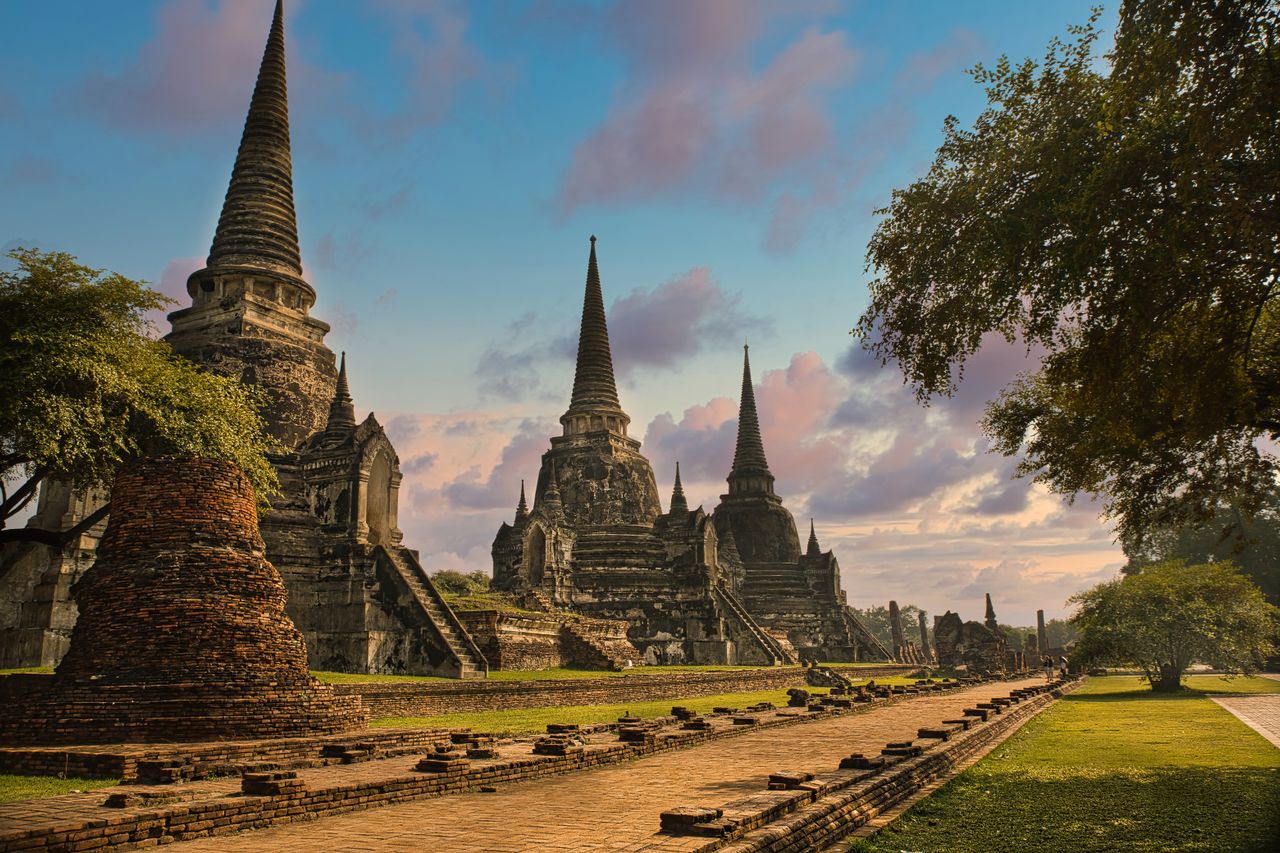
Thailand for Buddhist Heritage

Thailand for Buddhist Heritage

Thailand’s temples tell stories through murals, statues and designed buildings. Bangkok and Chiang Mai offer many opportunities to learn about Buddhist traditions and local history. Watching respectfully can be as rewarding as taking photographs.

  • Dress appropriately: Cover shoulders and knees when entering temples.
  • Follow signs: Check rules around shoes, photographs and restricted areas.
  • Take a tour: Guides can explain symbols and religious customs.

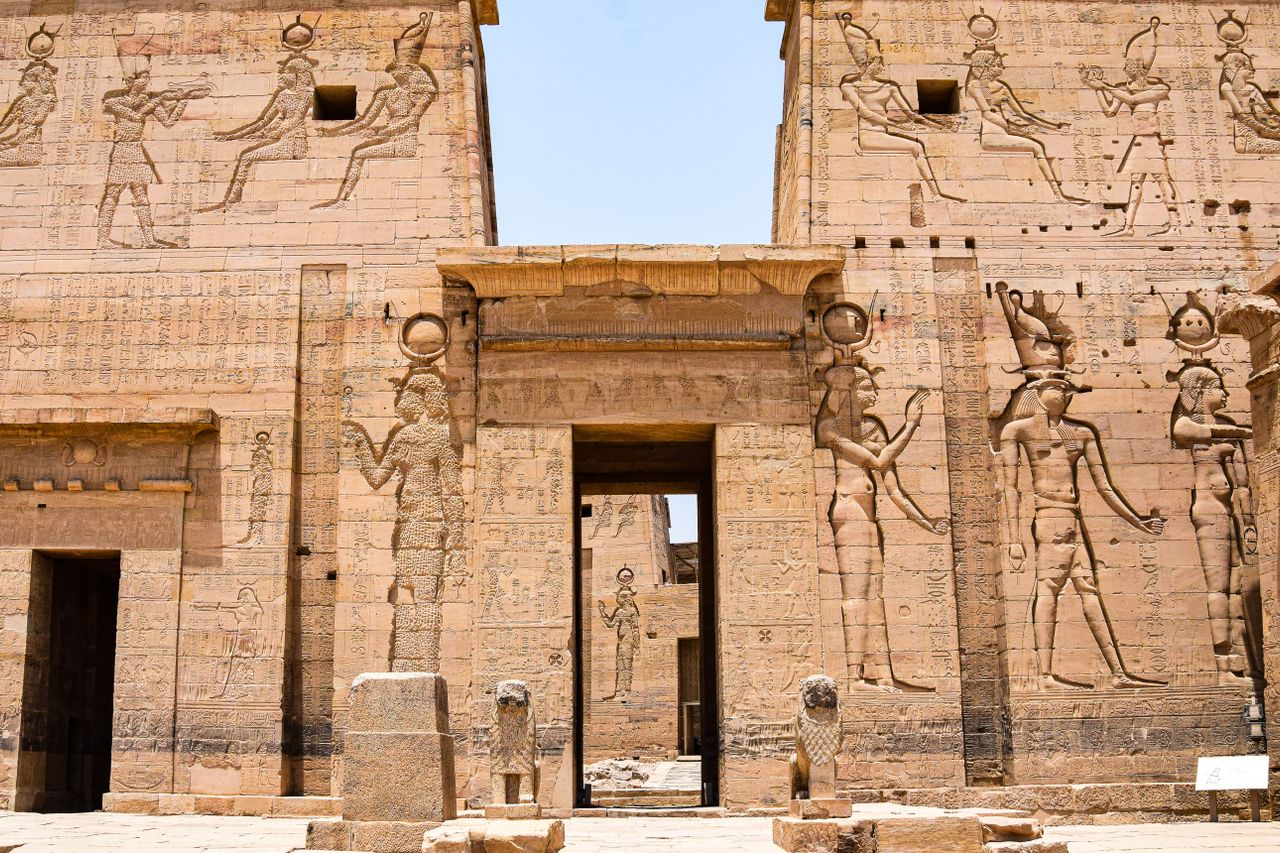
Egypt for Ancient Civilisation

Egypt for Ancient Civilisation

Egypt’s ancient monuments reveal remarkable stories of rulers, beliefs and everyday life. Cairo is home to museums and historic sites, while Luxor is known for grand temples and tombs. Guides can explain unfamiliar inscriptions.

  • Visit museums: Explore objects found during archaeological excavations.
  • Choose guides carefully: Use licensed professionals at major sites.
  • Prepare for heat: Carry water and schedule outdoor visits sensibly.

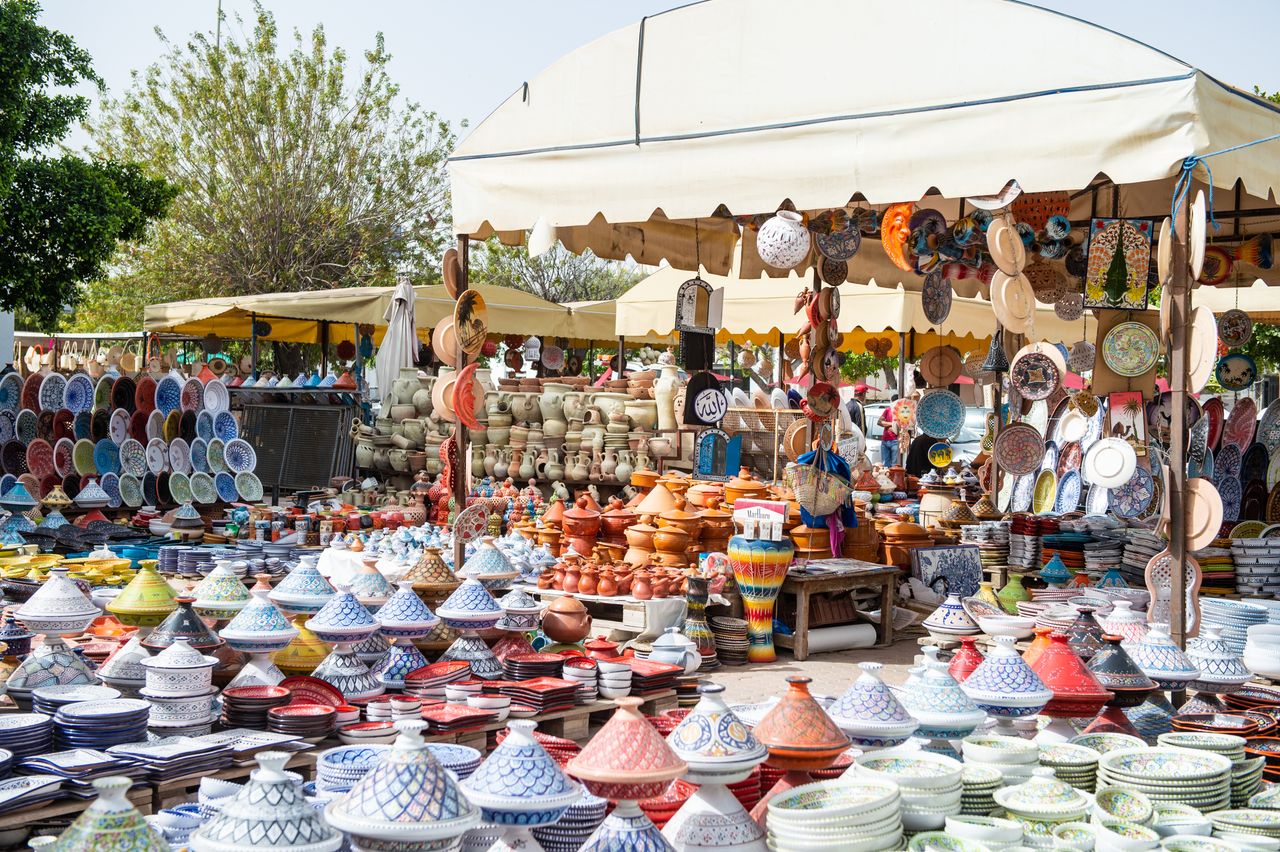
Morocco for Traditional Markets

Morocco for Traditional Markets

The medinas of Marrakech and Fez are filled with craft shops, winding lanes and busy markets. Visitors can discover ceramics, woven textiles and leather goods while observing techniques that families have practised for generations. Allow time to explore without rushing.

  • Meet artisans: Ask about how handmade items are produced.
  • Shop respectfully: Discuss prices politely and avoid pressure.
  • Navigate carefully: Use landmarks or a local guide in medinas.

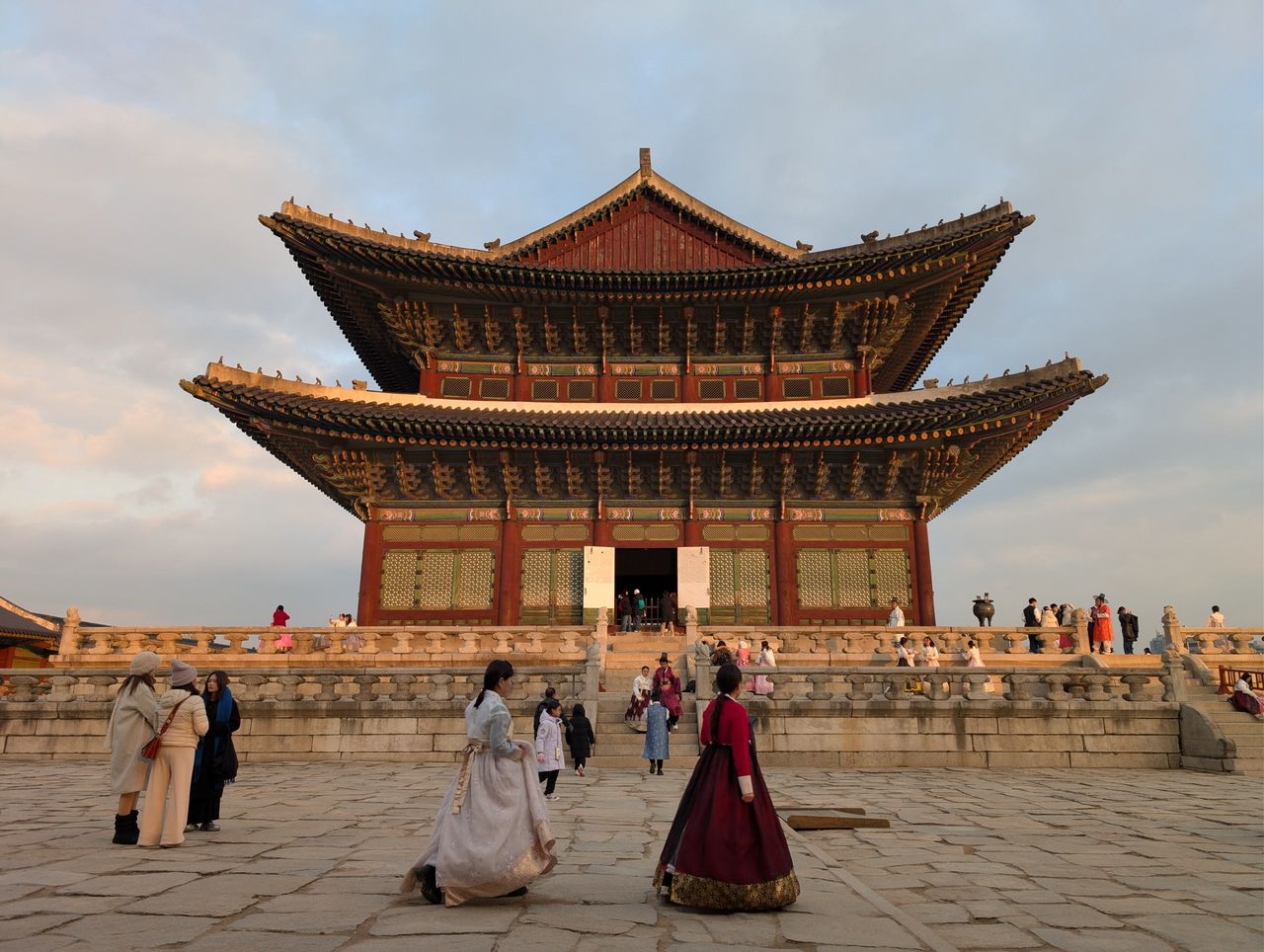
South Korea for Historic Palaces

South Korea for Historic Palaces

Seoul’s royal palaces introduce visitors to Korea’s dynastic history through courtyards, gates and traditional buildings. Nearby streets show how older architecture fits into a modern capital. Exploring both offers a fuller picture of the city’s changing identity.

  • Check opening days: Some palaces close on particular weekdays.
  • Join a tour: Learn what palace spaces were used for.
  • Explore nearby: Walk through traditional neighbourhoods and cultural streets.

Mexico for Indigenous Traditions

Mexico for Indigenous Traditions

Oaxaca brings together distinctive food, textiles and cultural practices influenced by Zapotec and Mixtec communities. Its historic centre is a good starting point, while the archaeological site of Monte Albán adds a deeper historical perspective. Engage with local traditions thoughtfully.

  • Buy directly: Support craft makers and learn about their work.
  • Taste regional food: Explore traditional dishes at local markets.
  • Show respect: Ask permission before photographing ceremonies or people.

Conclusion

Culture can shape a holiday, whether you travel for street festivals, historic sites or traditional crafts. Start by choosing experiences you want to see, then check travel seasons, entry rules and local event schedules. Give your insurance choice equal attention.

A single-trip policy may suit one planned getaway, while annual cover may work for several eligible journeys. Before paying, read the medical benefits, cancellation terms, exclusions and maximum trip length. Clear planning leaves you more time to enjoy each destination.

Serendipity Arts Festival London 2027 to Unite Indian Artists and Leading Cultural Institutions

0

Serendipity Arts Festival London 2027-B

Serendipity Arts is set to launch its flagship festival, the Serendipity Arts Festival London, from 19 to 27 June 2027  marking a new chapter in the organisation’s international engagement. Presented in partnership with the Great Exhibition Road Festival, led by Imperial College London, the nine-day event will bring together artists, cultural institutions and audiences from India, the UK and beyond. Taking place across Exhibition Road and the surrounding South Kensington Cultural Quarter, the festival will feature visual arts, new media, dance, music and culinary arts.

A New Platform for India-UK Cultural Exchange

The festival will be organised by Serendipity Arts, the not-for-profit cultural organisation behind South Asia’s largest multidisciplinary arts festival in Goa. Its London edition will build on the organisation’s work supporting artistic practice, research, education and cross-cultural dialogue.

The festival will be presented alongside the Great Exhibition Road Festival and several prominent cultural institutions, including the Science Museum, V&A South Kensington, Natural History Museum, Royal Albert Hall, Royal Geographical Society, Royal College of Music, Royal College of Art and the Royal Commission for the Exhibition of 1851.

The organisers describe Exhibition Road as a cultural laboratory where different disciplines, histories and communities can come together. The programme will connect South Asian artistic practices with the collections, expertise and institutional histories of its London partners, creating opportunities for conversations across art, science, music, film, design and education.

Six Women Curators to Shape the Programme

An intergenerational, all-women curatorial team will lead the festival’s programme across five disciplines. The six curators are expected to bring different perspectives to artistic expression, cultural exchange and contemporary creative practices.

The announced curators and their respective areas include:

  • New Media: Veeranganakumari Solanki and Nancy Adajania, exploring connections between images, media art, cultural exchange and public life.
  • Visual Arts: Latika Gupta, bringing Indian art and material cultures into dialogue with new contexts.
  • Dance: Preethi Athreya, examining movement and the body through contemporary approaches to performance.
  • Music: Sneha Khanwalkar, developing experimental compositions using local sounds, instruments and voices.
  • Culinary Arts: Elizabeth Yorke, exploring the role of food in shaping a more sustainable future.

The programme will feature established and emerging artists, performers, musicians, filmmakers, designers, craftspeople and food practitioners from South Asia and its diaspora. London’s South Asian communities will be central to the festival, alongside audiences from across the city.

Building on Previous London Collaborations

Serendipity Arts Festival London

The 2027 festival follows two public projects presented by Serendipity Arts in London in June 2026, in collaboration with the Science Museum and Great Exhibition Road Festival.

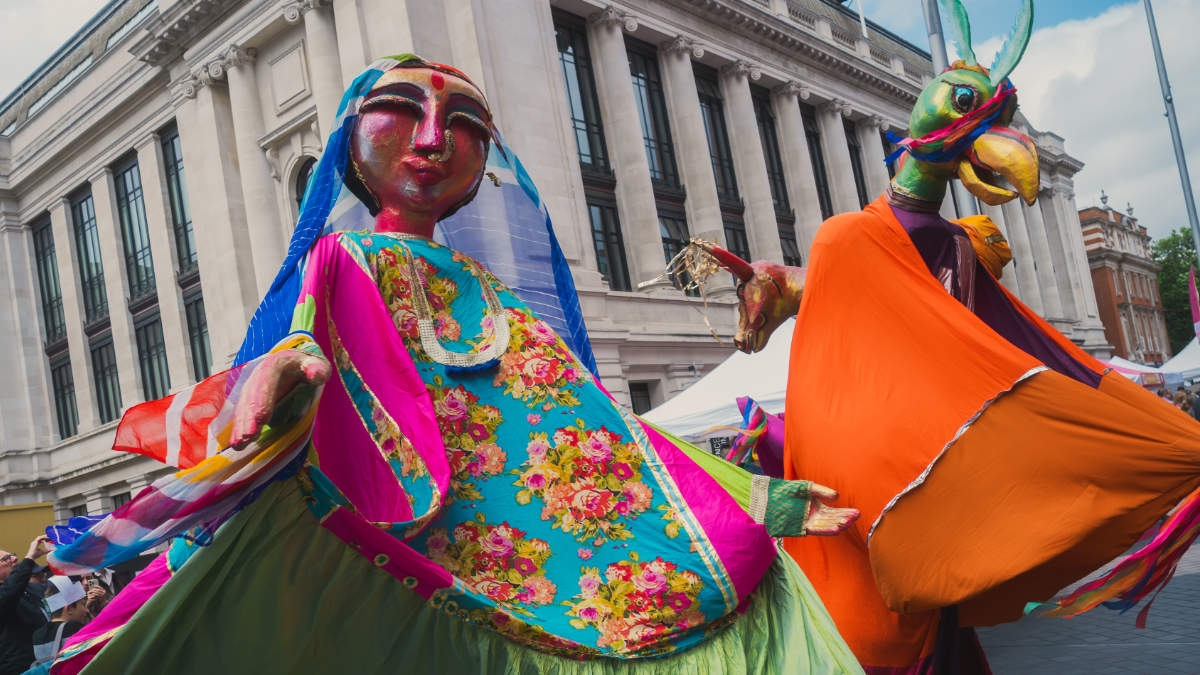
These included नैनन की ठगी / Eyes Shall Deceive, a project by composer Sneha Khanwalkar and artist Sudarshan Shetty combining 16mm film, live music, sound and visual storytelling. Another project, Giants on the Move, directed by Dadi Pudumjee and presented with the Ishara Puppet Theatre Trust, brought giant puppets, moving sculpture and live percussion to Exhibition Road.

The earlier collaborations provided an introduction to Serendipity Arts’ multidisciplinary approach in London. According to Ian Blatchford, Director and Chief Executive of the Science Museum Group, the partnership will build on the museum’s earlier experience of bringing art and science together, creating further opportunities for South Asian creativity and cultural exchange.

UK Institutions to Participate in Goa Festival

The cultural exchange will also extend to India. UK institutions will contribute projects to the 11th edition of Serendipity Arts Festival in Panjim, Goa, scheduled for 13–20 December 2026.

The announced collaborations include:

  • The Natural History Museum’s Wildlife Photographer of the Year exhibition.
  • A moving-image and archive project developed with the Royal Geographical Society and British Film Institute (BFI).
  • An artist residency project involving the Serendipity Arts Foundation and Royal College of Art.

The exchange will connect institutional collections and creative practices across the two countries. Royal Geographical Society Director Professor Joe Smith noted that the collaboration would use creative methods and cross-cultural perspectives to explore historical objects connected with the Indian subcontinent.

Serendipity Arts’ Growing International Presence

Serendipity Arts Festival 2025

The London announcement follows a milestone period for the organisation. Its flagship festival in Panjim, Goa, celebrated its tenth anniversary in December 2025. Since its launch in 2016, the festival has welcomed more than one million visitors and participants from over 50 countries, supported more than 10,000 artists and generated over 5,000 project-based jobs across more than 50 sites in Panjim.

Beyond Goa, Serendipity Arts has developed international partnerships and projects, including collaborations with Birmingham City University, the National Pavilion of India at La Biennale di Venezia, Rencontres d’Arles, the Royal College of Art and the Centre national des arts plastiques in Paris.

Further details about participating artists, commissions and individual events for the London edition are expected to be announced in the coming months.

A Nine-Day Celebration Across South Kensington

Event Name Details
Artist / Curators Veeranganakumari Solanki, Nancy Adajania, Latika Gupta, Preethi Athreya, Sneha Khanwalkar and Elizabeth Yorke
Venue Exhibition Road and South Kensington Cultural Quarter
City London, United Kingdom
Exhibition Dates 19–27 June 2027
Organiser Serendipity Arts
Website / Registration Official Festival Website

Takeaway

The London edition represents an opportunity to bring South Asian creative practices into dialogue with international cultural institutions and new audiences. By connecting art, science, performance, design and food, the festival aims to create meaningful spaces for artistic exchange and public participation. Its wider India–UK collaboration also highlights the role of cultural partnerships in strengthening international understanding and expanding the visibility of South Asian creativity.

Fold & Fly Origami Workshop in Kochi: Learn to Create Bird Species with Mishael Sharaf

0

Fold & Fly Origami Workshop in Kochi-01

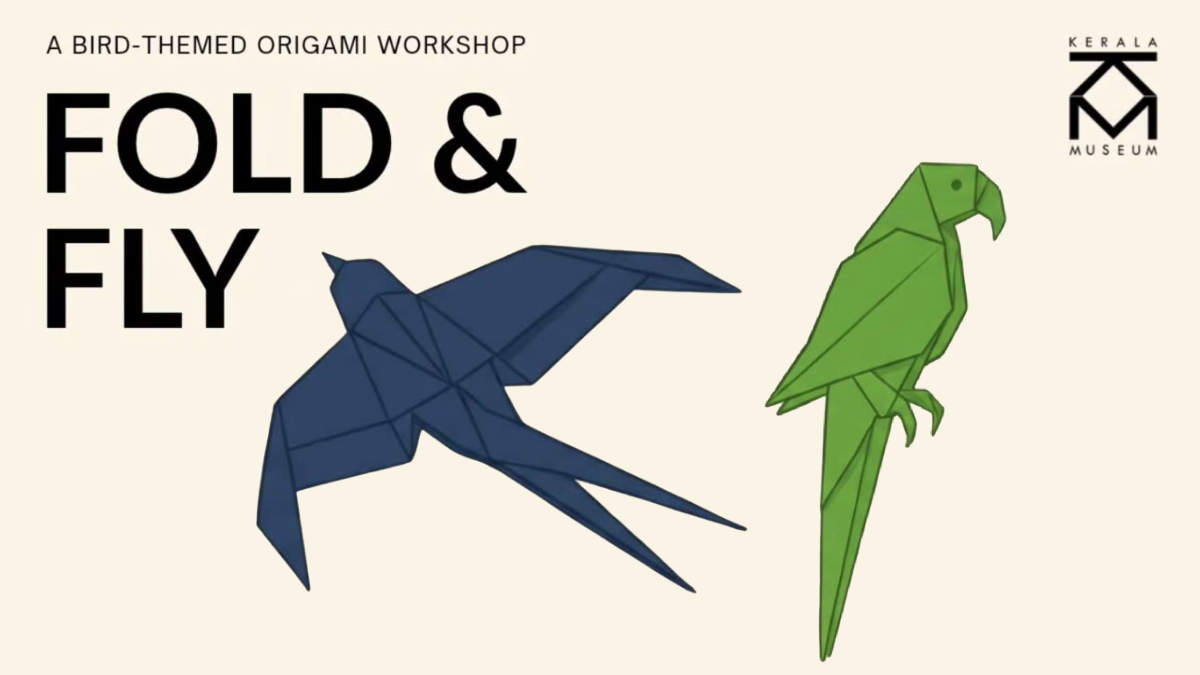
Kerala Museum in Edappally, Kochi, to host “Fold & Fly: A Bird-Themed Origami Workshop” on 14 November 2026. Conducted by origami artist and facilitator Mishael Sharaf, the three-hour workshop introduces participants to the art of paper folding through bird-inspired creations.

Designed for participants aged 13 and above, the workshop combines creative learning with an introduction to bird species and their natural adaptations.

About the Workshop

Participants will learn to fold three distinct bird species using square sheets of paper. The facilitator will guide them through the folding process, explaining each step involved in creating the paper models.

Alongside the practical activity, the workshop will introduce participants to the characteristics, adaptations and behaviours of the corresponding real-world bird species.

The session aims to connect origami with an appreciation of nature, encouraging participants to explore the relationship between artistic practice and the natural world.


View this post on Instagram


A post shared by Kerala Museum (@keralamuseum)

What Participants Can Expect

The three-hour session will include:

  • Step-by-step instruction in folding three different bird species.
  • An introduction to basic origami techniques.
  • Information about the adaptations and behaviours of the featured birds.
  • A hands-on opportunity to create a collection of paper birds.

The workshop is suitable for curious beginners and those interested in paper crafts, birds and creative learning.

Workshop Details

Event Details
Workshop Name Fold & Fly: A Bird-Themed Origami Workshop
Facilitator Mishael Sharaf
Venue Kerala Museum, Edappally, Kochi, Kerala
Date 14 November 2026, Saturday
Time 10 am – 1 pm
Age Group 13 years and above
Fee ₹800 (all materials included)
Registration Register for Fold & Fly – Kerala Museum


Takeaway

Fold & Fly offers an opportunity to explore origami through the subject of birds while learning about their natural characteristics. The workshop brings together paper crafts, observation and nature-based learning in a guided session at Kerala Museum.

Participants interested in origami, birdlife and hands-on creative activities can register for the workshop online.

Jitish Kallat: Conjectures on a Paper Sky to Open at Mumbai’s Dr Bhau Daji Lad Museum

0

Jitish Kallat- Conjectures on a Paper Sky to Open at Mumbai Dr Bhau Daji Lad Museum-01

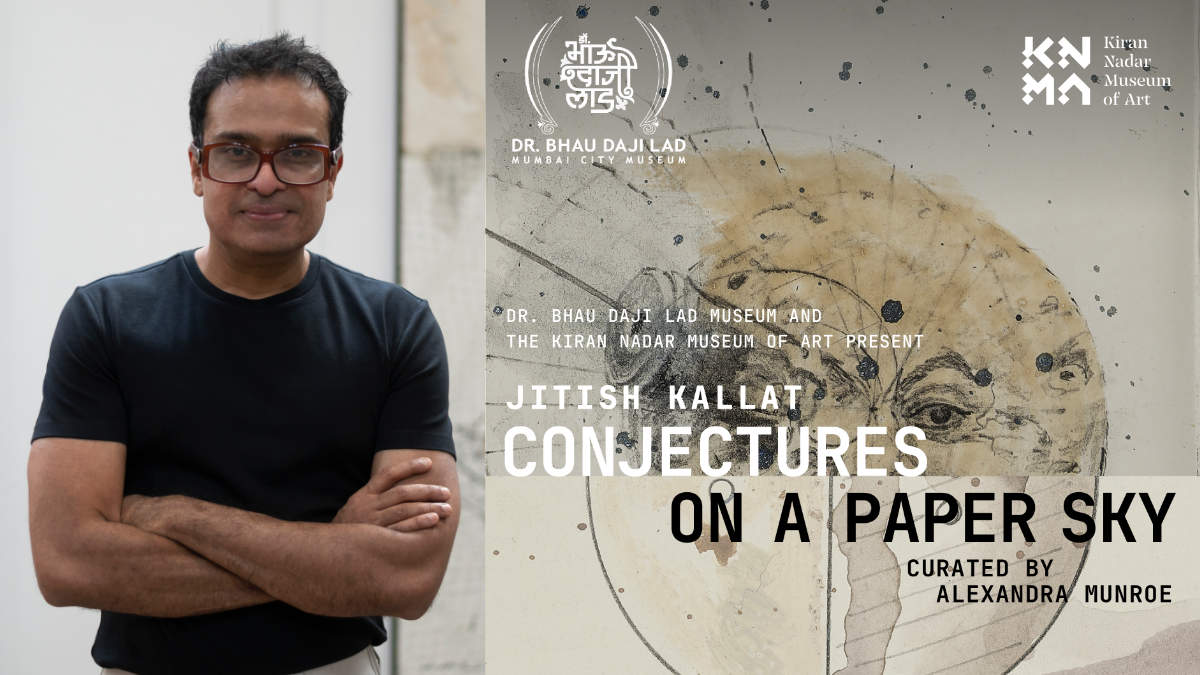
This November, Dr Bhau Daji Lad Museum is witnessing a prominent solo exhibition “Jitish Kallat: Conjectures on a Paper Sky”, bringing together paintings, drawings, sculptures, lenticular works and installations from the artist’s practice over the past decade. The Show is co-presented by the Dr Bhau Daji Lad Museum and the Kiran Nadar Museum of Art (KNMA), the exhibition will run from 14 November 2026 to 14 February 2027.

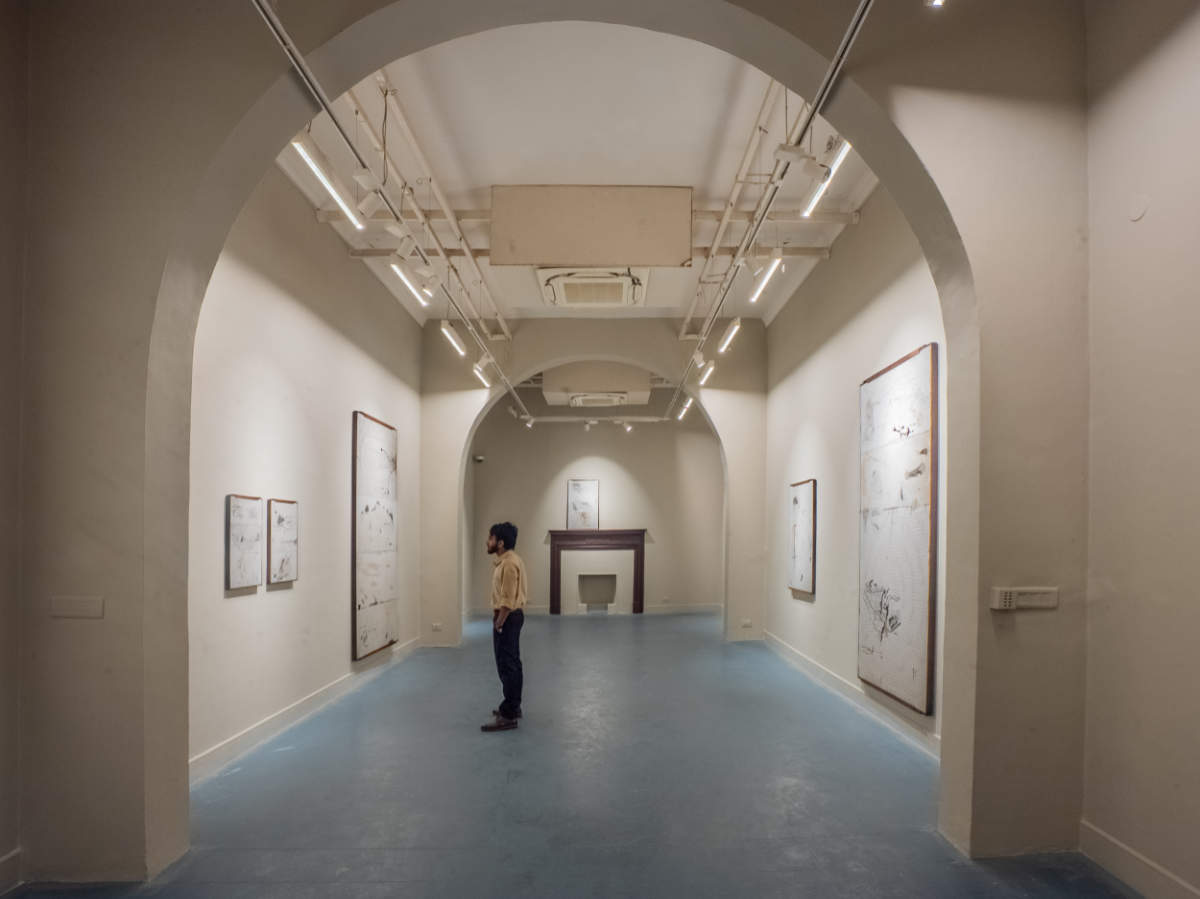
Curated by Dr Alexandra Munroe, Senior Curator at Large, Global Arts,  Solomon R. Guggenheim Museum and Foundation, with Tasneem Zakaria Mehta as Curatorial Advisor, the exhibition will occupy the Museum’s historic galleries, Special Projects Spaces and outdoor plaza.

An Exhibition That Returns to the Museum

Conjectures on a Paper Sky_Press Image 3-A

The exhibition marks Jitish Kallat’s return to the Dr Bhau Daji Lad Museum fifteen years after “Fieldnotes: Tomorrow Was Here Yesterday (2011)”, his previous major solo show at the institution, it was also curated by Tasneem Zakaria Mehta.

First presented at the Centre for Contemporary Art, Bikaner House, New Delhi, in February 2026, Conjectures on a Paper Sky reaches Mumbai in an extended and reimagined form. Conceived by Kallat and Munroe as an evolving exhibition, this iteration resonates to the architecture and spatial character of the Mumbai museum. The show’s presentation across different areas of the Museum and outdoor plaza is designed to establish connections between the artworks and their surroundings.

Exploring the Relationship Between Earth and the Cosmos

Jitish Kallat Conjectures on a Paper Sky

The exhibition brings together works that examine recurring questions around orientation, measurement and changing perspectives. Drawing on historical archives, scientific thought and observations of the natural world, Kallat’s practice moves between the microscopic and the telescopic, the everyday and the extraterrestrial.

Through these different scales, the artistic expression shows how human experiences and histories can be understood within larger planetary and cosmic contexts. Questions of political power, technological ambition and human vulnerability appear alongside ideas about space, time and the natural world.

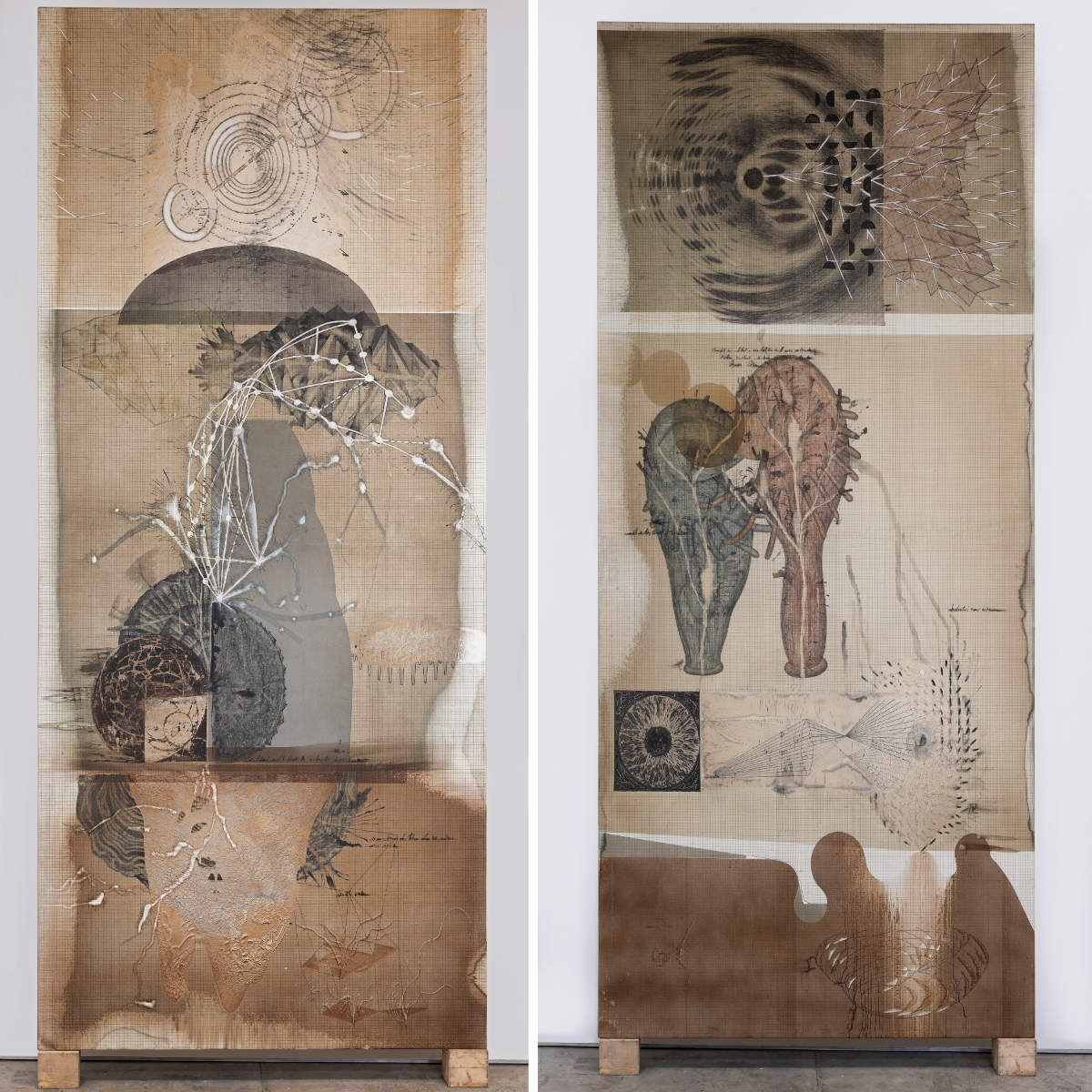
The exhibition’s title comes from Conjectures on a Paper Sky (2023–25), a ten-part suite of paintings developed through research into Project A119, a classified American proposal from the 1950s to detonate a nuclear device on the Moon. The paintings combine hand-drawn grids, ballistic trajectories and blast-like formations with botanical, geological, suboceanic and celestial forms, bringing historical fact and speculation into the same visual space.

Key Works and New Presentations

Jitish Kallat JK-380

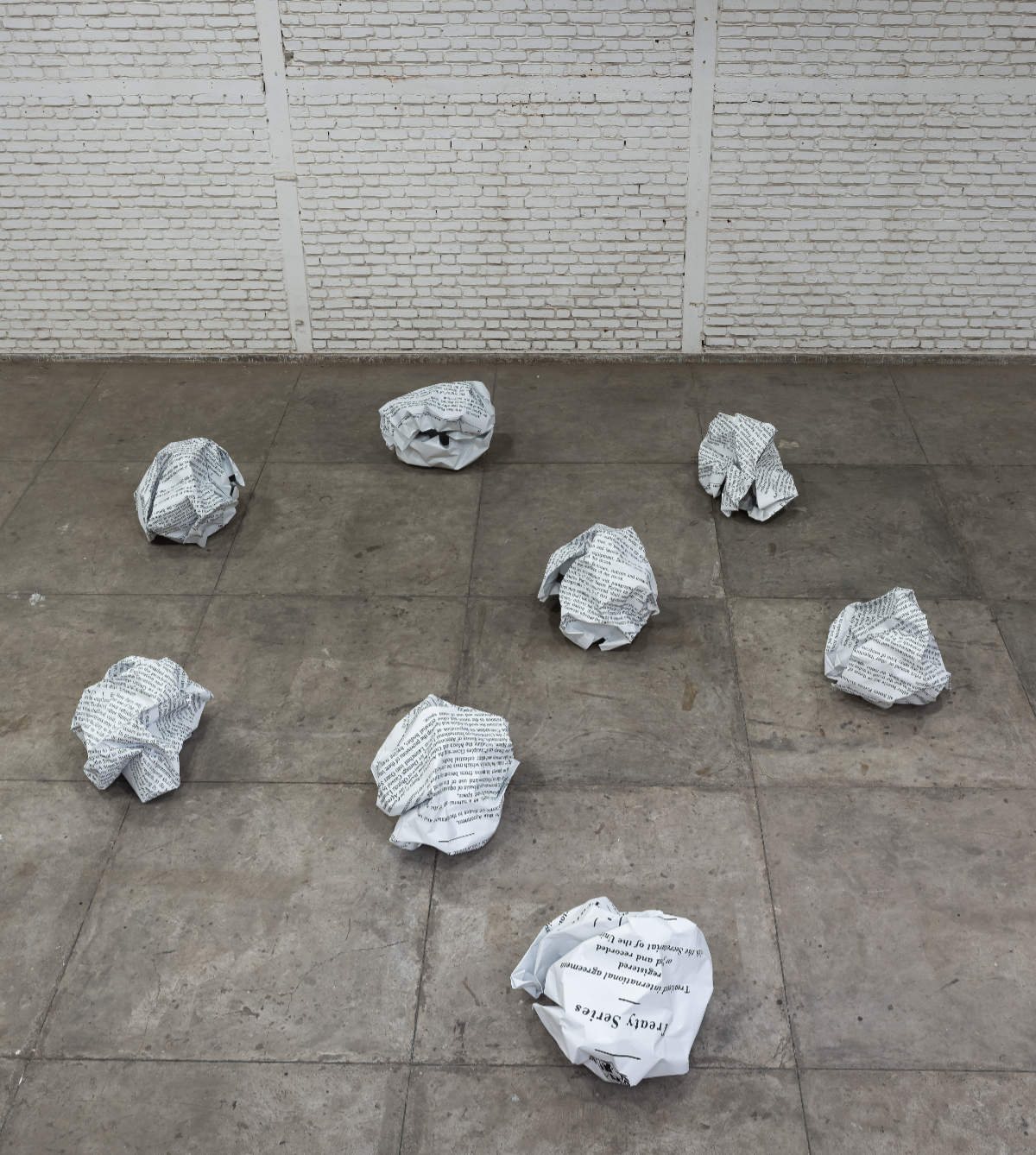
One of the central works is Moon Treaty (2025), presented in the Main Museum Hall. The installation comprises 54 sculptural forms taken from the 1979 United Nations Agreement Governing the Activities of States on the Moon and Other Celestial Bodies. Resembling crumpled treaty documents transformed into planetary shapes, the sculptures refer to an international agreement that sought to prevent national appropriation and military use of the Moon.

Other works featured in the Mumbai presentation include:

  • Lunar Redux (2024–26), continuing the artist’s engagement with astronomical and scientific ideas.
  • Epicycles (2021–25), exploring questions of movement and perspective.
  • Albedo (Point of Incidence) paintings, examining light and points of encounter.
  • New bronze sculptures that were not included in the exhibition’s Delhi presentation.
  • Untitled (Two Minutes to Midnight) (2018), an outdoor installation bringing together forms based on prehistoric hand axes and a reference to the Doomsday Clock.

The latter work will be displayed in the Museum Plaza. Its enlarged forms, derived from Palaeolithic stone tools, are placed alongside a wedge-shaped plinth based on the distance between the hands of the Doomsday Clock when it stood at two minutes to midnight in 2018.

365 Drawings Presented Together for the First Time

Jitish Kallat Wind Study

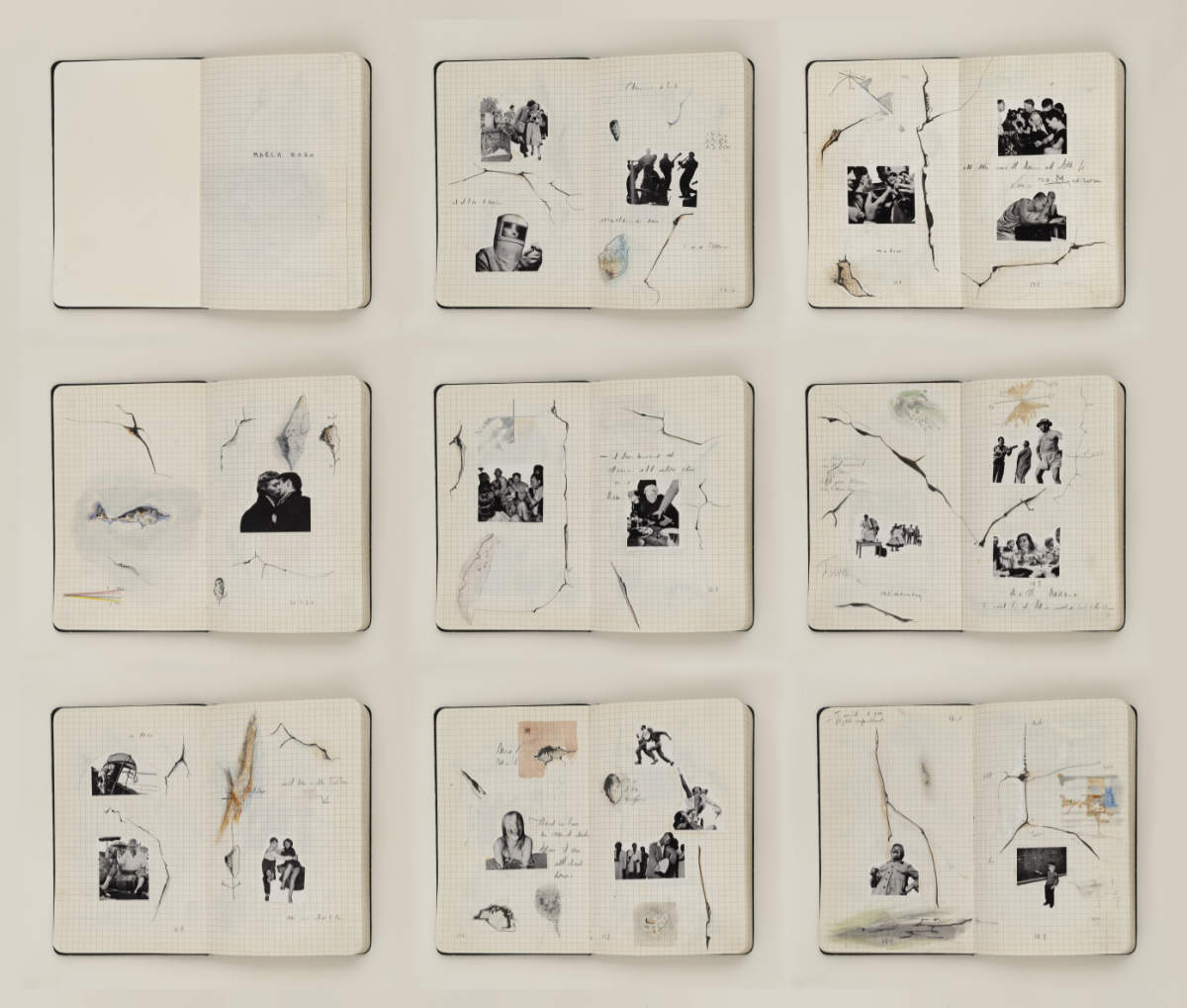
A significant feature of the Mumbai iteration will be the presentation of all 365 original drawings from Integer Study (drawing from life) (2021) together for the first time. Created daily throughout 2021, the drawings begin with three algorithmically estimated figures: the global human population at a particular moment and the number of births and deaths recorded up to that point in the day.

Each set of numbers, accompanied by a timestamp, generates an evolving visual form. Through this process, demographic information becomes a reflection on the passage of time, human life, birth and mortality.

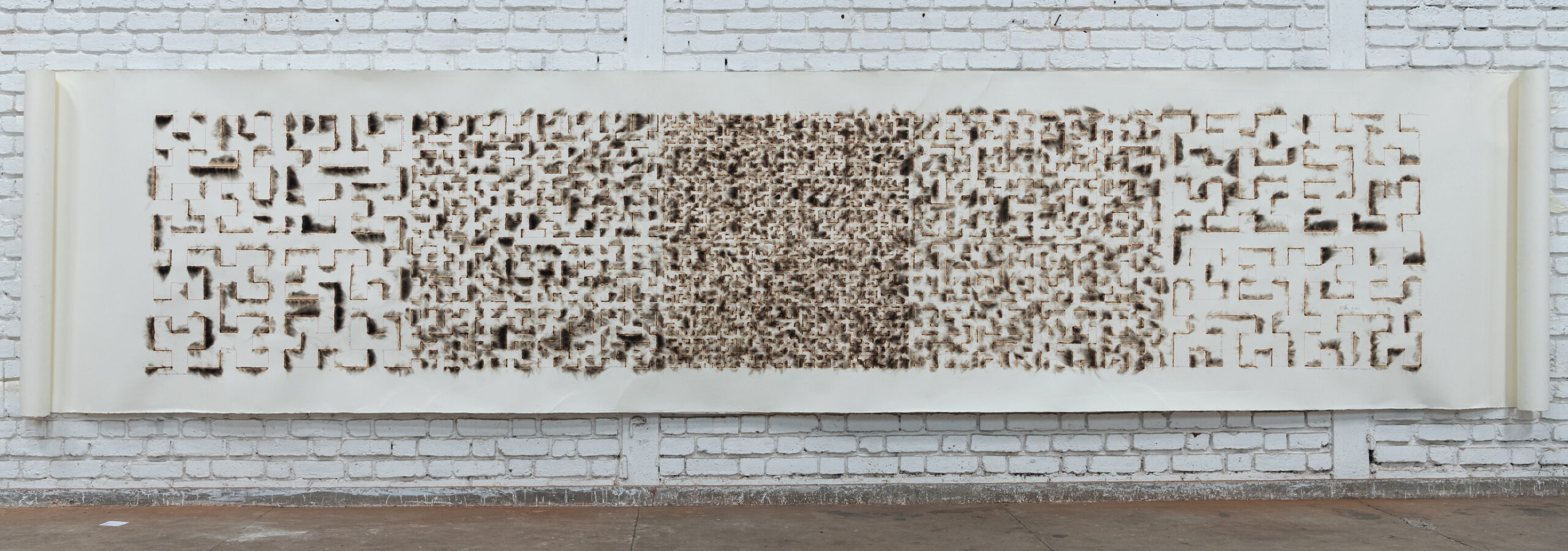
The Special Exhibition Space will also feature Wind Study (Hilbert Curve) (2022), another work exploring drawing as a durational and elemental process. The presentation will include an interactive drawing platform developed in collaboration with programmers at Google Arts & Culture Lab, allowing visitors to engage with the drawing process.

Artist, Curator and Institutional Collaboration

Jitish Kallat-Sketches

Born in Mumbai in 1974, Jitish Kallat works across painting, drawing, sculpture, photography, video and installation. His practice frequently examines the intersections of science, historical memory and existential inquiry. His exhibitions have been presented at institutions including the Art Institute of Chicago, Philadelphia Museum of Art, Art Gallery of New South Wales and National Gallery of Modern Art, New Delhi. He also served as Curator and Artistic Director of the Kochi-Muziris Biennale in 2014.

The exhibition is curated by Dr Alexandra Munroe, whose work focuses on modern and contemporary Asian art and its international contexts. At the Guggenheim, she founded the Asian Art Initiative in 2006 and has organised numerous exhibitions and scholarly projects examining Asian artists and art movements.

The collaboration brings together two institutions with distinct roles in India’s contemporary art landscape. The Dr Bhau Daji Lad Museum, established in 1857, is Mumbai’s oldest museum and has developed an exhibition programme connecting contemporary art with its collections and archives. The Kiran Nadar Museum of Art, founded in 2010, focuses on modern and contemporary art from India and South Asia through exhibitions, commissions, educational initiatives and public programmes.

Visitor Information

Event Name Details
Artist Jitish Kallat
Venue Dr Bhau Daji Lad Museum, Mumbai, Maharashtra, India
Exhibition Dates 14 November 2026 – 14 February 2027
Organiser Dr Bhau Daji Lad Museum and Kiran Nadar Museum of Art
Curator Dr Alexandra Munroe
Curatorial Advisor Tasneem Zakaria Mehta
Supporting Organisations Saat Saath Arts Foundation and Nature Morte
Website https://www.bdlmuseum.org/

By bringing scientific research, historical references and artistic speculation into conversation, Jitish Kallat: Conjectures on a Paper Sky invites audiences to reconsider humanity’s place within larger systems of time and space. Its combination of large-scale installations, individual drawings and interactive elements offers different ways of engaging with contemporary art. The exhibition also contributes to Mumbai’s cultural landscape by creating a platform for conversations about technology, political responsibility, human existence and the relationship between society and the natural world.

Out of Frame: Art Beyond Expectations Brings Five Artists Together at Nero Art Hub, New Delhi

0

Out of Frame- Art Beyond Expectations Brings Five Artists Together at Nero Art Hub-01

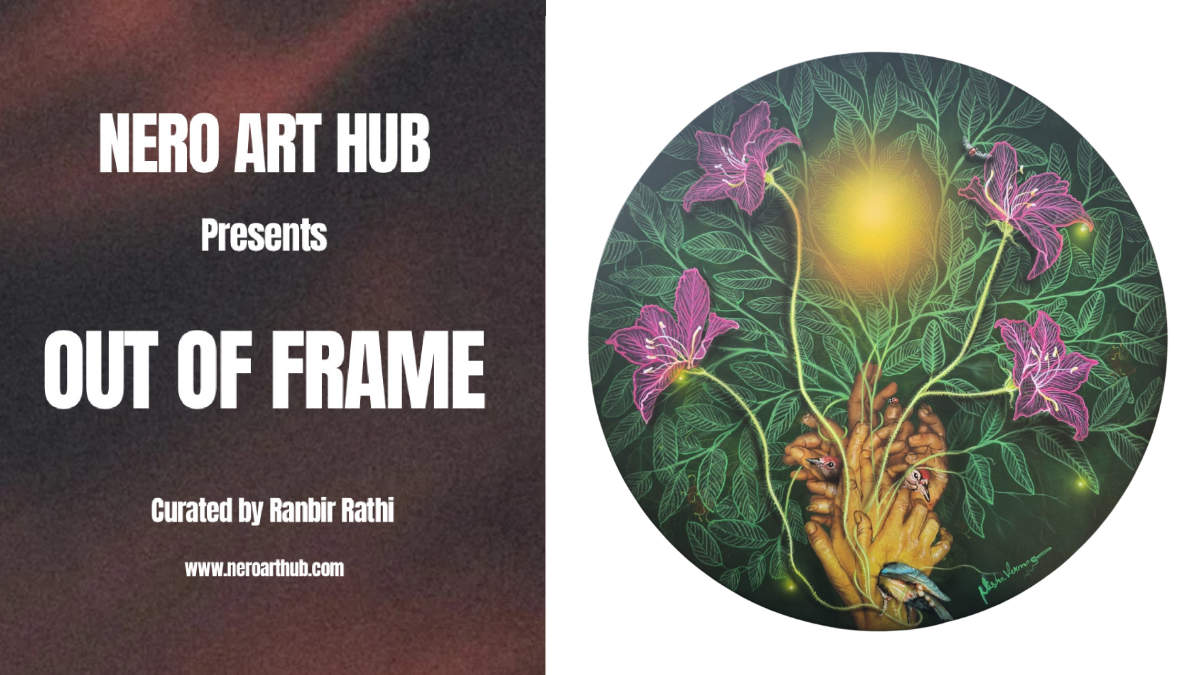
Nero Art Hub to present “Out of Frame: Art Beyond Expectations”, a group exhibition of contemporary art featuring five artists, from 31 October to 15 November 2026 in New Delhi. Curated by Ranbir Rathi, the exhibition brings together Neeraj Sharma, Shubhra Jain, Rajesh K. Baderia, Pratishtha Garg and Nisha Verma. Their works explore spirituality, Indian cultural heritage, abstraction, human emotion and the natural world through distinct artistic approaches. A preview is scheduled for 30 October 2026.

Five Artists, Different Artistic Perspectives

The exhibition brings together five individual practices within a shared gallery space. Rather than following a single artistic style or subject, Out of Frame considers how personal experiences, cultural references and individual interpretations influence contemporary visual expression.

The participating artists approach their subjects through different visual languages, creating a dialogue between tradition and contemporary practice. The exhibition includes references to spirituality and traditional iconography alongside abstract compositions, symbolism and interpretations of nature. This range allows visitors to encounter different approaches to the relationship between art, memory and personal experience.

Neeraj Sharma and the Language of Cultural Heritage

Neeraj Sharma Artwork
Artwork by Neeraj Sharma

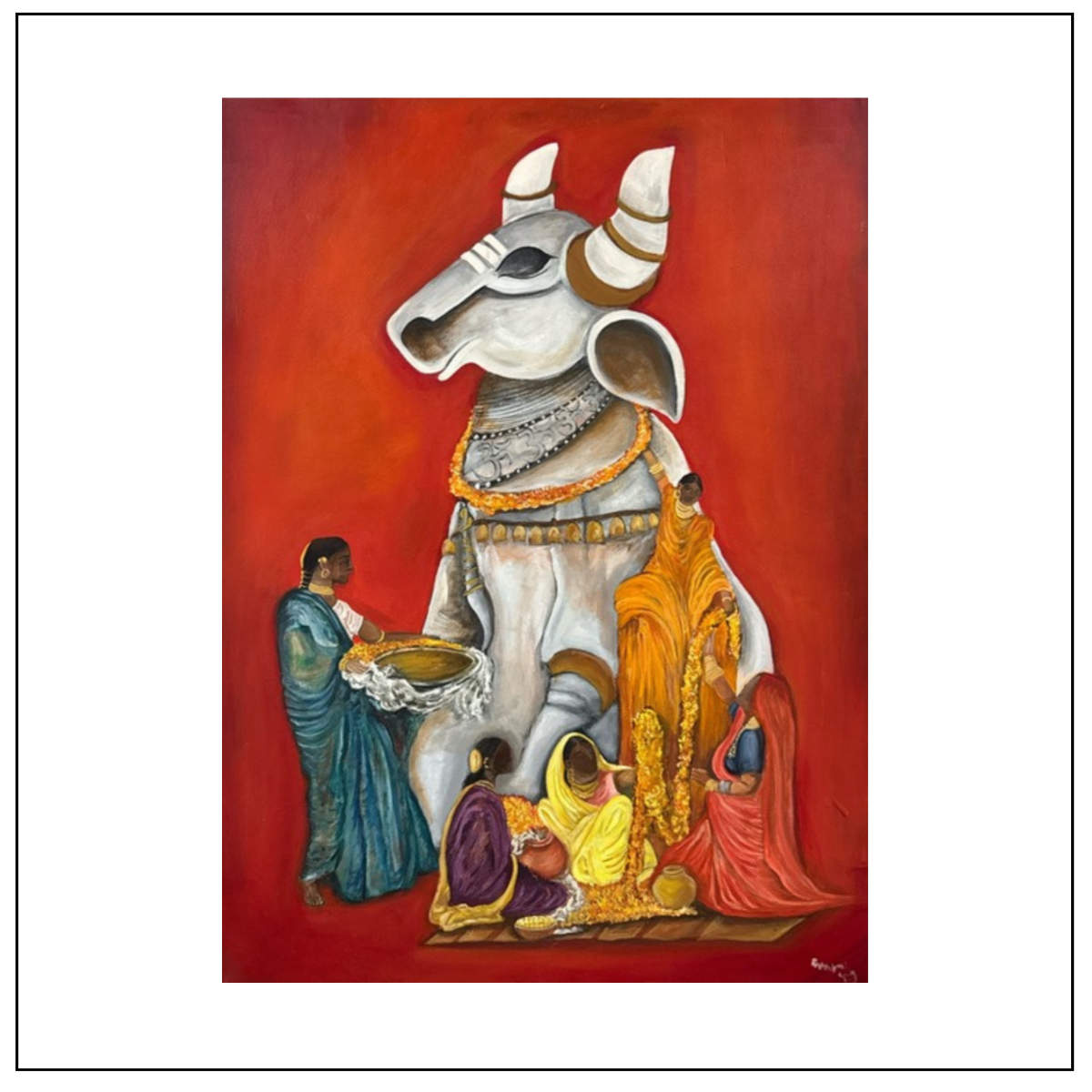
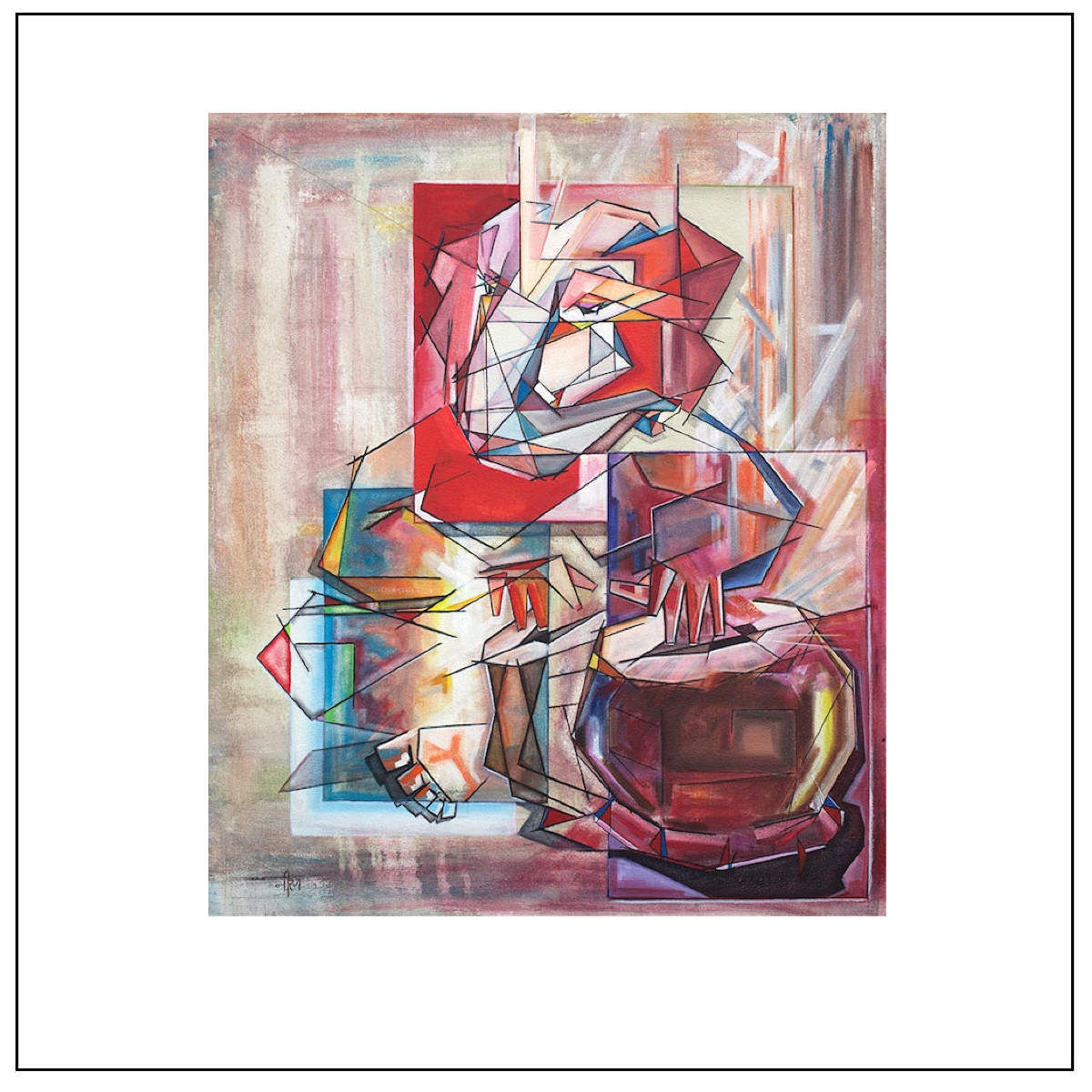
Neeraj Sharma draws on Indian cultural heritage and traditional iconography, incorporating Cubist influences into his compositions. Fragmented forms, geometric structures and layered arrangements inform his visual approach, bringing traditional references into conversation with contemporary abstraction.

His artist profile describes a practice developed over more than two decades, with an interest in colour, texture and composition. The combination of Indian traditions and contemporary abstraction also features in the artist’s published portfolio. His work provides one perspective on how familiar cultural imagery can be reconsidered through changes in form and visual structure.

Faith, Abstraction and Human Emotion

Out of Frame- Art Beyond Expectations Brings Five Artists Together at Nero Art Hub-03

Shubhra Jain explores faith, hope and introspection through her artistic practice. Her work has also been associated with meditative compositions and the use of stippling, a technique in which small marks or dots build up patterns and images. Her recurring interest in spiritual themes offers a point of connection between personal belief and visual expression.

Rajesh K. Baderia approaches spirituality and mysticism through abstraction, colour and ancient symbolism. His compositions draw on experiences, encounters and beliefs, with references to nature, the cosmos and philosophy. His artistic profile documents previous solo and group exhibitions, including presentations in India and internationally.

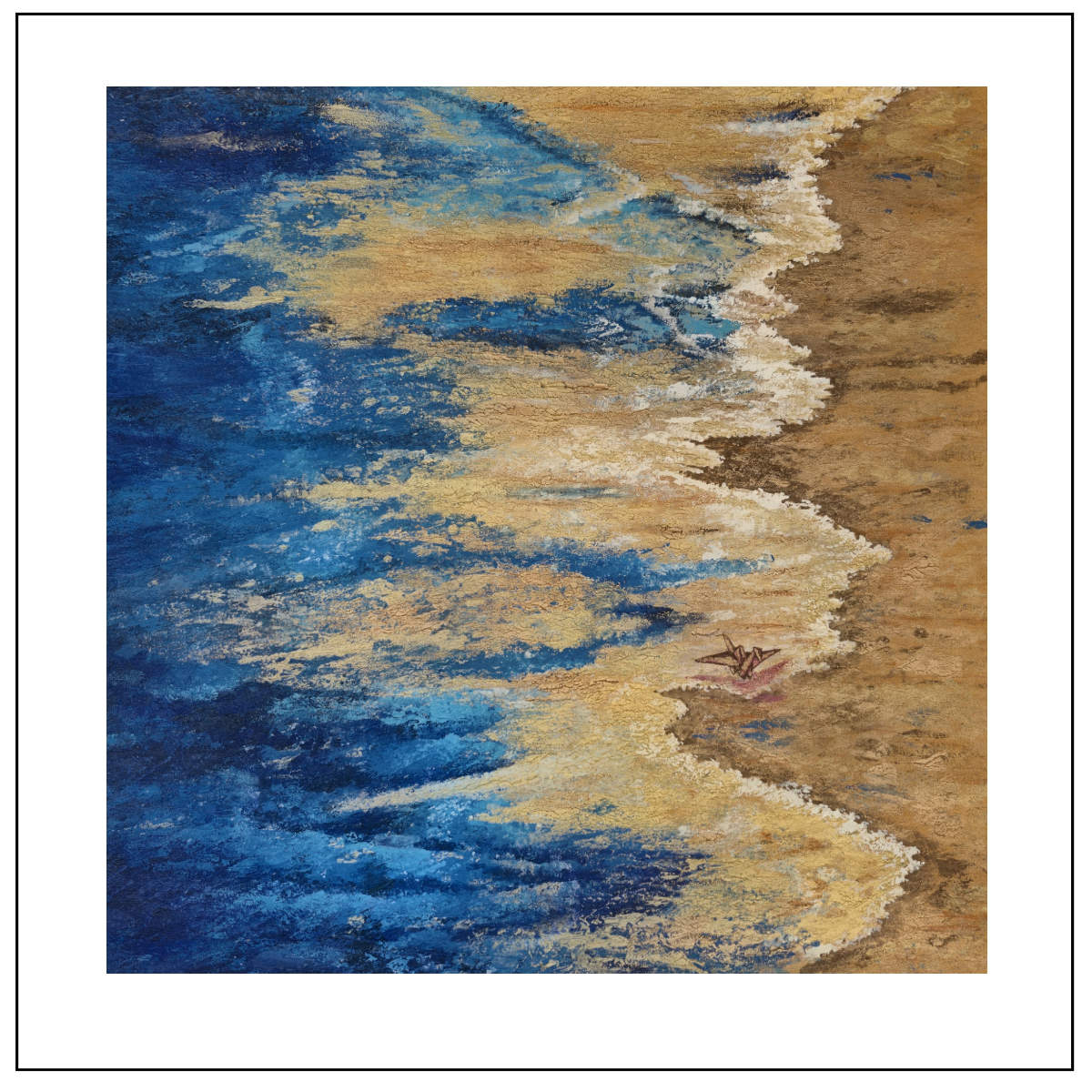
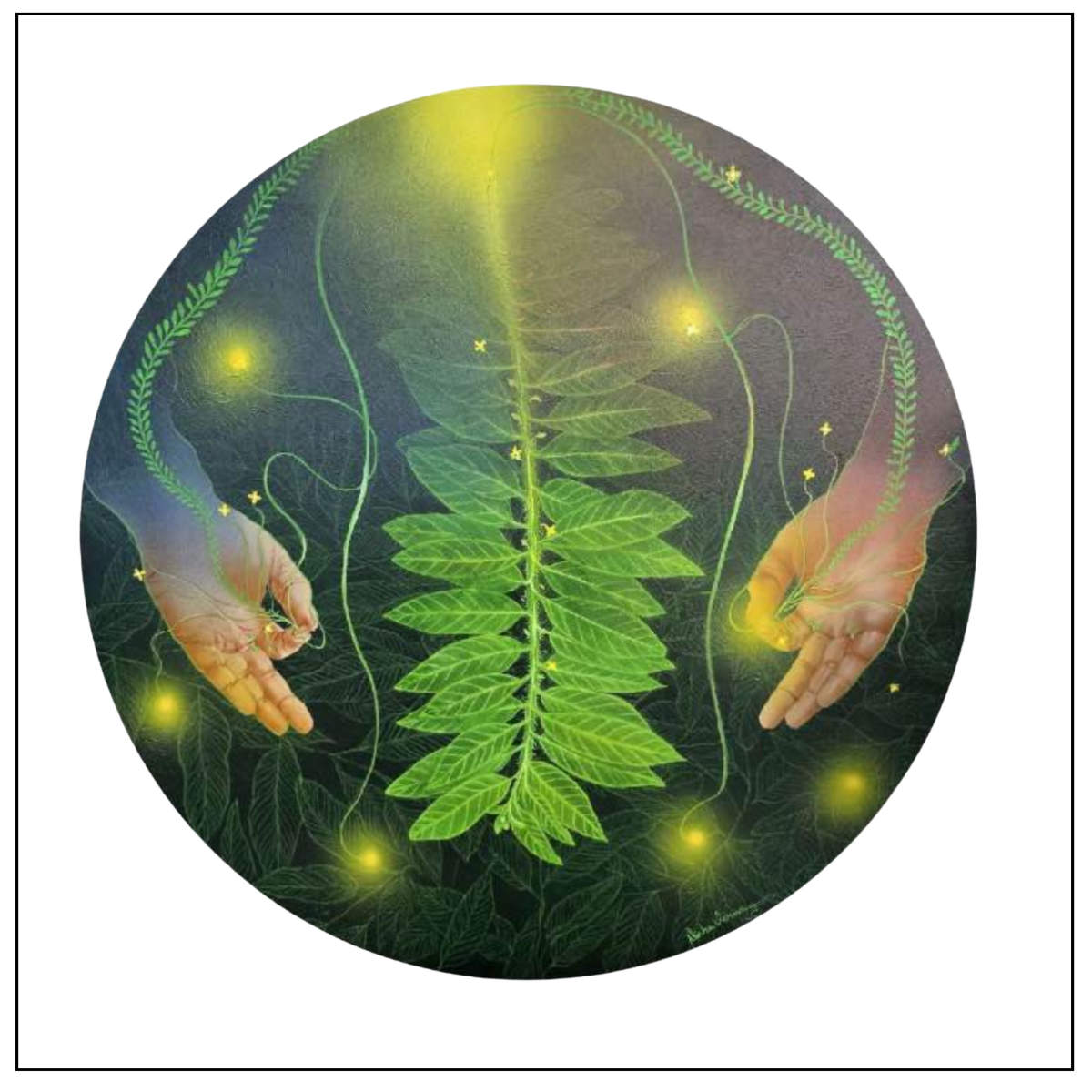
Delhi-based Pratishtha Garg examines the relationship between spirituality and human emotion. Her work brings an introspective dimension to the exhibition, connecting inner experiences with visual expression. Nisha Verma, meanwhile, offers an interpretation of the natural world through her artistic practice, adding another thematic perspective to the group.

Looking Beyond the Visible

Out of Frame- Art Beyond Expectations Brings Five Artists Together at Nero Art Hub-04

The central idea of Out of Frame is that an artwork can communicate meanings beyond its immediately visible subject. Forms, colours, textures and symbols can prompt associations that differ from one viewer to another. The exhibition encourages audiences to consider the ideas and experiences behind the works rather than relying only on their initial visual impressions.

The curator’s note places particular emphasis on the coexistence of different artistic approaches. The exhibition does not seek to bring the five artists into one common aesthetic language. Instead, their differences form the basis of a wider conversation about contemporary art and the freedom of individual expression.

Nero Art Hub and the Exhibition’s Curatorial Direction

Out of Frame- Art Beyond Expectations Brings Five Artists Together at Nero Art Hub-05

Nero Art Hub, the presenting gallery, is a New Delhi-based art space that exhibits contemporary and traditional Indian art. Its stated activities include showcasing paintings, works on paper and photography, as well as providing opportunities for artists to reach wider audiences. The gallery has also described its work as an effort to make art more accessible and to support emerging and established practitioners.

Ranbir Rathi, who is associated with the gallery’s founding, is the curator of the exhibition. His curatorial approach for this presentation brings together artists whose practices differ in subject and technique while sharing an interest in personal and cultural expression.

Venue, Dates and Visitor Information

Event Name Details
Event Name Out of Frame: Art Beyond Expectations
Artists Neeraj Sharma, Shubhra Jain, Rajesh K. Baderia, Pratishtha Garg and Nisha Verma
Venue Nero Art Hub, New Delhi, India
Exhibition Dates 31 October – 15 November 2026
Timings 11 am – 7 pm
Curator Ranbir Rathi
Website www.neroarthub.com

Visitors can explore works addressing spirituality, cultural memory, abstraction, emotion and nature during the exhibition period. The press information does not specify an admission fee, ticketing arrangements or a registration link. Visitors should contact the gallery directly to confirm entry arrangements and any additional visitor information.

A Space for Contemporary Artistic Dialogue

By bringing together five artists with different interests and approaches, Out of Frame: Art Beyond Expectations considers the diversity of contemporary artistic expression. It offers audiences an opportunity to engage with Indian cultural references, spiritual questions, abstraction and interpretations of the natural world. The exhibition also contributes to the wider cultural conversation by encouraging viewers to approach artworks with curiosity and develop their own readings of what they see.

Raza-Students’ Biennale Scholarship 2026 to Support Two Emerging Indian Artists at Beaux-Arts de Marseille

0

Raza-Students Biennale Scholarship 2026-A

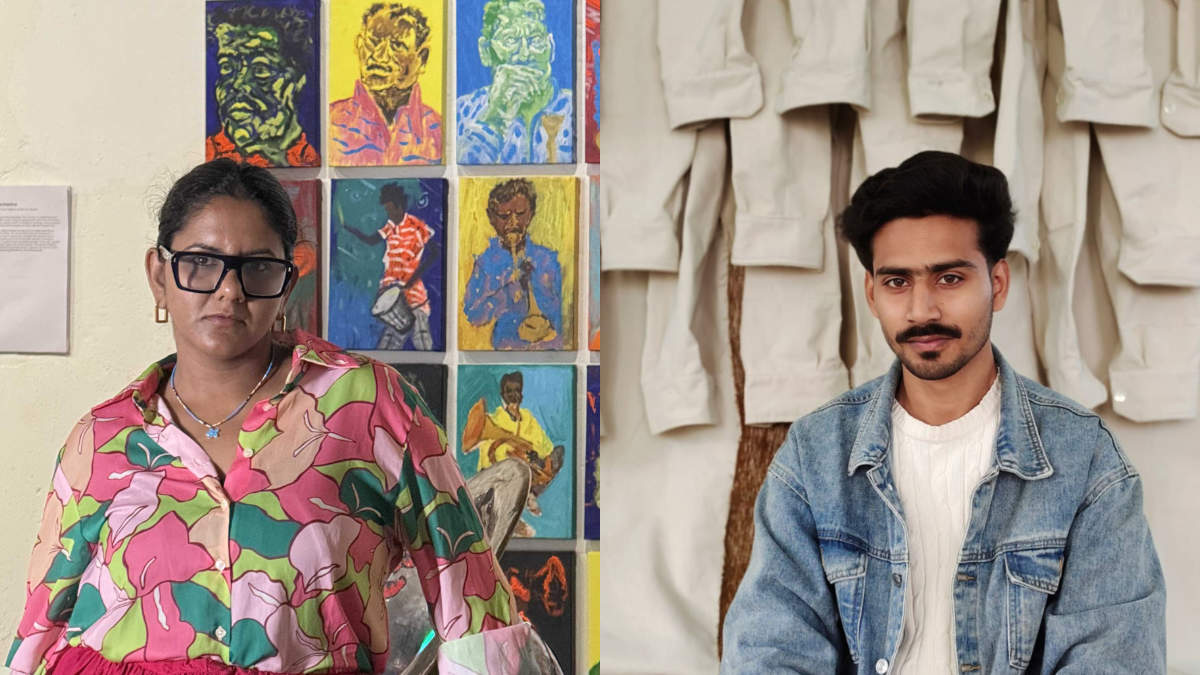
Two emerging Indian artists, Rutuja Sonawane and Mohammad Riyaz, have been selected for the Raza–Students’ Biennale Scholarship 2026, an academic and artistic mobility programme that will enable them to undertake a semester at Beaux-Arts de Marseille in France. Supported by the French Institute in India, the Raza Foundation and the Kochi Biennale Foundation, the scholarship aims to strengthen artistic exchange between India and France while providing young artists with opportunities for international education and research.

Two Artists Selected from 183 Participants

The result was announced in New Delhi on 28 October 2026, the selection follows a two-month evaluation process involving participants from the 2025–26 Students’ Biennale, an educational initiative from the Kochi Biennale Foundation (KBF).

Sonawane and Riyaz were selected from a total of 183 participants. Their semester at Beaux-Arts de Marseille will run from 21 September 2026 to 29 January 2027.

The selection jury comprised Shaleen Wadhwana, an independent arts educator, researcher and curator; Umah Jacob, Director of External Relations and Outreach at India Art Fair; Rajyashri Goody, an artist based in Goa whose work examines caste, Dalit resistance and food and water politics; and Osheen Siva, a multidisciplinary artist from Thiruvannamalai presently based in Goa.

Scholarship Supports Artistic Education and Mobility

The programme provides financial and educational assistance to the selected artists during their stay in France. The French Institute in India and the Raza Foundation jointly support travel, accommodation and living expenses. Additionally, the French Institute in India provides two months of online French-language classes before the artists’ departure.

The initiative is part of a two-phase exchange programme designed to encourage artistic mobility between the two countries. In December 2025, two students from Beaux-Arts de Marseille, Kaki Weiss and Nina Durel, participated in a two-week residency in Kochi, from 1 to 15 December. They developed original works during the residency with support from grants provided by the Kochi Biennale Foundation. Their work was subsequently exhibited at the sixth edition of the Students’ Biennale, held from 12 December 2025 to 31 March 2026.

Rutuja Sonawane Explores Music, Memory and Community Histories
Rutuja Sonawane_Artwork

A graduate of Sir J. J. School of Art, Mumbai, Rutuja Sonawane’s artistic practice examines the connections between sound, memory, identity and community histories.

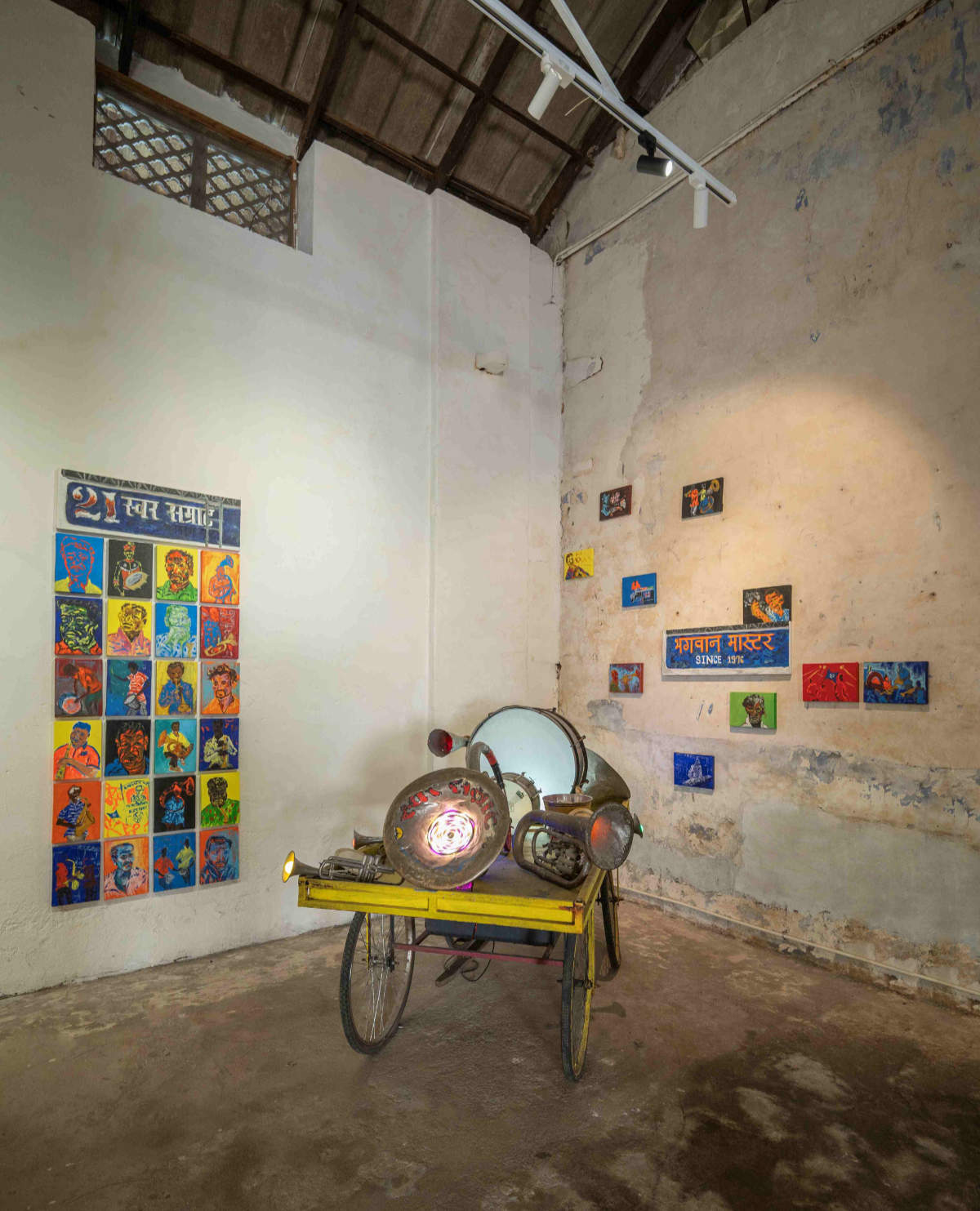
Her installation People’s Orchestra, presented at the 2025–26 Students’ Biennale at VKL Warehouse in Mattancherry, Kochi, traces the history of Swar Samrat, a brass band established nearly 50 years ago by her father, Bhagwan Sonawane, in Satana, Maharashtra.

Rooted in Ambedkarite thought, the band’s original compositions address education, equality and empowerment. Through painting, portraiture, installation and found objects, Sonawane works with old musical instruments, leather and textiles to explore how personal and collective memories can be preserved through artistic forms.

During her semester in Marseille, she hopes to investigate how sound, music, archives and collective memory can be translated into contemporary visual and spatial forms. She also plans to experiment with new materials and installation approaches while researching her father’s journey and the wider history of the community associated with the band.

Mohammad Riyaz Connects Textile Practices with Rural Experiences
Mohammad Riyaz_Artwork

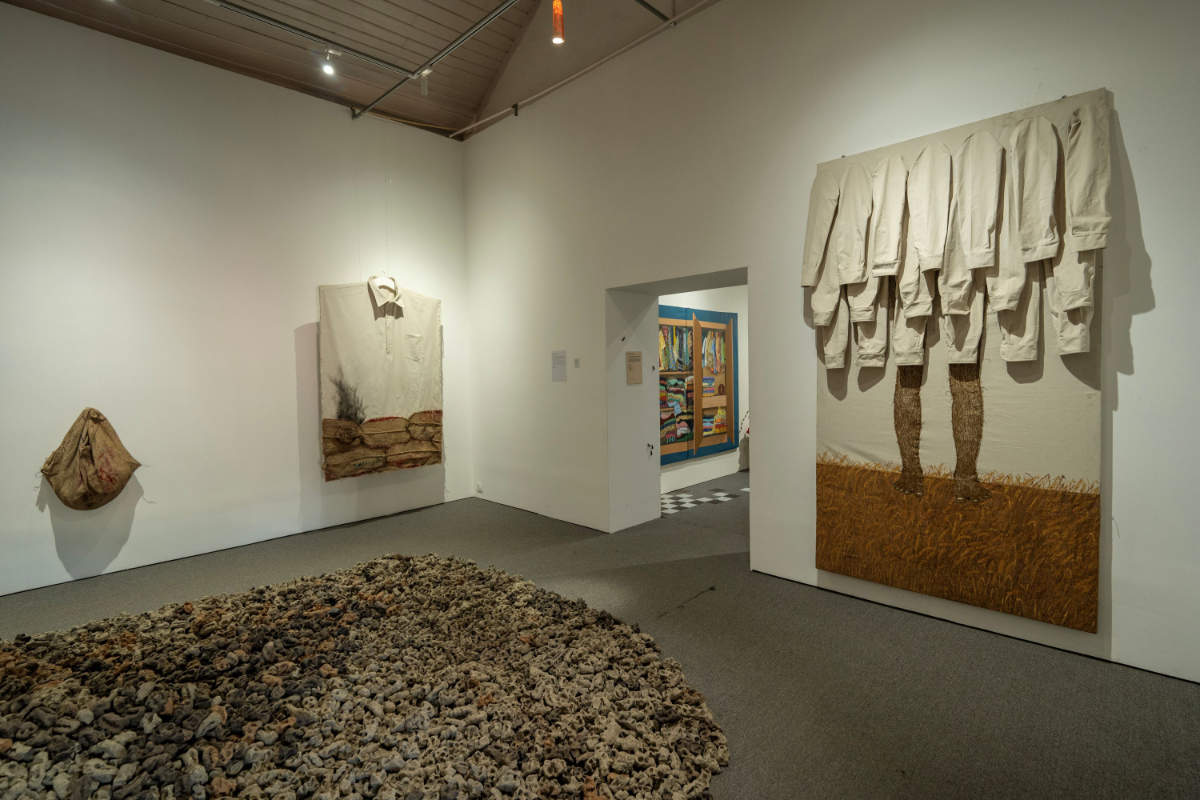
Mohammad Riyaz, who is pursuing an MFA in Painting at the Government Institute of Fine Arts, Gwalior, works across painting, textiles, tailoring and installation.

His collaborative project Inheritance of the Hand, created with artist Aman Kumar Bavariya and presented at Arthshila Kochi, explores traditional craft techniques through contemporary painting. The artists work with manjarpat, a raw muslin associated with India’s colonial history and histories of resistance, labour and economic control.

In his individual practice, Riyaz uses stitching, painted muslin and textile construction to examine the lives and struggles of Indian farmers. His work reflects on land, dignity and the challenges experienced by rural communities.

Growing up on his family’s farm and learning sewing alongside his mother have influenced his approach to materials and artistic expression. At Beaux-Arts de Marseille, he intends to undertake further research into textile-based practices and installation, while exploring ways to communicate personal memories and experiences to wider audiences.

Building on S.H. Raza’s Artistic Legacy

The scholarship also draws inspiration from the artistic journey of S.H. Raza, whose relationship with France forms an important part of the programme’s history. In 1950, Raza travelled to France on a French Government scholarship to study at the École nationale supérieure des Beaux-Arts in Paris. He later established a studio in Gorbio, where he lived and worked for nearly 20 years.

Grégor Trumel, Director of the French Institute in India, said the programme builds on the institution’s collaboration with the Kochi Biennale Foundation and its commitment to supporting artistic mobility at different stages of an artist’s career.

Ashok Vajpeyi, Managing and Life Trustee of the Raza Foundation, also expressed the foundation’s support for the exchange, highlighting the historical connection between Raza’s journey to France and the opportunities being created for emerging Indian artists.

Strengthening India-France Cultural Exchange

The Raza–Students’ Biennale Scholarship 2026 provides an opportunity for two emerging artists to engage with a different educational and cultural environment while developing their individual practices. Through international exposure, research and interaction with artists and educators, the programme aims to expand professional networks and introduce new perspectives on contemporary art.
By connecting artistic education with cultural exchange, the initiative also contributes to a broader dialogue between Indian and French art communities. Its emphasis on supporting emerging practitioners creates opportunities for personal artistic development while bringing different histories, materials and social experiences into international conversations about art.