So here’s the thing – most of us have been treating our hair problems all wrong.
You buy an anti-dandruff shampoo. It works for a week. Then the flakes are back. You switch to a “hair fall control” shampoo. Your hair still ends up all over the shower floor. Sound familiar?
The problem isn’t that these products don’t work hard enough. The problem is they’re treating symptoms, not the root cause. Literally – the root. Your scalp.
When your scalp is unhealthy, everything else follows. Dandruff shows up. Hair starts falling. Dryness and itchiness become your new normal. And no fancy shampoo with a laundry list of chemicals is going to fix that long-term.
What actually helps? Going back to herbs. Real ones. Not “herbal-inspired fragrance” – actual plant-based ingredients that have been used for centuries to keep hair thick, clean, and healthy.
Let’s talk about a simple two-step herbal routine that addresses all three problems at once.
First, Let’s Understand Why These Three Problems Often Come Together
Dry scalp, dandruff, and hair fall aren’t always separate issues. More often than not, they’re connected.
A dry scalp gets irritated easily. An irritated scalp produces excess oil to compensate. That excess oil, combined with dead skin cells, creates the perfect environment for dandruff-causing fungus to thrive. Meanwhile, your hair follicles – sitting in all that inflammation and buildup – start weakening. And weakened follicles mean hair fall.
It’s basically a chain reaction. And breaking that chain requires nourishing the scalp from within, not just stripping it clean every few days with sulfates.
Step One: Feed Your Scalp Before You Wash It
This is the step most people skip – and honestly, it’s the most important one.
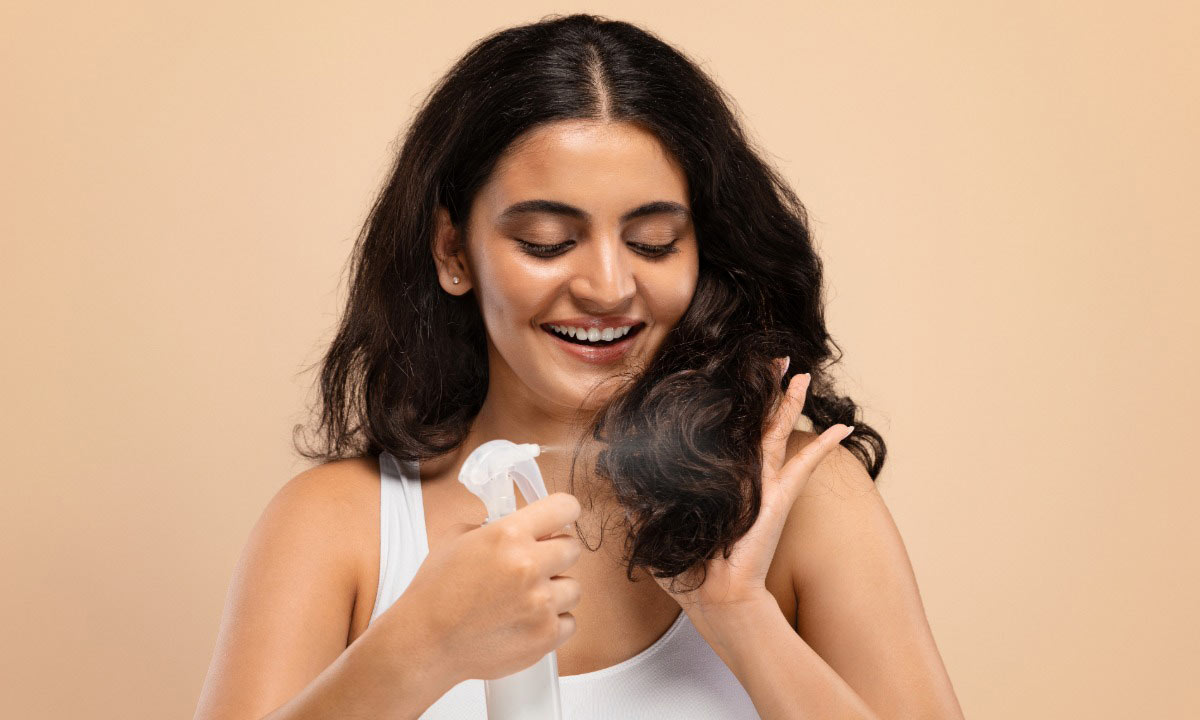
Before washing your hair, oil your scalp. But not just any oil. The kind of oil matters a lot. Most commercial hair oils are mostly mineral oil with a tiny bit of herb extract thrown in for marketing purposes. Your scalp doesn’t really benefit from that.
What works is an oil that’s genuinely loaded with herbs – ones that penetrate the scalp, reduce inflammation, strengthen hair roots, and balance oil production.
Using a herbal hair oil with 63 herbs is exactly the kind of pre-wash treatment your scalp needs. When an oil is formulated with that many herbs working together – things like bhringraj, brahmi, neem, amla, and dozens more – it’s not just conditioning your strands. It’s actively working on your scalp health. Reducing dryness. Calming irritation. Feeding the follicles.
Apply it generously to your scalp, not just your lengths. Use your fingertips to massage it in circular motions for about 5 to 10 minutes. This improves blood circulation and helps the herbs absorb better. Leave it on for at least an hour – overnight is even better if you can manage it.
That one step alone can make a noticeable difference within a few weeks of consistency.
Step Two: Cleanse Without Stripping
Here’s where most routines fall apart.
You do all the good work with your oil treatment, and then you wash it off with a shampoo full of sulfates that strips your scalp completely bare. Your scalp panics, produces more oil, and the whole cycle starts again.
The solution is to cleanse your hair with something that actually cleans without destroying your scalp’s natural moisture barrier.
Herbal hair wash powders are brilliant for this. They’ve been used for generations – long before bottled shampoos existed – and there’s a reason they’re making a comeback. When formulated with the right herbs, they cleanse gently, control excess oil, reduce dandruff, and leave your scalp feeling balanced rather than squeaky-dry.
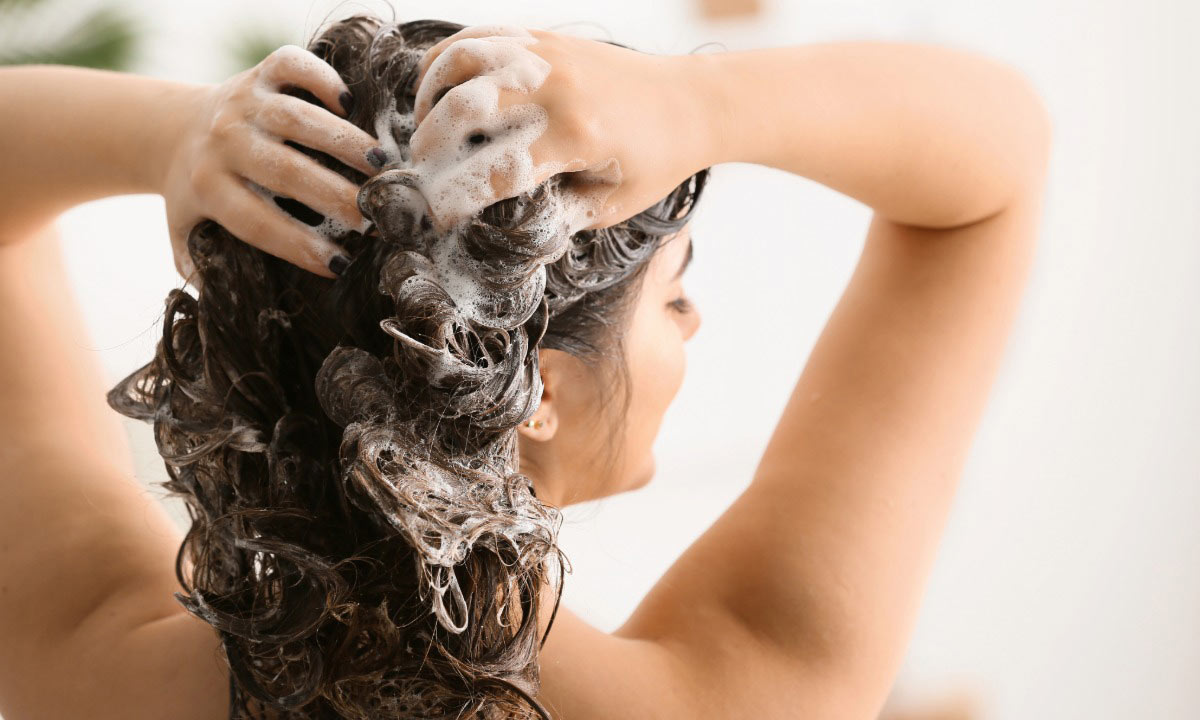
Switching to a 63 herbs hair wash powder as your regular cleanser is genuinely one of the better decisions you can make for your scalp. Mix a couple of tablespoons with water to form a smooth paste, apply it to your scalp and hair, let it sit for a few minutes, and rinse thoroughly. That’s it. No sulfates. No silicones. Just herbs doing their job.
It might feel a little different from shampoo the first couple of washes – your hair adjusts. But within two to three weeks, most people notice less dandruff, less dryness, and considerably less hair fall.
What This Routine Actually Does Over Time

Let’s be real – no routine shows dramatic results overnight. Anyone promising that is selling you something.
But here’s what consistent use of this two-step routine typically looks like over 4 to 6 weeks:
Week 1–2: Your scalp starts feeling less itchy and irritated. The dryness begins to ease up.
Week 3–4: Dandruff visibly reduces. Hair feels softer and more manageable after washes.
Week 5–6: Hair fall starts to slow down noticeably. Your scalp feels genuinely balanced – not oily, not dry, just healthy.
The key word there is consistent. Oil twice a week. Wash two to three times a week. Stick to it.
A Few Extra Things That Help
While the routine does the heavy lifting, a few small habits speed things up:
- Drink more water. Dehydration shows up on your scalp faster than most people realise.
- Cut back on heat styling. Even occasional use of straighteners and dryers sets back scalp recovery.
- Don’t tie your hair too tight. Tight ponytails and buns add tension to already-weakened roots.
- Eat enough protein. Hair is mostly keratin – a protein. If your diet is low in protein, your hair will show it.
The Bottom Line
Dry scalp, dandruff, and hair fall are frustrating – but they’re not unsolvable. They usually share a common root cause, and they respond well to a consistent, herb-based routine that nourishes the scalp instead of just masking symptoms.
You don’t need ten products. You just need the right two, used regularly. An herbal oil before washing, a gentle herbal powder to cleanse. That’s the whole routine.
Simple. Natural. And it actually works.